

Effect of a machine learning-based severe sepsis prediction algorithm on patient survival and hospital length of stay: A randomised clinical trial.
Open accessThe DOI matches its Crossref record; 33 of the 33 references it cites were found in a registry or an index.
Abstract
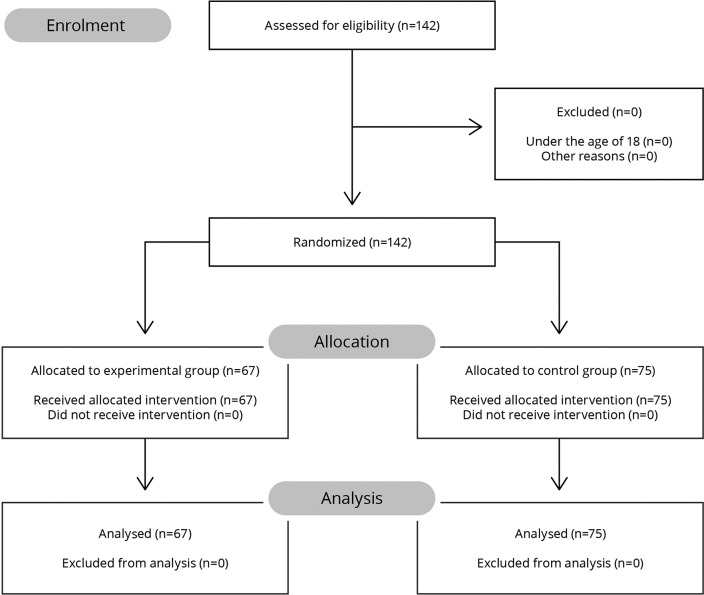
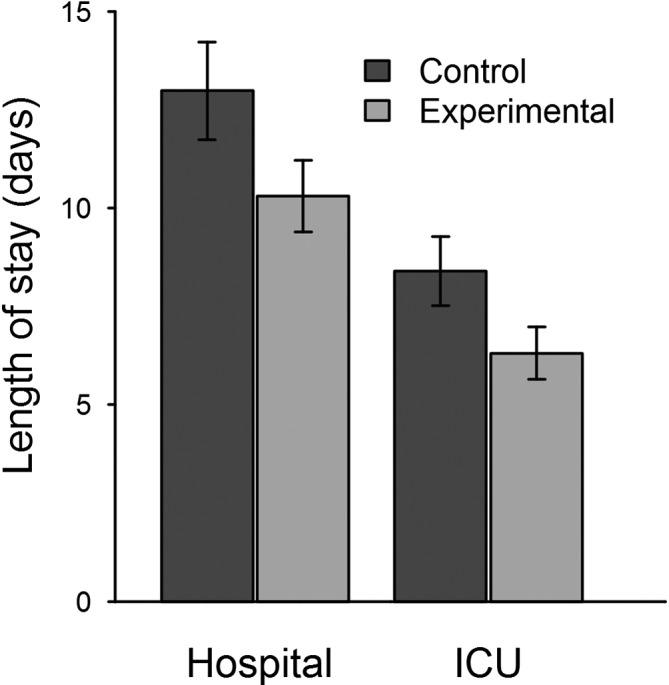
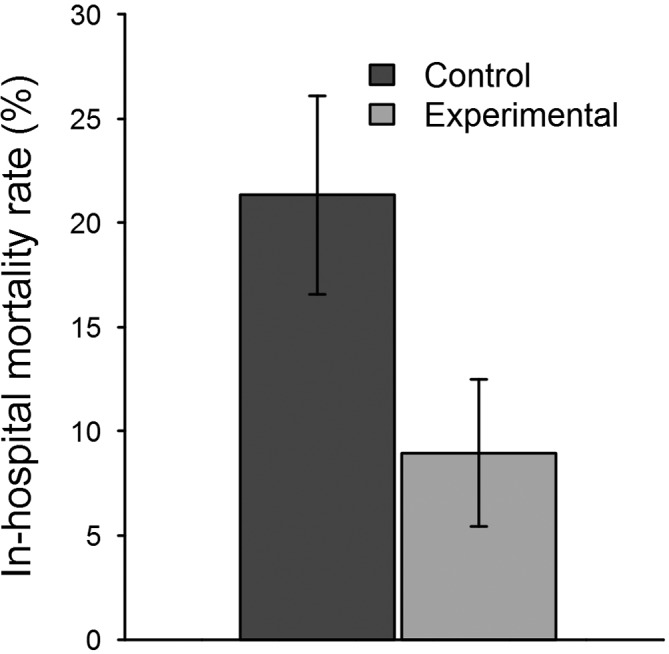
Introduction: Several methods have been developed to electronically monitor patients for severe sepsis, but few provide predictive capabilities to enable early intervention; furthermore, no severe sepsis prediction systems have been previously validated in a randomised study. We tested the use of a machine learning-based severe sepsis prediction system for reductions in average length of stay and in-hospital mortality rate. Methods: We conducted a randomised controlled clinical trial at two medical-surgical intensive care units at the University of California, San Francisco Medical Center, evaluating the primary outcome of average length of stay, and secondary outcome of in-hospital mortality rate from December 2016 to February 2017. Adult patients (18+) admitted to participating units were eligible for this factorial, open-label study. Enrolled patients were assigned to a trial arm by a random allocation sequence. In the control group, only the current severe sepsis detector was used; in the experimental group, the machine learning algorithm (MLA) was also used. On receiving an alert, the care team evaluated the patient and initiated the severe sepsis bundle, if appropriate. Although participants were randomly assigned to a trial arm, group assignments were automatically revealed for any patients who received MLA alerts. Results: Outcomes from 75 patients in the control and 67 patients in the experimental group were analysed. Average length of stay decreased from 13.0 days in the control to 10.3 days in the experimental group (p=0.042). In-hospital mortality decreased by 12.4 percentage points when using the MLA (p=0.018), a relative reduction of 58.0%. No adverse events were reported during this trial. Conclusion: The MLA was associated with improved patient outcomes. This is the first randomised controlled trial of a sepsis surveillance system to demonstrate statistically significant differences in length of stay and in-hospital mortality. Trial registration: NCT03015454.
Overview
The claims and statistics of this paper haven’t been checked yet.
Free: it reads the open-access text and checks the first 5 claims that cite a source we can check. Create a free account to check every claim.
Integrity signals
Registry
Cites
Statistics
Figures
Verification
Claims the paper makes
The claims and statistics of this paper haven’t been checked yet.
Free: it reads the open-access text and checks the first 5 claims that cite a source we can check. Create a free account to check every claim.
Claims other papers make about this one
Each is checked against this paper’s own text: does it say what the citing paper says it does?
The cited source doesn’t support the claim as written.
In the citing paper
“A pooled analysis of three RCTs did not demonstrate a mortality benefit of active screening (RR 0.90; 95% CI 0.51–1.58) [33–35].”
From Surviving sepsis campaign: international guidelines for management of sepsis and septic shock 2021 (2021) · cites this paper as [35]
Checked by a reasoning model — may be wrong.
Experimental — accuracy not yet measuredThe source backs part of the claim, not all of it — or backs it for a different population, condition or comparison.
In the citing paper
“A pooled analysis of three RCTs did not demonstrate a mortality benefit of active screening (RR, 0.90; 95% CI, 0.51-1.58)(33-35).”
From Surviving Sepsis Campaign: International Guidelines for Management of Sepsis and Septic Shock 2021. (2021) · cites this paper as [35]
Experimental — accuracy not yet measuredThe source backs part of the claim, not all of it — or backs it for a different population, condition or comparison.
In the citing paper
“Most (66%) post-implementation studies did not report real-world MLA performance (Figure 2), and of the 3 that did, one reported improved MLA performance58 while the other 2 showed marked declines,34,50”
From Deployment of machine learning algorithms to predict sepsis: systematic review and application of the SALIENT clinical AI implementation framework (2023) · cites this paper as [58]
Experimental — accuracy not yet measuredThe source backs part of the claim, not all of it — or backs it for a different population, condition or comparison.
In the citing paper
“Three papers using their own hospital data reported inquiries for data sharing were possible [28, 32, 35], two papers reported data would not be shared [25, 31].”
From Machine learning for the prediction of sepsis: a systematic review and meta-analysis of diagnostic test accuracy (2020) · cites this paper as [32]
Experimental — accuracy not yet measuredThe source backs part of the claim, not all of it — or backs it for a different population, condition or comparison.
In the citing paper
“Despite the rise in competing models and products for early sepsis detection [5], few machine learning models have been implemented as part of clinical care [6-8].”
From Integrating a Machine Learning System Into Clinical Workflows: Qualitative Study (2020) · cites this paper as [8]
Experimental — accuracy not yet measured
10 more claims about this paper
Create a free account to see every claim other papers make about this one.
Self-check
Percentages, sums and reported differences re-computed from the paper’s own numbers.
The self-check needs the paper’s full text.
Citations
Cites
The third international consensus definitions for sepsis and septic shock (Sepsis-3).
Singer, M., Deutschman, C. S., Seymour, C. W., Shankar-Hari, M., Annane, D., Bauer, M., Bellomo, R., Bernard, G. R., Chiche, J.-D., Coopersmith, C. M., et al. (2016) · JAMA · doi:10.1001/jama.2016.0287 · Cited by 28,250
Vincent, J. L., Moreno, R., Takala, J., Willatts, S., De Mendonça, A., Bruining, H., Reinhart, C. K., Suter, P. M., & Thijs, L. G. (1996) · Intensive Care Medicine · doi:10.1007/bf01709751 · Cited by 11,674
Early goal-directed therapy in the treatment of severe sepsis and septic shock
Rivers, E., Nguyen, B., Havstad, S., Ressler, J., Muzzin, A., Knoblich, B., Peterson, E., & Tomlanovich, M. (2001) · New England Journal of Medicine · doi:10.1056/nejmoa010307 · Cited by 10,743 · cited 1×
“Specifically, the prediction algorithm’s ability to identify patients with severe sepsis before onset provided the opportunity for early intervention, which has been widely shown to decrease patient mortality.(23) 24 Kumar et al 7 found that survival decreased by 7.”
MethodAngus, D. C., Linde-Zwirble, W. T., Lidicker, J., Clermont, G., Carcillo, J., & Pinsky, M. R. (2001) · Critical Care Medicine · doi:10.1097/00003246-200107000-00002 · Cited by 8,503
The Surviving Sepsis Campaign Guidelines Committee including The Pediatric Subgroup*, Dellinger, R. P., Levy, M. M., Rhodes, A., Annane, D., Gerlach, H., Opal, S. M., Sevransky, J. E., Sprung, C. L., Douglas, I. S., et al. (2013) · Intensive Care Medicine · doi:10.1007/s00134-012-2769-8 · Cited by 7,290
Kumar, A., Roberts, D., Wood, K. E., Light, B., Parrillo, J. E., Sharma, S., Suppes, R., Feinstein, D., Zanotti, S., Taiberg, L., et al. (2006) · Critical Care Medicine · doi:10.1097/01.ccm.0000217961.75225.e9 · Cited by 6,109 · cited 2×
“Although there is some controversy about the conclusions drawn by Kumar et al about the linear relationship between antibiotic timing and survival, as well as concerns that the researchers did not properly consider confounding factors in reporting their outcomes, conflicting evidence has largely shown that waiting to…”
BackgroundInfluentialA randomized trial of protocol-based care for early septic shock.
The ProCESS Investigators (2014) · New England Journal of Medicine · doi:10.1056/nejmoa1401602 · Cited by 2,414
Churpek, M. M., Snyder, A., Han, X., Sokol, S., Pettit, N., Howell, M. D., & Edelson, D. P. (2017) · American Journal of Respiratory and Critical Care Medicine · doi:10.1164/rccm.201604-0854oc · Cited by 689
Two Decades of Mortality Trends Among Patients With Severe Sepsis: A Comparative Meta-Analysis*
Stevenson, E. K., Rubenstein, A. R., Radin, G. T., Wiener, R. S., & Walkey, A. J. (2014) · Critical Care Medicine · doi:10.1097/ccm.0000000000000026 · Cited by 648
Monitor Alarm Fatigue : An Integrative Review
Cvach, M. (2012) · Biomedical Instrumentation & Technology · doi:10.2345/0899-8205-46.4.268 · Cited by 632
Cited by
Surviving sepsis campaign: international guidelines for management of sepsis and septic shock 2021
Evans, L., Rhodes, A., Alhazzani, W., Antonelli, M., Coopersmith, C. M., French, C., Machado, F. R., Mcintyre, L., Ostermann, M., Prescott, H. C., et al. (2021) · Intensive Care Medicine · doi:10.1007/s00134-021-06506-y · Cited by 5,082
The potential for artificial intelligence in healthcare
Davenport, T., & Kalakota, R. (2019) · Future Healthcare Journal · doi:10.7861/futurehosp.6-2-94 · Cited by 3,800
Surviving Sepsis Campaign: International Guidelines for Management of Sepsis and Septic Shock 2021.
Evans, L., Rhodes, A., Alhazzani, W., Antonelli, M., Coopersmith, C. M., French, C., Machado, F. R., Mcintyre, L., Ostermann, M., Prescott, H. C., et al. (2021) · Critical Care Medicine · doi:10.1097/ccm.0000000000005337 · Cited by 2,935
Artificial intelligence, bias and clinical safety
Challen, R., Denny, J., Pitt, M., Gompels, L., Edwards, T., & Tsaneva-Atanasova, K. (2019) · BMJ Quality & Safety · doi:10.1136/bmjqs-2018-008370 · Cited by 956
“42 53 As with all clinical safety discussions we need to maintain a realistic perspective.”
Fleuren, L. M., Klausch, T. L. T., Zwager, C. L., Schoonmade, L. J., Guo, T., Roggeveen, L. F., Swart, E. L., Girbes, A. R. J., Thoral, P., Ercole, A., et al. (2020) · Intensive Care Medicine · doi:10.1007/s00134-019-05872-y · Cited by 755
Peiffer-Smadja, N., Rawson, T. M., Ahmad, R., Buchard, A., Georgiou, P., Lescure, F.-X., Birgand, G., & Holmes, A. H. (2020) · Clinical Microbiology and Infection · doi:10.1016/j.cmi.2019.09.009 · Cited by 561
Hashimoto, D. A., Witkowski, E., Gao, L., Meireles, O., & Rosman, G. (2020) · Anesthesiology · doi:10.1097/aln.0000000000002960 · Cited by 536
Lauritsen, S. M., Kristensen, M., Olsen, M. V., Larsen, M. S., Lauritsen, K. M., Jørgensen, M. J., Lange, J., & Thiesson, B. (2020) · Nature Communications · doi:10.1038/s41467-020-17431-x · Cited by 448
Role of Artificial Intelligence Applications in Real-Life Clinical Practice: Systematic Review
Yin, J., Ngiam, K. Y., & Teo, H. H. (2021) · Journal of Medical Internet Research · doi:10.2196/25759 · Cited by 419
Axes of a revolution: challenges and promises of big data in healthcare
Shilo, S., Rossman, H., & Segal, E. (2020) · Nature Medicine · doi:10.1038/s41591-019-0727-5 · Cited by 370
Adams, R., Henry, K. E., Sridharan, A., Soleimani, H., Zhan, A., Rawat, N., Johnson, L., Hager, D. N., Cosgrove, S. E., Markowski, A., et al. (2022) · Nature Medicine · doi:10.1038/s41591-022-01894-0 · Cited by 365
“However, few studies have reported on clinical implementations of these models 11,16,17 .”
BackgroundInfluentialArmoundas, A. A., Narayan, S. M., Arnett, D. K., Spector-Bagdady, K., Bennett, D. A., Celi, L. A., Friedman, P. A., Gollob, M. H., Hall, J. L., Kwitek, A. E., et al. (2024) · Circulation · doi:10.1161/cir.0000000000001201 · Cited by 347
“Moreover, few studies have been shown to affect clinical end points such as mortality, 88–90 or make predictions that could directly inform clinical decision-making.”
BackgroundSendak, M. P., Ratliff, W., Sarro, D., Alderton, E., Futoma, J., Gao, M., Nichols, M., Revoir, M., Yashar, F., Miller, C., et al. (2020) · JMIR Medical Informatics · doi:10.2196/15182 · Cited by 287
“Isolated efforts demonstrating the clinical impact of previously validated technologies show the potential of machine learning in health care [3,4].”
Backgroundvan de Sande, D., van Genderen, M. E., Huiskens, J., Gommers, D., & van Bommel, J. (2021) · Intensive Care Medicine · doi:10.1007/s00134-021-06446-7 · Cited by 279
Giannini, H. M., Ginestra, J. C., Chivers, C., Draugelis, M., Hanish, A., Schweickert, W. D., Fuchs, B. D., Meadows, L., Lynch, M., Donnelly, P. J., et al. (2019) · Critical Care Medicine · doi:10.1097/ccm.0000000000003891 · Cited by 269
Prediction of sepsis patients using machine learning approach: a meta-analysis
Islam, M. M., Nasrin, T., Walther, B. A., Wu, C.-C., Yang, H.-C., & Li, Y.-C. (2019) · Computer Methods and Programs in Biomedicine · doi:10.1016/j.cmpb.2018.12.027 · Cited by 259
The Global Burden of Sepsis and Septic Shock
La Via, L., Sangiorgio, G., Stefani, S., Marino, A., Nunnari, G., Cocuzza, S., La Mantia, I., Cacopardo, B., Stracquadanio, S., Spampinato, S., et al. (2024) · Epidemiologia · doi:10.3390/epidemiologia5030032 · Cited by 258
Theodosiou, A. A., & Read, R. C. (2023) · Journal of Infection · doi:10.1016/j.jinf.2023.07.006 · Cited by 237
Randomized Clinical Trials of Machine Learning Interventions in Health Care: A Systematic Review
Plana, D., Shung, D. L., Grimshaw, A. A., Saraf, A., Sung, J. J. Y., & Kann, B. H. (2022) · JAMA Network Open · doi:10.1001/jamanetworkopen.2022.33946 · Cited by 236
Early Prediction of Sepsis in the ICU Using Machine Learning: A Systematic Review
Moor, M., Rieck, B., Horn, M., Jutzeler, C. R., & Borgwardt, K. (2021) · Frontiers in Medicine · doi:10.3389/fmed.2021.607952 · Cited by 231
“Finally, the relevance of an ongoing circularity may be challenged given first promising results (in terms of mortality reduction) of the first interventional studies applying machine learning for sepsis prediction prospectively [Shimabukuro et al., 2017], without explicitly accounting for circularity.”
BackgroundShung, D. L., Au, B., Taylor, R. A., Tay, J. K., Laursen, S. B., Stanley, A. J., Dalton, H. R., Ngu, J., Schultz, M., & Laine, L. (2020) · Gastroenterology · doi:10.1053/j.gastro.2019.09.009 · Cited by 227
“Electronic health records are becoming platforms for deploying prognostic ML models, which have already been used in clinical care for sepsis, acute kidney injury, and delirium.(47-49) The next steps would be an electronic health record based study that would reliably identify patients presenting with acute UGIB, use…”
MethodBenefits and Risks of AI in Health Care: Narrative Review
Chustecki, M. (2024) · Interactive Journal of Medical Research · doi:10.2196/53616 · Cited by 208
“ML models can also be used to forecast populations at risk of specific diseases or accidents [19,20].”
Surviving Sepsis Campaign Research Priorities 2023
Backer, D. D., Deutschman, C. S., Hellman, J., Myatra, S. N., Ostermann, M., Prescott, H. C., Talmor, D. S., Antonelli, M. M., Azevedo, L. C. P., Bauer, S. R., et al. (2024) · Critical Care Medicine · doi:10.1097/ccm.0000000000006135 · Cited by 204
Early detection of sepsis utilizing deep learning on electronic health record event sequences
Lauritsen, S. M., Kalør, M. E., Kongsgaard, E. L., Lauritsen, K. M., Jørgensen, M. J., Lange, J., & Thiesson, B. (2020) · Artificial Intelligence in Medicine · doi:10.1016/j.artmed.2020.101820 · Cited by 190
Strich, J. R., Heil, E. L., & Masur, H. (2020) · The Journal of Infectious Diseases · doi:10.1093/infdis/jiaa221 · Cited by 195
APPRAISE-AI Tool for Quantitative Evaluation of AI Studies for Clinical Decision Support
Kwong, J. C. C., Khondker, A., Lajkosz, K., McDermott, M. B. A., Frigola, X. B., McCradden, M. D., Mamdani, M., Kulkarni, G. S., & Johnson, A. E. W. (2023) · JAMA Network Open · doi:10.1001/jamanetworkopen.2023.35377 · Cited by 142
Barton, C., Chettipally, U., Zhou, Y., Jiang, Z., Lynn-Palevsky, A., Le, S., Calvert, J., & Das, R. (2019) · Computers in Biology and Medicine · doi:10.1016/j.compbiomed.2019.04.027 · Cited by 175
“Use of the previous algorithm was also associated with earlier administration of antibiotics and ordering of blood cultures [30].”
Self-citationA Path for Translation of Machine Learning Products into Healthcare Delivery
(2020) · EMJ Innovations · doi:10.33590/emjinnov/19-00172 · Cited by 172
“Only one product, InSight (Dascena, Oakland, California, USA), 40 conducted a single-site, randomised control trial with 142 patients and demonstrated positive results.”
BackgroundImpact of a deep learning sepsis prediction model on quality of care and survival
Boussina, A., Shashikumar, S. P., Malhotra, A., Owens, R. L., El-Kareh, R., Longhurst, C. A., Quintero, K., Donahue, A., Chan, T. C., Nemati, S., et al. (2024) · npj Digital Medicine · doi:10.1038/s41746-023-00986-6 · Cited by 170
“18 and 19.”
Integrating a Machine Learning System Into Clinical Workflows: Qualitative Study
Sandhu, S., Lin, A. L., Brajer, N., Sperling, J., Ratliff, W., Bedoya, A. D., Balu, S., O'Brien, C., & Sendak, M. P. (2020) · Journal of Medical Internet Research · doi:10.2196/22421 · Cited by 168
Burdick, H., Lam, C., Mataraso, S. J., Siefkas, A. C., Braden, G. L., Dellinger, R. P., McCoy, A., Vincent, J., Green‐Saxena, A., Barnes, G., et al. (2020) · Computers in Biology and Medicine · doi:10.1016/j.compbiomed.2020.103949 · Cited by 165
Self-citationTiming of antibiotic therapy in the ICU
Kollef, M. H., Shorr, A. F., Bassetti, M., Timsit, J.-F., Micek, S. T., Michelson, A. P., & Garnacho-Montero, J. (2021) · Critical Care · doi:10.1186/s13054-021-03787-z · Cited by 161
Ginestra, J. C., Giannini, H. M., Schweickert, W. D., Meadows, L., Lynch, M. J., Pavan, K., Chivers, C. J., Draugelis, M., Donnelly, P. J., Fuchs, B. D., et al. (2019) · Critical Care Medicine · doi:10.1097/ccm.0000000000003803 · Cited by 159
Mohamadlou, H., Lynn-Palevsky, A., Barton, C., Chettipally, U., Shieh, L., Calvert, J., Saber, N. R., & Das, R. (2018) · Canadian Journal of Kidney Health and Disease · doi:10.1177/2054358118776326 · Cited by 158
Self-citationAchieving affordable critical care in low-income and middle-income countries
Turner, H. C., Hảo, N. V., Yacoub, S., Hoang, V. M. T., Clifton, D. A., Thwaites, G. E., Dondorp, A. M., Thwaites, L., & Châu, N. V. V. (2019) · BMJ Global Health · doi:10.1136/bmjgh-2019-001675 · Cited by 157
Henry, K. E., Adams, R., Parent, C., Soleimani, H., Sridharan, A., Johnson, L., Hager, D. N., Cosgrove, S. E., Markowski, A., Klein, E. Y., et al. (2022) · Nature Medicine · doi:10.1038/s41591-022-01895-z · Cited by 144
“A subset of these have shown impact on treatment processes 44,46,47 but all relied on dedicated staff to manage the high alert volumes and false alarm rates.”
BackgroundLee, T. C., Shah, N. U., Haack, A., & Baxter, S. L. (2020) · Informatics · doi:10.3390/informatics7030025 · Cited by 133
“[51] Interruptive Alert via phone call to charge nurse “Systems that use these scores deliver many false alarms, which could impact a clinician’s willingness to use the sepsis classification tool.”
BackgroundLanguage models are an effective representation learning technique for electronic health record data
Steinberg, E., Jung, K., Fries, J. A., Corbin, C. K., Pfohl, S. R., & Shah, N. H. (2021) · Journal of Biomedical Informatics · doi:10.1016/j.jbi.2020.103637 · Cited by 132
Clinical applications of artificial intelligence in sepsis: A narrative review
Schinkel, M., Paranjape, K., Nannan Panday, R. S., Skyttberg, N., & Nanayakkara, P. W. B. (2019) · Computers in Biology and Medicine · doi:10.1016/j.compbiomed.2019.103488 · Cited by 130
The inclusion of augmented intelligence in medicine: A framework for successful implementation
Bazoukis, G., Hall, J., Loscalzo, J., Antman, E. M., Fuster, V., & Armoundas, A. A. (2022) · Cell Reports Medicine · doi:10.1016/j.xcrm.2021.100485 · Cited by 102
Randomized Controlled Trials of Artificial Intelligence in Clinical Practice: Systematic Review
Lam, T. Y. T., Cheung, M. F. K., Munro, Y. L., Lim, K. M., Shung, D., & Sung, J. J. Y. (2022) · Journal of Medical Internet Research · doi:10.2196/37188 · Cited by 120
“For example, still images of the intestinal lumen captured during colonoscopy for AI-assisted adenoma detection are static data, whereas hourly captured vital signs and selected available laboratory tests for AI-assisted prediction of severe sepsis are dynamic data [18].”
Kumar, K., Kumar, P., Deb, D., Ungureșan, M.-L., & Mureşan, V. (2023) · Healthcare · doi:10.3390/healthcare11020207 · Cited by 122
Wardi, G., Carlile, M., Holder, A., Shashikumar, S., Hayden, S. R., & Nemati, S. (2021) · Annals of Emergency Medicine · doi:10.1016/j.annemergmed.2020.11.007 · Cited by 96
Moor, M., Bennett, N., Plečko, D., Horn, M., Rieck, B., Meinshausen, N., Bühlmann, P., & Borgwardt, K. (2023) · eClinicalMedicine · doi:10.1016/j.eclinm.2023.102124 · Cited by 118
van Doorn, W. P. T. M., Stassen, P. M., Borggreve, H. F., Schalkwijk, M. J., Stoffers, J., Bekers, O., & Meex, S. J. R. (2021) · PLOS ONE · doi:10.1371/journal.pone.0245157 · Cited by 96
Applying machine learning to continuously monitored physiological data
Rush, B., Celi, L. A., & Stone, D. J. (2019) · Journal of Clinical Monitoring and Computing · doi:10.1007/s10877-018-0219-z · Cited by 93
Machine learning for prediction of septic shock at initial triage in emergency department
Kim, J., Chang, H., Kim, D., Jang, D.-H., Park, I., & Kim, K. (2020) · Journal of Critical Care · doi:10.1016/j.jcrc.2019.09.024 · Cited by 104
Biomarkers of Infection and Sepsis
Opal, S. M., & Wittebole, X. (2019) · Critical Care Clinics · doi:10.1016/j.ccc.2019.08.002 · Cited by 111
Implementation frameworks for end-to-end clinical AI: derivation of the SALIENT framework
van der Vegt, A. H., Scott, I. A., Dermawan, K., Schnetler, R. J., Kalke, V. R., & Lane, P. J. (2023) · Journal of the American Medical Informatics Association · doi:10.1093/jamia/ocad088 · Cited by 109
Alhumaidi, N. H., Dermawan, D., Kamaruzaman, H. F., & Alotaiq, N. (2025) · JMIR Medical Informatics · doi:10.2196/68898 · Cited by 109
Scardoni, A., Balzarini, F., Signorelli, C., Cabitza, F., & Odone, A. (2020) · Journal of Infection and Public Health · doi:10.1016/j.jiph.2020.06.006 · Cited by 110
Introduction to Artificial Intelligence and Machine Learning for Pathology
Harrison, J. H., Gilbertson, J. R., Hanna, M. G., Olson, N. H., Seheult, J. N., Sorace, J. M., & Stram, M. N. (2021) · Archives of Pathology & Laboratory Medicine · doi:10.5858/arpa.2020-0541-cp · Cited by 82
Evolving Applications of Artificial Intelligence and Machine Learning in Infectious Diseases Testing
Tran, N. K., Albahra, S., May, L., Waldman, S., Crabtree, S., Bainbridge, S., & Rashidi, H. (2021) · Clinical Chemistry · doi:10.1093/clinchem/hvab239 · Cited by 77
Derwall, M., Märtin, L., & Rossaint, R. (2018) · Expert Review of Respiratory Medicine · doi:10.1080/17476348.2018.1548280 · Cited by 96
Chiew, C. J., Liu, N., Tagami, T., Wong, T. H., Koh, Z. X., & Ong, M. E. H. (2019) · Medicine · doi:10.1097/md.0000000000014197 · Cited by 89
A Time-Phased Machine Learning Model for Real-Time Prediction of Sepsis in Critical Care
Li, X., Xu, X., Xie, F., Xu, X., Sun, Y., Liu, X., Jia, X., Kang, Y., Xie, L., Wang, F., et al. (2020) · Critical Care Medicine · doi:10.1097/ccm.0000000000004494 · Cited by 82
Pagallo, U., O’Sullivan, S., Nevejans, N., Holzinger, A., Friebe, M., Jeanquartier, F., Jean-Quartier, C., & Miernik, A. (2024) · Health and Technology · doi:10.1007/s12553-023-00806-7 · Cited by 69
León, C., Carrault, G., Pladys, P., & Beuchée, A. (2020) · IEEE Journal of Biomedical and Health Informatics · doi:10.1109/jbhi.2020.3021662 · Cited by 93
Schwartz, J. M., Moy, A. J., Rossetti, S. C., Elhadad, N., & Cato, K. D. (2021) · Journal of the American Medical Informatics Association · doi:10.1093/jamia/ocaa296 · Cited by 83
The State of Radiology AI: Considerations for Purchase Decisions and Current Market Offerings
Tadavarthi, Y., Vey, B., Krupinski, E., Prater, A., Gichoya, J., Safdar, N., & Trivedi, H. (2020) · Radiology: Artificial Intelligence · doi:10.1148/ryai.2020200004 · Cited by 78
Susanto, A. P., Lyell, D., Widyantoro, B., Berkovsky, S., & Magrabi, F. (2023) · Journal of the American Medical Informatics Association · doi:10.1093/jamia/ocad180 · Cited by 52
Krankenhaus-Report 2019: Das digitale Krankenhaus
Klauber, J., Geraedts, M., Friedrich, J., & Wasem, J. (2019) · Springer eBooks · doi:10.1007/978-3-662-58225-1 · Cited by 87
Shung, D. L., Simonov, M., Gentry, M., Au, B., & Laine, L. (2019) · Digestive Diseases and Sciences · doi:10.1007/s10620-019-05645-z · Cited by 85
Lauritsen, S. M., Thiesson, B., Jørgensen, M. J., Riis, A. H., Espelund, U. S., Weile, J. B., & Lange, J. (2021) · npj Digital Medicine · doi:10.1038/s41746-021-00529-x · Cited by 61
MGP-AttTCN: An interpretable machine learning model for the prediction of sepsis
Rosnati, M., & Fortuin, V. (2021) · PLoS ONE · doi:10.1371/journal.pone.0251248 · Cited by 84
Kindle, R. D., Badawi, O., Celi, L. A., & Sturland, S. (2019) · Critical Care Clinics · doi:10.1016/j.ccc.2019.02.005 · Cited by 82
Burdick, H., Pino, E., Gabel-Comeau, D., McCoy, A., Gu, C., Roberts, J., Le, S., Slote, J., Pellegrini, E., Green-Saxena, A., et al. (2020) · BMJ Health & Care Informatics · doi:10.1136/bmjhci-2019-100109 · Cited by 80
“In future studies, we will continue to analyse the algorithm’s impact on patient outcomes in other care settings.”
Self-citationSurvival prediction of patients with sepsis from age, sex, and septic episode number alone
Chicco, D., & Jurman, G. (2020) · Scientific Reports · doi:10.1038/s41598-020-73558-3 · Cited by 79
Early Detection of Sepsis With Machine Learning Techniques: A Brief Clinical Perspective
Giacobbe, D. R., Signori, A., Del Puente, F., Mora, S., Carmisciano, L., Briano, F., Vena, A., Ball, L., Robba, C., Pelosi, P., et al. (2021) · Frontiers in Medicine · doi:10.3389/fmed.2021.617486 · Cited by 65
Artificial intelligence and telemedicine in anesthesia: potential and problems
Bellini, V., Valente, M., Gaddi, A. V., Pelosi, P. P., & Bignami, E. G. (2022) · Minerva Anestesiologica · doi:10.23736/s0375-9393.21.16241-8 · Cited by 79
Wilhelm, C., Steckelberg, A., & Rebitschek, F. G. (2024) · The Lancet Regional Health - Europe · doi:10.1016/j.lanepe.2024.101145 · Cited by 82
Tarabichi, Y., Cheng, A., Bar-Shain, D., McCrate, B. M., Reese, L. H., Emerman, C., Siff, J., Wang, C., Kaelber, D. C., Watts, B., et al. (2022) · Critical Care Medicine · doi:10.1097/ccm.0000000000005267 · Cited by 76
“To our knowledge, there is only one randomized controlled trial of the implementation of a predictionbased sepsis EWS that has been published to date (38).”
BackgroundResultInfluentialvan der Vegt, A. H., Scott, I. A., Dermawan, K., Schnetler, R. J., Kalke, V. R., & Lane, P. J. (2023) · Journal of the American Medical Informatics Association · doi:10.1093/jamia/ocad075 · Cited by 72
“Deciding which features to input and how simple (eg, vital signs only) or complex (eg, waveform data and laboratory results) they are was seen to influence model generalizability (D6) to different care locations.(38,57,58,62) Group (B) supported different variables for different sites, claiming flexibility,(62) althou…”
BackgroundResultInfluentialEffectiveness of automated alerting system compared to usual care for the management of sepsis
Zhang, Z., Chen, L., Xu, P., Wang, Q., Zhang, J., Chen, K., Clements, C. M., Celi, L. A., Herasevich, V., & Hong, Y. (2022) · npj Digital Medicine · doi:10.1038/s41746-022-00650-5 · Cited by 69
Machine Learning for Early Prediction of Sepsis in Intensive Care Unit (ICU) Patients
Alanazi, A., Aldakhil, L., Aldhoayan, M. D., & Aldosari, B. (2023) · Medicina · doi:10.3390/medicina59071276 · Cited by 67
Baddal, B., Taner, F., & Ozsahin, D. U. (2024) · Diagnostics · doi:10.3390/diagnostics14050484 · Cited by 68
Guo, F., Zhu, X., Wu, Z., Zhu, L., Wu, J., & Zhang, F. (2022) · Journal of Translational Medicine · doi:10.1186/s12967-022-03469-6 · Cited by 68
van der Vegt, A. H., Campbell, V. K., Mitchell, I., Malycha, J., Simpson, J., Flenady, T., Flabouris, A., Lane, P. J., Mehta, N., Kalke, V. R., et al. (2023) · Journal of the American Medical Informatics Association · doi:10.1093/jamia/ocad220 · Cited by 66
The number needed to benefit: estimating the value of predictive analytics in healthcare
Liu, V. X., Bates, D. W., Wiens, J., & Shah, N. H. (2019) · Journal of the American Medical Informatics Association · doi:10.1093/jamia/ocz088 · Cited by 59
Achieving large-scale clinician adoption of AI-enabled decision support
Scott, I. A., van der Vegt, A., Lane, P., McPhail, S., & Magrabi, F. (2024) · BMJ Health & Care Informatics · doi:10.1136/bmjhci-2023-100971 · Cited by 65
“11 Use of AI tools by clinicians in such instances can improve patient care, 12 13 and these tools do not have to be perfectly accurate.”
BackgroundYadgarov, M. Y., Landoni, G., Бондоевич, Б. Л., Polyakov, P. A., Kadantseva, K., Smirnova, A. V., Kuznetsov, I. V., Shemetova, M. M., Yakovlev, A. А., & Likhvantsev, V. V. (2024) · Frontiers in Medicine · doi:10.3389/fmed.2024.1491358 · Cited by 67
Digital Alerting and Outcomes in Patients With Sepsis: Systematic Review and Meta-Analysis
Joshi, M., Ashrafian, H., Arora, S., Khan, S. N., Cooke, G., & Darzi, A. W. (2019) · Journal of Medical Internet Research · doi:10.2196/15166 · Cited by 64
Early Detection of Septic Shock Onset Using Interpretable Machine Learners
Misra, D., Avula, V., Wolk, D. M., Farag, H. A., Li, J., Mehta, Y. B., Sandhu, R., Karunakaran, B., Kethireddy, S., Zand, R., et al. (2021) · Journal of Clinical Medicine · doi:10.3390/jcm10020301 · Cited by 51
Persson, I., Östling, A., Arlbrandt, M., Söderberg, J., & Becedas, D. (2021) · JMIR Formative Research · doi:10.2196/28000 · Cited by 58
“To date, and to the best of our knowledge, only 1 ICU algorithm is available for clinical use [17,18], and another is planned to be prospectively validated [19].”
MethodMachine learning in clinical practice: prospects and pitfalls
Scott, I. A., Cook, D., Coiera, E. W., & Richards, B. (2019) · Medical Journal of Australia · doi:10.5694/mja2.50294 · Cited by 50
Burdick, H., Pino, E., Gabel-Comeau, D., Gu, C., Roberts, J., Le, S., Slote, J., Saber, N., Pellegrini, E., Green‐Saxena, A., et al. (2020) · BMC Medical Informatics and Decision Making · doi:10.1186/s12911-020-01284-x · Cited by 59
Self-citationTsitou, V.-M., Rallis, D., Cekova, M., & Yanev, N. (2024) · Biotechnology & Biotechnological Equipment · doi:10.1080/13102818.2024.2349587 · Cited by 58
Ruminski, C., Clark, M., Lake, D. E., Kitzmiller, R. R., Keim‐Malpass, J., Robertson, M. P., Simons, T. R., Moorman, J. R., & Calland, J. F. (2018) · Journal of Clinical Monitoring and Computing · doi:10.1007/s10877-018-0194-4 · Cited by 55
Heart Failure Management Innovation Enabled by Electronic Health Records
Kao, D. P., Trinkley, K. E., & Lin, C. (2020) · JACC Heart Failure · doi:10.1016/j.jchf.2019.09.008 · Cited by 56
The application of artificial intelligence in the management of sepsis
Yang, J., Hao, S., Huang, J., Chen, T., Liu, R., Zhang, P., Feng, M., He, Y., Xiao, W., Hong, Y., et al. (2023) · Medical Review · doi:10.1515/mr-2023-0039 · Cited by 54
Detection and Monitoring of Viral Infections via Wearable Devices and Biometric Data
Goergen, C. J., Tweardy, M. J., Steinhubl, S. R., Wegerich, S., Singh, K., Mieloszyk, R. J., & Dunn, J. (2021) · Annual Review of Biomedical Engineering · doi:10.1146/annurev-bioeng-103020-040136 · Cited by 53
Williams, E., Kienast, M., Medawar, E., Reinelt, J. D., Merola, A., Klopfenstein, S. A. I., Flint, A. R., Heeren, P., Poncette, A.-S., Balzer, F., et al. (2023) · JMIR Medical Informatics · doi:10.2196/43847 · Cited by 52
Artificial intelligence to advance acute and intensive care medicine
Biesheuvel, L. A., Dongelmans, D. A., & Elbers, P. (2024) · Current Opinion in Critical Care · doi:10.1097/mcc.0000000000001150 · Cited by 56
The Japanese Clinical Practice Guidelines for Management of Sepsis and Septic Shock 2024
Shime, N., Nakada, T.-A., Yatabe, T., Yamakawa, K., Aoki, Y., Inoue, S., Iba, T., Ogura, H., Kawai, Y., Kawaguchi, A., et al. (2025) · Journal of Intensive Care · doi:10.1186/s40560-025-00776-0 · Cited by 52
A Review of Predictive Analytics Solutions for Sepsis Patients
Teng, A. K., & Wilcox, A. B. (2020) · Applied Clinical Informatics · doi:10.1055/s-0040-1710525 · Cited by 41
Using Machine Learning to Predict Rehabilitation Outcomes in Postacute Hip Fracture Patients
Shtar, G., Rokach, L., Shapira, B., Nissan, R., & Hershkovitz, A. (2020) · Archives of Physical Medicine and Rehabilitation · doi:10.1016/j.apmr.2020.08.011 · Cited by 52
Arabi, Y. M., Alsaawi, A., Alzahrani, M., Khathaami, A. M. A., AlHazme, R. H., Mutrafy, A. A., Qarni, A. A. A., Vishwakarma, R. K., Anazi, R. E. A., Qasim, E. A., et al. (2024) · JAMA · doi:10.1001/jama.2024.25982 · Cited by 51
Liao, X., Yao, C., Jin, F., Zhang, J., & Liu, L. (2024) · BMJ Open · doi:10.1136/bmjopen-2024-084398 · Cited by 50
Sepsis Alerts in Emergency Departments: A Systematic Review of Accuracy and Quality Measure Impact
Hwang, M., Bond, W. F., & Powell, E. (2020) · Western Journal of Emergency Medicine · doi:10.5811/westjem.2020.5.46010 · Cited by 51
Transforming sepsis management: AI-driven innovations in early detection and tailored therapies
Papareddy, P., Lobo, T. J., Holub, M., Bouma, H., Maca, J., Strodthoff, N., & Herwald, H. (2025) · Critical Care · doi:10.1186/s13054-025-05588-0 · Cited by 49
“A subsequent prospective clinical trial showed that InSight implementation was associated with earlier sepsis detection and reduced ICU length of stay compared to usual care [27].”
Metadata
- Authors
- Shimabukuro, D. W., Barton, C. W., Feldman, M. D., Mataraso, S. J., & Das, R.
- Affiliations
- University of California, San Francisco (US)
- University of California, Berkeley (US)
- Dascena (United States) (US)
- Corresponding author
- Das, Ritankar
- Venue
- BMJ Open Respiratory Research
- Publisher
- BMJ
- Published
- 2017-11
- Volume
- 4
- Issue
- 1
- Pages
- e000234
- ISSN
- 2052-4439 (ISSN-L)
- PMC
- PMC5687546
- OpenAlex
- W2768083064
- Semantic Scholar
- 04df1188faf6674173ea875ce187a32c8992e911
- Cited by
- 382
- References
- 33
- Citations by year
- 2026: 38 · 2025: 38 · 2024: 60 · 2023: 46 · 2022: 50 · 2021: 48 · 2020: 60 · 2019: 34 · 2018: 7 · 2017: 1
- FWCI
- 21.84
- Type
- journal article
- Language
- en
- Open access
- gold
- doi.org
- Licence
- cc-by-nc
- Locations
- BMJ Open Respiratory Research (publishedVersion, cc-by-nc)
- Europe PMC (PubMed Central) (publishedVersion, cc-by-nc)
- PubMed Central (publishedVersion, cc-by-nc)
- PubMed (publishedVersion)
- eScholarship (California Digital Library) (submittedVersion)
- eScholarship (California Digital Library) (submittedVersion, cc-by-nc)
- Funders
- National Institute of Nursing Research
- National Science Foundation
- Topics
- Health Sciences › Medicine › Critical Care and Intensive Care Medicine › Sepsis Diagnosis and Treatment
- Physical Sciences › Computer Science › Artificial Intelligence › Machine Learning in Healthcare
- Health Sciences › Medicine › Surgery › Healthcare Technology and Patient Monitoring
- Keywords
- severe sepsis, sepsis prediction, machine learning algorithms, electronic surveillance, early warning alerts, in-hospital mortality, length of hospital stay, intensive care unit, sepsis bundle, clinical decision support
About these checks
Registry, retraction, Cites and statistics results are computed, not judged, with one exception: a printed reference that no index lists is read once by a model before it counts as a citation error. Claims are extracted by a model and kept only when their quote appears verbatim in the text; each cited source is then checked, with a model’s help, for whether it says what the claim relies on. Those verdicts can be wrong — read the claim’s quote and the cited source before relying on one.
Statistics and arithmetic are recomputed, not judged.
Confidence bands are shown only for fields calibrated on our annotated test set. None is calibrated yet, so no band is shown.
What counts as a claim ›How we measure confidence ›How we check this ›
Are you an author, or do you see a problem with this page? Request a review
Data sources
Bibliographic data: Semantic Scholar, OpenAlex, Crossref.
Contains information from the Semantic Scholar Academic Graph Datasets, made available under the ODC Attribution License (ODC-BY 1.0).
Semantic Scholar’s data is described in: Kinney, R., et al. (2023). The Semantic Scholar Open Data Platform. arXiv:2301.10140.
