

Effect of a machine learning-based severe sepsis prediction algorithm on patient survival and hospital length of stay: A randomised clinical trial.
Open accessThe DOI matches its Crossref record; 33 of the 33 references it cites were found in a registry or an index.
Abstract
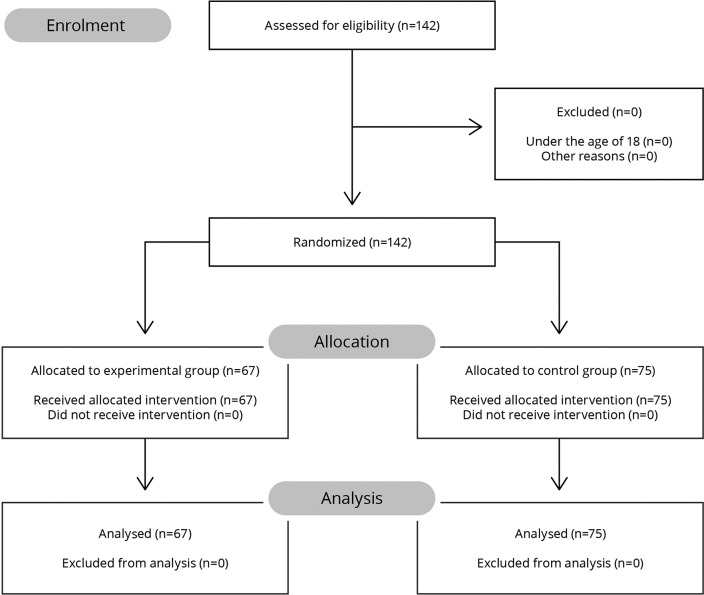
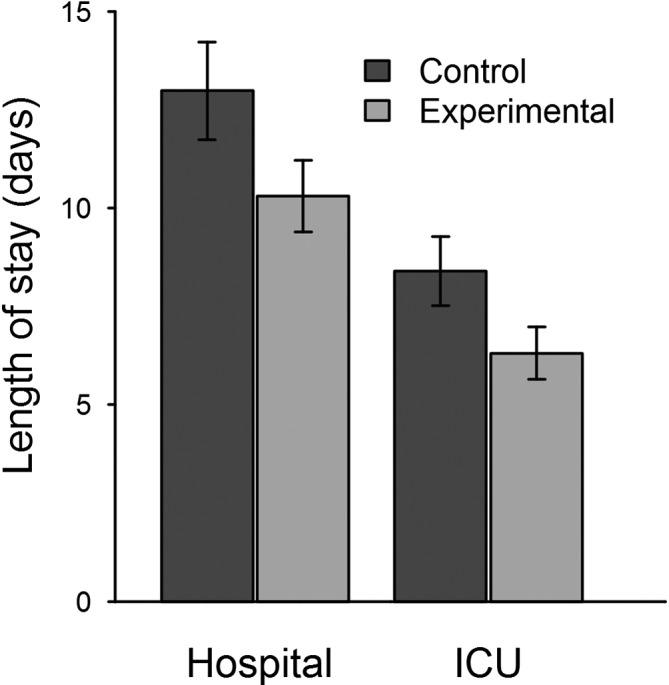
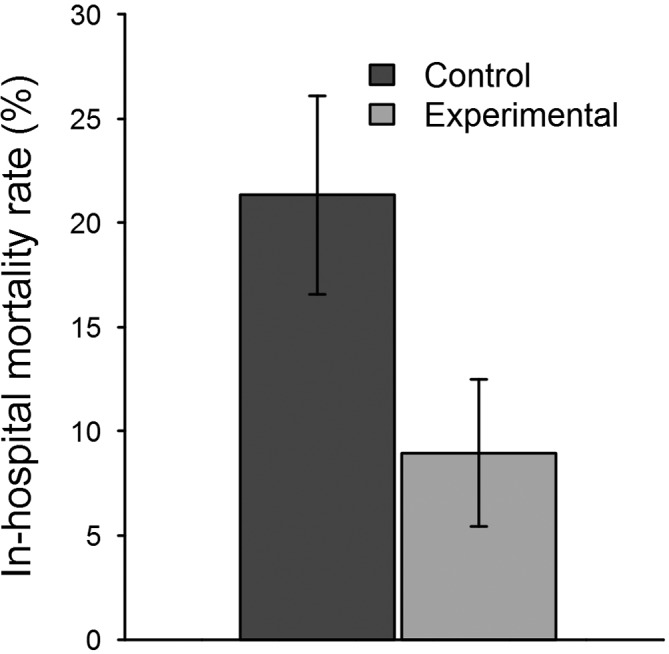
Introduction: Several methods have been developed to electronically monitor patients for severe sepsis, but few provide predictive capabilities to enable early intervention; furthermore, no severe sepsis prediction systems have been previously validated in a randomised study. We tested the use of a machine learning-based severe sepsis prediction system for reductions in average length of stay and in-hospital mortality rate. Methods: We conducted a randomised controlled clinical trial at two medical-surgical intensive care units at the University of California, San Francisco Medical Center, evaluating the primary outcome of average length of stay, and secondary outcome of in-hospital mortality rate from December 2016 to February 2017. Adult patients (18+) admitted to participating units were eligible for this factorial, open-label study. Enrolled patients were assigned to a trial arm by a random allocation sequence. In the control group, only the current severe sepsis detector was used; in the experimental group, the machine learning algorithm (MLA) was also used. On receiving an alert, the care team evaluated the patient and initiated the severe sepsis bundle, if appropriate. Although participants were randomly assigned to a trial arm, group assignments were automatically revealed for any patients who received MLA alerts. Results: Outcomes from 75 patients in the control and 67 patients in the experimental group were analysed. Average length of stay decreased from 13.0 days in the control to 10.3 days in the experimental group (p=0.042). In-hospital mortality decreased by 12.4 percentage points when using the MLA (p=0.018), a relative reduction of 58.0%. No adverse events were reported during this trial. Conclusion: The MLA was associated with improved patient outcomes. This is the first randomised controlled trial of a sepsis surveillance system to demonstrate statistically significant differences in length of stay and in-hospital mortality. Trial registration: NCT03015454.
Overview
The claims and statistics of this paper haven’t been checked yet.
Free: it reads the open-access text and checks the first 5 claims that cite a source we can check. Create a free account to check every claim.
Integrity signals
Registry
Cites
Statistics
Figures
Verification
Claims the paper makes
The claims and statistics of this paper haven’t been checked yet.
Free: it reads the open-access text and checks the first 5 claims that cite a source we can check. Create a free account to check every claim.
Claims other papers make about this one
Each is checked against this paper’s own text: does it say what the citing paper says it does?
The cited source doesn’t support the claim as written.
In the citing paper
“A pooled analysis of three RCTs did not demonstrate a mortality benefit of active screening (RR 0.90; 95% CI 0.51–1.58) [33–35].”
From Surviving sepsis campaign: international guidelines for management of sepsis and septic shock 2021 (2021) · cites this paper as [35]
Checked by a reasoning model — may be wrong.
Experimental — accuracy not yet measuredThe source backs part of the claim, not all of it — or backs it for a different population, condition or comparison.
In the citing paper
“A pooled analysis of three RCTs did not demonstrate a mortality benefit of active screening (RR, 0.90; 95% CI, 0.51-1.58)(33-35).”
From Surviving Sepsis Campaign: International Guidelines for Management of Sepsis and Septic Shock 2021. (2021) · cites this paper as [35]
Experimental — accuracy not yet measuredThe source backs part of the claim, not all of it — or backs it for a different population, condition or comparison.
In the citing paper
“Most (66%) post-implementation studies did not report real-world MLA performance (Figure 2), and of the 3 that did, one reported improved MLA performance58 while the other 2 showed marked declines,34,50”
From Deployment of machine learning algorithms to predict sepsis: systematic review and application of the SALIENT clinical AI implementation framework (2023) · cites this paper as [58]
Experimental — accuracy not yet measuredThe source backs part of the claim, not all of it — or backs it for a different population, condition or comparison.
In the citing paper
“Three papers using their own hospital data reported inquiries for data sharing were possible [28, 32, 35], two papers reported data would not be shared [25, 31].”
From Machine learning for the prediction of sepsis: a systematic review and meta-analysis of diagnostic test accuracy (2020) · cites this paper as [32]
Experimental — accuracy not yet measuredThe source backs part of the claim, not all of it — or backs it for a different population, condition or comparison.
In the citing paper
“Despite the rise in competing models and products for early sepsis detection [5], few machine learning models have been implemented as part of clinical care [6-8].”
From Integrating a Machine Learning System Into Clinical Workflows: Qualitative Study (2020) · cites this paper as [8]
Experimental — accuracy not yet measured
10 more claims about this paper
Create a free account to see every claim other papers make about this one.
Self-check
Percentages, sums and reported differences re-computed from the paper’s own numbers.
The self-check needs the paper’s full text.
Citations
Cites
The third international consensus definitions for sepsis and septic shock (Sepsis-3).
Singer, M., Deutschman, C. S., Seymour, C. W., Shankar-Hari, M., Annane, D., Bauer, M., Bellomo, R., Bernard, G. R., Chiche, J.-D., Coopersmith, C. M., et al. (2016) · JAMA · doi:10.1001/jama.2016.0287 · Cited by 28,250
Vincent, J. L., Moreno, R., Takala, J., Willatts, S., De Mendonça, A., Bruining, H., Reinhart, C. K., Suter, P. M., & Thijs, L. G. (1996) · Intensive Care Medicine · doi:10.1007/bf01709751 · Cited by 11,674
Early goal-directed therapy in the treatment of severe sepsis and septic shock
Rivers, E., Nguyen, B., Havstad, S., Ressler, J., Muzzin, A., Knoblich, B., Peterson, E., & Tomlanovich, M. (2001) · New England Journal of Medicine · doi:10.1056/nejmoa010307 · Cited by 10,743 · cited 1×
“Specifically, the prediction algorithm’s ability to identify patients with severe sepsis before onset provided the opportunity for early intervention, which has been widely shown to decrease patient mortality.(23) 24 Kumar et al 7 found that survival decreased by 7.”
MethodAngus, D. C., Linde-Zwirble, W. T., Lidicker, J., Clermont, G., Carcillo, J., & Pinsky, M. R. (2001) · Critical Care Medicine · doi:10.1097/00003246-200107000-00002 · Cited by 8,503
The Surviving Sepsis Campaign Guidelines Committee including The Pediatric Subgroup*, Dellinger, R. P., Levy, M. M., Rhodes, A., Annane, D., Gerlach, H., Opal, S. M., Sevransky, J. E., Sprung, C. L., Douglas, I. S., et al. (2013) · Intensive Care Medicine · doi:10.1007/s00134-012-2769-8 · Cited by 7,290
Kumar, A., Roberts, D., Wood, K. E., Light, B., Parrillo, J. E., Sharma, S., Suppes, R., Feinstein, D., Zanotti, S., Taiberg, L., et al. (2006) · Critical Care Medicine · doi:10.1097/01.ccm.0000217961.75225.e9 · Cited by 6,109 · cited 2×
“Although there is some controversy about the conclusions drawn by Kumar et al about the linear relationship between antibiotic timing and survival, as well as concerns that the researchers did not properly consider confounding factors in reporting their outcomes, conflicting evidence has largely shown that waiting to…”
BackgroundInfluentialA randomized trial of protocol-based care for early septic shock.
The ProCESS Investigators (2014) · New England Journal of Medicine · doi:10.1056/nejmoa1401602 · Cited by 2,414
Churpek, M. M., Snyder, A., Han, X., Sokol, S., Pettit, N., Howell, M. D., & Edelson, D. P. (2017) · American Journal of Respiratory and Critical Care Medicine · doi:10.1164/rccm.201604-0854oc · Cited by 689
Two Decades of Mortality Trends Among Patients With Severe Sepsis: A Comparative Meta-Analysis*
Stevenson, E. K., Rubenstein, A. R., Radin, G. T., Wiener, R. S., & Walkey, A. J. (2014) · Critical Care Medicine · doi:10.1097/ccm.0000000000000026 · Cited by 648
Monitor Alarm Fatigue : An Integrative Review
Cvach, M. (2012) · Biomedical Instrumentation & Technology · doi:10.2345/0899-8205-46.4.268 · Cited by 632
Cited by
Items 201–300 of 433
Magouliotis, D. E., Sicouri, N., Ramlawi, L., Baudo, M., Androutsopoulou, V. A., & Sicouri, S. (2026) · Journal of Personalized Medicine · doi:10.3390/jpm16020069 · Cited by 13
Artificial Intelligence for the Prediction of Sepsis in Adults
Haas, R., & McGill, S. C. (2022) · Canadian Journal of Health Technologies · doi:10.51731/cjht.2022.283 · Cited by 12
Baxter, J. S. H., & Jannin, P. (2023) · Intelligence-Based Medicine · doi:10.1016/j.ibmed.2023.100090 · Cited by 12
Safiya Parvin, A., & Saleena, B. (2023) · ICT Express · doi:10.1016/j.icte.2023.07.007 · Cited by 12
Belavý, D. L., Tagliaferri, S. D., Tegenthoff, M., Enax‐Krumova, E., Schlaffke, L., Buehring, B., Schulte, T. L., Schmidt, S. H., Wilke, H., Angelova, M. N., et al. (2023) · PLoS ONE · doi:10.1371/journal.pone.0282346 · Cited by 12
Infectious Disease Research in the Era of Big Data
Kasson, P. M. (2020) · Annual Review of Biomedical Data Science · doi:10.1146/annurev-biodatasci-121219-025722 · Cited by 12
Gale, B., & Hall, K. K. (2020) · Journal of Patient Safety · doi:10.1097/pts.0000000000000750 · Cited by 13
Infection prediction using physiological and social data in social environments
Baldominos, A., Oğul, H., Colomo‐Palacios, R., Sanz, J., & Gomez-Pulido, J. M. (2020) · Information Processing & Management · doi:10.1016/j.ipm.2020.102213 · Cited by 12
An Explainable Machine Learning Model for Early Prediction of Sepsis Using ICU Data
Nesaragi, N., & Patidar, S. (2021) · Infections and Sepsis Development · doi:10.5772/intechopen.98957 · Cited by 11
Wan, Y.-K. J., Wright, M. C., McFarland, M. M., Dishman, D., Nies, M. A., Rush, A., Madaras-Kelly, K., Jeppesen, A., & Del Fiol, G. (2023) · Journal of the American Medical Informatics Association · doi:10.1093/jamia/ocad203 · Cited by 11
How Does Medical Artificial Intelligence Revolutionize Physician Productivity?
Lim, J.-Y., Kim, K.-H., & Mun, S. (2025) · Yonsei Medical Journal · doi:10.3349/ymj.2025.0389 · Cited by 12
Enhancing sepsis management through machine learning techniques: A review
Ocampo-Quintero, N., Vidal, P., Carbajo, L. D. R., Fdez‐Riverola, F., Reboiro‐Jato, M., & Glez‐Peña, D. (2022) · Medicina Intensiva (English Edition) · doi:10.1016/j.medine.2020.04.015 · Cited by 11
Schertz, A. R., Smith, S. A., Lenoir, K. M., & Thomas, K. W. (2023) · Journal of Emergency Medicine · doi:10.1016/j.jemermed.2023.02.025 · Cited by 11
Chinese experts’ consensus on the application of intensive care big data
Su, L., Liu, S., Long, Y., Chen, C., Chen, K., Chen, M., Chen, Y., Cheng, Y., Cui, Y., Ding, Q., et al. (2024) · Frontiers in Medicine · doi:10.3389/fmed.2023.1174429 · Cited by 11
Paoli, C. J., Reynolds, M. A., Coles, C., Gitlin, M. D., & Crouser, E. D. (2019) · Critical Care Explorations · doi:10.1097/cce.0000000000000029 · Cited by 11
Verma, A., Sanaiha, Y., Hadaya, J. E., Maltagliati, A. J., Tran, Z. K., Ramezani, R., Shemin, R. J., Benharash, P., Benharash, P., Shemin, R. J., et al. (2022) · JTCVS Open · doi:10.1016/j.xjon.2022.04.017 · Cited by 11
Chen, Y., Chirikov, V., Marston, X. L., Yang, J., Qiu, H., Xie, J., Sun, N., Gu, C., Dong, P., & Gao, X. Y. (2023) · Journal of health economics and outcomes research · doi:10.36469/jheor.2020.12698 · Cited by 11
Frequent temporal patterns of physiological and biological biomarkers and their evolution in sepsis
Jazayeri, A. R., Yang, C. C., & Capan, M. (2023) · Artificial Intelligence in Medicine · doi:10.1016/j.artmed.2023.102576 · Cited by 10
Payne, V. L., Sattar, U., Wright, M. C., Hill, E., Butler, J. M., Macpherson, B. C., Jeppesen, A., Fiol, G. D., & Madaras‐Kelly, K. (2024) · Journal of the American Medical Informatics Association · doi:10.1093/jamia/ocae089 · Cited by 10
Callcut, R. A., Xu, Y. X., Moorman, J. R., Tsai, C., Villaroman, A., Robles, A. J., Lake, D. E., Hu, X., & Clark, M. (2021) · Physiological Measurement · doi:10.1088/1361-6579/ac2264 · Cited by 10
Mavai, A. S., Mishra, D. K., Sharma, A., & Bansal, S. (2025) · Discover Internet of Things · doi:10.1007/s43926-025-00225-2 · Cited by 10
A randomized controlled trial of artificial intelligence-based analytics for clinical deterioration
Keim‐Malpass, J., Ratcliffe, S. J., Clark, M. T., Krahn, K. N., Monfredi, O., Hamil, S., Yousefvand, G., Jones, M. K., Nelson, A., Moorman, L. P., et al. (2026) · Scientific Reports · doi:10.1038/s41598-026-39051-z · Cited by 9
Mersal, F. A., Mersal, N. A., Ibrahim, N. M., Elgazzar, S. E., Alanazi, A. M., Alzughaibi, S., Alanazi, E. M., & Elsayed, E. A. H. (2026) · Digital Health · doi:10.1177/20552076261429671 · Cited by 9
A sepsis early warning system is associated with improved patient outcomes
Kennedy, J. N., & Rudd, K. E. (2022) · Cell Reports Medicine · doi:10.1016/j.xcrm.2022.100746 · Cited by 9
SEPRES: Intensive Care Unit Clinical Data Integration System to Predict Sepsis
Chen, Q., Li, R., Lin, C., Lai, C., Huang, Y., Lu, W., & Li, L. (2022) · Applied Clinical Informatics · doi:10.1055/a-1990-3037 · Cited by 9
Schnetler, R. J., van der Vegt, A. H., Kalke, V. R., Lane, P., & Scott, I. A. (2025) · BMJ Quality & Safety · doi:10.1136/bmjqs-2024-018328 · Cited by 9
Benchmarking Predictive Models in Electronic Health Records: Sepsis Length of Stay Prediction
Alsinglawi, B. S., Alnajjar, F., Mubin, O., Novoa, M., Karajeh, O., & Darwish, O. (2020) · Advances in intelligent systems and computing · doi:10.1007/978-3-030-44041-1_24 · Cited by 9
Effect of a Sepsis Prediction Algorithm on Patient Mortality, Length of Stay, and ReadmissionPreprint
Burdick, H., Pino, E., Gabel-Comeau, D., McCoy, A., Gu, C., Roberts, J., Slote, J., Saber, N., Hoffman, J. L., & Das, R. (2018) · bioRxiv (Cold Spring Harbor Laboratory) · doi:10.1101/457465 · Cited by 9
Self-citationBug Wars: Artificial Intelligence Strikes Back in Sepsis Management
Barkas, G. I., Dimeas, I. E., & Kotsiou, O. S. (2025) · Diagnostics · doi:10.3390/diagnostics15151890 · Cited by 8
An evolutionary algorithm for the solution of multi-objective optimization problem
Ullah, U., & Ullah, A. (2022) · International Journal of Advances in Applied Sciences · doi:10.11591/ijaas.v11.i4.pp287-295 · Cited by 8
Precision medicine for the treatment of sepsis: recent advances and future prospects
Palma, P., & Rello, J. (2019) · Expert Review of Precision Medicine and Drug Development · doi:10.1080/23808993.2019.1626714 · Cited by 9
Artificial Intelligence is changing Health and eHealth care
Akshaya, A. V. R., Vigneshwaran, S., & Ram Kumar, C. (2022) · EAI Endorsed Transactions on Smart Cities · doi:10.4108/eetsc.v6i3.2274 · Cited by 8
Tuon, F. F., Zequinão, T., da Silva, M. S., & Silva, K. O. (2024) · Infectious Disease Reports · doi:10.3390/idr16040054 · Cited by 8
Carreno, J. J., Eaton, R., Itro, L., Babowicz, F., Falvo, J., Tobin, E. H., Mitchell, C. L., & George, M. J. (2019) · American Journal of Health-System Pharmacy · doi:10.1093/ajhp/zxy087 · Cited by 8
Wang, J., Wu, S., Guo, Q., Lan, H., Janne, E., Wang, L., Zhang, J., Wang, Q., Song, Y., Yang, N., et al. (2021) · Intelligent Medicine · doi:10.1016/j.imed.2021.04.006 · Cited by 8
Mortality time frame variability in septic shock clinical trials: A systematic review
Laserna, A., Cuenca, J. A., Martin, P., Fowler, C., Correa, J. E. B., Manjappachar, N. K., Fowler, C. S., Lopez-Olivo, M. A., Borges, M., Sprung, C. L., et al. (2025) · Medicina Intensiva · doi:10.1016/j.medine.2025.502172 · Cited by 7
Early prediction and monitoring of sepsis using sequential long short term memory model
Sharma, D. K., Lakhotia, P., Sain, P., & Brahmachari, S. (2021) · Expert Systems · doi:10.1111/exsy.12798 · Cited by 7
eHealth and mHealth in Antimicrobial Stewardship Programs
Tuon, F. F., Zequinão, T., da Silva, M. S., & Silva, K. O. (2024) · Digital Biomarkers · doi:10.1159/000541120 · Cited by 7
Raszke, P., Giebel, G. D., Abels, C., Wasem, J., Adamzik, M., Nowak, H., Palmowski, L., Heinz, P., Mreyen, S., Timmesfeld, N., et al. (2025) · JMIR Research Protocols · doi:10.2196/62704 · Cited by 7
Barker, N., Scott, I. A., Seaton, R., Mehta, N., Kalke, V. R., & Redpath, L. (2023) · International Journal of General Medicine · doi:10.2147/ijgm.s400839 · Cited by 7
Bani-Hamad, D., Rababa, M., Tanash, M. I., & Ali, R. M. A. (2024) · Cureus · doi:10.7759/cureus.57355 · Cited by 7
Digitalisierung und Patientensicherheit
Sellge, E., & Hagenmeyer, E.-G. (2019) · Springer eBooks · doi:10.1007/978-3-662-58225-1_10 · Cited by 7
How good is our diagnostic intuition? Clinician prediction of bacteremia in critically ill children
Hoops, K. E. M., Fackler, J. C., King, A. F., Colantuoni, E., Milstone, A. M., & Woods-Hill, C. Z. (2020) · BMC Medical Informatics and Decision Making · doi:10.1186/s12911-020-01165-3 · Cited by 7
Vistisen, S. T., Pollard, T., Harris, S. K., & Lauritsen, S. M. (2022) · European Journal of Anaesthesiology · doi:10.1097/eja.0000000000001696 · Cited by 7
Machine learning predicts sepsis deterioration trajectories.
Zhang, R., Long, F., Zhao, Z., Wu, J., Tan, R., Xu, W., Li, L., Long, Y., & Qu, H. (2026) · NPJ Digital Medicine · doi:10.1038/s41746-026-02565-x · Cited by 6
Mann, S. (2024) · Trials · doi:10.1186/s13063-024-08675-9 · Cited by 6
Jayawardena, T. D., Baysari, M. T., & Bamgboje‐Ayodele, A. (2025) · International Journal of Medical Informatics · doi:10.1016/j.ijmedinf.2025.105946 · Cited by 6
The art of medical synthesis: Where Chinese medical wisdom intersects with artificial intelligence
Lim, E., Cheng, N. C. L., & Lim, C. E. D. (2025) · Journal of Traditional Chinese Medical Sciences · doi:10.1016/j.jtcms.2025.08.001 · Cited by 6
Warrier, S. P., Narasimhan, V., Meijer, E., Gütlin, Y., Nolte, O., Veeraraghavan, B., & Egli, A. (2026) · Frontiers in Public Health · doi:10.3389/fpubh.2026.1776922 · Cited by 6
Thiboud, P.-E., François, Q., Faure, C., Chaufferin, G., Arribe, B., & Ettahar, N. (2025) · Diagnostics · doi:10.3390/diagnostics15030302 · Cited by 6
Usher, M. G., Tourani, R., Simon, G., Tignanelli, C. J., Jarabek, B., Strauss, C., Waring, S. C., Klyn, N. A. M., Kealey, B. T., Tambyraja, R., et al. (2021) · JAMIA Open · doi:10.1093/jamiaopen/ooab055 · Cited by 6
Proximity of Cellular and Physiological Response Failures in Sepsis
Jazayeri, A. R., Capan, M., Ivy, J. S., Arnold, R. C., & Yang, C. C. (2021) · IEEE Journal of Biomedical and Health Informatics · doi:10.1109/jbhi.2021.3098428 · Cited by 6
Infection Diagnosis using Biomedical Signals in Small Data Scenarios
Baldominos, A., Oğul, H., & Colomo‐Palacios, R. (2019) · Proceedings - IEEE Symposium on Computer-Based Medical Systems · doi:10.1109/cbms.2019.00018 · Cited by 6
Remote Proactive Physiologic Monitoring in the ICU
Ramnath, V. R., & Malhotra, A. (2019) · Springer eBooks · doi:10.1007/978-3-030-11569-2_2 · Cited by 6
Monitoring of premature newborns by video and audio analyses
Cabon, S. (2019) · theses.fr (ABES) · doi:10.70675/42108a13zb4d8z4abbz86f0z65a256ca829a · Cited by 6
Wilhelm, C., Steckelberg, A., & Rebitschek, F. G. (2024) · Systematic Reviews · doi:10.1186/s13643-024-02646-6 · Cited by 5
Recognizing Coagulation Disorders in Sepsis in the Emergency Room: A Narrative Review
Iba, T., Tanigawa, T., Wada, H., Kondo, K., Ferrer, R., & Levy, J. H. (2026) · Journal of Clinical Medicine · doi:10.3390/jcm15020488 · Cited by 5
Raszke, P., Giebel, G. D., Wasem, J., Adamzik, M., Nowak, H., Palmowski, L., Heinz, P., Timmesfeld, N., Tokic, M. C., Brunkhorst, F. M., et al. (2026) · Journal of Medical Internet Research · doi:10.2196/76772 · Cited by 6
Muñoz, J., Fernández-Araujo, N. J., Ruíz-Cacho, R., & Muñoz-Visedo, J. (2026) · Journal of Critical Care · doi:10.1016/j.jcrc.2026.155600 · Cited by 5
Sepsis Detection Using Extreme Gradient Boost (XGB): A Supervised Learning Approach
Ullah, A., Qayyum, H., Khan, M. K., & Ahmad, F. (2021) · Mohammad Ali Jinnah University International Conference on Computing (MAJICC) · doi:10.1109/majicc53071.2021.9526260 · Cited by 5
Enhancing Septic Shock Detection through Interpretable Machine Learning
Rahman, M. M., Chowdhury, M. S., Shorfuzzaman, M., Karim, L., Shafiullah, M., & Azzedin, F. A. (2024) · Computer Modeling in Engineering & Sciences · doi:10.32604/cmes.2024.055065 · Cited by 5
Rogne, T., Damås, J. K., Flatby, H. M., Åsvold, B. O., DeWan, A. T., & Solligård, E. (2020) · Clinical Infectious Diseases · doi:10.1093/cid/ciaa786 · Cited by 5
Anomaly Detection Semi-Supervised Framework for Sepsis Treatment
Krissaane, I., Hampton, K. K., Alshenaifi, J. Y., & Wilkinson, R. (2019) · Computing in cardiology · doi:10.22489/cinc.2019.174 · Cited by 5
Upadhyay, N., & Gulati, A. (2023) · Springer eBooks · doi:10.1007/978-981-99-6472-7_6 · Cited by 5
Lydia, E. L., Althubiti, S. A., Anupama, C. S. S., & Kumar, K. V. (2023) · Smart innovation, systems and technologies · doi:10.1007/978-981-99-6706-3_31 · Cited by 5
How Well Do AI-Enabled Decision Support Systems Perform in Clinical Settings?
Susanto, A. P., Lyell, D., Widyantoro, B., Berkovsky, S., & Magrabi, F. (2024) · Studies in health technology and informatics · doi:10.3233/shti230971 · Cited by 5
A Machine Learning Model to Predict Diuretic Resistance
Mercier, J. A., Ferguson, T. W., & Tangri, N. (2022) · Kidney360 · doi:10.34067/kid.0005562022 · Cited by 5
Utilizing Artificial Intelligence in Critical Care: Adding A Handy Tool to Our Armamentarium
Sharma, M., Taweesedt, P. T., & Surani, S. (2021) · Cureus · doi:10.7759/cureus.15531 · Cited by 6
Oversampling techniques for predicting COVID-19 patient length of stay
Farahany, Z., Wu, J., Islam, K. M. S., & Madiraju, P. (2022) · IEEE International Conference on Big Data (BigData) · doi:10.1109/bigdata55660.2022.10020253 · Cited by 5
Han, Y., Ceross, A., & Bergmann, J. (2026) · Expert Systems with Applications · doi:10.1016/j.eswa.2026.131669 · Cited by 4
Almagharbeh, W. T., Alkubati, S. A., Alasmari, A. A., Alharbi, A. A., Alfanash, H. A., Abuadas, F. H. A., Arab, R. A. E., Alkhawaldeh, A., Alamri, A. A., Albalawi, H. M. H., et al. (2026) · Nursing in Critical Care · doi:10.1111/nicc.70606 · Cited by 4
Automation in health care: the need for an ergonomics-based approach
Zayas‐Cabán, T., Valdez, R. S., & Samarth, A. (2023) · Ergonomics · doi:10.1080/00140139.2023.2286915 · Cited by 4
Early Detection of Sepsis on Clinical Data Using Multi-layer Perceptron
Sailaja, N. V., Yelamarthi, M., Chandana, Y. H., Karadi, P., & Yedla, S. (2021) · Algorithms for intelligent systems · doi:10.1007/978-981-33-4046-6_22 · Cited by 4
Using machine learning for process improvement in sepsis management
Ferreira, L. D., McCants, D., & Velamuri, S. S. N. (2022) · Journal of Healthcare Quality Research · doi:10.1016/j.jhqr.2022.09.006 · Cited by 4
Choi, D. H., Choi, S. W., Kim, K. H., Choi, Y., & Kim, Y. (2024) · The American Journal of Emergency Medicine · doi:10.1016/j.ajem.2024.03.006 · Cited by 4
Artificial intelligence in medicine: The rise of machine learning
Colalillo, J. M., & Smith, J. (2024) · Emergency Medicine Australasia · doi:10.1111/1742-6723.14459 · Cited by 4
The impact of laboratory data missingness on sepsis diagnosis timeliness
Lam, J. Y., Boussina, A. E., Shashikumar, S. P., Owens, R. L., Nemati, S., & Josef, C. S. (2024) · JAMIA Open · doi:10.1093/jamiaopen/ooae085 · Cited by 4
Lin, W. V., Tian, X., Lü, X., Ma, D., Wu, Y., Hong, J., Yan, R., Feng, G., & Cheng, Z. (2021) · CIN Computers Informatics Nursing · doi:10.1097/cin.0000000000000765 · Cited by 4
Artificial Intelligence in Infection Management in the ICU
Corte, T. D., Hoecke, S. V., & Waele, J. J. D. (2022) · Annual update in intensive care and emergency medicine · doi:10.1007/978-3-030-93433-0_28 · Cited by 4
Use of Sepsis Clinical Prediction Models to Improve Patient Care
Mogri, M., Grant, R. W., & Liu, V. X. (2023) · JAMA Internal Medicine · doi:10.1001/jamainternmed.2022.7164 · Cited by 4
How patients describe their diagnosis compared to clinical documentation
Gleason, K. T., & Dahm, M. R. (2021) · Diagnosis · doi:10.1515/dx-2021-0070 · Cited by 4
Gosset, C., Foguenne, J., Simul, M., Tomsin, O., Ammar, H., Layios, N., Massion, P. B., Damas, P., & Gothot, A. (2021) · Scientific Reports · doi:10.1038/s41598-021-99628-8 · Cited by 4
The role of artificial intelligence in preoperative medicine
Kendale, S. (2021) · International Anesthesiology Clinics · doi:10.1097/aia.0000000000000344 · Cited by 4
Integration of AI for Clinical Decision Support
Visweswaran, S., King, A. J., & Cooper, G. F. (2022) · Cognitive informatics in biomedicine and healthcare · doi:10.1007/978-3-031-09108-7_10 · Cited by 4
Identification of Clinically Significant Cytokine Signature Clusters in Patients With Septic Shock
Zhao, J., Patel, B. K., Krishack, P. A., Stutz, M. R., Pearson, S. D., Lin, J., Lecompte-Osorio, P. A., Dugan, K. C., Kim, S., Gras, N., et al. (2023) · Critical Care Medicine · doi:10.1097/ccm.0000000000006032 · Cited by 3
Can Machine Learning Personalize Cardiovascular Therapy in Sepsis?
Catling, F. J. R., Nagendran, M., Festor, P., Bien, Z., Harris, S. K., Faisal, A. A., Gordon, A. C., & Komorowski, M. (2024) · Critical Care Explorations · doi:10.1097/cce.0000000000001087 · Cited by 3
Secure Elasticsearch Clusters on HPC Systems for Sensitive Data
Nolte, H., Quentin, L., & Kunkel, J. M. (2024) · Lecture notes in computer science · doi:10.1007/978-3-031-73716-9_14 · Cited by 3
A boosting inspired personalized threshold method for sepsis screening
Feng, C., Griffin, P. M., Kethireddy, S., & Mei, Y. (2020) · Journal of Applied Statistics · doi:10.1080/02664763.2020.1716695 · Cited by 3
Sepsis Performance Improvement Programs: From Evidence Toward Clinical Implementation
Schinkel, M., Nanayakkara, P. W. B., & Wiersinga, W. J. (2022) · Annual update in intensive care and emergency medicine · doi:10.1007/978-3-030-93433-0_30 · Cited by 3
Machine Learning, Deep Learning and Neural Networks
Shellshear, E., Tremeer, M., & Bean, C. (2022) · Springer eBooks · doi:10.1007/978-981-19-1223-8_3 · Cited by 3
The Promise and Challenges of AI Integration in Ovarian Cancer Screenings
Silverwood, S., Jeter, A., & Harrison, M. S. (2024) · Reproductive Sciences · doi:10.1007/s43032-024-01588-7 · Cited by 4
Artificial intelligence in critical care
Wu, C.-P., & Mathur, P. (2023) · Elsevier eBooks · doi:10.1016/b978-0-443-15688-5.00006-1 · Cited by 3
Machine learning-based time-to-event survival analysis in pediatric patients with severe sepsis
Huang, Q., Li, Z., Cai, R., & Chen, H. (2025) · Frontiers in Pediatrics · doi:10.3389/fped.2025.1688416 · Cited by 2
Artificial Intelligence and Machine Learning in Health Care
Liebovitz, D., Wu, A. Y., Reamer, C. B., & Vadasz, B. (2025) · Medical Clinics of North America · doi:10.1016/j.mcna.2025.07.011 · Cited by 2
Yang, Z. (2026) · International Journal of Medical Informatics · doi:10.1016/j.ijmedinf.2026.106314 · Cited by 2
Early prediction of multiple organ failure for sepsis patients based on machine learning algorithms
He, R., Su, N., Wang, Y., Sun, Y., Weng, X., Pereira, T., Hu, C., Xie, K., Pang, M., Zhang, K., et al. (2026) · Journal of intelligent medicine. · doi:10.1002/jim4.70025 · Cited by 3
Artificial intelligence tools in sepsis prediction: a systematic review and meta-analysis
Ashok, A., Malhotra, G., Murphy, N., Lee, S. J., Maćešić, N., & Peleg, A. (2026) · npj Digital Medicine · doi:10.1038/s41746-026-03168-2 · Cited by 2
Bhuyain, M. M., & Fatema, M. K. (2023) · doi:10.63125/ac09sa31 · Cited by 7
The Potential Diagnostic Application of Artificial Intelligence in Breast Cancer
Behzadi, M., Azinfar, A., Alshakarchi, H. I., Khazaei, Y., Gataa, I. S., Ferns, G. A., Naderi, H., Avan, A., Fiuji, H., & Rad, M. P. (2025) · Current Pharmaceutical Design · doi:10.2174/0113816128369168250311172823 · Cited by 2
Zhang, Y. W., Bai, Y., Zhang, X. M., Wen, Y., Yang, Z., Lu, M., Xu, X., & Liu, Q. Q. (2025) · Europe PMC (PubMed Central) · doi:10.3760/cma.j.cn501225-20250708-00292 · Cited by 2
Metadata
- Authors
- Shimabukuro, D. W., Barton, C. W., Feldman, M. D., Mataraso, S. J., & Das, R.
- Affiliations
- University of California, San Francisco (US)
- University of California, Berkeley (US)
- Dascena (United States) (US)
- Corresponding author
- Das, Ritankar
- Venue
- BMJ Open Respiratory Research
- Publisher
- BMJ
- Published
- 2017-11
- Volume
- 4
- Issue
- 1
- Pages
- e000234
- ISSN
- 2052-4439 (ISSN-L)
- PMC
- PMC5687546
- OpenAlex
- W2768083064
- Semantic Scholar
- 04df1188faf6674173ea875ce187a32c8992e911
- Cited by
- 382
- References
- 33
- Citations by year
- 2026: 38 · 2025: 38 · 2024: 60 · 2023: 46 · 2022: 50 · 2021: 48 · 2020: 60 · 2019: 34 · 2018: 7 · 2017: 1
- FWCI
- 21.84
- Type
- journal article
- Language
- en
- Open access
- gold
- doi.org
- Licence
- cc-by-nc
- Locations
- BMJ Open Respiratory Research (publishedVersion, cc-by-nc)
- Europe PMC (PubMed Central) (publishedVersion, cc-by-nc)
- PubMed Central (publishedVersion, cc-by-nc)
- PubMed (publishedVersion)
- eScholarship (California Digital Library) (submittedVersion)
- eScholarship (California Digital Library) (submittedVersion, cc-by-nc)
- Funders
- National Institute of Nursing Research
- National Science Foundation
- Topics
- Health Sciences › Medicine › Critical Care and Intensive Care Medicine › Sepsis Diagnosis and Treatment
- Physical Sciences › Computer Science › Artificial Intelligence › Machine Learning in Healthcare
- Health Sciences › Medicine › Surgery › Healthcare Technology and Patient Monitoring
- Keywords
- severe sepsis, sepsis prediction, machine learning algorithms, electronic surveillance, early warning alerts, in-hospital mortality, length of hospital stay, intensive care unit, sepsis bundle, clinical decision support
About these checks
Registry, retraction, Cites and statistics results are computed, not judged, with one exception: a printed reference that no index lists is read once by a model before it counts as a citation error. Claims are extracted by a model and kept only when their quote appears verbatim in the text; each cited source is then checked, with a model’s help, for whether it says what the claim relies on. Those verdicts can be wrong — read the claim’s quote and the cited source before relying on one.
Statistics and arithmetic are recomputed, not judged.
Confidence bands are shown only for fields calibrated on our annotated test set. None is calibrated yet, so no band is shown.
What counts as a claim ›How we measure confidence ›How we check this ›
Are you an author, or do you see a problem with this page? Request a review
Data sources
Bibliographic data: Semantic Scholar, OpenAlex, Crossref.
Contains information from the Semantic Scholar Academic Graph Datasets, made available under the ODC Attribution License (ODC-BY 1.0).
Semantic Scholar’s data is described in: Kinney, R., et al. (2023). The Semantic Scholar Open Data Platform. arXiv:2301.10140.
