

Intestinal microbiota in functional bowel disorders: a Rome foundation report
Open accessThe DOI matches its Crossref record; 286 of the 288 references it cites were found in a registry or an index, and 2 are not checked yet; 18 of the 131 sources its claims cite were checked for support.
Abstract
It is increasingly perceived that gut host–microbial interactions are important elements in the pathogenesis of functional gastrointestinal disorders (FGID). The most convincing evidence to date is the finding that functional dyspepsia and irritable bowel syndrome (IBS) may develop in predisposed individuals following a bout of infectious gastroenteritis. There has been a great deal of interest in the potential clinical and therapeutic implications of small intestinal bacterial overgrowth in IBS. However, this theory has generated much debate because the evidence is largely based on breath tests which have not been validated. The introduction of culture-independent molecular techniques provides a major advancement in our understanding of the microbial community in FGID. Results from 16S rRNA-based microbiota profiling approaches demonstrate both quantitative and qualitative changes of mucosal and faecal gut microbiota, particularly in IBS. Investigators are also starting to measure host–microbial interactions in IBS. The current working hypothesis is that abnormal microbiota activate mucosal innate immune responses which increase epithelial permeability, activate nociceptive sensory pathways and dysregulate the enteric nervous system. While we await important insights in this field, the microbiota is already a therapeutic target. Existing controlled trials of dietary manipulation, prebiotics, probiotics, synbiotics and non-absorbable antibiotics are promising, although most are limited by suboptimal design and small sample size. In this article, the authors provide a critical review of current hypotheses regarding the pathogenetic involvement of microbiota in FGID and evaluate the results of microbiota-directed interventions. The authors also provide clinical guidance on modulation of gut microbiota in IBS.
Verified 2026-10-05 · 2 references not checked yet
Overview
CoChat Summary
TL;DR
This Rome Foundation report critically reviews evidence that gut microbiota contribute to functional bowel disorders, especially IBS, through post-infectious onset, altered mucosal/faecal communities, and host–microbial immune interactions. It concludes that microbiota-directed therapies are promising but limited by unvalidated SIBO tests, inconsistent microbiota findings, and underpowered trials.
Key findings
- Post-infectious IBS is the most convincing link: infective gastroenteritis incidence is 19/100 person years in the UK; 6%–17% of IBS patients report onset after infective gastroenteritis (18% in an internet survey, with around 40% beginning while travelling), and a meta-analysis found increased IBS risk 1 year after bacterial gastroenteritis (RR=6.5, CI 2.6–15.4), still apparent at 36 months (RR=3.9, CI 3.0–5.0).
- The SIBO hypothesis in IBS remains controversial because breath tests are not validated; lactulose hydrogen breath testing predominantly measures oro-caecal transit rather than SIBO, and culture studies show relatively few duodenal/proximal jejunal bacteria with no obvious differences from controls, though lower cut-offs (>10³ cfu/ml) suggest more IBS patients may meet SIBO criteria.
- Culture-independent 16S rRNA-based profiling shows both quantitative and qualitative changes in mucosal and faecal microbiota in IBS, but results are inconsistent and sometimes contradictory; reported changes include decreased bifidobacteria/lactobacilli and increased Proteobacteria/Firmicutes in some studies, and faecal samples may not reflect other GI tract sites.
- Microbiota-directed treatments show promise: rifaximin 550 mg thrice daily for 2 weeks had a therapeutic advantage over placebo around 10%, with benefit for approximately 10 weeks and number-needed-to-treat 11; about three-quarters of probiotic trials were positive with generally modest therapeutic gain, and the strongest evidence is for *Bifidobacterium infantis* 35624 at 1×10⁸ cfu/day for at least 4 weeks; one double-blind prebiotic trial using trans-galactooligosaccharide reduced symptoms and stimulated bifidobacteria.
Methods
- Design: critical review and synthesis of the Rome Foundation Committee Report, not a primary study; it reviews current hypotheses on microbiota in FGID and evaluates microbiota-directed interventions.
- Data: literature on intestinal microbiota in functional bowel disorders, focusing predominantly on IBS, including culture-based, culture-independent molecular, breath-test, and treatment studies; tables summarize small bowel culture studies, colonic microbiome studies, and placebo-controlled probiotic trials.
- Analysis: narrative synthesis with clinical guidance and recommendations for future research; no systematic search strategy or meta-analysis is stated.
Limitations
- The paper states that the SIBO hypothesis remains debated because breath tests and small bowel culture techniques have not been validated, and confounding factors such as antibiotics, PPIs, and altered motility have not been taken into account in many studies.
- The paper states that most probiotic and antibiotic trials are underpowered and suffer suboptimal design; available studies are descriptive rather than mechanistic, and heterogeneity of FBD plus inter-individual variability of microbiota profiles require larger sample sizes.
- Evident from the text: as a narrative review, it does not report a systematic search, formal quality assessment, or meta-analysis; many cited studies are small, older, or limited by poor quality, and the clinical guidance is based on limited evidence.
Model-written summary. Check it against the paper before relying on it.
Integrity signals
Registry
Cites
Statistics
Figures
Verification
Claims the paper makes
11 Valid · 2 Not valid · 66 Not checked · 32 Own results and interpretations
The cited sources support only part of this claim — read each source’s verdict below.
In the paper
“Interestingly, a recent study demonstrated that faecal microbiota of IBS patients could be grouped in a cluster which was completely different from that of healthy controls.114”
§ Intestinal microbiota in functional bowel disorders: a Rome foundation report > Differences in the microbiota in FBD and the link to pathophysiology
What the sources say
- Partly supportedcites [114] 114. Rajilic-Stojanovic M, Biagi E, Heilig HG, et al. Global and deep molecular analysis of microbiota signatures in fecal samples from patients with irritable bowel syndrome. Gastroenterology 2011;141:1792–801 sourceExperimental — accuracy not yet measured
The Phylogenetic Profiling and Multivariate Analysis section reports that IBS and control samples separated clearly in a multivariate analysis of condensed microbiota profiles. But it also says that, when the full probe profiles were hierarchically clustered, the groups did not cluster significantly by health status. Thus the claimed distinct cluster overstates the finding; page numbers are unavailable in our copy. (LLM, conf=0.88)
boostedstates an association- Asserted: passes — The authors put it forward as true.
- Checkable: passes — It can be checked against evidence.
- Load-bearing: unclear — It is unclear whether the paper’s conclusions depend on it.
- Based: passes — The paper gives a reason why it holds.
- Partly supported
The cited sources support only part of this claim — read each source’s verdict below.
In the paper
“Some patients with IBS lack tissue transglutaminase antibodies or histological markers of coeliac disease yet still respond symptomatically to a gluten-free diet.”
§ Intestinal microbiota in functional bowel disorders: a Rome foundation report > GI disorders mimicking and overlapping with FBDs
What the sources say
- Supportedcites [157] 157. Wahnschaffe U, Ullrich R, Riecken EO, et al. Celiac disease-like abnormalities in a subgroup of patients with irritable bowel syndrome. Gastroenterology 2001;121:1329–38 source
The Serum IgA Antibody Titers section reports no increased serum tissue-transglutaminase antibodies in IBS patients. The Discussion describes these patients as often having normal intestinal mucosa and reports significantly improved stool frequency after six months of a gluten-free diet in the HLA-DQ2-positive and intestinal-antibody-positive subgroups. The antibody finding concerns serum antibodies; some responders had increased intestinal antibodies. (LLM, conf=0.89)
- Partly supportedcites [158] 158. Sapone A, Lammers KM, Casolaro V, et al. Divergence of gut permeability and mucosal immune gene expression in two gluten-associated conditions: celiac disease and gluten sensitivity. BMC Med 2011;9:23. sourceExperimental — accuracy not yet measured
The Methods (Definition of GS) describe gluten-sensitive patients with negative tTG-IgA serology and no coeliac-type intestinal damage; the Results (Clinical and laboratory characteristics of GS subjects) report that their symptoms resolved after starting a gluten-free diet. The paper identifies these patients as gluten-sensitive, not as patients with IBS, so it does not establish the claim for the specified IBS population. (LLM, conf=0.87)
- Not checked yetcites [159] 159. Verdu EF, Huang X, Natividad J, et al. Gliadin-dependent neuromuscular and epithelial secretory responses in gluten-sensitive HLA-DQ8 transgenic mice. Am J Physiol 2008;294:G217–25
plainstates a cause- Asserted: passes — The authors put it forward as true.
- Checkable: passes — It can be checked against evidence.
- Load-bearing: unclear — It is unclear whether the paper’s conclusions depend on it.
- Based: passes — The paper gives a reason why it holds.
- Supported
The cited sources support only part of this claim — read each source’s verdict below.
In the paper
“In fact, as with IBS (tables 2 and 3), faecal166–171 and mucosal-associated dysbiosis167 172–178 has been described IBD.”
§ Intestinal microbiota in functional bowel disorders: a Rome foundation report > GI disorders mimicking and overlapping with FBDs
What the sources say
- Supportedcites [166] 166. Scanlan PD, Shanahan F, O'Mahony C, et al. Culture-independent analyses of temporal variation of the dominant fecal microbiota and targeted bacterial subgroups in Crohn's disease. J Clin Microbiol 2006;44:3980–8 source
The citation to this paper is attached to the faecal part of the sentence, not the mucosal-associated part. The Results (page unavailable) report significantly lower temporal stability of faecal microbiota in Crohn’s disease patients than in controls, supporting the description of faecal dysbiosis. (LLM, conf=0.92)
- Supportedcites [167] 167. Conte MP, Schippa S, Zamboni I, et al. Gut-associated bacterial microbiota in paediatric patients with inflammatory bowel disease. Gut 2006;55:1760–7 source
The citation to this paper is attached to the mucosal-associated part of the sentence, not the faecal part. The Results report more mucosa-associated bacteria in children with IBD than in controls, supporting the description of mucosal-associated dysbiosis in IBD. (LLM, conf=0.93)
- Not checked yetcites [168] 168. Giaffer MH, Holdsworth CD, Duerden BI. The assessment of faecal flora in patients with inflammatory bowel disease by a simplified bacteriological technique. J Med Microbiol 1991;35:238–43 source
- Partly supportedcites [169] 169. Giaffer MH, Holdsworth CD, Duerden BI. Virulence properties of Escherichia coli strains isolated from patients with inflammatory bowel disease. Gut 1992;33:646–50 sourceExperimental — accuracy not yet measured
The Discussion reports that adhesive E. coli were found in the stool of 62% of patients with Crohn’s disease and 68% with ulcerative colitis, versus 6% of controls, supporting a difference in faecal flora in IBD. The paper does not establish mucosal-associated dysbiosis: its adhesion assay used stool isolates tested against buccal cells, not bacteria sampled from intestinal mucosa. (LLM, conf=0.88)
- Supportedcites [170] 170. Andoh A, Sakata S, Koizumi Y, et al. Terminal restriction fragment length polymorphism analysis of the diversity of fecal microbiota in patients with ulcerative colitis. Inflamm Bowel Dis 2007;13:955–62 source
This source is cited among the references for faecal dysbiosis, not the separate references for mucosal-associated dysbiosis. The Discussion reports that patients with ulcerative colitis clustered separately from healthy individuals, indicating different faecal bacterial communities. Ulcerative colitis is a form of IBD. (LLM, conf=0.92)
- Not checked yetcites [171] 171. Lepage P, Seksik P, Sutren M, et al. Biodiversity of the mucosa-associated microbiota is stable along the distal digestive tract in healthy individuals and patients with IBD. Inflamm Bowel Dis 2005;11:473–80 source
- Not checked yetcites 167 172–178
plainstates an association- Asserted: passes — The authors put it forward as true.
- Checkable: passes — It can be checked against evidence.
- Load-bearing: unclear — It is unclear whether the paper’s conclusions depend on it.
- Based: passes — The paper gives a reason why it holds.
- Supported
The cited sources support only part of this claim — read each source’s verdict below.
In the paper
“The use of probiotics, particularly in animal models, also demonstrates that their secreted products or metabolites can modulate contractility of intestinal smooth muscle and visceral sensitivity.59–61”
§ Intestinal microbiota in functional bowel disorders: a Rome foundation report > Differences in the microbiota in FBD and the link to pathophysiology
What the sources say
- Partly supportedcites [59] 59. Verdu EF, Bercik P, Verma-Gandhu M, et al. Specific probiotic therapy attenuates antibiotic induced visceral hypersensitivity in mice. Gut 2006;55:182–90 sourceExperimental — accuracy not yet measured
The Overall design section reports that cell-free spent culture medium attenuated muscle hypercontractility in a previous mouse study. This paper found that L. paracasei administered in spent culture medium normalized visceral sensitivity in mice, but it did not establish that a secreted product or metabolite, rather than the live bacteria, caused that effect. (LLM, conf=0.86)
- Not checked yetcites [60] 60. Rousseaux C, Thuru X, Gelot A, et al. Lactobacillus acidophilus modulates intestinal pain and induces opioid and cannabinoid receptors. Nat Med 2007;13:35–7 source
- Partly supportedcites [61] 61. Eutamene H, Lamine F, Chabo C, et al. Synergy between Lactobacillus paracasei and its bacterial products to counteract stress-induced gut permeability and sensitivity increase in rats. J Nutr 2007;137:1901–7 sourceExperimental — accuracy not yet measured
The Discussion reports that both live bacteria and bacterial products were required to prevent stress-induced visceral hyperalgesia in rats. It also discusses attenuation of muscle hypercontractility in an infection model, but identifies that as a finding from an earlier mouse study rather than a smooth-muscle outcome measured in this paper. Thus the visceral-sensitivity part is directly supported; the contractility part is supported only through its account of other work. (LLM, conf=0.84)
boostedstates a cause- Asserted: passes — The authors put it forward as true.
- Checkable: passes — It can be checked against evidence.
- Load-bearing: unclear — It is unclear whether the paper’s conclusions depend on it.
- Based: passes — The paper gives a reason why it holds.
- Partly supported
The cited sources support only part of this claim — read each source’s verdict below.
In the paper
“A short course of a non-absorbable antibiotic such as rifaximin has been shown to moderately improve the symptoms of irritable bowel syndrome (IBS), particularly bloating and flatulence.”
§ Intestinal microbiota in functional bowel disorders: a Rome foundation report > Treatment implications: antibiotics, probiotics, prebiotics and synbiotics
What the sources say
- Not checked yetcites [187] 187. Pimentel M, Park S, Mirocha J, et al. The effect of a nonabsorbed oral antibiotic (rifaximin) on the symptoms of the irritable bowel syndrome: a randomized trial. Ann Intern Med 2006;145:557–63 source
- Not checked yetcites [188] 188. Sharara AI, Aoun E, Abdul-Baki H, et al. A randomized double-blind placebo-controlled trial of rifaximin in patients with abdominal bloating and flatulence. Am J Gastroenterol 2006;101:326–33 source
- Partly supportedcites [189] 189. Pimentel M, Lembo A, Chey WD, et al. Rifaximin therapy for patients with irritable bowel syndrome without constipation. N Engl J Med 2011;364:22–32 sourceExperimental — accuracy not yet measured
The Abstract reports that a two-week course of rifaximin improved global IBS symptoms and bloating compared with placebo, but the trials enrolled patients with IBS without constipation. Our copy does not report a flatulence outcome for these trials; flatulence appears in the References as part of another study’s title. (LLM, conf=0.88)
plainstates a cause- Asserted: passes — The authors put it forward as true.
- Checkable: passes — It can be checked against evidence.
- Load-bearing: passes — The paper’s conclusions depend on it.
- Based: passes — The paper gives a reason why it holds.
49 more claims · 1 with their cited sources checked
Create a free account to see all 111 claims and to verify the 113 references still open.
- It may state two separate claims as one. 49
- Probably not a substantial claim. 10
Claims other papers make about this one
Each is checked against this paper’s own text: does it say what the citing paper says it does?
The source backs part of the claim, not all of it — or backs it for a different population, condition or comparison.
In the citing paper
“Initial clinical evidence of MGB interactions primarily stems from associations between dysbiosis and CNS disorders, such as autism, anxiety-depressive behaviors, and functional gastrointestinal disorders (63, 65–72).”
From Signalling cognition: The gut microbiota and hypothalamic-pituitary-adrenal axis (2023) · cites this paper as [72]
Experimental — accuracy not yet measuredThe cited source says what the claim attributes to it.
In the citing paper
“Given that changes in the gut microbiota have been implicated in the pathogenesis of GI disorders [such as irritable bowel syndrome (IBS)],5–8 there is growing interest in therapies that might influence these changes, such as probiotics.”
From Systematic review: probiotics in the management of lower gastrointestinal symptoms in clinical practice - an evidence-based international guide (2013) · cites this paper as [5]
The cited source says what the claim attributes to it.
In the citing paper
“Several studies have found alterations in the gut microbiome in patients with IBS.86–89”
From Update on Fecal Microbiota Transplantation 2015: Indications, Methodologies, Mechanisms, and Outlook (2015) · cites this paper as [88]
The cited source says what the claim attributes to it.
In the citing paper
“Consistent with this view, the clinical guidance regarding the modulation of intestinal microbiota in IBS provided by the Rome Team Working Group has recently concluded that there is good evidence supporting the concept that the intestinal microbiota is perturbed in patients with IBS [64] .”
From Gut microbiota role in irritable bowel syndrome: New therapeutic strategies (2016) · cites this paper as [64]
In the citing paper
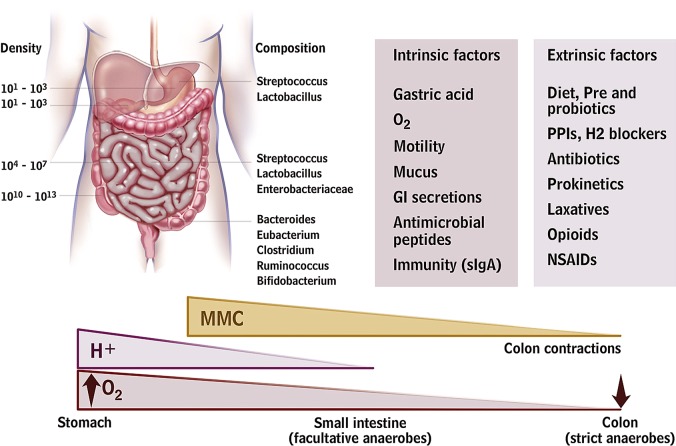
“Bacterial density increases from more proximal to distal sites44.”
From The gut Microbiome in adult and pediatric functional gastrointestinal disorders (2019) · cites this paper as [44]
4 more claims about this paper
Create a free account to see every claim other papers make about this one.
Self-check
Percentages, sums and reported differences re-computed from the paper’s own numbers.
Each contradiction between two passages listed here was confirmed by an independent check.
Rated minor: it would not touch a result — a value no result rests on, a p-value that stays on the same side of the significance level, or a conflict that is clerical, resolved elsewhere in the paper, or outside its own findings.
In the paper
§ Intestinal microbiota in functional bowel disorders: a Rome foundation report > Differences in the microbiota in FBD and the link to pathophysiology
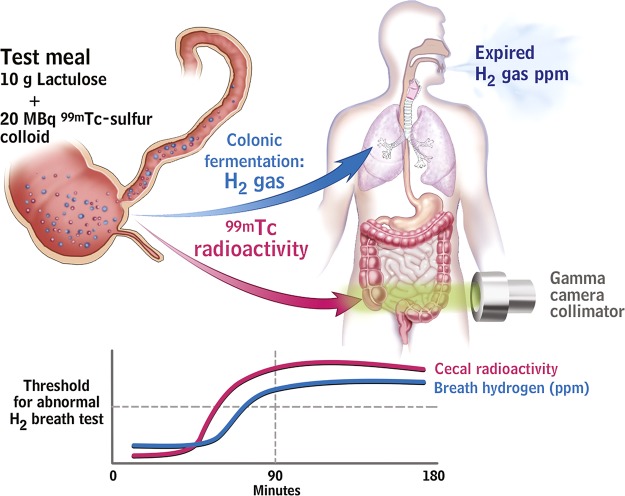
“Although the link between SIBO and IBS is largely based on breath testing, most positive lactulose breath tests reflect rapid transit to the caecum rather than true SIBO94 (figure 4).”
§ Intestinal microbiota in functional bowel disorders: a Rome foundation report > Differences in the microbiota in FBD and the link to pathophysiology
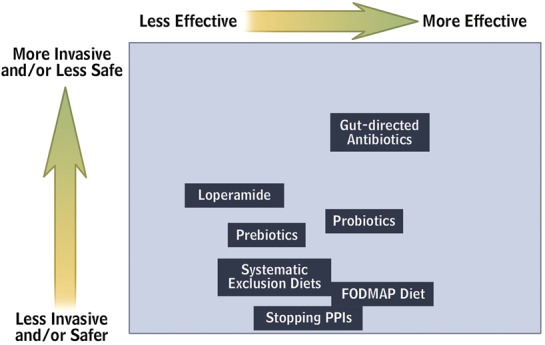
“Figure: Figure 4 Plot chart of currently available strategies for modifying gut microbiota aiming to demonstrate the relationship between the effectiveness and invasiveness/safety of the proposed approach.”
Citations
Cites
A human gut microbial gene catalogue established by metagenomic sequencing
MetaHIT Consortium, Qin, J., Li, R., Raes, J., Arumugam, M., Burgdorf, K. S., Manichanh, C., Nielsen, T., Pons, N., Levenez, F., et al. (2010) · Nature · doi:10.1038/nature08821 · Cited by 11,624
Diversity of the Human Intestinal Microbial Flora
Eckburg, P. B., Bik, E. M., Bernstein, C. N., Purdom, E., Dethlefsen, L., Sargent, M., Gill, S. R., Nelson, K. E., & Relman, D. A. (2005) · Science · doi:10.1126/science.1110591 · Cited by 7,913
A core gut microbiome in obese and lean twins
Turnbaugh, P. J., Hamady, M., Yatsunenko, T., Cantarel, B. L., Duncan, A., Ley, R. E., Sogin, M. L., Jones, W. J., Roe, B. A., Affourtit, J. P., et al. (2009) · Nature · doi:10.1038/nature07540 · Cited by 7,823 · cited 1×
“54e56 Twin studies suggest that the host genotype influences the gut microbiota, although results remain conflicting because of the inability to control for shared environmental factors.(40) 57 One of the most important genetic effects is mediated via the innate immune response.”
BackgroundDietary Modulation of the Human Colonic Microbiota: Introducing the Concept of Prebiotics
Gibson, G. R., & Roberfroid, M. B. (1995) · The Journal of Nutrition · doi:10.1093/jn/125.6.1401 · Cited by 7,667
Enterotypes of the human gut microbiome
MetaHIT Consortium (additional members), Arumugam, M., Raes, J., Pelletier, E., Le Paslier, D., Yamada, T., Mende, D. R., Fernandes, G. R., Tap, J., Bruls, T., et al. (2011) · Nature · doi:10.1038/nature09944 · Cited by 7,548 · cited 1×
“A recent paper suggested that the human GI tract microbiota can be divided into three robust clusters called enterotypes formed by groups of species that jointly contribute to their respective preferred community composition.(27) Remarkably, these enterotypes do not vary by patient characteristics, such as nation, gen…”
BackgroundSelf-citationChanges of Intestinal Functions in Liver Cirrhosis
Fukui, H., & Wiest, R. (2016) · Inflammatory Intestinal Diseases · doi:10.1159/000444436 · Cited by 6,808
De Filippo, C., Cavalieri, D., Di Paola, M., Ramazzotti, M., Poullet, J. B., Massart, S., Collini, S., Pieraccini, G., & Lionetti, P. (2010) · Proceedings of the National Academy of Sciences · doi:10.1073/pnas.1005963107 · Cited by 5,579 · cited 1×
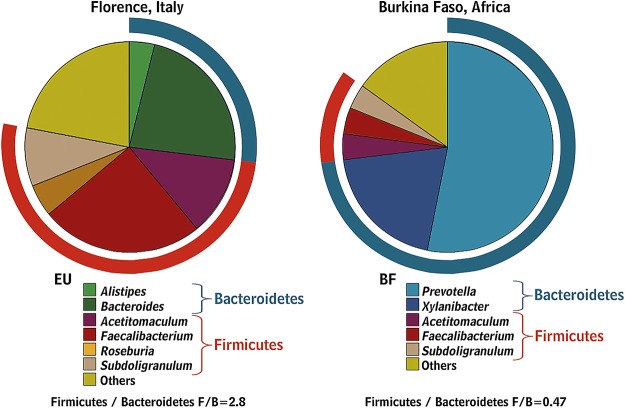
“While most molecular enumeration methods target 16S rRNA, some are based on more functionally relevant genes, for Figure 2 Gut microbiota composition in African children living in rural areas with a polysaccharide-rich diet when compared with Italian city children.(35) (Reprinted with permission from Proc Natl Acad Sc…”
BackgroundThe gut microbiota shapes intestinal immune responses during health and disease
Round, J. L., & Mazmanian, S. K. (2009) · Nature Reviews Immunology · doi:10.1038/nri2515 · Cited by 5,029
Dominguez-Bello, M. G., Costello, E. K., Contreras, M., Magris, M., Hidalgo, G., Fierer, N., & Knight, R. (2010) · Proceedings of the National Academy of Sciences · doi:10.1073/pnas.1002601107 · Cited by 4,774 · cited 1×
“Babies are born with sterile intestines but are rapidly colonised by bacteria from their immediate environment, most importantly their mother ’s vagina and gut.(29) Early colonisers of the neonatal gut are mainly aerobes (such as staphylococci, streptococci and enterobacteria), while late colonisers are strict anaerob…”
BackgroundFrank, D. N., St. Amand, A. L., Feldman, R. A., Boedeker, E. C., Harpaz, N., & Pace, N. R. (2007) · Proceedings of the National Academy of Sciences · doi:10.1073/pnas.0706625104 · Cited by 4,611
Research works printed but not linked: 1
- 122. Spiller R, Card T, Mearin F, et al. Incidence and characteristics of postinfectious IBS (PI-IBS): a multinational internet survey. Gut 2010;59:A32
Cited by
Items 601–700 of 934
Gut microbiota: origin or panacea for all ills? Gut microbiota and systemic diseases
Colica, C., Vecchio, I., Aiello, E., Abenavoli, L., Scarlata, G. G. M., & Aiello, V. (2026) · Microbial Pathogenesis · doi:10.1016/j.micpath.2026.108299 · Cited by 9
Longo, M., Jericó, D., Córdoba, K. M., Riezu‐Boj, J. I., Urtasun, R., Solares, I., Sampedro, A., Collantes, M., Peñuelas, I., Moreno-Aliaga, M. J., et al. (2023) · International Journal of Molecular Sciences · doi:10.3390/ijms241511938 · Cited by 6
Microbiota gut-brain axis: implications for pediatric-onset leukodystrophies
Vaia, Y., Bruschi, F., Tagi, V. M., Tosi, M., Montanari, C., Zuccotti, G., Tonduti, D., & Verduci, E. (2024) · Frontiers in Nutrition · doi:10.3389/fnut.2024.1417981 · Cited by 10
Shane, M. S., Ruddy, J., Cline, M. S., Rosenbaum, D. P., Edelstein, S. A., & Moshiree, B. (2024) · Clinical and Experimental Gastroenterology · doi:10.2147/ceg.s464375 · Cited by 6
The Role of Gut-Brain Interactions in Influencing Symptoms of Irritable Bowel Syndrome.
Mayer, E. A. (2018) · PubMed Central · Cited by 9
Effects of pine pollen wall on gut microbiota and biomarkers in mice with dyslipidemia
Song, X., Wang, Y., Guan, R., Ma, N., Yin, L., Zhong, M., Wang, T., Shi, L., & Geng, Y. (2020) · Phytotherapy Research · doi:10.1002/ptr.6952 · Cited by 6
“, 2015), the gut microbiota plays an important role in the health and the nutrition of the host (Simren et al., 2013).”
BackgroundKim, Y., Paik, C. N., Jo, I. H., Kim, D. B., & Lee, J. M. (2020) · Clinical and Translational Gastroenterology · doi:10.14309/ctg.0000000000000291 · Cited by 7
The gut microbiome in Huntington disease: A review
Patil, R. S., Vyas, S. G., Quazi, W. T., Tembhurnikar, H. J., Milmile, P. S., & Umekar, M. J. (2021) · GSC Biological and Pharmaceutical Sciences · doi:10.30574/gscbps.2021.15.3.0180 · Cited by 6
Yasuda, R., Kamada, K., Murakami, T., Inoüe, R., Mizushima, K., Hirose, R., Inoue, K., Dohi, O., Yoshida, N., Katada, K., et al. (2022) · International Journal for Vitamin and Nutrition Research · doi:10.1024/0300-9831/a000756 · Cited by 8
Wang, N., Zuo, H., Xu, Y., Zhou, Y., Wei, A., & Li, K. (2022) · BMJ Open · doi:10.1136/bmjopen-2021-057391 · Cited by 8
Насрединович, М. С., Мехтиева, О. А., & Михайловна, Б. О. (2022) · Russian Journal of Gastroenterology Hepatology Coloproctology · doi:10.22416/1382-4376-2022-32-4-95-103 · Cited by 7
Pathogenesis of irritable bowel syndrome
Włodarczyk, J., & Szałwińska, P. (2020) · Elsevier eBooks · doi:10.1016/b978-0-12-821324-7.00002-2 · Cited by 6
Obesity and functional bowel disorders: are they linked?
Валерьевна, П. А., Romanitsa, A. I., & Rychkova, L. V. (2021) · Obesity and metabolism · doi:10.14341/omet12706 · Cited by 6
Akhtar, S., Wang, X., Bu, H., & Tan, X. (2014) · Springer eBooks · doi:10.1007/978-94-017-8765-9_3 · Cited by 6
The Human Microbiome in Health and Disease
Hill, C. J., Ross, R. P., Stanton, C., & O’Toole, P. W. (2016) · Wiley eBooks · doi:10.1002/9783527682386.ch4 · Cited by 7
Microbiota—A Rescuing Modulator in Children Struggling with Functional Constipation
Tomsa, N., Meliţ, L. E., Popescu, T., Najjar, K., Văsieșiu, A.-M., Pop, A. V., & Balas, R. B. (2025) · Microorganisms · doi:10.3390/microorganisms13071504 · Cited by 8
Dietary microbes and functional dyspepsia: modulating the gut microecology for therapeutic benefit
Huang, Q., You, F., Liang, F.-X., & Ma, C. (2025) · Frontiers in Nutrition · doi:10.3389/fnut.2025.1625987 · Cited by 6
“Furthermore, microecological therapies, including probiotics and synbiotics, have exhibited clinical potential in FD treatment, likely mediated through modification of microbial metabolic functions (126, 128).”
Microbial Influences on Irritable Bowel Syndrome
Quigley, E. M. M. (2025) · Gastroenterology Clinics of North America · doi:10.1016/j.gtc.2024.12.003 · Cited by 5
Astaxanthin alleviates the microcystin-LR-induced intestinal inflammatory toxicity in zebrafish
Wu, Y., Liu, C., Shao, C., & Huang, Q. (2025) · Aquatic Toxicology · doi:10.1016/j.aquatox.2025.107462 · Cited by 5
Functional and Motility Disorders of the Gastrointestinal Tract: A Case Study Approach
DiBaise, J. K., Crowell, M. D., & Lacy, B. E. (2014) · Springer eBooks · doi:10.1007/978-1-4939-1498-2 · Cited by 6
The significance of infectious disease and microbiota in functional gastrointestinal disorders
Tsuchiya, K. (2017) · Journal of General and Family Medicine · doi:10.1002/jgf2.3 · Cited by 6
Romanitsa, A. I., Немченко, У. М., Валерьевна, П. А., Владимировна, Г. Е., Belkova, N. L., Михайловна, В. Н., Grigoryeva, E. A., Владимировна, С. М., & Rychkova, L. V. (2021) · Бюллетень Восточно-Сибирского научного центра Сибирского отделения Российской академии медицинских наук · doi:10.29413/abs.2021-6.6-2.8 · Cited by 5
Memory Reflections of the Microbiota-Gut and Oligodendrocyte Axis
Ray, S. K., & Mukherjee, S. (2023) · CNS & Neurological Disorders - Drug Targets · doi:10.2174/0118715273256132230921103333 · Cited by 6
Le syndrome de l’intestin irritable : nouvelles pistes physiopathologiques et conséquences pratiques
Duboc, H., Dior, M., & Coffin, B. (2016) · La Revue de Médecine Interne · doi:10.1016/j.revmed.2015.12.030 · Cited by 8
Lactobacillus probiotics for treating functional dyspepsia in children
Ahyani, T., Supriatmo, S., Deliana, M., Yudiyanto, A. R., & Sinuhaji, A. B. (2016) · Paediatrica Indonesiana · doi:10.14238/pi56.1.2016.07 · Cited by 5
Nuaman, B. N. (2017) · American Journal of Medical Sciences and Medicine · doi:10.12691/ajmsm-5-2-1 · Cited by 8
“Alterations in the composition of the gut microbiota have been noticed in both obesity and IBS and may be a common association between the 2 disorders [25,26,27,28,29].”
BackgroundSignificance of Postinfectious Irritable Bowel Syndrome?
Spiller, R. E. (2018) · Gastroenterology · doi:10.1053/j.gastro.2018.11.034 · Cited by 7
Self-citationChouliaras, G. L., Krepis, P., Bouzios, I., Zellos, A., Chrousos, G., & Roma-Giannikou, E. (2021) · Annals of Gastroenterology · doi:10.20524/aog.2021.0626 · Cited by 5
“Modern modalities such as next-generation sequencing demonstrated intestinal dysbiosis in constipated adults [24,25].”
BackgroundKim, J. H., Yi, D. Y., Lee, Y. M., Choi, Y. J., Kim, J. Y., Hong, Y. H., Park, J. Y., Kim, S. Y., Lee, N. M., Yun, S. W., et al. (2022) · Medicine · doi:10.1097/md.0000000000029968 · Cited by 7
Novel insights in the pathophysiology and management of functional dyspepsia
Vanuytsel, T. (2023) · Acta gastro-enterologica belgica · doi:10.51821/86.1.11629 · Cited by 5
Exploring Human Bacterial Diversity Toward Prevention of Infectious Disease and Health Promotion
Yousuf, B., & Mishra, A. (2018) · Elsevier eBooks · doi:10.1016/b978-0-12-814849-5.00029-0 · Cited by 7
Variability and Stability of the Human Gut Microbiome
Flint, H. J. (2020) · Fascinating life sciences · doi:10.1007/978-3-030-43246-1_6 · Cited by 7
Self-citationComparison of different probiotics in the treatment of acute diarrhea in children
Feng, X., Zhuang, L., Chen, L., Zhao, H., Huang, R., & Guo, Z. (2022) · Medicine · doi:10.1097/md.0000000000028899 · Cited by 5
Current Issues on the Treatment of Chronic Constipation
Hong, K. S., Jung, K. W., Lee, T. H., Lee, B. E., Park, S., Shin, J. E., Kim, S., Park, K. S., & Choi, S. C. (2014) · Korean Journal of Gastroenterology · doi:10.4166/kjg.2014.64.3.148 · Cited by 5
“하지만, 유산균이 장내 유해균을 억제한다는 이론적인 장점을 뒷받침하는 실제 임상 데이터는 여전히 부족한 실정이다.(23) 만 성변비의 경우에 총 377명의 환자를 대상으로 한 5개의 무작 위배정 연구를 통해 Bifidobacterium lactis DN-173010, Lactobacillus casei Shirota 및 Escherichia coli Nissle 1917 균주 섭취에 따른 배변 횟수의 개선이 보고된 바 있다.”
Consequences of Gut Dysbiosis on the Human Brain
Hickman, R. A., Hussein, M. A., & Pei, Z. (2016) · InTech eBooks · doi:10.5772/64690 · Cited by 5
Park, J. Y., Kim, J. G., Hong, S. J., Jeon, S. W., Kim, G. H., Kim, H., & Kim, S. G. (2019) · The Korean Journal of Helicobacter and Upper Gastrointestinal Research · doi:10.7704/kjhugr.2019.19.2.106 · Cited by 5
Tana, C., Iannetti, G., Mezzetti, A., & Schiavone, C. (2013) · Ultrasound in Medicine & Biology · doi:10.1016/j.ultrasmedbio.2013.05.009 · Cited by 5
Zhai, J., Li, Y., Liu, J., & Dai, C. (2026) · Clinical and Translational Discovery · doi:10.1002/ctd2.70117 · Cited by 5
Rodiño‐Janeiro, B. K., Khannous‐Lleiffe, O., Pigrau, M., Willis, J. R., Salvo‐Romero, E., Nieto, A., Expósito, E., Fortea, M., Pardo‐Camacho, C., Albert-Bayo, M., et al. (2025) · Frontiers in Microbiology · doi:10.3389/fmicb.2024.1441126 · Cited by 8
The Gut-Brain Axis (GBA): Implications for Brain Longevity
Gautam, P., Vishwakarma, R. K., & Pathak, A. (2025) · Nutritional neurosciences · doi:10.1007/978-981-95-2790-8_9 · Cited by 10
Psychosomatic Disorders, Epigenome, and Gut Microbiota
Abdolmaleky, H. M., Pirani, A., & Pettinato, G. (2025) · Cells · doi:10.3390/cells14241959 · Cited by 6
Probiotics and prebiotics, including fibers and medicinal foods
Jana, T., Acker, B. W., & Cash, B. D. (2019) · Elsevier eBooks · doi:10.1016/b978-0-12-813037-7.00042-x · Cited by 4
Oh, C. K., Park, J.-K., Kim, Y. J., & Kim, J. (2023) · Medicine · doi:10.1097/md.0000000000034899 · Cited by 4
He, M., Ding, G., Yang, Y., & Zhong, J. (2023) · Renal Failure · doi:10.1080/0886022x.2023.2292150 · Cited by 5
“Several studies have proven that the intestinal flora of constipated non-CKD patients is marked by a relative reduction in obligate anaerobe (Bifidobacterium genera, Lactobacillus, etc.) and a simultaneous increase in pathogenic microorganisms (Enterobacteriaceae family, etc.) [33,34].”
BackgroundMarasco, G., Bruni, A., Nardone, O. M., & Lopetuso, L. R. (2024) · Journal of Clinical Medicine · doi:10.3390/jcm13164749 · Cited by 5
“Probiotics are able to restore intestinal health by balancing the microbiota, aiding digestion, and boosting the immune system [3,4].”
BackgroundTovo, P.-A., Ribaldone, D. G., Caviglia, G. P., Calvi, C., Montanari, P., Tizzani, M., Pitoni, D., Frara, S., Tribocco, E., Gambarino, S., et al. (2025) · Cells · doi:10.3390/cells14030196 · Cited by 4
“This paradigm shift acknowledges the complex reciprocal communications between the gastrointestinal tract and the central nervous system, involving neural, hormonal, and immunological pathways [9–11].”
Ning, M., Guo, P., Cui, Y., Du, G., Wang, K., Wang, Z., Yuan, Y., & Yue, T. (2025) · Food Bioscience · doi:10.1016/j.fbio.2025.106033 · Cited by 5
Effectiveness Of Probiotics In Irritable Bowel Syndrome: A Systematic Review With Meta-Analysis
Nikfar, S., Mozafari, S., Didari, T., & Abdollahi, M. R. (2014) · Value in Health · doi:10.1016/j.jval.2014.08.799 · Cited by 3
Uusijärvi, A., Alm, J. S., Lindblad, F., & Olén, O. (2016) · Acta Paediatrica · doi:10.1111/apa.13455 · Cited by 4
Pillai, N. V., Berean, K. J., Brkljača, R., Greve, L. J., Kasapis, S., & Kalantar‐Zadeh, K. (2018) · Journal of Functional Foods · doi:10.1016/j.jff.2018.05.054 · Cited by 4
Bloating and Abdominal Distension: Exploring Hidden Depths and Insights
Pichetshote, N., & Rezaie, A. R. (2020) · Current Treatment Options in Gastroenterology · doi:10.1007/s11938-020-00288-w · Cited by 5
Maixent, J. M., Pons, O., Sennoune, S. R., & Sadrin, S. (2020) · Cellular and Molecular Biology · doi:10.14715/cmb/2020.66.3.34 · Cited by 7
“Due to the lack of a well-established therapeutic approach, IBS patients seek alternative strategies such as probiotics (4).”
BackgroundTiburcio, Á. Z. (2019) · Gastroenterology Medicine & Research · doi:10.31031/gmr.2019.03.000551 · Cited by 4
The Mediterranean Diet in Gastrointestinal and Liver Diseases
Kataria, R. D., & Pickett‐Blakely, O. (2020) · Current Treatment Options in Gastroenterology · doi:10.1007/s11938-020-00318-7 · Cited by 4
Немченко, У. М., Владимировна, Г. Е., Валерьевна, П. А., Belkova, N. L., Михайловна, В. Н., Romanitsa, A. I., Grigoryeva, E. A., Владимировна, С. М., & Rychkova, L. V. (2022) · Russian Clinical Laboratory Diagnostics · doi:10.51620/0869-2084-2022-67-2-106-109 · Cited by 6
Lopez, A. V., Waddell, A., Antonacci, S., Castillo, D., Santucci, N. R., Ollberding, N. J., Eshleman, E. M., Denson, L. A., & Alenghat, T. (2023) · Neurogastroenterology & Motility · doi:10.1111/nmo.14681 · Cited by 5
“22,23 Furthermore, it has been shown that specific alterations in the microbiome and microbial-derived metabolites occur with IBS and may influence gastrointestinal function, thereby provoking the hy - pothesis that the microbiota may impact the effectiveness of current DGBI therapeutics.”
BackgroundLiu, S., Zhao, Y. M., Li, S., Li, Y., Li, L., Sheng, J., Tian, Y., & Gao, X. (2023) · Gene · doi:10.1016/j.gene.2023.148064 · Cited by 5
Primary Care Evaluation and Management of Gastroenterologic Issues in Women
Rao, V. L., Micić, D., & Kim, K. E. (2016) · Obstetrics and Gynecology Clinics of North America · doi:10.1016/j.ogc.2016.01.006 · Cited by 4
“Altered gut immune activation, intestinal permeability, and intestinal and colonic microbiome have also been implicated as potential etiologies.(26,27) Many patients with IBS associate symptoms with food allergies, despite the low prevalence of true food allergies in Western countries (1%–3%).”
BackgroundВладимирович, И. К., Grechishnikova, V. R., Reshetova, M. S., & Ivashkin, V. T. (2021) · Russian Journal of Gastroenterology Hepatology Coloproctology · doi:10.22416/1382-4376-2021-31-1-54-63 · Cited by 4
Exploring the intersection of the microbiome and the developing brain: Impacts on schizophrenia risk
Gupta, L., & Hoffman, K. W. (2021) · Schizophrenia Research · doi:10.1016/j.schres.2021.08.010 · Cited by 4
Small Intestinal Bacterial Overgrowth
Τriantafyllou, Κ., & Pimentel, M. (2014) · Springer eBooks · doi:10.1007/978-1-4939-1498-2_11 · Cited by 4
van Tilburg, M. A. L. (2012) · Humana Press eBooks · doi:10.1007/978-1-60761-709-9_6 · Cited by 4
[Irritable Bowel Syndrome; gut microbiota and probiotic therapy].
González, R. T., Gonzalez, A. S., Madiedo, P. R., Mata, A. M., Muniz, M. P., Alonso, E. B., Llorente, F. J. R., Villar, M. C. M., González, M. M. A., Diaz, M. F. V., et al. (2015) · PubMed · doi:10.3305/nh.2015.31.sup1.8713 · Cited by 9
Probiotics for Gastrointestinal Diseases
Akpınar, H. (2013) · CRC Press eBooks · doi:10.1201/b15561-16 · Cited by 4
Probiotic effect and dietary correlations on faecal microbiota profiles in irritable bowel syndrome
Stevenson, C., Blaauw, R., Fredericks, E., Visser, J., & Roux, S. (2019) · South African Journal of Clinical Nutrition · doi:10.1080/16070658.2019.1697038 · Cited by 7
Gut health and the personal microbiome
Kolmeder, C. A., & de Vos, W. M. (2017) · Wiley eBooks · doi:10.1002/9781119101277.ch10 · Cited by 4
Al Helo, A., & Department of family medicine, J. M. O. H. (2019) · Journal of Gastroenterology and Hepatology Research · doi:10.17554/j.issn.2224-3992.2019.08.818 · Cited by 3
Alterations of ileal mucosa-associated microbiota in hypercholesterolemia patients
Li, J., Ma, J., Wang, W., Du, H., Tang, S., Li, Y., Zhu, W., Zhang, R., & Wan, J. (2023) · Heliyon · doi:10.1016/j.heliyon.2023.e22116 · Cited by 3
Andoh, A., & Miwa, H. (2026) · Digestion · doi:10.1159/000550907 · Cited by 5
Gut Dysbiosis and Its Treatment in Patients with Functional Dyspepsia
Naito, Y., Fukui, A., Kashiwagi, S., & Takagi, T. (2018) · Springer eBooks · doi:10.1007/978-981-13-1074-4_14 · Cited by 5
Tuteja, A. K., Talley, N. J., Murtaugh, M. A., Loc-Carrillo, C., Stoddard, G. J., & Anderson, G. L. (2022) · Federal Practitioner · doi:10.12788/fp.0322 · Cited by 4
Lam, W. C., Chen, H., Siah, K. T. H., Thakur, E. R., & Zhong, L. L. D. (2025) · Frontiers in Neurology · doi:10.3389/fneur.2025.1632822 · Cited by 3
Microbiome, Prebiotics, and Human Health
Dwivedi, S. L., Puppala, N., & Ortiz, R. O. (2015) · Elsevier eBooks · doi:10.1016/b978-0-08-100596-5.03154-1 · Cited by 3
Targeting of Transient Receptor Potential Channels in Digestive Disease
Poole, D. P., Lieu, T., Veldhuis, N. A., Rajasekhar, P., & Bunnett, N. W. (2015) · Elsevier eBooks · doi:10.1016/b978-0-12-420024-1.00021-7 · Cited by 6
Microbial Neuro-Immune Interactions and the Pathophysiology of IBD
Aguilera, M., & Melgar, S. (2016) · InTech eBooks · doi:10.5772/64832 · Cited by 7
“This includes the dysfunc‐ tion of the brain‐gut axis, the implication of TNFSF gene, the abnormal microbial composition and altered host functions, the low‐grade inflammation and the presence of IBS symptoms in patients with IBD in remission [215].”
BackgroundInfluentialEffects of synbiotics on ileal microbiota
Komatsu, S., Sakamoto, E., Asahara, T., Nomoto, K., & Nagino, M. (2018) · The Indian Journal of Medical Research · doi:10.4103/ijmr.ijmr_590_16 · Cited by 3
Probiotics for the treatment of irritable bowel syndrome in children
Barajas-Nava, L. A., Sánchez, A. C., Castilla-Peón, M. F., Pizarro-Castellanos, M., & Vázquez-Frías, R. (2018) · Cochrane Database of Systematic Reviews · doi:10.1002/14651858.cd013095 · Cited by 3
Kumbukgolla, W., Jayaweera, J. A. A. S., Perera, P. A. J., & Hale, S. (2019) · European Journal of Integrative Medicine · doi:10.1016/j.eujim.2019.05.005 · Cited by 3
Re: A Meta-Analysis of the Clinical Use of Curcumin for Irritable Bowel Syndrome
Appleton, L., & Day, A. S. (2019) · Journal of Clinical Medicine · doi:10.3390/jcm8111885 · Cited by 3
“More recent evidence implicates a range of other factors including changes to gut immune activation, intestinal permeability, alterations in faecal flora, and bacterial dysbiosis [4,5].”
Backgroundvan Tilburg, M. A. L. (2016) · Springer eBooks · doi:10.1007/978-3-319-43268-7_6 · Cited by 4
Yerlett, N., Petrof, G., Bageta, M. L., Balboa, P. L., & Martinez, A. E. (2022) · Clinical and Experimental Dermatology · doi:10.1093/ced/llac070 · Cited by 3
Yagi, S., Furukawa, S., Miyake, T., Yoshida, O., Shiraishi, K., Tange, K., Hashimoto, Y., Kitahata, S., Ninomiya, T., Hanayama, M., et al. (2023) · Gerontology and Geriatric Medicine · doi:10.1177/23337214231215637 · Cited by 3
“Age-related changes in physical activity, fluid and food intake, and microbiota (Simrén et al., 2013) may lead to constipation.”
BackgroundEvaluation of Diet and Symptom Severity in Disorder of Gut–Brain Interaction
Faruga‐Lewicka, W., Bielaszka, A., Staśkiewicz‐Bartecka, W., Opiołka, S., Kiciak, A., & Kardas, M. (2024) · Journal of Clinical Medicine · doi:10.3390/jcm13144132 · Cited by 4
“These mechanisms can alter motility patterns in different regions of the intestine, epithelial permeability, luminal secretion, mucosal immune function, and neurotransmitter release [14,15].”
BackgroundEffect of physical activity on the severity of irritable bowel syndrome (IBS) symptoms
Machała-Ćwikła, E., Łapińska, U., Zdziebło, P., Ćwikła, P., Machała, K., Szeląg, K., Machała, D., Kujawski, A., Zuzak, A. P., & Zdziebło, K. (2024) · Quality in Sport · doi:10.12775/qs.2024.16.52921 · Cited by 5
Hanaway, P. J. (2017) · Elsevier eBooks · doi:10.1016/b978-0-323-35868-2.00041-4 · Cited by 4
de Souza, S. S., Pierezan, M. D., Hassemer, G. D. S., Lima, C. M. G., Lindner, J. D. D., Miotto, M., & Verruck, S. (2022) · Dairy · doi:10.3390/dairy3010012 · Cited by 4
FMT in Clostridium difficile and Other Potential Uses
Fine, S., & Kelly, C. R. (2017) · Elsevier eBooks · doi:10.1016/b978-0-12-804024-9.00034-3 · Cited by 3
Айтбаев, К. А., Murkamilov, I., Fomin, V. V., Yusupov, F. A., Redjapova, N., Raimzhanov, Z., & Aidarov, Z. (2018) · Medical news of the North Caucasus · doi:10.14300/mnnc.2018.13033 · Cited by 3
“Учитывая, что аномальная микробиота может быть вовлечена в патогенез СРК [41], высказано предположение, что манипулирование микробиоты кишечника пробиотиками может оказывать терапевтический эффект.”
Павлович, П. А., Ol’ga, V. T., Mnatsakanyan, M. G., & Dyukova, G. M. (2016) · Clinical Medicine (Russian Journal) · doi:10.18821/0023-2149-2016-94-10-795-800 · Cited by 3
Stefano, A. F. D. D., Radicioni, M. M., Vaccani, A., Mazzetti, A., Longo, L. M., & Moro, L. (2021) · Antibiotics · doi:10.3390/antibiotics10020167 · Cited by 3
“Bacteria are allegedly involved in the pathogenesis of IBS through the metabolic capacity of the luminal microbiota and the potential of the mucosa-associated microbiota to influence the host via immune–microbial interactions [13,14].”
BackgroundFarmer, A. D., & Aziz, Q. (2020) · doi:10.1093/med/9780198746690.003.0308 · Cited by 3
Kim, H.-K., Kim, H., & Lee, A. (2024) · Women & Health · doi:10.1080/03630242.2024.2396950 · Cited by 3
“…have a wide range of activities, with evidence supporting their effect on at least some of the putative pathophysiological mechanisms implicated in IBS, such as visceral hypersensitivity, GI dysmotility, intestinal permeability, intestinal microbiota, and immune function (Simrén et al. 2013).”
Remes-Troche, J. M., Coss‐Adame, E., Schmulson, M. J., García‐Zermeño, K. R., Amieva‐Balmori, M., Carmona-Sánchez, R., Gomez-Escudero, O., Gómez-Castaños, P. C., Icaza-Chávez, M. E., López‐Colombo, A., et al. (2025) · Revista de Gastroenterología de México (English Edition) · doi:10.1016/j.rgmxen.2024.10.009 · Cited by 13
Arif, T. B., Damianos, J., Rahman, A., & Hasnain, N. (2025) · Current Gastroenterology Reports · doi:10.1007/s11894-025-01001-6 · Cited by 3
“The prevailing hypothesis suggests that abnormal microbiota activate mucosal innate immune responses, leading to increased epithelial permeability, activation of nociceptive sensory pathways, and disruption of enteric nervous system signaling [86].”
Can Symptoms and Medical History Predict Outcomes for Hydrogen and Methane Breath Testing?
Haworth, J. J., Treadway, S., Bloor, S., Isaac, K., Morrison, J., Farmer, A. D., & Hobson, A. R. (2025) · The American Journal of Gastroenterology · doi:10.14309/ajg.0000000000003697 · Cited by 3
Adaptive Evolution in the Mammalian Gut Microbiota: Insights and Discoveries
Wei, L., Yue, P., Mao, J., & Hu, Q. (2025) · Current Microbiology · doi:10.1007/s00284-025-04516-3 · Cited by 4
Efficacy and immunologic effects of a synbiotic in children with functional abdominal pain
Arsoy, H. A., Özkan, T., Özgür, T., Şahin, N. Ü., & Budak, F. (2025) · Trends in Pediatrics · doi:10.59213/tp.2025.255 · Cited by 3
Hyperbaric oxygen treatment mitigates gut dysbiosis of mice with spinal cord injury
Liu, M., Yang, L., Nan, D., Ma, L., Zhang, J., Liang, F., Yang, J., & Liu, X. (2025) · Journal of Molecular Medicine · doi:10.1007/s00109-025-02604-2 · Cited by 2
“The intestinal commensal microbiome influences intestinal physiology and regulates immune function and endocrine systems of the host [22, 23].”
Prediction of irritable bowel syndrome by integrating urine metabolites and gut microbiota
Lee, G., Lee, M., Park, S., Pak, J., Bae, S., Kwak, S., Moon, Y.-H., & Son, H.-S. (2025) · Scientific Reports · doi:10.1038/s41598-025-22068-1 · Cited by 3
Wickramasinghe, N., & Devanarayana, N. M. (2026) · World Journal of Gastrointestinal Endoscopy · doi:10.4253/wjge.v18.i1.111395 · Cited by 2
Metadata
- Authors
- Simrén, M., Barbara, G., Flint, H. J., Spiegel, B. M. R., Spiller, R. C., Vanner, S., Verdu, E. F., Whorwell, P. J., & Zoetendal, E. G.
- Affiliations
- University of Gothenburg (SE)
- University of Bologna (IT)
- University of Aberdeen (GB)
- University of California, Los Angeles (US)
- NIHR Biomedical Research Unit, Nottingham Digestive Diseases Centre, E Floor West Block, University Hospital, Nottingham, UK
- Queen's University (CA)
- McMaster University (CA)
- University of Manchester (GB)
- Wageningen University & Research (NL)
- Corresponding author
- Simrén, Magnus
- ORCID
- Venue
- Gut
- Publisher
- BMJ
- Published
- 2012-06-22
- Volume
- 62
- Issue
- 1
- Pages
- 159-176
- ISSN
- 0017-5749 (ISSN-L)
- 1468-3288
- PMC
- PMC3551212
- OpenAlex
- W2135313371
- Cited by
- 939
- References
- 286
- Citations by year
- 2026: 33 · 2025: 50 · 2024: 38 · 2023: 55 · 2022: 65 · 2021: 65 · 2020: 74 · 2019: 62 · 2018: 94 · 2017: 76 · 2016: 82 · 2015: 79 · 2014: 95 · 2013: 61 · 2012: 6
- FWCI
- 74.82
- Type
- journal article
- Language
- en
- Open access
- hybrid
- doi.org
- Licence
- cc-by-nc
- Locations
- Gut (publishedVersion, cc-by-nc)
- Europe PMC (PubMed Central) (publishedVersion, cc-by-nc)
- PubMed Central (publishedVersion, cc-by-nc)
- PubMed (publishedVersion)
- Research Explorer (The University of Manchester) (acceptedVersion)
- Socio-Environmental Systems Modeling (acceptedVersion)
- Aberdeen University Research Archive (Aberdeen University) (submittedVersion, cc-by-nc)
- Archivio istituzionale della ricerca (Alma Mater Studiorum Università di Bologna) (submittedVersion)
- HighWire Press Open Archive (submittedVersion)
- Data Archiving and Networked Services (DANS) (submittedVersion, other-oa)
- Funders
- Amgen
- Pfizer
- GlaxoSmithKline
- Danone
- Sucampo Pharmaceuticals
- McMaster University
- Ironwood Pharmaceuticals, Incorporated
- Rural and Environment Science and Analytical Services Division
- Crohn's and Colitis Foundation
- Crohn's and Colitis Foundation of Canada
- National Institute for Health and Care Research (NF-SI-0509-10005)
- Ministero dell’Istruzione, dell’Università e della Ricerca (PRIN 2009)
- Astellas Pharma
- Göteborgs Universitet
- Marcus och Amalia Wallenbergs minnesfond
- Nestec
- Norgine
- Canadian Institutes of Health Research
- Medical Research Council
- Sahlgrenska Akademin
- Centrum fÖr Personcentrerad Vård
- Topics
- Health Sciences › Medicine › Gastroenterology › Gastrointestinal motility and disorders
- Life Sciences › Biochemistry, Genetics and Molecular Biology › Molecular Biology › Gut microbiota and health
- Life Sciences › Agricultural and Biological Sciences › Food Science › Probiotics and Fermented Foods
- Keywords
- gut microbiota, functional gastrointestinal disorders, irritable bowel syndrome, functional dyspepsia, small intestinal bacterial overgrowth, host-microbe interactions, intestinal permeability, innate immune response, enteric nervous system, 16S rRNA gene profiling, prebiotics, probiotics, synbiotics, non-absorbable antibiotics, dietary intervention
- MeSH terms
- Anti-Bacterial Agents, Diagnosis, Differential, Diet Therapy, Gastrointestinal Diseases, Humans, Intestinal Mucosa, Intestines, RNA, Bacterial, RNA, Ribosomal, 16S, Probiotics, Irritable Bowel Syndrome, Metagenome, Metagenomics, Prebiotics
About these checks
Registry, retraction, Cites and statistics results are computed, not judged, with one exception: a printed reference that no index lists is read once by a model before it counts as a citation error. Claims are extracted by a model and kept only when their quote appears verbatim in the text; each cited source is then checked, with a model’s help, for whether it says what the claim relies on. Those verdicts can be wrong — read the claim’s quote and the cited source before relying on one.
The claim verdicts this report counts are experimental: their accuracy is not yet measured.
A language model drew the claims from the paper on 2026-10-05, under version 3 of the claim definition (model deepseek-v4.1-flash, prompt extract-v3).
A second model labelled each claim on 2026-10-05 (model jev-1.13-20260917, definition revision gold-guideline-v0.2).
Cited sources are checked with a language model’s help (gpt-6-sol).
Statistics and arithmetic are recomputed, not judged.
Confidence bands are shown only for fields calibrated on our annotated test set. None is calibrated yet, so no band is shown.
What counts as a claim ›How we measure confidence ›How we check this ›
Are you an author, or do you see a problem with this page? Request a review
Data sources
Bibliographic data: Semantic Scholar, OpenAlex, Crossref.
Contains information from the Semantic Scholar Academic Graph Datasets, made available under the ODC Attribution License (ODC-BY 1.0).
Semantic Scholar’s data is described in: Kinney, R., et al. (2023). The Semantic Scholar Open Data Platform. arXiv:2301.10140.
