

Intestinal microbiota in functional bowel disorders: a Rome foundation report
Open accessThe DOI matches its Crossref record; 286 of the 288 references it cites were found in a registry or an index, and 2 are not checked yet; 18 of the 131 sources its claims cite were checked for support.
Abstract
It is increasingly perceived that gut host–microbial interactions are important elements in the pathogenesis of functional gastrointestinal disorders (FGID). The most convincing evidence to date is the finding that functional dyspepsia and irritable bowel syndrome (IBS) may develop in predisposed individuals following a bout of infectious gastroenteritis. There has been a great deal of interest in the potential clinical and therapeutic implications of small intestinal bacterial overgrowth in IBS. However, this theory has generated much debate because the evidence is largely based on breath tests which have not been validated. The introduction of culture-independent molecular techniques provides a major advancement in our understanding of the microbial community in FGID. Results from 16S rRNA-based microbiota profiling approaches demonstrate both quantitative and qualitative changes of mucosal and faecal gut microbiota, particularly in IBS. Investigators are also starting to measure host–microbial interactions in IBS. The current working hypothesis is that abnormal microbiota activate mucosal innate immune responses which increase epithelial permeability, activate nociceptive sensory pathways and dysregulate the enteric nervous system. While we await important insights in this field, the microbiota is already a therapeutic target. Existing controlled trials of dietary manipulation, prebiotics, probiotics, synbiotics and non-absorbable antibiotics are promising, although most are limited by suboptimal design and small sample size. In this article, the authors provide a critical review of current hypotheses regarding the pathogenetic involvement of microbiota in FGID and evaluate the results of microbiota-directed interventions. The authors also provide clinical guidance on modulation of gut microbiota in IBS.
Verified 2026-10-05 · 2 references not checked yet
Overview
CoChat Summary
TL;DR
This Rome Foundation report critically reviews evidence that gut microbiota contribute to functional bowel disorders, especially IBS, through post-infectious onset, altered mucosal/faecal communities, and host–microbial immune interactions. It concludes that microbiota-directed therapies are promising but limited by unvalidated SIBO tests, inconsistent microbiota findings, and underpowered trials.
Key findings
- Post-infectious IBS is the most convincing link: infective gastroenteritis incidence is 19/100 person years in the UK; 6%–17% of IBS patients report onset after infective gastroenteritis (18% in an internet survey, with around 40% beginning while travelling), and a meta-analysis found increased IBS risk 1 year after bacterial gastroenteritis (RR=6.5, CI 2.6–15.4), still apparent at 36 months (RR=3.9, CI 3.0–5.0).
- The SIBO hypothesis in IBS remains controversial because breath tests are not validated; lactulose hydrogen breath testing predominantly measures oro-caecal transit rather than SIBO, and culture studies show relatively few duodenal/proximal jejunal bacteria with no obvious differences from controls, though lower cut-offs (>10³ cfu/ml) suggest more IBS patients may meet SIBO criteria.
- Culture-independent 16S rRNA-based profiling shows both quantitative and qualitative changes in mucosal and faecal microbiota in IBS, but results are inconsistent and sometimes contradictory; reported changes include decreased bifidobacteria/lactobacilli and increased Proteobacteria/Firmicutes in some studies, and faecal samples may not reflect other GI tract sites.
- Microbiota-directed treatments show promise: rifaximin 550 mg thrice daily for 2 weeks had a therapeutic advantage over placebo around 10%, with benefit for approximately 10 weeks and number-needed-to-treat 11; about three-quarters of probiotic trials were positive with generally modest therapeutic gain, and the strongest evidence is for *Bifidobacterium infantis* 35624 at 1×10⁸ cfu/day for at least 4 weeks; one double-blind prebiotic trial using trans-galactooligosaccharide reduced symptoms and stimulated bifidobacteria.
Methods
- Design: critical review and synthesis of the Rome Foundation Committee Report, not a primary study; it reviews current hypotheses on microbiota in FGID and evaluates microbiota-directed interventions.
- Data: literature on intestinal microbiota in functional bowel disorders, focusing predominantly on IBS, including culture-based, culture-independent molecular, breath-test, and treatment studies; tables summarize small bowel culture studies, colonic microbiome studies, and placebo-controlled probiotic trials.
- Analysis: narrative synthesis with clinical guidance and recommendations for future research; no systematic search strategy or meta-analysis is stated.
Limitations
- The paper states that the SIBO hypothesis remains debated because breath tests and small bowel culture techniques have not been validated, and confounding factors such as antibiotics, PPIs, and altered motility have not been taken into account in many studies.
- The paper states that most probiotic and antibiotic trials are underpowered and suffer suboptimal design; available studies are descriptive rather than mechanistic, and heterogeneity of FBD plus inter-individual variability of microbiota profiles require larger sample sizes.
- Evident from the text: as a narrative review, it does not report a systematic search, formal quality assessment, or meta-analysis; many cited studies are small, older, or limited by poor quality, and the clinical guidance is based on limited evidence.
Model-written summary. Check it against the paper before relying on it.
Integrity signals
Registry
Cites
Statistics
Figures
Verification
Claims the paper makes
11 Valid · 2 Not valid · 66 Not checked · 32 Own results and interpretations
The cited sources support only part of this claim — read each source’s verdict below.
In the paper
“Interestingly, a recent study demonstrated that faecal microbiota of IBS patients could be grouped in a cluster which was completely different from that of healthy controls.114”
§ Intestinal microbiota in functional bowel disorders: a Rome foundation report > Differences in the microbiota in FBD and the link to pathophysiology
What the sources say
- Partly supportedcites [114] 114. Rajilic-Stojanovic M, Biagi E, Heilig HG, et al. Global and deep molecular analysis of microbiota signatures in fecal samples from patients with irritable bowel syndrome. Gastroenterology 2011;141:1792–801 sourceExperimental — accuracy not yet measured
The Phylogenetic Profiling and Multivariate Analysis section reports that IBS and control samples separated clearly in a multivariate analysis of condensed microbiota profiles. But it also says that, when the full probe profiles were hierarchically clustered, the groups did not cluster significantly by health status. Thus the claimed distinct cluster overstates the finding; page numbers are unavailable in our copy. (LLM, conf=0.88)
boostedstates an association- Asserted: passes — The authors put it forward as true.
- Checkable: passes — It can be checked against evidence.
- Load-bearing: unclear — It is unclear whether the paper’s conclusions depend on it.
- Based: passes — The paper gives a reason why it holds.
- Partly supported
The cited sources support only part of this claim — read each source’s verdict below.
In the paper
“Some patients with IBS lack tissue transglutaminase antibodies or histological markers of coeliac disease yet still respond symptomatically to a gluten-free diet.”
§ Intestinal microbiota in functional bowel disorders: a Rome foundation report > GI disorders mimicking and overlapping with FBDs
What the sources say
- Supportedcites [157] 157. Wahnschaffe U, Ullrich R, Riecken EO, et al. Celiac disease-like abnormalities in a subgroup of patients with irritable bowel syndrome. Gastroenterology 2001;121:1329–38 source
The Serum IgA Antibody Titers section reports no increased serum tissue-transglutaminase antibodies in IBS patients. The Discussion describes these patients as often having normal intestinal mucosa and reports significantly improved stool frequency after six months of a gluten-free diet in the HLA-DQ2-positive and intestinal-antibody-positive subgroups. The antibody finding concerns serum antibodies; some responders had increased intestinal antibodies. (LLM, conf=0.89)
- Partly supportedcites [158] 158. Sapone A, Lammers KM, Casolaro V, et al. Divergence of gut permeability and mucosal immune gene expression in two gluten-associated conditions: celiac disease and gluten sensitivity. BMC Med 2011;9:23. sourceExperimental — accuracy not yet measured
The Methods (Definition of GS) describe gluten-sensitive patients with negative tTG-IgA serology and no coeliac-type intestinal damage; the Results (Clinical and laboratory characteristics of GS subjects) report that their symptoms resolved after starting a gluten-free diet. The paper identifies these patients as gluten-sensitive, not as patients with IBS, so it does not establish the claim for the specified IBS population. (LLM, conf=0.87)
- Not checked yetcites [159] 159. Verdu EF, Huang X, Natividad J, et al. Gliadin-dependent neuromuscular and epithelial secretory responses in gluten-sensitive HLA-DQ8 transgenic mice. Am J Physiol 2008;294:G217–25
plainstates a cause- Asserted: passes — The authors put it forward as true.
- Checkable: passes — It can be checked against evidence.
- Load-bearing: unclear — It is unclear whether the paper’s conclusions depend on it.
- Based: passes — The paper gives a reason why it holds.
- Supported
The cited sources support only part of this claim — read each source’s verdict below.
In the paper
“In fact, as with IBS (tables 2 and 3), faecal166–171 and mucosal-associated dysbiosis167 172–178 has been described IBD.”
§ Intestinal microbiota in functional bowel disorders: a Rome foundation report > GI disorders mimicking and overlapping with FBDs
What the sources say
- Supportedcites [166] 166. Scanlan PD, Shanahan F, O'Mahony C, et al. Culture-independent analyses of temporal variation of the dominant fecal microbiota and targeted bacterial subgroups in Crohn's disease. J Clin Microbiol 2006;44:3980–8 source
The citation to this paper is attached to the faecal part of the sentence, not the mucosal-associated part. The Results (page unavailable) report significantly lower temporal stability of faecal microbiota in Crohn’s disease patients than in controls, supporting the description of faecal dysbiosis. (LLM, conf=0.92)
- Supportedcites [167] 167. Conte MP, Schippa S, Zamboni I, et al. Gut-associated bacterial microbiota in paediatric patients with inflammatory bowel disease. Gut 2006;55:1760–7 source
The citation to this paper is attached to the mucosal-associated part of the sentence, not the faecal part. The Results report more mucosa-associated bacteria in children with IBD than in controls, supporting the description of mucosal-associated dysbiosis in IBD. (LLM, conf=0.93)
- Not checked yetcites [168] 168. Giaffer MH, Holdsworth CD, Duerden BI. The assessment of faecal flora in patients with inflammatory bowel disease by a simplified bacteriological technique. J Med Microbiol 1991;35:238–43 source
- Partly supportedcites [169] 169. Giaffer MH, Holdsworth CD, Duerden BI. Virulence properties of Escherichia coli strains isolated from patients with inflammatory bowel disease. Gut 1992;33:646–50 sourceExperimental — accuracy not yet measured
The Discussion reports that adhesive E. coli were found in the stool of 62% of patients with Crohn’s disease and 68% with ulcerative colitis, versus 6% of controls, supporting a difference in faecal flora in IBD. The paper does not establish mucosal-associated dysbiosis: its adhesion assay used stool isolates tested against buccal cells, not bacteria sampled from intestinal mucosa. (LLM, conf=0.88)
- Supportedcites [170] 170. Andoh A, Sakata S, Koizumi Y, et al. Terminal restriction fragment length polymorphism analysis of the diversity of fecal microbiota in patients with ulcerative colitis. Inflamm Bowel Dis 2007;13:955–62 source
This source is cited among the references for faecal dysbiosis, not the separate references for mucosal-associated dysbiosis. The Discussion reports that patients with ulcerative colitis clustered separately from healthy individuals, indicating different faecal bacterial communities. Ulcerative colitis is a form of IBD. (LLM, conf=0.92)
- Not checked yetcites [171] 171. Lepage P, Seksik P, Sutren M, et al. Biodiversity of the mucosa-associated microbiota is stable along the distal digestive tract in healthy individuals and patients with IBD. Inflamm Bowel Dis 2005;11:473–80 source
- Not checked yetcites 167 172–178
plainstates an association- Asserted: passes — The authors put it forward as true.
- Checkable: passes — It can be checked against evidence.
- Load-bearing: unclear — It is unclear whether the paper’s conclusions depend on it.
- Based: passes — The paper gives a reason why it holds.
- Supported
The cited sources support only part of this claim — read each source’s verdict below.
In the paper
“The use of probiotics, particularly in animal models, also demonstrates that their secreted products or metabolites can modulate contractility of intestinal smooth muscle and visceral sensitivity.59–61”
§ Intestinal microbiota in functional bowel disorders: a Rome foundation report > Differences in the microbiota in FBD and the link to pathophysiology
What the sources say
- Partly supportedcites [59] 59. Verdu EF, Bercik P, Verma-Gandhu M, et al. Specific probiotic therapy attenuates antibiotic induced visceral hypersensitivity in mice. Gut 2006;55:182–90 sourceExperimental — accuracy not yet measured
The Overall design section reports that cell-free spent culture medium attenuated muscle hypercontractility in a previous mouse study. This paper found that L. paracasei administered in spent culture medium normalized visceral sensitivity in mice, but it did not establish that a secreted product or metabolite, rather than the live bacteria, caused that effect. (LLM, conf=0.86)
- Not checked yetcites [60] 60. Rousseaux C, Thuru X, Gelot A, et al. Lactobacillus acidophilus modulates intestinal pain and induces opioid and cannabinoid receptors. Nat Med 2007;13:35–7 source
- Partly supportedcites [61] 61. Eutamene H, Lamine F, Chabo C, et al. Synergy between Lactobacillus paracasei and its bacterial products to counteract stress-induced gut permeability and sensitivity increase in rats. J Nutr 2007;137:1901–7 sourceExperimental — accuracy not yet measured
The Discussion reports that both live bacteria and bacterial products were required to prevent stress-induced visceral hyperalgesia in rats. It also discusses attenuation of muscle hypercontractility in an infection model, but identifies that as a finding from an earlier mouse study rather than a smooth-muscle outcome measured in this paper. Thus the visceral-sensitivity part is directly supported; the contractility part is supported only through its account of other work. (LLM, conf=0.84)
boostedstates a cause- Asserted: passes — The authors put it forward as true.
- Checkable: passes — It can be checked against evidence.
- Load-bearing: unclear — It is unclear whether the paper’s conclusions depend on it.
- Based: passes — The paper gives a reason why it holds.
- Partly supported
The cited sources support only part of this claim — read each source’s verdict below.
In the paper
“A short course of a non-absorbable antibiotic such as rifaximin has been shown to moderately improve the symptoms of irritable bowel syndrome (IBS), particularly bloating and flatulence.”
§ Intestinal microbiota in functional bowel disorders: a Rome foundation report > Treatment implications: antibiotics, probiotics, prebiotics and synbiotics
What the sources say
- Not checked yetcites [187] 187. Pimentel M, Park S, Mirocha J, et al. The effect of a nonabsorbed oral antibiotic (rifaximin) on the symptoms of the irritable bowel syndrome: a randomized trial. Ann Intern Med 2006;145:557–63 source
- Not checked yetcites [188] 188. Sharara AI, Aoun E, Abdul-Baki H, et al. A randomized double-blind placebo-controlled trial of rifaximin in patients with abdominal bloating and flatulence. Am J Gastroenterol 2006;101:326–33 source
- Partly supportedcites [189] 189. Pimentel M, Lembo A, Chey WD, et al. Rifaximin therapy for patients with irritable bowel syndrome without constipation. N Engl J Med 2011;364:22–32 sourceExperimental — accuracy not yet measured
The Abstract reports that a two-week course of rifaximin improved global IBS symptoms and bloating compared with placebo, but the trials enrolled patients with IBS without constipation. Our copy does not report a flatulence outcome for these trials; flatulence appears in the References as part of another study’s title. (LLM, conf=0.88)
plainstates a cause- Asserted: passes — The authors put it forward as true.
- Checkable: passes — It can be checked against evidence.
- Load-bearing: passes — The paper’s conclusions depend on it.
- Based: passes — The paper gives a reason why it holds.
49 more claims · 1 with their cited sources checked
Create a free account to see all 111 claims and to verify the 113 references still open.
- It may state two separate claims as one. 49
- Probably not a substantial claim. 10
Claims other papers make about this one
Each is checked against this paper’s own text: does it say what the citing paper says it does?
The source backs part of the claim, not all of it — or backs it for a different population, condition or comparison.
In the citing paper
“Initial clinical evidence of MGB interactions primarily stems from associations between dysbiosis and CNS disorders, such as autism, anxiety-depressive behaviors, and functional gastrointestinal disorders (63, 65–72).”
From Signalling cognition: The gut microbiota and hypothalamic-pituitary-adrenal axis (2023) · cites this paper as [72]
Experimental — accuracy not yet measuredThe cited source says what the claim attributes to it.
In the citing paper
“Given that changes in the gut microbiota have been implicated in the pathogenesis of GI disorders [such as irritable bowel syndrome (IBS)],5–8 there is growing interest in therapies that might influence these changes, such as probiotics.”
From Systematic review: probiotics in the management of lower gastrointestinal symptoms in clinical practice - an evidence-based international guide (2013) · cites this paper as [5]
The cited source says what the claim attributes to it.
In the citing paper
“Several studies have found alterations in the gut microbiome in patients with IBS.86–89”
From Update on Fecal Microbiota Transplantation 2015: Indications, Methodologies, Mechanisms, and Outlook (2015) · cites this paper as [88]
The cited source says what the claim attributes to it.
In the citing paper
“Consistent with this view, the clinical guidance regarding the modulation of intestinal microbiota in IBS provided by the Rome Team Working Group has recently concluded that there is good evidence supporting the concept that the intestinal microbiota is perturbed in patients with IBS [64] .”
From Gut microbiota role in irritable bowel syndrome: New therapeutic strategies (2016) · cites this paper as [64]
In the citing paper
“Bacterial density increases from more proximal to distal sites44.”
From The gut Microbiome in adult and pediatric functional gastrointestinal disorders (2019) · cites this paper as [44]
4 more claims about this paper
Create a free account to see every claim other papers make about this one.
Self-check
Percentages, sums and reported differences re-computed from the paper’s own numbers.
Each contradiction between two passages listed here was confirmed by an independent check.
Rated minor: it would not touch a result — a value no result rests on, a p-value that stays on the same side of the significance level, or a conflict that is clerical, resolved elsewhere in the paper, or outside its own findings.
In the paper
§ Intestinal microbiota in functional bowel disorders: a Rome foundation report > Differences in the microbiota in FBD and the link to pathophysiology
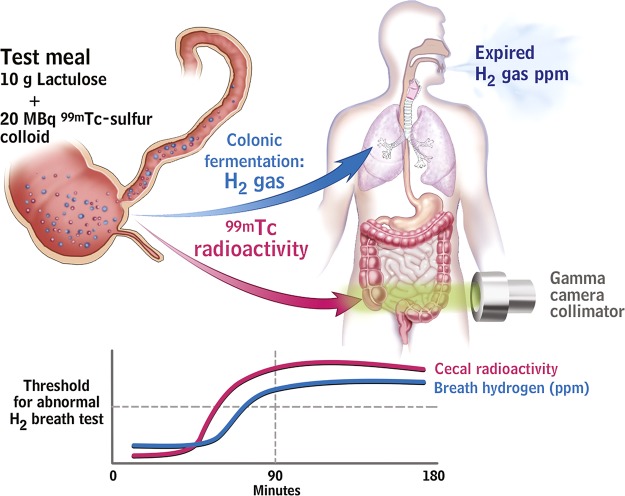
“Although the link between SIBO and IBS is largely based on breath testing, most positive lactulose breath tests reflect rapid transit to the caecum rather than true SIBO94 (figure 4).”
§ Intestinal microbiota in functional bowel disorders: a Rome foundation report > Differences in the microbiota in FBD and the link to pathophysiology
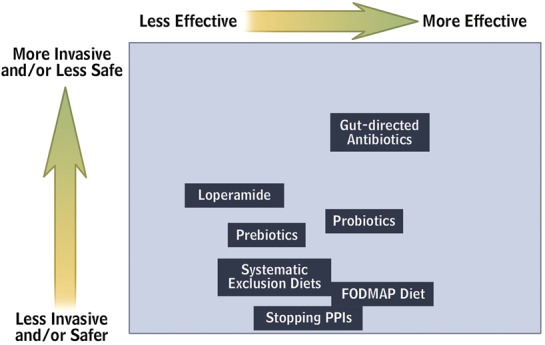
“Figure: Figure 4 Plot chart of currently available strategies for modifying gut microbiota aiming to demonstrate the relationship between the effectiveness and invasiveness/safety of the proposed approach.”
Citations
Cites
A human gut microbial gene catalogue established by metagenomic sequencing
MetaHIT Consortium, Qin, J., Li, R., Raes, J., Arumugam, M., Burgdorf, K. S., Manichanh, C., Nielsen, T., Pons, N., Levenez, F., et al. (2010) · Nature · doi:10.1038/nature08821 · Cited by 11,624
Diversity of the Human Intestinal Microbial Flora
Eckburg, P. B., Bik, E. M., Bernstein, C. N., Purdom, E., Dethlefsen, L., Sargent, M., Gill, S. R., Nelson, K. E., & Relman, D. A. (2005) · Science · doi:10.1126/science.1110591 · Cited by 7,913
A core gut microbiome in obese and lean twins
Turnbaugh, P. J., Hamady, M., Yatsunenko, T., Cantarel, B. L., Duncan, A., Ley, R. E., Sogin, M. L., Jones, W. J., Roe, B. A., Affourtit, J. P., et al. (2009) · Nature · doi:10.1038/nature07540 · Cited by 7,823 · cited 1×
“54e56 Twin studies suggest that the host genotype influences the gut microbiota, although results remain conflicting because of the inability to control for shared environmental factors.(40) 57 One of the most important genetic effects is mediated via the innate immune response.”
BackgroundDietary Modulation of the Human Colonic Microbiota: Introducing the Concept of Prebiotics
Gibson, G. R., & Roberfroid, M. B. (1995) · The Journal of Nutrition · doi:10.1093/jn/125.6.1401 · Cited by 7,667
Enterotypes of the human gut microbiome
MetaHIT Consortium (additional members), Arumugam, M., Raes, J., Pelletier, E., Le Paslier, D., Yamada, T., Mende, D. R., Fernandes, G. R., Tap, J., Bruls, T., et al. (2011) · Nature · doi:10.1038/nature09944 · Cited by 7,548 · cited 1×
“A recent paper suggested that the human GI tract microbiota can be divided into three robust clusters called enterotypes formed by groups of species that jointly contribute to their respective preferred community composition.(27) Remarkably, these enterotypes do not vary by patient characteristics, such as nation, gen…”
BackgroundSelf-citationChanges of Intestinal Functions in Liver Cirrhosis
Fukui, H., & Wiest, R. (2016) · Inflammatory Intestinal Diseases · doi:10.1159/000444436 · Cited by 6,808
De Filippo, C., Cavalieri, D., Di Paola, M., Ramazzotti, M., Poullet, J. B., Massart, S., Collini, S., Pieraccini, G., & Lionetti, P. (2010) · Proceedings of the National Academy of Sciences · doi:10.1073/pnas.1005963107 · Cited by 5,579 · cited 1×
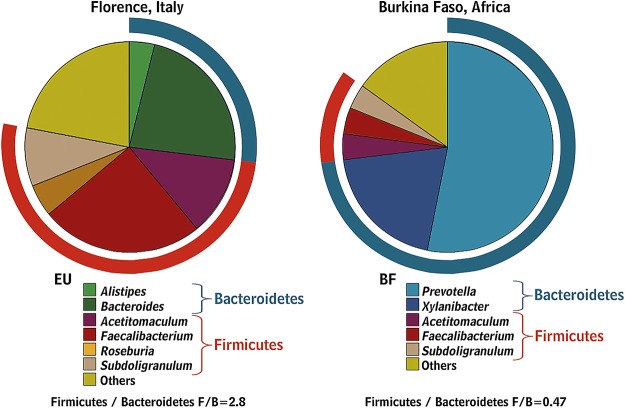
“While most molecular enumeration methods target 16S rRNA, some are based on more functionally relevant genes, for Figure 2 Gut microbiota composition in African children living in rural areas with a polysaccharide-rich diet when compared with Italian city children.(35) (Reprinted with permission from Proc Natl Acad Sc…”
BackgroundThe gut microbiota shapes intestinal immune responses during health and disease
Round, J. L., & Mazmanian, S. K. (2009) · Nature Reviews Immunology · doi:10.1038/nri2515 · Cited by 5,029
Dominguez-Bello, M. G., Costello, E. K., Contreras, M., Magris, M., Hidalgo, G., Fierer, N., & Knight, R. (2010) · Proceedings of the National Academy of Sciences · doi:10.1073/pnas.1002601107 · Cited by 4,774 · cited 1×
“Babies are born with sterile intestines but are rapidly colonised by bacteria from their immediate environment, most importantly their mother ’s vagina and gut.(29) Early colonisers of the neonatal gut are mainly aerobes (such as staphylococci, streptococci and enterobacteria), while late colonisers are strict anaerob…”
BackgroundFrank, D. N., St. Amand, A. L., Feldman, R. A., Boedeker, E. C., Harpaz, N., & Pace, N. R. (2007) · Proceedings of the National Academy of Sciences · doi:10.1073/pnas.0706625104 · Cited by 4,611
Sokol, H., Pigneur, B., Watterlot, L., Lakhdari, O., Bermúdez-Humarán, L. G., Gratadoux, J.-J., Blugeon, S., Bridonneau, C., Furet, J.-P., Corthier, G., et al. (2008) · Proceedings of the National Academy of Sciences · doi:10.1073/pnas.0804812105 · Cited by 4,413
Gut microbiota in health and disease
Sekirov, I., Russell, S. L., Antunes, L. C. M., & Finlay, B. B. (2010) · Physiological Reviews · doi:10.1152/physrev.00045.2009 · Cited by 4,182 · cited 2×
“19 A challenge for researchers and clinicians is that most of the microbial diversity in the human GI tract is not currently represented by available cultured species,(20) but during recent years, the use of culture-independent techniques to study the gut microbiota has increased the understanding of the role of gut m…”
BackgroundDevelopment of the Human Infant Intestinal Microbiota
Palmer, C., Bik, E. M., DiGiulio, D. B., Relman, D. A., & Brown, P. O. (2007) · PLoS Biology · doi:10.1371/journal.pbio.0050177 · Cited by 2,877
The gut flora as a forgotten organ
O'Hara, A. M., & Shanahan, F. (2006) · The EMBO Reports · doi:10.1038/sj.embor.7400731 · Cited by 2,791 · cited 1×
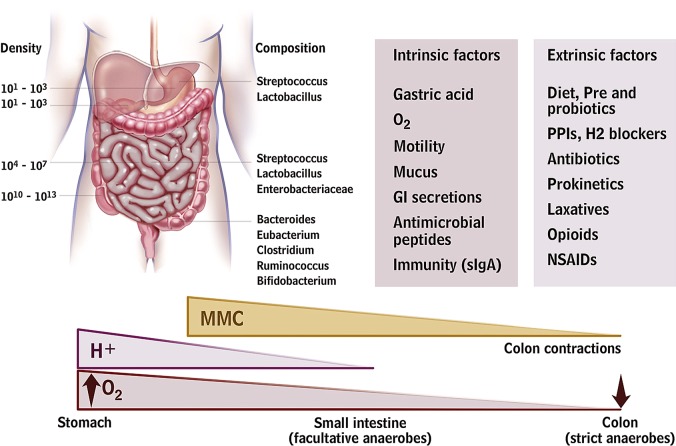
“A vast majority of these are found in the GI tract, with a continuum from 10(1)e10(3) bacteria per gram of content in the stomach and duodenum to 10(11)e10(12) cells per gram in the colon.(15) Moreover, the microbial composition differs between these sites,(16) and there are also significant differences between the mi…”
BackgroundMicrobiota and SCFA in lean and overweight healthy subjects
Schwiertz, A., Taras, D., Schäfer, K., Beijer, S., Bos, N. A., Donus, C., & Hardt, P. D. (2010) · Obesity · doi:10.1038/oby.2009.167 · Cited by 2,457 · cited 1×
“Although there is evidence indicating that obese individuals have an increase in Firmicutes and a decrease in Bacteroidetes (a difference likely related in part to different diets(40)), other studies failed to support these observations.(41) 42 Many dietary prebiotics including oligofructose,(43) lactulose,(44) 45 lup…”
ResultThe functional gastrointestinal disorders and the Rome III process
Drossman, D. A. (2006) · Gastroenterology · doi:10.1053/j.gastro.2006.03.008 · Cited by 2,416
Bercik, P., Denou, E., Collins, J., Jackson, W., Lu, J., Jury, J., Deng, Y., Blennerhassett, P., Macri, J., McCoy, K. D., et al. (2011) · Gastroenterology · doi:10.1053/j.gastro.2011.04.052 · Cited by 1,748 · cited 1×
“61 Transient perturbation of the microbiota with antimicrobials alters brain-derived neurotrophic factor expression, exploratory behaviour and colonisation of germfree mice suggesting that intestinal microbiota impact is not limited to the gut and the immune system, but may involve the central nervous system.(62) (Not…”
BackgroundSelf-citationAn ecological and evolutionary perspective on human–microbe mutualism and disease
Dethlefsen, L., McFall-Ngai, M., & Relman, D. A. (2007) · Nature · doi:10.1038/nature06245 · Cited by 1,660 · cited 1×
“The microbiota is taxonomically classified via the traditional biological nomenclature (phylumdclassdorderd familydgenusdspecies) and currently more than 50 bacterial phyla have been described, of which 10 inhabit the colon and three predominate: the Firmicutes, Bacteroidetes and the Actinobacteria; other sites displa…”
BackgroundDominant and diet-responsive groups of bacteria within the human colonic microbiota
Walker, A. W., Ince, J., Duncan, S. H., Webster, L. M., Holtrop, G., Ze, X., Brown, D., Stares, M. D., Scott, P., Bergerat, A., et al. (2011) · The ISME Journal · doi:10.1038/ismej.2010.118 · Cited by 1,632 · cited 3×
“For example, bifidobacterial 16S rRNA sequences are often under-represented among amplified products, although more reliably enumerated by 16S rRNAtargeted fluorescent in situ hybridisation detection or quantitative PCR.37 While most molecular enumeration methods target 16S rRNA, some are based on more functionally re…”
BackgroundInfluentialSelf-citationInduction of Protective IgA by Intestinal Dendritic Cells Carrying Commensal Bacteria
Macpherson, A. J., & Uhr, T. (2004) · Science · doi:10.1126/science.1091334 · Cited by 1,584 · cited 2×
“The normal microbiota also strongly influence the mucosal immune system52 53 which is underdeveloped in germ-free animals, who have reduced T cells, immunoglobulin A producing B cells and intraepithelial Tcells.52 54e56 Twin studies suggest that the host genotype influences the gut microbiota, although results remain…”
BackgroundPrebiotics: The Concept Revisited1,
Roberfroid, M. (2007) · The Journal of Nutrition · doi:10.1093/jn/137.3.830s · Cited by 1,498
Suau, A., Bonnet, R., Sutren, M., Godon, J.-J., Gibson, G. R., Collins, M. D., & Doré, J. (1999) · Applied and Environmental Microbiology · doi:10.1128/aem.65.11.4799-4807.1999 · Cited by 1,490 · cited 1×
“Information on the diversity of microbes that colonise the gut has expanded rapidly over the past 15 years, based largely on the analysis of the small subunit ribosomal RNA (16S rRNA for Bacteria and Archaea, 18S rRNA for Eukaryotes) gene sequences that can be obtained by direct amplification from nucleic acids extrac…”
MethodThrough Ageing, and Beyond: Gut Microbiota and Inflammatory Status in Seniors and Centenarians
Biagi, E., Nylund, L., Candela, M., Ostan, R., Bucci, L., Pini, E., Nikkïla, J., Monti, D., Satokari, R., Franceschi, C., et al. (2010) · PLoS ONE · doi:10.1371/journal.pone.0010667 · Cited by 1,483
Barbara, G., Stanghellini, V., De Giorgio, R., Cremon, C., Cottrell, G. S., Santini, D., Pasquinelli, G., Morselli-Labate, A. M., Grady, E. F., Bunnett, N. W., et al. (2004) · Gastroenterology · doi:10.1053/j.gastro.2003.11.055 · Cited by 1,475 · cited 7×
“Changes in these factors (eg, changes in mucus layer and increased b-defensin-2 peptide) have been detected in patients with IBS and functional diarrhoea and suggest a microbiotaehost immune system engagement.145 146 In line with this concept, there is also recent demonstration that IBS patients have increased colonic…”
BackgroundInfluentialSelf-citationO’Mahony, L., McCarthy, J., Kelly, P., Hurley, G., Luo, F., Chen, K., O’Sullivan, G. C., Kiely, B., Collins, J. K., Shanahan, F., et al. (2005) · Gastroenterology · doi:10.1053/j.gastro.2004.11.050 · Cited by 1,448
Zoetendal, E. G., Akkermans, A. D. L., & De Vos, W. M. (1998) · Applied and Environmental Microbiology · doi:10.1128/aem.64.10.3854-3859.1998 · Cited by 1,360
Self-citationMucosal flora in inflammatory bowel disease
Swidsinski, A., Ladhoff, A., Pernthaler, A., Swidsinski, S., Loening–Baucke, V., Ortner, M., Weber, J., Hoffmann, U., Schreiber, S., Dietel, M., et al. (2002) · Gastroenterology · doi:10.1053/gast.2002.30294 · Cited by 1,346
Lupp, C., Robertson, M. L., Wickham, M. E., Sekirov, I., Champion, O. L., Gaynor, E. C., & Finlay, B. B. (2007) · Cell Host & Microbe · doi:10.1016/j.chom.2007.06.010 · Cited by 1,307
Human colonic microbiota associated with diet, obesity and weight loss
Duncan, S. H., Lobley, G. E., Holtrop, G., Ince, J., Johnstone, A. M., Louis, P., & Flint, H. J. (2008) · International Journal of Obesity · doi:10.1038/ijo.2008.155 · Cited by 1,222
Self-citationGut Microbiota and Metabolic Endotoxemia in Young Obese Mexican Subjects
Radilla-Vázquez, R. B., Parra-Rojas, I., Martínez-Hernández, N. E., Márquez-Sandoval, Y. F., Illades-Aguiar, B., & Castro-Alarcón, N. (2016) · Obesity Facts · doi:10.1159/000442479 · Cited by 1,196
Rajilić–Stojanović, M., Biagi, E., Heilig, H. G. H. J., Kajander, K., Kekkonen, R. A., Tims, S., & de Vos, W. M. (2011) · Gastroenterology · doi:10.1053/j.gastro.2011.07.043 · Cited by 1,041 · cited 1×
“Interestingly, a recent study demonstrated that faecal microbiota of IBS patients could be grouped in a cluster which was completely different from that of healthy controls.(114) Nonetheless, results to date are inconsistent and sometimes contradictory (table 3).”
ResultComparative Analysis of Human Gut Microbiota by Barcoded Pyrosequencing
Andersson, A. F., Lindberg, M., Jakobsson, H., Bäckhed, F., Nyrén, P., & Engstrand, L. (2008) · PLoS ONE · doi:10.1371/journal.pone.0002836 · Cited by 1,038 · cited 1×
“The arrival of new high-throughput sequencing approaches and 16S rRNA-based microarraying has further accelerated the supply of data by allowing amplified 16S rRNA sequences to be analysed indepth without the need for ‘classical’ cloning and sequencing methods.(66) 67 Although culturing may bias against bacteria that…”
BackgroundRifaximin Therapy for Patients with Irritable Bowel Syndrome without Constipation
Pimentel, M., Lembo, A., Chey, W. D., Zakko, S., Ringel, Y., Yu, J., Mareya, S. M., Shaw, A. L., Bortey, E., & Forbes, W. P. (2011) · New England Journal of Medicine · doi:10.1056/nejmoa1004409 · Cited by 1,036 · cited 2×
“Moreover, it is likely that patients may require repeated courses of therapy, as trial evidence suggests the benefit diminishes by 12 weeks.(189) The best evidence is for rifaximin 550 mg, thrice daily for 2 weeks.”
BackgroundPostinfectious Irritable Bowel Syndrome
Spiller, R., & Garsed, K. (2009) · Gastroenterology · doi:10.1053/j.gastro.2009.02.074 · Cited by 1,024
Self-citationBarthel, M., Hapfelmeier, S., Quintanilla-Martínez, L., Kremer, M., Rohde, M., Hogardt, M., Pfeffer, K., Rüssmann, H., & Hardt, W.-D. (2003) · Infection and Immunity · doi:10.1128/iai.71.5.2839-2858.2003 · Cited by 1,020 · cited 1×
“Infective gastroenteritis produces a profound depletion of the commensal microbiota,(118) whose production of metabolites such as SCFAs and antibiotics normally inhibits pathogen colonisation, as can be seen from the loss of colonisation resistance after antibiotics.(119) It is unclear just how completely and over wha…”
BackgroundKassinen, A., Krogius-Kurikka, L., Mäkivuokko, H., Rinttilä, T., Paulin, L., Corander, J., Malinen, E., Apajalahti, J., & Palva, A. (2007) · Gastroenterology · doi:10.1053/j.gastro.2007.04.005 · Cited by 1,002
Placebos without Deception: A Randomized Controlled Trial in Irritable Bowel Syndrome
Kaptchuk, T. J., Friedlander, E., Kelley, J. M., Sanchez, M. N., Kokkotou, E., Singer, J. P., Kowalczykowski, M., Miller, F. G., Kirsch, I., & Lembo, A. J. (2010) · PLoS ONE · doi:10.1371/journal.pone.0015591 · Cited by 900
Swidsinski, A., Weber, J., Loening-Baucke, V., Hale, L. P., & Lochs, H. (2005) · Journal of Clinical Microbiology · doi:10.1128/jcm.43.7.3380-3389.2005 · Cited by 894
Comparative metagenomics revealed commonly enriched gene sets in human gut microbiomes
Kurokawa, K., Itoh, T., Kuwahara, T., Oshima, K., Toh, H., Toyoda, A., Takami, H., Morita, H., Sharma, V. K., Srivastava, T. P., et al. (2007) · DNA Research · doi:10.1093/dnares/dsm018 · Cited by 869 · cited 1×
“In addition, these methods can be applied to DNA recovered from gut or stool samples, and the analysis of the resulting complex mixture of sequences is referred to as metagenomics.(69) 70 The ability to analyse multiple gene sequences from large numbers of samples, complemented with functional screening and characteri…”
MethodAn irritable bowel syndrome subtype defined by species-specific alterations in faecal microbiota
Jeffery, I. B., O'Toole, P. W., Öhman, L., Claesson, M. J., Deane, J., Quigley, E. M. M., & Simrén, M. (2012) · Gut · doi:10.1136/gutjnl-2011-301501 · Cited by 835
Self-citationWhorwell, P. J., Altringer, L., Morel, J., Bond, Y., Charbonneau, D., O'Mahony, L., Kiely, B., Shanahan, F., & Quigley, E. M. M. (2006) · The American Journal of Gastroenterology · doi:10.1111/j.1572-0241.2006.00734.x · Cited by 799 · cited 1×
“At present, the strongest evidence is for Bifidobacterium infantis 35624 at a dose of 1310(8) cfu/day taken for at least 4 weeks.(224) It remains unclear who benefits from which variety of probiotic since there are many incompletely answered questions surrounding this therapeutic approach, including:”
BackgroundSelf-citationWheeler, J. G., Sethi, D., Cowden, J. M., Wall, P. G., Rodrigues, L. C., Tompkins, D. S., Hudson, M. J., & Roderick, P. J. (1999) · BMJ · doi:10.1136/bmj.318.7190.1046 · Cited by 794
Lactobacillus acidophilus modulates intestinal pain and induces opioid and cannabinoid receptors
Rousseaux, C., Thuru, X., Gelot, A., Barnich, N., Neut, C., Dubuquoy, L., Dubuquoy, C., Merour, E., Geboes, K., Chamaillard, M., et al. (2007) · Nature Medicine · doi:10.1038/nm1521 · Cited by 793 · cited 1×
“Lactobacillus acidophilus NCFM and Lactobacillus paracasei NCC2461 also modulate visceral pain perception in rodents.(60) 61 Transient perturbation of the microbiota with antimicrobials alters brain-derived neurotrophic factor expression, exploratory behaviour and colonisation of germfree mice suggesting that intestin…”
BackgroundMast Cell-Dependent Excitation of Visceral-Nociceptive Sensory Neurons in Irritable Bowel Syndrome
Barbara, G., Wang, B., Stanghellini, V., de Giorgio, R., Cremon, C., Di Nardo, G., Trevisani, M., Campi, B., Geppetti, P., Tonini, M., et al. (2007) · Gastroenterology · doi:10.1053/j.gastro.2006.11.039 · Cited by 783 · cited 2×
“149 The relative importance of mast cells in this setting is demonstrated by the abundance of this immune cell type over other immunocytes and by increased release from mucosal biopsies of histamine, tryptase and prostaglandins.(150) 151 Mast cells were located in closer vicinity to mucosal innervation and correlated…”
BackgroundSelf-citationThe impact of irritable bowel syndrome on health-related quality of life
Gralnek, I. M., Hays, R. D., Kilbourne, A., Naliboff, B., & Mayer, E. A. (2000) · Gastroenterology · doi:10.1053/gast.2000.16484 · Cited by 781
Eradication of Small Intestinal Bacterial Overgrowth Reduces Symptoms of Irritable Bowel Syndrome
Pimentel, M., Chow, E. J., & Lin, H. C. (2000) · American Journal of Gastroenterology · doi:10.1111/j.1572-0241.2000.03368.x · Cited by 780 · cited 1×
“Antibiotics Despite evidence that previous antibiotic use may be related to the development of IBS,(182) 183 and the fact that antibiotic treatment may increase the development of long-term digestive symptoms after bacterial gastroenteritis,(142) poorly absorbable antibiotics might still have therapeutic potential in…”
BackgroundThe role of psychological and biological factors in postinfective gut dysfunction
Gwee, K.-A., Leong, Y.-L., Graham, C., McKendrick, M. W., Collins, S. M., Walters, S. J., Underwood, J. E., & Read, N. W. (1999) · Gut · doi:10.1136/gut.44.3.400 · Cited by 764
Tlaskalová-Hogenová, H., Štěpánková, R., Hudcovic, T., Tučková, L., Cukrowska, B., Lodinová-Žádnı́ková, R., Kozáková, H., Rossmann, P., Bártová, J., Sokol, D., et al. (2004) · Immunology Letters · doi:10.1016/j.imlet.2004.02.005 · Cited by 755
Absorption of Short-Chain Fatty Acids by the Colon
Ruppin, H., Bar-Meir, S., Soergel, K. H., Wood, C. M., & Schmitt, M. G. (1980) · Gastroenterology · doi:10.1016/s0016-5085(19)30508-6 · Cited by 736
The efficacy of probiotics in the treatment of irritable bowel syndrome: a systematic review
Moayyedi, P., Ford, A. C., Talley, N. J., Cremonini, F., Foxx-Orenstein, A. E., Brandt, L. J., & Quigley, E. M. M. (2010) · Gut · doi:10.1136/gut.2008.167270 · Cited by 728
Zoetendal, E. G., Raes, J., van den Bogert, B., Arumugam, M., Booijink, C. C. G. M., Troost, F. J., Bork, P., Wels, M., de Vos, W. M., & Kleerebezem, M. (2012) · The ISME Journal · doi:10.1038/ismej.2011.212 · Cited by 722 · cited 1×
“play an important role.(89) The role of SIBO in the pathogenesis of IBS is very controversial because the breath tests employed to establish this role have not been validated.”
BackgroundSelf-citationA Catalog of Reference Genomes from the Human Microbiome
The Human Microbiome Jumpstart Reference Strains Consortium, Nelson, K. E., Weinstock, G. M., Highlander, S. K., Worley, K. C., Creasy, H. H., Wortman, J. R., Rusch, D. B., Mitreva, M., Sodergren, E., et al. (2010) · Science · doi:10.1126/science.1183605 · Cited by 702
Malinen, E., Rinttila, T., Kajander, K., Matto, J., Kassinen, A., Krogius, L., Saarela, M., Korpela, R., & Palva, A. (2005) · The American Journal of Gastroenterology · doi:10.1111/j.1572-0241.2005.40312.x · Cited by 699
Bercik, P., Verdu, E. F., Foster, J. A., Macri, J., Potter, M., Huang, X., Malinowski, P., Jackson, W., Blennerhassett, P., Neufeld, K. A., et al. (2010) · Gastroenterology · doi:10.1053/j.gastro.2010.06.063 · Cited by 674 · cited 1×
“The interplay may be bidirectional as suggested by animal studies showing that the microbiota can affect brain chemistry and behaviour.(156) Nonetheless, for the time, the potential relevance of brainemicrobiota interactions have yet to be shown in humans in general and in FBD in particular.”
BackgroundSelf-citationHigh-throughput diversity and functionality analysis of the gastrointestinal tract microbiota
Zoetendal, E. G., Rajilić-Stojanović, M., & de Vos, W. M. (2008) · Gut · doi:10.1136/gut.2007.133603 · Cited by 673 · cited 2×
“High-throughput DNA sequencing provides completely new possibilities for ‘-omics’-based analyses of the gut microbiota.(19) Draft genomes of cultured gut bacteria can now be produced rapidly and at little cost.”
BackgroundSelf-citationGastrointestinal microbiome signatures of pediatric patients with irritable bowel syndrome
Saulnier, D. M., Riehle, K., Mistretta, T., Diaz, M., Mandal, D., Raza, S., Weidler, E. M., Qin, X., Coarfa, C., Milosavljevic, A., et al. (2011) · Gastroenterology · doi:10.1053/j.gastro.2011.06.072 · Cited by 672
Pimentel, M. (2003) · The American Journal of Gastroenterology · doi:10.1016/s0002-9270(02)05902-6 · Cited by 669
Nobaek, S., Johansson, M.-L., Molin, G., Ahrné, S., & Jeppsson, B. (2000) · American Journal of Gastroenterology · doi:10.1111/j.1572-0241.2000.02015.x · Cited by 653
Martínez, I., Kim, J., Duffy, P. R., Schlegel, V. L., & Walter, J. (2010) · PLoS ONE · doi:10.1371/journal.pone.0015046 · Cited by 645
Pathogenesis of IBS: role of inflammation, immunity and neuroimmune interactions
Öhman, L., & Simrén, M. (2010) · Nature Reviews Gastroenterology & Hepatology · doi:10.1038/nrgastro.2010.4 · Cited by 617 · cited 8×
“149 Increased activated mast cells, CD3+ve, CD4+ve and CD8+ve T cells have been detected in both postinfectious IBS and non-specific IBS.(12) 149 The relative importance of mast cells in this setting is demonstrated by the abundance of this immune cell type over other immunocytes and by increased release from mucosal…”
BackgroundInfluentialSelf-citationStark, P. L., & Lee, A. (1982) · Journal of Medical Microbiology · doi:10.1099/00222615-15-2-189 · Cited by 616 · cited 1×
“Early colonisers of the neonatal gut are mainly aerobes (such as staphylococci, streptococci and enterobacteria), while late colonisers are strict anaerobes (such as eubacteria and clostridia) as the total microbiota become more complex, more stable and converge to a common pattern.(30) 31 Themicrobiota continue to ev…”
BackgroundCollins, S. M., & Bercik, P. (2009) · Gastroenterology · doi:10.1053/j.gastro.2009.01.075 · Cited by 612 · cited 1×
“Data in rodents suggest the existence of a bidirectional interplay between the brain and gut microbiota.(144) In addition, the existence of systemic immune responses to microbial luminal antigens (antiflagellin antibodies)(148) provides initial evidence that microbial homeostasis may be perturbed beyond the GI tract.”
BackgroundRole for protease activity in visceral pain in irritable bowel syndrome
Cenac, N., Andrews, C. N., Holzhausen, M., Chapman, K., Cottrell, G., Andrade-Gordon, P., Steinhoff, M., Barbara, G., Beck, P., Bunnett, N. W., et al. (2007) · Journal of Clinical Investigation · doi:10.1172/jci29255 · Cited by 591
Self-citationNeal, K. R., Hebden, J., & Spiller, R. (1997) · BMJ · doi:10.1136/bmj.314.7083.779 · Cited by 586
Self-citationDunlop, S. P., Jenkins, D., Neal, K. R., & Spiller, R. C. (2003) · Gastroenterology · doi:10.1053/j.gastro.2003.09.028 · Cited by 583
Self-citationNod2 is required for the regulation of commensal microbiota in the intestine
Petnicki-Ocwieja, T., Hrncir, T., Liu, Y.-J., Biswas, A., Hudcovic, T., Tlaskalova-Hogenova, H., & Kobayashi, K. S. (2009) · Proceedings of the National Academy of Sciences · doi:10.1073/pnas.0907722106 · Cited by 564 · cited 1×
“Thus, mice lacking the bacterial sensing receptor nucleotide-binding oligomerisation domain-containing protein-2 showed significantly more Bacteroidetes as well as Firmicutes compared with wild-type mice.(58) Modulation of the microbiota induces visceral hypersensitivity in mice, which is reduced by Lactobacillus para…”
BackgroundStudies on the Intestinal Flora
Drasar, B. S., Shiner, M., & McLeod, G. M. (1969) · Gastroenterology · doi:10.1016/s0016-5085(69)80067-3 · Cited by 562
The Host Genotype Affects the Bacterial Community in the Human Gastronintestinal Tract
Erwin G. Zoetendal, A. D. L. A. (2001) · Microbial Ecology in Health and Disease · doi:10.1080/089106001750462669 · Cited by 553
Self-citationSILK, D. B. A., DAVIS, A., VULEVIC, J., TZORTZIS, G., & GIBSON, G. R. (2009) · Alimentary Pharmacology & Therapeutics · doi:10.1111/j.1365-2036.2008.03911.x · Cited by 551
Systematic review: impact of constipation on quality of life in adults and children
BELSEY, J., GREENFIELD, S., CANDY, D., & GERAINT, M. (2010) · Alimentary Pharmacology & Therapeutics · doi:10.1111/j.1365-2036.2010.04273.x · Cited by 551
Gophna, U., Sommerfeld, K., Gophna, S., Doolittle, W. F., & Veldhuyzen van Zanten, S. J. O. (2006) · Journal of Clinical Microbiology · doi:10.1128/jcm.01004-06 · Cited by 550
Piche, T., Barbara, G., Aubert, P., Bruley des Varannes, S., Dainese, R., Nano, J. L., Cremon, C., Stanghellini, V, De Giorgio, R., Galmiche, J. P., et al. (2009) · Gut · doi:10.1136/gut.2007.140806 · Cited by 540
Self-citationShotgun metaproteomics of the human distal gut microbiota
Verberkmoes, N. C., Russell, A. L., Shah, M., Godzik, A., Rosenquist, M., Halfvarson, J., Lefsrud, M. G., Apajalahti, J., Tysk, C., Hettich, R. L., et al. (2009) · The ISME Journal · doi:10.1038/ismej.2008.108 · Cited by 539 · cited 1×
“72 These ‘meta-omics’ approaches rely in primary sequencing and annotation data.(73) 74 Thus, they rely heavily on the availability of genome sequences and functional information from cultured reference bacteria, which means there are considerable benefits from combining different approaches to gut microbiota analysis.”
Niedzielin, K., Kordecki, H., & Birkenfeld, B. (2001) · European Journal of Gastroenterology & Hepatology · doi:10.1097/00042737-200110000-00004 · Cited by 506
Lupp, C., Robertson, M. L., Wickham, M. E., Sekirov, I., Champion, O. L., Gaynor, E. C., & Finlay, B. B. (2007) · Cell Host & Microbe · doi:10.1016/j.chom.2007.08.002 · Cited by 501
Small intestinal bacterial overgrowth in patients with irritable bowel syndrome
Posserud, I., Stotzer, P.-O., Björnsson, E. S., Abrahamsson, H., & Simrén, M. (2007) · Gut · doi:10.1136/gut.2006.108712 · Cited by 499 · cited 1×
“Preliminary studies suggest that more IBS patients have SIBO when a lower cut-off of >10(3) cfu/ml is used but well-designed studies are needed.(82) 85 Available molecular studies are not adequately designed to establish whether SIBO is involved in IBS but have significant potential.”
MethodSelf-citationIntestinal floras of populations that have a high risk of colon cancer
Moore, W. E., & Moore, L. H. (1995) · Applied and Environmental Microbiology · doi:10.1128/aem.61.9.3202-3207.1995 · Cited by 486 · cited 1×
“Culturebased studies reveal that the gut microbiota is a highly complex community (box 1).(63) Although culturing remains valuable for identifying functional groups and for selective enumeration (eg, of pathogens), new culture-independent approaches provide more powerful and convenient methodologies for monitoring cha…”
BackgroundRajilić‐Stojanović, M., Heilig, H. G. H. J., Molenaar, D., Kajander, K., Surakka, A., Smidt, H., & De Vos, W. M. (2009) · Environmental Microbiology · doi:10.1111/j.1462-2920.2009.01900.x · Cited by 484
tana, C., umesaki, Y., imaoka, A., handa, T., kanazawa, M., & fukudo, S. (2009) · Neurogastroenterology & Motility · doi:10.1111/j.1365-2982.2009.01427.x · Cited by 474
Gareau, M. G., Jury, J., MacQueen, G., Sherman, P. M., & Perdue, M. H. (2007) · Gut · doi:10.1136/gut.2006.117176 · Cited by 472
Kim, H. J., Camilleri, M., Mckinzie, S., Lempke, M. B., Burton, D. D., Thomforde, G. M., & Zinsmeister, A. R. (2003) · Alimentary Pharmacology & Therapeutics · doi:10.1046/j.1365-2036.2003.01543.x · Cited by 468
THABANE, M., KOTTACHCHI, D. T., & MARSHALL, J. K. (2007) · Alimentary Pharmacology & Therapeutics · doi:10.1111/j.1365-2036.2007.03399.x · Cited by 466 · cited 2×
“Viral gastroenteritis, in keeping with the lesser tissue injury, shows a reduced incidence of post-infectious-IBS compared with bacterial infections(126) 127 in which the strongest risk factors are bacterial toxicity,(128) prolonged duration of diarrhoea,(124) rectal bleeding(129) and fever.(125) Acute enteritis is as…”
BackgroundPimentel, M., Park, S., Mirocha, J., Kane, S. V., & Kong, Y. (2006) · Annals of Internal Medicine · doi:10.7326/0003-4819-145-8-200610170-00004 · Cited by 466
Sapone, A., Lammers, K. M., Casolaro, V., Cammarota, M., Giuliano, M. T., De Rosa, M., Stefanile, R., Mazzarella, G., Tolone, C., Russo, M. I., et al. (2011) · BMC Medicine · doi:10.1186/1741-7015-9-23 · Cited by 452
Specific probiotic therapy attenuates antibiotic induced visceral hypersensitivity in mice
Verdú, E. F., Bercik, P., Verma-Gandhu, M., Huang, X.-X., Blennerhassett, P., Jackson, W., Mao, Y., Wang, L., Rochat, F., & Collins, S. M. (2006) · Gut · doi:10.1136/gut.2005.066100 · Cited by 448 · cited 1×
“Modulation of the microbiota induces visceral hypersensitivity in mice, which is reduced by Lactobacillus paracasei NCC2461 secreted products.(59) Lactobacillus acidophilus NCFM and Lactobacillus paracasei NCC2461 also modulate visceral pain perception in rodents.”
BackgroundSelf-citation(2009) · Alimentary Pharmacology & Therapeutics · doi:10.1111/j.1365-2036.2009.03951.x · Cited by 444 · cited 1×
“They rapidly diffuse into the blood, are excreted by breath, and can be collected and quantified.(75) If SIBO exists, the timing of this fermentation would be altered but the criteria for abnormal tests lack validity (figure 3).”
BackgroundSelf-citationCostabile, A., Klinder, A., Fava, F., Napolitano, A., Fogliano, V., Leonard, C., Gibson, G. R., & Tuohy, K. M. (2008) · British Journal of Nutrition · doi:10.1017/s0007114507793923 · Cited by 444
Zareie, M., Johnson-Henry, K., Jury, J., Yang, P.-C., Ngan, B.-Y., McKay, D. M., Soderholm, J. D., Perdue, M. H., & Sherman, P. M. (2006) · Gut · doi:10.1136/gut.2005.080739 · Cited by 423
Shepherd, S. J., & Gibson, P. R. (2006) · Journal of the American Dietetic Association · doi:10.1016/j.jada.2006.07.010 · Cited by 408
Kim, H. J., Vazquez Roque, M. I., Camilleri, M., Stephens, D., Burton, D. D., Baxter, K., Thomforde, G., & Zinsmeister, A. R. (2005) · Neurogastroenterology & Motility · doi:10.1111/j.1365-2982.2005.00695.x · Cited by 400
DROSSMAN, D. A., CHEY, W. D., JOHANSON, J. F., FASS, R., SCOTT, C., PANAS, R., & UENO, R. (2009) · Alimentary Pharmacology & Therapeutics · doi:10.1111/j.1365-2036.2008.03881.x · Cited by 399
Shroff, K. E., Meslin, K., & Cebra, J. J. (1995) · Infection and Immunity · doi:10.1128/iai.63.10.3904-3913.1995 · Cited by 393
Gut-associated bacterial microbiota in paediatric patients with inflammatory bowel disease
Conte, M. P., Schippa, S., Zamboni, I., Penta, M., Chiarini, F., Seganti, L., Osborn, J., Falconieri, P., Borrelli, O., & Cucchiara, S. (2006) · Gut · doi:10.1136/gut.2005.078824 · Cited by 383
Metatranscriptomic Approach to Analyze the Functional Human Gut Microbiota
Gosalbes, M. J., Durbán, A., Pignatelli, M., Abellan, J. J., Jiménez-Hernández, N., Pérez-Cobas, A. E., Latorre, A., & Moya, A. (2011) · PLoS ONE · doi:10.1371/journal.pone.0017447 · Cited by 378
Marshall, J. K., Thabane, M., Garg, A. X., Clark, W. F., Salvadori, M., & Collins, S. M. (2006) · Gastroenterology · doi:10.1053/j.gastro.2006.05.053 · Cited by 375
Epidemiology and health care seeking in the functional GI disorders: a population-based study
Koloski, N. A., Talley, N. J., & Boyce, P. M. (2002) · The American Journal of Gastroenterology · doi:10.1111/j.1572-0241.2002.05783.x · Cited by 371
KAJANDER, K., MYLLYLUOMA, E., RAJILIĆ‐STOJANOVIĆ, M., KYRÖNPALO, S., RASMUSSEN, M., JÄRVENPÄÄ, S., ZOETENDAL, E. G., DE VOS, W. M., VAPAATALO, H., & KORPELA, R. (2008) · Alimentary Pharmacology & Therapeutics · doi:10.1111/j.1365-2036.2007.03542.x · Cited by 367 · cited 2×
“215 224 226 229 230 233 In some of the better quality trials bifidobacteria, such as Bifidobacterium infantis 35624,(215) 224 241 Bifidobacterium lactis DN 173010(208) 225 and Bifidobacterium bifidum MIMBb75,(226) seem to be advantageous and in others probiotic mixtures appear to be useful.(214) 229 233 In only one st…”
BackgroundSelf-citationGUYONNET, D., CHASSANY, O., DUCROTTE, P., PICARD, C., MOURET, M., MERCIER, C. ‐., & MATUCHANSKY, C. (2007) · Alimentary Pharmacology & Therapeutics · doi:10.1111/j.1365-2036.2007.03362.x · Cited by 365
The Utility of Probiotics in the Treatment of Irritable Bowel Syndrome: A Systematic Review
Brenner, D. M., Moeller, M. J., Chey, W. D., & Schoenfeld, P. S. (2009) · The American Journal of Gastroenterology · doi:10.1038/ajg.2009.25 · Cited by 362
KAJANDER, K., HATAKKA, K., POUSSA, T., FÄRKKILÄ, M., & KORPELA, R. (2005) · Alimentary Pharmacology & Therapeutics · doi:10.1111/j.1365-2036.2005.02579.x · Cited by 361
The diagnosis of small bowel bacterial overgrowth
Corazza, G. R., Menozzi, M. G., Strocchi, A., Rasciti, L., Vaira, D., Lecchini, R., Avanzini, P., Chezzi, C., & Gasbarrini, G. (1990) · Gastroenterology · doi:10.1016/0016-5085(90)90818-l · Cited by 352
Ford, A. C., Spiegel, B. M. R., Talley, N. J., & Moayyedi, P. (2009) · Clinical Gastroenterology and Hepatology · doi:10.1016/j.cgh.2009.06.031 · Cited by 351
Self-citationMucosal and Invading Bacteria in Patients with Inflammatory Bowel Disease Compared with Controls
Kleessen, B., Kroesen, A. J., Buhr, H. J., & Blaut, M. (2002) · Scandinavian Journal of Gastroenterology · doi:10.1080/003655202320378220 · Cited by 351
Increased Incidence of Small Intestinal Bacterial Overgrowth During Proton Pump Inhibitor Therapy
Lombardo, L., Foti, M., Ruggia, O., & Chiecchio, A. (2010) · Clinical Gastroenterology and Hepatology · doi:10.1016/j.cgh.2009.12.022 · Cited by 350
Sharara, A. I., Aoun, E., Abdul-Baki, H., Mounzer, R., Sidani, S., & ElHajj, I. (2006) · The American Journal of Gastroenterology · doi:10.1111/j.1572-0241.2006.00458.x · Cited by 344 · cited 3×
“In order to safely direct these treatment options to the appropriate patients, we need to know more about predictors of treatment responsiveness, the risk of development of antibiotic resistance, the efficacy and safety of re-treatment schedules, and the optimal dosing regimen.201 202 Further studies should also inves…”
BackgroundInfluentialGuschin, D. Y., Mobarry, B. K., Proudnikov, D., Stahl, D. A., Rittmann, B. E., & Mirzabekov, A. D. (1997) · Applied and Environmental Microbiology · doi:10.1128/aem.63.6.2397-2402.1997 · Cited by 342
Meta-analysis of probiotics for the treatment of irritable bowel syndrome
McFarland, L. V., & Dublin, S. (2008) · World Journal of Gastroenterology · doi:10.3748/wjg.14.2650 · Cited by 341
AGRAWAL, A., HOUGHTON, L. A., MORRIS, J., REILLY, B., GUYONNET, D., GOUPIL FEUILLERAT, N., SCHLUMBERGER, A., JAKOB, S., & WHORWELL, P. J. (2009) · Alimentary Pharmacology & Therapeutics · doi:10.1111/j.1365-2036.2008.03853.x · Cited by 334
Self-citationScanlan, P. D., Shanahan, F., O'Mahony, C., & Marchesi, J. R. (2006) · Journal of Clinical Microbiology · doi:10.1128/jcm.00312-06 · Cited by 330
Interactions Between Commensal Bacteria and Gut Sensorimotor Function in Health and Disease
Barbara, G., Stanghellini, V., Brandi, G., Cremon, C., Nardo, G. D., De Giorgio, R., & Corinaldesi, R. (2005) · The American Journal of Gastroenterology · doi:10.1111/j.1572-0241.2005.00230.x · Cited by 325 · cited 1×
“These factors, in turn, could be related to changes in homeostatic pathways including barrier function, neuromotor sensory function and the brainegut axis.(143) 144 For example, bidirectional signalling between the microbiota and the epithelium regulates epithelial secretion of mucus as well as other defence factors i…”
BackgroundSelf-citationHigh temporal and inter‐individual variation detected in the human ileal microbiota
Booijink, C. C. G. M., El‐Aidy, S., Rajilić‐Stojanović, M., Heilig, H. G. H. J., Troost, F. J., Smidt, H., Kleerebezem, M., De Vos, W. M., & Zoetendal, E. G. (2010) · Environmental Microbiology · doi:10.1111/j.1462-2920.2010.02294.x · Cited by 324
Self-citationA Systematic Review of Diagnostic Tests for Small Intestinal Bacterial Overgrowth
Khoshini, R., Dai, S.-C., Lezcano, S., & Pimentel, M. (2008) · Digestive Diseases and Sciences · doi:10.1007/s10620-007-0065-1 · Cited by 323 · cited 1×
“91 Even the validity of the ‘gold standard’, jejunal cultures >10(5) cfu/ml with colonic-type bacteria, has been challenged, largely because this cut-off was established from samples following surgical diversion.(91) Studies in IBS patients showed relatively few bacteria in the duodenum and proximal jejunum and no obv…”
BackgroundBran and irritable bowel syndrome: time for reappraisal
FRANCIS, C. (1994) · The Lancet · doi:10.1016/s0140-6736(94)91055-3 · Cited by 315
Swidsinski, A. (2005) · World Journal of Gastroenterology · doi:10.3748/wjg.v11.i8.1131 · Cited by 314 · cited 1×
“Moreover, the microbial composition differs between these sites,(16) and there are also significant differences between the microbiota present in the gut lumen and the microbiota attached to and embedded in the mucus layer of the GI tract.(17) The microbiota is taxonomically classified via the traditional biological n…”
BackgroundSchultsz, C., van den Berg, F. M., ten Kate, F. W., Tytgat, G. N. J., & Dankert, J. (1999) · Gastroenterology · doi:10.1016/s0016-5085(99)70393-8 · Cited by 312
Krogius-Kurikka, L., Lyra, A., Malinen, E., Aarnikunnas, J., Tuimala, J., Paulin, L., Mäkivuokko, H., Kajander, K., & Palva, A. (2009) · BMC Gastroenterology · doi:10.1186/1471-230x-9-95 · Cited by 308
Food intolerance and the irritable bowel syndrome.
Nanda, R., James, R., Smith, H., Dudley, C. R., & Jewell, D. P. (1989) · Gut · doi:10.1136/gut.30.8.1099 · Cited by 307
Mättö, J., Maunuksela, L., Kajander, K., Palva, A., Korpela, R., Kassinen, A., & Saarela, M. (2005) · FEMS Immunology & Medical Microbiology · doi:10.1016/j.femsim.2004.08.009 · Cited by 301
A systematic review and meta-analysis: probiotics in the treatment of irritable bowel syndrome
Hoveyda, N., Heneghan, C., Mahtani, K. R., Perera, R., Roberts, N., & Glasziou, P. (2009) · BMC Gastroenterology · doi:10.1186/1471-230x-9-15 · Cited by 297
Carroll, I. M., Ringel-Kulka, T., Keku, T. O., Chang, Y.-H., Packey, C. D., Sartor, R. B., & Ringel, Y. (2011) · American Journal of Physiology-Gastrointestinal and Liver Physiology · doi:10.1152/ajpgi.00154.2011 · Cited by 292
Kerckhoffs, A. P., Samsom, M., Rest, M. E. V. D., Vogel, J. D., Knol, J., Ben-Amor, K., & Akkermans, L. M. (2009) · World Journal of Gastroenterology · doi:10.3748/wjg.15.2887 · Cited by 289
Guglielmetti, S., Mora, D., Gschwender, M., & Popp, K. (2011) · Alimentary Pharmacology & Therapeutics · doi:10.1111/j.1365-2036.2011.04633.x · Cited by 287
Yu, D., Cheeseman, F., & Vanner, S. (2011) · Gut · doi:10.1136/gut.2009.205476 · Cited by 284
Self-citationCeliac disease–like abnormalities in a subgroup of patients with irritable bowel syndrome
Wahnschaffe, U., Ullrich, R., Riecken, E. O., & Schulzke, J. D. (2001) · Gastroenterology · doi:10.1053/gast.2001.29572 · Cited by 280 · cited 1×
“Gluten causes coeliac disease in genetically susceptible people and causes gut dysfunction in mice and can generate IBS symptoms in the absence of coeliac disease.(157) Some patients with IBS lack tissue transglutaminase antibodies or histological markers of coeliac disease yet still respond symptomatically to a glute…”
BackgroundGuandalini, S., Magazzù, G., Chiaro, A., La Balestra, V., Di Nardo, G., Gopalan, S., Sibal, A., Romano, C., Canani, R. B., Lionetti, P., et al. (2010) · Journal of Pediatric Gastroenterology and Nutrition · doi:10.1097/mpg.0b013e3181ca4d95 · Cited by 273
Bausserman, M., & Michail, S. (2005) · The Journal of Pediatrics · doi:10.1016/j.jpeds.2005.05.015 · Cited by 272
Lepage, P., Seksik, P., Sutren, M., de la Cochetière, M.-F., Jian, R., Marteau, P., & Doré, J. (2005) · Inflammatory Bowel Diseases · doi:10.1097/01.mib.0000159662.62651.06 · Cited by 270
Florent, C., Flourie, B., Leblond, A., Rautureau, M., Bernier, J. J., & Rambaud, J. C. (1985) · Journal of Clinical Investigation · doi:10.1172/jci111738 · Cited by 264
Gastrointestinal microbiota in irritable bowel syndrome: present state and perspectives
Salonen, A., de Vos, W. M., & Palva, A. (2010) · Microbiology · doi:10.1099/mic.0.043257-0 · Cited by 264
Keohane, J., O'Mahony, C., O'Mahony, L., O'Mahony, S., Quigley, E. M., & Shanahan, F. (2010) · American Journal of Gastroenterology · doi:10.1038/ajg.2010.156 · Cited by 253 · cited 1×
“A study investigating IBS symptoms in IBD patients who were thought to be in clinical remission demonstrated high levels of calprotectin levels; this suggests that in most cases IBS symptoms are the result of undetected ongoing inflammation.(164) Underlying mechanistic links are lacking but it is tempting to raise the…”
Background(1982) · PubMed · Cited by 251
GAWROŃSKA, A., DZIECHCIARZ, P., HORVATH, A., & SZAJEWSKA, H. (2007) · Alimentary Pharmacology & Therapeutics · doi:10.1111/j.1365-2036.2006.03175.x · Cited by 251
Microbial community and metabolomic comparison of irritable bowel syndrome faeces
Ponnusamy, K., Choi, J. N., Kim, J., Lee, S.-Y., & Lee, C. H. (2011) · Journal of Medical Microbiology · doi:10.1099/jmm.0.028126-0 · Cited by 247
Sen, S., Mullan, M. M., Parker, T. J., Woolner, J. T., Tarry, S. A., & Hunter, J. O. (2002) · Digestive Diseases and Sciences · doi:10.1023/a:1020597001460 · Cited by 245
O'Sullivan, M. (2000) · Digestive and Liver Disease · doi:10.1016/s1590-8658(00)80021-3 · Cited by 245
A Molecular Analysis of Fecal and Mucosal Bacterial Communities in Irritable Bowel Syndrome
Codling, C., O’Mahony, L., Shanahan, F., Quigley, E. M. M., & Marchesi, J. R. (2010) · Digestive Diseases and Sciences · doi:10.1007/s10620-009-0934-x · Cited by 243
A Randomized Controlled Trial of Lactobacillus GG in Children With Functional Abdominal Pain
Francavilla, R., Miniello, V., Magistà, A. M., De Canio, A., Bucci, N., Gagliardi, F., Lionetti, E., Castellaneta, S., Polimeno, L., Peccarisi, L., et al. (2010) · Pediatrics · doi:10.1542/peds.2010-0467 · Cited by 242
Kamiya, T., Wang, L., Forsythe, P., Goettsche, G., Mao, Y., Wang, Y., Tougas, G., & Bienenstock, J. (2006) · Gut · doi:10.1136/gut.2005.070987 · Cited by 242
Marshall, J. K., Thabane, M., Borgaonkar, M. R., & James, C. (2007) · Clinical Gastroenterology and Hepatology · doi:10.1016/j.cgh.2006.11.025 · Cited by 241
Immunohistochemical observations on lymphoid tissues from conventional and germ-free mice.
Crabbé, P. A., Nash, D. R., Bazin, H., Eyssen, H., & Heremans, J. F. (1970) · PubMed · Cited by 234
Johnston, J. M., Kurtz, C. B., MacDougall, J. E., Lavins, B. J., Currie, M. G., Fitch, D. A., O'Dea, C., Baird, M., & Lembo, A. J. (2010) · Gastroenterology · doi:10.1053/j.gastro.2010.08.041 · Cited by 229
Mucosa-Associated Bacterial Diversity in Relation to Human Terminal Ileum and Colonic Biopsy Samples
Ahmed, S., Macfarlane, G. T., Fite, A., McBain, A. J., Gilbert, P., & Macfarlane, S. (2007) · Applied and Environmental Microbiology · doi:10.1128/aem.01143-07 · Cited by 229
Ulcerative colitis and irritable bowel patients exhibit distinct abnormalities of the gut microbiota
Noor, S. O., Ridgway, K., Scovell, L., Kemsley, E. K., Lund, E. K., Jamieson, C., Johnson, I. T., & Narbad, A. (2010) · BMC Gastroenterology · doi:10.1186/1471-230x-10-134 · Cited by 227
Lewis, S., Burmeister, S., & Brazier, J. (2005) · Clinical Gastroenterology and Hepatology · doi:10.1016/s1542-3565(04)00677-9 · Cited by 226
Cremon, C., Carini, G., Wang, B., Vasina, V., Cogliandro, R. F., De Giorgio, R., Stanghellini, V., Grundy, D., Tonini, M., De Ponti, F., et al. (2011) · American Journal of Gastroenterology · doi:10.1038/ajg.2011.86 · Cited by 223
Self-citationEfficacy of alosetron in irritable bowel syndrome: a meta‐analysis of randomized controlled trials
Cremonini, F., Delgado‐Aros, S., & Camilleri, M. (2003) · Neurogastroenterology & Motility · doi:10.1046/j.1365-2982.2003.00389.x · Cited by 219
Intestinal microecology and quality of life in irritable bowel syndrome patients
Si, J.-M. (2004) · World Journal of Gastroenterology · doi:10.3748/wjg.v10.i12.1802 · Cited by 218
Association of symptoms with gastrointestinal microbiota in irritable bowel syndrome
Malinen, E. (2010) · World Journal of Gastroenterology · doi:10.3748/wjg.v16.i36.4532 · Cited by 218
Lyte, M., Varcoe, J. J., & Bailey, M. T. (1998) · Physiology & Behavior · doi:10.1016/s0031-9384(98)00145-0 · Cited by 218
The immune system in irritable bowel syndrome
Barbara, G., Cremon, C., Carini, G., Bellacosa, L., Zecchi, L., Giorgio, R. D., Corinaldesi, R., & Stanghellini, V. (2011) · Journal of Neurogastroenterology and Motility · doi:10.5056/jnm.2011.17.4.349 · Cited by 211
Self-citationCeliac Disease-like Abnormalities in a Subgroup of Patients With Irritable Bowel Syndrome
&NA; (2002) · European Journal of Gastroenterology & Hepatology · doi:10.1097/00042737-200201000-00020 · Cited by 210
Differential Expression of Toll-Like Receptors in Patients With Irritable Bowel Syndrome
Brint, E. K., MacSharry, J., Fanning, A., Shanahan, F., & Quigley, E. M. M. (2011) · American Journal of Gastroenterology · doi:10.1038/ajg.2010.438 · Cited by 205
Carroll, I. M., Chang, Y.-H., Park, J., Sartor, R. B., & Ringel, Y. (2010) · Gut Pathogens · doi:10.1186/1757-4749-2-19 · Cited by 203 · cited 1×
“While most studies used faecal material, this does differ somewhat from the bacteria adherent to the mucosa, which are likely to interact most strongly with the host.(28) Babies are born with sterile intestines but are rapidly colonised by bacteria from their immediate environment, most importantly their mother ’s vag…”
BackgroundParkes, G. C., Rayment, N. B., Hudspith, B. N., Petrovska, L., Lomer, M. C., Brostoff, J., Whelan, K., & Sanderson, J. D. (2012) · Neurogastroenterology & Motility · doi:10.1111/j.1365-2982.2011.01803.x · Cited by 200
NIV, E., NAFTALI, T., HALLAK, R., & VAISMAN, N. (2005) · Clinical Nutrition · doi:10.1016/j.clnu.2005.06.001 · Cited by 191
Rifaximin: a unique gastrointestinal-selective antibiotic for enteric diseases
Koo, H. L., & DuPont, H. L. (2010) · Current Opinion in Gastroenterology · doi:10.1097/mog.0b013e328333dc8d · Cited by 189 · cited 1×
“Neomycin was the original choice(184) 185 although interest is now focused on a non-absorbed derivative of rifampicin called rifaximin.(186) There are three fully-published, double blind, placebo controlled trials of rifaximin in FBD and the data suggest an improvement in symptoms, especially bloating and flatulence f…”
BackgroundSimrén, M. (2002) · The American Journal of Gastroenterology · doi:10.1016/s0002-9270(01)04037-0 · Cited by 186 · cited 3×
“IBS-like symptoms are common in IBD patients in long-standing remission, or are frequently reported in patients before the diagnosis of IBD.162 163 It is possible that IBS and IBD coexist with a higher than expected frequency, or may exist on a continuum, with IBS and IBD at different ends of the inflammatory spectrum.”
BackgroundInfluentialSelf-citationSeri, I. (2011) · Yearbook of Neonatal and Perinatal Medicine · doi:10.1016/j.ynpm.2011.07.096 · Cited by 181
Verdú, E. F., Bercík, P., Bergonzelli, G. E., Huang, X.-X., Blennerhasset, P., Rochat, F., Fiaux, M., Mansourian, R., Corthésy-Theulaz, I., & Collins, S. M. (2004) · Gastroenterology · doi:10.1053/j.gastro.2004.06.007 · Cited by 180
Self-citationBiostructure of Fecal Microbiota in Healthy Subjects and Patients With Chronic Idiopathic Diarrhea
Swidsinski, A., Loening–Baucke, V., Verstraelen, H., Osowska, S., & Doerffel, Y. (2008) · Gastroenterology · doi:10.1053/j.gastro.2008.04.017 · Cited by 178
Antibiotics increase functional abdominal symptoms
Maxwell, P. (2002) · The American Journal of Gastroenterology · doi:10.1016/s0002-9270(01)03990-9 · Cited by 176
Klaassens, E. S., de Vos, W. M., & Vaughan, E. E. (2007) · Applied and Environmental Microbiology · doi:10.1128/aem.01921-06 · Cited by 173 · cited 1×
“Another potentially powerful tool, metaproteomics, employs protein separation and sequencing techniques to describe the major proteins present in gut or stool samples.(71) 72 These ‘meta-omics’ approaches rely in primary sequencing and annotation data.”
MethodThe burden of IBS: Looking at metrics
Spiegel, B. M. R. (2009) · Current Gastroenterology Reports · doi:10.1007/s11894-009-0039-x · Cited by 170
Self-citationSIMRÉN, M., ÖHMAN, L., OLSSON, J., SVENSSON, U., OHLSON, K., POSSERUD, I., & STRID, H. (2010) · Alimentary Pharmacology & Therapeutics · doi:10.1111/j.1365-2036.2009.04183.x · Cited by 169
Self-citationEutamene, H., Lamine, F., Chabo, C., Theodorou, V., Rochat, F., Bergonzelli, G. E., Corthésy-Theulaz, I., Fioramonti, J., & Bueno, L. (2007) · The Journal of Nutrition · doi:10.1093/jn/137.8.1901 · Cited by 169
Langhorst, J., Junge, A., Rueffer, A., Wehkamp, J., Foell, D., Michalsen, A., Musial, F., & Dobos, G. J. (2009) · The American Journal of Gastroenterology · doi:10.1038/ajg.2008.86 · Cited by 167
Parkes, G. C., Brostoff, J., Whelan, K., & Sanderson, J. D. (2008) · The American Journal of Gastroenterology · doi:10.1111/j.1572-0241.2008.01869.x · Cited by 167 · cited 1×
“Several lines of evidence indicate that bacteria may be involved in the pathogenesis and pathophysiology of FBD, through the metabolic capacity of the luminal microbiota, and the potential of the mucosa-associated microbiota to influence the host via immuneemicrobial interactions.(21) For instance, many subjects with…”
BackgroundBouhnik, Y., Attar, A., Joly, F. A., Riottot, M., Dyard, F., & Flourié, B. (2004) · European Journal of Clinical Nutrition · doi:10.1038/sj.ejcn.1601829 · Cited by 164
LEACH, S. T., MITCHELL, H. M., ENG, W. R., ZHANG, L., & DAY, A. S. (2008) · Alimentary Pharmacology & Therapeutics · doi:10.1111/j.1365-2036.2008.03796.x · Cited by 164 · cited 1×
“Whole grain cereals,(36) resistant starch(37) 38 and low residue diets profoundly alter the microbiota.(39) Although there is evidence indicating that obese individuals have an increase in Firmicutes and a decrease in Bacteroidetes (a difference likely related in part to different diets(40)), other studies failed to s…”
ResultSinn, D. H., Song, J. H., Kim, H. J., Lee, J. H., Son, H. J., Chang, D. K., Kim, Y.-H., Kim, J. J., Rhee, J. C., & Rhee, P.-L. (2008) · Digestive Diseases and Sciences · doi:10.1007/s10620-007-0196-4 · Cited by 163
Lyra, A., Rinttilä, T., Nikkilä, J., Krogius-Kurikka, L., Kajander, K., Malinen, E., Mättö, J., Mäkelä, L., & Palva, A. (2009) · World Journal of Gastroenterology · doi:10.3748/wjg.15.5936 · Cited by 160
Short-Chain Fatty Acids Stimulate Ileal Motility in Humans
Kamath, P. S., Phillips, S. F., & Zinsmeister, A. R. (1988) · Gastroenterology · doi:10.1016/s0016-5085(88)80068-4 · Cited by 158
Curry, S. R., Marsh, J. W., Shutt, K. A., Muto, C. A., O’Leary, M. M., Saul, M. I., Pasculle, A. W., & Harrison, L. H. (2009) · Clinical Infectious Diseases · doi:10.1086/596315 · Cited by 157
Maukonen, J., Satokari, R., Mättö, J., Söderlund, H., Mattila-Sandholm, T., & Saarela, M. (2006) · Journal of Medical Microbiology · doi:10.1099/jmm.0.46134-0 · Cited by 156
WILLIAMS, E. A., STIMPSON, J., WANG, D., PLUMMER, S., GARAIOVA, I., BARKER, M. E., & CORFE, B. M. (2009) · Alimentary Pharmacology & Therapeutics · doi:10.1111/j.1365-2036.2008.03848.x · Cited by 156
New insights into the pathogenesis and pathophysiology of irritable bowel syndrome
Öhman, L., & Simrén, M. (2007) · Digestive and Liver Disease · doi:10.1016/j.dld.2006.10.014 · Cited by 155
Self-citationAntibiotic use, childhood affluence and irritable bowel syndrome (IBS)
Mendall, M. A., & Kumar, D. (1998) · European Journal of Gastroenterology & Hepatology · doi:10.1097/00042737-199801000-00011 · Cited by 155
Identification of a prodromal period in Crohn's disease but not ulcerative colitis
Pimentel, M. (2000) · The American Journal of Gastroenterology · doi:10.1016/s0002-9270(00)02154-7 · Cited by 154
Drouault-Holowacz, S., Bieuvelet, S., Burckel, A., Cazaubiel, M., Dray, X., & Marteau, P. (2008) · Gastroentérologie Clinique et Biologique · doi:10.1016/j.gcb.2007.06.001 · Cited by 151
GIAFFER, M. H., HOLDSWORTH, C. D., & DUERDEN, B. I. (1991) · Journal of Medical Microbiology · doi:10.1099/00222615-35-4-238 · Cited by 151
Cloetens, L., Broekaert, W. F., Delaedt, Y., Ollevier, F., Courtin, C. M., Delcour, J. A., Rutgeerts, P., & Verbeke, K. (2010) · British Journal of Nutrition · doi:10.1017/s0007114509992248 · Cited by 147
Treem, W. R., Ahsan, N., Kastoff, G., & Hyams, J. S. (1996) · Journal of Pediatric Gastroenterology & Nutrition · doi:10.1097/00005176-199610000-00013 · Cited by 146 · cited 1×
“Previous earlier studies in IBS-D suggest impaired SCFA concentrations and production rates in ex vivo incubation, which may also reflect reduced anaerobes.(141) Another cause of depletion of anaerobes is broadspectrum antibiotics.”
ResultPolymeric Binders Suppress Gliadin-Induced Toxicity in the Intestinal Epithelium
Pinier, M., Verdu, E. F., Nasser–Eddine, M., David, C. S., Vézina, A., Rivard, N., & Leroux, J. (2009) · Gastroenterology · doi:10.1053/j.gastro.2008.09.016 · Cited by 144
Self-citationThornley, J. P., Jenkins, D., Neal, K., Wright, T., Brough, J., & Spiller, R. C. (2001) · The Journal of Infectious Diseases · doi:10.1086/322845 · Cited by 144
Self-citationMusch, M. W., Bookstein, C., Xie, Y., Sellin, J. H., & Chang, E. B. (2001) · American Journal of Physiology-Gastrointestinal and Liver Physiology · doi:10.1152/ajpgi.2001.280.4.g687 · Cited by 144
Use of Health Care Resources and Cost of Care for Adults With Constipation
Singh, G., Lingala, V. B., Wang, H., Vadhavkar, S., Kahler, K. H., Mithal, A., & Triadafilopoulos, G. (2007) · Clinical Gastroenterology and Hepatology · doi:10.1016/j.cgh.2007.04.019 · Cited by 141
Drasar, B. S., & Shiner, M. (1969) · Gut · doi:10.1136/gut.10.10.812 · Cited by 137
Clinical predictors of small intestinal bacterial overgrowth by duodenal aspirate culture
Choung, R. S., Ruff, K. C., Malhotra, A., Herrick, L., Locke, G. R., Harmsen, W. S., Zinsmeister, A. R., Talley, N. J., & Saito, Y. A. (2011) · Alimentary Pharmacology & Therapeutics · doi:10.1111/j.1365-2036.2011.04625.x · Cited by 135
HALPERN, G. M., Prindiville, T. P., Blankenburg, M., Hsia, T., & Gershwin, M. E. (1996) · PubMed · Cited by 131
Yang, J., Lee, H.-R., Low, K., Chatterjee, S., & Pimentel, M. (2008) · Digestive Diseases and Sciences · doi:10.1007/s10620-007-9839-8 · Cited by 129
Kruis, W., Chrubasik, S., Boehm, S., Stange, C., & Schulze, J. (2012) · International Journal of Colorectal Disease · doi:10.1007/s00384-011-1363-9 · Cited by 128
Tegaserod for the treatment of irritable bowel syndrome and chronic constipation
Evans, B. W., Clark, W. K., Moore, D. J., & Whorwell, P. J. (2007) · Cochrane Database of Systematic Reviews · doi:10.1002/14651858.cd003960.pub3 · Cited by 126
Self-citationVerdu, E. F., Huang, X., Natividad, J., Lu, J., Blennerhassett, P. A., David, C. S., McKay, D. M., & Murray, J. A. (2008) · American Journal of Physiology-Gastrointestinal and Liver Physiology · doi:10.1152/ajpgi.00225.2007 · Cited by 125
Self-citationLongstreth, G. F., Hawkey, C. J., Mayer, E. A., Jones, R. H., Naesdal, J., Wilson, I. K., Peacock, R. A., & Wiklund, I. K. (2001) · Alimentary Pharmacology & Therapeutics · doi:10.1046/j.1365-2036.2001.01010.x · Cited by 124
Patterns of pain in diverticular disease and the influence of acute diverticulitis
Simpson, J., Neal, K. R., Scholefield, J. H., & Spiller, R. C. (2003) · European Journal of Gastroenterology & Hepatology · doi:10.1097/00042737-200309000-00011 · Cited by 123
Self-citationEnck, P., Zimmermann, K., Menke, G., Müller‐lissner, S., Martens, U., & Klosterhalfen, S. (2008) · Neurogastroenterology & Motility · doi:10.1111/j.1365-2982.2008.01156.x · Cited by 123
Compare, D., Pica, L., Rocco, A., De Giorgi, F., Cuomo, R., Sarnelli, G., Romano, M., & Nardone, G. (2011) · European Journal of Clinical Investigation · doi:10.1111/j.1365-2362.2010.02419.x · Cited by 122 · cited 1×
“< How should doctors and patients be advised about their administration? The considerable acid suppression induced by PPIs may alter upper gut microbiota and can potentially induce IBS symptoms.(92) Thus, it is worth considering PPI discontinuation in selected IBS patients on PPIs for unclear reasons, especially if th…”
BackgroundRamnani, P., Gaudier, E., Bingham, M., van Bruggen, P., Tuohy, K. M., & Gibson, G. R. (2010) · British Journal of Nutrition · doi:10.1017/s000711451000036x · Cited by 121
Bouhnik, Y., Neut, C., Raskine, L., Michel, C., Riottot, M., Andrieux, C., Guillemot, F., Dyard, F., & Flourié, B. (2004) · Alimentary Pharmacology & Therapeutics · doi:10.1111/j.1365-2036.2004.01918.x · Cited by 121
Research works printed but not linked: 1
- 122. Spiller R, Card T, Mearin F, et al. Incidence and characteristics of postinfectious IBS (PI-IBS): a multinational internet survey. Gut 2010;59:A32
Cited by
Cryan, J. F., O'Riordan, K. J., Cowan, C. S. M., Sandhu, K. V., Bastiaanssen, T. F. S., Boehme, M., Codagnone, M. G., Cussotto, S., Fulling, C., Golubeva, A. V., et al. (2019) · Physiological Reviews · doi:10.1152/physrev.00018.2018 · Cited by 5,286
The gut-brain axis: interactions between enteric microbiota, central and enteric nervous systems.
(2015) · PubMed Central · Cited by 2,540
Functional Gastrointestinal Disorders: History, Pathophysiology, Clinical Features, and Rome IV
Drossman, D. A. (2016) · Gastroenterology · doi:10.1053/j.gastro.2016.02.032 · Cited by 2,430
The role of the gut microbiota in nutrition and health
Flint, H. J., Scott, K. P., Louis, P., & Duncan, S. H. (2012) · Nature Reviews Gastroenterology & Hepatology · doi:10.1038/nrgastro.2012.156 · Cited by 2,182
Self-citationThe gut microbiome in health and in disease
Shreiner, A. B., Kao, J. Y., & Young, V. B. (2015) · Current Opinion in Gastroenterology · doi:10.1097/mog.0000000000000139 · Cited by 1,682
“A role for the microbiota in irritable bowel syndrome (IBS) is suspected, though unproven, and therapies that alter the microbiota, including dietary changes, probiotics, and antibiotics, have shown encouraging, though inconsistent, results [32].”
Metadata
- Authors
- Simrén, M., Barbara, G., Flint, H. J., Spiegel, B. M. R., Spiller, R. C., Vanner, S., Verdu, E. F., Whorwell, P. J., & Zoetendal, E. G.
- Affiliations
- University of Gothenburg (SE)
- University of Bologna (IT)
- University of Aberdeen (GB)
- University of California, Los Angeles (US)
- NIHR Biomedical Research Unit, Nottingham Digestive Diseases Centre, E Floor West Block, University Hospital, Nottingham, UK
- Queen's University (CA)
- McMaster University (CA)
- University of Manchester (GB)
- Wageningen University & Research (NL)
- Corresponding author
- Simrén, Magnus
- ORCID
- Venue
- Gut
- Publisher
- BMJ
- Published
- 2012-06-22
- Volume
- 62
- Issue
- 1
- Pages
- 159-176
- ISSN
- 0017-5749 (ISSN-L)
- 1468-3288
- PMC
- PMC3551212
- OpenAlex
- W2135313371
- Cited by
- 939
- References
- 286
- Citations by year
- 2026: 33 · 2025: 50 · 2024: 38 · 2023: 55 · 2022: 65 · 2021: 65 · 2020: 74 · 2019: 62 · 2018: 94 · 2017: 76 · 2016: 82 · 2015: 79 · 2014: 95 · 2013: 61 · 2012: 6
- FWCI
- 74.82
- Type
- journal article
- Language
- en
- Open access
- hybrid
- doi.org
- Licence
- cc-by-nc
- Locations
- Gut (publishedVersion, cc-by-nc)
- Europe PMC (PubMed Central) (publishedVersion, cc-by-nc)
- PubMed Central (publishedVersion, cc-by-nc)
- PubMed (publishedVersion)
- Research Explorer (The University of Manchester) (acceptedVersion)
- Socio-Environmental Systems Modeling (acceptedVersion)
- Aberdeen University Research Archive (Aberdeen University) (submittedVersion, cc-by-nc)
- Archivio istituzionale della ricerca (Alma Mater Studiorum Università di Bologna) (submittedVersion)
- HighWire Press Open Archive (submittedVersion)
- Data Archiving and Networked Services (DANS) (submittedVersion, other-oa)
- Funders
- Amgen
- Pfizer
- GlaxoSmithKline
- Danone
- Sucampo Pharmaceuticals
- McMaster University
- Ironwood Pharmaceuticals, Incorporated
- Rural and Environment Science and Analytical Services Division
- Crohn's and Colitis Foundation
- Crohn's and Colitis Foundation of Canada
- National Institute for Health and Care Research (NF-SI-0509-10005)
- Ministero dell’Istruzione, dell’Università e della Ricerca (PRIN 2009)
- Astellas Pharma
- Göteborgs Universitet
- Marcus och Amalia Wallenbergs minnesfond
- Nestec
- Norgine
- Canadian Institutes of Health Research
- Medical Research Council
- Sahlgrenska Akademin
- Centrum fÖr Personcentrerad Vård
- Topics
- Health Sciences › Medicine › Gastroenterology › Gastrointestinal motility and disorders
- Life Sciences › Biochemistry, Genetics and Molecular Biology › Molecular Biology › Gut microbiota and health
- Life Sciences › Agricultural and Biological Sciences › Food Science › Probiotics and Fermented Foods
- Keywords
- gut microbiota, functional gastrointestinal disorders, irritable bowel syndrome, functional dyspepsia, small intestinal bacterial overgrowth, host-microbe interactions, intestinal permeability, innate immune response, enteric nervous system, 16S rRNA gene profiling, prebiotics, probiotics, synbiotics, non-absorbable antibiotics, dietary intervention
- MeSH terms
- Anti-Bacterial Agents, Diagnosis, Differential, Diet Therapy, Gastrointestinal Diseases, Humans, Intestinal Mucosa, Intestines, RNA, Bacterial, RNA, Ribosomal, 16S, Probiotics, Irritable Bowel Syndrome, Metagenome, Metagenomics, Prebiotics
About these checks
Registry, retraction, Cites and statistics results are computed, not judged, with one exception: a printed reference that no index lists is read once by a model before it counts as a citation error. Claims are extracted by a model and kept only when their quote appears verbatim in the text; each cited source is then checked, with a model’s help, for whether it says what the claim relies on. Those verdicts can be wrong — read the claim’s quote and the cited source before relying on one.
The claim verdicts this report counts are experimental: their accuracy is not yet measured.
A language model drew the claims from the paper on 2026-10-05, under version 3 of the claim definition (model deepseek-v4.1-flash, prompt extract-v3).
A second model labelled each claim on 2026-10-05 (model jev-1.13-20260917, definition revision gold-guideline-v0.2).
Cited sources are checked with a language model’s help (gpt-6-sol).
Statistics and arithmetic are recomputed, not judged.
Confidence bands are shown only for fields calibrated on our annotated test set. None is calibrated yet, so no band is shown.
What counts as a claim ›How we measure confidence ›How we check this ›
Are you an author, or do you see a problem with this page? Request a review
Data sources
Bibliographic data: Semantic Scholar, OpenAlex, Crossref.
Contains information from the Semantic Scholar Academic Graph Datasets, made available under the ODC Attribution License (ODC-BY 1.0).
Semantic Scholar’s data is described in: Kinney, R., et al. (2023). The Semantic Scholar Open Data Platform. arXiv:2301.10140.
