

Intestinal microbiota in functional bowel disorders: a Rome foundation report
Open accessThe DOI matches its Crossref record; 286 of the 288 references it cites were found in a registry or an index, and 2 are not checked yet; 18 of the 131 sources its claims cite were checked for support.
Abstract
It is increasingly perceived that gut host–microbial interactions are important elements in the pathogenesis of functional gastrointestinal disorders (FGID). The most convincing evidence to date is the finding that functional dyspepsia and irritable bowel syndrome (IBS) may develop in predisposed individuals following a bout of infectious gastroenteritis. There has been a great deal of interest in the potential clinical and therapeutic implications of small intestinal bacterial overgrowth in IBS. However, this theory has generated much debate because the evidence is largely based on breath tests which have not been validated. The introduction of culture-independent molecular techniques provides a major advancement in our understanding of the microbial community in FGID. Results from 16S rRNA-based microbiota profiling approaches demonstrate both quantitative and qualitative changes of mucosal and faecal gut microbiota, particularly in IBS. Investigators are also starting to measure host–microbial interactions in IBS. The current working hypothesis is that abnormal microbiota activate mucosal innate immune responses which increase epithelial permeability, activate nociceptive sensory pathways and dysregulate the enteric nervous system. While we await important insights in this field, the microbiota is already a therapeutic target. Existing controlled trials of dietary manipulation, prebiotics, probiotics, synbiotics and non-absorbable antibiotics are promising, although most are limited by suboptimal design and small sample size. In this article, the authors provide a critical review of current hypotheses regarding the pathogenetic involvement of microbiota in FGID and evaluate the results of microbiota-directed interventions. The authors also provide clinical guidance on modulation of gut microbiota in IBS.
Verified 2026-10-05 · 2 references not checked yet
Overview
CoChat Summary
TL;DR
This Rome Foundation report critically reviews evidence that gut microbiota contribute to functional bowel disorders, especially IBS, through post-infectious onset, altered mucosal/faecal communities, and host–microbial immune interactions. It concludes that microbiota-directed therapies are promising but limited by unvalidated SIBO tests, inconsistent microbiota findings, and underpowered trials.
Key findings
- Post-infectious IBS is the most convincing link: infective gastroenteritis incidence is 19/100 person years in the UK; 6%–17% of IBS patients report onset after infective gastroenteritis (18% in an internet survey, with around 40% beginning while travelling), and a meta-analysis found increased IBS risk 1 year after bacterial gastroenteritis (RR=6.5, CI 2.6–15.4), still apparent at 36 months (RR=3.9, CI 3.0–5.0).
- The SIBO hypothesis in IBS remains controversial because breath tests are not validated; lactulose hydrogen breath testing predominantly measures oro-caecal transit rather than SIBO, and culture studies show relatively few duodenal/proximal jejunal bacteria with no obvious differences from controls, though lower cut-offs (>10³ cfu/ml) suggest more IBS patients may meet SIBO criteria.
- Culture-independent 16S rRNA-based profiling shows both quantitative and qualitative changes in mucosal and faecal microbiota in IBS, but results are inconsistent and sometimes contradictory; reported changes include decreased bifidobacteria/lactobacilli and increased Proteobacteria/Firmicutes in some studies, and faecal samples may not reflect other GI tract sites.
- Microbiota-directed treatments show promise: rifaximin 550 mg thrice daily for 2 weeks had a therapeutic advantage over placebo around 10%, with benefit for approximately 10 weeks and number-needed-to-treat 11; about three-quarters of probiotic trials were positive with generally modest therapeutic gain, and the strongest evidence is for *Bifidobacterium infantis* 35624 at 1×10⁸ cfu/day for at least 4 weeks; one double-blind prebiotic trial using trans-galactooligosaccharide reduced symptoms and stimulated bifidobacteria.
Methods
- Design: critical review and synthesis of the Rome Foundation Committee Report, not a primary study; it reviews current hypotheses on microbiota in FGID and evaluates microbiota-directed interventions.
- Data: literature on intestinal microbiota in functional bowel disorders, focusing predominantly on IBS, including culture-based, culture-independent molecular, breath-test, and treatment studies; tables summarize small bowel culture studies, colonic microbiome studies, and placebo-controlled probiotic trials.
- Analysis: narrative synthesis with clinical guidance and recommendations for future research; no systematic search strategy or meta-analysis is stated.
Limitations
- The paper states that the SIBO hypothesis remains debated because breath tests and small bowel culture techniques have not been validated, and confounding factors such as antibiotics, PPIs, and altered motility have not been taken into account in many studies.
- The paper states that most probiotic and antibiotic trials are underpowered and suffer suboptimal design; available studies are descriptive rather than mechanistic, and heterogeneity of FBD plus inter-individual variability of microbiota profiles require larger sample sizes.
- Evident from the text: as a narrative review, it does not report a systematic search, formal quality assessment, or meta-analysis; many cited studies are small, older, or limited by poor quality, and the clinical guidance is based on limited evidence.
Model-written summary. Check it against the paper before relying on it.
Integrity signals
Registry
Cites
Statistics
Figures
Verification
Claims the paper makes
11 Valid · 2 Not valid · 66 Not checked · 32 Own results and interpretations
The cited sources support only part of this claim — read each source’s verdict below.
In the paper
“Interestingly, a recent study demonstrated that faecal microbiota of IBS patients could be grouped in a cluster which was completely different from that of healthy controls.114”
§ Intestinal microbiota in functional bowel disorders: a Rome foundation report > Differences in the microbiota in FBD and the link to pathophysiology
What the sources say
- Partly supportedcites [114] 114. Rajilic-Stojanovic M, Biagi E, Heilig HG, et al. Global and deep molecular analysis of microbiota signatures in fecal samples from patients with irritable bowel syndrome. Gastroenterology 2011;141:1792–801 sourceExperimental — accuracy not yet measured
The Phylogenetic Profiling and Multivariate Analysis section reports that IBS and control samples separated clearly in a multivariate analysis of condensed microbiota profiles. But it also says that, when the full probe profiles were hierarchically clustered, the groups did not cluster significantly by health status. Thus the claimed distinct cluster overstates the finding; page numbers are unavailable in our copy. (LLM, conf=0.88)
boostedstates an association- Asserted: passes — The authors put it forward as true.
- Checkable: passes — It can be checked against evidence.
- Load-bearing: unclear — It is unclear whether the paper’s conclusions depend on it.
- Based: passes — The paper gives a reason why it holds.
- Partly supported
The cited sources support only part of this claim — read each source’s verdict below.
In the paper
“Some patients with IBS lack tissue transglutaminase antibodies or histological markers of coeliac disease yet still respond symptomatically to a gluten-free diet.”
§ Intestinal microbiota in functional bowel disorders: a Rome foundation report > GI disorders mimicking and overlapping with FBDs
What the sources say
- Supportedcites [157] 157. Wahnschaffe U, Ullrich R, Riecken EO, et al. Celiac disease-like abnormalities in a subgroup of patients with irritable bowel syndrome. Gastroenterology 2001;121:1329–38 source
The Serum IgA Antibody Titers section reports no increased serum tissue-transglutaminase antibodies in IBS patients. The Discussion describes these patients as often having normal intestinal mucosa and reports significantly improved stool frequency after six months of a gluten-free diet in the HLA-DQ2-positive and intestinal-antibody-positive subgroups. The antibody finding concerns serum antibodies; some responders had increased intestinal antibodies. (LLM, conf=0.89)
- Partly supportedcites [158] 158. Sapone A, Lammers KM, Casolaro V, et al. Divergence of gut permeability and mucosal immune gene expression in two gluten-associated conditions: celiac disease and gluten sensitivity. BMC Med 2011;9:23. sourceExperimental — accuracy not yet measured
The Methods (Definition of GS) describe gluten-sensitive patients with negative tTG-IgA serology and no coeliac-type intestinal damage; the Results (Clinical and laboratory characteristics of GS subjects) report that their symptoms resolved after starting a gluten-free diet. The paper identifies these patients as gluten-sensitive, not as patients with IBS, so it does not establish the claim for the specified IBS population. (LLM, conf=0.87)
- Not checked yetcites [159] 159. Verdu EF, Huang X, Natividad J, et al. Gliadin-dependent neuromuscular and epithelial secretory responses in gluten-sensitive HLA-DQ8 transgenic mice. Am J Physiol 2008;294:G217–25
plainstates a cause- Asserted: passes — The authors put it forward as true.
- Checkable: passes — It can be checked against evidence.
- Load-bearing: unclear — It is unclear whether the paper’s conclusions depend on it.
- Based: passes — The paper gives a reason why it holds.
- Supported
The cited sources support only part of this claim — read each source’s verdict below.
In the paper
“In fact, as with IBS (tables 2 and 3), faecal166–171 and mucosal-associated dysbiosis167 172–178 has been described IBD.”
§ Intestinal microbiota in functional bowel disorders: a Rome foundation report > GI disorders mimicking and overlapping with FBDs
What the sources say
- Supportedcites [166] 166. Scanlan PD, Shanahan F, O'Mahony C, et al. Culture-independent analyses of temporal variation of the dominant fecal microbiota and targeted bacterial subgroups in Crohn's disease. J Clin Microbiol 2006;44:3980–8 source
The citation to this paper is attached to the faecal part of the sentence, not the mucosal-associated part. The Results (page unavailable) report significantly lower temporal stability of faecal microbiota in Crohn’s disease patients than in controls, supporting the description of faecal dysbiosis. (LLM, conf=0.92)
- Supportedcites [167] 167. Conte MP, Schippa S, Zamboni I, et al. Gut-associated bacterial microbiota in paediatric patients with inflammatory bowel disease. Gut 2006;55:1760–7 source
The citation to this paper is attached to the mucosal-associated part of the sentence, not the faecal part. The Results report more mucosa-associated bacteria in children with IBD than in controls, supporting the description of mucosal-associated dysbiosis in IBD. (LLM, conf=0.93)
- Not checked yetcites [168] 168. Giaffer MH, Holdsworth CD, Duerden BI. The assessment of faecal flora in patients with inflammatory bowel disease by a simplified bacteriological technique. J Med Microbiol 1991;35:238–43 source
- Partly supportedcites [169] 169. Giaffer MH, Holdsworth CD, Duerden BI. Virulence properties of Escherichia coli strains isolated from patients with inflammatory bowel disease. Gut 1992;33:646–50 sourceExperimental — accuracy not yet measured
The Discussion reports that adhesive E. coli were found in the stool of 62% of patients with Crohn’s disease and 68% with ulcerative colitis, versus 6% of controls, supporting a difference in faecal flora in IBD. The paper does not establish mucosal-associated dysbiosis: its adhesion assay used stool isolates tested against buccal cells, not bacteria sampled from intestinal mucosa. (LLM, conf=0.88)
- Supportedcites [170] 170. Andoh A, Sakata S, Koizumi Y, et al. Terminal restriction fragment length polymorphism analysis of the diversity of fecal microbiota in patients with ulcerative colitis. Inflamm Bowel Dis 2007;13:955–62 source
This source is cited among the references for faecal dysbiosis, not the separate references for mucosal-associated dysbiosis. The Discussion reports that patients with ulcerative colitis clustered separately from healthy individuals, indicating different faecal bacterial communities. Ulcerative colitis is a form of IBD. (LLM, conf=0.92)
- Not checked yetcites [171] 171. Lepage P, Seksik P, Sutren M, et al. Biodiversity of the mucosa-associated microbiota is stable along the distal digestive tract in healthy individuals and patients with IBD. Inflamm Bowel Dis 2005;11:473–80 source
- Not checked yetcites 167 172–178
plainstates an association- Asserted: passes — The authors put it forward as true.
- Checkable: passes — It can be checked against evidence.
- Load-bearing: unclear — It is unclear whether the paper’s conclusions depend on it.
- Based: passes — The paper gives a reason why it holds.
- Supported
The cited sources support only part of this claim — read each source’s verdict below.
In the paper
“The use of probiotics, particularly in animal models, also demonstrates that their secreted products or metabolites can modulate contractility of intestinal smooth muscle and visceral sensitivity.59–61”
§ Intestinal microbiota in functional bowel disorders: a Rome foundation report > Differences in the microbiota in FBD and the link to pathophysiology
What the sources say
- Partly supportedcites [59] 59. Verdu EF, Bercik P, Verma-Gandhu M, et al. Specific probiotic therapy attenuates antibiotic induced visceral hypersensitivity in mice. Gut 2006;55:182–90 sourceExperimental — accuracy not yet measured
The Overall design section reports that cell-free spent culture medium attenuated muscle hypercontractility in a previous mouse study. This paper found that L. paracasei administered in spent culture medium normalized visceral sensitivity in mice, but it did not establish that a secreted product or metabolite, rather than the live bacteria, caused that effect. (LLM, conf=0.86)
- Not checked yetcites [60] 60. Rousseaux C, Thuru X, Gelot A, et al. Lactobacillus acidophilus modulates intestinal pain and induces opioid and cannabinoid receptors. Nat Med 2007;13:35–7 source
- Partly supportedcites [61] 61. Eutamene H, Lamine F, Chabo C, et al. Synergy between Lactobacillus paracasei and its bacterial products to counteract stress-induced gut permeability and sensitivity increase in rats. J Nutr 2007;137:1901–7 sourceExperimental — accuracy not yet measured
The Discussion reports that both live bacteria and bacterial products were required to prevent stress-induced visceral hyperalgesia in rats. It also discusses attenuation of muscle hypercontractility in an infection model, but identifies that as a finding from an earlier mouse study rather than a smooth-muscle outcome measured in this paper. Thus the visceral-sensitivity part is directly supported; the contractility part is supported only through its account of other work. (LLM, conf=0.84)
boostedstates a cause- Asserted: passes — The authors put it forward as true.
- Checkable: passes — It can be checked against evidence.
- Load-bearing: unclear — It is unclear whether the paper’s conclusions depend on it.
- Based: passes — The paper gives a reason why it holds.
- Partly supported
The cited sources support only part of this claim — read each source’s verdict below.
In the paper
“A short course of a non-absorbable antibiotic such as rifaximin has been shown to moderately improve the symptoms of irritable bowel syndrome (IBS), particularly bloating and flatulence.”
§ Intestinal microbiota in functional bowel disorders: a Rome foundation report > Treatment implications: antibiotics, probiotics, prebiotics and synbiotics
What the sources say
- Not checked yetcites [187] 187. Pimentel M, Park S, Mirocha J, et al. The effect of a nonabsorbed oral antibiotic (rifaximin) on the symptoms of the irritable bowel syndrome: a randomized trial. Ann Intern Med 2006;145:557–63 source
- Not checked yetcites [188] 188. Sharara AI, Aoun E, Abdul-Baki H, et al. A randomized double-blind placebo-controlled trial of rifaximin in patients with abdominal bloating and flatulence. Am J Gastroenterol 2006;101:326–33 source
- Partly supportedcites [189] 189. Pimentel M, Lembo A, Chey WD, et al. Rifaximin therapy for patients with irritable bowel syndrome without constipation. N Engl J Med 2011;364:22–32 sourceExperimental — accuracy not yet measured
The Abstract reports that a two-week course of rifaximin improved global IBS symptoms and bloating compared with placebo, but the trials enrolled patients with IBS without constipation. Our copy does not report a flatulence outcome for these trials; flatulence appears in the References as part of another study’s title. (LLM, conf=0.88)
plainstates a cause- Asserted: passes — The authors put it forward as true.
- Checkable: passes — It can be checked against evidence.
- Load-bearing: passes — The paper’s conclusions depend on it.
- Based: passes — The paper gives a reason why it holds.
49 more claims · 1 with their cited sources checked
Create a free account to see all 111 claims and to verify the 113 references still open.
- It may state two separate claims as one. 49
- Probably not a substantial claim. 10
Claims other papers make about this one
Each is checked against this paper’s own text: does it say what the citing paper says it does?
The source backs part of the claim, not all of it — or backs it for a different population, condition or comparison.
In the citing paper
“Initial clinical evidence of MGB interactions primarily stems from associations between dysbiosis and CNS disorders, such as autism, anxiety-depressive behaviors, and functional gastrointestinal disorders (63, 65–72).”
From Signalling cognition: The gut microbiota and hypothalamic-pituitary-adrenal axis (2023) · cites this paper as [72]
Experimental — accuracy not yet measuredThe cited source says what the claim attributes to it.
In the citing paper
“Given that changes in the gut microbiota have been implicated in the pathogenesis of GI disorders [such as irritable bowel syndrome (IBS)],5–8 there is growing interest in therapies that might influence these changes, such as probiotics.”
From Systematic review: probiotics in the management of lower gastrointestinal symptoms in clinical practice - an evidence-based international guide (2013) · cites this paper as [5]
The cited source says what the claim attributes to it.
In the citing paper
“Several studies have found alterations in the gut microbiome in patients with IBS.86–89”
From Update on Fecal Microbiota Transplantation 2015: Indications, Methodologies, Mechanisms, and Outlook (2015) · cites this paper as [88]
The cited source says what the claim attributes to it.
In the citing paper
“Consistent with this view, the clinical guidance regarding the modulation of intestinal microbiota in IBS provided by the Rome Team Working Group has recently concluded that there is good evidence supporting the concept that the intestinal microbiota is perturbed in patients with IBS [64] .”
From Gut microbiota role in irritable bowel syndrome: New therapeutic strategies (2016) · cites this paper as [64]
In the citing paper
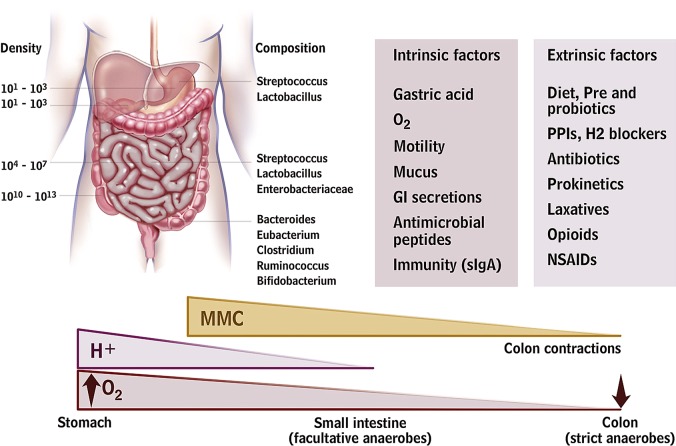
“Bacterial density increases from more proximal to distal sites44.”
From The gut Microbiome in adult and pediatric functional gastrointestinal disorders (2019) · cites this paper as [44]
4 more claims about this paper
Create a free account to see every claim other papers make about this one.
Self-check
Percentages, sums and reported differences re-computed from the paper’s own numbers.
Each contradiction between two passages listed here was confirmed by an independent check.
Rated minor: it would not touch a result — a value no result rests on, a p-value that stays on the same side of the significance level, or a conflict that is clerical, resolved elsewhere in the paper, or outside its own findings.
In the paper
§ Intestinal microbiota in functional bowel disorders: a Rome foundation report > Differences in the microbiota in FBD and the link to pathophysiology
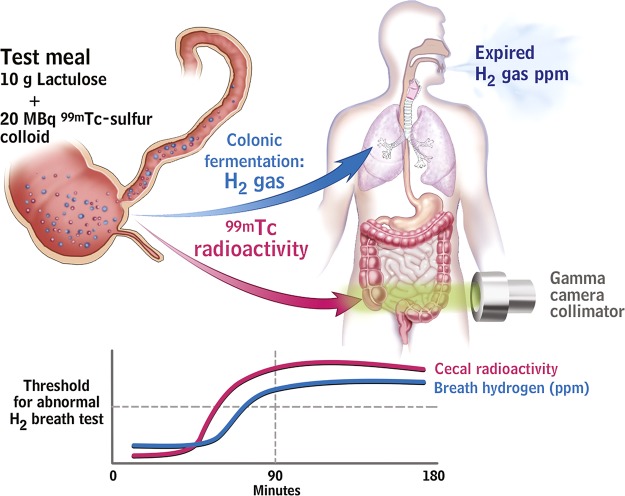
“Although the link between SIBO and IBS is largely based on breath testing, most positive lactulose breath tests reflect rapid transit to the caecum rather than true SIBO94 (figure 4).”
§ Intestinal microbiota in functional bowel disorders: a Rome foundation report > Differences in the microbiota in FBD and the link to pathophysiology
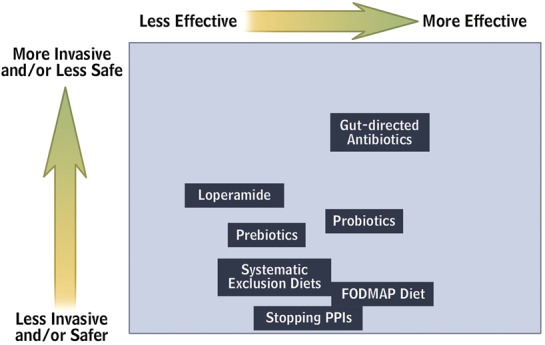
“Figure: Figure 4 Plot chart of currently available strategies for modifying gut microbiota aiming to demonstrate the relationship between the effectiveness and invasiveness/safety of the proposed approach.”
Citations
Cites
A human gut microbial gene catalogue established by metagenomic sequencing
MetaHIT Consortium, Qin, J., Li, R., Raes, J., Arumugam, M., Burgdorf, K. S., Manichanh, C., Nielsen, T., Pons, N., Levenez, F., et al. (2010) · Nature · doi:10.1038/nature08821 · Cited by 11,624
Diversity of the Human Intestinal Microbial Flora
Eckburg, P. B., Bik, E. M., Bernstein, C. N., Purdom, E., Dethlefsen, L., Sargent, M., Gill, S. R., Nelson, K. E., & Relman, D. A. (2005) · Science · doi:10.1126/science.1110591 · Cited by 7,913
A core gut microbiome in obese and lean twins
Turnbaugh, P. J., Hamady, M., Yatsunenko, T., Cantarel, B. L., Duncan, A., Ley, R. E., Sogin, M. L., Jones, W. J., Roe, B. A., Affourtit, J. P., et al. (2009) · Nature · doi:10.1038/nature07540 · Cited by 7,823 · cited 1×
“54e56 Twin studies suggest that the host genotype influences the gut microbiota, although results remain conflicting because of the inability to control for shared environmental factors.(40) 57 One of the most important genetic effects is mediated via the innate immune response.”
BackgroundDietary Modulation of the Human Colonic Microbiota: Introducing the Concept of Prebiotics
Gibson, G. R., & Roberfroid, M. B. (1995) · The Journal of Nutrition · doi:10.1093/jn/125.6.1401 · Cited by 7,667
Enterotypes of the human gut microbiome
MetaHIT Consortium (additional members), Arumugam, M., Raes, J., Pelletier, E., Le Paslier, D., Yamada, T., Mende, D. R., Fernandes, G. R., Tap, J., Bruls, T., et al. (2011) · Nature · doi:10.1038/nature09944 · Cited by 7,548 · cited 1×
“A recent paper suggested that the human GI tract microbiota can be divided into three robust clusters called enterotypes formed by groups of species that jointly contribute to their respective preferred community composition.(27) Remarkably, these enterotypes do not vary by patient characteristics, such as nation, gen…”
BackgroundSelf-citationChanges of Intestinal Functions in Liver Cirrhosis
Fukui, H., & Wiest, R. (2016) · Inflammatory Intestinal Diseases · doi:10.1159/000444436 · Cited by 6,808
De Filippo, C., Cavalieri, D., Di Paola, M., Ramazzotti, M., Poullet, J. B., Massart, S., Collini, S., Pieraccini, G., & Lionetti, P. (2010) · Proceedings of the National Academy of Sciences · doi:10.1073/pnas.1005963107 · Cited by 5,579 · cited 1×
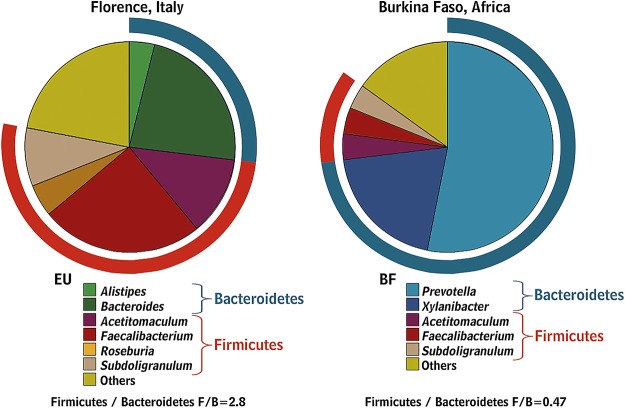
“While most molecular enumeration methods target 16S rRNA, some are based on more functionally relevant genes, for Figure 2 Gut microbiota composition in African children living in rural areas with a polysaccharide-rich diet when compared with Italian city children.(35) (Reprinted with permission from Proc Natl Acad Sc…”
BackgroundThe gut microbiota shapes intestinal immune responses during health and disease
Round, J. L., & Mazmanian, S. K. (2009) · Nature Reviews Immunology · doi:10.1038/nri2515 · Cited by 5,029
Dominguez-Bello, M. G., Costello, E. K., Contreras, M., Magris, M., Hidalgo, G., Fierer, N., & Knight, R. (2010) · Proceedings of the National Academy of Sciences · doi:10.1073/pnas.1002601107 · Cited by 4,774 · cited 1×
“Babies are born with sterile intestines but are rapidly colonised by bacteria from their immediate environment, most importantly their mother ’s vagina and gut.(29) Early colonisers of the neonatal gut are mainly aerobes (such as staphylococci, streptococci and enterobacteria), while late colonisers are strict anaerob…”
BackgroundFrank, D. N., St. Amand, A. L., Feldman, R. A., Boedeker, E. C., Harpaz, N., & Pace, N. R. (2007) · Proceedings of the National Academy of Sciences · doi:10.1073/pnas.0706625104 · Cited by 4,611
Research works printed but not linked: 1
- 122. Spiller R, Card T, Mearin F, et al. Incidence and characteristics of postinfectious IBS (PI-IBS): a multinational internet survey. Gut 2010;59:A32
Cited by
Items 201–300 of 934
Unraveling the ties between irritable bowel syndrome and intestinal microbiota
Hong, S. N. (2014) · World Journal of Gastroenterology · doi:10.3748/wjg.v20.i10.2470 · Cited by 75
Irritable Bowel Syndrome and Stress-Related Psychiatric Co-morbidities: Focus on Early Life Stress
O’Mahony, S. M., Clarke, G. A., Dinan, T. G., & Cryan, J. F. (2017) · Handbook of experimental pharmacology · doi:10.1007/164_2016_128 · Cited by 88
Sex differences in NSAID‐induced perturbation of human intestinal barrier function and microbiota
Edogawa, S., Peters, S. A., Jenkins, G. D., Gurunathan, S. V., Sundt, W. J., Johnson, S., Lennon, R. J., Dyer, R. B., Camilleri, M., Kashyap, P. C., et al. (2018) · The FASEB Journal · doi:10.1096/fj.201800560r · Cited by 73
“syndrome and inflammatory bowel disease (38, 39).”
Rogha, M., Esfahani, M. Z., & Zargarzadeh, A. H. (2014) · Gastroenterology and hepatology from bed to bench. · Cited by 93
Corrie, L., Awasthi, A., Kaur, J., Vishwas, S., Gulati, M., Kaur, I. P., Gupta, G., Kommineni, N., Dua, K., & Singh, S. K. (2023) · Pharmaceuticals · doi:10.3390/ph16020197 · Cited by 85
Wilson, D., Evans, M., Weaver, E. M., Shaw, A. L., & Klein, G. L. (2013) · Clinical Medicine Insights Gastroenterology · doi:10.4137/cgast.s13200 · Cited by 71
Current insights into the innate immune system dysfunction in irritable bowel syndrome
Lazaridis, N., & Germanidis, G. (2018) · Annals of Gastroenterology · doi:10.20524/aog.2018.0229 · Cited by 96
Lactobacillus reuteri DSM 17938 in the Treatment of Functional Abdominal Pain in Children: RCT Study
Jadrešin, O., Hojsak, I., Mišak, Z., Kekez, A. J., Trbojević, T., Ivković, L., & Kolaček, S. (2017) · Journal of Pediatric Gastroenterology and Nutrition · doi:10.1097/mpg.0000000000001478 · Cited by 71
Inflammatory bowel disease and irritable bowel syndrome: similarities and differences
Barbara, G., Cremon, C., & Stanghellini, V. (2014) · Current Opinion in Gastroenterology · doi:10.1097/mog.0000000000000070 · Cited by 71
Self-citationFrancavilla, R., Cristofori, F., Verzillo, L., Gentile, A., Castellaneta, S., Polloni, C., Giorgio, V., Verduci, E., D'Angelo, E., Dellatte, S., et al. (2018) · American Journal of Gastroenterology · doi:10.1038/ajg.2017.483 · Cited by 68
Beatty, M., Guduric‐Fuchs, J., Brown, E., Bridgett, S., Chakravarthy, U., Hogg, R. E., & Simpson, D. A. C. (2014) · BMC Genomics · doi:10.1186/1471-2164-15-933 · Cited by 74
Gut microbiota profiles and characterization of cultivable fungal isolates in IBS patients
Sciavilla, P., Strati, F., Paola, M. D., Modesto, M., Vitali, F., Cavalieri, D., Prati, G. M., Vito, M. D., Aragona, G., Filippo, C. D., et al. (2021) · Applied Microbiology and Biotechnology · doi:10.1007/s00253-021-11264-4 · Cited by 76
Multispecies probiotic protects gut barrier function in experimental models
Nébot-Vivinus, M. (2014) · World Journal of Gastroenterology · doi:10.3748/wjg.v20.i22.6832 · Cited by 70
Hod, K., Sperber, A. D., Ron, Y., Boaz, M., Dickman, R., Berliner, S., Halpern, Z., Maharshak, N., & Dekel, R. (2017) · Neurogastroenterology & Motility · doi:10.1111/nmo.13037 · Cited by 70
Food: The Main Course to Wellness and Illness in Patients With Irritable Bowel Syndrome
Chey, W. D. (2016) · American Journal of Gastroenterology · doi:10.1038/ajg.2016.12 · Cited by 69
Assessment of faecal microbial transfer in irritable bowel syndrome with severe bloating
Holvoet, T., Joossens, M., Wang, J., Boelens, J., Verhasselt, B., Laukens, D., van Vlierberghe, H., Hindryckx, P., De Vos, M., De Looze, D., et al. (2017) · Gut · doi:10.1136/gutjnl-2016-312513 · Cited by 68
Salami, M. (2021) · Frontiers in Neuroscience · doi:10.3389/fnins.2021.613120 · Cited by 67
Irritable bowel syndrome, inflammatory bowel disease and the microbiome
Major, G., & Spiller, R. (2014) · Current Opinion in Endocrinology, Diabetes & Obesity · doi:10.1097/med.0000000000000032 · Cited by 67
Self-citationYoon, J. Y., Cha, J. M., Oh, J. K., Tan, P. L., Kim, S. H., Kwak, M. S., Jeon, J. W., & Shin, H. P. (2018) · Digestive Diseases and Sciences · doi:10.1007/s10620-018-5139-8 · Cited by 77
Potential Role of the Gut Microbiome in ALS: A Systematic Review
Wright, M. L., Fournier, C., Houser, M. C., Tansey, M., Glass, J., & Hertzberg, V. S. (2018) · Biological Research For Nursing · doi:10.1177/1099800418784202 · Cited by 65
Beyond phylotyping: understanding the impact of gut microbiota on host biology
Reigstad, C. S., & Kashyap, P. C. (2013) · Neurogastroenterology & Motility · doi:10.1111/nmo.12134 · Cited by 66
Emerging Treatment Options in Mild to Moderate Ulcerative Colitis.
Lichtenstein, G. R., Hanauer, S. B., & Sandborn, W. J. (2015) · Europe PMC (PubMed Central) · Cited by 70
Doré, J., Simrén, M., Buttle, L., & Guarner, F. (2013) · United European Gastroenterology Journal · doi:10.1177/2050640613502477 · Cited by 65
“The widespread changes observed suggest the possible involvement of a probiotic-induced change inmetabolite modulation of brain systems, which alter the responsiveness of regions involved in viscerosensory perception, which might be beneficial for patients with functional GI disorders, such as IBS.(37)”
BackgroundSelf-citationVarjú, P., Gede, N., Szakács, Z., Hegyi, P., Cazacu, I. M., Pécsi, D., Fábián, A., Szepes, Z., Vincze, Á., Tenk, J., et al. (2019) · Neurogastroenterology & Motility · doi:10.1111/nmo.13527 · Cited by 65
Laxative effect of probiotic chocolate on loperamide-induced constipation in rats
Eor, J. Y., Tan, P. L., Lim, S. M., Choi, D. H., Yoon, S. M., Yang, S. Y., & Kim, S. H. (2019) · Food Research International · doi:10.1016/j.foodres.2018.09.062 · Cited by 65
FODMAPs, inflammatory bowel disease and gut microbiota: updated overview on the current evidence
Simões, C., Maganinho, M. G. R., & Sousa, A. S. (2022) · European Journal of Nutrition · doi:10.1007/s00394-021-02755-1 · Cited by 83
“In fact, changes in the composition of the gut microbiota do lead to microbial metabolite alterations that may have a role in IBD pathogenesis [22, 23].”
BackgroundFunctional abdominal pain disorders in children
Rajindrajith, S., Zeevenhooven, J., Devanarayana, N. M., Perera, B. J. C., & Benninga, M. A. (2018) · Expert Review of Gastroenterology & Hepatology · doi:10.1080/17474124.2018.1438188 · Cited by 74
“A body of evidence is growing for the role of altered microbiota in the pathogenesis of FAPDs [127,129,235].”
BackgroundPotential proton pump inhibitor–related adverse effects
Perry, I. E., Sonu, I. S., Scarpignato, C., Akiyama, J., Hongo, M., & Vega, K. J. (2020) · Annals of the New York Academy of Sciences · doi:10.1111/nyas.14428 · Cited by 76
Shimura, S., Ishimura, N., Mikami, H., Okimoto, E., Uno, G., Tamagawa, Y., Aimi, M., Oshima, N., Sato, S., Ishihara, S., et al. (2015) · Journal of Neurogastroenterology and Motility · doi:10.5056/jnm15116 · Cited by 70
Neuropsychiatric Disorders: Influence of Gut Microbe to Brain Signalling
Scriven, M., Dinan, T. G., Cryan, J. F., & Wall, M. (2018) · Diseases · doi:10.3390/diseases6030078 · Cited by 63
“It has been suggested that irritable bowel syndrome (IBS) and inflammatory bowel disease (IBD) could be part of the same inflammatory spectrum but existing at opposite ends [10].”
BackgroundJalanka, J., Salonen, A., Fuentes, S., & de Vos, W. M. (2015) · Gut Microbes · doi:10.1080/19490976.2015.1096486 · Cited by 61
“No single unifying cause for IBS has been reported(3) but several factors have been associated with the disease etiology, including genetic predisposition,(4) anxiety and depression(5) as well as female gender.(6) Moreover, there is strong evidence indicating that changes in the intestinal microbiota and their functio…”
BackgroundDisorders of Gut–Brain Interaction and the Rome V Process
Drossman, D. A., Chang, L., & Tack, J. F. (2026) · Gastroenterology · doi:10.1053/j.gastro.2026.02.014 · Cited by 96
Whelan, K. (2013) · Proceedings of The Nutrition Society · doi:10.1017/s0029665113001262 · Cited by 70
Gu, Y., Qin, X., Zhou, G., Wang, C., Mu, C., Liu, X., Zhong, W., Xu, X. J., Wang, B., Jiang, K., et al. (2022) · Food & Function · doi:10.1039/d2fo01900k · Cited by 67
The Role of the Gastrointestinal Microbiota in Visceral Pain
Rea, K., O’Mahony, S. M., Dinan, T. G., & Cryan, J. F. (2016) · Handbook of experimental pharmacology · doi:10.1007/164_2016_115 · Cited by 69
Understanding the Gut Microbiota in Inflammatory and Functional Gastrointestinal Diseases
Sundin, J., Öhman, L., & Simrén, M. (2017) · Psychosomatic Medicine · doi:10.1097/psy.0000000000000470 · Cited by 66
“factors are genetics (21), microRNA (22), gastric acid secretion, antimicrobial peptides and secretory immunoglobulin A, partial oxygen (O2) tension, GI motility and secretion, mucus secretion, as well as intestinal inflammation (Figure 1) (23,24).”
BackgroundSelf-citationVulevic, J., Tzortzis, G., Juric, A., & Gibson, G. R. (2018) · Neurogastroenterology & Motility · doi:10.1111/nmo.13440 · Cited by 71
“7 Exclusion of fermentable substrates from the diet has attracted some interest lately, as a potential treatment of IBS symptoms.”
Goll, R., Johnsen, P. H., Hjerde, E., Diab, J., Valle, P. C., Hilpusch, F., & Cavanagh, J. P. (2020) · Gut Microbes · doi:10.1080/19490976.2020.1794263 · Cited by 59
Cayzeele-Decherf, A., Pélerin, F., Leuillet, S., Douillard, B., Housez, B., Cazaubiel, M., Jacobson, G. K., Jüsten, P., & Desreumaux, P. (2017) · World Journal of Gastroenterology · doi:10.3748/wjg.v23.i2.336 · Cited by 58
Wu, Y., Li, Y., Zheng, Q., & Li, L. (2024) · Nutrients · doi:10.3390/nu16132114 · Cited by 82
Role of enteric neurotransmission in host defense and protection of the gastrointestinal tract
Sharkey, K. A., & Savidge, T. C. (2014) · Autonomic Neuroscience · doi:10.1016/j.autneu.2013.12.006 · Cited by 58
“Supernatants of colonic biopsy samples from IBS patients contain proteases that directly sensitize mouse primary afferent neurons and generate visceral and somatic hypersensitivity through the activation of PAR2 (Cenac et al., 2007; Hughes et al., 2013; Valdez-Morales et al., 2013).”
BackgroundInfluentialIt's a gut feeling: How the gut microbiota affects the state of mind
Farmer, A. D., Randall, H. A., & Aziz, Q. (2014) · The Journal of Physiology · doi:10.1113/jphysiol.2013.270389 · Cited by 57
“The development of culture independent techniques has facilitated considerable advances to be made in ascertaining the role of the microbiota in these subtypes (Simren et al. 2013).”
BackgroundIrritable bowel syndrome and endometriosis: New insights for old diseases
Viganò, D., Zara, F., & Usai, P. (2017) · Digestive and Liver Disease · doi:10.1016/j.dld.2017.12.017 · Cited by 62
Marwaha, K., Cain, R., Asmis, K., Czaplinski, K., Holland, N. A., Mayer, D. C. G., & Chacon, J. A. (2025) · Journal of Applied Physiology · doi:10.1152/japplphysiol.00652.2024 · Cited by 79
Chen, H., Gao, D., Wang, B., Zhao, R., Guan, M., Zheng, L., Zhou, X., Chai, Z., & Feng, W.-Y. (2014) · Nanotechnology · doi:10.1088/0957-4484/25/16/165101 · Cited by 57
Thompson, A., Meah, D., Ahmed, N., Conniff-Jenkins, R., Chileshe, E., Phillips, C., Claypole, T. C., Forman, D. W., & Row, P. E. (2013) · BMC Complementary and Alternative Medicine · doi:10.1186/1472-6882-13-338 · Cited by 68
Fructose transporters GLUT5 and GLUT2 expression in adult patients with fructose intolerance
Wilder‐Smith, C. H., Li, X., Ho, S. S., Leong, S. M., Wong, R. K. M., Koay, E. S., & Ferraris, R. P. (2014) · United European Gastroenterology Journal · doi:10.1177/2050640613505279 · Cited by 62
The Intestinal Microbiota and Irritable Bowel Syndrome
Ringel, Y., & Ringel-Kulka, T. (2015) · Journal of Clinical Gastroenterology · doi:10.1097/mcg.0000000000000418 · Cited by 56
Irritable bowel syndrome and diet
Portincasa, P., Bonfrate, L., de Bari, O., Lembo, A., & Ballou, S. (2017) · Gastroenterology Report · doi:10.1093/gastro/gow047 · Cited by 39
Guidelines on the management of irritable bowel syndrome
Pietrzak, A., Skrzydło-Radomańska, B., Mulak, A., Lipiński, M., Małecka-Panas, E., Reguła, J., & Rydzewska, G. (2018) · Gastroenterology Review · doi:10.5114/pg.2018.78343 · Cited by 23
“and changes in the proportion between Firmicutes and Bacteroidetes, to the detriment of the latter [29].”
BackgroundIrritable bowel syndrome: a concise review of current treatment concepts
Wall, G. C., Bryant, G. A., Bottenberg, M. M., Maki, E. D., & Miesner, A. R. (2014) · World Journal of Gastroenterology · doi:10.3748/wjg.v20.i27.8796 · Cited by 56
Microbiome modulation as a novel therapeutic approach in chronic kidney disease
Sumida, K., Lau, W. L., Kovesdy, C. P., Kalantar‐Zadeh, K., & Kalantar‐Zadeh, K. (2021) · Current Opinion in Nephrology & Hypertension · doi:10.1097/mnh.0000000000000661 · Cited by 61
Ringel-Kulka, T., Benson, A. K., Carroll, I. M., Kim, J., Legge, R. M., & Ringel, Y. (2016) · American Journal of Physiology-Gastrointestinal and Liver Physiology · doi:10.1152/ajpgi.00044.2015 · Cited by 53
Gut Microbiome and Modulation of CNS Function
Osadchiy, V., Martin, C. R., & Mayer, E. A. (2019) · Comprehensive Physiology · doi:10.1002/cphy.c180031 · Cited by 53
“…studies ( n = 22 in a total of 827 subjects) have demonstrated significant microbial alterations in fecal microbial community composition between healthy controls and IBS patients, based on disease subtypes (IBS-D, IBS-C, IBS-M), age (pediatric vs. adult), and compartment (mucosa vs. stool) (150).”
Alterations in gut microbiota are related to metabolite profiles in spinal cord injury
Jiang, J.-H., Ning, B., Kang, J.-N., Sun, Z.-F., Li, X., Zhang, X., Jin, Z., Zhang, C., Zhang, Y., Wang, H., et al. (2022) · Neural Regeneration Research · doi:10.4103/1673-5374.355769 · Cited by 55
“Commensal gut microbiota play a crucial role in gut physiology and the regulation of host immune and endocrine systems, and their activity is closely related to the occurrence and development of a variety of host diseases (Round and Mazmanian, 2009; Clemente et al., 2012; Simrén et al., 2013; Sánchez et al., 2017; Zmo…”
BackgroundAssociation between Brachyspira and irritable bowel syndrome with diarrhoea
Jabbar, K. S., Dolan, B., Eklund, L., Wising, C., Ermund, A., Johansson, Å., Törnblom, H., Simrén, M., & Hansson, G. C. (2020) · Gut · doi:10.1136/gutjnl-2020-321466 · Cited by 62
Self-citationDietary therapies for functional bowel symptoms: Recent advances, challenges, and future directions
Tuck, C. J., & Vanner, S. J. (2018) · Neurogastroenterology & Motility · doi:10.1111/nmo.13238 · Cited by 52
Self-citationGu, X., Song, L., Li, L., Liu, T., Zhang, M.-M., Li, Z., Wang, P., Li, M., & Zuo, X. (2020) · Frontiers in Microbiology · doi:10.3389/fmicb.2020.01281 · Cited by 58
Gut microbiome and multiple sclerosis: New insights and perspective
Amini, M. E., Shomali, N., Bakhshi, A., Rezaei, S., Hemmatzadeh, M., Hosseinzadeh, R., Eslami, S., Babaie, F., Aslani, S., Torkamandi, S., et al. (2020) · International Immunopharmacology · doi:10.1016/j.intimp.2020.107024 · Cited by 54
Functional constipation and the effect of prebiotics on the gut microbiota: a review
Erhardt, R., Harnett, J., Steels, E., & Steadman, K. J. (2022) · British Journal Of Nutrition · doi:10.1017/s0007114522003853 · Cited by 56
“They are broadly characterised as primary idiopathicwith normal transit, slow transit or evacuation disorder and secondary constipation which includes medication side-effects, obstruction, metabolic, neurological, psychiatric or systemic causes(10).”
InfluentialTreatment of abdominal pain in irritable bowel syndrome
Vanuytsel, T., Tack, J. F., & Boeckxstaens, G. E. (2014) · Journal of Gastroenterology · doi:10.1007/s00535-014-0966-7 · Cited by 61
“A complex interaction between altered intestinal motility [16], the intestinal microbiota [17], impaired mucosal barrier function [18, 19], low-grade inflammatory changes in the gastrointestinal wall [20], and altered functioning of the neurohumoral communication system between the brain and the gut, the so-called bra…”
BackgroundIntestinal Barrier Function in the Pathogenesis of Nonalcoholic Fatty Liver Disease
Liu, L., Yin, M., Gao, J., Yu, C., Lin, J., Wu, A., Zhu, J., Xu, C., & Liu, X. (2022) · Journal of Clinical and Translational Hepatology · doi:10.14218/jcth.2022.00089 · Cited by 80
Cystic Fibrosis-Related Gut Dysbiosis: A Systematic Review
Caley, L. R., White, H., de Goffau, M. C., Floto, R. A., Parkhill, J., Marsland, B. J., & Peckham, D. G. (2023) · Digestive Diseases and Sciences · doi:10.1007/s10620-022-07812-1 · Cited by 61
Elie, C., Perret, M., Hage, H., Sentausa, E., Hesketh, A., Louis, K., Fritah, A., Leissner, P., Vachon, C., Rostaing, H., et al. (2023) · Scientific Reports · doi:10.1038/s41598-023-33959-6 · Cited by 63
Irritable Bowel Syndrome: Modern Concepts and Management Options
Sayuk, G. S., & Gyawali, C. P. (2015) · The American Journal of Medicine · doi:10.1016/j.amjmed.2015.01.036 · Cited by 63
“Intestinal inflammation and the microbiome are emerging factors in irritable bowel syndrome etiopathogenesis.(22,35) Although overt small bowel bacterial overgrowth may initiate irritable bowel syndrome symptoms,(36) lesser degrees”
BackgroundCognitive behavioral approach to understanding irritable bowel syndrome
Hauser, G., Pletikosić, S., & Tkalčić, M. (2014) · World Journal of Gastroenterology · doi:10.3748/wjg.v20.i22.6744 · Cited by 61
Mari, A., Baker, F. A., Mahamid, M., Sbeit, W., & Khoury, T. (2020) · Journal of Clinical Medicine · doi:10.3390/jcm9030685 · Cited by 62
Gastrointestinal symptoms in COVID-19: the long and the short of it
Freedberg, D. E., & Chang, L. (2022) · Current Opinion in Gastroenterology · doi:10.1097/mog.0000000000000876 · Cited by 59
Ludidi, S., Jonkers, D. M., Koning, C. J., Kruimel, J. W., Mulder, L., van der Vaart, I. B., Conchillo, J. M., & Masclee, A. A. M. (2014) · Neurogastroenterology & Motility · doi:10.1111/nmo.12320 · Cited by 49
Visceral hypersensitive rats share common dysbiosis features with irritable bowel syndrome patients
Zhou, X.-Y. (2016) · World Journal of Gastroenterology · doi:10.3748/wjg.v22.i22.5211 · Cited by 54
Jia, Y., Li, Z., Liu, C., & Zhang, J. (2018) · Oxidative Medicine and Cellular Longevity · doi:10.1155/2018/1912746 · Cited by 53
Intestinal Microbiome in Irritable Bowel Syndrome before and after Gut-Directed Hypnotherapy
Peter, J., Fournier, C., Keip, B., Rittershaus, N., Stephanou-Rieser, N., Durdevic, M., Dejaco, C., Michalski, M., & Moser, G. (2018) · International Journal of Molecular Sciences · doi:10.3390/ijms19113619 · Cited by 48
Gut Microbiota Approach—A New Strategy to Treat Parkinson’s Disease
Liu, J., Xu, F., Nie, Z., & Shao, L. (2020) · Frontiers in Cellular and Infection Microbiology · doi:10.3389/fcimb.2020.570658 · Cited by 55
Gut Microbiota-Based Therapies for Irritable Bowel Syndrome
Stern, E., & Brenner, D. M. (2018) · Clinical and Translational Gastroenterology · doi:10.1038/ctg.2018.2 · Cited by 56
“Overall, these studies suggest that disruptions in gut microbiota may play a causative role in the pathogenesis of IBS.21,32 The most well-documented line of evidence linking disruption of GI microbial homeostasis to the development of IBS symptoms comes from the literature on postinfectious IBS (PIIBS), in which the…”
BackgroundInfluentialInteraction between preprandial and postprandial rectal sensory and motor abnormalities in IBS
Törnblom, H., Van Oudenhove, L., Tack, J., & Simrén, M. (2014) · Gut · doi:10.1136/gutjnl-2013-305853 · Cited by 48
Self-citationQiu, J., Liu, Z., Zhao, P., Wang, X.-J., Li, Y., Sui, H. X., Owusu, L., Guo, H., & Cai, Z.-X. (2017) · World Journal of Gastroenterology · doi:10.3748/wjg.v23.i5.810 · Cited by 51
Bloating and Abdominal Distension: Clinical Approach and Management
Mari, A., Baker, F. A., Mahamid, M., Amara, H., Carter, D., Boltin, D., & Dickman, R. M. (2019) · Advances in Therapy · doi:10.1007/s12325-019-00924-7 · Cited by 57
Yamamoto, M., Pinto-Sánchez, M. I., Berčík, P., & Britz‐McKibbin, P. (2019) · Metabolomics · doi:10.1007/s11306-019-1543-0 · Cited by 61
Communication between the gut microbiota and peripheral nervous system in health and chronic disease
Cook, T. M., & Mansuy‐Aubert, V. (2022) · Gut Microbes · doi:10.1080/19490976.2022.2068365 · Cited by 50
“However, associations between the Firmicutes/Bacteroidetes ratio and body weight have not been consistently supported.(11) Prevotella species ferment fiber and often correlate with healthy metabolic outcomes and reduced inflammation, however there are Figure 1.”
BackgroundAl-Kushi, A. G., Elazab, S. T., Abdelfattah‐Hassan, A., Mahfouz, H., Salem, G. A., Sheraiba, N. I., Mohamed, E., Attia, M. S., El‐Shetry, E. S., Saleh, A. A., et al. (2022) · Pharmaceutics · doi:10.3390/pharmaceutics14061183 · Cited by 51
“Dietary modulations focused on the gut microenvironment are considered as novel therapies to cure functional bowel disorders that mostly aim at modifying the gut microbiota [32,33].”
Backgroundvan den Wijngaard, R. M., Stanisor, O. I., van Diest, S. A., Welting, O., Wouters, M. M., Cailotto, C., de Jonge, W. J., & Boeckxstaens, G. E. (2013) · Neurogastroenterology & Motility · doi:10.1111/nmo.12202 · Cited by 47
What does irritable bowel syndrome share with non-alcoholic fatty liver disease?
Scalera, A., Minno, M. N. D. D., & Tarantino, G. (2013) · World Journal of Gastroenterology · doi:10.3748/wjg.v19.i33.5402 · Cited by 50
Lucak, S., Chang, L., Halpert, A., & Harris, L. A. (2017) · Therapeutic Advances in Gastroenterology · doi:10.1177/1756283x16663396 · Cited by 47
“Pathophysiology of irritable bowel syndrome The pathophysiology of IBS is complex and multifactorial, including genetic predisposition, visceral hypersensitivity, autonomic nervous system dysregulation, abnormalities in GI motility, secretory function, permeability, immune activation, and the composition of the gut mi…”
BackgroundChoi, C. H., Kwon, J. G., Kim, S. K., Myung, S. ‐., Park, K. S., Sohn, C. ‐., Rhee, P. ‐., Lee, K. J., Lee, O. Y., Jung, H. ‐., et al. (2015) · Neurogastroenterology & Motility · doi:10.1111/nmo.12544 · Cited by 46
Fecal microbiota transplantation as a new treatment for canine inflammatory bowel disease
Niina, A., Kibe, R., Suzuki, R. H., Yuchi, Y., Teshima, T., Matsumoto, H., Kataoka, Y., & Koyama, H. (2020) · Bioscience of Microbiota Food and Health · doi:10.12938/bmfh.2020-049 · Cited by 66
Irritable bowel syndrome: new and emerging treatments
Halland, M., & Saito, Y. A. (2015) · BMJ · doi:10.1136/bmj.h1622 · Cited by 53
Pharmacological Therapies and Their Clinical Targets in Irritable Bowel Syndrome With Diarrhea
Colomier, E., Algera, J. P., & Melchior, C. (2021) · Frontiers in Pharmacology · doi:10.3389/fphar.2020.629026 · Cited by 61
“Proposed targets include the dysbiotic microbial composition, small intestinal bacterial overgrowth (SIBO) that is often associated with IBS, and post-infectious alterations (Simreń et al., 2013; Chong et al., 2019).”
BackgroundResultSmall intestinal bacterial overgrowth as a cause for irritable bowel syndrome: guilty or not guilty?
Aziz, I., Törnblom, H., & Simrén, M. (2017) · Current Opinion in Gastroenterology · doi:10.1097/mog.0000000000000348 · Cited by 45
Self-citationChang, F. (2014) · World Journal of Gastroenterology · doi:10.3748/wjg.v20.i10.2499 · Cited by 57
The Science, Evidence, and Practice of Dietary Interventions in Irritable Bowel Syndrome
Lacy, B. E. (2015) · Clinical Gastroenterology and Hepatology · doi:10.1016/j.cgh.2015.02.043 · Cited by 52
Gut microbiota in older subjects: variation, health consequences and dietary intervention prospects
O’Connor, E. M., O’Herlihy, E. A., & O’Toole, P. W. (2014) · Proceedings of The Nutrition Society · doi:10.1017/s0029665114000597 · Cited by 48
Efficacy of Lactobacillus casei Shirota for patients with irritable bowel syndrome
Thijssen, A. Y., Clemens, C. H. M., Vankerckhoven, V., Goossens, H., Jonkers, D. M. A. E., & Masclee, A. A. M. (2016) · European Journal of Gastroenterology & Hepatology · doi:10.1097/meg.0000000000000484 · Cited by 45
The gut microbiome and irritable bowel syndrome: State of art review
Salem, A., Singh, R., Ayoub, Y. K., Khairy, A. M., & Mullin, G. E. (2018) · Arab Journal of Gastroenterology · doi:10.1016/j.ajg.2018.02.008 · Cited by 50
Guandalini, S. (2014) · Frontiers in Medicine · doi:10.3389/fmed.2014.00023 · Cited by 44
Dientamoeba fragilis and chronic abdominal pain in children: a case-control study
de Jong, M. J., Korterink, J., Benninga, M. A., Hilbink, M., Widdershoven, J., & Deckers‐Kocken, J. M. (2014) · Archives of Disease in Childhood · doi:10.1136/archdischild-2014-305942 · Cited by 51
Fermentation of bioactive solid lipid nanoparticles by human gut microflora
Madureira, A. R., Campos, D. A., Gullón, B., Marques, C., Rodríguez-Alcalá, L. M., Calhau, C., Alonsó, J. L., Sarmento, B. F. C. C., Gomes, A., & Pintado, M. (2016) · Food & Function · doi:10.1039/c5fo01004g · Cited by 45
Exploring the gut-brain Axis: Potential therapeutic impact of Psychobiotics on mental health
Cocean, A.-M., & Vodnar, D. C. (2024) · Progress in Neuro-Psychopharmacology and Biological Psychiatry · doi:10.1016/j.pnpbp.2024.111073 · Cited by 58
“Given their ability to modify the intestinal permeability (Simren et al., 2013), mucosal immune function (Round and Mazma-nian, 2009), and enteric nervous system (ENS) (Cani et al., 2013), it has been shown that the intestinal microbiota and its metabolites influence GI function.”
BackgroundSaneian, H., Pourmoghaddas, Z., Roohafza, H., & Gholamrezaei, A. (2015) · Gastroenterology and hepatology from bed to bench. · Cited by 54
Diet, microbiota, and inflammatory bowel disease: lessons from Japanese foods
Kanai∥, T., Matsuoka, K., Naganuma, M., Hayashi, A., & Hisamatsu, T. (2014) · The Korean Journal of Internal Medicine · doi:10.3904/kjim.2014.29.4.409 · Cited by 54
“, irritable bowel syndrome) [31,32] but also extraintestinal diseases such as obesity, arteriosclerosis, allergy, and autism disorders [33-37].”
BackgroundScanzi, J., Accarie, A., Muller, E., Pereira, B., Aissouni, Y., Goutte, M., Joubert‐Zakeyh, J., Picard, E., Boudieu, L., Mallet, C., et al. (2016) · Neurogastroenterology & Motility · doi:10.1111/nmo.12860 · Cited by 49
Metadata
- Authors
- Simrén, M., Barbara, G., Flint, H. J., Spiegel, B. M. R., Spiller, R. C., Vanner, S., Verdu, E. F., Whorwell, P. J., & Zoetendal, E. G.
- Affiliations
- University of Gothenburg (SE)
- University of Bologna (IT)
- University of Aberdeen (GB)
- University of California, Los Angeles (US)
- NIHR Biomedical Research Unit, Nottingham Digestive Diseases Centre, E Floor West Block, University Hospital, Nottingham, UK
- Queen's University (CA)
- McMaster University (CA)
- University of Manchester (GB)
- Wageningen University & Research (NL)
- Corresponding author
- Simrén, Magnus
- ORCID
- Venue
- Gut
- Publisher
- BMJ
- Published
- 2012-06-22
- Volume
- 62
- Issue
- 1
- Pages
- 159-176
- ISSN
- 0017-5749 (ISSN-L)
- 1468-3288
- PMC
- PMC3551212
- OpenAlex
- W2135313371
- Cited by
- 939
- References
- 286
- Citations by year
- 2026: 33 · 2025: 50 · 2024: 38 · 2023: 55 · 2022: 65 · 2021: 65 · 2020: 74 · 2019: 62 · 2018: 94 · 2017: 76 · 2016: 82 · 2015: 79 · 2014: 95 · 2013: 61 · 2012: 6
- FWCI
- 74.82
- Type
- journal article
- Language
- en
- Open access
- hybrid
- doi.org
- Licence
- cc-by-nc
- Locations
- Gut (publishedVersion, cc-by-nc)
- Europe PMC (PubMed Central) (publishedVersion, cc-by-nc)
- PubMed Central (publishedVersion, cc-by-nc)
- PubMed (publishedVersion)
- Research Explorer (The University of Manchester) (acceptedVersion)
- Socio-Environmental Systems Modeling (acceptedVersion)
- Aberdeen University Research Archive (Aberdeen University) (submittedVersion, cc-by-nc)
- Archivio istituzionale della ricerca (Alma Mater Studiorum Università di Bologna) (submittedVersion)
- HighWire Press Open Archive (submittedVersion)
- Data Archiving and Networked Services (DANS) (submittedVersion, other-oa)
- Funders
- Amgen
- Pfizer
- GlaxoSmithKline
- Danone
- Sucampo Pharmaceuticals
- McMaster University
- Ironwood Pharmaceuticals, Incorporated
- Rural and Environment Science and Analytical Services Division
- Crohn's and Colitis Foundation
- Crohn's and Colitis Foundation of Canada
- National Institute for Health and Care Research (NF-SI-0509-10005)
- Ministero dell’Istruzione, dell’Università e della Ricerca (PRIN 2009)
- Astellas Pharma
- Göteborgs Universitet
- Marcus och Amalia Wallenbergs minnesfond
- Nestec
- Norgine
- Canadian Institutes of Health Research
- Medical Research Council
- Sahlgrenska Akademin
- Centrum fÖr Personcentrerad Vård
- Topics
- Health Sciences › Medicine › Gastroenterology › Gastrointestinal motility and disorders
- Life Sciences › Biochemistry, Genetics and Molecular Biology › Molecular Biology › Gut microbiota and health
- Life Sciences › Agricultural and Biological Sciences › Food Science › Probiotics and Fermented Foods
- Keywords
- gut microbiota, functional gastrointestinal disorders, irritable bowel syndrome, functional dyspepsia, small intestinal bacterial overgrowth, host-microbe interactions, intestinal permeability, innate immune response, enteric nervous system, 16S rRNA gene profiling, prebiotics, probiotics, synbiotics, non-absorbable antibiotics, dietary intervention
- MeSH terms
- Anti-Bacterial Agents, Diagnosis, Differential, Diet Therapy, Gastrointestinal Diseases, Humans, Intestinal Mucosa, Intestines, RNA, Bacterial, RNA, Ribosomal, 16S, Probiotics, Irritable Bowel Syndrome, Metagenome, Metagenomics, Prebiotics
About these checks
Registry, retraction, Cites and statistics results are computed, not judged, with one exception: a printed reference that no index lists is read once by a model before it counts as a citation error. Claims are extracted by a model and kept only when their quote appears verbatim in the text; each cited source is then checked, with a model’s help, for whether it says what the claim relies on. Those verdicts can be wrong — read the claim’s quote and the cited source before relying on one.
The claim verdicts this report counts are experimental: their accuracy is not yet measured.
A language model drew the claims from the paper on 2026-10-05, under version 3 of the claim definition (model deepseek-v4.1-flash, prompt extract-v3).
A second model labelled each claim on 2026-10-05 (model jev-1.13-20260917, definition revision gold-guideline-v0.2).
Cited sources are checked with a language model’s help (gpt-6-sol).
Statistics and arithmetic are recomputed, not judged.
Confidence bands are shown only for fields calibrated on our annotated test set. None is calibrated yet, so no band is shown.
What counts as a claim ›How we measure confidence ›How we check this ›
Are you an author, or do you see a problem with this page? Request a review
Data sources
Bibliographic data: Semantic Scholar, OpenAlex, Crossref.
Contains information from the Semantic Scholar Academic Graph Datasets, made available under the ODC Attribution License (ODC-BY 1.0).
Semantic Scholar’s data is described in: Kinney, R., et al. (2023). The Semantic Scholar Open Data Platform. arXiv:2301.10140.
