

Intestinal microbiota in functional bowel disorders: a Rome foundation report
Open accessThe DOI matches its Crossref record; 286 of the 288 references it cites were found in a registry or an index, and 2 are not checked yet; 18 of the 131 sources its claims cite were checked for support.
Abstract
It is increasingly perceived that gut host–microbial interactions are important elements in the pathogenesis of functional gastrointestinal disorders (FGID). The most convincing evidence to date is the finding that functional dyspepsia and irritable bowel syndrome (IBS) may develop in predisposed individuals following a bout of infectious gastroenteritis. There has been a great deal of interest in the potential clinical and therapeutic implications of small intestinal bacterial overgrowth in IBS. However, this theory has generated much debate because the evidence is largely based on breath tests which have not been validated. The introduction of culture-independent molecular techniques provides a major advancement in our understanding of the microbial community in FGID. Results from 16S rRNA-based microbiota profiling approaches demonstrate both quantitative and qualitative changes of mucosal and faecal gut microbiota, particularly in IBS. Investigators are also starting to measure host–microbial interactions in IBS. The current working hypothesis is that abnormal microbiota activate mucosal innate immune responses which increase epithelial permeability, activate nociceptive sensory pathways and dysregulate the enteric nervous system. While we await important insights in this field, the microbiota is already a therapeutic target. Existing controlled trials of dietary manipulation, prebiotics, probiotics, synbiotics and non-absorbable antibiotics are promising, although most are limited by suboptimal design and small sample size. In this article, the authors provide a critical review of current hypotheses regarding the pathogenetic involvement of microbiota in FGID and evaluate the results of microbiota-directed interventions. The authors also provide clinical guidance on modulation of gut microbiota in IBS.
Verified 2026-10-05 · 2 references not checked yet
Overview
CoChat Summary
TL;DR
This Rome Foundation report critically reviews evidence that gut microbiota contribute to functional bowel disorders, especially IBS, through post-infectious onset, altered mucosal/faecal communities, and host–microbial immune interactions. It concludes that microbiota-directed therapies are promising but limited by unvalidated SIBO tests, inconsistent microbiota findings, and underpowered trials.
Key findings
- Post-infectious IBS is the most convincing link: infective gastroenteritis incidence is 19/100 person years in the UK; 6%–17% of IBS patients report onset after infective gastroenteritis (18% in an internet survey, with around 40% beginning while travelling), and a meta-analysis found increased IBS risk 1 year after bacterial gastroenteritis (RR=6.5, CI 2.6–15.4), still apparent at 36 months (RR=3.9, CI 3.0–5.0).
- The SIBO hypothesis in IBS remains controversial because breath tests are not validated; lactulose hydrogen breath testing predominantly measures oro-caecal transit rather than SIBO, and culture studies show relatively few duodenal/proximal jejunal bacteria with no obvious differences from controls, though lower cut-offs (>10³ cfu/ml) suggest more IBS patients may meet SIBO criteria.
- Culture-independent 16S rRNA-based profiling shows both quantitative and qualitative changes in mucosal and faecal microbiota in IBS, but results are inconsistent and sometimes contradictory; reported changes include decreased bifidobacteria/lactobacilli and increased Proteobacteria/Firmicutes in some studies, and faecal samples may not reflect other GI tract sites.
- Microbiota-directed treatments show promise: rifaximin 550 mg thrice daily for 2 weeks had a therapeutic advantage over placebo around 10%, with benefit for approximately 10 weeks and number-needed-to-treat 11; about three-quarters of probiotic trials were positive with generally modest therapeutic gain, and the strongest evidence is for *Bifidobacterium infantis* 35624 at 1×10⁸ cfu/day for at least 4 weeks; one double-blind prebiotic trial using trans-galactooligosaccharide reduced symptoms and stimulated bifidobacteria.
Methods
- Design: critical review and synthesis of the Rome Foundation Committee Report, not a primary study; it reviews current hypotheses on microbiota in FGID and evaluates microbiota-directed interventions.
- Data: literature on intestinal microbiota in functional bowel disorders, focusing predominantly on IBS, including culture-based, culture-independent molecular, breath-test, and treatment studies; tables summarize small bowel culture studies, colonic microbiome studies, and placebo-controlled probiotic trials.
- Analysis: narrative synthesis with clinical guidance and recommendations for future research; no systematic search strategy or meta-analysis is stated.
Limitations
- The paper states that the SIBO hypothesis remains debated because breath tests and small bowel culture techniques have not been validated, and confounding factors such as antibiotics, PPIs, and altered motility have not been taken into account in many studies.
- The paper states that most probiotic and antibiotic trials are underpowered and suffer suboptimal design; available studies are descriptive rather than mechanistic, and heterogeneity of FBD plus inter-individual variability of microbiota profiles require larger sample sizes.
- Evident from the text: as a narrative review, it does not report a systematic search, formal quality assessment, or meta-analysis; many cited studies are small, older, or limited by poor quality, and the clinical guidance is based on limited evidence.
Model-written summary. Check it against the paper before relying on it.
Integrity signals
Registry
Cites
Statistics
Figures
Verification
Claims the paper makes
11 Valid · 2 Not valid · 66 Not checked · 32 Own results and interpretations
The cited sources support only part of this claim — read each source’s verdict below.
In the paper
“Interestingly, a recent study demonstrated that faecal microbiota of IBS patients could be grouped in a cluster which was completely different from that of healthy controls.114”
§ Intestinal microbiota in functional bowel disorders: a Rome foundation report > Differences in the microbiota in FBD and the link to pathophysiology
What the sources say
- Partly supportedcites [114] 114. Rajilic-Stojanovic M, Biagi E, Heilig HG, et al. Global and deep molecular analysis of microbiota signatures in fecal samples from patients with irritable bowel syndrome. Gastroenterology 2011;141:1792–801 sourceExperimental — accuracy not yet measured
The Phylogenetic Profiling and Multivariate Analysis section reports that IBS and control samples separated clearly in a multivariate analysis of condensed microbiota profiles. But it also says that, when the full probe profiles were hierarchically clustered, the groups did not cluster significantly by health status. Thus the claimed distinct cluster overstates the finding; page numbers are unavailable in our copy. (LLM, conf=0.88)
boostedstates an association- Asserted: passes — The authors put it forward as true.
- Checkable: passes — It can be checked against evidence.
- Load-bearing: unclear — It is unclear whether the paper’s conclusions depend on it.
- Based: passes — The paper gives a reason why it holds.
- Partly supported
The cited sources support only part of this claim — read each source’s verdict below.
In the paper
“Some patients with IBS lack tissue transglutaminase antibodies or histological markers of coeliac disease yet still respond symptomatically to a gluten-free diet.”
§ Intestinal microbiota in functional bowel disorders: a Rome foundation report > GI disorders mimicking and overlapping with FBDs
What the sources say
- Supportedcites [157] 157. Wahnschaffe U, Ullrich R, Riecken EO, et al. Celiac disease-like abnormalities in a subgroup of patients with irritable bowel syndrome. Gastroenterology 2001;121:1329–38 source
The Serum IgA Antibody Titers section reports no increased serum tissue-transglutaminase antibodies in IBS patients. The Discussion describes these patients as often having normal intestinal mucosa and reports significantly improved stool frequency after six months of a gluten-free diet in the HLA-DQ2-positive and intestinal-antibody-positive subgroups. The antibody finding concerns serum antibodies; some responders had increased intestinal antibodies. (LLM, conf=0.89)
- Partly supportedcites [158] 158. Sapone A, Lammers KM, Casolaro V, et al. Divergence of gut permeability and mucosal immune gene expression in two gluten-associated conditions: celiac disease and gluten sensitivity. BMC Med 2011;9:23. sourceExperimental — accuracy not yet measured
The Methods (Definition of GS) describe gluten-sensitive patients with negative tTG-IgA serology and no coeliac-type intestinal damage; the Results (Clinical and laboratory characteristics of GS subjects) report that their symptoms resolved after starting a gluten-free diet. The paper identifies these patients as gluten-sensitive, not as patients with IBS, so it does not establish the claim for the specified IBS population. (LLM, conf=0.87)
- Not checked yetcites [159] 159. Verdu EF, Huang X, Natividad J, et al. Gliadin-dependent neuromuscular and epithelial secretory responses in gluten-sensitive HLA-DQ8 transgenic mice. Am J Physiol 2008;294:G217–25
plainstates a cause- Asserted: passes — The authors put it forward as true.
- Checkable: passes — It can be checked against evidence.
- Load-bearing: unclear — It is unclear whether the paper’s conclusions depend on it.
- Based: passes — The paper gives a reason why it holds.
- Supported
The cited sources support only part of this claim — read each source’s verdict below.
In the paper
“In fact, as with IBS (tables 2 and 3), faecal166–171 and mucosal-associated dysbiosis167 172–178 has been described IBD.”
§ Intestinal microbiota in functional bowel disorders: a Rome foundation report > GI disorders mimicking and overlapping with FBDs
What the sources say
- Supportedcites [166] 166. Scanlan PD, Shanahan F, O'Mahony C, et al. Culture-independent analyses of temporal variation of the dominant fecal microbiota and targeted bacterial subgroups in Crohn's disease. J Clin Microbiol 2006;44:3980–8 source
The citation to this paper is attached to the faecal part of the sentence, not the mucosal-associated part. The Results (page unavailable) report significantly lower temporal stability of faecal microbiota in Crohn’s disease patients than in controls, supporting the description of faecal dysbiosis. (LLM, conf=0.92)
- Supportedcites [167] 167. Conte MP, Schippa S, Zamboni I, et al. Gut-associated bacterial microbiota in paediatric patients with inflammatory bowel disease. Gut 2006;55:1760–7 source
The citation to this paper is attached to the mucosal-associated part of the sentence, not the faecal part. The Results report more mucosa-associated bacteria in children with IBD than in controls, supporting the description of mucosal-associated dysbiosis in IBD. (LLM, conf=0.93)
- Not checked yetcites [168] 168. Giaffer MH, Holdsworth CD, Duerden BI. The assessment of faecal flora in patients with inflammatory bowel disease by a simplified bacteriological technique. J Med Microbiol 1991;35:238–43 source
- Partly supportedcites [169] 169. Giaffer MH, Holdsworth CD, Duerden BI. Virulence properties of Escherichia coli strains isolated from patients with inflammatory bowel disease. Gut 1992;33:646–50 sourceExperimental — accuracy not yet measured
The Discussion reports that adhesive E. coli were found in the stool of 62% of patients with Crohn’s disease and 68% with ulcerative colitis, versus 6% of controls, supporting a difference in faecal flora in IBD. The paper does not establish mucosal-associated dysbiosis: its adhesion assay used stool isolates tested against buccal cells, not bacteria sampled from intestinal mucosa. (LLM, conf=0.88)
- Supportedcites [170] 170. Andoh A, Sakata S, Koizumi Y, et al. Terminal restriction fragment length polymorphism analysis of the diversity of fecal microbiota in patients with ulcerative colitis. Inflamm Bowel Dis 2007;13:955–62 source
This source is cited among the references for faecal dysbiosis, not the separate references for mucosal-associated dysbiosis. The Discussion reports that patients with ulcerative colitis clustered separately from healthy individuals, indicating different faecal bacterial communities. Ulcerative colitis is a form of IBD. (LLM, conf=0.92)
- Not checked yetcites [171] 171. Lepage P, Seksik P, Sutren M, et al. Biodiversity of the mucosa-associated microbiota is stable along the distal digestive tract in healthy individuals and patients with IBD. Inflamm Bowel Dis 2005;11:473–80 source
- Not checked yetcites 167 172–178
plainstates an association- Asserted: passes — The authors put it forward as true.
- Checkable: passes — It can be checked against evidence.
- Load-bearing: unclear — It is unclear whether the paper’s conclusions depend on it.
- Based: passes — The paper gives a reason why it holds.
- Supported
The cited sources support only part of this claim — read each source’s verdict below.
In the paper
“The use of probiotics, particularly in animal models, also demonstrates that their secreted products or metabolites can modulate contractility of intestinal smooth muscle and visceral sensitivity.59–61”
§ Intestinal microbiota in functional bowel disorders: a Rome foundation report > Differences in the microbiota in FBD and the link to pathophysiology
What the sources say
- Partly supportedcites [59] 59. Verdu EF, Bercik P, Verma-Gandhu M, et al. Specific probiotic therapy attenuates antibiotic induced visceral hypersensitivity in mice. Gut 2006;55:182–90 sourceExperimental — accuracy not yet measured
The Overall design section reports that cell-free spent culture medium attenuated muscle hypercontractility in a previous mouse study. This paper found that L. paracasei administered in spent culture medium normalized visceral sensitivity in mice, but it did not establish that a secreted product or metabolite, rather than the live bacteria, caused that effect. (LLM, conf=0.86)
- Not checked yetcites [60] 60. Rousseaux C, Thuru X, Gelot A, et al. Lactobacillus acidophilus modulates intestinal pain and induces opioid and cannabinoid receptors. Nat Med 2007;13:35–7 source
- Partly supportedcites [61] 61. Eutamene H, Lamine F, Chabo C, et al. Synergy between Lactobacillus paracasei and its bacterial products to counteract stress-induced gut permeability and sensitivity increase in rats. J Nutr 2007;137:1901–7 sourceExperimental — accuracy not yet measured
The Discussion reports that both live bacteria and bacterial products were required to prevent stress-induced visceral hyperalgesia in rats. It also discusses attenuation of muscle hypercontractility in an infection model, but identifies that as a finding from an earlier mouse study rather than a smooth-muscle outcome measured in this paper. Thus the visceral-sensitivity part is directly supported; the contractility part is supported only through its account of other work. (LLM, conf=0.84)
boostedstates a cause- Asserted: passes — The authors put it forward as true.
- Checkable: passes — It can be checked against evidence.
- Load-bearing: unclear — It is unclear whether the paper’s conclusions depend on it.
- Based: passes — The paper gives a reason why it holds.
- Partly supported
The cited sources support only part of this claim — read each source’s verdict below.
In the paper
“A short course of a non-absorbable antibiotic such as rifaximin has been shown to moderately improve the symptoms of irritable bowel syndrome (IBS), particularly bloating and flatulence.”
§ Intestinal microbiota in functional bowel disorders: a Rome foundation report > Treatment implications: antibiotics, probiotics, prebiotics and synbiotics
What the sources say
- Not checked yetcites [187] 187. Pimentel M, Park S, Mirocha J, et al. The effect of a nonabsorbed oral antibiotic (rifaximin) on the symptoms of the irritable bowel syndrome: a randomized trial. Ann Intern Med 2006;145:557–63 source
- Not checked yetcites [188] 188. Sharara AI, Aoun E, Abdul-Baki H, et al. A randomized double-blind placebo-controlled trial of rifaximin in patients with abdominal bloating and flatulence. Am J Gastroenterol 2006;101:326–33 source
- Partly supportedcites [189] 189. Pimentel M, Lembo A, Chey WD, et al. Rifaximin therapy for patients with irritable bowel syndrome without constipation. N Engl J Med 2011;364:22–32 sourceExperimental — accuracy not yet measured
The Abstract reports that a two-week course of rifaximin improved global IBS symptoms and bloating compared with placebo, but the trials enrolled patients with IBS without constipation. Our copy does not report a flatulence outcome for these trials; flatulence appears in the References as part of another study’s title. (LLM, conf=0.88)
plainstates a cause- Asserted: passes — The authors put it forward as true.
- Checkable: passes — It can be checked against evidence.
- Load-bearing: passes — The paper’s conclusions depend on it.
- Based: passes — The paper gives a reason why it holds.
49 more claims · 1 with their cited sources checked
Create a free account to see all 111 claims and to verify the 113 references still open.
- It may state two separate claims as one. 49
- Probably not a substantial claim. 10
Claims other papers make about this one
Each is checked against this paper’s own text: does it say what the citing paper says it does?
The source backs part of the claim, not all of it — or backs it for a different population, condition or comparison.
In the citing paper
“Initial clinical evidence of MGB interactions primarily stems from associations between dysbiosis and CNS disorders, such as autism, anxiety-depressive behaviors, and functional gastrointestinal disorders (63, 65–72).”
From Signalling cognition: The gut microbiota and hypothalamic-pituitary-adrenal axis (2023) · cites this paper as [72]
Experimental — accuracy not yet measuredThe cited source says what the claim attributes to it.
In the citing paper
“Given that changes in the gut microbiota have been implicated in the pathogenesis of GI disorders [such as irritable bowel syndrome (IBS)],5–8 there is growing interest in therapies that might influence these changes, such as probiotics.”
From Systematic review: probiotics in the management of lower gastrointestinal symptoms in clinical practice - an evidence-based international guide (2013) · cites this paper as [5]
The cited source says what the claim attributes to it.
In the citing paper
“Several studies have found alterations in the gut microbiome in patients with IBS.86–89”
From Update on Fecal Microbiota Transplantation 2015: Indications, Methodologies, Mechanisms, and Outlook (2015) · cites this paper as [88]
The cited source says what the claim attributes to it.
In the citing paper
“Consistent with this view, the clinical guidance regarding the modulation of intestinal microbiota in IBS provided by the Rome Team Working Group has recently concluded that there is good evidence supporting the concept that the intestinal microbiota is perturbed in patients with IBS [64] .”
From Gut microbiota role in irritable bowel syndrome: New therapeutic strategies (2016) · cites this paper as [64]
In the citing paper
“Bacterial density increases from more proximal to distal sites44.”
From The gut Microbiome in adult and pediatric functional gastrointestinal disorders (2019) · cites this paper as [44]
4 more claims about this paper
Create a free account to see every claim other papers make about this one.
Self-check
Percentages, sums and reported differences re-computed from the paper’s own numbers.
Each contradiction between two passages listed here was confirmed by an independent check.
Rated minor: it would not touch a result — a value no result rests on, a p-value that stays on the same side of the significance level, or a conflict that is clerical, resolved elsewhere in the paper, or outside its own findings.
In the paper
§ Intestinal microbiota in functional bowel disorders: a Rome foundation report > Differences in the microbiota in FBD and the link to pathophysiology
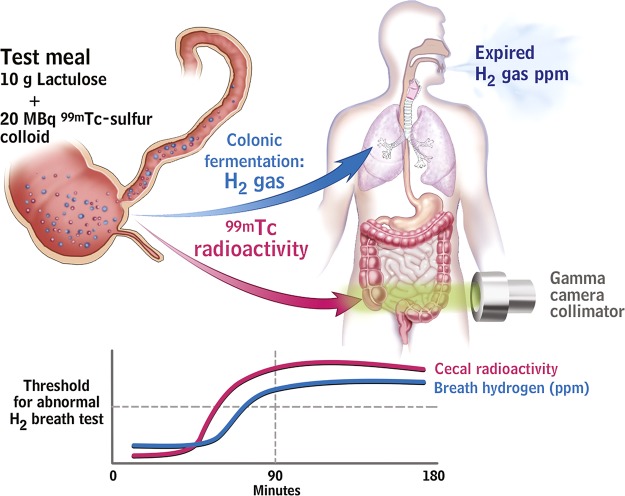
“Although the link between SIBO and IBS is largely based on breath testing, most positive lactulose breath tests reflect rapid transit to the caecum rather than true SIBO94 (figure 4).”
§ Intestinal microbiota in functional bowel disorders: a Rome foundation report > Differences in the microbiota in FBD and the link to pathophysiology
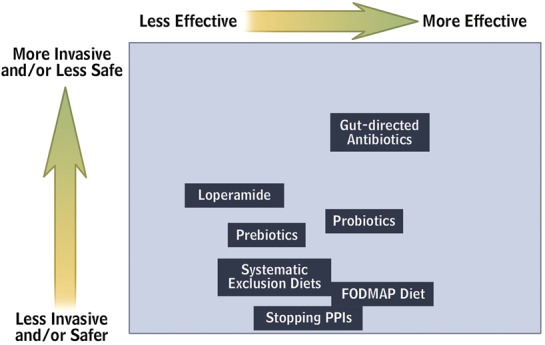
“Figure: Figure 4 Plot chart of currently available strategies for modifying gut microbiota aiming to demonstrate the relationship between the effectiveness and invasiveness/safety of the proposed approach.”
Citations
Cites
Items 201–288 of 288
Antibodies to flagellin indicate reactivity to bacterial antigens in IBS patients
Schoepfer, A. M., Schaffer, T., Seibold‐schmid, B., Müller, S., & Seibold, F. (2008) · Neurogastroenterology & Motility · doi:10.1111/j.1365-2982.2008.01166.x · Cited by 120 · cited 1×
“146 In line with this concept, there is also recent demonstration that IBS patients have increased colonic mucosal expression of receptors recognising specific microbiota-related substances (such as Toll-like receptor-4 which recognises bacterial lipopolysaccharides)(147) or increased titres of circulating antibodies…”
BackgroundNew Insights into the Pathogenesis and Pathophysiology of Irritable Bowel Syndrome
Collins, S. M. (1992) · Springer eBooks · doi:10.1007/978-1-4615-3314-6_9 · Cited by 115
An iterative workflow for mining the human intestinal metaproteome
Rooijers, K., Kolmeder, C., Juste, C., Doré, J., de Been, M., Boeren, S., Galan, P., Beauvallet, C., de Vos, W. M., & Schaap, P. J. (2011) · BMC Genomics · doi:10.1186/1471-2164-12-6 · Cited by 115
Simrén, M., Svedlund, J., Posserud, I., Björnsson, E. S., & Abrahamsson, H. (2006) · Clinical Gastroenterology and Hepatology · doi:10.1016/s1542-3565(05)00981-x · Cited by 114
Self-citationAndoh, A., Sakata, S., Koizumi, Y., Mitsuyama, K., Fujiyama, Y., & Benno, Y. (2007) · Inflammatory Bowel Diseases · doi:10.1002/ibd.20151 · Cited by 113
Porter, C. K., Gormley, R., Tribble, D. R., Cash, B. D., & Riddle, M. S. (2011) · American Journal of Gastroenterology · doi:10.1038/ajg.2010.371 · Cited by 111
Giaffer, M. H., Holdsworth, C. D., & Duerden, B. I. (1992) · Gut · doi:10.1136/gut.33.5.646 · Cited by 109
TSUCHIYA, J., BARRETO, R., OKURA, R., KAWAKITA, S., FESCE, E., & MAROTTA, F. (2004) · Chinese Journal of Digestive Diseases · doi:10.1111/j.1443-9573.2004.00176.x · Cited by 108
Bran supplementation in the treatment of irritable bowel sgndrome
SNOOK, J., & SHEPHERD, H. A. (1994) · Alimentary Pharmacology & Therapeutics · doi:10.1111/j.1365-2036.1994.tb00323.x · Cited by 107
Impaired colonic fermentation of carbohydrate after ampicillin
Rao, S. S. C., Edwards, C. A., Austen, C. J., Bruce, C., & Read, N. W. (1988) · Gastroenterology · doi:10.1016/0016-5085(88)90549-5 · Cited by 104
Ligaarden, S. C., Axelsson, L., Naterstad, K., Lydersen, S., & Farup, P. G. (2010) · BMC Gastroenterology · doi:10.1186/1471-230x-10-16 · Cited by 103 · cited 1×
“229 233 In only one study was there symptom deterioration(221) although some large, high quality trials have been negative.(221) 231 234 235”
BackgroundShah, D. N., Dang, M.-D., Hasbun, R., Koo, H. L., Jiang, Z., DuPont, H. L., & Garey, K. W. (2010) · Expert Review of Anti-infective Therapy · doi:10.1586/eri.10.28 · Cited by 100
Landy, J., Al-Hassi, H. O., McLaughlin, S. D., Walker, A. W., Ciclitira, P. J., Nicholls, R. J., Clark, S. K., & Hart, A. L. (2011) · Alimentary Pharmacology & Therapeutics · doi:10.1111/j.1365-2036.2011.04737.x · Cited by 100
Wang, B., Mao, Y., Diorio, C., Pasyk, M., Wu, R. Y., Bienenstock, J., & Kunze, W. A. (2010) · The FASEB Journal · doi:10.1096/fj.09-153841 · Cited by 99
Dolin, B. J. (2009) · Methods and Findings in Experimental and Clinical Pharmacology · doi:10.1358/mf.2009.31.10.1441078 · Cited by 98
Dear, K. L. E., Elia, M., & Hunter, J. O. (2005) · Digestive Diseases and Sciences · doi:10.1007/s10620-005-2570-4 · Cited by 97
Tegaserod for the treatment of irritable bowel syndrome
Evans, B., Clark, W., Moore, D., & Whorwell, P. (2004) · Cochrane Database of Systematic Reviews · doi:10.1002/14651858.cd003960.pub2 · Cited by 96
Self-citationKAJANDER, K., KROGIUS‐KURIKKA, L., RINTTILÄ, T., KARJALAINEN, H., PALVA, A., & KORPELA, R. (2007) · Alimentary Pharmacology & Therapeutics · doi:10.1111/j.1365-2036.2007.03391.x · Cited by 95
Smith, S. C., Choy, R., Johnson, S. K., Hall, R. S., Wildeboer-Veloo, A. C. M., & Welling, G. W. (2006) · European Journal of Nutrition · doi:10.1007/s00394-006-0603-1 · Cited by 95
Non‐absorbable antibiotics for managing intestinal gas production and gas‐related symptoms
Di Stefano, M., Strocchi, A., Malservisi, S., Veneto, G., Ferrieri, A., & Corazza, G. R. (2000) · Alimentary Pharmacology & Therapeutics · doi:10.1046/j.1365-2036.2000.00808.x · Cited by 95
Ribosomal DNA Sequence Analysis of Mucosa-Associated Bacteria in Crohn’s Disease
Prindiville, T., Cantrell, M., & Wilson, K. H. (2004) · Inflammatory Bowel Diseases · doi:10.1097/00054725-200411000-00017 · Cited by 95
Park, J. H., Rhee, P., Kim, G., Lee, J. H., Kim, Y., Kim, J. J., Rhee, J. C., & Song, S. Y. (2006) · Neurogastroenterology & Motility · doi:10.1111/j.1365-2982.2006.00771.x · Cited by 89
Peralta, S., Cottone, C., Doveri, T., Almasio, P. L., & Craxi, A. (2009) · World Journal of Gastroenterology · doi:10.3748/wjg.15.2628 · Cited by 88
Effects of Rifaximin Treatment and Retreatment in Nonconstipated IBS Subjects
Pimentel, M., Morales, W., Chua, K., Barlow, G., Weitsman, S., Kim, G., Amichai, M. M., Pokkunuri, V., Rook, E., Mathur, R., et al. (2011) · Digestive Diseases and Sciences · doi:10.1007/s10620-011-1728-5 · Cited by 86
Søndergaard, B., Olsson, J., Ohlson, K., Svensson, U., Bytzer, P., & Ekesbo, R. (2011) · Scandinavian Journal of Gastroenterology · doi:10.3109/00365521.2011.565066 · Cited by 84
Cuoco, L., & Salvagnini, M. (2006) · PubMed · Cited by 84
Vanner, S. (2008) · Gut · doi:10.1136/gut.2007.133629 · Cited by 78 · cited 1×
“The role of SIBO in the pathogenesis of IBS is very controversial because the breath tests employed to establish this role have not been validated.(90) 91 Even the validity of the ‘gold standard’, jejunal cultures >10(5) cfu/ml with colonic-type bacteria, has been challenged, largely because this cut-off was establish…”
BackgroundSelf-citationOufir, L. E., Barry, J. L., Flourié, B., Cherbut, C., Cloarec, D., Bornet, F. R. J., & Jp, G. (2000) · European Journal of Clinical Nutrition · doi:10.1038/sj.ejcn.1600687 · Cited by 77 · cited 1×
“Accelerating transit with cisapride also increases production of SCFAs, particularly propionic and butyric acids.(50) Acetate, which predominates in the colonic contents, is largely inhibitory.”
BackgroundAndriulli, A., Neri, M., Loguercio, C., Terreni, N., Merla, A., Cardarella, M. P., Federico, A., Chilovi, F., Milandri, G. L., De Bona, M., et al. (2008) · Journal of Clinical Gastroenterology · doi:10.1097/mcg.0b013e31817fadd6 · Cited by 75
Effect of probiotics on symptoms in Korean adults with irritable bowel syndrome
Hong, K. S., Kang, H. W., Im, J. P., Ji, G. E., Kim, S. G., Jung, H. C., Song, I. S., & Kim, J. S. (2009) · Gut and Liver · doi:10.5009/gnl.2009.3.2.101 · Cited by 75
Host Responses to Intestinal Microbial Antigens in Gluten-Sensitive Mice
Natividad, J. M., Huang, X., Slack, E., Jury, J., Sanz, Y., David, C., Denou, E., Yang, P., Murray, J., McCoy, K. D., et al. (2009) · PLoS ONE · doi:10.1371/journal.pone.0006472 · Cited by 73
Gade, J., & Thorn, F. (1989) · Scandinavian Journal of Primary Health Care · doi:10.3109/02813438909103666 · Cited by 72
Schmulson, M., & Chang, L. (2011) · Alimentary Pharmacology & Therapeutics · doi:10.1111/j.1365-2036.2011.04637.x · Cited by 70
Rumessen, J. J., Gudmand-høyer, E., Bachmann, E., & Justesen, T. (1985) · Scandinavian Journal of Gastroenterology · doi:10.3109/00365528509089288 · Cited by 69
The effects of ageing on the colonic bacterial microflora in adults
Enck, P., Zimmermann, K., Rusch, K., Schwiertz, A., Klosterhalfen, S., & Frick, J.-S. (2009) · Zeitschrift für Gastroenterologie · doi:10.1055/s-0028-1109055 · Cited by 68 · cited 1×
“and Escherichia coli increase.(33) 34 Industrialisation has”
Quigley, E. M. M. (2011) · Gastroenterology Clinics of North America · doi:10.1016/j.gtc.2010.12.009 · Cited by 67 · cited 3×
“Of these, the functional bowel disorders (FBD) constitute one of the most common reasons for seeking healthcare,2 and they are associated with poor health-related quality of life3e5 and substantial costs to society.6e9 The pathophysiological mechanisms underlying these disorders are incompletely known, but abnormal ga…”
BackgroundInfluentialMolecular Studies of Fecal Anaerobic Commensal Bacteria in Acute Diarrhea in Children
Balamurugan, R., Janardhan, H. P., George, S., Raghava, M. V., Muliyil, J., & Ramakrishna, B. S. (2008) · Journal of Pediatric Gastroenterology and Nutrition · doi:10.1097/mpg.0b013e31815ce599 · Cited by 66 · cited 2×
“were unchanged.(135) This depletion of anaerobes could be due to acceleration of transit, which could lead to a loss of the anaerobic niche.”
BackgroundResultRifaximin intake leads to emergence of rifampin-resistant staphylococci
Valentin, T., Leitner, E., Rohn, A., Zollner‐Schwetz, I., Hoenigl, M., Salzer, H. J. F., & Krause, R. (2010) · Journal of Infection · doi:10.1016/j.jinf.2010.11.004 · Cited by 66 · cited 1×
“Although rifaximin appears to be well tolerated and safe, given its relatively low potency its use should be restricted to difficult cases since its widespread use could promote resistance, such as rifampin-resistant strains of stapyholococci.(196) Figure 4 provides a plot chart of currently available strategies for m…”
BackgroundThe role of psychological and biological factors in postinfective gut dysfunction
Gwee, K. A., Leong, Y. L., Graham, C., McKendrick, M. W., Collins, S. M., Walters, S. J., Greenwood, J. E., & Read, N. W. (1999) · European Journal of Gastroenterology & Hepatology · doi:10.1097/00042737-199904000-00028 · Cited by 64
Real-time PCR analysis of enteric pathogens from fecal samples of irritable bowel syndrome subjects
Rinttilä, T., Lyra, A., Krogius-Kurikka, L., & Palva, A. (2011) · Gut Pathogens · doi:10.1186/1757-4749-3-6 · Cited by 63
Microbial colonization induces oligoclonal expansions of intraepithelial CD8 T cells in the gut
Helgeland, L., Dissen, E., Dai, K., Midtvedt, T., Brandtzaeg, P., & Vaage, J. T. (2004) · European Journal of Immunology · doi:10.1002/eji.200425122 · Cited by 62
Overview of the Gastrointestinal Microbiota
Young, V. B., & Schmidt, T. M. (2009) · Advances in experimental medicine and biology · doi:10.1007/978-0-387-09550-9_3 · Cited by 60 · cited 1×
“The human body is inhabited by a complex community of microbes, collectively referred to as microbiota.(13) It is estimated that the human microbiota contains 10(14) cells, which outnumber the human cells in our bodies by a factor of ten.”
BackgroundAlteration of Sulfate and Hydrogen Metabolism in the Human Colon by Changing Intestinal Transit Rate
Lewis, S., & Cochrane, S. (2007) · The American Journal of Gastroenterology · doi:10.1111/j.1572-0241.2006.01020.x · Cited by 59 · cited 1×
“Accelerating transit using senna increased the production of short chain fatty acids (SCFAs) but reduced faecal methanogens, the opposite to the effect of loperamide.(49) Accelerating transit with cisapride also increases production of SCFAs, particularly propionic and butyric acids.”
BackgroundSocietal costs for irritable bowel syndrome – a population based study
Hillilä, M. T., Färkkilä, N. J., & Färkkilä, M. A. (2010) · Scandinavian Journal of Gastroenterology · doi:10.3109/00365521003637211 · Cited by 58
Peripheral factors in the pathophysiology of irritable bowel syndrome
Gunnarsson, J., & Simrén, M. (2009) · Digestive and Liver Disease · doi:10.1016/j.dld.2009.07.006 · Cited by 57
Self-citationRamadass, B., Janardhan, H. P., George, S., Chittaranjan, S. P., & Ramakrishna, B. (2008) · American Journal of Clinical Nutrition · doi:10.3945/ajcn.2008.26511 · Cited by 57 · cited 1×
“in late teenage.(32) Changes also occur in extreme old age when Bacteroides spp.”
BackgroundBarbara, Stanghellini, Berti‐Ceroni, Giorgio, D., Salvioli, Corradi, Cremon, & Corinaldesi (2000) · Alimentary Pharmacology & Therapeutics · doi:10.1046/j.1365-2036.2000.00818.x · Cited by 55 · cited 3×
“There are no RCTs, but epidemiological studies show an association between antibiotic use and an increased risk of PIIBS.142 A study of children showed that 3 months after Salmonella infection, vomiting, abdominal pain and diarrhoea were reported by 9.5% of those treated with antibiotics but only 2.9% of those who rec…”
BackgroundInfluentialBittner, A. C., Croffut, R. M., & Stranahan, M. C. (2005) · Clinical Therapeutics · doi:10.1016/j.clinthera.2005.06.005 · Cited by 55
Bardhan, P. K., Gyr, K., Beglinger, C., Vögtlin, J., Frey &, R., & Vischer, W. (1992) · Scandinavian Journal of Gastroenterology · doi:10.3109/00365529208999959 · Cited by 54
Humes, D., Simpson, J. A., & Spiller, R. E. (2012) · Springer eBooks · doi:10.1007/springerreference_109273 · Cited by 52
Self-citationPsychological and colonic factors in painful diverticulosis
Humes, D. J., Simpson, J., Neal, K. R., Scholefield, J. H., & Spiller, R. C. (2008) · Journal of British Surgery · doi:10.1002/bjs.5962 · Cited by 50 · cited 1×
“A high proportion of patients hospitalised with acute diverticulitis continue to have persistent symptoms that mimic IBS(179) despite the absence of complications.(180) Some uncontrolled studies claim benefit from antibiotics and/or mesalazine suggesting a role for the microbiota in this syndrome.”
BackgroundSelf-citationCritical Evaluation of Diagnosing Bacterial Overgrowth in the Proximal Small Intestine
Kerckhoffs, A. P. M., Visser, M. R., Samsom, M., van der Rest, M. E., de Vogel, J., Harmsen, W., & Akkermans, L. M. A. (2008) · Journal of Clinical Gastroenterology · doi:10.1097/mcg.0b013e31818474d7 · Cited by 49
Zeissig, S., Fromm, A., Mankertz, J., Weiske, J., Zeitz, M., Fromm, M., & Schulzke, J. (2007) · Gastroenterology · doi:10.1053/j.gastro.2006.10.033 · Cited by 48
Rajilic-Stojanovic, M. (2024) · doi:10.18174/2282 · Cited by 47
Jiang, Z.-D., DuPont, H. L., LaRocco, M., & Garey, K. W. (2010) · Journal of Clinical Pathology · doi:10.1136/jcp.2009.071688 · Cited by 46
The Effects of Probiotics on Symptoms of Irritable Bowel Syndrome
김영균, 문종태, 이근만, 전누리, & 박효진 (2006) · Korean Journal of Gastroenterology · Cited by 45
Colecchia, A., Vestito, A., Rocca, A. L., Pasqui, F., Nikiforaki, A., & Festi, D. (2006) · PubMed · Cited by 38
Faecal flora of south indian infants and young children in health and with acute gastroenteritis
ALBERT, M. J., BHAT, P., RAJAN, D., MAIYA, P. P., PEREIRA, S. M., & BAKER, S. J. (1978) · Journal of Medical Microbiology · doi:10.1099/00222615-11-2-137 · Cited by 37 · cited 1×
“Another study using conventional culture methods showed a reversal of the normal anaerobe/aerobe dominance during acute infection.(134) More recent human studies using modern culture-independent methods tended to confirm these findings.”
ResultMonitoring of Stool Microbiota in Subjects with Diarrhea Indicates Distortions in Composition
Mai, V., Braden, C. R., Heckendorf, J., Pironis, B., & Hirshon, J. M. (2006) · Journal of Clinical Microbiology · doi:10.1128/jcm.01542-06 · Cited by 36
Law, D., & Pimentel, M. (2010) · Digestive Diseases and Sciences · doi:10.1007/s10620-009-1010-2 · Cited by 35 · cited 1×
“Some studies suggest that PPI use might lead to symptomatic SIBO or at least increased numbers of bacteria and that following antibiotics they accelerate recurrence, but this depends on the tests employed and criteria applied.(95) Although the link between SIBO and IBS is largely based on breath testing, most positive…”
BackgroundWyatt, G. M., Bayliss, C. E., Lakey, A. F., Bradley, H. K., Hunter, J. O., & Jones, V. A. (1988) · Journal of Medical Microbiology · doi:10.1099/00222615-26-4-295 · Cited by 34
Improvement in Specificity of [14C]d-Xylose Breath Test for Bacterial Overgrowth
Lewis, S. J., Young, G. O., Mann, M. P., Franco, S., & O’Keefe, S. J. (1997) · Digestive Diseases and Sciences · doi:10.1023/a:1018880524829 · Cited by 32
The micro-flora of the small bowel in health and disease
Sullivan, Å., Törnblom, H., Lindberg, G., Hammarlund, B., Ac, P., Einarsson, C., & Nord, C. E. (2003) · Anaerobe · doi:10.1016/s1075-9964(03)00060-x · Cited by 32
High-dose rifaximin treatment alleviates global symptoms of irritable bowel syndrome
Jolley (2011) · Clinical and Experimental Gastroenterology · doi:10.2147/ceg.s18051 · Cited by 31
Consensus statements from the Workshop "Probiotics and Health: Scientific evidence".
Guarner, F., Requena, T., & Marcos, A. (2010) · PubMed · doi:10.3305/nh.2010.25.5.4844 · Cited by 30
Antibiotic Therapy for the Irritable Bowel Syndrome
Tack, J. (2011) · New England Journal of Medicine · doi:10.1056/nejme1011211 · Cited by 28 · cited 2×
“In order to safely direct these treatment options to the appropriate patients, we need to know more about predictors of treatment responsiveness, the risk of development of antibiotic resistance, the efficacy and safety of re-treatment schedules, and the optimal dosing regimen.(201) 202 Further studies should also inv…”
BackgroundCurrent and future developments in travelers’ diarrhea therapy
Koo, H. L., & DuPont, H. L. (2006) · Expert Review of Anti-infective Therapy · doi:10.1586/14787210.4.3.417 · Cited by 26
Fujita, K., Kaku, M., Yanagase, Y., Ezaki, T., Furuse, K., Ozawa, A., Saidi, S. M., Sang, W. K., & Waiyaki, P. G. (1990) · Annals of Tropical Paediatrics · doi:10.1080/02724936.1990.11747455 · Cited by 26 · cited 2×
“An early study of children with acute gastroenteritis demonstrated alkalinisation of stool pH, likely due to the decrease in bacterial metabolites (SCFAs) and a fall in numbers of Bacteroides, Bifidobacterium, Lactobacillus and Eubacterium.133 Conventional enumeration of faecal bacteria showed a 10-fold fall in anaero…”
BackgroundAgrawal, A., Houghton, L. A., Morris, J., Reilly, B., Guyonnet, D., Goupil-Feuillerat, N., Schlumberger, A., Jakob, S., & Whorwell, P. J. (2009) · HAL · Cited by 26
Self-citationBittner, A. C., Croffut, R. M., Stranahan, M. C., & Yokelson, T. N. (2007) · Clinical Therapeutics · doi:10.1016/j.clinthera.2007.06.010 · Cited by 25
Scanlan, P. D., Shanahan, F., O’Mahony, C., & Marchesi, J. R. (2007) · Journal of Clinical Microbiology · doi:10.1128/jcm.00398-07 · Cited by 25
Mast Cell-Dependent Excitation of Visceral-Nociceptive Sensory Neurons in Irritable Bowel Syndrome
Katzka, D. A. (2008) · Yearbook of Gastroenterology · doi:10.1016/s0739-5930(08)79140-2 · Cited by 24
Treatment for Bacterial Overgrowth in the Irritable Bowel Syndrome
Drossman, D. A. (2006) · Annals of Internal Medicine · doi:10.7326/0003-4819-145-8-200610170-00012 · Cited by 23
Simrén, M., Svedlund, J., Posserud, I., Fennander, J., Bjornsson, E. S., & Abrahamsson, H. (2003) · Gastroenterology · doi:10.1016/s0016-5085(03)82562-3 · Cited by 22
Self-citationAngèle, Pm, Kerckhoffs, Melvin, Samsom, M., Michel, van, der, Joris, Vogel, H.-H., et al. (2009) · Acta Scientiarum Naturalium Universitatis Sunyatseni · Cited by 20
Kim, T. I. (2009) · Korean Journal of Gastroenterology · doi:10.4166/kjg.2009.54.6.413 · Cited by 19
Humes, D. J., Smith, J. K., & Spiller, R. E. (2011) · PubMed · Cited by 17
Self-citationContinuing Medical Education: August 2010
(2010) · American Journal of Gastroenterology · doi:10.1038/ajg.2010.292 · Cited by 16
Biotechnology, V. (2009) · Cited by 14
Commensal bacteria: the link between IBS and IBD?
Quigley, E. M. M. (2011) · Current Opinion in Clinical Nutrition & Metabolic Care · doi:10.1097/mco.0b013e328348c033 · Cited by 13 · cited 1×
“Underlying mechanistic links are lacking but it is tempting to raise the hypothesis that the intestinal microbiota may be a common factor in both diseases.(165) In fact, as with IBS (tables 2 and 3), faecal and mucosal-associated dysbiosis(167) 172e178 has been described IBD.”
BackgroundTalley, N. J. (2011) · Yearbook of Gastroenterology · doi:10.1016/j.ygas.2011.07.135 · Cited by 13
Talley, N. J. (2011) · Yearbook of Gastroenterology · doi:10.1016/j.ygas.2011.07.019 · Cited by 9
Effects of long-term PPI treatment on producing bowel symptoms and SIBO
DeVault, K. R. (2011) · Yearbook of Gastroenterology · doi:10.1016/j.ygas.2011.07.071 · Cited by 9
Gasbarrini, A., Scarpellini, E., Gabrielli, M., Tortora, A., Purchiaroni, F., & Ojetti, V. (2011) · Alimentary Pharmacology & Therapeutics · doi:10.1111/j.1365-2036.2011.04657.x · Cited by 8
Health care seeking for abdominal bloating and visible distention
Jiang, X., Locke, G. R., Zinsmeister, A. R., Schleck, C. D., & Talley, N. J. (2009) · Alimentary Pharmacology & Therapeutics · doi:10.1111/j.1365-2036.2009.04080.x · Cited by 8
Okano, A., Takakuwa, H., & Nakamura, T. (2010) · Clinical Journal of Gastroenterology · doi:10.1007/s12328-010-0195-4 · Cited by 8
Pyleris, M., Giamarellos-Bourboulis, E. J., Koussoulas, B., Barbatzas, C., & Pimentel, M. (2011) · Gastroenterology · doi:10.1016/s0016-5085(11)60617-3 · Cited by 7
Roy, H. K., Gomes, A., Goldberg, M. J., Ruderman, S., Bianchi, L. K., Rogers, J., Yen, E., & Backman, V (2010) · Gut · doi:10.1136/gut.2009.208975y · Cited by 1
Research works printed but not linked: 1
- 122. Spiller R, Card T, Mearin F, et al. Incidence and characteristics of postinfectious IBS (PI-IBS): a multinational internet survey. Gut 2010;59:A32
Cited by
Cryan, J. F., O'Riordan, K. J., Cowan, C. S. M., Sandhu, K. V., Bastiaanssen, T. F. S., Boehme, M., Codagnone, M. G., Cussotto, S., Fulling, C., Golubeva, A. V., et al. (2019) · Physiological Reviews · doi:10.1152/physrev.00018.2018 · Cited by 5,286
The gut-brain axis: interactions between enteric microbiota, central and enteric nervous systems.
(2015) · PubMed Central · Cited by 2,540
Functional Gastrointestinal Disorders: History, Pathophysiology, Clinical Features, and Rome IV
Drossman, D. A. (2016) · Gastroenterology · doi:10.1053/j.gastro.2016.02.032 · Cited by 2,430
The role of the gut microbiota in nutrition and health
Flint, H. J., Scott, K. P., Louis, P., & Duncan, S. H. (2012) · Nature Reviews Gastroenterology & Hepatology · doi:10.1038/nrgastro.2012.156 · Cited by 2,182
Self-citationThe gut microbiome in health and in disease
Shreiner, A. B., Kao, J. Y., & Young, V. B. (2015) · Current Opinion in Gastroenterology · doi:10.1097/mog.0000000000000139 · Cited by 1,682
“A role for the microbiota in irritable bowel syndrome (IBS) is suspected, though unproven, and therapies that alter the microbiota, including dietary changes, probiotics, and antibiotics, have shown encouraging, though inconsistent, results [32].”
Metadata
- Authors
- Simrén, M., Barbara, G., Flint, H. J., Spiegel, B. M. R., Spiller, R. C., Vanner, S., Verdu, E. F., Whorwell, P. J., & Zoetendal, E. G.
- Affiliations
- University of Gothenburg (SE)
- University of Bologna (IT)
- University of Aberdeen (GB)
- University of California, Los Angeles (US)
- NIHR Biomedical Research Unit, Nottingham Digestive Diseases Centre, E Floor West Block, University Hospital, Nottingham, UK
- Queen's University (CA)
- McMaster University (CA)
- University of Manchester (GB)
- Wageningen University & Research (NL)
- Corresponding author
- Simrén, Magnus
- ORCID
- Venue
- Gut
- Publisher
- BMJ
- Published
- 2012-06-22
- Volume
- 62
- Issue
- 1
- Pages
- 159-176
- ISSN
- 0017-5749 (ISSN-L)
- 1468-3288
- PMC
- PMC3551212
- OpenAlex
- W2135313371
- Cited by
- 939
- References
- 286
- Citations by year
- 2026: 33 · 2025: 50 · 2024: 38 · 2023: 55 · 2022: 65 · 2021: 65 · 2020: 74 · 2019: 62 · 2018: 94 · 2017: 76 · 2016: 82 · 2015: 79 · 2014: 95 · 2013: 61 · 2012: 6
- FWCI
- 74.82
- Type
- journal article
- Language
- en
- Open access
- hybrid
- doi.org
- Licence
- cc-by-nc
- Locations
- Gut (publishedVersion, cc-by-nc)
- Europe PMC (PubMed Central) (publishedVersion, cc-by-nc)
- PubMed Central (publishedVersion, cc-by-nc)
- PubMed (publishedVersion)
- Research Explorer (The University of Manchester) (acceptedVersion)
- Socio-Environmental Systems Modeling (acceptedVersion)
- Aberdeen University Research Archive (Aberdeen University) (submittedVersion, cc-by-nc)
- Archivio istituzionale della ricerca (Alma Mater Studiorum Università di Bologna) (submittedVersion)
- HighWire Press Open Archive (submittedVersion)
- Data Archiving and Networked Services (DANS) (submittedVersion, other-oa)
- Funders
- Amgen
- Pfizer
- GlaxoSmithKline
- Danone
- Sucampo Pharmaceuticals
- McMaster University
- Ironwood Pharmaceuticals, Incorporated
- Rural and Environment Science and Analytical Services Division
- Crohn's and Colitis Foundation
- Crohn's and Colitis Foundation of Canada
- National Institute for Health and Care Research (NF-SI-0509-10005)
- Ministero dell’Istruzione, dell’Università e della Ricerca (PRIN 2009)
- Astellas Pharma
- Göteborgs Universitet
- Marcus och Amalia Wallenbergs minnesfond
- Nestec
- Norgine
- Canadian Institutes of Health Research
- Medical Research Council
- Sahlgrenska Akademin
- Centrum fÖr Personcentrerad Vård
- Topics
- Health Sciences › Medicine › Gastroenterology › Gastrointestinal motility and disorders
- Life Sciences › Biochemistry, Genetics and Molecular Biology › Molecular Biology › Gut microbiota and health
- Life Sciences › Agricultural and Biological Sciences › Food Science › Probiotics and Fermented Foods
- Keywords
- gut microbiota, functional gastrointestinal disorders, irritable bowel syndrome, functional dyspepsia, small intestinal bacterial overgrowth, host-microbe interactions, intestinal permeability, innate immune response, enteric nervous system, 16S rRNA gene profiling, prebiotics, probiotics, synbiotics, non-absorbable antibiotics, dietary intervention
- MeSH terms
- Anti-Bacterial Agents, Diagnosis, Differential, Diet Therapy, Gastrointestinal Diseases, Humans, Intestinal Mucosa, Intestines, RNA, Bacterial, RNA, Ribosomal, 16S, Probiotics, Irritable Bowel Syndrome, Metagenome, Metagenomics, Prebiotics
About these checks
Registry, retraction, Cites and statistics results are computed, not judged, with one exception: a printed reference that no index lists is read once by a model before it counts as a citation error. Claims are extracted by a model and kept only when their quote appears verbatim in the text; each cited source is then checked, with a model’s help, for whether it says what the claim relies on. Those verdicts can be wrong — read the claim’s quote and the cited source before relying on one.
The claim verdicts this report counts are experimental: their accuracy is not yet measured.
A language model drew the claims from the paper on 2026-10-05, under version 3 of the claim definition (model deepseek-v4.1-flash, prompt extract-v3).
A second model labelled each claim on 2026-10-05 (model jev-1.13-20260917, definition revision gold-guideline-v0.2).
Cited sources are checked with a language model’s help (gpt-6-sol).
Statistics and arithmetic are recomputed, not judged.
Confidence bands are shown only for fields calibrated on our annotated test set. None is calibrated yet, so no band is shown.
What counts as a claim ›How we measure confidence ›How we check this ›
Are you an author, or do you see a problem with this page? Request a review
Data sources
Bibliographic data: Semantic Scholar, OpenAlex, Crossref.
Contains information from the Semantic Scholar Academic Graph Datasets, made available under the ODC Attribution License (ODC-BY 1.0).
Semantic Scholar’s data is described in: Kinney, R., et al. (2023). The Semantic Scholar Open Data Platform. arXiv:2301.10140.
