

The gut microbiota plays a protective role in the host defence against pneumococcal pneumonia
Open accessThe DOI matches its Crossref record; 47 of the 47 references it cites were found in a registry or an index.
Abstract
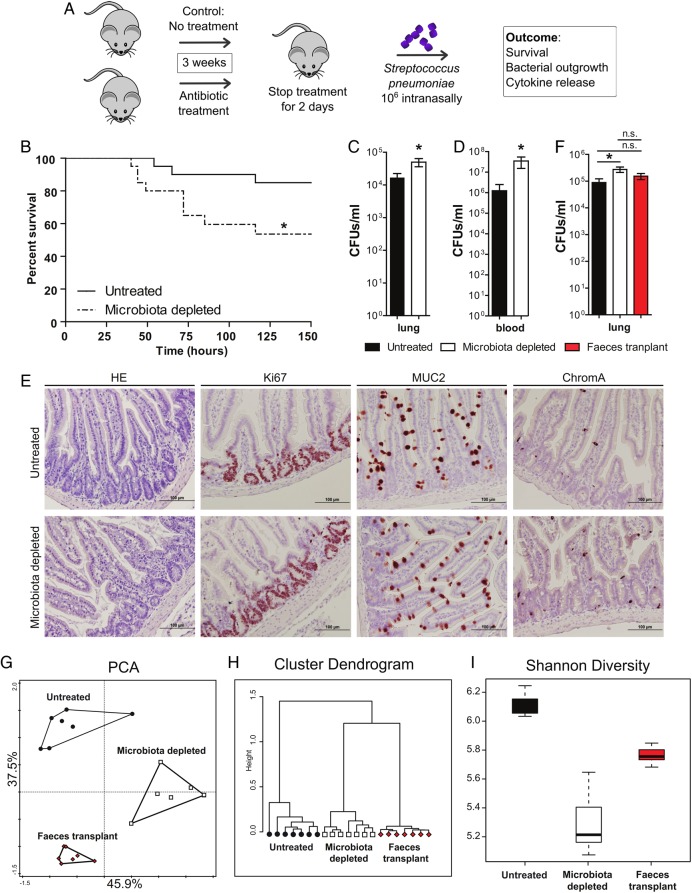
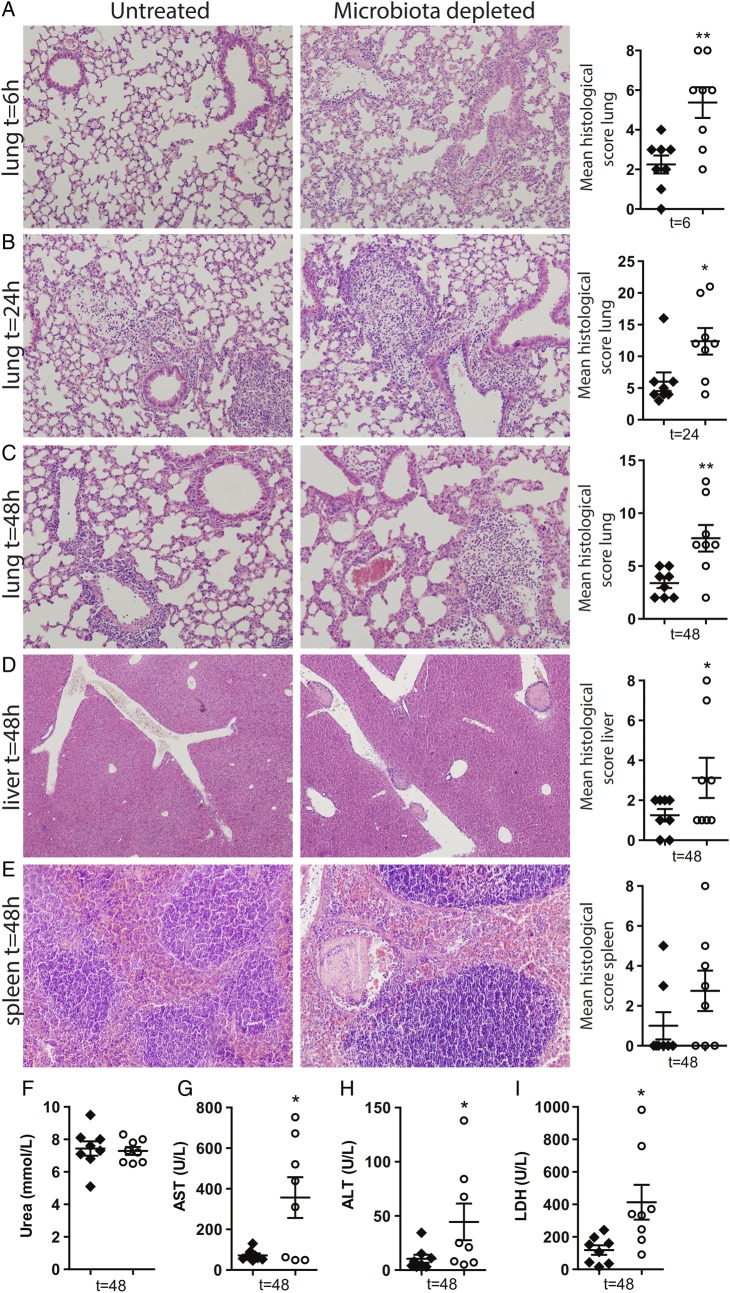
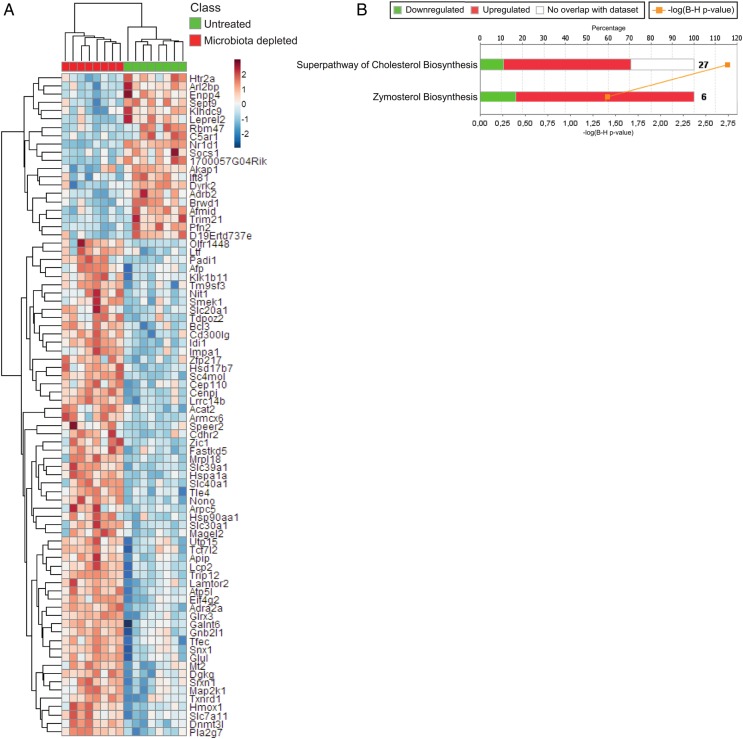
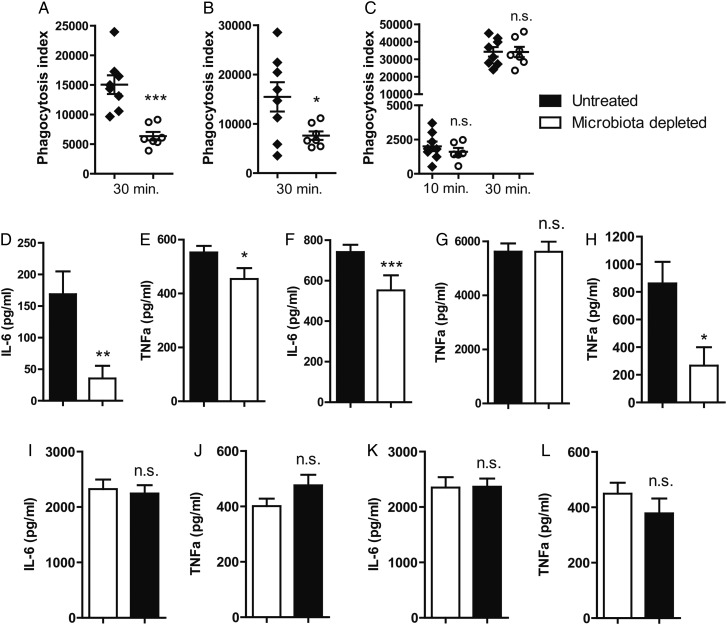
Objective: Pneumonia accounts for more deaths than any other infectious disease worldwide. The intestinal microbiota supports local mucosal immunity and is increasingly recognised as an important modulator of the systemic immune system. The precise role of the gut microbiota in bacterial pneumonia, however, is unknown. Here, we investigate the function of the gut microbiota in the host defence against Streptococcus pneumoniae infections. Design: We depleted the gut microbiota in C57BL/6 mice and subsequently infected them intranasally with S. pneumoniae . We then performed survival and faecal microbiota transplantation (FMT) experiments and measured parameters of inflammation and alveolar macrophage whole-genome responses. Results: We found that the gut microbiota protects the host during pneumococcal pneumonia, as reflected by increased bacterial dissemination, inflammation, organ damage and mortality in microbiota-depleted mice compared with controls. FMT in gut microbiota-depleted mice led to a normalisation of pulmonary bacterial counts and tumour necrosis factor-α and interleukin-10 levels 6 h after pneumococcal infection. Whole-genome mapping of alveolar macrophages showed upregulation of metabolic pathways in the absence of a healthy gut microbiota. This upregulation correlated with an altered cellular responsiveness, reflected by a reduced responsiveness to lipopolysaccharide and lipoteichoic acid. Compared with controls, alveolar macrophages derived from gut microbiota-depleted mice showed a diminished capacity to phagocytose S. pneumoniae . Conclusions: This study identifies the intestinal microbiota as a protective mediator during pneumococcal pneumonia. The gut microbiota enhances primary alveolar macrophage function. Novel therapeutic strategies could exploit the gut–lung axis in bacterial infections.
Overview
The claims and statistics of this paper haven’t been checked yet.
Free: it reads the open-access text and checks the first 5 claims that cite a source we can check. Create a free account to check every claim.
Integrity signals
Registry
Cites
Statistics
Figures
Verification
Claims the paper makes
The claims and statistics of this paper haven’t been checked yet.
Free: it reads the open-access text and checks the first 5 claims that cite a source we can check. Create a free account to check every claim.
Claims other papers make about this one
Each is checked against this paper’s own text: does it say what the citing paper says it does?
The cited source says what the claim attributes to it.
In the citing paper
“Antibiotic-pretreated animals displayed altered cytokine profiles in the lung compared to untreated controls following S. pneumoniae infection, including significantly decreased TNF-α levels at 6 and 24 h after infection.”
From Respiratory viral infection-induced microbiome alterations and secondary bacterial pneumonia. (2018) · cites this paper as [55]
In the citing paper
“but also enhance the resistance and recovery ability of the lung against diseases (29,30).”
From The Role of Gut Microbiota in Lung Cancer: From Carcinogenesis to Immunotherapy (2021) · doi:10.3389/fonc.2021.720842 · cites this paper as [29]
In the citing paper
“microbiota-depleted C57BL/6 mice infected with S. pneumoniae presented with higher bacterial dissemination, inflammation, organ damage and mortality than undepleted C57BL/6 mice.”
From The Role of Gut Microbiota in Lung Cancer: From Carcinogenesis to Immunotherapy (2021) · doi:10.3389/fonc.2021.720842 · cites this paper as [29]
In the citing paper
“FMT to intestinal microbiota-exhausted mice miraculously rebounded lung bacterial counts and IL-10 and TNF-a levels (29).”
From The Role of Gut Microbiota in Lung Cancer: From Carcinogenesis to Immunotherapy (2021) · doi:10.3389/fonc.2021.720842 · cites this paper as [29]
In the citing paper
“microbiome depletion led to decreased survival, increased lung bacterial burden, and increased systemic dissemination of bacteria”
From Respiratory viral infection-induced microbiome alterations and secondary bacterial pneumonia. (2018) · cites this paper as [55]
1 more claim about this paper
Create a free account to see every claim other papers make about this one.
Self-check
Percentages, sums and reported differences re-computed from the paper’s own numbers.
The self-check needs the paper’s full text.
Citations
Cites
Smyth, G. K. (2004) · Statistical Applications in Genetics and Molecular Biology · doi:10.2202/1544-6115.1027 · Cited by 11,829
Enterotypes of the human gut microbiome
MetaHIT Consortium (additional members), Arumugam, M., Raes, J., Pelletier, E., Le Paslier, D., Yamada, T., Mende, D. R., Fernandes, G. R., Tap, J., Bruls, T., et al. (2011) · Nature · doi:10.1038/nature09944 · Cited by 7,548
Severe Sepsis and Septic Shock
Angus, D. C., & van der Poll, T. (2013) · New England Journal of Medicine · doi:10.1056/nejmra1208623 · Cited by 3,961
The impact of the gut microbiota on human health: an integrative view
Clemente, J. C., Ursell, L. K., Parfrey, L. W., & Knight, R. (2012) · Cell · doi:10.1016/j.cell.2012.01.035 · Cited by 3,710 · cited 1×
“5 6 – 13 The intestinal microbiota may be of profound clinical relevance, particularly for intensive care medicine where the majority of patients are treated with antibiotics, which have pervasive and long-term effects on their intestinal microbiota.”
BackgroundGut Microbiota Metabolism of Dietary Fiber Influences Allergic Airway Disease and Hematopoiesis
Trompette, A., Gollwitzer, E. S., Yadava, K., Sichelstiel, A. K., Sprenger, N., Ngom-Bru, C., Blanchard, C., Junt, T., Nicod, L. P., Harris, N. L., et al. (2014) · Nature Medicine · doi:10.1038/nm.3444 · Cited by 2,862
Dethlefsen, L., & Relman, D. A. (2011) · Proceedings of the National Academy of Sciences · doi:10.1073/pnas.1000087107 · Cited by 2,421
Microbiota regulates immune defense against respiratory tract influenza A virus infection
Ichinohe, T., Pang, I. K., Kumamoto, Y., Peaper, D. R., Ho, J. H., Murray, T. S., & Iwasaki, A. (2011) · Proceedings of the National Academy of Sciences · doi:10.1073/pnas.1019378108 · Cited by 1,502
Recognition of peptidoglycan from the microbiota by Nod1 enhances systemic innate immunity
Clarke, T. B., Davis, K. M., Lysenko, E. S., Zhou, A. Y., Yu, Y., & Weiser, J. N. (2010) · Nature Medicine · doi:10.1038/nm.2087 · Cited by 1,154
Diet dominates host genotype in shaping the murine gut microbiota
Carmody, R. N., Gerber, G. K., Luevano, J. M., Gatti, D. M., Somes, L., Svenson, K. L., & Turnbaugh, P. J. (2015) · Cell Host & Microbe · doi:10.1016/j.chom.2014.11.010 · Cited by 1,103 · cited 1×
“In order to deplete the gut microbiota, mice were treated with broad-spectrum antibiotics (ampicillin 1 g/L, Sigma; neomycin sulfate 1 g/L, Sigma; metronidazole 1 g/L, Sano fi -Aventis and vancomycin 0.5 g/L, Sandoz) in drinking water for 3 weeks as described.”
MethodInfluentialUbeda, C., Taur, Y., Jenq, R. R., Equinda, M. J., Son, T., Samstein, M., Viale, A., Socci, N. D., van den Brink, M. R. M., Kamboj, M., et al. (2010) · Journal of Clinical Investigation · doi:10.1172/jci43918 · Cited by 943 · cited 1×
“36 37 Details on the phagocytosis and cell stimulation experiments are provided in the online supplementary fi le.”
Background
Research works printed but not linked: 1
- 10.1172/JCI200215277 · doi:10.1172/jci200215277
Cited by
Items 301–400 of 831
Weiland‐Bräuer, N., Fischer, M. A., Pinnow, N., & Schmitz, R. A. (2019) · Scientific Reports · doi:10.1038/s41598-018-37321-z · Cited by 33
Feng, J., Dai, W., Zhang, C., Chen, H., Chen, Z., Chen, Y., Pan, Q., & Zhou, Y. (2020) · BMC Complementary Medicine and Therapies · doi:10.1186/s12906-020-02958-9 · Cited by 31
“Gut microbiota enhances primary alveolar macrophage function, enabling them to act as a protective mediator during pneumococcal pneumonia infection [17].”
BackgroundShenoy, M. K., Fadrosh, D. W., Lin, D. L., Worodria, W. O., Byanyima, P., Musisi, E., Kaswabuli, S., Zawedde, J., Sanyu, I., Chang, E. G., et al. (2019) · Microbiome · doi:10.1186/s40168-019-0651-4 · Cited by 33
IRF3 function and immunological gaps in sepsis
Basak, B., & Akashi‐Takamura, S. (2024) · Frontiers in Immunology · doi:10.3389/fimmu.2024.1336813 · Cited by 31
Gut feelings on short-chain fatty acids to regulate respiratory health
Rowland, S. N., Green, C. G., Halliwill, J. R., Singanayagam, A., & Heaney, L. M. (2025) · Trends in Endocrinology and Metabolism · doi:10.1016/j.tem.2024.12.007 · Cited by 32
Perspectives on Probiotics and Bronchopulmonary Dysplasia
Yang, K., & Dong, W. (2020) · Frontiers in Pediatrics · doi:10.3389/fped.2020.570247 · Cited by 32
“Newborn mice that have been depleted of gut microbiota with antibiotics become more susceptible to Streptococcus pneumoniae infection, however, restoring intestinal microbiota increases neonatal and germfree (GF) mice resistance (38) and potentiates phagocytosis of alveolar macrophages (39), thus protecting lungs from…”
BackgroundUnraveling the Interconnection Patterns Across Lung Microbiome, Respiratory Diseases, and COVID-19
Stavropoulou, E., Kantartzi, K. M., Tsigalou, C., Konstantinidis, T. G., Voidarou, C. C., Κωνσταντινίδης, Θ. Κ., & Bezirtzoglou, E. (2021) · Frontiers in Cellular and Infection Microbiology · doi:10.3389/fcimb.2020.619075 · Cited by 32
A New Butyrate Releaser Exerts a Protective Action against SARS-CoV-2 Infection in Human Intestine
Paparo, L., Maglio, M. A., Cortese, M., Bruno, C., Capasso, M., Punzo, E., Ferrucci, V., Lasorsa, V. A., Viscardi, M., Fusco, G., et al. (2022) · Molecules · doi:10.3390/molecules27030862 · Cited by 34
Xiong, S., Sun, H., Lu, C., He, J., Wu, Z., Wang, Y., & Zheng, Q. (2022) · Biomedicine & Pharmacotherapy · doi:10.1016/j.biopha.2022.114073 · Cited by 29
Zhang, X.-R., Li, T.-N., Ren, Y.-Y., Zeng, Y., Lv, H.-Y., Wang, J., & Huang, Q.-W. (2020) · Frontiers in Pharmacology · doi:10.3389/fphar.2020.583651 · Cited by 34
Ventilator-induced lung injury is aggravated by antibiotic mediated microbiota depletion in mice
Wienhold, S.-M., Macrì, M., Nouailles, G., Dietert, K., Gurtner, C., Gruber, A. D., Heimesaat, M. M., Lienau, J., Schumacher, F., Kleuser, B., et al. (2018) · Critical Care · doi:10.1186/s13054-018-2213-8 · Cited by 30
The respiratory microbiota: associations with influenza symptomatology and viral shedding
Lee, K. H., Foxman, B., Kuan, G., López, R., Shedden, K., Ng, S., Balmaseda, Á., & Gordon, A. (2019) · Annals of Epidemiology · doi:10.1016/j.annepidem.2019.07.013 · Cited by 32
Association Between Gut Bacterial Diversity and Mortality in Septic Shock Patients: A Cohort Study
Yin, L., Wan, Y., Pan, X., Zhou, C., Lin, N., Ma, C., Yao, J. Q., Su, Z., Wan, C., Yu, Y., et al. (2019) · Medical Science Monitor · doi:10.12659/msm.916808 · Cited by 33
“The mechanism was complex and unclear, and most studies were animal study [27,28].”
BackgroundMicrobiota-driven interleukin-17 production provides immune protection against invasive candidiasis
Li, M., Li, C., Wu, X., Chen, T., Ren, L., Xu, B., & Cao, J. (2020) · Critical Care · doi:10.1186/s13054-020-02977-5 · Cited by 29
Lankelma, J. M., Belzer, C., Hoogendijk, A. J., de Vos, A. F., de Vos, W. M., van der Poll, T., & Wiersinga, W. J. (2016) · Clinical and Translational Gastroenterology · doi:10.1038/ctg.2016.43 · Cited by 35
“Finally, cytokine production has been reported to be affected by the microbial status of mice.(8,10) Our results corroborate these studies, as production of TNF-α by mononuclear cells upon LPS stimulation was significantly lower after the antibiotic course.”
BackgroundResultSelf-citationGut microbiota and protection from pneumococcal pneumonia
Dickson, R. P., & Cox, M. J. (2017) · Gut · doi:10.1136/gutjnl-2016-311823 · Cited by 27
The gut microbiome: a missing link in understanding the gastrointestinal manifestations of COVID-19?
Brooks, E. F., & Bhatt, A. S. (2021) · Molecular Case Studies · doi:10.1101/mcs.a006031 · Cited by 32
Chakraborty, P., Banerjee, D., Majumder, P., & Sarkar, J. (2024) · Medicine in Microecology · doi:10.1016/j.medmic.2024.100104 · Cited by 29
Dörner, P. J., Anandakumar, H., Röwekamp, I., Vernengo, F. F., Pascual-Leone, B. M., Krzanowski, M., Sellmaier, J., Brüning, U., Fritsche‐Guenther, R., Pfannkuch, L., et al. (2024) · Nature Communications · doi:10.1038/s41467-024-47149-z · Cited by 33
“These mechanisms have been found to depend on microbiota-derived metabolites and other microbial molecules, and have so far mainly been characterized by comparinggerm-freeormicrobiota-depletedmicewithconventionally colonized mice 18 – 22 .”
BackgroundBibliometric analysis of subject trends and knowledge structures of gut microbiota
Yue, Y., Fan, X., Zhang, Q., Lu, Y.-P., Wu, S., Wang, S., Yu, M., Cui, C., & Sun, Z. (2020) · World Journal of Clinical Cases · doi:10.12998/wjcc.v8.i13.2817 · Cited by 30
Altered Ecology of the Respiratory Tract Microbiome and Nosocomial Pneumonia
Pérez‐Cobas, A. E., Baquero, F., de Pablo, R., Soriano, C., & Coque, T. M. (2022) · Frontiers in Microbiology · doi:10.3389/fmicb.2021.709421 · Cited by 34
“Also, mouse model studies showed that intestinal and URT microbiome restoration could re-establish the pulmonary immune defenses against bacterial and viral infections through mechanisms as enhancing primary alveolar macrophage function (Schuijt et al., 2016; Brown et al., 2017; Sencio et al., 2021).”
BackgroundWhat we need to know about the germ-free animal models
Aghighi, F., & Salami, M. (2024) · AIMS Microbiology · doi:10.3934/microbiol.2024007 · Cited by 33
Butyrate-producing gut bacterium Faecalibacterium prausnitzii protects against bacterial pneumonia
Kullberg, R. F. J., van Linge, C. C. A., de Vos, A. F., Brands, X., Bui, T. P. N., Butler, J. M., Faber, D. R., Verhoeven, A., van den Wijngaard, R. M., de Jonge, W. J., et al. (2025) · European Respiratory Journal · doi:10.1183/13993003.02208-2024 · Cited by 29
“In the past decade, our group and others showed that gut microbiota protect against viral and bacterial pneumonia in mice [9 – 11], suggesting its potential as a (much-needed) novel therapeutic target.”
Self-citationTzani-Tzanopoulou, P., Skliros, D., Megremis, S., Xepapadaki, P. V., Andreakos, E., Чанішвілі, Н., Flemetakis, E., Kaltsas, G., Τaka, S., Lebessi, E., et al. (2021) · Frontiers in Allergy · doi:10.3389/falgy.2020.617240 · Cited by 28
“(65), showing that healthy gut microbiota efficiently protect mice lungs from S.”
BackgroundVerstraeten, S., Sencio, V., Raise, A., Huillet, E., Layec, S., Deruyter, L., Heumel, S., Auger, S., Robert, V., Langella, P., et al. (2022) · Nutrients · doi:10.3390/nu14071478 · Cited by 32
Xu, C., Ruan, B., Jiang, Y., Xue, T., Wang, Z., Lu, H., Wei, M., Wang, S., Ye, Z., Zhai, D., et al. (2017) · Biochemical and Biophysical Research Communications · doi:10.1016/j.bbrc.2017.05.071 · Cited by 27
Effect of High Calorie Diet on Intestinal Flora in LPS-Induced Pneumonia Rats
Bai, C., Liu, T., Xu, J., Ma, X., Huang, L., Liu, S., Yu, H., Chen, J., & Gu, X. (2020) · Scientific Reports · doi:10.1038/s41598-020-58632-0 · Cited by 26
Intestinal Microbiota in Sepsis
Sun, T., Wang, L., & Zhang, H. (2022) · Intensive Care Research · doi:10.1007/s44231-022-00001-8 · Cited by 32
The intricate connection between diet, microbiota, and cancer: A jigsaw puzzle
Arkan, M. C. (2017) · Seminars in Immunology · doi:10.1016/j.smim.2017.08.009 · Cited by 32
Ávila, P. R. M., Michels, M., Vuolo, F. S., Bilésimo, R., Burger, H., Milioli, M. V. M., Sonai, B., Borges, H. D. M., Carneiro, C., Abatti, M. R., et al. (2020) · Nutrition · doi:10.1016/j.nut.2020.110727 · Cited by 29
The Intestinal Microbiota Plays as a Protective Regulator Against Radiation Pneumonitis
Nie, X., Li, L., Yi, M., Qin, W., Zhao, W., Li, F., Wu, B., & Yuan, X. (2020) · Radiation Research · doi:10.1667/rr15579.1 · Cited by 27
“Vancomycin (1,000 lg/ml), metronidazole (1,000 lg/ml), neomycin (1,000 lg/ml) and ampicillin (500 lg/ml) were administered via drinking water to wild-type mice to exhaust their intestinal microbiota (19).”
BackgroundMethodInfluentialDiscovery of an interplay between the gut microbiota and esophageal squamous cell carcinoma in mice.
Cheung, M. K., Yue, G. G., Tsui, K.-Y., Gomes, A. J., Kwan, H. S., Chiu, P. W. Y., & Lau, C. B. (2020) · PubMed Central · Cited by 28
Dietl, B., Henares, D., Boix-Palop, L., Muñoz‐Almagro, C., Garau, J., & Calbo, E. (2021) · Frontiers in Medicine · doi:10.3389/fmed.2021.650271 · Cited by 26
Profiling of Intestinal Microbiota in Patients Infected with Respiratory Influenza A and B Viruses
Al-Khatib, H. A., Mathew, S., Smatti, M. K., Eltai, N. O., Pathan, S. A., Thani, A. A. A., Coyle, P. V., Maslamani, M. A. R. S. A., & Yassine, H. M. (2021) · Pathogens · doi:10.3390/pathogens10060761 · Cited by 26
Lim, E. Y., Song, E., & Shin, H. S. (2023) · Journal of Microbiology and Biotechnology · doi:10.4014/jmb.2301.01033 · Cited by 28
Gut Feelings: How Microbes, Diet, and Host Immunity Shape Disease
Theis, B. F., Park, J. S., Kim, J. S., Zeydabadinejad, S., Vijay–Kumar, M., Yeoh, B. S., & Saha, P. (2025) · Biomedicines · doi:10.3390/biomedicines13061357 · Cited by 25
Zhao, Y., Wang, Q., Liu, H., Li, B., & Zhang, H. (2018) · Journal of Oceanology and Limnology · doi:10.1007/s00343-019-8308-5 · Cited by 25
Transferrable protection by gut microbes against STING-associated lung disease
Platt, D. J., Lawrence, D., Rodgers, R., Schriefer, L. A., Qian, W. P., Miner, C. A., Menos, A. M., Kennedy, E. A., Peterson, S. T., Stinson, W. A., et al. (2021) · Cell Reports · doi:10.1016/j.celrep.2021.109113 · Cited by 26
“Others have found that treatment with antibiotics that deplete gut microbes can alter vulnerability to bacterial infections of the lung (Robak et al., 2018; Schuijt et al., 2016).”
Goulding, D. R., Myers, P., Dickerson, A. B., Comins, M. M., Wiltshire, R. A., & Blankenship-Paris, T. L. (2021) · Comparative Medicine · doi:10.30802/aalas-cm-21-000023 · Cited by 24
Gupta, I., Pedersen, S., Vranić, S., & Moustafa, A. A. (2022) · Cancers · doi:10.3390/cancers14122964 · Cited by 27
Effect of Probiotics on Host-Microbiota in Bacterial Infections
Rueda‐Robles, A., Rodríguez‐Lara, A., Meyers, M. S., Sáez‐Lara, M. J., & Álvarez‐Mercado, A. I. (2022) · Pathogens · doi:10.3390/pathogens11090986 · Cited by 27
“Moreover, the human equilibrium of bacterial microbiota is increasingly recognized as an important defense against infection [69,70].”
BackgroundTargeting the gut microbiome in the management of sepsis-associated encephalopathy
Barlow, B., Ponnaluri, S., Barlow, A., & Roth, W. (2022) · Frontiers in Neurology · doi:10.3389/fneur.2022.999035 · Cited by 29
“Though crucial to infection management and mortality reduction in sepsis, antimicrobials have been shown to paradoxically increase bacterial infection-induced mortality secondary to perturbations in the intestinal microbiome (21, 22).”
BackgroundAltered fecal microbiome and metabolome in adult patients with non-cystic fibrosis bronchiectasis
Wang, W., Mao, B., Liu, Y., Gu, S., Lu, H., Bai, J.-W., Liang, S., Yang, J., Li, J.-X., Su, X., et al. (2022) · Respiratory Research · doi:10.1186/s12931-022-02229-w · Cited by 26
Xue, P., Sang, R., Li, N., Du, S., Kong, X., Tai, M., Jiang, Z., & Chen, Y. (2023) · Frontiers in Cellular and Infection Microbiology · doi:10.3389/fcimb.2023.1119037 · Cited by 26
“Timely restoration of lung bacterial clearance and improvement of inflammatory symptoms after faecal microbiota transplantation (Schuijt et al., 2016).”
BackgroundYang, Y., Karampoor, S., Mirzaei, R., Бороздкин, Л. Л., & Zhu, P. (2023) · International Immunopharmacology · doi:10.1016/j.intimp.2023.110546 · Cited by 26
Gut microbiota and sepsis and sepsis-related death: a Mendelian randomization investigation
Shang, W., Zhang, S., Qian, H., Huang, S., Li, H., Liu, J., & Chen, D. (2024) · Frontiers in Immunology · doi:10.3389/fimmu.2024.1266230 · Cited by 23
Bastos, H. N., Osório, N. S., Gagneux, S., Comas, I., & Saraiva, M. (2018) · Frontiers in Immunology · doi:10.3389/fimmu.2017.01948 · Cited by 40
“The Host Microbiome Different mouse models of infection depleted of commensal gut microbiota after antibiotic treatment showed an increased risk of colonization by respiratory pathogens, such as Streptococcus pneumoniae (27), Staphylococcus aureus (28), and Klebsiella pneumoniae (29).”
BackgroundFu, J., Zang, Y., Zhou, Y. J., Chen, C., Shao, S., Hu, M. S., Shi, G., Wu, L., Zhang, D., & Zhang, T. (2020) · Biomedicine & Pharmacotherapy · doi:10.1016/j.biopha.2020.110084 · Cited by 25
Liu, H., Bai, C., Xian, F., Liu, S., Long, C., Hu, L., Liu, T., & Gu, X. (2022) · Journal of Leukocyte Biology · doi:10.1002/jlb.3ma0322-458rr · Cited by 27
Wang, J., Chen, J., Li, L., Zhang, H., Pang, D., Ouyang, H., Jin, X., & Tang, X. (2022) · Microbiology Spectrum · doi:10.1128/spectrum.02524-22 · Cited by 26
“The process of fecal microbiota transplantation was performed as previously described (68, 69).”
MethodThe human microbiome: A promising target for lung cancer treatment
Sun, Y. H., Wen, M., Liu, Y., Wang, Y., Jing, P., Gu, Z., Jiang, T., & Wang, W. (2023) · Frontiers in Immunology · doi:10.3389/fimmu.2023.1091165 · Cited by 30
“Treg cells can inhibit airway inflammation by stimulating SCFAs, suggesting that immune cells play an important role in microbial-mediated inflammation (125).”
BackgroundDietary Cellulose Supplementation Modulates the Immune Response in a Murine Endotoxemia Model
Caro, V. D., Cummings, J. L., Alcamo, A. M., Piganelli, J. D., Clark, R. S. B., Morowitz, M. J., & Aneja, R. K. (2018) · Shock · doi:10.1097/shk.0000000000001180 · Cited by 26
Santamaria, F., Montella, S., Stocchero, M., Pirillo, P., Bozzetto, S., Giordano, G., Poeta, M., & Baraldi, E. (2019) · Pulmonary Pharmacology & Therapeutics · doi:10.1016/j.pupt.2019.101818 · Cited by 24
Brealey, J. C., Lecaudey, L. A., Kodama, M., Rasmussen, J. A., Sveier, H., Dheilly, N. M., Martin, M. D., & Limborg, M. T. (2022) · mBio · doi:10.1128/mbio.00679-22 · Cited by 27
“…have been most extensively studied in the gut, where the microbiome has been found to in fl uence host adaptation (9 – 11), gene expression and regulation (12, 13), immune system maturation and modulation (14), maintenance of the gut mucosal barrier (15), and protection from pathogens (16, 17).”
BackgroundWilson, K. R., Gressier, E., McConville, M. J., & Bedoui, S. (2022) · Frontiers in Immunology · doi:10.3389/fimmu.2022.897462 · Cited by 23
Advanced Bioinspired Multifunctional Platforms Focusing on Gut Microbiota Regulation
Li, M., Wang, L., Lin, D., Liu, Z., Wang, H., Yang, Y., Sun, C., Ye, J., & Liu, Y. (2024) · ACS Nano · doi:10.1021/acsnano.4c05013 · Cited by 28
Deciphering the personalized functional redundancy hierarchy in the gut microbiome
Jiang, Y., Che, L., & Li, S. C. (2025) · Microbiome · doi:10.1186/s40168-025-02273-w · Cited by 26
Microbiota-Dependent Regulation of Antimicrobial Immunity in the Lung
Maschirow, L., Suttorp, N., & Opitz, B. (2019) · American Journal of Respiratory Cell and Molecular Biology · doi:10.1165/rcmb.2019-0101tr · Cited by 25
Sathkumara, H. D., Eaton, J. L., Field, M. A., Govan, B., Ketheesan, N., & Kupz, A. (2021) · Animal Models and Experimental Medicine · doi:10.1002/ame2.12159 · Cited by 25
Herbal Medicine, Gut Microbiota, and COVID-19
Chen, Z., Lv, Y., Xu, H., & Deng, L. (2021) · Frontiers in Pharmacology · doi:10.3389/fphar.2021.646560 · Cited by 22
Microbiota and the Response to Vaccines Against Respiratory Virus
Gonçalves, J. I. B., Borges, T. J., & de Souza, A. P. D. (2022) · Frontiers in Immunology · doi:10.3389/fimmu.2022.889945 · Cited by 23
Association of lung-intestinal microecology and lung cancer therapy
Kong, L., Chen, X.-Y., Lu, X., Caiyin, Q., & Yang, D. (2023) · Chinese Medicine · doi:10.1186/s13020-023-00742-8 · Cited by 22
“Growing evidence suggests a close association of microbiota between the gastrointestinal and respiratory tracts, and that exacerbation of chronic intestinal and pulmonary diseases is associated with disorders and imbalances of microbial ecosystem [48, 49].”
BackgroundEffects of enrofloxacin's exposure on the gut microbiota of Tilapia fish (Oreochromis niloticus)
Chen, J., Li, Q., Tan, C., Xie, L., Yang, X., Zhang, Q., & Deng, X.-Y. (2023) · Comparative Biochemistry and Physiology Part D Genomics and Proteomics · doi:10.1016/j.cbd.2023.101077 · Cited by 24
Guo, M., Tian, P., Li, Q., Meng, B., Ding, Y., Liu, Y., Li, Y., Yu, L., & Li, J. (2023) · Microbiology Spectrum · doi:10.1128/spectrum.00334-23 · Cited by 25
“Pathology scoring was based on a previously described method (58).”
MethodTomkinson, S., Triscott, C., Schenk, E., & Foey, A. (2023) · Pathogens · doi:10.3390/pathogens12070928 · Cited by 26
“(2015) [28] demonstrated that antibiotic-treated mice (i.”
Yang, J., Shi, X., Gao, R., Fan, L., Chen, R., Cao, Y., Xu, T., & Yang, J. (2023) · Journal of Cellular and Molecular Medicine · doi:10.1111/jcmm.17937 · Cited by 25
“17,24 In addition, the microbiota that has colonized the mucosa of the respiratory and digestive systems can regulate tissues and constitute the material foundation for lung-gut linkages.”
BackgroundThe gut–lung axis in tuberculosis
Cervantes, J., & Hong, B.-Y. (2017) · Pathogens and Disease · doi:10.1093/femspd/ftx097 · Cited by 23
Dabrowski, A. N., Shrivastav, A., Conrad, C., Komma, K., Weigel, M., Dietert, K., Gruber, A. D., Bertrams, W., Wilhelm, J., Schmeck, B., et al. (2019) · Frontiers in Immunology · doi:10.3389/fimmu.2019.02106 · Cited by 25
Pettersen, V. K., & Arrieta, M. (2020) · Current Opinion in Allergy and Clinical Immunology · doi:10.1097/aci.0000000000000629 · Cited by 23
Gut Microbiota and Multiple Organ Dysfunction Syndrome (MODS)
Chen, P., & Billiar, T. R. (2020) · Advances in experimental medicine and biology · doi:10.1007/978-981-15-2385-4_11 · Cited by 24
Yang, J., Xiong, P., Bai, L., Zhang, Z., Zhou, Y. C., Chen, C., Xie, Z., Xu, Y., Chen, M., Wang, H., et al. (2021) · Frontiers in Nutrition · doi:10.3389/fnut.2021.765414 · Cited by 27
“Fecal Microbiota Transplantation (FMT) We performed FMT as described previously (19, 20): fecal pellets (collected on day 24) from different mice in the corresponding group were resuspended together in PBS (1 fecal pellet/ml) for”
MethodShao, W., Pan, B., Li, Z., Peng, R., Yang, W., Xie, Y., Han, D., Fang, X., Li, J., Zhu, Y., et al. (2024) · Journal of Hazardous Materials · doi:10.1016/j.jhazmat.2024.135096 · Cited by 24
Wang, Z., Yu, J., Liu, Y., Gong, J., Hu, Z., & Liu, Z. (2025) · Frontiers in Immunology · doi:10.3389/fimmu.2025.1636876 · Cited by 28
“The gut microbiome modulates metabolic pathways in alveolar macrophages, affecting cellular responsiveness, with macrophages from mice that have a depleted microbiome showing reduced phagocytic activity against S. pneumoniae (64) (Table 1).”
Metagenomics analysis of the gut microbiome in healthy and bacterial pneumonia forest musk deer
Zhao, W. H., Ren, Z., Luo, Y., Cheng, J.-G., Wang, J., Yin, W., Yang, Z., Yao, X., Zhong, Z., Yang, W., et al. (2021) · Genes & Genomics · doi:10.1007/s13258-020-01029-0 · Cited by 24
Gut microbiota involved in leptospiral infections
Xie, X., Liu, J., Chen, X., Zhang, S., Tang, R., Wu, X., Zhang, W., & Cao, Y. (2021) · The ISME Journal · doi:10.1038/s41396-021-01122-6 · Cited by 25
Guo, Z., Huang, L., & Lai, S. (2024) · Heliyon · doi:10.1016/j.heliyon.2024.e24528 · Cited by 26
“However, the precise mechanism by which this axis activates the innate immune system should be elucidated [5,65,66].”
BackgroundGuo, Q., Ye, C., Li, T., Huang, J., Li, J., Zhang, Z., & Qu, Y. (2024) · Reproductive Sciences · doi:10.1007/s43032-024-01613-9 · Cited by 24
“Recently, increasing attention has been attributed to studying gut microbiota, which is closely related to human and animal inflammatory diseases, such as bovine mastitis [6], Qing Guo and Ye Cheng These authors contributed equally to this work. pneumococcal pneumonia [7], enteritis [8].”
Antibiotics-encapsulated nanoparticles as an antimicrobial agent in the treatment of wound infection
Taheri, M. N., Arabestani, M. R., Kalhori, F., Asl, S. S., Asgari, M., & Hosseini, S. M. (2024) · Frontiers in Immunology · doi:10.3389/fimmu.2024.1435151 · Cited by 22
Microbiome: A Supportive or a Leading Actor in Lung Cancer?
Martins, D. F., Mendes, F., & Schmitt, F. C. (2020) · Pathobiology · doi:10.1159/000511556 · Cited by 22
Ran, X., He, Y., Ai, Q., & Shi, Y. (2021) · Journal of Translational Medicine · doi:10.1186/s12967-021-02794-6 · Cited by 26
Regulatory functions and mechanisms of human microbiota in infectious diseases
Fang, Y., Lei, Z., Zhang, L., Liu, C. H., & Chai, Q. (2024) · hLife · doi:10.1016/j.hlife.2024.03.004 · Cited by 22
“It has been reported that gut microbiota enhance the phagocytosis and in fl ammatory cytokine release of alveolar macrophages to prevent acute respiratory infections caused by Streptococcus pneumoniae , which usually causes dyspnea, cough, pleuritic pain, sputum production, and fever [23].”
Продеус, А. П., Niborski, V., Schrezenmeir, J., Gorelov, A., Shcherbina, A., & Rumyantsev, A. G. (2016) · Journal of Pediatric Gastroenterology and Nutrition · doi:10.1097/mpg.0000000000001248 · Cited by 25
“The function of the gut microbiota in the protection against Streptococcus pneumoniae or Influenza virus infection has been described in animal models (55,56) and many studies support the assumption that probiotics intervention could target the intestinal microbiota for the prevention of respiratory infectious disease…”
BackgroundThe Association of Medications and Vaccination with Risk of Pneumonia in Inflammatory Bowel Disease
Gregory, M. H., Ciorba, M. A., Wiitala, W. L., Stidham, R. W., Higgins, P., Morley, S. C., Hou, J. K., Feagins, L. A., Govani, S. M., Cohen‐Mekelburg, S., et al. (2019) · Inflammatory Bowel Diseases · doi:10.1093/ibd/izz189 · Cited by 21
Biostudy on Traditional Chinese Medicine Massa Medicata Fermentata
Fu, Q., Xu, M.-S., Wei, Z., & Li, W. (2020) · ACS Omega · doi:10.1021/acsomega.0c00816 · Cited by 20
The Surviving Sepsis Campaign: Basic/Translational Science Research Priorities*
Deutschman, C. S., Hellman, J., Ferrer, R., Backer, D. D., & Coopersmith, C. M. (2020) · Critical Care Medicine · doi:10.1097/ccm.0000000000004408 · Cited by 21
Hong, M., Liu, H., Chen, G., Zhu, J., Zheng, S., Zhao, D., Diao, J., Jia, H., Zhang, D., Chen, S., et al. (2021) · Oxidative Medicine and Cellular Longevity · doi:10.1155/2021/3259238 · Cited by 21
Emerging trends and hotspot in gut–lung axis research from 2011 to 2021: a bibliometrics analysis
Wang, Z., Bai, C., Hu, T., Luo, C., Yu, H., Ma, X., Liu, T., & Gu, X. (2022) · BioMedical Engineering OnLine · doi:10.1186/s12938-022-00987-8 · Cited by 22
Belkacem, N., Bourdet-Sicard, R., & Taha, M.-K. (2018) · BMC Infectious Diseases · doi:10.1186/s12879-018-3086-9 · Cited by 19
Lung and gut microbiota profiling in intensive care unit patients: a prospective pilot study
Kritikos, A., Bernasconi, E., Choi, Y., Scherz, V., Pagani, J., Greub, G., Bertelli, C., & Guery, B. P. (2025) · BMC Infectious Diseases · doi:10.1186/s12879-025-10825-6 · Cited by 20
The Understanding and Management of Organism Toxicity in Septic Shock
Genga, K. R., Shimada, T., Boyd, J. H., Walley, K. R., & Russell, J. A. (2018) · Journal of Innate Immunity · doi:10.1159/000487818 · Cited by 20
Xu, L., Ho, C., Liu, Y., Wu, Z., & Zhang, X. (2022) · Frontiers in Nutrition · doi:10.3389/fnut.2022.899842 · Cited by 20
“The gut microbiome is the protective agent during pneumococcal pneumonia, and the gut microbiome enhances primary alveolar macrophage function (20).”
Nasal Microbiome and Its Interaction with the Host in Childhood Asthma
Zeng, Y., & Liang, Q. (2022) · Cells · doi:10.3390/cells11193155 · Cited by 20
“For example, depletion of the gut microbiota led to more severe bacterial pneumonia, while restoring microbiota in the gut reduced the severity of pneumonia in a mouse model [100].”
BackgroundAlveolar macrophage modulation via the gut–lung axis in lung diseases
Chen, Z., Liu, Y., & Huang, W. (2023) · Frontiers in Immunology · doi:10.3389/fimmu.2023.1279677 · Cited by 20
Gut microbiota dysbiosis-related susceptibility to nontuberculous mycobacterial lung disease
Lin, T., Kuo, Y., Lai, J.-H., Lu, C., Yuan, C., Hsu, C.-Y., Yan, B., Wu, L. S.-H., Wu, T., Wang, J., et al. (2024) · Gut Microbes · doi:10.1080/19490976.2024.2361490 · Cited by 22
“61 Regarding the change in the composition of gut commensals in immunocompromised hosts, including human patients and animals, the reduced abundance of PC was significantly highlighted compared to controls (Figures 2 & 3).”
BackgroundWolff, N. S., Jacobs, M. C., Haak, B. W., Roelofs, J. J. T. H., de Vos, A. F., Hugenholtz, F., & Wiersinga, W. J. (2020) · Intensive Care Medicine Experimental · doi:10.1186/s40635-020-00336-w · Cited by 23
Self-citationGut Microbiota and Intestinal Epithelial Myd88 Signaling Are Crucial for Renal Injury in UUO Mice
Watanabe, I. K. M., Andrade-Silva, M., Foresto‐Neto, O., Felizardo, R. J. F., Matheus, M. A. C., Silva, R. C., Cenedeze, M. A., Honda, T. S. B., Perandini, L. A., Volpini, R. A., et al. (2020) · Frontiers in Immunology · doi:10.3389/fimmu.2020.578623 · Cited by 20
The risk of community-acquired pneumonia in children using gastric acid suppressants
van der Sande, L. J. T. M., Jöbsis, Q., Bannier, M. A. G. E., van de Garde, E. M. W., Coremans, J. J. M., de Vries, F., Dompeling, E., & Driessen, J. H. M. (2021) · European Respiratory Journal · doi:10.1183/13993003.03229-2020 · Cited by 21
Wang, J., Lu, H., Yu, L., Cheng, W., Yan, W., & Jing, X. (2021) · Annals of Palliative Medicine · doi:10.21037/apm-20-2052 · Cited by 19
Oladokun, S., & Sharif, S. (2024) · Animal Microbiome · doi:10.1186/s42523-024-00308-5 · Cited by 21
“The role of the gut microbiota in influencing immune responses in distant organs, such as the respiratory tract, has also been supported by numerous studies involving germ-free or antibiotic-depleted mice [116, 150, 154, 156].”
BackgroundGut Microbiota-Derived Metabolites and Cardiovascular Disease: Focus on Trimethylamine- N -oxide
He, M., Tan, C. P., & Liu, Y. (2025) · Journal of Agricultural and Food Chemistry · doi:10.1021/acs.jafc.5c08378 · Cited by 22
Metadata
- Authors
- Schuijt, T. J., Lankelma, J. M., Scicluna, B. P., de Sousa e Melo, F., Roelofs, J. J. T. H., de Boer, J. D., Hoogendijk, A. J., de Beer, R., de Vos, A., Belzer, C., de Vos, W. M., van der Poll, T., & Wiersinga, W. J.
- Affiliations
- Amsterdam UMC Location University of Amsterdam (NL)
- Center for Experimental and Molecular Medicine, Academic Medical Center, University of Amsterdam, Amsterdam, The Netherlands
- Wageningen University & Research (NL)
- Laboratory of Microbiology, Wageningen University, Wageningen, The Netherlands
- Corresponding author
- Wiersinga, W Joost
- Venue
- Gut
- Publisher
- BMJ
- Published
- 2015-10-28
- Volume
- 65
- Issue
- 4
- Pages
- 575-583
- ISSN
- 0017-5749 (ISSN-L)
- 1468-3288
- PMC
- PMC4819612
- OpenAlex
- W2175568660
- Cited by
- 832
- References
- 47
- Citations by year
- 2026: 59 · 2025: 90 · 2024: 90 · 2023: 83 · 2022: 104 · 2021: 93 · 2020: 107 · 2019: 61 · 2018: 59 · 2017: 54 · 2016: 28 · 2015: 3
- FWCI
- 20.72
- Type
- journal article
- Language
- en
- Open access
- hybrid
- doi.org
- Licence
- cc-by-nc
- Locations
- Gut (publishedVersion, cc-by-nc)
- Europe PMC (PubMed Central) (publishedVersion, cc-by-nc)
- PubMed Central (publishedVersion, cc-by-nc)
- PubMed (publishedVersion)
- Socio-Environmental Systems Modeling (acceptedVersion, cc-by-nc)
- Pure Amsterdam UMC (submittedVersion, other-oa)
- OAR@UM (University of Malta) (submittedVersion, other-oa)
- Data Archiving and Networked Services (DANS) (submittedVersion)
- Työväentutkimus Vuosikirja (submittedVersion, other-oa)
- HighWire Press Open Archive (submittedVersion)
- Data Archiving and Networked Services (DANS) (submittedVersion, cc-by-nc)
- Funders
- ZonMw
- Universiteit van Amsterdam
- Nederlandse Organisatie voor Wetenschappelijk Onderzoek
- Topics
- Life Sciences › Biochemistry, Genetics and Molecular Biology › Molecular Biology › Gut microbiota and health
- Health Sciences › Medicine › Epidemiology › Pneumonia and Respiratory Infections
- Health Sciences › Dentistry › Periodontics › Oral microbiology and periodontitis research
- Keywords
- gut microbiota, pneumococcal pneumonia, Streptococcus pneumoniae, alveolar macrophages, gut-lung axis, fecal microbiota transplantation, microbiota depletion, phagocytosis, lipopolysaccharide response, lipoteichoic acid, TNF-α, IL-10, inflammation, bacterial dissemination, host defense
- MeSH terms
- Gastrointestinal Microbiome, Animals, Anti-Bacterial Agents, Feces, Mice, Inbred C57BL, Pneumonia, Pneumococcal, Streptococcus pneumoniae, Tumor Necrosis Factor-alpha, Up-Regulation, Macrophages, Alveolar, Interleukin-10, Sepsis, Immunity, Mucosal, Mice, Bacterial Load, Transcriptome
About these checks
Registry, retraction, Cites and statistics results are computed, not judged, with one exception: a printed reference that no index lists is read once by a model before it counts as a citation error. Claims are extracted by a model and kept only when their quote appears verbatim in the text; each cited source is then checked, with a model’s help, for whether it says what the claim relies on. Those verdicts can be wrong — read the claim’s quote and the cited source before relying on one.
Statistics and arithmetic are recomputed, not judged.
Confidence bands are shown only for fields calibrated on our annotated test set. None is calibrated yet, so no band is shown.
What counts as a claim ›How we measure confidence ›How we check this ›
Are you an author, or do you see a problem with this page? Request a review
Data sources
Bibliographic data: Semantic Scholar, OpenAlex, Crossref.
Contains information from the Semantic Scholar Academic Graph Datasets, made available under the ODC Attribution License (ODC-BY 1.0).
Semantic Scholar’s data is described in: Kinney, R., et al. (2023). The Semantic Scholar Open Data Platform. arXiv:2301.10140.
