

The gut microbiota plays a protective role in the host defence against pneumococcal pneumonia
Open accessThe DOI matches its Crossref record; 47 of the 47 references it cites were found in a registry or an index.
Abstract
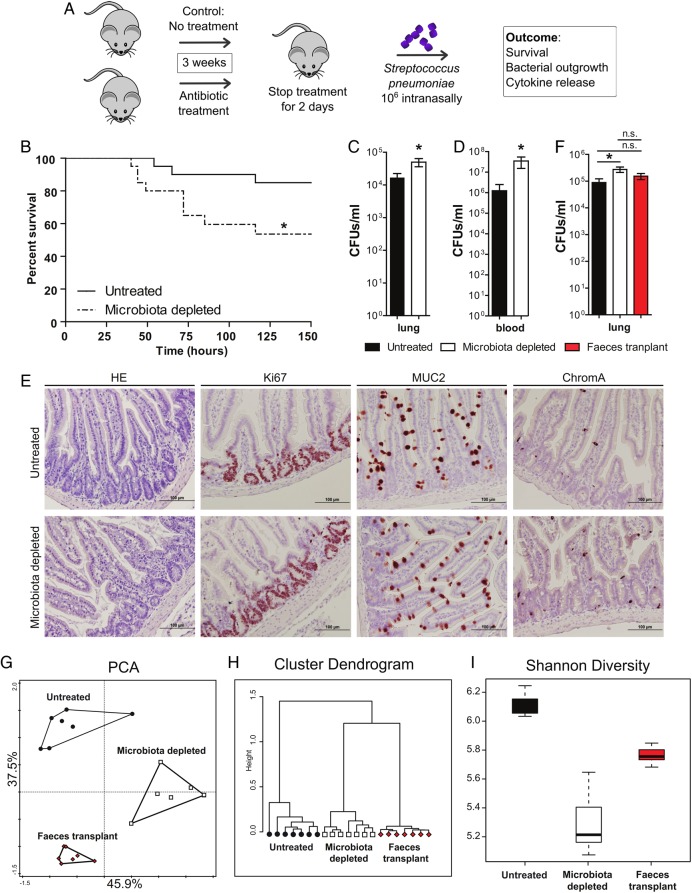
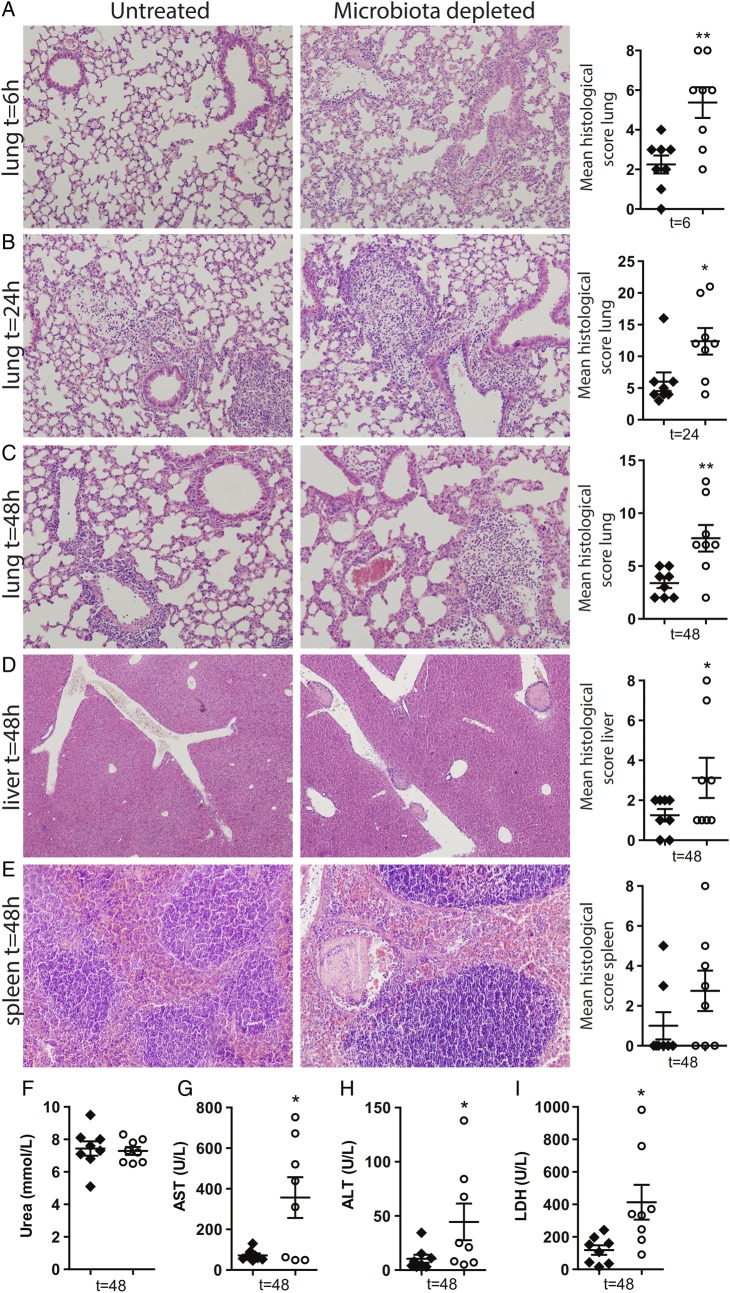
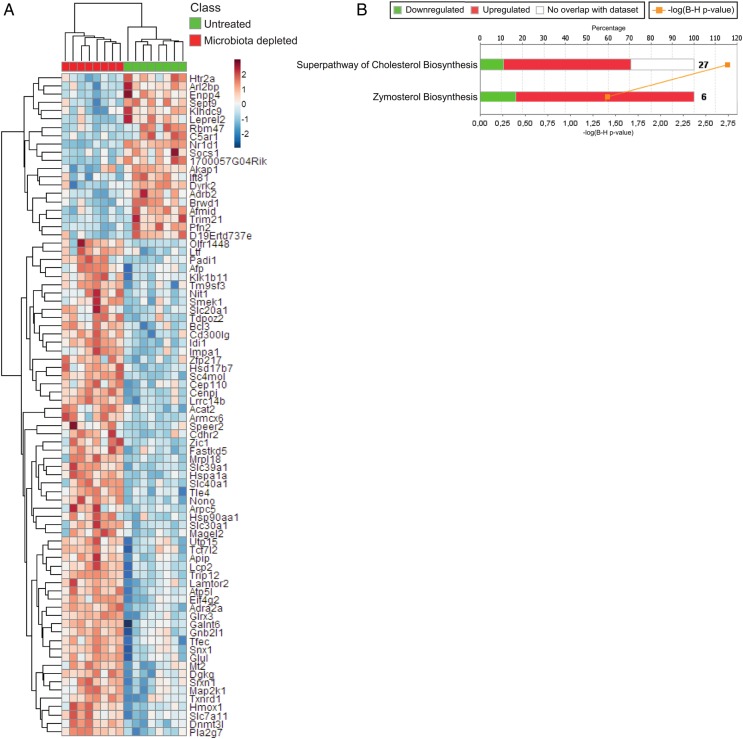
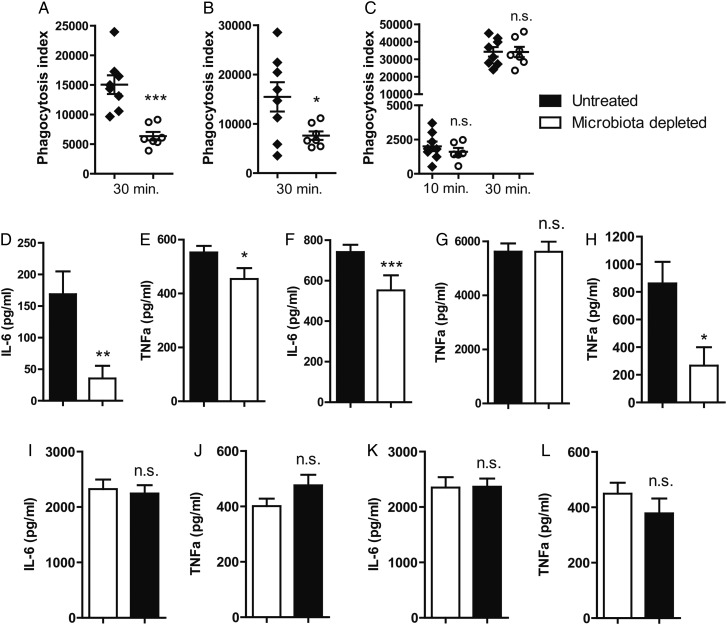
Objective: Pneumonia accounts for more deaths than any other infectious disease worldwide. The intestinal microbiota supports local mucosal immunity and is increasingly recognised as an important modulator of the systemic immune system. The precise role of the gut microbiota in bacterial pneumonia, however, is unknown. Here, we investigate the function of the gut microbiota in the host defence against Streptococcus pneumoniae infections. Design: We depleted the gut microbiota in C57BL/6 mice and subsequently infected them intranasally with S. pneumoniae . We then performed survival and faecal microbiota transplantation (FMT) experiments and measured parameters of inflammation and alveolar macrophage whole-genome responses. Results: We found that the gut microbiota protects the host during pneumococcal pneumonia, as reflected by increased bacterial dissemination, inflammation, organ damage and mortality in microbiota-depleted mice compared with controls. FMT in gut microbiota-depleted mice led to a normalisation of pulmonary bacterial counts and tumour necrosis factor-α and interleukin-10 levels 6 h after pneumococcal infection. Whole-genome mapping of alveolar macrophages showed upregulation of metabolic pathways in the absence of a healthy gut microbiota. This upregulation correlated with an altered cellular responsiveness, reflected by a reduced responsiveness to lipopolysaccharide and lipoteichoic acid. Compared with controls, alveolar macrophages derived from gut microbiota-depleted mice showed a diminished capacity to phagocytose S. pneumoniae . Conclusions: This study identifies the intestinal microbiota as a protective mediator during pneumococcal pneumonia. The gut microbiota enhances primary alveolar macrophage function. Novel therapeutic strategies could exploit the gut–lung axis in bacterial infections.
Overview
The claims and statistics of this paper haven’t been checked yet.
Free: it reads the open-access text and checks the first 5 claims that cite a source we can check. Create a free account to check every claim.
Integrity signals
Registry
Cites
Statistics
Figures
Verification
Claims the paper makes
The claims and statistics of this paper haven’t been checked yet.
Free: it reads the open-access text and checks the first 5 claims that cite a source we can check. Create a free account to check every claim.
Claims other papers make about this one
Each is checked against this paper’s own text: does it say what the citing paper says it does?
The cited source says what the claim attributes to it.
In the citing paper
“Antibiotic-pretreated animals displayed altered cytokine profiles in the lung compared to untreated controls following S. pneumoniae infection, including significantly decreased TNF-α levels at 6 and 24 h after infection.”
From Respiratory viral infection-induced microbiome alterations and secondary bacterial pneumonia. (2018) · cites this paper as [55]
In the citing paper
“but also enhance the resistance and recovery ability of the lung against diseases (29,30).”
From The Role of Gut Microbiota in Lung Cancer: From Carcinogenesis to Immunotherapy (2021) · doi:10.3389/fonc.2021.720842 · cites this paper as [29]
In the citing paper
“microbiota-depleted C57BL/6 mice infected with S. pneumoniae presented with higher bacterial dissemination, inflammation, organ damage and mortality than undepleted C57BL/6 mice.”
From The Role of Gut Microbiota in Lung Cancer: From Carcinogenesis to Immunotherapy (2021) · doi:10.3389/fonc.2021.720842 · cites this paper as [29]
In the citing paper
“FMT to intestinal microbiota-exhausted mice miraculously rebounded lung bacterial counts and IL-10 and TNF-a levels (29).”
From The Role of Gut Microbiota in Lung Cancer: From Carcinogenesis to Immunotherapy (2021) · doi:10.3389/fonc.2021.720842 · cites this paper as [29]
In the citing paper
“microbiome depletion led to decreased survival, increased lung bacterial burden, and increased systemic dissemination of bacteria”
From Respiratory viral infection-induced microbiome alterations and secondary bacterial pneumonia. (2018) · cites this paper as [55]
1 more claim about this paper
Create a free account to see every claim other papers make about this one.
Self-check
Percentages, sums and reported differences re-computed from the paper’s own numbers.
The self-check needs the paper’s full text.
Citations
Cites
Smyth, G. K. (2004) · Statistical Applications in Genetics and Molecular Biology · doi:10.2202/1544-6115.1027 · Cited by 11,829
Enterotypes of the human gut microbiome
MetaHIT Consortium (additional members), Arumugam, M., Raes, J., Pelletier, E., Le Paslier, D., Yamada, T., Mende, D. R., Fernandes, G. R., Tap, J., Bruls, T., et al. (2011) · Nature · doi:10.1038/nature09944 · Cited by 7,548
Severe Sepsis and Septic Shock
Angus, D. C., & van der Poll, T. (2013) · New England Journal of Medicine · doi:10.1056/nejmra1208623 · Cited by 3,961
The impact of the gut microbiota on human health: an integrative view
Clemente, J. C., Ursell, L. K., Parfrey, L. W., & Knight, R. (2012) · Cell · doi:10.1016/j.cell.2012.01.035 · Cited by 3,710 · cited 1×
“5 6 – 13 The intestinal microbiota may be of profound clinical relevance, particularly for intensive care medicine where the majority of patients are treated with antibiotics, which have pervasive and long-term effects on their intestinal microbiota.”
BackgroundGut Microbiota Metabolism of Dietary Fiber Influences Allergic Airway Disease and Hematopoiesis
Trompette, A., Gollwitzer, E. S., Yadava, K., Sichelstiel, A. K., Sprenger, N., Ngom-Bru, C., Blanchard, C., Junt, T., Nicod, L. P., Harris, N. L., et al. (2014) · Nature Medicine · doi:10.1038/nm.3444 · Cited by 2,862
Dethlefsen, L., & Relman, D. A. (2011) · Proceedings of the National Academy of Sciences · doi:10.1073/pnas.1000087107 · Cited by 2,421
Microbiota regulates immune defense against respiratory tract influenza A virus infection
Ichinohe, T., Pang, I. K., Kumamoto, Y., Peaper, D. R., Ho, J. H., Murray, T. S., & Iwasaki, A. (2011) · Proceedings of the National Academy of Sciences · doi:10.1073/pnas.1019378108 · Cited by 1,502
Recognition of peptidoglycan from the microbiota by Nod1 enhances systemic innate immunity
Clarke, T. B., Davis, K. M., Lysenko, E. S., Zhou, A. Y., Yu, Y., & Weiser, J. N. (2010) · Nature Medicine · doi:10.1038/nm.2087 · Cited by 1,154
Diet dominates host genotype in shaping the murine gut microbiota
Carmody, R. N., Gerber, G. K., Luevano, J. M., Gatti, D. M., Somes, L., Svenson, K. L., & Turnbaugh, P. J. (2015) · Cell Host & Microbe · doi:10.1016/j.chom.2014.11.010 · Cited by 1,103 · cited 1×
“In order to deplete the gut microbiota, mice were treated with broad-spectrum antibiotics (ampicillin 1 g/L, Sigma; neomycin sulfate 1 g/L, Sigma; metronidazole 1 g/L, Sano fi -Aventis and vancomycin 0.5 g/L, Sandoz) in drinking water for 3 weeks as described.”
MethodInfluentialUbeda, C., Taur, Y., Jenq, R. R., Equinda, M. J., Son, T., Samstein, M., Viale, A., Socci, N. D., van den Brink, M. R. M., Kamboj, M., et al. (2010) · Journal of Clinical Investigation · doi:10.1172/jci43918 · Cited by 943 · cited 1×
“36 37 Details on the phagocytosis and cell stimulation experiments are provided in the online supplementary fi le.”
Background
Research works printed but not linked: 1
- 10.1172/JCI200215277 · doi:10.1172/jci200215277
Cited by
Items 101–200 of 831
Behzadi-khormouji, H., Rostami, H., Salehi, S., Derakhshande-Rishehri, T., Masoumi, M., Salemi, S., Keshavarz, A., Gholamrezanezhad, A., Assadi, M., & Batouli, A. (2020) · Computer Methods and Programs in Biomedicine · doi:10.1016/j.cmpb.2019.105162 · Cited by 112
Mechanistic insight into the function of the microbiome in lung diseases
Ubags, N. D. J., & Marsland, B. J. (2017) · European Respiratory Journal · doi:10.1183/13993003.02467-2016 · Cited by 109
The Gut Microbiome as Therapeutic Target in Central Nervous System Diseases: Implications for Stroke
Winek, K., Dirnagl, U., & Meisel, A. (2016) · Neurotherapeutics · doi:10.1007/s13311-016-0475-x · Cited by 108
“In a mouse model gut microbiota has been demonstrated to support the host immune defense against pneumococcal pneumonia [98].”
BackgroundThe microbiota in pneumonia: From protection to predisposition
Thibeault, C., Suttorp, N., & Opitz, B. (2021) · Science Translational Medicine · doi:10.1126/scitranslmed.aba0501 · Cited by 114
Robak, O. H., Heimesaat, M. M., Kruglov, A. A., Prepens, S., Ninnemann, J., Gutbier, B., Reppe, K., Hochrein, H., Suter, M., Kirschning, C. J., et al. (2018) · Journal of Clinical Investigation · doi:10.1172/jci97065 · Cited by 105
“First, our data do not exclude the possibility that regulation of additional antimicrobial pathways known to depend on microbiota signals (17, 19, 20, 50) might also play a role.”
BackgroundSkalski, J. H., Limon, J. J., Sharma, P., Gargus, M. D., Nguyen, C., Tang, J., Coelho, A. L., Hogaboam, C. M., Crother, T. R., & Underhill, D. M. (2018) · PLOS Pathogens · doi:10.1371/journal.ppat.1007260 · Cited by 105
Sepsis and the Microbiome: A Vicious Cycle
Miller, W. D., Keskey, R., & Alverdy, J. C. (2021) · The Journal of Infectious Diseases · doi:10.1093/infdis/jiaa682 · Cited by 102
“Among the various methods used to maintain or restore the lost microbiota in these studies included “prebiotic” carbohydrates, live strains of probiotics, and whole transfer of normal microbiota (fecal microbiota transplant, FMT) [12, 13].”
BackgroundMethodInfluentialCOPD and Gut–Lung Axis: How Microbiota and Host Inflammasome Influence COPD and Related Therapeutics
Qu, L., Cheng, Q., Wang, Y., Mu, H., & Zhang, Y. (2022) · Frontiers in Microbiology · doi:10.3389/fmicb.2022.868086 · Cited by 116
The regulation of host defences to infection by the microbiota
Brown, R. L., & Clarke, T. B. (2016) · Immunology · doi:10.1111/imm.12634 · Cited by 127
Role of the microbiome in swine respiratory disease
Niederwerder, M. C. (2017) · Veterinary Microbiology · doi:10.1016/j.vetmic.2017.02.017 · Cited by 122
The central and biodynamic role of gut microbiota in critically ill patients
Wozniak, H., Beckmann, T. S., Fröhlich, L., Soccorsi, T., Terrier, C. L., de Watteville, A., Schrenzel, J., & Heidegger, C. (2022) · Critical Care · doi:10.1186/s13054-022-04127-5 · Cited by 114
“Laboratory data show greater bacterial spread, higher levels of inflammation and organ failure, and higher mortality in germ-free mice during sepsis compared to healthy mice, likely due to a less pronounced immunomodulatory response [97].”
BackgroundXu, L., Deng, J., Zhou, F., Cheng, C., Zhang, L., Zhang, J., & Lu, M. (2018) · Journal of Pest Science · doi:10.1007/s10340-018-0999-4 · Cited by 107
“Previous studies suggested that pathogen invasion is an important factor that can modulate the hosts’ gut microbiota by competing directly with resident gut bacteria for available nutrient niches, or by influencing the host’s immune system (Baumler and Sperandio 2016; Schuijt et al. 2016; Wei et al. 2017), e.”
BackgroundCharacterization of Gut Microbiota in Children With Pulmonary Tuberculosis
Li, W., Zhu, Y., Liao, Q., Wang, Z., & Wan, C. (2019) · BMC Pediatrics · doi:10.1186/s12887-019-1782-2 · Cited by 94
The role of the microbiome and the NLRP3 inflammasome in the gut and lung
Donovan, C., Liu, G., Shen, S., Marshall, J. E., Kim, R., Alemao, C. A., Budden, K. F., Choi, J. P., Kohonen‐Corish, M. R. J., El-Omar, E. M., et al. (2020) · Journal of Leukocyte Biology · doi:10.1002/jlb.3mr0720-472rr · Cited by 100
Horn, K. J., Schopper, M. A., Drigot, Z., & Clark, S. E. (2022) · Nature Communications · doi:10.1038/s41467-022-31074-0 · Cited by 105
Antibiotic-induced gut microbiota disruption during human endotoxemia: a randomised controlled study
Lankelma, J. M., Cranendonk, D. R., Belzer, C., de Vos, A. F., de Vos, W. M., van der Poll, T., & Wiersinga, W. J. (2017) · Gut · doi:10.1136/gutjnl-2016-312132 · Cited by 94
Self-citationWu, T. H., Xu, F., Su, C., Li, H., Lv, N., Liu, Y., Gao, Y., Lan, Y., & Li, J.-B. (2020) · Frontiers in Immunology · doi:10.3389/fimmu.2020.01331 · Cited by 104
“5 g·L−1) dissolved in drinking water for 14 days (11, 14).”
BackgroundThe Next Generation Fecal Microbiota Transplantation: To Transplant Bacteria or Virome
Yu, Y., Wang, W., & Zhang, F. (2023) · Advanced Science · doi:10.1002/advs.202301097 · Cited by 113
Valverde-Molina, J., & García-Marcos, L. (2023) · Nutrients · doi:10.3390/nu15030486 · Cited by 92
“Although the exact mechanisms by which this axis would activate the innate immune system are not wholly known, there is evidence of possible interactions between the gut and lung mucosa [53].”
BackgroundApproaches for Reducing the Risk of Early-Life Iron Deficiency-Induced Brain Dysfunction in Children
Cusick, S. E., Georgieff, M., & Rao, R. (2018) · Nutrients · doi:10.3390/nu10020227 · Cited by 102
“Of note, associations between the gut microbiome and respiratory infections are described, with pathogenic shifts in the gut microbiome associated with an increased risk of a range of respiratory tract infections, including pneumococcal pneumonia [79].”
BackgroundHuman Gut Microbiota in Health and Alzheimer’s Disease
Szablewski, L. (2018) · Journal of Alzheimer’s Disease · doi:10.3233/jad-170908 · Cited by 91
Yitbarek, A., Taha-Abdelaziz, K., Hodgins, D. C., Read, L. R., Nagy, É., Weese, J. S., Caswell, J., Parkinson, J., & Sharif, S. (2018) · Scientific Reports · doi:10.1038/s41598-018-31613-0 · Cited by 101
Microbiome Changes during Tuberculosis and Antituberculous Therapy
Hong, B., Maulén, N. P., Adami, A. J., Granados, H., Balcells, M. E., & Cervantes, J. (2016) · Clinical Microbiology Reviews · doi:10.1128/cmr.00096-15 · Cited by 104
Guirro, M., Costa, A., Gual‐Grau, A., Herrero, P., Torrell-Galceran, H., Canela-Canela, N., & Arola, L. (2019) · PLoS ONE · doi:10.1371/journal.pone.0218143 · Cited by 104
The microbiome: an integral player in immune homeostasis and inflammation in the respiratory tract
Perdijk, O., Azzoni, R., & Marsland, B. J. (2023) · Physiological Reviews · doi:10.1152/physrev.00020.2023 · Cited by 105
Welch, C. B., Ryman, V. E., Pringle, T. D., & Lourenco, J. M. (2022) · Microorganisms · doi:10.3390/microorganisms10071391 · Cited by 113
A curious connection: Teasing apart the link between gut microbes and lung disease
Chakradhar, S. (2017) · Nature Medicine · doi:10.1038/nm0417-402 · Cited by 89
The Importance of the Microbiome in Critically Ill Patients: Role of Nutrition
Morón, R., Gálvez, J., Colmenero, M., Anderson, P. O., Barrera, J. C., & Rodríguez‐Cabezas, M. E. (2019) · Nutrients · doi:10.3390/nu11123002 · Cited by 89
“This pathobiome is characterized by a lower prevalence of the Firmicutes and Bacterioidetes phyla, and a higher prevalence of the Proteobacteria phyla, in contrast to healthy individuals.”
BackgroundInfluentialPotential contribution of beneficial microbes to face the COVID-19 pandemic
Antunes, A. E. C., Vinderola, G., Xavier-Santos, D., & Sivieri, K. (2020) · Food Research International · doi:10.1016/j.foodres.2020.109577 · Cited by 92
“pneumoniae and demonstrate a reduced cellular responsiveness towards lipoteichoic acid and lipopolysaccharide (Schuijt et al., 2016).”
Reinold, J., Farahpour, F., Fehring, C., Dolff, S., Konik, M., Korth, J., van Baal, L., Hoffmann, D. E., Buer, J., Witzke, O., et al. (2021) · Frontiers in Cellular and Infection Microbiology · doi:10.3389/fcimb.2021.747816 · Cited by 92
“The gut microbiota influences the outcome of infectious lung diseases in animal models (Schuijt et al., 2016; Steed et al., 2017) and vice versa, pulmonary infections affect the gut microbiota (Wang et al.”
BackgroundZhang, G., Wang, Q., Tao, W., Jiang, W., Elinav, E., Wang, Y., & Zhu, S. (2022) · Nature Biomedical Engineering · doi:10.1038/s41551-022-00903-4 · Cited by 87
Guern, R. L., Grandjean, T., Stabler, S., Bauduin, M., Gosset, P., Kipnis, É., & Dessein, R. (2023) · Nature Communications · doi:10.1038/s41467-022-35767-4 · Cited by 90
Commensal bacteria in the upper respiratory tract regulate susceptibility to infection
Clark, S. E. (2020) · Current Opinion in Immunology · doi:10.1016/j.coi.2020.03.010 · Cited by 94
Can the Cecal Ligation and Puncture Model Be Repurposed To Better Inform Therapy in Human Sepsis?
Alverdy, J. C., Keskey, R. C., & Thewissen, R. (2020) · Infection and Immunity · doi:10.1128/iai.00942-19 · Cited by 94
“Similarly, lung bacterial clearance mechanisms are impaired and mortality from pneumonia is increased when the gut microbiome becomes depleted (54).”
BackgroundThe role of the microbiota in the management of intensive care patients
Szychowiak, P., Villageois-Tran, K., Patrier, J., Timsit, J., & Ruppé, É. (2022) · Annals of Intensive Care · doi:10.1186/s13613-021-00976-5 · Cited by 94
Mortality of Patients With Sepsis Administered Piperacillin-Tazobactam vs Cefepime
Chanderraj, R., Admon, A. J., He, Y., Nuppnau, M., Albin, O. R., Prescott, H. C., Dickson, R. P., & Sjoding, M. W. (2024) · JAMA Internal Medicine · doi:10.1001/jamainternmed.2024.0581 · Cited by 89
Commensal Microbiota Regulate Vertebrate Innate Immunity-Insights From the Zebrafish
Murdoch, C. C., & Rawls, J. F. (2019) · Frontiers in Immunology · doi:10.3389/fimmu.2019.02100 · Cited by 85
Microbiota-Derived Short-Chain Fatty Acids Promote LAMTOR2-Mediated Immune Responses in Macrophages
Wu, T., Li, H., Su, C., Xu, F., Yang, G., Sun, K., Xu, M., Lv, N., Meng, B., Liu, Y., et al. (2020) · mSystems · doi:10.1128/msystems.00587-20 · Cited by 78
Gut microbiota and sepsis: from pathogenesis to novel treatments
Kullberg, R. F. J., Wiersinga, W. J., & Haak, B. W. (2021) · Current Opinion in Gastroenterology · doi:10.1097/mog.0000000000000781 · Cited by 77
Self-citationLi, K.-L., Wang, B., Li, Z., Li, Y., & Liang, J. (2019) · World Journal of Pediatrics · doi:10.1007/s12519-019-00248-0 · Cited by 87
Intestinal microbiota impact sepsis associated encephalopathy via the vagus nerve
Li, S., Lv, J., Li, J., Zhao, Z., Guo, H., Zhang, Y., Cheng, S., Sun, J., Pan, H., Fan, S., et al. (2018) · Neuroscience Letters · doi:10.1016/j.neulet.2017.10.008 · Cited by 74
Vignal, C., Pichavant, M., Alleman, L., Djouina, M., Dingreville, F., Perdrix, E., Waxin, C., Alami, A. O., Gower‐Rousseau, C., Desreumaux, P., et al. (2017) · Particle and Fibre Toxicology · doi:10.1186/s12989-017-0227-z · Cited by 83
“The importance of the gut microbiota has also been reported during respiratory influenza virus infection [88] and pneumococcal pneumonia [89].”
BackgroundThe central role of the gut in intensive care
Corriero, A., Gadaleta, R. M., Puntillo, F., Inchingolo, F., Moschetta, A., & Brienza, N. (2022) · Critical Care · doi:10.1186/s13054-022-04259-8 · Cited by 92
“Wild-type mice depleted of GM with antibiotics, subsequently intranasally infected with pneumococcal pneumonia and then subjected to fecal microbiotal transplantation have an enhanced primary alveolar macrophage function thanks to a GM beneficial reshape [72].”
Linking microbiota and respiratory disease
Hauptmann, M., & Schaible, U. E. (2016) · FEBS Letters · doi:10.1002/1873-3468.12421 · Cited by 89
Ericsson, A. C., Personett, A. R., Turner, G., Dorfmeyer, R. A., & Franklin, C. L. (2017) · Frontiers in Microbiology · doi:10.3389/fmicb.2017.00196 · Cited by 86
“Subsequent studies using molecular methods to assess the post-antibiotic GM in mice have reported similarly incomplete depletion of commensal gut microbes (Ichinohe et al., 2011; Dapito et al., 2012; Baldridge et al., 2015; He et al., 2015; Schuijt et al., 2016).”
BackgroundThe Human Microbiome and Understanding the 16S rRNA Gene in Translational Nursing Science
Ames, N. J., Ranucci, A., Moriyama, B., & Wallen, G. R. (2017) · Nursing Research · doi:10.1097/nnr.0000000000000212 · Cited by 71
“Thealveolarmacrophagesof themicewith depleted gutmicrobiomes had decreased ability to engulf and destroy bacteria (Schuijt et al., 2016).”
BackgroundTargeting gut microbiota as a possible therapy for mastitis
Hu, X., Li, S., Fu, Y., & Zhang, N. (2019) · European Journal of Clinical Microbiology & Infectious Diseases · doi:10.1007/s10096-019-03549-4 · Cited by 87
“Furthermore, another study showed that gut microbiota protect against pneumonia induced by Streptococcus pneumoniae [97], suggesting that”
ResultApproach to the diagnosis and management of dysbiosis
Alagiakrishnan, K., Morgadinho, J., & Halverson, T. (2024) · Frontiers in Nutrition · doi:10.3389/fnut.2024.1330903 · Cited by 93
Sharma, R. K., Oliveira, A. C. D. S., Yang, T., Karas, M. M., Li, J., Lobaton, G. O., Aquino, V. P., Robles‐Vera, I., de Kloet, A. D., Krause, E. G., et al. (2020) · Hypertension · doi:10.1161/hypertensionaha.120.14931 · Cited by 75
Haak, B. W., Argelaguet, R., Kinsella, C. M., Kullberg, R. F. J., Lankelma, J. M., Deijs, M., Klein, M., Jebbink, M. F., Hugenholtz, F., Kostidis, S., et al. (2021) · mSystems · doi:10.1128/msystems.01148-20 · Cited by 74
“Animal studies have shown that broad-spectrum antibiotic modulation of the intestinal microbiota enhances susceptibility to enteric and systemic infections (3 – 5).”
BackgroundSelf-citationYüksel, N., Gelmez, B., & Yıldız-Peköz, A. (2023) · Molecular Pharmaceutics · doi:10.1021/acs.molpharmaceut.3c00323 · Cited by 81
Gut microbiota wellbeing index predicts overall health in a cohort of 1000 infants
Hickman, B., Salonen, A., Ponsero, A. J., Jokela, R., Kolho, K., de Vos, W. M., & Korpela, K. (2024) · Nature Communications · doi:10.1038/s41467-024-52561-6 · Cited by 87
Vaginal microbiota transplantation for the treatment of bacterial vaginosis: a conceptual analysis
Ma, D., Chen, Y., & Chen, T. (2019) · FEMS Microbiology Letters · doi:10.1093/femsle/fnz025 · Cited by 72
Altered gut microbiota in infants is associated with respiratory syncytial virus disease severity
Harding, J. N., Siefker, D. T., Vu, L. D., You, D., DeVincenzo, J. P., Pierre, J. F., & Cormier, S. A. (2020) · BMC Microbiology · doi:10.1186/s12866-020-01816-5 · Cited by 81
The relationship among avian influenza, gut microbiota and chicken immunity: an updated overview
El-Hack, M. E. A., El‐Saadony, M. T., Alqhtani, A. H., Swelum, A. A., Salem, H. M., Elbestawy, A. R., Noreldin, A. E., Babalghith, A. O., Khafaga, A. F., Hassan, M. I., et al. (2022) · Poultry Science · doi:10.1016/j.psj.2022.102021 · Cited by 77
“The gut microbiota plays a crucial role in the regulation and stimulation of host reactions to various respiratory infections (Schuijt et al., 2016; El-Naggar et al., 2022) caused by viruses (Oh et al., 2014; Setta et al., 2018), bacteria (Abd El Hamid et al., 2019; Marouf et al., 2022), parasites…”
BackgroundHuman Gut Microbiota in Health and Selected Cancers
Sędzikowska, A., & Szablewski, L. (2021) · International Journal of Molecular Sciences · doi:10.3390/ijms222413440 · Cited by 78
“The human gut microbiota is involved in the construction of the mucus layer and the secretion of mucins in the intestine [39]; it also enhances the intestinal barrier, which protects against the colonization of pathogenic bacteria such as Streptococcus pneumoniae [40].”
BackgroundCrosstalk between gut microbiota and sepsis
Niu, M., & Chen, P. (2021) · Burns & Trauma · doi:10.1093/burnst/tkab036 · Cited by 69
Current Findings on Gut Microbiota Mediated Immune Modulation against Viral Diseases in Chicken
Abaidullah, M., Peng, S., Kamran, M., Song, X., & Yin, Z. (2019) · Viruses · doi:10.3390/v11080681 · Cited by 71
The role of microbiota in respiratory health and diseases, particularly in tuberculosis
Shah, T., Shah, Z., Baloch, Z., & Cui, X. (2021) · Biomedicine & Pharmacotherapy · doi:10.1016/j.biopha.2021.112108 · Cited by 75
Gai, X., Wang, H., Li, Y., Zhao, H., He, C., Wang, Z., & Zhao, H. (2021) · Frontiers in Cellular and Infection Microbiology · doi:10.3389/fcimb.2021.736204 · Cited by 77
The immunology of sepsis: translating new insights into clinical practice
Kox, M., Bauer, M. W., Bos, L. D. J., Bouma, H. R., Calandra, T., Calfee, C. S., Chousterman, B. G., Derde, L. P. G., Giamarellos‐Bourboulis, E. J., Gómez, H., et al. (2025) · Nature Reviews Nephrology · doi:10.1038/s41581-025-01004-6 · Cited by 95
“These observations may form the basis for future investigations into mechanistically sound combinations of immunomodulatory treatments.”
Self-citationMore of the Gut in the Lung: How Two Microbiomes Meet in ARDS.
Mukherjee, S., & Hanidziar, D. (2018) · Europe PMC (PubMed Central) · Cited by 77
Antibiotic-related gut dysbiosis induces lung immunodepression and worsens lung infection in mice
Dessein, R., Bauduin, M., Grandjean, T., Guern, R. L., Figeac, M., Beury, D., Faure, K., Faveeuw, C., Guery, B. P., Gosset, P., et al. (2020) · Critical Care · doi:10.1186/s13054-020-03320-8 · Cited by 74
Microbiota and Immunity during Respiratory Infections: Lung and Gut Affair
Marrella, V., Nicchiotti, F., & Cassani, B. (2024) · International Journal of Molecular Sciences · doi:10.3390/ijms25074051 · Cited by 79
“Mice treated with antibiotics are more vulnerable to viral and bacterial pulmonary infections [137], and antibiotic-treated mice infected with S. pneumoniae present with a defect in lung cytokine production [138].”
BackgroundKapur, R., Kim, M. H., Rebetz, J., Hallström, B. M., Björkman, J., Takabe-French, A., Kim, N., Liu, J., Shanmugabhavananthan, S., Milosevic, S., et al. (2018) · Blood Advances · doi:10.1182/bloodadvances.2018018903 · Cited by 71
“For example, it was reported that compared with untreated mice, 20% of gut flora–depleted mice died of pneumonia infection within 50 hours.(35) This suggests that the gut microbiota elicits a protective effect for pneumonia and that perhaps specific antibiotic therapy may be able to treat specific lung infections whil…”
ResultGhosh, A., Saran, N., & Saha, S. (2020) · Scientific Reports · doi:10.1038/s41598-020-65766-8 · Cited by 69
Gong, G., Song, S., & Su, J. (2020) · Life Sciences · doi:10.1016/j.lfs.2020.118616 · Cited by 69
Role of the Microbiome in Interstitial Lung Diseases
Chioma, O. S., Hesse, L. E., Chapman, A., & Drake, W. P. (2021) · Frontiers in Medicine · doi:10.3389/fmed.2021.595522 · Cited by 69
Baars, E. W., Zoen, E. B.-V., Breitkreuz, T., Martin, D. D., Matthes, H., von Schoen-Angerer, T., Soldner, G., Vagedes, J., van Wietmarschen, H., Patijn, O. N., et al. (2019) · Evidence-based Complementary and Alternative Medicine · doi:10.1155/2019/5365608 · Cited by 77
“In a mice model, it was demonstrated that the gut microbiota plays a protective role in the host defense against pneumococcal pneumonia [106].”
BackgroundDisease Mechanisms of Perioperative Organ Injury
Conrad, C., & Eltzschig, H. K. (2020) · Anesthesia & Analgesia · doi:10.1213/ane.0000000000005191 · Cited by 72
Empirical antibiotic therapy for sepsis: save the anaerobic microbiota
Kullberg, R. F. J., Haak, B. W., Chanderraj, R., Prescott, H. C., Dickson, R. P., & Wiersinga, W. J. (2024) · The Lancet Respiratory Medicine · doi:10.1016/s2213-2600(24)00257-1 · Cited by 67
Self-citationGrowth of 48 built environment bacterial isolates on board the International Space Station (ISS)
Coil, D. A., NECHES, R. Y., Lang, J., Brown, W. E., Severance, M., Cavalier, D., & Eisen, J. A. (2016) · PeerJ · doi:10.7717/peerj.1842 · Cited by 65
Sun, J., Ding, X., Liu, S., Duan, X., Liang, H., & Sun, T. (2020) · Stem Cell Research & Therapy · doi:10.1186/s13287-020-01902-5 · Cited by 67
Airway Microbiota and the Implications of Dysbiosis in Asthma
Durack, J., Boushey, H. A., & Lynch, S. V. (2016) · Current Allergy and Asthma Reports · doi:10.1007/s11882-016-0631-8 · Cited by 68
The emerging role of the microbiota in the ICU
Wolff, N. S., Hugenholtz, F., & Wiersinga, W. J. (2018) · Critical Care · doi:10.1186/s13054-018-1999-8 · Cited by 60
“As an example, antibiotic induced disruption of the gut microbiome leads to increased inflammation and bacterial dissemination in murine models of both Gram-positive and Gram-negative pneumosepsis [39, 40].”
BackgroundSelf-citationGut Microbiota and Lung Injury
Tan, J.-Y., Tang, Y., & Huang, J. (2020) · Advances in experimental medicine and biology · doi:10.1007/978-981-15-2385-4_5 · Cited by 68
Stricker, S., Hain, T., Chao, C., & Rudloff, S. (2022) · International Journal of Molecular Sciences · doi:10.3390/ijms23126791 · Cited by 67
Kullberg, R. F. J., Wikki, I., Haak, B. W., Kauko, A., Galenkamp, H., Sengers, H. P., Butler, J. M., Havulinna, A. S., Palmu, J., McDonald, D. T., et al. (2024) · The Lancet Microbe · doi:10.1016/s2666-5247(24)00079-x · Cited by 68
Self-citationMicrobiota-targeted therapies on the intensive care unit
Haak, B. W., Levi, M., & Wiersinga, W. J. (2017) · Current Opinion in Critical Care · doi:10.1097/mcc.0000000000000389 · Cited by 60
Self-citationChen, M., Li, H., Lu, X., Ling, L., Weng, H., Sun, W., Chen, D., & Zhang, Y. (2019) · Chinese Journal of Natural Medicines · doi:10.1016/s1875-5364(19)30021-4 · Cited by 67
The Intriguing Connection Between the Gut and Lung Microbiomes
Druszczyńska, M., Sadowska, B., Kulesza, J., Gąsienica-Gliwa, N., Kulesza, E., & Fol, M. (2024) · Pathogens · doi:10.3390/pathogens13111005 · Cited by 66
“Further research is warranted to elucidate the mechanisms by which gut microbiota influence lung diseases and to establish robust clinical applications of these findings.”
Gut microbiota and host defense in critical illness
Jacobs, M. C., Haak, B. W., Hugenholtz, F., & Wiersinga, W. J. (2017) · Current Opinion in Critical Care · doi:10.1097/mcc.0000000000000424 · Cited by 69
Self-citationYitbarek, A., Alkie, T. N., Taha-Abdelaziz, K., Astill, J., Rodriguez-Lecompte, J. C., Parkinson, J., Nagy, É., & Sharif, S. (2018) · Beneficial Microbes · doi:10.3920/bm2017.0088 · Cited by 64
Kulkarni, H. S., Tsui, K., Sunder, S., Ganninger, A., Tague, L. K., Witt, C. A., Byers, D. E., Trulock, E. P., Nava, R. G., Puri, V., et al. (2019) · American Journal of Transplantation · doi:10.1111/ajt.15687 · Cited by 60
Chen, L., Zhang, G., Li, G., Wang, W., Ge, Z., Yang, Y., He, X., Liu, Z., Zhang, Z., Mai, Q., et al. (2022) · Nature Metabolism · doi:10.1038/s42255-022-00547-3 · Cited by 61
Neuropeptide Y‐Mediated Gut Microbiota Alterations Aggravate Postmenopausal Osteoporosis
Chen, Z., Lv, M., Liang, J., Yang, K., Fan, L., Zhou, Z., Qiu, M., Chen, H., Cai, Z., Cui, W., et al. (2023) · Advanced Science · doi:10.1002/advs.202303015 · Cited by 70
Gut-Lung Microbiota in Chronic Pulmonary Diseases: Evolution, Pathogenesis, and Therapeutics
Shi, C. Y., Yu, C.-H., Yu, W. Y., & Ying, H. (2021) · Canadian Journal of Infectious Diseases and Medical Microbiology · doi:10.1155/2021/9278441 · Cited by 65
“were remarkably normalized in microbiota-depleted mice, indicating the protection of gut microbiota against pneumococcal pneumonia [18].”
BackgroundShort-chain fatty acids improve inflamm-aging and acute lung injury in old mice
Hildebrand, C. B., Lichatz, R., Pich, A., Mühlfeld, C., Woltemate, S., Vital, M., & Brandenberger, C. (2023) · American Journal of Physiology-Lung Cellular and Molecular Physiology · doi:10.1152/ajplung.00296.2022 · Cited by 64
The Gut Microbiome in Sepsis: From Dysbiosis to Personalized Therapy
Piccioni, A., Spagnuolo, F., Candelli, M., Voza, A., Covino, M., Gasbarrini, A., & Franceschi, F. (2024) · Journal of Clinical Medicine · doi:10.3390/jcm13206082 · Cited by 63
“Intestinal dysbiosis, as demonstrated using germ-free mice or those treated with antibiotics, increases mortality from bacterial infections [53].”
BackgroundFactors associated with hospitalization in bronchiectasis exacerbations: a one-year follow-up study
Menéndez, R., Méndez, R., Polverino, E., Rosales-Mayor, E., Amara‐Elori, I., Reyes, S., Posadas, T., Fernández‐Barat, L., & Torres, A. (2017) · Respiratory Research · doi:10.1186/s12931-017-0659-x · Cited by 63
“[30] in a mouse model found that after the depletion of the gut microbiota, there was an increase in bacterial dissemination, inflammation and even organ damage.”
BackgroundDo host‐associated gut microbiota mediate the effect of an herbicide on disease risk in frogs?
Knutie, S. A., Gabor, C. R., Kohl, K. D., & Rohr, J. R. (2017) · Journal of Animal Ecology · doi:10.1111/1365-2656.12769 · Cited by 62
“In contrast, several other studies have found that the symbiotic microbiota of hosts can increase resistance to infection (Koch & Schmid- Hempel, 2011; Schuijt et al., 2016; Theriot et al., 2014).”
InfluentialInfluence of Obesity on Pneumococcus Infection Risk in the Elderly
Frasca, D., & McElhaney, J. E. (2019) · Frontiers in Endocrinology · doi:10.3389/fendo.2019.00071 · Cited by 64
“Briefly, it was shown that the gut microbiota increases phagocytosis of alveolar macrophages and protects from tissue damage during pneumococcus-induced sepsis (87).”
BackgroundExploring the microbiome in health and disease: Implications for toxicology
Scotti, E., Boué, S., Sasso, G. L., Zanetti, F., Belcastro, V., Poussin, C., Sierro, N., Battey, J. N. D., Gimalac, A., Ivanov, N. V., et al. (2017) · Toxicology Research and Application · doi:10.1177/2397847317741884 · Cited by 97
Hu, L., Sun, L., Yang, C., Zhang, D., Wei, Y.-Y., Yang, M., Wu, H., & Fei, G. (2024) · Journal of Translational Medicine · doi:10.1186/s12967-024-05376-4 · Cited by 63
“…1 g/l, neomycin sulfate 1 g/l, and vancomycin 0.5 g/l) were added to the drinking water over a period of 3 weeks, as previously described [5, 28]; (4) ABX + MOCK group: 3 days after stopping antibiotic drinking water, ABX mice were given 50 μl of sterile PBS infected intranasally; (5)…”
BackgroundMethodInfluentialChe, H., Gao, Y., Xu, Y., Xu, H., Eils, R., & Tian, M. (2026) · Signal Transduction and Targeted Therapy · doi:10.1038/s41392-025-02329-1 · Cited by 65
Lloyd, M. M., & Pespeni, M. H. (2018) · Scientific Reports · doi:10.1038/s41598-018-34697-w · Cited by 68
Lung and Gut Microbiota as Potential Hidden Driver of Immunotherapy Efficacy in Lung Cancer
Carbone, C., Piro, G., Noia, V. D., D’Argento, E., Vita, E., Ferrara, M. G., Pilotto, S., Milella, M., Cammarota, G., Gasbarrini, A., et al. (2019) · Mediators of Inflammation · doi:10.1155/2019/7652014 · Cited by 57
“Indeed, restoring microbiota in the gut of mice resulted in reduced severity of pneumonia [75].”
BackgroundImmunomodulatory Role of Nutrients: How Can Pulmonary Dysfunctions Improve?
Gozzi-Silva, S. C., Teixeira, F. M. E., Duarte, A. J. D. S., Sato, M. N., & Oliveira, L. D. M. (2021) · Frontiers in Nutrition · doi:10.3389/fnut.2021.674258 · Cited by 63
Kang, Y., & Cai, Y. (2017) · Journal of Hospital Infection · doi:10.1016/j.jhin.2017.04.007 · Cited by 65
Lung Microbiota and Its Impact on the Mucosal Immune Phenotype
Wu, B. G., & Segal, L. N. (2017) · Microbiology Spectrum · doi:10.1128/microbiolspec.bad-0005-2016 · Cited by 61
Metadata
- Authors
- Schuijt, T. J., Lankelma, J. M., Scicluna, B. P., de Sousa e Melo, F., Roelofs, J. J. T. H., de Boer, J. D., Hoogendijk, A. J., de Beer, R., de Vos, A., Belzer, C., de Vos, W. M., van der Poll, T., & Wiersinga, W. J.
- Affiliations
- Amsterdam UMC Location University of Amsterdam (NL)
- Center for Experimental and Molecular Medicine, Academic Medical Center, University of Amsterdam, Amsterdam, The Netherlands
- Wageningen University & Research (NL)
- Laboratory of Microbiology, Wageningen University, Wageningen, The Netherlands
- Corresponding author
- Wiersinga, W Joost
- Venue
- Gut
- Publisher
- BMJ
- Published
- 2015-10-28
- Volume
- 65
- Issue
- 4
- Pages
- 575-583
- ISSN
- 0017-5749 (ISSN-L)
- 1468-3288
- PMC
- PMC4819612
- OpenAlex
- W2175568660
- Cited by
- 832
- References
- 47
- Citations by year
- 2026: 59 · 2025: 90 · 2024: 90 · 2023: 83 · 2022: 104 · 2021: 93 · 2020: 107 · 2019: 61 · 2018: 59 · 2017: 54 · 2016: 28 · 2015: 3
- FWCI
- 20.72
- Type
- journal article
- Language
- en
- Open access
- hybrid
- doi.org
- Licence
- cc-by-nc
- Locations
- Gut (publishedVersion, cc-by-nc)
- Europe PMC (PubMed Central) (publishedVersion, cc-by-nc)
- PubMed Central (publishedVersion, cc-by-nc)
- PubMed (publishedVersion)
- Socio-Environmental Systems Modeling (acceptedVersion, cc-by-nc)
- Pure Amsterdam UMC (submittedVersion, other-oa)
- OAR@UM (University of Malta) (submittedVersion, other-oa)
- Data Archiving and Networked Services (DANS) (submittedVersion)
- Työväentutkimus Vuosikirja (submittedVersion, other-oa)
- HighWire Press Open Archive (submittedVersion)
- Data Archiving and Networked Services (DANS) (submittedVersion, cc-by-nc)
- Funders
- ZonMw
- Universiteit van Amsterdam
- Nederlandse Organisatie voor Wetenschappelijk Onderzoek
- Topics
- Life Sciences › Biochemistry, Genetics and Molecular Biology › Molecular Biology › Gut microbiota and health
- Health Sciences › Medicine › Epidemiology › Pneumonia and Respiratory Infections
- Health Sciences › Dentistry › Periodontics › Oral microbiology and periodontitis research
- Keywords
- gut microbiota, pneumococcal pneumonia, Streptococcus pneumoniae, alveolar macrophages, gut-lung axis, fecal microbiota transplantation, microbiota depletion, phagocytosis, lipopolysaccharide response, lipoteichoic acid, TNF-α, IL-10, inflammation, bacterial dissemination, host defense
- MeSH terms
- Gastrointestinal Microbiome, Animals, Anti-Bacterial Agents, Feces, Mice, Inbred C57BL, Pneumonia, Pneumococcal, Streptococcus pneumoniae, Tumor Necrosis Factor-alpha, Up-Regulation, Macrophages, Alveolar, Interleukin-10, Sepsis, Immunity, Mucosal, Mice, Bacterial Load, Transcriptome
About these checks
Registry, retraction, Cites and statistics results are computed, not judged, with one exception: a printed reference that no index lists is read once by a model before it counts as a citation error. Claims are extracted by a model and kept only when their quote appears verbatim in the text; each cited source is then checked, with a model’s help, for whether it says what the claim relies on. Those verdicts can be wrong — read the claim’s quote and the cited source before relying on one.
Statistics and arithmetic are recomputed, not judged.
Confidence bands are shown only for fields calibrated on our annotated test set. None is calibrated yet, so no band is shown.
What counts as a claim ›How we measure confidence ›How we check this ›
Are you an author, or do you see a problem with this page? Request a review
Data sources
Bibliographic data: Semantic Scholar, OpenAlex, Crossref.
Contains information from the Semantic Scholar Academic Graph Datasets, made available under the ODC Attribution License (ODC-BY 1.0).
Semantic Scholar’s data is described in: Kinney, R., et al. (2023). The Semantic Scholar Open Data Platform. arXiv:2301.10140.
