

The gut microbiota plays a protective role in the host defence against pneumococcal pneumonia
Open accessThe DOI matches its Crossref record; 47 of the 47 references it cites were found in a registry or an index.
Abstract
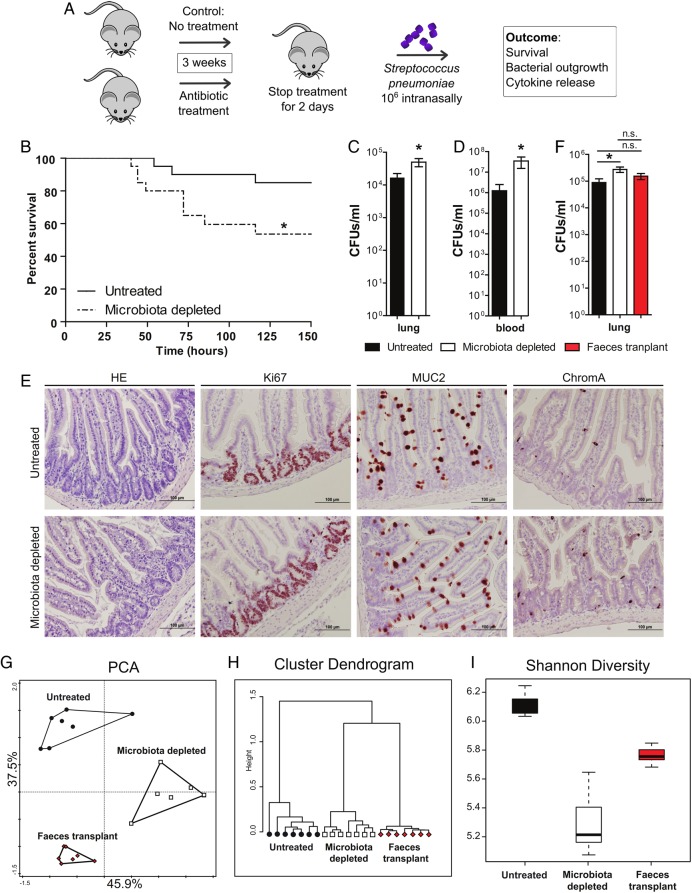
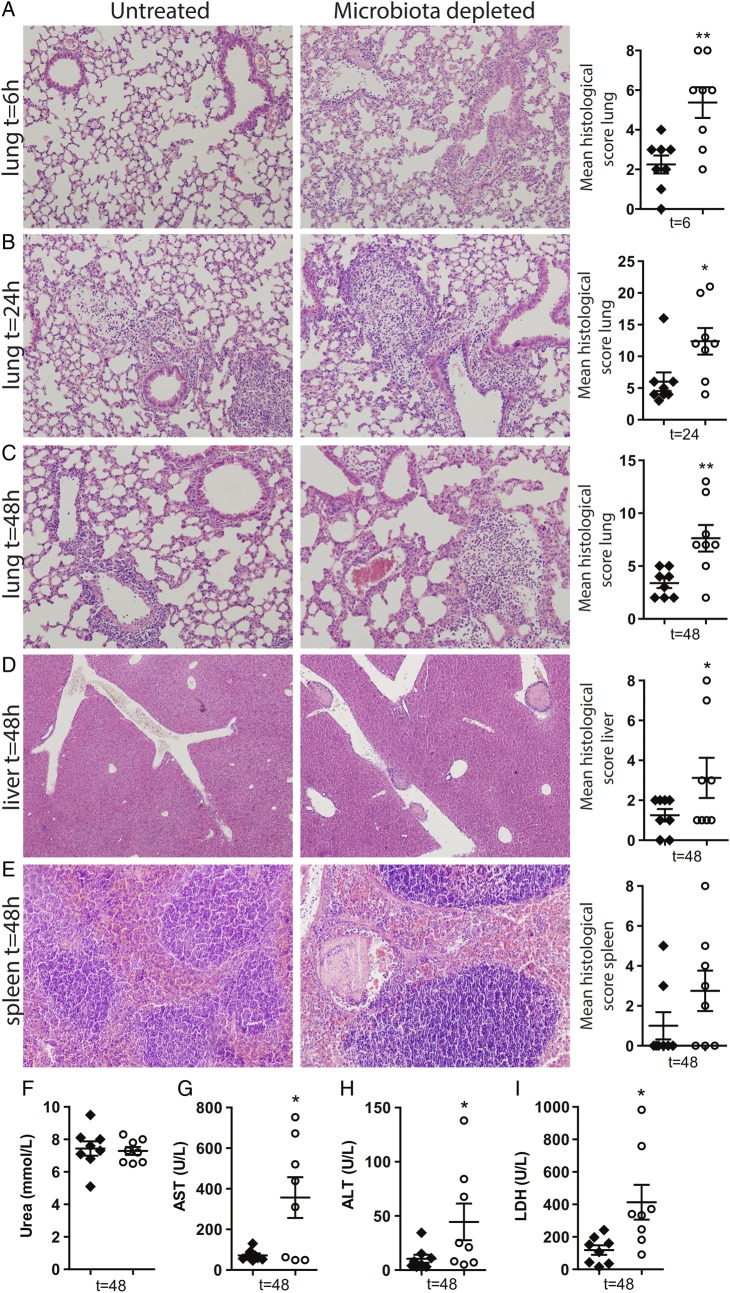
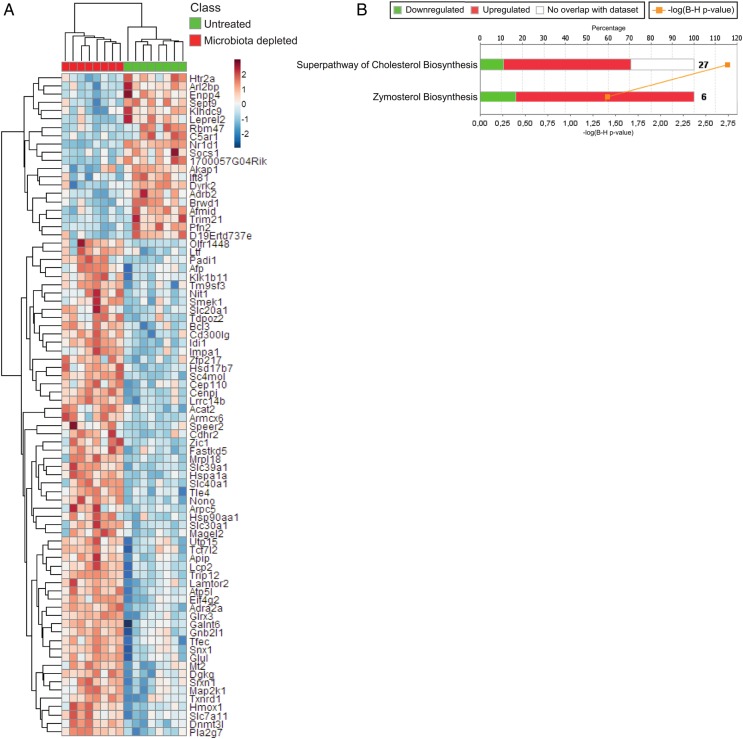
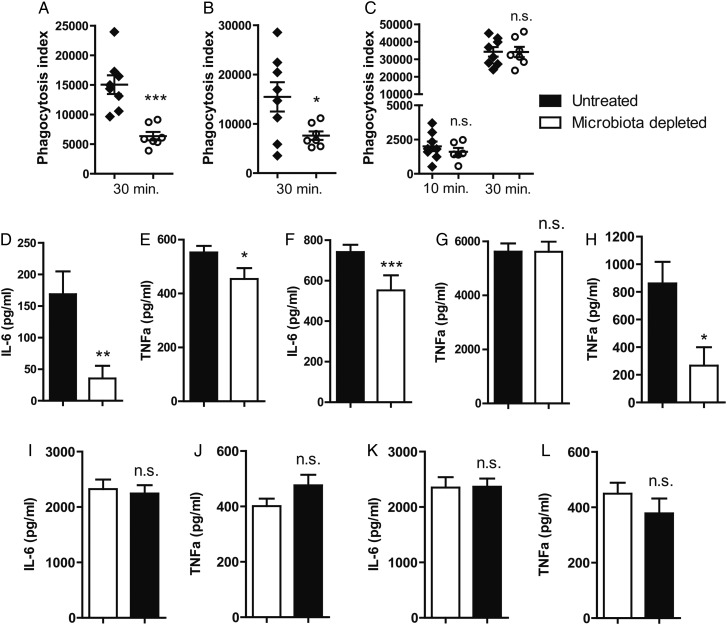
Objective: Pneumonia accounts for more deaths than any other infectious disease worldwide. The intestinal microbiota supports local mucosal immunity and is increasingly recognised as an important modulator of the systemic immune system. The precise role of the gut microbiota in bacterial pneumonia, however, is unknown. Here, we investigate the function of the gut microbiota in the host defence against Streptococcus pneumoniae infections. Design: We depleted the gut microbiota in C57BL/6 mice and subsequently infected them intranasally with S. pneumoniae . We then performed survival and faecal microbiota transplantation (FMT) experiments and measured parameters of inflammation and alveolar macrophage whole-genome responses. Results: We found that the gut microbiota protects the host during pneumococcal pneumonia, as reflected by increased bacterial dissemination, inflammation, organ damage and mortality in microbiota-depleted mice compared with controls. FMT in gut microbiota-depleted mice led to a normalisation of pulmonary bacterial counts and tumour necrosis factor-α and interleukin-10 levels 6 h after pneumococcal infection. Whole-genome mapping of alveolar macrophages showed upregulation of metabolic pathways in the absence of a healthy gut microbiota. This upregulation correlated with an altered cellular responsiveness, reflected by a reduced responsiveness to lipopolysaccharide and lipoteichoic acid. Compared with controls, alveolar macrophages derived from gut microbiota-depleted mice showed a diminished capacity to phagocytose S. pneumoniae . Conclusions: This study identifies the intestinal microbiota as a protective mediator during pneumococcal pneumonia. The gut microbiota enhances primary alveolar macrophage function. Novel therapeutic strategies could exploit the gut–lung axis in bacterial infections.
Overview
The claims and statistics of this paper haven’t been checked yet.
Free: it reads the open-access text and checks the first 5 claims that cite a source we can check. Create a free account to check every claim.
Integrity signals
Registry
Cites
Statistics
Figures
Verification
Claims the paper makes
The claims and statistics of this paper haven’t been checked yet.
Free: it reads the open-access text and checks the first 5 claims that cite a source we can check. Create a free account to check every claim.
Claims other papers make about this one
Each is checked against this paper’s own text: does it say what the citing paper says it does?
The cited source says what the claim attributes to it.
In the citing paper
“Antibiotic-pretreated animals displayed altered cytokine profiles in the lung compared to untreated controls following S. pneumoniae infection, including significantly decreased TNF-α levels at 6 and 24 h after infection.”
From Respiratory viral infection-induced microbiome alterations and secondary bacterial pneumonia. (2018) · cites this paper as [55]
In the citing paper
“but also enhance the resistance and recovery ability of the lung against diseases (29,30).”
From The Role of Gut Microbiota in Lung Cancer: From Carcinogenesis to Immunotherapy (2021) · doi:10.3389/fonc.2021.720842 · cites this paper as [29]
In the citing paper
“microbiota-depleted C57BL/6 mice infected with S. pneumoniae presented with higher bacterial dissemination, inflammation, organ damage and mortality than undepleted C57BL/6 mice.”
From The Role of Gut Microbiota in Lung Cancer: From Carcinogenesis to Immunotherapy (2021) · doi:10.3389/fonc.2021.720842 · cites this paper as [29]
In the citing paper
“FMT to intestinal microbiota-exhausted mice miraculously rebounded lung bacterial counts and IL-10 and TNF-a levels (29).”
From The Role of Gut Microbiota in Lung Cancer: From Carcinogenesis to Immunotherapy (2021) · doi:10.3389/fonc.2021.720842 · cites this paper as [29]
In the citing paper
“microbiome depletion led to decreased survival, increased lung bacterial burden, and increased systemic dissemination of bacteria”
From Respiratory viral infection-induced microbiome alterations and secondary bacterial pneumonia. (2018) · cites this paper as [55]
1 more claim about this paper
Create a free account to see every claim other papers make about this one.
Self-check
Percentages, sums and reported differences re-computed from the paper’s own numbers.
The self-check needs the paper’s full text.
Citations
Cites
Smyth, G. K. (2004) · Statistical Applications in Genetics and Molecular Biology · doi:10.2202/1544-6115.1027 · Cited by 11,829
Enterotypes of the human gut microbiome
MetaHIT Consortium (additional members), Arumugam, M., Raes, J., Pelletier, E., Le Paslier, D., Yamada, T., Mende, D. R., Fernandes, G. R., Tap, J., Bruls, T., et al. (2011) · Nature · doi:10.1038/nature09944 · Cited by 7,548
Severe Sepsis and Septic Shock
Angus, D. C., & van der Poll, T. (2013) · New England Journal of Medicine · doi:10.1056/nejmra1208623 · Cited by 3,961
The impact of the gut microbiota on human health: an integrative view
Clemente, J. C., Ursell, L. K., Parfrey, L. W., & Knight, R. (2012) · Cell · doi:10.1016/j.cell.2012.01.035 · Cited by 3,710 · cited 1×
“5 6 – 13 The intestinal microbiota may be of profound clinical relevance, particularly for intensive care medicine where the majority of patients are treated with antibiotics, which have pervasive and long-term effects on their intestinal microbiota.”
BackgroundGut Microbiota Metabolism of Dietary Fiber Influences Allergic Airway Disease and Hematopoiesis
Trompette, A., Gollwitzer, E. S., Yadava, K., Sichelstiel, A. K., Sprenger, N., Ngom-Bru, C., Blanchard, C., Junt, T., Nicod, L. P., Harris, N. L., et al. (2014) · Nature Medicine · doi:10.1038/nm.3444 · Cited by 2,862
Dethlefsen, L., & Relman, D. A. (2011) · Proceedings of the National Academy of Sciences · doi:10.1073/pnas.1000087107 · Cited by 2,421
Microbiota regulates immune defense against respiratory tract influenza A virus infection
Ichinohe, T., Pang, I. K., Kumamoto, Y., Peaper, D. R., Ho, J. H., Murray, T. S., & Iwasaki, A. (2011) · Proceedings of the National Academy of Sciences · doi:10.1073/pnas.1019378108 · Cited by 1,502
Recognition of peptidoglycan from the microbiota by Nod1 enhances systemic innate immunity
Clarke, T. B., Davis, K. M., Lysenko, E. S., Zhou, A. Y., Yu, Y., & Weiser, J. N. (2010) · Nature Medicine · doi:10.1038/nm.2087 · Cited by 1,154
Diet dominates host genotype in shaping the murine gut microbiota
Carmody, R. N., Gerber, G. K., Luevano, J. M., Gatti, D. M., Somes, L., Svenson, K. L., & Turnbaugh, P. J. (2015) · Cell Host & Microbe · doi:10.1016/j.chom.2014.11.010 · Cited by 1,103 · cited 1×
“In order to deplete the gut microbiota, mice were treated with broad-spectrum antibiotics (ampicillin 1 g/L, Sigma; neomycin sulfate 1 g/L, Sigma; metronidazole 1 g/L, Sano fi -Aventis and vancomycin 0.5 g/L, Sandoz) in drinking water for 3 weeks as described.”
MethodInfluentialUbeda, C., Taur, Y., Jenq, R. R., Equinda, M. J., Son, T., Samstein, M., Viale, A., Socci, N. D., van den Brink, M. R. M., Kamboj, M., et al. (2010) · Journal of Clinical Investigation · doi:10.1172/jci43918 · Cited by 943 · cited 1×
“36 37 Details on the phagocytosis and cell stimulation experiments are provided in the online supplementary fi le.”
Background
Research works printed but not linked: 1
- 10.1172/JCI200215277 · doi:10.1172/jci200215277
Cited by
Microbiota in health and diseases
Hou, K., Wu, Z.-X., Chen, X.-Y., Wang, J.-Q., Zhang, D., Xiao, C., Zhu, D., Koya, J. B., Wei, L., Li, J., et al. (2022) · Signal Transduction and Targeted Therapy · doi:10.1038/s41392-022-00974-4 · Cited by 3,171
The immunopathology of sepsis and potential therapeutic targets
van der Poll, T., van de Veerdonk, F. L., Scicluna, B. P., & Netea, M. G. (2017) · Nature Reviews Immunology · doi:10.1038/nri.2017.36 · Cited by 1,957
Self-citationEmerging Pathogenic Links Between Microbiota and the Gut-Lung Axis
Budden, K. F., Gellatly, S. L., Wood, D. L. A., Cooper, M. A., Morrison, M., Hugenholtz, P., & Hansbro, P. M. (2017) · Nature Reviews Microbiology · doi:10.1038/nrmicro.2016.142 · Cited by 1,606
van der Poll, T., Shankar-Hari, M., & Wiersinga, W. J. (2021) · Immunity · doi:10.1016/j.immuni.2021.10.012 · Cited by 1,010
Self-citationMicrobes, Metabolites, and the Gut-Lung Axis
Dang, A. T., & Marsland, B. J. (2019) · Mucosal Immunology · doi:10.1038/s41385-019-0160-6 · Cited by 1,028
Proton pump inhibitors alter the composition of the gut microbiota
Jackson, M. A., Goodrich, J. K., Maxan, M.-E., Freedberg, D. E., Abrams, J. A., Poole, A. C., Sutter, J. L., Welter, D., Ley, R. E., Bell, J. T., et al. (2016) · Gut · doi:10.1136/gutjnl-2015-310861 · Cited by 895
Mechanisms and treatment of organ failure in sepsis
Lelubre, C., & Vincent, J.-L. (2018) · Nature Reviews Nephrology · doi:10.1038/s41581-018-0005-7 · Cited by 852
Torres, A., Cilloniz, C., Niederman, M. S., Menéndez, R., Chalmers, J. D., Wunderink, R. G., & van der Poll, T. (2021) · Nature Reviews Disease Primers · doi:10.1038/s41572-021-00259-0 · Cited by 798
Enaud, R., Prevel, R., Ciarlo, E., Beaufils, F., Wieërs, G., Guery, B., & Delhaes, L. (2020) · Frontiers in Cellular and Infection Microbiology · doi:10.3389/fcimb.2020.00009 · Cited by 738
“The use of broad-spectrum antibiotic treatments, to disrupt mouse gut microbiota, results in worse outcome in lung infection mouse models (Schuijt et al., 2016; Robak et al., 2018).”
BackgroundSun, M.-F., Zhu, Y.-L., Zhou, Z.-L., Jia, X.-B., Xu, Y.-D., Yang, Q., Cui, C., & Shen, Y.-Q. (2018) · Brain, Behavior, and Immunity · doi:10.1016/j.bbi.2018.02.005 · Cited by 736
The influence of the microbiome on respiratory health
Wypych, T. P., Wickramasinghe, L. C., & Marsland, B. J. (2019) · Nature Immunology · doi:10.1038/s41590-019-0451-9 · Cited by 611
Wiertsema, S. P., van Bergenhenegouwen, J., Garssen, J., & Knippels, L. M. J. (2021) · Nutrients · doi:10.3390/nu13030886 · Cited by 512
Tang, J., Xu, L., Zeng, Y., & Gong, F. (2021) · International Immunopharmacology · doi:10.1016/j.intimp.2020.107272 · Cited by 498
Respiratory viral infection-induced microbiome alterations and secondary bacterial pneumonia.
Hanada, S., Pirzadeh, M., Carver, K. Y., & Deng, J. C. (2018) · Frontiers in Immunology · doi:10.3389/fimmu.2018.02640 · Cited by 495
Gut microbiota derived metabolites in cardiovascular health and disease
Wang, Z., & Zhao, Y. (2018) · Protein & Cell · doi:10.1007/s13238-018-0549-0 · Cited by 471
The role of the lung microbiota and the gut–lung axis in respiratory infectious diseases
Dumas, A., Bernard, L., Poquet, Y., Lugo-Villarino, G., & Neyrolles, O. (2018) · Cellular Microbiology · doi:10.1111/cmi.12966 · Cited by 444
“Faecal transplantation by oral gavage with a normal gut microbiota restored both control of the infection in the mice and cytokines' levels in the lungs, illustrating the contribution the gut microbiota makes to lung immunity (Schuijt et al., 2016).”
BackgroundThe Cross-Talk Between Gut Microbiota and Lungs in Common Lung Diseases
Zhang, D., Li, S., Wang, N., Tan, H.-Y., Zhang, Z., & Feng, Y. (2020) · Frontiers in Microbiology · doi:10.3389/fmicb.2020.00301 · Cited by 433
Regulation of life span by the gut microbiota in the short-lived African turquoise killifish
Smith, P., Willemsen, D., Popkes, M., Metge, F., Gandiwa, E., Reichard, M., & Valenzano, D. R. (2017) · eLife · doi:10.7554/elife.27014 · Cited by 423
“…processes, including nutrient absorption (Semova et al., 2012), development (Sommer and Backhed, 2013), metabolism (Nicholson et al., 2012), immune modulation (Geva-Zatorsky et al., 2017), defence against pathogens (Kamada et al., 2013; Schuijt et al., 2016) and disease (Sampson et al., 2016).”
BackgroundCurrent gaps in sepsis immunology: new opportunities for translational research
Rubio, I., Osuchowski, M. F., Shankar-Hari, M., Skirecki, T., Winkler, M. S., Lachmann, G., La Rosée, P., Monneret, G., Venet, F., Bauer, M., et al. (2019) · The Lancet Infectious Diseases · doi:10.1016/s1473-3099(19)30567-5 · Cited by 375
Self-citationThe microbiota protects against respiratory infection via GM-CSF signaling
Brown, R. L., Sequeira, R. P., & Clarke, T. B. (2017) · Nature Communications · doi:10.1038/s41467-017-01803-x · Cited by 378
The role of the gut microbiota in sepsis
Haak, B. W., & Wiersinga, W. J. (2017) · The Lancet Gastroenterology & Hepatology · doi:10.1016/s2468-1253(16)30119-4 · Cited by 367
Self-citationAlzheimer’s disease and gut microbiota
Hu, X., Wang, T., & Jin, F. (2016) · Science China Life Sciences · doi:10.1007/s11427-016-5083-9 · Cited by 371
Lung Microbiota Predict Clinical Outcomes in Critically Ill Patients
Dickson, R. P., Schultz, M. J., van der Poll, T., Schouten, L. R., Falkowski, N. R., Luth, J. E., Sjoding, M. W., Brown, C. A., Chanderraj, R., Huffnagle, G. B., et al. (2020) · American Journal of Respiratory and Critical Care Medicine · doi:10.1164/rccm.201907-1487oc · Cited by 362
“Animal studies using germ-free and antibiotic-exposed mice suggest that manipulation of the microbiome does influence host susceptibility to lung inflammation, injury, and mortality (9, 35).”
BackgroundSencio, V., Barthelemy, A., Tavares, L. P., Machado, M. G., Soulard, D., Cuinat, C., Queiroz-Junior, C. M., Noordine, M.-L., Salomé-Desnoulez, S., Deryuter, L., et al. (2020) · Cell Reports · doi:10.1016/j.celrep.2020.02.013 · Cited by 357
Prescott, S. L., Larcombe, D.-L., Logan, A. C., West, C., Burks, W., Caraballo, L., Levin, M., Etten, E. V., Horwitz, P., Kozyrskyj, A., et al. (2017) · World Allergy Organization Journal · doi:10.1186/s40413-017-0160-5 · Cited by 347
“microbes can shift the lung microbiome [166].”
The gut microbiome’s role in the development, maintenance, and outcomes of sepsis
Adelman, M. W., Woodworth, M. H., Langelier, C., Busch, L. M., Kempker, J. A., Kraft, C. S., & Martin, G. S. (2020) · Critical Care · doi:10.1186/s13054-020-02989-1 · Cited by 342
“For example, in a mouse model of Streptococcus pneumoniae sepsis, pre-treatment with oral antibiotics prior to sepsis onset was associated with lower levels of lung TNF-α, a pro-inflammatory cytokine [25], whereas others have shown the opposite effect of gut microbiome depletion on TNF-α [21, 22, 37–39].”
BackgroundImmunopathophysiology of human sepsis
Wiersinga, W. J., & van der Poll, T. (2022) · eBioMedicine · doi:10.1016/j.ebiom.2022.104363 · Cited by 322
Self-citationSepsis therapies: learning from 30 years of failure of translational research to propose new leads
Cavaillon, J., Singer, M., & Skirecki, T. (2020) · EMBO Molecular Medicine · doi:10.15252/emmm.201810128 · Cited by 319
Sencio, V., Machado, M. G., & Trottein, F. (2021) · Mucosal Immunology · doi:10.1038/s41385-020-00361-8 · Cited by 311
Integrative Physiology of Pneumonia
Quinton, L. J., Walkey, A. J., & Mizgerd, J. P. (2018) · Physiological Reviews · doi:10.1152/physrev.00032.2017 · Cited by 295
A Critical Review on Health Promoting Benefits of Edible Mushrooms through Gut Microbiota
Jayachandran, M., Xiao, J., & Xu, B. (2017) · International Journal of Molecular Sciences · doi:10.3390/ijms18091934 · Cited by 294
“A recent study shows that the gut microbiota plays a protective role in the host defense against pneumococcal pneumonia [43].”
BackgroundProbiotics in Medicine: A Long Debate
Stavropoulou, E., & Bezirtzoglou, E. (2020) · Frontiers in Immunology · doi:10.3389/fimmu.2020.02192 · Cited by 282
Koc, H. C., Xiao, J., Liu, W., Li, Y., & Chen, G. (2022) · International Journal of Biological Sciences · doi:10.7150/ijbs.75056 · Cited by 282
“Upon viral clearance, prior hyperinflammatory state and microbiome imbalance may damage gastrointestinal integrity and function [47].”
BackgroundThe Commensal Microbiota and Viral Infection: A Comprehensive Review
Li, N., Ma, W.-T., Pang, M., Fan, Q.-L., & Hua, J.-L. (2019) · Frontiers in Immunology · doi:10.3389/fimmu.2019.01551 · Cited by 283
Li, F., Lu, J., Liu, J., Liang, C., Wang, M., Wang, L., Li, D., Yao, H., Zhang, Q., Wen, J., et al. (2017) · Nature Communications · doi:10.1038/s41467-017-01565-6 · Cited by 281
“The spleen sections were graded with a maximum score of 12 according to in fl ammation, necrosis/abscess formation and thrombus formation 49 .”
RetractedHaak, B. W., Littmann, E. R., Chaubard, J.-L., Pickard, A. J., Fontana, E., Adhi, F., Gyaltshen, Y., Ling, L., Morjaria, S. M., Peled, J. U., et al. (2018) · Blood · doi:10.1182/blood-2018-01-828996 · Cited by 273
Desired Turbulence? Gut-Lung Axis, Immunity, and Lung Cancer
Bingula, R., Filaire, M., Radosevic-Robin, N., Bey, M., Berthon, J.-Y., Bernalier-Donadille, A., Vasson, M.-P., & Filaire, E. (2017) · Journal of Oncology · doi:10.1155/2017/5035371 · Cited by 270
“that ingested microorganisms can access both sites—from gastrointestinal tract microbiota that enters the lung through aspiration [80] to the more “internal” influence, which shows improved lung function andpathogen clearance following the transplantation of faecal microbiota [6].”
BackgroundThe Gut Microbiota and Respiratory Diseases: New Evidence
Chunxi, L., Haiyue, L., Yanxia, L., Jianbing, P., & Jin, S. (2020) · Journal of Immunology Research · doi:10.1155/2020/2340670 · Cited by 264
“[82]”
Respiratory disease following viral lung infection alters the murine gut microbiota
Groves, H. T., Cuthbertson, L., James, P., Moffatt, M. F., Cox, M. J., & Tregoning, J. S. (2018) · Frontiers in Immunology · doi:10.3389/fimmu.2018.00182 · Cited by 258
“Appl Environ Microbiol (2013) 79(17):5112–20.”
BackgroundSeo, D.-O., O’Donnell, D., Jain, N., Ulrich, J. D., Herz, J., Li, Y., Lemieux, M., Cheng, J., Hu, H., Serrano, J. R., et al. (2023) · Science · doi:10.1126/science.add1236 · Cited by 254
“Gut microbiota can modulate systemic immunity, including peripheral macrophages (20).”
BackgroundGut microbiota mediates diurnal variation of acetaminophen induced acute liver injury in mice
Gong, S., Lan, T., Zeng, L., Luo, H., Yang, X., Li, N., Chen, X., Liu, Z., Li, R., Win, S., et al. (2018) · Journal of Hepatology · doi:10.1016/j.jhep.2018.02.024 · Cited by 255
Role of gut microbiota in infectious and inflammatory diseases
Maciel-Fiuza, M. F., Muller, G. C., Campos, D. M. S., do Socorro Silva Costa, P., Peruzzo, J., Bonamigo, R. R., Veit, T., & Vianna, F. S. L. (2023) · Frontiers in Microbiology · doi:10.3389/fmicb.2023.1098386 · Cited by 233
“Depending on the profile of this microbiota, it is possible that it is beneficial to the host, defending it from infections, as well as it is possible that it creates an environment conducive to viral infection (Table 2; Pfeiffer and Virgin, 2016; Schuijt et al., 2016).”
BackgroundDickson, R. P., Erb-Downward, J. R., Falkowski, N. R., Hunter, E. M., Ashley, S. L., & Huffnagle, G. B. (2018) · American Journal of Respiratory and Critical Care Medicine · doi:10.1164/rccm.201711-2180oc · Cited by 248
Contributions of the intestinal microbiome in lung immunity
McAleer, J. P., & Kolls, J. K. (2018) · European Journal of Immunology · doi:10.1002/eji.201646721 · Cited by 243
Cao, H., Xu, M., Dong, W., Deng, B., Wang, S., Zhang, Y., Wang, S., Luo, S., Wang, W., Qi, Y., et al. (2017) · International Journal of Cancer · doi:10.1002/ijc.30643 · Cited by 231
“Three hundred lL of supernatant was transplanted to 4-week-old Apc mice, which were given a gavage of streptomycin (20 mg) daily for 3 days before FMT to deplete the native gut microbiota as previously described.(23,24) During transfer experiments, the mice were inoculated for a total of 16 times over the subsequent 8…”
MethodChallenge to the Intestinal Mucosa During Sepsis
Haussner, F., Chakraborty, S., Halbgebauer, R., & Huber-Lang, M. (2019) · Frontiers in Immunology · doi:10.3389/fimmu.2019.00891 · Cited by 228
“A common approach undertaken to manage sepsis patients involving therapy with antibiotics can impair the diversity of microbes in the intestine and reduce the protective role of bacteria, which in turn leads to increased inflammation in murine models of Gram-positive as well as Gram-negative pneumosepsis (7, 165, 166).”
The gut microbiota contributes to the development of Staphylococcus aureus-induced mastitis in mice
Hu, X., Guo, J., Zhao, C., Jiang, P., Maimai, T., Yanyi, L., Cao, Y., Fu, Y., & Zhang, N. (2020) · The ISME Journal · doi:10.1038/s41396-020-0651-1 · Cited by 217
Role of lung and gut microbiota on lung cancer pathogenesis
Zhao, Y., Liu, Y., Li, S., Peng, Z., Liu, X., Chen, J., & Zheng, X. (2021) · Journal of Cancer Research and Clinical Oncology · doi:10.1007/s00432-021-03644-0 · Cited by 212
“A significantly lower number of bacteria inhabit lungs and lower respiratory systems compared with the gut (Segal and Blaser 2014).”
BackgroundGut bacteria are critical for optimal muscle function: a potential link with glucose homeostasis
Nay, K., Jollet, M., Goustard, B., Baati, N., Vernus, B., Pontones, M., Lefeuvre-Orfila, L., Bendavid, C., Rué, O., Mariadassou, M., et al. (2019) · American Journal of Physiology-Endocrinology and Metabolism · doi:10.1152/ajpendo.00521.2018 · Cited by 215
The Benefits and Risks of Iron Supplementation in Pregnancy and Childhood
Georgieff, M. K., Krebs, N. F., & Cusick, S. E. (2019) · Annual Review of Nutrition · doi:10.1146/annurev-nutr-082018-124213 · Cited by 204
Gray, J., Oehrle, K., Worthen, G., Alenghat, T., Whitsett, J., & Deshmukh, H. (2017) · Science Translational Medicine · doi:10.1126/scitranslmed.aaf9412 · Cited by 215
Gut microbiota dysbiosis contributes to the development of chronic obstructive pulmonary disease
Li, N., Dai, Z., Wang, Z., Deng, Z., Zhang, J., Pu, J., Cao, W., Pan, T., Zhou, Y., Yang, Z., et al. (2021) · Respiratory Research · doi:10.1186/s12931-021-01872-z · Cited by 190
Zhou, Z.-L., Jia, X.-B., Sun, M.-F., Zhu, Y.-L., Qiao, C.-M., Zhang, B.-P., Zhao, L.-P., Yang, Q., Cui, C., Chen, X., et al. (2019) · Neurotherapeutics · doi:10.1007/s13311-019-00719-2 · Cited by 195
Protective Microbiota: From Localized to Long-Reaching Co-Immunity
Chiu, L., Bazin, T., Truchetet, M.-E., Schaeverbeke, T., Delhaes, L., & Pradeu, T. (2017) · Frontiers in Immunology · doi:10.3389/fimmu.2017.01678 · Cited by 190
“Deleterious effects of antibiotic depletion have been shown in a mouse model of Streptococcus pneumoniae infection, reversed by fecal microbiota transplantations that enhance macrophage functions in the pri mary alveolar (213).”
BackgroundCommunicating systems in the body: how microbiota and microglia cooperate
Erny, D., Hrabě de Angelis, A. L., & Prinz, M. (2017) · Immunology · doi:10.1111/imm.12645 · Cited by 191
Early-life disruption of amphibian microbiota decreases later-life resistance to parasites
Knutie, S. A., Wilkinson, C. L., Kohl, K. D., & Rohr, J. R. (2017) · Nature Communications · doi:10.1038/s41467-017-00119-0 · Cited by 191
Methods in Lung Microbiome Research
Carney, S. M., Clemente, J. C., Cox, M. J., Dickson, R. P., Huang, Y. J., Kitsios, G. D., Kloepfer, K. M., Leung, J. M., LeVan, T. D., Molyneaux, P. L., et al. (2020) · American Journal of Respiratory Cell and Molecular Biology · doi:10.1165/rcmb.2019-0273tr · Cited by 184
Gong, S., Yan, Z., Liu, Z., Niu, M., Fang, H., Li, N., Huang, C., Li, L., Chen, G., Luo, H., et al. (2019) · Hepatology · doi:10.1002/hep.30361 · Cited by 188
Collapse of the Microbiome, Emergence of the Pathobiome, and the Immunopathology of Sepsis
Alverdy, J. C., & Krezalek, M. A. (2017) · Critical Care Medicine · doi:10.1097/ccm.0000000000002172 · Cited by 185
Zhang, Y.-W., Cao, M.-M., Li, Y.-J., Lu, P.-P., Dai, G.-C., Zhang, M., Wang, H., & Rui, Y.-F. (2022) · Journal of Orthopaedic Translation · doi:10.1016/j.jot.2022.08.003 · Cited by 184
Sommariva, M., Le Noci, V., Bianchi, F., Camelliti, S., Balsari, A., Tagliabue, E., & Sfondrini, L. (2020) · Cellular and Molecular Life Sciences · doi:10.1007/s00018-020-03452-8 · Cited by 178
Links Between Inflammatory Bowel Disease and Chronic Obstructive Pulmonary Disease
Raftery, A. L., Tsantikos, E., Harris, N. L., & Hibbs, M. L. (2020) · Frontiers in Immunology · doi:10.3389/fimmu.2020.02144 · Cited by 176
“In mice lacking an intestinal microbiota, their alveolar macrophages have an altered transcriptome which results in decreased phagocytic activity and bacterial killing (85, 86).”
BackgroundMetformin attenuated sepsis-related liver injury by modulating gut microbiota
Liang, H., Song, H., Zhang, X., Song, G., Wang, Y., Ding, X., Duan, X., Li, L., Sun, T., & Kan, Q. (2022) · Emerging Microbes & Infections · doi:10.1080/22221751.2022.2045876 · Cited by 176
“The pathological score was evaluated based on previous studies [10,50].”
BackgroundMethodMycobacterium tuberculosis: An Adaptable Pathogen Associated With Multiple Human Diseases
Chai, Q., Zhang, Y., & Liu, C. H. (2018) · Frontiers in Cellular and Infection Microbiology · doi:10.3389/fcimb.2018.00158 · Cited by 170
Origin and ontogeny of lung macrophages: from mice to humans
Evren, E., Ringqvist, E., & Willinger, T. (2020) · Immunology · doi:10.1111/imm.13154 · Cited by 172
Ashley, S. L., Sjoding, M. W., Popova, A. P., Cui, T. X., Hoostal, M. J., Schmidt, T. M., Branton, W. R., Dieterle, M. G., Falkowski, N. R., Baker, J. M., et al. (2020) · Science Translational Medicine · doi:10.1126/scitranslmed.aau9959 · Cited by 168
Li, X., He, C., Li, N., Ding, L., Chen, H., Wan, J., Yang, X., Xia, L., He, W., Xiong, H., et al. (2020) · Gut Microbes · doi:10.1080/19490976.2020.1770042 · Cited by 166
“mouse for 4 consecutive days.(31) The groups without FMT were administered sterile PBS as controls.”
New insights into the gut as the driver of critical illness and organ failure
Meng, M., Klingensmith, N. J., & Coopersmith, C. M. (2017) · Current Opinion in Critical Care · doi:10.1097/mcc.0000000000000386 · Cited by 166
Airway microbial dysbiosis in asthmatic patients: A target for prevention and treatment?
Chung, K. F. (2017) · Journal of Allergy and Clinical Immunology · doi:10.1016/j.jaci.2017.02.004 · Cited by 164
Therapeutic Potential of the Gut Microbiota in the Prevention and Treatment of Sepsis
Haak, B. W., Prescott, H. C., & Wiersinga, W. J. (2018) · Frontiers in Immunology · doi:10.3389/fimmu.2018.02042 · Cited by 159
Self-citationCommensal Bacteria: An Emerging Player in Defense Against Respiratory Pathogens
Khan, R., Petersen, F. C., & Shekhar, S. (2019) · Frontiers in Immunology · doi:10.3389/fimmu.2019.01203 · Cited by 159
“Following lung infection with Streptococcus pneumoniae, numerous studies have shown that antibiotic-treated mice display significantly higher pathogen loads and increased pathologies in the lungs compared with sham-treated mice (15, 21).”
BackgroundIn critically ill patients, anti-anaerobic antibiotics increase risk of adverse clinical outcomes
Chanderraj, R., Baker, J. M., Kay, S. G., Brown, C. A., Hinkle, K. J., Fergle, D. J., McDonald, R. A., Falkowski, N. R., Metcalf, J. D., Kaye, K. S., et al. (2023) · European Respiratory Journal · doi:10.1183/13993003.00910-2022 · Cited by 150
“Informed by prior literature, we hypothesised that 1) anti-anaerobic antibiotics cause decreased bacterial clearance and altered alveolar immunity in an infectious model [14], and 2) anti-anaerobic antibiotics augment the pulmonary and systemic toxicity of a noninfectious model (hyperoxia) [16].”
Deploying Gold Nanomaterials in Combating Multi-Drug-Resistant Bacteria
Zhao, X., Tang, H., & Jiang, X. (2022) · ACS Nano · doi:10.1021/acsnano.2c02269 · Cited by 164
The Gut Microbiome Signatures Discriminate Healthy From Pulmonary Tuberculosis Patients
Hu, Y., Feng, Y., Wu, J., Liu, F., Zhang, Z., Hao, Y., Liang, S., Li, B., Li, J., Lv, N., et al. (2019) · Frontiers in Cellular and Infection Microbiology · doi:10.3389/fcimb.2019.00090 · Cited by 154
Gheorghe, C. E., Ritz, N. L., Martin, J. A., Wardill, H. R., Cryan, J. F., & Clarke, G. (2021) · Gut Microbes · doi:10.1080/19490976.2021.1941711 · Cited by 148
Early Life Microbiota and Respiratory Tract Infections
Piters, W. A. A. D. S., Binkowska, J. M., & Bogaert, D. (2020) · Cell Host & Microbe · doi:10.1016/j.chom.2020.07.004 · Cited by 169
McDonald, B., Zucoloto, A. Z., Yu, I.-L., Burkhard, R., Brown, K., Geuking, M. B., & McCoy, K. D. (2020) · Cell Host & Microbe · doi:10.1016/j.chom.2020.07.014 · Cited by 149
The Beneficial Role of Probiotic Lactobacillus in Respiratory Diseases
Du, T., Lei, A., Zhang, N., & Zhu, C. (2022) · Frontiers in Immunology · doi:10.3389/fimmu.2022.908010 · Cited by 184
Time for food: The impact of diet on gut microbiota and human health
Zhang, N., Ju, Z., & Zuo, T. (2018) · Nutrition · doi:10.1016/j.nut.2017.12.005 · Cited by 144
Microbiome dysbiosis in lung cancer: from composition to therapy
Liu, N., Ma, Q., Ge, Y., Yi, C., Wei, L., Tan, J.-C., Chu, Q., Li, J., Zhang, P., & Wang, H. (2020) · npj Precision Oncology · doi:10.1038/s41698-020-00138-z · Cited by 157
Schlechte, J., Zucoloto, A. Z., Yu, I.-L., Doig, C. J., Dunbar, M., McCoy, K. D., & McDonald, B. (2023) · Nature Medicine · doi:10.1038/s41591-023-02243-5 · Cited by 162
Depletion of Gut Microbiota Protects against Renal Ischemia-Reperfusion Injury
Emal, D., Rampanelli, E., Stroo, I., Butter, L. M., Teske, G. J., Claessen, N., Stokman, G., Florquin, S., Leemans, J. C., & Dessing, M. C. (2017) · Journal of the American Society of Nephrology · doi:10.1681/asn.2016030255 · Cited by 142
Li, Y., Luo, Z.-Y., Hu, Y.-Y., Bi, Y.-W., Yang, J.-M., Zou, W.-J., Song, Y.-L., Li, S., Shen, T., Li, S.-J., et al. (2020) · Microbiome · doi:10.1186/s40168-020-00884-z · Cited by 146
Dysbiosis, malnutrition and enhanced gut-lung axis contribute to age-related respiratory diseases
Saint‐Criq, V., Lugo‐Villarino, G., & Thomas, M. (2020) · Ageing Research Reviews · doi:10.1016/j.arr.2020.101235 · Cited by 166
Lü, L., Li, X., Zhong, W., Yang, M., Xu, M., Sun, Y., Ma, J., Liu, T., Song, X., Dong, W., et al. (2019) · EBioMedicine · doi:10.1016/j.ebiom.2019.09.021 · Cited by 163
Lung–gut cross‐talk: evidence, mechanisms and implications for the mucosal inflammatory diseases
Tulić, M. K., Piche, T., & Verhasselt, V. (2016) · Clinical & Experimental Allergy · doi:10.1111/cea.12723 · Cited by 154
The Role of Gut Microbiota in Lung Cancer: From Carcinogenesis to Immunotherapy
(2021) · doi:10.3389/fonc.2021.720842 · Cited by 136
“Interestingly, FMT to intestinal microbiota-exhausted mice miraculously rebounded lung bacterial counts and IL-10 and TNF-a levels (29).”
BackgroundMorgan, A. E., Mooney, K. M., Wilkinson, S. J., Pickles, N. A., & Mc Auley, M. T. (2016) · Ageing Research Reviews · doi:10.1016/j.arr.2016.03.008 · Cited by 134
“For example, it has been implicated in enhancing alveolar macrophage function in lung infections (Schuijt et al., 2015) and is thought to influence brain morphology and function (Fernandez-Real et al., 2015).”
Wang, Y., Yan, Z., Luo, S.-D., Hu, J., Wu, M., Zhao, J., Liu, W.-F., Li, C., & Liu, K. (2022) · European Respiratory Journal · doi:10.1183/13993003.00840-2022 · Cited by 154
van den Berg, F. F., van Dalen, D., Hyoju, S. K., van Santvoort, H. C., Besselink, M. G., Wiersinga, W. J., Zaborina, O., Boermeester, M. A., & Alverdy, J. (2021) · Gut · doi:10.1136/gutjnl-2019-320430 · Cited by 128
Self-citationDumas, A., Corral, D., Colom, A., Levillain, F., Peixoto, A., Hudrisier, D., Poquet, Y., & Neyrolles, O. (2018) · Frontiers in Immunology · doi:10.3389/fimmu.2018.02656 · Cited by 150
“SFB were also reported to promote host resistance to pathogens at distal tissue sites, including the lung (10), which is now commonly referred to as the “gut-lung axis” (11, 12).”
BackgroundThe role of gut microbiota in intestinal disease: from an oxidative stress perspective
Sun, Y., Wang, X., Li, L., Zhong, C., Zhang, Y., Yang, X., Li, M., & Yang, C. (2024) · Frontiers in Microbiology · doi:10.3389/fmicb.2024.1328324 · Cited by 180
“Recent research has generated substantial evidence illustrating the protective role of the gut microbiota in the human body (Schuijt et al., 2016; Wieczorska et al., 2020).”
BackgroundBacterial-Host Interactions: Physiology and Pathophysiology of Respiratory Infection
Håkansson, A., Orihuela, C. J., & Bogaert, D. (2018) · Physiological Reviews · doi:10.1152/physrev.00040.2016 · Cited by 142
Excessive neutrophil levels in the lung underlie the age-associated increase in influenza mortality
Kulkarni, U., Zemans, R. L., Smith, C. A., Wood, S. C., Deng, J. C., & Goldstein, D. R. (2019) · Mucosal Immunology · doi:10.1038/s41385-018-0115-3 · Cited by 138
Verma, A., Bhagchandani, T., Rai, A., Nikita, N., Sardarni, U. K., Bhavesh, N. S., Gulati, S., Malik, R., & Tandon, R. (2024) · ACS Omega · doi:10.1021/acsomega.3c05846 · Cited by 136
Ciarlo, E., Heinonen, T., Herderschee, J., Fenwick, C., Mombelli, M., Le Roy, D., & Roger, T. (2016) · Scientific Reports · doi:10.1038/srep37944 · Cited by 113
The gut microbiome and the mechanism of surgical infection
Alverdy, J. C., Hyoju, S. K., Weigerinck, M., & Gilbert, J. A. (2017) · British journal of surgery · doi:10.1002/bjs.10405 · Cited by 134
Gut Microbiota Status in COVID-19: An Unrecognized Player?
Zeppa, S. D., Agostini, D., Piccoli, G., Stocchi, V., & Sestili, P. (2020) · Frontiers in Cellular and Infection Microbiology · doi:10.3389/fcimb.2020.576551 · Cited by 126
“, 2019; Moriyama and Ichinohe, 2019) and Streptococcus pneumonia (Schuijt et al., 2016), modulating the functions of effector immune cells, including alveolar macrophages and neutrophils through nucleotide-binding oligomerization domain (NOD)-like receptor agonists (Sencio et al.”
BackgroundCao, P., Wu, S., Wu, T., Deng, Y., Zhang, Q., Wang, K., & Zhang, Y. (2020) · Carbohydrate Polymers · doi:10.1016/j.carbpol.2020.116346 · Cited by 121
“Intestinal microbiota acts as a protective mediator during pneumococcal pneumonia by enhancing primary alveolar macrophage function (Schuijt et al., 2016).”
Liu, L., Liang, L., Liang, H., Wang, M., Lu, B., Xue, M., Deng, J., & Chen, Y. (2019) · Frontiers in Immunology · doi:10.3389/fimmu.2019.01324 · Cited by 116
“Once activated, these macrophages can both act to kill microbial pathogens and to trigger a local or systemic immune response (4, 5).”
Background
Metadata
- Authors
- Schuijt, T. J., Lankelma, J. M., Scicluna, B. P., de Sousa e Melo, F., Roelofs, J. J. T. H., de Boer, J. D., Hoogendijk, A. J., de Beer, R., de Vos, A., Belzer, C., de Vos, W. M., van der Poll, T., & Wiersinga, W. J.
- Affiliations
- Amsterdam UMC Location University of Amsterdam (NL)
- Center for Experimental and Molecular Medicine, Academic Medical Center, University of Amsterdam, Amsterdam, The Netherlands
- Wageningen University & Research (NL)
- Laboratory of Microbiology, Wageningen University, Wageningen, The Netherlands
- Corresponding author
- Wiersinga, W Joost
- Venue
- Gut
- Publisher
- BMJ
- Published
- 2015-10-28
- Volume
- 65
- Issue
- 4
- Pages
- 575-583
- ISSN
- 0017-5749 (ISSN-L)
- 1468-3288
- PMC
- PMC4819612
- OpenAlex
- W2175568660
- Cited by
- 832
- References
- 47
- Citations by year
- 2026: 59 · 2025: 90 · 2024: 90 · 2023: 83 · 2022: 104 · 2021: 93 · 2020: 107 · 2019: 61 · 2018: 59 · 2017: 54 · 2016: 28 · 2015: 3
- FWCI
- 20.72
- Type
- journal article
- Language
- en
- Open access
- hybrid
- doi.org
- Licence
- cc-by-nc
- Locations
- Gut (publishedVersion, cc-by-nc)
- Europe PMC (PubMed Central) (publishedVersion, cc-by-nc)
- PubMed Central (publishedVersion, cc-by-nc)
- PubMed (publishedVersion)
- Socio-Environmental Systems Modeling (acceptedVersion, cc-by-nc)
- Pure Amsterdam UMC (submittedVersion, other-oa)
- OAR@UM (University of Malta) (submittedVersion, other-oa)
- Data Archiving and Networked Services (DANS) (submittedVersion)
- Työväentutkimus Vuosikirja (submittedVersion, other-oa)
- HighWire Press Open Archive (submittedVersion)
- Data Archiving and Networked Services (DANS) (submittedVersion, cc-by-nc)
- Funders
- ZonMw
- Universiteit van Amsterdam
- Nederlandse Organisatie voor Wetenschappelijk Onderzoek
- Topics
- Life Sciences › Biochemistry, Genetics and Molecular Biology › Molecular Biology › Gut microbiota and health
- Health Sciences › Medicine › Epidemiology › Pneumonia and Respiratory Infections
- Health Sciences › Dentistry › Periodontics › Oral microbiology and periodontitis research
- Keywords
- gut microbiota, pneumococcal pneumonia, Streptococcus pneumoniae, alveolar macrophages, gut-lung axis, fecal microbiota transplantation, microbiota depletion, phagocytosis, lipopolysaccharide response, lipoteichoic acid, TNF-α, IL-10, inflammation, bacterial dissemination, host defense
- MeSH terms
- Gastrointestinal Microbiome, Animals, Anti-Bacterial Agents, Feces, Mice, Inbred C57BL, Pneumonia, Pneumococcal, Streptococcus pneumoniae, Tumor Necrosis Factor-alpha, Up-Regulation, Macrophages, Alveolar, Interleukin-10, Sepsis, Immunity, Mucosal, Mice, Bacterial Load, Transcriptome
About these checks
Registry, retraction, Cites and statistics results are computed, not judged, with one exception: a printed reference that no index lists is read once by a model before it counts as a citation error. Claims are extracted by a model and kept only when their quote appears verbatim in the text; each cited source is then checked, with a model’s help, for whether it says what the claim relies on. Those verdicts can be wrong — read the claim’s quote and the cited source before relying on one.
Statistics and arithmetic are recomputed, not judged.
Confidence bands are shown only for fields calibrated on our annotated test set. None is calibrated yet, so no band is shown.
What counts as a claim ›How we measure confidence ›How we check this ›
Are you an author, or do you see a problem with this page? Request a review
Data sources
Bibliographic data: Semantic Scholar, OpenAlex, Crossref.
Contains information from the Semantic Scholar Academic Graph Datasets, made available under the ODC Attribution License (ODC-BY 1.0).
Semantic Scholar’s data is described in: Kinney, R., et al. (2023). The Semantic Scholar Open Data Platform. arXiv:2301.10140.
