

The gut microbiota plays a protective role in the host defence against pneumococcal pneumonia
Open accessThe DOI matches its Crossref record; 47 of the 47 references it cites were found in a registry or an index.
Abstract
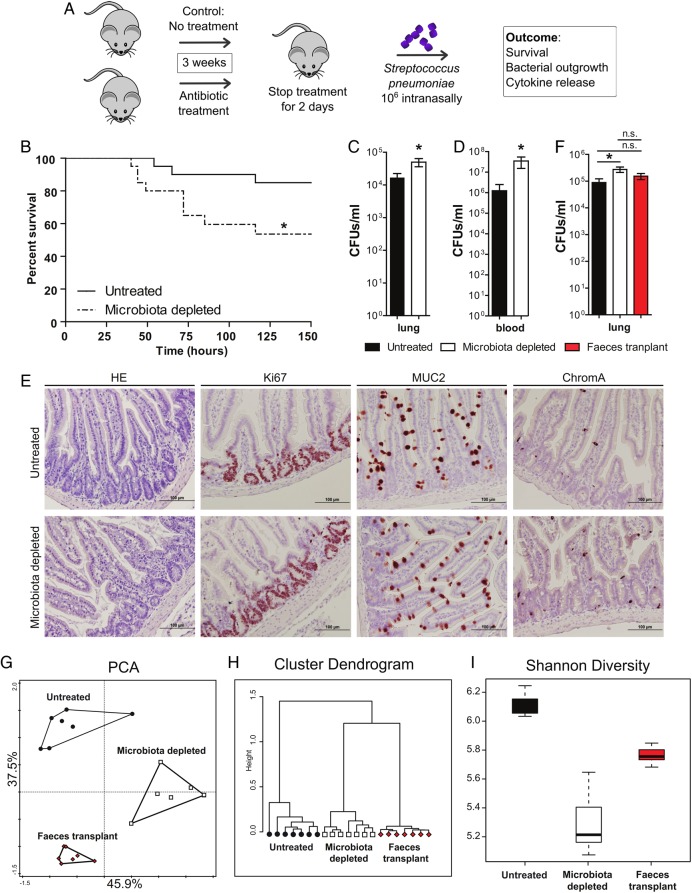
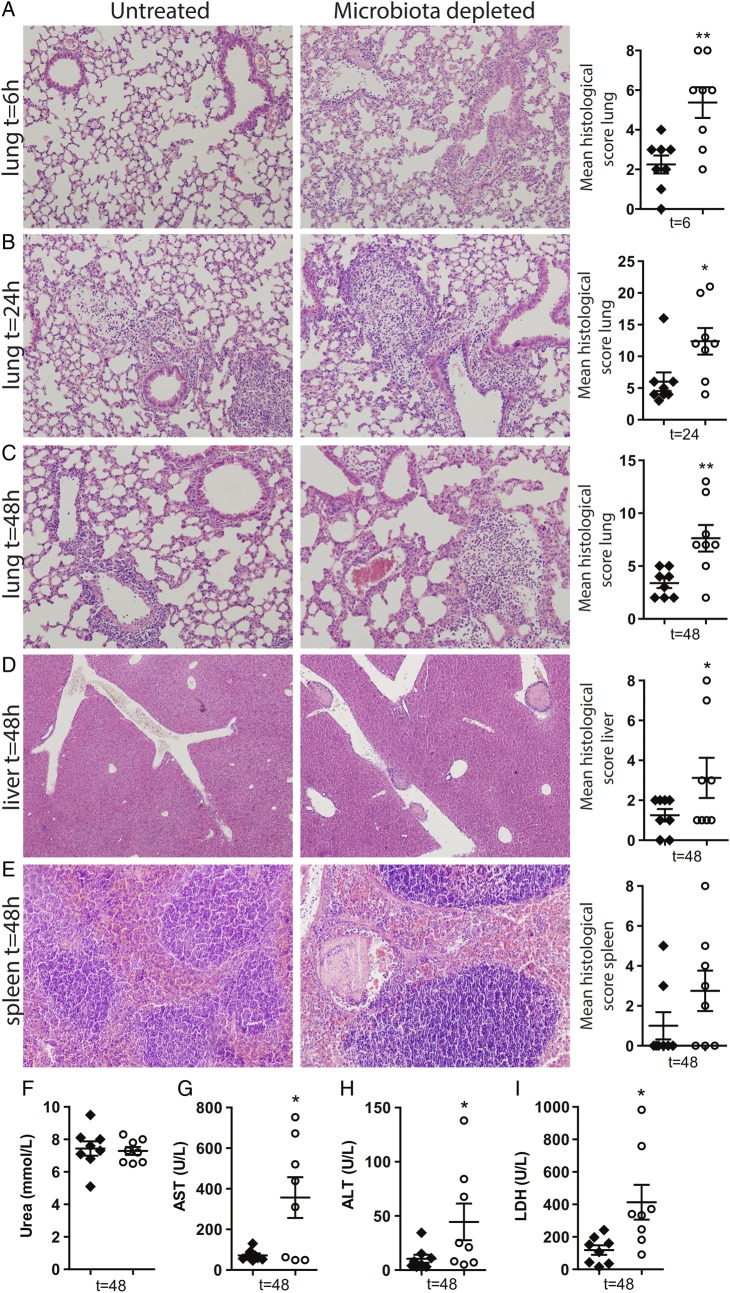
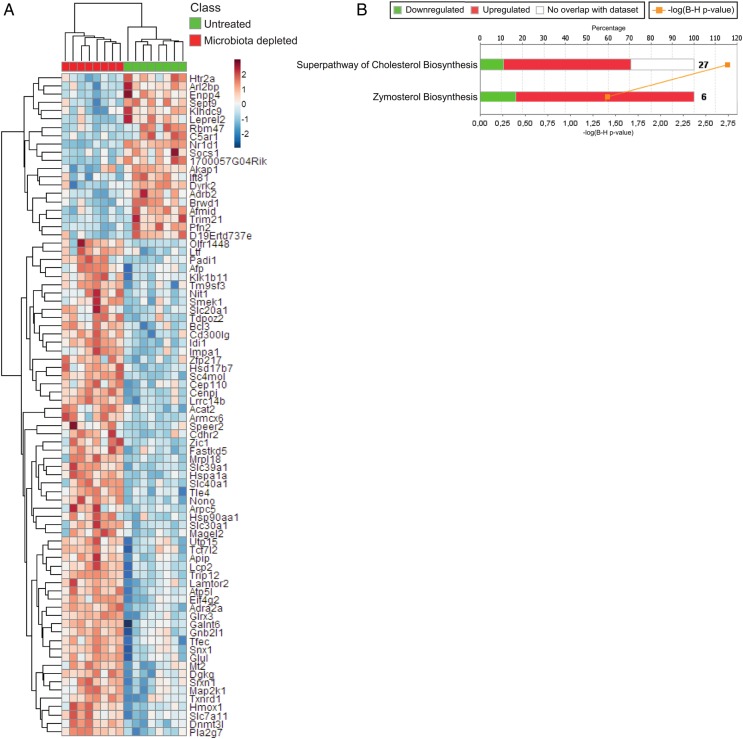
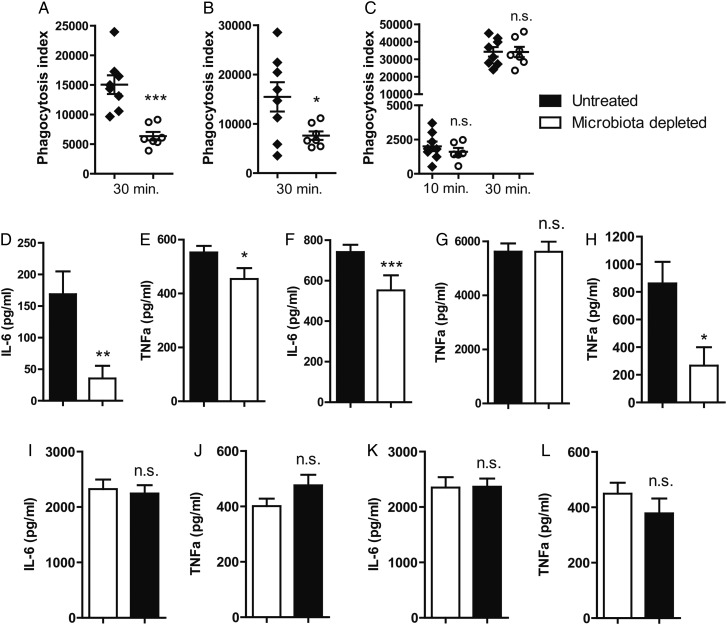
Objective: Pneumonia accounts for more deaths than any other infectious disease worldwide. The intestinal microbiota supports local mucosal immunity and is increasingly recognised as an important modulator of the systemic immune system. The precise role of the gut microbiota in bacterial pneumonia, however, is unknown. Here, we investigate the function of the gut microbiota in the host defence against Streptococcus pneumoniae infections. Design: We depleted the gut microbiota in C57BL/6 mice and subsequently infected them intranasally with S. pneumoniae . We then performed survival and faecal microbiota transplantation (FMT) experiments and measured parameters of inflammation and alveolar macrophage whole-genome responses. Results: We found that the gut microbiota protects the host during pneumococcal pneumonia, as reflected by increased bacterial dissemination, inflammation, organ damage and mortality in microbiota-depleted mice compared with controls. FMT in gut microbiota-depleted mice led to a normalisation of pulmonary bacterial counts and tumour necrosis factor-α and interleukin-10 levels 6 h after pneumococcal infection. Whole-genome mapping of alveolar macrophages showed upregulation of metabolic pathways in the absence of a healthy gut microbiota. This upregulation correlated with an altered cellular responsiveness, reflected by a reduced responsiveness to lipopolysaccharide and lipoteichoic acid. Compared with controls, alveolar macrophages derived from gut microbiota-depleted mice showed a diminished capacity to phagocytose S. pneumoniae . Conclusions: This study identifies the intestinal microbiota as a protective mediator during pneumococcal pneumonia. The gut microbiota enhances primary alveolar macrophage function. Novel therapeutic strategies could exploit the gut–lung axis in bacterial infections.
Overview
The claims and statistics of this paper haven’t been checked yet.
Free: it reads the open-access text and checks the first 5 claims that cite a source we can check. Create a free account to check every claim.
Integrity signals
Registry
Cites
Statistics
Figures
Verification
Claims the paper makes
The claims and statistics of this paper haven’t been checked yet.
Free: it reads the open-access text and checks the first 5 claims that cite a source we can check. Create a free account to check every claim.
Claims other papers make about this one
Each is checked against this paper’s own text: does it say what the citing paper says it does?
The cited source says what the claim attributes to it.
In the citing paper
“Antibiotic-pretreated animals displayed altered cytokine profiles in the lung compared to untreated controls following S. pneumoniae infection, including significantly decreased TNF-α levels at 6 and 24 h after infection.”
From Respiratory viral infection-induced microbiome alterations and secondary bacterial pneumonia. (2018) · cites this paper as [55]
In the citing paper
“but also enhance the resistance and recovery ability of the lung against diseases (29,30).”
From The Role of Gut Microbiota in Lung Cancer: From Carcinogenesis to Immunotherapy (2021) · doi:10.3389/fonc.2021.720842 · cites this paper as [29]
In the citing paper
“microbiota-depleted C57BL/6 mice infected with S. pneumoniae presented with higher bacterial dissemination, inflammation, organ damage and mortality than undepleted C57BL/6 mice.”
From The Role of Gut Microbiota in Lung Cancer: From Carcinogenesis to Immunotherapy (2021) · doi:10.3389/fonc.2021.720842 · cites this paper as [29]
In the citing paper
“FMT to intestinal microbiota-exhausted mice miraculously rebounded lung bacterial counts and IL-10 and TNF-a levels (29).”
From The Role of Gut Microbiota in Lung Cancer: From Carcinogenesis to Immunotherapy (2021) · doi:10.3389/fonc.2021.720842 · cites this paper as [29]
In the citing paper
“microbiome depletion led to decreased survival, increased lung bacterial burden, and increased systemic dissemination of bacteria”
From Respiratory viral infection-induced microbiome alterations and secondary bacterial pneumonia. (2018) · cites this paper as [55]
1 more claim about this paper
Create a free account to see every claim other papers make about this one.
Self-check
Percentages, sums and reported differences re-computed from the paper’s own numbers.
The self-check needs the paper’s full text.
Citations
Cites
Smyth, G. K. (2004) · Statistical Applications in Genetics and Molecular Biology · doi:10.2202/1544-6115.1027 · Cited by 11,829
Enterotypes of the human gut microbiome
MetaHIT Consortium (additional members), Arumugam, M., Raes, J., Pelletier, E., Le Paslier, D., Yamada, T., Mende, D. R., Fernandes, G. R., Tap, J., Bruls, T., et al. (2011) · Nature · doi:10.1038/nature09944 · Cited by 7,548
Severe Sepsis and Septic Shock
Angus, D. C., & van der Poll, T. (2013) · New England Journal of Medicine · doi:10.1056/nejmra1208623 · Cited by 3,961
The impact of the gut microbiota on human health: an integrative view
Clemente, J. C., Ursell, L. K., Parfrey, L. W., & Knight, R. (2012) · Cell · doi:10.1016/j.cell.2012.01.035 · Cited by 3,710 · cited 1×
“5 6 – 13 The intestinal microbiota may be of profound clinical relevance, particularly for intensive care medicine where the majority of patients are treated with antibiotics, which have pervasive and long-term effects on their intestinal microbiota.”
BackgroundGut Microbiota Metabolism of Dietary Fiber Influences Allergic Airway Disease and Hematopoiesis
Trompette, A., Gollwitzer, E. S., Yadava, K., Sichelstiel, A. K., Sprenger, N., Ngom-Bru, C., Blanchard, C., Junt, T., Nicod, L. P., Harris, N. L., et al. (2014) · Nature Medicine · doi:10.1038/nm.3444 · Cited by 2,862
Dethlefsen, L., & Relman, D. A. (2011) · Proceedings of the National Academy of Sciences · doi:10.1073/pnas.1000087107 · Cited by 2,421
Microbiota regulates immune defense against respiratory tract influenza A virus infection
Ichinohe, T., Pang, I. K., Kumamoto, Y., Peaper, D. R., Ho, J. H., Murray, T. S., & Iwasaki, A. (2011) · Proceedings of the National Academy of Sciences · doi:10.1073/pnas.1019378108 · Cited by 1,502
Recognition of peptidoglycan from the microbiota by Nod1 enhances systemic innate immunity
Clarke, T. B., Davis, K. M., Lysenko, E. S., Zhou, A. Y., Yu, Y., & Weiser, J. N. (2010) · Nature Medicine · doi:10.1038/nm.2087 · Cited by 1,154
Diet dominates host genotype in shaping the murine gut microbiota
Carmody, R. N., Gerber, G. K., Luevano, J. M., Gatti, D. M., Somes, L., Svenson, K. L., & Turnbaugh, P. J. (2015) · Cell Host & Microbe · doi:10.1016/j.chom.2014.11.010 · Cited by 1,103 · cited 1×
“In order to deplete the gut microbiota, mice were treated with broad-spectrum antibiotics (ampicillin 1 g/L, Sigma; neomycin sulfate 1 g/L, Sigma; metronidazole 1 g/L, Sano fi -Aventis and vancomycin 0.5 g/L, Sandoz) in drinking water for 3 weeks as described.”
MethodInfluentialUbeda, C., Taur, Y., Jenq, R. R., Equinda, M. J., Son, T., Samstein, M., Viale, A., Socci, N. D., van den Brink, M. R. M., Kamboj, M., et al. (2010) · Journal of Clinical Investigation · doi:10.1172/jci43918 · Cited by 943 · cited 1×
“36 37 Details on the phagocytosis and cell stimulation experiments are provided in the online supplementary fi le.”
Background
Research works printed but not linked: 1
- 10.1172/JCI200215277 · doi:10.1172/jci200215277
Cited by
Items 401–500 of 831
Chronic Critical Illness: Current Aspects of the Problem (Review)
Parfenov, A., Razzhivin, V. P., & Petrova, M. V. (2022) · Современные технологии в медицине · doi:10.17691/stm2022.14.3.08 · Cited by 24
“Most pathogens do not act isolated therefore infections have “polymicrobial” phenotypes, and susceptibility to infections may be connected with the initial state of microbiota [92] and the severity of the infectious process [93].”
BackgroundWang, Q., He, Z., Zhu, J., Hu, M., Liu, Y., & Yang, H. (2024) · BMC Biotechnology · doi:10.1186/s12896-024-00837-6 · Cited by 23
Intestinal microbiota – A modulator of the Trypanosoma cruzi-vector-host triad
Teotônio, I. M. S. N., Dias, N., Hagström, L., Nitz, N., Francisco, A. F., & Hecht, M. M. (2019) · Microbial Pathogenesis · doi:10.1016/j.micpath.2019.103711 · Cited by 22
The role for the metagenome in the pathogenesis of COVID-19
Friedland, R. P., & Haribabu, B. (2020) · EBioMedicine · doi:10.1016/j.ebiom.2020.103019 · Cited by 21
The Role of Microbiome and Virome in Idiopathic Pulmonary Fibrosis
Ntolios, P., Tzilas, V., Bouros, E., Avdoula, E., Karakasiliοtis, I., Bouros, D. E., & Steiropoulos, P. (2021) · Biomedicines · doi:10.3390/biomedicines9040442 · Cited by 22
Modulated Gut Microbiota for Potential COVID-19 Prevention and Treatment
Zhao, S., Feng, P., Meng, W., Jin, W., Li, X., & Li, X. (2022) · Frontiers in Medicine · doi:10.3389/fmed.2022.811176 · Cited by 20
Pharmacological Efficacy of Probiotics in Respiratory Viral Infections: A Comprehensive Review
Wahab, S., Almaghaslah, D., Mahmood, S. E., Ahmad, M. F., Alsayegh, A. A., Haddash, Y. M. A., Rahman, M. A., Ahamd, I., Ahmad, W., Khalid, M., et al. (2022) · Journal of Personalized Medicine · doi:10.3390/jpm12081292 · Cited by 21
“Thus, any changes in the gut microbiota can impair other organs’ activities [132,133].”
BackgroundHan, Y. J., Kim, S., Shin, H., Kim, H. W., & Park, J. D. (2024) · Frontiers in Immunology · doi:10.3389/fimmu.2024.1451356 · Cited by 17
“In a study inoculating Streptococcus pneumoniae into mouse nasal cavities, the post-antibiotic FMT group, exhibited normalized pulmonary bacterial counts, tumor necrosis factor-a (TNF-a ), and interleukin-10 (IL-10) levels (20).”
BackgroundThe association between the respiratory tract microbiome and clinical outcomes in patients with COPD
Yu, S., Zhang, H., Wan, L., Xue, M. F., Zhang, Y., & Gao, X. (2022) · Microbiological Research · doi:10.1016/j.micres.2022.127244 · Cited by 19
Tian, Z., Guo, X., Michaud, J. P., Zha, M., Zhu, L. D., Liu, X., & Liu, X. (2023) · Pest Management Science · doi:10.1002/ps.7546 · Cited by 17
Han, S., Cai, L., Chen, P., & Kuang, W. (2023) · Frontiers in Microbiology · doi:10.3389/fmicb.2023.1191758 · Cited by 18
“org fecal microbiota from animals not receiving treatment lowers lung bacterial populations and returns inflammatory markers to normal (Schuijt et al., 2016).”
BackgroundWan, J., Zhang, Q., Hao, Y., Zhang, T., Song, W., Chen, S., Qin, L., Song, W., & Shan, Y. (2023) · Frontiers in Cellular and Infection Microbiology · doi:10.3389/fcimb.2023.1149506 · Cited by 20
“In the past decade, the gut microbiota was considered as a major modulator of the injury responses in organs remote from the gastrointestinal tract, including the liver (Llorente and Schnabl, 2015; Schuijt et al., 2016; Hu et al., 2017; Li et al., 2018; Tripathi et al., 2018).”
BackgroundImpact of the gut-lung axis on tuberculosis susceptibility and progression
Enjeti, A., Sathkumara, H. D., & Kupz, A. (2023) · Frontiers in Microbiology · doi:10.3389/fmicb.2023.1209932 · Cited by 19
“Microbiota have also shown to be protective against Streptococcus pneumoniae infection through enhancement of primary AM phagocytosis and responsiveness to pathogenic associated molecular patterns (PAMPs) (Schuijt et al., 2016).”
BackgroundResultWang, H., & Wang, Y. (2024) · Canadian Journal of Infectious Diseases and Medical Microbiology · doi:10.1155/2024/8640014 · Cited by 20
The gut microbiota contributes to the infection of bovine viral diarrhea virus in mice
Zhang, Z., Huang, J., Li, C., Zhao, Z., Cui, Y., Yuan, X., Wang, X., Liu, Y., Zhou, Y., & Zhu, Z. (2024) · Journal of Virology · doi:10.1128/jvi.02035-23 · Cited by 21
“FMT to microbiota-dysbiosis mice was performed as previously described (62, 63).”
MethodWu, Q., Yuan, L., Yang, L., Zhang, Y., Yao, H., Peng, L.-X., Yao, B.-J., & Jiang, Z.-X. (2024) · World Journal of Gastroenterology · doi:10.3748/wjg.v30.i31.3689 · Cited by 17
“Eighteen mice were administered an aqueous solution containing a mixture of the antibiotics (Abx) ampicillin, neomycin, metronidazole and vancomycin for 2 weeks to deplete bacteria[18].”
Wang, H., Lian, P., Niu, X., Zhao, L., Mu, X., Feng, B., Li, J., Liang, Z., & Qiao, J. (2018) · PLoS ONE · doi:10.1371/journal.pone.0209183 · Cited by 18
Althouse, M. H., Stewart, C. J., Jiang, W., Moorthy, B., & Lingappan, K. (2019) · Scientific Reports · doi:10.1038/s41598-019-51506-0 · Cited by 18
Gut Microbiota and SCFAs Play Key Roles in QingFei Yin Recipe Anti-Streptococcal Pneumonia Effects
Sun, X., Wang, D., Wei, L., Ding, L., Guo, Y., Wang, Z., Kong, Y., Yang, J., Sun, L., & Sun, L. (2021) · Frontiers in Cellular and Infection Microbiology · doi:10.3389/fcimb.2021.791466 · Cited by 18
Zuckermann, F. A., Husmann, R. J., Chen, W., Roady, P. J., Pfeiff, J., Leistikow, K. R., Duersteler, M., Son, S., King, M. R., & Augspurger, N. R. (2022) · Infection and Immunity · doi:10.1128/iai.00574-21 · Cited by 19
“shown to mediate protection against pneumococcal pneumonia by enhancing alveolar phagocytic activity as well as proinflammatory cytokine secretion (59).”
BackgroundMu, J., Chen, Q., Zhu, L., Wu, Y., Liu, S., Zhao, Y., & Ma, T. (2018) · Current Medical Research and Opinion · doi:10.1080/03007995.2018.1470085 · Cited by 18
Immune crosstalk between respiratory and intestinal mucosal tissues in respiratory infections
Zhao, M., Zhou, L., & Wang, S. (2025) · Mucosal Immunology · doi:10.1016/j.mucimm.2024.12.013 · Cited by 18
Zinter, M. S., Versluys, B. A. B., Lindemans, C. A., Mayday, M. Y., Reyes, G. A., Sunshine, S., Chan, M., Fiorino, E. K., Cancio, M., Prevaes, S. M. P. J., et al. (2022) · Science Translational Medicine · doi:10.1126/scitranslmed.abm8646 · Cited by 16
Wang, T., Guan, K., Su, Q., Wang, X., Yan, Z., Kuang, K., Wang, Y., Zhang, Q., Zhou, X., & Liu, B. (2022) · Animals · doi:10.3390/ani12121504 · Cited by 18
Wang, J., Chen, G., Li, L., Luo, S.-D., Hu, B., Xu, J., Luo, H., Li, S., & Jiang, Y. (2023) · Burns & Trauma · doi:10.1093/burnst/tkad006 · Cited by 16
“The lung injury score in each field was quantified according to previous reports [32,33].”
The Early Appearance of Asthma and Its Relationship with Gut Microbiota: A Narrative Review
Suárez-Martínez, C., Santaella, M., Yagüe‐Guirao, G., García‐Marcos, L., Ros, G., & Martínez‐Graciá, C. (2024) · Microorganisms · doi:10.3390/microorganisms12071471 · Cited by 19
“Although the exact mechanisms by which this axis would activate the innate immune system are not wholly known, there is evidence of possible interactions between the gut and lung mucosa [21].”
BackgroundThe neonate respiratory microbiome
Pirr, S. M., Willers, M., & Viemann, D. (2025) · Acta Physiologica · doi:10.1111/apha.14266 · Cited by 18
Foligné, B., Plé, C., Titécat, M., Dendooven, A., Pagny, A., Daniel, C., Singer, E., Pottier, M., Bertin, B., Neut, C., et al. (2019) · Cells · doi:10.3390/cells8060577 · Cited by 17
Lung microbiome – a modern knowledge
Siwicka-Gieroba, D., & Czarko-Wicha, K. (2020) · Central European Journal of Immunology · doi:10.5114/ceji.2020.101266 · Cited by 21
de Porto, A. P. N. A., Liu, Z., de Beer, R., Florquin, S., Roelofs, J. J. T. H., de Boer, O. J., den Haan, J. M. M., Hendriks, R. W., Veer, C. V. ′., van der Poll, T., et al. (2021) · Frontiers in Immunology · doi:10.3389/fimmu.2021.723967 · Cited by 21
Self-citationAryl hydrocarbon receptor ligands enhance lung immunity through intestinal IKKβ pathways
Tsay, T.-B., Chen, P.-H., & Chen, L.-W. (2019) · Journal of Translational Medicine · doi:10.1186/s12967-019-2043-8 · Cited by 18
Water Treatment And Child Mortality: A Meta-Analysis And Cost-effectiveness Analysis
Kremer, M. R., Luby, S. P., Maertens, R., Tan, B., & Więcek, W. (2022) · National Bureau of Economic Research · doi:10.3386/w30835 · Cited by 42
Biological drivers of the host response in sepsis
Wiersinga, W. J., & van der Poll, T. (2025) · Thorax · doi:10.1136/thorax-2024-222012 · Cited by 22
“56 58–60 Recent insights underscore the role of obligate anaerobic bacteria in host defence against sepsis, as they are the primary producers of SCFAs like butyrate, which they generate through the fermentation of dietary fibre in the gut.”
Self-citationMcMahan, R. H., Hulsebus, H. J., Najarro, K. M., Giesy, L. E., Frank, D. N., Orlicky, D. J., & Kovacs, E. J. (2022) · Frontiers in Aging · doi:10.3389/fragi.2022.859991 · Cited by 16
“Gut microbes, in general, are protective against respiratory infection, as mice with a depletion of the microbiome have impaired immune responses and worse outcomes following bacterial or viral respiratory infection (Luján et al., 2010; Chen et al., 2011; Ichinohe et al., 2011; Fagundes et al., 2012; Schuijt et al., 2…”
BackgroundWang, Y., Zhang, Z., Liu, B., Zhang, C., Zhao, J., Li, X., & Chen, L. (2022) · Frontiers in Microbiology · doi:10.3389/fmicb.2022.1031758 · Cited by 18
“5 g/l) at 500 μl/mouse for 2 weeks (Schuijt et al., 2016; Wang et al., 2020; Strati et al., 2021), and the transplantation of fecal microbiota solution was started 3 days after discontinuation of antibiotic administration.”
MethodAcyloxyacyl hydrolase promotes pulmonary defense by preventing alveolar macrophage tolerance
Cheng, X., Jiang, W., Chen, Y., Zou, B., Wang, Z., Gan, L., Xiao, Z., Li, C., Yu, C., Lu, Y., et al. (2023) · PLoS Pathogens · doi:10.1371/journal.ppat.1011556 · Cited by 18
Yu, R., Zhang, H., Chen, R., Lin, Y., Xu, J., Fang, Z., Ru, Y., Fan, C., & Wu, G. (2025) · Foods · doi:10.3390/foods14010101 · Cited by 19
“…administered a combination of four antibiotics (1 g/L ampicillin, 1 g/L neomycin, 1 g/L metronidazole, and 0.5 g/L vancomycin) in their drinking water at a dosage of 0.15 mL/mouse daily for one week to eliminate the indigenous gut microbiota, as previously described with a modification [20,21].”
InfluentialLi, W., Zhu, Y., Li, Y., Shu, M., Yang, W. K., Gao, X., & Wan, C. (2018) · Acta Paediatrica · doi:10.1111/apa.14644 · Cited by 17
“pathogenic invasions, including the respiratory influenza virus and Streptococcus Pneumoniae, by modulating the adaptive and innate immunity of the host (8,9).”
BackgroundWang, G., Wu, X., Zhu, G., Han, S., & Zhang, J. (2020) · Aging · doi:10.18632/aging.102952 · Cited by 15
“Previous studies have demonstrated that gut microbes play critical roles in maintaining a steady-state granulopoiesis in immunosuppression states [22], effecting innate immunity and adaptive immune homeostasis [23–25], and influencing pulmonary host defense [26, 27].”
ResultUrine Microbe-Derived Extracellular Vesicles in Children With Asthma
Lee, Y. S., Kim, J. H., & Lim, D. H. (2020) · Allergy Asthma and Immunology Research · doi:10.4168/aair.2021.13.1.75 · Cited by 15
Vitetta, L., Hall, S., & Coulson, S. (2015) · Microorganisms · doi:10.3390/microorganisms3040913 · Cited by 17
“pneumococcal pneumonia [29].”
Wu, X., Zhao, L., Yu, Z., & Zhang, K. (2024) · Journal of Agricultural and Food Chemistry · doi:10.1021/acs.jafc.4c02069 · Cited by 17
Lei, B., Wang, S., Yu, L., & Ma, Q. (2025) · Frontiers in Microbiology · doi:10.3389/fmicb.2025.1673643 · Cited by 15
Gut microbiota and bronchopulmonary dysplasia
Yang, K., He, S., & Dong, W. (2021) · Pediatric Pulmonology · doi:10.1002/ppul.25508 · Cited by 17
“Furthermore, findings suggest that the metabolic state of alveolar macrophages in mice is altered in response to gut dysbiosis.(1) In contrast, supplementation with acetate, generated by the gut mi-”
BackgroundJang, J., Jang, S.-Y., Ahn, S., Oh, J., Yeom, M., Ko, S., Park, J.-W., Kwon, S.-K., Kim, K., Lee, I., et al. (2024) · International Journal of Molecular Sciences · doi:10.3390/ijms25052753 · Cited by 15
Gao, Y., Liu, L., Cui, Y., Zhang, J., & Wu, X. (2024) · Frontiers in Immunology · doi:10.3389/fimmu.2024.1266579 · Cited by 16
“They participate in cell proliferation and differentiation, maintaining cellular homeostasis through anti-in fl ammatory and antioxidant effects (94, 95).”
BackgroundRole of the gut microbiota in airway immunity and host defense against respiratory infections
Willers, M., & Viemann, D. (2021) · Biological Chemistry · doi:10.1515/hsz-2021-0281 · Cited by 16
Bacterial colonization and TH17 immunity are shaped by intestinal sialylation in neonatal mice
Irons, E. E., Gomez, E. C., Andersen, V. L., & Lau, J. T. Y. (2022) · Glycobiology · doi:10.1093/glycob/cwac005 · Cited by 16
Liu, M., Liu, T., Wang, X., Yu, C., Qin, T., Li, J., Zhang, M., Li, Z., Cui, X., Xu, X., et al. (2022) · Frontiers in Microbiology · doi:10.3389/fmicb.2022.947112 · Cited by 15
Nausch, B., Bittner, C. B., Höller, M., Abramov-Sommariva, D., Hiergeist, A., & Gessner, A. (2022) · Antibiotics · doi:10.3390/antibiotics11101331 · Cited by 15
“Avoiding antibiotics, thus preserving the microbiota, is in line with antibiotic stewardship and beneficial for patients, since the microbiota play a protective role in host defense against respiratory infections [120].”
BackgroundGierse, L. C., Meene, A., Skorka, S. B., Cuypers, F., Surabhi, S., Ferrero‐Bordera, B., Kreikemeyer, B., Becher, D., Hammerschmidt, S., Siemens, N., et al. (2023) · Microbiology Spectrum · doi:10.1128/spectrum.03447-22 · Cited by 19
“, SCFA metabolism) of the murine GIT microbiome are affected by pneumococcal as well as viral pneumonia (48, 54, 76).”
BackgroundYan, C., Chen, Y., Tian, Y., Hu, S., Wang, H., Zhang, X., Chu, Q., Huang, S., & Sun, W. (2025) · Cellular Oncology · doi:10.1007/s13402-025-01103-3 · Cited by 14
“Numerous studies have demonstrated that gut microbiota can influence pulmonary homeostasis through vari - ous mechanisms, thereby affecting susceptibility to lung diseases [145–147].”
Zhao, H., Wang, Q., Hu, L., Xing, S., Gong, H., Liu, Z., Qin, P., Xu, J., Du, J., Ai, W., et al. (2022) · International Journal of Endocrinology · doi:10.1155/2022/6600158 · Cited by 19
“Since the gut microbiota is associated with metabolism, immunity, and endocrine system diseases [20, 21] and is assumed to contribute to estrogen deficiency-related diseases, alteration of the gut microbiota caused by the reduction in estrogens may be an important factor that increases the risk of the complex diseases…”
BackgroundLi, Y., Rao, G., Zhu, G., Cheng, C., Yuan, L., Li, C., Gao, J., Tang, J., Wang, Z., & Li, W. (2023) · Thoracic Cancer · doi:10.1111/1759-7714.15166 · Cited by 14
“It 25 – 28 Furthermore, Cutibacterium acnes , Staphylococcus capitis , and Corynebacterium tubercu-lostearicum , were enriched in stage I and correlated with certain cytokines (Figure 3g).”
BackgroundInfluenza and the gut microbiota: A hidden therapeutic link
Luo, C., Yang, Y., Jiang, C., Lv, A., Zuo, W., Ye, Y., & Ke, J. (2024) · Heliyon · doi:10.1016/j.heliyon.2024.e37661 · Cited by 14
Wang, R., Gan, C., Mao, R., Chen, Y., Yan, R., Li, G., Xiong, T., & Guo, J. (2025) · Frontiers in Immunology · doi:10.3389/fimmu.2024.1477902 · Cited by 17
Chen, C., Lin, J., Wang, X., Yang, S., Duan, X., Deng, Y., Zeng, S., Zhou, T., Li, J., Yu, J., et al. (2025) · Microbiological Research · doi:10.1016/j.micres.2025.128279 · Cited by 15
Deepika, Alsharari, Z. D., Ahmad, M. F., Singh, J., Yadav, M., Kumari, A., Kumar, A., Matthews, K. R., Aluko, R. E., Raposo, A., et al. (2025) · Frontiers in Nutrition · doi:10.3389/fnut.2025.1624803 · Cited by 15
Haak, B. W., de Jong, H. K., Kostidis, S., Giera, M. A., Maude, R. R., Samad, R., Wijedoru, L., Ghose, A., Faiz, M. A., Parry, C. M., et al. (2020) · Open Forum Infectious Diseases · doi:10.1093/ofid/ofaa251 · Cited by 14
Self-citationThe surviving sepsis campaign: basic/translational science research priorities
Deutschman, C. S., Hellman, J., Ferrer, R., Backer, D. D., Coopersmith, C. M., Coopersmith, C. M., Backer, D. D., Antonelli, M. M., Deutschman, C. S., Evans, L., et al. (2020) · Intensive Care Medicine Experimental · doi:10.1186/s40635-020-00312-4 · Cited by 15
Oriano, M., Zorzetto, L., Guagliano, G., Bertoglio, F., van Uden, S., Visai, L., & Petrini, P. (2020) · Frontiers in Bioengineering and Biotechnology · doi:10.3389/fbioe.2020.539319 · Cited by 13
“After delivering a fecal transplant, they noticed that the host restored control over the lung infection through increased immune system activity (Khan et al., 2016; Schuijt et al., 2016; Brown et al., 2017).”
BackgroundDeprivation of Dietary Fiber Enhances Susceptibility of Piglets to Lung Immune Stress
Yang, Y., Jiang, X., Cai, X., Zhang, L., Li, W., Che, L., Fang, Z., Feng, B., Lin, Y., Xu, S., et al. (2022) · Frontiers in Nutrition · doi:10.3389/fnut.2022.827509 · Cited by 16
“Schuijt confirmed that the diversity of the intestinal microbiota was a key factor affecting the ability of alveolar macrophages to phagocytose Streptococcus pneumonia (27).”
BackgroundMeng, R., Dong, W., Gao, J., Lu, C.-R., Zhang, C., Liao, Q., Chen, L., Wu, H., Hu, J., Wei, W., et al. (2022) · Indian Journal of Microbiology · doi:10.1007/s12088-022-01003-2 · Cited by 14
“Another study showed the gut microbiota was a protective mediator of pneumococcal pneumonia by enhancing the function of primary alveolar macrophage [9].”
BackgroundKothmann, K., Jons, A., Wilhelmi, B., Kasozi, N., Graham, L., Gent, R., Atkin, S. L., Swart, A. C., & Newell‐Fugate, A. E. (2022) · General and Comparative Endocrinology · doi:10.1016/j.ygcen.2022.114099 · Cited by 13
Human matters in asthma: Considering the microbiome in pulmonary health
Marathe, S. J., Snider, M. A., Flores-Torres, A. S., Dubin, P. J., & Samarasinghe, A. E. (2022) · Frontiers in Pharmacology · doi:10.3389/fphar.2022.1020133 · Cited by 17
“pneumoniae (Schuijt et al., 2016; LeMessurier et al., 2019) and influenza virus (Abt et al.”
BackgroundZhang, L., Zhang, Y., Jiang, X., Mao, L., Xia, Y., Fan, Y., Li, N., Jiang, Z., Qin, X., Jiang, Y., et al. (2022) · Toxicology · doi:10.1016/j.tox.2022.153390 · Cited by 14
Pulmonary Aspergillus fumigatus infection in rats affects gastrointestinal homeostasis
Kulaš, J. B., Mirkov, I. I., Tucović, D., Zolotarevski, L. D., Glamočlija, J., Veljović, K., Tolinački, M., Golić, N., & Kataranovski, M. V. (2018) · Immunobiology · doi:10.1016/j.imbio.2018.10.001 · Cited by 15
Валерьевна, К. Е., Gorelov, A. V., Печкуров, Д. В., Gorelova, E. A., Maksimov, M. L., & Ermolaeva, A. S. (2019) · Meditsinskiy sovet = Medical Council · doi:10.21518/2079-701x-2019-11-100-107 · Cited by 15
Musallam, A. S., Sobhy, A., & Hussein, M. K. (2022) · Egyptian Informatics Journal · doi:10.1016/j.eij.2022.01.002 · Cited by 16
Sepsis and the diverse organ-gastrointestinal tract axis
Wang, J. D. J., Suan, E., Li, S. S., & Shelat, V. G. (2025) · World Journal of Critical Care Medicine · doi:10.5492/wjccm.v14.i4.105547 · Cited by 12
Association between microbiota and immune response to Sars-CoV-2 infection
Vitiello, A., Zovi, A., & Ferrara, F. (2023) · Infectious Diseases Now · doi:10.1016/j.idnow.2023.01.006 · Cited by 13
“The respiratory tract is known to be the main target of COVID-19 infection [33-35].”
Li, H., Lv, N., Li, D., Qian, Y., Si, X., Hua, Y., Wang, Y., Han, X., & Xu, T. (2024) · Frontiers in Microbiology · doi:10.3389/fmicb.2023.1296163 · Cited by 13
Zhao, Z., Li, C., Huang, J., Yuan, X., Cui, Y., Liu, Y., Zhou, Y., Zhu, Z., & Zhang, Z. (2024) · Journal of Agricultural and Food Chemistry · doi:10.1021/acs.jafc.4c01228 · Cited by 13
Du, L., Ding, X., Zhang, W., Huang, L., Lü, H., Jian, T., Li, J., Gai, Y., Meng, X., Niu, G., et al. (2025) · npj Science of Food · doi:10.1038/s41538-025-00526-4 · Cited by 16
Kullberg, R. F. J., Hugenholtz, F., Brands, X., Kinsella, C. M., Sengers, H. P., Butler, J. M., Deijs, M., Klein, M., Faber, D. R., Scicluna, B. P., et al. (2021) · EClinicalMedicine · doi:10.1016/j.eclinm.2021.101074 · Cited by 12
Self-citationGuo, X., Lan, Z., Wen, Y., Zheng, C., Rong, Z., Liu, T., Chen, S., Yang, X., Zheng, H., & Wu, W. (2021) · Frontiers in Cellular and Infection Microbiology · doi:10.3389/fcimb.2021.729756 · Cited by 13
Microbiome-Independent Effects of Antibiotics in a Murine Model of Nosocomial Infections
Lacey, K. A., González, S. M., Yeung, F., Putzel, G., Podkowik, M. M., Pironti, A., Shopsin, B., Cadwell, K., & Torres, V. J. (2022) · mBio · doi:10.1128/mbio.01240-22 · Cited by 12
“Streptococcus pneumoniae (23), Burkholderia pseudomallei (24), and Klebsiella pneumoniae (25).”
BackgroundPopović, D., Kulaš, J. B., Tucović, D., Aleksandrov, A. P., Malešević, A., Glamočlija, J., Brdarić, E., Bajić, S. S., Golić, N., Mirkov, I. I., et al. (2023) · Microbiology Spectrum · doi:10.1128/spectrum.01990-23 · Cited by 12
“The gut bacterial microbiota or some of their constituents impact the immune response in the lungs against viruses (7–9), bacteria (10–13), fungi (14), and allergic airway inflammation (15) mainly through the effect of the gut microbiota (or their metabolites) on the immune cell activity.”
BackgroundLiu, F., Duan, W., Guan, T., Zhou, Q., Yan, W., & Geng, Y. (2023) · Journal of Pharmaceutical and Biomedical Analysis · doi:10.1016/j.jpba.2023.115728 · Cited by 13
Casual effects of gut microbiota on risk of infections: a two-sample Mendelian randomization study
Lyu, B.-B., Ma, J., Bai, Y., & Feng, Z. (2023) · Frontiers in Microbiology · doi:10.3389/fmicb.2023.1284723 · Cited by 13
IL-33 controls IL-22-dependent antibacterial defense by modulating the microbiota
Röwekamp, I., Maschirow, L., Rabes, A., Vernengo, F. F., Hamann, L., Heinz, G. A., Mashreghi, M., Caesar, S., Milek, M., da Fonseca, A. M. G., et al. (2024) · Proceedings of the National Academy of Sciences · doi:10.1073/pnas.2310864121 · Cited by 16
Wang, L., Yu, H., Li, H., Ai, Q., & Yu, J. (2020) · Microbes and Infection · doi:10.1016/j.micinf.2020.04.003 · Cited by 15
Ni, J., Shen, J., Wang, F., Wu, Y., Qiu, B., Zhou, Z., Xie, Q., Li, S., Xiang, Q., Song, T., et al. (2026) · Food & Function · doi:10.1039/d5fo04619j · Cited by 11
Zhu, Y., Ma, G., Ren, W., Hu, Z., Zhou, L., Zhang, X., Zhao, N., Zhang, M., Yan, L., Yu, Q., et al. (2023) · Medicine · doi:10.1097/md.0000000000036320 · Cited by 13
“[14] [15–17] A growing body of research has revealed that probiotics, such as Lactobacillus rhamnosus, can improve antiviral defenses, reduce pro-inflammatory cytokines in systemic and respiratory infections, and help improve intestinal and lung barriers and homeostasis.”
BackgroundAngoa‐Pérez, M., Zagorac, B., Francescutti, D. M., Theis, K. R., & Kuhn, D. M. (2021) · Life Sciences · doi:10.1016/j.lfs.2021.119675 · Cited by 21
Weight, C. M., Jochems, S. P., Adler, H., Ferreira, D. M., Brown, J., & Heyderman, R. S. (2021) · Frontiers in Cellular and Infection Microbiology · doi:10.3389/fcimb.2021.651474 · Cited by 15
Is Regular Probiotic Practice Safe for Management of Sepsis?
Kumar, R., Tripathi, A. S., Sharma, N., Singh, G., & Mohapatra, L. (2021) · Chinese Journal of Integrative Medicine · doi:10.1007/s11655-021-3334-5 · Cited by 12
Emerging cellular and molecular interactions between the lung microbiota and lung diseases
Li, X., & Meng, X. (2021) · Critical Reviews in Microbiology · doi:10.1080/1040841x.2021.1992345 · Cited by 11
“For example, antibiotic-treated mice and GF mice are more susceptible than control mice to bacterial infection and exhibit remarkably higher pathogen titres and worse lung pathologies (Fagundes et al. 2012; Schuijt et al. 2016; Brown et al. 2017).”
BackgroundImpact of Therapeutics on Unified Immunity During Allergic Asthma and Respiratory Infections
Flores-Torres, A. S., & Samarasinghe, A. E. (2022) · Frontiers in Allergy · doi:10.3389/falgy.2022.852067 · Cited by 14
Kullberg, R. F. J., Brands, X., Klarenbeek, A. M., Butler, J. M., Otto, N. A., Faber, D. R., Scicluna, B. P., van der Poll, T., Wiersinga, W. J., & Haak, B. W. (2022) · iScience · doi:10.1016/j.isci.2022.104740 · Cited by 12
Self-citationZama, D., Totaro, C., Biscardi, L., Rocca, A., Turroni, S., Brigidi, P., & Lanari, M. (2022) · Nutrients · doi:10.3390/nu14142992 · Cited by 14
Wang, Y., Yang, Q. Z., Zhu, Y., Jian, X., Guo, J., Zhang, J., Kuang, C., Feng, X., An, G., Qiu, L., et al. (2022) · Cancers · doi:10.3390/cancers14174188 · Cited by 13
Koziol, A., Odriozola, I., Nyholm, L., Leonard, A., José, C. S., Paupério, J., Ferreira, C. M., Hansen, A. J., Aizpurua, O., Gilbert, M. T. P., et al. (2022) · MicrobiologyOpen · doi:10.1002/mbo3.1318 · Cited by 13
“…as microbiota dysbiosis has been associated with factors that might reduce research translatability, such as immune function (Fujimura et al., 2014; Schuijt et al., 2016; Zhang et al., 2021), metabolism (Fan & Pedersen, 2021; Raymann & Moran, 2018; Sommer et al., 2016) and behavior (Davidson et…”
BackgroundBikov, A., Dragonieri, S., Csoma, B., Mazzuca, C., Finamore, P., Rocchi, G., Putignani, L., Guarino, M. P. L., & Scarlata, S. (2022) · Microorganisms · doi:10.3390/microorganisms10122457 · Cited by 13
Ma, L., Ji, L., Wang, T., Zhai, Z., Su, P., Zhang, Y., Wang, Y., Zhao, W., Wu, Z., Yu, H., et al. (2023) · Virology Journal · doi:10.1186/s12985-023-02228-3 · Cited by 14
“Conversely, a mouse model where the gut microbiota was reduced demonstrated increased bacterial translocation, inflammation, organ damage, and mortality [35].”
BackgroundFighting Microbes with Microbes
Boopathi, S., Prakash, C. M., & Vani, J. (2020) · Springer eBooks · doi:10.1007/978-981-15-4099-8_19 · Cited by 11
Chen, C., Chou, H., Yang, Y. S. H., Su, E. C., & Liu, Y. (2021) · Neonatology · doi:10.1159/000513553 · Cited by 19
“Numerous studies have identi ed the in uence of the gut microbiota on lung immunity, referred to as the gut–lung axis, which is mediated mostly by in ammation involving the translocation of bacteria across the intestinal tract barrier and into blood vessels [17].”
BackgroundHu, Q., Dai, W., Zhou, Q., Fu, D. B., Zheng, Y., Wang, W., Liu, Y., Yang, Q. Z., Dai, D., Liu, S., et al. (2017) · Scientific Reports · doi:10.1038/s41598-017-11311-z · Cited by 13
Maidana, S. D., Imamura, Y., Elean, M., Albarracín, L., Nishiyama, K., Suda, Y., Kurata, S., Jure, M. Á., Kitazawa, H., & Villena, J. (2023) · Microorganisms · doi:10.3390/microorganisms11051148 · Cited by 11
“In line with these results, we demonstrated that orally administered probiotics exert their beneficial effects against Gram-positive and viral respiratory pathogens by modulating the levels of the regulatory cytokines IL-10 and/or IL-27 [17–22].”
Zomuansangi, R., Lalbiaktluangi, C., Gupta, V. K., Medders, A. A., Vidal, J. E., Singh, B. P., Song, J., Singh, P. K., Singh, A., Vellingiri, B., et al. (2023) · Atmospheric Pollution Research · doi:10.1016/j.apr.2023.102012 · Cited by 13
Metadata
- Authors
- Schuijt, T. J., Lankelma, J. M., Scicluna, B. P., de Sousa e Melo, F., Roelofs, J. J. T. H., de Boer, J. D., Hoogendijk, A. J., de Beer, R., de Vos, A., Belzer, C., de Vos, W. M., van der Poll, T., & Wiersinga, W. J.
- Affiliations
- Amsterdam UMC Location University of Amsterdam (NL)
- Center for Experimental and Molecular Medicine, Academic Medical Center, University of Amsterdam, Amsterdam, The Netherlands
- Wageningen University & Research (NL)
- Laboratory of Microbiology, Wageningen University, Wageningen, The Netherlands
- Corresponding author
- Wiersinga, W Joost
- Venue
- Gut
- Publisher
- BMJ
- Published
- 2015-10-28
- Volume
- 65
- Issue
- 4
- Pages
- 575-583
- ISSN
- 0017-5749 (ISSN-L)
- 1468-3288
- PMC
- PMC4819612
- OpenAlex
- W2175568660
- Cited by
- 832
- References
- 47
- Citations by year
- 2026: 59 · 2025: 90 · 2024: 90 · 2023: 83 · 2022: 104 · 2021: 93 · 2020: 107 · 2019: 61 · 2018: 59 · 2017: 54 · 2016: 28 · 2015: 3
- FWCI
- 20.72
- Type
- journal article
- Language
- en
- Open access
- hybrid
- doi.org
- Licence
- cc-by-nc
- Locations
- Gut (publishedVersion, cc-by-nc)
- Europe PMC (PubMed Central) (publishedVersion, cc-by-nc)
- PubMed Central (publishedVersion, cc-by-nc)
- PubMed (publishedVersion)
- Socio-Environmental Systems Modeling (acceptedVersion, cc-by-nc)
- Pure Amsterdam UMC (submittedVersion, other-oa)
- OAR@UM (University of Malta) (submittedVersion, other-oa)
- Data Archiving and Networked Services (DANS) (submittedVersion)
- Työväentutkimus Vuosikirja (submittedVersion, other-oa)
- HighWire Press Open Archive (submittedVersion)
- Data Archiving and Networked Services (DANS) (submittedVersion, cc-by-nc)
- Funders
- ZonMw
- Universiteit van Amsterdam
- Nederlandse Organisatie voor Wetenschappelijk Onderzoek
- Topics
- Life Sciences › Biochemistry, Genetics and Molecular Biology › Molecular Biology › Gut microbiota and health
- Health Sciences › Medicine › Epidemiology › Pneumonia and Respiratory Infections
- Health Sciences › Dentistry › Periodontics › Oral microbiology and periodontitis research
- Keywords
- gut microbiota, pneumococcal pneumonia, Streptococcus pneumoniae, alveolar macrophages, gut-lung axis, fecal microbiota transplantation, microbiota depletion, phagocytosis, lipopolysaccharide response, lipoteichoic acid, TNF-α, IL-10, inflammation, bacterial dissemination, host defense
- MeSH terms
- Gastrointestinal Microbiome, Animals, Anti-Bacterial Agents, Feces, Mice, Inbred C57BL, Pneumonia, Pneumococcal, Streptococcus pneumoniae, Tumor Necrosis Factor-alpha, Up-Regulation, Macrophages, Alveolar, Interleukin-10, Sepsis, Immunity, Mucosal, Mice, Bacterial Load, Transcriptome
About these checks
Registry, retraction, Cites and statistics results are computed, not judged, with one exception: a printed reference that no index lists is read once by a model before it counts as a citation error. Claims are extracted by a model and kept only when their quote appears verbatim in the text; each cited source is then checked, with a model’s help, for whether it says what the claim relies on. Those verdicts can be wrong — read the claim’s quote and the cited source before relying on one.
Statistics and arithmetic are recomputed, not judged.
Confidence bands are shown only for fields calibrated on our annotated test set. None is calibrated yet, so no band is shown.
What counts as a claim ›How we measure confidence ›How we check this ›
Are you an author, or do you see a problem with this page? Request a review
Data sources
Bibliographic data: Semantic Scholar, OpenAlex, Crossref.
Contains information from the Semantic Scholar Academic Graph Datasets, made available under the ODC Attribution License (ODC-BY 1.0).
Semantic Scholar’s data is described in: Kinney, R., et al. (2023). The Semantic Scholar Open Data Platform. arXiv:2301.10140.
