

Role of TLR4 in the gut-brain axis in Parkinson's disease: A translational study from men to mice
Open accessThe DOI matches its Crossref record; 59 of the 59 references it cites were found in a registry or an index.
Abstract
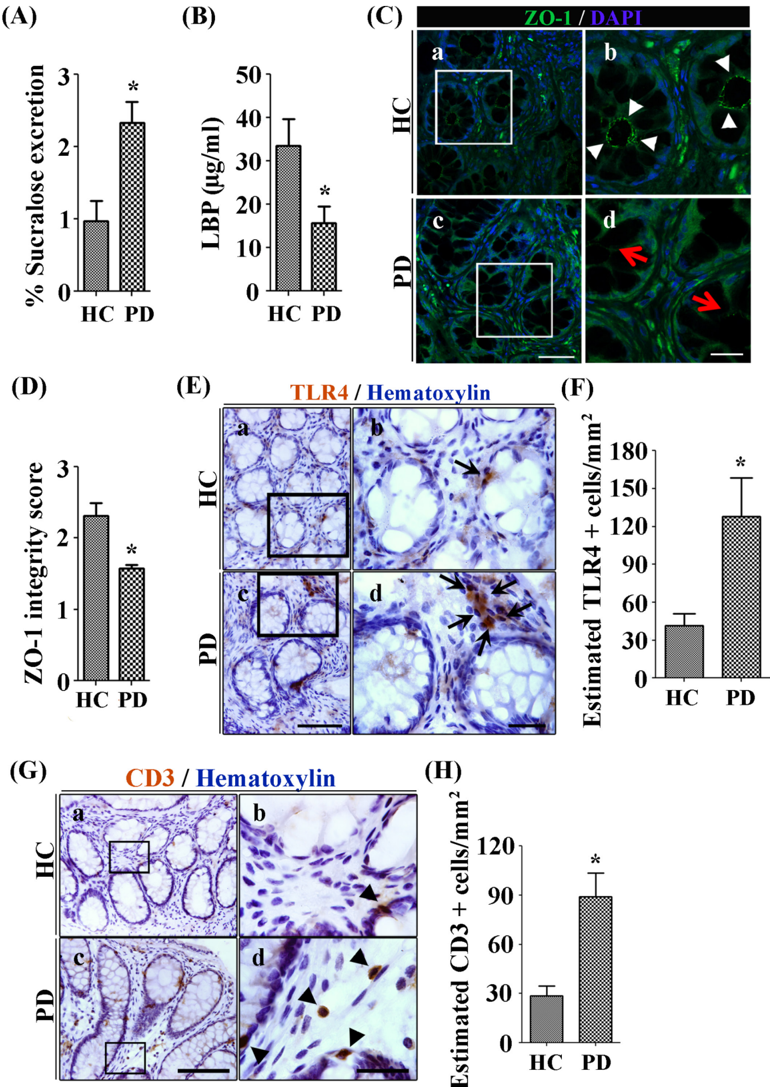
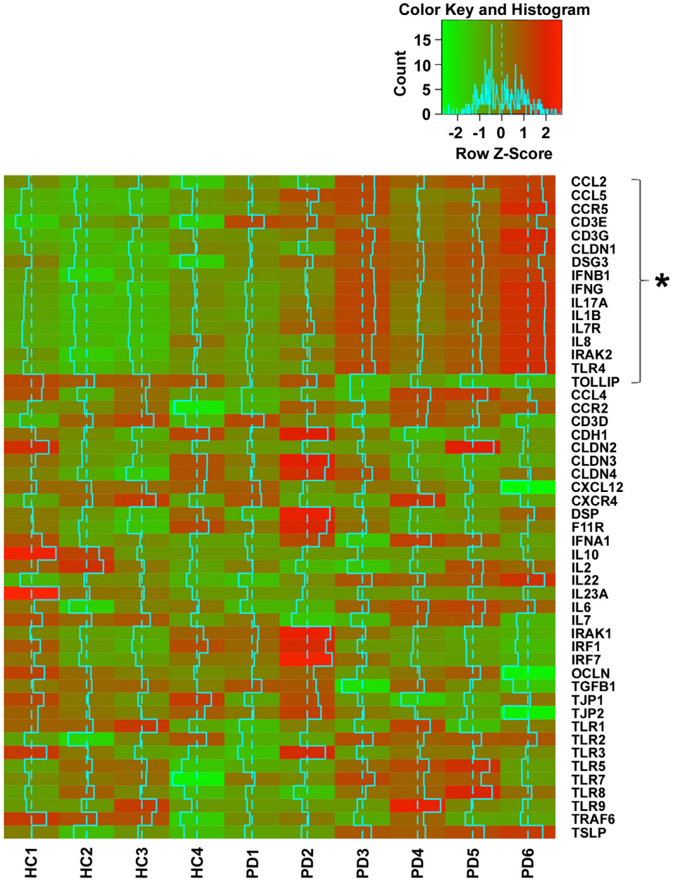
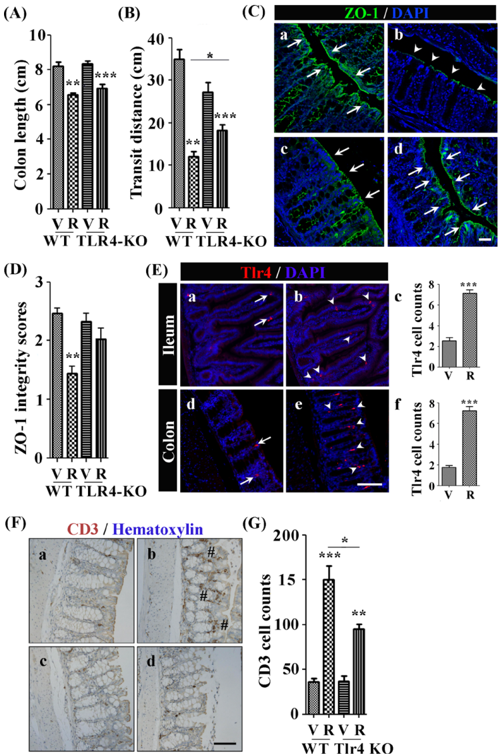
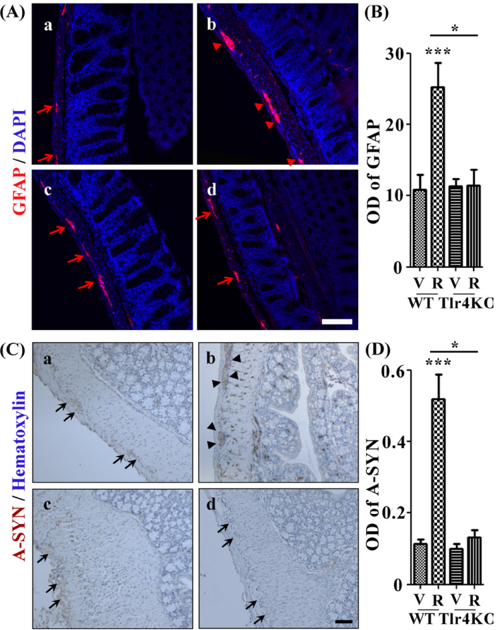
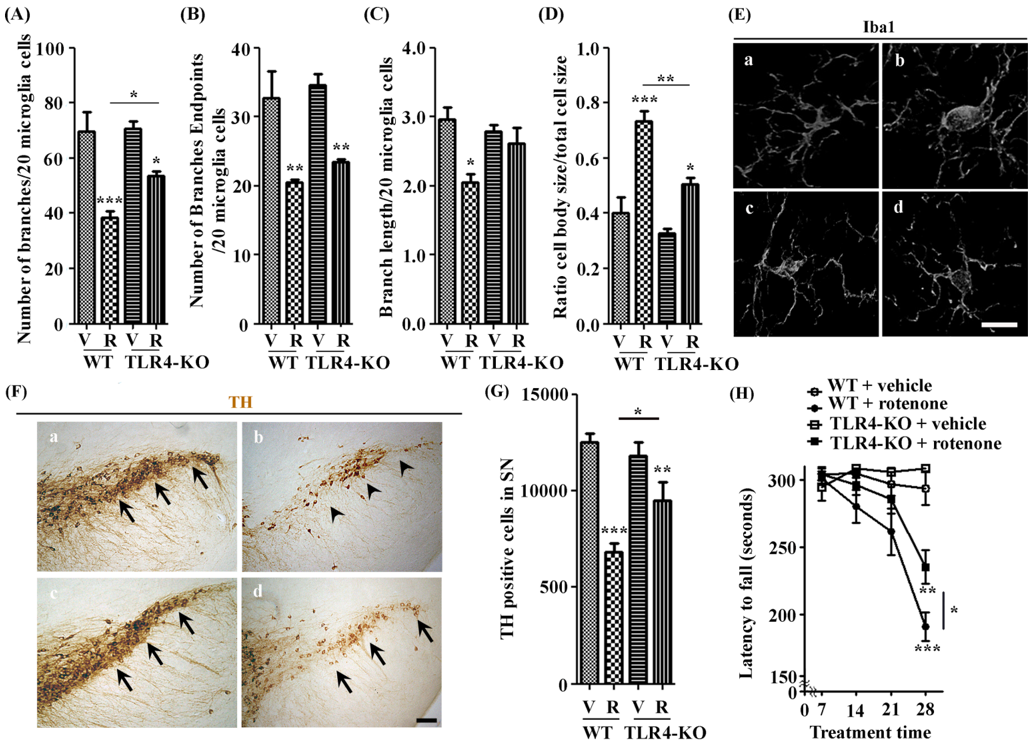
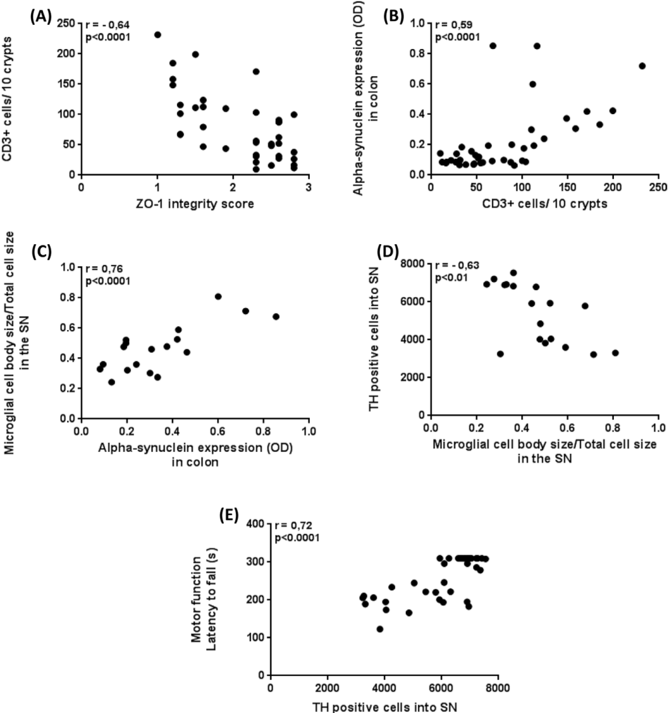
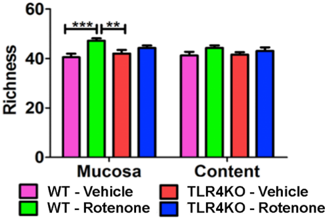
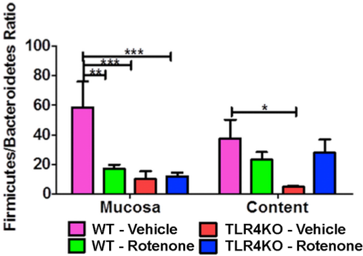
Objective: Recent evidence suggesting an important role of gut-derived inflammation in brain disorders has opened up new directions to explore the possible role of the gut-brain axis in neurodegenerative diseases. Given the prominence of dysbiosis and colonic dysfunction in patients with Parkinson’s disease (PD), we propose that toll-like receptor 4 (TLR4)-mediated intestinal dysfunction could contribute to intestinal and central inflammation in PD-related neurodegeneration. Design: To test this hypothesis we performed studies in both human tissue and a murine model of PD. Inflammation, immune activation and microbiota composition were measured in colonic samples from subjects with PD and healthy controls subjects and rotenone or vehicle-treated mice. To further assess the role of the TLR4 signalling in PD-induced neuroinflammation, we used TLR4-knockout (KO) mice in conjunction with oral rotenone administration to model PD. Results: Patients with PD have intestinal barrier disruption, enhanced markers of microbial translocation and higher pro-inflammatory gene profiles in the colonic biopsy samples compared with controls. In this regard, we found increased expression of the bacterial endotoxin-specific ligand TLR4, CD3+ T cells, cytokine expression in colonic biopsies, dysbiosis characterised by a decrease abundance of SCFA-producing colonic bacteria in subjects with PD. Rotenone treatment in TLR4-KO mice revealed less intestinal inflammation, intestinal and motor dysfunction, neuroinflammation and neurodegeneration, relative to rotenone-treated wild-type animals despite the presence of dysbiotic microbiota in TLR4-KO mice. Conclusion: Taken together, these studies suggest that TLR4-mediated inflammation plays an important role in intestinal and/or brain inflammation, which may be one of the key factors leading to neurodegeneration in PD.
Overview
The claims and statistics of this paper haven’t been checked yet.
Free: it reads the open-access text and checks the first 5 claims that cite a source we can check. Create a free account to check every claim.
Integrity signals
Registry
Cites
Statistics
Figures
Verification
Claims the paper makes
The claims and statistics of this paper haven’t been checked yet.
Free: it reads the open-access text and checks the first 5 claims that cite a source we can check. Create a free account to check every claim.
Claims other papers make about this one
Each is checked against this paper’s own text: does it say what the citing paper says it does?
The source backs part of the claim, not all of it — or backs it for a different population, condition or comparison.
In the citing paper
“These findings are in concordance with a substantial body of literature that consistently reports diminished SCFAs-producing species and SCFA levels in prodromal stage of PD and PD patients compared to healthy controls, which may be correlated with the clinical severity of PD.52,322–331”
From Microbiota–gut–brain axis and its therapeutic applications in neurodegenerative diseases (2024) · cites this paper as [326]
Experimental — accuracy not yet measuredThe source backs part of the claim, not all of it — or backs it for a different population, condition or comparison.
In the citing paper
“Gut microbiome alterations and intestinal barrier impairment have been observed in patients with MCI, AD, PD, and ALS patients.”
From Microbiota–gut–brain axis and its therapeutic applications in neurodegenerative diseases (2024) · cites this paper as [326]
Experimental — accuracy not yet measuredThe source backs part of the claim, not all of it — or backs it for a different population, condition or comparison.
In the citing paper
“Follow-up targeted assays revealed that these effects were mediated by suppressing neuroinflammation and reducing toll-like receptor 4 and tumor necrosis-α signaling [203].”
From The gut–brain axis in early Parkinson’s disease: from prodrome to prevention (2025) · cites this paper as [203]
Experimental — accuracy not yet measuredThe source backs part of the claim, not all of it — or backs it for a different population, condition or comparison.
In the citing paper
“Intestinal barrier dysfunction and increased intestinal permeability caused by inflammation in patients with Parkinson's disease provide conditions for the circulation of inflammatory factors and the exposure of the enteric nervous system to the microbiota and their harmful products.77”
From The role of gut dysbiosis in Parkinson’s disease: mechanistic insights and therapeutic options (2021) · cites this paper as [77]
Experimental — accuracy not yet measuredThe source backs part of the claim, not all of it — or backs it for a different population, condition or comparison.
In the citing paper
“The faecal microbiota of patients with Parkinson's disease shows a decrease in the production of SCFAs or their producing microbiota in most clinical studies.28,30,37,77,182”
From The role of gut dysbiosis in Parkinson’s disease: mechanistic insights and therapeutic options (2021) · cites this paper as [77]
Experimental — accuracy not yet measured
8 more claims about this paper
Create a free account to see every claim other papers make about this one.
Self-check
Percentages, sums and reported differences re-computed from the paper’s own numbers.
The self-check needs the paper’s full text.
Citations
Cites
Gut microbiota regulate motor deficits and neuroinflammation in a model of Parkinson's disease
Sampson, T. R., Debelius, J. W., Thron, T., Janssen, S., Shastri, G. G., Ilhan, Z. E., Challis, C., Schretter, C. E., Rocha, S., Gradinaru, V., et al. (2016) · Cell · doi:10.1016/j.cell.2016.11.018 · Cited by 3,622
Self-citationMechanisms underlying inflammation in neurodegeneration
Glass, C. K., Saijo, K., Winner, B., Marchetto, M. C., & Gage, F. H. (2010) · Cell · doi:10.1016/j.cell.2010.02.016 · Cited by 3,580
Host microbiota constantly control maturation and function of microglia in the CNS
Erny, D., Hrabě de Angelis, A. L., Jaitin, D., Wieghofer, P., Staszewski, O., David, E., Keren-Shaul, H., Mahlakoiv, T., Jakobshagen, K., Buch, T., et al. (2015) · Nature Neuroscience · doi:10.1038/nn.4030 · Cited by 3,569
Inflammasome-mediated dysbiosis regulates progression of NAFLD and obesity
Henao-Mejia, J., Elinav, E., Jin, C., Hao, L., Mehal, W. Z., Strowig, T., Thaiss, C. A., Kau, A. L., Eisenbarth, S. C., Jurczak, M. J., et al. (2012) · Nature · doi:10.1038/nature10809 · Cited by 2,435
Goetz, C. G., Poewe, W., Rascol, O., Sampaio, C., Stebbins, G. T., Counsell, C., Giladi, N., Holloway, R. G., Moore, C. G., Wenning, G. K., et al. (2004) · Movement Disorders · doi:10.1002/mds.20213 · Cited by 2,347
Neuroinflammation in Parkinson’s disease: A target for neuroprotection?
Hirsch, E. C., & Hunot, S. (2009) · The Lancet Neurology · doi:10.1016/s1474-4422(09)70062-6 · Cited by 1,984
Gut microbiota are related to Parkinson's disease and clinical phenotype
Scheperjans, F., Aho, V., Pereira, P. A. B., Koskinen, K., Paulin, L., Pekkonen, E., Haapaniemi, E., Kaakkola, S., Eerola‐Rautio, J., Pohja, M., et al. (2015) · Movement Disorders · doi:10.1002/mds.26069 · Cited by 1,968
How neuroinflammation contributes to neurodegeneration
Ransohoff, R. M. (2016) · Science · doi:10.1126/science.aag2590 · Cited by 1,967
The Role of Oxidative Stress in Parkinson's Disease
Dias, V., Junn, E., & Mouradian, M. M. (2013) · Journal of Parkinson’s Disease · doi:10.3233/jpd-130230 · Cited by 1,845
Variable expression of Parkinson's disease: A base‐line analysis of the DAT ATOP cohort
Jankovic, J., McDermott, M., Carter, J., Gauthier, S., Goetz, C., Golbe, L., Huber, S., Koller, W., Olanow, C., Shoulson, I., et al. (1990) · Neurology · doi:10.1212/wnl.40.10.1529 · Cited by 1,285
Research works printed but not linked: 1
- 53. Petrov Va, Saltykova iV, Zhukova ia, et al. analysis of gut microbiota in patients with parkinson's disease. Bull Exp Biol Med 2017;162:734-7. on February 13, 2020 at Utrecht University Library. Protected by copyright. http://gut.bmj.com/ Gut: first published as 10.1136/gutjnl-2018-316844 on 15 December 2018. Downloaded from · DOI · Paper page
Cited by
Items 101–200 of 468
Mild Chronic Colitis Triggers Parkinsonism in LRRK2 Mutant Mice Through Activating TNF ‐α Pathway
Lin, C., Lin, H., Ho, E., Ke, Y., Cheng, M., Shiue, C., Wu, C., Liao, P., Hsu, A. Y., Chu, L., et al. (2021) · Movement Disorders · doi:10.1002/mds.28890 · Cited by 60
Intestinal epithelial barrier and neuromuscular compartment in health and disease
D’Antongiovanni, V., Pellegrini, C., Fornai, M., Colucci, R., Blandizzi, C., Antonioli, L., & Bernardini, N. (2020) · World Journal of Gastroenterology · doi:10.3748/wjg.v26.i14.1564 · Cited by 64
Liang, Y., Cui, L., Gao, J., Zhu, M., Zhang, Y., & Zhang, H. (2021) · Molecular Neurobiology · doi:10.1007/s12035-021-02375-0 · Cited by 64
Hu, Y., & Tao, W. (2024) · Journal of Advanced Research · doi:10.1016/j.jare.2024.01.006 · Cited by 68
Vidal-Martinez, G., Chin, B., Camarillo, C., Herrera, G. V., Yang, B., Sarosiek, I., & Perez, R. G. (2019) · Journal of Parkinson’s Disease · doi:10.3233/jpd-191693 · Cited by 57
Gentile, F., Doneddu, P. E., Riva, N., Nobile‐Orazio, E., & Quattrini, A. (2020) · International Journal of Molecular Sciences · doi:10.3390/ijms21207471 · Cited by 61
“Activation of TLR4 on immune and glial cells is an essential step in LPS‐mediated neurodegeneration, as TLR4‐ knockout PD mice show a reduction in intestinal and brain inflammation, motor deficits and neurodegeneration [261].”
BackgroundBenvenuti, L., D'Antongiovanni, V., Pellegrini, C., Antonioli, L., Bernardini, N., Blandizzi, C., & Fornai, M. (2020) · International Journal of Molecular Sciences · doi:10.3390/ijms21239199 · Cited by 55
“In support of these assumptions, rotenone was found to be partly effective in inducing PD in TLR-4 knockout mice, thus suggesting that an attenuated PD symptomatology depends on an impairment of EGC-mediated immune response [74].”
BackgroundHouser, M. C., Caudle, W. M., Chang, J., Kannarkat, G. T., Yang, Y., Kelly, S. D., Oliver, D. L., Joers, V. L., Shannon, K. M., Keshavarzian, A., et al. (2021) · Acta Neuropathologica Communications · doi:10.1186/s40478-021-01240-4 · Cited by 57
“Another study reported accumulation of cells expressing the lipopolysaccharide (LPS) receptor Toll-like Receptor 4 (TLR4) and cells immunoreactive for the T-cell marker cluster of differentiation (CD) 3 in colon tissue from PD patients [9].”
BackgroundInfluentialSelf-citationGI infections are associated with an increased risk of Parkinson’s disease
Nerius, M., Doblhammer, G., & Tamgüney, G. (2020) · Gut · doi:10.1136/gutjnl-2019-318822 · Cited by 56
Sun, Z., Gu, P., Xu, H., Zhao, W., Zhou, Y., Zhou, L., Zhang, Z., Wang, W., Han, R., Chai, X.-Q., et al. (2022) · Frontiers in Cell and Developmental Biology · doi:10.3389/fcell.2021.808905 · Cited by 60
“The PD mouse model disrupts the intestinal barrier, suggesting that gut–brain interaction plays an important role in PD pathology (Perez-Pardo et al., 2019).”
BackgroundThe Involvement of Neuroinflammation in the Onset and Progression of Parkinson’s Disease
Jurcău, A., Andronie-Cioară, F. L., Nistor-Cseppento, C. D., Pașcalău, N., Rus, M., Vasca, E., & Jurcău, M. C. (2023) · International Journal of Molecular Sciences · doi:10.3390/ijms241914582 · Cited by 64
“In addition, LPS located on the outer membrane of Gram-negative bacteria may ignite an inflammatory process in the colonic wall, leading to enhanced expression of various cytokines, TLR-4 [259], allowing the entrance of bacterial products into the systemic circulation, and prime microglia by binding to TLR4, inducing…”
Escalante, J., Artaiz, O., Diwakarla, S., & McQuade, R. M. (2024) · GeroScience · doi:10.1007/s11357-024-01451-2 · Cited by 70
“Changes in intestinal morphology and tight junction expression have also been noted in several neurodegenerative conditions in humans and rodents alike [32, 52, 119, 124, 173].”
Mechanisms of inflammation after ischemic stroke in brain-peripheral crosstalk
Xie, L., He, M., Ying, C., & Chu, H. (2024) · Frontiers in Molecular Neuroscience · doi:10.3389/fnmol.2024.1400808 · Cited by 66
“…have also found that fecal transplantation and supplementation of specific metabolites could improve the motor symptoms of PD mice by relieving intestinal inflammation while inhibiting neuroinflammation in the substantia nigra (Sampson et al., 2016; Perez-Pardo et al., 2019; Zhao et al., 2021).”
BackgroundInflammasome Activation in Parkinson’s Disease
Jewell, S. L., Herath, A. M., & Gordon, R. (2022) · Journal of Parkinson s Disease · doi:10.3233/jpd-223338 · Cited by 61
Zhang, X., Liu, R., Cheng, W., & Zhu, J. (2019) · Mechanisms of Ageing and Development · doi:10.1016/j.mad.2019.04.004 · Cited by 53
Bordoni, L., Gabbianelli, R., Fedeli, D., Fiorini, D., Bergheim, I., Jin, C. J., Marinelli, L., Stefano, A. D., & Nasuti, C. (2019) · PLoS ONE · doi:10.1371/journal.pone.0223238 · Cited by 51
Zhang, Y., Xu, S., Qian, Y., Mo, C., Ai, P., Yang, X., & Xiao, Q. (2023) · Frontiers in Aging Neuroscience · doi:10.3389/fnagi.2023.1099018 · Cited by 58
Interaction between intestinal mycobiota and microbiota shapes lung inflammation
Wang, Y., He, F., Liu, B., Wu, X., Han, Z., Wang, X., Liao, Y., Duan, J., & Ren, W. (2024) · iMeta · doi:10.1002/imt2.241 · Cited by 60
“…lung inflammation during infection, we treated wild ‐ type C57BL/6, Dectin ‐ 1(recognition of beta ‐ 1,3/1,6 glu-cans on fungi) − / − (Figure S9A), or TLR4 (recognition of LPS) − / − (Figure S9B) mice (no change for the abundance of intestinal E. coli [34]) with fluconazole before PmCQ2 infection.”
MethodGhaisas, S., Langley, M. R., Palanisamy, B. N., Dutta, S., Narayanaswamy, K., Plummer, P. J., Sarkar, S., Ay, M., Jin, H., Anantharam, V., et al. (2019) · NeuroToxicology · doi:10.1016/j.neuro.2019.09.004 · Cited by 49
“Evidence of gut inflammation with increased intestinal permeability has been documented in PD patients, thus corroborating the link between intestinal inflammation and PD pathogenesis (Houser and Tansey, 2017; Perez-Pardo et al., 2019; Schwiertz et al., 2018).”
Wang, M., Sun, P., Li, Z., Li, J., Lv, X., Chen, S., Zhu, X., Chai, X., & Zhao, S. (2023) · Journal of Affective Disorders · doi:10.1016/j.jad.2023.04.117 · Cited by 49
Microglial dynamics and neuroinflammation in prodromal and early Parkinson’s disease
Mogensen, F. L., Seibler, P., Grünewald, A., & Michelucci, A. (2025) · Journal of Neuroinflammation · doi:10.1186/s12974-025-03462-y · Cited by 69
Milde, S., van Tartwijk, F. W., Vilalta, A., Hornik, T. C., Dundee, J. M., Puigdellívol, M., & Brown, G. C. (2021) · Journal of Neuroinflammation · doi:10.1186/s12974-021-02280-2 · Cited by 47
Microbial sensing in the intestine
Wan, T., Wang, Y., He, K., & Zhu, S. (2023) · Protein & Cell · doi:10.1093/procel/pwad028 · Cited by 51
Menozzi, E., & Schapira, A. H. V. (2024) · CNS Drugs · doi:10.1007/s40263-024-01073-4 · Cited by 52
Ishola, I. O., Awogbindin, I. O., Olubodun-Obadun, T. G., Oluwafemi, O. A., Onuelu, J. E., & Adeyemi, O. O. (2022) · Brain Research · doi:10.1016/j.brainres.2022.147958 · Cited by 51
Pellegrini, C., Daniele, S., Antonioli, L., Benvenuti, L., D’Antongiovanni, V., Piccarducci, R., Pietrobono, D., Citi, V., Piragine, E., Flori, L., et al. (2020) · International Journal of Molecular Sciences · doi:10.3390/ijms21103523 · Cited by 51
“A similar trend has been observed in patients with early Parkinson’s disease, characterised by alterations of occludin and zonulin-1 expression in colonic tissues [43,44].”
ResultCui, C., Hong, H., Shi, Y., Zhou, Y., Qiao, C.-M., Zhao, W.-J., Zhao, L.-P., Wu, J., Quan, W., Niu, G.-Y., et al. (2023) · Journal of Neuroimmune Pharmacology · doi:10.1007/s11481-021-10047-y · Cited by 45
Overlapping Neuroimmune Mechanisms and Therapeutic Targets in Neurodegenerative Disorders
Marchi, F. D., Munitić, I., Vidatic, L., Papić, E., Rački, V., Nimac, J., Jurak, I., Novotni, G., Rogelj, B., Vuletić, V., et al. (2023) · Biomedicines · doi:10.3390/biomedicines11102793 · Cited by 54
“Therefore, evidence that the immune signalling linked to microbiota can play an important part in disease pathogenesis is being gathered for many NDDs [103,104].”
BackgroundGut microecology: Why our microbes could be key to our health
Lu, D., Huang, Y., Kong, Y., Tao, T., & Zhu, X. M. (2020) · Biomedicine & Pharmacotherapy · doi:10.1016/j.biopha.2020.110784 · Cited by 50
Environmental triggers of Parkinson's disease – Implications of the Braak and dual-hit hypotheses
Chen, H., Wang, K., Scheperjans, F., & Killinger, B. A. (2021) · Neurobiology of Disease · doi:10.1016/j.nbd.2021.105601 · Cited by 48
Gut-Bone Axis: A Non-Negligible Contributor to Periodontitis
Jia, X., Yang, R., Li, J., Жао, Л., Zhou, X., & Xu, X. (2021) · Frontiers in Cellular and Infection Microbiology · doi:10.3389/fcimb.2021.752708 · Cited by 50
Jeon, H., Bae, C., Lee, Y., Kim, H.-Y., & Kim, S. (2021) · Brain Behavior and Immunity · doi:10.1016/j.bbi.2021.02.028 · Cited by 46
Cai, B., Zhong, L., Wang, Q., Xu, W., Li, X., & Chen, T. (2023) · Frontiers in Pharmacology · doi:10.3389/fphar.2023.1198335 · Cited by 47
“The function of SCFA in Parkinson’s disease may be related to CD3 T cells, TLR4 cells, and depend on the gut-brain axis (Perez-Pardo et al., 2019).”
BackgroundInfluentialMitochondrial DAMPs: Key mediators in neuroinflammation and neurodegenerative disease pathogenesis
Yu, H., Ren, K., Jin, Y., Zhang, L., Liu, H., Huang, Z., Zhang, Z., Chen, X., Yang, Y., & Wei, Z. (2024) · Neuropharmacology · doi:10.1016/j.neuropharm.2024.110217 · Cited by 51
Krueger, M. E., Boles, J. S., Simon, Z. D., Alvarez, S. D., McFarland, N. R., Okun, M. S., Zimmermann, E. M., Forsmark, C. E., & Tansey, M. G. (2025) · npj Parkinson's Disease · doi:10.1038/s41531-025-00894-4 · Cited by 57
Onset of Skin, Gut, and Genitourinary Prodromal Parkinson's Disease: A Study of 1.5 Million Veterans
Scott, G. D., Lim, M. M., Drake, M. G., Woltjer, R., & Quinn, J. F. (2021) · Movement Disorders · doi:10.1002/mds.28636 · Cited by 42
Duan, M., Liu, F., Fu, H., Lu, S., & Wang, T. (2021) · Frontiers in Cellular and Infection Microbiology · doi:10.3389/fcimb.2021.592842 · Cited by 44
“, 2019) with the reduction of butyrate, intestinal barrier disruption, and the translocation of endotoxin into the circulatory system (Perez-Pardo et al., 2019).”
BackgroundMicrobiome-based therapies for Parkinson’s disease
Alam, M., Abbas, K., Mustafa, M., Usmani, N., & Habib, S. (2024) · Frontiers in Nutrition · doi:10.3389/fnut.2024.1496616 · Cited by 50
Shiadeh, S. M. J., Chan, W. K., Rasmusson, S., Hassan, N., Joca, S. R. L., Westberg, L., Elfvin, A., Mallard, C. E., & Ardalan, M. (2025) · Translational Psychiatry · doi:10.1038/s41398-025-03504-2 · Cited by 59
“…underscores the potential role of intestinal dysbiosis in PD pathogenesis, as supported by fi ndings from colon biopsies of PD patients, which revealed increased expression of toll-like receptor 4 (TLR4), CD3 + T lymphocytes, and various cytokines associated with intestinal dysbiosis [203, 204].”
Kulcsarova, K., Bang, C., Berg, D., & Schaeffer, E. (2023) · Journal of Parkinson’s Disease · doi:10.3233/jpd-230206 · Cited by 40
Kozina, E. A., Byrne, M. D., & Smeyne, R. J. (2022) · npj Parkinson s Disease · doi:10.1038/s41531-022-00289-9 · Cited by 43
Molecular and Cellular Interactions in Pathogenesis of Sporadic Parkinson Disease
Долгачева, Л. П., Зинченко, В. П., & Goncharov, N. V. (2022) · International Journal of Molecular Sciences · doi:10.3390/ijms232113043 · Cited by 51
Zhao, H.-J., Luo, X., Shi, Y.-C., Li, J.-F., Pan, F., Ren, R.-R., Peng, L.-H., Shi, X.-Y., Yang, G., Wang, J., et al. (2020) · Frontiers in Psychiatry · doi:10.3389/fpsyt.2020.554441 · Cited by 39
“For example, a previous study showed that TLR-4-mediated inflammation triggers intestinal and/or brain inflammation, which further aggravates neurodegeneration in Parkinson’s disease patients (22); the gut microbiome of patients with schizophrenia alters the glutamate-glutamine-GABA cycle and worsens schizophrenia-rel…”
Convergent pathways of the gut microbiota–brain axis and neurodegenerative disorders
Gubert, C., Gasparotto, J., & Morais, L. H. (2022) · Gastroenterology report · doi:10.1093/gastro/goac017 · Cited by 45
Chiu, L. S., & Anderton, R. S. (2022) · European Journal of Neuroscience · doi:10.1111/ejn.15892 · Cited by 37
Neurodegenerative Microbially-Shaped Diseases: Oxidative Stress Meets Neuroinflammation
Silva, D. F., Empadinhas, N., Cardoso, S. M., & Esteves, A. R. (2022) · Antioxidants · doi:10.3390/antiox11112141 · Cited by 47
Wei, B.-R., Zhao, Y., Cheng, Y., Huang, C., & Zhang, F. (2024) · Immunity & Ageing · doi:10.1186/s12979-023-00404-1 · Cited by 45
“Moreover, LPS activates immune cells, such as T cells, in the gut and substantia nigra, thereby triggering a systemic inflammatory response by interacting with Toll-like receptor 4 (TLR4) located on the gut surface [46–48].”
BackgroundMontalbán-Rodríguez, A., Abalo, R., & López‐Gómez, L. (2024) · International Journal of Molecular Sciences · doi:10.3390/ijms25021294 · Cited by 44
Pathological remodelling of colonic wall following dopaminergic nigrostriatal neurodegeneration
Pellegrini, C., Ippolito, C., Segnani, C., Dolfi, A., Errede, M., Virgintino, D., Fornai, M., Antonioli, L., Garelli, F., Nericcio, A., et al. (2020) · Neurobiology of Disease · doi:10.1016/j.nbd.2020.104821 · Cited by 39
The Gut‐Brain Axis in Parkinson disease: Emerging Concepts and Therapeutic Implications
Menozzi, E., Schapira, A. H. V., & Borghammer, P. (2025) · Movement Disorders Clinical Practice · doi:10.1002/mdc3.70029 · Cited by 48
The neuromicrobiology of Parkinson’s disease: A unifying theory
Muñoz, M., Empadinhas, N., & Cardoso, S. M. (2021) · Ageing Research Reviews · doi:10.1016/j.arr.2021.101396 · Cited by 39
“The loss of intestinal barrier integrity is associated with different diseases, namely diabetes (Sorini et al., 2019), infection (Baba et al., 2009) and also PD (Matheoud et al., 2019; Perez-Pardo et al., 2019).”
BackgroundGut Microbiota and Aging: Traditional Chinese Medicine and Modern Medicine
Li, J., Li, D., Chen, Y., Chen, W., Xu, J., & Gao, L. (2023) · Clinical Interventions in Aging · doi:10.2147/cia.s414714 · Cited by 40
“These studies suggest that changes in the gut microbiota can lead to inflammatory states, which may have harmful effects on the gut and brain.(261) One study found that Prevotellaceae decreased significantly and the number of Enterobacteriaceae increased in PD patients when compared with healthy people.”
BackgroundIntestinal histomorphological and molecular alterations in patients with Parkinson's disease
Bellini, G., Benvenuti, L., Ippolito, C., Frosini, D., Segnani, C., Rettura, F., Pancetti, A., Bertani, L., D’Antongiovanni, V., Palermo, G., et al. (2022) · European Journal of Neurology · doi:10.1111/ene.15607 · Cited by 41
“In particular, initially lipopolysaccharide can translate into the mucosa and bind to the soluble acute- phase protein LBP, presenting lipopolysaccharide (LPS) to cell surface pattern receptors such as CD14 and toll- like receptor 4, which are responsible for consequent innate immunity [11, 39].”
BackgroundLife at the borderlands: microbiomes of interfaces critical to One Health
Law, S. R., Mathes, F., Paten, A. M., Alexandre, P. A., Regmi, R., Reid, C. J., Safarchi, A., Shaktivesh, S., Wang, Y., Wilson, A., et al. (2024) · FEMS Microbiology Reviews · doi:10.1093/femsre/fuae008 · Cited by 43
“…le v els of butyr ate, pr opionate and acetate have also been reported (Aho et al. 2021 ), while toll-like receptor 4-mediated intestinal dysfunction triggered by microbiome-derived LPS has been shown to contribute to intestinal and central nervous system inflammation (Per ez-P ardo et al. 2019 ).”
BackgroundGut Microbiota and Immune System Dynamics in Parkinson’s and Alzheimer’s Diseases
Kuštrimović, N. Z., Balkhi, S., Bilato, G., & Mortara, L. (2024) · International Journal of Molecular Sciences · doi:10.3390/ijms252212164 · Cited by 45
Protective Effects of Polysaccharides in Neurodegenerative Diseases
Wang, Y., Chen, R., Yang, Z., Wen, Q., Cao, X., Zhao, N., & Yan, J. (2022) · Frontiers in Aging Neuroscience · doi:10.3389/fnagi.2022.917629 · Cited by 43
Seguella, L., Sarnelli, G., & Esposito, G. (2020) · Neural Regeneration Research · doi:10.4103/1673-5374.270308 · Cited by 35
“To reinforce this hypothesis, TLR-4 knock-out mice are partially protected from rotenone-induced Parkinsonism, suggesting that inhibiting the EGC-mediated immune response, prevention of parkinsonian symptoms is achieved (Perez-Pardo et al., 2019).”
BackgroundCentral and peripheral innate and adaptive immunity in Parkinson’s disease
Harms, A. S., Yang, Y., & Tansey, M. G. (2023) · Science Translational Medicine · doi:10.1126/scitranslmed.adk3225 · Cited by 36
Aktaş, B., Aslım, B., & Özdemir, D. A. (2024) · Scientific Reports · doi:10.1038/s41598-024-65061-w · Cited by 40
“The level of Oscillibacter , which is also reported to have a negative correlation with cognitive performance and inflammation, decreased in MPTP mice, while it was restored back to the same level as the control in mice received E9 115 .”
BackgroundNF-κB Regulation by Gut Microbiota Decides Homeostasis or Disease Outcome During Ageing
Zhang, S., Paul, S., & Kundu, P. (2022) · Frontiers in Cell and Developmental Biology · doi:10.3389/fcell.2022.874940 · Cited by 47
Dynamic network modeling of gut microbiota during Alzheimer’s disease progression in mice
Li, Y., Chen, Y., Fan, Y., Chen, Y., & Chen, Y. (2023) · Gut Microbes · doi:10.1080/19490976.2023.2172672 · Cited by 40
The gut–brain axis in early Parkinson’s disease: from prodrome to prevention
Oliver, P. J., Civitelli, L., & Hu, M. T. (2025) · Journal of Neurology · doi:10.1007/s00415-025-13138-5 · Cited by 42
“Follow-up targeted assays revealed that these effects were mediated by suppressing neuroinflammation and reducing toll-like receptor 4 and tumor necrosis-α signaling [203].”
Li, Q., Meng, L., Chen, L., Shi, X., Tu, L., Zhou, Q. G., Yu, J.-L., Liao, X., Zeng, Y., & Yuan, Q. (2023) · Frontiers in Neurology · doi:10.3389/fneur.2023.1185375 · Cited by 46
The Appendix in Parkinson’s Disease: From Vestigial Remnant to Vital Organ?
Killinger, B. A., & Labrie, V. (2019) · Journal of Parkinson s Disease · doi:10.3233/jpd-191703 · Cited by 55
Evidence for immune system alterations in peripheral biological fluids in Parkinson’s disease
Bartl, M., Xylaki, M., Bähr, M., Weber, S., Trenkwalder, C., & Mollenhauer, B. (2022) · Neurobiology of Disease · doi:10.1016/j.nbd.2022.105744 · Cited by 33
Zhao, Y., Walker, D. I., Lill, C. M., Bloem, B. R., Darweesh, S. K. L., Pinto‐Pacheco, B., McNeil, B., Miller, G. W., Heath, A. K., Frissen, M., et al. (2023) · Journal of Neuroinflammation · doi:10.1186/s12974-023-02846-2 · Cited by 37
Uceda, S., Echeverry‐Alzate, V., Reiriz, M., Miguel, E. M., Pérez-Curiel, A., Gómez-Senent, S., & Beltrán-Velasco, A. I. (2023) · International Journal of Molecular Sciences · doi:10.3390/ijms241713294 · Cited by 39
Song, M., Zhang, S., Gan, Y., Ding, T., Zhu, L., & Fan, X. (2025) · Journal of Agricultural and Food Chemistry · doi:10.1021/acs.jafc.5c01042 · Cited by 40
Pelgrim, C. E., Wang, L., Marzal, L. N. P., Korver, S., van Ark, I., Leusink-Muis, T., Braber, S., Folkerts, G., Garssen, J., van Helvoort, A., et al. (2022) · American Journal of Physiology-Lung Cellular and Molecular Physiology · doi:10.1152/ajplung.00485.2021 · Cited by 34
Self-citationBashir, Y., & Khan, A. U. (2022) · Frontiers in Neuroscience · doi:10.3389/fnins.2022.1030694 · Cited by 38
“In addition to an alteration in the profile of gut microbiota, there is a shift to a pro-inflammatory state that may have harmful effects in the brain and gut (Perez-Pardo et al., 2019).”
BackgroundBrain-gut-microbiota axis in Parkinson’s disease: A historical review and future perspective
Dong, S., Sun, M., He, C. H., & Cheng, H. (2022) · Brain Research Bulletin · doi:10.1016/j.brainresbull.2022.02.015 · Cited by 34
Good bacteria, oxidative stress and neurological disorders: Possible therapeutical considerations
Soheili, M., Alinaghipour, A., & Salami, M. (2022) · Life Sciences · doi:10.1016/j.lfs.2022.120605 · Cited by 36
Marć, M. A., Jastrząb, R., & Mytych, J. (2022) · Nutrients · doi:10.3390/nu14193967 · Cited by 36
Gut microbiota and Parkinson’s disease
Wang, L., Cui, Y., Han, B., Du, Y., Salewala, K. S., Wang, S., Zhao, W., Zhang, H., Wang, S., Xu, X., et al. (2024) · Chinese Medical Journal · doi:10.1097/cm9.0000000000003318 · Cited by 39
Microbes and Parkinson’s disease: from associations to mechanisms
Cannon, T., & Gruenheid, S. (2022) · Trends in Microbiology · doi:10.1016/j.tim.2022.01.004 · Cited by 35
Gut Bacteria Regulate the Pathogenesis of Huntington’s Disease in Drosophila Model
Chongtham, A., Yoo, J. H., Chin, T. M., Akingbesote, N. D., Huda, A., Marsh, J., & Khoshnan, A. (2022) · Frontiers in Neuroscience · doi:10.3389/fnins.2022.902205 · Cited by 35
Yang, H., Li, S., & Le, W. (2022) · Aging and Disease · doi:10.14336/ad.2022.01281 · Cited by 37
“TLR-4 knockout mice were partially protected from rotenoneinduced PD, indicating that parkinsonian symptoms can be avoided by suppressing the EGC-mediated immunological response [54].”
BackgroundIshola, I. O., Awogbindin, I. O., Olubodun-Obadun, T. G., Olajiga, A. E., & Adeyemi, O. O. (2023) · NeuroToxicology · doi:10.1016/j.neuro.2023.03.002 · Cited by 33
Conte, C., Ingrassia, A. M. T., Brevé, J. J. P., Bol, J. G. J. M., Huisman, E., van Dam, A., Beccari, T., & van de Berg, W. D. J. (2023) · Cells · doi:10.3390/cells12101368 · Cited by 36
van Vuuren, M. J., Nell, T. A., Carr, J. A., Kell, D. B., & Pretorius, E. (2020) · Biomolecules · doi:10.3390/biom11010030 · Cited by 40
The impacts of oral and gut microbiota on alveolar bone loss in periodontitis
Han, N., Li, X., Du, J., Xu, J., Guo, L., & Liu, Y. F. (2023) · Journal of Periodontal Research · doi:10.1111/jre.13168 · Cited by 34
Microbiome-based therapeutics for Parkinson's disease
Hamilton, A. M., Krout, I. N., White, A. C., & Sampson, T. R. (2024) · Neurotherapeutics · doi:10.1016/j.neurot.2024.e00462 · Cited by 33
Chaiwiang, N., & Poyomtip, T. (2019) · Acta Microbiologica et Immunologica Hungarica · doi:10.1556/030.66.2019.038 · Cited by 29
“Moreover, TLR4 knockout mouse, induced using oral rotenone, indicated that lower intestinal and motor dysfunction including neurodegenerative and neuroinflammation suggested that innate immunity may play a role in microbial dysbiosis in PD [47].”
BackgroundCannon, T., Sinha, A., Trudeau, L., Maurice, C. F., & Gruenheid, S. (2020) · Gut Microbes · doi:10.1080/19490976.2020.1830694 · Cited by 34
Qiao, C.-M., Zhou, Y., Quan, W., Ma, X., Zhao, L., Shi, Y. W., Hong, H., Wu, J., Niu, G.-Y., Chen, Y.-N., et al. (2023) · Neurotherapeutics · doi:10.1007/s13311-023-01420-1 · Cited by 34
“3 mL per animal) was intragastrically administered [23].”
MethodMicrobiome in Cancer Development and Treatment
Čierniková, S., Ševčíková, A., Mladosievičová, B., & Mego, M. (2023) · Microorganisms · doi:10.3390/microorganisms12010024 · Cited by 33
“Moreover, microbial translocation may result in systemic inflammation [162], and pro-inflammatory cytokines can be transported to the brain through the bloodstream, causing neuroinflammation.”
BackgroundGut dysbiosis as a potential driver of Parkinson’s and Alzheimer’s disease pathogenesis
Pfaffinger, J. M., Hays, K. E., Seeley, J., Babu, P. R., & Ryznar, R. J. (2025) · Frontiers in Neuroscience · doi:10.3389/fnins.2025.1600148 · Cited by 44
The gut microbiome, systemic inflammation, and autoimmunity in Parkinson's disease
Fonseca, M. D. C., Zanetti, L., Fanourakis, S., Sulzer, D., & Mazmanian, S. K. (2025) · The Lancet Neurology · doi:10.1016/s1474-4422(25)00382-5 · Cited by 34
Singh, Y., Trautwein, C., Dhariwal, A., Salker, M. S., Alauddin, M., Zizmare, L., Pelzl, L., Feger, M., Admard, J., Casadei, N., et al. (2020) · Scientific Reports · doi:10.1038/s41598-020-72903-w · Cited by 35
Parkinson's Disease and the Gut: Models of an Emerging Relationship
Bindas, A. J., Kulkarni, S., Koppes, R. A., & Koppes, A. N. (2020) · Acta Biomaterialia · doi:10.1016/j.actbio.2021.03.071 · Cited by 28
Ilie, O., Ciobica, A. S., McKenna, J., Doroftei, B., & Mavroudis, I. A. (2020) · Oxidative Medicine and Cellular Longevity · doi:10.1155/2020/4518023 · Cited by 33
“There is new evidence concerning the importance of toll-like receptor 4 in mediating neuroinflammatory states, resulting in the disruption of intestinal flora, while rotenone KO-treated mice had a reduction of specific symptomatology [54].”
BackgroundXue, M., Teng, X., Liang, H. W., Zhao, J., Jiang, Y., Qiu, X., Zhang, Z., Pei, Z., Zhang, N., & Qin, Y. (2021) · Journal of Functional Foods · doi:10.1016/j.jff.2021.104726 · Cited by 27
Chung, L. Y.-R., Lin, Y., Liu, C., Tai, Y., Lin, H., Lin, C., & Chen, C. (2022) · Frontiers in Pharmacology · doi:10.3389/fphar.2022.845930 · Cited by 35
Jackson, A., Engen, P. A., Forsyth, C. B., Shaikh, M. W., Naqib, A. D., Wilber, S., Frausto, D. M., Raeisi, S., Green, S. J., Bradaric, B. D., et al. (2022) · Frontiers in Neurology · doi:10.3389/fneur.2022.882628 · Cited by 27
Self-citationPan, W., Shi, L., Ren, Y., Yao, C.-Y., Lu, Y., & Chen, Y. (2022) · Food Research International · doi:10.1016/j.foodres.2022.112038 · Cited by 28
Buty and the beast: the complex role of butyrate in Parkinson’s disease
Elford, J. D., Becht, N. N., Garssen, J., Kraneveld, A. D., & Perez‐Pardo, P. (2024) · Frontiers in Pharmacology · doi:10.3389/fphar.2024.1388401 · Cited by 30
Self-citationHow the gut microbiota impacts neurodegenerative diseases by modulating CNS immune cells
Schaible, P., Henschel, J., & Erny, D. (2025) · Journal of Neuroinflammation · doi:10.1186/s12974-025-03371-0 · Cited by 35
“In addition, PD patients presented increased expression of several inflammatory markers in the colon and feces, including CCL2, CCL5, CCR5, IL-1β, IL-6, IL-8, IL-17A, IFN-β, IFN-γ, TNFα, TLR2, and TLR4, as well as increased numbers of CD3 + T cells in the colon [65, 126, 145].”
Update to the Treatment of Parkinson’s Disease Based on the Gut-Brain Axis Mechanism
Sun, X., Li, X., Wang, Z., & Xie, A. (2022) · Frontiers in Neuroscience · doi:10.3389/fnins.2022.878239 · Cited by 31
“TLR4 exists on the surface of the cell membrane of host cells, and its mediated gut dysfunction may be related to enteric and central inflammation of PD (Perez-Pardo et al., 2019).”
BackgroundKe, X., Xiang, Q., Jiang, P., Liu, W., Yang, M., Yang, Y., Shi, D., Chen, L., & Tao, J. (2022) · Mediators of Inflammation · doi:10.1155/2022/3997947 · Cited by 26
“Studies have suggested that SCFAs have an essential role in preventing and treating central nervous system disorders [63, 64].”
BackgroundWang, Y., Zhang, Z., Li, B., He, B., Li, L., Nice, E. C., Zhang, W., & Xu, J. F. (2022) · Antioxidants · doi:10.3390/antiox11112287 · Cited by 34
Metadata
- Authors
- Perez-Pardo, P., Dodiya, H. B., Engen, P. A., Forsyth, C. B., Huschens, A. M., Shaikh, M., Voigt, R. M., Naqib, A., Green, S. J., Kordower, J. H., Shannon, K. M., Garssen, J., Kraneveld, A. D., & Keshavarzian, A.
- Affiliations
- Division of Pharmacology, Utrecht Institute for Pharmaceutical Sciences, Faculty of Science, Utrecht University, Utrecht, The Netherlands
- Rush University Medical Center (US)
- Utrecht University (NL)
- University of Illinois Chicago (US)
- Rush University (US)
- ORCID
- Venue
- Gut
- Publisher
- BMJ
- Published
- 2018-12-15
- Volume
- 68
- Issue
- 5
- Pages
- 829-843
- ISSN
- 0017-5749 (ISSN-L)
- 1468-3288
- OpenAlex
- W2905177566
- Cited by
- 467
- References
- 59
- Citations by year
- 2026: 36 · 2025: 52 · 2024: 72 · 2023: 68 · 2022: 75 · 2021: 93 · 2020: 45 · 2019: 24
- FWCI
- 27.68
- Type
- journal article
- Language
- en
- Open access
- hybrid
- doi.org
- Licence
- cc-by-nc
- Locations
- Gut (publishedVersion, cc-by-nc)
- PubMed (publishedVersion)
- Utrecht University Repository (Utrecht University) (submittedVersion, other-oa)
- HighWire Press Open Archive (submittedVersion)
- Utrecht University Repository (Utrecht University) (submittedVersion, cc-by-nc)
- Topics
- Health Sciences › Medicine › Clinical Neurology › Parkinson's Disease Mechanisms and Treatments
- Life Sciences › Neuroscience › Neurology › Neuroinflammation and Neurodegeneration Mechanisms
- Life Sciences › Biochemistry, Genetics and Molecular Biology › Molecular Biology › Gut microbiota and health
- Keywords
- Parkinson's disease, TLR4, gut-brain axis, neuroinflammation, gut dysbiosis, intestinal barrier dysfunction, microbial translocation, short-chain fatty acids, rotenone, TLR4 knockout mice, colonic inflammation, motor impairment, neurodegeneration, gut microbiota
- MeSH terms
- Animals, Colon, Disease Models, Animal, Humans, Mice, Inbred C57BL, Parkinson Disease, Case-Control Studies, CD3 Complex, Mice, Knockout, Toll-Like Receptor 4, Mice, Dysbiosis
About these checks
Registry, retraction, Cites and statistics results are computed, not judged, with one exception: a printed reference that no index lists is read once by a model before it counts as a citation error. Claims are extracted by a model and kept only when their quote appears verbatim in the text; each cited source is then checked, with a model’s help, for whether it says what the claim relies on. Those verdicts can be wrong — read the claim’s quote and the cited source before relying on one.
Statistics and arithmetic are recomputed, not judged.
Confidence bands are shown only for fields calibrated on our annotated test set. None is calibrated yet, so no band is shown.
What counts as a claim ›How we measure confidence ›How we check this ›
Are you an author, or do you see a problem with this page? Request a review
Data sources
Bibliographic data: Semantic Scholar, OpenAlex, Crossref.
Contains information from the Semantic Scholar Academic Graph Datasets, made available under the ODC Attribution License (ODC-BY 1.0).
Semantic Scholar’s data is described in: Kinney, R., et al. (2023). The Semantic Scholar Open Data Platform. arXiv:2301.10140.
