

Role of TLR4 in the gut-brain axis in Parkinson's disease: A translational study from men to mice
Open accessThe DOI matches its Crossref record; 59 of the 59 references it cites were found in a registry or an index.
Abstract
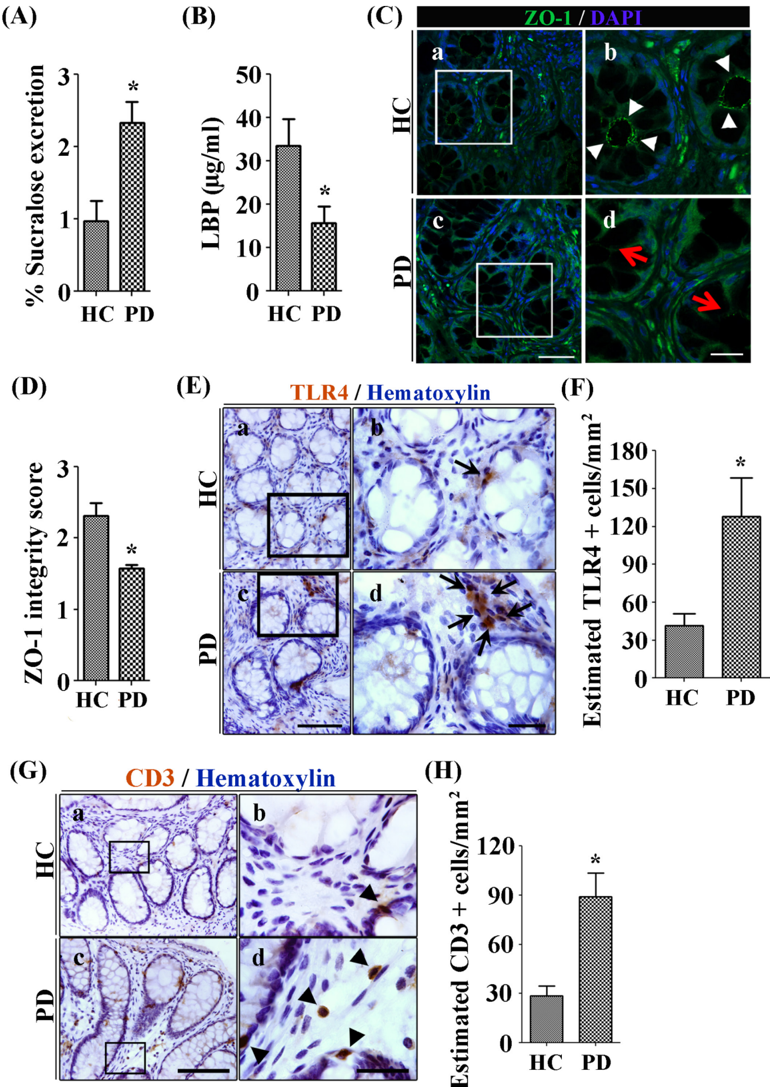
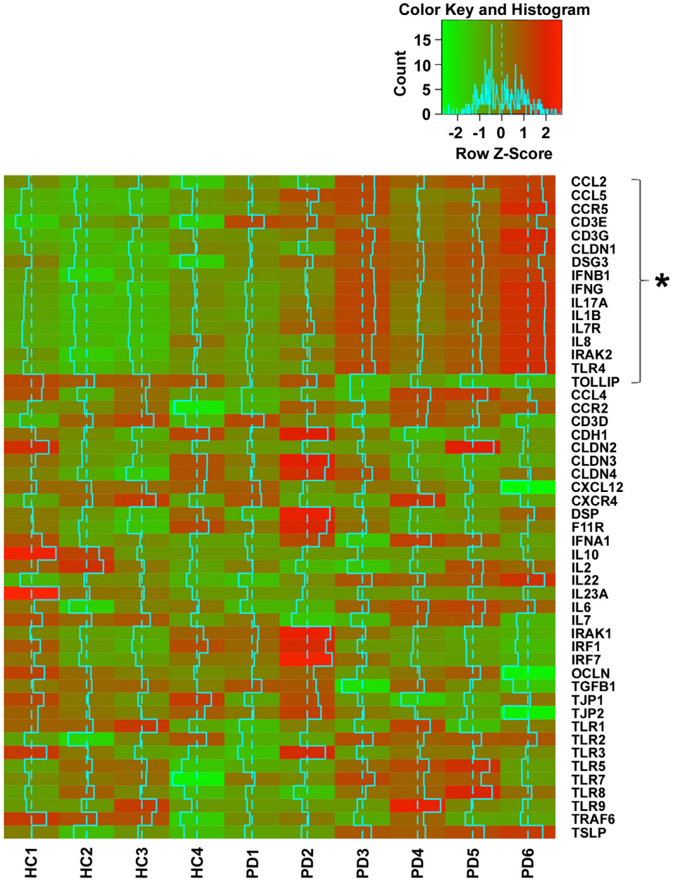
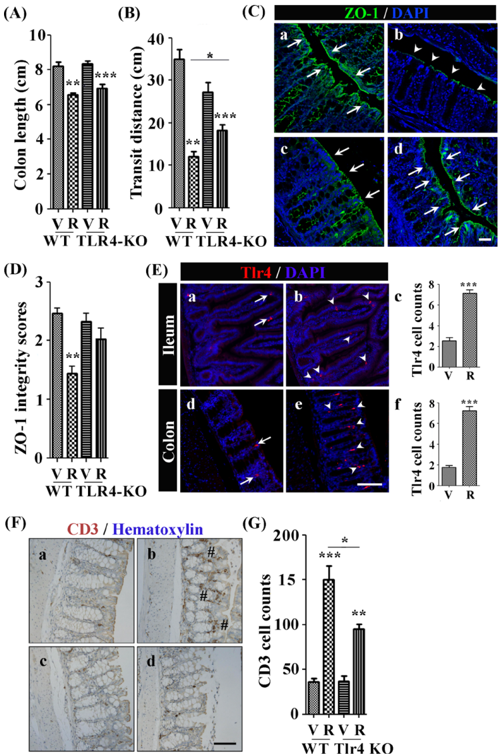
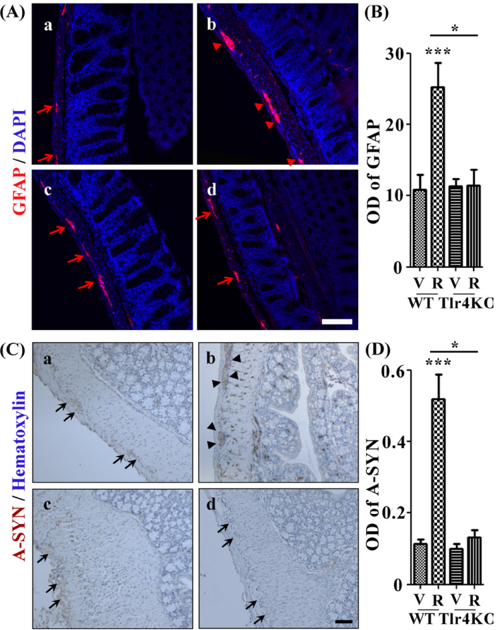
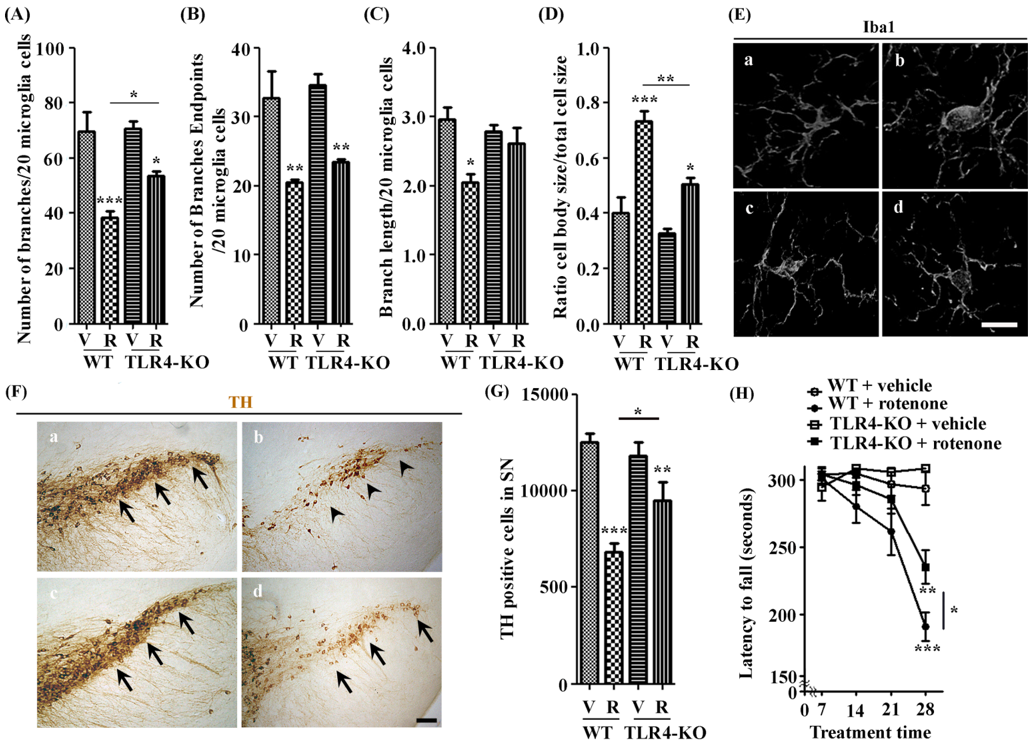
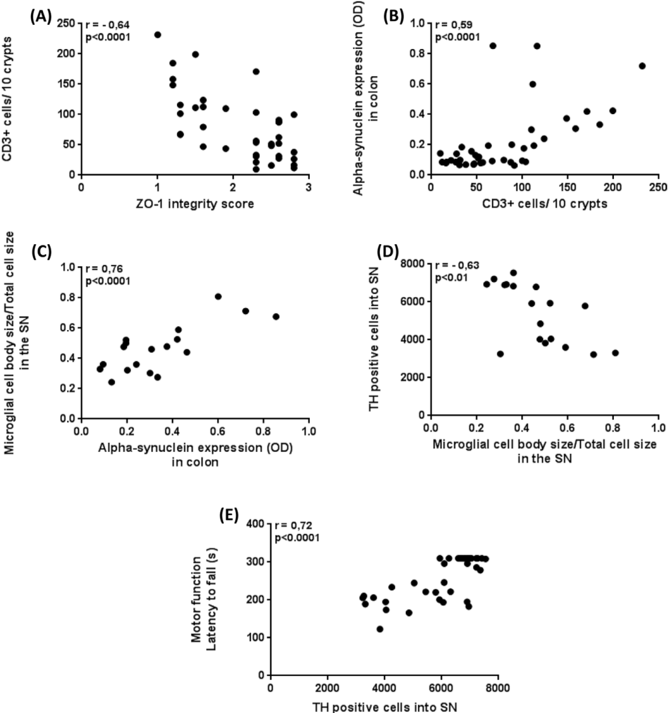
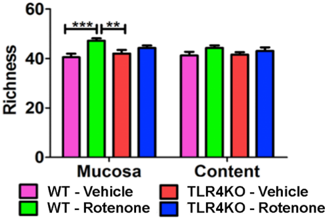
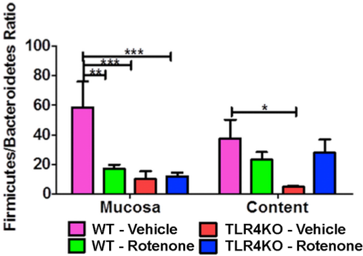
Objective: Recent evidence suggesting an important role of gut-derived inflammation in brain disorders has opened up new directions to explore the possible role of the gut-brain axis in neurodegenerative diseases. Given the prominence of dysbiosis and colonic dysfunction in patients with Parkinson’s disease (PD), we propose that toll-like receptor 4 (TLR4)-mediated intestinal dysfunction could contribute to intestinal and central inflammation in PD-related neurodegeneration. Design: To test this hypothesis we performed studies in both human tissue and a murine model of PD. Inflammation, immune activation and microbiota composition were measured in colonic samples from subjects with PD and healthy controls subjects and rotenone or vehicle-treated mice. To further assess the role of the TLR4 signalling in PD-induced neuroinflammation, we used TLR4-knockout (KO) mice in conjunction with oral rotenone administration to model PD. Results: Patients with PD have intestinal barrier disruption, enhanced markers of microbial translocation and higher pro-inflammatory gene profiles in the colonic biopsy samples compared with controls. In this regard, we found increased expression of the bacterial endotoxin-specific ligand TLR4, CD3+ T cells, cytokine expression in colonic biopsies, dysbiosis characterised by a decrease abundance of SCFA-producing colonic bacteria in subjects with PD. Rotenone treatment in TLR4-KO mice revealed less intestinal inflammation, intestinal and motor dysfunction, neuroinflammation and neurodegeneration, relative to rotenone-treated wild-type animals despite the presence of dysbiotic microbiota in TLR4-KO mice. Conclusion: Taken together, these studies suggest that TLR4-mediated inflammation plays an important role in intestinal and/or brain inflammation, which may be one of the key factors leading to neurodegeneration in PD.
Overview
The claims and statistics of this paper haven’t been checked yet.
Free: it reads the open-access text and checks the first 5 claims that cite a source we can check. Create a free account to check every claim.
Integrity signals
Registry
Cites
Statistics
Figures
Verification
Claims the paper makes
The claims and statistics of this paper haven’t been checked yet.
Free: it reads the open-access text and checks the first 5 claims that cite a source we can check. Create a free account to check every claim.
Claims other papers make about this one
Each is checked against this paper’s own text: does it say what the citing paper says it does?
The source backs part of the claim, not all of it — or backs it for a different population, condition or comparison.
In the citing paper
“These findings are in concordance with a substantial body of literature that consistently reports diminished SCFAs-producing species and SCFA levels in prodromal stage of PD and PD patients compared to healthy controls, which may be correlated with the clinical severity of PD.52,322–331”
From Microbiota–gut–brain axis and its therapeutic applications in neurodegenerative diseases (2024) · cites this paper as [326]
Experimental — accuracy not yet measuredThe source backs part of the claim, not all of it — or backs it for a different population, condition or comparison.
In the citing paper
“Gut microbiome alterations and intestinal barrier impairment have been observed in patients with MCI, AD, PD, and ALS patients.”
From Microbiota–gut–brain axis and its therapeutic applications in neurodegenerative diseases (2024) · cites this paper as [326]
Experimental — accuracy not yet measuredThe source backs part of the claim, not all of it — or backs it for a different population, condition or comparison.
In the citing paper
“Follow-up targeted assays revealed that these effects were mediated by suppressing neuroinflammation and reducing toll-like receptor 4 and tumor necrosis-α signaling [203].”
From The gut–brain axis in early Parkinson’s disease: from prodrome to prevention (2025) · cites this paper as [203]
Experimental — accuracy not yet measuredThe source backs part of the claim, not all of it — or backs it for a different population, condition or comparison.
In the citing paper
“Intestinal barrier dysfunction and increased intestinal permeability caused by inflammation in patients with Parkinson's disease provide conditions for the circulation of inflammatory factors and the exposure of the enteric nervous system to the microbiota and their harmful products.77”
From The role of gut dysbiosis in Parkinson’s disease: mechanistic insights and therapeutic options (2021) · cites this paper as [77]
Experimental — accuracy not yet measuredThe source backs part of the claim, not all of it — or backs it for a different population, condition or comparison.
In the citing paper
“The faecal microbiota of patients with Parkinson's disease shows a decrease in the production of SCFAs or their producing microbiota in most clinical studies.28,30,37,77,182”
From The role of gut dysbiosis in Parkinson’s disease: mechanistic insights and therapeutic options (2021) · cites this paper as [77]
Experimental — accuracy not yet measured
8 more claims about this paper
Create a free account to see every claim other papers make about this one.
Self-check
Percentages, sums and reported differences re-computed from the paper’s own numbers.
The self-check needs the paper’s full text.
Citations
Cites
Gut microbiota regulate motor deficits and neuroinflammation in a model of Parkinson's disease
Sampson, T. R., Debelius, J. W., Thron, T., Janssen, S., Shastri, G. G., Ilhan, Z. E., Challis, C., Schretter, C. E., Rocha, S., Gradinaru, V., et al. (2016) · Cell · doi:10.1016/j.cell.2016.11.018 · Cited by 3,622
Self-citationMechanisms underlying inflammation in neurodegeneration
Glass, C. K., Saijo, K., Winner, B., Marchetto, M. C., & Gage, F. H. (2010) · Cell · doi:10.1016/j.cell.2010.02.016 · Cited by 3,580
Host microbiota constantly control maturation and function of microglia in the CNS
Erny, D., Hrabě de Angelis, A. L., Jaitin, D., Wieghofer, P., Staszewski, O., David, E., Keren-Shaul, H., Mahlakoiv, T., Jakobshagen, K., Buch, T., et al. (2015) · Nature Neuroscience · doi:10.1038/nn.4030 · Cited by 3,569
Inflammasome-mediated dysbiosis regulates progression of NAFLD and obesity
Henao-Mejia, J., Elinav, E., Jin, C., Hao, L., Mehal, W. Z., Strowig, T., Thaiss, C. A., Kau, A. L., Eisenbarth, S. C., Jurczak, M. J., et al. (2012) · Nature · doi:10.1038/nature10809 · Cited by 2,435
Goetz, C. G., Poewe, W., Rascol, O., Sampaio, C., Stebbins, G. T., Counsell, C., Giladi, N., Holloway, R. G., Moore, C. G., Wenning, G. K., et al. (2004) · Movement Disorders · doi:10.1002/mds.20213 · Cited by 2,347
Neuroinflammation in Parkinson’s disease: A target for neuroprotection?
Hirsch, E. C., & Hunot, S. (2009) · The Lancet Neurology · doi:10.1016/s1474-4422(09)70062-6 · Cited by 1,984
Gut microbiota are related to Parkinson's disease and clinical phenotype
Scheperjans, F., Aho, V., Pereira, P. A. B., Koskinen, K., Paulin, L., Pekkonen, E., Haapaniemi, E., Kaakkola, S., Eerola‐Rautio, J., Pohja, M., et al. (2015) · Movement Disorders · doi:10.1002/mds.26069 · Cited by 1,968
How neuroinflammation contributes to neurodegeneration
Ransohoff, R. M. (2016) · Science · doi:10.1126/science.aag2590 · Cited by 1,967
The Role of Oxidative Stress in Parkinson's Disease
Dias, V., Junn, E., & Mouradian, M. M. (2013) · Journal of Parkinson’s Disease · doi:10.3233/jpd-130230 · Cited by 1,845
Variable expression of Parkinson's disease: A base‐line analysis of the DAT ATOP cohort
Jankovic, J., McDermott, M., Carter, J., Gauthier, S., Goetz, C., Golbe, L., Huber, S., Koller, W., Olanow, C., Shoulson, I., et al. (1990) · Neurology · doi:10.1212/wnl.40.10.1529 · Cited by 1,285
Research works printed but not linked: 1
- 53. Petrov Va, Saltykova iV, Zhukova ia, et al. analysis of gut microbiota in patients with parkinson's disease. Bull Exp Biol Med 2017;162:734-7. on February 13, 2020 at Utrecht University Library. Protected by copyright. http://gut.bmj.com/ Gut: first published as 10.1136/gutjnl-2018-316844 on 15 December 2018. Downloaded from · DOI · Paper page
Cited by
Cryan, J. F., O'Riordan, K. J., Cowan, C. S. M., Sandhu, K. V., Bastiaanssen, T. F. S., Boehme, M., Codagnone, M. G., Cussotto, S., Fulling, C., Golubeva, A. V., et al. (2019) · Physiological Reviews · doi:10.1152/physrev.00018.2018 · Cited by 5,286
The gut microbiota–brain axis in behaviour and brain disorders
Morais, L. H., Schreiber, H. L., & Mazmanian, S. K. (2021) · Nature Reviews Microbiology · doi:10.1038/s41579-020-00460-0 · Cited by 2,149
Microbiota–gut–brain axis and its therapeutic applications in neurodegenerative diseases
Loh, J. S., Mak, W. Q., Tan, L. K. S., Ng, C. X., Chan, H. H., Yeow, S. H., Foo, J. B., Ong, Y. S., How, C. W., & Khaw, K. Y. (2024) · Signal Transduction and Targeted Therapy · doi:10.1038/s41392-024-01743-1 · Cited by 1,193
The microbiota-gut-brain axis: from motility to mood
Margolis, K. G., Cryan, J. F., & Mayer, E. A. (2021) · Gastroenterology · doi:10.1053/j.gastro.2020.10.066 · Cited by 999
The Role of Microbiota-Gut-Brain Axis in Neuropsychiatric and Neurological Disorders
Socała, K., Doboszewska, U., Szopa, A., Serefko, A., Włodarczyk, M., Zielińska, A., Poleszak, E., Fichna, J., & Wlaź, P. (2021) · Pharmacological Research · doi:10.1016/j.phrs.2021.105840 · Cited by 857
The gut-brain axis: how microbiota and host inflammasome influence brain physiology and pathology
Rutsch, A., Kantsjö, J. B., & Ronchi, F. (2020) · Frontiers in Immunology · doi:10.3389/fimmu.2020.604179 · Cited by 821
Paracellular permeability and tight junction regulation in gut health and disease
Horowitz, A., Chanez-Paredes, S. D., Haest, X., & Turner, J. R. (2023) · Nature Reviews Gastroenterology & Hepatology · doi:10.1038/s41575-023-00766-3 · Cited by 687
Zhao, Z., Ning, J., Bao, X.-Q., Shang, M., Ma, J., Li, G., & Zhang, D. (2021) · Microbiome · doi:10.1186/s40168-021-01107-9 · Cited by 616
A Comprehensive Review on the Role of the Gut Microbiome in Human Neurological Disorders
Sorboni, S. G., Moghaddam, H. S., Jafarzadeh-Esfehani, R., & Soleimanpour, S. (2022) · Clinical Microbiology Reviews · doi:10.1128/cmr.00338-20 · Cited by 522
The intestinal barrier: a pivotal role in health, inflammation, and cancer
Neurath, M. F., Artis, D., & Becker, C. (2025) · The Lancet Gastroenterology & Hepatology · doi:10.1016/s2468-1253(24)00390-x · Cited by 487
Parkinson disease and the immune system - Associations, mechanisms and therapeutics
Tan, E.-K., Chao, Y.-X., West, A., Chan, L.-L., Poewe, W., & Jankovic, J. (2020) · Nature Reviews Neurology · doi:10.1038/s41582-020-0344-4 · Cited by 457
A gut bacterial amyloid promotes α-synuclein aggregation and motor impairment in mice
Sampson, T. R., Challis, C., Jain, N., Moiseyenko, A., Ladinsky, M. S., Shastri, G. G., Thron, T., Needham, B. D., Horvath, I., Debelius, J. W., et al. (2020) · eLife · doi:10.7554/elife.53111 · Cited by 439
Aho, V. T. E., Houser, M. C., Pereira, P. A. B., Chang, J., Rudi, K., Paulin, L., Hertzberg, V., Auvinen, P., Tansey, M. G., & Scheperjans, F. (2021) · Molecular Neurodegeneration · doi:10.1186/s13024-021-00427-6 · Cited by 435
The microbiome–gut–brain axis in Parkinson disease — from basic research to the clinic
Tan, A. H., Lim, S. Y., & Lang, A. E. (2022) · Nature Reviews Neurology · doi:10.1038/s41582-022-00681-2 · Cited by 392
Suganya, K., & Koo, B.-S. (2020) · International Journal of Molecular Sciences · doi:10.3390/ijms21207551 · Cited by 368
Aburto, M. R., & Cryan, J. F. (2024) · Nature Reviews Gastroenterology & Hepatology · doi:10.1038/s41575-023-00890-0 · Cited by 359
Enteric glial biology, intercellular signalling and roles in gastrointestinal disease
Seguella, L., & Gulbransen, B. D. (2021) · Nature Reviews Gastroenterology & Hepatology · doi:10.1038/s41575-021-00423-7 · Cited by 323
The role of gut dysbiosis in Parkinson’s disease: mechanistic insights and therapeutic options
Wang, Q., Luo, Y., Ray Chaudhuri, K., Reynolds, R., Tan, E.-K., & Pettersson, S. (2021) · Brain · doi:10.1093/brain/awab156 · Cited by 281
The role of Toll-like receptors and neuroinflammation in Parkinson’s disease
Heidari, A., Yazdanpanah, N., & Rezaei, N. (2022) · Journal of Neuroinflammation · doi:10.1186/s12974-022-02496-w · Cited by 275
“These results might point out the possible contribution of TLR4 in intestinal dysfunction and the roles of the microbiome and the gut–brain axis in disease development, which remain to be further investigated in forthcoming studies [98].”
BackgroundResultInfluentialImmunoregulatory role of the gut microbiota in inflammatory depression
Liu, P., Liu, Z., Wang, J., Wang, J., Gao, M., Zhang, Y., Yang, C., Zhang, A., Li, G., Li, X., et al. (2024) · Nature Communications · doi:10.1038/s41467-024-47273-w · Cited by 245
Hou, Y.-F., Shan, C., Zhuang, S.-Y., Zhuang, Q.-Q., Ghosh, A., Zhu, K.-C., Kong, X.-K., Wang, S.-M., Gong, Y.-L., Yang, Y.-Y., et al. (2021) · Microbiome · doi:10.1186/s40168-020-00988-6 · Cited by 231
The intestinal barrier in disorders of the central nervous system
Pellegrini, C., Fornai, M., D'Antongiovanni, V., Antonioli, L., Bernardini, N., & Derkinderen, P. (2023) · The Lancet Gastroenterology & Hepatology · doi:10.1016/s2468-1253(22)00241-2 · Cited by 239
The Microbiome as a Modifier of Neurodegenerative Disease Risk
Fang, P., Kazmi, S. A., Jameson, K. G., & Hsiao, E. Y. (2020) · Cell Host & Microbe · doi:10.1016/j.chom.2020.06.008 · Cited by 226
“Moreover, in rotenone-treated mice, depletion of Toll-like receptor (TLR) 4 ameliorates rotenoneinduced intestinal infiltration of CD3+ T cells and intestinal dysfunction, as well as rotenone-induced motor deficits and loss of dopaminergic neurons (Perez-Pardo et al., 2019).”
BackgroundThe microbiota-immune axis as a central mediator of gut-brain communication
Fung, T. C. (2020) · Neurobiology of Disease · doi:10.1016/j.nbd.2019.104714 · Cited by 230
The function of gut microbiota in immune-related neurological disorders: a review
Sittipo, P., Choi, J., Lee, S., & Lee, Y. K. (2022) · Journal of Neuroinflammation · doi:10.1186/s12974-022-02510-1 · Cited by 221
“The intestinal barrier is disrupted in patients with PD and PD mouse models, suggesting that intestinal barrier– brain interaction plays an important role in PD pathology [92].”
BackgroundChidambaram, S. B., Essa, M. M., Rathipriya, A. G., Bishir, M., Ray, B., Mahalakshmi, A. M., Tousif, A. H., Sakharkar, M. K., Kashyap, R. S., Friedland, R. P., et al. (2022) · Pharmacology & Therapeutics · doi:10.1016/j.pharmthera.2021.107988 · Cited by 204
Sodium butyrate attenuated neuronal apoptosis via GPR41/Gβγ/PI3K/Akt pathway after MCAO in rats
Zhou, Z., Xu, N., Matei, N., McBride, D. W., Ding, Y., Liang, H., Tang, J., & Zhang, J. H. (2021) · Journal of Cerebral Blood Flow & Metabolism · doi:10.1177/0271678x20910533 · Cited by 203
Gut Microbial Ecosystem in Parkinson Disease: New Clinicobiological Insights from Multi‐Omics
Tan, A. H., Chong, C. W., Lim, S., Yap, I. K. S., Teh, C. S. J., Loke, M. F., Song, S., Tan, J. Y., Ang, B. H., Tan, Y. Q., et al. (2021) · Annals of Neurology · doi:10.1002/ana.25982 · Cited by 196
“Intestinal hyperpermeability has been demonstrated in PD,(43,44) associated with deposition of α-synuclein (a neuropathological hallmark of PD)(43,44) and increased expression of toll-like receptors and proinflammatory cytokines.(44) Additionally, butyrate, a histone deacetylase inhibitor, showed neuroprotective roles…”
BackgroundParkinson’s disease and gut microbiota: from clinical to mechanistic and therapeutic studies
Zhang, X., Tang, B., & Guo, J. (2023) · Translational Neurodegeneration · doi:10.1186/s40035-023-00392-8 · Cited by 187
“The TLR4 signaling system, which recognizes Gram-negative bacterial lipopolysaccharides (LPS) and endogenous chemicals, plays a significant role in the inflammation observed in the intestines and brains of patients with PD [132].”
BackgroundNeuroinflammation and Parkinson’s Disease—From Neurodegeneration to Therapeutic Opportunities
Araújo, B., Caridade-Silva, R., Soares-Guedes, C., Martins-Macedo, J., Gomes, E. D., Monteiro, S., & Teixeira, F. G. (2022) · Cells · doi:10.3390/cells11182908 · Cited by 187
“A transgenic mouse (overexpressing human A53T mutation) exposed to LPS revealed an increase in neuroinflammation, protein aggregation, DAn loss, and Lewy body (LBs) formation in the nigrostriatal neurons compared to wild-type animals [230].”
BackgroundInfluentialGut Microbiota: A Novel Therapeutic Target for Parkinson’s Disease
Zhu, M., Liu, X., Ye, Y., Yan, X., Cheng, Y., Zhao, L., Chen, F., & Ling, Z. (2022) · Frontiers in Immunology · doi:10.3389/fimmu.2022.937555 · Cited by 177
Pellegrini, C., Antonioli, L., Calderone, V., Colucci, R., Fornai, M., & Blandizzi, C. (2020) · Progress in Neurobiology · doi:10.1016/j.pneurobio.2020.101806 · Cited by 174
Parkinson’s Disease and the Gastrointestinal Microbiome
Lubomski, M., Tan, A. H., Lim, S.-Y., Holmes, A. J., Davis, R. L., & Sue, C. M. (2020) · Journal of Neurology · doi:10.1007/s00415-019-09320-1 · Cited by 172
Biomarkers for Parkinson’s Disease: How Good Are They?
Li, T., & Le, W. (2020) · Neuroscience Bulletin · doi:10.1007/s12264-019-00433-1 · Cited by 163
Salidroside ameliorates Parkinson's disease by inhibiting NLRP3-dependent pyroptosis
Zhang, X., Zhang, Y., Li, R., Zhu, L., Fu, B., & Yan, T. (2020) · Aging · doi:10.18632/aging.103215 · Cited by 163
“that can be activated by endogenous danger factors and then induced inflammation responses in PD [73].”
BackgroundLi, Y., Peng, Y., Shen, Y., Zhang, Y., Liu, L., & Yang, X. (2023) · Critical Reviews in Food Science and Nutrition · doi:10.1080/10408398.2022.2076064 · Cited by 156
Chen, Y., Fang, L., Chen, S., Zhou, H., Fan, Y., Lin, L., Li, J., Xu, J., Chen, Y., Ma, Y., et al. (2020) · BioMed Research International · doi:10.1155/2020/8456596 · Cited by 146
Toll-like receptors and their therapeutic potential in Parkinson’s disease and α-synucleinopathies
Kouli, A., Horne, C. B., & Williams-Gray, C. H. (2019) · Brain Behavior and Immunity · doi:10.1016/j.bbi.2019.06.042 · Cited by 143
Gut Microbiota Dysbiosis Is Associated with Elevated Bile Acids in Parkinson’s Disease
Li, P., Killinger, B. A., Ensink, E., Beddows, I., Yilmaz, A., Lubben, N., Lamp, J., Schilthuis, M., Vega, I. E., Woltjer, R., et al. (2021) · Metabolites · doi:10.3390/metabo11010029 · Cited by 146
Diet in Parkinson’s Disease: Critical Role for the Microbiome
Jackson, A., Forsyth, C. B., Shaikh, M., Voigt, R. M., Engen, P. A., Ramirez, V., & Keshavarzian, A. (2019) · Frontiers in Neurology · doi:10.3389/fneur.2019.01245 · Cited by 145
“Specifically, TLR4 knock out mice are protected from the effects of oral low dose rotenone as well as MPTP including less neuroinflammation and neurodegeneration, compared to rotenone-treated, wildtype mice (68, 202).”
BackgroundSelf-citationAlpha-Synuclein Pathology and the Role of the Microbiota in Parkinson’s Disease
Fitzgerald, E., Murphy, S., & Martinson, H. A. (2019) · Frontiers in Neuroscience · doi:10.3389/fnins.2019.00369 · Cited by 143
Zhao, Z., Li, F., Ning, J., Peng, R., Shang, J., Liu, H., Shang, M., Bao, X.-Q., & Zhang, D. (2021) · Acta Pharmaceutica Sinica B · doi:10.1016/j.apsb.2021.03.020 · Cited by 137
Gut microbiome in Parkinson's disease: New insights from meta-analysis
Toh, T. S., Chong, C. W., Lim, S.-Y., Bowman, J., Cirstea, M., Lin, C.-H., Chen, C.-C., Appel-Cresswell, S., Finlay, B. B., & Tan, A. H. (2022) · Parkinsonism & Related Disorders · doi:10.1016/j.parkreldis.2021.11.017 · Cited by 131
Using Rotenone to Model Parkinson’s Disease in Mice: A Review of the Role of Pharmacokinetics
Innos, J., & Hickey, M. A. (2021) · Chemical Research in Toxicology · doi:10.1021/acs.chemrestox.0c00522 · Cited by 145
The Link between Gut Dysbiosis and Neuroinflammation in Parkinson’s Disease
Baizabal-Carvallo, J. F., & Alonso-Juarez, M. (2020) · Neuroscience · doi:10.1016/j.neuroscience.2020.02.030 · Cited by 130
Metta, V., Leta, V., Mrudula, K. R., Prashanth, L. K., Goyal, V., Borgohain, R., Chung-Faye, G., & Chaudhuri, K. R. (2022) · Journal of Neurology · doi:10.1007/s00415-021-10567-w · Cited by 130
“In a randomized, doubleblind, placebo-controlled trial in PD patients, probiotics have been shown to improve overall PD [57, 73].”
BackgroundAçar, Y., Ağagündüz, D., Cicco, P. D., & Capasso, R. (2023) · Biomedicine & Pharmacotherapy · doi:10.1016/j.biopha.2023.115788 · Cited by 134
Shao, S., Jia, R., Zhao, L., Zhang, Y., Guan, Y., Wen, H., Liu, J., Zhao, Y., Feng, Y., Zhang, Z., et al. (2021) · Phytomedicine · doi:10.1016/j.phymed.2021.153606 · Cited by 144
Teixeira, M. I., Lopes, C. M., Amaral, M. H., & Costa, P. C. (2020) · European Journal of Pharmaceutics and Biopharmaceutics · doi:10.1016/j.ejpb.2020.01.005 · Cited by 128
Gut microbiome-mediated regulation of neuroinflammation
Bostick, J. W., Schonhoff, A. M., & Mazmanian, S. K. (2022) · Current Opinion in Immunology · doi:10.1016/j.coi.2022.102177 · Cited by 126
Toll-like receptor-mediated neuroinflammation: relevance for cognitive dysfunctions
Squillace, S., & Salvemini, D. (2022) · Trends in Pharmacological Sciences · doi:10.1016/j.tips.2022.05.004 · Cited by 117
The Gut-Brain Axis: Two Ways Signaling in Parkinson’s Disease
Dogra, N., Mani, R. J., & Katare, D. P. (2021) · Cellular and Molecular Neurobiology · doi:10.1007/s10571-021-01066-7 · Cited by 133
Gut Vibes in Parkinson's Disease: The Microbiota‐Gut‐Brain Axis
Bullich, C., Keshavarzian, A., Garssen, J., Kraneveld, A., & Perez‐Pardo, P. (2019) · Movement Disorders Clinical Practice · doi:10.1002/mdc3.12840 · Cited by 114
Self-citationRegulation of common neurological disorders by gut microbial metabolites
Park, J., & Kim, C. H. (2021) · Experimental & Molecular Medicine · doi:10.1038/s12276-021-00703-x · Cited by 134
Wijeyekoon, R. S., Kronenberg-Versteeg, D., Scott, K. M., Hayat, S., Kuan, W.-L., Evans, J. R., Breen, D. P., Cummins, G., Jones, J. L., Clatworthy, M. R., et al. (2020) · Brain, Behavior, and Immunity · doi:10.1016/j.bbi.2020.01.018 · Cited by 104
“intestinal permeability in PD patients, with lower levels of LPS binding protein (LBP) (indicating less LPS neutralisation) and increased gut staining for Escherichia Coli bacteria (Forsyth et al., 2011; Perez-Pardo et al., 2019).”
BackgroundTLR2 and TLR4 in Parkinson’s disease pathogenesis: The environment takes a toll on the gut
Gorecki, A. M., Anyaegbu, C. C., & Anderton, R. S. (2021) · Translational Neurodegeneration · doi:10.1186/s40035-021-00271-0 · Cited by 103
“TLR4 levels throughout the intestinal epithelium and in the wider body are also elevated in PD [48, 60], indicating perturbed regulation.”
BackgroundInfluentialThe gut microbiome in Parkinson's disease: A culprit or a bystander?
(2020) · Progress in Brain Research · doi:10.1016/bs.pbr.2020.01.004 · Cited by 103
Self-citationPotential roles of gut microbiota and microbial metabolites in Parkinson’s disease
Zheng, S.-Y., Li, H.-X., Xu, R.-C., Miao, W.-T., Dai, M.-Y., Ding, S.-T., & Liu, H.-D. (2021) · Ageing Research Reviews · doi:10.1016/j.arr.2021.101347 · Cited by 101
Han, D., Li, Z., Liu, T., Yang, N., Li, Y., He, J., Qian, M., Kuang, Z., Zhang, W., Ni, C., et al. (2020) · Aging and disease · doi:10.14336/ad.2020.0106 · Cited by 99
“In addition, the increased permeability of the intestinal barrier and BBB induced by intestinal dysbiosis had been considered as pivotal causes of neurodegenerative diseases [4].”
BackgroundMitochondrial DNA damage triggers spread of Parkinson’s disease-like pathology
Tresse, E., Marturia-Navarro, J., Sew, W. Q. G., Cisquella-Serra, M., Jaberi, E., Riera-Ponsati, L., Fauerby, N., Hu, E., Kretz, O., Aznar, S., et al. (2023) · Molecular Psychiatry · doi:10.1038/s41380-023-02251-4 · Cited by 99
“Previous studies had suggested the involvement of TLR4 in PD pathology [71, 72], but primarily linked to microglia activation by α -synuclein [73, 74].”
BackgroundProbiotics for Parkinson's disease: Current evidence and future directions
Tan, A. H., Hor, J. W., Chong, C. W., & Lim, S. (2021) · JGH Open · doi:10.1002/jgh3.12450 · Cited by 98
The Intestinal Barrier in Parkinson’s Disease: Current State of Knowledge
van IJzendoorn, S. C. D., & Derkinderen, P. (2019) · Journal of Parkinson’s Disease · doi:10.3233/jpd-191707 · Cited by 97
Xiang, Z.-B., Xu, R.-S., Zhu, Y., Yuan, M., Liu, Y., Yang, F., Chen, W.-Z., & Xu, Z.-Z. (2022) · Neural Regeneration Research · doi:10.4103/1673-5374.317981 · Cited by 93
“Recently, several studies have reported that PD shares similar intestinal alterations to IBD (Clairembault et al., 2015; Rocha et al., 2015; Qin et al., 2016; Houser et al., 2018; Perez-Pardo et al., 2019; Rutsch et al., 2020).”
BackgroundPellegrini, C., D’Antongiovanni, V., Miraglia, F., Rota, L., Benvenuti, L., Di Salvo, C., Testa, G., Capsoni, S., Carta, G., Antonioli, L., et al. (2022) · npj Parkinson's Disease · doi:10.1038/s41531-021-00263-x · Cited by 92
“…and the impaired IEB can induce changes in SCFA levels 5 , characterized by alterations of butyrate levels, that could contribute to IEB impairment 6 , and, an increase in LPS concentration, which, translocating into the intestinal mucosa 7 could further contribute to the activation of immune/in…”
InfluentialGut-first Parkinson’s disease is encoded by gut dysbiome
Muñoz, M., Candeias, E., Melo-Marques, I., Esteves, A. R., Maranha, A., Magalhães, J. D., Carneiro, D. R., Sant’Anna, M., Pereira-Santos, A. R., Abreu, A. E., et al. (2024) · Molecular Neurodegeneration · doi:10.1186/s13024-024-00766-0 · Cited by 97
“For intestinal barrier integrity, the analysis was scored using a grading scale as previously described [4, 44, 45].”
MethodZhou, X., Lu, J., Wei, K., Wei, J., Tian, P., Yue, M., Wang, Y., Hong, D., Li, F., Wang, B., et al. (2021) · Oxidative Medicine and Cellular Longevity · doi:10.1155/2021/9424582 · Cited by 85
“The signalling pathway mediated by TLR4 plays an important role in PD [33], and knockout of the Tlr4 gene reduces rotenone-induced motor dysfunction, neuroinflammation, and corresponding neuropathological changes in PD mice [33].”
Majumdar, A., Venkatesh, I. P. S., & Basu, A. (2023) · ACS Chemical Neuroscience · doi:10.1021/acschemneuro.2c00803 · Cited by 92
Is Parkinson’s disease a chronic low-grade inflammatory bowel disease?
Rolli‐Derkinderen, M., Leclair‐Visonneau, L., Bourreille, A., Coron, E., Neunlist, M., & Derkinderen, P. (2019) · Journal of Neurology · doi:10.1007/s00415-019-09321-0 · Cited by 97
The role of short-chain fatty acids in central nervous system diseases
Dong, Y., & Cui, C. (2022) · Molecular and Cellular Biochemistry · doi:10.1007/s11010-022-04471-8 · Cited by 89
“It has been demonstrated that the number of SCFAs-producing bacteria in the colon was significantly reduced in PD patients [42].”
BackgroundThe gut-brain axis and Parkinson disease: Clinical and pathogenetic relevance
Menozzi, E., Macnaughtan, J., & Schapira, A. H. V. (2021) · Annals of Medicine · doi:10.1080/07853890.2021.1890330 · Cited by 81
“To tackle the issue, tight junction proteins expression has been analysed in colonic biopsies of PD patients, finding significantly lower occludin, but not zonulin, and aberrant subcellular distribution of tight junction proteins [43], or reduced zonulin [40], in PD as compared to controls.”
BackgroundResultGuo, T.-T., Zhang, Z., Sun, Y., Zhu, R.-Y., Wang, F.-X., Ma, L.-J., Jiang, L., & Liu, H.-D. (2023) · Nutrients · doi:10.3390/nu15040930 · Cited by 82
“The MPTP-induced PD mice showed attenuation in intestinal inflammation and neuroinflammation upon the knocking out of TLR4 [67].”
BackgroundWu, M.-L., Yang, X.-Q., Xue, L., Duan, W., & Du, J.-R. (2021) · Behavioural Brain Research · doi:10.1016/j.bbr.2021.113125 · Cited by 79
The Endotoxin Hypothesis of Parkinson's Disease
Brown, G. C., Camacho, M., & Williams‐Gray, C. H. (2023) · Movement Disorders · doi:10.1002/mds.29432 · Cited by 89
Microbiome, Parkinson’s Disease and Molecular Mimicry
Miraglia, F., & Colla, E. (2019) · Cells · doi:10.3390/cells8030222 · Cited by 90
“Furthermore, TRL4 expression on microglia seems to be required for soluble and aggregated αS phagocytosis [139], and TRL-4 KO mice are more resistant to rotenone-induced neuroinflammation and neurodegeneration [81].”
BackgroundEnteric glia in homeostasis and disease: From fundamental biology to human pathology
Rosenberg, H. J., & Rao, M. (2021) · iScience · doi:10.1016/j.isci.2021.102863 · Cited by 87
“GImotility symptoms are common inpatientswithPD (Gallagher et al., 2010; Pfeiffer, 2011), and inmanypatients, they precede the somatic motor symptoms characteristic of the disease (Abbott et al., 2001).”
BackgroundWang, J., Zhu, G., Sun, C., Xiong, K., Yao, T., Su, Y., & Fang, H. (2020) · Microbial Cell Factories · doi:10.1186/s12934-020-01417-x · Cited by 78
Duan, W.-X., Wang, F., Liu, J., & Liu, C. (2023) · Neuroscience Bulletin · doi:10.1007/s12264-023-01123-9 · Cited by 95
“A significant increase in 24-h urine excretion of sucralose was observed in PD patients compared to the control group, indicating an increase in colonic permeability [35].”
BackgroundReview: The Role of Intestinal Dysbiosis in Parkinson’s Disease
Huang, Y., Liao, J., Liu, X., Zhong, Y., Cai, X., & Long, L. (2021) · Frontiers in Cellular and Infection Microbiology · doi:10.3389/fcimb.2021.615075 · Cited by 75
“, 2016), and studies have suggested that the increased intestinal permeability to endotoxins among PD patients is caused by microbial intestinal inflammation (PerezPardo et al., 2018; Perez-Pardo et al., 2019).”
BackgroundYang, K., Li, G., Li, Q., Wang, W., Zhao, X. X., Shao, N., Qiu, H., Liu, J., Xu, L., & Zhao, J. (2025) · Cell & Bioscience · doi:10.1186/s13578-025-01385-y · Cited by 107
“These observations are consistent with studies indicating that PD patients often exhibit colonic inflammation, which affects neuroinflammation via the brain-gut axis [105, 106].”
Dong, X.-L., Wang, X., Liu, F., Liu, X., Du, Z.-R., Li, R. W., Xue, C.-H., Wong, K.-H., Wong, W.-T., Zhao, Q., et al. (2020) · International Journal of Biological Macromolecules · doi:10.1016/j.ijbiomac.2020.07.180 · Cited by 75
The Positive Role and Mechanism of Herbal Medicine in Parkinson’s Disease
Yin, R. L., Xue, J., Tan, Y., Fang, C., Hu, C., Yang, Q., Mei, X., & Qi, D. (2021) · Oxidative Medicine and Cellular Longevity · doi:10.1155/2021/9923331 · Cited by 85
“factors leading to neurodegeneration in PD [82].”
Parkinson’s Disease is Predominantly a Genetic Disease
Lim, S., & Klein, C. (2024) · Journal of Parkinson s Disease · doi:10.3233/jpd-230376 · Cited by 90
“For example, apart from rotenone models [88, 89], currently the most convincing animal models of gut dysbiosis in PD involve an induced genetic aberration, causing synuclein over-expression, mitochondrial dysfunction, or LRRK2 overexpression,suggestingthatanunderlyinggenetic…”
BackgroundChronic Heat Stress Induces Acute Phase Responses and Serum Metabolome Changes in Finishing Pigs
Cui, Y., Wang, C., Hao, Y., Gu, X., & Wang, H. (2019) · Animals · doi:10.3390/ani9070395 · Cited by 74
“LBP is also a positive APR, which binds LPS, subsequently presenting them to CD14 to initiate innate immunity [22].”
BackgroundIntestinal Inflammation and Parkinson’s Disease
Li, Y., Chen, Y., Jiang, L., Zhang, J., Tong, X., Chen, D., & Le, W. (2021) · Aging and Disease · doi:10.14336/ad.2021.0418 · Cited by 80
Chen, S., & Lin, C. (2022) · Journal of Biomedical Science · doi:10.1186/s12929-022-00839-6 · Cited by 93
“Knockout of TLR4 or treatment with TNF-α antagonist or TLR4 blockers mitigates neuroinflammation, dopaminergic neuronal loss, and motor dysfunction in both cellular and rodent models of PD [66, 76, 78, 79].”
BackgroundInfluentialChu, C., Yu, L., Li, Y. H., Guo, H., Zhai, Q., Chen, W., & Tian, F. (2023) · Nutrients · doi:10.3390/nu15071737 · Cited by 79
“A recent study analyzing colon tissue samples from patients with PD found pathological manifestations, including barrier damage, mucosal inflammation, and immune activation in the colon tissue of patients with PD [26].”
BackgroundNLRP3 Inflammasomes in Parkinson’s disease and their Regulation by Parkin
Yan, Y., Fang, Y., Zheng, R., Pu, J., & Zhang, B. (2020) · Neuroscience · doi:10.1016/j.neuroscience.2020.08.004 · Cited by 77
Lei, Q., Wu, T., Wu, J., Hu, X., Guan, Y., Wang, Y., Yan, J., & Shi, G. (2021) · Molecular Medicine Reports · doi:10.3892/mmr.2021.12374 · Cited by 80
Lorente-Picón, M., & Laguna, A. (2021) · Biomolecules · doi:10.3390/biom11030433 · Cited by 69
“of chronic intestinal inflammation in some PD patients [171,172] leading to the hypothesis that intestinal and peripheral inflammation contribute to neuroinflammation aggravating the progression of the disease [173].”
BackgroundYan, Z., Yang, F., Sun, L., Yu, J., Sun, L., Si, Y., & Yao, L. (2022) · Brain Behavior and Immunity · doi:10.1016/j.bbi.2022.09.009 · Cited by 95
Li, Z., Lu, G., Li, Z., Wu, B., Luo, E., Qiu, X., Guo, J., Xia, Z., Zheng, C., Su, Q., et al. (2021) · Frontiers in Immunology · doi:10.3389/fimmu.2021.632482 · Cited by 66
“Notably, a recent study showed that enteric inflammation plays an important role in PD pathogenesis (30).”
BackgroundWu, Y., Yu, X., Wang, Y., Huang, Y.-L., Tang, J., Gong, S., Jiang, S., Xia, Y., Li, F., Yu, B., et al. (2021) · Acta Pharmaceutica Sinica B · doi:10.1016/j.apsb.2021.09.017 · Cited by 67
Interactions between gut microbes and NLRP3 inflammasome in the gut-brain axis
Ding, Y., Wang, Z., Chen, Y., Guo, Q., & Dong, Y. (2023) · Computational and Structural Biotechnology Journal · doi:10.1016/j.csbj.2023.03.017 · Cited by 71
Disulfiram blocks inflammatory TLR4 signaling by targeting MD-2
Bai, Y., Min, R., Chen, P., Mei, S., Deng, F., Zheng, Z., Jiang, C., Miao, R., Wu, Z., Zhang, P., et al. (2023) · Proceedings of the National Academy of Sciences · doi:10.1073/pnas.2306399120 · Cited by 65
“TLR4 has been suggested to play a major role in PD pathogenesis, since Tlr4 −/− mice are partially protected in the MPTP-induced mouse model of PD (19, 29, 30).”
BackgroundWang, Y., Tan, Q., Pan, M., Yu, J., Wu, S., Tu, W., Li, M., & Jiang, S. (2024) · International Immunopharmacology · doi:10.1016/j.intimp.2024.112030 · Cited by 71
The gut in Parkinson’s disease: Bottom‐up, top‐down, or neither?
Leclair‐Visonneau, L., Neunlist, M., Derkinderen, P., & Lebouvier, T. (2020) · Neurogastroenterology & Motility · doi:10.1111/nmo.13777 · Cited by 62
Layunta, E., Buey, B., Mesonero, J. E., & Latorre, E. (2021) · Frontiers in Endocrinology · doi:10.3389/fendo.2021.748254 · Cited by 72
Gastrointestinal Immunity and Alpha-Synuclein
Barbut, D., Stolzenberg, E. D., & ZASLOFF, M. A. (2019) · Journal of Parkinson s Disease · doi:10.3233/jpd-191702 · Cited by 71
Gut Microbiota Regulate Astrocytic Functions in the Brain: Possible Therapeutic Consequences
Zhao, Y.-F., Wei, D., & Tang, Y. (2021) · Current Neuropharmacology · doi:10.2174/1570159x19666210215123239 · Cited by 66
“lipoproteins, lipopeptides and LPS), and activate the downstream inflammatory pathways [85].”
BackgroundFootprints of a microbial toxin from the gut microbiome to mesencephalic mitochondria
Esteves, A. R., Muñoz, M., Nunes‐Costa, D., Candeias, E., Silva, D. F., Magalhães, J. D., Pereira-Santos, A. R., Ferreira, I. L., Alarico, S., Tiago, I., et al. (2021) · Gut · doi:10.1136/gutjnl-2021-326023 · Cited by 63
Metadata
- Authors
- Perez-Pardo, P., Dodiya, H. B., Engen, P. A., Forsyth, C. B., Huschens, A. M., Shaikh, M., Voigt, R. M., Naqib, A., Green, S. J., Kordower, J. H., Shannon, K. M., Garssen, J., Kraneveld, A. D., & Keshavarzian, A.
- Affiliations
- Division of Pharmacology, Utrecht Institute for Pharmaceutical Sciences, Faculty of Science, Utrecht University, Utrecht, The Netherlands
- Rush University Medical Center (US)
- Utrecht University (NL)
- University of Illinois Chicago (US)
- Rush University (US)
- ORCID
- Venue
- Gut
- Publisher
- BMJ
- Published
- 2018-12-15
- Volume
- 68
- Issue
- 5
- Pages
- 829-843
- ISSN
- 0017-5749 (ISSN-L)
- 1468-3288
- OpenAlex
- W2905177566
- Cited by
- 467
- References
- 59
- Citations by year
- 2026: 36 · 2025: 52 · 2024: 72 · 2023: 68 · 2022: 75 · 2021: 93 · 2020: 45 · 2019: 24
- FWCI
- 27.68
- Type
- journal article
- Language
- en
- Open access
- hybrid
- doi.org
- Licence
- cc-by-nc
- Locations
- Gut (publishedVersion, cc-by-nc)
- PubMed (publishedVersion)
- Utrecht University Repository (Utrecht University) (submittedVersion, other-oa)
- HighWire Press Open Archive (submittedVersion)
- Utrecht University Repository (Utrecht University) (submittedVersion, cc-by-nc)
- Topics
- Health Sciences › Medicine › Clinical Neurology › Parkinson's Disease Mechanisms and Treatments
- Life Sciences › Neuroscience › Neurology › Neuroinflammation and Neurodegeneration Mechanisms
- Life Sciences › Biochemistry, Genetics and Molecular Biology › Molecular Biology › Gut microbiota and health
- Keywords
- Parkinson's disease, TLR4, gut-brain axis, neuroinflammation, gut dysbiosis, intestinal barrier dysfunction, microbial translocation, short-chain fatty acids, rotenone, TLR4 knockout mice, colonic inflammation, motor impairment, neurodegeneration, gut microbiota
- MeSH terms
- Animals, Colon, Disease Models, Animal, Humans, Mice, Inbred C57BL, Parkinson Disease, Case-Control Studies, CD3 Complex, Mice, Knockout, Toll-Like Receptor 4, Mice, Dysbiosis
About these checks
Registry, retraction, Cites and statistics results are computed, not judged, with one exception: a printed reference that no index lists is read once by a model before it counts as a citation error. Claims are extracted by a model and kept only when their quote appears verbatim in the text; each cited source is then checked, with a model’s help, for whether it says what the claim relies on. Those verdicts can be wrong — read the claim’s quote and the cited source before relying on one.
Statistics and arithmetic are recomputed, not judged.
Confidence bands are shown only for fields calibrated on our annotated test set. None is calibrated yet, so no band is shown.
What counts as a claim ›How we measure confidence ›How we check this ›
Are you an author, or do you see a problem with this page? Request a review
Data sources
Bibliographic data: Semantic Scholar, OpenAlex, Crossref.
Contains information from the Semantic Scholar Academic Graph Datasets, made available under the ODC Attribution License (ODC-BY 1.0).
Semantic Scholar’s data is described in: Kinney, R., et al. (2023). The Semantic Scholar Open Data Platform. arXiv:2301.10140.
