

Role of TLR4 in the gut-brain axis in Parkinson's disease: A translational study from men to mice
Open accessThe DOI matches its Crossref record; 59 of the 59 references it cites were found in a registry or an index.
Abstract
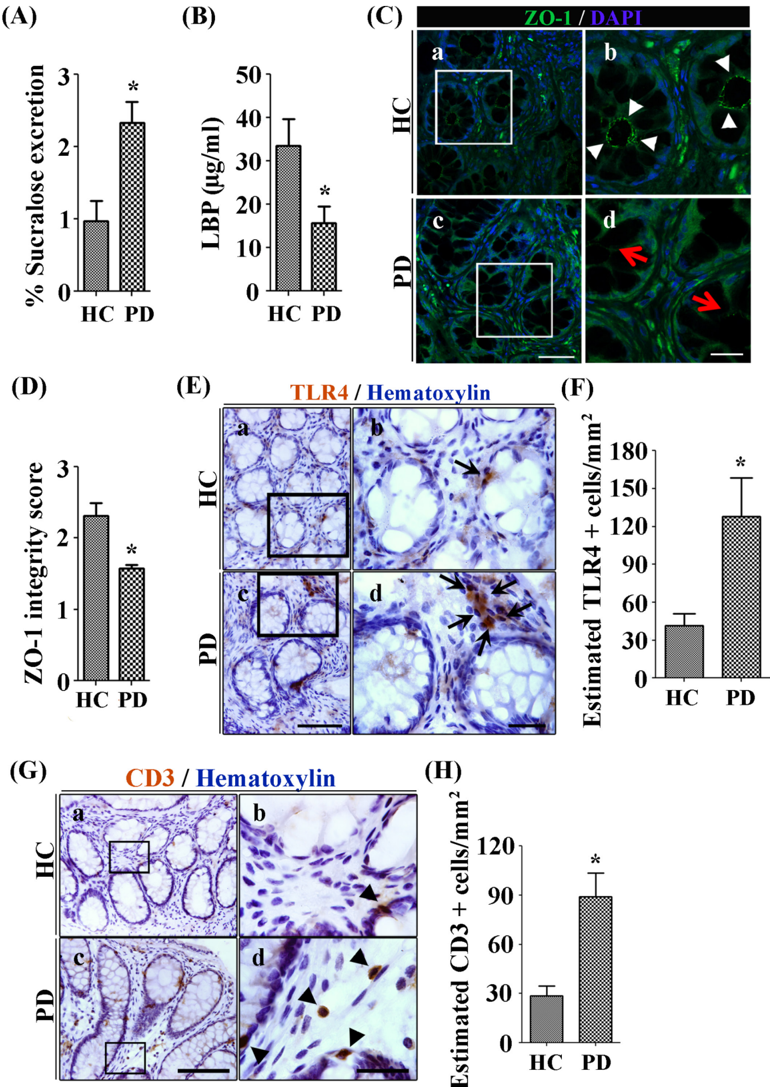
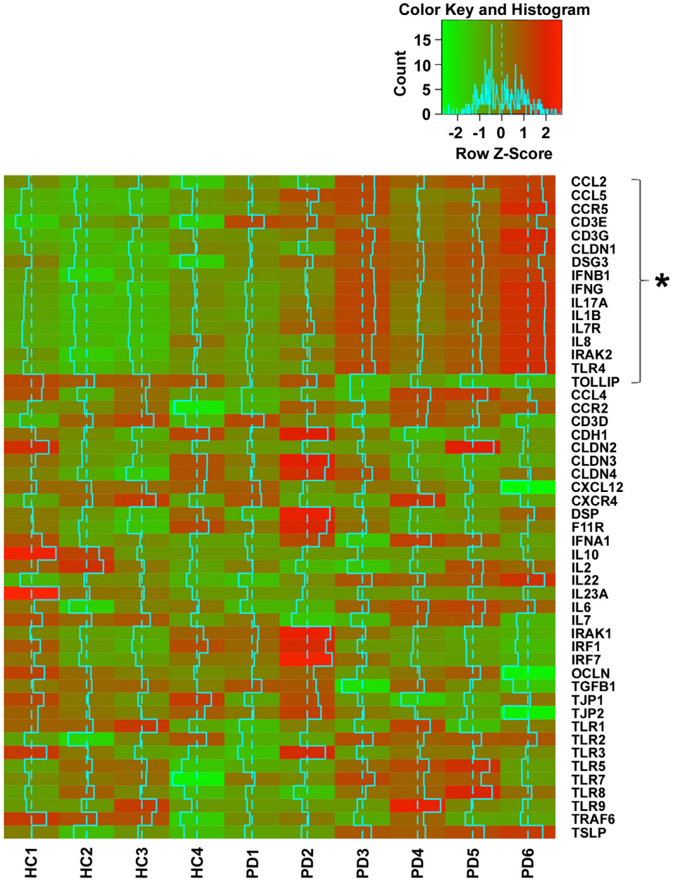
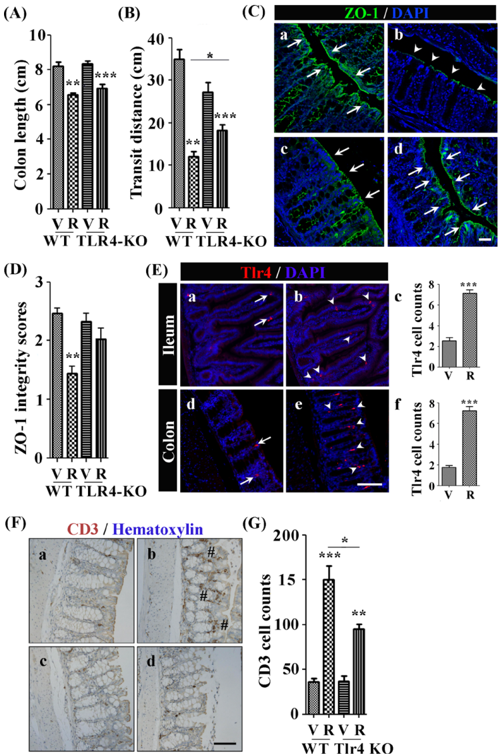
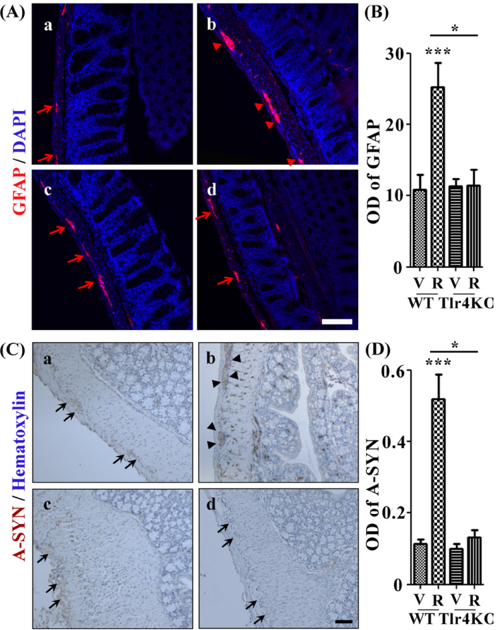
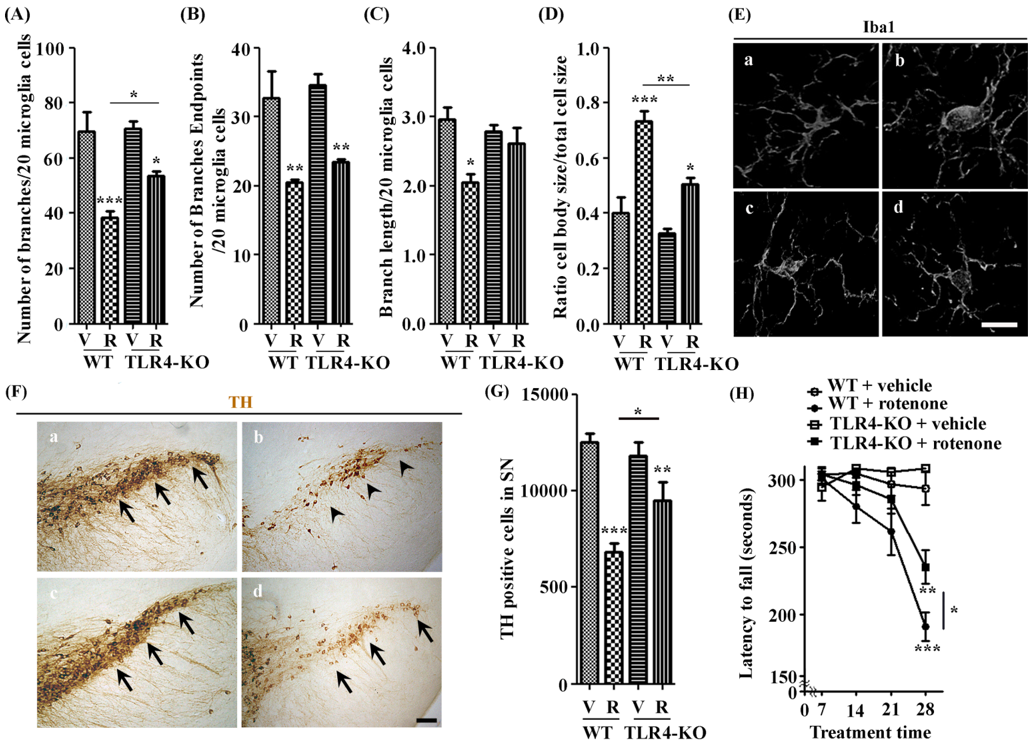
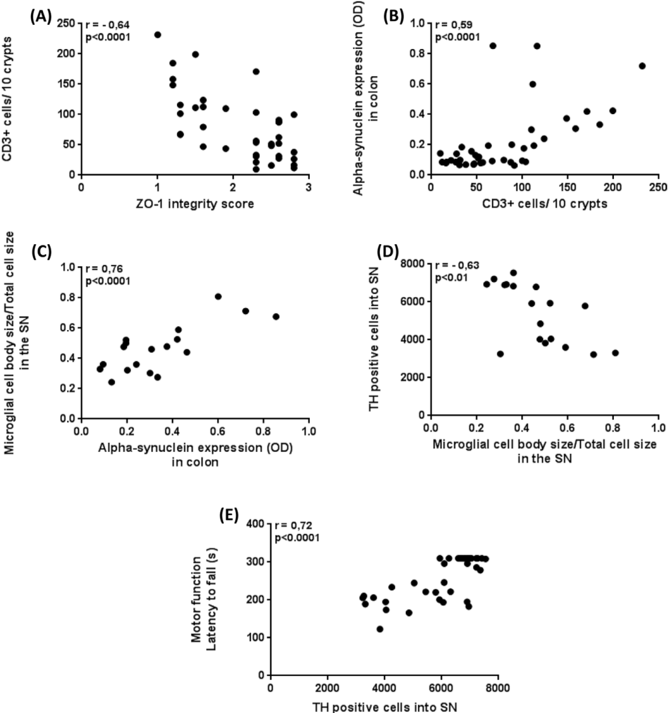
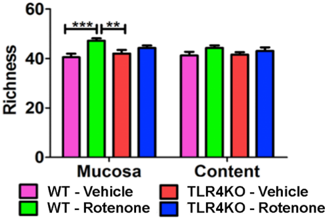
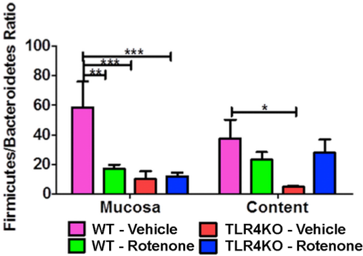
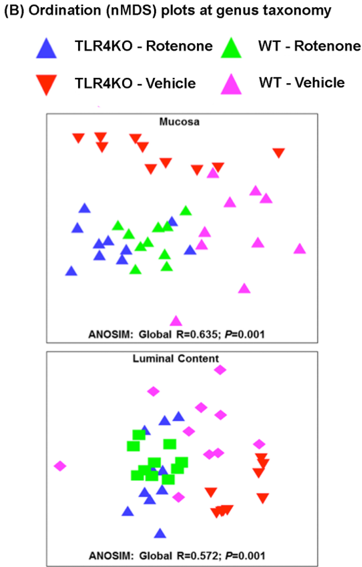
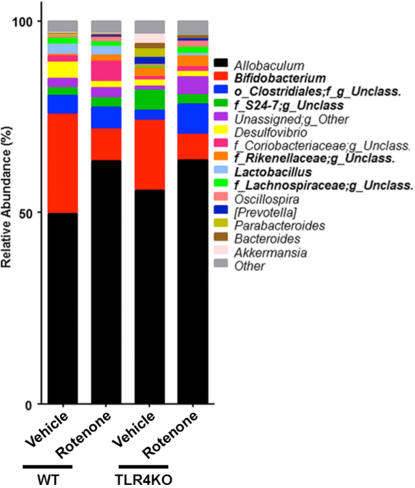
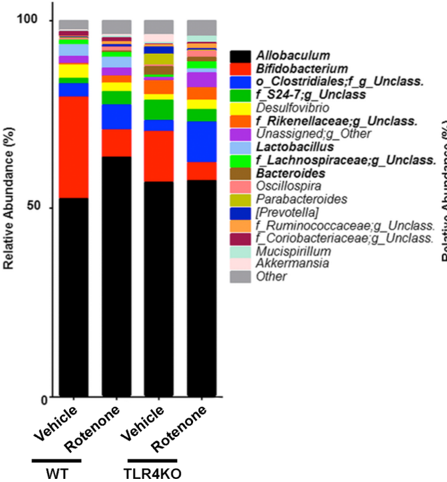
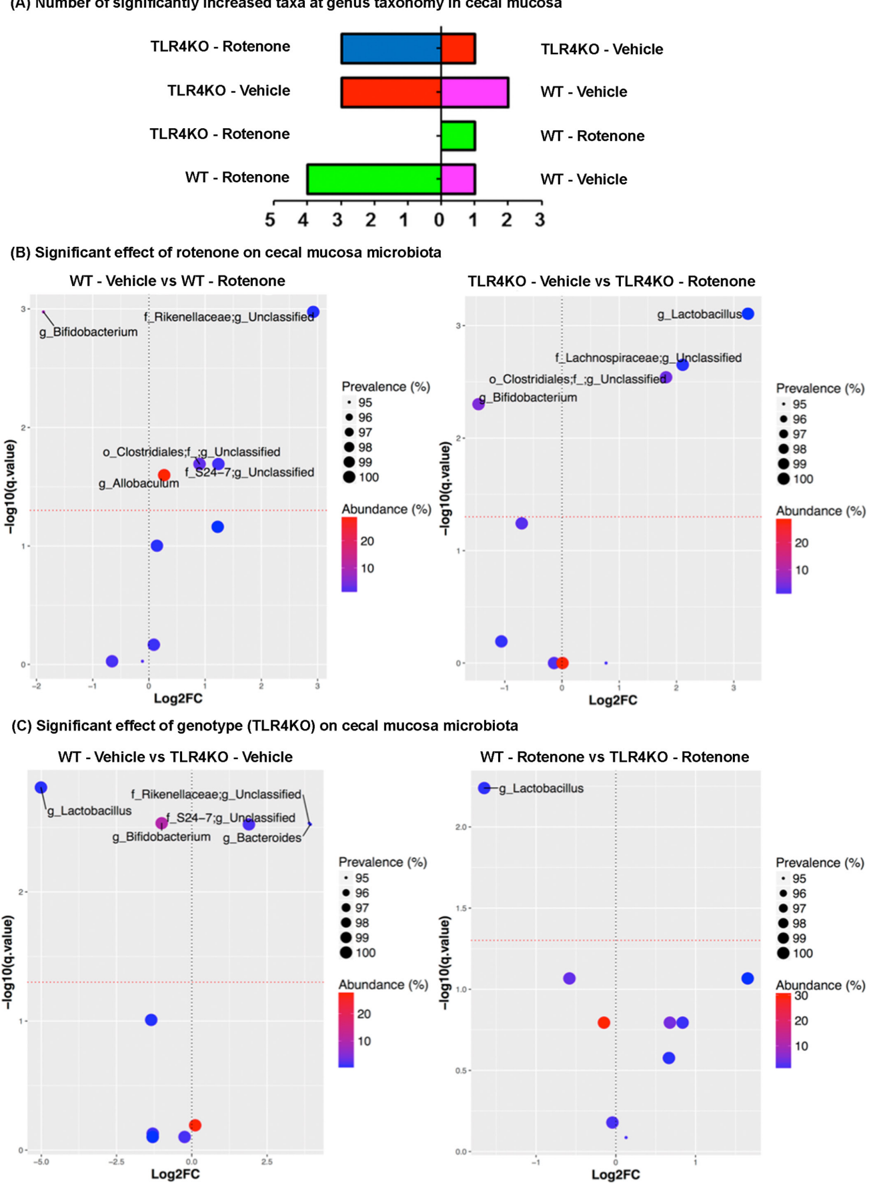
Objective: Recent evidence suggesting an important role of gut-derived inflammation in brain disorders has opened up new directions to explore the possible role of the gut-brain axis in neurodegenerative diseases. Given the prominence of dysbiosis and colonic dysfunction in patients with Parkinson’s disease (PD), we propose that toll-like receptor 4 (TLR4)-mediated intestinal dysfunction could contribute to intestinal and central inflammation in PD-related neurodegeneration. Design: To test this hypothesis we performed studies in both human tissue and a murine model of PD. Inflammation, immune activation and microbiota composition were measured in colonic samples from subjects with PD and healthy controls subjects and rotenone or vehicle-treated mice. To further assess the role of the TLR4 signalling in PD-induced neuroinflammation, we used TLR4-knockout (KO) mice in conjunction with oral rotenone administration to model PD. Results: Patients with PD have intestinal barrier disruption, enhanced markers of microbial translocation and higher pro-inflammatory gene profiles in the colonic biopsy samples compared with controls. In this regard, we found increased expression of the bacterial endotoxin-specific ligand TLR4, CD3+ T cells, cytokine expression in colonic biopsies, dysbiosis characterised by a decrease abundance of SCFA-producing colonic bacteria in subjects with PD. Rotenone treatment in TLR4-KO mice revealed less intestinal inflammation, intestinal and motor dysfunction, neuroinflammation and neurodegeneration, relative to rotenone-treated wild-type animals despite the presence of dysbiotic microbiota in TLR4-KO mice. Conclusion: Taken together, these studies suggest that TLR4-mediated inflammation plays an important role in intestinal and/or brain inflammation, which may be one of the key factors leading to neurodegeneration in PD.
Overview
The claims and statistics of this paper haven’t been checked yet.
Free: it reads the open-access text and checks the first 5 claims that cite a source we can check. Create a free account to check every claim.
Integrity signals
Registry
Cites
Statistics
Figures
Verification
Claims the paper makes
The claims and statistics of this paper haven’t been checked yet.
Free: it reads the open-access text and checks the first 5 claims that cite a source we can check. Create a free account to check every claim.
Claims other papers make about this one
Each is checked against this paper’s own text: does it say what the citing paper says it does?
The source backs part of the claim, not all of it — or backs it for a different population, condition or comparison.
In the citing paper
“These findings are in concordance with a substantial body of literature that consistently reports diminished SCFAs-producing species and SCFA levels in prodromal stage of PD and PD patients compared to healthy controls, which may be correlated with the clinical severity of PD.52,322–331”
From Microbiota–gut–brain axis and its therapeutic applications in neurodegenerative diseases (2024) · cites this paper as [326]
Experimental — accuracy not yet measuredThe source backs part of the claim, not all of it — or backs it for a different population, condition or comparison.
In the citing paper
“Gut microbiome alterations and intestinal barrier impairment have been observed in patients with MCI, AD, PD, and ALS patients.”
From Microbiota–gut–brain axis and its therapeutic applications in neurodegenerative diseases (2024) · cites this paper as [326]
Experimental — accuracy not yet measuredThe source backs part of the claim, not all of it — or backs it for a different population, condition or comparison.
In the citing paper
“Follow-up targeted assays revealed that these effects were mediated by suppressing neuroinflammation and reducing toll-like receptor 4 and tumor necrosis-α signaling [203].”
From The gut–brain axis in early Parkinson’s disease: from prodrome to prevention (2025) · cites this paper as [203]
Experimental — accuracy not yet measuredThe source backs part of the claim, not all of it — or backs it for a different population, condition or comparison.
In the citing paper
“Intestinal barrier dysfunction and increased intestinal permeability caused by inflammation in patients with Parkinson's disease provide conditions for the circulation of inflammatory factors and the exposure of the enteric nervous system to the microbiota and their harmful products.77”
From The role of gut dysbiosis in Parkinson’s disease: mechanistic insights and therapeutic options (2021) · cites this paper as [77]
Experimental — accuracy not yet measuredThe source backs part of the claim, not all of it — or backs it for a different population, condition or comparison.
In the citing paper
“The faecal microbiota of patients with Parkinson's disease shows a decrease in the production of SCFAs or their producing microbiota in most clinical studies.28,30,37,77,182”
From The role of gut dysbiosis in Parkinson’s disease: mechanistic insights and therapeutic options (2021) · cites this paper as [77]
Experimental — accuracy not yet measured
8 more claims about this paper
Create a free account to see every claim other papers make about this one.
Self-check
Percentages, sums and reported differences re-computed from the paper’s own numbers.
The self-check needs the paper’s full text.
Citations
Cites
Gut microbiota regulate motor deficits and neuroinflammation in a model of Parkinson's disease
Sampson, T. R., Debelius, J. W., Thron, T., Janssen, S., Shastri, G. G., Ilhan, Z. E., Challis, C., Schretter, C. E., Rocha, S., Gradinaru, V., et al. (2016) · Cell · doi:10.1016/j.cell.2016.11.018 · Cited by 3,622
Self-citationMechanisms underlying inflammation in neurodegeneration
Glass, C. K., Saijo, K., Winner, B., Marchetto, M. C., & Gage, F. H. (2010) · Cell · doi:10.1016/j.cell.2010.02.016 · Cited by 3,580
Host microbiota constantly control maturation and function of microglia in the CNS
Erny, D., Hrabě de Angelis, A. L., Jaitin, D., Wieghofer, P., Staszewski, O., David, E., Keren-Shaul, H., Mahlakoiv, T., Jakobshagen, K., Buch, T., et al. (2015) · Nature Neuroscience · doi:10.1038/nn.4030 · Cited by 3,569
Inflammasome-mediated dysbiosis regulates progression of NAFLD and obesity
Henao-Mejia, J., Elinav, E., Jin, C., Hao, L., Mehal, W. Z., Strowig, T., Thaiss, C. A., Kau, A. L., Eisenbarth, S. C., Jurczak, M. J., et al. (2012) · Nature · doi:10.1038/nature10809 · Cited by 2,435
Goetz, C. G., Poewe, W., Rascol, O., Sampaio, C., Stebbins, G. T., Counsell, C., Giladi, N., Holloway, R. G., Moore, C. G., Wenning, G. K., et al. (2004) · Movement Disorders · doi:10.1002/mds.20213 · Cited by 2,347
Neuroinflammation in Parkinson’s disease: A target for neuroprotection?
Hirsch, E. C., & Hunot, S. (2009) · The Lancet Neurology · doi:10.1016/s1474-4422(09)70062-6 · Cited by 1,984
Gut microbiota are related to Parkinson's disease and clinical phenotype
Scheperjans, F., Aho, V., Pereira, P. A. B., Koskinen, K., Paulin, L., Pekkonen, E., Haapaniemi, E., Kaakkola, S., Eerola‐Rautio, J., Pohja, M., et al. (2015) · Movement Disorders · doi:10.1002/mds.26069 · Cited by 1,968
How neuroinflammation contributes to neurodegeneration
Ransohoff, R. M. (2016) · Science · doi:10.1126/science.aag2590 · Cited by 1,967
The Role of Oxidative Stress in Parkinson's Disease
Dias, V., Junn, E., & Mouradian, M. M. (2013) · Journal of Parkinson’s Disease · doi:10.3233/jpd-130230 · Cited by 1,845
Variable expression of Parkinson's disease: A base‐line analysis of the DAT ATOP cohort
Jankovic, J., McDermott, M., Carter, J., Gauthier, S., Goetz, C., Golbe, L., Huber, S., Koller, W., Olanow, C., Shoulson, I., et al. (1990) · Neurology · doi:10.1212/wnl.40.10.1529 · Cited by 1,285
Research works printed but not linked: 1
- 53. Petrov Va, Saltykova iV, Zhukova ia, et al. analysis of gut microbiota in patients with parkinson's disease. Bull Exp Biol Med 2017;162:734-7. on February 13, 2020 at Utrecht University Library. Protected by copyright. http://gut.bmj.com/ Gut: first published as 10.1136/gutjnl-2018-316844 on 15 December 2018. Downloaded from · DOI · Paper page
Cited by
Items 201–300 of 468
Dysbiosis of gut microbiome contributes to glaucoma pathogenesis
Chen, S., Wang, Y., Liu, Y., Li, F., Chen, Y., Fang, X., Wen, T., Xu, S., Kermany, D., Deng, S., et al. (2022) · MedComm – Future Medicine · doi:10.1002/mef2.28 · Cited by 31
Atilano, M. L., Hull, A. J., Romila, C.-A., Adams, M. L., Wildfire, J., Ureña, E., Dyson, M. C., Castillo-Quan, J. I., Partridge, L., & Kinghorn, K. J. (2023) · PLoS Genetics · doi:10.1371/journal.pgen.1011063 · Cited by 29
Ma, X., Wang, Y., Yin, H., Hua, L., Zhang, X., Xiao, J., Yuan, Q., Wang, S., Liu, Y., Zhang, S., et al. (2021) · Brain Research Bulletin · doi:10.1016/j.brainresbull.2021.04.026 · Cited by 27
Microbial amyloids in neurodegenerative amyloid diseases
Sampson, T. R. (2023) · FEBS Journal · doi:10.1111/febs.17023 · Cited by 28
“Interestingly, both TLR2 and TLR4 appear to be responsive to a number pf amyloid proteins directly [47 – 52].”
Liu, J., Chen, Q., & Su, R. (2024) · Medicine · doi:10.1097/md.0000000000037960 · Cited by 25
“[91] These inflammatory factors not only induce peripheral inflammation but also elicit intestinal inflammation.”
BackgroundAlatan, H., Liang, S., Shimodaira, Y., Wu, X., Hu, X., Wang, T., Luo, J., Iijima, K., & Jin, F. (2024) · Frontiers in Immunology · doi:10.3389/fimmu.2024.1407620 · Cited by 28
Adebayo, O. G., Asiwe, J. N., Ben‐Azu, B., Aduema, W., Onyeleonu, I., Akpotu, A. E., Wopara, I., Kolawole, T. A., Umoren, E. B., Igbokwe, V. U., et al. (2022) · Journal of Food Biochemistry · doi:10.1111/jfbc.14253 · Cited by 30
Rong, S., Yang, C., Wang, F., Wu, Y., Sun, K., Sun, T., & Wu, Z.-Y. (2022) · Mediators of Inflammation · doi:10.1155/2022/5184721 · Cited by 25
“TLR4mediated inflammation may also be one of the key factors leading to neurodegeneration in Parkinson’s disease [13].”
BackgroundNi, A., Lü, F., Xi, M., Li, J., Qian, Q., Wang, Z., Wang, X., Wang, H., & Yan, J. (2024) · The Science of The Total Environment · doi:10.1016/j.scitotenv.2024.170131 · Cited by 24
Gut-Derived Sterile Inflammation and Parkinson's Disease
Shannon, K. M. (2022) · Frontiers in Neurology · doi:10.3389/fneur.2022.831090 · Cited by 27
Self-citationThomasi, B. B. D. M., Valdetaro, L., Ricciardi, M. C., Hayashide, L. D. S., Fernandes, A. C. M. N., Mussauer, A., da Silva, M. L., Faria‐Melibeu, A. D. C., Ribeiro, M. G. L., Coelho‐Aguiar, J. D. M., et al. (2022) · Brain Research Bulletin · doi:10.1016/j.brainresbull.2022.06.013 · Cited by 27
Biological agents and the aging brain: glial inflammation and neurotoxic signaling
Latham, A. S., Moreno, J. A., & Geer, C. E. (2023) · Frontiers in Aging · doi:10.3389/fragi.2023.1244149 · Cited by 31
“PD models using TLR4 knockout mice had reduced glial reactivity and neuroprotection of dopaminergic neurons (Paula et al., 2019).”
Modulation of the Microbiome in Parkinson's Disease: Diet, Drug, Stool Transplant, and Beyond
Brown, E. G., & Goldman, S. M. (2020) · Neurotherapeutics · doi:10.1007/s13311-020-00942-2 · Cited by 28
Zhang, Y., Lang, R., Guo, S., Luo, X., Li, H., Liu, C., Dong, W., Bao, C., & Yu, Y. G. (2022) · Frontiers in Neuroscience · doi:10.3389/fnins.2022.981772 · Cited by 25
“Patients with Parkinson’s disease have higher levels of lipopolysaccharide (LPS) and lower levels of short-chain fatty acid (SCFA) in the intestine, leading to chronic inflammation in the CNS and promoting disease progression (Keshavarzian et al., 2015; Perez-Pardo et al., 2019).”
BackgroundThe link between the gut microbiome, inflammation, and Parkinson’s disease
Nie, S., & Ge, Y. (2023) · Applied Microbiology and Biotechnology · doi:10.1007/s00253-023-12789-6 · Cited by 26
Jia, X., Chen, Q., Zhang, Y., & Asakawa, T. (2023) · Frontiers in Cellular and Infection Microbiology · doi:10.3389/fcimb.2023.1296713 · Cited by 22
Overview of the Gut–Brain Axis: From Gut to Brain and Back Again
Post, Z., Manfready, R. A., & Keshavarzian, A. (2023) · Seminars in Neurology · doi:10.1055/s-0043-1771464 · Cited by 30
Self-citationThe gut microbiome: an important role in neurodegenerative diseases and their therapeutic advances
Li, S., Zhao, L., Xiao, J., Guo, Y., Fu, R., Zhang, Y., & Xu, S. (2023) · Molecular and Cellular Biochemistry · doi:10.1007/s11010-023-04853-6 · Cited by 29
“…using TLR4 knockout mice combined with oral rotenone to mimic PD revealed significantly less neuroinflammation and dysfunction in the intestine than wild-type animals treated with rotenone, suggesting that TLR4-mediated intestinal inflammation may be involved in the pathogenesis of PD [60, 61].”
Hurley, M. J., Menozzi, E., Koletsi, S., Bates, R., Gegg, M. E., Chau, K.-Y., Blottière, H. M., Macnaughtan, J., & Schapira, A. H. V. (2023) · Brain Communications · doi:10.1093/braincomms/fcad285 · Cited by 22
“32 TLR2-deficient α -synuclein-overexpressing mice were found to have less neurodegeneration and neuronal α -synuclein concentrations.”
InfluentialGuo, L., Hu, H., Jiang, N., Yang, H., Sun, X., Xia, H., Ma, J., & Liu, H. (2024) · Heliyon · doi:10.1016/j.heliyon.2024.e30819 · Cited by 26
“PD patients often have distinct intestinal dysfunction, and the intestinal inflammatory response will exacerbate brain degeneration [35].”
BackgroundGut Microbiota as a Modifier of Huntington’s Disease Pathogenesis
Khoshnan, A. (2024) · Journal of Huntington s Disease · doi:10.3233/jhd-240012 · Cited by 24
Park, S. J., Kim, K. W., & Lee, E. J. (2024) · Neural Regeneration Research · doi:10.4103/nrr.nrr-d-24-00994 · Cited by 28
Xia, L., Li, C., Zhao, J., Sun, Q., & Mao, X. (2024) · Phytomedicine · doi:10.1016/j.phymed.2024.156150 · Cited by 24
Sun, Y., Ho, C., & Zhang, X. (2023) · Journal of Agricultural and Food Chemistry · doi:10.1021/acs.jafc.2c07742 · Cited by 23
How Toll-like receptors influence Parkinson’s disease in the microbiome–gut–brain axis
Zhang, Z., Liu, Z., Lv, A., & Fan, C. (2023) · Frontiers in Immunology · doi:10.3389/fimmu.2023.1154626 · Cited by 27
Investigating the TLR4/TAK1/IRF7 axis in NLRP3-Mediated Pyroptosis in Parkinson's Disease
Quan, W., Liu, Y., Li, J., Chen, D., Xu, J., Song, J. M., Chen, J., & Sun, S. (2023) · Inflammation · doi:10.1007/s10753-023-01918-y · Cited by 21
“In addition, knockout TLR4 inhibits inflammatory responses induced by rotenone in the gut and neurons within mouse models of PD [57].”
Gorecki, A. M., Bakeberg, M. C., Theunissen, F., Kenna, J. E., Hoes, M. E., Pfaff, A. L., Akkari, P. A., Dunlop, S. A., Kõks, S., Mastaglia, F. L., et al. (2020) · Frontiers in Aging Neuroscience · doi:10.3389/fnagi.2020.603849 · Cited by 23
“Given increasing evidence concerning a role of LPS and TLR4 in PD (Gorecki et al., 2019, 2020; Perez-Pardo et al., 2019), further targeted studies investigating TLR4 and CD14 polymorphisms in larger cohorts are warranted.”
BackgroundLack of TLR4 modifies the miRNAs profile and attenuates inflammatory signaling pathways
Ureña‐Peralta, J. R., Pérez-Moraga, R., Garcia‐García, F., & Guerri, C. (2020) · PLoS ONE · doi:10.1371/journal.pone.0237066 · Cited by 24
Feng, Y., & Hao, F. (2024) · Trends in Food Science & Technology · doi:10.1016/j.tifs.2024.104678 · Cited by 20
Parkinson’s disease: Are gut microbes involved?
Bhattarai, Y., & Kashyap, P. (2020) · American Journal of Physiology-Gastrointestinal and Liver Physiology · doi:10.1152/ajpgi.00058.2020 · Cited by 21
Hill, A. E., Wade‐Martins, R., & Burnet, P. W. J. (2021) · Frontiers in Neuroscience · doi:10.3389/fnins.2021.708587 · Cited by 20
“Increased TLR4 (LPS-specific receptor) expression in PD colonic biopsies (Perez-Pardo et al., 2019) and decreased serum LPS-binding protein (LBP) concentrations in PD (Forsyth et al.”
BackgroundFarombi, E. O., Awogbindin, I. O., Olorunkalu, P. D., Ogbuewu, E., Oyetunde, B. F., Agedah, A. E., & Adeniyi, P. A. (2020) · Psychopharmacology · doi:10.1007/s00213-020-05605-w · Cited by 20
Plasma Lipopolysaccharide-Binding Protein Reflects Risk and Progression of Parkinson’s Disease
Chen, S.-J., Chi, Y., Ho, C.-H., Yang, W., & Lin, C. (2021) · Journal of Parkinson s Disease · doi:10.3233/jpd-212574 · Cited by 24
“Several cross-sectional studies show reduced [13,15,16],butconflictingresultshave alsobeenreported[17].”
InfluentialMicrobiota-Gut-Brain Axis in Age-Related Neurodegenerative Diseases
Nie, T., Li, Y., Tang, F., Duan, Y., Nepovimová, E., Kuča, K., Wu, Q., & Wei, W. (2024) · Current Neuropharmacology · doi:10.2174/1570159x23666241101093436 · Cited by 25
“TLR4-mediated inflammation also plays an essential role in gut and brain inflammation [105, 106].”
Okahashi, N., Ueda, M., Matsuda, F., & Arita, M. (2021) · Metabolites · doi:10.3390/metabo11040197 · Cited by 19
“O positions of the diglucosamine back-bone [8,9]; therefore, the structure was annotated as 1P5A lipid A 2-”
The gastrointestinal tract and Parkinson’s disease
Higinbotham, A. S., & Kilbane, C. (2024) · Frontiers in Cellular and Infection Microbiology · doi:10.3389/fcimb.2023.1158986 · Cited by 25
Yang, X., Zhang, X., Ma, Y., Li, S., Wang, Q., Hong, J., Yu, G., Qi, B., Wang, J., Liu, C., et al. (2024) · International Journal of Biological Macromolecules · doi:10.1016/j.ijbiomac.2024.137373 · Cited by 32
Lai, J., Jiang, J., Zhang, P., Xi, C., Wu, L., Gao, X., Fu, Y., Zhang, D., Chen, Y., Huang, H., et al. (2021) · Journal of Cellular and Molecular Medicine · doi:10.1111/jcmm.16611 · Cited by 23
Cao, Y., Fan, X., Zang, T., Qiu, T., Fang, Q., Bai, J., & Liu, Y. (2025) · Translational Psychiatry · doi:10.1038/s41398-025-03606-x · Cited by 23
Uncovering Novel Therapeutic Targets for Parkinson’s Disease
Soni, R., Delvadia, P., Joharapurkar, A. A., & Shah, J. (2023) · ACS Chemical Neuroscience · doi:10.1021/acschemneuro.3c00084 · Cited by 17
Zhang, C., Zhou, J., Zhuo, L., Zhang, W., Lv, L., Zhu, L., Zhang, J., Feng, F., Liu, W., Han, L., et al. (2024) · Journal of Ethnopharmacology · doi:10.1016/j.jep.2024.118391 · Cited by 20
Parkinson Disease and the Gut: A Primer for Gastroenterologists
Sharma, A., Voigt, R. M., Goetz, C. G., & Keshavarzian, A. (2025) · The American Journal of Gastroenterology · doi:10.14309/ajg.0000000000003508 · Cited by 19
Self-citationXiromerisiou, G., Marogianni, C., Androutsopoulou, A., Ntavaroukas, P., Mysiris, D. S., & Papoutsopoulou, S. (2023) · Biology · doi:10.3390/biology12010093 · Cited by 22
Loss of toll-like receptor 4 ameliorates cardiovascular dysfunction in aged mice
Liu, H., Chu, S., & Wu, Z. (2021) · Immunity & Ageing · doi:10.1186/s12979-021-00251-y · Cited by 17
“In addition, inhibiting TLR4 protects against age-associated neurodegeneration [24].”
BackgroundGorecki, A. M., Dunlop, S. A., Rodger, J., & Anderton, R. S. (2020) · Expert Opinion on Therapeutic Targets · doi:10.1080/14728222.2020.1763956 · Cited by 20
Pelgrim, C. E., van Ark, I., van Berkum, R. E., Schuitemaker-Borneman, A. M., Flier, I., Leusink-Muis, T., Janbazacyabar, H., Diks, M. A. P., Gosker, H. R., KELDERS, M. C. J. M., et al. (2022) · Frontiers in Nutrition · doi:10.3389/fnut.2022.1010989 · Cited by 16
“In the amygdala, cingulate cortex – the equivalent of the anterior cingulate cortex (ACC) and part of the prefrontal cortex (PFC) – and CA1 area of the hippocampus, microglial cells were captured by imaging z-stacks with a step size of 1 μm using a confocal microscope (Leica TCS SP8 X) (64).”
MethodSelf-citationGut-to-brain spreading of pathology in synucleinopathies: A focus on molecular signalling mediators
Schmitt, V., Masanetz, R. K., Weidenfeller, M., Ebbinghaus, L. S., Süß, P., Rosshart, S. P., von Hörsten, S., Zunke, F., Winkler, J., & Xiang, W. (2023) · Behavioural Brain Research · doi:10.1016/j.bbr.2023.114574 · Cited by 17
Rahman, Z., Padhy, H. P., & Dandekar, M. P. (2024) · Probiotics and Antimicrobial Proteins · doi:10.1007/s12602-024-10256-w · Cited by 18
“The blockade or knockout of TLR4 dramatically reduces the effects of ischemic brain injury [12] and post-ischemia neuroinflammation [8, 11].”
Roy, R., Kumar, D., Bhattacharya, P., & Borah, A. (2024) · Neurochemistry International · doi:10.1016/j.neuint.2024.105803 · Cited by 20
Sun, L., Zou, Y., Su, P., Xue, C., Wang, D., Zhao, F., Luo, W., & Zhang, J. (2022) · Oxidative Medicine and Cellular Longevity · doi:10.1155/2022/7676872 · Cited by 15
“The gut microbiome regulates immune cell populations in part through metabolites and other products, which can regulate systemic immune response via Toll-like receptors among other innate and adaptive immune pathways [24, 25].”
RetractedJu, T., Zhang, Y., Liu, L., Zhao, X., Li, X., Liu, C., Sun, S., & Wu, L. (2025) · Neural Regeneration Research · doi:10.4103/nrr.nrr-d-24-01419 · Cited by 18
“Previous research reported that the expression of LPS in the colon and plasma of PD patients was elevated, thus leading to activation of the inflammatory response (Perez-Pardo et al., 2019).”
How leaky is the gut in Parkinson’s disease?
Derkinderen, P., Cossais, F., Kulcsárová, K., Škorvánek, M., Montaigne, L. S., Coron, E., Leclair‐Visonneau, L., Cerri, S., Pellegrini, C., & Rolli‐Derkinderen, M. (2025) · EBioMedicine · doi:10.1016/j.ebiom.2025.105796 · Cited by 24
“79 Two studies immunohistochemically analysed the expression levels and the distribution of ZO-1 in the colonic mucosa of subjects with PD. 69,78 Both studies found lower expression of ZO-1 in PD samples when compared to controls (Table 3).”
InfluentialBarbu, A. C., Stoleru, S., Zugravu, A., Poenaru, E., Dragomir, A.-F., Costescu, M., Aurelian, S. M., Shhab, Y., Stoleru, C. M., Coman, O. A., et al. (2025) · International Journal of Molecular Sciences · doi:10.3390/ijms27010271 · Cited by 22
“Delineating endogenous sources, microbial metabolism, receptor-specific mechanisms, and clinical implications provides a mechanistic framework for subsequent discussion of microbial dopamine metabolism and its relevance to Parkinson’s disease and therapeutic strategies [17,19,37–39].”
Longitudinal metabolomics profiling of serum amino acids in rotenone-induced Parkinson's mouse model
Yan, Z., Yang, F., Wen, S., Ding, W., Si, Y., Li, R., Wang, K., & Yao, L. (2022) · Amino Acids · doi:10.1007/s00726-021-03117-1 · Cited by 16
Signal Pathways and Intestinal Flora through Trimethylamine N-oxide in Alzheimer's Disease
Zhang, Y., & Jian, W. (2023) · Current Protein and Peptide Science · doi:10.2174/1389203724666230717125406 · Cited by 14
He, Z.-Q., Huan, P.-F., Wang, L., & He, J. (2023) · Neurochemical Research · doi:10.1007/s11064-023-04004-9 · Cited by 19
“Some findings suggest that gut microbiota may trigger immune activation of the colonic mucosa through the TLR4 signaling pathway, leading to neuroinflammation and subsequent neurodegeneration in PD [28].”
BackgroundDo Bacterial Outer Membrane Vesicles Contribute to Chronic Inflammation in Parkinson’s Disease?
Koukoulis, T. F., Beauchamp, L. C., Kaparakis‐Liaskos, M., McQuade, R. M., Purnianto, A., Finkelstein, D. I., Barnham, K. J., & Vella, L. J. (2024) · Journal of Parkinson s Disease · doi:10.3233/jpd-230315 · Cited by 16
“Similarly to the pathological features of the CNS in PD, inflammation and (cid:2) -syn inclusions occur also in the enteric nervous system [17, 74–83].”
BackgroundYu, W., Zhu, Z., & Tang, F. (2024) · Molecular Neurobiology · doi:10.1007/s12035-024-04228-y · Cited by 18
He, Y., Zhao, J., Ma, Y., Yan, X., Duan, Y., Zhang, X., Dong, H., Fang, R., Zhang, Y., Li, Q., et al. (2024) · Journal of Neuroinflammation · doi:10.1186/s12974-024-03145-0 · Cited by 15
“TLR4 can recognize and respond to LPS, and its downstream pathways dominate the micro-biota-gut-brain axis when gastrointestinal infections or systemic bacterial infections occur [33].”
BackgroundJiao, F., Zhou, L., & Wu, Z. (2024) · Neurological Sciences · doi:10.1007/s10072-024-07878-x · Cited by 16
Lv, Q., Yang, A., Shi, W., Chen, F., Liu, Y., Liu, Y., & Wang, D. (2020) · International Journal of Obesity · doi:10.1038/s41366-020-0564-0 · Cited by 15
Manole, E., Dumitrescu, L., Niculite, C. M., Popescu, B. O., & Ceafalan, L. C. (2021) · Biocell · doi:10.32604/biocell.2021.013452 · Cited by 15
“LPS induces peripheral inflammation and neuroinflammation through the TLR-4/NF-κB pathway, as well as the increased production of inflammatory cytokines, such as tumor necrosis factor-alpha (TNF-α) and interleukin-1 beta (IL-1β) (Mafra and Fouque, 2015; Perez-Pardo et al., 2019).”
BackgroundThe Pivotal Role of Microbiota in Modulating the Neuronal–Glial–Epithelial Unit
Luo, S., Zhu, H., Zhang, J., & Wan, D. (2021) · Infection and Drug Resistance · doi:10.2147/idr.s342782 · Cited by 14
“More directly, immunocytochemistry and microscopic analyses of colonic samples showed a reduced expression of ZO1.(58,59) Thus, a disrupted intestinal barrier is common in PD.”
BackgroundThe microbiota-gut-brain axis in Huntington's disease
Love, C. J., Masson, B. A., Gubert, C., & Hannan, A. J. (2022) · International review of neurobiology · doi:10.1016/bs.irn.2022.06.005 · Cited by 15
Eltanani, S., Yumnamcha, T., Gregory, A., Elshal, M., Shawky, M., & Ibrahim, A. S. (2022) · Cells · doi:10.3390/cells11244128 · Cited by 16
“As further support, a recent in vivo experiment showed reduced and disrupted levels of ZO-1 expression in the epithelial lining of the colon in rotenone-treated mice [34].”
BackgroundGut Microorganisms and Neurological Disease Perspectives
Faruqui, N. A., Prium, D. H., Mowna, S. A., Ullah, M. A., Araf, Y., Sarkar, B., Zohora, U. S., & Rahman, M. S. (2021) · Future Neurology · doi:10.2217/fnl-2020-0026 · Cited by 16
Intestinal Barrier Function and Neurodegenerative Disease
Wu, S., Yang, L., Fu, Y., Liao, Z., Cai, D., & Liu, Z. (2023) · CNS & Neurological Disorders - Drug Targets · doi:10.2174/0118715273264097231116103948 · Cited by 15
Yao, L., Yang, Y., Yang, X., & Rezaei, M. J. (2024) · Molecular Neurobiology · doi:10.1007/s12035-024-04151-2 · Cited by 16
“In patients with PD, there have been reports of intestinal inflammation and heightened intestinal permeability [95].”
Fang, P., Yu, L. W., Espey, H., Agirman, G., Kazmi, S. A., Li, K., Deng, Y., Lee, J., Hrncir, H., Lopez-Romero, A., et al. (2024) · Communications Biology · doi:10.1038/s42003-024-06256-9 · Cited by 19
Feng, M., Zou, Z., Shou, P., Peng, W., Liu, M., & Li, X. (2024) · Frontiers in Aging Neuroscience · doi:10.3389/fnagi.2024.1479343 · Cited by 20
Wang, G., Zhuang, W., Zhou, Y., Wang, X., Li, Z., Liu, C., Li, W., He, M., & Lv, E. (2024) · Cell Death Discovery · doi:10.1038/s41420-024-02273-z · Cited by 15
Synucleinopathies Take Their Toll: Are TLRs a Way to Go?
Mazzotta, G. M., Ceccato, N., & Conte, C. (2023) · Cells · doi:10.3390/cells12091231 · Cited by 13
Schwann Cells in Digestive System Disorders
Goluba, K., Kunrade, L., Riekstiņa, U., & Parfejevs, V. (2022) · Cells · doi:10.3390/cells11050832 · Cited by 14
The Microbiome–Neurodegeneration Interface: Mechanisms, Evidence, and Future Directions
Böckels, L., Alexa, D., Antal, D. C., Gațcan, C., Alecu, C., Kacani, K., Cretu, R. A., Piseru, E.-A., Bîlcu, R. V., & Cuciureanu, D. I. (2026) · Cells · doi:10.3390/cells15020135 · Cited by 13
Magalhães, J. D., Esteves, A. R., Candeias, E., Silva, D. F., Empadinhas, N., & Cardoso, S. M. (2023) · International Journal of Molecular Sciences · doi:10.3390/ijms24054339 · Cited by 14
Cui, H., Elford, J. D., Alitalo, O., Perez‐Pardo, P., Tampio, J., Huttunen, K. M., Kraneveld, A. D., Forsberg, M., Myöhänen, T. T., & Jalkanen, A. J. (2023) · Neurobiology of Aging · doi:10.1016/j.neurobiolaging.2023.05.007 · Cited by 16
“Oral administration of rotenone, a toxin model of PD, was observed to increase the amounts of inflammatory markers and aSyn in the colon of mice (Dodiya et al., 2020; Perez-Pardo et al., 2019), and systemically injected MPTP induced aSyn oligomerization as well as intestinal dysfunction (Li et al.”
Self-citationEnteric glia as a player of gut-brain interactions during Parkinson’s disease
Thomasi, B. B. D. M., Valdetaro, L., Ricciardi, M. C., de Carvalho, M. G., Tavares, I. F., & Gomes, A. L. T. (2023) · Frontiers in Neuroscience · doi:10.3389/fnins.2023.1281710 · Cited by 12
Neurodegenerative Disorders and the Gut-Microbiome-Brain Axis: A Literature Review
Dandamudi, B. J., Dimaano, K. A. M., Shah, N., AlQassab, O., Al-Sulaitti, Z., Nelakuditi, B., & Mohammed, L. (2024) · Cureus · doi:10.7759/cureus.72427 · Cited by 28
Gut-oriented disease modifying therapy for Parkinson's disease
Lin, C., Lai, H., & Wu, M. (2022) · Journal of the Formosan Medical Association · doi:10.1016/j.jfma.2022.09.010 · Cited by 12
Jin, X., Wei, J., Min, X., Fan, Y., Yuan, Z., Du, Z., Su, Z., Xun, T., Du, Q., Liang, T., et al. (2025) · iScience · doi:10.1016/j.isci.2025.114185 · Cited by 18
“42 On the other hand, gut inflammation can also trigger the activation of specific T cell subsets, such as T helper 17 (Th17) cells.”
Zhang, X., Sun, Q., Quan, Z., Wu, L., Liu, Z., Xia, Y., Wang, Q., Zhang, Y., & Zhu, J. (2023) · British Journal of Pharmacology · doi:10.1111/bph.16226 · Cited by 13
“More importantly, GFAP expression and phosphorylation were elevated in colonic biopsy samples from patients with PD and were associated with increased intestinal permeability and mucosal inflammation (Clairembault et al., 2014; Perez-Pardo et al., 2019).”
BackgroundThe Vagus Nerve and the Brain-Gut Axis: Implications for Neuropsychiatric Disorders
López-Ojeda, W., & Hurley, R. A. (2024) · Journal of Neuropsychiatry · doi:10.1176/appi.neuropsych.20240118 · Cited by 14
Gorecki, A. M., Anyaegbu, C. C., Fitzgerald, M., Fuller, K. A., & Anderton, R. S. (2024) · Methods · doi:10.1016/j.ymeth.2024.10.009 · Cited by 11
Lee, J., Jo, S., Lee, J., Choi, M., Kim, K., Lee, S.-J., Kim, H. S., Bae, J., & Chung, S. J. (2025) · Microbiome · doi:10.1186/s40168-025-02095-w · Cited by 13
“Importantly, gut dysbiosis is known to be positively associated with increased gut inflammation and permeability [70, 83, 84, 109], which have been previously reported in PD [105, 107, 110–112].”
Fecal microbiota transplantation for Parkinson's disease: A systematic review of clinical evidence
Shekar, S., Venkatachalapathy, R., Jayaraman, A., & Siddhu, N. S. S. (2025) · Medicine in Microecology · doi:10.1016/j.medmic.2025.100128 · Cited by 11
Pellegrini, C., D’Antongiovanni, V., Ippolito, C., Segnani, C., Antonioli, L., Fornai, M., & Bernardini, N. (2021) · European Journal of Histochemistry · doi:10.4081/ejh.2021.3278 · Cited by 11
Nohesara, S., Abdolmaleky, H. M., Thiagalingam, S., & Zhou, J. (2023) · Epigenomics · doi:10.2217/epi-2023-0342 · Cited by 22
Liao, P., Tung, H.-Y., Lim, W. S., Jang, J.-S. R., Li, H., Shun, C., Chiu, H., Wu, M., & Lin, C. (2024) · Neurological Sciences · doi:10.1007/s10072-024-07641-2 · Cited by 11
“…from PD patients compared with controls suggests a leaky gut phenomenon in PD. Consistent with our findings, another study showed a reduction in the average intensity of ZO-1 immunolabeling in sigmoid colon biopsies from six PD patients when compared with samples from unaffected controls [29].”
Advice to People with Parkinson’s in My Clinic: Probiotics and Prebiotics
Hor, J. W., Toh, T. S., Lim, S., & Tan, A. H. (2024) · Journal of Parkinson s Disease · doi:10.3233/jpd-240172 · Cited by 10
“4 , 10 , 11 14 Excitingly, various microbial-directed therapies such as dietary modification, supplementation with probiotics and/or prebiotics, as well as fecal microbiota transplantation, are rapidly emerging as promising treatment strategies for PD. 1 , 2 , 15 , 16 Among them, probiotics and…”
BackgroundGut neuropeptide involvement in Parkinson’s disease
Templeton, H., Tobet, S. A., & Schwerdtfeger, L. (2025) · American Journal of Physiology-Gastrointestinal and Liver Physiology · doi:10.1152/ajpgi.00383.2024 · Cited by 11
Gao, F., Wang, C., Cao, Z., Zhang, X., Xi, W., Liu, Y., Zhan, X., Jia, M., Gou, N., Yu, L., et al. (2025) · Brain Behavior and Immunity · doi:10.1016/j.bbi.2025.05.030 · Cited by 9
Poirier, A.-A., Côté, M., Jarras, H., Litim, N., Lamontagne‐Proulx, J., Al-Sweidi, S., Morissette, M., Lachhab, A., Pelletier, M., Paolo, T. D., et al. (2022) · Frontiers in Pharmacology · doi:10.3389/fphar.2022.898067 · Cited by 9
Martín-Hersog, F. A., Muñoz-Jurado, A., Escribano, B. M., Luque, E., Galván, A., LaTorre, M., Giraldo, A. I., Caballero‐Villarraso, J., Agüera, E., Santamaría, A., et al. (2022) · Nutritional Neuroscience · doi:10.1080/1028415x.2022.2161132 · Cited by 10
“A similar hypothesis was proposed by Perez-Pardo et al. (2019) in their study on Parkinson ’ s disease, in which they suggested that microbiota dysbiosis and intestinal leakage of bacterial endotoxins activated TLR4-mediated in fl ammatory cascades, leading to neurodegeneration in this disease [62].”
BackgroundMicrobiota and probiotics: chances and challenges – a symposium report
Ruxton, C. H. S., Kajita, C., Rocca, P., & Pot, B. (2023) · Gut Microbiome · doi:10.1017/gmb.2023.4 · Cited by 12
Platelet Behavior Contributes to Neuropathologies: A Focus on Alzheimer's and Parkinson's Disease
Page, M. J., & Pretorius, E. (2021) · Seminars in Thrombosis and Hemostasis · doi:10.1055/s-0041-1733960 · Cited by 12
Gastrointestinal mucosal biopsies in Parkinson’s disease: beyond alpha-synuclein detection
Derkinderen, P., Cossais, F., de Lataillade, A. D. G., Leclair‐Visonneau, L., Neunlist, M., Paillusson, S., & GIORGIO, R. D. (2021) · Journal of Neural Transmission · doi:10.1007/s00702-021-02445-6 · Cited by 10
Zhang, K., Dong, Y., Ding, Y., Wang, X., Liu, T., Zhong, W., & Cao, H. (2025) · Microbiological Research · doi:10.1016/j.micres.2025.128240 · Cited by 8
Autophagy and Cell Death in Alzheimer’s, Parkinson’s and Prion Diseases
Ribarič, S., & Milisav, I. (2020) · IntechOpen eBooks · doi:10.5772/intechopen.86706 · Cited by 10
“[226] Perez-Pardo P, Dodiya HB, Engen PA, Forsyth CB, Huschens AM, Shaikh M, et al.”
BackgroundDuzhong Fang Attenuates the POMC-Derived Neuroinflammation in Parkinsonian Mice
Li, L., Fan, S., Zhang, W., Li, D., Yang, Z. Y., Zhuang, P., Han, J., Guo, H., & Zhang, Y. (2021) · Journal of Inflammation Research · doi:10.2147/jir.s316314 · Cited by 9
Disease mechanisms as subtypes: Microbiome
Bonvegna, S., & Cilia, R. (2023) · Handbook of clinical neurology · doi:10.1016/b978-0-323-85555-6.00006-0 · Cited by 8
Metadata
- Authors
- Perez-Pardo, P., Dodiya, H. B., Engen, P. A., Forsyth, C. B., Huschens, A. M., Shaikh, M., Voigt, R. M., Naqib, A., Green, S. J., Kordower, J. H., Shannon, K. M., Garssen, J., Kraneveld, A. D., & Keshavarzian, A.
- Affiliations
- Division of Pharmacology, Utrecht Institute for Pharmaceutical Sciences, Faculty of Science, Utrecht University, Utrecht, The Netherlands
- Rush University Medical Center (US)
- Utrecht University (NL)
- University of Illinois Chicago (US)
- Rush University (US)
- ORCID
- Venue
- Gut
- Publisher
- BMJ
- Published
- 2018-12-15
- Volume
- 68
- Issue
- 5
- Pages
- 829-843
- ISSN
- 0017-5749 (ISSN-L)
- 1468-3288
- OpenAlex
- W2905177566
- Cited by
- 467
- References
- 59
- Citations by year
- 2026: 36 · 2025: 52 · 2024: 72 · 2023: 68 · 2022: 75 · 2021: 93 · 2020: 45 · 2019: 24
- FWCI
- 27.68
- Type
- journal article
- Language
- en
- Open access
- hybrid
- doi.org
- Licence
- cc-by-nc
- Locations
- Gut (publishedVersion, cc-by-nc)
- PubMed (publishedVersion)
- Utrecht University Repository (Utrecht University) (submittedVersion, other-oa)
- HighWire Press Open Archive (submittedVersion)
- Utrecht University Repository (Utrecht University) (submittedVersion, cc-by-nc)
- Topics
- Health Sciences › Medicine › Clinical Neurology › Parkinson's Disease Mechanisms and Treatments
- Life Sciences › Neuroscience › Neurology › Neuroinflammation and Neurodegeneration Mechanisms
- Life Sciences › Biochemistry, Genetics and Molecular Biology › Molecular Biology › Gut microbiota and health
- Keywords
- Parkinson's disease, TLR4, gut-brain axis, neuroinflammation, gut dysbiosis, intestinal barrier dysfunction, microbial translocation, short-chain fatty acids, rotenone, TLR4 knockout mice, colonic inflammation, motor impairment, neurodegeneration, gut microbiota
- MeSH terms
- Animals, Colon, Disease Models, Animal, Humans, Mice, Inbred C57BL, Parkinson Disease, Case-Control Studies, CD3 Complex, Mice, Knockout, Toll-Like Receptor 4, Mice, Dysbiosis
About these checks
Registry, retraction, Cites and statistics results are computed, not judged, with one exception: a printed reference that no index lists is read once by a model before it counts as a citation error. Claims are extracted by a model and kept only when their quote appears verbatim in the text; each cited source is then checked, with a model’s help, for whether it says what the claim relies on. Those verdicts can be wrong — read the claim’s quote and the cited source before relying on one.
Statistics and arithmetic are recomputed, not judged.
Confidence bands are shown only for fields calibrated on our annotated test set. None is calibrated yet, so no band is shown.
What counts as a claim ›How we measure confidence ›How we check this ›
Are you an author, or do you see a problem with this page? Request a review
Data sources
Bibliographic data: Semantic Scholar, OpenAlex, Crossref.
Contains information from the Semantic Scholar Academic Graph Datasets, made available under the ODC Attribution License (ODC-BY 1.0).
Semantic Scholar’s data is described in: Kinney, R., et al. (2023). The Semantic Scholar Open Data Platform. arXiv:2301.10140.
