

Loneliness and social isolation as risk factors for coronary heart disease and stroke: systematic review and meta-analysis of longitudinal observational studies
Open accessThe DOI matches its Crossref record; 49 of the 51 references it cites were found in a registry or an index; 4 of the 25 sources its claims cite were checked for support.
Abstract
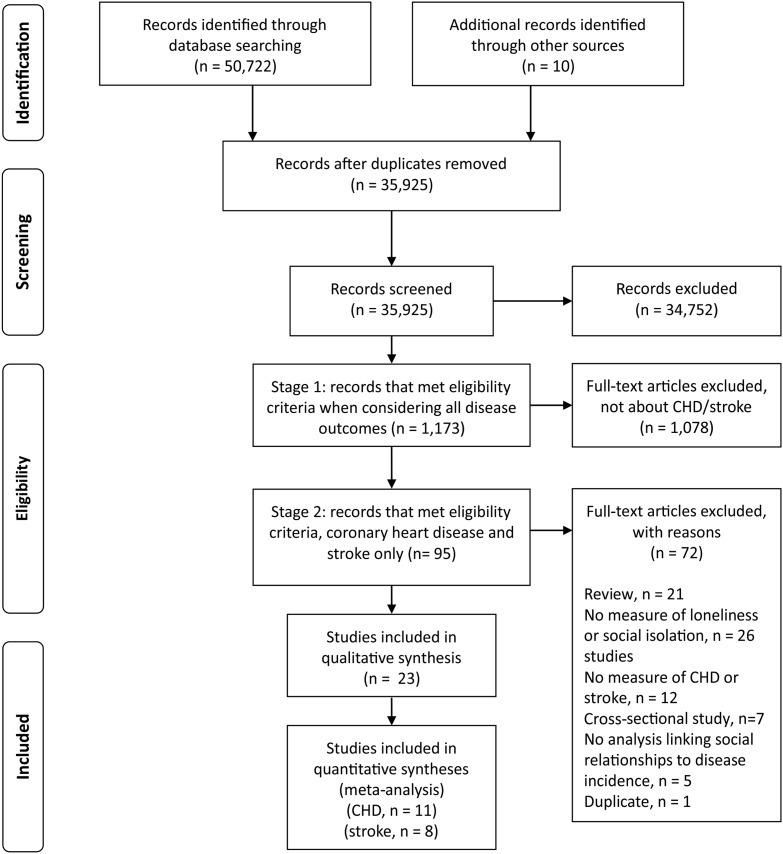
Background: The influence of social relationships on morbidity is widely accepted, but the size of the risk to cardiovascular health is unclear. Objective: We undertook a systematic review and meta-analysis to investigate the association between loneliness or social isolation and incident coronary heart disease (CHD) and stroke. Methods: Sixteen electronic databases were systematically searched for longitudinal studies set in high-income countries and published up until May 2015. Two independent reviewers screened studies for inclusion and extracted data. We assessed quality using a component approach and pooled data for analysis using random effects models. Results: Of the 35 925 records retrieved, 23 papers met inclusion criteria for the narrative review. They reported data from 16 longitudinal datasets, for a total of 4628 CHD and 3002 stroke events recorded over follow-up periods ranging from 3 to 21 years. Reports of 11 CHD studies and 8 stroke studies provided data suitable for meta-analysis. Poor social relationships were associated with a 29% increase in risk of incident CHD (pooled relative risk: 1.29, 95% CI 1.04 to 1.59) and a 32% increase in risk of stroke (pooled relative risk: 1.32, 95% CI 1.04 to 1.68). Subgroup analyses did not identify any differences by gender. Conclusions: Our findings suggest that deficiencies in social relationships are associated with an increased risk of developing CHD and stroke. Future studies are needed to investigate whether interventions targeting loneliness and social isolation can help to prevent two of the leading causes of death and disability in high-income countries. Study registration number: CRD42014010225.
Overview
CoChat Summary
TL;DR
This systematic review and meta-analysis of longitudinal observational studies found that poor social relationships were associated with a 29% higher risk of incident coronary heart disease and a 32% higher risk of stroke. The authors conclude that addressing loneliness and social isolation may be valuable in cardiovascular prevention, while noting causality cannot be inferred.
Key findings
- Across 23 papers from 16 longitudinal cohorts, including 181,006 participants, 4628 CHD events and 3002 stroke events were recorded over follow-up periods of 3–21 years.
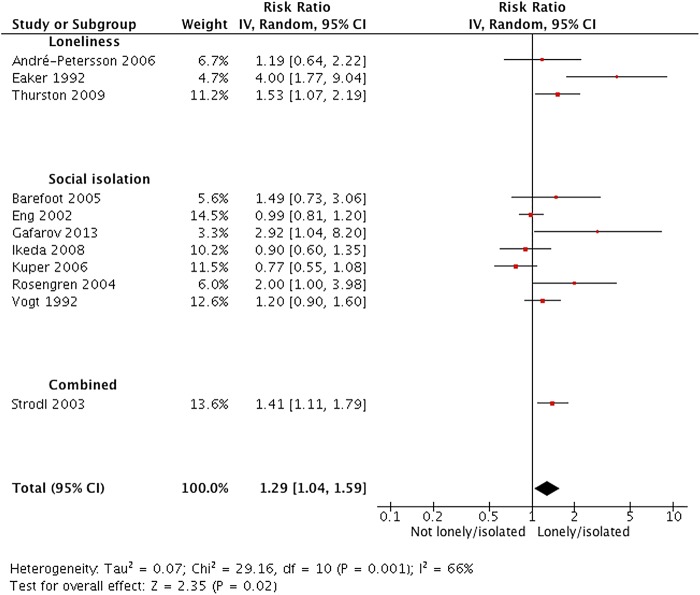
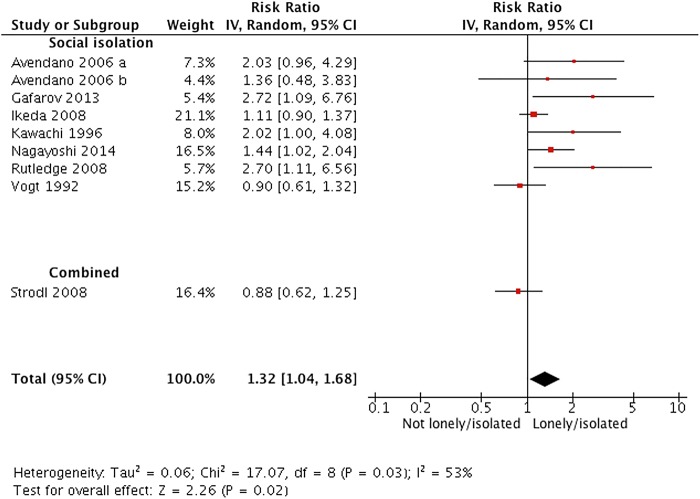
- Pooled relative risk for incident CHD comparing high versus low loneliness/social isolation was 1.29 (95% CI 1.04 to 1.59) across 11 studies; pooled relative risk for stroke was 1.32 (95% CI 1.04 to 1.68) across 8 stroke studies in the abstract (the results section describes nine independent stroke samples).
- Subgroup analyses found no differences by gender, and no evidence that loneliness versus social isolation was differentially associated with CHD incidence.
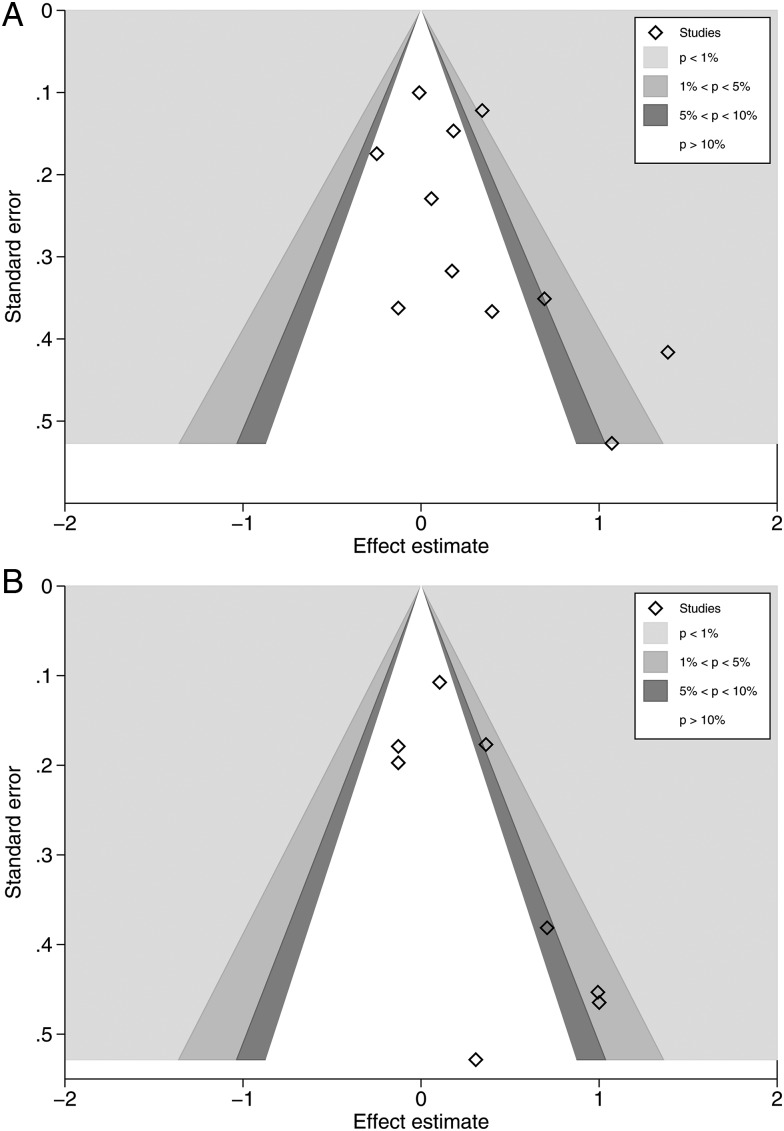
- Heterogeneity was present for CHD (I²=66%, p=0.001) and stroke (I²=53%, p=0.03); sensitivity analyses found no evidence that results differed by study validity, but funnel plots and fixed- versus random-effects comparisons suggested possible small-study effects/reporting bias.
Methods
- Systematic review and meta-analysis of longitudinal observational studies set in high-income countries, registered as CRD42014010225; 16 electronic databases were searched up to May 2015, supplemented by reference lists, Scopus citations, and topic experts.
- Of 35,925 records retrieved, 23 papers based on 16 cohorts met inclusion criteria; two independent reviewers screened studies and extracted data, with quality assessed using a component approach.
- Random-effects models pooled effect estimates transformed to natural logs; odds ratios were approximated to relative risks because incidence was <10% in the three studies reporting ORs; prespecified subgroup and sensitivity analyses were performed.
Limitations
- The paper states that causality cannot be inferred, unmeasured confounding and reverse causation due to subclinical disease cannot be excluded, and publication bias may lead to overestimation of the true effect; conversely, pooled effects could be conservative because many studies adjusted for factors likely on the causal pathway, such as depression or health-related behaviour.
- The paper states insufficient data to explore the relative effects of quantity versus quality of relationships or effect modifiers in depth; seven estimates came from populations of higher socioeconomic status and better health than the target population, so results may underestimate effects among disadvantaged groups; some data were collected from 1965, and later CHD prevention strategies may have modified the association.
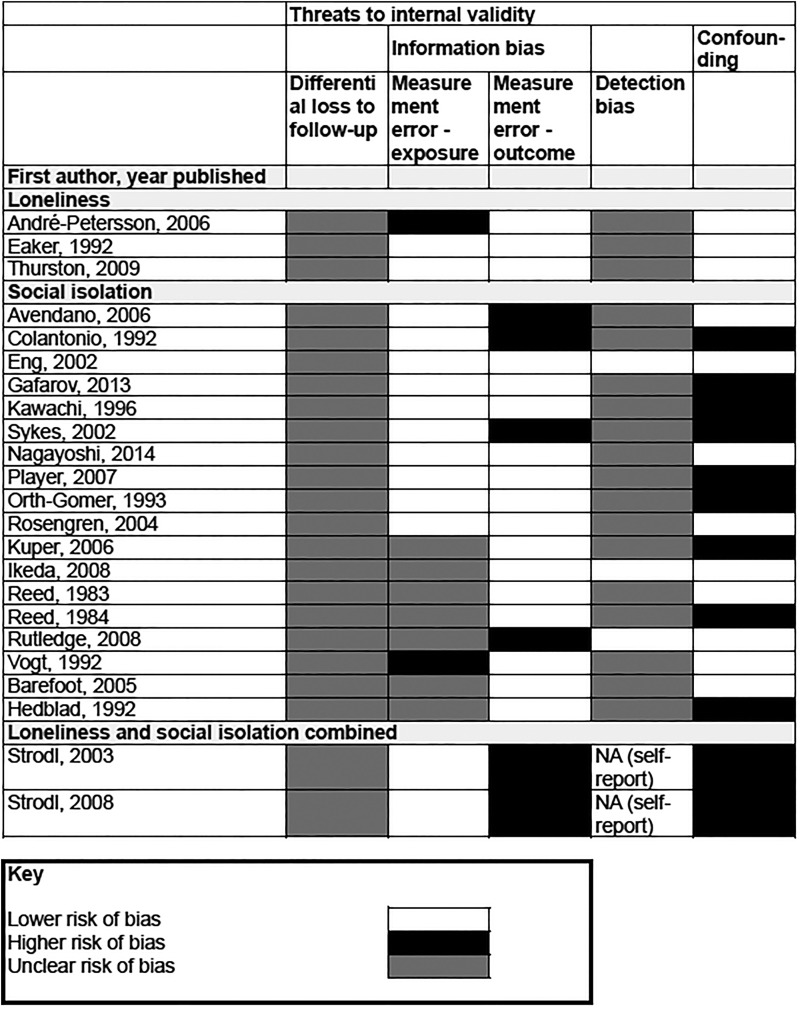
- Evident from the text: heterogeneity remained unexplained, information on reliability and validity of social relationship instruments was limited, and limited information on attrition and blinding meant risk of differential loss to follow-up and detection bias was unclear.
Model-written summary. Check it against the paper before relying on it.
Integrity signals
Registry
Cites
Statistics
Figures
Verification
Claims the paper makes
3 Valid · 0 Not valid · 17 Not checked · 47 Own results and interpretations
Every source the paper cites for this claim was checked and supports it.
In the paper
“Adults who have few social contacts (ie, who are socially isolated) or feel unhappy about their social relationships (ie, who are lonely) are at increased risk of premature mortality.1”
§ Loneliness and social isolation as risk factors for coronary heart disease and stroke: systematic review and meta-analysis of longitudinal observational studies > Introduction
What the sources say
- Supportedcites [1] Holt-Lunstad J, Smith TB, Baker M, et al Loneliness and social isolation as risk factors for mortality: a meta-analytic review. Perspect Psychol Sci 2015; 10: 227– 37. 10.1177/1745691614568352 25910392 source
The Introduction (p. 228) supplies exactly the two definitions the claim paraphrases: social isolation as an 'objective quantitative approach to establish a dearth of social contact and network size' (living alone, few social network ties, infrequent contact), and loneliness as 'the perception of social isolation... the dissatisfaction with the discrepancy between desired and actual social relationships.' The Discussion reports the mortality risk for adults across 70 prospective studies (26% for loneliness, 29% for social isolation, 32% for living alone after covariate adjustment), and the Conclusion states that 'individuals lacking social connections (both objective and subjective social isolation) are at risk for premature mortality.' Both the definitional glosses and the increased-risk assertion are therefore carried by our copy. (LLM, conf=0.92)
plainstates an association- Asserted: passes — The authors put it forward as true.
- Checkable: passes — It can be checked against evidence.
- Load-bearing: passes — The paper’s conclusions depend on it.
- Based: passes — The paper gives a reason why it holds.
- Supported
Every source the paper cites for this claim was checked and supports it.
In the paper
“The influence of social relationships on mortality is comparable with well-established risk factors, including physical activity and obesity.2”
§ Loneliness and social isolation as risk factors for coronary heart disease and stroke: systematic review and meta-analysis of longitudinal observational studies > Introduction
What the sources say
- Supportedcites [2] Holt-Lunstad J, Smith TB, Layton JB Social relationships and mortality risk: a meta-analytic review. PLoS Med 2010; 7: e1000316 10.1371/journal.pmed.1000316 20668659 PMC2910600 source
The Conclusion (Discussion) of Holt-Lunstad et al. (2010) states directly that the magnitude of the social-relationship effect on mortality (50% greater likelihood of survival across 308,849 individuals) is comparable with quitting smoking and exceeds many well-known risk factors, e.g., obesity and physical inactivity. The Discussion also states the magnitude 'may be considered quite large, rivaling that of well-established risk factors (Figure 6).' The citing sentence is, if anything, slightly weaker than the source ('comparable with' vs. 'exceeds'), which the rubric treats as supported. (LLM, conf=0.90)
plainstates an association- Asserted: passes — The authors put it forward as true.
- Checkable: passes — It can be checked against evidence.
- Load-bearing: passes — The paper’s conclusions depend on it.
- Based: passes — The paper gives a reason why it holds.
- Supported
The cited sources support only part of this claim — read each source’s verdict below.
In the paper
“We found an association between poor social relationships and incident CVD comparable in size to other recognised psychosocial risk factors, such as anxiety50 and job strain.51”
§ Loneliness and social isolation as risk factors for coronary heart disease and stroke: systematic review and meta-analysis of longitudinal observational studies > Discussion > Summary of findings and comparison with other work
What the sources say
- Supportedcites [50] Roest AM, Martens EJ, de Jonge P, et al Anxiety and risk of incident coronary heart disease: a meta-analysis. J Am Coll Cardiol 2010; 56: 38– 46. 10.1016/j.jacc.2010.03.034 20620715 source
Citation 50 is attached to anxiety, not job strain or the citing authors’ finding about social relationships. The Results report an association between anxiety and incident coronary heart disease (pooled hazard ratio 1.26), supporting anxiety as the risk-factor comparison used here. The source does not itself compare anxiety with poor social relationships. (LLM, conf=0.88)
- Partly supportedcites [51] Fransson EI, Nyberg ST, Heikkilä K, et al Job strain and the risk of stroke: an individual-participant data meta-analysis. Stroke 2015; 46: 557– 9. 10.1161/STROKEAHA.114.008019 25563644 sourceExperimental — accuracy not yet measured
The Results report a job-strain association with incident ischemic stroke (hazard ratio 1.24), providing a magnitude the citing authors could compare with their own finding. The paper does not establish job strain as a risk factor for CVD generally: its overall-stroke association was not statistically significant, and its Conclusion qualifies the ischemic-stroke finding as possible. (LLM, conf=0.82)
plainstates an association- Asserted: passes — The authors put it forward as true.
- Checkable: passes — It can be checked against evidence.
- Load-bearing: passes — The paper’s conclusions depend on it.
- Based: passes — The paper gives a reason why it holds.
- Supported
A result the paper reports from its own data — it cites no other source for it, so there is none to check. The quote shows it is in the paper.
In the paper
“Poor social relationships were associated with a 29% increase in risk of incident CHD (pooled relative risk: 1.29, 95% CI 1.04 to 1.59)”
- Also stated in: § Loneliness, social isolation and CHD · plain
“Across 11 studies (3794 events; one study did not report numbers) based on independent samples, the average relative risk of new CHD when comparing high versus low loneliness or social isolation was 1.29 (95% CI 1.04 to 1.59; see figure 3).”
- Also stated in: § Summary of findings and comparison with other work · plain
“Our review found that poor social relationships were associated with a 29% increase in risk of incident CHD and a 32% increase in risk of stroke.”
§ Loneliness and social isolation as risk factors for coronary heart disease and stroke: systematic review and meta-analysis of longitudinal observational studies > Abstract > Results
plainstates an association- Asserted: passes — The authors put it forward as true.
- Checkable: passes — It can be checked against evidence.
- Load-bearing: passes — The paper’s conclusions depend on it.
- Based: passes — The paper gives a reason why it holds.
- Also stated in: § Loneliness, social isolation and CHD · plain
A result the paper reports from its own data — it cites no other source for it, so there is none to check. The quote shows it is in the paper.
In the paper
“Subgroup analyses did not identify any differences by gender.”
§ Loneliness and social isolation as risk factors for coronary heart disease and stroke: systematic review and meta-analysis of longitudinal observational studies > Abstract > Results
plain- Asserted: passes — The authors put it forward as true.
- Checkable: passes — It can be checked against evidence.
- Load-bearing: unclear — It is unclear whether the paper’s conclusions depend on it.
- Based: passes — The paper gives a reason why it holds.
19 more claims
Create a free account to see all 67 claims and to verify the 21 references still open.
- It may state two separate claims as one. 22
- Probably not a substantial claim. 30
Claims other papers make about this one
Each is checked against this paper’s own text: does it say what the citing paper says it does?
The source backs part of the claim, not all of it — or backs it for a different population, condition or comparison.
In the citing paper
“the industrial revolution and modern era have ushered in changes in social interactions and sleep quality59,91 that can promote SCI149,150 and insulin resistance151, in turn increasing risk for obesity, type 2 diabetes, CVD and all-cause mortality150–154”
From Chronic inflammation in the etiology of disease across the life span (2019) · cites this paper as [152]
Experimental — accuracy not yet measuredThe source backs part of the claim, not all of it — or backs it for a different population, condition or comparison.
In the citing paper
“In a meta-analysis of longitudinal studies of social isolation and loneliness and cardiovascular outcomes, both social isolation and loneliness were found to significantly increase the risk for new CHD and stroke, with no evidence that one was more strongly related to disease incidence than the other [33].”
From Social isolation: an underappreciated determinant of physical health (2022) · cites this paper as [33]
Experimental — accuracy not yet measuredThe cited source says what the claim attributes to it.
In the citing paper
“There is also a growing body of evidence relating social isolation with nonfatal physical health outcomes, including increased risk for cardiovascular disease and stroke [33], pre-diabetes and type 2 diabetes [34], and poorer cognitive functioning [35].”
From Social isolation: an underappreciated determinant of physical health (2022) · cites this paper as [33]
The cited source says what the claim attributes to it.
In the citing paper
“Because lower circulating BDNF levels and small social networks have separately been associated with higher risk of incident stroke [3], [4], cognitive dysfunction [2], [5], [6], and the accumulation of Alzheimer's disease pathology [7], [8]”
From Associations between social relationship measures, serum brain-derived neurotrophic factor, and risk of stroke and dementia (2017) · cites this paper as [3]
The cited source says what the claim attributes to it.
In the citing paper
“Social isolation and loneliness have been studied extensively over the past four decades, with numerous studies showing that both have negative mental and physical health consequences [1–5].”
6 more claims about this paper
Create a free account to see every claim other papers make about this one.
Self-check
Percentages, sums and reported differences re-computed from the paper’s own numbers.
Each contradiction between two passages listed here was confirmed by an independent check.
Rated minor: it would not touch a result — a value no result rests on, a p-value that stays on the same side of the significance level, or a conflict that is clerical, resolved elsewhere in the paper, or outside its own findings.
In the paper
§ Loneliness and social isolation as risk factors for coronary heart disease and stroke: systematic review and meta-analysis of longitudinal observational studies > Results > Social isolation and stroke
“Across nine independent study samples (2577 events; one study did not report numbers), the average relative risk of stroke incidence was 1.32”
§ Loneliness and social isolation as risk factors for coronary heart disease and stroke: systematic review and meta-analysis of longitudinal observational studies > Results > Risk of bias across studies
“Stroke | 1.32 (1.04 to 1.68) (n=8)”
Rated minor: it would not touch a result — a value no result rests on, a p-value that stays on the same side of the significance level, or a conflict that is clerical, resolved elsewhere in the paper, or outside its own findings.
In the paper
“Four studies presented results from univariate analyses,31 34 35 41 with a further study adjusting for age only.26 The remaining eight reports did not control for socioeconomic status”
§ Loneliness and social isolation as risk factors for coronary heart disease and stroke: systematic review and meta-analysis of longitudinal observational studies > Results > Study validity
Reported 23 · recomputed 25
Citations
Cites
Social Relationships and Mortality Risk: A Meta-analytic Review
Holt-Lunstad, J., Smith, T. B., & Layton, J. B. (2010) · PLoS Medicine · doi:10.1371/journal.pmed.1000316 · Cited by 7,272
Loneliness and Social Isolation as Risk Factors for Mortality: A Meta-Analytic Review
Holt-Lunstad, J., Smith, T. B., Baker, M., Harris, T., & Stephenson, D. (2015) · Perspectives on Psychological Science · doi:10.1177/1745691614568352 · Cited by 6,043
Loneliness matters: a theoretical and empirical review of consequences and mechanisms
Hawkley, L. C., & Cacioppo, J. T. (2010) · Annals of Behavioral Medicine · doi:10.1007/s12160-010-9210-8 · Cited by 4,782
Zhang, J., & Yu, K. F. (1998) · JAMA · doi:10.1001/jama.280.19.1690 · Cited by 4,138
Systematic reviews: CRD's guidance for undertaking reviews in health care
Tacconelli, E. (2010) · The Lancet Infectious Diseases · doi:10.1016/s1473-3099(10)70065-7 · Cited by 3,245
Assessing social networks among elderly populations
Lubben, J. E. (1988) · Family & Community Health · doi:10.1097/00003727-198811000-00008 · Cited by 1,188
Loneliness, social isolation, and behavioral and biological health indicators in older adults.
Shankar, A., McMunn, A., Banks, J., & Steptoe, A. (2011) · Health Psychology · doi:10.1037/a0022826 · Cited by 1,100
Social Relationships and Health
Cohen, S., Gottlieb, B. H., & Underwood, L. G. (2000) · Social Support Measurement and Intervention · doi:10.1093/med:psych/9780195126709.003.0001 · Cited by 903
Stress and Cardiovascular Disease: An Update on Current Knowledge
Steptoe, A., & Kivimäki, M. (2013) · Annual Review of Public Health · doi:10.1146/annurev-publhealth-031912-114452 · Cited by 879 · cited 1×
“Subgroup analyses speci fi ed a priori showed no difference between the association of loneliness or social isolation with CHD incidence, and we found no evidence across studies of differences between men and women.”
Anxiety and Risk of Incident Coronary Heart Disease
Roest, A. M., Martens, E. J., de Jonge, P., & Denollet, J. (2010) · Journal of the American College of Cardiology · doi:10.1016/j.jacc.2010.03.034 · Cited by 865
Cited by
Items 301–400 of 1,002
Lee, S. H., Lee, H., & Yu, S. (2022) · Healthcare · doi:10.3390/healthcare10091598 · Cited by 73
“coronary artery disease or stroke [8], and 26% increase in mortality rates [9].”
BackgroundLong, R. M., Terracciano, A., Sutin, A. R., Creaven, A., Gerstorf, D., D’Arcy-Bewick, S., & O’Súilleabháin, P. S. (2022) · Psychosomatic Medicine · doi:10.1097/psy.0000000000001151 · Cited by 58
“Although findings across studies vary, three aspects of social health (loneliness, social isolation, and living alone) can impair cardiovascular health (32) both in terms of incidence of disease (31) and in terms of prognosis (17,29,30).”
BackgroundResultInfluentialBirken, M., Chipp, B., Shah, P., Olive, R. R., Nyikavaranda, P., Hardy, J., Chhapia, A., Barber, N., Lee, S., Pearce, E., et al. (2023) · PLoS ONE · doi:10.1371/journal.pone.0280946 · Cited by 50
Qi, X., Malone, S. K., Pei, Y., Zhu, Z., & Wu, B. (2023) · Psychiatry Research · doi:10.1016/j.psychres.2023.115266 · Cited by 52
Reconceptualising men's loneliness: An interpretivist interview study of UK-based men
Ratcliffe, J., Kanaan, M. N., & Galdas, P. (2023) · Social Science & Medicine · doi:10.1016/j.socscimed.2023.116129 · Cited by 50
Self-citationVirtual reality supports perspective taking in cultural heritage interpretation
Lucifora, C., Schembri, M., Poggi, F., Grasso, G. M., & Gangemi, A. (2023) · Computers in Human Behavior · doi:10.1016/j.chb.2023.107911 · Cited by 63
“Recent studies show that in older people social isolation is related to a 29% increase in risk of death (Holt-Lunstad, Smith, Baker, Harris, & Stephenson, 2015), 29% increase in heart disease and 32% increase in risk of stroke (Valtorta, Kanaan, Gilbody, Ronzi, & Hanratty, 2016).”
BackgroundRisk factors for social isolation in older adults: A systematic review and meta‐analysis
Wang, S., Ji, L., Kuang, L., Yang, X., Yu, B., & Cui, Y. (2023) · Public Health Nursing · doi:10.1111/phn.13266 · Cited by 59
Duffner, L. A., Janssen, N., Deckers, K., Schroyen, S., de Vugt, M. E., Köhler, S., Adam, S., Verhey, F. R. J., & Veenstra, M. Y. (2024) · Journal of the American Medical Directors Association · doi:10.1016/j.jamda.2024.105110 · Cited by 59
The Impact of Loneliness on Outcomes of Pulmonary Rehabilitation in Patients with COPD
Reijnders, T., Schüler, M., Jelusic, D., Troosters, T., Janssens, W., Schultz, K., & von Leupoldt, A. (2018) · COPD Journal of Chronic Obstructive Pulmonary Disease · doi:10.1080/15412555.2018.1471128 · Cited by 47
Cao, Q., Dabelko‐Schoeny, H., White, K., & Choi, M.-S. (2019) · Journal of Aging and Health · doi:10.1177/0898264319865421 · Cited by 48
Impact of Loneliness on Brain Health and Quality of Life Among Adults Living With HIV in Canada
Harris, M., Brouillette, M., Scott, S. C., Smaill, F., Smith, G. H. R., Thomas, R., Fellows, L. K., & Mayo, N. E. (2020) · JAIDS Journal of Acquired Immune Deficiency Syndromes · doi:10.1097/qai.0000000000002355 · Cited by 52
Seaborn, K., Sekiguchi, T., Tokunaga, S., Miyake, N. P., & Otake-Matsuura, M. (2023) · International Journal of Social Robotics · doi:10.1007/s12369-022-00925-7 · Cited by 43
“Social applications may be particularly relevant for older adults, who are at risk of isolation and the severe negative impacts it can have on well-being and physical health [17, 18].”
BackgroundThe impact of COVID-19 lockdown stringency on loneliness in five European countries
Caro, J. C., Clark, A. E., D’Ambrosio, C., & Vögele, C. (2022) · Social Science & Medicine · doi:10.1016/j.socscimed.2022.115492 · Cited by 53
Morris, A. A., Masoudi, F. A., Abdullah, A. R., Banerjee, A., Brewer, L. C., Commodore-Mensah, Y. Y., Cram, P. M., Desilvey, S. C., Hines, A. L., Ibrahim, N. E., et al. (2024) · Circulation Cardiovascular Quality and Outcomes · doi:10.1161/hcq.0000000000000133 · Cited by 52
Association of loneliness and healthcare utilization among older adults in Singapore
Lim, K. K., & Chan, A. W.-M. (2017) · Geriatrics and gerontology international/Geriatrics & gerontology international · doi:10.1111/ggi.12962 · Cited by 54
Kharicha, K., Manthorpe, J., Iliffe, S., Davies, N., & Walters, K. R. (2018) · International Psychogeriatrics · doi:10.1017/s1041610218000339 · Cited by 54
Conceptualizing loneliness in health research: Philosophical and psychological ways forward.
McHugh Power, J. E., Dolezal, L., Kee, F., & Lawlor, B. A. (2018) · Journal of Theoretical and Philosophical Psychology · doi:10.1037/teo0000099 · Cited by 42
Zhou, Z., Lin, C., Ma, J., Towne, S. D., Han, Y., & Fang, Y. (2019) · American Journal of Epidemiology · doi:10.1093/aje/kwz099 · Cited by 43
Social Isolation and Mortality Among People Living with HIV in British Columbia, Canada
Marziali, M. E., McLinden, T., Card, K. G., Closson, K., Wang, L., Trigg, J., Salters, K., Lima, V. D., Parashar, S., & Hogg, R. S. (2020) · AIDS and Behavior · doi:10.1007/s10461-020-03000-2 · Cited by 46
Loneliness in psychotic illness and its association with cardiometabolic disorders
Badcock, J. C., Mackinnon, A. J., Waterreus, A. J., Watts, G. F., Castle, D. J., McGrath, J. J., & Morgan, V. A. (2018) · Schizophrenia Research · doi:10.1016/j.schres.2018.09.021 · Cited by 49
COVID-19: Preliminary Data on the Impact of Social Distancing on Loneliness and Mental Health
Lewis, K. C. (2020) · Journal of Psychiatric Practice · doi:10.1097/pra.0000000000000488 · Cited by 44
Social connection and physical health outcomes among long-term care home residents: a scoping review
Lem, K., McGilton, K. S., Aelick, K., Iaboni, A., Babineau, J., Colborne, D. H., Edwards, C., Bretzlaff, M., Lender, D., Gibson, J., et al. (2021) · BMC Geriatrics · doi:10.1186/s12877-021-02638-4 · Cited by 48
Yu, X., Westrick, A. C., & Kobayashi, L. C. (2022) · Alzheimer s & Dementia · doi:10.1002/alz.12734 · Cited by 48
Miyake, F., Chimed‐Ochir, O., Hino, A., Ikegami, K., Nagata, T., Tateishi, S., Tsuji, M., Matsuda, S., & Ishimaru, T. (2022) · Environmental Health and Preventive Medicine · doi:10.1265/ehpm.22-00107 · Cited by 71
Walz, T., Kensbock, J. M., de Jong, S. B., & Kunze, F. (2023) · European Management Journal · doi:10.1016/j.emj.2023.05.001 · Cited by 65
Käll, A., Backlund, U., Shafran, R., & Andersson, G. (2020) · Internet Interventions · doi:10.1016/j.invent.2019.100301 · Cited by 40
Mental Health During the COVID-19 Pandemic in the United States: Online Survey
Jewell, J. S., Farewell, C. V., Welton‐Mitchell, C., Lee‐Winn, A. E., Walls, J., & Leiferman, J. A. (2020) · JMIR Formative Research · doi:10.2196/22043 · Cited by 46
What is the right level of spending needed for health and care in the UK?
Charlesworth, A., Anderson, M., Donaldson, C., Johnson, P. E., Knapp, M. R. J., McGuire, A. J., McKee, M., Mossialos, E. A., Smith, P., Street, A., et al. (2021) · The Lancet · doi:10.1016/s0140-6736(21)00230-0 · Cited by 49
Heinze, N., Hussain, S. F., Castle, C. L., Godier-McBard, L. R., Kempapidis, T., & Gomes, R. S. M. (2021) · Frontiers in Public Health · doi:10.3389/fpubh.2021.738304 · Cited by 55
Implications of COVID-19 on the Loneliness of Older Adults in Residential Care Homes
Ho, K. H. M., Mak, A. K. P., CHUNG, R. W. M., Leung, D. Y. L., Chiang, C. L. V., & Cheung, D. S. K. (2021) · Qualitative Health Research · doi:10.1177/10497323211050910 · Cited by 48
Thompson, A., Smith, M., McNeill, A. R., & Pollet, T. V. (2022) · Ageing and Society · doi:10.1017/s0144686x22000666 · Cited by 58
“It is possible that a similar relationship may be present between the number of friends and loneliness, given the previously established links between loneliness and coronary heart disease (Valtorta et al ., 2016).”
BackgroundLoneliness and Social Isolation among Transgender and Gender Diverse People
Hajek, A., König, H., Blessmann, M., & Grupp, K. (2023) · Healthcare · doi:10.3390/healthcare11101517 · Cited by 57
“Thus, loneliness is associated with several negative health outcomes including coronary heart disease and stroke [15], dementia [16], poor mental health [9], and metabolic syndrome [17].”
BackgroundLoneliness and biological responses to acute stress in people with Type 2 diabetes
Hackett, R. A., Poole, L., Hunt, E., Panagi, L., & Steptoe, A. (2019) · Psychophysiology · doi:10.1111/psyp.13341 · Cited by 43
Morgan, T., Wiles, J. L., Moeke‐Maxwell, T., Black, S., Park, H., Dewes, O., Williams, L., & Gott, M. (2019) · Aging & Mental Health · doi:10.1080/13607863.2019.1633619 · Cited by 51
Yang, J., & Moorman, S. M. (2019) · The International Journal of Aging and Human Development · doi:10.1177/0091415019871201 · Cited by 52
Saito, T., Cable, N., Aida, J., Shirai, K., Saito, M., & Kondo, K. (2019) · Geriatrics and gerontology international/Geriatrics & gerontology international · doi:10.1111/ggi.13758 · Cited by 43
Keshky, M. E. S. E., Alsabban, A. M., & Basyouni, S. S. (2020) · Archives of Psychiatric Nursing · doi:10.1016/j.apnu.2020.09.008 · Cited by 49
Stavrova, O., & Ren, D. (2020) · Social Psychological and Personality Science · doi:10.1177/1948550620961589 · Cited by 45
Heffernan, E., Withanachchi, C. M., & Ferguson, M. (2022) · Age and Ageing · doi:10.1093/ageing/afac019 · Cited by 60
Hajek, A., Volkmar, A., & König, H.-H. (2025) · Social Psychiatry and Psychiatric Epidemiology · doi:10.1007/s00127-023-02602-0 · Cited by 39
Murayama, H., Suda, T., Nakamoto, I., Shinozaki, T., & Tabuchi, T. (2023) · Frontiers in Public Health · doi:10.3389/fpubh.2023.1094340 · Cited by 47
Social isolation and loneliness: Undervalued risk factors for disease states and mortality
Kanbay, M., Tanrıöver, C., Çöpür, S., Peltek, İ. B., Mutlu, A., Mallamaci, F., & Zoccali, C. (2023) · European Journal of Clinical Investigation · doi:10.1111/eci.14032 · Cited by 57
Grey, E., Baber, F., Corbett, E., Ellis, D. A., Gillison, F., & Barnett, J. C. (2024) · BMC Public Health · doi:10.1186/s12889-023-17386-w · Cited by 53
“Both loneliness and social isolation have been associated with increased likelihood of cardiovascular disorders [3], cognitive impairment [4], dementia [5], depression and anxiety [6].”
BackgroundFoti, S. A., Khambaty, T., Birnbaum‐Weitzman, O., Argüelles, W., Penedo, F. J., Giacinto, R. A. E., Gutiérrez, Á., Gallo, L. C., Giachello, A. L. M., Schneiderman, N., et al. (2019) · Journal of Immigrant and Minority Health · doi:10.1007/s10903-019-00885-7 · Cited by 48
Smith, T. W. (2022) · Current Cardiology Reports · doi:10.1007/s11886-022-01695-4 · Cited by 52
The Stigma of Criminal Legal Involvement and Health: a Conceptual Framework
Howell, B. A., Earnshaw, V. A., Garcia, M., Taylor, A., Martin, K., & Fox, A. D. (2022) · Journal of Urban Health · doi:10.1007/s11524-021-00599-y · Cited by 46
Umoh, M. E., Prichett, L. M., Boyd, C. M., & Cudjoe, T. (2022) · Journal of the American Geriatrics Society · doi:10.1111/jgs.18179 · Cited by 44
Chou, Y.-H., Lin, C., Lee, S.-H., Lee, Y.-F., & Cheng, L.-C. (2024) · JMIR Formative Research · doi:10.2196/49462 · Cited by 38
Huang, Q., Zhang, P., Shen, D., Gao, J., Li, Z., Lv, Y., Shi, X., & Mao, C. (2024) · Alzheimer s & Dementia · doi:10.1002/alz.14080 · Cited by 47
Due, T. D., Sandholdt, H., Siersma, V., & Waldorff, F. B. (2018) · BMC Family Practice · doi:10.1186/s12875-018-0721-x · Cited by 41
Factors Associated With Social Isolation Among the Older People in India
Kotian, D. B., Mathews, M., Parsekar, S. S., Nair, S., Binu, V. S. N., & Subba, S. H. (2018) · Journal of Geriatric Psychiatry and Neurology · doi:10.1177/0891988718796338 · Cited by 44
Freeborne, N., Simmens, S. J., Manson, J. E., Howard, B. V., Cené, C. W., Allison, M., Corbie-Smith, G. M., Bell, C., Denburg, N. L., & Martin, L. W. (2019) · Menopause The Journal of The North American Menopause Society · doi:10.1097/gme.0000000000001297 · Cited by 43
Solitary Day, Solitary Activities, and Associations With Well-Being Among Older Adults
Lam, J., & Román, J. G. (2019) · The Journals of Gerontology Series B · doi:10.1093/geronb/gbz036 · Cited by 45
Smith, T. W., & Weihs, K. L. (2019) · Psychosomatic Medicine · doi:10.1097/psy.0000000000000739 · Cited by 50
O'Neil, A. E., Nicholls, S. J., Redfern, J., Brown, A. D. H., & Hare, D. L. (2020) · Heart Lung and Circulation · doi:10.1016/j.hlc.2020.05.002 · Cited by 42
Dabelko‐Schoeny, H., Fields, N. L., White, K., Sheldon, M., Ravi, K. E., Robinson, S. R., Murphy, I. E., & Jennings, C. (2020) · Journal of Gerontological Social Work · doi:10.1080/01634372.2020.1769787 · Cited by 41
The formal demography of kinship II: Multistate models, parity, and sibship
Caswell, H. (2020) · Demographic Research · doi:10.4054/demres.2020.42.38 · Cited by 41
Harada, K., Masumoto, K., Katagiri, K., Fukuzawa, A., Touyama, M., Sonoda, D., Chogahara, M., Kondo, N., & Okada, S. (2020) · Aging & Mental Health · doi:10.1080/13607863.2020.1839858 · Cited by 39
Relationship between the living-alone period and depressive symptoms among the elderly
Koo, J. H., Son, N., & Yoo, K.-B. (2021) · Archives of Gerontology and Geriatrics · doi:10.1016/j.archger.2021.104341 · Cited by 43
The Interplay Between Quality of Life and Resilience Factors in Later Life: A Network Analysis
Brinkhof, L. P., Huth, K. B. S., Murre, J. M. J., de Wit, S., Krugers, H. J., & Ridderinkhof, K. R. (2021) · Frontiers in Psychology · doi:10.3389/fpsyg.2021.752564 · Cited by 48
Natural Philosophy: From Social Brains to Knowledge, Reality, Morality, and Beauty
Thagard, P. R. (2019) · doi:10.1093/oso/9780190678739.001.0001 · Cited by 81
Group Medical Visits 2.0: The Open Source Wellness Behavioral Pharmacy Model
Emmert‐Aronson, B. O., Grill, K. B., Trivedi, Z., Markle, E. A., & Chen, S. (2019) · The Journal of Alternative and Complementary Medicine · doi:10.1089/acm.2019.0079 · Cited by 38
Enhancing Social Support Among People with Cardiovascular Disease: a Systematic Scoping Review
Clayton, C., Motley, C., & Sakakibara, B. M. (2019) · Current Cardiology Reports · doi:10.1007/s11886-019-1216-7 · Cited by 40
COVID-19 Pandemic: Workforce Implications for Gerontological Social Work
Berg‐Weger, M., & Schroepfer, T. A. (2020) · Journal of Gerontological Social Work · doi:10.1080/01634372.2020.1772934 · Cited by 37
Brüchert, T., Hasselder, P., Quentin, P., & Bolte, G. (2020) · International Journal of Environmental Research and Public Health · doi:10.3390/ijerph17249479 · Cited by 43
The impact of sitting time and physical activity on mental health during COVID-19 lockdown
Pears, M., Kola, S., & Azevedo, L. B. (2021) · Sport Sciences for Health · doi:10.1007/s11332-021-00791-2 · Cited by 47
Anderson, S. D., Parmar, J., Dobbs, B., & Tian, P. G. J. (2021) · International Journal of Environmental Research and Public Health · doi:10.3390/ijerph181910010 · Cited by 38
Campbell, L., Masquillier, C., Knight, L., Delport, A., Sematlane, N. P., Dube, L. T., & Wouters, E. (2022) · AIDS and Behavior · doi:10.1007/s10461-021-03541-0 · Cited by 42
Freak‐Poli, R., Phyo, A. Z. Z., Hu, J., & Barker, F. (2022) · Health Promotion Journal of Australia · doi:10.1002/hpja.592 · Cited by 41
Influencing factors of loneliness among older adults in China: a systematic review and meta-analysis
Zuo, S., Lin, L., Chen, S., Wang, Z., Tian, L., Li, H., & Xu, Y. (2023) · Psychogeriatrics · doi:10.1111/psyg.12897 · Cited by 36
Lydon, E. A., Nguyen, L. T., Nie, Q., Rogers, W. A., & Mudar, R. A. (2022) · Frontiers in Public Health · doi:10.3389/fpubh.2021.750340 · Cited by 48
Papini, C., Fayad, A., Wang, M., Schulte, F., Huang, I., Chang, Y., Howell, R. M., Srivastava, D. K., Leisenring, W. M., Armstrong, G. T., et al. (2023) · Cancer · doi:10.1002/cncr.34633 · Cited by 39
Freak-Poli, R., Hu, J., Phyo, A., & Barker, S. (2023) · International Journal of Environmental Research and Public Health · doi:10.3390/ijerph20064853 · Cited by 33
“Poor social health is a modifiable risk factor for CVD [4] and mortality [5] and also carries a high health and economic burden.”
BackgroundPromise of Lifestyle Medicine for Heart Disease, Diabetes Mellitus, and Cerebrovascular Diseases
Pikula, A., Gulati, M., Bonnet, J. P., Ibrahim, S., Chamoun, S., Freeman, A. M., & Reddy, K. R. (2024) · Mayo Clinic Proceedings Innovations Quality & Outcomes · doi:10.1016/j.mayocpiqo.2023.11.005 · Cited by 54
Wang, R., Song, Y., Yang, L., & Browning, M. H. E. M. (2024) · Urban forestry & urban greening · doi:10.1016/j.ufug.2024.128324 · Cited by 42
Tulloch, H. E., Bouchard, K., Clyde, M. J., Madrazo, L., Demidenko, N., Johnson, S. M., & Greenman, P. S. (2020) · BMJ Open · doi:10.1136/bmjopen-2019-032948 · Cited by 41
Association between Personal Social Capital and Loneliness among Widowed Older People
Jiang, D., Hou, Y., Hao, J., Zhou, J., Jiang, J., & Wang, Q. (2020) · International Journal of Environmental Research and Public Health · doi:10.3390/ijerph17165799 · Cited by 39
Lai, K. Y., Sarkar, C., Kumari, S., Ni, M. Y., Gallacher, J., & Webster, C. J. (2021) · Landscape and Urban Planning · doi:10.1016/j.landurbplan.2021.104194 · Cited by 42
Heron, P. N., Spanakis, P., Crosland, S., Johnston, G., Newbronner, E., Wadman, R., Walker, L. E., Gilbody, S. M., & Peckham, E. J. (2022) · PLoS ONE · doi:10.1371/journal.pone.0262363 · Cited by 39
Self-citationEffects of social isolation and re-socialization on cognition and ADAR1 (p110) expression in mice
Chen, W., An, D., Xu, H., Cheng, X., Wang, S., Yu, W., Yu, D., Zhao, D. Y., Sun, Y., Deng, W., et al. (2016) · PeerJ · doi:10.7717/peerj.2306 · Cited by 37
Boekhout, J. M., Volders, E., Bolman, C. A. W., de Groot, R. H. M., & Lechner, L. (2021) · Journal of Aging and Health · doi:10.1177/08982643211015027 · Cited by 39
Social isolation in the oldest-old: determinants and the differential role of family and friends
Moormann, K. I., Pabst, A., Bleck, F., Löbner, M., Kaduszkiewicz, H., van der Leeden, C., Hajek, A., Brettschneider, C., Heser, K., Kleineidam, L., et al. (2023) · Social Psychiatry and Psychiatric Epidemiology · doi:10.1007/s00127-023-02524-x · Cited by 39
“A wide range of concomitant diseases are associated with social isolation, including depression [4], cardiovascular diseases [5], and cognitive decline [6], as well as a higher risk of chronic illnesses [7], suicidal behaviour [8] and premature mortality [9].”
BackgroundSenff, J. R., Tack, R. W. P., Mallick, A., Gutiérrez-Martínez, L., Duskin, J. A., Kimball, T. N., Tan, B. Y., Chemali, Z. N., Newhouse, A. L., Kourkoulis, C. E., et al. (2025) · Journal of Neurology Neurosurgery & Psychiatry · doi:10.1136/jnnp-2024-334925 · Cited by 43
Das, A. (2018) · Social Science & Medicine · doi:10.1016/j.socscimed.2018.10.021 · Cited by 39
Pagán, R. (2019) · Current Issues in Tourism · doi:10.1080/13683500.2019.1619675 · Cited by 43
Altschul, D., Iveson, M. H., & Deary, I. J. (2020) · Psychological Medicine · doi:10.1017/s0033291719003933 · Cited by 42
Burns, A., Leavey, G., Ward, M. D., & O’Sullivan, R. (2020) · Journal of Public Health · doi:10.1007/s10389-020-01338-4 · Cited by 57
Loneliness and Social Isolation: Determinants of Cardiovascular Outcomes
Sharma, T., Padala, P. R., & Mehta, J. L. (2021) · Current Cardiology Reviews · doi:10.2174/1573403x17666210129101845 · Cited by 42
Online Racism, Rumination, and Vigilance: Impact on Distress, Loneliness, and Alcohol Use
Keum, B. T., & Li, X. (2022) · The Counseling Psychologist · doi:10.1177/00110000221143521 · Cited by 39
“The result on loneliness is particularly concerning, as mounting evidence in the literature (Holt-Lunstad et al., 2015; Valtorta et al., 2016) suggests loneliness is a risk factor for greater mortality rates and a host of detrimental psychological (e.g., depression) and health outcomes (e.g., heart…”
BackgroundLife Events and Loneliness Transitions Among Middle-Aged and Older Adults Around the World
Sheftel, M. G., Margolis, R., & Verdery, A. M. (2023) · The Journals of Gerontology Series B · doi:10.1093/geronb/gbad149 · Cited by 43
Yu, X., Cho, T., Westrick, A. C., Chen, C., Langa, K. M., & Kobayashi, L. C. (2023) · Proceedings of the National Academy of Sciences · doi:10.1073/pnas.2306819120 · Cited by 62
“…of the amount of objectively measured social isolation, loneliness has been associated with emotional stress (6, 7), unhealthy coping behaviors (5, 8), accelerated cognitive decline (9), and increased risk of cardiovascular disease and mortality among middle - aged and older adults (4, 10).”
BackgroundSoh, Y., Kawachi, I. I., Kubzansky, L. D., Berkman, L. F., & Tiemeier, H. W. (2024) · EClinicalMedicine · doi:10.1016/j.eclinm.2024.102639 · Cited by 40
“24 A prior systematic review also examined lone-liness and social isolation as risk factors for coronary heart disease and stroke, 25 however none of the included studies explicitly examined the loneliness – stroke association.”
BackgroundPolenick, C. A., & DePasquale, N. (2018) · The Gerontologist · doi:10.1093/geront/gnx204 · Cited by 40
Tóth‐Király, I., Morin, A. J. S., Gillet, N., Bőthe, B., Nadon, L., Rigó, A., & Orosz, G. (2020) · Current Psychology · doi:10.1007/s12144-020-00828-8 · Cited by 38
Engelman, J., Milstein, G., Schonfeld, I. S., & Grubbs, J. B. (2020) · Mental Health Religion & Culture · doi:10.1080/13674676.2020.1744547 · Cited by 35
Distinct gene regulatory signatures of dominance rank and social bond strength in wild baboons
Anderson, J. A., Lea, A. J., Voyles, T., Akinyi, M. Y., Nyakundi, R. K., Ochola, L. B., Alfred, M. O., Nyundo, F., Zhang, Y., Campos, F. A., et al. (2022) · Philosophical Transactions of the Royal Society B Biological Sciences · doi:10.1098/rstb.2020.0441 · Cited by 33
Na, P. J., Straus, E., Tsai, J., Norman, S. B., Southwick, S. M., & Pietrzak, R. H. (2022) · Journal of Psychiatric Research · doi:10.1016/j.jpsychires.2022.05.042 · Cited by 34
Cheung, G., Clair, V. W., Chacko, E., & Barak, Y. (2019) · Archives of Gerontology and Geriatrics · doi:10.1016/j.archger.2019.103935 · Cited by 39
Riahi, S. M., Yousefi, A., Saeedi, F., & Martin, S. S. (2023) · BMC Cardiovascular Disorders · doi:10.1186/s12872-023-03195-x · Cited by 58
“A growing body of studies have recognized associations between psychosocial characteristics and CVD incidence and mortality [4, 5].”
BackgroundSocietal- and community-level strategies to improve social connectedness among older adults
Smith, M. L., Kornmeier, J. R., Wilkerson, R., Ivey, R., Hawkley, L. C., Holt‐Lunstad, J., & Cudjoe, T. (2023) · Frontiers in Public Health · doi:10.3389/fpubh.2023.1176895 · Cited by 40
Metadata
- Authors
- Valtorta, N. K., Kanaan, M., Gilbody, S., Ronzi, S., & Hanratty, B.
- Affiliations
- University of York (GB)
- Department of Public Health and Society, Whelan Building, Brownlow Hill, Liverpool, UK
- Newcastle University (GB)
- Corresponding author
- Valtorta, Nicole K
- Venue
- Heart
- Publisher
- BMJ
- Published
- 2016-04-18
- Volume
- 102
- Issue
- 13
- Pages
- 1009-1016
- ISSN
- 1355-6037 (ISSN-L)
- 1468-201X
- PMC
- PMC4941172
- OpenAlex
- W2336497595
- Semantic Scholar
- 9a60e683be594b8cf850ee0a8302a554b6e1bd57
- Cited by
- 1,971
- References
- 51
- Citations by year
- 2026: 222 · 2025: 243 · 2024: 283 · 2023: 249 · 2022: 237 · 2021: 267 · 2020: 186 · 2019: 127 · 2018: 88 · 2017: 51 · 2016: 17
- FWCI
- 17.70
- Type
- journal article
- Language
- en
- Open access
- hybrid
- doi.org
- Licence
- cc-by
- Locations
- Heart (publishedVersion, cc-by)
- PubMed Central (publishedVersion, cc-by)
- PubMed (publishedVersion)
- White Rose Research Online (University of Leeds, The University of Sheffield, University of York) (submittedVersion, cc-by)
- HighWire Press Open Archive (submittedVersion)
- Newcastle University ePrints (Newcastle Univesity) (cc-by)
- Funders
- National Institute for Health and Care Research (DRF-2013-06-074)
- Research Trainees Coordinating Centre (DRF-2013-06-074)
- NIHR Academy
- Topics
- Social Sciences › Health › Health disparities and outcomes
- Health Sciences › Medicine › Cardiology and Cardiovascular Medicine › Cardiac Health and Mental Health
- Health Sciences › Medicine › Cardiology and Cardiovascular Medicine › Cardiovascular Health and Risk Factors
- Keywords
- loneliness, social isolation, coronary artery disease, stroke, cardiovascular risk factors, interpersonal relationships, social determinants of health, incident cardiovascular events
- MeSH terms
- Coronary Disease, Humans, Loneliness, Risk Factors, Social Isolation, Bias, Stroke, Observational Studies as Topic
About these checks
Registry, retraction, Cites and statistics results are computed, not judged, with one exception: a printed reference that no index lists is read once by a model before it counts as a citation error. Claims are extracted by a model and kept only when their quote appears verbatim in the text; each cited source is then checked, with a model’s help, for whether it says what the claim relies on. Those verdicts can be wrong — read the claim’s quote and the cited source before relying on one.
The claim verdicts this report counts are experimental: their accuracy is not yet measured.
A language model drew the claims from the paper on 2026-10-05, under version 3 of the claim definition (model deepseek-v4.1-flash, prompt extract-v3).
A second model labelled each claim on 2026-10-05 (model jev-1.13-20260917, definition revision gold-guideline-v0.2).
Cited sources are checked with a language model’s help (qwen3.8-omni-flash and gpt-6-sol).
Statistics and arithmetic are recomputed, not judged.
Confidence bands are shown only for fields calibrated on our annotated test set. None is calibrated yet, so no band is shown.
What counts as a claim ›How we measure confidence ›How we check this ›
Are you an author, or do you see a problem with this page? Request a review
Data sources
Bibliographic data: Semantic Scholar, OpenAlex, Crossref.
Contains information from the Semantic Scholar Academic Graph Datasets, made available under the ODC Attribution License (ODC-BY 1.0).
Semantic Scholar’s data is described in: Kinney, R., et al. (2023). The Semantic Scholar Open Data Platform. arXiv:2301.10140.
