

Loneliness and social isolation as risk factors for coronary heart disease and stroke: systematic review and meta-analysis of longitudinal observational studies
Open accessThe DOI matches its Crossref record; 49 of the 51 references it cites were found in a registry or an index; 4 of the 25 sources its claims cite were checked for support.
Abstract
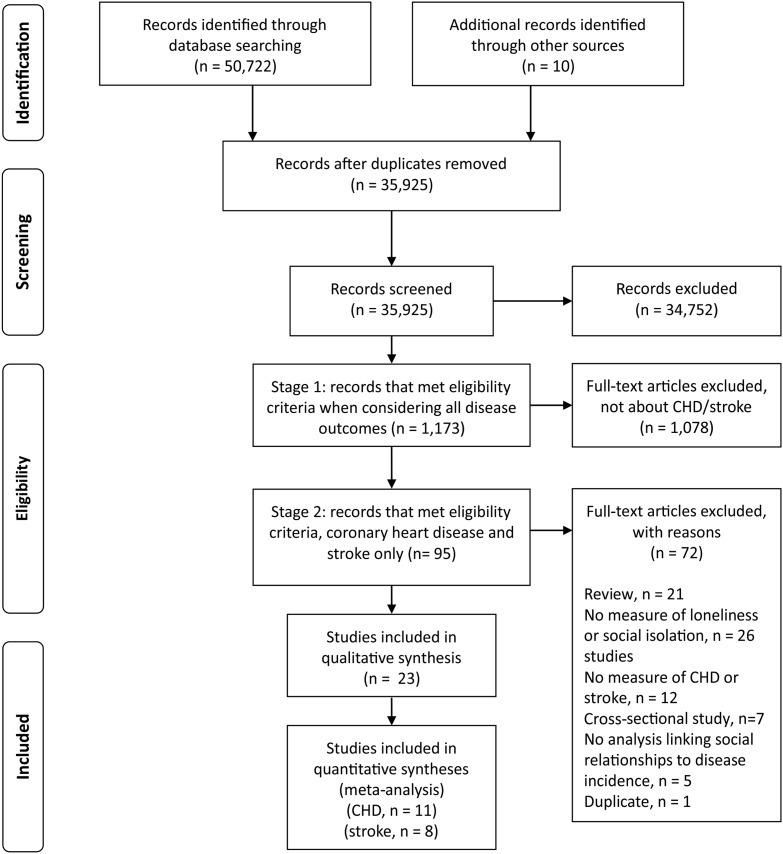
Background: The influence of social relationships on morbidity is widely accepted, but the size of the risk to cardiovascular health is unclear. Objective: We undertook a systematic review and meta-analysis to investigate the association between loneliness or social isolation and incident coronary heart disease (CHD) and stroke. Methods: Sixteen electronic databases were systematically searched for longitudinal studies set in high-income countries and published up until May 2015. Two independent reviewers screened studies for inclusion and extracted data. We assessed quality using a component approach and pooled data for analysis using random effects models. Results: Of the 35 925 records retrieved, 23 papers met inclusion criteria for the narrative review. They reported data from 16 longitudinal datasets, for a total of 4628 CHD and 3002 stroke events recorded over follow-up periods ranging from 3 to 21 years. Reports of 11 CHD studies and 8 stroke studies provided data suitable for meta-analysis. Poor social relationships were associated with a 29% increase in risk of incident CHD (pooled relative risk: 1.29, 95% CI 1.04 to 1.59) and a 32% increase in risk of stroke (pooled relative risk: 1.32, 95% CI 1.04 to 1.68). Subgroup analyses did not identify any differences by gender. Conclusions: Our findings suggest that deficiencies in social relationships are associated with an increased risk of developing CHD and stroke. Future studies are needed to investigate whether interventions targeting loneliness and social isolation can help to prevent two of the leading causes of death and disability in high-income countries. Study registration number: CRD42014010225.
Overview
CoChat Summary
TL;DR
This systematic review and meta-analysis of longitudinal observational studies found that poor social relationships were associated with a 29% higher risk of incident coronary heart disease and a 32% higher risk of stroke. The authors conclude that addressing loneliness and social isolation may be valuable in cardiovascular prevention, while noting causality cannot be inferred.
Key findings
- Across 23 papers from 16 longitudinal cohorts, including 181,006 participants, 4628 CHD events and 3002 stroke events were recorded over follow-up periods of 3–21 years.
- Pooled relative risk for incident CHD comparing high versus low loneliness/social isolation was 1.29 (95% CI 1.04 to 1.59) across 11 studies; pooled relative risk for stroke was 1.32 (95% CI 1.04 to 1.68) across 8 stroke studies in the abstract (the results section describes nine independent stroke samples).
- Subgroup analyses found no differences by gender, and no evidence that loneliness versus social isolation was differentially associated with CHD incidence.
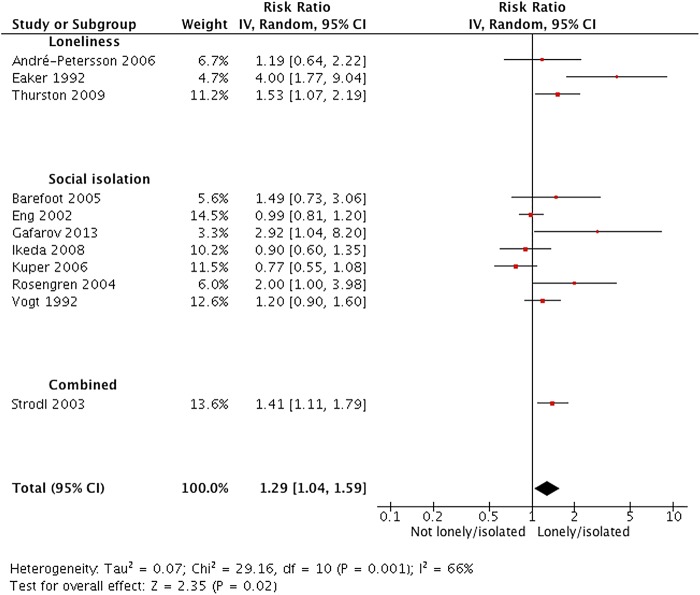
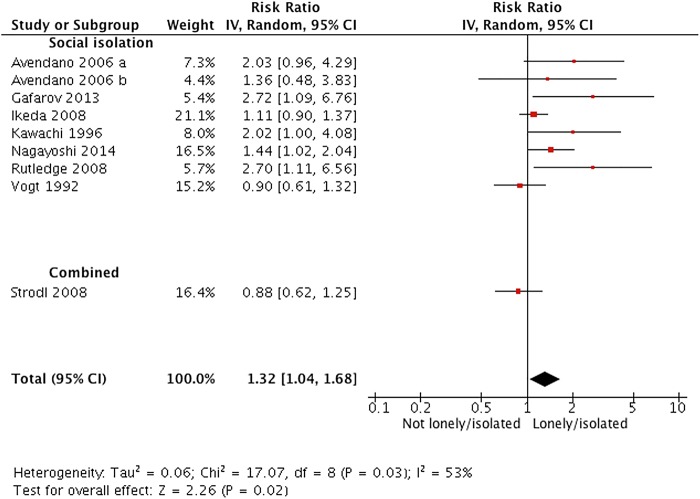
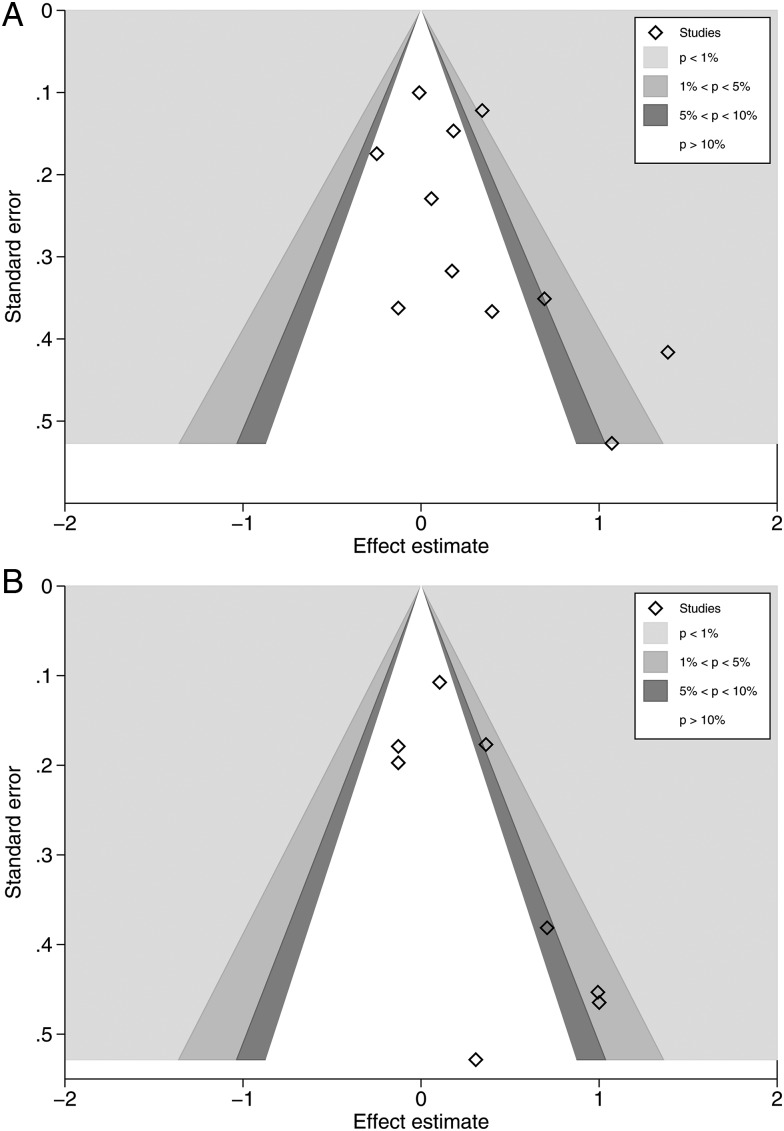
- Heterogeneity was present for CHD (I²=66%, p=0.001) and stroke (I²=53%, p=0.03); sensitivity analyses found no evidence that results differed by study validity, but funnel plots and fixed- versus random-effects comparisons suggested possible small-study effects/reporting bias.
Methods
- Systematic review and meta-analysis of longitudinal observational studies set in high-income countries, registered as CRD42014010225; 16 electronic databases were searched up to May 2015, supplemented by reference lists, Scopus citations, and topic experts.
- Of 35,925 records retrieved, 23 papers based on 16 cohorts met inclusion criteria; two independent reviewers screened studies and extracted data, with quality assessed using a component approach.
- Random-effects models pooled effect estimates transformed to natural logs; odds ratios were approximated to relative risks because incidence was <10% in the three studies reporting ORs; prespecified subgroup and sensitivity analyses were performed.
Limitations
- The paper states that causality cannot be inferred, unmeasured confounding and reverse causation due to subclinical disease cannot be excluded, and publication bias may lead to overestimation of the true effect; conversely, pooled effects could be conservative because many studies adjusted for factors likely on the causal pathway, such as depression or health-related behaviour.
- The paper states insufficient data to explore the relative effects of quantity versus quality of relationships or effect modifiers in depth; seven estimates came from populations of higher socioeconomic status and better health than the target population, so results may underestimate effects among disadvantaged groups; some data were collected from 1965, and later CHD prevention strategies may have modified the association.
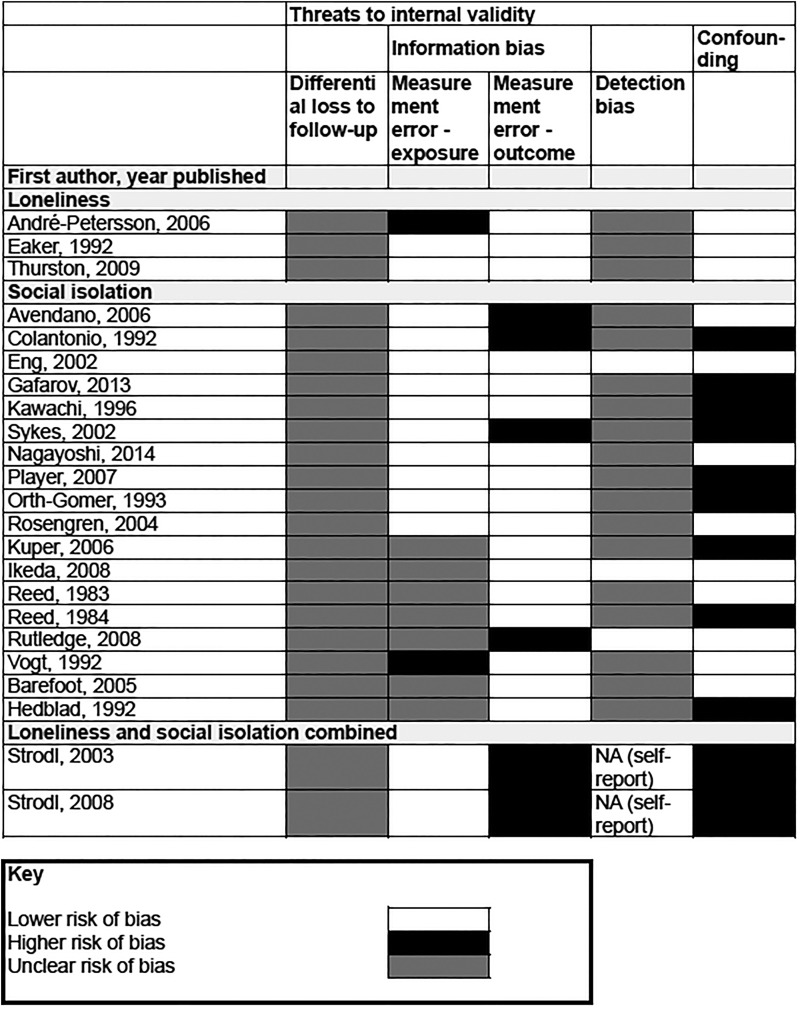
- Evident from the text: heterogeneity remained unexplained, information on reliability and validity of social relationship instruments was limited, and limited information on attrition and blinding meant risk of differential loss to follow-up and detection bias was unclear.
Model-written summary. Check it against the paper before relying on it.
Integrity signals
Registry
Cites
Statistics
Figures
Verification
Claims the paper makes
3 Valid · 0 Not valid · 17 Not checked · 47 Own results and interpretations
Every source the paper cites for this claim was checked and supports it.
In the paper
“Adults who have few social contacts (ie, who are socially isolated) or feel unhappy about their social relationships (ie, who are lonely) are at increased risk of premature mortality.1”
§ Loneliness and social isolation as risk factors for coronary heart disease and stroke: systematic review and meta-analysis of longitudinal observational studies > Introduction
What the sources say
- Supportedcites [1] Holt-Lunstad J, Smith TB, Baker M, et al Loneliness and social isolation as risk factors for mortality: a meta-analytic review. Perspect Psychol Sci 2015; 10: 227– 37. 10.1177/1745691614568352 25910392 source
The Introduction (p. 228) supplies exactly the two definitions the claim paraphrases: social isolation as an 'objective quantitative approach to establish a dearth of social contact and network size' (living alone, few social network ties, infrequent contact), and loneliness as 'the perception of social isolation... the dissatisfaction with the discrepancy between desired and actual social relationships.' The Discussion reports the mortality risk for adults across 70 prospective studies (26% for loneliness, 29% for social isolation, 32% for living alone after covariate adjustment), and the Conclusion states that 'individuals lacking social connections (both objective and subjective social isolation) are at risk for premature mortality.' Both the definitional glosses and the increased-risk assertion are therefore carried by our copy. (LLM, conf=0.92)
plainstates an association- Asserted: passes — The authors put it forward as true.
- Checkable: passes — It can be checked against evidence.
- Load-bearing: passes — The paper’s conclusions depend on it.
- Based: passes — The paper gives a reason why it holds.
- Supported
Every source the paper cites for this claim was checked and supports it.
In the paper
“The influence of social relationships on mortality is comparable with well-established risk factors, including physical activity and obesity.2”
§ Loneliness and social isolation as risk factors for coronary heart disease and stroke: systematic review and meta-analysis of longitudinal observational studies > Introduction
What the sources say
- Supportedcites [2] Holt-Lunstad J, Smith TB, Layton JB Social relationships and mortality risk: a meta-analytic review. PLoS Med 2010; 7: e1000316 10.1371/journal.pmed.1000316 20668659 PMC2910600 source
The Conclusion (Discussion) of Holt-Lunstad et al. (2010) states directly that the magnitude of the social-relationship effect on mortality (50% greater likelihood of survival across 308,849 individuals) is comparable with quitting smoking and exceeds many well-known risk factors, e.g., obesity and physical inactivity. The Discussion also states the magnitude 'may be considered quite large, rivaling that of well-established risk factors (Figure 6).' The citing sentence is, if anything, slightly weaker than the source ('comparable with' vs. 'exceeds'), which the rubric treats as supported. (LLM, conf=0.90)
plainstates an association- Asserted: passes — The authors put it forward as true.
- Checkable: passes — It can be checked against evidence.
- Load-bearing: passes — The paper’s conclusions depend on it.
- Based: passes — The paper gives a reason why it holds.
- Supported
The cited sources support only part of this claim — read each source’s verdict below.
In the paper
“We found an association between poor social relationships and incident CVD comparable in size to other recognised psychosocial risk factors, such as anxiety50 and job strain.51”
§ Loneliness and social isolation as risk factors for coronary heart disease and stroke: systematic review and meta-analysis of longitudinal observational studies > Discussion > Summary of findings and comparison with other work
What the sources say
- Supportedcites [50] Roest AM, Martens EJ, de Jonge P, et al Anxiety and risk of incident coronary heart disease: a meta-analysis. J Am Coll Cardiol 2010; 56: 38– 46. 10.1016/j.jacc.2010.03.034 20620715 source
Citation 50 is attached to anxiety, not job strain or the citing authors’ finding about social relationships. The Results report an association between anxiety and incident coronary heart disease (pooled hazard ratio 1.26), supporting anxiety as the risk-factor comparison used here. The source does not itself compare anxiety with poor social relationships. (LLM, conf=0.88)
- Partly supportedcites [51] Fransson EI, Nyberg ST, Heikkilä K, et al Job strain and the risk of stroke: an individual-participant data meta-analysis. Stroke 2015; 46: 557– 9. 10.1161/STROKEAHA.114.008019 25563644 sourceExperimental — accuracy not yet measured
The Results report a job-strain association with incident ischemic stroke (hazard ratio 1.24), providing a magnitude the citing authors could compare with their own finding. The paper does not establish job strain as a risk factor for CVD generally: its overall-stroke association was not statistically significant, and its Conclusion qualifies the ischemic-stroke finding as possible. (LLM, conf=0.82)
plainstates an association- Asserted: passes — The authors put it forward as true.
- Checkable: passes — It can be checked against evidence.
- Load-bearing: passes — The paper’s conclusions depend on it.
- Based: passes — The paper gives a reason why it holds.
- Supported
A result the paper reports from its own data — it cites no other source for it, so there is none to check. The quote shows it is in the paper.
In the paper
“Poor social relationships were associated with a 29% increase in risk of incident CHD (pooled relative risk: 1.29, 95% CI 1.04 to 1.59)”
- Also stated in: § Loneliness, social isolation and CHD · plain
“Across 11 studies (3794 events; one study did not report numbers) based on independent samples, the average relative risk of new CHD when comparing high versus low loneliness or social isolation was 1.29 (95% CI 1.04 to 1.59; see figure 3).”
- Also stated in: § Summary of findings and comparison with other work · plain
“Our review found that poor social relationships were associated with a 29% increase in risk of incident CHD and a 32% increase in risk of stroke.”
§ Loneliness and social isolation as risk factors for coronary heart disease and stroke: systematic review and meta-analysis of longitudinal observational studies > Abstract > Results
plainstates an association- Asserted: passes — The authors put it forward as true.
- Checkable: passes — It can be checked against evidence.
- Load-bearing: passes — The paper’s conclusions depend on it.
- Based: passes — The paper gives a reason why it holds.
- Also stated in: § Loneliness, social isolation and CHD · plain
A result the paper reports from its own data — it cites no other source for it, so there is none to check. The quote shows it is in the paper.
In the paper
“Subgroup analyses did not identify any differences by gender.”
§ Loneliness and social isolation as risk factors for coronary heart disease and stroke: systematic review and meta-analysis of longitudinal observational studies > Abstract > Results
plain- Asserted: passes — The authors put it forward as true.
- Checkable: passes — It can be checked against evidence.
- Load-bearing: unclear — It is unclear whether the paper’s conclusions depend on it.
- Based: passes — The paper gives a reason why it holds.
19 more claims
Create a free account to see all 67 claims and to verify the 21 references still open.
- It may state two separate claims as one. 22
- Probably not a substantial claim. 30
Claims other papers make about this one
Each is checked against this paper’s own text: does it say what the citing paper says it does?
The source backs part of the claim, not all of it — or backs it for a different population, condition or comparison.
In the citing paper
“the industrial revolution and modern era have ushered in changes in social interactions and sleep quality59,91 that can promote SCI149,150 and insulin resistance151, in turn increasing risk for obesity, type 2 diabetes, CVD and all-cause mortality150–154”
From Chronic inflammation in the etiology of disease across the life span (2019) · cites this paper as [152]
Experimental — accuracy not yet measuredThe source backs part of the claim, not all of it — or backs it for a different population, condition or comparison.
In the citing paper
“In a meta-analysis of longitudinal studies of social isolation and loneliness and cardiovascular outcomes, both social isolation and loneliness were found to significantly increase the risk for new CHD and stroke, with no evidence that one was more strongly related to disease incidence than the other [33].”
From Social isolation: an underappreciated determinant of physical health (2022) · cites this paper as [33]
Experimental — accuracy not yet measuredThe cited source says what the claim attributes to it.
In the citing paper
“There is also a growing body of evidence relating social isolation with nonfatal physical health outcomes, including increased risk for cardiovascular disease and stroke [33], pre-diabetes and type 2 diabetes [34], and poorer cognitive functioning [35].”
From Social isolation: an underappreciated determinant of physical health (2022) · cites this paper as [33]
The cited source says what the claim attributes to it.
In the citing paper
“Because lower circulating BDNF levels and small social networks have separately been associated with higher risk of incident stroke [3], [4], cognitive dysfunction [2], [5], [6], and the accumulation of Alzheimer's disease pathology [7], [8]”
From Associations between social relationship measures, serum brain-derived neurotrophic factor, and risk of stroke and dementia (2017) · cites this paper as [3]
The cited source says what the claim attributes to it.
In the citing paper
“Social isolation and loneliness have been studied extensively over the past four decades, with numerous studies showing that both have negative mental and physical health consequences [1–5].”
6 more claims about this paper
Create a free account to see every claim other papers make about this one.
Self-check
Percentages, sums and reported differences re-computed from the paper’s own numbers.
Each contradiction between two passages listed here was confirmed by an independent check.
Rated minor: it would not touch a result — a value no result rests on, a p-value that stays on the same side of the significance level, or a conflict that is clerical, resolved elsewhere in the paper, or outside its own findings.
In the paper
§ Loneliness and social isolation as risk factors for coronary heart disease and stroke: systematic review and meta-analysis of longitudinal observational studies > Results > Social isolation and stroke
“Across nine independent study samples (2577 events; one study did not report numbers), the average relative risk of stroke incidence was 1.32”
§ Loneliness and social isolation as risk factors for coronary heart disease and stroke: systematic review and meta-analysis of longitudinal observational studies > Results > Risk of bias across studies
“Stroke | 1.32 (1.04 to 1.68) (n=8)”
Rated minor: it would not touch a result — a value no result rests on, a p-value that stays on the same side of the significance level, or a conflict that is clerical, resolved elsewhere in the paper, or outside its own findings.
In the paper
“Four studies presented results from univariate analyses,31 34 35 41 with a further study adjusting for age only.26 The remaining eight reports did not control for socioeconomic status”
§ Loneliness and social isolation as risk factors for coronary heart disease and stroke: systematic review and meta-analysis of longitudinal observational studies > Results > Study validity
Reported 23 · recomputed 25
Citations
Cites
Social Relationships and Mortality Risk: A Meta-analytic Review
Holt-Lunstad, J., Smith, T. B., & Layton, J. B. (2010) · PLoS Medicine · doi:10.1371/journal.pmed.1000316 · Cited by 7,272
Loneliness and Social Isolation as Risk Factors for Mortality: A Meta-Analytic Review
Holt-Lunstad, J., Smith, T. B., Baker, M., Harris, T., & Stephenson, D. (2015) · Perspectives on Psychological Science · doi:10.1177/1745691614568352 · Cited by 6,043
Loneliness matters: a theoretical and empirical review of consequences and mechanisms
Hawkley, L. C., & Cacioppo, J. T. (2010) · Annals of Behavioral Medicine · doi:10.1007/s12160-010-9210-8 · Cited by 4,782
Zhang, J., & Yu, K. F. (1998) · JAMA · doi:10.1001/jama.280.19.1690 · Cited by 4,138
Systematic reviews: CRD's guidance for undertaking reviews in health care
Tacconelli, E. (2010) · The Lancet Infectious Diseases · doi:10.1016/s1473-3099(10)70065-7 · Cited by 3,245
Assessing social networks among elderly populations
Lubben, J. E. (1988) · Family & Community Health · doi:10.1097/00003727-198811000-00008 · Cited by 1,188
Loneliness, social isolation, and behavioral and biological health indicators in older adults.
Shankar, A., McMunn, A., Banks, J., & Steptoe, A. (2011) · Health Psychology · doi:10.1037/a0022826 · Cited by 1,100
Social Relationships and Health
Cohen, S., Gottlieb, B. H., & Underwood, L. G. (2000) · Social Support Measurement and Intervention · doi:10.1093/med:psych/9780195126709.003.0001 · Cited by 903
Stress and Cardiovascular Disease: An Update on Current Knowledge
Steptoe, A., & Kivimäki, M. (2013) · Annual Review of Public Health · doi:10.1146/annurev-publhealth-031912-114452 · Cited by 879 · cited 1×
“Subgroup analyses speci fi ed a priori showed no difference between the association of loneliness or social isolation with CHD incidence, and we found no evidence across studies of differences between men and women.”
Anxiety and Risk of Incident Coronary Heart Disease
Roest, A. M., Martens, E. J., de Jonge, P., & Denollet, J. (2010) · Journal of the American College of Cardiology · doi:10.1016/j.jacc.2010.03.034 · Cited by 865
Cited by
Items 901–1,000 of 1,002
Li, X., Ma, G., Chen, H., Zhang, L., He, J., Liu, S., Wang, N., Wang, S. P., Wang, L., & Liu, G. (2025) · Heart and Mind · doi:10.4103/hm.hm-d-24-00068 · Cited by 12
Tsukada, Y. T., Aoki‐Kamiya, C., Mizuno, A., Nakayama, A., Ide, T., Aoyama, R., Honye, J., Hoshina, K., Ikegame, T., Inoue, K., et al. (2025) · Circulation Journal · doi:10.1253/circj.cj-23-0890 · Cited by 12
Dolz-del-Castellar, B., de la Torre‐Luque, A., Castelletti, C., Francia, L., Rodríguez-Prada, C., Miret, M., Domènech‐Abella, J., Gabarrell‐Pascuet, A., Olaya, B., Haro, J. M., et al. (2025) · Journal of Affective Disorders · doi:10.1016/j.jad.2025.02.084 · Cited by 11
The need for scientific leadership and collaboration to enhance social connection: A call to action
Holt‐Lunstad, J., Cudjoe, T., Dumitriu, D., Ellison, N. B., Kotwal, A., Pantell, M. S., Perissinotto, C. M., & Smith, M. L. (2025) · Annals of the New York Academy of Sciences · doi:10.1111/nyas.15343 · Cited by 9
Loneliness trajectories in older adults: A systematic review
Li, X., Wu, C., Feng, T., Chen, X., Chen, H., Lu, X., Gao, J. X., & Hou, C. (2025) · Archives of Gerontology and Geriatrics · doi:10.1016/j.archger.2025.106024 · Cited by 11
Wang, L., Pan, H., Cai, Z., Li, X., & Luo, L. (2025) · BMC Public Health · doi:10.1186/s12889-025-24300-z · Cited by 16
“A meta-analysis has shown that social isolation and loneliness increase the risk of coronary heart disease and stroke [13], but the association with other types of cardiovascular diseases has not been reported.”
Richards, L. G., Ifejika, N. L., Stein, J., Bahouth, M. N., Saylor, M. A., Barrett, A. M., Chen, P., Deutsch, A. F., Dusenbury, W., Ellis, C., et al. (2026) · Stroke · doi:10.1161/str.0000000000000536 · Cited by 15
Weigl, M., Schmuck, F., Heiden, B., Angerer, P., & Müller, A. (2019) · International Journal of Nursing Studies · doi:10.1016/j.ijnurstu.2019.103390 · Cited by 14
Soziales Eingebundensein und Gesundheit
Riedel-Heller, S. G. (2022) · Psychiatrische Praxis · doi:10.1055/a-1736-4190 · Cited by 10
Evaluating the Risk of Social Isolation in Older People: AHP-Fuzzy Comprehensive Evaluation
Li, W., Yin, H., Song, Y., Tu, W., Wang, L., Liang, Y., Bai, Y., & Xu, G. (2023) · Risk Management and Healthcare Policy · doi:10.2147/rmhp.s383031 · Cited by 9
Lang, X., Feng, D., Huang, S., Liu, Y., Zhang, K., Shen, X., Huang, J., & Wang, Q. (2023) · Medicine · doi:10.1097/md.0000000000033017 · Cited by 10
Cardiovascular risk indicators among depressed persons: A special case?
van Zutphen, E. M., Kok, A. A. L., Muller, M., Voshaar, R. C. O., Rhebergen, D., Huisman, M. A., & Beekman, A. T. F. (2023) · Journal of Affective Disorders · doi:10.1016/j.jad.2023.02.092 · Cited by 8
Labrague, L. J. (2023) · Current Psychology · doi:10.1007/s12144-023-04636-8 · Cited by 13
“Several negative outcomes have been attrib - uted to this loneliness, including increased psychological distress, anxiety, depression, other medical issues such as hypertension and stroke (Valtorta et al., 2016), and somatic issues such as muscle pains and headaches (Majumdar et al., 2020 ).”
Social Networks and Cardiovascular Disease Events in the Jackson Heart Study
Glover, L. M., Sutton, J., O'Brien, E. C., & Sims, M. (2023) · Journal of the American Heart Association · doi:10.1161/jaha.123.030149 · Cited by 8
Tam, C., Wesseling, T., Wang, L., Salters, K., Moore, D. M., Dawydiuk, N., Zhu, J., Grieve, S., Bingham, B., McLinden, T., et al. (2023) · BMC Public Health · doi:10.1186/s12889-023-17416-7 · Cited by 13
“Higher social support has previously been found to be associated with improved health outcomes of those living with mental illness [1, 2], heart disease [3, 4], and diabetes [5] with individuals experiencing greater improvements in well-being [6, 7] and increased survival [8, 9].”
BackgroundChristiansen, J., Lasgaard, M., Pedersen, S. S., Pedersen, M. H., & Friis, K. (2024) · International Journal of Behavioral Medicine · doi:10.1007/s12529-024-10263-9 · Cited by 13
“Social disconnectedness (e.g. loneliness and social isolation) is associated with increased risk of morbidity and mortality [1–3].”
BackgroundMethodInfluentialCai, J., Wang, X., Zheng, C., Cao, X., Hu, Z., Gu, R., Tian, Y., Tian, Y., Shao, L., ZHANG, L.-F., et al. (2024) · 老年心脏病学杂志:英文版 · doi:10.26599/1671-5411.2024.03.006 · Cited by 8
Risk factors and prognostic impact of unwanted loneliness in heart failure
Benito, T., Zaharia, G., Pérez, A., Jaramillo, C., Lorenzo, M., Mollar, A., Martínez‐Ciarpaglini, C., Bejarano, E., Cebrián, F., Civera, J. M., et al. (2024) · Scientific Reports · doi:10.1038/s41598-024-72847-5 · Cited by 9
“There is a consistent association between loneliness and/or social isolation with coronary heart disease 21–23 .”
BackgroundSocial tourism & older people: the IMSERSO initiative
Sedgley, D., Haven-Tang, C. L., & Espeso-Molinero, P. (2018) · Journal of Policy Research in Tourism Leisure and Events · doi:10.1080/19407963.2018.1465064 · Cited by 19
Fang, B., Liu, H., Yang, S., Xu, R., & Chen, G. (2019) · Psychosomatic Medicine · doi:10.1097/psy.0000000000000772 · Cited by 9
McManus, K., & Robinson, P. S. (2020) · Journal of Health Care Chaplaincy · doi:10.1080/08854726.2020.1745489 · Cited by 8
Williams, G. (2020) · Research for All · doi:10.14324/rfa.04.2.13 · Cited by 14
Clinical Feature of Coronavirus Disease 2019 in Elderly
Kim, J. (2020) · 대한임상노인의학회지 · doi:10.15656/kjcg.2020.21.1.1 · Cited by 8
Mauss, D., Herr, R. M., Jarczok, M. N., Motoc, I., Fischer, J. E., & Bosch, J. A. (2020) · Obesity Research & Clinical Practice · doi:10.1016/j.orcp.2020.12.003 · Cited by 8
Leaman, M. C., & Azios, J. H. (2021) · American Journal of Speech-Language Pathology · doi:10.1044/2020_ajslp-20-00176 · Cited by 8
Jeong, H., Yim, H. W., & Nam, B.-W. (2022) · Epidemiology and Health · doi:10.4178/epih.e2022012 · Cited by 10
“A previous meta-analysis found that social isolation is associated with a 50% increased risk of developing dementia [9], a 30% increased risk of incident coronary artery disease or stroke [10], and a 26% increased risk of all-cause mortality [11].”
Vingeliene, S., Hiyoshi, A., Lentjes, M. A. H., Fall, K., & Montgomery, S. (2022) · Journal of Epidemiology & Community Health · doi:10.1136/jech-2021-218635 · Cited by 11
Friendship and Loneliness: A Prototype Roadmap for Health System Action
Hong, J. H., Yeh, C. S., Sandy, L. G., Fellows, A., Martin, D. C., Shaeffer, J. A., Tkatch, R., Parker, K., & Kim, E. S. (2022) · American Journal of Preventive Medicine · doi:10.1016/j.amepre.2022.01.017 · Cited by 10
Sex and Gender Determinants of Vascular Disease in the Global Context
Dev, R., Adams, A. M., Raparelli, V., Norris, C. M., & Pilote, L. (2022) · Canadian Journal of Cardiology · doi:10.1016/j.cjca.2022.05.025 · Cited by 9
Cardiovascular disease risk in people with severe mental disorders: an update and call for action
Rødevand, L. N., Tesli, M., & Andreassen, O. A. (2022) · Current Opinion in Psychiatry · doi:10.1097/yco.0000000000000797 · Cited by 13
The unseen epidemic: trauma and loneliness in urban midlife women
Liberatore-Maguire, E., Devlin, A., Fisher, S. G., Ramsey, F. V., Grunwald, H. E., Brownstein, K., & Morrison, M. (2022) · Women s Midlife Health · doi:10.1186/s40695-022-00080-z · Cited by 10
Mächler, R., Frick, E., Sturm, N., Stolz, R., Valentini, J., & Straßner, C. (2022) · Patient Education and Counseling · doi:10.1016/j.pec.2022.11.013 · Cited by 8
DelOlmo-Romero, S., Correa‐Rodríguez, M., Sánchez-Martínez, M.-C., Gil-Gutiérrez, R., Ortego‐Centeno, N., & Rueda‐Medina, B. (2023) · Clinical Nursing Research · doi:10.1177/10547738231184935 · Cited by 10
“Several previous studies have proposed that loneliness and social isolation might be risk factors for the development of cardiometabolic abnormalities (Badcock et al., 2019; Cacioppo et al., 2015; Valtorta et al., 2016).”
BackgroundNeelamegam, M., Ahmad, A., Chong, M. L., Wong, P. L., Zulhaimi, N. S., Cysique, L. A., Earnshaw, V. A., Omar, S. F. S., Kamarulzaman, A., Kamaruzzaman, S. B., et al. (2023) · AIDS Care · doi:10.1080/09540121.2023.2254543 · Cited by 8
“It is also important to continue to gain further understanding of the psychosocial impact of living with HIV on cognitive health, specifically lone-liness and social isolation, and its implications on dementia, coronary artery disease or stroke, and risk of mortality (Valtorta et al., 2016).”
Schneider, V., Norris, T., Nugawela, M. D., Dalrymple, E., Hargreaves, D. S., Käll, A., McOwat, K., Shafran, R., Stephenson, T. J., Xu, L., et al. (2023) · Psychology Research and Behavior Management · doi:10.2147/prbm.s421165 · Cited by 10
Does restorativeness support liveliness on commercial streets?
Barros, P., & Mehta, V. (2023) · Journal of Urban Design · doi:10.1080/13574809.2023.2288625 · Cited by 12
“…(Berto 2005; Bornioli and Subiza-Pérez 2022; Holt-Lunstad et al. 2015; Leigh-Hunt et al. 2017; Lennon, Douglas, and Scott 2017; Steptoe et al. 2013; Valtorta et al. 2016), this study confirms that commercial streets can simultaneously fulfil multiple human needs (Carr et al. 1992; Childs 2004;…”
BackgroundDamor, N. C., Yogesh, M., Makwana, N. R., Trivedi, N., & Kagathara, J. (2024) · Journal of Family Medicine and Primary Care · doi:10.4103/jfmpc.jfmpc_2012_23 · Cited by 11
“[6] Bereavement being associated with loneliness aligns with previous research highlighting grief over spousal loss as an important risk factor.”
BackgroundTrajectories of perceived social support in acute coronary syndrome
Wang, M., Norris, C. M., Graham, M. M., Santana, M., Liang, Z., Awosoga, O., Southern, D. A., James, M. T., Wilton, S. B., Quan, H., et al. (2019) · Quality of Life Research · doi:10.1007/s11136-018-02095-4 · Cited by 9
Padilla, C. M., Foucault, A., Grimaud, O., Nowak, E., & Timsit, S. (2021) · BMC Public Health · doi:10.1186/s12889-020-10026-7 · Cited by 9
Southward, M. W., Terrill, D. R., & Sauer‐Zavala, S. (2022) · Depression and Anxiety · doi:10.1002/da.23297 · Cited by 8
“heart disease on par with smoking and obesity (Valtorta et al., 2016), depression (Cacioppo et al.”
BackgroundKatzenberg, C., Silva, E., Young, M., & Gilles, G. (2018) · The American Journal of Medicine · doi:10.1016/j.amjmed.2018.03.029 · Cited by 9
Gafarova, A. V., Gromova, E. A., Panov, D. О., Gagulin, I. V., Krymov, E. A., & Gafarov, V. V. (2019) · Neurology, Neuropsychiatry, Psychosomatics · doi:10.14412/2074-2711-2019-1-12-20 · Cited by 8
Williams, R. B. (2016) · Heart · doi:10.1136/heartjnl-2016-310073 · Cited by 9
Self-Disclosure of Loneliness by LGBTQ+ Twitter Users During COVID-19
Mejova, Y., & Lu, A. H. (2023) · Journal of Homosexuality · doi:10.1080/00918369.2023.2263801 · Cited by 10
“…cooccurrs with depression and suicidal ideation, personality disorders, impaired cognitive performance, and Alzheimer’s disease (see Hawkley & Cacioppo, 2010; Valtorta et al., 2016)., Further, both objective and subjective social isolation are risk factors for mortality (Holt-Lunstad et al., 2015).”
“It's day to day problems:” Experiences of people with aphasia who live alone
Hersh, D., Williamson, C., Brogan, E., & Stanley, M. J. (2024) · International Journal of Speech-Language Pathology · doi:10.1080/17549507.2024.2358830 · Cited by 9
“…outcomes including increased risk of cardiovascular disease, hypertension, stroke, cognitive decline, depression, and premature mortality (Desai et al., 2020; Evans et al., 2019; Holt-Lunstad et al., 2015; Jensen et al., 2019; Pantell et al., 2013; Smith & Victor, 2019; Valtorta et al., 2016).”
Tomida, K., Shimoda, T., Nakajima, C., Kawakami, A., & Shimada, H. (2024) · International Journal of Geriatric Psychiatry · doi:10.1002/gps.6137 · Cited by 8
“Previous systematic reviews have revealed that loneliness is associated with future mortality [7], physical health [8], and mental health [9].”
Effectiveness of evidence-based fall prevention programs to reduce loneliness in the United States
Smith, M. L., & Han, G. (2024) · Frontiers in Public Health · doi:10.3389/fpubh.2024.1459225 · Cited by 8
Cai, H., Wu, Z., Xu, J., Wang, T., Li, Y., Jiang, Y., & Xu, M. (2024) · Risk Management and Healthcare Policy · doi:10.2147/rmhp.s479130 · Cited by 10
“16,17 Furthermore, social isolation adversely affects individual immunity, as high levels of isolation negatively influence health behaviors and immune function, impeding recovery and increasing the risk of rehospitalization.”
BackgroundSantellano, B., Agrawal, R., Duchesne, G. A., Sharara, M., Agrawal, G., Balas, E. A., Tsai, M., Nayak, A., & Cortes, J. E. (2024) · Frontiers in Public Health · doi:10.3389/fpubh.2024.1477028 · Cited by 8
Laustsen, L. M., Lasgaard, M., Momen, N. C., Chen, D., Gradus, J. L., Grønkjær, M. S., Jensen, M. M., & Plana‐Ripoll, O. (2024) · Epidemiology and Psychiatric Sciences · doi:10.1017/s2045796024000829 · Cited by 7
A cross-sectional network analysis of successful aging in a resilience-based framework
Brinkhof, L. P., Ridderinkhof, K. R., de Wit, S., Krugers, H. J., & Murre, J. M. J. (2025) · PLoS ONE · doi:10.1371/journal.pone.0315445 · Cited by 11
Rezaie-Kalamtari, K., Norouzi, Z., Salmanipour, A., & Mehrali, H. (2025) · The Egyptian Heart Journal · doi:10.1186/s43044-025-00608-4 · Cited by 9
Social support in a large general population sample over the course of six years
Hinz, A., Esser, P., Richter, D., Schönfelder, A., Glaesmer, H., Lehmann‐Laue, A., Heyne, S., Leuteritz, K., Sender, A., Springer, F., et al. (2025) · Scientific Reports · doi:10.1038/s41598-025-90703-y · Cited by 13
Loneliness and Risk of Incident Hearing Loss: The UK Biobank Study
Song, Y., Steptoe, A., Yang, H., Ma, Z., Guo, L., Yu, B., & Xia, Y. (2025) · Health Data Science · doi:10.34133/hds.0281 · Cited by 7
“Of note, loneliness could lead to an increased risk of CVD [ 20 ], with its risk factors largely overlapping those associated with HL [ 10 ].”
Meehan, D. E., Clare, P. J., Grunseit, A. C., & Merom, D. (2025) · Frontiers in Public Health · doi:10.3389/fpubh.2025.1526166 · Cited by 13
Islam, M. A., & Kumar, B. (2019) · World of Media Journal of Russian Media and Journalism Studies · doi:10.30547/worldofmedia.4.2019.2 · Cited by 9
An Intentionally Designed Walking Program for Seniors Results in Enhanced Community Connection
Walters, K., Marshall, M., Wilkinson, A. N., & Natividad, M. D. (2021) · Journal of Aging and Physical Activity · doi:10.1123/japa.2020-0257 · Cited by 9
Loneliness among hospitalized patients in Jimma medical center, Southwest Ethiopia, 2021.
Jemaneh, T. M., Hailu, E., Serawit, T., & Tesfaye, T. (2023) · International Journal of Africa Nursing Sciences · doi:10.1016/j.ijans.2023.100529 · Cited by 7
Wanza, C., Gonschor, J., Smith, K. V., Ehlers, A., Barke, A., Rief, W., & Doering, B. K. (2023) · European Journal of Trauma & Dissociation · doi:10.1016/j.ejtd.2023.100327 · Cited by 8
“…physical health issues (i.e., mortality risk, depression, coronary heart disease) has already identi fi ed social disconnection and loneliness as risk factors for a range of negative health outcomes (Holt-Lun-stad et al., 2015; Holt-Lunstadt et al., 2010; Rnic et al., 2021; Valtorta et al., 2016).”
Berryman, K., Wirth, M., Bombardier, C. H., Motl, R. W., Bartle, B., Jacob, R. L., Aguina, K., & LaVela, S. L. (2024) · Archives of Physical Medicine and Rehabilitation · doi:10.1016/j.apmr.2024.01.010 · Cited by 8
Xie, X., Lyu, Y., Li, X., Zhuang, Z., & Xu, A. (2024) · Frontiers in Public Health · doi:10.3389/fpubh.2024.1341304 · Cited by 13
Pruitt, P. J., Damoiseaux, J. S., Hampstead, B. M., Peltier, S., Bhaumik, A., Albin, R. L., & Dodge, H. H. (2024) · Journal of Alzheimer s Disease Reports · doi:10.3233/adr-220082 · Cited by 10
“Lack of social connection negatively impacts health in a variety of ways, including physical health (cardiovascular disease [5]), emotional health (depression [6]), and cognitive health (cognitive impairment/dementia [7–11].”
Loneliness, social isolation, and cardiovascular disease among nonveteran and Veteran women
Yarish, N. M., Posis, A. I. B., Nguyen, S., Weitlauf, J. C., Bellettiere, J., Saquib, N., Richey, P. A., Allison, M., Kroenke, C. H., Goveas, J. S., et al. (2024) · Journal of Women & Aging · doi:10.1080/08952841.2024.2336655 · Cited by 8
“Over time, these factors may increase the risk of developing coronary heart disease (CHD) (Valtorta et al., 2016), stroke (Valtorta et al., 2016), and hypertension (Hawkley & Cacioppo, 2010).”
InfluentialEinsamkeit als Gesundheitsrisiko: Eine narrative Übersichtsarbeit
Buecker, S., & Neuber, A. (2024) · Bundesgesundheitsblatt - Gesundheitsforschung - Gesundheitsschutz · doi:10.1007/s00103-024-03939-w · Cited by 15
Zaharia, G., Valle, V. I.-D., Cauli, O., & Corchón, S. (2024) · Nursing Reports · doi:10.3390/nursrep14040281 · Cited by 12
Beckers, T., Koekkoek, B., Tiemens, B. G., & Hutschemaekers, G. J. M. (2020) · Issues in Mental Health Nursing · doi:10.1080/01612840.2020.1744205 · Cited by 8
Gjerstad, C. L., Bøe, H. J., Falkum, E., Nordstrand, A. E., Tønnesen, A., Reichelt, J. G., & Lystad, J. U. (2020) · Frontiers in Psychology · doi:10.3389/fpsyg.2020.566199 · Cited by 8
Holton, E., Fitzpatrick, R. L., Maguire, R., Commins, S., Scharf, T., LAWLOR, B. A., Johnson, N., Hannigan, C., & Power, J. M. (2021) · International Journal of Environmental Research and Public Health · doi:10.3390/ijerph18062788 · Cited by 7
Hajek, A., Kretzler, B., & König, H. (2021) · BMJ Open · doi:10.1136/bmjopen-2020-044902 · Cited by 7
Maharjan, J., Ektefaie, Y., Ryan, L., Mataraso, S. J., Barnes, G., Shokouhi, S., Green‐Saxena, A., Calvert, J. S., Mao, Q., & Das, R. (2022) · Frontiers in Neurology · doi:10.3389/fneur.2021.784250 · Cited by 10
“Modifiable risk factors include inadequate physical activity, obesity, smoking, and isolation (6, 7).”
BackgroundInoue, K., Watson, K. E., Kondo, N., Horwich, T. B., Hsu, W. W. Y., Bui, A. A. T., & Duru, O. K. (2022) · JAMA Network Open · doi:10.1001/jamanetworkopen.2022.2037 · Cited by 10
Social relations and health in older people in Spain using SHARE survey data
Silberman-Beltramella, M., Ayala, A., Rodríguez‐Blázquez, C., & Forjaz, M. J. (2022) · BMC Geriatrics · doi:10.1186/s12877-022-02975-y · Cited by 13
Khaliq, N., McMunn, A., Machuca, C., & Heilmann, A. (2022) · Systematic Reviews · doi:10.1186/s13643-022-01973-w · Cited by 9
Strategies for Maintaining Brain Health: The Role of Stroke Risk Factors Unique to Elderly Women
Manwani, B., Finger, C. E., & Lisabeth, L. D. (2022) · Stroke · doi:10.1161/strokeaha.121.036894 · Cited by 10
Griffin, S. C., Blakey, S. M., Brant, T. R., Eshera, Y. M., & Calhoun, P. S. (2022) · Clinical Gerontologist · doi:10.1080/07317115.2022.2147115 · Cited by 9
“Loneliness is not only associated with depression among older adults, but also with cognitive problems, pulmonary problems, hypertension, coronary heart disease, and stroke (Petitte et al., 2015; Shankar et al., 2013; Valtorta et al., 2016).”
BackgroundBetter together: Relationship quality and mental health among cardiac patients and spouses
Bouchard, K., Gareau, A., Sztajerowska, K., Greenman, P. S., Lalande, K. M., & Tulloch, H. E. (2022) · Family Process · doi:10.1111/famp.12836 · Cited by 7
Liu, L., Yang, Y., Zhao, Y., & Zhang, T. (2022) · Asia Pacific Journal of Public Health · doi:10.1177/10105395221141966 · Cited by 8
Self-perceived loneliness and depression during the Covid-19 pandemic: a two-wave replication study
Carollo, A., Bizzego, A., Gabrieli, G., Wong, K. K., Raine, A., & Esposito, G. (2022) · UCL Open Environment · doi:10.14324/111.444/ucloe.000051 · Cited by 12
Ianculescu, M., Alexandru, A., & Paraschiv, E.-A. (2023) · Healthcare · doi:10.3390/healthcare11040608 · Cited by 9
“Loneliness is considered to be an important risk factor for the exacerbation of a number of health conditions, such as coronary heart disease and stroke [19], and is associated with a 26–50% increased risk of mortality [20].”
BackgroundMatthews, T. A., & Li, J. (2023) · Medicina · doi:10.3390/medicina59071304 · Cited by 9
“Adverse childhood experiences (ACEs), defined as a constellation of early life adversities such as childhood abuse, neglect, or household dysfunction, have emerged as a severe and causal risk factor for CVD [19–21], while in adulthood, social isolation [16,22] and job strain have demonstrated extensive and causal asso…”
BackgroundArrebola‐Moreno, M., Petrova, D., Sánchez, M., Rivera-López, R. F., & Ramírez‐Hernández, J. A. (2020) · PLoS ONE · doi:10.1371/journal.pone.0228262 · Cited by 9
Psychosocial factors and coronary heart disease
Kubareva, M. I., & Ибатов, А. Д. (2019) · Terapevticheskii arkhiv · doi:10.26442/00403660.2019.12.000086 · Cited by 7
Buhagiar, K., Priebe, S., Klingemann, J. I., Lasalvia, A., Nicaise, P., Soltmann, B., & Giacco, D. (2020) · Social Psychiatry and Psychiatric Epidemiology · doi:10.1007/s00127-020-01915-8 · Cited by 7
Lingelbach, K., Gado, S., Janssen, D., Piechnik, D., Eichler, M., Knopf, D., Hentschel, L., Schuler, M. K., Sernatinger, D., & Peißner, M. (2021) · Lecture notes in networks and systems · doi:10.1007/978-981-16-2377-6_81 · Cited by 7
Sciamanna, C., Ballentine, N. H., Bopp, M., Brach, J. S., Chinchilli, V. M., Ciccolo, J. T., Conroy, M. B., Fisher, A., Fox, E. J., Greenspan, S. L., et al. (2018) · Contemporary Clinical Trials · doi:10.1016/j.cct.2018.09.006 · Cited by 9
Smiseth, O. A., & Gillebert, T. C. (2023) · European Heart Journal - Cardiovascular Imaging · doi:10.1093/ehjci/jead185 · Cited by 8
Bergstedt, J., Pasman, J. A., Ma, Z., Harder, A., Yao, S., Parker, N., Treur, J. L., Smit, D. J. A., Frei, O., Shadrin, A. A., et al. (2023) · medRxiv · doi:10.1101/2023.09.01.23294931 · Cited by 7
Abreu, T. C., Beulens, J. W. J., Heuvelman, F., Schoonmade, L. J., & Mackenbach, J. D. (2024) · BMJ Open · doi:10.1136/bmjopen-2023-079987 · Cited by 11
“Translating our findings to policy implications is notoriously challenging, especially given the largely observational nature of the evidence.”
Li, Q., Cen, W., Yang, T., & Tao, S. (2024) · BMC Public Health · doi:10.1186/s12889-024-20142-3 · Cited by 7
Seward, N., Peters, T. J., Loh, W. W., Nakamura, C. A., McMillan, D., Gilbody, S. M., Araya, R., & Scazufca, M. (2024) · Journal of Affective Disorders · doi:10.1016/j.jad.2024.12.024 · Cited by 6
Self-citationHe, J., LaVela, S. L., Bombardier, C. H., Fong, M. W. M., Lee, S. I., Metts, C. L., Shi, Y., Tsang, H. W. H., & Wong, A. (2025) · Current Physical Medicine and Rehabilitation Reports · doi:10.1007/s40141-025-00477-7 · Cited by 7
“Isolated stroke survivors not only face these challenges but also experience chronic neuropsychiatric symptoms, poorer recovery, or recurrent stroke that further limits their participation in social roles and activities [15–17].”
From greenery to community: exploring the mediating role of loneliness in social cohesion
Lee, Y., & Han, S. (2025) · npj Urban Sustainability · doi:10.1038/s42949-025-00194-z · Cited by 9
“Loneliness is also a strong predictor of individual well-being 73 and physical health 74,75 .”
Band, R. J., Kinsella, K., Ellis, J., James, E., Ciccognani, S., Breheny, K., Kandiyali, R., Ewings, S. M., & Rogers, A. E. (2025) · Public Health Research · doi:10.3310/wtjh4379 · Cited by 9
Zha, J., & Chen, M. (2025) · Social Psychiatry and Psychiatric Epidemiology · doi:10.1007/s00127-025-02894-4 · Cited by 7
“Nevertheless, there is a relative paucity of studies employing cardiovascular disease as the outcome variable, with the majority of this research being concentrated in populations within Western nations [15].”
Interprofessional Collaborations on Interventions for People With Loneliness: A Scoping Review
Chu, L., Zhang, Y., Smith, G. D., & Ho, K. H. M. (2025) · Nursing Open · doi:10.1002/nop2.70239 · Cited by 6
“A growing body of research has linked loneliness with a variety of adverse physical (Hodgson et al. 2020; Leigh-Hunt et al. 2017; Lim et al. 2020; Valtorta et al. 2016) and mental health outcomes (Griffin et al. 2020; Lara et al. 2019).”
HaGani, N., Owen, K., Clare, P. J., Merom, D., Smith, B. J., & Ding, D. (2025) · Communications Psychology · doi:10.1038/s44271-025-00264-z · Cited by 7
“Whileepisodiclonelinessisacommonhumanexperienceand considered an important survival mechanism linked to pain and hunger 2 , chronic loneliness has been associated with various physical and mental illnesses such as diabetes, heart disease, cancer, low social functioning and premature death 3 – 8 .”
Cardiotoxicity in Elderly Breast Cancer Patients
Keramida, K., Constantinidou, A., Tsekoura, D., Kampouroglou, E., Aidarinis, C., Saloustros, E. S., Karanasiou, G. S., Sacco, G. G. A., Matos, E., Papakonstantinou, A., et al. (2025) · Cancers · doi:10.3390/cancers17132198 · Cited by 12
“Depression, anxiety, and social isolation are prevalent among elderly cancer patients [89] and have been shown to negatively impact CV health by promoting unhealthy behaviors, reducing adherence to treatment, and increasing stress-mediated physiological responses [90,91].”
Keane, A., Bright, A., Greenan, L., & Grealish, A. (2025) · International Journal of Mental Health Nursing · doi:10.1111/inm.70186 · Cited by 10
“Although these terms are often used interchangeably, they represent distinct but interrelated experiences that can significantly affect wellbeing (Coyle and Dugan 2012; Valtorta et al. 2016).”
Network Support and Negative Life Events Associated With Chronic Cardiometabolic Disease Outcomes
Child, S. T., Ruppel, E. H., Albert, M. A., & Lawton, L. E. (2021) · American Journal of Preventive Medicine · doi:10.1016/j.amepre.2021.06.022 · Cited by 6
Dieudonné-Rahm, N., Burkhardt, S., & Pautex, S. (2019) · BMC Geriatrics · doi:10.1186/s12877-019-1325-6 · Cited by 4
Metadata
- Authors
- Valtorta, N. K., Kanaan, M., Gilbody, S., Ronzi, S., & Hanratty, B.
- Affiliations
- University of York (GB)
- Department of Public Health and Society, Whelan Building, Brownlow Hill, Liverpool, UK
- Newcastle University (GB)
- Corresponding author
- Valtorta, Nicole K
- Venue
- Heart
- Publisher
- BMJ
- Published
- 2016-04-18
- Volume
- 102
- Issue
- 13
- Pages
- 1009-1016
- ISSN
- 1355-6037 (ISSN-L)
- 1468-201X
- PMC
- PMC4941172
- OpenAlex
- W2336497595
- Semantic Scholar
- 9a60e683be594b8cf850ee0a8302a554b6e1bd57
- Cited by
- 1,971
- References
- 51
- Citations by year
- 2026: 222 · 2025: 243 · 2024: 283 · 2023: 249 · 2022: 237 · 2021: 267 · 2020: 186 · 2019: 127 · 2018: 88 · 2017: 51 · 2016: 17
- FWCI
- 17.70
- Type
- journal article
- Language
- en
- Open access
- hybrid
- doi.org
- Licence
- cc-by
- Locations
- Heart (publishedVersion, cc-by)
- PubMed Central (publishedVersion, cc-by)
- PubMed (publishedVersion)
- White Rose Research Online (University of Leeds, The University of Sheffield, University of York) (submittedVersion, cc-by)
- HighWire Press Open Archive (submittedVersion)
- Newcastle University ePrints (Newcastle Univesity) (cc-by)
- Funders
- National Institute for Health and Care Research (DRF-2013-06-074)
- Research Trainees Coordinating Centre (DRF-2013-06-074)
- NIHR Academy
- Topics
- Social Sciences › Health › Health disparities and outcomes
- Health Sciences › Medicine › Cardiology and Cardiovascular Medicine › Cardiac Health and Mental Health
- Health Sciences › Medicine › Cardiology and Cardiovascular Medicine › Cardiovascular Health and Risk Factors
- Keywords
- loneliness, social isolation, coronary artery disease, stroke, cardiovascular risk factors, interpersonal relationships, social determinants of health, incident cardiovascular events
- MeSH terms
- Coronary Disease, Humans, Loneliness, Risk Factors, Social Isolation, Bias, Stroke, Observational Studies as Topic
About these checks
Registry, retraction, Cites and statistics results are computed, not judged, with one exception: a printed reference that no index lists is read once by a model before it counts as a citation error. Claims are extracted by a model and kept only when their quote appears verbatim in the text; each cited source is then checked, with a model’s help, for whether it says what the claim relies on. Those verdicts can be wrong — read the claim’s quote and the cited source before relying on one.
The claim verdicts this report counts are experimental: their accuracy is not yet measured.
A language model drew the claims from the paper on 2026-10-05, under version 3 of the claim definition (model deepseek-v4.1-flash, prompt extract-v3).
A second model labelled each claim on 2026-10-05 (model jev-1.13-20260917, definition revision gold-guideline-v0.2).
Cited sources are checked with a language model’s help (qwen3.8-omni-flash and gpt-6-sol).
Statistics and arithmetic are recomputed, not judged.
Confidence bands are shown only for fields calibrated on our annotated test set. None is calibrated yet, so no band is shown.
What counts as a claim ›How we measure confidence ›How we check this ›
Are you an author, or do you see a problem with this page? Request a review
Data sources
Bibliographic data: Semantic Scholar, OpenAlex, Crossref.
Contains information from the Semantic Scholar Academic Graph Datasets, made available under the ODC Attribution License (ODC-BY 1.0).
Semantic Scholar’s data is described in: Kinney, R., et al. (2023). The Semantic Scholar Open Data Platform. arXiv:2301.10140.
