

Loneliness and social isolation as risk factors for coronary heart disease and stroke: systematic review and meta-analysis of longitudinal observational studies
Open accessThe DOI matches its Crossref record; 49 of the 51 references it cites were found in a registry or an index; 4 of the 25 sources its claims cite were checked for support.
Abstract
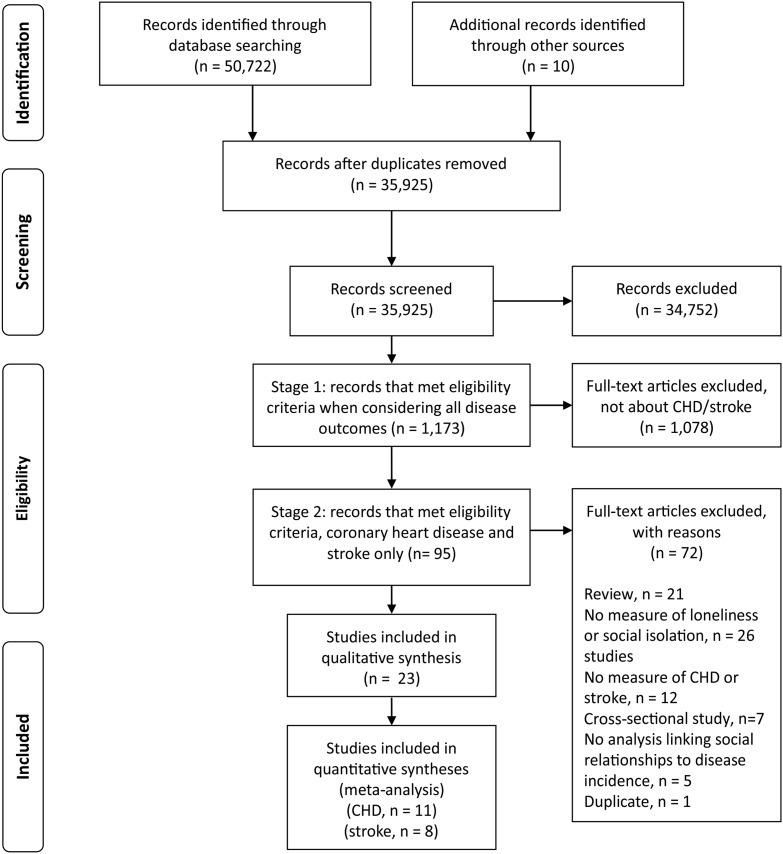
Background: The influence of social relationships on morbidity is widely accepted, but the size of the risk to cardiovascular health is unclear. Objective: We undertook a systematic review and meta-analysis to investigate the association between loneliness or social isolation and incident coronary heart disease (CHD) and stroke. Methods: Sixteen electronic databases were systematically searched for longitudinal studies set in high-income countries and published up until May 2015. Two independent reviewers screened studies for inclusion and extracted data. We assessed quality using a component approach and pooled data for analysis using random effects models. Results: Of the 35 925 records retrieved, 23 papers met inclusion criteria for the narrative review. They reported data from 16 longitudinal datasets, for a total of 4628 CHD and 3002 stroke events recorded over follow-up periods ranging from 3 to 21 years. Reports of 11 CHD studies and 8 stroke studies provided data suitable for meta-analysis. Poor social relationships were associated with a 29% increase in risk of incident CHD (pooled relative risk: 1.29, 95% CI 1.04 to 1.59) and a 32% increase in risk of stroke (pooled relative risk: 1.32, 95% CI 1.04 to 1.68). Subgroup analyses did not identify any differences by gender. Conclusions: Our findings suggest that deficiencies in social relationships are associated with an increased risk of developing CHD and stroke. Future studies are needed to investigate whether interventions targeting loneliness and social isolation can help to prevent two of the leading causes of death and disability in high-income countries. Study registration number: CRD42014010225.
Overview
CoChat Summary
TL;DR
This systematic review and meta-analysis of longitudinal observational studies found that poor social relationships were associated with a 29% higher risk of incident coronary heart disease and a 32% higher risk of stroke. The authors conclude that addressing loneliness and social isolation may be valuable in cardiovascular prevention, while noting causality cannot be inferred.
Key findings
- Across 23 papers from 16 longitudinal cohorts, including 181,006 participants, 4628 CHD events and 3002 stroke events were recorded over follow-up periods of 3–21 years.
- Pooled relative risk for incident CHD comparing high versus low loneliness/social isolation was 1.29 (95% CI 1.04 to 1.59) across 11 studies; pooled relative risk for stroke was 1.32 (95% CI 1.04 to 1.68) across 8 stroke studies in the abstract (the results section describes nine independent stroke samples).
- Subgroup analyses found no differences by gender, and no evidence that loneliness versus social isolation was differentially associated with CHD incidence.
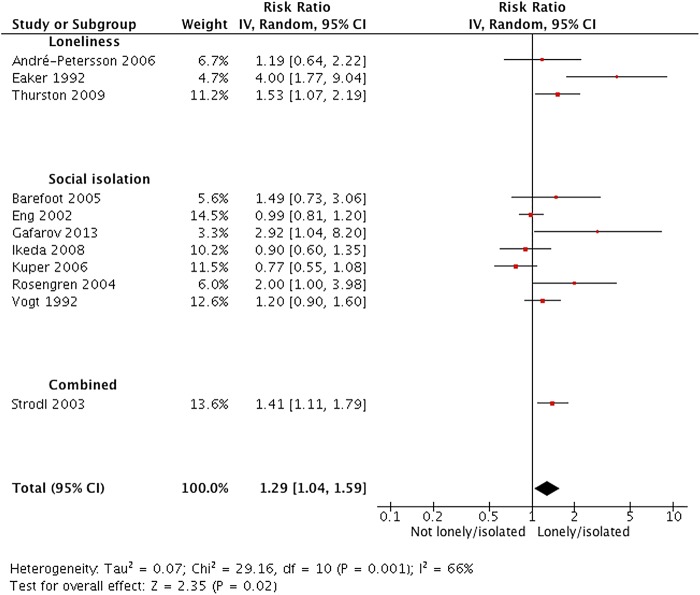
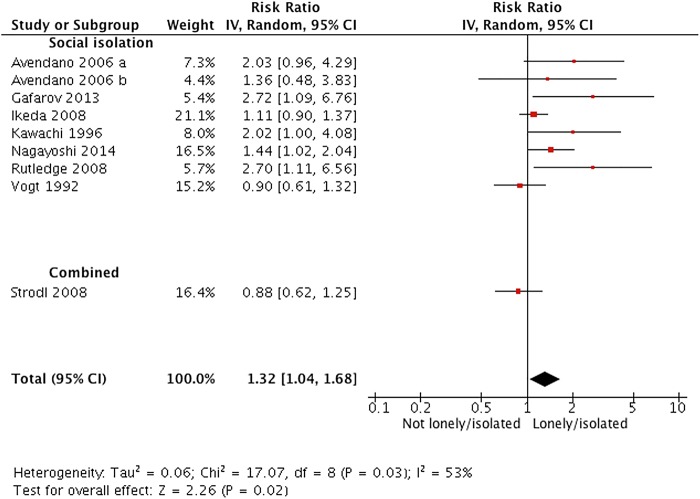
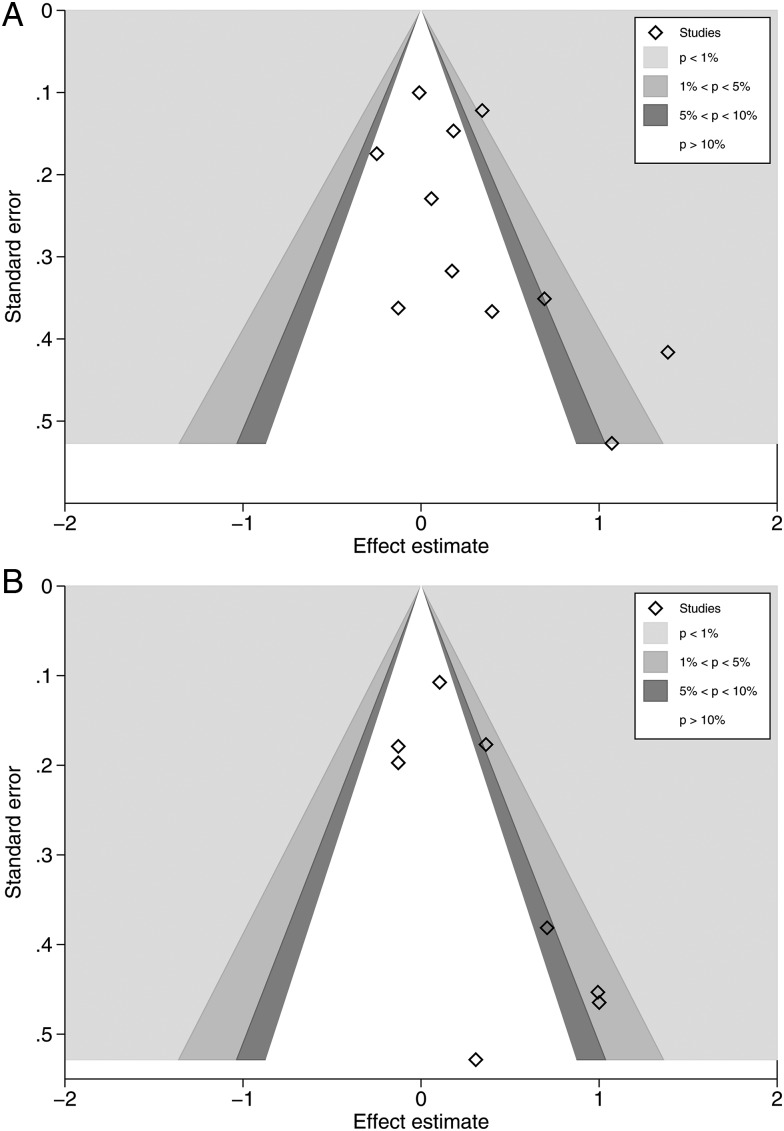
- Heterogeneity was present for CHD (I²=66%, p=0.001) and stroke (I²=53%, p=0.03); sensitivity analyses found no evidence that results differed by study validity, but funnel plots and fixed- versus random-effects comparisons suggested possible small-study effects/reporting bias.
Methods
- Systematic review and meta-analysis of longitudinal observational studies set in high-income countries, registered as CRD42014010225; 16 electronic databases were searched up to May 2015, supplemented by reference lists, Scopus citations, and topic experts.
- Of 35,925 records retrieved, 23 papers based on 16 cohorts met inclusion criteria; two independent reviewers screened studies and extracted data, with quality assessed using a component approach.
- Random-effects models pooled effect estimates transformed to natural logs; odds ratios were approximated to relative risks because incidence was <10% in the three studies reporting ORs; prespecified subgroup and sensitivity analyses were performed.
Limitations
- The paper states that causality cannot be inferred, unmeasured confounding and reverse causation due to subclinical disease cannot be excluded, and publication bias may lead to overestimation of the true effect; conversely, pooled effects could be conservative because many studies adjusted for factors likely on the causal pathway, such as depression or health-related behaviour.
- The paper states insufficient data to explore the relative effects of quantity versus quality of relationships or effect modifiers in depth; seven estimates came from populations of higher socioeconomic status and better health than the target population, so results may underestimate effects among disadvantaged groups; some data were collected from 1965, and later CHD prevention strategies may have modified the association.
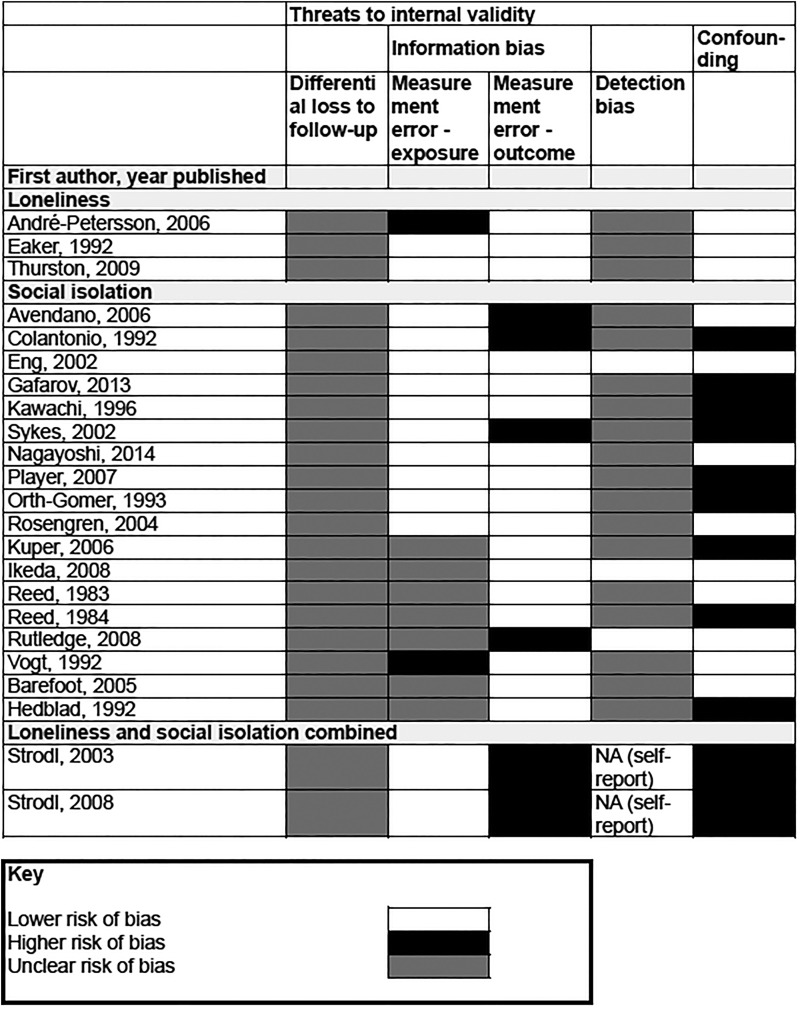
- Evident from the text: heterogeneity remained unexplained, information on reliability and validity of social relationship instruments was limited, and limited information on attrition and blinding meant risk of differential loss to follow-up and detection bias was unclear.
Model-written summary. Check it against the paper before relying on it.
Integrity signals
Registry
Cites
Statistics
Figures
Verification
Claims the paper makes
3 Valid · 0 Not valid · 17 Not checked · 47 Own results and interpretations
Every source the paper cites for this claim was checked and supports it.
In the paper
“Adults who have few social contacts (ie, who are socially isolated) or feel unhappy about their social relationships (ie, who are lonely) are at increased risk of premature mortality.1”
§ Loneliness and social isolation as risk factors for coronary heart disease and stroke: systematic review and meta-analysis of longitudinal observational studies > Introduction
What the sources say
- Supportedcites [1] Holt-Lunstad J, Smith TB, Baker M, et al Loneliness and social isolation as risk factors for mortality: a meta-analytic review. Perspect Psychol Sci 2015; 10: 227– 37. 10.1177/1745691614568352 25910392 source
The Introduction (p. 228) supplies exactly the two definitions the claim paraphrases: social isolation as an 'objective quantitative approach to establish a dearth of social contact and network size' (living alone, few social network ties, infrequent contact), and loneliness as 'the perception of social isolation... the dissatisfaction with the discrepancy between desired and actual social relationships.' The Discussion reports the mortality risk for adults across 70 prospective studies (26% for loneliness, 29% for social isolation, 32% for living alone after covariate adjustment), and the Conclusion states that 'individuals lacking social connections (both objective and subjective social isolation) are at risk for premature mortality.' Both the definitional glosses and the increased-risk assertion are therefore carried by our copy. (LLM, conf=0.92)
plainstates an association- Asserted: passes — The authors put it forward as true.
- Checkable: passes — It can be checked against evidence.
- Load-bearing: passes — The paper’s conclusions depend on it.
- Based: passes — The paper gives a reason why it holds.
- Supported
Every source the paper cites for this claim was checked and supports it.
In the paper
“The influence of social relationships on mortality is comparable with well-established risk factors, including physical activity and obesity.2”
§ Loneliness and social isolation as risk factors for coronary heart disease and stroke: systematic review and meta-analysis of longitudinal observational studies > Introduction
What the sources say
- Supportedcites [2] Holt-Lunstad J, Smith TB, Layton JB Social relationships and mortality risk: a meta-analytic review. PLoS Med 2010; 7: e1000316 10.1371/journal.pmed.1000316 20668659 PMC2910600 source
The Conclusion (Discussion) of Holt-Lunstad et al. (2010) states directly that the magnitude of the social-relationship effect on mortality (50% greater likelihood of survival across 308,849 individuals) is comparable with quitting smoking and exceeds many well-known risk factors, e.g., obesity and physical inactivity. The Discussion also states the magnitude 'may be considered quite large, rivaling that of well-established risk factors (Figure 6).' The citing sentence is, if anything, slightly weaker than the source ('comparable with' vs. 'exceeds'), which the rubric treats as supported. (LLM, conf=0.90)
plainstates an association- Asserted: passes — The authors put it forward as true.
- Checkable: passes — It can be checked against evidence.
- Load-bearing: passes — The paper’s conclusions depend on it.
- Based: passes — The paper gives a reason why it holds.
- Supported
The cited sources support only part of this claim — read each source’s verdict below.
In the paper
“We found an association between poor social relationships and incident CVD comparable in size to other recognised psychosocial risk factors, such as anxiety50 and job strain.51”
§ Loneliness and social isolation as risk factors for coronary heart disease and stroke: systematic review and meta-analysis of longitudinal observational studies > Discussion > Summary of findings and comparison with other work
What the sources say
- Supportedcites [50] Roest AM, Martens EJ, de Jonge P, et al Anxiety and risk of incident coronary heart disease: a meta-analysis. J Am Coll Cardiol 2010; 56: 38– 46. 10.1016/j.jacc.2010.03.034 20620715 source
Citation 50 is attached to anxiety, not job strain or the citing authors’ finding about social relationships. The Results report an association between anxiety and incident coronary heart disease (pooled hazard ratio 1.26), supporting anxiety as the risk-factor comparison used here. The source does not itself compare anxiety with poor social relationships. (LLM, conf=0.88)
- Partly supportedcites [51] Fransson EI, Nyberg ST, Heikkilä K, et al Job strain and the risk of stroke: an individual-participant data meta-analysis. Stroke 2015; 46: 557– 9. 10.1161/STROKEAHA.114.008019 25563644 sourceExperimental — accuracy not yet measured
The Results report a job-strain association with incident ischemic stroke (hazard ratio 1.24), providing a magnitude the citing authors could compare with their own finding. The paper does not establish job strain as a risk factor for CVD generally: its overall-stroke association was not statistically significant, and its Conclusion qualifies the ischemic-stroke finding as possible. (LLM, conf=0.82)
plainstates an association- Asserted: passes — The authors put it forward as true.
- Checkable: passes — It can be checked against evidence.
- Load-bearing: passes — The paper’s conclusions depend on it.
- Based: passes — The paper gives a reason why it holds.
- Supported
A result the paper reports from its own data — it cites no other source for it, so there is none to check. The quote shows it is in the paper.
In the paper
“Poor social relationships were associated with a 29% increase in risk of incident CHD (pooled relative risk: 1.29, 95% CI 1.04 to 1.59)”
- Also stated in: § Loneliness, social isolation and CHD · plain
“Across 11 studies (3794 events; one study did not report numbers) based on independent samples, the average relative risk of new CHD when comparing high versus low loneliness or social isolation was 1.29 (95% CI 1.04 to 1.59; see figure 3).”
- Also stated in: § Summary of findings and comparison with other work · plain
“Our review found that poor social relationships were associated with a 29% increase in risk of incident CHD and a 32% increase in risk of stroke.”
§ Loneliness and social isolation as risk factors for coronary heart disease and stroke: systematic review and meta-analysis of longitudinal observational studies > Abstract > Results
plainstates an association- Asserted: passes — The authors put it forward as true.
- Checkable: passes — It can be checked against evidence.
- Load-bearing: passes — The paper’s conclusions depend on it.
- Based: passes — The paper gives a reason why it holds.
- Also stated in: § Loneliness, social isolation and CHD · plain
A result the paper reports from its own data — it cites no other source for it, so there is none to check. The quote shows it is in the paper.
In the paper
“Subgroup analyses did not identify any differences by gender.”
§ Loneliness and social isolation as risk factors for coronary heart disease and stroke: systematic review and meta-analysis of longitudinal observational studies > Abstract > Results
plain- Asserted: passes — The authors put it forward as true.
- Checkable: passes — It can be checked against evidence.
- Load-bearing: unclear — It is unclear whether the paper’s conclusions depend on it.
- Based: passes — The paper gives a reason why it holds.
19 more claims
Create a free account to see all 67 claims and to verify the 21 references still open.
- It may state two separate claims as one. 22
- Probably not a substantial claim. 30
Claims other papers make about this one
Each is checked against this paper’s own text: does it say what the citing paper says it does?
The source backs part of the claim, not all of it — or backs it for a different population, condition or comparison.
In the citing paper
“the industrial revolution and modern era have ushered in changes in social interactions and sleep quality59,91 that can promote SCI149,150 and insulin resistance151, in turn increasing risk for obesity, type 2 diabetes, CVD and all-cause mortality150–154”
From Chronic inflammation in the etiology of disease across the life span (2019) · cites this paper as [152]
Experimental — accuracy not yet measuredThe source backs part of the claim, not all of it — or backs it for a different population, condition or comparison.
In the citing paper
“In a meta-analysis of longitudinal studies of social isolation and loneliness and cardiovascular outcomes, both social isolation and loneliness were found to significantly increase the risk for new CHD and stroke, with no evidence that one was more strongly related to disease incidence than the other [33].”
From Social isolation: an underappreciated determinant of physical health (2022) · cites this paper as [33]
Experimental — accuracy not yet measuredThe cited source says what the claim attributes to it.
In the citing paper
“There is also a growing body of evidence relating social isolation with nonfatal physical health outcomes, including increased risk for cardiovascular disease and stroke [33], pre-diabetes and type 2 diabetes [34], and poorer cognitive functioning [35].”
From Social isolation: an underappreciated determinant of physical health (2022) · cites this paper as [33]
The cited source says what the claim attributes to it.
In the citing paper
“Because lower circulating BDNF levels and small social networks have separately been associated with higher risk of incident stroke [3], [4], cognitive dysfunction [2], [5], [6], and the accumulation of Alzheimer's disease pathology [7], [8]”
From Associations between social relationship measures, serum brain-derived neurotrophic factor, and risk of stroke and dementia (2017) · cites this paper as [3]
The cited source says what the claim attributes to it.
In the citing paper
“Social isolation and loneliness have been studied extensively over the past four decades, with numerous studies showing that both have negative mental and physical health consequences [1–5].”
6 more claims about this paper
Create a free account to see every claim other papers make about this one.
Self-check
Percentages, sums and reported differences re-computed from the paper’s own numbers.
Each contradiction between two passages listed here was confirmed by an independent check.
Rated minor: it would not touch a result — a value no result rests on, a p-value that stays on the same side of the significance level, or a conflict that is clerical, resolved elsewhere in the paper, or outside its own findings.
In the paper
§ Loneliness and social isolation as risk factors for coronary heart disease and stroke: systematic review and meta-analysis of longitudinal observational studies > Results > Social isolation and stroke
“Across nine independent study samples (2577 events; one study did not report numbers), the average relative risk of stroke incidence was 1.32”
§ Loneliness and social isolation as risk factors for coronary heart disease and stroke: systematic review and meta-analysis of longitudinal observational studies > Results > Risk of bias across studies
“Stroke | 1.32 (1.04 to 1.68) (n=8)”
Rated minor: it would not touch a result — a value no result rests on, a p-value that stays on the same side of the significance level, or a conflict that is clerical, resolved elsewhere in the paper, or outside its own findings.
In the paper
“Four studies presented results from univariate analyses,31 34 35 41 with a further study adjusting for age only.26 The remaining eight reports did not control for socioeconomic status”
§ Loneliness and social isolation as risk factors for coronary heart disease and stroke: systematic review and meta-analysis of longitudinal observational studies > Results > Study validity
Reported 23 · recomputed 25
Citations
Cites
Social Relationships and Mortality Risk: A Meta-analytic Review
Holt-Lunstad, J., Smith, T. B., & Layton, J. B. (2010) · PLoS Medicine · doi:10.1371/journal.pmed.1000316 · Cited by 7,272
Loneliness and Social Isolation as Risk Factors for Mortality: A Meta-Analytic Review
Holt-Lunstad, J., Smith, T. B., Baker, M., Harris, T., & Stephenson, D. (2015) · Perspectives on Psychological Science · doi:10.1177/1745691614568352 · Cited by 6,043
Loneliness matters: a theoretical and empirical review of consequences and mechanisms
Hawkley, L. C., & Cacioppo, J. T. (2010) · Annals of Behavioral Medicine · doi:10.1007/s12160-010-9210-8 · Cited by 4,782
Zhang, J., & Yu, K. F. (1998) · JAMA · doi:10.1001/jama.280.19.1690 · Cited by 4,138
Systematic reviews: CRD's guidance for undertaking reviews in health care
Tacconelli, E. (2010) · The Lancet Infectious Diseases · doi:10.1016/s1473-3099(10)70065-7 · Cited by 3,245
Assessing social networks among elderly populations
Lubben, J. E. (1988) · Family & Community Health · doi:10.1097/00003727-198811000-00008 · Cited by 1,188
Loneliness, social isolation, and behavioral and biological health indicators in older adults.
Shankar, A., McMunn, A., Banks, J., & Steptoe, A. (2011) · Health Psychology · doi:10.1037/a0022826 · Cited by 1,100
Social Relationships and Health
Cohen, S., Gottlieb, B. H., & Underwood, L. G. (2000) · Social Support Measurement and Intervention · doi:10.1093/med:psych/9780195126709.003.0001 · Cited by 903
Stress and Cardiovascular Disease: An Update on Current Knowledge
Steptoe, A., & Kivimäki, M. (2013) · Annual Review of Public Health · doi:10.1146/annurev-publhealth-031912-114452 · Cited by 879 · cited 1×
“Subgroup analyses speci fi ed a priori showed no difference between the association of loneliness or social isolation with CHD incidence, and we found no evidence across studies of differences between men and women.”
Anxiety and Risk of Incident Coronary Heart Disease
Roest, A. M., Martens, E. J., de Jonge, P., & Denollet, J. (2010) · Journal of the American College of Cardiology · doi:10.1016/j.jacc.2010.03.034 · Cited by 865
Cited by
Items 401–500 of 1,002
Oxytocin and interpersonal relationships
Patin, A., Scheele, D., & Hurlemann, R. (2017) · Current Topics in Behavioral Neurosciences · doi:10.1007/7854_2017_22 · Cited by 32
“Among its many implications, loneliness leads to increased risk for coronary heart disease and stroke (Valtorta et al. 2016), major depression (Cacioppo et al. 2010), cognitive decline (Shankar et al. 2013), and dementia (Holwerda et al. 2014).”
BackgroundSocial isolation in chronic kidney disease and the role of mobility limitation
Moorthi, R. N., & Latham-Mintus, K. (2019) · Clinical Kidney Journal · doi:10.1093/ckj/sfy134 · Cited by 41
‘I’m good’: Examining the internalization of the strong Black woman archetype
Geyton, T. A., Johnson, N., & Ross, K. (2020) · Journal of Human Behavior in the Social Environment · doi:10.1080/10911359.2020.1844838 · Cited by 53
Green, M. J., Whitley, E., Niedzwiedz, C. L., Shaw, R. J., & Katikireddi, S. V. (2021) · SSM - Population Health · doi:10.1016/j.ssmph.2021.100726 · Cited by 36
Bu, F., Steptoe, A., & Fancourt, D. E. (2021) · Journal of Epidemiology & Community Health · doi:10.1136/jech-2020-215539 · Cited by 38
Disability, Loneliness and Health in the UK: cross-sectional survey
Emerson, E., Stancliffe, R. J., Fortune, N., & Llewellyn, G. M. (2021) · European Journal of Public Health · doi:10.1093/eurpub/ckab018 · Cited by 32
Obradović, N., Lagueux, É., Latulippe, K., & Provencher, V. (2021) · Animals · doi:10.3390/ani11092628 · Cited by 43
Iamtrakul, P., & Chayphong, S. (2022) · International Journal of Environmental Research and Public Health · doi:10.3390/ijerph192114572 · Cited by 47
“It has a strong correlation to older people’s well-being, which is as important in older age as at any other time of life [9,10].”
BackgroundSarıçam, H. (2023) · Iğdır üniversitesi sosyal bilimler dergisi · doi:10.54600/igdirsosbilder.1066242 · Cited by 42
Jamalishahni, T., Turrell, G., Foster, S. A., Davern, M. T., & Villanueva, K. (2023) · BMC Public Health · doi:10.1186/s12889-023-15433-0 · Cited by 34
“Loneliness predicts increased mortality [3], high systolic blood pressure [4], coronary heart disease [5], and depression [6].”
BackgroundHirabayashi, N., Honda, T., Hata, J., Furuta, Y., Shibata, M., Ohara, T., Tatewaki, Y., Taki, Y., Nakaji, S., Maeda, T., et al. (2023) · Neurology · doi:10.1212/wnl.0000000000207602 · Cited by 60
Jung, A.-R., Lee, K., & Park, E.-A. (2023) · Geriatric Nursing · doi:10.1016/j.gerinurse.2023.07.011 · Cited by 36
Schnepf, S. V., Boldrini, M., & Blaskó, Z. (2023) · BMC Public Health · doi:10.1186/s12889-023-16797-z · Cited by 51
“Loneliness, described in the journal “The Economist” as “the epidemic of the 21st century” in 2018, is linked not only to higher risks of mental health problems, chronic illnesses, and mortality (e.g. [1]), but also to detrimental consequences on both social cohesion and trust [2].”
BackgroundInformation quality, work-family conflict, loneliness, and well-being in remote work settings
Chuang, Y., Chiang, H.-L., & Lin, A.-P. (2024) · Computers in Human Behavior · doi:10.1016/j.chb.2024.108149 · Cited by 60
Frangieh, J., Hughes, V., Capello, A., Humphrey, K. G., Lammey, C., & Lucas, L. (2024) · Nursing Outlook · doi:10.1016/j.outlook.2024.102174 · Cited by 44
Health Disparities and Cardiovascular Disease
Niakouei, A., Fulton, L. V., & Tehrani, M. (2020) · Healthcare · doi:10.3390/healthcare8010065 · Cited by 37
Arrhythmia Risk During the 2016 US Presidential Election: The Cost of Stressful Politics
Rosman, L., Salmoirago‐Blotcher, E., Mahmood, R., Yang, H., Li, Q., Mazzella, A. J., Klein, J. L., Bumgarner, J. M., & Gehi, A. K. (2021) · Journal of the American Heart Association · doi:10.1161/jaha.120.020559 · Cited by 35
McDaid, D., & Park, A. (2022) · International Journal of Environmental Research and Public Health · doi:10.3390/ijerph19052858 · Cited by 31
“They are also at greatest risk of being lonely than non-carers [12]; loneliness itself is a risk factor for further deterioration in carer physical [13] and mental health [14].”
BackgroundThe pursuit of health: A vitality based perspective
Rozanski, A. (2023) · Progress in Cardiovascular Diseases · doi:10.1016/j.pcad.2023.04.001 · Cited by 38
Zheng, G., Zhou, B., Fang, Z., Jing, C., Zhu, S., Liu, M., Chen, X., Zuo, L., Chen, H., & Hao, G. (2023) · BMC Psychiatry · doi:10.1186/s12888-023-05370-y · Cited by 37
“Studies have shown that living alone or loneliness is linked to the risk of obesity, cardiovascular diseases, stroke, and premature death [14–17].”
BackgroundLoneliness and cardiovascular reactivity to acute stress in younger adults
Brown, E. G., Creaven, A., & Gallagher, S. M. (2018) · International Journal of Psychophysiology · doi:10.1016/j.ijpsycho.2018.07.471 · Cited by 31
Bay, L. T., Ellingsen, T., Giraldi, A. G. E., Graugaard, C. L., & Nielsen, D. S. (2020) · Musculoskeletal Care · doi:10.1002/msc.1480 · Cited by 40
Aşılar, R. H., Yıldırım, A., Sağlam, R., Selçuk, E. D., Erduran, Y., & Sarihan, O. (2020) · Journal of Vascular Nursing · doi:10.1016/j.jvn.2020.07.003 · Cited by 40
Twenty-One Reasons for Implementing the Act-Belong-Commit—‘ABCs of Mental Health’ Campaign
Donovan, R. J., Koushede, V., Drane, C. F., Hinrichsen, C., Anwar‐McHenry, J., Nielsen, L., Nicholas, A., Meilstrup, C., & Santini, Z. I. (2021) · International Journal of Environmental Research and Public Health · doi:10.3390/ijerph182111095 · Cited by 39
Zhou, W., Li, Y., Ning, Y., Gong, S., Song, N., Zhu, B., Wang, J., Zhao, S., Shi, Y., & Ding, X. (2021) · Frontiers in Medicine · doi:10.3389/fmed.2021.782624 · Cited by 37
Lai, E. T. C., Ho, S. C., & Woo, J. (2022) · Aging Clinical and Experimental Research · doi:10.1007/s40520-022-02259-w · Cited by 39
“A previous systematic review suggested that weak or diminished social relationships were related to higher risks of coronary heart disease and stroke [8].”
BackgroundIndicators of Social Isolation: A Comparison Based on Survey Data from Germany
Eckhard, J. (2017) · Social Indicators Research · doi:10.1007/s11205-017-1741-y · Cited by 43
Chiu, M., Rahman, F., Vigod, S. N., Lau, C., Cairney, J., & Kurdyak, P. A. (2018) · The Lancet Public Health · doi:10.1016/s2468-2667(18)30003-3 · Cited by 37
Biodiversity and Health in the Face of Climate Change: Implications for Public Health
Cook, P. A., Howarth, M. L., & Wheater, C. P. (2019) · Springer eBooks · doi:10.1007/978-3-030-02318-8_11 · Cited by 37
Proctor, A. S., Barth, A., & Holt‐Lunstad, J. (2023) · Lifestyle Medicine · doi:10.1002/lim2.91 · Cited by 65
Madsen, K. R., Damsgaard, M. T., Petersen, K. J., Qualter, P., & Holstein, B. E. (2024) · International Journal of Environmental Research and Public Health · doi:10.3390/ijerph21040414 · Cited by 61
“Loneliness is also an important public health problem because it is associated with a range of health problems [1,6,11–14] and risk behaviors [15–17].”
BackgroundIp, H., Suen, Y. N., Hui, C. L. M., Cheung, C., Wong, S. M. Y., & Chen, E. Y. H. (2024) · Scientific Reports · doi:10.1038/s41598-024-75739-w · Cited by 37
PRESTON, C., & MOORE, S. (2018) · Ageing and Society · doi:10.1017/s0144686x18000120 · Cited by 30
Rohner, R. P., Putnick, D. L., Molaver, A. D., Ali, S., Butt, M. M., Ibrahim, D. M., Aurino, C., Blom, M. J. M., Darwesh, F. H., Auricchio, S., et al. (2019) · International Journal of Psychology · doi:10.1002/ijop.12621 · Cited by 47
Hawkley, L. C., Zheng, B., & Song, X. (2020) · Social Science & Medicine · doi:10.1016/j.socscimed.2020.113000 · Cited by 39
2019 Novel Coronavirus Disease, Crisis, and Isolation
Roychowdhury, D. (2020) · Frontiers in Psychology · doi:10.3389/fpsyg.2020.01958 · Cited by 39
Factors associated with loneliness in patients with diabetes mellitus
Kobos, E., Szewczyk, A., Kokoszka‐Paszkot, J., & Dziedzic, B. (2020) · Nursing Open · doi:10.1002/nop2.655 · Cited by 31
Devi, R., Goodyear‐Smith, F., Subramaniam, K., McCormack, J. C., Calder, A. J., Parag, V., Bizri, L. E., Majumdar, A., Huang, P.-H., & Bullen, C. (2021) · Journal of Patient Experience · doi:10.1177/23743735211034091 · Cited by 30
COVID-19 Pandemic Underscores the Need to Address Social Isolation and Loneliness
Murthy, V. H. (2021) · Public Health Reports · doi:10.1177/00333549211045425 · Cited by 32
Hayes, S., Carlyle, M., Haslam, S. A., Haslam, C., & Dingle, G. A. (2022) · British Journal of Clinical Psychology · doi:10.1111/bjc.12358 · Cited by 44
Loneliness, epigenetic age acceleration, and chronic health conditions.
Freilich, C. D., Markon, K. E., Cole, S. W., & Krueger, R. F. (2024) · Psychology and Aging · doi:10.1037/pag0000822 · Cited by 34
Lear, S. A., McKee, M., Hystad, P., Walker, B. B., Murphy, A., Brauer, M. D., Walli-Attaei, M., Rosengren, A., Rangarajan, S., Chow, C. K., et al. (2025) · European Heart Journal · doi:10.1093/eurheartj/ehaf212 · Cited by 40
“69,70 However, there is little known about the scale and nature of these in LIC and MIC.”
Loneliness and cardiovascular disease and the role of late‐life depression
Hegeman, A. J. M., Schutter, N., Comijs, H. C., Holwerda, T. J., Dekker, J., Stek, M. L., & van der Mast, R. C. (2017) · International Journal of Geriatric Psychiatry · doi:10.1002/gps.4716 · Cited by 38
Fuss, B., Dorstyn, D., & Ward, L. (2019) · Australian Journal on Ageing · doi:10.1111/ajag.12703 · Cited by 33
Chen, R. (2020) · Death Studies · doi:10.1080/07481187.2020.1774943 · Cited by 35
Olano‐Lizarraga, M., Wallström, S., Martín‐Martín, J., & Wolf, A. (2021) · Health & Social Care in the Community · doi:10.1111/hsc.13680 · Cited by 44
Hathcoat, J. D., Meixner, C., & Nicholas, M. C. (2019) · Springer eBooks · doi:10.1007/978-981-10-5251-4_56 · Cited by 66
Arpino, B., Mair, C. A., Quashie, N. T., & Antczak, R. (2022) · European Journal of Ageing · doi:10.1007/s10433-022-00718-x · Cited by 43
Madani, M. T., Madani, L., Ghogomu, E. T., Dahrouge, S., Hébert, P. C., Juandó‐Prats, C., Mulligan, K., & Welch, V. A. (2022) · BMC Public Health · doi:10.1186/s12889-022-14667-8 · Cited by 31
“In addition, there is strong evidence that socially isolated and lonely older adults are at an increased risk for cardiovascular diseases [6], cognitive impairment [7], dementia [8], depression [9], and anxiety [9].”
BackgroundThe importance of social ties in mental health
Hare-Duke, L. (2017) · Mental Health and Social Inclusion · doi:10.1108/mhsi-07-2017-0029 · Cited by 35
Cagle, S., & Cooperstein, N. (2018) · Primary Care Clinics in Office Practice · doi:10.1016/j.pop.2017.10.001 · Cited by 43
Lu, X., Liu, C., Hong, L., Qian, X., Wang, C., Jia, C.-X., & Jia, F. (2024) · Translational Psychiatry · doi:10.1038/s41398-024-03063-y · Cited by 33
“Further studies are needed to explore the underlying overall and trajectory-speci fi c mechanisms of these associations.”
BackgroundRisk factors for first-time acute myocardial infarction patients in Trinidad
Bahall, M. U., Seemungal, T., & Legall, G. (2018) · BMC Public Health · doi:10.1186/s12889-018-5080-y · Cited by 31
Krampe, H., Barth-Zoubairi, A., Schnell, T., Salz, A.-L., Kerper, L. F., & Spies, C. (2018) · International Journal of Behavioral Medicine · doi:10.1007/s12529-018-9738-8 · Cited by 37
Act-Belong-Commit Indicators Promote Mental Health and Wellbeing among Irish Older Adults
Santini, Z. I., Nielsen, L., Hinrichsen, C., Meilstrup, C., Koyanagi, A., Haro, J. M., Donovan, R. J., & Koushede, V. (2018) · American Journal of Health Behavior · doi:10.5993/ajhb.42.6.4 · Cited by 30
Schizophrenia Mortality: Barriers to Progress
Seeman, M. V. (2019) · Psychiatric Quarterly · doi:10.1007/s11126-019-09645-0 · Cited by 35
Brown, K., Roux, A. V. D., Smith, J. A., Needham, B. L., Mukherjee, B., Ware, E. B., Liu, Y., Cole, S. W., Seeman, T. E., & Kardia, S. L. R. (2020) · Psychoneuroendocrinology · doi:10.1016/j.psyneuen.2020.104654 · Cited by 29
Bergeron, G., Cruz, N. L. D. L., Gould, L. H., Liu, S. Y., & Seligson, A. L. (2020) · Quality of Life Research · doi:10.1007/s11136-020-02525-2 · Cited by 29
Wolfers, M. E. G., Stam, B. E., & Machielse, A. (2021) · Aging & Mental Health · doi:10.1080/13607863.2021.1875191 · Cited by 43
Gyasi, R. M., Adu‐Gyamfi, S., Obeng, B., Asamoah, E., Kisiangani, I., Ochieng, V. O., & Appiah, K. (2021) · Archives of Gerontology and Geriatrics · doi:10.1016/j.archger.2021.104441 · Cited by 29
Smith, K. J., & Victor, C. R. (2021) · The Gerontologist · doi:10.1093/geront/gnab177 · Cited by 32
Cené, C. W., Leng, X., Faraz, K., Allison, M., Breathett, K. K., Bird, C. E., Coday, M., Corbie-Smith, G. M., Foraker, R. E., Ijioma, N., et al. (2022) · Journal of the American Heart Association · doi:10.1161/jaha.120.022907 · Cited by 33
Valle, V. I.-D., Corchón, S., Zaharia, G., & Cauli, O. (2022) · International Journal of Environmental Research and Public Health · doi:10.3390/ijerph192416622 · Cited by 72
“Indeed, loneliness seems to worsen mental health, increase suicidal ideation, and contribute to unhealthy lifestyles (smoking and alcohol use among others) [4,34].”
BackgroundPaolillo, E. W., Tang, B., Depp, C. A., Rooney, A. S., Vaida, F., Kaufmann, C. N., Mausbach, B. T., Moore, D. J., & Moore, R. C. (2018) · JMIR Mental Health · doi:10.2196/mental.9802 · Cited by 30
Balter, L. J. T., Raymond, J. E., Aldred, S., Drayson, M. T., Zanten, J. V., Higgs, S., & Bosch, J. A. (2019) · Brain Behavior and Immunity · doi:10.1016/j.bbi.2019.08.196 · Cited by 35
Why Music? An Evaluation of a Music Programme for Older People in the Community
Costa, F., & Ockelford, A. (2018) · International Journal of Music and Performing Arts · doi:10.15640/ijmpa.v6n2a4 · Cited by 27
Time trends in loneliness from 1984 to 2019 among 27,032 older adults in Norway: A HUNT study
Aunsmo, R. H., Langballe, E. M., Hansen, T. F., Selbæk, G., & Strand, B. H. (2023) · Preventive Medicine · doi:10.1016/j.ypmed.2023.107659 · Cited by 27
Kassam, K., & McMillan, J. M. (2023) · Frontiers in Psychiatry · doi:10.3389/fpsyt.2023.1287391 · Cited by 32
Stafford, J., Dekhtyar, S., Welmer, A., Vetrano, D. L., Grande, G., Laukka, E. J., Marseglia, A., Moulton, V., Mansfield, R., Liu, Y., et al. (2024) · The Lancet Healthy Longevity · doi:10.1016/s2666-7568(24)00046-1 · Cited by 33
Interpersonal curiosity as a tool to foster safe relational spaces: a narrative literature review
Jauniaux, M. L., & Lawford, H. L. (2024) · Frontiers in Psychology · doi:10.3389/fpsyg.2024.1379330 · Cited by 30
Impact of Work on Personal Relationships and Physician Well-being
Trockel, M., Dyrbye, L. N., West, C. P., Sinsky, C. A., Wang, H., Carlasare, L. E., Tutty, M., & Shanafelt, T. D. (2024) · Mayo Clinic Proceedings · doi:10.1016/j.mayocp.2024.03.010 · Cited by 30
Amalberti, R., Vincent, C. A., Nicklin, W., & Braithwaite, J. (2018) · International Journal for Quality in Health Care · doi:10.1093/intqhc/mzy235 · Cited by 26
Winterton, A., Rødevand, L. N., Westlye, L. T., Steen, N. E., Andreassen, O. A., & Quintana, D. S. (2020) · Systematic Reviews · doi:10.1186/s13643-020-01369-8 · Cited by 28
OK Cupid, Stop Bumbling around and Match Me Tinder: Using Dating Apps Across the Life Course
Marston, H. R., Niles-Yokum, K., Earle, S., Gómez, B., & Lee, D. M. (2020) · Gerontology and Geriatric Medicine · doi:10.1177/2333721420947498 · Cited by 30
Lay‐Yee, R., Campbell, D., & Milne, B. J. (2021) · Health & Social Care in the Community · doi:10.1111/hsc.13351 · Cited by 33
Duffy, E. Y., Chilazi, M. J., Cainzos‐Achirica, M., & Michos, E. D. (2021) · Methodist DeBakey Cardiovascular Journal · doi:10.14797/mdcvj.210 · Cited by 28
Community and Social Context: An Important Social Determinant of Cardiovascular Disease
SINGH, R. K., Javed, Z., Yahya, T., Elizondo, J. V., Acquah, I., Hyder, A. A., Maqsood, M. H., Amin, Z., Al-Kindi, S. G., Cainzos‐Achirica, M., et al. (2021) · Methodist DeBakey Cardiovascular Journal · doi:10.14797/mdcvj.846 · Cited by 38
Mediation analysis of social isolation and mortality by health behaviors
Luo, J., & HENDRYX, M. S. (2021) · Preventive Medicine · doi:10.1016/j.ypmed.2021.106881 · Cited by 29
Estimating the prevalence of social and emotional loneliness across the adult lifespan
Manoli, A., McCarthy, J., & Ramsey, R. (2022) · Scientific Reports · doi:10.1038/s41598-022-24084-x · Cited by 37
What types of green space disrupt a lonelygenic environment? A cohort study
Astell‐Burt, T., Walsan, R., Davis, W., & Feng, X. (2022) · Social Psychiatry and Psychiatric Epidemiology · doi:10.1007/s00127-022-02381-0 · Cited by 28
Kammar‐García, A., Ramírez‐Aldana, R., Roa‐Rojas, P., Lozano-Juárez, L. R., Sánchez‐García, S., Tella‐Vega, P., & García‐Peña, C. (2023) · BMC Geriatrics · doi:10.1186/s12877-023-03750-3 · Cited by 34
“mentioned the risk of physical inactivity, depression and defective immune functioning [54, 55] which are associated with worse outcomes or the development of diseases in older adults, on the other hand, a decrease in social interaction can affect the search for appropriate medical treatment, establish non-adherence t…”
BackgroundXu, X., Mishra, G. D., Holt‐Lunstad, J., & Jones, M. (2023) · General Psychiatry · doi:10.1136/gpsych-2022-100925 · Cited by 30
“The response for each type was a 4-point Likert scale: ‘very dissatisfied’, ‘dissatisfied’, ‘satisfied’ and ‘very satisfied’.”
Personality and Risk of Incident Stroke in 6 Prospective Studies
Stéphan, Y., Sutin, A. R., Luchetti, M., Aschwanden, D., & Terracciano, A. (2023) · Stroke · doi:10.1161/strokeaha.123.042617 · Cited by 33
Risk Prediction for Atherosclerotic Cardiovascular Disease With and Without Race Stratification
Ghosh, A. K., Venkatraman, S., Nanna, M. G., Safford, M. M., Colantonio, L. D., Brown, T. M., Pinheiro, L. C., Peterson, E. D., Návar, A. M., Sterling, M. R., et al. (2023) · JAMA Cardiology · doi:10.1001/jamacardio.2023.4520 · Cited by 29
Misery loves company: Predictors of treatment response to a loneliness intervention
Cruwys, T., Haslam, C., Haslam, S. A., & Dingle, G. A. (2022) · Psychotherapy Research · doi:10.1080/10503307.2022.2143300 · Cited by 28
“Loneliness is a major public health concern, not only because of its inherently aversive quality, but also because of its robust causal links to poor mental and physical health (Holt-Lunstad et al., 2015; Ingram et al., 2020; Valtorta et al., 2016).”
Background2024 ACC/AHA Key Data Elements and Definitions for Social Determinants of Health in Cardiology
Morris, A. A., Masoudi, F. A., Abdullah, A. R., Banerjee, A., Brewer, L. C., Commodore-Mensah, Y. Y., Cram, P. M., Desilvey, S. C., Hines, A. L., Ibrahim, N. E., et al. (2024) · Journal of the American College of Cardiology · doi:10.1016/j.jacc.2024.05.034 · Cited by 30
Liu, C., Sun, Y., Kung, S.-F., Kuo, H., Huang, N.-C., Li, C., & Hu, S. C. (2020) · BMC Geriatrics · doi:10.1186/s12877-020-01624-6 · Cited by 26
Daisy: A Friendly Conversational Agent for Older Adults
Simpson, J., Gaiser, F., Macík, M., & Breßgott, T. (2020) · Proceedings of the 2nd Conference on Conversational User Interfaces · doi:10.1145/3405755.3406166 · Cited by 25
Loveys, K., Sagar, M., Zhang, X., Fricchione, G., & Broadbent, E. (2021) · Journal of Medical Internet Research · doi:10.2196/30624 · Cited by 25
Goveas, J. S., Ray, R. M., Woods, N. F., Manson, J. E., Kroenke, C. H., Michael, Y. L., Shadyab, A. H., Meliker, J. R., Chen, J., Johnson, L., et al. (2021) · The Journals of Gerontology Series A · doi:10.1093/gerona/glab371 · Cited by 33
Stătescu, C., Anghel, L., Benchea, L.-C., Tudurachi, B.-S., Leonte, A., Zăvoi, A., Zota, I. M., Prisacariu, C., Radu, R., Șerban, I.-L., et al. (2023) · International Journal of Molecular Sciences · doi:10.3390/ijms24065927 · Cited by 28
“a higher risk of developing cardiovascular diseases and a higher risk of mortality [51], with the effect of loneliness on mortality being similar to that of heavy smoking (15 cigarettes per day) [52].”
BackgroundSingle nucleotide polymorphisms of microRNA in cardiovascular diseases
Srivastava, K., & Tyagi, K. (2017) · Clinica Chimica Acta · doi:10.1016/j.cca.2017.12.037 · Cited by 25
Weiss, L., Voshaar, M. A. H. O., Bohlmeijer, E. T., & Westerhof, G. J. (2020) · Health and Quality of Life Outcomes · doi:10.1186/s12955-020-01416-x · Cited by 29
Urbina, A. (2020) · PsyArXiv (OSF Preprints) · doi:10.31234/osf.io/g549x · Cited by 29
Does funding follow need? An analysis of the geographic distribution of public spending in England
Ogden, K., Phillips, D., Sibieta, L., Warner, M., & Zaranko, B. (2022) · doi:10.1920/re.ifs.2022.0224 · Cited by 25
Lu, S. Y., Yoon, S., Yee, W. Q., Ngiam, N. H. W., Ng, K. Y. Y., & Low, L. L. (2024) · JMIR Aging · doi:10.2196/52292 · Cited by 48
Oxidative stress and food as medicine
Carlson, D. A., True, C., & Wilson, C. G. (2024) · Frontiers in Nutrition · doi:10.3389/fnut.2024.1394632 · Cited by 33
“Positive factors include, but are not limited to exercise (82), sleep (83), hydration (84), vitamin D level and mode of delivery (85), and loving relationships (86, 87).”
BackgroundMeng, M., Feei, Z., Zhou, H., Xie, Y., Lan, R., Zhu, S., Miao, D., & Shen, X. (2024) · BMC Public Health · doi:10.1186/s12889-024-19835-6 · Cited by 37
“Building upon previous research, our findings align with a prior study [17] that demonstrated social isolation and loneliness heighten the risk of stroke.”
BackgroundMethodResultInfluentialThe healthy aging and service firms: the promise of smart technologies
Wirtz, J., Bateson, J. E. G., Čaić, M., Frank, D., & Olsen, N. V. (2025) · Journal of service management · doi:10.1108/josm-10-2024-0426 · Cited by 28
Child, S. T., & Albert, M. A. (2018) · Current Cardiovascular Risk Reports · doi:10.1007/s12170-018-0594-5 · Cited by 25
Metadata
- Authors
- Valtorta, N. K., Kanaan, M., Gilbody, S., Ronzi, S., & Hanratty, B.
- Affiliations
- University of York (GB)
- Department of Public Health and Society, Whelan Building, Brownlow Hill, Liverpool, UK
- Newcastle University (GB)
- Corresponding author
- Valtorta, Nicole K
- Venue
- Heart
- Publisher
- BMJ
- Published
- 2016-04-18
- Volume
- 102
- Issue
- 13
- Pages
- 1009-1016
- ISSN
- 1355-6037 (ISSN-L)
- 1468-201X
- PMC
- PMC4941172
- OpenAlex
- W2336497595
- Semantic Scholar
- 9a60e683be594b8cf850ee0a8302a554b6e1bd57
- Cited by
- 1,971
- References
- 51
- Citations by year
- 2026: 222 · 2025: 243 · 2024: 283 · 2023: 249 · 2022: 237 · 2021: 267 · 2020: 186 · 2019: 127 · 2018: 88 · 2017: 51 · 2016: 17
- FWCI
- 17.70
- Type
- journal article
- Language
- en
- Open access
- hybrid
- doi.org
- Licence
- cc-by
- Locations
- Heart (publishedVersion, cc-by)
- PubMed Central (publishedVersion, cc-by)
- PubMed (publishedVersion)
- White Rose Research Online (University of Leeds, The University of Sheffield, University of York) (submittedVersion, cc-by)
- HighWire Press Open Archive (submittedVersion)
- Newcastle University ePrints (Newcastle Univesity) (cc-by)
- Funders
- National Institute for Health and Care Research (DRF-2013-06-074)
- Research Trainees Coordinating Centre (DRF-2013-06-074)
- NIHR Academy
- Topics
- Social Sciences › Health › Health disparities and outcomes
- Health Sciences › Medicine › Cardiology and Cardiovascular Medicine › Cardiac Health and Mental Health
- Health Sciences › Medicine › Cardiology and Cardiovascular Medicine › Cardiovascular Health and Risk Factors
- Keywords
- loneliness, social isolation, coronary artery disease, stroke, cardiovascular risk factors, interpersonal relationships, social determinants of health, incident cardiovascular events
- MeSH terms
- Coronary Disease, Humans, Loneliness, Risk Factors, Social Isolation, Bias, Stroke, Observational Studies as Topic
About these checks
Registry, retraction, Cites and statistics results are computed, not judged, with one exception: a printed reference that no index lists is read once by a model before it counts as a citation error. Claims are extracted by a model and kept only when their quote appears verbatim in the text; each cited source is then checked, with a model’s help, for whether it says what the claim relies on. Those verdicts can be wrong — read the claim’s quote and the cited source before relying on one.
The claim verdicts this report counts are experimental: their accuracy is not yet measured.
A language model drew the claims from the paper on 2026-10-05, under version 3 of the claim definition (model deepseek-v4.1-flash, prompt extract-v3).
A second model labelled each claim on 2026-10-05 (model jev-1.13-20260917, definition revision gold-guideline-v0.2).
Cited sources are checked with a language model’s help (qwen3.8-omni-flash and gpt-6-sol).
Statistics and arithmetic are recomputed, not judged.
Confidence bands are shown only for fields calibrated on our annotated test set. None is calibrated yet, so no band is shown.
What counts as a claim ›How we measure confidence ›How we check this ›
Are you an author, or do you see a problem with this page? Request a review
Data sources
Bibliographic data: Semantic Scholar, OpenAlex, Crossref.
Contains information from the Semantic Scholar Academic Graph Datasets, made available under the ODC Attribution License (ODC-BY 1.0).
Semantic Scholar’s data is described in: Kinney, R., et al. (2023). The Semantic Scholar Open Data Platform. arXiv:2301.10140.
