

Loneliness and social isolation as risk factors for coronary heart disease and stroke: systematic review and meta-analysis of longitudinal observational studies
Open accessThe DOI matches its Crossref record; 49 of the 51 references it cites were found in a registry or an index; 4 of the 25 sources its claims cite were checked for support.
Abstract
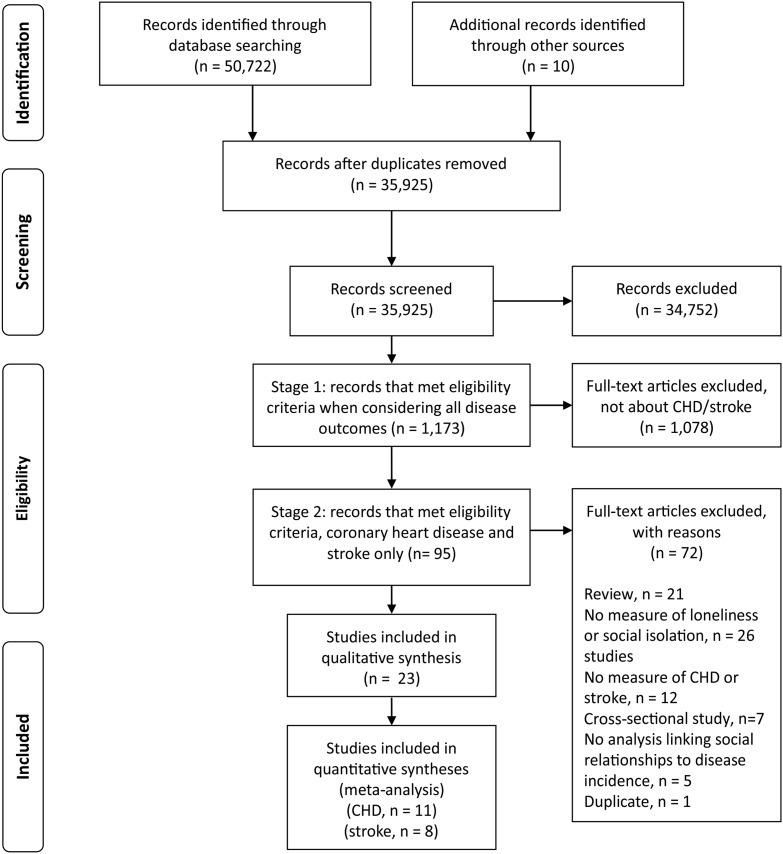
Background: The influence of social relationships on morbidity is widely accepted, but the size of the risk to cardiovascular health is unclear. Objective: We undertook a systematic review and meta-analysis to investigate the association between loneliness or social isolation and incident coronary heart disease (CHD) and stroke. Methods: Sixteen electronic databases were systematically searched for longitudinal studies set in high-income countries and published up until May 2015. Two independent reviewers screened studies for inclusion and extracted data. We assessed quality using a component approach and pooled data for analysis using random effects models. Results: Of the 35 925 records retrieved, 23 papers met inclusion criteria for the narrative review. They reported data from 16 longitudinal datasets, for a total of 4628 CHD and 3002 stroke events recorded over follow-up periods ranging from 3 to 21 years. Reports of 11 CHD studies and 8 stroke studies provided data suitable for meta-analysis. Poor social relationships were associated with a 29% increase in risk of incident CHD (pooled relative risk: 1.29, 95% CI 1.04 to 1.59) and a 32% increase in risk of stroke (pooled relative risk: 1.32, 95% CI 1.04 to 1.68). Subgroup analyses did not identify any differences by gender. Conclusions: Our findings suggest that deficiencies in social relationships are associated with an increased risk of developing CHD and stroke. Future studies are needed to investigate whether interventions targeting loneliness and social isolation can help to prevent two of the leading causes of death and disability in high-income countries. Study registration number: CRD42014010225.
Overview
CoChat Summary
TL;DR
This systematic review and meta-analysis of longitudinal observational studies found that poor social relationships were associated with a 29% higher risk of incident coronary heart disease and a 32% higher risk of stroke. The authors conclude that addressing loneliness and social isolation may be valuable in cardiovascular prevention, while noting causality cannot be inferred.
Key findings
- Across 23 papers from 16 longitudinal cohorts, including 181,006 participants, 4628 CHD events and 3002 stroke events were recorded over follow-up periods of 3–21 years.
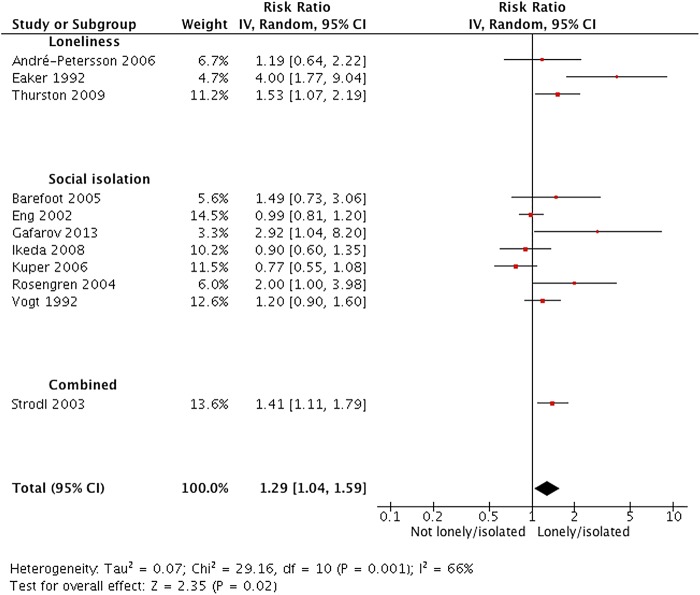
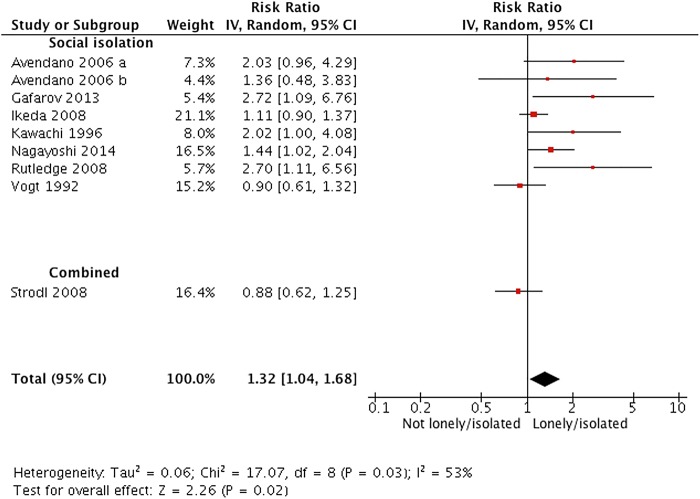
- Pooled relative risk for incident CHD comparing high versus low loneliness/social isolation was 1.29 (95% CI 1.04 to 1.59) across 11 studies; pooled relative risk for stroke was 1.32 (95% CI 1.04 to 1.68) across 8 stroke studies in the abstract (the results section describes nine independent stroke samples).
- Subgroup analyses found no differences by gender, and no evidence that loneliness versus social isolation was differentially associated with CHD incidence.
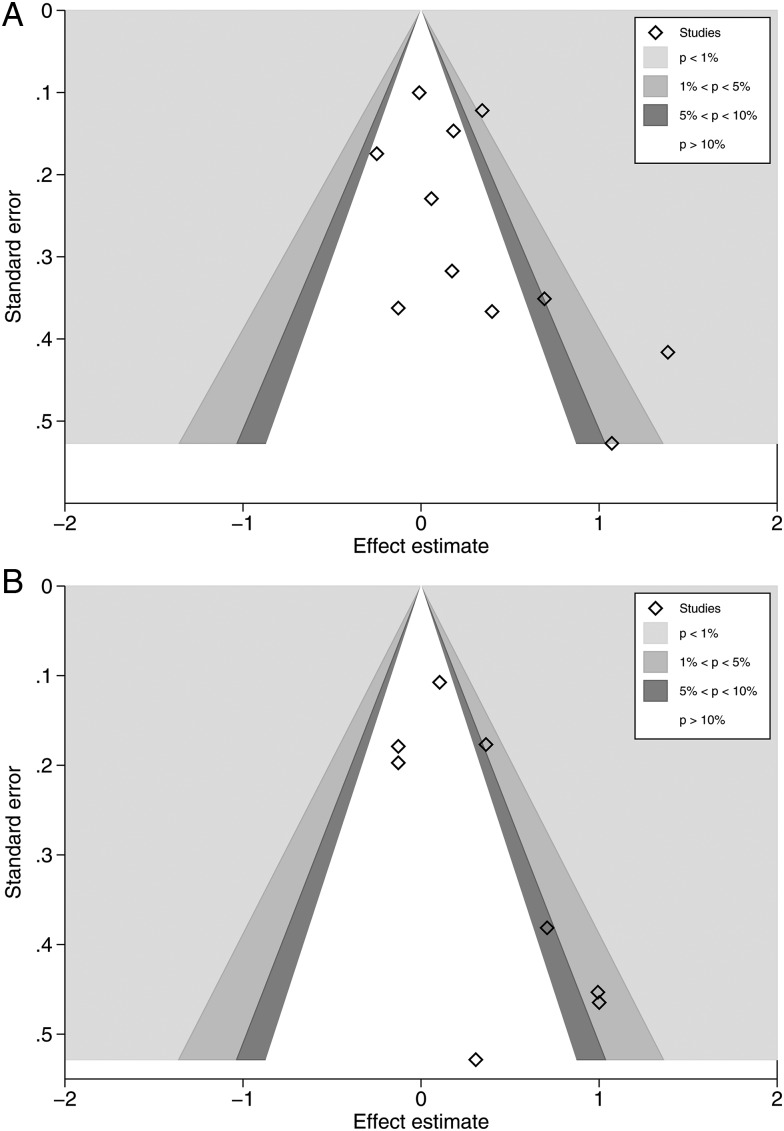
- Heterogeneity was present for CHD (I²=66%, p=0.001) and stroke (I²=53%, p=0.03); sensitivity analyses found no evidence that results differed by study validity, but funnel plots and fixed- versus random-effects comparisons suggested possible small-study effects/reporting bias.
Methods
- Systematic review and meta-analysis of longitudinal observational studies set in high-income countries, registered as CRD42014010225; 16 electronic databases were searched up to May 2015, supplemented by reference lists, Scopus citations, and topic experts.
- Of 35,925 records retrieved, 23 papers based on 16 cohorts met inclusion criteria; two independent reviewers screened studies and extracted data, with quality assessed using a component approach.
- Random-effects models pooled effect estimates transformed to natural logs; odds ratios were approximated to relative risks because incidence was <10% in the three studies reporting ORs; prespecified subgroup and sensitivity analyses were performed.
Limitations
- The paper states that causality cannot be inferred, unmeasured confounding and reverse causation due to subclinical disease cannot be excluded, and publication bias may lead to overestimation of the true effect; conversely, pooled effects could be conservative because many studies adjusted for factors likely on the causal pathway, such as depression or health-related behaviour.
- The paper states insufficient data to explore the relative effects of quantity versus quality of relationships or effect modifiers in depth; seven estimates came from populations of higher socioeconomic status and better health than the target population, so results may underestimate effects among disadvantaged groups; some data were collected from 1965, and later CHD prevention strategies may have modified the association.
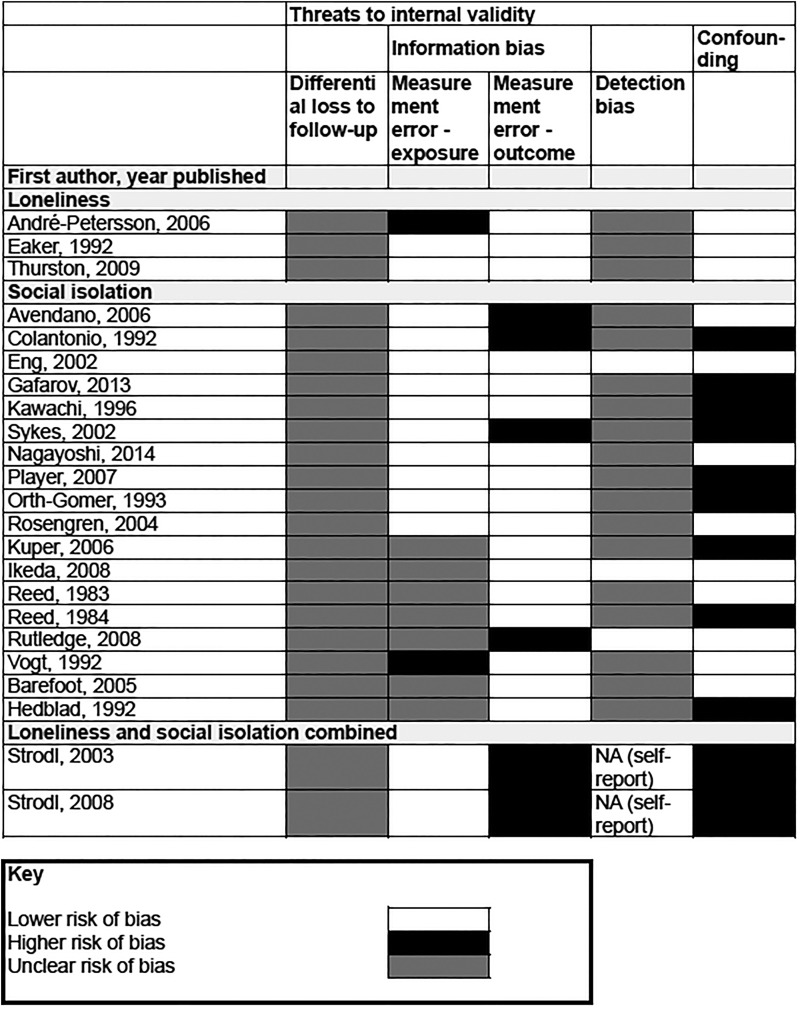
- Evident from the text: heterogeneity remained unexplained, information on reliability and validity of social relationship instruments was limited, and limited information on attrition and blinding meant risk of differential loss to follow-up and detection bias was unclear.
Model-written summary. Check it against the paper before relying on it.
Integrity signals
Registry
Cites
Statistics
Figures
Verification
Claims the paper makes
3 Valid · 0 Not valid · 17 Not checked · 47 Own results and interpretations
Every source the paper cites for this claim was checked and supports it.
In the paper
“Adults who have few social contacts (ie, who are socially isolated) or feel unhappy about their social relationships (ie, who are lonely) are at increased risk of premature mortality.1”
§ Loneliness and social isolation as risk factors for coronary heart disease and stroke: systematic review and meta-analysis of longitudinal observational studies > Introduction
What the sources say
- Supportedcites [1] Holt-Lunstad J, Smith TB, Baker M, et al Loneliness and social isolation as risk factors for mortality: a meta-analytic review. Perspect Psychol Sci 2015; 10: 227– 37. 10.1177/1745691614568352 25910392 source
The Introduction (p. 228) supplies exactly the two definitions the claim paraphrases: social isolation as an 'objective quantitative approach to establish a dearth of social contact and network size' (living alone, few social network ties, infrequent contact), and loneliness as 'the perception of social isolation... the dissatisfaction with the discrepancy between desired and actual social relationships.' The Discussion reports the mortality risk for adults across 70 prospective studies (26% for loneliness, 29% for social isolation, 32% for living alone after covariate adjustment), and the Conclusion states that 'individuals lacking social connections (both objective and subjective social isolation) are at risk for premature mortality.' Both the definitional glosses and the increased-risk assertion are therefore carried by our copy. (LLM, conf=0.92)
plainstates an association- Asserted: passes — The authors put it forward as true.
- Checkable: passes — It can be checked against evidence.
- Load-bearing: passes — The paper’s conclusions depend on it.
- Based: passes — The paper gives a reason why it holds.
- Supported
Every source the paper cites for this claim was checked and supports it.
In the paper
“The influence of social relationships on mortality is comparable with well-established risk factors, including physical activity and obesity.2”
§ Loneliness and social isolation as risk factors for coronary heart disease and stroke: systematic review and meta-analysis of longitudinal observational studies > Introduction
What the sources say
- Supportedcites [2] Holt-Lunstad J, Smith TB, Layton JB Social relationships and mortality risk: a meta-analytic review. PLoS Med 2010; 7: e1000316 10.1371/journal.pmed.1000316 20668659 PMC2910600 source
The Conclusion (Discussion) of Holt-Lunstad et al. (2010) states directly that the magnitude of the social-relationship effect on mortality (50% greater likelihood of survival across 308,849 individuals) is comparable with quitting smoking and exceeds many well-known risk factors, e.g., obesity and physical inactivity. The Discussion also states the magnitude 'may be considered quite large, rivaling that of well-established risk factors (Figure 6).' The citing sentence is, if anything, slightly weaker than the source ('comparable with' vs. 'exceeds'), which the rubric treats as supported. (LLM, conf=0.90)
plainstates an association- Asserted: passes — The authors put it forward as true.
- Checkable: passes — It can be checked against evidence.
- Load-bearing: passes — The paper’s conclusions depend on it.
- Based: passes — The paper gives a reason why it holds.
- Supported
The cited sources support only part of this claim — read each source’s verdict below.
In the paper
“We found an association between poor social relationships and incident CVD comparable in size to other recognised psychosocial risk factors, such as anxiety50 and job strain.51”
§ Loneliness and social isolation as risk factors for coronary heart disease and stroke: systematic review and meta-analysis of longitudinal observational studies > Discussion > Summary of findings and comparison with other work
What the sources say
- Supportedcites [50] Roest AM, Martens EJ, de Jonge P, et al Anxiety and risk of incident coronary heart disease: a meta-analysis. J Am Coll Cardiol 2010; 56: 38– 46. 10.1016/j.jacc.2010.03.034 20620715 source
Citation 50 is attached to anxiety, not job strain or the citing authors’ finding about social relationships. The Results report an association between anxiety and incident coronary heart disease (pooled hazard ratio 1.26), supporting anxiety as the risk-factor comparison used here. The source does not itself compare anxiety with poor social relationships. (LLM, conf=0.88)
- Partly supportedcites [51] Fransson EI, Nyberg ST, Heikkilä K, et al Job strain and the risk of stroke: an individual-participant data meta-analysis. Stroke 2015; 46: 557– 9. 10.1161/STROKEAHA.114.008019 25563644 sourceExperimental — accuracy not yet measured
The Results report a job-strain association with incident ischemic stroke (hazard ratio 1.24), providing a magnitude the citing authors could compare with their own finding. The paper does not establish job strain as a risk factor for CVD generally: its overall-stroke association was not statistically significant, and its Conclusion qualifies the ischemic-stroke finding as possible. (LLM, conf=0.82)
plainstates an association- Asserted: passes — The authors put it forward as true.
- Checkable: passes — It can be checked against evidence.
- Load-bearing: passes — The paper’s conclusions depend on it.
- Based: passes — The paper gives a reason why it holds.
- Supported
A result the paper reports from its own data — it cites no other source for it, so there is none to check. The quote shows it is in the paper.
In the paper
“Poor social relationships were associated with a 29% increase in risk of incident CHD (pooled relative risk: 1.29, 95% CI 1.04 to 1.59)”
- Also stated in: § Loneliness, social isolation and CHD · plain
“Across 11 studies (3794 events; one study did not report numbers) based on independent samples, the average relative risk of new CHD when comparing high versus low loneliness or social isolation was 1.29 (95% CI 1.04 to 1.59; see figure 3).”
- Also stated in: § Summary of findings and comparison with other work · plain
“Our review found that poor social relationships were associated with a 29% increase in risk of incident CHD and a 32% increase in risk of stroke.”
§ Loneliness and social isolation as risk factors for coronary heart disease and stroke: systematic review and meta-analysis of longitudinal observational studies > Abstract > Results
plainstates an association- Asserted: passes — The authors put it forward as true.
- Checkable: passes — It can be checked against evidence.
- Load-bearing: passes — The paper’s conclusions depend on it.
- Based: passes — The paper gives a reason why it holds.
- Also stated in: § Loneliness, social isolation and CHD · plain
A result the paper reports from its own data — it cites no other source for it, so there is none to check. The quote shows it is in the paper.
In the paper
“Subgroup analyses did not identify any differences by gender.”
§ Loneliness and social isolation as risk factors for coronary heart disease and stroke: systematic review and meta-analysis of longitudinal observational studies > Abstract > Results
plain- Asserted: passes — The authors put it forward as true.
- Checkable: passes — It can be checked against evidence.
- Load-bearing: unclear — It is unclear whether the paper’s conclusions depend on it.
- Based: passes — The paper gives a reason why it holds.
19 more claims
Create a free account to see all 67 claims and to verify the 21 references still open.
- It may state two separate claims as one. 22
- Probably not a substantial claim. 30
Claims other papers make about this one
Each is checked against this paper’s own text: does it say what the citing paper says it does?
The source backs part of the claim, not all of it — or backs it for a different population, condition or comparison.
In the citing paper
“the industrial revolution and modern era have ushered in changes in social interactions and sleep quality59,91 that can promote SCI149,150 and insulin resistance151, in turn increasing risk for obesity, type 2 diabetes, CVD and all-cause mortality150–154”
From Chronic inflammation in the etiology of disease across the life span (2019) · cites this paper as [152]
Experimental — accuracy not yet measuredThe source backs part of the claim, not all of it — or backs it for a different population, condition or comparison.
In the citing paper
“In a meta-analysis of longitudinal studies of social isolation and loneliness and cardiovascular outcomes, both social isolation and loneliness were found to significantly increase the risk for new CHD and stroke, with no evidence that one was more strongly related to disease incidence than the other [33].”
From Social isolation: an underappreciated determinant of physical health (2022) · cites this paper as [33]
Experimental — accuracy not yet measuredThe cited source says what the claim attributes to it.
In the citing paper
“There is also a growing body of evidence relating social isolation with nonfatal physical health outcomes, including increased risk for cardiovascular disease and stroke [33], pre-diabetes and type 2 diabetes [34], and poorer cognitive functioning [35].”
From Social isolation: an underappreciated determinant of physical health (2022) · cites this paper as [33]
The cited source says what the claim attributes to it.
In the citing paper
“Because lower circulating BDNF levels and small social networks have separately been associated with higher risk of incident stroke [3], [4], cognitive dysfunction [2], [5], [6], and the accumulation of Alzheimer's disease pathology [7], [8]”
From Associations between social relationship measures, serum brain-derived neurotrophic factor, and risk of stroke and dementia (2017) · cites this paper as [3]
The cited source says what the claim attributes to it.
In the citing paper
“Social isolation and loneliness have been studied extensively over the past four decades, with numerous studies showing that both have negative mental and physical health consequences [1–5].”
6 more claims about this paper
Create a free account to see every claim other papers make about this one.
Self-check
Percentages, sums and reported differences re-computed from the paper’s own numbers.
Each contradiction between two passages listed here was confirmed by an independent check.
Rated minor: it would not touch a result — a value no result rests on, a p-value that stays on the same side of the significance level, or a conflict that is clerical, resolved elsewhere in the paper, or outside its own findings.
In the paper
§ Loneliness and social isolation as risk factors for coronary heart disease and stroke: systematic review and meta-analysis of longitudinal observational studies > Results > Social isolation and stroke
“Across nine independent study samples (2577 events; one study did not report numbers), the average relative risk of stroke incidence was 1.32”
§ Loneliness and social isolation as risk factors for coronary heart disease and stroke: systematic review and meta-analysis of longitudinal observational studies > Results > Risk of bias across studies
“Stroke | 1.32 (1.04 to 1.68) (n=8)”
Rated minor: it would not touch a result — a value no result rests on, a p-value that stays on the same side of the significance level, or a conflict that is clerical, resolved elsewhere in the paper, or outside its own findings.
In the paper
“Four studies presented results from univariate analyses,31 34 35 41 with a further study adjusting for age only.26 The remaining eight reports did not control for socioeconomic status”
§ Loneliness and social isolation as risk factors for coronary heart disease and stroke: systematic review and meta-analysis of longitudinal observational studies > Results > Study validity
Reported 23 · recomputed 25
Citations
Cites
Social Relationships and Mortality Risk: A Meta-analytic Review
Holt-Lunstad, J., Smith, T. B., & Layton, J. B. (2010) · PLoS Medicine · doi:10.1371/journal.pmed.1000316 · Cited by 7,272
Loneliness and Social Isolation as Risk Factors for Mortality: A Meta-Analytic Review
Holt-Lunstad, J., Smith, T. B., Baker, M., Harris, T., & Stephenson, D. (2015) · Perspectives on Psychological Science · doi:10.1177/1745691614568352 · Cited by 6,043
Loneliness matters: a theoretical and empirical review of consequences and mechanisms
Hawkley, L. C., & Cacioppo, J. T. (2010) · Annals of Behavioral Medicine · doi:10.1007/s12160-010-9210-8 · Cited by 4,782
Zhang, J., & Yu, K. F. (1998) · JAMA · doi:10.1001/jama.280.19.1690 · Cited by 4,138
Systematic reviews: CRD's guidance for undertaking reviews in health care
Tacconelli, E. (2010) · The Lancet Infectious Diseases · doi:10.1016/s1473-3099(10)70065-7 · Cited by 3,245
Assessing social networks among elderly populations
Lubben, J. E. (1988) · Family & Community Health · doi:10.1097/00003727-198811000-00008 · Cited by 1,188
Loneliness, social isolation, and behavioral and biological health indicators in older adults.
Shankar, A., McMunn, A., Banks, J., & Steptoe, A. (2011) · Health Psychology · doi:10.1037/a0022826 · Cited by 1,100
Social Relationships and Health
Cohen, S., Gottlieb, B. H., & Underwood, L. G. (2000) · Social Support Measurement and Intervention · doi:10.1093/med:psych/9780195126709.003.0001 · Cited by 903
Stress and Cardiovascular Disease: An Update on Current Knowledge
Steptoe, A., & Kivimäki, M. (2013) · Annual Review of Public Health · doi:10.1146/annurev-publhealth-031912-114452 · Cited by 879 · cited 1×
“Subgroup analyses speci fi ed a priori showed no difference between the association of loneliness or social isolation with CHD incidence, and we found no evidence across studies of differences between men and women.”
Anxiety and Risk of Incident Coronary Heart Disease
Roest, A. M., Martens, E. J., de Jonge, P., & Denollet, J. (2010) · Journal of the American College of Cardiology · doi:10.1016/j.jacc.2010.03.034 · Cited by 865
Cited by
Items 101–200 of 1,002
Victor, C. R., Rippon, I., Quinn, C., Nelis, S. M., Martyr, A., Hart, N., Lamont, R., & Clare, L. (2021) · Aging & Mental Health · doi:10.1080/13607863.2020.1753014 · Cited by 141
Social Support and Longevity: Meta-Analysis-Based Evidence and Psychobiological Mechanisms
Vila, J. (2021) · Frontiers in Psychology · doi:10.3389/fpsyg.2021.717164 · Cited by 181
Kirmayer, L. J., Gómez-Carrillo, A., & Veissière, S. P. L. (2017) · Social Science & Medicine · doi:10.1016/j.socscimed.2017.04.034 · Cited by 175
Social isolation and risk of heart disease and stroke: analysis of two large UK prospective studies
Smith, R. W., Barnes, I., Green, J., Reeves, G. K., Beral, V., & Floud, S. (2021) · The Lancet Public Health · doi:10.1016/s2468-2667(20)30291-7 · Cited by 137
Brady, S., D’Ambrosio, L. A., Felts, A., Rula, E. Y., Kell, K. P., & Coughlin, J. F. (2018) · Journal of Applied Gerontology · doi:10.1177/0733464818807820 · Cited by 171
Akhter‐Khan, S. C., Prina, M. A., Wong, G. H. Y., Mayston, R., & Li, L. (2022) · Perspectives on Psychological Science · doi:10.1177/17456916221127218 · Cited by 212
“Long-term adverse health outcomes related to loneliness, such as cardiovascular disease and dementia, are likely to occur towards the end of the life span (Ong et al., 2016; Valtorta et al., 2016).”
BackgroundTso, I. F., & Park, S. (2020) · Psychiatry Research · doi:10.1016/j.psychres.2020.113423 · Cited by 138
Brain-body interactions underlying the association of loneliness with mental and physical health
Quadt, L., Esposito, G., Critchley, H. D., & Garfinkel, S. N. (2020) · Neuroscience & Biobehavioral Reviews · doi:10.1016/j.neubiorev.2020.06.015 · Cited by 137
Social factors and the prevalence of social isolation in a population-based adult cohort
Röhr, S., Wittmann, F., Engel, C., Enzenbach, C., Witte, A. V., Villringer, A., Löffler, M., & Riedel-Heller, S. G. (2022) · Social Psychiatry and Psychiatric Epidemiology · doi:10.1007/s00127-021-02174-x · Cited by 134
COVID‐19 and older people in Asia: Asian Working Group for Sarcopenia calls to action
Lim, W., Liang, C., Assantachai, P., Auyeung, T. W., Kang, L., Lee, W., Lim, J., Sugimoto, K., Akishita, M., Chia, S., et al. (2020) · Geriatrics & Gerontology International · doi:10.1111/ggi.13939 · Cited by 135
Victor, C. R., & Pikhartova, J. (2020) · BMC Public Health · doi:10.1186/s12889-020-08703-8 · Cited by 130
Loneliness among older adults in the community during COVID-19: A cross-sectional survey in Canada
Savage, R. D., Wu, W., Li, J., Lawson, A., Bronskill, S. E., Chamberlain, S. A., Grieve, J., Gruneir, A., Reppas-Rindlisbacher, C., Stall, N. M., et al. (2021) · BMJ Open · doi:10.1136/bmjopen-2020-044517 · Cited by 131
Kelly, D., Steiner, A., Mazzei, M., & Baker, R. M. (2019) · Journal of Rural Studies · doi:10.1016/j.jrurstud.2019.01.024 · Cited by 156
Social Disconnection in Schizophrenia and the General Community
Green, M. F., Horan, W. P., Lee, J., McCleery, A., Reddy, L. F., & Wynn, J. K. (2018) · Schizophrenia Bulletin · doi:10.1093/schbul/sbx082 · Cited by 130
Philip, K. E. J., Polkey, M. I., Hopkinson, N. S., Steptoe, A., & Fancourt, D. (2020) · Scientific Reports · doi:10.1038/s41598-020-70483-3 · Cited by 128
Mental Stress and Cardiovascular Health—Part I
Vancheri, F., Longo, G., Vancheri, E., & Henein, M. Y. (2022) · Journal of Clinical Medicine · doi:10.3390/jcm11123353 · Cited by 172
Salinas, J., Beiser, A. S., Samra, J. K., O'Donnell, A., DeCarli, C. S., Gonzales, M. M., Aparicio, H. J., & Seshadri, S. (2022) · Neurology · doi:10.1212/wnl.0000000000200039 · Cited by 127
Social Support and Cognition: A Systematic Review
Costa‐Cordella, S., Arévalo-Romero, C. A., Parada, F. J., & Rossi, A. (2021) · Frontiers in Psychology · doi:10.3389/fpsyg.2021.637060 · Cited by 160
Associations of loneliness with risk of Alzheimer's disease dementia in the Framingham Heart Study
Akhter‐Khan, S. C., Tao, Q., Ang, T. F. A., Itchapurapu, I. S., Alosco, M. L., Mez, J., Piers, R. J., Steffens, D. C., Au, R., & Qiu, W. Q. (2021) · Alzheimer's & Dementia · doi:10.1002/alz.12327 · Cited by 126
Loneliness in the lives of Danish adolescents: Associations with health and sleep
Eccles, A. M., Qualter, P., Madsen, K. R., & Holstein, B. E. (2020) · Scandinavian Journal of Public Health · doi:10.1177/1403494819865429 · Cited by 125
Naito, R., Leong, D. P., Bangdiwala, S. I., McKee, M., Subramanian, S. V., Rangarajan, S., Islam, S., Avezum, A., Yeates, K. E., Lear, S. A., et al. (2021) · BMJ Global Health · doi:10.1136/bmjgh-2020-004124 · Cited by 123
Noguchi, T., Saito, M., Aida, J., Cable, N., Tsuji, T., Koyama, S., Ikeda, T., Osaka, K., & Kondo, K. (2021) · BMJ Open · doi:10.1136/bmjopen-2020-045834 · Cited by 144
Carreras, G., Lugo, A., Stival, C., Amerio, A., Odone, A., Pacifici, R., Gallus, S., & Gorini, G. (2021) · Tobacco Control · doi:10.1136/tobaccocontrol-2020-056440 · Cited by 140
The neuroscience of sadness: A multidisciplinary synthesis and collaborative review
Arias, J. A., Williams, C., Raghvani, R., Aghajani, M., Baez, S., Belzung, C., Booij, L., Busatto, G., Chiarella, J., Fu, C. H., et al. (2020) · Neuroscience & Biobehavioral Reviews · doi:10.1016/j.neubiorev.2020.01.006 · Cited by 119
Ren, Y. L., Savadlou, A., Park, S., Siska, P., Epp, J. R., & Sargin, D. (2023) · Frontiers in Neuroendocrinology · doi:10.1016/j.yfrne.2023.101061 · Cited by 149
Nersesian, P. V., Han, H.-R., Yenokyan, G., Blumenthal, R. S., Nolan, M. T., Hladek, M. D., & Szanton, S. L. (2018) · Social Science & Medicine · doi:10.1016/j.socscimed.2018.04.007 · Cited by 120
“Studies that included middle-aged adults have also found poor social relationships (loneliness and social isolation) to be risk factors for coronary heart disease and stroke (Thurston and Kubzansky, 2009; Valtorta et al., 2016).”
Koh, J. X., & Liew, T. M. (2020) · Journal of Psychiatric Research · doi:10.1016/j.jpsychires.2020.11.015 · Cited by 142
Loneliness and Risk for Cardiovascular Disease: Mechanisms and Future Directions
Paul, E., Bu, F., & Fancourt, D. E. (2021) · Current Cardiology Reports · doi:10.1007/s11886-021-01495-2 · Cited by 147
Indirect Effects of Loneliness on Substance Use through Stress
Segrin, C., McNelis, M., & Pavlich, C. A. (2018) · Health Communication · doi:10.1080/10410236.2016.1278507 · Cited by 117
Local government funding and life expectancy in England: a longitudinal ecological study
Alexiou, A., Fahy, K., Mason, K., Bennett, D. L., Brown, H., Bambra, C. L., Taylor-Robinson, D. C., & Barr, B. (2021) · The Lancet Public Health · doi:10.1016/s2468-2667(21)00110-9 · Cited by 156
Bussolari, C., Currin-McCulloch, J., Packman, W., Kogan, L., & Erdman, P. (2021) · Animals · doi:10.3390/ani11020330 · Cited by 113
“prolonged cases, can become a risk factor for physical [5,6] and mental health issues such as anxiety and depression [3,7].”
BackgroundSafford, M. M., Reshetnyak, E., Sterling, M. R., Richman, J. S., Muntner, P. M., Durant, R. W., Booth, J., & Pinheiro, L. C. (2021) · Circulation · doi:10.1161/circulationaha.120.048026 · Cited by 113
Napierala, H., Krüger, K., Kuschick, D., Heintze, C., Herrmann, W., & Holzinger, F. (2022) · International Journal of Integrated Care · doi:10.5334/ijic.6472 · Cited by 143
Loveys, K., Sebaratnam, G., Sagar, M., & Broadbent, E. (2020) · International Journal of Social Robotics · doi:10.1007/s12369-020-00680-7 · Cited by 110
Is living alone a risk factor of frailty? A systematic review and meta-analysis
Kojima, G., Taniguchi, Y., Kitamura, A., & Fujiwara, Y. (2020) · Ageing Research Reviews · doi:10.1016/j.arr.2020.101048 · Cited by 132
Yu, B., Steptoe, A., Chen, L.-J., Chen, Y.-H., Lin, C.-H., & Ku, P.-W. (2020) · Psychosomatic Medicine · doi:10.1097/psy.0000000000000777 · Cited by 108
Loneliness and type 2 diabetes incidence: findings from the English Longitudinal Study of Ageing
Hackett, R. A., Hudson, J. L., & Chilcot, J. (2020) · Diabetologia · doi:10.1007/s00125-020-05258-6 · Cited by 108
Foster, A., Thompson, J., Holding, E., Ariss, S., Mukuria, C., Jacques, R., Akparido, R., & Haywood, A. (2020) · Health & Social Care in the Community · doi:10.1111/hsc.13200 · Cited by 133
Coping with loneliness at University: A qualitative interview study with students in the UK
Vasileiou, K., Barnett, J. C., Barreto, M., Vines, J., Atkinson, M., Long, K. S., Bakewell, L. L., Lawson, S. W., & Wilson, M. L. (2018) · Mental Health & Prevention · doi:10.1016/j.mhp.2018.11.002 · Cited by 157
Loneliness in adolescence: Insights from Cacioppo's evolutionary model
Goossens, L. (2018) · Child Development Perspectives · doi:10.1111/cdep.12291 · Cited by 106
Exposome in ischaemic heart disease: beyond traditional risk factors
Montone, R. A., Camilli, M., Calvieri, C., Magnani, G., Bonanni, A., Bhatt, D. L., Rajagopalan, S., Crea, F., & Niccoli, G. (2024) · European Heart Journal · doi:10.1093/eurheartj/ehae001 · Cited by 124
Morina, N., Kip, A., Hoppen, T. H., Priebe, S., & Meyer, T. (2021) · BMJ Open · doi:10.1136/bmjopen-2020-042335 · Cited by 127
Indirect Effects of Social Skills on Health Through Stress and Loneliness
Segrin, C. (2019) · Health Communication · doi:10.1080/10410236.2017.1384434 · Cited by 103
Lifestyle Medicine and the Management of Cardiovascular Disease
Doughty, K. N., Pilar, N. X. D., Audette, A., & Katz, D. L. (2017) · Current Cardiology Reports · doi:10.1007/s11886-017-0925-z · Cited by 123
Nuyen, J., Tuithof, M., de Graaf, R., van Dorsselaer, S., Kleinjan, M., & ten Have, M. (2019) · Social Psychiatry and Psychiatric Epidemiology · doi:10.1007/s00127-019-01778-8 · Cited by 127
Mutual (Mis)understanding: Reframing Autistic Pragmatic “Impairments” Using Relevance Theory
Williams, G., Wharton, T., & Jagoe, C. (2021) · Frontiers in Psychology · doi:10.3389/fpsyg.2021.616664 · Cited by 141
Hong, J. H., Nakamura, J. S., Berkman, L. F., Chen, F. S., Shiba, K., Chen, Y., Kim, E. S., & VanderWeele, T. J. (2023) · SSM - Population Health · doi:10.1016/j.ssmph.2023.101459 · Cited by 130
“Another meta-analysis observed that poor social relationships (an umbrella term that grouped together loneliness and social isolation studies) were associated with a 29% increase in incident coronary heart disease risk and a 32% increase in stroke risk (Valtorta et al., 2016).”
BackgroundChronic Stress, Social Isolation, and Perceived Loneliness in Dementia Caregivers
Kovaleva, M., Spangler, S., Clevenger, C., & Hepburn, K. (2018) · Journal of Psychosocial Nursing and Mental Health Services · doi:10.3928/02793695-20180329-04 · Cited by 97
Positive and Negative Experiences on Social Media and Perceived Social Isolation
Primack, B. A., Karim, S. A., Shensa, A., Bowman, N., Knight, J., & Sidani, J. E. (2019) · American Journal of Health Promotion · doi:10.1177/0890117118824196 · Cited by 96
Whaite, E. O., Shensa, A., Sidani, J. E., Colditz, J. B., & Primack, B. A. (2018) · Personality and Individual Differences · doi:10.1016/j.paid.2017.10.030 · Cited by 96
How does a (Smart) Age-Friendly Ecosystem Look in a Post-Pandemic Society?
Marston, H. R., Shore, L., & White, P. J. (2020) · International Journal of Environmental Research and Public Health · doi:10.3390/ijerph17218276 · Cited by 120
Longitudinal associations between loneliness, social isolation and cardiovascular events
Bu, F., Zaninotto, P., & Fancourt, D. E. (2020) · Heart · doi:10.1136/heartjnl-2020-316614 · Cited by 111
Bowe, M., Gray, D., Stevenson, C., McNamara, N., Wakefield, J. R. H., Këllezi, B., Wilson, I. S., Cleveland, M., Mair, E., Halder, M., et al. (2020) · European Journal of Social Psychology · doi:10.1002/ejsp.2706 · Cited by 131
Loneliness as a risk factor for care home admission in the English Longitudinal Study of Ageing
Hanratty, B., Stow, D., Collingridge Moore, D., Valtorta, N. K., & Matthews, F. (2018) · Age and Ageing · doi:10.1093/ageing/afy095 · Cited by 93
Self-citationSocial networking sites and the experience of older adult users: a systematic review
Newman, L., Stoner, C., & Spector, A. (2021) · Ageing and Society · doi:10.1017/s0144686x19001144 · Cited by 91
Social Isolation Changes and Long-Term Outcomes Among Older Adults
Lyu, C., Siu, K., Xu, I., Osman, I., & Zhong, J. (2024) · JAMA Network Open · doi:10.1001/jamanetworkopen.2024.24519 · Cited by 121
Loneliness among cancer caregivers: A narrative review
Gray, T. F., Azizoddin, D. R., & Nersesian, P. V. (2019) · Palliative & Supportive Care · doi:10.1017/s1478951519000804 · Cited by 101
Victor, C. R., Rippon, I., Nelis, S. M., Martyr, A., Litherland, R., Pickett, J., Hart, N. J., Henley, J., Matthews, F. E., Clare, L., et al. (2020) · International Journal of Geriatric Psychiatry · doi:10.1002/gps.5305 · Cited by 100
Slavich, G. M. (2022) · Current Opinion in Psychology · doi:10.1016/j.copsyc.2022.101299 · Cited by 111
Salinas, J., Beiser, A., Himali, J. J., Satizabal, C. L., Aparicio, H. J., Weinstein, G., Mateen, F. J., Berkman, L. F., Rosand, J., & Seshadri, S. (2017) · Alzheimer's & Dementia: Translational Research & Clinical Interventions · doi:10.1016/j.trci.2017.03.001 · Cited by 87
Co-existence of social isolation and homebound status increase the risk of all-cause mortality
Sakurai, R., Yasunaga, M., Nishi, M., Fukaya, T., Hasebe, M., Murayama, Y., Koike, T., Matsunaga, H., Nonaka, K., Suzuki, H., et al. (2018) · International Psychogeriatrics · doi:10.1017/s1041610218001047 · Cited by 106
Loveys, K., Sagar, M., Pickering, I., & Broadbent, E. (2021) · JMIR Mental Health · doi:10.2196/31586 · Cited by 86
Effects of selected leisure activities on preventing loneliness among older Chinese
Teh, J. K. L., & Tey, N. P. (2019) · SSM - Population Health · doi:10.1016/j.ssmph.2019.100479 · Cited by 100
Pasanen, T., White, M. P., Elliott, L. R., van den Bosch, M. A., Bratman, G. N., Ojala, A., Korpela, K., & Fleming, L. E. (2023) · Environmental Research · doi:10.1016/j.envres.2023.116324 · Cited by 110
Tymoszuk, U., Perkins, R., Fancourt, D. E., & Williamon, A. (2019) · Social Psychiatry and Psychiatric Epidemiology · doi:10.1007/s00127-019-01764-0 · Cited by 100
Gender and Age Differences in Loneliness: Evidence for People without and with Disabilities
Pagán, R. (2020) · International Journal of Environmental Research and Public Health · doi:10.3390/ijerph17249176 · Cited by 104
Loneliness, ageism, and mental health: The buffering role of resilience in seniors
Ribeiro-Gonçalves, J. A., Costa, P. A., & Leal, I. M. P. (2022) · International Journal of Clinical and Health Psychology · doi:10.1016/j.ijchp.2022.100339 · Cited by 106
Benson, J. A., McSorley, V. E., Hawkley, L. C., & Lauderdale, D. S. (2020) · SLEEP · doi:10.1093/sleep/zsaa140 · Cited by 93
Uncovering the impact of loneliness in ageing populations: a comprehensive scoping review
Puyané, M., Chabrera, C., Luis, E. C., & Cabrera, E. (2025) · BMC Geriatrics · doi:10.1186/s12877-025-05846-4 · Cited by 153
“Physically, loneliness is linked to increased risks of cardiovascular disease, cognitive decline, and frailty through mechanisms such as chronic stress, poor sleep quality, and immune dysregulation [86].”
Hubbard, G., den Daas, C., Johnston, M., & Dixon, D. L. (2021) · International Journal of Behavioral Medicine · doi:10.1007/s12529-021-09967-z · Cited by 102
Emotionally focused therapy: Attachment, connection, and health
Greenman, P. S., & Johnson, S. M. (2021) · Current Opinion in Psychology · doi:10.1016/j.copsyc.2021.06.015 · Cited by 103
The prevalence of chronic and episodic loneliness and social isolation from a longitudinal survey
Lim, M. H., Manera, K., Owen, K., Phongsavan, P., & Smith, B. J. (2023) · Scientific Reports · doi:10.1038/s41598-023-39289-x · Cited by 91
“Couple w child 510 (20) [21] Ref Ref 316 (12) [10] Ref Ref 826 (32) [31] Ref Ref”
“Social Ties, Health and Wellbeing: A Literature Review and Model”,
Kemp, A. H., Arias, J. A., & Fisher, Z. (2017) · Neuroscience and Social Science · doi:10.1007/978-3-319-68421-5_17 · Cited by 79
Erectile dysfunction and cardiovascular risk: a review of current findings
Corona, G., Rastrelli, G., Isidori, A. M., Pivonello, R., Bettocchi, C., Reisman, Y., Sforza, A., & Maggi, M. (2020) · Expert Review of Cardiovascular Therapy · doi:10.1080/14779072.2020.1745632 · Cited by 85
Phillips, E. M., Frates, E. P., & Park, D. J. (2020) · Physical Medicine and Rehabilitation Clinics of North America · doi:10.1016/j.pmr.2020.07.006 · Cited by 100
Albasheer, O., Abdelwahab, S. İ., Zaino, M. R., Altraifi, A. A. A., Hakami, N. A., El-Amin, E. I., Alshehri, M. M., Alghamdi, S. M., Alqahtani, A. S., Alenazi, A. M., et al. (2024) · Scientific Reports · doi:10.1038/s41598-024-63528-4 · Cited by 110
Gilbody, S. M., Littlewood, E., McMillan, D., Chew-Graham, C. A., Bailey, D., Gascoyne, S., Sloan, C., Burke, L., Coventry, P. A., Crosland, S., et al. (2021) · PLoS Medicine · doi:10.1371/journal.pmed.1003779 · Cited by 96
Self-citationOlder adults’ intention to use voice assistants: Usability and emotional needs
Liu, M., Wang, C., & Hu, J. (2023) · Heliyon · doi:10.1016/j.heliyon.2023.e21932 · Cited by 123
“Third, many cases of social isolation and rejection are frequently found among the elderly population; these were commonly correlated with the weakening of the person ’ s mental health, which can cause mental disorders such as depression [38 – 42].”
BackgroundLoneliness: An Immunometabolic Syndrome
Pourriyahi, H., Yazdanpanah, N., Saghazadeh, A., & Rezaei, N. (2021) · International Journal of Environmental Research and Public Health · doi:10.3390/ijerph182212162 · Cited by 280
Social Isolation: An Unequally Distributed Health Hazard
Umberson, D., & Donnelly, R. (2023) · Annual Review of Sociology · doi:10.1146/annurev-soc-031021-012001 · Cited by 99
Shen, C., Zhang, R., Yu, J., Sahakian, B. J., Cheng, W., & Feng, J. (2025) · Nature Human Behaviour · doi:10.1038/s41562-024-02078-1 · Cited by 94
“Specifically, we focused on five diseases with well-documented associations with social relationships: cardiovascular diseases (CVDs) 17,18 , dementia 19,20 , type 2 diabetes (T2D) 21 , depression 22 and stroke 18,23 .”
Loneliness amongst older people in Europe: a comparative study of welfare regimes
Nyqvist, F., Nygård, M., & Scharf, T. (2018) · European Journal of Ageing · doi:10.1007/s10433-018-0487-y · Cited by 106
Loneliness in psychosis: A practical review and critique for clinicians.
Badcock, J. C., Adery, L. H., & Park, S. (2020) · Clinical Psychology: Science and Practice · doi:10.1111/cpsp.12345 · Cited by 72
Bidirectional longitudinal associations between loneliness and pain, and the role of inflammation
Loeffler, A., & Steptoe, A. (2020) · Pain · doi:10.1097/j.pain.0000000000002082 · Cited by 93
Meehan, D. E., Grunseit, A. C., Condie, J., HaGani, N., & Merom, D. (2023) · BMC Geriatrics · doi:10.1186/s12877-023-04418-8 · Cited by 100
Wilkialis, L., Rodrigues, N. B., Cha, D. S., Siegel, A. N., Majeed, A., Lui, L. M. W., Tamura, J. K., Gill, B., Teopiz, K. M., & McIntyre, R. S. (2021) · Brain Sciences · doi:10.3390/brainsci11121620 · Cited by 85
Undersociality: miscalibrated social cognition can inhibit social connection
Epley, N., Kardas, M., Zhao, X., Atir, S., & Schroeder, J. (2022) · Trends in Cognitive Sciences · doi:10.1016/j.tics.2022.02.007 · Cited by 88
The Importance of Place Attachment in the Understanding of Ageing in Place: “The Stones Know Me”
Lebrusán, I., & Gómez, M. V. (2022) · International Journal of Environmental Research and Public Health · doi:10.3390/ijerph192417052 · Cited by 81
Nakagomi, A., Tsuji, T., Saito, M., Ide, K., Kondo, K., & Shiba, K. (2023) · Social Science & Medicine · doi:10.1016/j.socscimed.2023.115937 · Cited by 92
Urban oases: the social-ecological importance of small urban green spaces
Egerer, M., Annighöfer, P., Arzberger, S., Burger, S., Hecher, Y., Knill, V., Probst, B. M., & Suda, M. (2024) · Ecosystems and People · doi:10.1080/26395916.2024.2315991 · Cited by 102
“…view of mental health disorders, sedentary lifestyles, lack of positive social relationships, endured distress (Lee et al. 2012; Chau et al. 2013; Valtorta et al. 2016; Erzen and Çikrikci 2018), as well as diseases such as Type II diabetes, stroke and coronary heart disease (Twohig-Bennett and…”
Can Mindfulness Help to Alleviate Loneliness? A Systematic Review and Meta-Analysis
Teoh, S. L., Letchumanan, V., & Lee, L. (2021) · Frontiers in Psychology · doi:10.3389/fpsyg.2021.633319 · Cited by 103
Smith, T. B., Workman, C. D., Andrews, C., Barton, B., Cook, M., Layton, R. G., Morrey, A., Petersen, D., & Holt‐Lunstad, J. (2021) · PLoS Medicine · doi:10.1371/journal.pmed.1003595 · Cited by 97
Corbett, C. F., Wright, P. J., Jones, K., & Parmer, M. (2021) · Frontiers in Public Health · doi:10.3389/fpubh.2021.742012 · Cited by 81
Significantly increased risk of all-cause mortality among cardiac patients feeling lonely
Christensen, A. V., Juel, K., Ekholm, O., Thrysøe, L., Thorup, C. B., Borregaard, B., Mols, R. E., Rasmussen, T. B., & Berg, S. K. (2019) · Heart · doi:10.1136/heartjnl-2019-315460 · Cited by 85
Hu, J., Fitzgerald, S. M., Owen, A. J., Ryan, J. L., Joyce, J., Chowdhury, E., Reid, C. M., Britt, C. J., Woods, R. L., McNeil, J. J., et al. (2021) · International Journal of Geriatric Psychiatry · doi:10.1002/gps.5601 · Cited by 84
Loneliness in Chinese older adults in primary care: prevalence and correlates
Zhong, B., Liu, X., Chen, W., Chiu, H. F., & Conwell, Y. (2018) · Psychogeriatrics · doi:10.1111/psyg.12325 · Cited by 70
Park, H., Morgan, T., Wiles, J. L., & Gott, M. (2018) · Health & Social Care in the Community · doi:10.1111/hsc.12690 · Cited by 82
Association Between Osteoarthritis and Social Isolation: Data From the EPOSA Study
Siviero, P., Veronese, N., Smith, T. O., Stubbs, B., Limongi, F., Zambon, S., Dennison, E. M., Edwards, M. H., Cooper, C. C., Timmermans, E. J., et al. (2019) · Journal of the American Geriatrics Society · doi:10.1111/jgs.16159 · Cited by 82
Sang, X., Menhas, R., Saqib, Z. A., Mahmood, S., Weng, Y., Khurshid, S., Iqbal, W., & Shahzad, B. (2021) · Frontiers in Psychology · doi:10.3389/fpsyg.2020.614770 · Cited by 77
Socio-demographic characteristics associated with emotional and social loneliness among older adults
Fierloos, I. N., Tan, S. S., Williams, G., Alhambra‐Borrás, T., Koppelaar, E., Bilajac, L., Verma, A., Markaki, A., Mattace-Raso, F. U. S., Vasiljev, V., et al. (2021) · BMC Geriatrics · doi:10.1186/s12877-021-02058-4 · Cited by 85
Metadata
- Authors
- Valtorta, N. K., Kanaan, M., Gilbody, S., Ronzi, S., & Hanratty, B.
- Affiliations
- University of York (GB)
- Department of Public Health and Society, Whelan Building, Brownlow Hill, Liverpool, UK
- Newcastle University (GB)
- Corresponding author
- Valtorta, Nicole K
- Venue
- Heart
- Publisher
- BMJ
- Published
- 2016-04-18
- Volume
- 102
- Issue
- 13
- Pages
- 1009-1016
- ISSN
- 1355-6037 (ISSN-L)
- 1468-201X
- PMC
- PMC4941172
- OpenAlex
- W2336497595
- Semantic Scholar
- 9a60e683be594b8cf850ee0a8302a554b6e1bd57
- Cited by
- 1,971
- References
- 51
- Citations by year
- 2026: 222 · 2025: 243 · 2024: 283 · 2023: 249 · 2022: 237 · 2021: 267 · 2020: 186 · 2019: 127 · 2018: 88 · 2017: 51 · 2016: 17
- FWCI
- 17.70
- Type
- journal article
- Language
- en
- Open access
- hybrid
- doi.org
- Licence
- cc-by
- Locations
- Heart (publishedVersion, cc-by)
- PubMed Central (publishedVersion, cc-by)
- PubMed (publishedVersion)
- White Rose Research Online (University of Leeds, The University of Sheffield, University of York) (submittedVersion, cc-by)
- HighWire Press Open Archive (submittedVersion)
- Newcastle University ePrints (Newcastle Univesity) (cc-by)
- Funders
- National Institute for Health and Care Research (DRF-2013-06-074)
- Research Trainees Coordinating Centre (DRF-2013-06-074)
- NIHR Academy
- Topics
- Social Sciences › Health › Health disparities and outcomes
- Health Sciences › Medicine › Cardiology and Cardiovascular Medicine › Cardiac Health and Mental Health
- Health Sciences › Medicine › Cardiology and Cardiovascular Medicine › Cardiovascular Health and Risk Factors
- Keywords
- loneliness, social isolation, coronary artery disease, stroke, cardiovascular risk factors, interpersonal relationships, social determinants of health, incident cardiovascular events
- MeSH terms
- Coronary Disease, Humans, Loneliness, Risk Factors, Social Isolation, Bias, Stroke, Observational Studies as Topic
About these checks
Registry, retraction, Cites and statistics results are computed, not judged, with one exception: a printed reference that no index lists is read once by a model before it counts as a citation error. Claims are extracted by a model and kept only when their quote appears verbatim in the text; each cited source is then checked, with a model’s help, for whether it says what the claim relies on. Those verdicts can be wrong — read the claim’s quote and the cited source before relying on one.
The claim verdicts this report counts are experimental: their accuracy is not yet measured.
A language model drew the claims from the paper on 2026-10-05, under version 3 of the claim definition (model deepseek-v4.1-flash, prompt extract-v3).
A second model labelled each claim on 2026-10-05 (model jev-1.13-20260917, definition revision gold-guideline-v0.2).
Cited sources are checked with a language model’s help (qwen3.8-omni-flash and gpt-6-sol).
Statistics and arithmetic are recomputed, not judged.
Confidence bands are shown only for fields calibrated on our annotated test set. None is calibrated yet, so no band is shown.
What counts as a claim ›How we measure confidence ›How we check this ›
Are you an author, or do you see a problem with this page? Request a review
Data sources
Bibliographic data: Semantic Scholar, OpenAlex, Crossref.
Contains information from the Semantic Scholar Academic Graph Datasets, made available under the ODC Attribution License (ODC-BY 1.0).
Semantic Scholar’s data is described in: Kinney, R., et al. (2023). The Semantic Scholar Open Data Platform. arXiv:2301.10140.
