

Tumor-associated macrophages: potential therapeutic strategies and future prospects in cancer
Open accessThe DOI matches its Crossref record; 221 of the 221 references it cites were found in a registry or an index.
Abstract
Macrophages are the most important phagocytes in vivo. However, the tumor microenvironment can affect the function and polarization of macrophages and form tumor-associated macrophages (TAMs). Usually, the abundance of TAMs in tumors is closely associated with poor prognosis. Preclinical studies have identified important pathways regulating the infiltration and polarization of TAMs during tumor progression. Furthermore, potential therapeutic strategies targeting TAMs in tumors have been studied, including inhibition of macrophage recruitment to tumors, functional repolarization of TAMs toward an antitumor phenotype, and other therapeutic strategies that elicit macrophage-mediated extracellular phagocytosis and intracellular destruction of cancer cells. Therefore, with the increasing impact of tumor immunotherapy, new antitumor strategies to target TAMs are now being discussed.
Overview
The claims and statistics of this paper haven’t been checked yet.
Free: it reads the open-access text and checks the first 5 claims that cite a source we can check. Create a free account to check every claim.
Integrity signals
Registry
Cites
Statistics
Figures
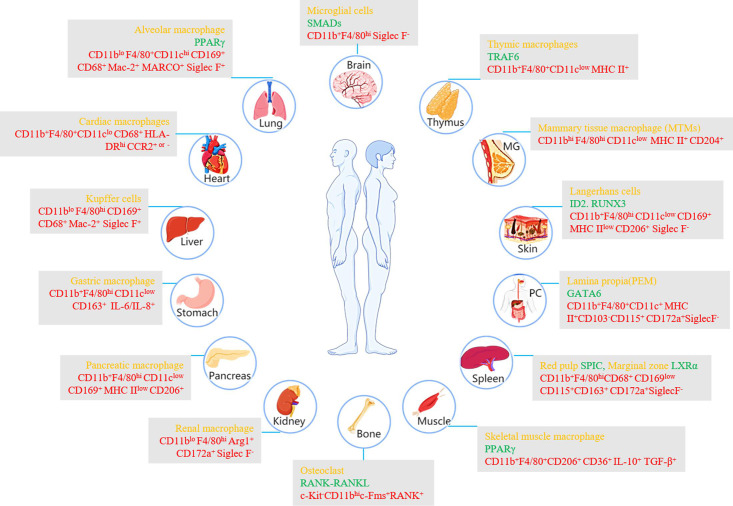
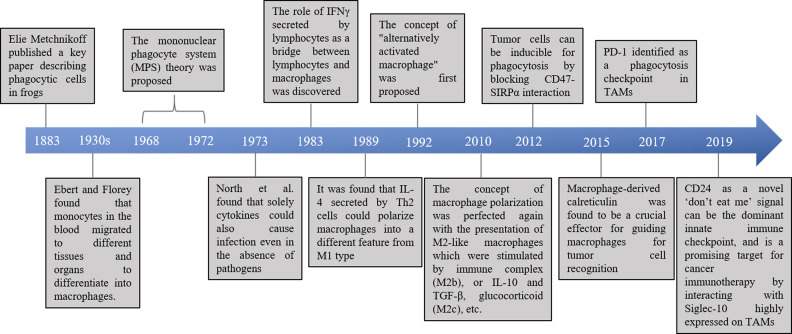
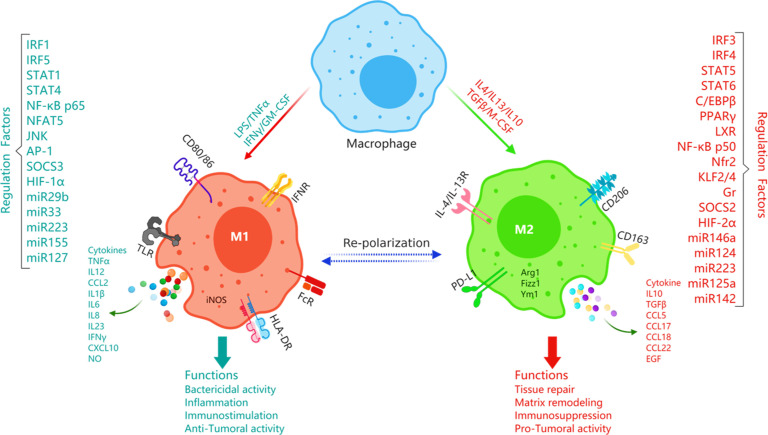
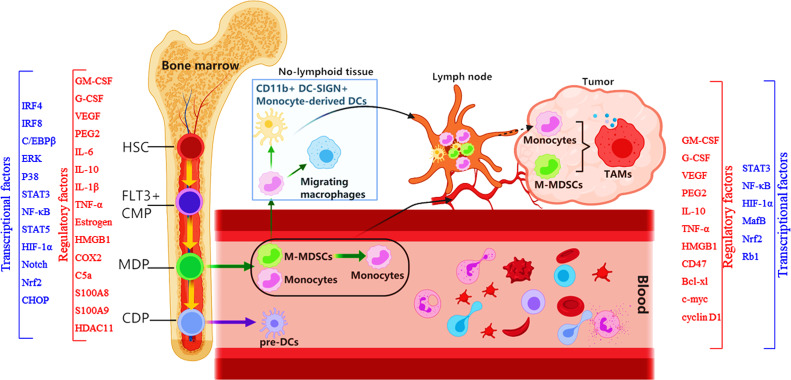
Verification
Claims the paper makes
The claims and statistics of this paper haven’t been checked yet.
Free: it reads the open-access text and checks the first 5 claims that cite a source we can check. Create a free account to check every claim.
Claims other papers make about this one
Each is checked against this paper’s own text: does it say what the citing paper says it does?
The source backs part of the claim, not all of it — or backs it for a different population, condition or comparison.
In the citing paper
“TAMs also secrete TGF-β, which recruits and activates Tregs that participate in immunosuppression [96].”
From Mechanisms and Strategies to Overcome Drug Resistance in Colorectal Cancer (2025) · cites this paper as [96]
Experimental — accuracy not yet measured
Self-check
Percentages, sums and reported differences re-computed from the paper’s own numbers.
The self-check needs the paper’s full text.
Citations
Cites
1 retracted
Lin, X., Wang, S., Sun, M., Zhang, C., Wei, C., Yang, C., Dou, R., Liu, Q., & Xiong, B. (2019) · Journal of Hematology & Oncology · doi:10.1186/s13045-019-0708-7 · Cited by 207
RetractedExploring the full spectrum of macrophage activation
Mosser, D. M., & Edwards, J. P. (2008) · Nature Reviews Immunology · doi:10.1038/nri2448 · Cited by 9,144
Mosmann, T. R., & Coffman, R. L. (1989) · Annual Review of Immunology · doi:10.1146/annurev.iy.07.040189.001045 · Cited by 7,692
Macrophage activation and polarization: nomenclature and experimental guidelines
Murray, P. J., Allen, J. E., Biswas, S. K., Fisher, E. A., Gilroy, D. W., Goerdt, S., Gordon, S., Hamilton, J. A., Ivashkiv, L. B., Lawrence, T., et al. (2014) · Immunity · doi:10.1016/j.immuni.2014.06.008 · Cited by 6,337
Understanding the tumor immune microenvironment (TIME) for effective therapy
Binnewies, M., Roberts, E. W., Kersten, K., Chan, V., Fearon, D. F., Merad, M., Coussens, L. M., Gabrilovich, D. I., Ostrand-Rosenberg, S., Hedrick, C. C., et al. (2018) · Nature Medicine · doi:10.1038/s41591-018-0014-x · Cited by 6,145
Fate Mapping Analysis Reveals That Adult Microglia Derive from Primitive Macrophages
Ginhoux, F., Greter, M., Leboeuf, M., Nandi, S., See, P., Gokhan, S., Mehler, M. F., Conway, S. J., Ng, L. G., Stanley, E. R., et al. (2010) · Science · doi:10.1126/science.1194637 · Cited by 5,175
Alternative activation of macrophages: mechanism and functions
Gordon, S., & Martinez, F. O. (2010) · Immunity · doi:10.1016/j.immuni.2010.05.007 · Cited by 4,197
Tumor-Associated Macrophages: From Mechanisms to Therapy
Noy, R., & Pollard, J. W. (2014) · Immunity · doi:10.1016/j.immuni.2014.06.010 · Cited by 4,089
Tumour-associated macrophages as treatment targets in oncology
Mantovani, A., Marchesi, F., Malesci, A., Laghi, L., & Allavena, P. (2017) · Nature Reviews Clinical Oncology · doi:10.1038/nrclinonc.2016.217 · Cited by 4,033
Macrophage plasticity and interaction with lymphocyte subsets: cancer as a paradigm
Biswas, S. K., & Mantovani, A. (2010) · Nature Immunology · doi:10.1038/ni.1937 · Cited by 3,840
Research works printed but not linked: 1
- Metchnikoff E. Untersuchungen über die mesodermalen Phagocyten einiger Wirbeltiere. Biologisches centralblatt 1883; 3: 560– 5.
Cited by
Macrophages in immunoregulation and therapeutics
Chen, S., Saeed, A. F. U. H., Liu, Q., Jiang, Q., Xu, H., Xiao, G. G., Rao, L., & Duo, Y. (2023) · Signal Transduction and Targeted Therapy · doi:10.1038/s41392-023-01452-1 · Cited by 2,229
M1/M2 macrophages and their overlaps – myth or reality?
Strizova, Z., Benesova, I., Bartolini, R., Novysedlak, R., Cecrdlova, E., Foley, L. K., & Striz, I. (2023) · Clinical Science · doi:10.1042/cs20220531 · Cited by 612
Immunosuppressive cells in cancer: mechanisms and potential therapeutic targets
Tie, Y., Tang, F., Wei, Y.-Q., & Wei, X.-W. (2022) · Journal of Hematology & Oncology · doi:10.1186/s13045-022-01282-8 · Cited by 591
Role of the CCL2‐CCR2 signalling axis in cancer: Mechanisms and therapeutic targeting
Xu, M., Wang, Y., Xia, R., Wei, Y., & Wei, X. (2021) · Cell Proliferation · doi:10.1111/cpr.13115 · Cited by 382
Tissue macrophages: origin, heterogenity, biological functions, diseases and therapeutic targets
Guan, F., Wang, R., Yi, Z., Luo, P., Liu, W., Xie, Y., Liu, Z., Xia, Z., Zhang, H., & Cheng, Q. (2025) · Signal Transduction and Targeted Therapy · doi:10.1038/s41392-025-02124-y · Cited by 371
Emerging Sonodynamic Therapy‐Based Nanomedicines for Cancer Immunotherapy
Yang, Y., Huang, J., Liu, M., Qiu, Y., Chen, Q., Zhao, T., Xiao, Z., Yang, Y., Jiang, Y., Huang, Q., et al. (2023) · Advanced Science · doi:10.1002/advs.202204365 · Cited by 242
Chronic inflammation, cancer development and immunotherapy
Wen, Y., Zhu, Y., Zhang, C., Yang, X., Gao, Y., Li, M., Yang, H., Liu, T., & Tang, H. (2022) · Frontiers in Pharmacology · doi:10.3389/fphar.2022.1040163 · Cited by 229
“Currently, small molecule inhibitors and antibodies targeting the above-mentioned strategies (cabazitaxel, bevacizumab, rapalisin, paclitaxel, leronlimab + carboplatin, tadalafil, omadacyclovir, GTB-3550 TriKE™, etc.) have achieved good results in phase II clinical trials (Li et al., 2021b).”
BackgroundInfluentialExploiting innate immunity for cancer immunotherapy
Yi, M., Li, T., Niu, M., Mei, Q., Zhao, B., Chu, Q., Dai, Z., & Wu, K. (2023) · Molecular Cancer · doi:10.1186/s12943-023-01885-w · Cited by 225
Yang, Y., Li, S., To, K. K. W., Zhu, S., Wang, F., & Fu, L. (2025) · Journal of Experimental & Clinical Cancer Research · doi:10.1186/s13046-025-03377-9 · Cited by 184
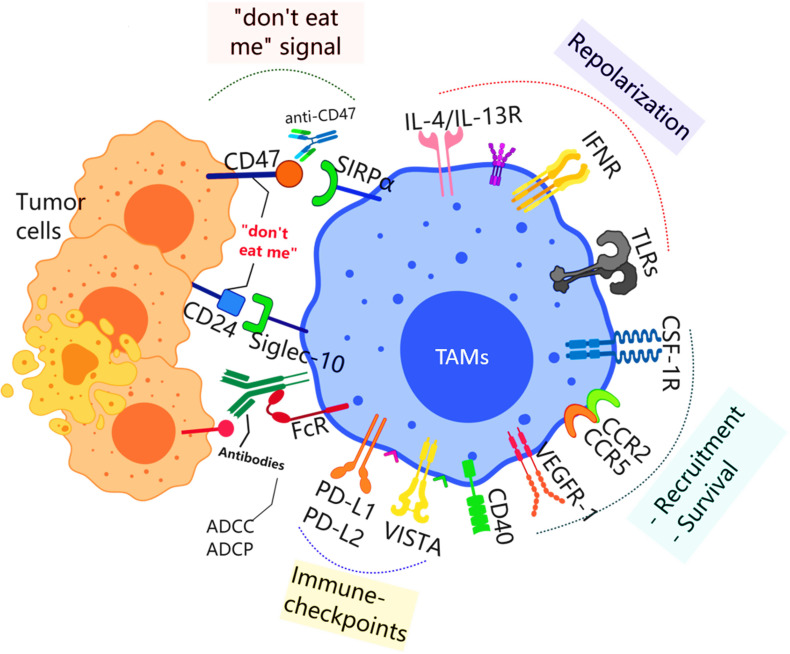
“Moreover, the combination of anti-CD24 and anti-CD47 monoclonal antibodies was shown to remarkably promote the phagocytosis of cancer cells by macrophages, thus suggesting a plausible synergistic antitumor effect from two classes of phagocytosis checkpoint inhibitors [196, 370].”
NK cells are never alone: crosstalk and communication in tumour microenvironments
Zhou, Y., Cheng, L., Liu, L., & Li, X. (2023) · Molecular Cancer · doi:10.1186/s12943-023-01737-7 · Cited by 172
“For example, tumour-associated macrophages (TAMs) are more likely to have M2 phenotypes, but TAMs can polarise into both M1 and M2 phenotypes [110].”
BackgroundTumor-Associated Macrophages: A Potential Target for Cancer Therapy
Tan, Y., Wang, M., Zhang, Y., Ge, S., Zhong, F., Xia, G., & Sun, C. (2021) · Frontiers in Oncology · doi:10.3389/fonc.2021.693517 · Cited by 165
“Expression of Arginase 1 on TAMs accelerates the metabolism of L-arginine to urea and L-ornithine, thereby further dampening T-cell recognition of tumor antigens and the antitumor immune response (48).”
BackgroundFunctional polarization of tumor-associated macrophages dictated by metabolic reprogramming
Zeng, W., Li, F., Jin, S., Ho, P., Liu, P.-S., & Xie, X. (2023) · Journal of Experimental & Clinical Cancer Research · doi:10.1186/s13046-023-02832-9 · Cited by 158
“Current approaches based on M2-like TAM depletion or M1 polarization suffer from limited efficacy due to the existence of resistance mechanisms [162], the re-infiltration of macrophages after therapy [163], and the presence of other immunosuppressive cells such as regulatory T cells [164].”
BackgroundBao, C., Ma, Q., Ying, X., Wang, F., Hou, Y., Wang, D., Zhu, L., Huang, J., & He, C. (2024) · EBioMedicine · doi:10.1016/j.ebiom.2024.105502 · Cited by 148
“91 During tumor development, macrophages exhibit considerable phenotypic plasticity, displaying a spectrum of activation states that range from M1 to M2-like characteristics, rather than conforming to a strict binary classi fi cation.”
Reprogramming tumor-associated macrophages as a unique approach to target tumor immunotherapy
Khan, S. U., Khan, M. U., Din, M. A. U., Khan, I. M., Khan, M. I., BUNGAU, S. G., & Hassan, S. S. U. (2023) · Frontiers in Immunology · doi:10.3389/fimmu.2023.1166487 · Cited by 129
Reprogramming the tumor microenvironment by genome editing for precision cancer therapy
Liu, K., Cui, J., Zhan, Y., Ouyang, Q., Lu, Q., Yang, D., Li, X., & Yin, J. (2022) · Molecular Cancer · doi:10.1186/s12943-022-01561-5 · Cited by 113
Ji, Y., Li, X., Yao, X., Sun, J., Yi, J., Shen, Y., Chen, B., & Sun, H. (2025) · Frontiers in Immunology · doi:10.3389/fimmu.2025.1732718 · Cited by 113
Drug resistance and tumor immune microenvironment: An overview of current understandings (Review)
Liu, Y., Liang, J., Zhang, Y., & Guo, Q. (2024) · International Journal of Oncology · doi:10.3892/ijo.2024.5684 · Cited by 107
Autophagy in tumor immune escape and immunotherapy
Wang, H., Sun, P., Yuan, X., Xu, Z., Jiang, X., Xiao, M., Yao, X., & Shi, Y. (2025) · Molecular Cancer · doi:10.1186/s12943-025-02277-y · Cited by 106
“TAMs are mainly derived from peripheral blood monocytes and tissue-resident macrophages [137].”
Mechanisms and Strategies to Overcome Drug Resistance in Colorectal Cancer
Haynes, J., & Manogaran, P. (2025) · International Journal of Molecular Sciences · doi:10.3390/ijms26051988 · Cited by 82
Advances in CAR-T Cell Genetic Engineering Strategies to Overcome Hurdles in Solid Tumors Treatment
Andrea, A. E., Chiron, A., Mallah, S., Bessoles, S., Sarrabayrouse, G., & Hacein‐Bey‐Abina, S. (2022) · Frontiers in Immunology · doi:10.3389/fimmu.2022.830292 · Cited by 77
Exhaust the exhausters: Targeting regulatory T cells in the tumor microenvironment
McRitchie, B., & Akkaya, B. (2022) · Frontiers in Immunology · doi:10.3389/fimmu.2022.940052 · Cited by 83
Targeting the tumor microenvironment with biomaterials for enhanced immunotherapeutic efficacy
Feng, Y., Tang, Q., Wang, B., Yang, Q., Zhang, Y., Lei, L., & Li, S. (2024) · Journal of Nanobiotechnology · doi:10.1186/s12951-024-03005-2 · Cited by 83
Li, Y.-R., Zhou, Y., Yu, J., Zhu, Y., Lee, D., Zhu, E., Li, Z., Kim, Y. J., Zhou, K., Fang, Y., et al. (2024) · Molecular Therapy · doi:10.1016/j.ymthe.2024.04.005 · Cited by 76
Li, L., & Tian, Y. (2023) · Biomedicine & Pharmacotherapy · doi:10.1016/j.biopha.2023.114504 · Cited by 79
The Immune Microenvironment in Prostate Cancer: A Comprehensive Review
Novysedlák, R., Guney, M., Khouri, M. A., Bartolini, R., Foley, L. K., Benešová, I., Ozaniak, A., Novák, V., Veselý, Š., Pacas, P., et al. (2024) · Oncology · doi:10.1159/000541881 · Cited by 91
“This is mostly dependent on tissue-speci fi c regulatory factors and the stage of tumor progression [45].”
Shao, S., Miao, H., & Ma, W. (2023) · Frontiers in Immunology · doi:10.3389/fimmu.2023.1295684 · Cited by 70
“By targeting speci fi c signaling pathways and employing checkpoint inhibitors, there ’ s potential to reprogram pro-tumorigenic M2-like TAMs into tumor-inhibiting M1-like counterparts (10, 31, 32).”
BackgroundInfluentialHu, W., Liu, S.-Q., Zhu, K., Li, W., Yang, Z.-J., Yang, Q., Zhong-chao, Z., & Chang, J. (2023) · International Immunopharmacology · doi:10.1016/j.intimp.2023.110505 · Cited by 77
Macrophages: a double-edged sword in female reproduction and disorders
Park, M., Kim, Y. S., & Song, H. (2025) · Experimental & Molecular Medicine · doi:10.1038/s12276-025-01392-6 · Cited by 86
“…advances, macrophage-based approaches offer promise for treating many diseases without unwanted side effects; however, further research and clinical trials are essential to determine precise therapeutic window and establish robust protocols for macrophage-based therapies in humans 104,105 .”
Advances in Engineered Macrophages: A New Frontier in Cancer Immunotherapy
Yang, S., Wang, Y., Jia, J., Fang, Y., Yang, Y., Yuan, W., & Hu, J. (2024) · Cell Death and Disease · doi:10.1038/s41419-024-06616-7 · Cited by 75
Targeting monocytes/macrophages in fibrosis and cancer diseases: Therapeutic approaches
Conte, E. (2021) · Pharmacology & Therapeutics · doi:10.1016/j.pharmthera.2021.108031 · Cited by 64
Landscape and perspectives of macrophage -targeted cancer therapy in clinical trials
Wang, S., Yang, Y., Ma, P., Huang, H., Tang, Q., Miao, H., Fang, Y., Jiang, N., Li, Y., Zhu, Q., et al. (2022) · Molecular Therapy — Oncolytics · doi:10.1016/j.omto.2022.02.019 · Cited by 65
“As the critical infiltrated immune cell types in the TME, tumor-associated macrophages (TAMs) exert integrated effects in all aspects of tumor progression, including promoting tumor cell proliferation and tumor angiogenesis, participating in tumor invasion and metastasis, mediating immune suppression, shaping and remo…”
BackgroundTargeting immune checkpoints on tumor-associated macrophages in tumor immunotherapy
Xu, S., Wang, C., Yang, L., Wu, J., Li, M., Xiao, P., Xu, Z., Xu, Y., & Wang, K. (2023) · Frontiers in Immunology · doi:10.3389/fimmu.2023.1199631 · Cited by 63
“secrete CCL2, which promotes the recruitment of monocytes from the periphery towards the tumor site, leading to their differentiation into TAMs and subsequent tumorigenic development (117).”
BackgroundWang, X., Li, Y., Pu, X., Liu, G., Qin, H., Wan, W., Wang, Y., Zhu, Y., & Yang, J. (2023) · Pharmacological Research · doi:10.1016/j.phrs.2023.107022 · Cited by 69
Hou, L., Jiang, M., Li, Y., Cheng, J. Q., Liu, F., Han, X., Guo, J., Feng, L., Li, Z., Yi, J., et al. (2025) · International Immunopharmacology · doi:10.1016/j.intimp.2025.114906 · Cited by 68
Target tumor microenvironment by innate T cells
Li, Y.-R., Wilson, M., & Yang, L. (2022) · Frontiers in Immunology · doi:10.3389/fimmu.2022.999549 · Cited by 64
Hua, X., Xu, Q., Wu, R., Sun, W., Gu, Y., Zhu, S., Liu, X., Lv, T., & Song, Y. (2024) · Journal of Experimental & Clinical Cancer Research · doi:10.1186/s13046-024-03073-0 · Cited by 59
“* P < 0.05; ** P < 0.01; *** P < 0.001; NS, not significant TME) have an M2-like phenotype, as well as immuno-suppressive and pro-tumor functions [37].”
BackgroundInfluentialWang, X., Huang, R., Lu, Z., Wang, Z., Chen, X., & Huang, D. (2022) · Cancer Science · doi:10.1111/cas.15268 · Cited by 54
Pradhan, R., Kundu, A., & Kundu, C. N. (2024) · Critical Reviews in Oncology/Hematology · doi:10.1016/j.critrevonc.2024.104311 · Cited by 61
Tumor-associated macrophages: Potential therapeutic targets and diagnostic markers in cancer
Song, J., Xiao, T., Li, M., & Jia, Q. (2023) · Pathology - Research and Practice · doi:10.1016/j.prp.2023.154739 · Cited by 61
Du, M., Sun, L., Guo, J. J., & Lv, H. (2024) · Pharmacological Research · doi:10.1016/j.phrs.2024.107198 · Cited by 57
Targeting macrophages in cancer immunotherapy: Frontiers and challenges
Liu, Y., Tan, H., Dai, J., Lin, J., Zhao, K., Hu, H., & Zhong, C. (2025) · Journal of Advanced Research · doi:10.1016/j.jare.2024.12.043 · Cited by 67
“They are less potent in antigen presentation and phagocytosis compared to the pro-tumoral M2 macrophages [22].”
Tumor-Associated Macrophages: Key Players in Triple-Negative Breast Cancer
Qiu, X., Zhao, T., Luo, R., Qiu, R., & Li, Z. (2022) · Frontiers in Oncology · doi:10.3389/fonc.2022.772615 · Cited by 63
Xue, Y., Yan, X., Li, D., Dong, S., & Yuan, P. (2024) · Nature Communications · doi:10.1038/s41467-024-46210-1 · Cited by 56
“Tumors recruit circulating monocytes and tissue-resident macrophages to the TME, where they are polarized toward an M2-like phenotype to constitute tumor-associated macrophages (TAMs) and are involved in tumor progression, immunosuppression and metastasis 9,10 .”
Phenylalanine diminishes M1 macrophage inflammation
Zhang, Q., Chen, S., Guo, Y., He, F., Fu, J., & Ren, W. (2023) · Science China Life Sciences · doi:10.1007/s11427-022-2296-0 · Cited by 48
“Many studies have shown that defects in the macrophage phenotypic switch are closely related to several diseases, such as pathogenic infections, chronic inflammatory diseases, tumors and graft-versus-host diseases (Baasch et al., 2021; Ge et al., 2022; Li et al., 2021; Liu et al., 2020).”
BackgroundNeuroblastoma: an ongoing cold front for cancer immunotherapy
Kennedy, P. T., Zannoupa, D., Son, M. H., Dahal, L. N., & Woolley, J. F. (2023) · Journal for ImmunoTherapy of Cancer · doi:10.1136/jitc-2023-007798 · Cited by 55
“61 62 Targeting CD47 to promote phagocytosis In contrast to GD2, the transmembrane integrin-associated protein CD47 is ubiquitously expressed throughout a range of different tissue types.”
Maldonado, M. D. M., Schlom, J., & Hamilton, D. H. (2023) · Cancer Immunology Immunotherapy · doi:10.1007/s00262-023-03496-2 · Cited by 52
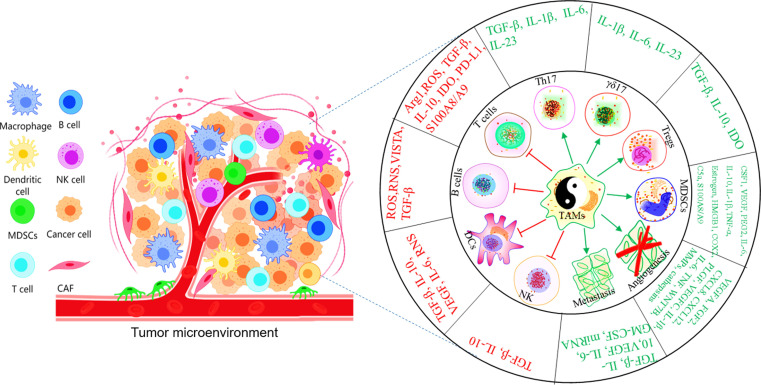
“TAMs are thought to enhance tumor cell proliferation, promote angiogenesis, and contribute to tumor cell invasion by mediating immunosuppression in the tumor microenvironment through the recruitment of T regulatory cells (Tregs), which results in T cell inhibition and immune escape [8].”
BackgroundTumor associated macrophage in HPV+ tumors: Between immunosuppression and inflammation
Gorvel, L., & Olive, D. (2022) · Seminars in Immunology · doi:10.1016/j.smim.2022.101671 · Cited by 51
Yang, J., Xie, Y., Xia, Z., Ji, S., Yang, X., Yue, D., Liu, Y., Yang, R., & Fan, Y. (2024) · International Journal of Nanomedicine · doi:10.2147/ijn.s458295 · Cited by 45
Tumor-Associated Inflammation: The Tumor-Promoting Immunity in the Early Stages of Tumorigenesis
Bi, Q., Wu, J., Qiu, X., Zhang, J., Sun, Z., & Wang, W. (2022) · Journal of Immunology Research · doi:10.1155/2022/3128933 · Cited by 52
“Furthermore, Tregs can undergo a TAM-induced recruitment by CCL22 [67].”
Metastasis organotropism in colorectal cancer: advancing toward innovative therapies
He, K., Wang, Z., Luo, M., Li, B., Ding, N., Li, L., He, B., Wang, H., Cao, J., Huang, C., et al. (2023) · Journal of Translational Medicine · doi:10.1186/s12967-023-04460-5 · Cited by 54
“This complex interplay between macrophages and the immune landscape is intimately associated with peritoneal metastasis in cancer, underscoring the pivotal role macrophages play in this context [127, 128].”
BackgroundNguyen, H. T., Kan, E. L., Humayun, M., Gurvich, N., Offeddu, G. S., Wan, Z., Coughlin, M. F., Renteria, D. C., Loew, A., Wilson, S. D., et al. (2023) · Biomaterials · doi:10.1016/j.biomaterials.2024.122731 · Cited by 49
Biomaterial-based platforms for modulating immune components against cancer and cancer stem cells
Desai, N., Hasan, U., Jeyashree, K., Mani, R., Chauhan, M. K., Basu, S. M., & Giri, J. (2023) · Acta Biomaterialia · doi:10.1016/j.actbio.2023.03.004 · Cited by 43
Interactions between cancer cells and tumor-associated macrophages in tumor microenvironment
Liu, L., Li, Y., & Li, B. (2025) · Biochimica et Biophysica Acta (BBA) - Reviews on Cancer · doi:10.1016/j.bbcan.2025.189344 · Cited by 51
Pawar, J. S., Salam, M. A., Dipto, M. S. U., Al-Amin, M. Y., Salam, M. T., Sengupta, S., Kumari, S., Gujjari, L., & Yadagiri, G. (2025) · Cancers · doi:10.3390/cancers17152484 · Cited by 49
“Proinflammatory or M1-TAMs are activated mainly by bacterial lipopolysaccharide (LPS), IL-1 β , and IFN-γ (secreted by Th1 cells, cytotoxic T cells, and NK cells, respectively), while Th2-released cytokines such as IL-4, IL-13, CSF-1, IL-10, and TGF-β activate M2-TAMs [81].”
The Interplay between T Cells and Cancer: The Basis of Immunotherapy
Chen, C., Liu, X., Chang, C., Wang, H. Y., & Wang, R. (2023) · Genes · doi:10.3390/genes14051008 · Cited by 46
“, monocyte chemoattractant protein (MCP)-1 and macrophage inflammatory protein (MIP)-1α) [308,309].”
Li, C., Xiong, L., Yang, Y., Jiang, P., Wang, J., Li, M., Wei, S., Tian, S., Wang, Y., Zhang, M., et al. (2025) · Molecular Cancer · doi:10.1186/s12943-025-02238-5 · Cited by 48
“…(TME), such as myeloid-derived suppressor cells (MDSCs) [21], regulatory T cells (Tregs) [22], M2-polarized tumor-associated macrophages (TAMs) [23], upregulation of co-inhibitory molecules, and other factors, contribute to tumor progression and the effectiveness of unfavorable treatment [24].”
Self-citationSu, P., Li, O., Ke, K., Jiang, Z., Wu, J., Wang, Y., Mou, Y., & Jin, W. (2024) · International Journal of Oncology · doi:10.3892/ijo.2024.5648 · Cited by 47
Mei, S., Zhang, H., Hirz, T., Jeffries, N. E., Xu, Y., Baryawno, N., Wu, S., Wu, C., Patnaik, A., Saylor, P. J., et al. (2025) · Molecular Cancer Research · doi:10.1158/1541-7786.mcr-24-0791 · Cited by 49
Macrophages as a Potential Immunotherapeutic Target in Solid Cancers
Mishra, A. K., Banday, S., Bharadwaj, R., Ali, A., Rashid, R., Kulshreshtha, A., & Malonia, S. K. (2022) · Vaccines · doi:10.3390/vaccines11010055 · Cited by 39
“Duvelisib (IPI-145), an oral inhibitor of the PI3Kδ and PI3Kδγ isoforms, can induce the M2- to M1-like reprogramming of macrophages [176,177].”
BackgroundMetabolic Reprogramming in Tumor-Associated Macrophages in the Ovarian Tumor Microenvironment
Kumar, S., Mittal, S., Gupta, P., Singh, M., Chaluvally–Raghavan, P., & Pradeep, S. (2022) · Cancers · doi:10.3390/cancers14215224 · Cited by 43
“However, TAMs pro- or anti-cancer activity depends on the tumor’s origin site [68].”
BackgroundNew hope for tumor immunotherapy: the macrophage-related “do not eat me” signaling pathway
Deng, H. Y., Wang, G., Zhao, S., Tao, Y., Zhang, Z., Yang, J., & Lei, Y. (2023) · Frontiers in Pharmacology · doi:10.3389/fphar.2023.1228962 · Cited by 39
“Current strategies that target macrophages for effective tumor immunotherapy include: 1) inhibition of macrophage recruitment; 2) reduction of macrophage survival rates; 3) modification of effector cells; 4) relieving the blocking of macrophages; 5) induction of phenotypic polarization; 6) inhibition of tumor-promotin…”
BackgroundEpigenetic reprogramming shapes the cellular landscape of schwannoma
Liu, S. J., Casey-Clyde, T., Cho, N. W., Swinderman, J. T., Pekmezci, M., Dougherty, M. C., Foster, K. J., Chen, W., Villanueva-Meyer, J. E., Swaney, D. L., et al. (2024) · Nature Communications · doi:10.1038/s41467-023-40408-5 · Cited by 37
“In comparison to neural crest schwannomas, myeloid cells in immune-enriched schwannomas accumulated more macrophages lacking CD206 and with lower CD163 expression, a pattern associated with anti-tumor activity 31 – 33 .”
Lin, G., Lin, L., Chen, X., Chen, L., Yang, J., Chen, Y., Qian, D., Zeng, Y., & Xu, Y. (2024) · Cell Death and Disease · doi:10.1038/s41419-024-06919-9 · Cited by 42
“Suppressing M2 polarization and promoting M2 to M1 repolarization are two TAM-targeted anti-tumor adjuvant treatment methods [13, 14].”
BackgroundHuang, J., Leng, X., Jiang, T., Xu, L., Zheng, J., Fang, M., Wang, J., Wang, Z., & Zhang, L. (2023) · Materials Today Bio · doi:10.1016/j.mtbio.2023.100555 · Cited by 42
“To further assess the polarization of TAMs, the serum of above-treated mice was taken to detect the two characteristic cytokines of M1 and M2-phenotype TAMs (IL-12 and IL-10, respectively).”
BackgroundInfluentialSelf-citationWnt Signaling in the Phenotype and Function of Tumor-Associated Macrophages
Tigue, M. L., Loberg, M. A., Goettel, J. A., Weiss, W. A., Lee, E. N., & Weiss, V. L. (2022) · Cancer Research · doi:10.1158/0008-5472.can-22-1403 · Cited by 42
Sun, Y., Wu, J., Zhang, Q., Wang, P., Zhang, J., & Yuan, Y. (2024) · Journal of Translational Medicine · doi:10.1186/s12967-024-05421-2 · Cited by 37
“Macrophages are an important component of the immune system and play a crucial role in tumor immunity [12].”
BackgroundLiu, D., Liu, L., Zhao, X., Zhang, X., Chen, X., Che, X., & Wu, G. (2025) · Critical Reviews in Oncology/Hematology · doi:10.1016/j.critrevonc.2025.104702 · Cited by 43
Strategies for Heating Up Cold Tumors to Boost Immunotherapies
Zabransky, D. J., Yarchoan, M. M., & Jaffee, E. M. (2023) · Annual Review of Cancer Biology · doi:10.1146/annurev-cancerbio-061421-040258 · Cited by 38
Malik, S., Sureka, N., Ahuja, S., Aden, D., Zaheer, S., & Zaheer, S. (2024) · Cell Biology International · doi:10.1002/cbin.12226 · Cited by 36
“…macrophages produce anti ‐ inflammatory cytokines, including IL ‐ 10 and TGF ‐ β , and play a role in tissue repair and wound healing through processes such as immune tolerance, tissue remodeling, immune modulation, and debris scavenging (Feng et al., 2022; Li, Xu, et al., 2021; Pan et al., 2020).”
Qiu, Y., Lu, G., Li, N., Hu, Y., Tan, H., & Jiang, C. (2024) · Frontiers in Immunology · doi:10.3389/fimmu.2024.1327281 · Cited by 36
“They are the immune cells in fi ltrating the largest number of cells, enabling the manipulation and coordination of multiple elements intervening in tumor initiation, invasion, therapy resistance, and systemic metastasis (99 – 101).”
BackgroundThe Emerging Roles and Therapeutic Implications of Epigenetic Modifications in Ovarian Cancer
Wang, Y., Huang, Z., Li, B., Liu, L., & Huang, C. (2022) · Frontiers in Endocrinology · doi:10.3389/fendo.2022.863541 · Cited by 37
Tomlinson, J. L., Li, B., Yang, J., Loeuillard, E. J., Stumpf, H. E., Kuipers, H., Watkins, R. D., Carlson, D. M., Willhite, J., O’Brien, D. R., et al. (2024) · Journal of Hepatology · doi:10.1016/j.jhep.2024.02.008 · Cited by 33
The Tumor Stroma of Squamous Cell Carcinoma: A Complex Environment That Fuels Cancer Progression
Buruiană, A., Gheban, B., Gheban-Roşca, I. A., Georgiu, C., Crișan, D., & Crişan, M. (2024) · Cancers · doi:10.3390/cancers16091727 · Cited by 37
“TAMs actively promote tumor metastasis through a variety of mechanisms [190].”
BackgroundDeng, G., Wang, P., Su, R., Sun, X., Wu, Z., Huang, Z., Gu, L., Yu, H., Zhao, Z., He, Y., et al. (2024) · Journal for ImmunoTherapy of Cancer · doi:10.1136/jitc-2024-009983 · Cited by 33
“5 However, due to the heterogeneity of the tumor microenvironment (TME) intertumor and intra-tumor, the function of TAMs varies under different conditions, the traditional M1”
Huang, X., Li, Z., Huang, Y., Zhang, Q., Cui, Y., Shi, X., & Jiu, Y. (2025) · Developmental Cell · doi:10.1016/j.devcel.2025.01.016 · Cited by 32
Liu, X., Sun, H., Liang, J., Yu, H., Xue, M., Li, Y., Li, W., Xu, Y., Ling, B., & Dingqing, F. (2025) · Journal of Translational Medicine · doi:10.1186/s12967-025-06235-6 · Cited by 36
“M2 TAMs play pivotal roles in angiogenesis, immune suppression, and tumor metastasis, thus becoming a focal point of research in cancer therapy [22].”
Ge, W., & Wu, W. (2023) · PubMed Central · doi:10.3779/j.issn.1009-3419.2023.106.07 · Cited by 39
“…M2 表型,使之表达高水平的 IL-10 和转化生长因子 -β ( transforming growth factor-β, TGF-β ) 等有着促进肿瘤生长效应的相关因子,这些因子不仅可 以诱发免疫抑制、血管生成、肿瘤生长和转移,还可以 导致对检查点抑制剂或过继性 T 细胞免疫治疗耐药 [2,4,22] 。 然而,随着对 TAMs 标志物和单细胞测序技术的进一步研 究,这种 M1/M2 分类方式的主导地位正在动摇。研究 [23] 显示,由于 TAMs 的极化是一个连续的过程, M1 或 M2 只 代表了极化过程的两个极端,而 TAMs 可以同时表达 M1 和 细胞分类…”
Hung, C., Chen, M., DeArmond, D. T., Chiu, C. H.-L., Limboy, C. A., Tan, X., Kusi, M., Chou, C., Lin, L., Zhang, Z., et al. (2023) · Cell Reports · doi:10.1016/j.celrep.2023.113067 · Cited by 31
“13,35,36 This result confirmed the original findings from U937-derived macrophages, suggesting IL-11 is an important paracrine factor promoting macrophage plasticity via pSTAT3 activation.”
ResultZheng, N., Li, F., Huang, Q., Huang, X., & Maj, T. (2025) · Redox Biology · doi:10.1016/j.redox.2025.103826 · Cited by 30
“As a heterogeneous group of immune cells in TME, targeting tumor-associated macrophages (TAMs) and altering macrophage repolarization are promising treatments for cancers [53 – 55].”
Macrophage membrane biomimetic drug delivery system: for inflammation targeted therapy
Zhang, Y., Long, Y., Wan, J., Liu, S., Shi, A., Li, D., Yu, S., Li, X., Wen, J., Deng, J., et al. (2023) · Journal of drug targeting · doi:10.1080/1061186x.2022.2071426 · Cited by 29
“Notably, the tumour microenvironment affects the function and polarisation of macrophages, forming tumour-associated macrophages (TAMs) [82].”
BackgroundUnderstanding current experimental models of glioblastoma-brain microenvironment interactions
Yadav, N., & Purow, B. W. (2024) · Journal of Neuro-Oncology · doi:10.1007/s11060-023-04536-8 · Cited by 37
“…can interact with local immune cell populations in the brain tumor microenvironment (abbreviated TME), including macrophages, microglia, dendritic cells, and T cells, among other immune subsets, to facilitate GBM malignancy [3, 4, 6, 23, 31, 44, 60, 78, 100, 103, 111, 115, 119, 126, 140, 142].”
Zhou, Z., Jiang, Y., Sun, Z., Zhang, T., Feng, W., Li, G., Li, R., & Xing, L. (2024) · EBioMedicine · doi:10.1016/j.ebiom.2024.105287 · Cited by 28
“35,36,44,47 These observations underscore the pivotal role of immune cell biomarkers in gastric cancer prognosis and spotlight mIF staining ’ s potential for precise biomarker assessment.”
BackgroundTargeting the NLRP3 inflammasome abrogates cardiotoxicity of immune checkpoint blockers
Lu, Y., Gao, J., Hou, Y., Yang, H., Wang, D., Zhang, G., Qin, Z., Du, P., Wang, Z., Wang, Y., et al. (2025) · Journal for ImmunoTherapy of Cancer · doi:10.1136/jitc-2024-010127 · Cited by 26
Casey, M., Segawa, K., Law, S. C., Sabdia, M. B., Nowlan, B., Salik, B., Lee, C., Winterford, C. M., Pearson, S., Madore, J., et al. (2022) · Leukemia · doi:10.1038/s41375-022-01794-9 · Cited by 24
Immune Cell Interactions and Immune Checkpoints in the Tumor Microenvironment of Gastric Cancer
Cozac-Szőke, A.-R., Cozac, D. A., Negovan, A. E., Tinca, A. C., Vilaia, A., Cocuz, I. G., Sabău, A.-H., Niculescu, R., Chiorean, D. M., Tomuț, A. N., et al. (2025) · International Journal of Molecular Sciences · doi:10.3390/ijms26031156 · Cited by 29
“In GC, these TAMs may promote genetic instability, support cancer stem cells, accelerate metastasis, and help create an immunosuppressive TME through the inhibition of T-cell activation [83,84].”
Ou, D., Liao, Z.-X., Kempson, I. M., Li, L., Yang, P., & Tseng, S. ‐. (2024) · Journal of Biomedical Science · doi:10.1186/s12929-023-00989-1 · Cited by 27
“As a result, our present study may not distinguish between the elevation of M1 macrophages due to infiltration or the repolarization of existing tumor-associated M2 macrophages [40].”
ResultMechanistic rationales for combining immunotherapy with radiotherapy
Chi, A., & Nguyen, N. P. (2023) · Frontiers in Immunology · doi:10.3389/fimmu.2023.1125905 · Cited by 29
Bai, Y., Zhang, X., Zhou, J., Guo, J., Liu, Y., Liang, C., Wang, W., Xing, Y., Wu, J., & Hu, D. (2023) · Chemico-Biological Interactions · doi:10.1016/j.cbi.2023.110543 · Cited by 22
Advances in PET/CT Imaging for Breast Cancer
de Jong, D., Desperito, E., Feghali, K. A. A., Dercle, L., Seban, R., Das, J. P., Ma, H., Sajan, A., Braumuller, B., Prendergast, C. M., et al. (2023) · Journal of Clinical Medicine · doi:10.3390/jcm12134537 · Cited by 22
Brauneck, F., Oliveira‐Ferrer, L., Muschhammer, J., Sturmheit, T., Ackermann, C., Haag, F., Wiesch, J. S. Z., Ding, Y., Qi, M., Hell, L., et al. (2023) · Frontiers in Immunology · doi:10.3389/fimmu.2023.1250258 · Cited by 25
“This subpopulation can produce high levels of anti-in fl ammatory molecules (14).”
BackgroundYu, M., Yu, H., Wang, H., Xu, X., Sun, Z., Chen, W., Yu, M., Liu, C., Jiang, M., & Zhang, X. (2024) · International Journal of Oncology · doi:10.3892/ijo.2024.5688 · Cited by 29
Self-citationTumor microenvironment stimuli-responsive lipid-drug conjugates for cancer treatment
Husni, P., Lim, C., & Oh, K. T. (2023) · International Journal of Pharmaceutics · doi:10.1016/j.ijpharm.2023.122942 · Cited by 21
Li, J., Zhou, W., Wang, H., Huang, M., & Deng, H. (2024) · MedComm · doi:10.1002/mco2.70019 · Cited by 27
Reshaping the tumor microenvironment: The versatility of immunomodulatory drugs in B-cell neoplasms
Guo, H., Yang, J., Wang, H., Liu, X., Liu, Y., & Zhou, K. (2022) · Frontiers in Immunology · doi:10.3389/fimmu.2022.1017990 · Cited by 22
Liu, Q., & Liao, L. (2024) · Autoimmunity · doi:10.1080/08916934.2024.2321908 · Cited by 21
“Macrophage-associated therapeutic therapies may complement and synergize with currently available therapies in oncology [22–23].”
T cell landscape in the microenvironment of human solid tumors
Maggi, E., Munari, E., Landolina, N., Mariotti, F. R., Azzarone, B. G., & Moretta, L. (2024) · Immunology Letters · doi:10.1016/j.imlet.2024.106942 · Cited by 23
Zhang, Z., Hou, L., Yu, Z., Xu, Z., Li, S., Wang, Y., Liu, H., Zhao, B., Liu, R., Wang, W. T., et al. (2021) · Chemical Engineering Journal · doi:10.1016/j.cej.2021.133747 · Cited by 20
Han, Q., Li, J., Li, Z. Y., Aishajiang, R., & Yu, D. N. (2025) · Materials Today Bio · doi:10.1016/j.mtbio.2025.101601 · Cited by 32
“In CRC, the population of immunosuppressive cells, including myeloid-derived suppressor cells, regulatory T cells (Tregs), and tumor-associated macrophages (TAMs), is often increased in the tumor microenvironment [74 – 76].”
The role of intestinal macrophage polarization in colitis-associated colon cancer
Deng, Y., Jia, X., Liu, L., He, Q., & Liu, L. (2025) · Frontiers in Immunology · doi:10.3389/fimmu.2025.1537631 · Cited by 31
Immunosuppressive cells in acute myeloid leukemia: mechanisms and therapeutic target
Liu, M., Yang, M., Qi, Y., Ma, Y., Guo, Q., Guo, L., Liu, C., Liu, W., Xiao, L., & Yang, Y. (2025) · Frontiers in Immunology · doi:10.3389/fimmu.2025.1627161 · Cited by 25
“TAMs suppress antitumor immunity by inhibiting T cells, B cells, NK cells, and DCs, while promoting Tregs, Th17, gd T cells, MDSCs, angiogenesis, and metastasis (207).”
Metadata
- Authors
- Li, C., Xu, X., Wei, S., Jiang, P., Xue, L., & Wang, J.
- Affiliations
- Peking University Third Hospital (CN)
- Corresponding author
- Li, Chunxiao
- Jiang, Ping
- Xue, Lixiang
- Wang, Junjie
- Venue
- Journal for ImmunoTherapy of Cancer
- Publisher
- BMJ
- Published
- 2021-01
- Volume
- 9
- Issue
- 1
- Pages
- e001341
- ISSN
- 2051-1426 (ISSN-L)
- PMC
- PMC8728363
- OpenAlex
- W3124610114
- Cited by
- 360
- References
- 221
- Citations by year
- 2026: 59 · 2025: 111 · 2024: 90 · 2023: 60 · 2022: 33 · 2021: 6
- FWCI
- 4.98
- Type
- journal article
- Language
- en
- Open access
- gold
- doi.org
- Licence
- Locations
- Journal for ImmunoTherapy of Cancer (publishedVersion, cc-by-nc)
- PubMed Central (publishedVersion, cc-by-nc)
- PubMed (publishedVersion)
- DOAJ (DOAJ: Directory of Open Access Journals) (submittedVersion, cc-by-sa)
- Funders
- National Natural Science Foundation of China (81803051)
- China Postdoctoral Science Foundation (2017M620545, 2018T110015)
- Natural Science Foundation of Beijing Municipality (7192220)
- Topics
- Life Sciences › Immunology and Microbiology › Immunology › Immune cells in cancer
- Life Sciences › Immunology and Microbiology › Immunology › Phagocytosis and Immune Regulation
- Health Sciences › Medicine › Oncology › Cancer Immunotherapy and Biomarkers
- Keywords
- tumor-associated macrophages, macrophage polarization, tumor microenvironment, TAM infiltration, TAM-targeted therapy, TAM repolarization, phagocytosis, cancer immunotherapy, prognosis
- MeSH terms
- Tumor-Associated Macrophages, Antineoplastic Agents, Humans, Neoplasms, Phagocytosis, Prognosis, Cell Polarity, Tumor Microenvironment
About these checks
Registry, retraction, Cites and statistics results are computed, not judged, with one exception: a printed reference that no index lists is read once by a model before it counts as a citation error. Claims are extracted by a model and kept only when their quote appears verbatim in the text; each cited source is then checked, with a model’s help, for whether it says what the claim relies on. Those verdicts can be wrong — read the claim’s quote and the cited source before relying on one.
Statistics and arithmetic are recomputed, not judged.
Confidence bands are shown only for fields calibrated on our annotated test set. None is calibrated yet, so no band is shown.
What counts as a claim ›How we measure confidence ›How we check this ›
Are you an author, or do you see a problem with this page? Request a review
Data sources
Bibliographic data: Semantic Scholar, OpenAlex, Crossref.
Contains information from the Semantic Scholar Academic Graph Datasets, made available under the ODC Attribution License (ODC-BY 1.0).
Semantic Scholar’s data is described in: Kinney, R., et al. (2023). The Semantic Scholar Open Data Platform. arXiv:2301.10140.
