

Tumor-associated macrophages: potential therapeutic strategies and future prospects in cancer
Open accessThe DOI matches its Crossref record; 221 of the 221 references it cites were found in a registry or an index.
Abstract
Macrophages are the most important phagocytes in vivo. However, the tumor microenvironment can affect the function and polarization of macrophages and form tumor-associated macrophages (TAMs). Usually, the abundance of TAMs in tumors is closely associated with poor prognosis. Preclinical studies have identified important pathways regulating the infiltration and polarization of TAMs during tumor progression. Furthermore, potential therapeutic strategies targeting TAMs in tumors have been studied, including inhibition of macrophage recruitment to tumors, functional repolarization of TAMs toward an antitumor phenotype, and other therapeutic strategies that elicit macrophage-mediated extracellular phagocytosis and intracellular destruction of cancer cells. Therefore, with the increasing impact of tumor immunotherapy, new antitumor strategies to target TAMs are now being discussed.
Overview
The claims and statistics of this paper haven’t been checked yet.
Free: it reads the open-access text and checks the first 5 claims that cite a source we can check. Create a free account to check every claim.
Integrity signals
Registry
Cites
Statistics
Figures
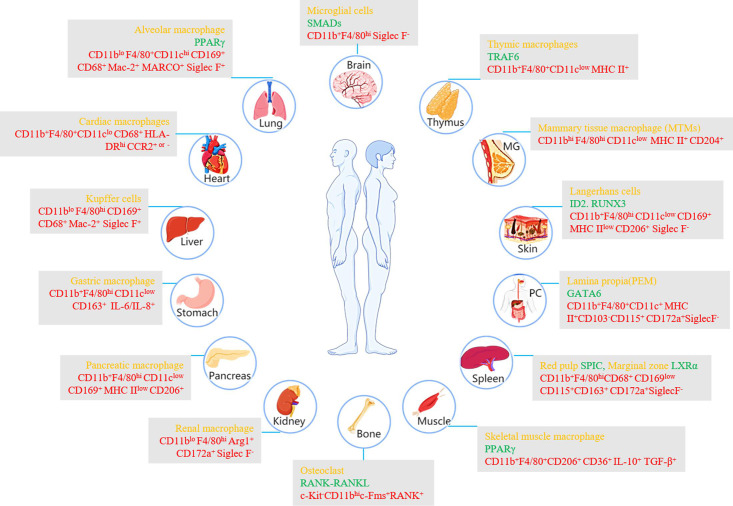
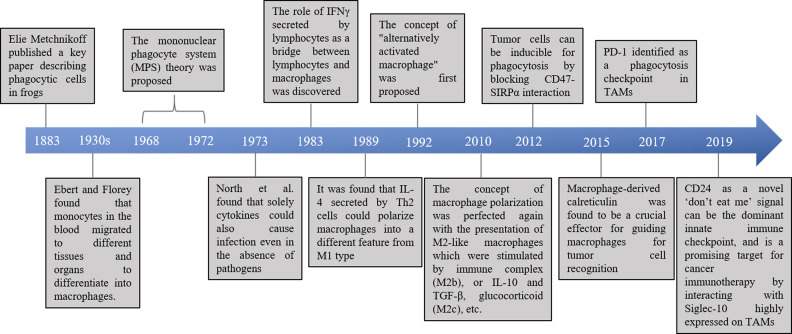
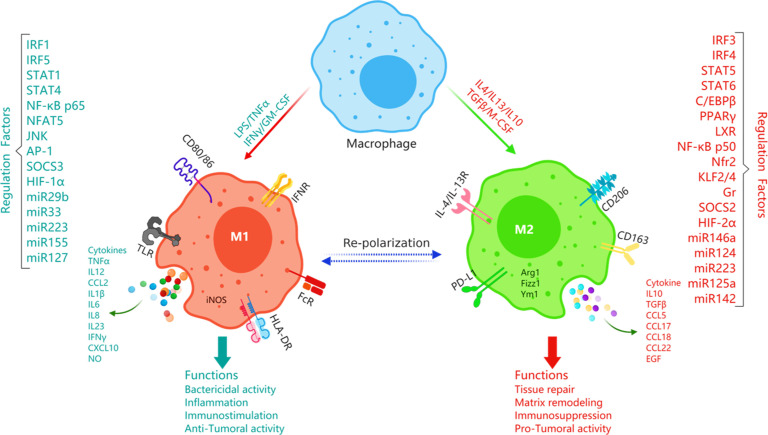
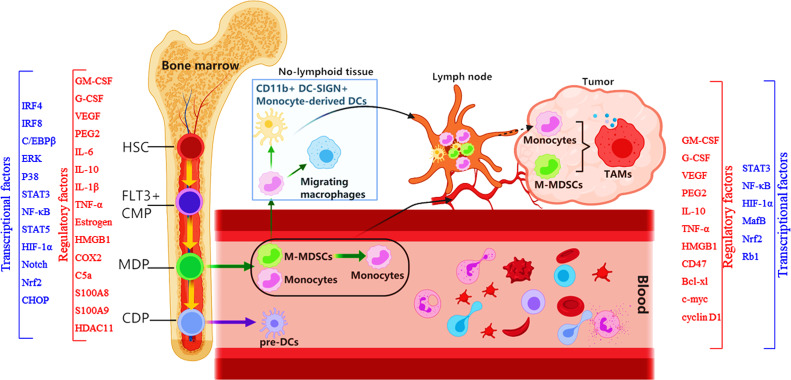
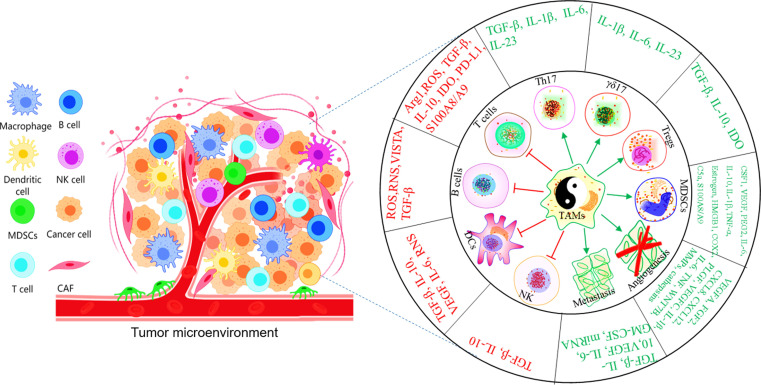
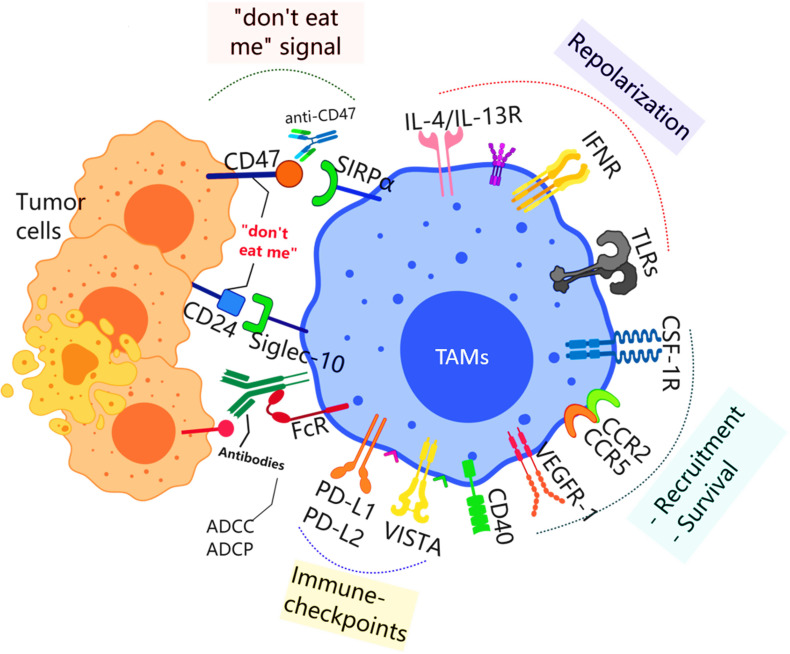
Verification
Claims the paper makes
The claims and statistics of this paper haven’t been checked yet.
Free: it reads the open-access text and checks the first 5 claims that cite a source we can check. Create a free account to check every claim.
Claims other papers make about this one
Each is checked against this paper’s own text: does it say what the citing paper says it does?
The source backs part of the claim, not all of it — or backs it for a different population, condition or comparison.
In the citing paper
“TAMs also secrete TGF-β, which recruits and activates Tregs that participate in immunosuppression [96].”
From Mechanisms and Strategies to Overcome Drug Resistance in Colorectal Cancer (2025) · cites this paper as [96]
Experimental — accuracy not yet measured
Self-check
Percentages, sums and reported differences re-computed from the paper’s own numbers.
The self-check needs the paper’s full text.
Citations
Cites
1 retracted
Lin, X., Wang, S., Sun, M., Zhang, C., Wei, C., Yang, C., Dou, R., Liu, Q., & Xiong, B. (2019) · Journal of Hematology & Oncology · doi:10.1186/s13045-019-0708-7 · Cited by 207
RetractedExploring the full spectrum of macrophage activation
Mosser, D. M., & Edwards, J. P. (2008) · Nature Reviews Immunology · doi:10.1038/nri2448 · Cited by 9,144
Mosmann, T. R., & Coffman, R. L. (1989) · Annual Review of Immunology · doi:10.1146/annurev.iy.07.040189.001045 · Cited by 7,692
Macrophage activation and polarization: nomenclature and experimental guidelines
Murray, P. J., Allen, J. E., Biswas, S. K., Fisher, E. A., Gilroy, D. W., Goerdt, S., Gordon, S., Hamilton, J. A., Ivashkiv, L. B., Lawrence, T., et al. (2014) · Immunity · doi:10.1016/j.immuni.2014.06.008 · Cited by 6,337
Understanding the tumor immune microenvironment (TIME) for effective therapy
Binnewies, M., Roberts, E. W., Kersten, K., Chan, V., Fearon, D. F., Merad, M., Coussens, L. M., Gabrilovich, D. I., Ostrand-Rosenberg, S., Hedrick, C. C., et al. (2018) · Nature Medicine · doi:10.1038/s41591-018-0014-x · Cited by 6,145
Fate Mapping Analysis Reveals That Adult Microglia Derive from Primitive Macrophages
Ginhoux, F., Greter, M., Leboeuf, M., Nandi, S., See, P., Gokhan, S., Mehler, M. F., Conway, S. J., Ng, L. G., Stanley, E. R., et al. (2010) · Science · doi:10.1126/science.1194637 · Cited by 5,175
Alternative activation of macrophages: mechanism and functions
Gordon, S., & Martinez, F. O. (2010) · Immunity · doi:10.1016/j.immuni.2010.05.007 · Cited by 4,197
Tumor-Associated Macrophages: From Mechanisms to Therapy
Noy, R., & Pollard, J. W. (2014) · Immunity · doi:10.1016/j.immuni.2014.06.010 · Cited by 4,089
Tumour-associated macrophages as treatment targets in oncology
Mantovani, A., Marchesi, F., Malesci, A., Laghi, L., & Allavena, P. (2017) · Nature Reviews Clinical Oncology · doi:10.1038/nrclinonc.2016.217 · Cited by 4,033
Macrophage plasticity and interaction with lymphocyte subsets: cancer as a paradigm
Biswas, S. K., & Mantovani, A. (2010) · Nature Immunology · doi:10.1038/ni.1937 · Cited by 3,840
Research works printed but not linked: 1
- Metchnikoff E. Untersuchungen über die mesodermalen Phagocyten einiger Wirbeltiere. Biologisches centralblatt 1883; 3: 560– 5.
Cited by
Items 101–200 of 365
Potential PET tracers for imaging of tumor-associated macrophages
Fernandes, B., Feltes, P. K., Luft, C., Nazario, L. R., Jeckel, C. M. M., Antunes, I. F., Elsinga, P. H., & de Vries, E. F. J. (2022) · EJNMMI Radiopharmacy and Chemistry · doi:10.1186/s41181-022-00163-2 · Cited by 24
Immunosuppressive cells in oncolytic virotherapy for glioma: challenges and solutions
Liu, J., Piranlioglu, R., Ye, F., Shu, K., Lei, T., & Nakashima, H. (2023) · Frontiers in Cellular and Infection Microbiology · doi:10.3389/fcimb.2023.1141034 · Cited by 27
“TAMs have two distinct phenotypes: resting (or non-activated) and polarized (or activated) (Li et al., 2021), with the latter being further classified into two functionally distinctive types known as M1 and M2 phenotypes (Mills et al.”
BackgroundSubverted macrophages in the triple-negative breast cancer ecosystem
Shang, L., Zhong, Y., Yao, Y., Liu, C., Wang, L., Zhang, W., Liu, J., Wang, X., & Sun, C. (2023) · Biomedicine & Pharmacotherapy · doi:10.1016/j.biopha.2023.115414 · Cited by 23
Singh, K., & Gautam, P. K. (2023) · BMC Cancer · doi:10.1186/s12885-023-11674-9 · Cited by 22
Galectin-3 depletion tames pro-tumoural microglia and restrains cancer cells growth
Rivera-Ramos, A., Cruz-Hernández, L., Talaverón, R., Sánchez-Montero, M. T., García‐Revilla, J., Mulero-Acevedo, M., Deierborg, T., Venero, J. L., & Soto, M. S. (2024) · Cancer Letters · doi:10.1016/j.canlet.2024.216879 · Cited by 21
Inducible CCR2+ nonclassical monocytes mediate the regression of cancer metastasis
Liu, X., Ren, Z., Tan, C., Nunez-Santana, F., Kelly, M. E., Yan, Y., Sun, H., Abdala‐Valencia, H., Yang, W., Wu, Q., et al. (2024) · Journal of Clinical Investigation · doi:10.1172/jci179527 · Cited by 21
Polarization of M2 Tumor-Associated Macrophages (TAMs) in Cancer Immunotherapy
Bui, I., & Bonavida, B. (2024) · Critical Reviews™ in Oncogenesis · doi:10.1615/critrevoncog.2024053830 · Cited by 21
Advances in tumor-associated macrophage-mediated chemotherapeutic resistance in glioma
Liu, X., & Yu, Q. (2025) · Frontiers in Cell and Developmental Biology · doi:10.3389/fcell.2025.1676338 · Cited by 26
“TAMs also secrete various cytokines—including TNF-α, IL-4, IL-6, IL-10, CCL5, CCL22, and VEGF—that sustain activation of pro-survival pathways such as NF-κB, JAK/STAT, and PI3K/Akt in tumor cells, thereby inhibiting apoptosis and enhancing DNA repair (Wang et al., 2024a).”
InfluentialChang, D., Yang, J., Li, Y., Min, S., Ma, Y., Xu, T., Zhang, Z., Zhu, X., Xu, X., Lu, C., et al. (2025) · ACS Nano · doi:10.1021/acsnano.5c09413 · Cited by 21
Self-citationWang, C., Fan, X., Sun, X., Xu, Y., Sun, Y., & Liu, J. (2025) · Frontiers in Immunology · doi:10.3389/fimmu.2025.1706744 · Cited by 20
“Within this stromal milieu, TAMs play a central role in fostering tumor progression and suppressing antitumor immunity in GC, positioning them as viable therapeutic targets (84).”
Chen, C., Zhang, W., Lu, S., Wang, J., Tan, Y., Zhao, S., Ouyang, Y., Xu, L., Zhou, B., Yin, X., et al. (2023) · Colloids and Surfaces B Biointerfaces · doi:10.1016/j.colsurfb.2023.113157 · Cited by 18
Self-citationKainulainen, K., Niskanen, E. A., Kinnunen, J., Mäki-Mantila, K., Hartikainen, K., Paakinaho, V., Malinen, M., Ketola, K., & Pasonen‐Seppänen, S. (2024) · OncoImmunology · doi:10.1080/2162402x.2024.2393442 · Cited by 22
Jiang, D., Huang, A.-Q., Zhu, B.-X., Gong, J., Ruan, Y.-H., Liu, X.-C., Zheng, L., & Wu, Y. (2024) · Journal for ImmunoTherapy of Cancer · doi:10.1136/jitc-2024-010148 · Cited by 19
“10 14 Our previous study found that monocytes in peritumoral tissues of human hepatocellular carcinoma (HCC) significantly upregulated PD-L1 expression to induce CD8 + T cell anergy, and targeting these PD- L1-expressing monocytes suppressed tumor progression in mice WHAT IS ALREADY KNOWN ON THIS…”
Zhao, Y., Pei, L., Liu, B., Mao, Z., Niu, Y., Li, S., Yang, M., Liu, W., Hai, H., Luo, Y., et al. (2025) · Molecular Pharmaceutics · doi:10.1021/acs.molpharmaceut.4c00950 · Cited by 22
Lim, G. Y., Cho, S. W., Ka, N., Lee, K., Im, S., Kim, S.-S., Hwang, S., & Lee, M. (2023) · Journal of Cellular Physiology · doi:10.1002/jcp.31022 · Cited by 21
“…BC, breast cancer; TAM, tumor‐associated macrophages; TME, tumor microenvironment; TLR, toll‐like receptor; IFI16, interferon‐γ‐inducible protein 16; IFN, interferon; STING, stimulator of interferon genes; CM, culture media; BMDMs, bone marrow‐derived macrophages. phenotypes (Li et al., 2021).”
Targeting Macrophages for Tumor Therapy
Wang, Y., Barrett, A., & Hu, Q. (2023) · The AAPS Journal · doi:10.1208/s12248-023-00845-y · Cited by 22
“TAMs can generate various growth factors, such as the epidermal growth factor (EGF), which stimulates the proliferation of many types of tumor cells (13, 14).”
BackgroundZhou, H., Shen, Y., Zheng, G., Zhang, B., Wang, A., Zhang, J., Hu, H., Lin, J., Liu, S., Luan, X., et al. (2024) · Clinical and Translational Medicine · doi:10.1002/ctm2.1701 · Cited by 24
“35 Therefore, the differentiation trajectory and pseudotime of cells of each subtype were inferred to explore the dynamics of these cells along with MCA development (Figure 5E, F).”
BackgroundLocal ablation disrupts immune evasion in pancreatic cancer
Musiu, C., Adamo, A., Caligola, S., Agostini, A., Frusteri, C., Lupo, F., Boschi, F., Busato, A., Poffe, O., Anselmi, C., et al. (2024) · Cancer Letters · doi:10.1016/j.canlet.2024.217327 · Cited by 18
Chang, Z., Zhang, Q., Hu, Q., Liu, Y., Zhang, L., & Liu, R. (2022) · Biomedicine & Pharmacotherapy · doi:10.1016/j.biopha.2022.113543 · Cited by 22
Jiao, J.-Z., Zhang, Y., Zhang, W., He, M., Meng, M., Liu, T., Ma, Q., Xu, Y., Gao, P., Chen, C., et al. (2024) · Acta Pharmacologica Sinica · doi:10.1038/s41401-024-01260-5 · Cited by 16
“Apart from recruiting tumor-promoting immune cells, such as regulatory T cells (Tregs) and tumor-associated macrophages (TAMs) [2, 3], tumors employ diverse approaches to suppress antitumor immunity, including soluble suppression molecules, loss of neoantigens and major histocompatibility complex…”
BackgroundWallace-Povirk, A., Rubinsak, L. A., Malysa, A., Dzinic, S. H., Ravindra, M. P., Schneider, M. J., Glassbrook, J. E., O’Connor, C. E., Hou, Z., Kim, S., et al. (2022) · Scientific Reports · doi:10.1038/s41598-022-14788-5 · Cited by 17
Migliaccio, G., Morikka, J., del Giudice, G., Vaani, M., Möbus, L., Serra, A., Federico, A., & Greco, D. (2024) · Computational and Structural Biotechnology Journal · doi:10.1016/j.csbj.2024.08.018 · Cited by 16
“Terms related to macro-molecule and protein breakdown were seen for M(LPS-IFN γ ), potentially reflecting activity seen in macrophages responding to pathogens by degrading foreign material [63,64].”
BackgroundTumour‐Associated Macrophages in Oral Squamous Cell Carcinoma
Chaurasia, A., Brigi, C., Daghrery, A., Asa’ad, F., Spirito, F., Hasuike, A., González‐Alva, P., Kojic, D. D., Ünsal, R. B. K., & Sivaramakrishnan, G. (2025) · Oral Diseases · doi:10.1111/odi.15265 · Cited by 24
“STAT3 then binds to its promoter, regulating the expression of suppressor of cytokine signalling 3 and, thereby, blocking pro-inflammatory cytokine signalling pathways (Chunxiao et al. 2021; Wei and Hu-Jie 2018).”
InfluentialThe role of macrophages in liver metastasis: mechanisms and therapeutic prospects
Yuan, Q., Jia, L., Yang, J., & Li, W. (2025) · Frontiers in Immunology · doi:10.3389/fimmu.2025.1542197 · Cited by 21
“TAMs, as a speci fi c phenotype of M2-like macrophages, are phagocytes of unknown origin (4).”
Bahlmann, L. C., Xue, C., Chin, A. A., Skirzynska, A., Lu, J., Thériault, B. L., Uehling, D., Yerofeyeva, Y., Peters, R., Liu, K., et al. (2023) · Biomaterials · doi:10.1016/j.biomaterials.2023.122121 · Cited by 17
Lu, Y., Zhou, C., Li, J., Liu, L., Liu, X., Shen, L., Lai, X., Gu, H., Zhang, Z., & Qian, J. (2025) · International Immunopharmacology · doi:10.1016/j.intimp.2025.114595 · Cited by 14
Lu, X., Zhang, X., Zhang, F., Wang, W., Liu, R., Hou, Y., Shi, W., Li, J., & Peng, C. (2025) · Cell Death Discovery · doi:10.1038/s41420-025-02626-2 · Cited by 17
“Tumor-associated macrophages (TAMs) are a major component of the tumor microenvironment (TME) and have been shown to play a critical role in cancer progression [5], including in OS [6].”
Liu, X., Li, H., Yuan, M., Wan, J., Guo, J., Dong, X., Jin, X., Yang, C., & Wang, G. (2025) · Cancer Letters · doi:10.1016/j.canlet.2025.217972 · Cited by 16
Chen, S., Chen, W., Xu, T., Li, J., Yu, J., He, Y., & Qiu, S. (2025) · Frontiers in Immunology · doi:10.3389/fimmu.2025.1639823 · Cited by 19
“These alterations collectively contribute to the formation of a microenvironment that favors tumor survival and immune evasion (60, 61).”
Targeting the macrophage immunocheckpoint: a novel insight into solid tumor immunotherapy
Zhou, B., Yang, Y., Kang, Y., Hou, J., & Yang, Y. (2024) · Cell Communication and Signaling · doi:10.1186/s12964-023-01384-x · Cited by 17
“…that induces tumor-cell phagocytosis [45] KWAR23 SIRPa Combine with tumor-opsonizing antibodies to augment neutrophils and TAMs antitumor activity [46] Biological response modifier GHI/75 LILRB 1 Block the MHC /LILRB1 signaling way [47] Trabectedin Macrophages Block the immunosuppressive effect…”
BackgroundThe Spectrum of CAR Cellular Effectors: Modes of Action in Anti-Tumor Immunity
Nguyen, T., Müller, R., Briukhovetska, D., Weber, J., Feucht, J., Künkele, A., Hudecek, M., & Kobold, S. (2024) · Cancers · doi:10.3390/cancers16142608 · Cited by 14
“M2 macrophages express CD206, CD204, vascular endothelial growth factor (VEGF), CD163, and arginase-1 (Arg-1), and induce anti-inflammatory, tissue repair and remodelling pathways [143,145–147].”
BackgroundExploring potential roles of long non-coding RNAs in cancer immunotherapy: a comprehensive review
Arshi, A., Mahmoudi, E., Raeisi, F., Tezerjani, M. D., Bahramian, E., Ahmed, Y., & Peng, C. (2024) · Frontiers in Immunology · doi:10.3389/fimmu.2024.1446937 · Cited by 15
“Macrophages are intricately involved in the immune system ’ s reaction to malignancies, and a high number of macrophages in tumors are frequently linked to a bad prognosis (163).”
Zhang, Y.-Y., Liu, F.-H., Wang, Y., Liu, J., Wu, L., Qin, Y., Zheng, W.-R., Xing, W.-Y., Xu, J., Chen, X., et al. (2024) · Critical Reviews in Oncology/Hematology · doi:10.1016/j.critrevonc.2024.104525 · Cited by 16
Self-citationZeng, Q., Zhang, S., Leng, N., & Xing, Y. (2024) · Critical Reviews in Oncology/Hematology · doi:10.1016/j.critrevonc.2024.104576 · Cited by 13
Li, H., Gong, Y., Yan, P., Xu, Y. J., Qin, G., Wen, W., & Teng, F. (2024) · Frontiers in Immunology · doi:10.3389/fimmu.2024.1453753 · Cited by 23
Shi, Y., Guo, Z., Wang, Q., & Deng, H. (2024) · Journal of Cancer Research and Therapeutics · doi:10.4103/jcrt.jcrt_41_24 · Cited by 14
Predictive value of CCL2 in the prognosis and immunotherapy response of glioblastoma multiforme
Deng, L., Ren, J., Li, B., Wang, Y., Jiang, N., Wang, Y., & Cui, H. (2023) · BMC Genomics · doi:10.1186/s12864-023-09674-x · Cited by 15
“Previous studies also have shown that CCL2 is able to promote tumor progression by recruiting and reprogramming tumor-associated macrophages, which accelerate tumor proliferation and metastasis by inducing immune escape [29, 30].”
BackgroundStress-NRF2 response axis polarizes tumor macrophages and undermines immunotherapy
Schaer, D. J., Schulthess, N., Baselgia, L., Kunasingam, K., Humar, R., Hansen, K., Eschment, M., Duerst, E., & Vallelian, F. (2025) · Journal for ImmunoTherapy of Cancer · doi:10.1136/jitc-2025-013063 · Cited by 14
“41 Cd40flox/flox mice were crossed with LysMCre mice.”
Zhang, L., Cui, S., Ding, N., Zhang, J., Cui, E., Xiang, Q., Zhou, Z., Sun, B., Wang, Y., Hong, H., et al. (2023) · ACS Applied Materials & Interfaces · doi:10.1021/acsami.3c05497 · Cited by 13
Jia, H., Wei, P., Zhou, S., Hu, Y., Zhang, C., Liang, L., Li, B., Gan, Z., Xia, Y., Jiang, H., et al. (2023) · Cell Death Discovery · doi:10.1038/s41420-023-01603-x · Cited by 15
“M1 macrophages exhibit potent antitumor effects, while M2 macrophages contribute to tumor progression, as con fi rmed by previous studies [33 – 35].”
BackgroundRole of the ubiquitin–proteasome system on macrophages in the tumor microenvironment
Xiao, Y., Liu, R., Li, N., Li, Y., & Huang, X. (2024) · Journal of Cellular Physiology · doi:10.1002/jcp.31180 · Cited by 13
“They are derived from monocyte precursors in the bone marrow periphery or prenatal embryonic precursors (yolk sac or fetal liver) (Li, Xu et al., 2021).”
BackgroundInfluentialQi, X., Lian, Y., Fan, Z., Wang, H., Jiang, H., He, M., Li, L., Huang, J., & Wan, Y. (2025) · International Immunopharmacology · doi:10.1016/j.intimp.2024.113988 · Cited by 15
Qi, L., Wang, J., Hou, S., Liu, S., Zhang, Q., Zhu, S., Liu, S., & Zhang, S. (2025) · Biochimica et Biophysica Acta (BBA) - Reviews on Cancer · doi:10.1016/j.bbcan.2025.189264 · Cited by 18
Self-citationThe cell stress and immunity cycle in cancer: Toward next generation of cancer immunotherapy
Laureano, R. S., Vanmeerbeek, I., Sprooten, J., Govaerts, J., Naulaerts, S., & Garg, A. D. (2023) · Immunological Reviews · doi:10.1111/imr.13287 · Cited by 13
“185,187,188 When a cancer cell expresses CD47, the internalization step of phagocytosis gets blocked, thereby inhibiting phagocytosis altogether.”
BackgroundMethodInfluentialChen, L., Chu, Y., Zheng, Y., Gu, S., Hu, Y., He, J., & Shen, Z. (2024) · Frontiers in Immunology · doi:10.3389/fimmu.2024.1337129 · Cited by 17
Chen, Y., Wang, X., Li, H., Zhang, Z., Gao, Y., Ge, L., Xin, L., Gao, X., Shi, L., Hao, J., et al. (2025) · Cancer Letters · doi:10.1016/j.canlet.2025.218037 · Cited by 13
Wang, L., Zhang, W., Cen, R., Yue, C., Xiao, T., Deng, Y., Li, L., Sun, K., & Lei, X. (2022) · Lasers in Surgery and Medicine · doi:10.1002/lsm.23618 · Cited by 12
“They have strong antigen‐presenting, phagocytic and tumoricidal activities, and can release many proinflammatory factors, such as iNOS, IL‐1β, IL‐6, IL‐12, and TNF‐α. M1 macrophages are marked by CD40, CD80, and CD86.”
BackgroundXiao, G., Wei, Y., Xie, R., Tsang, Y., Gu, J., Shen, D., Ding, M., Yuan, J., Xu, D., & Fei, J. (2024) · FEBS Journal · doi:10.1111/febs.17058 · Cited by 13
“Due to their high plasticity, various strategies have been developed to target TAMs in cancer treatment, including TAM depletion, TAM polarization toward M1 anti-tumor effectors, and TAM receptor blockade [7].”
BackgroundZhao, Q., Shao, H., & Zhang, T. (2024) · American Journal of Translational Research · doi:10.62347/smsg9047 · Cited by 14
“Notably, tumor-associated macrophages (TAMs) and tumor-associated neutrophils (TANs), which have garnered increasing attention, release various pro-inflammatory and pro-angiogenic cytokines includingTNF, ILs, and VEGF, thereby promoting tumor progression [51, 52].”
Liu, Q., Sun, Y., Zhang, T., Lin, W., Zhang, J., Zhang, H., Zheng, W., Xu, H., & Zhou, F. (2025) · Frontiers in Immunology · doi:10.3389/fimmu.2025.1512086 · Cited by 11
“Among the key players in the TME are tumor-associated macrophages (TAMs), which are highly plastic immune cells within the tumor microenvironment, capable of adopting distinct M1 or M2 phenotypes in response to local signals (9, 10).”
Fu, J., Wei, C., Chen, Y., Xiao-ming, H., & Zhang, K. (2025) · Hereditas · doi:10.1186/s41065-025-00534-0 · Cited by 11
Wang, X., Wei, S., Li, W., Wei, X., Zhang, C., Dai, S., Ma, M., Zhao, L., & Shan, B. (2023) · International Immunopharmacology · doi:10.1016/j.intimp.2023.110213 · Cited by 12
Self-citationm6A RNA modification in tumor-associated macrophages: emerging roles in cancer immunity
Chen, X., Pu, S., Lian, K., Li, L., & Jiang, X. (2025) · Frontiers in Immunology · doi:10.3389/fimmu.2025.1693336 · Cited by 21
Liu, Y., Cong, K., Li, Q., Zhang, D., & Sheng, J. (2025) · Frontiers in Immunology · doi:10.3389/fimmu.2025.1741398 · Cited by 14
“Macrophage-derived mediators including IL-10, TGF-b , and indoleamine-2,3-dioxygenase 1 (IDO1) also recruit myeloid-Liu derived suppressor cells (MDSCs) and Tregs, reinforcing a coupled metabolic and immune-inhibitory circuit (93, 94).”
The Role of Macrophages in Cancer: From Basic Research to Clinical Applications
Liu, Z., Li, Y., Cao, J., Qiu, Y., Yu, K., & Deng, S. (2025) · MedComm · doi:10.1002/mco2.70547 · Cited by 15
“Moreover, mechanistic target of rapamycin complex 2 (mTORC2)–mediated metabolic reprogramming promotes fatty acid oxidation and mitochondrial respiration, providing metabolic support for M2 macrophage homeostasis and function [ 69, 72–74 ].”
Laberiano-Fernández, C., Baldavira, C. M., Rúgolo, J. R. M., Tamegnon, A., Pandurengan, R. K., Ab’Saber, A. M., Balancin, M. L., Takagaki, T. Y., Nagai, M. A., Capelozzi, V. L., et al. (2023) · Cancers · doi:10.3390/cancers15215116 · Cited by 10
“These enzymes deplete amino acids essential for T cell function (e.g., arginase-1) or express inhibitory immune checkpoint ligands (e.g., PD-L1) [56].”
BackgroundRuishi, X., Linyi, X., Yunfan, B., Yu, W., Xiaoying, Z., Fang, X., Zhu, D., Lan, X., Ming, Z., & Haoming, L. (2024) · Frontiers in Immunology · doi:10.3389/fimmu.2024.1456405 · Cited by 10
“This approach can activate anti-tumor immune responses, enhance the ef fi cacy of cancer immunotherapy, and thereby restrict tumor progression (40).”
BackgroundSong, Z., Zhao, Z., Liu, X., Song, Y., Zhu, S., Jia, Z., Li, Y., Wang, Z., Sun, B., Jin, Q., et al. (2025) · Scientific Reports · doi:10.1038/s41598-025-88328-2 · Cited by 10
“Research has indicated that TAMs significantly contribute to glioma progression, angiogenesis, immune escape, and treatment resistance 33 .”
Influentialde León, U. A.-P., Vázquez-Jiménez, A., Matadamas-Guzman, M. L., & Reséndis-Antonio, O. (2022) · Frontiers in Immunology · doi:10.3389/fimmu.2022.1012730 · Cited by 13
“Moreover, some studies have used this cell as a driver of tumor cell growth promoter (59) and favoring the metastatic process (60).”
BackgroundEffect of M2-like macrophages of the injured-kidney cortex on kidney cancer progression
Ishii, T., Mimura, I., Nagaoka, K., Naito, A., Sugasawa, T., Kuroda, R., Yamada, D., Kanki, Y., Kume, H., Ushiku, T., et al. (2022) · Cell Death Discovery · doi:10.1038/s41420-022-01255-3 · Cited by 13
Modulating macrophage-mediated programmed cell removal: An attractive strategy for cancer therapy
Li, Z., Han, B., Qi, M., Li, Y., Duan, Y., & Yao, Y. (2024) · Biochimica et Biophysica Acta (BBA) - Reviews on Cancer · doi:10.1016/j.bbcan.2024.189172 · Cited by 9
Inflammatory factors collaboratively link Helicobacter pylori-induced gastritis to gastric cancer
Zhang, M., Su, A., Song, H., Zhang, S., Deng, Y., Jing, W., Guo, J., Zhan, W., Ma, Y., & Hu, M. (2025) · Frontiers in Immunology · doi:10.3389/fimmu.2025.1628543 · Cited by 20
Inside the Battle Against Acute Myeloid Leukemia: Biology, Breakthroughs, and Hope
Bao, J., Freund, O., Sund, L., & Du, W. (2026) · Cells · doi:10.3390/cells15040338 · Cited by 15
“Functionally, M2-like macrophages secret soluble factors such as CCL2, CXCL8, and TGF-β , which enhance leukemic cell survival and suppress apoptosis [209,258,259].”
Zhang, L., Chen, F., Liang, X.-R., Ponnusamy, M., Qin, H., & Lin, Z. (2022) · Frontiers in Oncology · doi:10.3389/fonc.2022.1008856 · Cited by 10
Ye, D., Desai, J., Shi, J., Liu, S. M., Shen, W., Liu, T., Shi, Y., Wang, D., Liang, L., Yang, S., et al. (2023) · Biomarker Research · doi:10.1186/s40364-023-00465-w · Cited by 11
“, cytokines) from tumor and stromal cells in the TME [7, 8].”
BackgroundGrünewald, S., Stecklum, M., Rizzo, M., Rathjens, J., Fiebig, L., & Zopf, D. (2023) · European journal of medical research · doi:10.1186/s40001-023-01099-2 · Cited by 11
“TAMs became a therapeutic target because their elevated numbers have been correlated with poor prognosis in patients with different cancers, and their inactivation is considered to improve clinical outcomes [39, 43].”
BackgroundTherapeutic targeting of tumour-associated macrophage receptors
Martins, R. G. A., Tekin, M. M., Cragg, M. S., & Roghanian, A. (2024) · Immunotherapy Advances · doi:10.1093/immadv/ltaf009 · Cited by 11
“Experimental studies also demonstrated that BLZ945, a highly selective small molecule CSF-1R inhibitor, not only inhibits monocyte recruitment into murine breast cancer by 6-fold but may also increase the infiltration of CTLs in cervical and breast carcinomas, relieving immunosuppression [11, 79].”
Li, Q., Wang, M., Huang, X., Wang, S., Li, C., Li, P., Xiang, W. D., Yao, L., Deng, C., Zhang, M., et al. (2025) · BMC Complementary Medicine and Therapies · doi:10.1186/s12906-025-04890-2 · Cited by 13
“These strategies include reduction or depletion of TAMs, repolarization of TAMs towards an M1-like phenotype, and blocking the inhibitory receptors (immune check-points) on TAMs [39].”
Self-citationMacrophage-centered therapy strategies: A promising weapon in cancer immunotherapy
Wang, S., Liu, J., Cui, Y., Sun, M., Wang, W., Chen, J., Gu, J., & Yang, Z. (2025) · Asian Journal of Pharmaceutical Sciences · doi:10.1016/j.ajps.2025.101063 · Cited by 18
“…chemokine receptors (including CD192 and CX3CR1), as well as the stimulatory conditions of various cytokines and chemokines, the monocyte-macrophage population is defined as two different subpopulations: classically activated macrophages (M1) and selectively activated macrophages (M2) [ 32 ] ( Fig.”
Zhang, J., Jia, Z., Zhang, J., Mu, X., & Ai, L. (2025) · Biology Direct · doi:10.1186/s13062-025-00649-4 · Cited by 9
“TAM can mediate immune suppression, shape and remodel the tumor immune micro-environment (TIME), and contribute to tumor immune evasion [13–15].”
Leng, M., Jiang, H., Lan, H., Zhong, W., Shi, H., Jia, J. M., & Bao, Y. (2025) · International Journal of Biological Macromolecules · doi:10.1016/j.ijbiomac.2025.145423 · Cited by 9
Nie, R.-C., Hu, G., Cao, S.-Q., Wang, A., Wang, D.-C., & Liu, W. (2026) · Cell Discovery · doi:10.1038/s41421-026-00888-3 · Cited by 11
“Tumor-associated macrophages (TAMs) are highly diverse and crucial components of the TME and extensively participate in a multitude of biological functions, such as phagocytosis, antigen presentation, in fl ammation, angiogenesis, and immune evasion 2 – 4 .”
Huang, Z., Xie, T., Xie, W., Chen, Z., Wen, Z., & Yang, L. (2024) · Frontiers in Oncology · doi:10.3389/fonc.2024.1428018 · Cited by 12
Radioresistance and brain metastases: a review of the literature and applied perspective
Youssef, A., Sahgal, A., & Das, S. (2024) · Frontiers in Oncology · doi:10.3389/fonc.2024.1477448 · Cited by 11
“The TME is another target for therapies (78), including treatments such as immunotherapies with targets such as CD-24 to interfere with tumour cell and TAM interactions (79).”
Cismaru, C. A., Pîrlog, R., Călin, G. A., & Berindan‐Neagoe, I. (2022) · Stem Cell Reviews and Reports · doi:10.1007/s12015-022-10428-7 · Cited by 8
“Whether the switches for the phenotypic shift involves the peripheral recruitment of new immune precursors or the differentiation of tissue inherent progenitors remains unclear but it may influence tumor control, growth and progression [18].”
BackgroundFerroptosis: A potential opportunity for intervention of pre-metastatic niche
Zhuo, S., Yang, L., Chen, S., Tang, C., Li, W., Gao, Z., Feng, J., & Yang, K. (2022) · Frontiers in Oncology · doi:10.3389/fonc.2022.980620 · Cited by 8
“M1 macrophages, also known as inflammatory macrophages, c an be a c t i v a t ed by IFN g , TNFa , HMGB1 and lipopolysaccharide (LPS), whereas M2 macrophages, also known as anti-inflammatory macrophages, can be activated by IL4, IL10, IL13, colony-stimulating factor 1 (CSF1) and transforming growth factor b (TGFb) (78…”
BackgroundShen, M.-X., Liu, S., Wei, Q., Zhang, X., Wen, S., Qiu, R., Li, Y., & Fan, H. (2023) · Journal of Ethnopharmacology · doi:10.1016/j.jep.2023.117067 · Cited by 8
Xiong, S., Zhang, S., Yue, N., Cao, J., & Wu, C. (2025) · Leukemia & lymphoma/Leukemia and lymphoma · doi:10.1080/10428194.2025.2458214 · Cited by 7
“…and they also promote immuno-suppression by inhibiting t-cell recruitment and activation through the secretion of cytokines, chemokines, etc. [56,57]. tAMs can be classified into two distinct subtypes: M1 macrophages, responsible for antagonizing tumor cells, and M2 macrophages, which…”
Bacterial-Mediated In Situ Engineering of Tumour-Associated Macrophages for Cancer Immunotherapy
Kuhl, G. C., & Tangney, M. (2025) · Cancers · doi:10.3390/cancers17050723 · Cited by 9
“Once in the tumour microenvironment, TAMs can be influenced by various signals, including MAMPs, which can modulate their function and polarisation [115,116].”
Myeloid cells are involved in tumor immunity, metastasis and metabolism in tumor microenvironment
Zhang, C., Song, Y., Yang, H., & Wu, K. (2025) · Cell Biology and Toxicology · doi:10.1007/s10565-025-10012-y · Cited by 9
“In contrast, cytoplasmic poly-adenylation element binding protein 3 (CPEB3) disrupts the crosstalk between colorectal cancer cells and TAMs by targeting the IL-6R/STAT3 signaling pathway, thereby inhibiting EMT (Zhong et al. 2020).”
InfluentialDing, H., Xue, L., Zhu, S., Wang, Z., Gui, H., Zhang, G., Tang, N., Ren, H., & Chen, D. (2025) · Smart Medicine · doi:10.1002/smmd.70009 · Cited by 9
Self-citationSu, Y., Wu, H., Duan, K., Xie, J., Huang, W., Mou, X., Ye, X., Shen, Y., Li, T., He, J., et al. (2025) · Theranostics · doi:10.7150/thno.114467 · Cited by 8
“In the complex tumor microenvironment, macrophages are recruited to the tumor site and can undergo polarization into two distinct states: the M1 TAMs, which suppresses tumor progression, or the M2 TAMs, which facilitates tumor growth [7–9].”
Qi, Z., Hu, S., Zhao, J., Xu, X., Huang, A., Yu, Q., Zhang, Y., Yang, Q., Hu, J., Su, C., et al. (2025) · Experimental Hematology and Oncology · doi:10.1186/s40164-025-00696-7 · Cited by 10
“Generally, TAMs are regarded as unique phenotype of M2-like macrophages [11].”
Self-citationRegulating the regulators via targeting CD38 in the tumor microenvironment
Dutta, N., Halder, N., Chini, E. N., Kim, S., & Manna, A. (2026) · Frontiers in Immunology · doi:10.3389/fimmu.2026.1745988 · Cited by 9
Astragalus-derived nano-agonist potentiates chemotherapy by reducing tumor-suppressive macrophages
Han, X., Yang, Y., Lu, Q., Zhang, Z., Zhang, C., Wang, X., Huang, Y., Shen, H., Zhan, Q., Chen, J., et al. (2026) · Acta Pharmaceutica Sinica B · doi:10.1016/j.apsb.2026.03.051 · Cited by 7
Yang, Y., Gao, Y., Gong, Y., Lu, J., Li, S., Xiong, Y., Zhang, Y., Wang, D., Gong, P., Li, Y., et al. (2024) · Acta Histochemica · doi:10.1016/j.acthis.2024.152171 · Cited by 9
Evaluation of CD47 in the Suppressive Tumor Microenvironment and Immunotherapy in Prostate Cancer
Wang, Q., Feng, C., Chen, Y., Peng, T., Li, Y. Z., Wu, K., Pu, X., Chen, H., & Liu, J. (2023) · Journal of Immunology Research · doi:10.1155/2023/2473075 · Cited by 8
Tumor microenvironment as a novel therapeutic target for lymphoid leukemias
Mousavi, S., Nouri, S., Sadeghipour, A., & Atashi, A. (2025) · Annals of Hematology · doi:10.1007/s00277-025-06237-w · Cited by 6
Pan, X., Zheng, H.-F., Li, M.-C., Dong, K., Tang, Y., Chen, J., Yang, T., Liu, J.-G., Liu, Z.-C., Liu, Y., et al. (2025) · Journal for ImmunoTherapy of Cancer · doi:10.1136/jitc-2024-010898 · Cited by 8
Kang, X.-Z., Qian, P., Han, Y., Wu, M., Li, Y., Xu, C., & Wei, J. (2025) · Journal for ImmunoTherapy of Cancer · doi:10.1136/jitc-2025-013001 · Cited by 7
“48 49 However, as macrophages, TAMs also possess certain antitumor properties, such as phago-cytosing tumor cells and secreting pro-inflammatory factors to exert some antitumor effects.”
Liu, M., Wang, T., Fu, J., Cui, T., Li, N., Sun, T., Liu, J., Su, C., & Song, B. (2026) · Phytomedicine · doi:10.1016/j.phymed.2025.157759 · Cited by 7
Ma, Y., Wang, H., Dou, X., & Li, Q. (2026) · Frontiers in Immunology · doi:10.3389/fimmu.2026.1756299 · Cited by 11
Synergism of TLR3 and TLR4 agonists during macrophage reprogramming into an antitumor state
Bagaev, A., Rybinets, A., Fedorova, A. A., Ushakova, E. I., Лебедева, Е. С., Av, P., & Ataullakhanov, R. I. (2021) · Immunologiya · doi:10.33029/0206-4952-2021-42-6-615-630 · Cited by 7
Emerging immunotherapies in the Hodgkin lymphoma armamentarium
Spinner, M. A., & Advani, R. H. (2024) · Expert Opinion on Emerging Drugs · doi:10.1080/14728214.2024.2349083 · Cited by 8
“Macrophage checkpoint inhibitors targeting CD47 or its ligand SIRP ⍺ can polarize TAMs from a tumor-tolerant M2 phenotype to an anti-tumor M1 phenotype and are currently under investigation in cHL [30].”
Feng, X., Zeng, L., Wu, L., Chen, Z., Lin, W., Song, H., & Lan, F. (2024) · Biomedicine & Pharmacotherapy · doi:10.1016/j.biopha.2024.117220 · Cited by 7
Ni, J., Tian, H., Qin, S., Zhang, T., Nice, E. C., Huang, C., & Wang, H. (2024) · Chemical Engineering Journal · doi:10.1016/j.cej.2024.154877 · Cited by 6
Li, Y., Huang, Z., & Yin, Y. (2025) · Pathology - Research and Practice · doi:10.1016/j.prp.2025.156082 · Cited by 7
Wang, Z., Li, Z., Sun, X., Men, W., & Xu, Y. (2024) · Frontiers in Pharmacology · doi:10.3389/fphar.2024.1463538 · Cited by 6
Role of Crosstalk Between Gut Microbiota and Immune Cells in Colorectal Cancer: A Narrative Review
Ye, M., Yuan, G., Jin, Y., & Zeng, X. (2025) · Infectious Microbes & Diseases · doi:10.1097/im9.0000000000000172 · Cited by 5
Guo, Y., Lin, X., Wang, P., Wang, Y., Chen, M., Tang, S., Jin, L., Mao, W., Liu, X., Shou, Q., et al. (2025) · Journal of Ethnopharmacology · doi:10.1016/j.jep.2025.119983 · Cited by 5
Metadata
- Authors
- Li, C., Xu, X., Wei, S., Jiang, P., Xue, L., & Wang, J.
- Affiliations
- Peking University Third Hospital (CN)
- Corresponding author
- Li, Chunxiao
- Jiang, Ping
- Xue, Lixiang
- Wang, Junjie
- Venue
- Journal for ImmunoTherapy of Cancer
- Publisher
- BMJ
- Published
- 2021-01
- Volume
- 9
- Issue
- 1
- Pages
- e001341
- ISSN
- 2051-1426 (ISSN-L)
- PMC
- PMC8728363
- OpenAlex
- W3124610114
- Cited by
- 360
- References
- 221
- Citations by year
- 2026: 59 · 2025: 111 · 2024: 90 · 2023: 60 · 2022: 33 · 2021: 6
- FWCI
- 4.98
- Type
- journal article
- Language
- en
- Open access
- gold
- doi.org
- Licence
- Locations
- Journal for ImmunoTherapy of Cancer (publishedVersion, cc-by-nc)
- PubMed Central (publishedVersion, cc-by-nc)
- PubMed (publishedVersion)
- DOAJ (DOAJ: Directory of Open Access Journals) (submittedVersion, cc-by-sa)
- Funders
- National Natural Science Foundation of China (81803051)
- China Postdoctoral Science Foundation (2017M620545, 2018T110015)
- Natural Science Foundation of Beijing Municipality (7192220)
- Topics
- Life Sciences › Immunology and Microbiology › Immunology › Immune cells in cancer
- Life Sciences › Immunology and Microbiology › Immunology › Phagocytosis and Immune Regulation
- Health Sciences › Medicine › Oncology › Cancer Immunotherapy and Biomarkers
- Keywords
- tumor-associated macrophages, macrophage polarization, tumor microenvironment, TAM infiltration, TAM-targeted therapy, TAM repolarization, phagocytosis, cancer immunotherapy, prognosis
- MeSH terms
- Tumor-Associated Macrophages, Antineoplastic Agents, Humans, Neoplasms, Phagocytosis, Prognosis, Cell Polarity, Tumor Microenvironment
About these checks
Registry, retraction, Cites and statistics results are computed, not judged, with one exception: a printed reference that no index lists is read once by a model before it counts as a citation error. Claims are extracted by a model and kept only when their quote appears verbatim in the text; each cited source is then checked, with a model’s help, for whether it says what the claim relies on. Those verdicts can be wrong — read the claim’s quote and the cited source before relying on one.
Statistics and arithmetic are recomputed, not judged.
Confidence bands are shown only for fields calibrated on our annotated test set. None is calibrated yet, so no band is shown.
What counts as a claim ›How we measure confidence ›How we check this ›
Are you an author, or do you see a problem with this page? Request a review
Data sources
Bibliographic data: Semantic Scholar, OpenAlex, Crossref.
Contains information from the Semantic Scholar Academic Graph Datasets, made available under the ODC Attribution License (ODC-BY 1.0).
Semantic Scholar’s data is described in: Kinney, R., et al. (2023). The Semantic Scholar Open Data Platform. arXiv:2301.10140.
