

Effects of TPH2 gene variation and childhood trauma on the clinical and circuit-level phenotype of functional movement disorders
Open accessThe DOI matches its Crossref record; 47 of the 48 references it cites were found in a registry or an index.
Abstract
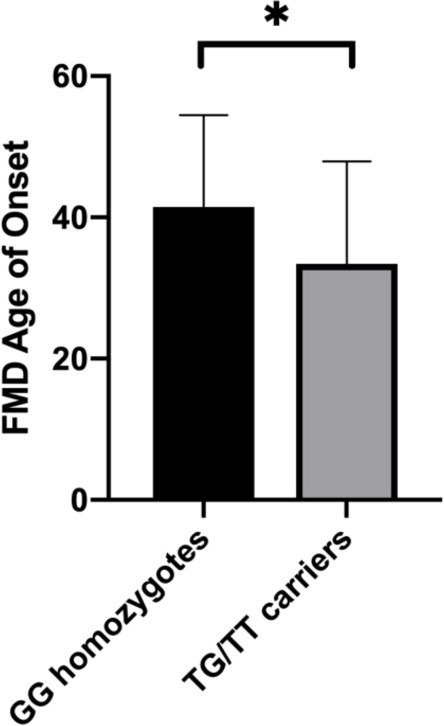
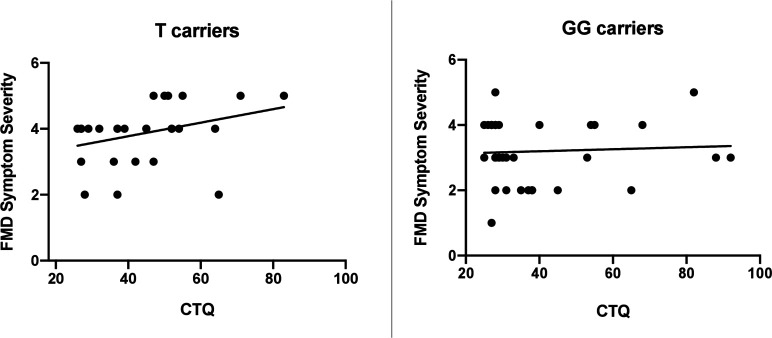
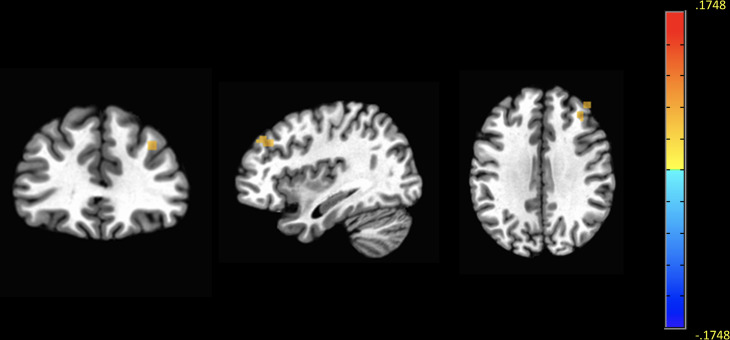
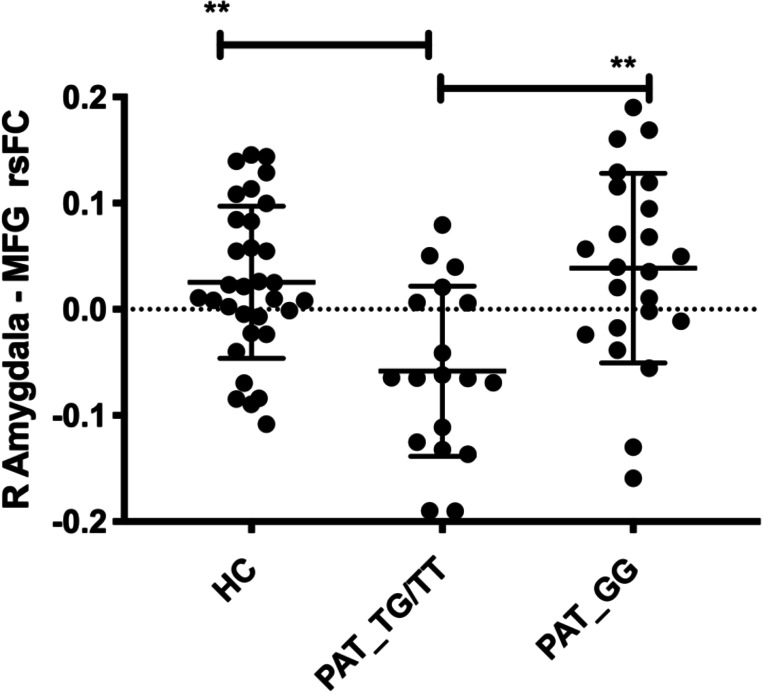
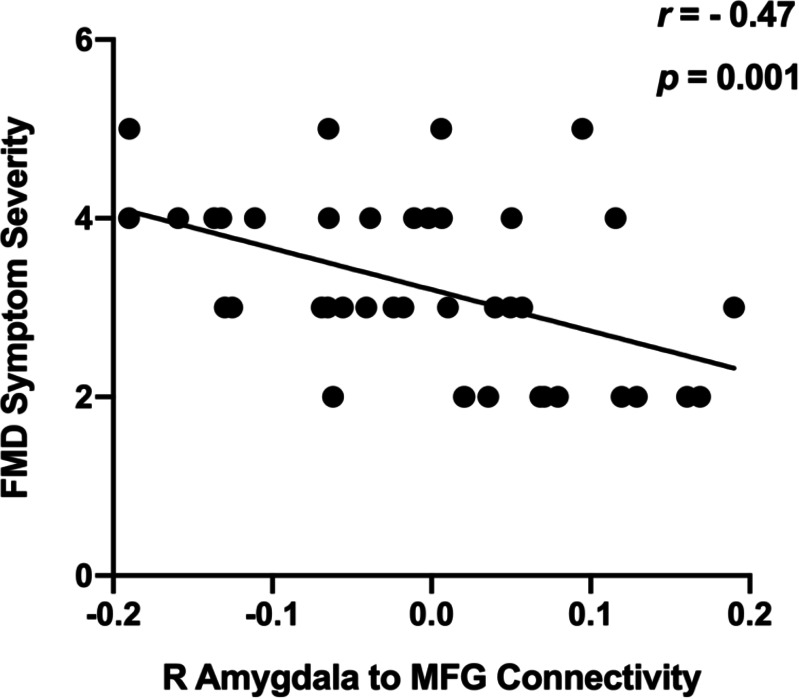
Background: Functional movement disorders (FMDs), part of the wide spectrum of functional neurological disorders (conversion disorders), are common and often associated with a poor prognosis. Nevertheless, little is known about their neurobiological underpinnings, particularly with regard to the contribution of genetic factors. Because FMD and stress-related disorders share a common core of biobehavioural manifestations, we investigated whether variants in stress-related genes also contributed, directly and interactively with childhood trauma, to the clinical and circuit-level phenotypes of FMD. Methods: Sixty-nine patients with a ‘clinically defined’ diagnosis of FMD were genotyped for 18 single-nucleotide polymorphisms (SNPs) from 14 candidate genes. FMD clinical characteristics, psychiatric comorbidity and symptomatology, and childhood trauma exposure were assessed. Resting-state functional connectivity data were obtained in a subgroup of 38 patients with FMD and 38 age-matched and sex-matched healthy controls. Amygdala–frontal connectivity was analysed using a whole-brain seed-based approach. Results: Among the SNPs analysed, a tryptophan hydroxylase 2 (TPH2) gene polymorphism—G703T—significantly predicted clinical and neurocircuitry manifestations of FMD. Relative to GG homozygotes, T carriers were characterised by earlier FMD age of onset and decreased connectivity between the right amygdala and the middle frontal gyrus. Furthermore, the TPH2 genotype showed a significant interaction with childhood trauma in predicting worse symptom severity. Conclusions: This is, to our knowledge, the first study showing that the TPH2 genotype may modulate FMD both directly and interactively with childhood trauma. Because both this polymorphism and early-life stress alter serotonin levels, our findings support a potential molecular mechanism modulating FMD phenotype.
Overview
The claims and statistics of this paper haven’t been checked yet.
Free: it reads the open-access text and checks the first 5 claims that cite a source we can check. Create a free account to check every claim.
Integrity signals
Registry
Cites
Statistics
Figures
Verification
Claims the paper makes
The claims and statistics of this paper haven’t been checked yet.
Free: it reads the open-access text and checks the first 5 claims that cite a source we can check. Create a free account to check every claim.
Self-check
Percentages, sums and reported differences re-computed from the paper’s own numbers.
The self-check needs the paper’s full text.
Citations
Cites
Hamilton, M. (1960) · Journal of Neurology, Neurosurgery & Psychiatry · doi:10.1136/jnnp.23.1.56 · Cited by 32,817
The assessment of anxiety states by rating
HAMILTON, M. (1959) · British Journal of Medical Psychology · doi:10.1111/j.2044-8341.1959.tb00467.x · Cited by 11,455
AFNI: Software for analysis and visualization of functional magnetic resonance neuroimages
Cox, R. W. (1996) · Computers and Biomedical Research · doi:10.1006/cbmr.1996.0014 · Cited by 10,913
Initial reliability and validity of a new retrospective measure of child abuse and neglect
(1994) · American Journal of Psychiatry · doi:10.1176/ajp.151.8.1132 · Cited by 3,577
Cognitive Reappraisal of Emotion: A Meta-Analysis of Human Neuroimaging Studies
Buhle, J. T., Silvers, J. A., Wager, T. D., Lopez, R., Onyemekwu, C., Kober, H., Weber, J., & Ochsner, K. N. (2014) · Cerebral Cortex · doi:10.1093/cercor/bht154 · Cited by 1,896
Structured Clinical Interview for DSM-III-R Personality Disorders
First, M. B., Spitzer, R. L., Gibbon, M., & Williams, J. B. W. (2012) · PsycTESTS Dataset · doi:10.1037/t07827-000 · Cited by 1,403
Amygdala–frontal connectivity during emotion regulation
Banks, S. J., Eddy, K. T., Angstadt, M., Nathan, P. J., & Phan, K. L. (2007) · Social Cognitive and Affective Neuroscience · doi:10.1093/scan/nsm029 · Cited by 1,187
Role of 5-HT in stress, anxiety, and depression
Graeff, F. G., Guimarães, F. S., De Andrade, T. G. C. S., & Deakin, J. F. W. (1996) · Pharmacology Biochemistry and Behavior · doi:10.1016/0091-3057(95)02135-3 · Cited by 984
Who is referred to neurology clinics?—The diagnoses made in 3781 new patients
Stone, J., Carson, A., Duncan, R., Roberts, R., Warlow, C., Hibberd, C., Coleman, R., Cull, R., Murray, G., Pelosi, A., et al. (2010) · Clinical Neurology and Neurosurgery · doi:10.1016/j.clineuro.2010.05.011 · Cited by 536
The Genetics of Stress-Related Disorders: PTSD, Depression, and Anxiety Disorders
Smoller, J. W. (2016) · Neuropsychopharmacology · doi:10.1038/npp.2015.266 · Cited by 480
Cited by
Functional neurological disorder: new subtypes and shared mechanisms
Hallett, M., Aybek, S., Dworetzky, B. A., McWhirter, L., Staab, J. P., & Stone, J. (2022) · The Lancet Neurology · doi:10.1016/s1474-4422(21)00422-1 · Cited by 538
Self-citationNeuroimaging in functional neurological disorder: State of the field and research agenda
Perez, D. L., Nicholson, T. R., Asadi-Pooya, A. A., Bègue, I., Butler, M., Carson, A. J., David, A. S., Deeley, Q., Diez, I., Edwards, M. J., et al. (2021) · NeuroImage: Clinical · doi:10.1016/j.nicl.2021.102623 · Cited by 216
Self-citationA framework for understanding the pathophysiology of functional neurological disorder
Drane, D. L., Fani, N., Hallett, M., Khalsa, S. S., Perez, D. L., & Roberts, N. A. (2021) · CNS Spectrums · doi:10.1017/s1092852920001789 · Cited by 189
Self-citationA new science of emotion: implications for functional neurological disorder
Jungilligens, J., Paredes-Echeverri, S., Popkirov, S., Barrett, L. F., & Perez, D. L. (2022) · Brain · doi:10.1093/brain/awac204 · Cited by 164
Decade of progress in motor functional neurological disorder: Continuing the momentum
Perez, D. L., Edwards, M. J., Nielsen, G., Kozlowska, K., Hallett, M., & LaFrance, Jr. (2021) · Journal of Neurology, Neurosurgery & Psychiatry · doi:10.1136/jnnp-2020-323953 · Cited by 149
Self-citationWhat have we really learned from functional connectivity in clinical populations?
Zhang, J., Kucyi, A., Raya, J., Nielsen, A. N., Nomi, J. S., Damoiseaux, J. S., Greene, D. J., Horovitz, S. G., Uddin, L. Q., & Whitfield, S. (2021) · NeuroImage · doi:10.1016/j.neuroimage.2021.118466 · Cited by 139
“…patients who are T carriers of the TPH2 ) gene polymorphism-G703T have an early age at onset, worse isease severity, and lower amygdala-frontal FC ( Spagnolo et al., 2020 ). n AD, APOE genotype is associated with distinct default mode network C profiles, which may help classify disease stages (…”
Self-citationIdentification of biopsychological trait markers in functional neurological disorders
Weber, S., Bühler, J., Vanini, G., Loukas, S., Bruckmaier, R., & Aybek, S. (2023) · Brain · doi:10.1093/brain/awac442 · Cited by 63
“As such, structural alterations in limbic and motor regions could be associated with childhood abuse and symptom severity,22–24 whose effect was even more pronounced in women.25 Similarly, an aversive emotional stimulus-dependent alteration of cortico-limbic and limbic–motor brain networks, involving regions such as t…”
InfluentialParedes-Echeverri, S., Maggio, J., Bègue, I., Pick, S., Nicholson, T. R., & Perez, D. L. (2022) · The Journal of Neuropsychiatry and Clinical Neurosciences · doi:10.1176/appi.neuropsych.21010025 · Cited by 62
Iatrogenic harm in functional neurological disorder
McLoughlin, C., Lee, W. H., Carson, A. J., & Stone, J. (2024) · Brain · doi:10.1093/brain/awae283 · Cited by 71
“135-137 However, the trend of using discoveries that are considered more biomedical in nature to ‘prove it’s a real illness, not psychological’ as is common in the long COVID and ME/CFS literature introduces a layered helping of stigma for patients and prevents an integrative and constructive…”
The pathophysiology of functional movement disorders
Demartini, B., Nisticò, V., Edwards, M. J., Gambini, O., & Priori, A. (2020) · Neuroscience & Biobehavioral Reviews · doi:10.1016/j.neubiorev.2020.10.019 · Cited by 53
Paredes-Echeverri, S., Guthrie, A. J., & Perez, D. L. (2022) · Frontiers in Psychiatry · doi:10.3389/fpsyt.2022.1040911 · Cited by 51
“In a neuroimaging— genetics study, the magnitude of endorsed childhood trauma (CTQ total score) in patients with FND with a tryptophan gene polymorphism positively correlated with symptom severity; this genetic variant also impacted the connectivity between the amygdala and middle frontal gyrus (44).”
BackgroundPredictive Processing and the Pathophysiology of Functional Neurological Disorder
Jungilligens, J., & Perez, D. L. (2024) · Current topics in behavioral neurosciences · doi:10.1007/7854_2024_473 · Cited by 41
Smederevac, S., Sadiković, S., Čolović, P., Vučinić, N., Milutinović, A., Riemann, R., Corr, P. J., Prinz, M. K., & Budimlija, Z. M. (2022) · Current Psychology · doi:10.1007/s12144-022-02724-9 · Cited by 35
Functional Neurologic Disorder, La Lésion Dynamique: 2024 Wartenberg Lecture
Hallett, M. (2024) · Neurology · doi:10.1212/wnl.0000000000210051 · Cited by 29
Self-citationChung, J., Mukerji, S., & Kozlowska, K. (2023) · Australian & New Zealand Journal of Psychiatry · doi:10.1177/00048674221082520 · Cited by 27
“The potential implication, when read together with recent studies of patients with FND (Diez et al., 2020; Kozlowska et al., 2017a; Spagnolo et al., 2020) or chronic fatigue (Nguyen et al., 2017) (see Table 1), is that the resulting changes in the brain may increase the risk of developing…”
BackgroundInfluentialFunctional Movement Disorders: Updates and Clinical Overview
Park, J. E. (2024) · Journal of Movement Disorders · doi:10.14802/jmd.24126 · Cited by 31
“75 These findings highlight the effects of early-life physical or sexual abuse in the development of FMD, as well as gene‒environment interactions that may be relevant.”
BackgroundAltered brain connectivity in hyperkinetic movement disorders: A review of resting-state fMRI
Marapin, R. S., van der Horn, H. J., van der Stouwe, A. M. M., Dalenberg, J. R., de Jong, B. M., & Tijssen, M. A. J. (2022) · NeuroImage Clinical · doi:10.1016/j.nicl.2022.103302 · Cited by 26
A dimensional approach to functional movement disorders: Heresy or opportunity
Spagnolo, P. A., Garvey, M., & Hallett, M. (2021) · Neuroscience & Biobehavioral Reviews · doi:10.1016/j.neubiorev.2021.04.005 · Cited by 23
Self-citationMoving Beyond Movement: Diagnosing Functional Movement Disorder
Gilmour, G. S., & Lidstone, S. C. (2023) · Seminars in Neurology · doi:10.1055/s-0043-1763505 · Cited by 24
Jungilligens, J., Popkirov, S., Perez, D. L., & Diez, I. P. (2022) · Psychiatry Research Neuroimaging · doi:10.1016/j.pscychresns.2022.111533 · Cited by 25
Migraine and functional neurological disorder (FND)—a review of comorbidity and potential overlap
Stone, J., Coebergh, J. A., Khoja, L., Butler, M., Nicholson, T. R., & Dodick, D. W. (2025) · Brain Communications · doi:10.1093/braincomms/fcaf288 · Cited by 17
“Genetic research in FND is in its infancy, 64,65 and there have been no studies of heritability.”
Spagnolo, P. A., Johnson, K. R., Hodgkinson, C. A., Goldman, D. A., & Hallett, M. (2023) · Progress in Neuro-Psychopharmacology and Biological Psychiatry · doi:10.1016/j.pnpbp.2023.110756 · Cited by 16
Self-citationThe blink reflex and its modulation – Part 2: Pathophysiology and clinical utility
Gündüz, A., Valls‐Solé, J., Serranová, T., Coppola, G., Köfler, M., & Jääskeläinen, S. K. (2024) · Clinical Neurophysiology · doi:10.1016/j.clinph.2024.02.006 · Cited by 16
Waugh, R. E., Parker, J. A., Hallett, M., & Horovitz, S. G. (2022) · Brain Connectivity · doi:10.1089/brain.2022.0001 · Cited by 13
“A subset of these subjects was previously reported (Maurer et al., 2016; Spagnolo et al., 2020).”
Self-citationSalivary oxytocin and amygdalar alterations in functional neurological disorders
Weber, S., Stoffel, N., Ansede‐Bermejo, J. J., Cruz, R., Bolt, Á. D. R., Bruckmaier, R. M., Carracedo, Á., & Aybek, S. (2024) · Brain Communications · doi:10.1093/braincomms/fcae455 · Cited by 11
“5,6 Preliminary results identified increased oxytocin receptor gene ( OXTR ) methylation in a small cohort of patients with FND, 7 suggesting a potential involvement of the oxytocinergic system in the pathophysiology of FND.”
Firouzabadi, N., Asadi‐Pooya, A. A., Alimoradi, N., Simani, L., & Asadollahi, M. (2023) · Epilepsia Open · doi:10.1002/epi4.12816 · Cited by 11
Healthcare employment as a risk factor for functional neurological disorder: A case–control study
Vanini, G., Bühler, J., Weber, S., Steinauer, M., & Aybek, S. (2023) · European Journal of Neurology · doi:10.1111/ene.16056 · Cited by 12
Genetics of Functional Seizures; A Scoping Systematic Review
Asadi‐Pooya, A. A., Hallett, M., Damabi, N. M., & Fazelian, K. (2023) · Genes · doi:10.3390/genes14081537 · Cited by 9
“Another study of 69 patients with FMD showed that the tryptophan hydroxylase 2 (TPH2) gene polymorphism may modulate functional movement disorders, both directly and interactively with childhood trauma [29].”
BackgroundSelf-citationRedina, O. E., Babenko, V. N., Смагин, Д. А., Kovalenko, I. L., Galyamina, A. G., & Kudryavtseva, N. N. (2021) · Genes · doi:10.3390/genes12111811 · Cited by 7
“age [14], as well as environmental factors [15,16], which makes it difficult to study the basic molecular genetic mechanisms that determine the synthesis of serotonin and its role in the formation of the phenotype on the human population.”
BackgroundFree Will, Emotions and Agency: Pathophysiology of Functional Movement Disorder
Hallett, M. (2022) · Current clinical neurology · doi:10.1007/978-3-030-86495-8_2 · Cited by 8
Self-citationÉtiopathogénie des troubles neurologiques fonctionnels : marqueurs biologiques et modèles théoriques
Conejero, I., Thouvenot, É., Hingray, C., Hubsch, C. A., El‐Hage, W., Carle, G., Rotgé, J., Drapier, S., Drapier, D., & Mouchabac, S. (2023) · L Encéphale · doi:10.1016/j.encep.2023.06.003 · Cited by 9
Aybek, S., & Chan, A. (2022) · European Journal of Neurology · doi:10.1111/ene.15568 · Cited by 6
“Recently, possible genetic/epigenetic changes in the stress pathways [51,52] were identified in FNDs, which may be relevant for MS [53].”
BackgroundBiomarkers and Rehabilitation for Functional Neurological Disorder
Mark, V. W. (2024) · Journal of Personalized Medicine · doi:10.3390/jpm14090948 · Cited by 6
“A tryptophan hydroxylase 2 gene polymorphism— G703T —has been shown to predict early-age onset of FND [123].”
BackgroundFrom Photography to fMRI: Epistemic Functions of Images in Medical Research on Hysteria
Muhr, P. (2022) · transcript Verlag eBooks · doi:10.14361/9783839461761 · Cited by 13
Are Functional (Psychogenic Nonepileptic) Seizures the Sole Expression of Psychological Processes?
Sojka, P., Paredes-Echeverri, S., & Perez, D. L. (2021) · Current topics in behavioral neurosciences · doi:10.1007/7854_2021_225 · Cited by 5
Functional Neurological Disorder in Children and Adolescents
Kozlowska, K., & Mohammad, S. S. (2022) · Springer eBooks · doi:10.1007/978-3-031-10494-7_37 · Cited by 6
Mechanisms of motor dysfunction in functional neurological disorder: A narrative review
Lo, A. P.-K., Homayoun, M., Jamieson, A. J., Harrison, B. J., & Kanaan, R. (2025) · Neuroscience & Biobehavioral Reviews · doi:10.1016/j.neubiorev.2025.106358 · Cited by 5
Neuroscience in pictures: Functional neurological disorder
Westlin, C., Keshavan, M. S., & Perez, D. L. (2025) · Asian Journal of Psychiatry · doi:10.1016/j.ajp.2025.104449 · Cited by 3
Kimata, A. R., Cameron-Burr, K. T., & Wilson, T. T. (2025) · Journal of the American College of Emergency Physicians Open · doi:10.1016/j.acepjo.2025.100220 · Cited by 3
“9 A variety of therapies are effective in decreasing acute symptomatology, including treatment of psychiatric and medical comorbidities, cognitive behavioral therapy, physical therapy, occupational therapy, speech-language pathology, and hypnosis.”
Nováková, L., Anýž, J., Forejtová, Z., Rošíková, T., Věchetová, G., Sojka, P., Růžička, E., & Serranová, T. (2023) · Movement Disorders Clinical Practice · doi:10.1002/mdc3.13812 · Cited by 5
“41 Future studies are needed to clarify possible interactions between genetic and environmental factors that may predispose individuals to OCD, FMD, and other movement disorders.”
BackgroundPremi, E., Cantoni, V., Benussi, A., Iraji, A., Calhoun, V. D., Corbo, D., Gasparotti, R., Tinazzi, M., Borroni, B., & Magoni, M. (2025) · NeuroImage Clinical · doi:10.1016/j.nicl.2025.103731 · Cited by 3
“…the spectrum of functional movement disorders (also considering other emerging clinical (childhood maltreatment) and genetic (i.e. TPH2 polymorphism, gene clusters) variables) (Diez et al., 2021; Maurer et al., 2016; Spagnolo et al., 2020) to further extend and consolidate the evidence described.”
Weber, S., Álvarez, L. T. R., Stoffel, N., Ansede‐Bermejo, J. J., Cruz, R., Bolt, Á. D. R., Bühler, J., Carracedo, Á., & Aybek, S. (2025) · Journal of Neuropsychiatry · doi:10.1176/appi.neuropsych.20250031 · Cited by 3
Placebo Effects and Functional Neurological Disorder: Helpful or Harmful?
Burke, M. J., & Lidstone, S. C. (2022) · Current clinical neurology · doi:10.1007/978-3-030-86495-8_27 · Cited by 3
Fominykh, V., Jaholkowski, P. P., Shadrin, A. A., Koch, E. M., Luitva, L. B., Mikkelsen, D. H., Lundberg, M., Pedersen, O. B., Ostrowski, S. R., Erikstrup, C., et al. (2025) · medRxiv · doi:10.1101/2025.07.16.25331639 · Cited by 3
Eatz, T. A., Margolesky, J. H., & Cocores, A. N. (2026) · Current Pain and Headache Reports · doi:10.1007/s11916-026-01480-w · Cited by 1
“Recent work has revealed specific genetic predispositions to the development of FND [31, 32 ].”
Mega-Analysis of Structural Brain Imaging in Functional Neurological Disorder
Butler, M., Vignando, M., Allendorfer, J. B., Hassa, T., Horovitz, S. G., Jansen, J. F. A., Jungilligens, J., Kerr, W. T., Marapin, R. S., Premi, E., et al. (2026) · Biological Psychiatry · doi:10.1016/j.biopsych.2026.06.031 · Cited by 1
“Further granular analysis of structural imaging, particularly methods that incorporate deep phenotypic characterization, neurotransmitter analyses [e.g., neurotransmitter correlation analysis (69)], or genetic correlations (70,71), could help elucidate the underlying biological mechanisms.”
Self-citationA guide to functional disease for a trauma conscious generation
Whitfield, A. (2021) · Clinical Medicine · doi:10.7861/clinmed.2020-1023 · Cited by 1
Integrating Neurologic and Psychiatric Perspectives in Functional Movement Disorder
Anderson, J., Perez, D. L., & Price, B. H. (2022) · Current clinical neurology · doi:10.1007/978-3-030-86495-8_4 · Cited by 1
Weber, S., Stoffel, N., Álvarez, L. T. R., Ansede‐Bermejo, J. J., Cruz, R., Bolt, Á. D. R., Bühler, J., Carracedo, Á., & Aybek, S. (2024) · medRxiv · doi:10.1101/2024.11.26.24317955 · Cited by 1
Functional (Psychogenic) Neurologic Disorders
Maurer, C. W., & Hallett, M. (2021) · Elsevier eBooks · doi:10.1016/b978-0-12-819306-8.00052-6
Self-citationFunctional (psychogenic) movement disorders
Jankovic, J. J., Hallett, M., Okun, M. S., Comella, C., Fahn, S., & Goldman, J. G. (2021) · Elsevier eBooks · doi:10.1016/b978-0-323-31071-0.00027-5
Self-citationAktuelle Forschungsergebnisse zur Neuropsychologie dissoziativer Anfälle
Jungilligens, J., Hoppe, C., & Reuner, G. (2024) · Clinical Epileptology · doi:10.1007/s10309-024-00681-w
Current research on the neuropsychology of dissociative seizures
Jungilligens, J., Hoppe, C., & Reuner, G. (2024) · Clinical Epileptology · doi:10.1007/s10309-024-00707-3
How to Best Treat Functional Motor Disorders?
Hurley, D. (2024) · Neurology Today · doi:10.1097/01.nt.0001071108.53564.30
Research progress in diagnosis and treatment of psychogenic pseudosyncope in children
Huang, Z., Xu, Y., Wang, S., Wang, Y., Hong, C., Zou, R., & Wang, C. (2025) · Cardiology in the Young · doi:10.1017/s1047951124026945
Dissociative Disorders: Symptomatology and Genes
Rajkumar, R. P. (2024) · Springer eBooks · doi:10.1007/978-3-031-32035-4_48-1
Al‐Jewair, T., Zylalaj, A., & Bejehmir, A. P. (2025) · Frontiers in Dental Medicine · doi:10.3389/fdmed.2025.1628802
Dissociative Disorders: Symptomatology and Genes
Rajkumar, R. P. (2025) · Springer eBooks · doi:10.1007/978-3-031-73368-0_48
Dave, A. M., Fukahori, K., Mack, M., & McNamara, C. (2026) · Pediatrics in Review · doi:10.1542/pir.2024-006722
Kapfhammer, H. (2026) · Springer Reference Medizin · doi:10.1007/978-3-642-45028-0_73-2
Mark Hallett and the renaissance of functional neurological disorder
Stone, J. (2026) · Clinical Parkinsonism & Related Disorders · doi:10.1016/j.prdoa.2026.100464
“Primavera Spagnolo collaborated with Mark to pioneer the study of genetic vulnerability to FND [46,47] in small case-control studies with fewer than 70 individuals.”
Imaging biomarkers in functional neurological disorders
Lozzi, I., Concetti, C., & Aybek, S. (2026) · Philosophical Transactions of the Royal Society B Biological Sciences · doi:10.1098/rstb.2024.0472 · Cited by 2
Ipavic, E., Pollak, T. A., Nicholson, T. R., Smythe, L. D., Happe, F. G. E., Edwards, M. J., & Berlot, R. (2026) · Psychological Medicine · doi:10.1017/s0033291726106199
“…and oxytocinergic systems, in susceptibility to functional and somatic symptoms (Hennings, Zill, & Rief, 2009; Palma-Gudiel et al., 2019; Spagnolo et al., 2020; Weber et al., 2026), and a genetic component has been reported in functional seizures (Asadi-Pooya, Hallett, Mirzaei Damabi, &…”
Metadata
- Authors
- Spagnolo, P. A., Norato, G., Maurer, C. W., Goldman, D., Hodgkinson, C., Horovitz, S., & Hallett, M.
- Affiliations
- National Institutes of Health (US)
- Stony Brook University (US)
- Corresponding author
- Spagnolo, Primavera A
- ORCID
- Venue
- Journal of Neurology, Neurosurgery & Psychiatry
- Publisher
- BMJ
- Published
- 2020-06-23
- Volume
- 91
- Issue
- 8
- Pages
- 814-821
- ISSN
- 0022-3050 (ISSN-L)
- 1468-330X
- PMC
- PMC7402460
- OpenAlex
- W3036162709
- Semantic Scholar
- 050df00712a7bbeb4c028b1fc91ce9987e751658
- Cited by
- 62
- References
- 48
- Citations by year
- 2026: 6 · 2025: 10 · 2024: 12 · 2023: 7 · 2022: 15 · 2021: 10 · 2020: 2
- FWCI
- 6.20
- Type
- journal article
- Language
- en
- Open access
- hybrid
- doi.org
- Licence
- Locations
- Journal of Neurology Neurosurgery & Psychiatry (publishedVersion, cc-by-nc)
- PubMed Central (publishedVersion, cc-by-nc)
- PubMed (publishedVersion)
- HighWire Press Open Archive (submittedVersion)
- Topics
- Health Sciences › Medicine › Psychiatry and Mental health › Psychosomatic Disorders and Their Treatments
- Health Sciences › Medicine › Clinical Neurology › Deep Brain Stimulation and Movement Disorders
- Life Sciences › Neuroscience › Cognitive Neuroscience › Functional Brain Connectivity Studies
- Keywords
- functional movement disorders, conversion disorder, TPH2 gene, tryptophan hydroxylase 2, childhood trauma, genetic susceptibility, resting-state functional connectivity, serotonin, age of onset, symptom severity, gene-environment interaction, psychiatric comorbidity
- MeSH terms
- Adult Survivors of Child Adverse Events, Adult, Amygdala, Conversion Disorder, Female, Homozygote, Humans, Magnetic Resonance Imaging, Male, Middle Aged, Movement Disorders, Psychiatric Status Rating Scales, Surveys and Questionnaires, Tryptophan Hydroxylase, Case-Control Studies, Prefrontal Cortex, Genetic Predisposition to Disease, Polymorphism, Single Nucleotide, Genetic Association Studies, Gene-Environment Interaction
About these checks
Registry, retraction, Cites and statistics results are computed, not judged, with one exception: a printed reference that no index lists is read once by a model before it counts as a citation error. Claims are extracted by a model and kept only when their quote appears verbatim in the text; each cited source is then checked, with a model’s help, for whether it says what the claim relies on. Those verdicts can be wrong — read the claim’s quote and the cited source before relying on one.
Statistics and arithmetic are recomputed, not judged.
Confidence bands are shown only for fields calibrated on our annotated test set. None is calibrated yet, so no band is shown.
What counts as a claim ›How we measure confidence ›How we check this ›
Are you an author, or do you see a problem with this page? Request a review
Data sources
Bibliographic data: Semantic Scholar, OpenAlex, Crossref.
Contains information from the Semantic Scholar Academic Graph Datasets, made available under the ODC Attribution License (ODC-BY 1.0).
Semantic Scholar’s data is described in: Kinney, R., et al. (2023). The Semantic Scholar Open Data Platform. arXiv:2301.10140.
