

Motor neuroprosthesis implanted with neurointerventional surgery improves capacity for activities of daily living tasks in severe paralysis: first in-human experience
Open accessThe DOI matches its Crossref record; 25 of the 25 references it cites were found in a registry or an index.
Abstract
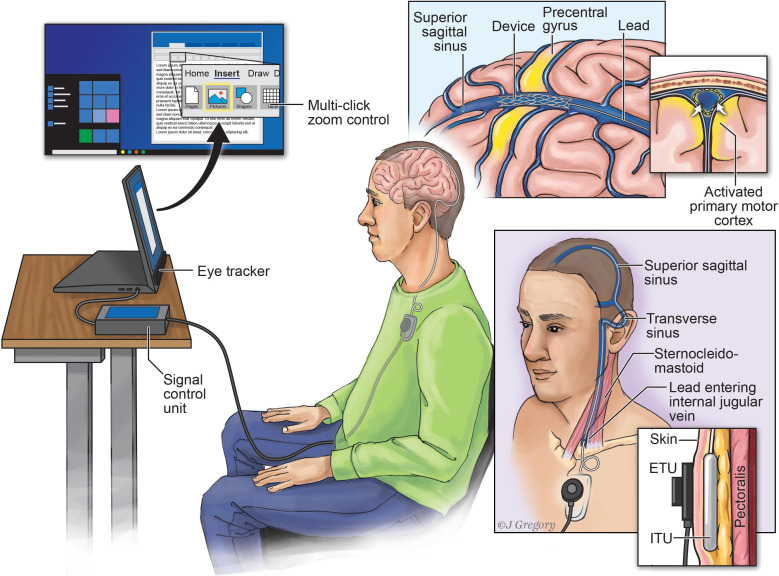
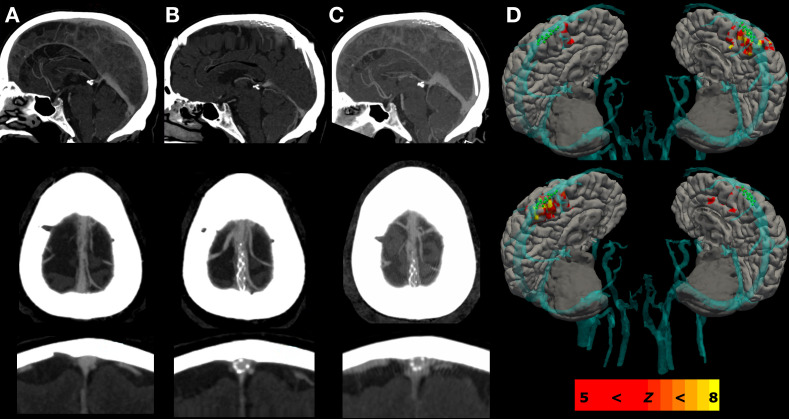
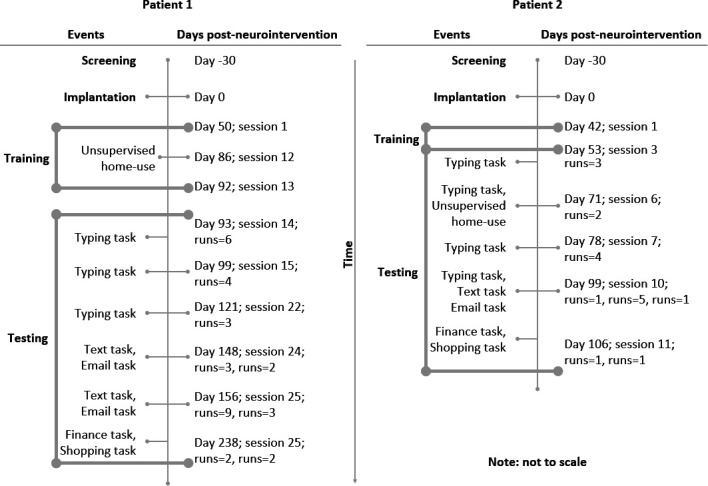
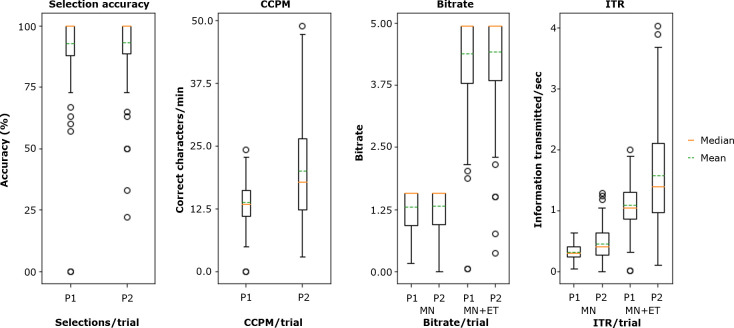
Background: Implantable brain–computer interfaces (BCIs), functioning as motor neuroprostheses, have the potential to restore voluntary motor impulses to control digital devices and improve functional independence in patients with severe paralysis due to brain, spinal cord, peripheral nerve or muscle dysfunction. However, reports to date have had limited clinical translation. Methods: Two participants with amyotrophic lateral sclerosis (ALS) underwent implant in a single-arm, open-label, prospective, early feasibility study. Using a minimally invasive neurointervention procedure, a novel endovascular Stentrode BCI was implanted in the superior sagittal sinus adjacent to primary motor cortex. The participants undertook machine-learning-assisted training to use wirelessly transmitted electrocorticography signal associated with attempted movements to control multiple mouse-click actions, including zoom and left-click. Used in combination with an eye-tracker for cursor navigation, participants achieved Windows 10 operating system control to conduct instrumental activities of daily living (IADL) tasks. Results: Unsupervised home use commenced from day 86 onwards for participant 1, and day 71 for participant 2. Participant 1 achieved a typing task average click selection accuracy of 92.63% (100.00%, 87.50%–100.00%) (trial mean (median, Q1–Q3)) at a rate of 13.81 (13.44, 10.96–16.09) correct characters per minute (CCPM) with predictive text disabled. Participant 2 achieved an average click selection accuracy of 93.18% (100.00%, 88.19%–100.00%) at 20.10 (17.73, 12.27–26.50) CCPM. Completion of IADL tasks including text messaging, online shopping and managing finances independently was demonstrated in both participants. Conclusion: We describe the first-in-human experience of a minimally invasive, fully implanted, wireless, ambulatory motor neuroprosthesis using an endovascular stent-electrode array to transmit electrocorticography signals from the motor cortex for multiple command control of digital devices in two participants with flaccid upper limb paralysis.
Overview
The claims and statistics of this paper haven’t been checked yet.
Free: it reads the open-access text and checks the first 5 claims that cite a source we can check. Create a free account to check every claim.
Integrity signals
Registry
Cites
Statistics
Figures
Verification
Claims the paper makes
The claims and statistics of this paper haven’t been checked yet.
Free: it reads the open-access text and checks the first 5 claims that cite a source we can check. Create a free account to check every claim.
Claims other papers make about this one
Each is checked against this paper’s own text: does it say what the citing paper says it does?
The source backs part of the claim, not all of it — or backs it for a different population, condition or comparison.
In the citing paper
“Similarly, both in academic and industry settings, approaches are being developed to improve throughput, sampling, biocompatibility and stability of MEAs183–186.”
From The speech neuroprosthesis (2024) · cites this paper as [183]
Experimental — accuracy not yet measuredThe source backs part of the claim, not all of it — or backs it for a different population, condition or comparison.
In the citing paper
“Another example of a battery-free implant is the Stentrode, designed for a 10-year lifespan, avoids invasive battery replacements through wireless power using near-field RF, with a transmission depth of ≈30 mm and 2% efficiency, connected to an Inductively Powered Internal Telemetry Unit (ITU) for power and Bluetooth signal transmission (Aldaoud et al., 2018; Oxley et al., 2020; Raza et al., 2020)”
From Comparative analysis of energy transfer mechanisms for neural implants (2024) · cites this paper as Oxley et al., 2020
Experimental — accuracy not yet measured
Self-check
Percentages, sums and reported differences re-computed from the paper’s own numbers.
The self-check needs the paper’s full text.
Citations
Cites
Assessment of Older People: Self-Maintaining and Instrumental Activities of Daily Living
Lawton, M. P., & Brody, E. M. (1969) · The Gerontologist · doi:10.1093/geront/9.3_part_1.179 · Cited by 18,540
Brain–computer interfaces for communication and control
Wolpaw, J. R., Birbaumer, N., McFarland, D. J., Pfurtscheller, G., & Vaughan, T. M. (2002) · Clinical Neurophysiology · doi:10.1016/s1388-2457(02)00057-3 · Cited by 7,927
Scoville, W. B. (1949) · Journal of neurosurgery · doi:10.3171/jns.1949.6.1.0065 · Cited by 7,381
International Classification of Functioning Disability and Health (ICF)
Battistella, L. R., & Brito, C. M. M. D. (2002) · Acta Fisiátrica · doi:10.5935/0104-7795.20020003 · Cited by 4,446
Neuronal ensemble control of prosthetic devices by a human with tetraplegia
Hochberg, L. R., Serruya, M. D., Friehs, G. M., Mukand, J. A., Saleh, M., Caplan, A. H., Branner, A., Chen, D., Penn, R. D., & Donoghue, J. P. (2006) · Nature · doi:10.1038/nature04970 · Cited by 3,295
Self-citationReach and grasp by people with tetraplegia using a neurally controlled robotic arm
Hochberg, L. R., Bacher, D., Jarosiewicz, B., Masse, N. Y., Simeral, J. D., Vogel, J., Haddadin, S., Liu, J., Cash, S. S., van der Smagt, P., et al. (2012) · Nature · doi:10.1038/nature11076 · Cited by 2,719
Self-citationA spelling device for the paralysed
Birbaumer, N., Ghanayim, N., Hinterberger, T., Iversen, I., Kotchoubey, B., Kübler, A., Perelmouter, J., Taub, E., & Flor, H. (1999) · Nature · doi:10.1038/18581 · Cited by 1,577
Falls, Injuries Due to Falls, and the Risk of Admission to a Nursing Home
Tinetti, M. E., & Williams, C. S. (1997) · New England Journal of Medicine · doi:10.1056/nejm199710303371806 · Cited by 1,403
Self-citationA brain–computer interface using electrocorticographic signals in humans
Leuthardt, E. C., Schalk, G., Wolpaw, J. R., Ojemann, J. G., & Moran, D. W. (2004) · Journal of Neural Engineering · doi:10.1088/1741-2560/1/2/001 · Cited by 1,188
A comprehensive review of EEG-based brain–computer interface paradigms
Abiri, R., Borhani, S., Sellers, E. W., Jiang, Y., & Zhao, X. (2019) · Journal of Neural Engineering · doi:10.1088/1741-2552/aaf12e · Cited by 946
Cited by
Progress in Brain Computer Interface: Challenges and Opportunities
Saha, S., Mamun, K. A., Ahmed, K., Mostafa, R., Naik, G. R., Darvishi, S., Khandoker, A. H., & Baumert, M. (2021) · Frontiers in Systems Neuroscience · doi:10.3389/fnsys.2021.578875 · Cited by 365
A wireless millimetric magnetoelectric implant for the endovascular stimulation of peripheral nerves
Chen, J. C., Kan, P., Yu, Z., Alrashdan, F., Garcia, R., Singer, A., Lai, C. S. E., Avants, B., Crosby, S., Li, Z., et al. (2022) · Nature Biomedical Engineering · doi:10.1038/s41551-022-00873-7 · Cited by 231
Bio-inspired electronics: Soft, biohybrid, and “living” neural interfaces
Boufidis, D., Garg, R., Angelopoulos, E., Cullen, D. K., & Vitale, F. (2025) · Nature Communications · doi:10.1038/s41467-025-57016-0 · Cited by 201
Mitchell, P., Lee, S. C. M., Yoo, P. E., Morokoff, A., Sharma, R. P., Williams, D. L., MacIsaac, C., Howard, M. E., Irving, L., Vrljic, I., et al. (2023) · JAMA Neurology · doi:10.1001/jamaneurol.2022.4847 · Cited by 186
Self-citationNon-Invasive Brain-Computer Interfaces: State of the Art and Trends
Edelman, B. J., Zhang, S., Schalk, G., Brunner, P., Müller-Putz, G., Guan, C., & He, B. (2025) · IEEE Reviews in Biomedical Engineering · doi:10.1109/rbme.2024.3449790 · Cited by 170
“Nevertheless, the Stentrode received approval for human BCI use from the United States Federal Drug Administration (FDA) and has already shown successful control of computer cursor-related tasks in patients [43], [44].”
Simeral, J. D., Hosman, T., Saab, J., Flesher, S. N., Vilela, M., Franco, B., Kelemen, J. N., Brandman, D. M., Ciancibello, J. G., Rezaii, P. G., et al. (2021) · IEEE Transactions on Biomedical Engineering · doi:10.1109/tbme.2021.3069119 · Cited by 165
“represent an effective solution for some individuals with severe disability [56].”
BackgroundSelf-citationThe state of clinical trials of implantable brain–computer interfaces
Patrick-Krueger, K. M., Burkhart, I., & Contreras-Vidal, J. L. (2024) · Nature Reviews Bioengineering · doi:10.1038/s44222-024-00239-5 · Cited by 125
“Unlike other electrodes, the EVA does not require breeching of the cranium for implantation as it is inserted via the jugular vein and is deployed in the sagittal sinus, where venous wall tissue grows to encapsulate the electrode 44 .”
Implantable brain machine interfaces: first-in-human studies, technology challenges and trends
Rapeaux, A. B., & Constandinou, T. G. (2021) · Current Opinion in Biotechnology · doi:10.1016/j.copbio.2021.10.001 · Cited by 119
Angrick, M., Luo, S., Rabbani, Q., Candrea, D. N., Shah, S., Milsap, G., Anderson, W. S., Gordon, C. R., Rosenblatt, K. R., Clawson, L., et al. (2024) · Scientific Reports · doi:10.1038/s41598-024-60277-2 · Cited by 120
Silva, A. B., Littlejohn, K. T., Liu, J. R., Moses, D. A., & Chang, E. F. (2024) · Nature Reviews Neuroscience · doi:10.1038/s41583-024-00819-9 · Cited by 103
Modulating Brain Activity with Invasive Brain–Computer Interface: A Narrative Review
Zhao, Z., Nie, C., Jiang, C.-T., Cao, S.-H., Tian, K.-X., Yu, S., & Gu, J. (2023) · Brain Sciences · doi:10.3390/brainsci13010134 · Cited by 99
“Another interesting electrode introduced recently is called a “stentrode”, which is delivered endovascularly to be close to the target area to record signals [21].”
BackgroundAngrick, M., Luo, S., Rabbani, Q., Candrea, D. N., Shah, S., Milsap, G. W., Anderson, W. S., Gordon, C. R., Rosenblatt, K. R., Clawson, L., et al. (2023) · doi:10.1101/2023.06.30.23291352 · Cited by 95
Longevity of a Brain–Computer Interface for Amyotrophic Lateral Sclerosis
Vansteensel, M. J., Leinders, S., Branco, M. P., Crone, N. E., Denison, T., Freudenburg, Z. V., Geukes, S. H., Gosselaar, P. H., Raemaekers, M. A. H., Schippers, A., et al. (2024) · New England Journal of Medicine · doi:10.1056/nejmoa2314598 · Cited by 95
“We and others have demonstrated the usability of implantable communication-BCIs for people with ALS to generate click-commands for spelling words and alerting a caregiver in daily-life settings 3–5 .”
BackgroundSelf-citationThe science and engineering behind sensitized brain-controlled bionic hands
Pandarinath, C., & Bensmaïa, S. J. (2021) · Physiological Reviews · doi:10.1152/physrev.00034.2020 · Cited by 91
Qian, S., Kumar, P., & Testai, F. D. (2022) · Current Neurology and Neuroscience Reports · doi:10.1007/s11910-022-01204-8 · Cited by 83
Interim Safety Profile From the Feasibility Study of the BrainGate Neural Interface System
Rubin, D. B., Ajiboye, A. B., Barefoot, L., Bowker, M., Cash, S. S., Chen, D., Donoghue, J. P., Eskandar, E. N., Friehs, G., Grant, C., et al. (2023) · Neurology · doi:10.1212/wnl.0000000000201707 · Cited by 81
Self-citationJangwan, N. S., Ashraf, G. M., Ram, V., Singh, V., Alghamdi, B. S. A., Abuzenadah, A. M., & Singh, M. F. (2022) · Frontiers in Systems Neuroscience · doi:10.3389/fnsys.2022.1000495 · Cited by 74
“The aim of researchers working on cognitive enhancement is to understand the neurobiological and psychological mechanisms underlying cognitive capacities while theorists are rather interested in their social and ethical implications (Dresler et al., 2019; Oxley et al., 2021).”
BackgroundTranslation of neurotechnologies
Schalk, G., Brunner, P., Allison, B. Z., Soekadar, S. R., Guan, C., Denison, T., Rickert, J., & Miller, K. J. (2024) · Nature Reviews Bioengineering · doi:10.1038/s44222-024-00185-2 · Cited by 74
“This is ideal for proof-of-concept studies, which probably aided the first-in-human studies (Synchron’s Stentrode, the Neurovista epilepsy seizure forecasting system, and the”
InfluentialSelf-citationCajigas, I., Davis, K. C., Meschede-Krasa, B., Prins, N. W., Gallo, S., Naeem, J. A., Palermo, A., Wilson, A., Guerra, S., Parks, B. A., et al. (2021) · Brain Communications · doi:10.1093/braincomms/fcab248 · Cited by 60
Invasive Brain Computer Interface for Motor Restoration in Spinal Cord Injury: A Systematic Review
Levett, J. J., Elkaim, L. M., Niazi, F., Weber, M. H., Iorio‐Morin, C., Bonizzato, M., & Weil, A. G. (2023) · Neuromodulation Technology at the Neural Interface · doi:10.1016/j.neurom.2023.10.006 · Cited by 75
Levitt, M. R., Hirsch, J. A., & Chen, M. (2024) · Journal of NeuroInterventional Surgery · doi:10.1136/jnis-2024-021602 · Cited by 70
Vansteensel, M. J., Klein, E., van Thiel, G., Gaytant, M., Simmons, Z., Wolpaw, J. R., & Vaughan, T. M. (2023) · Journal of Neurology · doi:10.1007/s00415-022-11464-6 · Cited by 59
Ansó, J., Benjaber, M., Parks, B. A., Parker, S. R., Oehrn, C. R., Petrucci, M. N., Gilron, R., Little, S. J., Wilt, R., Bronte-Stewart, H. M., et al. (2022) · Journal of Neural Engineering · doi:10.1088/1741-2552/ac59a3 · Cited by 65
“The most likely explanation is the relative size of the signal, as the common mode rejection can be compromised enough to allow ECG feedthrough of cortical signals, such as in the extreme case where the IPG case is one input of the differential chain [52].”
Self-citationNeuromorphic applications in medicine
Aboumerhi, K., Güemes, A., Liu, H., Tenore, F. V., & Etienne‐Cummings, R. (2023) · Journal of Neural Engineering · doi:10.1088/1741-2552/aceca3 · Cited by 59
“Release 143 183–90 [143] Oxley T J et al 2020 Motor neuroprosthesis implanted with”
Bergeron, D., Iorio‐Morin, C., Bonizzato, M., Lajoie, G., Gaucher, N. O., Racine, É., & Weil, A. G. (2023) · Journal of Child Neurology · doi:10.1177/08830738231167736 · Cited by 61
“In the private field, Neuralink is currently developing a brain-computer interface system that includes 3072 electrodes distributed across 96 threads in a 2-cm chip, with automated implantation by a surgical robot(4); Paradromics is developing an electrode array of 65 536 channels designed for high-density cortical re…”
MethodSaway, B. F., Palmer, C., Hughes, C. L., Triano, M. J., Suresh, R. E., Gilmore, J., George, M. S., Kautz, S. A., & Rowland, N. C. (2024) · Neurotherapeutics · doi:10.1016/j.neurot.2024.e00337 · Cited by 58
“The fi rst in-human trial involved two participants with ALS, while the second trial included 4 participants with ALS and 1 participant with primary lateral sclerosis [84,85].”
BackgroundWireless Battery-free and Fully Implantable Organ Interfaces
Bhatia, A., Hanna, J., Stuart, T., Kasper, K. A., Clausen, D. M., & Gutruf, P. (2024) · Chemical Reviews · doi:10.1021/acs.chemrev.3c00425 · Cited by 54
Harris, A. R., Grayden, D. B., & John, S. E. (2023) · Micromachines · doi:10.3390/mi14040722 · Cited by 50
“Common applications of electrodes are: recording electrophysiological function of neural or muscle tissue to understand or detect disease [1,2] and control prosthetic devices [3]; stimulation of neural tissue to provide sensory input such as the cochlear implant [4]; control disease symptoms such as tremor and rigidit…”
BackgroundSelf-citationNeurotechnologies to restore hand functions
Losanno, E., Mender, M. J., Chestek, C. A., Shokur, S., & Micera, S. (2023) · Nature Reviews Bioengineering · doi:10.1038/s44222-023-00054-4 · Cited by 49
Lerman, I. R., Bu, Y., Singh, R., Silverman, H. A., Bhardwaj, A., Mann, A., Widge, A. S., Palin, J., Puleo, C., & Lim, H. H. (2025) · Bioelectronic Medicine · doi:10.1186/s42234-024-00163-4 · Cited by 47
Brain-computer interface paradigms and neural coding
Tai, P., Ding, P., Wang, F., Gong, A., Li, T., Zhao, L., Su, L., & Fu, Y. (2024) · Frontiers in Neuroscience · doi:10.3389/fnins.2023.1345961 · Cited by 47
Neuralink’s brain-computer interfaces: medical innovations and ethical challenges
Lavazza, A., Balconi, M., Ienca, M., Minerva, F., Pizzetti, F. G., Reichlin, M., Samorè, F., Sironi, V. A., Navarro, M. S., & Songhorian, S. (2025) · Frontiers in Human Dynamics · doi:10.3389/fhumd.2025.1553905 · Cited by 45
Chandrasekaran, S., Fifer, M. S., Bickel, S., Osborn, L. E., Herrero, J. L., Christie, B. P., Xu, J., Murphy, R. K. J., Singh, S., Glasser, M. F., et al. (2021) · Bioelectronic Medicine · doi:10.1186/s42234-021-00076-6 · Cited by 45
Biohybrid neural interfaces: improving the biological integration of neural implants
Boulingre, M., Lara, R. P., & Green, R. A. (2023) · Chemical Communications · doi:10.1039/d3cc05006h · Cited by 44
Canny, E., Vansteensel, M. J., van der Salm, S. M. A., Müller-Putz, G., & Berezutskaya, J. (2023) · Journal of NeuroEngineering and Rehabilitation · doi:10.1186/s12984-023-01272-y · Cited by 42
“Copyright: [217] the “hand knob” and “face area”, revealing somatotopic organization of individual fingers [257] and speech artic-ulators [43], respectively.”
BackgroundMethodResultInfluentialOvercoming failure: improving acceptance and success of implanted neural interfaces
Dalrymple, A. N., Jones, S. T., Fallon, J. B., Shepherd, R. K., & Weber, D. J. (2025) · Bioelectronic Medicine · doi:10.1186/s42234-025-00168-7 · Cited by 44
“An alternative recording device, the Stentrode, is implanted endovascularly near the motor cortex, reducing both the surgical trauma and avoiding the tissue response from the brain (Oxley et al. 2020, 2016).”
Self-citationApplications of brain-computer interfaces in neurodegenerative diseases
Tayebi, H., Azadnajafabad, S., Maroufi, S. F., Pour‐Rashidi, A., Khorasanizadeh, M., Faramarzi, S., & Slavin, K. V. (2023) · Neurosurgical Review · doi:10.1007/s10143-023-02038-9 · Cited by 43
“In a new pioneering study, two ALS patients underwent an implant procedure close to primary motor cortex and, after days of training, could start using the BCI at home with significant accuracy to perform acts such as sending messages, shopping online, and handling finances without help [33].”
BackgroundHarnessing the Power of Artificial Intelligence in Otolaryngology and the Communication Sciences
Wilson, B. S., Tucci, D. L., Moses, D. A., Chang, E. F., Young, N. M., Zeng, F., Lesica, N. A., Bur, A. M., Kavookjian, H. L., Mussatto, C. C., et al. (2022) · Journal of the Association for Research in Otolaryngology · doi:10.1007/s10162-022-00846-2 · Cited by 40
Guttmann-Flury, E., Sheng, X., & Zhu, X. (2022) · Behavior Research Methods · doi:10.3758/s13428-022-01897-2 · Cited by 40
Biologicalisation in manufacturing – Current state and future trends
Wegener, K., Damm, O., Harst, S., Ihlenfeldt, S., Monostori, L., Teti, R., Wertheim, R., & Byrne, G. (2023) · CIRP Annals · doi:10.1016/j.cirp.2023.05.005 · Cited by 38
Yang, S., Qiao, X., Ma, J., Yang, Z., Luo, X., & Du, Z. J. (2025) · Biosensors · doi:10.3390/bios15070424 · Cited by 38
“…Stentrode™, leveraging vascular access to avoid open-brain surgery, exemplifies strategies for reducing invasiveness; however, its fixed intravascular position limits spatial resolution compared to direct cortical interfaces and underscores the trade-off between safety and signal fidelity [125].”
Continuous operation of battery-free implants enables advanced fracture recovery monitoring
Kasper, K. A., Figueroa, G., Perez, D., Miller, A. M., Gonzales, D. A., Siqueiros, J., Margolis, D. S., & Gutruf, P. (2025) · Science Advances · doi:10.1126/sciadv.adt7488 · Cited by 37
“The few existing clinical WBF implants use tethered power casting or large, bulky battery packs, which are inconvenient at best and prohibitive or exclusionary in some applications ( 21 , 22 ).”
Endovascular Brain-Computer Interfaces in Poststroke Paralysis
Brannigan, J., Fry, A., Opie, N. L., Campbell, B. C. V., Mitchell, P. J., & Oxley, T. J. (2023) · Stroke · doi:10.1161/strokeaha.123.037719 · Cited by 36
“53 Furthermore, there is evidence that cortical remodeling occurs when BCI motor outputs are recorded from an arbitrarily selected area in M1, leading to improved performance.”
BackgroundMethodInfluentialSelf-citationDavis, K., Meschede-Krasa, B., Cajigas, I., Prins, N. W., Alver, C. G., Gallo, S., Bhatia, S., Abel, J. H., Naeem, J., Fisher, L., et al. (2022) · Journal of NeuroEngineering and Rehabilitation · doi:10.1186/s12984-022-01026-2 · Cited by 36
“[18], spellers [47], and recently exoskeletons [24] with multiple degrees of freedom.”
BackgroundCerebral venous disorders: Diagnosis and endovascular management
Abdalkader, M. K., Hui, F. K., Amans, M. R., Raz, E., Hanning, U. M. P., Ma, A., Brinjikji, W., Malek, A. M., Oxley, T. J., & Nguyen, T. N. (2023) · Journal of Neuroradiology · doi:10.1016/j.neurad.2023.06.002 · Cited by 32
Self-citationDohle, E., Swanson, E., Jovanović, L., Yusuf, S., Thompson, L., Horsfall, H. L., Muirhead, W. R., Bashford, L., & Brannigan, J. (2025) · Advanced Science · doi:10.1002/advs.202501912 · Cited by 31
Evaluating the clinical benefit of brain-computer interfaces for control of a personal computer
Fry, A., Chan, A. H. W., Harel, N. Y., Spielman, L. A., Escalon, M. X., & Putrino, D. F. (2022) · Journal of Neural Engineering · doi:10.1088/1741-2552/ac60ca · Cited by 30
“Oxley et al [14] reported no serious adverse events for either of their two participants following implantation of an endovascular electrode array and subcutaneous telemetry unit.”
InfluentialCandrea, D. N., Shah, S., Luo, S., Angrick, M., Rabbani, Q., Coogan, C. G., Milsap, G., Nathan, K., Wester, B. A., Anderson, W. S., et al. (2024) · Communications Medicine · doi:10.1038/s43856-024-00635-3 · Cited by 32
Making a case for endovascular approaches for neural recording and stimulation
Thielen, B., Xu, H., Fujii, T., Rangwala, S. D., Jiang, W., Lin, M., Kammen, A., Liu, C. Y., Selvan, P., Song, D. B., et al. (2023) · Journal of Neural Engineering · doi:10.1088/1741-2552/acb086 · Cited by 28
“Although the challenges of chronic devices are currently being evaluated in the early feasibility study of the Stentrode [63], more work is needed to evaluate the safety and lifetime of chronically implanted wires and electronics in different configurations and implant locations.”
BackgroundInfluentialThe Emergence of Functional Ultrasound for Noninvasive Brain–Computer Interface
Zheng, H., Niu, L., Qiu, W., Liang, D., Long, X., Li, G., Liu, Z., & Meng, L. (2023) · Research · doi:10.34133/research.0200 · Cited by 27
“developed a “stentrode”—a set of 16 electrodes to read neural activity of amyotrophic lateral sclerosis patients [2].”
Acoustic Inspired Brain-to-Sentence Decoder for Logosyllabic Language
Feng, C., Cao, L., Wu, D., Zhang, E., Wang, T., Jiang, X., Zhou, C., Chen, J., Wu, H., Lin, S., et al. (2025) · Cyborg and Bionic Systems · doi:10.34133/cbsystems.0257 · Cited by 30
New Targets and New Technologies in the Treatment of Parkinson’s Disease: A Narrative Review
Montemurro, N., Aliaga, N., Graff, P., Escribano, A., & Lizana, J. (2022) · International Journal of Environmental Research and Public Health · doi:10.3390/ijerph19148799 · Cited by 27
“There is a wide variety of catheters, guide catheters, microcatheters and micro guides, among others, which facilitate the release of the devices in the desired location [82,84].”
BackgroundWhat Happens After a Neural Implant Study? Neuroethics Expert Workshop on Post-Trial Obligations
Dasgupta, I., Klein, E. P., Cabrera, L. Y., Chiong, W., Feinsinger, A., Fins, J. J., Haeusermann, T., Hendriks, S., Lázaro‐Muñoz, G., Kubu, C. S., et al. (2024) · Neuroethics · doi:10.1007/s12152-024-09549-2 · Cited by 27
Advances in endovascular brain computer interface: Systematic review and future implications
Ognard, J., Hajj, G. E., Verma, O., Ghozy, S. A., Kadirvel, R., Kallmes, D. F., & Brinjikji, W. (2025) · Journal of Neuroscience Methods · doi:10.1016/j.jneumeth.2025.110471 · Cited by 28
“…considered to ensure that individuals with preserved motor cortex activity and suitable venous anatomy are chosen (Oxley, 2025) (Beer-Furlan et al., 2021; Oxley et al., 2021) One early feasibility trial (NCT03834857) evaluated the Stentrode in two ALS patients with severe upper limb paralysis.”
Physical Intelligence in Small‐Scale Robots and Machines
Chen, H., & Sitti, M. (2025) · Advanced Materials · doi:10.1002/adma.202510332 · Cited by 28
Pseudo-online framework for BCI evaluation: a MOABB perspective using various MI and SSVEP datasets
Carrara, I., & Papadopoulo, T. (2024) · Journal of Neural Engineering · doi:10.1088/1741-2552/ad171a · Cited by 26
“In general, we can categorize such procedures into non invasive, with techniques like Electroencephalogram (EEG) [1] or invasive as the recent Endovascular Electrodes [2].”
MethodRecent advances in recording and modulation technologies for next-generation neural interfaces.
Hong, J.-W., Yoon, C., Jo, K., Won, J. H., & Park, S. (2021) · iScience · doi:10.1016/j.isci.2021.103550 · Cited by 25
Park, J. Y., Barrera, N. D., Bai, T., Meng, E. F., Fang, H., & Lee, H. (2025) · Annual Review of Biomedical Engineering · doi:10.1146/annurev-bioeng-110122-121128 · Cited by 25
“Delivered through a catheter-based procedure, the Stentrode can be implanted directly into blood vessels surrounding the brain (112).”
Kancheva, I. K., der Salm, S. M. A. V., Ramsey, N. F., & Vansteensel, M. J. (2023) · Neurological Sciences · doi:10.1007/s10072-023-06982-8 · Cited by 24
Ahmed, B., Khan, S., Lim, H., & Ku, J. H. (2025) · Electronics · doi:10.3390/electronics14030491 · Cited by 23
Emerging Trends of Biomedical Circuits and Systems
Sawan, M., Yang, J., Tarkhan, M., Chen, J., Wang, M., Wang, C., Xia, F., & Chen, Y.-H. (2021) · Foundations and Trends® in Integrated Circuits and Systems · doi:10.1561/3500000005 · Cited by 23
Vansteensel, M. J., Branco, M. P., Leinders, S., Freudenburg, Z. V., Schippers, A., Geukes, S. H., Gaytant, M. A., Gosselaar, P. H., Aarnoutse, E. J., & Ramsey, N. F. (2022) · Neurorehabilitation and neural repair · doi:10.1177/15459683221125788 · Cited by 23
Transient neurovascular interface for minimally invasive neural recording and stimulation
Fanelli, A., Ferlauto, L., Zollinger, E. G., Brina, O., Reymond, P., Machi, P., & Ghezzi, D. (2022) · Advanced Materials Technologies · doi:10.1002/admt.202100176 · Cited by 22
Commonly Overlooked Factors in Biocompatibility Studies of Neural Implants
Kumosa, L. S. (2023) · Advanced Science · doi:10.1002/advs.202205095 · Cited by 22
Comparative analysis of energy transfer mechanisms for neural implants
Miziev, S., Pawlak, W. A., & Howard, N. (2024) · Frontiers in Neuroscience · doi:10.3389/fnins.2023.1320441 · Cited by 21
Workshops of the eighth international brain–computer interface meeting: BCIs: the next frontier
Huggins, J. E., Krusienski, D. J., Vansteensel, M. J., Valeriani, D., Thelen, A., Stavisky, S. D., Norton, J. J. S., Nijholt, A., Müller-Putz, G., Kosmyna, N., et al. (2022) · Brain-Computer Interfaces · doi:10.1080/2326263x.2021.2009654 · Cited by 21
Han, J. J. (2021) · Artificial Organs · doi:10.1111/aor.14049 · Cited by 20
SCALO: An Accelerator-Rich Distributed System for Scalable Brain-Computer Interfacing
Sriram, K., Pothukuchi, R. P., Gerasimiuk, M., Ugur, M., Ye, O., Manohar, R., Khandelwal, A., & Bhattacharjee, A. (2023) · Proceedings - International Symposium on Computer Architecture/Proceedings · doi:10.1145/3579371.3589107 · Cited by 20
“chest-implanted [64, 96, 144], or scalp mounted [123, 166].”
BackgroundMethodLim, M. J. R., Lo, Y. T., Tan, Y. Y., Lin, H.-Y., Wang, Y., Tan, D., Wang, E., Ma, Y. Y. N., Ng, J. J. W., Jefree, R. A., et al. (2025) · Journal of Neural Engineering · doi:10.1088/1741-2552/adb88e · Cited by 21
“In recent studies, intravascular stentrodes were used as a less invasive alternative [46, 47] by utilising percutaneous access routes, which achieved similar rates of neural activity decoding [46].”
InfluentialNeuromotor prosthetic to treat stroke-related paresis: N-of-1 trial
Serruya, M. D., Napoli, A., Satterthwaite, N., Kardine, J., McCoy, J., Grampurohit, N., Talekar, K. S., Middleton, D. M., Mohamed, F. B., Kogan, M., et al. (2022) · Communications Medicine · doi:10.1038/s43856-022-00105-8 · Cited by 20
Conformable neural interface based on off-stoichiometry thiol-ene-epoxy thermosets
Borda, E., Medagoda, D. I., Leccardi, M. J. I. A., Zollinger, E. G., & Ghezzi, D. (2022) · Biomaterials · doi:10.1016/j.biomaterials.2022.121979 · Cited by 20
Wireless interfaces for brain neurotechnologies
Kim, H., & Ho, J. S. (2022) · Philosophical Transactions of the Royal Society A Mathematical Physical and Engineering Sciences · doi:10.1098/rsta.2021.0020 · Cited by 18
5-year follow-up of a fully implanted brain–computer interface in a spinal cord injury patient
Davis, K., Wyse‐Sookoo, K., Raza, F., Meschede-Krasa, B., Prins, N. W., Fisher, L., Brown, E. N., Cajigas, I., Ivan, M. E., Jagid, J. R., et al. (2025) · Journal of Neural Engineering · doi:10.1088/1741-2552/adc48c · Cited by 21
“Computer control has also been achieved using ECoG detected from within the superior sagittal sinus [55].”
Graphene nanostructures for input–output bioelectronics
Garg, R., Roman, D. S., Wang, Y., Cohen-Karni, D., & Cohen‐Karni, T. (2021) · Biophysics Reviews · doi:10.1063/5.0073870 · Cited by 19
Duguay, M., Bonizzato, M., Delivet-Mongrain, H., Fortier-Lebel, N., & Martinez, M. (2023) · Progress in Neurobiology · doi:10.1016/j.pneurobio.2023.102492 · Cited by 18
Kacker, K., Chetty, N., Feldman, A. K., Bennett, J. D., Yoo, P. E., Fry, A., Lacomis, D., Harel, N. Y., Nogueira, R. G., Majidi, S., et al. (2025) · Journal of Neural Engineering · doi:10.1088/1741-2552/adbd78 · Cited by 17
“The Stentrode consists of 16 platinum electrodes, each with a 500 µ m diameter, mounted on a self-expanding nitinol scaffold measuring 8 × 40 mm (Stentrode, Synchron, CA, USA) (figure 1(a)) (Oxley et al 2021).”
InfluentialSelf-citationKing, B. J., Read, G. J. M., & Salmon, P. M. (2023) · Applied Ergonomics · doi:10.1016/j.apergo.2023.104028 · Cited by 16
Info-Autopoiesis and the Limits of Artificial General Intelligence
Cárdenas-García, J. F. (2023) · Computers · doi:10.3390/computers12050102 · Cited by 16
Vascular remodeling in sheep implanted with endovascular neural interface
John, S. E., Donegan, S., Scordas, T. C. M., Qi, W., Sharma, P., Liyanage, K., Wilson, S., Birchall, I. E., Ooi, A. S. H., Oxley, T. J., et al. (2022) · Journal of Neural Engineering · doi:10.1088/1741-2552/ac9a77 · Cited by 16
“, NY, USA)was placed in cerebral blood vessels [9, 13] and was used as a brain– computer interface for people with paralysis [17].”
MethodSelf-citationNeurophysiological considerations for visual implants
Meikle, S. J., & Wong, Y. T. (2022) · Brain Structure and Function · doi:10.1007/s00429-021-02417-2 · Cited by 15
Self-citationMokienko, O. A. (2024) · Современные технологии в медицине · doi:10.17691/stm2024.16.1.08 · Cited by 17
Endovascular neural stimulation with platinum and platinum black modified electrodes
Harris, A. R., Ruslim, M. A., Xin, H., Shen, Z., Liu, J., Spencer, T., Garrett, D. J., Grayden, D. B., & John, S. E. (2025) · Scientific Reports · doi:10.1038/s41598-025-93941-2 · Cited by 14
Self-citationPost-trial access to implantable neural devices: an exploratory international survey
Higgins, N., Gardner, J., Wexler, A., Kellmeyer, P., O’Brien, K., & Carter, A. (2024) · BMJ Surgery Interventions & Health Technologies · doi:10.1136/bmjsit-2024-000262 · Cited by 14
“25”
The ethical significance of user-control in AI-driven speech-BCIs: a narrative review
van Stuijvenberg, O. C., Samlal, D. P. S., Vansteensel, M. J., Broekman, M. L. D., & Jongsma, K. R. (2024) · Frontiers in Human Neuroscience · doi:10.3389/fnhum.2024.1420334 · Cited by 13
Assistive Technology in ALS: A Scoping Review of Devices for Limb, Trunk, and Neck Weakness
Burke, K. M., Arulanandam, V., Scirocco, E., Royse, T. B., Hall, S., Weber, H., Arnold, J., Pathak, P., Walsh, C. J., & Paganoni, S. (2025) · American Journal of Physical Medicine & Rehabilitation · doi:10.1097/phm.0000000000002742 · Cited by 13
Sawyer, A., Cooke, L., Ramsey, N. F., & Putrino, D. F. (2023) · Journal of NeuroInterventional Surgery · doi:10.1136/jnis-2023-020316 · Cited by 13
In the realm of hybrid Brain: Human Brain and AIPreprint
Fares, H., Ronchini, M., Zamani, M., Farkhani, H., & Moradi, F. (2022) · arXiv (Cornell University) · doi:10.48550/arxiv.2210.01461 · Cited by 13
“Stentrodes Catheter angiography guided implantation Yes Minimally invasive BCIs (ongoing Human trails) Motor neuroprosthesis [88], [89]”
MethodA leadless power transfer and wireless telemetry solutions for an endovascular electrocorticography
Xu, Z., Khazaee, M., Truong, N. D., Havenga, D., Nikpour, A., Ahnood, A., & Kavehei, O. (2024) · Journal of Neural Engineering · doi:10.1088/1741-2552/ad8dfe · Cited by 12
“Endovascular brain-computer interfaces (eBCIs) systems have opened up new frontiers in human-machine interaction and have the potential to revolutionize the way we understand and treat neurological disorders [1–4].”
Advances in Neuromodulation and Digital Brain–Spinal Cord Interfaces for Spinal Cord Injury
Jaszczuk, P., Bratelj, D., Capone, C., Rudnick, M., Pötzel, T., Verma, R. K., & Fiechter, M. (2025) · International Journal of Molecular Sciences · doi:10.3390/ijms26136021 · Cited by 13
“…requiring cortical contact, it is implanted via craniotomy and has enabled precise motor decoding in SCI and ALS patients, with a restoring hand and arm function in tetraplegia via prosthetic control (90% accuracy) with proof-of-concept research ongoing within the BrainGate2 clinical trial [38–43].”
InfluentialLiu, J., Grayden, D. B., Keast, J. R., & John, S. E. (2022) · Journal of Neural Engineering · doi:10.1088/1741-2552/aca69e · Cited by 12
“Acute and chronic pre-clinical studies have shown the efficacy and safety of a stentmounted electrode array implanted in a cortical vein in a sheep model for stimulation and recording [15, 21, 22], and the first-in-human trial of amotor neuroprosthesis using the stent-electrode array is underway [23].”
BackgroundSelf-citationRealtime monitoring of thrombus formation in vivo using a self-reporting vascular access graft
Hoare, D., Kingsmore, D. B., Holsgrove, M., Russell, E., Kirimi, M. T., Czyzewski, J., Mirzai, N., Kennedy, S., Neale, S. L., & Mercer, J. R. (2024) · Communications Medicine · doi:10.1038/s43856-024-00436-8 · Cited by 12
“For a prototype preclinical or even fi rst in human trial ef fi cacy such packaging has been established through the Stentrode technology from Synchron though this is in the low-pressure vascular system 51 – 53 .”
MethodSuperior cortical venous anatomy for endovascular device implantation: a systematic review
Brannigan, J., McClanahan, A. J., Hui, F. K., Fargen, K. M., Pinter, N. K., & Oxley, T. J. (2024) · Journal of NeuroInterventional Surgery · doi:10.1136/jnis-2023-021434 · Cited by 11
“The vein of Trolard was consistently reported to be the largest cortical vein draining into the SSS, with a mean diameter ranging from 2.14 mm to 3.32 mm.”
BackgroundMethodInfluentialSelf-citationMortezaei, A., Al-Saidi, N., Taghlabi, K. M., Hussein, A., Hallak, H., Pouratian, N., & Faraji, A. H. (2026) · Neurosurgical FOCUS · doi:10.3171/2025.11.focus25913 · Cited by 11
AI for brain-computer interfaces
Haslacher, D., Akmazoglu, T. B., van Beinum, A., Starke, G., Buthut, M., & Soekadar, S. R. (2024) · Developments in neuroethics and bioethics · doi:10.1016/bs.dnb.2024.02.003 · Cited by 12
King, B. J., Read, G. J. M., & Salmon, P. M. (2024) · Applied Ergonomics · doi:10.1016/j.apergo.2024.104382 · Cited by 12
Future Directions of Endovascular Neurosurgery
Yaeger, K., & Mocco, J. (2022) · Neurosurgery Clinics of North America · doi:10.1016/j.nec.2021.11.007 · Cited by 11
Self-citationThe neuropalliative multidisciplinary team—Members and their roles
Brennan, F. P., Gardiner, M. D., & Narasimhan, M. (2022) · Handbook of clinical neurology · doi:10.1016/b978-0-323-85029-2.00010-5 · Cited by 11
Groß, M., & Hennig, B. (2023) · Springer eBooks · doi:10.1007/978-3-662-64118-7_29 · Cited by 11
A Survey on Brain-Computer Interface and Related Applications
Pai, K., Kallimani, R., Iyer, S., Maheswari, B. U., Khanai, R., & Torse, D. A. (2023) · BENTHAM SCIENCE PUBLISHERS eBooks · doi:10.2174/9789815080445123020016 · Cited by 10
The pioneering past and cutting-edge future of interventional neuroradiology
Gravino, G. (2022) · Interventional Neuroradiology · doi:10.1177/15910199221130234 · Cited by 10
“53 In the context of symptomatic high-grade intracranial atherosclerotic disease, drug-eluting stents, such as the DES (NOVA intracranial sirolimus-eluting stent system) or BMS (Apollo intracranial stent system) are being explored.”
Metadata
- Authors
- Oxley, T. J., Yoo, P. E., Rind, G. S., Ronayne, S. M., Lee, C. M. S., Bird, C., Hampshire, V., Sharma, R. P., Morokoff, A., Williams, D. L., MacIsaac, C., Howard, M. E., Irving, L., Vrljic, I., Williams, C., John, S. E., Weissenborn, F., Dazenko, M., Balabanski, A. H., Friedenberg, D., Burkitt, A. N., Wong, Y. T., Drummond, K. J., Desmond, P., Weber, D., Denison, T., Hochberg, L. R., Mathers, S., O"Brien, T. J., May, C. N., Mocco, J., Grayden, D. B., Campbell, B. C. V., Mitchell, P., & Opie, N. L.
- Affiliations
- The Royal Melbourne Hospital (AU)
- Calvary Health Care Bethlehem (AU)
- Stanford Medicine (US)
- Melbourne Health (AU)
- Institute for Breathing and Sleep (AU)
- Battelle (US)
- The University of Melbourne (AU)
- Monash University (AU)
- Carnegie Mellon University (US)
- University of Oxford (GB)
- Harvard University (US)
- Mount Sinai Health System (US)
- Corresponding author
- Oxley, Thomas J
- ORCID
- Oxley, Thomas J
- Yoo, Peter E
- Ronayne, Stephen M
- Sharma, Rahul P
- Morokoff, Andrew
- Williams, Daryl L
- MacIsaac, Christopher
- Howard, Mark E
- Williams, Cameron
- John, Sam E
- Balabanski, Anna H
- Friedenberg, David
- Burkitt, Anthony N
- Wong, Yan T
- Drummond, Katharine J
- Desmond, Patricia
- Weber, Douglas
- Denison, Timothy
- Hochberg, Leigh R
- Mathers, Susan
- May, Clive N
- Mocco, J
- Grayden, David B
- Campbell, Bruce C V
- Mitchell, Peter
- Opie, Nicholas L
- Venue
- Journal of NeuroInterventional Surgery
- Publisher
- BMJ
- Published
- 2020-10-28
- Volume
- 13
- Issue
- 2
- Pages
- 102-108
- ISSN
- 1759-8478 (ISSN-L)
- 1759-8486
- PMC
- PMC7848062
- OpenAlex
- W3095851333
- Cited by
- 243
- References
- 25
- Citations by year
- 2026: 34 · 2025: 58 · 2024: 58 · 2023: 39 · 2022: 36 · 2021: 17 · 2020: 1
- FWCI
- 12.49
- Type
- journal article
- Language
- en
- Open access
- hybrid
- doi.org
- Licence
- Locations
- Journal of NeuroInterventional Surgery (publishedVersion, cc-by-nc)
- PubMed Central (publishedVersion, cc-by-nc)
- Europe PMC (PubMed Central) (publishedVersion, cc-by-nc)
- PubMed (publishedVersion)
- Adelaide Research & Scholarship (AR&S) (University of Adelaide) (submittedVersion, cc-by-nc)
- Monash University Research Portal (Monash University) (submittedVersion, cc-by-nc)
- Minerva Access (University of Melbourne) (submittedVersion, cc-by-nc)
- Funders
- Australian Federal Government, Department of Industry, Innovation and Science (GIL73654)
- USA Department of Defense Office of the Congressionally Directed Medical Research Programs (SC160158)
- Motor Neurone Disease Research Institute of Australia (GIA1844)
- Office of the Assistant Secretary of Defense for Health Affairs, Spinal Cord Injury Award Program (W81XWH-17-1-0210)
- National Health and Medical Research Council of Australia (GNT1062532, GNT1138110, GNT1161108)
- US Defense Advanced Projects Agency (DARPA) Microsystems Technology Office (N6601-12-1-4045)
- Australia Research Council (ARC) Linkage Grant (LP150100038)
- Office of Naval Research (ONR) Global (N26909-14-1-N020)
- Topics
- Life Sciences › Neuroscience › Cognitive Neuroscience › EEG and Brain-Computer Interfaces
- Life Sciences › Neuroscience › Cellular and Molecular Neuroscience › Neuroscience and Neural Engineering
- Health Sciences › Medicine › Rehabilitation › Stroke Rehabilitation and Recovery
- Keywords
- brain-computer interface, amyotrophic lateral sclerosis, electrocorticography, superior sagittal sinus, primary motor cortex, upper limb paralysis, instrumental activities of daily living, first-in-human implantation
- MeSH terms
- Activities of Daily Living, Aged, Feasibility Studies, Female, Humans, Male, Middle Aged, Motor Cortex, Paralysis, Prospective Studies, Severity of Illness Index, Imaging, Three-Dimensional, Implantable Neurostimulators, Brain-Computer Interfaces
About these checks
Registry, retraction, Cites and statistics results are computed, not judged, with one exception: a printed reference that no index lists is read once by a model before it counts as a citation error. Claims are extracted by a model and kept only when their quote appears verbatim in the text; each cited source is then checked, with a model’s help, for whether it says what the claim relies on. Those verdicts can be wrong — read the claim’s quote and the cited source before relying on one.
Statistics and arithmetic are recomputed, not judged.
Confidence bands are shown only for fields calibrated on our annotated test set. None is calibrated yet, so no band is shown.
What counts as a claim ›How we measure confidence ›How we check this ›
Are you an author, or do you see a problem with this page? Request a review
Data sources
Bibliographic data: Semantic Scholar, OpenAlex, Crossref.
Contains information from the Semantic Scholar Academic Graph Datasets, made available under the ODC Attribution License (ODC-BY 1.0).
Semantic Scholar’s data is described in: Kinney, R., et al. (2023). The Semantic Scholar Open Data Platform. arXiv:2301.10140.
