

Recent Advances in Understanding of Pathogenesis of Alcohol-Associated Liver Disease
Open accessThe DOI matches its Crossref record; 155 of the 155 references it cites were found in a registry or an index.
Abstract
Alcohol-associated liver disease (ALD) is one of the major diseases arising from chronic alcohol consumption and is one of the most common causes of liver-related morbidity and mortality. ALD includes asymptomatic liver steatosis, fibrosis, cirrhosis, and alcohol-associated hepatitis and its complications. The progression of ALD involves complex cell-cell and organ-organ interactions. We focus on the impact of alcohol on dysregulation of homeostatic mechanisms and regulation of injury and repair in the liver. In particular, we discuss recent advances in understanding the disruption of balance between programmed cell death and prosurvival pathways, such as autophagy and membrane trafficking, in the pathogenesis of ALD. We also summarize current understanding of innate immune responses, liver sinusoidal endothelial cell dysfunction and hepatic stellate cell activation, and gut-liver and adipose-liver cross talk in response to ethanol. In addition,we describe the current potential therapeutic targets and clinical trials aimed at alleviating hepatocyte injury, reducing inflammatory responses, and targeting gut microbiota, for the treatment of ALD.
Overview
The claims and statistics of this paper haven’t been checked yet.
Free: it reads the open-access text and checks the first 5 claims that cite a source we can check. Create a free account to check every claim.
Integrity signals
Registry
Cites
Statistics
Figures
Verification
Claims the paper makes
The claims and statistics of this paper haven’t been checked yet.
Free: it reads the open-access text and checks the first 5 claims that cite a source we can check. Create a free account to check every claim.
Claims other papers make about this one
Each is checked against this paper’s own text: does it say what the citing paper says it does?
In the citing paper
“In cases of severe alcoholic hepatitis, hepatocytes may undergo dedifferentiation, assuming a cholangiocyte-like phenotype, which correlates with poorer clinical outcomes [102].”
From Constructing biomimetic microenvironments for liver regeneration (2025) · doi:10.1186/s12951-025-03729-9 · cites this paper as [102]
Self-check
Percentages, sums and reported differences re-computed from the paper’s own numbers.
The self-check needs the paper’s full text.
Citations
Cites
Ferroptosis: A Regulated Cell Death Nexus Linking Metabolism, Redox Biology, and Disease
Stockwell, B. R., Friedmann Angeli, J. P., Bayir, H., Bush, A. I., Conrad, M., Dixon, S. J., Fulda, S., Gascón, S., Hatzios, S. K., Kagan, V. E., et al. (2017) · Cell · doi:10.1016/j.cell.2017.09.021 · Cited by 7,695 · cited 5×
“As Gpx4 −/− mice exhibit early embryonic lethality (40), multiple chemical compounds, targeting either GPX4 or other regulators of ferroptosis, are broadly used to elucidate the role of ferroptosis in multiple disorders (41).”
BackgroundInfluentialHepatic Stellate Cells: Protean, Multifunctional, and Enigmatic Cells of the Liver
Friedman, S. L. (2008) · Physiological Reviews · doi:10.1152/physrev.00013.2007 · Cited by 2,842 · cited 9×
“Hepatic endothelial cells (ECs), including periportal ECs, liver sinusoidal ECs (LSECs) and periportal ECs, also play a critical role in liver regeneration by direct interaction with macrophages and hepatocytes.”
BackgroundInfluentialThe molecular machinery of regulated cell death
Tang, D., Kang, R., Berghe, T. V., Vandenabeele, P., & Kroemer, G. (2019) · Cell Research · doi:10.1038/s41422-019-0164-5 · Cited by 2,549 · cited 4×
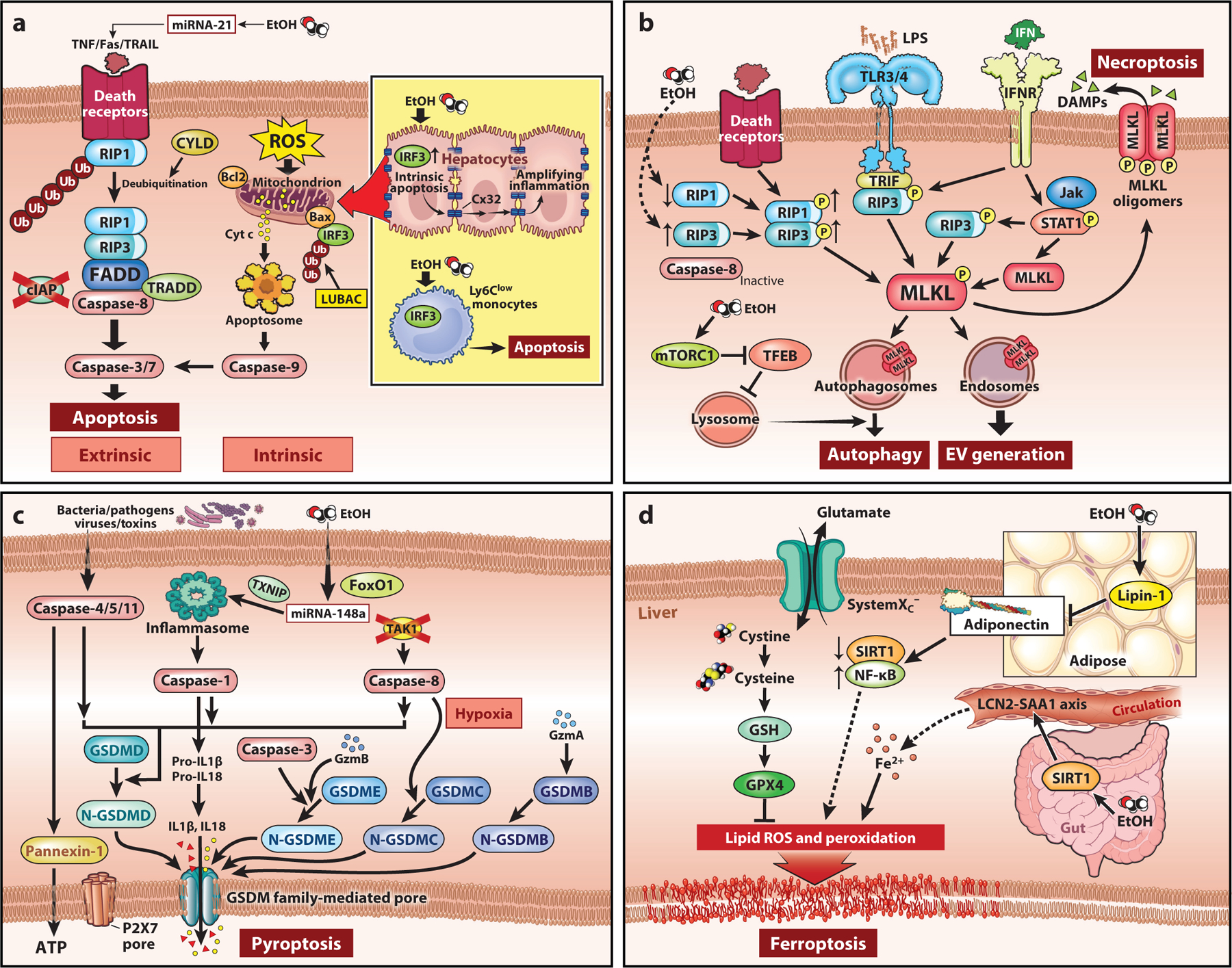
“The intrinsic pathway is commonly triggered via members of the B cell lymphoma 2 (Bcl-2) family, which control mitochondrial outer membrane permeabilization, cytochrome c release, and, subsequently, caspase activation (11).”
BackgroundInfluentialPyroptosis: Mechanisms and Diseases
Yu, P., Zhang, X., Liu, N., Tang, L., Peng, C., & Chen, X. (2021) · Signal Transduction and Targeted Therapy · doi:10.1038/s41392-021-00507-5 · Cited by 2,353 · cited 3×
“Noncanonical pyroptosis is driven by caspase-4 and caspase-5 (human) or caspase-11 (mouse) (32).”
BackgroundInfluentialXu, A., Wang, Y., Keshaw, H., Xu, L. Y., Lam, K. S. L., & Cooper, G. J. S. (2003) · Journal of Clinical Investigation · doi:10.1172/jci200317797 · Cited by 1,298
Xu, A., Wang, Y., Keshaw, H., Xu, L. Y., Lam, K. S. L., & Cooper, G. J. S. (2003) · Journal of Clinical Investigation · doi:10.1172/jci17797 · Cited by 1,296 · cited 1×
“Provision of exogenous adiponectin to mice protects from ethanol-induced liver injury (136); however, the relevance of these data to human ALD is not known.”
BackgroundSeitz, H. K., Bataller, R., Cortez-Pinto, H., Gao, B., Gual, A., Lackner, C., Mathurin, P., Mueller, S., Szabo, G., & Tsukamoto, H. (2018) · Nature Reviews Disease Primers · doi:10.1038/s41572-018-0014-7 · Cited by 1,271
Cargo recognition and trafficking in selective autophagy
Stolz, A., Ernst, A., & Dikic, I. (2014) · Nature Cell Biology · doi:10.1038/ncb2979 · Cited by 1,207 · cited 1×
“Additionally, autophagy and membrane trafficking, which share common components and affect each other, play an important role in repair of cell damage and cell survival (13).”
BackgroundLinkermann, A., & Green, D. R. (2014) · New England Journal of Medicine · doi:10.1056/nejmra1310050 · Cited by 1,103
Bacteriophage targeting of gut bacterium attenuates alcoholic liver disease
Duan, Y., Llorente, C., Lang, S., Brandl, K., Chu, H., Jiang, L., White, R. C., Clarke, T. H., Nguyen, K., Torralba, M., et al. (2019) · Nature · doi:10.1038/s41586-019-1742-x · Cited by 844 · cited 3×
“Duan and colleagues (119) recently found that cytolysin-secreting E. faecalis strains are an important factor in exacerbating liver cell damage and death in patients with severe alcoholism.”
Background
Cited by
Items 101–200 of 303
Fu, J., Zhang, Z., Zhao, Y., Li, X., Jiang, C., He, H., Huo, J., Qi, X., Wu, J., Zhu, F.-X., et al. (2024) · International Immunopharmacology · doi:10.1016/j.intimp.2024.113550 · Cited by 8
Self-citationWu, J., Huang, E., McMullen, M. R., Singh, V. P., Mrdjen, M., Bellar, A., Wang, L., Welch, N., Dasarathy, J., Dasarathy, S., et al. (2024) · Hepatology Communications · doi:10.1097/hc9.0000000000000547 · Cited by 5
Self-citationYe, Y., Xu, Y., Ji, J., Zhang, Y., Feng, Y., & Sun, X. (2025) · Food and Chemical Toxicology · doi:10.1016/j.fct.2025.115314 · Cited by 5
Wang, Y., Ma, Y., Tuo, P., Naeem, A., Tang, Y., Su, Q., Li, H., Gao, X., & Wang, X. (2025) · Phytotherapy Research · doi:10.1002/ptr.8485 · Cited by 6
“Inflammation and oxidative stress are integral components in the pathogenesis of alcohol-related liver injury (Wu et al. 2023).”
Methionine Adenosyltransferase 1A and S-Adenosylmethionine in Alcohol-Associated Liver Disease
Barbier‐Torres, L., Chhimwal, J., Mato, J. M., & Lu, S. C.-L. (2025) · Antioxidants · doi:10.3390/antiox14121486 · Cited by 6
“Furthermore, in ethanol-fed rats, SAMe administration prevented the upregulation of TLR signaling [170] in the liver, a key mediator of the proinflammatory response in ALD [8].”
InfluentialZhang, Y., Pei, Z., Wen, Z., Chen, Y., Wang, H., Tan, W., Chen, X. Y., Liu, J., & Ni, Q. (2026) · Frontiers in Cell and Developmental Biology · doi:10.3389/fcell.2025.1706384 · Cited by 5
Alawi, M., Raahim, M., Kumar, M., Chin, K. K., Aramwit, P., & Mahmood, S. (2026) · International Journal of Nanomedicine · doi:10.2147/ijn.s573137 · Cited by 5
Shu, H., Wu, D., Xie, L., Wang, G., Zhou, H., Zhang, H., Tian, S., Zhang, X., Li, C., Wang, C., et al. (2026) · Journal of Hepatology · doi:10.1016/j.jhep.2026.04.001 · Cited by 5
Neutrophil PAD4 Expression and Its Pivotal Role in Assessment of Alcohol-Related Liver Disease
Rycyk, A., Kasztelan‐Szczerbińska, B., Cichoż‐Lach, H., Surdacka, A., & Roliński, J. (2024) · International Journal of Molecular Sciences · doi:10.3390/ijms25147597 · Cited by 5
“ALD includes steatosis, fibrosis, cirrhosis, and hepatitis [4].”
BackgroundLiu, Y., Li, T., Xu, J., Li, S., Li, B., & Elgozair, M. (2024) · Biochimica et Biophysica Acta (BBA) - Molecular and Cell Biology of Lipids · doi:10.1016/j.bbalip.2024.159535 · Cited by 8
Zhao, H., Liu, M., Ma, Y., Du, R., Wang, B., Lan, T., Liang, H., Xue, M., & Liang, H. (2025) · The Journal of Nutritional Biochemistry · doi:10.1016/j.jnutbio.2025.109896 · Cited by 5
Sun, L., Zhao, M., Yang, X., Li, X., Wang, X., & Zhang, Z. (2025) · Algal Research · doi:10.1016/j.algal.2025.104130 · Cited by 5
Small-molecule chemical probes for the potential therapeutic targets in alcoholic liver diseases
Dogra, A., & Li, F. (2023) · Liver Research · doi:10.1016/j.livres.2023.09.001 · Cited by 6
“5,20,21,26,27 Upregulating SREBP-1c enhances the FA synthesis by activating lipogenic enzymes FA synthase (FAS) and stearyl CoA desaturase (SCD).”
InfluentialWalter, M. N., Montoya-Durango, D. E., Rodriguez, W. E., Wang, Y., Zhang, J., Chariker, J. H., Rouchka, E. C., Maldonado, C. J., Bennett, A. M., McClain, C. J., et al. (2024) · Frontiers in Immunology · doi:10.3389/fimmu.2024.1316228 · Cited by 6
Yang, K., Kim, S. H., Yang, H., Wang, S., Jeong, B., Lim, H. K., & Bae, S. H. (2024) · Clinical and Molecular Hepatology · doi:10.3350/cmh.2024.0278 · Cited by 7
Güleken, Z., Sarıbal, D., Mırsal, H., Cebulski, J., Ceylan, Z., & Depciuch, J. (2025) · Journal of Biophotonics · doi:10.1002/jbio.202400550 · Cited by 4
“Long-term alcohol consumption is associated with an increased risk of developing various diseases, including such as infectious diseases, cancer [4, 5], metabolic disorders, cardiovascular conditions, he-patic cirrhosis [6, 7].”
Gut bacteria and the host synergies promote resveratrol metabolism and induce tolerance in ALD mice
Zhang, S.-X., Hu, F.-F., Chen, H., Guo, J. S., Xiang, Z., Ding, X., Ye, M.-L., Ye, W.-L., Chen, J., Wang, X., et al. (2025) · npj Biofilms and Microbiomes · doi:10.1038/s41522-025-00766-y · Cited by 4
Metabolic Impact of Alcohol Consumption in MASLD: Understanding MetALD and Beyond
Juárez-Hernández, E., Berrospe-Alfaro, M., Uribe, M., & López-Méndez, I. (2025) · Journal of Clinical and Experimental Hepatology · doi:10.1016/j.jceh.2025.103114 · Cited by 4
Yes‐Associated Protein in Hepatocytes Protects Against Early Alcohol‐Associated Liver Disease
Zhang, X., Yang, X., Sun, X., Qin, Q., Hou, Y., Jia, M., Su, X., & Chen, Y. (2025) · Liver International · doi:10.1111/liv.70372 · Cited by 4
“Despite advances in the understanding of ALD pathogenesis, few therapies have been developed due to the lack of therapeutic targets for ALD [5, 18].”
Liu, H., Guo, M., Wang, H., Wang, M., Yan, S., Chen, W., Song, Y., Zhao, Y., Mackay, C. R., Xu, Q., et al. (2025) · Food Bioscience · doi:10.1016/j.fbio.2025.107727 · Cited by 4
Lei, Z., Yu, W., Xue, W., Zhu, D., Shen, J., Mao, C., Wang, Z., Huang, C. M., Zhang, Y., Zhu, J., et al. (2025) · Hepatology · doi:10.1097/hep.0000000000001590 · Cited by 4
“[19,20] Interest-ingly, we observed substantial declines in hepatocyte FoxO1 mRNA and protein levels in both models (Supplemental Figure S2, http://links.lww.com/HEP/ K309).”
Met-ALD and ALD- Does Differentiating These Impact Management and Clinical Outcomes?
Elmustafa, F., Tyagi, M., Kaur, H., Blaney, H. L., Xie, C., Jalil, S., & Singal, A. K. (2025) · Current Hepatology Reports · doi:10.1007/s11901-025-00712-8 · Cited by 6
“Altered immune responses involving macrophages contribute to the progression of both MASLD and ALDs [24].”
Ding, J., Xu, F., Chen, D., Xi, J., Gao, F., Chen, L., Wang, B., Dou, X., Qiu, J., & He, G. (2026) · Phytomedicine · doi:10.1016/j.phymed.2026.157830 · Cited by 4
Zhang, Y.-J., Cheng, D., Yao, W.-H., Li, H., Zhang, M.-B., Mu, Y.-W., Zhang, X.-N., Song, G., & Zeng, T. (2026) · Phytomedicine · doi:10.1016/j.phymed.2026.157853 · Cited by 6
Ling, J., Han, Z., Qiu, J., Li, B., Chen, D., Wang, Y., Liu, J., Li, R., Xu, D., Liu, X., et al. (2026) · Phytomedicine · doi:10.1016/j.phymed.2026.157863 · Cited by 6
Zhang, Y., Zhang, W., Li, Y., Yao, H., Wang, Y., Zhang, X., & Zeng, J. Y. (2025) · FASEB BioAdvances · doi:10.1096/fba.2024-00211 · Cited by 4
Deciphering the Role of Oroxylin A in Liver Fibrosis
Wang, S., Wu, J., Sun, J., Chen, W., Tian, Z., Huang, S., & Wang, M. (2025) · Drug Design Development and Therapy · doi:10.2147/dddt.s530387 · Cited by 4
“95 The Hippo/YAP signaling pathway is known for its growth-inhibitory effects.”
Self-citationZhang, Y., Wang, L., He, J., Wang, H., Xin, W., Wang, H., & Zhang, J. (2023) · International journal of medicinal mushrooms · doi:10.1615/intjmedmushrooms.2023051288 · Cited by 4
Gonzalez, H. C., Misare, K. R., Mendenhall, T. T., Wolf, B. J., Mulholland, P. J., Gordon, K. L., & Hartman, J. H. (2024) · Biochemical and Biophysical Research Communications · doi:10.1016/j.bbrc.2024.150735 · Cited by 4
Zhao, M., Li, B., Meng, X., Zhang, Y., Xuan, F., Li, L., Li, S., Xu, Y., & Wang, Y. (2025) · Phytochemistry Reviews · doi:10.1007/s11101-025-10094-w · Cited by 4
“Alcohol metabolism in the body is mainly through the liver metabolism, a small portion is through the kidneys, respiratory tract, and other organs in the form of urine or sweat out of the body, which is the most serious damage to the liver (Wu et al. 2023).”
Wang, X., Yao, D.-S., Xu, L., Yan, D.-M., Zhao, Y. X., Peng, J., Fu, Q., Hu, Y., & Feng, Q. (2024) · Current Medical Science · doi:10.1007/s11596-024-2955-2 · Cited by 3
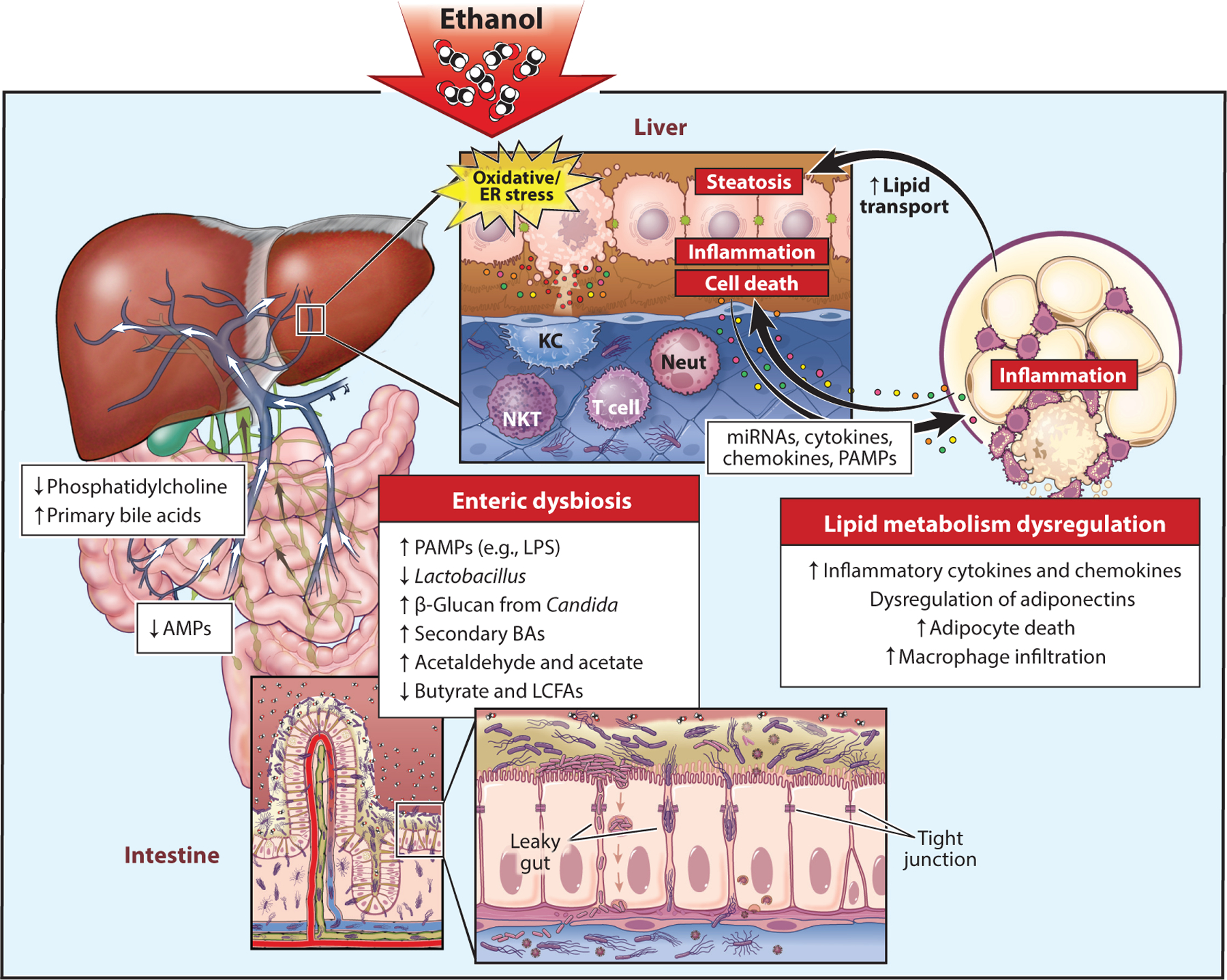
“Moreover, increased translocation of gut metabolites elicits intestinal and hepatic inflammatory responses, leading to progressive liver injury [23, 39, 40] .”
Wang, J., Jian, A., Sun, D., Cui, M., Piao, C., Wang, J., Mu, B., Li, T., Li, G., & Li, G. (2025) · Archives of Biochemistry and Biophysics · doi:10.1016/j.abb.2025.110314 · Cited by 3
Hu, J., Sun, J., Zhong, Q., Chen, S., Yin, W., Wei, X., Li, L., Li, K., Ali, M., Sun, W., et al. (2025) · Ecotoxicology and Environmental Safety · doi:10.1016/j.ecoenv.2025.118042 · Cited by 6
Javed, M., Ahmed, W., Ullah, A., & Rabbani, I. (2025) · Fermentation · doi:10.3390/fermentation11050240 · Cited by 3
Zhu, Q., Li, Z., Cai, C., & Li, D. (2025) · Discover Oncology · doi:10.1007/s12672-025-03276-7 · Cited by 3
“The development of alcoholic liver disease is closely related to the quantity of alcohol consumed and drinking patterns [40]; structural changes in the frontal pole may influence people's drinking habits by changing their impulse control and self-regulation capacity, thus raising the risk of…”
Liu, Z., Liu, T., Fan, Y., & Jiang, Z. (2025) · Microorganisms · doi:10.3390/microorganisms13091986 · Cited by 4
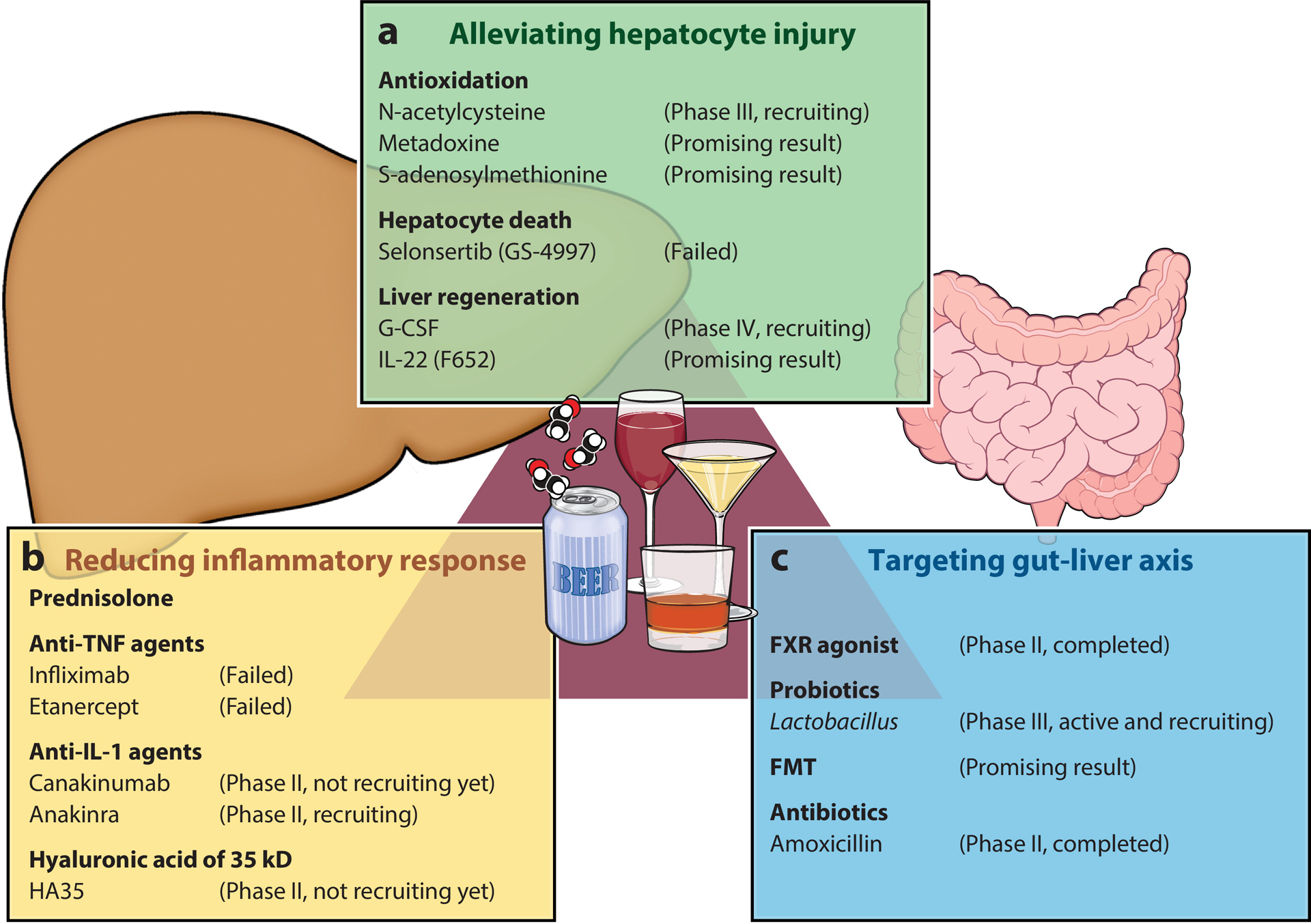
“…hepatic injury by reducing oxidative stress, minimizing hepatocyte death, and enhancing hepatic repair; (ii) anti-inflammatory agents, such as the traditional drug prednisolone; and (iii) gut-targeted interventions, including probiotic administration and fecal microbiota transplantation [1].”
Xiaoping, Z., Bo, Y., Yuxin, Y., Meili, N., Boxuan, Y., Niannian, S., Abuduwaili, A., Mansur, S., Rozi, P., Wali, A., et al. (2025) · International Journal of Biological Macromolecules · doi:10.1016/j.ijbiomac.2025.149752 · Cited by 3
Wang, H., Liu, H., Wang, M., Chi, T., Liu, F., Qu, X., Mu, Y., Xu, Q., & Wang, Q. (2026) · Nutrients · doi:10.3390/nu18050872 · Cited by 3
“Alcohol-induced hepatocellular injury plays a central role in the pathogenesis of ALD [13].”
Alcohol-associated liver disease and behavioral and medical cofactors: unmet needs and opportunities
Monnig, M. A., Padovano, H. T., & Monti, P. M. (2024) · Frontiers in Public Health · doi:10.3389/fpubh.2024.1322460 · Cited by 3
Warner, D. R., Warner, J. B., Abdelfadil, Y., Hardesty, J., Treves, R., Lei, C., Hanford, H. E., McClain, C. J., & Kirpich, I. (2025) · Alcoholism Clinical and Experimental Research · doi:10.1111/acer.70109 · Cited by 3
Fu, Y., Zeng, Z., Feng, S., Chen, Y., Ding, Q., & Shi, Y. (2023) · Journal of Functional Foods · doi:10.1016/j.jff.2023.105782 · Cited by 4
Divya, K. P., Hari, P., Kanwar, N., Aggarwal, N., Dhoat, P. S., Liu, L., Kanwal, A., & Singh, S. P. (2023) · Advanced Gut & Microbiome Research · doi:10.1155/2023/5431615 · Cited by 2
Fan, X., Lin, J., Liu, H., Deng, Q., Zheng, Y., Wang, X., & Yang, L. (2024) · International Immunopharmacology · doi:10.1016/j.intimp.2024.113437 · Cited by 3
Self-citationLin, C.-H., Cheng, C., Chiou, Y., Wang, I., & Kuo, C. (2024) · Intervirology · doi:10.1159/000542355 · Cited by 2
Micó-Carnero, M., Rojano-Alfonso, C., Maroto-Serrat, C., Cutrìn, J. C., Casillas-Ramírez, A., & Peralta, C. (2025) · Frontiers in Cell and Developmental Biology · doi:10.3389/fcell.2024.1455258 · Cited by 2
Huang, Z., Zhou, S., Wang, J., Wang, L., Zhao, F., Niu, X., Fu, Y., Wang, Q., Li, S., Gu, X., et al. (2025) · International Journal of Biological Macromolecules · doi:10.1016/j.ijbiomac.2025.148015 · Cited by 3
Wang, Y., Lu, Q., Ma, H., Huang, J., Zhang, B., Qin, Y., Feng, Z., & Jin, X. (2025) · Frontiers in Nutrition · doi:10.3389/fnut.2025.1652271 · Cited by 2
Ren, Q., Yin, Z., Han, X., Feng, Y., Fang, S., Zhao, S., Chen, C., Zhou, Z., Ji, Z., & Mao, J. (2026) · Food Bioscience · doi:10.1016/j.fbio.2025.108194 · Cited by 2
Mi, Q.-R., Wu, C.-Q., Lv, C.-G., Zhao, K.-E., Liu, Z.-F., Xu, P., & Li, L. (2026) · Acta Pharmacologica Sinica · doi:10.1038/s41401-025-01726-0 · Cited by 2
“ALD represents a major global health burden [145], encompassing a spectrum of liver pathologies from simple steatosis to alcohol-associated steatohe-patitis (ASH), cirrhosis, and hepatocellular carcinoma [146].”
Guo, F., Wang, S., Du, Y.-C., Chen, J.-H., Zeng, T., & Zhou, H. (2026) · International Immunopharmacology · doi:10.1016/j.intimp.2026.116383 · Cited by 2
Zhou, K., Li, J., Wang, M., Yu, M., & Wang, J. (2026) · Life · doi:10.3390/life16030375 · Cited by 2
“When C3a and C5a bind to their respective receptors, the TLR4/NF-κ B pathway can be activated, leading to the release of inflammatory cytokines [36,37].”
Zhu, J., Wang, H., Tang, Z., Yan, X., Dong, J., Ye, C., Wu, Y., Guo, T., Jin, Z., Zhang, Y., et al. (2026) · Phytomedicine · doi:10.1016/j.phymed.2026.158132 · Cited by 2
Gu, Z., Meng, S., Yao, B., Gao, B., Chen, S., Ren, F., Li, P., Shao, T., & Shang, N. (2026) · Nature Communications · doi:10.1038/s41467-026-72211-3 · Cited by 2
“Pathogenic Escherichia coli ( E. coli ) and cytolysin-positive Enterococcus faecalis ( E. faecalis ) have been shown to induce severe alcoholic hepatitis and increase the risk of mortality 17,21 – 23 .”
Zhou, R., Tu, H., Ji, F., Lai, R., Wang, J., Su, J., Tao, J., Feng, Y., Zhang, H., Zheng, M., et al. (2026) · Alimentary Pharmacology & Therapeutics · doi:10.1111/apt.70683 · Cited by 2
“Concurrently, as the primary site of ethanol metabolism, the liver is disproportionately exposed to reactive acetaldehyde and excessive reactive oxygen species generated during alcohol oxidation [26, 27].”
Role of Neutrophils in the Development of Steatotic Liver Disease
Choi, Y., Kim, Y. S., & Hwang, S. (2024) · Seminars in Liver Disease · doi:10.1055/s-0044-1789207 · Cited by 3
Cheng, Y., Rao, P., Li, S., Yu, W., Tang, Y., Wang, R., He, W., & Liu, J. (2024) · Toxicology and Applied Pharmacology · doi:10.1016/j.taap.2024.117117 · Cited by 2
Liu, S., Zhu, K., Huang, Y., Ye, W., & Wu, J. (2024) · Molecular and Cellular Endocrinology · doi:10.1016/j.mce.2024.112407 · Cited by 2
Self-citationLemasters, J. J., & Zhong, Z. (2024) · Elsevier eBooks · doi:10.1016/b978-0-443-15260-3.00026-0 · Cited by 3
Establishment and application of murine models of alcoholic liver disease: A narrative review
Liu, M., Zhou, M., Ren, X., & Xie, Y. (2024) · Alcoholism Clinical and Experimental Research · doi:10.1111/acer.15520 · Cited by 4
Silva, J. D. S., Arruda, S., Nunes, T. S., Dias, W. D. P., Awoniyi, A. M., Meyer, A., & Cremonese, C. (2025) · Cadernos de Saúde Pública · doi:10.1590/0102-311xen101424 · Cited by 2
Rodríguez-Negrete, E. V., García‐Machorro, J., Madrigal‐Santillán, E., Morales‐González, Á., & Morales‐González, J. A. (2025) · Gastroenterology Insights · doi:10.3390/gastroent16020013 · Cited by 2
“Alcohol consumption causes progressive damage to various organs and tissues of the human body [1–4].”
Puerarin Alleviates Alcoholic Liver Disease via Suppressing Lipolysis Induced by Sympathetic Outflow
Zheng, K., Yang, L., ZHANG, R., Qian, Y.-H., Zhou, Y., Huang, W., Lin, J.-C., Shi, Y., & Kong, X. (2025) · The American Journal of Chinese Medicine · doi:10.1142/s0192415x25500326 · Cited by 2
Genome Restructuring around Innate Immune Genes in Monocytes in Alcohol-associated HepatitisPreprint
Kim, A., McMullen, M. R., Bellar, A., Streem, D. W., Dasarathy, J., Welch, N., & Dasarathy, S. (2024) · eLife · doi:10.1101/2024.08.07.607014 · Cited by 2
Self-citationPark, S. H., & Seo, W. (2025) · Clinical and Molecular Hepatology · doi:10.3350/cmh.2025.1346 · Cited by 2
Romanenko, I. V., Melnyk, A. V., & Piliponova, V. V. (2023) · Reports of Vinnytsia National Medical University · doi:10.31393/reports-vnmedical-2023-27(3)-04 · Cited by 1
Chen, Z., Yue, Y., An, H., Yan, H., Park, H.-J., & Lin, P. (2024) · Journal of Traditional Chinese Medical Sciences · doi:10.1016/j.jtcms.2024.12.005 · Cited by 1
Alcohol Plus Additional Risk Factors: Rodent Model of Liver Injury
Wu, Q., Yang, D., Liu, C., & Xu, T. (2024) · Seminars in Liver Disease · doi:10.1055/a-2490-4278 · Cited by 1
Chen, Y., Zhou, Y., Li, P., & Ding, B. (2025) · EngMedicine · doi:10.1016/j.engmed.2025.100070 · Cited by 2
Jiang, T., Fan, R., Zhang, B., Xiong, J., Pu, N., Zhao, M., Guo, Y., & Gong, Q. (2025) · Food Bioscience · doi:10.1016/j.fbio.2025.106748 · Cited by 1
Lu, P., & Sun, T. (2025) · Immunological Investigations · doi:10.1080/08820139.2025.2503167 · Cited by 1
“Annually, alcohol abuse leads to 3 million deaths worldwide, comprising 5.3% of all deaths (Wu, Fan et al., 2023).”
InfluentialAn Overview of Non-alcoholic Fatty Liver Diseases (NAFLD)
Kang, J., Kim, H.-J., Lim, S.-J., Lee, S., & Hwang, I. (2025) · IntechOpen eBooks · doi:10.5772/intechopen.1010672 · Cited by 2
Salomone, F., & Frías-Toral, E. (2025) · Royal Society of Chemistry eBooks · doi:10.1039/9781839166853-00242 · Cited by 1
Domingo, D. D., Acang, J. P. A., Asuncion, J. G., Fronda, D. M. B., Taclan, E. C. B., Macabiog, J. R., Leaño, M., Tanawit, G. D. C., & Bascao-Natoza, U. G. (2025) · Indian Journal of Science and Technology · doi:10.17485/ijst/v18i30.940 · Cited by 1
Hu, Z., Jiang, S., Wan, Z., Luo, L., Wang, M.-L., Qiu, H., Wang, Y., Liu, Y., & Shan, R. (2025) · Experimental Cell Research · doi:10.1016/j.yexcr.2025.114713 · Cited by 1
Liu, X., Zhan, Z.-B., Li, Z.-H., Zhang, Y., Qiao, X.-Y., Li, X., Liang, X.-J., Bai, K., Xia, X.-F., Zeng, F.-H., et al. (2025) · Clinical and Molecular Hepatology · doi:10.3350/cmh.2025.0559 · Cited by 1
Shen, S., Cao, M., & Sui, Z. (2025) · Medicine · doi:10.1097/md.0000000000044506 · Cited by 1
Zou, X., Chen, W., Shao, Y., Shi, T., & Ke, Y. (2025) · Canadian Journal of Gastroenterology and Hepatology · doi:10.1155/cjgh/9507266 · Cited by 1
“Long-term alcohol consumption can lead to alcohol-related liver disease (ALD) [2, 3].”
Autophagy: A double-edged sword in drug addiction
Sun, C., Yin, X., Zheng, Y., Tian, Y., Li, H. Z., Su, L., & Liu, Q. (2025) · The Innovation Life · doi:10.59717/j.xinn-life.2025.100163 · Cited by 1
Møller, S., Sjöstedt, S. M. S., Hobolth, L., Mortensen, C., & Kimer, N. (2025) · Hepatology Communications · doi:10.1097/hc9.0000000000000817 · Cited by 7
“[14,15] KCs are liver macrophages and account for 15% of the liver cells.”
Nie, R., Yu, B., Li, Q., Han, M., Zhang, S., Li, C. S. Z., Dong, H., & Li, Z. (2025) · Naunyn-Schmiedeberg s Archives of Pharmacology · doi:10.1007/s00210-025-04746-z · Cited by 1
“Reactive oxygen species produced during alcohol metabolism can damage liver cells, thereby impairing the liver’s metabolic function (Wu et al. 2023).”
HRD1 promotes chronic alcoholic liver disease by mediating ACSL3 ubiquitination and degradation
Meng, L., Hu, Y. W., Zhao, X., Wang, Z., Wang, Y., Zhang, N., Guo, S., Wang, X., Gao, D., Zhao, Y., et al. (2025) · Toxicology Letters · doi:10.1016/j.toxlet.2025.111753 · Cited by 1
Samuvel, D. J., Foerster, E., Li, L., Richardson, A. K., Woster, P. M., Lemasters, J. J., & Zhong, Z. (2025) · International Journal of Molecular Sciences · doi:10.3390/ijms262311608 · Cited by 1
“The transition from simple steatosis to steatohepatitis and fibrosis is a critical step in the progressioin of ALD, which eventually leads to detrimental outcomes in advanced stages [1,2].”
Szczerbińska, A., Roliński, J., Surdacka, A., & Cichoż‐Lach, H. (2025) · International Journal of Molecular Sciences · doi:10.3390/ijms262311717 · Cited by 1
“The cytokine and chemokine storm and hepatic inflammatory infiltration lead to oxidative stress with a release of reactive oxygen species (ROS) and other inflammatory mediators that contribute to progressive tissue injury and liver function deterioration, perpetuating a vicious circle [15].”
Liu, Y., Ren, H., Bin, Q., Hu, K., Zhu, H., Cheng, Q., Zhang, M., Jiang, C., & Feng, J. (2025) · Journal of Chromatography B · doi:10.1016/j.jchromb.2025.124899 · Cited by 1
Cai, W., Wang, P., Zhang, R., Dong, L., Li, J., Wang, M., Wang, L., Shao, X., Jing, T., Hu, Y., et al. (2026) · Food Science & Nutrition · doi:10.1002/fsn3.71435 · Cited by 1
Çevik, F. E., Buğra, A., Şahin, H. Ç., Oduncu, M., Özbakir, S. D., & Aslıyüksek, H. (2026) · Diagnostics · doi:10.3390/diagnostics16020233 · Cited by 1
“Consistent with our findings, previous forensic studies have frequently reported micro-and macrovesicular steatosis, focal hepatocyte necrosis, cholestasis, and hydropic degeneration in fatal methanol intoxications, with more pronounced changes observed at higher methanol concentrations [38,39].”
Deng, P., Zhang, Z., Liu, X., Jin, C., Chen, Q., Wang, Z., He, Z., Chen, J., & Zeng, M. (2026) · Food Chemistry · doi:10.1016/j.foodchem.2026.148625 · Cited by 1
Yuan, Y., Li, C., Toliken, A., Chen, Y., Yao, Y., & Zhao, J. (2026) · Foods · doi:10.3390/foods15050915 · Cited by 1
Hepatocyte CEBPA-ORM1 axis restricts alcohol-associated liver disease
Yan, N., Xia, Y., Zhang, Y., Sawaswong, V., Xu, X., Saito, Y., Nanduri, R., Dai, M., Aibara, D., Krausz, K. W., et al. (2026) · Hepatology · doi:10.1097/hep.0000000000001737 · Cited by 2
Immune cells in liver injury: from pathogenic mechanisms to immunotherapy
Liao, H., Zhang, J., Zhang, J., 陈亚进, Chen, X., Meng, Y., & Chen, J. (2026) · Frontiers in Immunology · doi:10.3389/fimmu.2026.1770949 · Cited by 1
Secondary Immune Surveillance via upregulation of C-type lectin receptors
Patel, F., Boafo, E., Zheng, Y., Varnet, C., & Kim, A. (2026) · npj gut and liver. · doi:10.1038/s44355-026-00067-x · Cited by 1
Self-citationZhuang, J., Pan, G., Wang, J., Ma, R., Zhu, J., Du, Y., Wu, S., Shen, H., Wang, H., Xia, H., et al. (2026) · Biomaterials · doi:10.1016/j.biomaterials.2026.124493 · Cited by 1
Circular RNAs in metabolic liver diseases: Biomarkers, mechanisms, and therapeutic perspectives
Lu, H. J., & Zhou, H. (2026) · Metabolism and Diseases · doi:10.1016/j.metdis.2026.100022 · Cited by 1
Lu, K., Mei, S., Zhang, L., Lian, L., Lu, Y., Xian, A., Shen, X., Zhang, X., Zhao, Y., Tao, Y., et al. (2026) · Gut · doi:10.1136/gutjnl-2026-339656 · Cited by 1
The hepatic sinusoid as a regulatory niche: From cellular specialization to precision hepatology
Fernández‐Iglesias, A., Harris, E. N., Jalan‐Sakrikar, N., Kaur, S., Zapotoczny, B., Ikejima, K., & Gracia‐Sancho, J. (2026) · Hepatology · doi:10.1097/hep.0000000000001870 · Cited by 1
Mechanism of Xing 9 ling tablet candy for alcoholic liver disease based on network pharmacology
Zhao, X., Qu, Q., Zhang, Y., Zhao, P., Zhang, X., Tang, Y., Lei, X., Wei, X., & Song, X. (2024) · Analytical Biochemistry · doi:10.1016/j.ab.2024.115534 · Cited by 1
Pathogenesis and interaction of neutrophils and extracellular vesicles in noncancer liver diseases
Sun, J., Yang, F., Zheng, Y., Huang, C., Fan, X., & Yang, L. (2024) · International Immunopharmacology · doi:10.1016/j.intimp.2024.112442 · Cited by 1
Self-citationZhang, X.-Y., Chen, Q.-J.-J., Zhu, F., Li, M., & Shang, D. (2024) · World Journal of Gastroenterology · doi:10.3748/wjg.v30.i37.4163 · Cited by 1
Yi, J., Guo, H., Jiang, C., Duan, J., Ju, X., Zhao, Y., He, W., & Xia, L. (2024) · Frontiers in Endocrinology · doi:10.3389/fendo.2024.1462591 · Cited by 1
Støy, S. H., & Schnabl, B. (2025) · Gastroenterology Clinics of North America · doi:10.1016/j.gtc.2024.12.001 · Cited by 1
Metadata
- Authors
- Wu, X., Fan, X., Miyata, T., Kim, A., Cajigas-Du Ross, C. K., Ray, S., Huang, E., Taiwo, M., Arya, R., Wu, J., & Nagy, L. E.
- Affiliations
- Cleveland Clinic (US)
- Northern Ohio Alcohol Center, Department of Inflammation and Immunity, Cleveland Clinic, Cleveland, Ohio, USA;
- ORCID
- Venue
- Annual Review of Pathology: Mechanisms of Disease
- Publisher
- Annual Reviews
- Published
- 2023-01-24
- Volume
- 18
- Issue
- 1
- Pages
- 411-438
- ISSN
- 1553-4006 (ISSN-L)
- 1553-4014
- PMC
- PMC10060166
- OpenAlex
- W4307021568
- Semantic Scholar
- 45656f7c4c7a120db5d689f93920e402b8d4e12d
- Cited by
- 289
- References
- 154
- Citations by year
- 2026: 74 · 2025: 107 · 2024: 86 · 2023: 21
- FWCI
- 8.86
- Type
- journal article
- Language
- en
- Open access
- hybrid
- doi.org
- Locations
- Annual Review of Pathology Mechanisms of Disease (publishedVersion, cc-by)
- PubMed (publishedVersion)
- PubMed Central (acceptedVersion, cc-by)
- Digital Commons-TMC (Texas Medical Center) (submittedVersion)
- Funders
- National Institutes of Health (DK097948)
- National Institute on Alcohol Abuse and Alcoholism (R00AA028048, F32AA029290, K99AA029146, K99AA028048, R01AA023722, U01AA026938, P50AA024333, R00AA029146, K01AA029474, R01AA027456)
- National Institute of Diabetes and Digestive and Kidney Diseases (P30DK097948)
- Topics
- Health Sciences › Medicine › Pathology and Forensic Medicine › Alcohol Consumption and Health Effects
- Health Sciences › Medicine › Hepatology › Liver physiology and pathology
- Health Sciences › Medicine › Hepatology › Liver Disease Diagnosis and Treatment
- Keywords
- alcoholic liver disease, pathogenesis, liver fibrosis, alcoholic cirrhosis, alcoholic hepatitis, programmed cell death, autophagy, membrane trafficking, innate immune response, hepatic stellate cell activation, gut-liver axis, gut microbiota, therapeutic target, hepatocyte injury, liver inflammation
- MeSH terms
- Ethanol, Fibrosis, Humans, Liver, Liver Diseases, Alcoholic, Hepatocytes
About these checks
Registry, retraction, Cites and statistics results are computed, not judged, with one exception: a printed reference that no index lists is read once by a model before it counts as a citation error. Claims are extracted by a model and kept only when their quote appears verbatim in the text; each cited source is then checked, with a model’s help, for whether it says what the claim relies on. Those verdicts can be wrong — read the claim’s quote and the cited source before relying on one.
Statistics and arithmetic are recomputed, not judged.
Confidence bands are shown only for fields calibrated on our annotated test set. None is calibrated yet, so no band is shown.
What counts as a claim ›How we measure confidence ›How we check this ›
Are you an author, or do you see a problem with this page? Request a review
Data sources
Bibliographic data: Semantic Scholar, OpenAlex, Crossref.
Contains information from the Semantic Scholar Academic Graph Datasets, made available under the ODC Attribution License (ODC-BY 1.0).
Semantic Scholar’s data is described in: Kinney, R., et al. (2023). The Semantic Scholar Open Data Platform. arXiv:2301.10140.
