

The DOI matches its Crossref record; 54 of the 55 references it cites were found in a registry or an index.
Associations of Parental Influences with Physical Activity and Screen Time among Young Children: A Systematic Review
Open accessAbstract
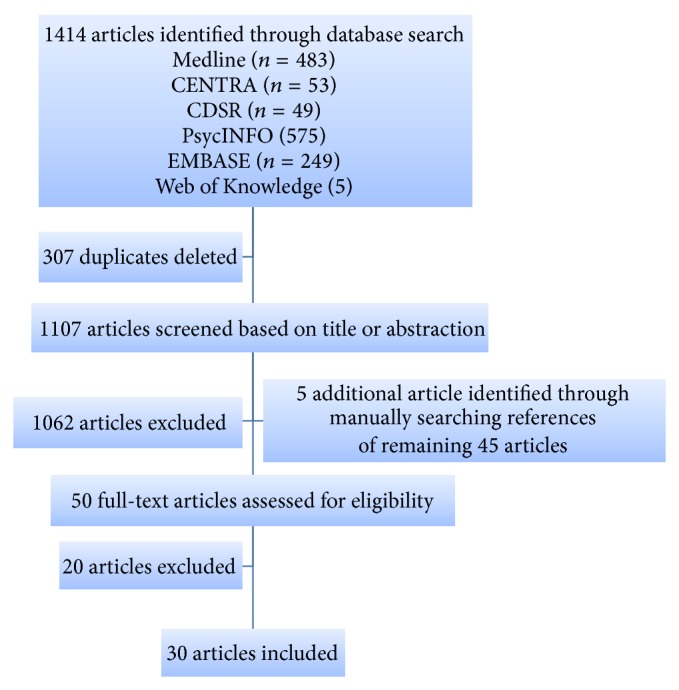
Parents play a critical role in developing and shaping their children's physical activity (PA) and sedentary behaviours, particularly in the early years of life. The aim of this systematic review is to identify current literature investigating associations of parental influences with both PA and screen time in young children. This systematic review was conducted in November 2013 using 6 electronic databases covering research literature from January 1998 to November 2013. Thirty articles that met inclusion criteria were identified. These studies covered five important aspects of parenting: (1) parenting practices; (2) parents' role modelling; (3) parental perceptions of children's PA and screen viewing behaviours; (4) parental self-efficacy; and (5) general parenting style. Findings suggest that parents' encouragement and support can increase children's PA, and reducing parents' own screen time can lead to decreased child screen time. Improving parenting practices, parental self-efficacy or changing parenting style may also be promising approaches to increasing PA time and decreasing screen time of young children.
Overview
The claims and statistics of this paper haven’t been checked yet.
Run the check — free, no account needed. It reads the open-access text and checks the sources it cites.
Integrity signals
Registry
Cites
Statistics
Figures
Verification
Claims the paper makes
The claims and statistics of this paper haven’t been checked yet.
Run the check — free, no account needed. It reads the open-access text and checks the sources it cites.
Claims other papers make about this one
Each is checked against this paper’s own text: does it say what the citing paper says it does?
The source backs part of the claim, not all of it — or backs it for a different population, condition or comparison.
In the citing paper
“Moreover, parents should also moderate their own MTSD use, as their use can have an impact on adolescents’ technology use [23, 48].”
From “From the moment I wake up I will use it…every day, very hour”: a qualitative study on the patterns of adolescents’ mobile touch screen device use from adolescent and parent perspectives (2019) · cites this paper as [48]
Experimental — accuracy not yet measuredThe source backs part of the claim, not all of it — or backs it for a different population, condition or comparison.
In the citing paper
“This is consistent with other studies which have indicated mediation of children’s technology use by parental rules or restrictions [25, 48].”
From “From the moment I wake up I will use it…every day, very hour”: a qualitative study on the patterns of adolescents’ mobile touch screen device use from adolescent and parent perspectives (2019) · cites this paper as [48]
Experimental — accuracy not yet measuredThe cited source says what the claim attributes to it.
In the citing paper
“This is supported by other studies which have found that feelings of belonging, peer pressure [47], and frequent use of technology by parents were associated with increased technology use by children [23, 48].”
In the citing paper
“There is some evidence to suggest that when parents reduce their own sedentary behaviours (including screen time), their children may decrease their screen time.105”
From Physical activity and health in Chinese children and adolescents: expert consensus statement (2020) (2020) · cites this paper as [105]
In the citing paper
“All three reviews stated that parental encouragement and support can increase PA in children (58, 59), as well as reduce sedentary behaviour (57).”
From How can physical activity be promoted among children and adolescents? A systematic review of reviews across settings (2019) · cites this paper as [59]
In the citing paper
“another review found that a reduction in parental (sedentary) screen time can lead to decreased screen time in children (59).”
From How can physical activity be promoted among children and adolescents? A systematic review of reviews across settings (2019) · cites this paper as [59]
In the citing paper
“Three systematic reviews were identified that deal specifically with interventions in the family and home setting (Table 3) (57–59).”
From How can physical activity be promoted among children and adolescents? A systematic review of reviews across settings (2019) · cites this paper as [59]
Self-check
Percentages, sums and reported differences re-computed from the paper’s own numbers.
The self-check needs the paper’s full text.
Citations
Cites
Elm, E. V., Altman, D. G., Egger, M., Pocock, S. J., Gøtzsche, P. C., & Vandenbroucke, J. P. (2007) · BMJ · doi:10.1136/bmj.39335.541782.ad · Cited by 10,766 · cited 1×
“This quality assessment tool was originally adapted from the Strengthening the Reporting of Observational Studies in Epidemiology (STROBE) statement [18].”
Method‘Small Changes' to Diet and Physical Activity Behaviors for Weight Management
Hills, A. P., Byrne, N. M., Lindstrom, R. C., & Hill, J. O. (2013) · Obesity Facts · doi:10.1159/000345030 · Cited by 9,526
Socialization In The Context Of The Family: Parent-Child Interaction
Maccoby, E. E., & Martin, J. A. (1983) · Cited by 5,215
A review of correlates of physical activity of children and adolescents
SALLIS, J. F., PROCHASKA, J. J., & TAYLOR, W. C. (2000) · Medicine & Science in Sports & Exercise · doi:10.1097/00005768-200005000-00014 · Cited by 4,421 · cited 1×
“These reviews used a social-ecologic framework [14] to summarize the correlates of PA and screen time of young children in five domains: (1) demographic and biological; (2) psychological, cognitive, and emotional; (3) behavioural attributes and skills; (4) social and cultural; and (5) physical environmental.”
Dennison, B. A., Erb, T. A., & Jenkins, P. (2002) · PEDIATRICS · doi:10.1542/peds.109.6.1028 · Cited by 780
Zero to Six: Electronic Media in the Lives of Infants, Toddlers and Preschoolers
Rideout, V. J., Vandewater, E. A., & Wartella, E. A. (2003) · Issue Lab (Candid) · Cited by 622
Preschool Children and Physical Activity
Hinkley, T., Crawford, D. A., Salmon, J., Okely, A. D., & Hesketh, K. D. (2008) · American Journal of Preventive Medicine · doi:10.1016/j.amepre.2008.02.001 · Cited by 565
Epstein, L. H., Roemmich, J. N., Robinson, J. L., Paluch, R. A., Winiewicz, D. D., Fuerch, J. H., & Robinson, T. N. (2008) · Archives of Pediatrics & Adolescent Medicine · doi:10.1001/archpediatrics.2007.45 · Cited by 557
Environmental interventions for eating and physical activity
Sallis, J. F., McKenzie, T. L., Conway, T. L., Elder, J. P., Prochaska, J. J., Brown, M., ZIVE, M. M., Marshall, S. J., & Alcaraz, J. E. (2003) · American Journal of Preventive Medicine · doi:10.1016/s0749-3797(02)00646-3 · Cited by 530
Digital Childhood: Electronic Media and Technology Use Among Infants, Toddlers, and Preschoolers
Vandewater, E., Rideout, V. J., Wartella, E., Huang, X., Lee, J. H., & Shim, M. (2007) · Pediatrics · doi:10.1542/peds.2006-1804 · Cited by 526 · cited 7×
“5) found no such association [38, 43] with another study suggesting a negative effect of TV time rules on screen time [45].”
BackgroundResultInfluential
Research works printed but not linked: 3
- 2011, Preventing Chronic Disease, 8
- 2008, International Journal of Behavioral Nutrition and Physical Activity, 5
- 2009, International Journal of Adolescent Medicine and Health, 21, 457
Cited by
Sorted by citations
Items 301–400 of 452
Alharbi, M. F., Al-hagoori, S. A., & Alotaibi, H. F. (2023) · Maternal and Child Health Journal · doi:10.1007/s10995-023-03815-0 · Cited by 2
“But the factors which may influence the level of parental support in PA like children’s competence are not known (Xu et al., 2020).”
Carretero-Bravo, J., Díaz-Rodríguez, M., Ferriz-Mas, B. C., Pérez-Muñoz, C., & González-Caballero, J. L. (2024) · Nutrients · doi:10.3390/nu16081135 · Cited by 2
Mannion, E., Bihrmann, K., Plachta‐Danielzik, S., Müller, M. J., Bosy‐Westphal, A., & Ritz, C. (2024) · Nutrients · doi:10.3390/nu16183220 · Cited by 2
“…an association between parental self-efficacy and children’s screentime has been documented, with children of parents with lower self-efficacy exceeding the recommendation of no more than 2 h of screentime per day, significantly more than children whose parents had higher self-efficacy [31].”
BackgroundFernández-Pires, P., Valera‐Gran, D., Hurtado‐Pomares, M., Espinosa-Sempere, C., Pérez, A. S., Juárez-Leal, I., Muñoz-Sánchez, R., León-García, A.-S., Peral‐Gómez, P., & Navarrete‐Muñoz, E. M. (2024) · Pediatric Neurology · doi:10.1016/j.pediatrneurol.2024.10.001 · Cited by 2
Leung, Y. W., Lin, S. H., Li, J. W., & Capio, C. M. (2024) · Early Child Development and Care · doi:10.1080/03004430.2024.2434921 · Cited by 2
“Xu et al. (2015) summarized parents’ attributes that influence children’s PA into five areas: (1) parenting practices; (2) role modelling; (3) parental perceptions of children’s PA and SB; (4) parental self-efficacy; and (5) the general parenting style.”
Bonaccio, M., Ruggiero, E., Grosso, G., Castelnuovo, A. F. D., Costanzo, G., Russo, M. D., Formisano, A., Lauria, F., Paladino, N., de Gaetano, G., et al. (2025) · International Journal of Food Sciences and Nutrition · doi:10.1080/09637486.2025.2523393 · Cited by 3
“Different studies have examined the impact of parental presence on the food and non-food choices of their children, emphasising the crucial role of caregiver involvement in intervention programs (Xu et al. 2015; Yee et al. 2017; Mahmood et al. 2021).”
Swit, C. S., Friesen, M. D., & Xue, X. (2025) · Journal of Children and Media · doi:10.1080/17482798.2025.2530940 · Cited by 2
“A meta-analysis on the influence of parental self-efficacy on children’s screen media use highlights this relationship, particularly among children under 6 years old (Xu et al., 2015).”
Baltaci, A., Choque, G. A. H., Davey, C. S., Peralta, A. R., de Davila, S. A., Zhang, Y., Gold, A., Larson, N., & Reicks, M. M. (2022) · Nutrients · doi:10.3390/nu14234967 · Cited by 2
Lee, J., Coffie, B., Davis, K. E., Warren, C. A., Keller, J., & Zhang, T. (2023) · American Journal of Lifestyle Medicine · doi:10.1177/15598276231221512 · Cited by 2
Leppänen, M. H., Raitanen, J. A., Husu, P., Kujala, U. M., Tuominen, P. P. A., Vähä‐Ypyä, H., & Luoto, R. M. (2019) · Medicina · doi:10.3390/medicina55100635 · Cited by 2
“There are most likely other factors, such as parental PA and SB [32] and education [33], that influence children’s PA more.”
BackgroundAssociation between mobile phone use in young children and caregiver-rated health
Kojimahara, N., Matsushita, M., & Sato, Y. (2021) · IOP SciNotes · doi:10.1088/2633-1357/abe6f1 · Cited by 2
Quilling, E., Dadaczynski, K., & Müller, M. (2016) · Multilingual Matters (Channel View Publications) · doi:10.1007/s00103-016-2439-z · Cited by 1
“[20] ebenfalls Belegedafür,dassdieelterlicheWahrnehmung des Gesundheitsverhaltens ihrer Kinder und elterliche Erziehungspraktiken (z.”
BackgroundFoss, K., Liu, H., & Carotta, C. L. (2023) · Journal of Outdoor Recreation Education and Leadership · doi:10.18666/jorel-2023-12027 · Cited by 1
Parenting Practices Are Associated With Out-of-School Physical Activity in US Adolescents in 2014
Hiya, F. E., Lamour, J.-P. M., Khan, A. T. M. A., Wood, R., Rodriguez, P., Castro, G., Ruíz, J. G., & Barengo, N. C. (2024) · Journal of Physical Activity and Health · doi:10.1123/jpah.2023-0314 · Cited by 1
The COVID-19 pandemic and children: Impact on physical activity
Єлізарова, О. Т., Hozak, S. V., Stankevych, T. V., Polka, N. S., Koblianska, A., Парац, А., & Івановська, О. (2024) · Elsevier eBooks · doi:10.1016/b978-0-323-95648-2.00053-8 · Cited by 1
Maternal Beliefs about Screen Device Use Predict Preschool Children’s Screen Time
Tamm, A., & Tulviste, T. (2024) · Journal of Child and Family Studies · doi:10.1007/s10826-024-02937-5 · Cited by 1
“As predicted on the basis of previous studies (Laur-icella et al., 2015; Nevski & Siibak, 2016; Shalani et al., 2021; Xu et al., 2015), maternal beliefs were related to children ’ s screen time: The more harmful mothers considered the use of screen devices, the less time their child spent in front…”
The Use of Digital Technology by Parents from the Perspective of Children
Şimşek, E. E. (2025) · Turkish Academic Research Review - Türk Akademik Araştırmalar Dergisi [TARR] · doi:10.30622/tarr.1603562 · Cited by 3
Determinants of subjective total athletic ability
Ito, S., Soga, K., & Kato, K. (2025) · PLoS ONE · doi:10.1371/journal.pone.0324044 · Cited by 1
Zhu, Y., Yang, L., & Zhang, G. (2025) · Behavioral Sciences · doi:10.3390/bs15070898 · Cited by 1
“Resilient children also can maintain positive bonds with their family (Herrman et al., 2011); however, children who experience psychological rejection, a lack of parental support, and indifference are more likely to spend more time on media (Xu et al., 2015).”
Quality of life in youth with overweight and obesity in early childhood: a systematic review
Gates, T., Powers, H., & Stough, C. C. O. (2025) · Journal of Pediatric Psychology · doi:10.1093/jpepsy/jsaf059 · Cited by 2
Park, I. T. (2025) · Child Health Nursing Research · doi:10.4094/chnr.2025.011 · Cited by 1
“Parents with high self-efficacy set rules and limits on when and how their children use electronics to guide them to engage in eye health behaviors [33].”
Houser, N., Erlandson, M. C., Ferguson, L. J., Hellsten, L., Stoddart, A., & Humbert, M. (2025) · Journal of Physical Activity and Health · doi:10.1123/jpah.2024-0462 · Cited by 1
Kwon, S., Gopagani, N. S., Zylka, I. R., Welch, S. B., & Armstrong, B. (2026) · BMC Pediatrics · doi:10.1186/s12887-026-07538-3 · Cited by 1
Davey, R. J., Campbell, A., Beynon, A. M., Rasmussen, C. L., Hendry, D., Stearne, S., Harris, C. J., Straker, L. M., & Zabatiero, J. G. (2025) · JMIR Pediatrics and Parenting · doi:10.2196/79851 · Cited by 1
Lévesque, A., Saravanan, D. P., Perreault, S., Sultan, S., Desjardins, L., Rondeau, É., Wurz, A. J., Buron, L., Shah, N. B., Hayes, M., et al. (2025) · Health Psychology and Behavioral Medicine · doi:10.1080/21642850.2025.2580732 · Cited by 1
“Indeed, considering that a PBT diagnosis affects the entire family (Gerhardt et al., 2016) and that parental support is pivotal for children’s future PA behavior (Xu et al., 2015), there is a need to understand parental influence on PBT patients’ and survivors’ PA.”
Parental perceptions of preschooler screen time and physical activity in Chennai
Nandhini, S., Abishek, J. R., Kanniappan, V., & Suresh, S. (2025) · BMC Public Health · doi:10.1186/s12889-025-25527-6 · Cited by 1
“These studies also indicate that parental modelling of parents’ own screen habits and tech use in the household pow-erfully influences children’s screen use, validating our theme regarding the impact of the home environment and parental attitudes [7, 25].”
Tan, S. Y. X., Edney, S. M., Padmapriya, N., Tan, S. L., Chong, Y. S., Tan, K. H., Yap, F., Godfrey, K., Lee, Y. S., Eriksson, J. G., et al. (2026) · BMJ Open · doi:10.1136/bmjopen-2025-105140 · Cited by 1
“Our study is the first to examine trends across the 24-hour movement continuum from preschool to adolescence among multiethnic children in the less-studied Asian”
Thompson, D. A., Grau, L., Schmiege, S. J., Cabrera, N., Clark, L., Ringwood, H., Valdes, E. M., Jimenez-Zambrano, A. M., Gorman, C., Babiak, M., et al. (2026) · JMIR Pediatrics and Parenting · doi:10.2196/76873 · Cited by 1
“Parents, as the most proximal influence on young children, play an important role in shaping their toddlers’ screen use [18].”
Association between selected parental characteristics and overweight and obesity of children
Janda, D., Gába, A., Rubín, L., Materová, E., Jakubec, L., & Dygrýn, J. (2020) · Tělesná kultura · doi:10.5507/tk.2020.005 · Cited by 1
“To může být zapříčiněno podporou rodičů a jejich modelovým chováním, kdy dochází ke zvýšení PA aktivity u dětí v případě zvýšení PA rodiče (Pyper et al., 2016; Xu et al., 2015).”
Effects of a Pediatric Weight Management Intervention on Parental Stress
Velez, D. S., Simione, M., Castro, I., Perkins, M. E., Luo, M., Taveras, E. M., & Fiechtner, L. G. (2021) · Childhood Obesity · doi:10.1089/chi.2021.0146 · Cited by 1
Fuentes-Barría, H., Aguilera-Eguía, R. A., & González-Wong, C. (2022) · Nutrición Hospitalaria · doi:10.20960/nh.03997 · Cited by 1
Correlates of Sedentary Time Among Children and Adolescents in Ethiopia: A Cross-Sectional Study
Biadgilign, S., Mgutshini, T., Gebremichael, B., Haile, D., Berhanu, L., Chitekwe, S., & Memiah, P. T. N. (2022) · Pediatric Exercise Science · doi:10.1123/pes.2021-0077 · Cited by 1
Bewegung, Spiel und Sport im Kindesalter
(2022) · transcript Verlag eBooks · doi:10.1515/9783839458464 · Cited by 1
Ma, Q., Liu, J., Wu, Y., Cui, M., Chen, M., Ma, T., Wang, X., Gao, D., Li, Y., Chen, L., et al. (2023) · Frontiers in Pediatrics · doi:10.3389/fped.2022.1052063 · Cited by 1
“Previous studies had shown that parents’ diet quality and energy intake, physical activities, and the duration of screen activities were associated with those behaviors of their offspring (11, 12).”
BackgroundRojo-Ramos, J., Castillo-Paredes, A., Mendoza-Muñoz, M., Adsuar, J. C., Polo-Campos, I., Gómez-Paniagua, S., & Galán-Arroyo, C. (2023) · International Journal of Environmental Research and Public Health · doi:10.3390/ijerph20065093 · Cited by 1
“has been found to be positively associated with child PA [36].”
BackgroundRelated-factors of social support for students’ physical activity in a network perspective
Silva, N. S., Mello, J. B., Bandeira, P. F. R., Mota, J. A. P. S., Gaya, A. C. A., & Gaya, A. R. (2023) · Revista Brasileira de Atividade Física & Saúde · doi:10.12820/rbafs.28e0297 · Cited by 1
Saiz-González, P., Coto-Lousas, J., Gallego, D. I., & Fernández‐Río, J. (2024) · Perceptual and Motor Skills · doi:10.1177/00315125241235416 · Cited by 1
“The importance parents assign to PA practice can be used as an indicator of their children ’ s level of PA participation (Xu et al., 2015).”
BackgroundInfluentialAdolescent obesity and mental health: Narrative review of modulation factors
Singh, S. P., Srinivas, S., Sundaram, T., & Chockalingam, A. (2024) · International Journal of Noncommunicable Diseases · doi:10.4103/jncd.jncd_36_24 · Cited by 1
Formagini, T. D. B., Behar, A. I., Schneider, J., Torres, M., Telles, V. M., Roesch, S., Ayala, G. X., Baranowski, T., Marquez, B., & Arredondo, E. M. (2025) · American Journal of Health Promotion · doi:10.1177/08901171251315022 · Cited by 1
Burroughs, S., Minneman, C., Neeper, S., O’Shaughnessy, G., Schnabel, M., Schmelzer, L., & Metz, A. E. (2025) · Journal of Early Childhood Research · doi:10.1177/1476718x241294120 · Cited by 1
“As has been seen in previous research (Jago et al., 2013; Lauricella et al., 2015; Xu et al., 2015), parents noted the influence of their own technology use on their children’s play, as their children imitated their virtual work.”
Liang, W., Liu, G., Su, N., Rhodes, R. E., Duan, Y., Zhang, C., Wang, L., Zhou, L., & Zhu, H. (2025) · Applied Psychology Health and Well-Being · doi:10.1111/aphw.70034 · Cited by 3
“Extensive research has demonstrated that parents play a pivotal role in shaping their children's health behaviors, serving as the primary facilitators in establishing healthy lifestyles (Kader et al., 2015; Su et al., 2022; Xu et al., 2015).”
Silke, S., Büssing, A., Krafft, H. S., Streit, B., Boehm, K., Reckert, T., & Martin, D. (2024) · Journal of Woman s Reproductive Health · doi:10.14302/issn.2381-862x.jwrh-24-5099 · Cited by 1
Basch, C. H., Kecojević, A., Cadorett, V., & Basch, C. E. (2016) · Health Promotion Perspectives · doi:10.15171/hpp.2017.09 · Cited by 1
Atividade física de crianças e apoio familiar percebido: um estudo exploratório
Silva, N. S., Mello, J. B., Pedretti, A., Gaya, A., & Gaya, A. R. (2019) · Saúde (Santa Maria) · doi:10.5902/2236583438542 · Cited by 1
Pizzo, A., Drobinin, V., Sandstrom, A., Zwicker, A., Vallis, E. H., Fine, A., Rempel, S., Stephens, M., Howard, C., Villars, K., et al. (2019) · Psychiatry Research · doi:10.1016/j.psychres.2019.112709 · Cited by 1
National guidelines for physical activity in early childhood in American countries: a scoping review
Guerra, P. H., Filho, A. N. S., Hardman, C. M., Martins, C., Queiroz, D. D. R., Silva, L. R., Sandreschi, P. F., Júnior, R. D. S. W., Umpierre, D., & de Barros, M. V. G. (2021) · Revista Brasileira de Atividade Física & Saúde · doi:10.12820/rbafs.26e0228 · Cited by 1
Sharma, B., Shrestha, N., Gurung, N., Tiwari, B. R., Koirala, S., & Wagle, S. (2022) · Journal of Chitwan Medical College · doi:10.54530/jcmc.709 · Cited by 1
Koivusilta, L. K., Alanne, S., Kamila, M., & Ståhl, T. (2022) · BMC Public Health · doi:10.1186/s12889-022-13658-z · Cited by 2
“Children’s eating habits are influenced by the type of food available at their homes [21] and their PA depends on parental support [22].”
BackgroundYazeedi, B. M. A. (2019) · Carolina Digital Repository (University of North Carolina at Chapel Hill) · doi:10.17615/ttc7-n970 · Cited by 1
Fuller, A. (2020) · Queensland University of Technology · doi:10.5204/thesis.eprints.205814 · Cited by 1
Perceptions des parents au regard de l’usage des écrans de leur enfant âgé de 0 à 5 ans
Bergeron-Gaudin, M.-È. (2025) · doi:10.64490/kznd6050 · Cited by 1
Moroni, M. (2016) · ScholarWorks (Walden University)
The Weight of a Healthy Home: Early Screening for Childhood Obesity Risk
Herbenick, S. K. (2018) · doi:10.22371/07.2018.026
Warner, T. C. (2019) · VBN Forskningsportal (Aalborg Universitet) · doi:10.54337/aau306521944
Tami, S. H., & Reed, D. B. (2020) · International Journal of Child Health and Nutrition · doi:10.6000/1929-4247.2020.09.02.3
“This is consistent with other studies that reported parental barriers to support an increase in children’s physical activity [26, 40, 41].”
BackgroundResultUtilização dos aparelhos digitais em crianças com idade entre os 12 meses e os 5 anos
de Família, M., Parente, N., Costa, A. E., de Família, M., Matos, A. P., de Família, M., Duarte, C. B., de Família, M., Freitas, C., de Família, M., et al. (2020) · Revista Portuguesa de Clínica Geral · doi:10.32385/rpmgf.v36i6.12706
Physical education pedagogies and physical activity in primary school children
Crotti, M. (2021) · Liverpool John Moores University
Thomson, J. L., Landry, A. S., & Walls, T. I. (2021) · Childhood Obesity · doi:10.1089/chi.2021.0117
Woods, T., & Nies, M. A. (2018) · doi:10.2196/preprints.11311
Gesundheitsbezogene Ziele der digitalen Prävention und Gesundheitsförderung in Familien
Meixner, C., Baumann, H., & Wollesen, B. (2022) · Das Gesundheitswesen · doi:10.1055/a-1860-0911
Blodgett, J. M., Norris, T., Stamatakis, E. A., O’Donovan, G., Pereira, S. M. P., & Hamer, M. (2022) · Journal of Epidemiology & Community Health · doi:10.1136/jech-2022-219213
Bewegung, Spiel und Sport im Kindesalter
Schwier, J., & Seyda, M. (2022) · transcript Verlag eBooks · doi:10.1515/9783839458464-002
Promoting Motor Development in Children in the COVID-19 era: Science and Applications
Fumagalli, G. G., Getchell, N., Sääkslahti, A., & Tortella, P. (2022) · Frontiers research topics · doi:10.3389/978-2-83250-420-8 · Cited by 1
Bewegt vom Kindergarten in die Primarschule
Gramespacher, E., & Adler, K. (2022) · Pädagogik · doi:10.14361/9783839458464-005
Ku, B. (2023) · International Journal of Disability Development and Education · doi:10.1080/1034912x.2023.2212604
“This phenomenon is supported by a systematic review including 30 articles, suggesting that when parents of children without disabilities encourage their young child’s PA behaviours, their child is more likely to participate in PA (Xu, Wen, & Rissel, 2015).”
Prevalence and determinants of obesity among school going adolescents: A systematic review
Mangrola, N. Y., Patel, K., Patel, P. K., Chauhan, D., & Patel, N. (2023) · Journal of Medical and Scientific Research · doi:10.17727/jmsr.2023/11-26
Özüdoğru, A., Yurdalan, U., & Ekici, G. (2023) · TURKISH JOURNAL OF HEALTH AND SPORT (TJHS) · doi:10.29228/tjhealthsport.67918
APTIDÃO FÍSICA, SAÚDE MENTAL E NUTRIÇÃO NO ADOLESCENTE
da Silva, L. P., Lima, G. D. S. O., Noleto, D. C. D. S., & do Nascimento, M. A. (2023) · doi:10.22533/at.ed.3512328097
EXERCÍCIO FÍSICO E ANSIEDADE NO ADOLESCENTE
Rabelo, A. S., de Oliveira, K. H. D. S., Abreu, L. M. S., Correia, M. B., & RIBEIRO, F. B. (2023) · doi:10.22533/at.ed.3512328092
Exercício físico e saúde do adolescente
Dias, C. J. M., Filho, C. A. A. D., Mostarda, C. T., & Costa, H. A. (2023) · doi:10.22533/at.ed.351232809
DEFINIÇÕES E CLASSIFICAÇÃO DA ADOLESCÊNCIA
Pereira, M. E. V., Oliveira, N. G., Ribeiro, P. R. F., da Silva, T. M. C., & Dias, C. J. M. (2023) · doi:10.22533/at.ed.3512328091
ASPECTOS ETIOPATOGÊNICOS DO CÂNCER DE TESTÍCULO EM ADOLESCENTES E SEU IMPACTO NA SAÚDE MENTAL
Filho, C. A. A. D., Ferreira, F. D., Ferreira, F. R. D., Carneiro, J. G. P., Neto, J. C. G. P., & Cardoso, M. E. S. (2023) · doi:10.22533/at.ed.3512328096
EXERCÍCIO FÍSICO E ADOLESCÊNCIA
Soares, N. D. J. S., Pires, F. D. O., & Cavalcante, L. F. P. (2023) · doi:10.22533/at.ed.3512328093
COMPORTAMENTO PARENTAL ASSOCIADO A FATORES DE RISCO CARDIOVASCULAR EM ADOLESCENTES
Costa, H. A., Rabelo, A. S., Costa, V. D. A. M., da Silva, F. E. L., & Pinto, B. F. P. (2023) · doi:10.22533/at.ed.3512328098
ASPECTOS E FATORES ASSOCIADOS À OBESIDADE NA ADOLESCÊNCIA
Durans, L. H. F., Miranda, T. D. C., Silva, H. N. D. S. E., Santos, E. R. V., Leitão, S., & Mostarda, C. T. (2023) · doi:10.22533/at.ed.3512328099 · Cited by 1
DIABETES MELLITUS TIPO 2 EM ADOLESCENTES E OS RISCOS DO DESENVOLVIMENTO DE INSUFICIÊNCIA CARDÍACA
Filho, C. A. A. D., de Carvalho, R. G. V., Carneiro, J. G. P., Neto, J. C. G. P., Rocha, L. T. S., & Rodrigues, P. A. V. (2023) · doi:10.22533/at.ed.3512328095
HIPERTENSÃO ARTERIAL NO ADOLESCENTE
Soares, N. D. J. S., Pires, F. D. O., & Cavalcante, L. F. P. (2023) · doi:10.22533/at.ed.3512328094
TREINAMENTO DE FORÇA, CRESCIMENTO E DESENVOLVIMENTO EM CRIANÇAS E ADOLESCENTES
Marques, R. F., & Ribeiro, R. M. (2023) · doi:10.22533/at.ed.35123280910
Acosta, D. G. (2023) · LATAM Revista Latinoamericana de Ciencias Sociales y Humanidades · doi:10.56712/latam.v4i4.1224
Almatrafi, M. A., Alshehri, M., Sindi, L., Sendi, E., Alzahrani, G., Alwan, J., Gunes, U., Assaggaf, H. M., Mosalli, R., Ekram, R., et al. (2023) · International Journal Of Pharmaceutical Research And Allied Sciences · doi:10.51847/0nvjykycoi
León‐Ramírez, Y. M. D., Dominguez, X. A. H., & Arroyo-Helguera, O. E. (2023) · Horizonte Sanitario · doi:10.19136/hs.a23n3.5442
Impact of Balanced Lifestyles on Childhood Development: A Study at Crèche
Vasundhara, P., & Nagaraju, P. (2024) · Journal of Addiction Therapy and Research · doi:10.29328/journal.jatr.1001028
Soares, A. F., & de Moraes, J. F. V. N. (2024) · Revista Interfaces Saúde Humanas e Tecnologia · doi:10.16891/2317-434x.v12.e1.a2024.pp3307-3315
Correlates of small screens play in 6–10-year-old children in ChinaPreprint
Chen, L., liao, J., & Ye, S. (2024) · Research Square · doi:10.21203/rs.3.rs-3914275/v1
The impact of the pandemic on sports practice: a school-based study
Martins, A., Lemos, A., Maia, A., Bordalo, D., & Afonso-Neto, J. (2024) · Portuguese Journal of Pediatrics · doi:10.24875/pjp.m24000435
Baseline higher hair cortisol moderated some effects in a healthy lifestyle intervention
Ling, J., Ordway, M. R., & Zhang, N. (2024) · Psychoneuroendocrinology · doi:10.1016/j.psyneuen.2024.107058
Involving parents in lifestyle interventions for children
Harms, L. S. E. (2024) · Research Publications (Maastricht University) · doi:10.26481/dis.20240524lh
Parental Control and Internet Use Among Italian Adolescents
Mascia, M. L., Agus, M., Zanetti, M. A., Rollo, D., Pedditzi, M. L., Conti, R., Penna, M. P., & Tomczyk, Ł. (2024) · Communications in computer and information science · doi:10.1007/978-3-031-63235-8_20
Ennigkeit, F., Czogalla, J., & Heim, C. (2024) · German Journal of Exercise and Sport Research · doi:10.1007/s12662-024-00981-3
“Sofern zwischen verschiedenen Arten des elterlichen Un-terstützungsverhaltens unterschieden wird, sind die Ergebnisse uneinheitlich (z. B. Beets et al., 2010; Gustafson & Rhodes, 2006; Xu et al., 2015; Yao & Rhodes, 2015).”
Exploring the Link Between Early Technology Exposure and Developmental Milestones in Childhood
Atkins, J. B., Difulvio, S., Boneh, J., Myers, R., Tohic, C., Dickson, C., Peña, D., & Simanton, E. G. (2024) · Cureus · doi:10.7759/cureus.71791
Promoting Healthy Lifestyle Behaviours in Pre-Schoolers with the SuperFIT Take-Home Kit
Harms, L. S. E., Gubbels, J. S., Bessems, K. M. H. H., Penders, S., Pluim, D., & Gerards, S. M. P. L. (2024) · Journal of Child and Family Studies · doi:10.1007/s10826-024-02936-6 · Cited by 3
“…and practices of ECEC teachers (e.g. modelling, positive reinforcement) (Arts et al., 2023; Mazarello Paes et al., 2015; Scaglioni et al., 2018; Xu et al., 2015), and the availability of portable play equipment and fruits and vegetables (Kristiansen et al., 2017; Terrón-Pérez et al., 2021).”
Brand, C., Lemes, V. B., Sehn, A. P., Agostinis‐Sobrinho, C., Henriquez-Maquehue, F., Jofré‐Saldía, E., Ibacache-Saavedra, P., Farías‐Valenzuela, C., Villa‐González, E., & Reuter, C. P. (2024) · The Italian Journal of Pediatrics/Italian journal of pediatrics · doi:10.1186/s13052-024-01800-z
Chen, Y., Pan, S., Lin, Y., Cao, R., & Zhang, Y. (2024) · BMC Public Health · doi:10.1186/s12889-024-20709-0
Silva, N. S., Guerra, P. H., Bandeira, P. F. R., Mello, J. B., & Gaya, A. C. A. (2024) · Revista Paulista de Pediatria · doi:10.1590/1984-0462/2025/43/2024025
Zhou, P., Lau, W. C., & Wen, L. M. (2024) · Frontiers in Public Health · doi:10.3389/fpubh.2024.1476733 · Cited by 1
Self-citationÜnal, F., Genç, A., Dünya, B. A., Durak, H. Y., & Büyükşahin, Y. (2025) · KIRŞEHİR EĞİTİM FAKÜLTESİ DERGİSİ · doi:10.29299/kefad.1535987
Metadata
- Authors
- Xu, H., Wen, L. M., & Rissel, C.
- Affiliations
- The University of Sydney (AU)
- Tongji University (CN)
- Corresponding author
- Xu, Huilan
- Venue
- Journal of Obesity
- Publisher
- Wiley
- Published
- 2015
- Volume
- 2015
- Pages
- 1-23
- ISSN
- 2090-0708 (ISSN-L)
- 2090-0716
- PMC
- PMC4383435
- OpenAlex
- W2014373317
- Cited by
- 454
- References
- 55
- Citations by year
- 2026: 23 · 2025: 53 · 2024: 56 · 2023: 56 · 2022: 65 · 2021: 54 · 2020: 45 · 2019: 36 · 2018: 26 · 2017: 22 · 2016: 17 · 2015: 1
- FWCI
- 2.69
- Type
- journal article
- Language
- en
- Open access
- gold
- doi.org
- Locations
- Journal of Obesity (publishedVersion, cc-by)
- PubMed Central (publishedVersion, cc-by)
- PubMed (publishedVersion)
- DOAJ (DOAJ: Directory of Open Access Journals) (submittedVersion, cc-by-sa)
- Topics
- Health Sciences › Medicine › Public Health, Environmental and Occupational Health › Physical Activity and Health
- Social Sciences › Education › Child Development and Digital Technology
- Health Sciences › Medicine › Public Health, Environmental and Occupational Health › Obesity, Physical Activity, Diet
- Keywords
- parental influence, physical activity, screen time, sedentary behavior, young children, parenting practices, parental role modeling, parental self-efficacy, parenting styles
- MeSH terms
- Adult, Child, Child Behavior, Child, Preschool, Female, Humans, Male, Parent-Child Relations, Parents, Television, Time Factors, Exercise, Body Mass Index, Parenting, Video Games, Sedentary Behavior, Pediatric Obesity
About these checks
Registry, retraction, Cites and statistics results are computed, not judged, with one exception: a printed reference that no index lists is read once by a model before it counts as a citation error. Claims are extracted by a model and kept only when their quote appears verbatim in the text; each cited source is then checked, with a model’s help, for whether it says what the claim relies on. Those verdicts can be wrong — read the claim’s quote and the cited source before relying on one.
Statistics and arithmetic are recomputed, not judged.
Confidence bands are shown only for fields calibrated on our annotated test set. None is calibrated yet, so no band is shown.
What counts as a claim ›How we measure confidence ›How we check this ›
Are you an author, or do you see a problem with this page? Request a review
