

Synergy of EGFR and AURKA Inhibitors in KRAS -mutated Non–small Cell Lung Cancers
Open accessPublished version of a preprint
The DOI matches its Crossref record; 67 of the 67 references it cites were found in a registry or an index.
Abstract
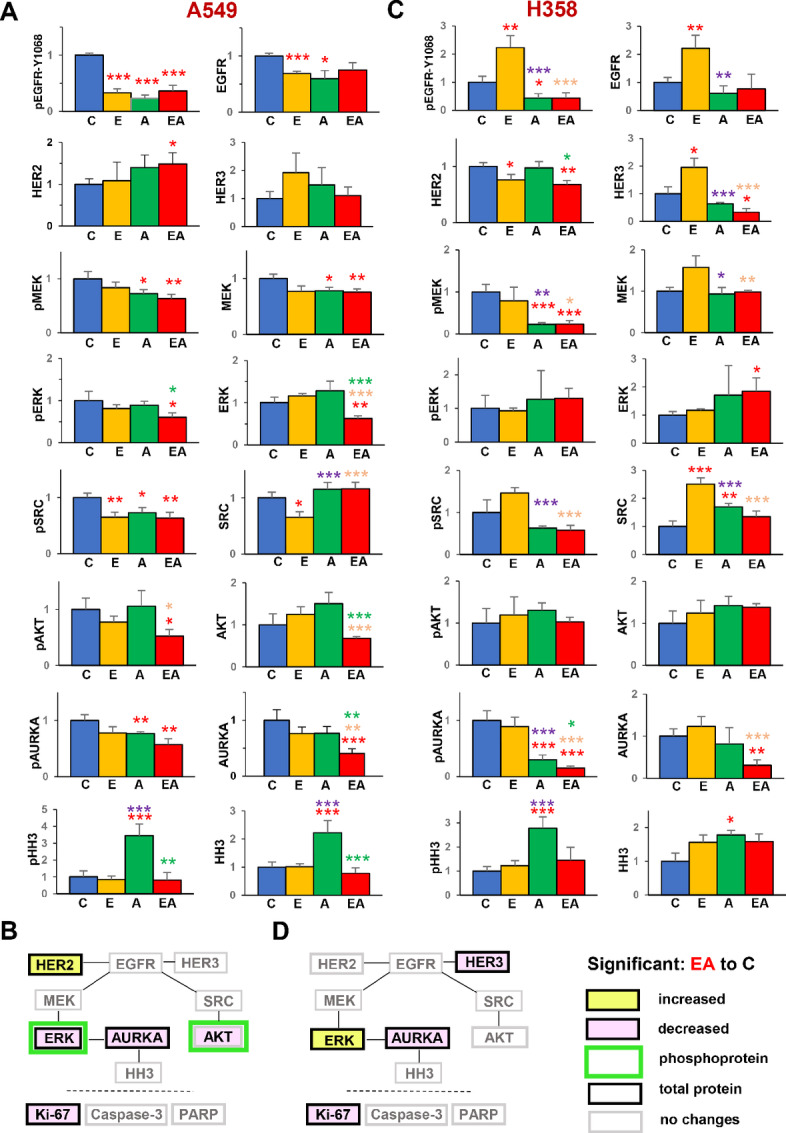
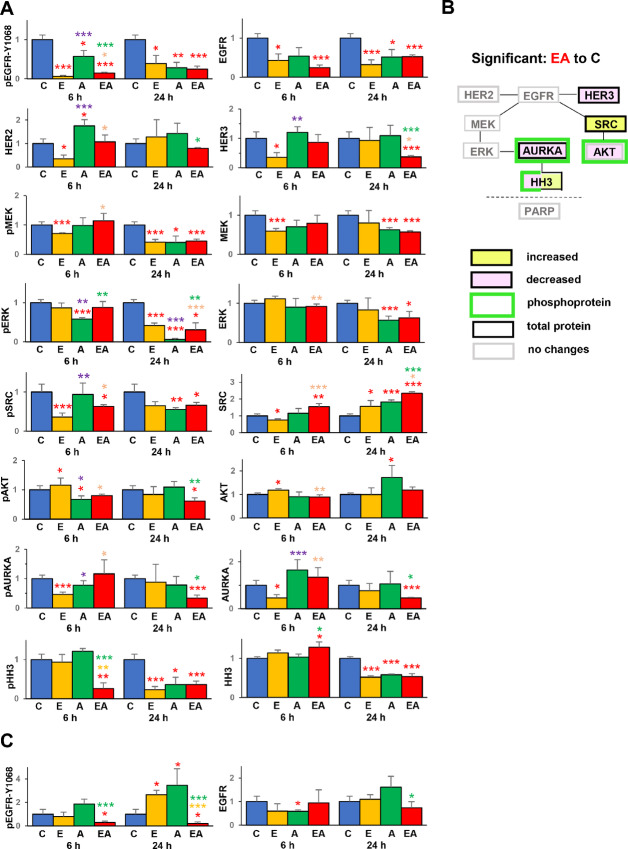
The most common oncogenic driver mutations for non–small cell lung cancer (NSCLC) activate EGFR or KRAS. Clinical trials exploring treatments for EGFR- or KRAS-mutated (EGFRmut or KRASmut) cancers have focused on small-molecule inhibitors targeting the driver mutations. Typically, these inhibitors perform more effectively based on combination with either chemotherapies, or other targeted therapies. For EGFRmut NSCLC, a combination of inhibitors of EGFR and Aurora-A kinase (AURKA), an oncogene commonly overexpressed in solid tumors, has shown promising activity in clinical trials. Interestingly, a number of recent studies have indicated that EGFR activity supports overall viability of tumors lacking EGFR mutations, and AURKA expression is abundant in KRASmut cell lines. In this study, we have evaluated dual inhibition of EGFR and AURKA in KRASmut NSCLC models. These data demonstrate synergy between the EGFR inhibitor erlotinib and the AURKA inhibitor alisertib in reducing cell viability and clonogenic capacity in vitro, associated with reduced activity of EGFR pathway effectors, accumulation of enhanced aneuploid cell populations, and elevated cell death. Importantly, the erlotinib-alisertib combination also synergistically reduces xenograft growth in vivo. Analysis of signaling pathways demonstrated that the combination of erlotinib and alisertib was more effective than single-agent treatments at reducing activity of EGFR and pathway effectors following either brief or extended administration of the drugs. In sum, this study indicates value of inhibiting EGFR in KRASmut NSCLC, and suggests the specific value of dual inhibition of AURKA and EGFR in these tumors. Significance: The introduction of specific KRAS G12C inhibitors to the clinical practice in lung cancer has opened up opportunities that did not exist before. However, G12C alterations are only a subtype of all KRAS mutations observed. Given the high expression of AURKA in KRASmut NSCLC, our study could point to a potential therapeutic option for this subgroup of patients.
Overview
The claims and statistics of this paper haven’t been checked yet.
Free: it reads the open-access text and checks the first 5 claims that cite a source we can check. Create a free account to check every claim.
Integrity signals
Registry
Cites
Statistics
Figures
Verification
Claims the paper makes
The claims and statistics of this paper haven’t been checked yet.
Free: it reads the open-access text and checks the first 5 claims that cite a source we can check. Create a free account to check every claim.
Claims other papers make about this one
Each is checked against this paper’s own text: does it say what the citing paper says it does?
The cited source says what the claim attributes to it.
In the citing paper
“Inhibition of AURKA could sensitize KRAS-mutant CRC and NSCLC to EGFR-targeted therapy [135, 136].”
From Differential Response and Resistance to KRAS-Targeted Therapy (2025) · cites this paper as [135]
Self-check
Percentages, sums and reported differences re-computed from the paper’s own numbers.
The self-check needs the paper’s full text.
Citations
Cites
Siegel, R. L., Miller, K. D., Fuchs, H. E., & Jemal, A. (2022) · CA: A Cancer Journal for Clinicians · doi:10.3322/caac.21708 · Cited by 17,196
Integrative Analysis of Complex Cancer Genomics and Clinical Profiles Using the cBioPortal
Gao, J., Aksoy, B. A., Dogrusoz, U., Dresdner, G., Gross, B., Sumer, S. O., Sun, Y., Jacobsen, A., Sinha, R., Larsson, E., et al. (2013) · Science Signaling · doi:10.1126/scisignal.2004088 · Cited by 15,160 · cited 1×
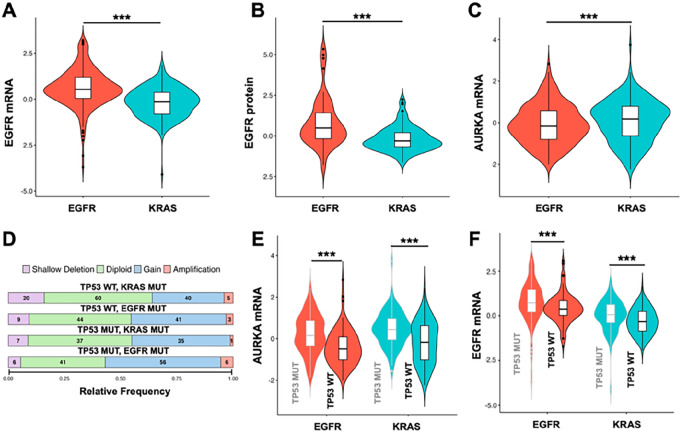
“…studies of AURKA and EGFR inhibition in KRAS-mutated (KRAS mut ) tumors, we first analyzed genomic and transcrip-tomicdataavailablethroughcBioportal(37). mRNAandproteinlevelsofEGFR were elevated in EGFR-mutated (EGFR mut ) versus KRAS mut tumors (median Z-scores 0.53 vs. − 0.14 for mRNA, P -value…”
InfluentialDrug combination studies and their synergy quantification using the Chou-Talalay method
Chou, T.-C. (2010) · Cancer Research · doi:10.1158/0008-5472.can-09-1947 · Cited by 5,739 · cited 1×
“The software CompuSyn was used to determine IC 50 valuesforerlotinibandalisertib,andsynergybytheChou-Talalaymethod (30).”
Comprehensive molecular profiling of lung adenocarcinoma
The Cancer Genome Atlas Research Network (2014) · Nature · doi:10.1038/nature13385 · Cited by 5,732
The biology and management of non-small cell lung cancer
Herbst, R. S., Morgensztern, D., & Boshoff, C. (2018) · Nature · doi:10.1038/nature25183 · Cited by 4,891
Transitions between epithelial and mesenchymal states: acquisition of malignant and stem cell traits
Polyak, K., & Weinberg, R. A. (2009) · Nature Reviews Cancer · doi:10.1038/nrc2620 · Cited by 3,302
Nivolumab plus ipilimumab in advanced non-small-cell lung cancer
Hellmann, M. D., Paz-Ares, L., Bernabe Caro, R., Zurawski, B., Kim, S.-W., Carcereny Costa, E., Park, K., Alexandru, A., Lupinacci, L., de la Mora Jimenez, E., et al. (2019) · New England Journal of Medicine · doi:10.1056/nejmoa1910231 · Cited by 2,823
Self-citationK-Ras(G12C) inhibitors allosterically control GTP affinity and effector interactions
Ostrem, J. M., Peters, U., Sos, M. L., Wells, J. A., & Shokat, K. M. (2013) · Nature · doi:10.1038/nature12796 · Cited by 2,557
Epidermal Growth Factor Receptor Cell Proliferation Signaling Pathways
Wee, P., & Wang, Z. (2017) · Cancers · doi:10.3390/cancers9050052 · Cited by 2,027 · cited 1×
“Although EGFR activates numerous downstream signaling effectors, including FAK, SRC, PLC γ , STATs, and others (46, 47), RAS has often been proposed to represent the most important mediator of EGFR biological activity.”
Emergence of KRAS mutations and acquired resistance to anti-EGFR therapy in colorectal cancer
Misale, S., Yaeger, R., Hobor, S., Scala, E., Janakiraman, M., Liska, D., Valtorta, E., Schiavo, R., Buscarino, M., Siravegna, G., et al. (2012) · Nature · doi:10.1038/nature11156 · Cited by 1,889 · cited 1×
“For example, in colorectal cancers overexpressing EGFR, the presence of a strongly activating KRAS mutation eliminates the effectiveness of EGFR-targeting antibodies, even in tumors with highly overexpressed EGFR (48, 49).”
Sotorasib for Lung Cancers with KRAS p.G12C Mutation
Skoulidis, F., Li, B. T., Dy, G. K., Price, T. J., Falchook, G. S., Wolf, J., Italiano, A., Schuler, M., Borghaei, H., Barlesi, F., et al. (2021) · New England Journal of Medicine · doi:10.1056/nejmoa2103695 · Cited by 1,849
Self-citationThe molecular evolution of acquired resistance to targeted EGFR blockade in colorectal cancers
Diaz Jr, L. A., Williams, R. T., Wu, J., Kinde, I., Hecht, J. R., Berlin, J., Allen, B., Bozic, I., Reiter, J. G., Nowak, M. A., et al. (2012) · Nature · doi:10.1038/nature11219 · Cited by 1,713 · cited 1×
“For example, in colorectal cancers overexpressing EGFR, the presence of a strongly activating KRAS mutation eliminates the effectiveness of EGFR-targeting antibodies, even in tumors with highly overexpressed EGFR (48, 49).”
FAK integrates growth-factor and integrin signals to promote cell migration
Sieg, D. J., Hauck, C. R., Ilic, D., Klingbeil, C. K., Schaefer, E., Damsky, C. H., & Schlaepfer, D. D. (2000) · Nature Cell Biology · doi:10.1038/35010517 · Cited by 1,240 · cited 1×
“Although EGFR activates numerous downstream signaling effectors, including FAK, SRC, PLC γ , STATs, and others (46, 47), RAS has often been proposed to represent the most important mediator of EGFR biological activity.”
Proteogenomic Characterization Reveals Therapeutic Vulnerabilities in Lung Adenocarcinoma
Gillette, M. A., Satpathy, S., Cao, S., Dhanasekaran, S. M., Vasaikar, S. V., Krug, K., Petralia, F., Li, Y., Liang, W.-W., Reva, B., et al. (2020) · Cell · doi:10.1016/j.cell.2020.06.013 · Cited by 820
Biscardi, J. S., Maa, M.-C., Tice, D. A., Cox, M. E., Leu, T.-H., & Parsons, S. J. (1999) · Journal of Biological Chemistry · doi:10.1074/jbc.274.12.8335 · Cited by 649 · cited 1×
“The kinase SRC interacts and cross-signals with both EGFR and AURKA (43–45); SRC activation was comparably inhibited by erlotinib and alisertib, although thecombination didnotresult ingreater reductionofSRCactivitythan either single agent.”
Anand, S., Penrhyn-Lowe, S., & Venkitaraman, A. R. (2003) · Cancer Cell · doi:10.1016/s1535-6108(02)00235-0 · Cited by 631 · cited 1×
“In addition, AURKA is commonly expressed at much higher levels in many tumors, either because tumors lose TP , a repressor of AURKA expression (21), or becauseofAURKAamplification,whichiscommonintumorsofepithelial origin (22).”
Rapid non-uniform adaptation to conformation-specific KRAS(G12C) inhibition
Xue, J. Y., Zhao, Y., Aronowitz, J., Mai, T. T., Vides, A., Qeriqi, B., Kim, D., Li, C., de Stanchina, E., Mazutis, L., et al. (2020) · Nature · doi:10.1038/s41586-019-1884-x · Cited by 543
Genomic landscape of lung adenocarcinoma in East Asians
Chen, J., Yang, H., Teo, A. S. M., Amer, L. B., Sherbaf, F. G., Tan, C. Q., Alvarez, J. J. S., Lu, B., Lim, J. Q., Takano, A., et al. (2020) · Nature Genetics · doi:10.1038/s41588-019-0569-6 · Cited by 509 · cited 1×
“We retrieved three genomic datasets [The Cancer Genome Atlas LUAD PanCancer (33); OncoSG (34); CPTAC (35)], containing RNA and protein expression data, mutation information, and copy-number alterations (CNA), from cBioPortal (https://www.cbioportal.org).”
EGFR Blockade Reverts Resistance to KRASG12C Inhibition in Colorectal Cancer.
Amodio, V., Yaeger, R., Arcella, P., Cancelliere, C., Lamba, S., Lorenzato, A., Arena, S., Montone, M., Mussolin, B., Bian, Y., et al. (2020) · Cancer Discovery · doi:10.1158/2159-8290.cd-20-0187 · Cited by 504
Vertical Pathway Inhibition Overcomes Adaptive Feedback Resistance to KRASG12C Inhibition
Ryan, M. B., Fece de la Cruz, F., Phat, S., Myers, D. T., Wong, E., Shahzade, H. A., Hong, C. B., & Corcoran, R. B. (2020) · Clinical Cancer Research · doi:10.1158/1078-0432.ccr-19-3523 · Cited by 496 · cited 1×
“11).”
Diverse alterations associated with resistance to KRAS(G12C) inhibition
Zhao, Y., Murciano-Goroff, Y. R., Xue, J. Y., Ang, A., Lucas, J., Mai, T. T., Da Cruz Paula, A. F., Saiki, A. Y., Mohn, D., Achanta, P., et al. (2021) · Nature · doi:10.1038/s41586-021-04065-2 · Cited by 479
Aurora A kinase (AURKA) in normal and pathological cell division
Nikonova, A. S., Astsaturov, I., Serebriiskii, I. G., Dunbrack, R. L., & Golemis, E. A. (2013) · Cellular and Molecular Life Sciences · doi:10.1007/s00018-012-1073-7 · Cited by 448
Self-citationMutation analysis of 24 known cancer genes in the NCI-60 cell line set
Ikediobi, O. N., Davies, H., Bignell, G., Edkins, S., Stevens, C., O'Meara, S., Santarius, T., Avis, T., Barthorpe, S., Brackenbury, L., et al. (2006) · Molecular Cancer Therapeutics · doi:10.1158/1535-7163.mct-06-0433 · Cited by 440 · cited 1×
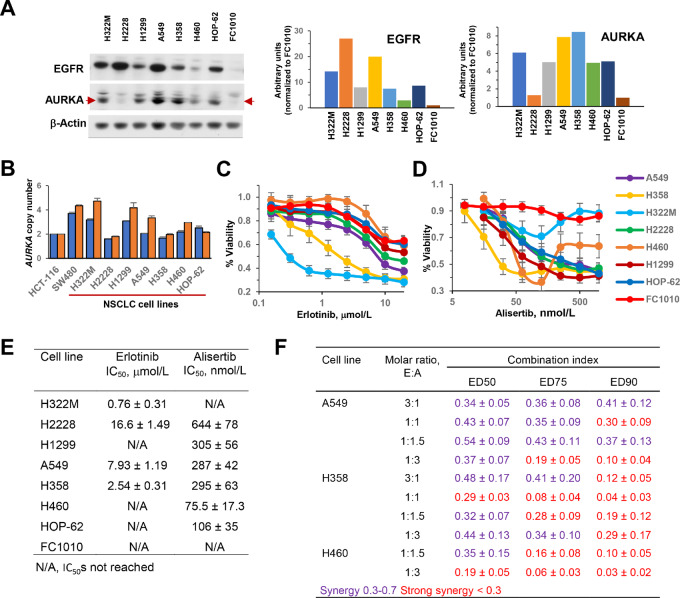
“…confirmed their protein expression in a panel of eight cell lines, including six lung cancer with driver mutations in KRAS , NRAS , and EML-ALK, one lung cancer (H322M) with a homozygous mutation in TP proposed to have a driver function (38), and a fibroblast control line (FC1010; Table 1; Fig.”
The ErbB/HER receptor protein-tyrosine kinases and cancer
Roskoski, R. (2004) · Biochemical and Biophysical Research Communications · doi:10.1016/j.bbrc.2004.04.150 · Cited by 395 · cited 1×
“Antibody and small-molecule inhibitors of EGFR were some of the first approved signaling pathway-targeted inhibitors (12, 13), and are used extensively in tumors bearing EGFR mutations or with EGFR overexpressed, as well as in other contexts in which EGFR signaling contributes to tumor growth and…”
Biomarkers for immune checkpoint inhibition in non–small cell lung cancer (NSCLC)
Bodor, J. N., Boumber, Y., & Borghaei, H. (2020) · Cancer · doi:10.1002/cncr.32468 · Cited by 329
Self-citationShah, K. N., Bhatt, R., Rotow, J., Rohrberg, J., Olivas, V., Wang, V. E., Hemmati, G., Martins, M. M., Maynard, A., Kuhn, J., et al. (2019) · Nature Medicine · doi:10.1038/s41591-018-0264-7 · Cited by 286 · cited 1×
“AURKA contributes to resistance to clinically valuable inhibitors of diverse regulatory kinases that are closely linked to EGFR and RAS signaling, including SRC (43), PI3K (53), mTOR (54), RAF (55), and EGFR (27, 56, 57), among others.”
Characterization of KRAS Mutation Subtypes in Non–small Cell Lung Cancer
Judd, J., Abdel Karim, N., Khan, H., Naqash, A. R., Baca, Y., Xiu, J., VanderWalde, A. M., Mamdani, H., Raez, L. E., Nagasaka, M., et al. (2021) · Molecular Cancer Therapeutics · doi:10.1158/1535-7163.mct-21-0201 · Cited by 194
Self-citationPapadimitrakopoulou, V., Lee, J. J., Wistuba, I. I., Tsao, A. S., Fossella, F. V., Kalhor, N., Gupta, S., Byers, L. A., Izzo, J. G., Gettinger, S. N., et al. (2016) · Journal of Clinical Oncology · doi:10.1200/jco.2015.66.0084 · Cited by 183 · cited 1×
“Although lung tumors with wild-type (wt) EGFR are typically considered resistant to EGFR inhibitors, in contrast to those bearing EGFR mutations (4, 15, 16), data from a number of studies indicate that EGFR inhibition can provide a survival benefit in KRAS-mutated tumors (17–19).”
Molecular mechanisms of the preventable causes of cancer in the United States
Golemis, E. A., Scheet, P., Beck, T. N., Scolnick, E. M., Hunter, D. J., Hawk, E., & Hopkins, N. (2018) · Genes & Development · doi:10.1101/gad.314849.118 · Cited by 153 · cited 1×
“Our data suggest that it may be useful to evaluate the use of EGFR and AU-RKA inhibitors in a broader group of patients with NSCLC. NSCLC and other lung cancers remain the most common avoidable cancers in the United States and globally (58).”
Self-citationSynthetic Lethal Screen of an EGFR-Centered Network to Improve Targeted Therapies
Astsaturov, I., Ratushny, V., Sukhanova, A., Einarson, M. B., Bagnyukova, T., Zhou, Y., Devarajan, K., Silverman, J. S., Tikhmyanova, N., Skobeleva, N., et al. (2010) · Science Signaling · doi:10.1126/scisignal.2001083 · Cited by 139 · cited 2×
“Synergy be-tween small-molecule inhibitors of EGFR and AURKA was first identified in a synthetic lethality screen performed in EGFR-overexpressing head and neck squamous cell carcinomas and colorectal cancers (27).”
Self-citationNew Horizons in KRAS-Mutant Lung Cancer: Dawn After Darkness
Yang, H., Liang, S.-Q., Schmid, R. A., & Peng, R.-W. (2019) · Frontiers in Oncology · doi:10.3389/fonc.2019.00953 · Cited by 129 · cited 1×
“Although lung tumors with wild-type (wt) EGFR are typically considered resistant to EGFR inhibitors, in contrast to those bearing EGFR mutations (4, 15, 16), data from a number of studies indicate that EGFR inhibition can provide a survival benefit in KRAS-mutated tumors (17–19).”
D'Assoro, A. B., liu, T., Quatraro, C., Amato, A., Opyrchal, M., Leontovich, A., Ikeda, Y., Ohmine, S., Lingle, W., Suman, V, et al. (2014) · Oncogene · doi:10.1038/onc.2012.628 · Cited by 127
Afatinib restrains K-RAS–driven lung tumorigenesis
Moll, H. P., Pranz, K., Musteanu, M., Grabner, B., Hruschka, N., Mohrherr, J., Aigner, P., Stiedl, P., Brcic, L., Laszlo, V., et al. (2018) · Science Translational Medicine · doi:10.1126/scitranslmed.aao2301 · Cited by 125 · cited 1×
“Although lung tumors with wild-type (wt) EGFR are typically considered resistant to EGFR inhibitors, in contrast to those bearing EGFR mutations (4, 15, 16), data from a number of studies indicate that EGFR inhibition can provide a survival benefit in KRAS-mutated tumors (17–19).”
Mechanisms of tumor resistance to EGFR-targeted therapies
Hopper-Borge, E. A., Nasto, R. E., Ratushny, V., Weiner, L. M., Golemis, E. A., & Astsaturov, I. A. (2009) · Expert Opinion on Therapeutic Targets · doi:10.1517/14712590902735795 · Cited by 119 · cited 1×
“…kinase inhibitors is very rarely associated with mutations activating RAS; rather, resistance usually is associated with additional mutations in EGFR, overexpression of other receptor tyrosine kinases (the RTKs ERBB2 and c-MET), mutations in PI3K or BRAF, or histologic transition (4, 50).”
Self-citationKashima, Y., Shibahara, D., Suzuki, A., Muto, K., Kobayashi, I. S., Plotnick, D. O., Udagawa, H., Izumi, H., Shibata, Y., Tanaka, K., et al. (2021) · Cancer Research · doi:10.1158/0008-5472.can-20-2811 · Cited by 118 · cited 1×
“AURKA contributes to resistance to clinically valuable inhibitors of diverse regulatory kinases that are closely linked to EGFR and RAS signaling, including SRC (43), PI3K (53), mTOR (54), RAF (55), and EGFR (27, 56, 57), among others.”
Nguyen, T. T. T., Shang, E., Shu, C., Kim, S. S., Mela, A., Humala, N., Mahajan, A., Yang, H. W., Akman, H. O., Quinzii, C. M., et al. (2021) · Nature Communications · doi:10.1038/s41467-021-25501-x · Cited by 112
The ERBB network facilitates KRAS-driven lung tumorigenesis
Kruspig, B., Monteverde, T., Neidler, S., Hock, A., Kerr, E., Nixon, C., Clark, W., Hedley, A., Laing, S., Coffelt, S. B., et al. (2018) · Science Translational Medicine · doi:10.1126/scitranslmed.aao2565 · Cited by 111
Kinome rewiring reveals AURKA limits PI3K-pathway inhibitor efficacy in breast cancer
Donnella, H. J., Webber, J. T., Levin, R. S., Camarda, R., Momcilovic, O., Bayani, N., Shah, K. N., Korkola, J. E., Shokat, K. M., Goga, A., et al. (2018) · Nature Chemical Biology · doi:10.1038/s41589-018-0081-9 · Cited by 90
EGFR family and Src family kinase interactions: mechanics matters?
Chen, Z., Oh, D., Dubey, A. K., Yao, M., Yang, B., Groves, J. T., & Sheetz, M. P. (2017) · Current Opinion in Cell Biology · doi:10.1016/j.ceb.2017.12.003 · Cited by 89
Ki-67 and the Chromosome Periphery Compartment in Mitosis
Booth, D. G., & Earnshaw, W. C. (2017) · Trends in Cell Biology · doi:10.1016/j.tcb.2017.08.001 · Cited by 88 · cited 1×
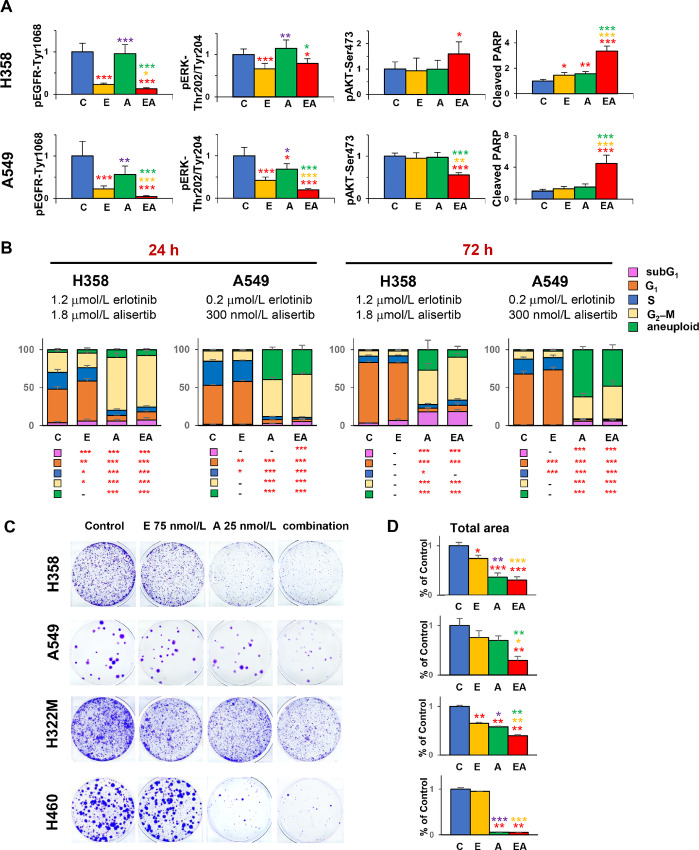
“4A and B); we note, given the role of Ki-67 as a component of mitotic chromatin (40), it may underreport cell cycle arrest not occurring in early G 1 /G 0 .”
Aurora kinases and DNA damage response
Ma, H. T., & Poon, R. Y. C. (2020) · Mutation research. Fundamental and molecular mechanisms of mutagenesis · doi:10.1016/j.mrfmmm.2020.111716 · Cited by 87 · cited 1×
“…andincluderolesinDNAreplicationandrepair(62,63),hypoxiasignaling(64), andothermetabolicprocesses(65,66);itislikelythattheserolesalsocontribute to supporting malignant growth, and merit further…”
Nishida, N., Nagasaka, T., Kashiwagi, K., Boland, C. R., & Goel, A. (2007) · Cancer Biology & Therapy · doi:10.4161/cbt.6.4.3817 · Cited by 83
Aurora kinases in head and neck cancer
Mehra, R., Serebriiskii, I. G., Burtness, B. A., Astsaturov, I. A., & Golemis, E. A. (2013) · The Lancet Oncology · doi:10.1016/s1470-2045(13)70128-1 · Cited by 80
Self-citationLee, J. W., Parameswaran, J., Sandoval-Schaefer, T., Eoh, K. J., Yang, D., Zhu, F., Mehra, R., Sharma, R., Gaffney, S. G., Perry, E. B., et al. (2019) · Clinical Cancer Research · doi:10.1158/1078-0432.ccr-18-0440 · Cited by 79 · cited 1×
“AURKA is considered a promising target in other smoking-related cancers (60, 61).”
Self-citationPugacheva, E. N., & Golemis, E. A. (2006) · Cell Cycle · doi:10.4161/cc.5.4.2439 · Cited by 77 · cited 1×
“These include AKT, ERK1/2, and proteins that mediate epithelial–mesenchymal transition, associated with drug resistance and tumor invasion (23–26).”
Self-citationAurora Kinase Inhibition Overcomes Cetuximab Resistance in Squamous Cell Cancer of the Head and Neck
Hoellein, A., Pickhard, A., von Keitz, F., Schoeffmann, S., Piontek, G., Rudelius, M., Baumgart, A., Wagenpfeil, S., Peschel, C., Dechow, T. N., et al. (2011) · Oncotarget · doi:10.18632/oncotarget.311 · Cited by 76 · cited 1×
“Inhibition of AURKA has been shown to overcome resistance to the EGFR inhibitors such as the EGFR-targeting antibody cetuximab (28).”
Nuclear localisation of Aurora-A: its regulation and significance for Aurora-A functions in cancer
Naso, F. D., Boi, D., Ascanelli, C., Pamfil, G., Lindon, C., Paiardini, A., & Guarguaglini, G. (2021) · Oncogene · doi:10.1038/s41388-021-01766-w · Cited by 74 · cited 1×
“…it has become clear that the profile of AURKA targets is greatly expanded in transformed cells overexpressing AURKA, due in part to the expanded localization of the protein to include the cytoplasm and the nucleus, as well as elevated activity of AURKA in additional phases of cell cycle (52).”
Khaddour, K., Jonna, S., Deneka, A. Y., Patel, J. D., Abazeed, M. E., Golemis, E. A., Borghaei, H., & Boumber, Y. (2021) · Cancers · doi:10.3390/cancers13133164 · Cited by 71
Self-citationAurora A kinase activity influences calcium signaling in kidney cells
Plotnikova, O. V., Pugacheva, E. N., & Golemis, E. A. (2011) · Journal of Cell Biology · doi:10.1083/jcb.201012061 · Cited by 71 · cited 1×
“…andincluderolesinDNAreplicationandrepair(62,63),hypoxiasignaling(64), andothermetabolicprocesses(65,66);itislikelythattheserolesalsocontribute to supporting malignant growth, and merit further investigation.”
Self-citationBurns, T. F., Borghaei, H., Ramalingam, S. S., Mok, T. S. K., & Peters, S. (2020) · Journal of Clinical Oncology · doi:10.1200/jco.20.00744 · Cited by 65
Self-citationByrum, A. K., Carvajal-Maldonado, D., Mudge, M. C., Valle‐García, D., Majid, M. C., Patel, R., Sowa, M. E., Gygi, S. P., Harper, J. W., Shi, Y., et al. (2019) · The Journal of Cell Biology · doi:10.1083/jcb.201803003 · Cited by 65 · cited 1×
“…andincluderolesinDNAreplicationandrepair(62,63),hypoxiasignaling(64), andothermetabolicprocesses(65,66);itislikelythattheserolesalsocontribute to supporting malignant growth, and merit…”
Functional Significance of Aurora Kinases–p53 Protein Family Interactions in Cancer
Sasai, K., Treekitkarnmongkol, W., Kai, K., Katayama, H. G., & Sen, S. (2016) · Frontiers in Oncology · doi:10.3389/fonc.2016.00247 · Cited by 64 · cited 1×
“In addition, AURKA is commonly expressed at much higher levels in many tumors, either because tumors lose TP , a repressor of AURKA expression (21), or becauseofAURKAamplification,whichiscommonintumorsofepithelial origin (22).”
Ice, R. J., McLaughlin, S. L., Livengood, R. H., Culp, M. V., Eddy, E. R., Ivanov, A. V., & Pugacheva, E. N. (2013) · Cancer Research · doi:10.1158/0008-5472.can-12-4008 · Cited by 54
Kitajima, S., Kudo, Y., Ogawa, I., Tatsuka, M., Kawai, H., Pagano, M., & Takata, T. (2007) · PLoS ONE · doi:10.1371/journal.pone.0000944 · Cited by 52 · cited 1×
“AURKA activation was also inhibited by the drug combination, accompanied by reduced levels of the total protein; AURKA degradation has previously been shown to be enhanced by inhibition of autophosphorylation activity (41, 42).”
Chronic Obstructive Pulmonary Disease and Lung Cancer: A Review for Clinicians
Criner, G. J., Agustí, A. G. N., Borghaei, H., Friedberg, J. S., Martínez, F. J., Miyamoto, C. T., Vogelmeier, C. F., & Celli, B. R. (2022) · Chronic Obstructive Pulmonary Diseases Journal of the COPD Foundation · doi:10.15326/jcopdf.2022.0296 · Cited by 52 · cited 1×
“…associated with smoking and has a lower mutation burden and better prognosis, KRAS-mutated NSCLC has a much higher level of DNA damage, and patients often suffer from smoking-associated comorbidities including chronic obstructive pulmonary disease (59), hypertension, and other metabolic disorders.”
Self-citationAurkA inhibitors enhance the effects of B-RAF and MEK inhibitors in melanoma treatment
Caputo, E., Miceli, R., Motti, M. L., Taté, R., Fratangelo, F., Botti, G., Mozzillo, N., Carriero, M. V., Cavalcanti, E., Palmieri, G., et al. (2014) · Journal of Translational Medicine · doi:10.1186/s12967-014-0216-z · Cited by 48 · cited 2×
“However, in EGFR-dependent NSCLC, where the oncogenic driver is more typically EGFR bearingacatalyticallyactivatingmutationratherthanoverexpressionofEGFR, resistance to EGFR-targeting kinase inhibitors is very rarely associated with mutations activating RAS; rather, resistance usually is associated with additional mut…”
Aurora kinase inhibitors: a patent review (2014-2020)
Jing, X.-L., & Chen, S. (2021) · Expert Opinion on Therapeutic Patents · doi:10.1080/13543776.2021.1890027 · Cited by 39 · cited 1×
“AURKA inhibitors have been explored extensively in clinical trials for over 15 years (20), but have not yet been approved clinically for single-agent use due to insufficient activity.”
Inhibition by erlotinib of primary lung adenocarcinoma at an early stage in male mice
Zerbe, L. K., Dwyer‐Nield, L. D., Fritz, J. M., Redente, E. F., Shroyer, R. J., Conklin, E., Kane, S., Tucker, C., Eckhardt, S. G., Gustafson, D. L., et al. (2007) · Cancer Chemotherapy and Pharmacology · doi:10.1007/s00280-007-0644-z · Cited by 37
Katsha, A. M., Wang, L., Arras, J., Omar, O. M., Ecsedy, J., Belkhiri, A., & El-Rifai, W. M. (2017) · Clinical Cancer Research · doi:10.1158/1078-0432.ccr-16-2141 · Cited by 34 · cited 1×
“AURKA contributes to resistance to clinically valuable inhibitors of diverse regulatory kinases that are closely linked to EGFR and RAS signaling, including SRC (43), PI3K (53), mTOR (54), RAF (55), and EGFR (27, 56, 57), among others.”
Upadhyaya, S. A., Campagne, O., Billups, C. A., Orr, B. A., Onar‐Thomas, A., Tatevossian, R., Mostafavi, R. M., Myers, J. R., Vinitsky, A., Moreira, D. C., et al. (2022) · Neuro-Oncology · doi:10.1093/neuonc/noac151 · Cited by 34
Dual inhibition of SRC and Aurora kinases induces postmitotic attachment defects and cell death
Ratushny, V., Pathak, H. B., Beeharry, N., Tikhmyanova, N., Xiao, F., Li, T., Litwin, S., Connolly, D. C., Yen, T. J., Weiner, L. M., et al. (2011) · Oncogene · doi:10.1038/onc.2011.314 · Cited by 33 · cited 10×
“Direct AURKA interaction and phosphorylation of some of these effectors has been reported in some contexts [e.g., with SRC (43)], and disruption of one or more likely several such interactions may contribute to the combination effect observed in inhibiting tumor growth.”
InfluentialSelf-citationMakhov, P. B., Bychkov, I., Faezov, B., Deneka, A. Y., Kudinov, A. E., Nicolas, É., Brebion, R., Avril, E., Cai, K. Q., Kharin, L. V., et al. (2021) · Oncogenesis · doi:10.1038/s41389-021-00317-y · Cited by 30
Self-citationNedd9 Restrains Autophagy to Limit Growth of Early Stage Non–Small Cell Lung Cancer
Deneka, A. Y., Kopp, M. C., Nikonova, A. S., Gaponova, A. V., Kiseleva, A. A., Hensley, H. H., Flieder, D. B., Serebriiskii, I. G., & Golemis, E. A. (2021) · Cancer Research · doi:10.1158/0008-5472.can-20-3626 · Cited by 26 · cited 1×
“36.”
Self-citationIssues in interpreting the in vivo activity of Aurora-A
Shagisultanova, E. I., Dunbrack, R. L., & Golemis, E. A. (2014) · Expert Opinion on Therapeutic Targets · doi:10.1517/14728222.2014.981154 · Cited by 25
Self-citationWhately, K. M., Voronkova, M. A., Maskey, A., Gandhi, J., Loskutov, J., Choi, H., Yanardag, S., Chen, D., Wen, S., Margaryan, N. V., et al. (2021) · Oncogene · doi:10.1038/s41388-021-01969-1 · Cited by 25 · cited 1×
“…andincluderolesinDNAreplicationandrepair(62,63),hypoxiasignaling(64), andothermetabolicprocesses(65,66);itislikelythattheserolesalsocontribute to supporting malignant growth, and merit further investigation.”
Palani, S., Patel, M., Huck, J. J., Zhang, M., Balani, S. K., Yang, J. J., Chen, S. E., Mettetal, J. T., Manfredi, M. G., Shyu, W. C., et al. (2013) · Cancer Chemotherapy and Pharmacology · doi:10.1007/s00280-013-2305-8 · Cited by 24 · cited 2×
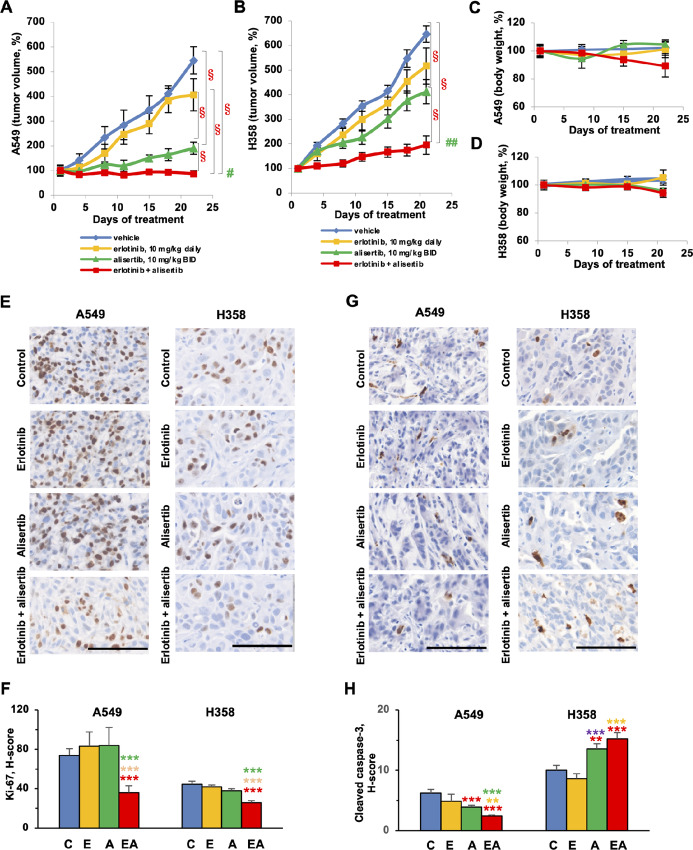
“The approximate drug dose levels for in vivo studies were chosen based on published studies [erlotinib, (31); alisertib (32)].”
Epidermal growth factor receptor inhibitors: an update on their development as cancer therapeutics.
Seymour, L. (2003) · PubMed · Cited by 12
Cited by
Aurora kinases signaling in cancer: from molecular perception to targeted therapies
Vats, P., Saini, C., Baweja, B., Srivastava, S. K., Kumar, A., Kushwah, A. S., & Nema, R. (2025) · Molecular Cancer · doi:10.1186/s12943-025-02353-3 · Cited by 60
“The rationale lies in AURKA’ s role in promoting mitotic survival and bypassing KRAS-induced checkpoint failures [270].”
Chung, S., Sperier, E., Graciano, K., Hu, X. P., Guo, H., & Xu, J. (2025) · Bioorganic Chemistry · doi:10.1016/j.bioorg.2025.108633 · Cited by 23
AURKA Suppresses Ferroptosis via the KEAP1/NRF2/HO‑1 Axis in EGFR-Mutant Lung Adenocarcinoma
Huang, Y., Liu, G., Zhu, L., & Zhang, J.-H. (2025) · Frontiers in Bioscience-Landmark · doi:10.31083/fbl41293 · Cited by 10
“This seemingly paradoxical observation may reflect the dependency of EGFR-mutant tumors on EGFR-driven signaling, which could suppress alternative oncogenic pathways such as those involving AURKA [61,62].”
Jameson, N. M., Kim, D., Lee, C., Skrable, B., Shea, A., Guo, X., Izadi, H., Abed, M., Harismendy, O., Ma, J., et al. (2025) · Cancer Research Communications · doi:10.1158/2767-9764.crc-24-0411 · Cited by 9
Differential Response and Resistance to KRAS-Targeted Therapy
Liu, Z., Lenz, H., Yu, J., & Zhang, L. (2025) · Molecular Carcinogenesis · doi:10.1002/mc.23908 · Cited by 7
Metadata
- Authors
- Bagnyukova, T., Egleston, B. L., Pavlov, V. A., Serebriiskii, I. G., Golemis, E. A., & Borghaei, H.
- Affiliations
- Fox Chase Cancer Center (US)
- Corresponding author
- Borghaei, Hossein
- ORCID
- Venue
- Cancer Research Communications
- Published
- 2024-05-08
- Volume
- 4
- Issue
- 5
- Pages
- 1227-1239
- ISSN
- 2767-9764 (ISSN-L)
- PMC
- PMC11078142
- OpenAlex
- W4394941922
- Cited by
- 14
- References
- 67
- Citations by year
- 2026: 5 · 2025: 8 · 2024: 1
- FWCI
- 4.04
- Type
- journal article
- Language
- en
- Open access
- gold
- doi.org
- Licence
- Locations
- Cancer Research Communications (publishedVersion, cc-by)
- PubMed Central (publishedVersion, cc-by)
- PubMed (publishedVersion)
- TUScholarShare (Temple University) (submittedVersion, cc-by)
- Funders
- HHS | NIH | National Cancer Institute (P30 CA006927)
- William Wikoff Smith Charitable Trust
- Topics
- Health Sciences › Medicine › Pulmonary and Respiratory Medicine › Lung Cancer Treatments and Mutations
- Health Sciences › Medicine › Oncology › Lung Cancer Research Studies
- Life Sciences › Biochemistry, Genetics and Molecular Biology › Molecular Biology › Protein Kinase Regulation and GTPase Signaling
- Keywords
- non-small cell lung cancer, KRAS mutation, EGFR inhibition, erlotinib, alisertib, combination therapy, drug synergy, aneuploidy, clonogenicity, xenograft tumor growth, KRAS G12C inhibitors
- MeSH terms
- Erlotinib Hydrochloride, Animals, Antineoplastic Combined Chemotherapy Protocols, Azepines, Carcinoma, Non-Small-Cell Lung, Drug Synergism, Humans, Lung Neoplasms, Mutation, Pyrimidines, Proto-Oncogene Proteins p21(ras), Xenograft Model Antitumor Assays, Cell Line, Tumor, Protein Kinase Inhibitors, Mice, Aurora Kinase A, ErbB Receptors
About these checks
Registry, retraction, Cites and statistics results are computed, not judged, with one exception: a printed reference that no index lists is read once by a model before it counts as a citation error. Claims are extracted by a model and kept only when their quote appears verbatim in the text; each cited source is then checked, with a model’s help, for whether it says what the claim relies on. Those verdicts can be wrong — read the claim’s quote and the cited source before relying on one.
Statistics and arithmetic are recomputed, not judged.
Confidence bands are shown only for fields calibrated on our annotated test set. None is calibrated yet, so no band is shown.
What counts as a claim ›How we measure confidence ›How we check this ›
Are you an author, or do you see a problem with this page? Request a review
Data sources
Bibliographic data: Semantic Scholar, OpenAlex, Crossref.
Contains information from the Semantic Scholar Academic Graph Datasets, made available under the ODC Attribution License (ODC-BY 1.0).
Semantic Scholar’s data is described in: Kinney, R., et al. (2023). The Semantic Scholar Open Data Platform. arXiv:2301.10140.
