

Glial Biology in Learning and Cognition
Open accessThe DOI matches its Crossref record; 33 of the 33 references it cites were found in a registry or an index.
Abstract
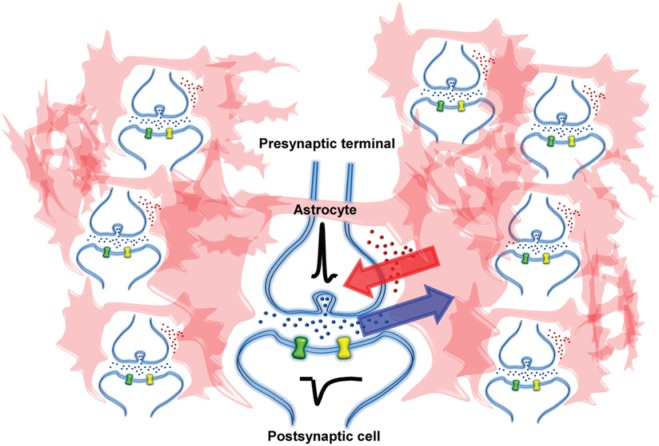
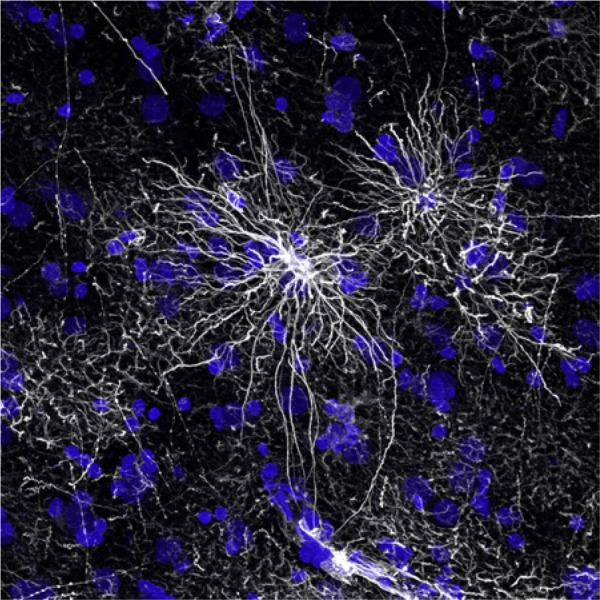
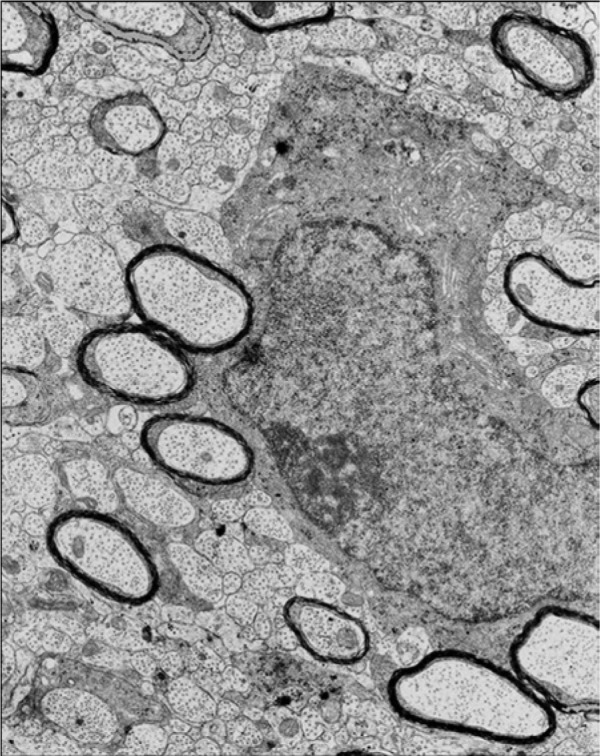
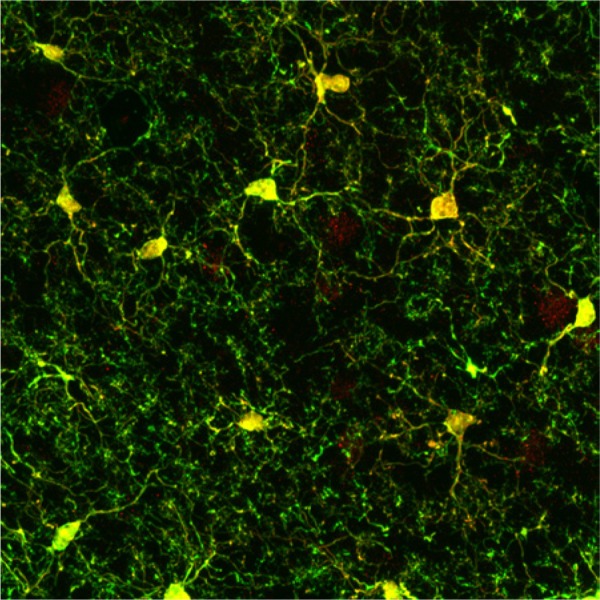
Neurons are exquisitely specialized for rapid electrical transmission of signals, but some properties of glial cells, which do not communicate with electrical impulses, are well suited for participating in complex cognitive functions requiring broad spatial integration and long-term temporal regulation. Astrocytes, microglia, and oligodendrocytes all have biological properties that could influence learning and cognition. Myelination by oligodendrocytes increases conduction velocity, affecting spike timing and oscillations in neuronal activity. Astrocytes can modulate synaptic transmission and may couple multiple neurons and synapses into functional assemblies. Microglia can remove synapses in an activity-dependent manner altering neural networks. Incorporating glia into a bicellular mechanism of nervous system function may help answer long-standing questions concerning the cellular mechanisms of learning and cognition.
Overview
The claims and statistics of this paper haven’t been checked yet.
Free: it reads the open-access text and checks the first 5 claims that cite a source we can check. Create a free account to check every claim.
Integrity signals
Registry
Cites
Statistics
Figures

Verification
Claims the paper makes
The claims and statistics of this paper haven’t been checked yet.
Free: it reads the open-access text and checks the first 5 claims that cite a source we can check. Create a free account to check every claim.
Claims other papers make about this one
Each is checked against this paper’s own text: does it say what the citing paper says it does?
The cited source says what the claim attributes to it.
In the citing paper
“Intuitively, a multiscale spatial-temporal astrocytic integration with the neuronal network should produce a higher-order organization of the information processing 130 .”
From Astrocyte function from information processing to cognition and cognitive impairment (2019) · cites this paper as [130]
Self-check
Percentages, sums and reported differences re-computed from the paper’s own numbers.
The self-check needs the paper’s full text.
Citations
Cites
Buzsáki, G. (2006) · doi:10.1093/acprof:oso/9780195301069.001.0001 · Cited by 4,873
Microglia Sculpt Postnatal Neural Circuits in an Activity and Complement-Dependent Manner
Schafer, D. P., Lehrman, E. K., Kautzman, A. G., Koyama, R., Mardinly, A. R., Yamasaki, R., Ransohoff, R. M., Greenberg, M. E., Barres, B. A., & Stevens, B. (2012) · Neuron · doi:10.1016/j.neuron.2012.03.026 · Cited by 4,089
Astrocyte-Neuron Lactate Transport Is Required for Long-Term Memory Formation
Suzuki, A., Stern, S. A., Bozdagi, O., Huntley, G. W., Walker, R. H., Magistretti, P. J., & Alberini, C. M. (2011) · Cell · doi:10.1016/j.cell.2011.02.018 · Cited by 1,711
Plasticity in gray and white: neuroimaging changes in brain structure during learning
Zatorre, R. J., Fields, R. D., & Johansen-Berg, H. (2012) · Nature Neuroscience · doi:10.1038/nn.3045 · Cited by 1,685
Self-citationProtoplasmic Astrocytes in CA1 Stratum Radiatum Occupy Separate Anatomical Domains
Bushong, E. A., Martone, M. E., Jones, Y. Z., & Ellisman, M. H. (2002) · The Journal of Neuroscience · doi:10.1523/jneurosci.22-01-00183.2002 · Cited by 1,578
Increasing adult hippocampal neurogenesis is sufficient to improve pattern separation
Sahay, A., Scobie, K. N., Hill, A. S., O'Carroll, C. M., Kheirbek, M. A., Burghardt, N. S., Fenton, A. A., Dranovsky, A., & Hen, R. (2011) · Nature · doi:10.1038/nature09817 · Cited by 1,567
Microglial interactions with synapses are modulated by visual experience
Tremblay, M.-È., Lowery, R. L., & Majewska, A. K. (2010) · PLoS Biology · doi:10.1371/journal.pbio.1000527 · Cited by 1,542
White matter in learning, cognition, and psychiatric disorders
Fields, R. D. (2008) · Trends in Neurosciences · doi:10.1016/j.tins.2008.04.001 · Cited by 1,337
Self-citationMyelination and support of axonal integrity by glia
Nave, K.-A. (2010) · Nature · doi:10.1038/nature09614 · Cited by 1,062
Self-citationEmerging roles of astrocytes in neural circuit development
Clarke, L. E., & Barres, B. A. (2013) · Nature Reviews Neuroscience · doi:10.1038/nrn3484 · Cited by 975 · cited 1×
“Glial cells far exceed neurons in cellular diversity, cell numbers, and functions, and they can regulate neuronal activity in many ways (Clarke and Barres 2013).”
Background
Cited by
Neuroinflammation in neurodegenerative disorders: the roles of microglia and astrocytes
Kwon, H. S., & Koh, S.-H. (2020) · Translational Neurodegeneration · doi:10.1186/s40035-020-00221-2 · Cited by 2,595
A polarizing question: do M1 and M2 microglia exist?
Ransohoff, R. M. (2016) · Nature Neuroscience · doi:10.1038/nn.4338 · Cited by 1,573
Astrocyte function from information processing to cognition and cognitive impairment
Santello, M., Toni, N., & Volterra, A. (2019) · Nature Neuroscience · doi:10.1038/s41593-018-0325-8 · Cited by 737
González-Reyes, R. E., Nava-Mesa, M. O., Vargas-Sánchez, K., Ariza-Salamanca, D., & Mora-Muñoz, L. (2017) · Frontiers in Molecular Neuroscience · doi:10.3389/fnmol.2017.00427 · Cited by 527
Synapse-specific astrocyte gating of amygdala-related behavior
Martin-Fernandez, M., Jamison, S., Robin, L. M., Zhao, Z., Martin, E. D., Aguilar, J., Benneyworth, M. A., Marsicano, G., & Araque, A. (2017) · Nature Neuroscience · doi:10.1038/nn.4649 · Cited by 345
Self-citationMechanisms of Chemotherapy-Induced Neurotoxicity
Was, H., Borkowska, A., Bagues, A., Tu, L., Liu, J. Y. H., Lu, Z., Rudd, J. A., Nurgali, K., & Abalo, R. (2022) · Frontiers in Pharmacology · doi:10.3389/fphar.2022.750507 · Cited by 285
Transforming Professional Development Into Student Results
Reeves, D. B. (2010) · Cited by 274
An astroglial basis of major depressive disorder? An overview
Wang, Q., Jie, W., Liu, J., Yang, J., & Gao, T. (2017) · Glia · doi:10.1002/glia.23143 · Cited by 222
“Forebrain engraftment of human astrocytes enhances learning and cognition in mice (Fields et al., 2014; Han et al., 2013).”
BackgroundDo stars govern our actions? Astrocyte involvement in rodent behavior
Oliveira, J. F., Sardinha, V. M., Guerra-Gomes, S., Araque, A., & Sousa, N. (2015) · Trends in Neurosciences · doi:10.1016/j.tins.2015.07.006 · Cited by 189
Self-citationCellular mechanisms and treatments for chemobrain: insight from aging and neurodegenerative diseases
Nguyen, L. D., & Ehrlich, B. E. (2020) · EMBO Molecular Medicine · doi:10.15252/emmm.202012075 · Cited by 175
Koudelka, S., Voas, M. G., Almeida, R. G., Baraban, M., Soetaert, J., Meyer, M. P., Talbot, W. S., & Lyons, D. A. (2016) · Current Biology · doi:10.1016/j.cub.2016.03.070 · Cited by 171
Astrocytes as new targets to improve cognitive functions
Dallérac, G. M., & Rouach, N. (2016) · Progress in Neurobiology · doi:10.1016/j.pneurobio.2016.01.003 · Cited by 164
Morphological plasticity of astroglia: Understanding synaptic microenvironment
Heller, J. P., & Rusakov, D. A. (2015) · Glia · doi:10.1002/glia.22821 · Cited by 152
The Chemokine MIP-1α/CCL3 impairs mouse hippocampal synaptic transmission, plasticity and memory
Marciniak, E., Faivre, E., Dutar, P., Alves Pires, C., Demeyer, D., Caillierez, R., Laloux, C., Buée, L., Blum, D., & Humez, S. (2015) · Scientific Reports · doi:10.1038/srep15862 · Cited by 148
Brain Knowledge and the Prevalence of Neuromyths among Prospective Teachers in Greece
Παπαδάτου-Παστού, Μ., Χάλιου, Ε., & Vlachos, F. M. (2017) · Frontiers in Psychology · doi:10.3389/fpsyg.2017.00804 · Cited by 148
Neurodegeneration and Neuro-Regeneration—Alzheimer’s Disease and Stem Cell Therapy
Vasić, V., Barth, K., & Schmidt, M. H. H. (2019) · International Journal of Molecular Sciences · doi:10.3390/ijms20174272 · Cited by 143
Glial Contribution to Excitatory and Inhibitory Synapse Loss in Neurodegeneration
Henstridge, C. M., Tzioras, M., & Paolicelli, R. C. (2019) · Frontiers in Cellular Neuroscience · doi:10.3389/fncel.2019.00063 · Cited by 143
Nijs, J., Loggia, M. L., Polli, A., Moens, M., Huysmans, E., Goudman, L., Meeus, M., Vanderweeën, L., Ickmans, K., & Clauw, D. (2017) · Expert Opinion on Therapeutic Targets · doi:10.1080/14728222.2017.1353603 · Cited by 141
Cell-Specific Gene-Expression Profiles and Cortical Thickness in the Human Brain
Shin, J., French, L., Xu, T., Leonard, G., Perron, M., Pike, G. B., Richer, L., Veillette, S., Pausova, Z., & Paus, T. (2018) · Cerebral Cortex · doi:10.1093/cercor/bhx197 · Cited by 135
Advanced MRI techniques to improve our understanding of experience-induced neuroplasticity
Tardif, C. L., Gauthier, C. J., Steele, C. J., Bazin, P.-L., Schäfer, A., Schaefer, A., Turner, R., & Villringer, A. (2016) · NeuroImage · doi:10.1016/j.neuroimage.2015.08.047 · Cited by 127
Wandell, B. A. (2016) · Annual Review of Neuroscience · doi:10.1146/annurev-neuro-070815-013815 · Cited by 126
Stress-Induced Depression and Alzheimer’s Disease: Focus on Astrocytes
Dolotov, O. V., Inozemtseva, L. S., Myasoedov, N. F., & Grivennikov, I. A. (2022) · International Journal of Molecular Sciences · doi:10.3390/ijms23094999 · Cited by 110
Pastur-Romay, L., Cedrón, F., Pazos, A., & Porto-Pazos, A. (2016) · International Journal of Molecular Sciences · doi:10.3390/ijms17081313 · Cited by 109
Bar, E., & Barak, B. (2019) · Glia · doi:10.1002/glia.23637 · Cited by 107
Nava-Mesa, M. O., Jiménez-DÃaz, L., Yajeya, J., & Navarro-Lopez, J. D. (2014) · Frontiers in Cellular Neuroscience · doi:10.3389/fncel.2014.00167 · Cited by 106
Mechanisms of axonal support by oligodendrocyte-derived extracellular vesicles
Krämer‐Albers, E., & Werner, H. B. (2023) · Nature reviews. Neuroscience · doi:10.1038/s41583-023-00711-y · Cited by 102
Extensive astrocyte synchronization advances neuronal coupling in slow wave activity in vivo
Szabó, Z. M., Héja, L., Szalay, G., Kékesi, O., Füredi, A., Szebényi, K., Dobolyi, Á., Orbán, T. I., Kolacsek, O., Tompa, T., et al. (2017) · Scientific Reports · doi:10.1038/s41598-017-06073-7 · Cited by 100
Differentiation of oligodendrocyte precursors is impaired in the prefrontal cortex in schizophrenia
Mauney, S. A., Pietersen, C. Y., Sonntag, K.-C., & Woo, T.-U. W. (2015) · Schizophrenia Research · doi:10.1016/j.schres.2015.10.042 · Cited by 99
Adaptive myelination from fish to man
Baraban, M., Mensch, S., & Lyons, D. A. (2015) · Brain Research · doi:10.1016/j.brainres.2015.10.026 · Cited by 92
Astrocytes gate Hebbian synaptic plasticity in the striatum
Valtcheva, S., & Venance, L. (2016) · Nature Communications · doi:10.1038/ncomms13845 · Cited by 88
Hertz, L., & Chen, Y. (2016) · Neuroscience & Biobehavioral Reviews · doi:10.1016/j.neubiorev.2016.09.018 · Cited by 86
Metzler-Baddeley, C., Foley, S., de Santis, S., Charron, C., Hampshire, A., Caeyenberghs, K., & Jones, D. K. (2017) · Journal of Cognitive Neuroscience · doi:10.1162/jocn_a_01127 · Cited by 78
“…et al., 2014; Zatorre, Fields, & Johansen-Berg, 2012; Fields 2010), which regulates salta-tory conduction and has been linked to neuronal activity (Gibson et al., 2014) and to the learning of new motor skills in animals (Fields et al., 2014; McKenzie et al., 2014; Sampaio-Baptista et al., 2013).”
Accelerated evolution of oligodendrocytes in the human brain
Berto, S., Mendizabal, I., Usui, N., Toriumi, K., Chatterjee, P., Douglas, C., Tamminga, C. A., Preuss, T. M., Yi, S. V., & Konopka, G. (2019) · Proceedings of the National Academy of Sciences · doi:10.1073/pnas.1907982116 · Cited by 77
Neuron-astrocyte omnidirectional signaling in neurological health and disease
Pathak, D., & Sriram, K. (2023) · Frontiers in Molecular Neuroscience · doi:10.3389/fnmol.2023.1169320 · Cited by 77
Cortical network dysfunction caused by a subtle defect of myelination
Poggi, G., Boretius, S., Möbius, W., Moschny, N., Baudewig, J., Ruhwedel, T., Hassouna, I., Wieser, G. L., Werner, H. B., Goebbels, S., et al. (2016) · Glia · doi:10.1002/glia.23039 · Cited by 74
Self-citationNarita, Z. C., Stickley, A., DeVylder, J., Yokoi, Y., Inagawa, T., Yamada, Y., Maruo, K., Koyanagi, A., Oh, H. Y., Sawa, A., et al. (2019) · Schizophrenia Research · doi:10.1016/j.schres.2019.11.011 · Cited by 74
New roles of reactive astrocytes in the brain; an organizer of cerebral ischemia
Koizumi, S., Hirayama, Y., & Morizawa, Y. M. (2018) · Neurochemistry International · doi:10.1016/j.neuint.2018.01.007 · Cited by 72
Distinct roles of astroglia and neurons in synaptic plasticity and memory
Liu, J., Zhang, M., Wang, Q., Wu, D., Jie, W., Hu, N.-Y., Lan, J.-Z., Zeng, K., Li, S.-J., Li, X., et al. (2021) · Molecular Psychiatry · doi:10.1038/s41380-021-01332-6 · Cited by 70
Pannexin-1 Channels as Mediators of Neuroinflammation
Seo, J. H., Dalal, M. S., & Contreras, J. E. (2021) · International Journal of Molecular Sciences · doi:10.3390/ijms22105189 · Cited by 65
Role of Glia in Stress-Induced Enhancement and Impairment of Memory
Pearson-Leary, J., Osborne, D. M., & McNay, E. C. (2016) · Frontiers in Integrative Neuroscience · doi:10.3389/fnint.2015.00063 · Cited by 65
Generative Models of Brain Dynamics
Ramezanian-Panahi, M., Abrevaya, G., Gagnon-Audet, J.-C., Voleti, V., Rish, I., & Dumas, G. (2022) · Frontiers in Artificial Intelligence · doi:10.3389/frai.2022.807406 · Cited by 64
Sato, K., Takayama, K., & Inoue, S. (2023) · Frontiers in Endocrinology · doi:10.3389/fendo.2023.1220150 · Cited by 64
Anesthesia, brain changes, and behavior: Insights from neural systems biology
Colon, É., Bittner, E. A., Kussman, B. D., McCann, M. E., Soriano, S. G., & Borsook, D. (2017) · Progress in Neurobiology · doi:10.1016/j.pneurobio.2017.01.005 · Cited by 62
Nirzhor, S. S. R., Khan, R. I., & Neelotpol, S. (2018) · Biomolecules · doi:10.3390/biom8030093 · Cited by 61
Environmental factors in the development and progression of late-onset Alzheimer’s disease
Wainaina, M. N., Chen, Z., & Zhong, C. (2014) · Neuroscience Bulletin · doi:10.1007/s12264-013-1425-9 · Cited by 60
Talifu, Z., Li, J., Pan, Y., Ke, H., Zhang, C.-J., Xu, X., Gao, F., Yu, Y. H., Du, L.-J., & Li, J.-J. (2022) · Neural Regeneration Research · doi:10.4103/1673-5374.353482 · Cited by 59
Astrocyte structural reactivity and plasticity in models of retinal detachment
Luna, G., Keeley, P. W., Reese, B. E., Linberg, K. A., Lewis, G. P., & Fisher, S. K. (2016) · Experimental Eye Research · doi:10.1016/j.exer.2016.03.027 · Cited by 57
Brain–immune interaction mechanisms: Implications for cognitive dysfunction in psychiatric disorders
Zhao, F., Li, B., Yang, W., Ge, T., & Cui, R. (2022) · Cell Proliferation · doi:10.1111/cpr.13295 · Cited by 56
van Dijk, B. J., Vergouwen, M. D. I., Kelfkens, M. M., Rinkel, G. J. E., & Hol, E. M. (2015) · Biochimica et Biophysica Acta (BBA) - Molecular Basis of Disease · doi:10.1016/j.bbadis.2015.10.013 · Cited by 55
Neuroanatomical changes in Parkinson′s disease in relation to cognition: An update
Prakash, K., Bannur, B., Chavan, M., Saniya, K., Sailesh, K., & Rajagopalan, A. (2016) · Journal of Advanced Pharmaceutical Technology & Research · doi:10.4103/2231-4040.191416 · Cited by 55
Neuron–Glial Interactions: Implications for Plasticity, Behavior, and Cognition
Rangel‐Gomez, M., Alberini, C. M., Deneen, B., Drummond, G. T., Manninen, T., Sur, M., & Vicentic, A. (2024) · Journal of Neuroscience · doi:10.1523/jneurosci.1231-24.2024 · Cited by 54
Metzler‐Baddeley, C., Mole, J. P., Sims, R., Fasano, F., Evans, J., Jones, D. K., Aggleton, J. P., & Baddeley, R. (2019) · Scientific Reports · doi:10.1038/s41598-018-37658-5 · Cited by 54
The various forms of neuroplasticity: Biological bases of learning and teaching
Tovar-Moll, F. F., & Lent, R. (2016) · Prospects · doi:10.1007/s11125-017-9388-7 · Cited by 54
Adiponectin deficiency accelerates brain aging via mitochondria-associated neuroinflammation
He, K., Nie, L., Ali, T., Liu, Z., Li, W., Gao, R., Zhang, Z., Liu, J., Dai, Z., Xie, Y., et al. (2023) · Immunity & Ageing · doi:10.1186/s12979-023-00339-7 · Cited by 53
Aberrant activation of hippocampal astrocytes causes neuroinflammation and cognitive decline in mice
Kim, J., Nakamura, M., Choi, I., Kim, Y., Jeong, J.-Y., Lee, M., Jang, I., & Suk, K. (2024) · PLoS Biology · doi:10.1371/journal.pbio.3002687 · Cited by 52
Li, S., Li, B., Zhang, L., Zhang, G.-F., Sun, J., Ji, M., & Yang, J. (2020) · International Immunopharmacology · doi:10.1016/j.intimp.2020.106814 · Cited by 51
Li, X., Ren, C., Li, S., Han, R., Gao, J., Huang, Q., Jin, K., Luo, Y., & Ji, X. (2017) · Aging and Disease · doi:10.14336/ad.2016.1227 · Cited by 51
Oksanen, M., Hyötyläinen, I., Trontti, K., Rolova, T., Wojciechowski, S., Koskuvi, M., Viitanen, M., Levonen, A., Hovatta, I., Roybon, L., et al. (2020) · Glia · doi:10.1002/glia.23741 · Cited by 49
Essential Role of Astrocytes in Learning and Memory
Escalada, P., Ezkurdia, A., Ramírez, M. J., & Solas, M. (2024) · International Journal of Molecular Sciences · doi:10.3390/ijms25031899 · Cited by 49
Xu, N., Tamadon, A., Liu, Y., Ma, T., Leak, R. K., Chen, J., Gao, Y., & Feng, Y. (2017) · Scientific Reports · doi:10.1038/s41598-017-10204-5 · Cited by 49
Brink, L., & Lönnerdal, B. L. (2018) · The Journal of Nutritional Biochemistry · doi:10.1016/j.jnutbio.2018.05.004 · Cited by 48
Astrocytes mediate analogous memory in a multi-layer neuron–astrocyte network
Tsybina, Y., Kastalskiy, I. A., Krivonosov, M., Zaikin, A. A., Kazantsev, V., Gorban, A. N., & Gordleeva, S. (2022) · Neural Computing and Applications · doi:10.1007/s00521-022-06936-9 · Cited by 47
Myelin Plasticity and Repair: Neuro-Glial Choir Sets the Tuning
Ronzano, R., Thétiot, M., Lubetzki, C., & Desmazières, A. (2020) · Frontiers in Cellular Neuroscience · doi:10.3389/fncel.2020.00042 · Cited by 45
Sun, C.-H., Jiang, W.-L., Cai, D.-B., Wang, Z.-M., Sim, K., Ungvari, G. S., Huang, X., Zheng, W., & Xiang, Y. (2021) · Asian Journal of Psychiatry · doi:10.1016/j.ajp.2021.102887 · Cited by 44
Robertson, J. M. (2018) · International Journal of Molecular Sciences · doi:10.3390/ijms19103033 · Cited by 43
The TAM receptor Tyro3 regulates myelination in the central nervous system
Akkermann, R., Aprico, A., Perera, A. A., Bujalka, H., Cole, A., Xiao, J., Field, J., Kilpatrick, T. J., & Binder, M. D. (2017) · Glia · doi:10.1002/glia.23113 · Cited by 43
Functional control of oscillator networks
Menara, T., Baggio, G., Bassett, D. S., & Pasqualetti, F. (2022) · Nature Communications · doi:10.1038/s41467-022-31733-2 · Cited by 42
Wang, W., Zhang, L., Zhang, X., Xue, R., Li, L., Zhao, W., Fu, Q., Mi, W., & Li, Y. (2016) · Frontiers in Pharmacology · doi:10.3389/fphar.2016.00384 · Cited by 41
Circadian rhythm and sleep-wake systems share the dynamic extracellular synaptic milieu
Cooper, J. M., Halter, K. A., & Prosser, R. A. (2018) · Neurobiology of Sleep and Circadian Rhythms · doi:10.1016/j.nbscr.2018.04.001 · Cited by 41
The computational power of the human brain
Gebicke‐Haerter, P. J. (2023) · Frontiers in Cellular Neuroscience · doi:10.3389/fncel.2023.1220030 · Cited by 41
Prada Jardim, A., Liu, J., Baber, J., Michalak, Z., Reeves, C., Ellis, M., Novy, J., de Tisi, J., McEvoy, A., Miserocchi, A., et al. (2018) · Brain Pathology · doi:10.1111/bpa.12514 · Cited by 40
“Glial cells exceed brain cells in their complexity, diversity and number, with roles for glial transmitters in memory, including long term memory consolidation (15, 27) and spatial memory (17).”
BackgroundSprooten, E., O’Halloran, R., Dinse, J., Lee, W. H., Moser, D. A., Doucet, G. E., Goodman, M. C., Krinsky, H., Paulino, A. J., Rasgon, A., et al. (2018) · NeuroImage · doi:10.1016/j.neuroimage.2018.10.023 · Cited by 40
Del conocimiento científico al malentendido. Prevalencia de neuromitos en estudiantes ecuatorianos
Torres, J. F. F., & Ocampo, J. C. (2018) · Revista Iberoamericana de Educación · doi:10.35362/rie7813241 · Cited by 40
Hodges, P. W., Barbe, M. F., Loggia, M. L., Nijs, J., & Stone, L. S. (2019) · Journal of Orthopaedic and Sports Physical Therapy · doi:10.2519/jospt.2019.8716 · Cited by 39
Adamski, M. G., Sternak, M., Mohaissen, T., Kaczor, D., Wierońska, J. M., Malinowska, M., Czaban, I., Byk, K., Lyngsø, K. S., Przyborowski, K., et al. (2018) · Journal of the American Heart Association · doi:10.1161/jaha.117.007694 · Cited by 38
Purinergic neurone-glia signalling in cognitive-related pathologies
Illés, P., & Verkhratsky, A. (2015) · Neuropharmacology · doi:10.1016/j.neuropharm.2015.08.005 · Cited by 38
Role of the unfolded protein response in the development of central nervous system
Murao, N., & Nishitoh, H. (2017) · The Journal of Biochemistry · doi:10.1093/jb/mvx047 · Cited by 37
Schweingruber, C., & Hedlund, E. (2022) · Biology · doi:10.3390/biology11081191 · Cited by 34
Li, K., Chen, H.-S., Li, D., Li, H., Wang, J., Jia, L., Wu, P.-F., Long, L., Hu, Z., Chen, J., et al. (2018) · Biological Psychiatry · doi:10.1016/j.biopsych.2018.07.026 · Cited by 33
Intracellular DAMPs in Neurodegeneration and Their Role in Clinical Therapeutics
Kaur, J., Singh, H., & Naqvi, S. (2023) · Molecular Neurobiology · doi:10.1007/s12035-023-03289-9 · Cited by 33
Autophagy Mediates Astrogenesis in Adult Hippocampal Neural Stem Cells
Ha, S., Jeong, S.-H., Yi, K., Chu, J. J.-M., Kim, S., Kim, E., & Yu, S. (2019) · Experimental Neurobiology · doi:10.5607/en.2019.28.2.229 · Cited by 32
Plasticity of Sensorimotor Networks: Multiple Overlapping Mechanisms
Buch, E. R., Liew, S., & Cohen, L. G. (2016) · The Neuroscientist · doi:10.1177/1073858416638641 · Cited by 32
Vishnumukkala, T., Nassir, C. M. N. C. M., Hein, Z. M., Gopalakrishna, P. K., Karikalan, B., Alkatiri, A., Jagadeesan, S., Naik, V. R., Thomas, W., Moklas, M. A. M., et al. (2025) · Cells · doi:10.3390/cells14191497 · Cited by 32
A universal material model subroutine for soft matter systems
Peirlinck, M., Hurtado, J. A., Rausch, M. K., Tepole, A. B., & Kuhl, E. (2024) · Engineering With Computers · doi:10.1007/s00366-024-02031-w · Cited by 30
Gong, B., Jiao, L., Du, X., Li, Y., Bi, M., Jiao, Q., & Jiang, H. (2020) · Journal of Cellular Physiology · doi:10.1002/jcp.29699 · Cited by 29
Vignoli, B., Sansevero, G., Sasi, M., Rimondini, R., Blum, R., Bonaldo, V., Biasini, E., Santi, S., Berardi, N., Lu, B., et al. (2021) · Communications Biology · doi:10.1038/s42003-021-02678-x · Cited by 29
Yeo, N. A. B. M. Y., Muthuraju, S., Wong, J. H., Mohammed, F. R., Senik, M. H., Zhang, J., Yusof, S. R., Jaafar, H., Adenan, M. L., Mohamad, H., et al. (2018) · Brain and Behavior · doi:10.1002/brb3.1093 · Cited by 28
Malange, K. F., Pelaez, J. M. N., Dias, E. V., Lemes, J. B. P., Choi, S., dos Santos, G. G., Yaksh, T. L., & Corr, M. (2022) · Frontiers in Pain Research · doi:10.3389/fpain.2022.1018800 · Cited by 28
Rajan, K. B., McAninch, E. A., Aggarwal, N. T., Barnes, L. L., Wilson, R. S., Weuve, J., DeCarli, C. S., & Evans, D. A. (2022) · Neurology · doi:10.1212/wnl.0000000000201289 · Cited by 27
Therapeutic advances in neural regeneration for Huntington's disease
D’Egidio, F., Castelli, V., Lombardozzi, G., Ammannito, F., Cimini, A., & d’Angelo, M. (2023) · Neural Regeneration Research · doi:10.4103/1673-5374.390969 · Cited by 27
Molina‐Martínez, P., Corpas, R., García-Lara, E., Cosín‐Tomás, M., Cristòfol, R. M., Kaliman, P., Solà, C., Molinuevo, J. L., Sánchez‐Valle, R., Antonell, A., et al. (2021) · Frontiers in Aging Neuroscience · doi:10.3389/fnagi.2020.622360 · Cited by 26
Pereira, A., Foz, F. B., & da Rocha, A. F. (2017) · Psychology of Consciousness Theory Research and Practice · doi:10.1037/cns0000115 · Cited by 26
Cytoarchitectural characteristics associated with cognitive flexibility in raccoons
Jacob, J. C., Kent, M., Benson‐Amram, S., Herculano‐Houzel, S., Raghanti, M. A., Ploppert, E., Drake, J. H., Hindi, B., Natale, N. R., Daniels, S., et al. (2021) · The Journal of Comparative Neurology · doi:10.1002/cne.25197 · Cited by 25
The Memory Orchestra: Contribution of Astrocytes
Chen, Y., Jin, S., Yang, J., & Gao, T. (2023) · Neuroscience Bulletin · doi:10.1007/s12264-023-01024-x · Cited by 25
Antiamnesic effects of tofisopam against scopolamine-induced cognitive impairments in rats
Üçel, U. İ., Can, Ö. D., Özkay, Ü. D., & Ulupınar, E. (2020) · Pharmacology Biochemistry and Behavior · doi:10.1016/j.pbb.2020.172858 · Cited by 25
Pharmacological Tools to Study the Role of Astrocytes in Neural Network Functions
Peña‐Ortega, F., Rivera‐Angulo, A., & Lorea-Hernández, J. J. (2016) · Advances in experimental medicine and biology · doi:10.1007/978-3-319-40764-7_3 · Cited by 24
Arend, C., Ehrke, E., & Dringen, R. (2019) · Neurochemical Research · doi:10.1007/s11064-019-02752-1 · Cited by 24
Magnussen, J. H. (2025) · Basic & Clinical Pharmacology & Toxicology · doi:10.1111/bcpt.70061 · Cited by 23
Murugan, R., Haridevamuthu, B., Kumar, R. S., Almutairi, B. O., Arokiyaraj, S., & Arockiaraj, J. (2023) · Comparative Biochemistry and Physiology Part C Toxicology & Pharmacology · doi:10.1016/j.cbpc.2023.109692 · Cited by 23
Osanai, Y., Shimizu, T., Mori, T., Hatanaka, N., Kimori, Y., Kobayashi, K., Koyama, S., Yoshimura, Y., Nambu, A., & Ikenaka, K. (2018) · Glia · doi:10.1002/glia.23502 · Cited by 23
Metadata
- Authors
- Fields, R. D., Araque, A., Johansen-Berg, H., Lim, S.-S., Lynch, G., Nave, K.-A., Nedergaard, M., Perez, R., Sejnowski, T., & Wake, H.
- Affiliations
- National Institutes of Health (US)
- Instituto Cajal (ES)
- Radcliffe Hospital, Oxford, UK
- U.S. National Science Foundation (US)
- University of California, Irvine (US)
- Max Planck Institute of Experimental Medicine (DE)
- University of Rochester (US)
- Office of Naval Research (US)
- Salk Institute, La Jolla, CA, USA
- National Institute for Basic Biology (JP)
- Corresponding author
- Fields, R. Douglas
- Venue
- The Neuroscientist
- Publisher
- SAGE Publications
- Published
- 2013-10-11
- Volume
- 20
- Issue
- 5
- Pages
- 426-431
- ISSN
- 1073-8584 (ISSN-L)
- 1089-4098
- PMC
- PMC4161624
- OpenAlex
- W2133412923
- Cited by
- 232
- References
- 33
- Citations by year
- 2026: 10 · 2025: 16 · 2024: 21 · 2023: 21 · 2022: 23 · 2021: 20 · 2020: 27 · 2019: 15 · 2018: 19 · 2017: 20 · 2016: 20 · 2015: 14 · 2014: 5
- FWCI
- 6.31
- Type
- journal article
- Language
- en
- Open access
- hybrid
- doi.org
- Licence
- cc-by-nc
- journals.sagepub.com/page/policies/text-and-data-mining-license (tdm)
- Locations
- The Neuroscientist (publishedVersion, cc-by-nc)
- PubMed Central (publishedVersion, cc-by-nc)
- PubMed (publishedVersion)
- Max Planck Institute for Plasma Physics (submittedVersion)
- eScholarship (California Digital Library) (submittedVersion, cc-by)
- MPG.PuRe (Max Planck Society) (submittedVersion)
- Funders
- Howard Hughes Medical Institute
- Wellcome Trust (090955)
- National Institutes of Health
- Japan Society for the Promotion of Science (26710004, 25110732)
- National Institute of Neurological Disorders and Stroke (R01NS078304, R01NS078167, R01NS075177)
- Topics
- Life Sciences › Neuroscience › Cellular and Molecular Neuroscience › Neuroscience and Neuropharmacology Research
- Life Sciences › Neuroscience › Neurology › Neuroinflammation and Neurodegeneration Mechanisms
- Life Sciences › Neuroscience › Developmental Neuroscience › Neurogenesis and neuroplasticity mechanisms
- Keywords
- glial cells, learning, cognition, astrocytes, microglia, oligodendrocytes, myelination, synaptic transmission, synaptic pruning, neural oscillations, spike timing, neural network plasticity, neuron-glia interactions
- MeSH terms
- Animals, Brain, Cognition, Humans, Learning, Neuroglia, Space Perception, Neurogenesis
About these checks
Registry, retraction, Cites and statistics results are computed, not judged, with one exception: a printed reference that no index lists is read once by a model before it counts as a citation error. Claims are extracted by a model and kept only when their quote appears verbatim in the text; each cited source is then checked, with a model’s help, for whether it says what the claim relies on. Those verdicts can be wrong — read the claim’s quote and the cited source before relying on one.
Statistics and arithmetic are recomputed, not judged.
Confidence bands are shown only for fields calibrated on our annotated test set. None is calibrated yet, so no band is shown.
What counts as a claim ›How we measure confidence ›How we check this ›
Are you an author, or do you see a problem with this page? Request a review
Data sources
Bibliographic data: Semantic Scholar, OpenAlex, Crossref.
Contains information from the Semantic Scholar Academic Graph Datasets, made available under the ODC Attribution License (ODC-BY 1.0).
Semantic Scholar’s data is described in: Kinney, R., et al. (2023). The Semantic Scholar Open Data Platform. arXiv:2301.10140.
