

The DOI matches its Crossref record; 118 of the 119 references it cites were found in a registry or an index, and 1 are not checked yet.
Role of Oral Microbiome Signatures in Diagnosis and Prognosis of Oral Cancer
Open accessAbstract
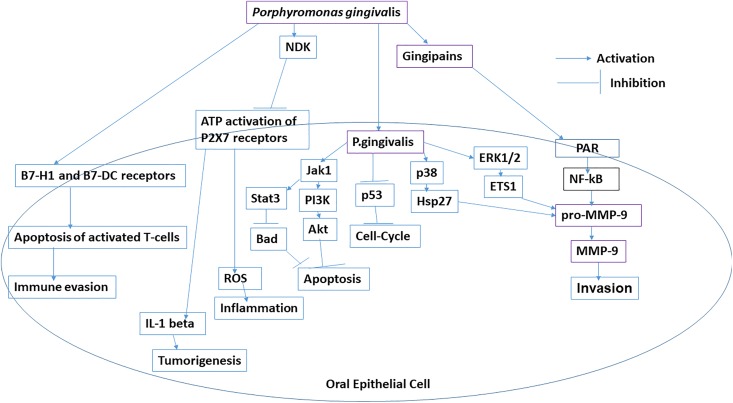
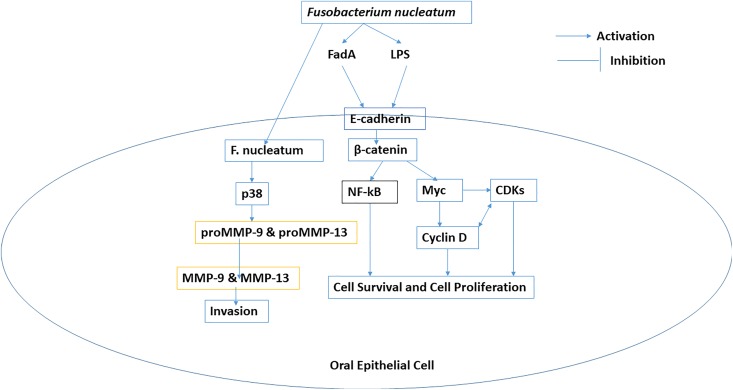
Despite advancement in cancer treatment, oral cancer has a poor prognosis and is often detected at late stage. To overcome these challenges, investigators should search for early diagnostic and prognostic biomarkers. More than 700 bacterial species reside in the oral cavity. The oral microbiome population varies by saliva and different habitats of oral cavity. Tobacco, alcohol, and betel nut, which are causative factors of oral cancer, may alter the oral microbiome composition. Both pathogenic and commensal strains of bacteria have significantly contributed to oral cancer. Numerous bacterial species in the oral cavity are involved in chronic inflammation that lead to development of oral carcinogenesis. Bacterial products and its metabolic by-products may induce permanent genetic alterations in epithelial cells of the host that drive proliferation and/or survival of epithelial cells. Porphyromonas gingivalis and Fusobacterium nucleatum induce production of inflammatory cytokines, cell proliferation, and inhibition of apoptosis, cellular invasion, and migration thorough host cell genomic alterations. Recent advancement in metagenomic technologies may be useful in identifying oral cancer–related microbiome, their genomes, virulence properties, and their interaction with host immunity. It is very important to address which bacterial species is responsible for driving oral carcinogenesis. Alteration in the oral commensal microbial communities have potential application as a diagnostic tool to predict oral squamous cell carcinoma. Clinicians should be aware that the protective properties of the resident microflora are beneficial to define treatment strategies. To develop highly precise and effective therapeutic approaches, identification of specific oral microbiomes may be required. In this review, we narrate the role of microbiome in the progression of oral cancer and its role as an early diagnostic and prognostic biomarker for oral cancer.
Overview
The claims and statistics of this paper haven’t been checked yet.
Run the check — free, no account needed. It reads the open-access text and checks the sources it cites.
Integrity signals
Registry
Cites
Statistics
Figures
Verification
Claims the paper makes
The claims and statistics of this paper haven’t been checked yet.
Run the check — free, no account needed. It reads the open-access text and checks the sources it cites.
Claims other papers make about this one
Each is checked against this paper’s own text: does it say what the citing paper says it does?
In the citing paper
“Additional changes throughout one's life, including to dietary habits, age, hygiene regimens, and behaviors (such as tobacco and alcohol use), also influence changes to the oral microbiome.132”
From The oral microbiome: Role of key organisms and complex networks in oral health and disease (2021) · cites this paper as [132]
Self-check
Percentages, sums and reported differences re-computed from the paper’s own numbers.
The self-check needs the paper’s full text.
Citations
Cites
Jemal, A., Bray, F., Ferlay, J., Ward, E., & Forman, D. (2011) · CA A Cancer Journal for Clinicians · doi:10.3322/caac.20107 · Cited by 55,044
Estimates of worldwide burden of cancer in 2008: GLOBOCAN 2008
Ferlay, J., Shin, H., Bray, F., Forman, D., Mathers, C. D., & Parkin, D. M. (2010) · International Journal of Cancer · doi:10.1002/ijc.25516 · Cited by 21,468 · cited 1×
“The majority of HNSCC are cancers of oral cavity (OC) and oropharynx.(1) Oral squamous cell carcinoma 1 Department of Life Sciences, Central University of Tamil Nadu, Thiruvarur, Tamil Nadu, India 2 Epidemiology and Genomics Research Program, Division of Cancer Control and Population Sciences, National Cancer Institut…”
BackgroundRor2 signaling regulates Golgi structure and transport through IFT20 for tumor invasiveness
Nishita, M., Park, S.-Y., Nishio, T., Kamizaki, K., Wang, Z., Tamada, K., Takumi, T., Hashimoto, R., Otani, H., Pazour, G. J., et al. (2017) · Scientific Reports · doi:10.1038/s41598-016-0028-x · Cited by 15,947
Flemming, H.-C., & Wingender, J. (2010) · Nature Reviews Microbiology · doi:10.1038/nrmicro2415 · Cited by 10,137 · cited 1×
“A typical biofilm is made up of mono- or polymicrobial cells, polysaccharide, proteins, nucleic acids, and lipids.(22) Oral biofilms are composed of 700 different microbial species; extracellular matrix that is composed of DNA, proteins, polysaccharides, and lipids; and salivary glycoproteins, GCF, albumin, and host c…”
BackgroundCommensal Bifidobacterium promotes antitumor immunity and facilitates anti–PD-L1 efficacy
Sivan, A., Corrales, L., Hubert, N., Williams, J. B., Aquino-Michaels, K., Earley, Z. M., Benyamin, F. W., Man Lei, Y., Jabri, B., Alegre, M.-L., et al. (2015) · Science · doi:10.1126/science.aac4255 · Cited by 3,888 · cited 1×
“Oral administration of Bifidobacterium enhances antitumor immunity and alters the efficacy of check-point inhibitors as an immunotherapeutic agent by changing the composition of intestinal microorganisms.(35) Bacteriocins of Streptococcus dentisani inhibit the growth of cariogenic bacterial species.”
BackgroundDewhirst, F. E., Chen, T., Izard, J., Paster, B. J., Tanner, A. C. R., Yu, W.-H., Lakshmanan, A., & Wade, W. G. (2010) · Journal of Bacteriology · doi:10.1128/jb.00542-10 · Cited by 3,352
Defining the normal bacterial flora of the oral cavity
Aas, J. A., Paster, B. J., Stokes, L. N., Olsen, I., & Dewhirst, F. E. (2005) · Journal of Clinical Microbiology · doi:10.1128/jcm.43.11.5721-5732.2005 · Cited by 3,092 · cited 1×
“Tongue, buccal mucosa, supragingival and subgingival surfaces of the teeth, soft and hard palates, and saliva of OC may represent different ecological niches or habitats.(13) The warm and moist environment and host-derived nutrients, such as saliva proteins, gingival crevicular fluid (GCF), and glycoproteins, favor th…”
BackgroundRubinstein, M. R., Wang, X., Liu, W., Hao, Y., Cai, G., & Han, Y. W. (2013) · Cell Host & Microbe · doi:10.1016/j.chom.2013.07.012 · Cited by 2,476 · cited 1×
“FadA adhesion molecule of F nucleatum binds to E-cadherin and activates b-catenin signaling that regulates cell proliferation and inflammatory responses in oncogenesis (Figure 2).(94,104,105) Fusobacterium nucleatum synergistically with other bacteria fungi and viruses may induce proinflammatory microenvironment throu…”
BackgroundThe Oral Microbiota: Dynamic Communities and Host Interactions
Lamont, R. J., Koo, H., & Hajishengallis, G. (2018) · Nature Reviews Microbiology · doi:10.1038/s41579-018-0089-x · Cited by 2,217 · cited 5×
“Activated p65 subunit of NF-kB inhibits transcriptional activation of IL-8.(20)”
BackgroundMethodInfluentialOcclusal Caries: Biological Approach for Its Diagnosis and Management
Carvalho, J. C., Dige, I., Mačhiulskienė, V., Qvist, V., Bakhshandeh, A., Parolo, C. C. F., & Maltz, M. (2016) · Caries Research · doi:10.1159/000448662 · Cited by 2,159
Research works printed but not linked: 2
- Multhoff G, 2011, Front Immunol, 2, 98
- Scarantino C, 2006, J Support Oncol, 4, 252
Cited by
Sorted by citations
Items 101–200 of 405
Akimbekov, N. S., Digel, I., Yerezhepov, A. Y., Shardarbek, R. S., Wu, X., & Zha, J. (2022) · Frontiers in Nutrition · doi:10.3389/fnut.2022.1029324 · Cited by 37
“These nutrients are carried into the gingival crevice through GCF, which favors the atypical growth of asaccharolytic and proteolytic microorganisms with iron-acquisition capacity in the subgingival region (15).”
BackgroundOral Microbiome Community Composition in Head and Neck Squamous Cell Carcinoma
Benjamin, W. J., Wang, K., Zarins, K. R., Bellile, E. L., Blostein, F., Argirion, I., Taylor, J. M. G., D’Silva, N. J., Chinn, S. B., Rifkin, S. B., et al. (2023) · Cancers · doi:10.3390/cancers15092549 · Cited by 29
Aral, K., Milward, M. R., Gupta, D., & Cooper, P. R. (2020) · Molecular Oral Microbiology · doi:10.1111/omi.12302 · Cited by 28
Diagnostic and prognostic value of salivary biomarkers in oral cancer and precancer: Review article
Ghalwash, D. M. (2020) · Journal of Oral and Maxillofacial Surgery Medicine and Pathology · doi:10.1016/j.ajoms.2020.06.013 · Cited by 28
SalivaryCCL20Level as a Biomarker for Oral Squamous Cell Carcinoma
Ueda, S., Goto, M., Hashimoto, K., Hasegawa, S., Imazawa, M., TAKAHASHI, M., Oh‐iwa, I., Shimozato, K., Nagao, T., & Nomoto, S. (2021) · Cancer Genomics & Proteomics · doi:10.21873/cgp.20245 · Cited by 28
Lan, Q., Zhang, C., Hua, H., & Hu, X. (2023) · BMC Oral Health · doi:10.1186/s12903-023-03760-y · Cited by 29
“…(especially Streptococcus ) [18] and Actinobacteria (especially Rothia ) [18] were significantly decreased in OSCC lesions compared with normal tissues from the same patients, while Porphyromonas (in whole mouth fluid) [17] and Fusobacteria (in saliva) [19] were significantly more abundant in OSCC.”
BackgroundStankevič, E., Kern, T., Borisevich, D., Poulsen, C. S., Madsen, A. L., Hansen, T. H., Jonsson, A. E., Schubert, M., Nygaard, N., Nielsen, T., et al. (2024) · Scientific Reports · doi:10.1038/s41598-024-65538-8 · Cited by 28
Zhao, F. Q., Dong, T., Yuan, K.-Y., Wang, N., Xia, F., Liu, D., Wang, Z., Ma, R., Lu, Y., & Huang, Z. (2020) · Frontiers in Cellular and Infection Microbiology · doi:10.3389/fcimb.2020.581888 · Cited by 27
Pogoda, K., Cieśluk, M., Deptuła, P., Tokajuk, G., Piktel, E., Król, G., Reszeć, J., & Bucki, R. (2021) · Translational Oncology · doi:10.1016/j.tranon.2021.101105 · Cited by 27
Belstrøm, D., Constancias, F., Markvart, M., Sikora, M., Sørensen, C. E., & Givskov, M. (2021) · Frontiers in Cellular and Infection Microbiology · doi:10.3389/fcimb.2021.752664 · Cited by 27
“While the oral microbiota is highly individualized and diverse, genus Streptococcus is the predominant genus of the oral microbiota across populations and during both healthy and diseased conditions (Chattopadhyay et al., 2019).”
BackgroundFontana, S., Mauceri, R., Novara, M. E., Alessandro, R., & Campisi, G. (2021) · International Journal of Molecular Sciences · doi:10.3390/ijms222011160 · Cited by 27
Oral Mycobiota: A Narrative Review
Defta, C. L., Albu, C.-C., Albu, Ş.-D., & Bogdan-Andreescu, C. F. (2024) · Dentistry Journal · doi:10.3390/dj12040115 · Cited by 31
“The process by which microbiome alteration generates modifications in the oral mucosa is related to the increase in pathogenic bacteria, which trigger cell proliferation and permanent genetic mutations by their products and metabolites [62,63].”
BackgroundUlcerative Colitis Seems to Imply Oral Microbiome Dysbiosis
Molinero, N., Taladrid, D., Zorraquín‐Peña, I., de Celis, M., Belda, I., Mira, Á., Bartolomé, B., & Moreno-Arribas, M. V. (2022) · Current Issues in Molecular Biology · doi:10.3390/cimb44040103 · Cited by 25
He, Z., Tian, W., Wei, Q., & Xu, J. (2022) · Frontiers in Immunology · doi:10.3389/fimmu.2022.968649 · Cited by 27
“org) reported the existence of over 700 bacterial strains in human oral cavity (34).”
BackgroundCharacterization of Gut Microbiome in Liver Transplant Recipients With Nonalcoholic Steatohepatitis
Satapathy, S. K., Banerjee, P., Pierre, J. F., Higgins, D., Dutta, S., Heda, R. P., Khan, S. D., Mupparaju, V. K., Mas, V. R., Nair, S. P., et al. (2020) · Transplantation Direct · doi:10.1097/txd.0000000000001033 · Cited by 25
The Interaction Between the Microbiome and Tumors
Zong, Y., Zhou, Y., Liao, B., Liao, M., Shi, Y., Yu, W., Huang, Y., Zhou, X., Cheng, L., & Ren, B. (2021) · Frontiers in Cellular and Infection Microbiology · doi:10.3389/fcimb.2021.673724 · Cited by 25
“The oral microbiome is anothermain component of the human microbiome and can be collected through a comfortable and noninvasive method (Kaczor-Urbanowicz et al., 2017; Chattopadhyay et al., 2019).”
The role of periodontitis in cancer development, with a focus on oral cancers
Farhad, S. Z., Karbalaeihasanesfahani, A., Dadgar, E., Nasiri, K., Esfahaniani, M., & Nabi‐Afjadi, M. (2024) · Molecular Biology Reports · doi:10.1007/s11033-024-09737-6 · Cited by 27
“Additionally, F. nucleatum has been implicated in promoting cancer stemness, as it upregulates the expression of stemness genes like NANOG, OCT 4, and SOX 2, potentially facilitating tumor initiation and progression [104, 204, 205].”
Stimuli-Responsive Nanocomposite Hydrogels for Oral Diseases
Conte, R., Valentino, A., Romano, S., Margarucci, S., Petillo, O., & Calarco, A. (2024) · Gels · doi:10.3390/gels10070478 · Cited by 24
“Differently, genetic alterations in host epithelial cells, caused by bacterial metabolites, cause cell proliferation and the inhibition of apoptosis and migration, which can lead to oral cancer [8].”
BackgroundBiochemical Mechanisms Associating Alcohol Use Disorders with Cancers
Rodriguez, F. D., & Coveñas, R. (2021) · Cancers · doi:10.3390/cancers13143548 · Cited by 27
“Alcohol and tobacco alter the composition of the commensal and pathogenic microbiome resident in the oral cavity and gastrointestinal tract, contributing to cancer [14].”
BackgroundKang, C. E., Park, Y. J., Kim, J. H., Lee, N., & Paik, H. (2023) · Microbial Pathogenesis · doi:10.1016/j.micpath.2023.106151 · Cited by 24
Oral Microbiota: A New Insight into Cancer Progression, Diagnosis and Treatment
Wang, X., Xu, H.-W., & Liu, N. (2023) · Phenomics · doi:10.1007/s43657-023-00124-y · Cited by 28
“It is becoming a promising therapeutic strategy against cancer, especially oral cancer, by targeting the oral pathogens such as F. nucleatum , Streptococcus mutans , Neisseria meningitidis , and their virulence factors (Chattopadhyay et al. 2019).”
BackgroundAdamski, Ł. J., Starzyńska, A., Adamska, P., Kunc, M., Sakowicz‐Burkiewicz, M., Marvaso, G., Alterio, D., Korwat, A., Jereczek‐Fossa, B. A., & Pęksa, R. (2021) · Biomedicines · doi:10.3390/biomedicines9091132 · Cited by 23
Gestational diabetes mellitus: genetic factors, epigenetic alterations, and microbial composition
Lizárraga, D., Gómez‐Gil, B., García-Gasca, T., Ávalos-Soriano, A., Casarini, L., Salazar-Oroz, A., & García-Gasca, A. (2023) · Acta Diabetologica · doi:10.1007/s00592-023-02176-y · Cited by 27
Spirito, F. D., Palo, M. P. D., Folliero, V., Cannatà, D., Franci, G., Martina, S., & Amato, M. (2023) · Cancers · doi:10.3390/cancers15235540 · Cited by 23
An Oral Microbial Biomarker for Early Detection of Recurrence of Oral Squamous Cell Carcinoma
Lyu, W.-N., Lin, M., Shen, C., Chen, L., Lee, Y.-H., Chen, S.-K., Lai, L., Chuang, E. Y.-Y., Lou, P., & Mong-Hsun, T. (2023) · ACS Infectious Diseases · doi:10.1021/acsinfecdis.3c00269 · Cited by 22
Toprak, N. Ü., Duman, N., Saçak, B., Ozkan, M. C., Sayın, E., Mülazımoğlu, L., & Söyletir, G. (2021) · New Microbes and New Infections · doi:10.1016/j.nmni.2021.100880 · Cited by 22
“Recent research, focused on the role of bacteria in oral carcinogenesis, indicated that the genus Alloprevotella was among the bacteria that showed significantly higher abundances [8,9].”
BackgroundRamani, P., Sri, S., Premkumar, P., Ramshankar, V., Ramasubramanian, A., & Krishnan, R. P. (2021) · Annals of Maxillofacial Surgery · doi:10.4103/ams.ams_376_20 · Cited by 22
“Approximately 15% of all malignancies worldwide appear to be connected with viral infections and several human DNA viruses are now accepted as causative factors.[5] Majority of the head-and-neck malignancies originate from the epithelium which line the upper aerodigestive tract.”
BackgroundLi, C., Su, Y., Gong, Z., & Liu, H. (2022) · Medical Science Monitor · doi:10.12659/msm.937126 · Cited by 22
“This suggests that the elements and/or transformation of microbial communities can have a great impact on oral carcinogenesis [50].”
BackgroundAnti-cancer management of head and neck cancers and oral microbiome—what can we clinically obtain?
Makarewicz, J., Kaźmierczak-Siedlecka, K., Sobocki, B. K., Dobrucki, I. T., Kalinowski, L., & Stachowska, E. (2024) · Frontiers in Cellular and Infection Microbiology · doi:10.3389/fcimb.2024.1329057 · Cited by 22
Hammad, M. I., Conrads, G., & Abdelbary, M. M. H. (2023) · Frontiers in Cellular and Infection Microbiology · doi:10.3389/fcimb.2023.1278582 · Cited by 22
“The body ’ s mucosal surfaces, including the gut and oral mucosa, are colonized by a complex ecosystem (Chattopadhyay et al., 2019).”
BackgroundChiscuzzu, F., Crescio, C., Varrucciu, S., Rizzo, D., Sali, M., Delogu, G., & Bussu, F. (2025) · Cancers · doi:10.3390/cancers17020171 · Cited by 22
“…Porphyromonas gingivalis and Fusobacterium nucleatum ( Fn ) are commonly associated with the oral mucosa and can induce the production of inflammatory cytokines, cell proliferation, the inhibition of apoptosis, cellular invasion and migration, and finally genomic alterations and cancer [42].”
Arthur, R. A., Bezerra, R. D. S., Ximenez, J. P. B., Merlin, B. L., Morraye, R. D. A., Neto, J. V., Fava, N. D. M. N., Figueiredo, D. L. A., de Biagi, C. A. O., Summer Course 2020 group, et al. (2021) · Brazilian Journal of Microbiology · doi:10.1007/s42770-021-00491-6 · Cited by 21
“In line with these findings, the role of oral microbiota on both precancerous and OSCC lesion development has also been investigated in an attempt to identify potential microbial diagnostic markers or targets for cancer treatment [23, 41].”
BackgroundEpigenetic Regulations of Perineural Invasion in Head and Neck Squamous Cell Carcinoma
Hurník, P., Chyra, Z., Ševčíková, T., Štembírek, J., Trtková, K. S., Gaykalova, D. A., Buchtová, M., & Hrubá, E. (2022) · Frontiers in Genetics · doi:10.3389/fgene.2022.848557 · Cited by 21
“Alcohol and tobacco abuse are two of the most common causes of such microbiome changes (Chattopadhyay et al., 2019).”
BackgroundOral Microbial Signatures of Tobacco Chewers and Oral Cancer Patients in India
Sawant, S., Dugad, J. A., Parikh, D., Srinivasan, S., & Singh, H. (2023) · Pathogens · doi:10.3390/pathogens12010078 · Cited by 21
van Dijk, M., Petersen, J. F., Raber-Durlacher, J., Epstein, J., & Laheij, A. (2024) · Frontiers in Oral Health · doi:10.3389/froh.2024.1366153 · Cited by 21
“This supports the potential contribution of the oral microbiome to OSCC development (16).”
BackgroundInfluentialThe Molecular Interplay Between Oral Microbiome and Oral Cancer Pathogenesis
Urzică, R.-N., Crețu, B., Căruntu, A., Bucurica, S., Farcașiu, A.-T., Ciupescu, L. M., Scheau, C., & Căruntu, C. (2025) · International Journal of Molecular Sciences · doi:10.3390/ijms262010212 · Cited by 24
“Aggregatibacter actino-mycetemcomitans is recognized to generate the production of pro-inflammatory cytokines, hydrogen sulfide, and methyl mercaptan, which can lead to inflammation, stimulate cell proliferation, cell migration, and tumor angiogenesis [20,74].”
Interaction of human oral cancer and the expression of virulence genes of dental pathogenic bacteria
Moghimi, M., Bakhtiari, R., Mehrabadi, J. F., Jamshidi, N., Jamshidi, N., Siyadatpanah, A., Mitsuwan, W., & Nissapatorn, V. (2020) · Microbial Pathogenesis · doi:10.1016/j.micpath.2020.104464 · Cited by 20
Xu, Y., Deng, M., Liu, Y., Yao, J., & Xiao, Z. (2021) · Archives of Oral Biology · doi:10.1016/j.archoralbio.2021.105301 · Cited by 20
Yang, C., Chu, T., Tsai, K., Hsieh, S., & Kung, M. (2022) · Biomedicines · doi:10.3390/biomedicines10020320 · Cited by 19
Srivastava, A., Mishra, S., Garg, P. K., Dubey, A. K., Deo, S. V. S., & Verma, D. (2022) · Applied Microbiology and Biotechnology · doi:10.1007/s00253-022-11980-5 · Cited by 22
“A few reports suggest the significant abundance of Eikenella in oral cancer patients (Zhao et al. 2017; Chattopadhyay et al. 2019).”
BackgroundEndometrial microbiota in women with and without adenomyosis: A pilot study
Lin, Q., Duan, H., Wang, S., Guo, Z., Wang, S., Chang, Y., Chen, C., Shen, M., Shou, H., & Zhou, C. (2023) · Frontiers in Microbiology · doi:10.3389/fmicb.2023.1075900 · Cited by 19
“Microorganisms and their metabolites can also trigger DNA damage and mutation of the epithelial cells and directly regulate the biological function of host cells via increased proliferation or reduced apoptosis (Lim et al., 2017; Chattopadhyay et al., 2019; Helmink et al., 2019).”
BackgroundThe Microbiome’s Influence on Head and Neck Cancers
Dorobisz, K., Dorobisz, T. A., & Zatoński, T. (2023) · Current Oncology Reports · doi:10.1007/s11912-022-01352-7 · Cited by 21
Suprewicz, Ł., Tokajuk, G., Cieśluk, M., Deptuła, P., Sierpińska, T., Wolak, P., Wollny, T., Tokajuk, J., Głuszek, S., Piktel, E., et al. (2020) · International Journal of Molecular Sciences · doi:10.3390/ijms21217914 · Cited by 19
Špiljak, B., Ozretić, P., Rogulj, A. A., Brzak, B. L., Brailo, V., Škerlj, M., & Juras, D. V. (2024) · Applied Sciences · doi:10.3390/app142311405 · Cited by 19
Periodontal microorganisms and diagnosis of malignancy: A cross-sectional study
Söder, B., Källmén, H., Yucel‐Lindberg, T., & Meurman, J. H. (2021) · Tumor Biology · doi:10.3233/tub-200066 · Cited by 18
Identifying oral microbiome alterations in adult betel quid chewing population of Delhi, India
Bahuguna, M., Hooda, S., Mohan, L., Gupta, R. K., & Diwan, P. (2023) · PLoS ONE · doi:10.1371/journal.pone.0278221 · Cited by 20
“Enterobacteriaceae, Proteobacteria, and Streptococcus have been found to be abundant in the oral cavity of the Indian population [51].”
BackgroundExploring the microbiome of oral epithelial dysplasia as a predictor of malignant progression
Wright, R., Pewarchuk, M. E., Marshall, E. A., Murrary, B., Rosin, M. P., Laronde, D. M., Zhang, L., Lam, W. L., Langille, M. G. I., & Rock, L. D. (2023) · BMC Oral Health · doi:10.1186/s12903-023-02911-5 · Cited by 18
“Our study has revealed that the bacterial make-up of the OED niche is similar to what has previously been described in the normal oral cavity, OPML and OSCC at the phylum and genus levels [29, 60, 65–67].”
Characterization of LIMA1 and its emerging roles and potential therapeutic prospects in cancers
Wang, X., Zhang, C., Song, H., Yuan, J., Zhang, X., Yuan, Y., Zhang, L., & He, J. (2023) · Frontiers in Oncology · doi:10.3389/fonc.2023.1115943 · Cited by 18
“Oral cancer is the most common tumor of the head and neck region and is the sixth most common tumor worldwide (98).”
BackgroundBrzychczy-Sroka, B., Talaga-Ćwiertnia, K., Sroka-Oleksiak, A., Gurgul, A., Zarzecka-Francica, E., Ostrowski, W., Kąkol, J., Drożdż, K., Brzychczy‐Włoch, M., & Zarzecka, J. (2024) · Scientific Reports · doi:10.1038/s41598-024-53992-3 · Cited by 20
“Tobacco and alcohol may disturb the oral and pharyngeal microbiota composition and lead to a chronic inflammation 51 .”
Gupta, S., Singh, B. P., Abhishek, R., Gupta, S., & Sachan, M. (2024) · Expert Review of Molecular Diagnostics · doi:10.1080/14737159.2024.2340997 · Cited by 19
Samara, P., Athanasopoulos, M., Mastronikolis, S. N., Kyrodimos, E., Athanasopoulos, I., & MASTRONIKOLIS, N. S. (2024) · Microorganisms · doi:10.3390/microorganisms12071482 · Cited by 18
“Moreover, periodontitis leads to the release of free radicals and cytokines, mechanisms that are involved in carcinogenic and metastatic processes [89].”
BackgroundGanly, I., Hao, Y., Rosenthal, M. H., Wang, H., Migliacci, J. C., Huang, B., Katabi, N., Brown, S. M., Tang, Y., Pei, Z., et al. (2022) · Cancers · doi:10.3390/cancers14246096 · Cited by 20
“, cytolethal distending toxin, typhoid toxin, nitrosamine, colibactin) that target DNA and elicit mutations, proinflammatory responses, and direct proliferative effects on cells in oral epithelium [7,8].”
BackgroundNovel Chimeric Vaccine Candidate Development against Leptotrichia buccalis
Alshammari, A., Alasmari, A. F., Alharbi, M., Ali, N., Muhseen, Z. T., Ashfaq, U. A., Ud-din, M., Ullah, A., Arshad, M., & Ahmad, S. (2022) · International Journal of Environmental Research and Public Health · doi:10.3390/ijerph191710742 · Cited by 16
Controllable AgNPs encapsulation to construct biocompatible and antibacterial titanium implant
Wei, Z., Li, K., Wang, S., Wen, L., Xu, L., Wang, Y., Chen, Z., Li, W., Qiu, H., Li, X., et al. (2022) · Frontiers in Bioengineering and Biotechnology · doi:10.3389/fbioe.2022.1056419 · Cited by 16
“More than 700 bacterial species inhabit the oral cavity, so the influence of bacteria cannot be avoided (Chattopadhyay et al., 2019).”
BackgroundDiwan, P., Nirwan, M., Bahuguna, M., Kumari, S. P., Wahlang, J., & Gupta, R. K. (2023) · Pathogens · doi:10.3390/pathogens12080996 · Cited by 20
Kumavath, R., Pavithran, H., Paul, S., Anju, V. T., Busi, S., & Dyavaiah, M. (2023) · International Journal of Oncology · doi:10.3892/ijo.2023.5592 · Cited by 16
Increasing correlation between oral and gastric microbiota during gastric carcinogenesis
You, H. S., Park, J. Y., Seo, H., Kim, B. J., & Kim, J. G. (2024) · The Korean Journal of Internal Medicine · doi:10.3904/kjim.2023.490 · Cited by 16
“Similar to S. odontolyt-600 https://doi.org/10.3904/kjim.2023.490 ica , which is commonly found in the oral cavity, S. cristatus and P. stomatis are associated with oral cancer [17-19].”
ResultInfluentialDharmarathne, G., Kazi, S., King, S., & Jayasinghe, T. N. (2024) · Microorganisms · doi:10.3390/microorganisms12112246 · Cited by 19
Insights into the oral microbiota in human systemic cancers
Su, L., Yang, R., Sheng, Y., Ullah, S., Zhao, Y., Shunjiayi, H., Zhao, Z., & Wang, Q. (2024) · Frontiers in Microbiology · doi:10.3389/fmicb.2024.1369834 · Cited by 15
“It possesses the ability to directly influence host cells by binding to E-cadherin in both normal and cancerous epithelial cells using FadA.”
BackgroundZanetta, P., Squarzanti, D. F., Sorrentino, R., Rolla, R., Valletti, P. A., Garzaro, M., Dell’Era, V., Amoruso, A., & Azzimonti, B. (2021) · Critical Reviews in Microbiology · doi:10.1080/1040841x.2021.1872487 · Cited by 15
Li, J., Sun, S., Li, J., Zhao, X., Li, Z., Sha, T., & Cui, Z. G. (2021) · Neoplasma · doi:10.4149/neo_2021_210421n544 · Cited by 15
Myrcene exerts anti-tumor effects on oral cancer cells in vitro via induction of apoptosis
Wu, Z., Li, Z., & Liang, Y. (2022) · Tropical Journal of Pharmaceutical Research · doi:10.4314/tjpr.v21i5.4 · Cited by 15
“Oral cancer is one of the frequently reported human cancers [1].”
BackgroundComparative analysis of oral microbiome from Zang and Han populations living at different altitudes
Yu, H., Tang, C., Du, Q., Zhou, X., Peng, X., & Cheng, L. (2020) · Archives of Oral Biology · doi:10.1016/j.archoralbio.2020.104986 · Cited by 15
Oral microbiota: the overlooked catalyst in cancer initiation and progression
Wang, X., He, X., & Zhong, B. (2025) · Frontiers in Cell and Developmental Biology · doi:10.3389/fcell.2024.1479720 · Cited by 15
Mazul, A. L., Hartman, C. M., Mowery, Y. M., Kramer, J. R., White, D. L., Royse, K. E., Raychaudhury, S., Sandulache, V. C., Ahmed, S. T., Zevallos, J. P., et al. (2022) · Cancer · doi:10.1002/cncr.34387 · Cited by 14
“The oral cavity is generally within homeostasis with the more than 700 documented bacterial species that comprise the oral microflora.(24) Disruption of the oral ecosystem— including microbiota and immune components resulting from chronic immunosuppression— could lead to premalignant and malignant lesions.”
BackgroundAsili, P., Mirahmad, M., Rezaei, P., Mahdavi, M. R., Larijani, B. A., & Tavangar, S. M. (2023) · Journal of Gastrointestinal Cancer · doi:10.1007/s12029-022-00901-4 · Cited by 14
“Aerobic and anaerobic organisms collaborate to develop oral biofilms that protect them from environmental changes [21].”
Oral dysbiosis in the onset and carcinogenesis of oral epithelial dysplasia: A systematic review
Shen, X., Zhang, Y., Zhu, J., & Xu, B. (2023) · Archives of Oral Biology · doi:10.1016/j.archoralbio.2023.105630 · Cited by 17
Zanetta, P., Squarzanti, D., di Coste, A., Amoruso, A., Pane, M., & Azzimonti, B. (2023) · Biomedicines · doi:10.3390/biomedicines11030859 · Cited by 16
İlhan, B., Vural, C., Gürhan, C., Vural, C., Veral, A., Wilder-Smith, P. B. B., Özdemir, G., & Güneri, P. (2023) · Cancers · doi:10.3390/cancers15215251 · Cited by 15
“Bacteria are the predominant members of the oral microbiome with approximately 1000 bacterial strains being cultivated to date [3,4].”
BackgroundA Comparison of the Oral Microbiota in Healthy Dogs and Dogs with Oral Tumors
Lisjak, A., Lopes, B. C., Pilla, R., Nemec, A., Suchodolski, J. S., & Tozon, N. (2023) · Animals · doi:10.3390/ani13233594 · Cited by 14
“It also prevents the activity of the tumor suppressor gene p53 [30,32].”
BackgroundMatsui, K., Tani, R., Yamasaki, S., Ito, N., Hamada, A., Shintani, T., Otomo, T., Tokumaru, K., Yanamoto, S., & Okamoto, T. (2024) · International Journal of Molecular Sciences · doi:10.3390/ijms25116077 · Cited by 16
The impact of probiotics on oral cancer: Mechanistic insights and therapeutic strategies
Priya, K. S. L., Datchanamoorthy, M., Ravi, S. S. S., Vajravelu, L. K., Lathakumari, R. H., & Malavika, G. (2025) · Oral Oncology Reports · doi:10.1016/j.oor.2025.100715 · Cited by 14
Intini, R., Balsells, S., Bagán, L., Fortuna, G., Sroussi, H., & Sebastián, J. V. B. (2025) · Frontiers in Oral Health · doi:10.3389/froh.2025.1600090 · Cited by 14
“Although the association between oral microbial imbalances and OSCC has been increasingly recognized, the precise contribution of different microbial taxa to OPMD initiation, progression, and malignant transformation remains poorly understood (26 – 28).”
Starska, K. (2025) · Cancers · doi:10.3390/cancers17213478 · Cited by 14
“The severity of changes in the exposed epithelium and gingival tissues has been found to increase with the presence of the oral commensal microbial communities in oral mucosa [126,127].”
Ahmad, S., Jayamanne, D. T., Bergamin, S., Lawless, A. K., Guminski, A. D., Lee, A. V., Yuile, A., Wheeler, H., Eade, T., Back, M., et al. (2025) · Cancers · doi:10.3390/cancers17162667 · Cited by 18
“Porphyromonas gingivalis , a known periodontal pathogen, was also enriched in HNSCC samples, consistent with its established involvement in immune evasion, inflammation, and cancer progression [40].”
Zhou, M., Liu, Y., Yin, X., Gong, J., & Li, J. (2025) · Discover Oncology · doi:10.1007/s12672-025-03440-z · Cited by 12
“…invasiveness through multiple mechanisms: (1) upregulation of matrix metalloproteinases (MMP-1, MMP-9, MMP-10), leading to extracellular matrix degradation [61]; (2) FimA-mediated epithelial-mesenchymal transition [62, 63]; and (3) dysregulation of cell cycle progression via p53 and PI3K pathways.”
Galeana-Patiño, C. E., Ortiz, M. I., Cariño‐Cortés, R., Santillán, I. C. L., Castro‐Rosas, J., Gómez‐Aldapa, C. A., & Muñoz‐Pérez, V. M. (2023) · Current Pharmaceutical Biotechnology · doi:10.2174/1389201024666230213094953 · Cited by 12
Oral–Gut–Estrobolome Axis May Exert a Selective Impact on Oral Cancer
Tatullo, M., Nor, J. E., Orrù, G., Piattelli, A., Cascardi, E., & Spagnuolo, G. (2024) · Journal of Dental Research · doi:10.1177/00220345241236125 · Cited by 12
“In conclusion, we can argue that oral pathogens associated with poor oral hygiene have a multifaceted impact on local and systemic inflammation, impairing the oral and gut microbiota, as well as creating more favorable conditions to develop some forms of oral cancer (Chattopadhyay et al. 2019).”
BackgroundAdtani, P., Al-Bayati, S. A. A. F., & El‐Sayed, W. (2025) · Pharmaceuticals · doi:10.3390/ph18030393 · Cited by 12
“To-bacco and alcohol are significant risk factors in the majority of OSCC cases, followed by viral infections, such as HPV, which contribute to the rising incidence of OSCC among young individuals, especially non-smokers [20,21,22]. young individuals, especially non-smokers [20–22].”
Liu, Y., Liu, H., Rong, Y., Shi, Q., Yang, Q., Li, H., Zhang, Z., & Tao, J. (2023) · Journal of Oral Microbiology · doi:10.1080/20002297.2023.2264619 · Cited by 13
Role of Nanozymes in Oral Cancer the Road Ahead
Augustine, D., Sowmya, S. D., Gujjar, N., Pushpalatha, C., & Haragannavar, V. C. (2022) · Topics in Catalysis · doi:10.1007/s11244-022-01729-9 · Cited by 11
“Additionally, risk of OSCC is increased due to the colonisation of fungus Candida albicans [3, 15].”
BackgroundSami, A., Elimairi, I., Ryan, C. A., Stanton, C., Patangia, D. V., & Ross, R. P. (2023) · Scientific Reports · doi:10.1038/s41598-023-32892-y · Cited by 11
Metatranscriptome analysis of blood in healthy individuals and irritable bowel syndrome patients
Jagare, L., Rozenberga, M., Silamiķelis, I., Ansone, L., Elbere, I., Brīvība, M., Megnis, K., Konrāde, I., Birka, I., Straume, Z., et al. (2023) · Journal of Medical Microbiology · doi:10.1099/jmm.0.001719 · Cited by 11
Jiang, Q., Liu, X., Yang, Q.-F., Chen, L., & Yang, D. (2021) · Frontiers in Cellular and Infection Microbiology · doi:10.3389/fcimb.2021.774453 · Cited by 12
“Porphyromonas gingivalis and Fusobacterium nucleatum induce production of inflammatory cytokines, cell proliferation, and inhibition of apoptosis, cellular invasion, and migration thorough host cell genomic alterations (Chattopadhyay et al., 2019).”
BackgroundZhao, T., Hu, H., Chen, X., Liu, Y., Wang, H., & Li, X. (2022) · PubMed Central · Cited by 11
The oral microbiome in the context of systemic disease
Leonov, G. E., Varaeva, Y. R., Николаевна, Л. Е., & Starodubova, A. V. (2023) · Voprosy Pitaniya · doi:10.33029/0042-8833-2023-92-4-6-19 · Cited by 16
Shridhar, K., Aggarwal, A., Rawal, I., Gupta, R., Masih, S., Mehrotra, R., Gillespie, T. W., Dhillon, P. K., Michaud, D. S., Prabhakaran, D., et al. (2021) · PLoS ONE · doi:10.1371/journal.pone.0251017 · Cited by 10
Molecular insights into the role of electronic cigarettes in oral carcinogenesis
Maan, M., Abuzayeda, M., Kaklamanos, E. G., Jamal, M., Dutta, M., & Moharamzadeh, K. (2023) · Critical Reviews in Toxicology · doi:10.1080/10408444.2023.2190764 · Cited by 10
“…by inducing inflammation, metabolism of pre-carcinogenic substances, changes in tumor micro-environment and epigenetic modulations of host cells (Lax 2005; Tribble et al. 2013; Inaba et al. 2014; Perera et al. 2018; S.-F. Yang, Huang, et al. 2018; Yang, Lee, et al. 2018; Chattopadhyay et al. 2019).”
BackgroundAnjali, K., Manzoor, M., Suryavanshi, M. V., Rudrapathy, P., Rekha, P. D., Das, R., Hameed, A., & Arun, A. B. (2023) · FEMS Microbiology Letters · doi:10.1093/femsle/fnad111 · Cited by 10
Taj, Z., & Chattopadhyay, I. (2024) · Peptide Science · doi:10.1002/pep2.24348 · Cited by 10
Self-citationHasan, F., Yuliana, L. T., Budi, H. S., Ramasamy, R., Ambiya, Z. I., & Ghaisani, A. M. (2024) · Heliyon · doi:10.1016/j.heliyon.2024.e32102 · Cited by 10
Liu, J., Yue, Q., Zhang, S., Xu, J., Jiang, X., Su, Q., Sun, L., Li, B., Li, K., Su, L., et al. (2024) · Folia Microbiologica · doi:10.1007/s12223-024-01185-w · Cited by 11
“Some strains of Streptococcus and Actinomyces regulate the pH of oral biofilms by metabolizing arginine to produce bases (Chattopadhyay et al. 2019; Sedghi et al. 2021).”
Impact of Novel Foods on the Human Gut Microbiome: Current Status
Martínez, A., Velázquez, L., Díaz, R., Huaiquipán, R., Pérez, I., Muñoz, A., Valdés, M., Sepúlveda, N., Paz, E. A., & Quiñones, J. (2024) · Microorganisms · doi:10.3390/microorganisms12091750 · Cited by 12
“In addition, eHOMD includes genomes of a new phylum of nano-microorganisms, known as “candidate phyla radiation”, of bacterial organisms including 35 phyla and consists of more than 15% of the domain Bacteria [87].”
BackgroundKadam, S., Vandana, M., Patwardhan, S., & Kaushik, K. S. (2021) · ecancermedicalscience · doi:10.3332/ecancer.2021.1179 · Cited by 10
Li, S., Lu, Y., Song, Y., Zhu, X., Xiang, C., Zuo, E., & Cheng, X. (2022) · Oxidative Medicine and Cellular Longevity · doi:10.1155/2022/9529814 · Cited by 10
“Approximately 405,000 new oral cancer cases are reported worldwide annually, with the highest incidence reported in Sri Lanka and India [1, 2].”
RetractedBolesina, N., Gatti, G., de Blanc, S. A. L., Dhooge, S., Rocha, D., Fernández, E. A., Ferreyra, R., Palla, V., Grupe, V., Morelatto, R., et al. (2022) · Frontiers in Immunology · doi:10.3389/fimmu.2022.941667 · Cited by 10
Oral Microbiome Traits of Type 1 Diabetes and Phenylketonuria Patients in Latvia
Abola, I., Gudrā, D., Ustinova, M., Frīdmanis, D., Emulina, D. E., Skadiņš, I., Brinkmane, A., Lauga-Tuņina, U., Gailīte, L., & Auzenbaha, M. (2023) · Microorganisms · doi:10.3390/microorganisms11061471 · Cited by 10
“Of all the listed genera, only Haemophilus has been described as a classical oral microbiome exemplar, with an increased abundance previously being reported in healthy individuals [56,57], in contrast to our results.”
ResultDong, J., Li, Y., Xiao, H., Cui, M., & Fan, S. (2021) · Cancer Biology and Medicine · doi:10.20892/j.issn.2095-3941.2020.0476 · Cited by 11
Koth, V. S., Salum, F. G., de Figueiredo, M. A. Z., & Cherubini, K. (2020) · Clinical Oral Investigations · doi:10.1007/s00784-020-03585-x · Cited by 10
Gut–Oral Microbial Dysbiosis: A Correlated Ecosystem
Siddiqui, Z. R., Rahman, S., Verma, N., Srivastava, A. K., Jahan, N., Mohanty, S., & Suman, S. (2025) · Advanced Gut & Microbiome Research · doi:10.1155/agm3/7351229 · Cited by 10
“While these bacterial groups are commonly present, each niche also showcases its unique bacterial makeup [23].”
Metadata
- Authors
- Chattopadhyay, I., Verma, M., & Panda, M.
- Affiliations
- Central University of Tamil Nadu (IN)
- National Institutes of Health (US)
- Corresponding author
- Chattopadhyay, Indranil
- Venue
- Technology in Cancer Research & Treatment
- Publisher
- SAGE Publications
- Published
- 2019-01-01
- Volume
- 18
- Pages
- 1533033819867354-1533033819867354
- ISSN
- 1533-0338 (ISSN-L)
- 1533-0346
- PMC
- PMC6676258
- OpenAlex
- W2965423269
- Cited by
- 407
- References
- 118
- Citations by year
- 2026: 32 · 2025: 72 · 2024: 76 · 2023: 68 · 2022: 72 · 2021: 63 · 2020: 24
- FWCI
- 5.63
- Type
- journal article
- Language
- en
- Open access
- gold
- doi.org
- Locations
- Technology in Cancer Research & Treatment (publishedVersion, cc-by-nc)
- Europe PMC (PubMed Central) (publishedVersion, cc-by-nc)
- PubMed Central (publishedVersion, cc-by-nc)
- PubMed (publishedVersion)
- Topics
- Health Sciences › Dentistry › Periodontics › Oral microbiology and periodontitis research
- Health Sciences › Dentistry › General Dentistry › Oral Health Pathology and Treatment
- Health Sciences › Medicine › Otorhinolaryngology › Head and Neck Cancer Studies
- Keywords
- oral microbiota, oral cancer, oral squamous cell carcinoma, tumor markers, early diagnosis, prognosis, Porphyromonas gingivalis, Fusobacterium nucleatum, oral carcinogenesis, chronic inflammation, alcohol and tobacco use, areca nut, commensal bacteria, metagenomics, host-microbe interactions
- MeSH terms
- Humans, Inflammation, Mouth Neoplasms, Prognosis, Saliva, Porphyromonas gingivalis, Fusobacterium nucleatum, Cell Proliferation, Carcinogenesis, Microbiota
About these checks
Registry, retraction, Cites and statistics results are computed, not judged, with one exception: a printed reference that no index lists is read once by a model before it counts as a citation error. Claims are extracted by a model and kept only when their quote appears verbatim in the text; each cited source is then checked, with a model’s help, for whether it says what the claim relies on. Those verdicts can be wrong — read the claim’s quote and the cited source before relying on one.
Statistics and arithmetic are recomputed, not judged.
Confidence bands are shown only for fields calibrated on our annotated test set. None is calibrated yet, so no band is shown.
What counts as a claim ›How we measure confidence ›How we check this ›
Are you an author, or do you see a problem with this page? Request a review
