

The DOI matches its Crossref record; 118 of the 119 references it cites were found in a registry or an index, and 1 are not checked yet.
Role of Oral Microbiome Signatures in Diagnosis and Prognosis of Oral Cancer
Open accessAbstract
Despite advancement in cancer treatment, oral cancer has a poor prognosis and is often detected at late stage. To overcome these challenges, investigators should search for early diagnostic and prognostic biomarkers. More than 700 bacterial species reside in the oral cavity. The oral microbiome population varies by saliva and different habitats of oral cavity. Tobacco, alcohol, and betel nut, which are causative factors of oral cancer, may alter the oral microbiome composition. Both pathogenic and commensal strains of bacteria have significantly contributed to oral cancer. Numerous bacterial species in the oral cavity are involved in chronic inflammation that lead to development of oral carcinogenesis. Bacterial products and its metabolic by-products may induce permanent genetic alterations in epithelial cells of the host that drive proliferation and/or survival of epithelial cells. Porphyromonas gingivalis and Fusobacterium nucleatum induce production of inflammatory cytokines, cell proliferation, and inhibition of apoptosis, cellular invasion, and migration thorough host cell genomic alterations. Recent advancement in metagenomic technologies may be useful in identifying oral cancer–related microbiome, their genomes, virulence properties, and their interaction with host immunity. It is very important to address which bacterial species is responsible for driving oral carcinogenesis. Alteration in the oral commensal microbial communities have potential application as a diagnostic tool to predict oral squamous cell carcinoma. Clinicians should be aware that the protective properties of the resident microflora are beneficial to define treatment strategies. To develop highly precise and effective therapeutic approaches, identification of specific oral microbiomes may be required. In this review, we narrate the role of microbiome in the progression of oral cancer and its role as an early diagnostic and prognostic biomarker for oral cancer.
Overview
The claims and statistics of this paper haven’t been checked yet.
Run the check — free, no account needed. It reads the open-access text and checks the sources it cites.
Integrity signals
Registry
Cites
Statistics
Figures
Verification
Claims the paper makes
The claims and statistics of this paper haven’t been checked yet.
Run the check — free, no account needed. It reads the open-access text and checks the sources it cites.
Claims other papers make about this one
Each is checked against this paper’s own text: does it say what the citing paper says it does?
In the citing paper
“Additional changes throughout one's life, including to dietary habits, age, hygiene regimens, and behaviors (such as tobacco and alcohol use), also influence changes to the oral microbiome.132”
From The oral microbiome: Role of key organisms and complex networks in oral health and disease (2021) · cites this paper as [132]
Self-check
Percentages, sums and reported differences re-computed from the paper’s own numbers.
The self-check needs the paper’s full text.
Citations
Cites
Jemal, A., Bray, F., Ferlay, J., Ward, E., & Forman, D. (2011) · CA A Cancer Journal for Clinicians · doi:10.3322/caac.20107 · Cited by 55,044
Estimates of worldwide burden of cancer in 2008: GLOBOCAN 2008
Ferlay, J., Shin, H., Bray, F., Forman, D., Mathers, C. D., & Parkin, D. M. (2010) · International Journal of Cancer · doi:10.1002/ijc.25516 · Cited by 21,468 · cited 1×
“The majority of HNSCC are cancers of oral cavity (OC) and oropharynx.(1) Oral squamous cell carcinoma 1 Department of Life Sciences, Central University of Tamil Nadu, Thiruvarur, Tamil Nadu, India 2 Epidemiology and Genomics Research Program, Division of Cancer Control and Population Sciences, National Cancer Institut…”
BackgroundRor2 signaling regulates Golgi structure and transport through IFT20 for tumor invasiveness
Nishita, M., Park, S.-Y., Nishio, T., Kamizaki, K., Wang, Z., Tamada, K., Takumi, T., Hashimoto, R., Otani, H., Pazour, G. J., et al. (2017) · Scientific Reports · doi:10.1038/s41598-016-0028-x · Cited by 15,947
Flemming, H.-C., & Wingender, J. (2010) · Nature Reviews Microbiology · doi:10.1038/nrmicro2415 · Cited by 10,137 · cited 1×
“A typical biofilm is made up of mono- or polymicrobial cells, polysaccharide, proteins, nucleic acids, and lipids.(22) Oral biofilms are composed of 700 different microbial species; extracellular matrix that is composed of DNA, proteins, polysaccharides, and lipids; and salivary glycoproteins, GCF, albumin, and host c…”
BackgroundCommensal Bifidobacterium promotes antitumor immunity and facilitates anti–PD-L1 efficacy
Sivan, A., Corrales, L., Hubert, N., Williams, J. B., Aquino-Michaels, K., Earley, Z. M., Benyamin, F. W., Man Lei, Y., Jabri, B., Alegre, M.-L., et al. (2015) · Science · doi:10.1126/science.aac4255 · Cited by 3,888 · cited 1×
“Oral administration of Bifidobacterium enhances antitumor immunity and alters the efficacy of check-point inhibitors as an immunotherapeutic agent by changing the composition of intestinal microorganisms.(35) Bacteriocins of Streptococcus dentisani inhibit the growth of cariogenic bacterial species.”
BackgroundDewhirst, F. E., Chen, T., Izard, J., Paster, B. J., Tanner, A. C. R., Yu, W.-H., Lakshmanan, A., & Wade, W. G. (2010) · Journal of Bacteriology · doi:10.1128/jb.00542-10 · Cited by 3,352
Defining the normal bacterial flora of the oral cavity
Aas, J. A., Paster, B. J., Stokes, L. N., Olsen, I., & Dewhirst, F. E. (2005) · Journal of Clinical Microbiology · doi:10.1128/jcm.43.11.5721-5732.2005 · Cited by 3,092 · cited 1×
“Tongue, buccal mucosa, supragingival and subgingival surfaces of the teeth, soft and hard palates, and saliva of OC may represent different ecological niches or habitats.(13) The warm and moist environment and host-derived nutrients, such as saliva proteins, gingival crevicular fluid (GCF), and glycoproteins, favor th…”
BackgroundRubinstein, M. R., Wang, X., Liu, W., Hao, Y., Cai, G., & Han, Y. W. (2013) · Cell Host & Microbe · doi:10.1016/j.chom.2013.07.012 · Cited by 2,476 · cited 1×
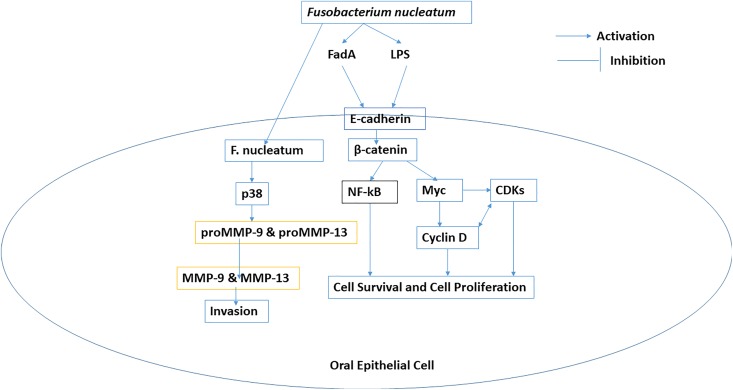
“FadA adhesion molecule of F nucleatum binds to E-cadherin and activates b-catenin signaling that regulates cell proliferation and inflammatory responses in oncogenesis (Figure 2).(94,104,105) Fusobacterium nucleatum synergistically with other bacteria fungi and viruses may induce proinflammatory microenvironment throu…”
BackgroundThe Oral Microbiota: Dynamic Communities and Host Interactions
Lamont, R. J., Koo, H., & Hajishengallis, G. (2018) · Nature Reviews Microbiology · doi:10.1038/s41579-018-0089-x · Cited by 2,217 · cited 5×
“Activated p65 subunit of NF-kB inhibits transcriptional activation of IL-8.(20)”
BackgroundMethodInfluentialOcclusal Caries: Biological Approach for Its Diagnosis and Management
Carvalho, J. C., Dige, I., Mačhiulskienė, V., Qvist, V., Bakhshandeh, A., Parolo, C. C. F., & Maltz, M. (2016) · Caries Research · doi:10.1159/000448662 · Cited by 2,159
Defining the healthy “core microbiome” of oral microbial communities
Zaura, E., Keijser, B. J., Huse, S. M., & Crielaard, W. (2009) · BMC Microbiology · doi:10.1186/1471-2180-9-259 · Cited by 1,323 · cited 1×
“The predominant oral microbial communities belonged to Firmicutes (genus Streptococcus, family Veillonellaceae, genus Granulicatella), Proteobacteria (genera Neisseria, Haemophilus), Actinobacteria (genera Corynebacterium, Rothia, Actinomyces), Bacteroidetes (genera Prevotella, Capnocytophaga, and Porphyromonas), and…”
BackgroundFusobacterium nucleatum — symbiont, opportunist and oncobacterium
Brennan, C. A., & Garrett, W. S. (2019) · Nature Reviews Microbiology · doi:10.1038/s41579-018-0129-6 · Cited by 1,205 · cited 1×
“FadA adhesion molecule of F nucleatum binds to E-cadherin and activates b-catenin signaling that regulates cell proliferation and inflammatory responses in oncogenesis (Figure 2).(94,104,105) Fusobacterium nucleatum synergistically with other bacteria fungi and viruses may induce proinflammatory microenvironment throu…”
BackgroundChen, T., Yu, W.-H., Izard, J., Baranova, O. V., Lakshmanan, A., & Dewhirst, F. E. (2010) · Database · doi:10.1093/database/baq013 · Cited by 1,162 · cited 1×
“Thirtytwo percent of these species remain uncultivated, and 14% have not been named.(21) A typical biofilm is made up of mono- or polymicrobial cells, polysaccharide, proteins, nucleic acids, and lipids.”
BackgroundImmunomicrobial pathogenesis of periodontitis: keystones, pathobionts, and host response
Hajishengallis, G. (2014) · Trends in Immunology · doi:10.1016/j.it.2013.09.001 · Cited by 1,150 · cited 1×
“These receptors interact with periodontal microbial-associated molecular patterns (eg, lipoproteins, LPS, fimbriae, Bacteroides surface protein A, and nucleic acids) and damage/danger-associated molecular patterns (DAMPs; eg, fibrinogen, heat-shock proteins, and nucleic acids).(47) Stratified squamous epithelium in pe…”
BackgroundOral microbiomes: more and more importance in oral cavity and whole body
Gao, L., Xu, T., Huang, G., Jiang, S., Gu, Y., & Chen, F. (2018) · Protein & Cell · doi:10.1007/s13238-018-0548-1 · Cited by 770 · cited 1×
“Bacteria play an important role in these mucosal diseases.(49) Higher abundance of Porphyromonas and Solobacterium and lower abundance of Haemophilus, Corynebacterium, Cellulosimicrobium, and Campylobacter were reported in patients with OLP when compared to healthy controls.”
BackgroundIon Concentration Polarization by Bifurcated Current Path
Kim, J., Cho, I., Lee, H., & Kim, S. J. (2017) · Scientific Reports · doi:10.1038/s41598-017-04646-0 · Cited by 644
Oral cancer prevention and control – The approach of the World Health Organization
Petersen, P. E. (2008) · Oral Oncology · doi:10.1016/j.oraloncology.2008.05.023 · Cited by 633
Chronic Inflammation in Cancer Development
Multhoff, G., Molls, M., & Radons, J. (2012) · Frontiers in Immunology · doi:10.3389/fimmu.2011.00098 · Cited by 614 · cited 1×
“Bacterial infection is one of the major causes of chronic inflammation which facilitates increased cell proliferation, mutagenesis, oncogene activation, and angiogenesis that lead to development of oral cancer.(6) Numerous bacterial species are involved in oral cancer.”
BackgroundCigarette smoking and the oral microbiome in a large study of American adults
Wu, J., Peters, B. A., Dominianni, C., Zhang, Y., Pei, Z., Yang, L., Ma, Y., Purdue, M. P., Jacobs, E. J., Gapstur, S. M., et al. (2016) · The ISME Journal · doi:10.1038/ismej.2016.37 · Cited by 572 · cited 1×
“Cigarette smoking also increases and decreases in the abundance of common taxa of oral microbiome.(78) a and b bacterial diversity showed significant difference between betel nut users with and without chewing of tobacco.”
BackgroundRosan, B., & Lamont, R. J. (2000) · Microbes and Infection · doi:10.1016/s1286-4579(00)01316-2 · Cited by 561 · cited 1×
“Microorganisms are classified based on their oxygen requirements as obligate aerobes; obligate anaerobes such as Fusobacterium and Veillonella; facultative anaerobes such as Actinomyces and Streptococci; microaerophiles that grow best at low concentrations of O2 (2%-10%); and capnophiles such as Neisseria that grow be…”
BackgroundMager, D. L., Haffajee, A. D., Devlin, P. M., Norris, C., Posner, M., & Goodson, J. (2005) · Journal of Translational Medicine · doi:10.1186/1479-5876-3-27 · Cited by 516 · cited 5×
“Mager et al reported the presence of F periodonticum in saliva of patients with OSCC.(18) Capnocytophaga gingivalis, P melaninogenica, and S mitis were highly abundant in saliva of patients with OSCC and served as potential diagnostic markers for oral cancer.”
InfluentialThe oral microbiota: Living with a permanent guest
Avila, M., Ojcius, D. M., & Yilmaz, Ö. (2009) · DNA and Cell Biology · doi:10.1089/dna.2009.0874 · Cited by 482 · cited 4×
“Saliva is used as a transporting medium of nutrients, peptides, and partially dissolved carbohydrates in the formation of oral biofilms.(17) Factors such as age of host; environmental conditions such as pH, oxygen levels, and nutrition in the habitats of the OC; lifestyle of the host such as food habit, tobacco, and a…”
BackgroundInfluentialVariations in oral microbiota associated with oral cancer
Zhao, H., Chu, M., Huang, Z., Yang, X., Ran, S., Hu, B., Zhang, C., & Liang, J. (2017) · Scientific Reports · doi:10.1038/s41598-017-11779-9 · Cited by 469 · cited 1×
“The taxa Megasphaera, Stomatobaculum, Granulicatella, Lautropia, Veillonella, Streptococcus, Scardovia, Rothia, and Actinomyces were significantly abundant in oral swabs of controls.(56) The abundance of Rothia, Haemophilus, Corynebacterium, Paludibacter, Porphyromonas, and Capnocytophaga significantly reduced and the…”
BackgroundResilience of the Oral Microbiota in Health: Mechanisms That Prevent Dysbiosis
Rosier, B. T., Marsh, P. D., & Mira, A. (2018) · Journal of Dental Research · doi:10.1177/0022034517742139 · Cited by 448 · cited 1×
“The GCF contains iron that enhances probable pathogenic mechanisms in oral bacteria associated with periodontal disease.(29) Salivary components such as immunoglobulin A, lactoferrin, lactoperoxidase, lysozyme, statherin, and histatins are nutritional source for the oral microbiome.”
BackgroundDisordered Microbial Communities in the Upper Respiratory Tract of Cigarette Smokers
Charlson, E. S., Chen, J., Custers-Allen, R., Bittinger, K., Li, H., Sinha, R., Hwang, J., Bushman, F. D., & Collman, R. G. (2010) · PLoS ONE · doi:10.1371/journal.pone.0015216 · Cited by 437 · cited 1×
“Smokers have more bacterial diversity in OP region when compared to nonsmokers.(79) No significant differences in microbial diversity had been observed between smokers and nonsmokers groups with no history of betel nut use.”
BackgroundGallimidi, A. B., Fischman, S. L., Revach, B., Bulvik, R., Maliutina, A., Rubinstein, A. M., Nussbaum, G., & Elkin, M. (2015) · Oncotarget · doi:10.18632/oncotarget.4209 · Cited by 434 · cited 2×
“Fusobacterium nucleatum activates p38 which in turn activates HSP-27 and induces secretion of MMP-9 and MMP-13 (collagenase 3) that drive tumor invasion and metastasis.(9,103) Lipopolysaccharide of F nucleatum is involved in inflammation and cytokine-mediated damaging lesions of the GECs through the activation of tran…”
BackgroundTumor Cell Death and ATP Release Prime Dendritic Cells and Efficient Anticancer Immunity
Aymeric, L., Apétoh, L., Ghiringhelli, F., Tesnière, A., Martins, I., Kroemer, G., Smyth, M. J., & Zitvogel, L. (2010) · Cancer Research · doi:10.1158/0008-5472.can-09-3566 · Cited by 401
Changes in Abundance of Oral Microbiota Associated with Oral Cancer
Schmidt, B. L., Kuczynski, J., Bhattacharya, A., Huey, B., Corby, P. M. A., Queiroz, E. L. S., Nightingale, K., Kerr, A. R., DeLacure, M. D., Veeramachaneni, R., et al. (2014) · PLoS ONE · doi:10.1371/journal.pone.0098741 · Cited by 385 · cited 1×
“The bacterial taxa Veillonella, Fusobacterium, Prevotella, Porphyromonas, Actinomyces, and Clostridium belonging anaerobes, and Haemophilus, Enterobacteriaceae, and Streptococcus subspecies belonging to aerobes were highly abundant in tumor sites of patients with OSCC.(43,58) Capnocytophaga, Pseudomonas, and Atopobium…”
BackgroundOral Microbiota Community Dynamics Associated With Oral Squamous Cell Carcinoma Staging
Yang, C., Yeh, Y., Yu, H., Chin, C.-Y., Hsu, C., Liu, H., Huang, P.-J., Hu, S., Liao, C., Chang, K., et al. (2018) · Frontiers in Microbiology · doi:10.3389/fmicb.2018.00862 · Cited by 381 · cited 1×
“Functional prediction showed that methane metabolism, oxidative phosphorylation, and carbon fixation were significantly higher in patients with stage 4 OSCC (Table 2).(62) Filifactor alocis has genes that encode bisulfur proteins and a ferrous iron transport system that is efflux of reactive oxygen species.”
BackgroundRole of Oral Microbiota in Cancer Development
Karpiński, T. M. M. (2019) · Microorganisms · doi:10.3390/microorganisms7010020 · Cited by 381 · cited 1×
“Due to high ADH activity, Neisseria produce more ALD than Streptococcus subspecies, Stomatococcus subspecies, or Moraxella subspecies Neisseria may play an essential role in alcohol-related oral carcinogenesis.(63) Terrimonas is involved in tumorigenic anthracene degradation.”
BackgroundEcology of the Oral Microbiome: Beyond Bacteria
Baker, J. L., Bor, B., Agnello, M., Shi, W., & He, X. (2017) · Trends in Microbiology · doi:10.1016/j.tim.2016.12.012 · Cited by 376 · cited 1×
“This type of interspecies biofilm formation upregulates host protease m calpain that increases tissue invasion through degradation of cadherin junctions.(28)”
BackgroundThe microflora associated with human oral carcinomas
Nagy, K., Sonkodi, I., Szöke, I., Nagy, E., & Newman, H. N. (1998) · Oral Oncology · doi:10.1016/s1368-8375(98)80012-2 · Cited by 356 · cited 2×
“The bacterial taxa Veillonella, Fusobacterium, Prevotella, Porphyromonas, Actinomyces, and Clostridium belonging anaerobes, and Haemophilus, Enterobacteriaceae, and Streptococcus subspecies belonging to aerobes were highly abundant in tumor sites of patients with OSCC.(43,58) Capnocytophaga, Pseudomonas, and Atopobium…”
BackgroundChronic Periodontitis and the Incidence of Head and Neck Squamous Cell Carcinoma
Tezal, M., Sullivan, M. A., Hyland, A. J., Marshall, J. R., Stoler, D. L., Reid, M. E., Loree, T. R., Rigual, N., Merzianu, M., Hauck, L., et al. (2009) · Cancer Epidemiology Biomarkers & Prevention · doi:10.1158/1055-9965.epi-09-0334 · Cited by 343 · cited 1×
“Chronic periodontal disease is considered to be an important risk factor for oral premalignant lesions and OSCC.(41) Chronic periodontitis enhances the risk of oral premalignant lesions that lead to OSCC and oropharyngeal squamous cell carcinoma (OPSCC).”
BackgroundAssociation of Oral Microbiome With Risk for Incident Head and Neck Squamous Cell Cancer
Hayes, R. B., Ahn, J., Fan, X., Peters, B. A., Ma, Y., Yang, L., Agalliu, I., Burk, R. D., Ganly, I., Purdue, M. P., et al. (2018) · JAMA Oncology · doi:10.1001/jamaoncol.2017.4777 · Cited by 332 · cited 1×
“Kingella dentificans and Streptococcus sanguinis were associated with reduced risk of larynx cancer; Actinomyces oris and V denticariosi were associated with reduced risk of pharynx cancer, whereas P micra and Neisseria sicca were associated with reduced risk of oral cancer.(67) Tobacco smoking induces loss of microbi…”
BackgroundGuerrero-Preston, R. E., Godoy‐Vitorino, F., Jedlicka, A., Rodríguez-Hilario, A., González, H., Bondy, J., Lawson, F. P., Folawiyo, O., Michailidi, C., Dziedzic, A., et al. (2016) · Oncotarget · doi:10.18632/oncotarget.9710 · Cited by 322
Zhang, G., & Ghosh, S. (2000) · Journal of Endotoxin Research · doi:10.1179/096805100101532414 · Cited by 316
Al-Hebshi, N. N., Nasher, A. T., Maryoud, M. Y., Homeida, H. E., Chen, T., Idris, A. M., & Johnson, N. W. (2017) · Scientific Reports · doi:10.1038/s41598-017-02079-3 · Cited by 316 · cited 2×
“Lipopolysaccharide induces cancer-promoting inflammatory reactions.(65) Lipopolysaccharide of F nucleatum Table 3.”
BackgroundTobacco use increases susceptibility to bacterial infection
Bagaitkar, J., Demuth, D. R., & Scott, D. A. (2008) · Tobacco Induced Diseases · doi:10.1186/1617-9625-4-12 · Cited by 304
Role of oral microbiome on oral cancers, a review
Gholizadeh, P., Eslami, H., Yousefi, M., Asgharzadeh, M., Aghazadeh, M. H., & Kafil, H. S. (2016) · Biomedicine & Pharmacotherapy · doi:10.1016/j.biopha.2016.09.082 · Cited by 297 · cited 1×
“TNF-a is responsible for the generation of free radicals during sepsis.(90) Bacterial products such as endotoxins (LPS), enzymes (eg, proteases, collagenases, fibrinolysin, and phospholipase), and metabolic byproducts (eg, H2S, ammonia, and fatty acids) may induce permanent genetic alterations in epithelial cells of t…”
BackgroundPerera, M. L., Al-Hebshi, N. N., Speicher, D. J., Perera, I. R., & Johnson, N. W. (2016) · Journal of Oral Microbiology · doi:10.3402/jom.v8.32762 · Cited by 287 · cited 6×
“Abundance of genus Streptococcus, Rothia, Gemella, Peptostreptococcus, Porphyromonas, Micromonas, Dialister, Tannerella, Veillonella, and Lactobacillus was reported in tumor tissues of patients with OSCC, whereas Prevotella, Neisseria, Leptotrichia, Capnocytophaga, Actinobacillus, and Oribacterium were more abundant i…”
BackgroundInfluentialBacteria and cancer: cause, coincidence or cure? A review
Mager, D. L. (2006) · Journal of Translational Medicine · doi:10.1186/1479-5876-4-14 · Cited by 278
Inaba, H., Sugita, H., Kuboniwa, M., Iwai, S., Hamada, M., Noda, T., Morisaki, I., Lamont, R. J., & Amano, A. (2013) · Cellular Microbiology · doi:10.1111/cmi.12211 · Cited by 257
Gupta, B., & Johnson, N. W. (2014) · PLoS ONE · doi:10.1371/journal.pone.0113385 · Cited by 257 · cited 1×
“Poor oral hygiene acts synergistically to enhance the risk of oral cancer.(3,4) Human papilloma virus (HPV) infection is another known risk factor for oropharyngeal cancer (OPC).”
BackgroundHow bacteria could cause cancer: one step at a time
Lax, A. J., & Thomas, W. (2002) · Trends in Microbiology · doi:10.1016/s0966-842x(02)02360-0 · Cited by 253 · cited 1×
“Numerous bacterial species are involved in oral cancer.(7) Despite advancement in cancer treatment, OSCC has a poor prognosis with 5-year survival rates of <50%.”
BackgroundIntrinsic apoptotic pathways of gingival epithelial cells modulated by Porphyromonas gingivalis
Mao, S., Park, Y., Hasegawa, Y., Tribble, G. D., James, C. E., Handfield, M., Stavropoulos, M. F., Yilmaz, Ö., & Lamont, R. J. (2007) · Cellular Microbiology · doi:10.1111/j.1462-5822.2007.00931.x · Cited by 250 · cited 1×
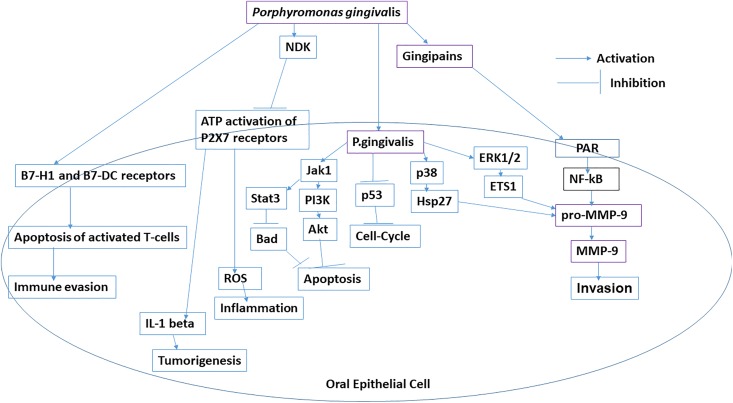
“Porphyromonas gingivalis enhances Bcl2 (antiapoptotic); Bax (pro-apoptotic) ratio and inhibits release of cytochrome c from mitochondria.(95,96) Porphyromonas gingivalis colonizes inside GEC of oral tissues and prevents apoptosis by inducing ligation of ATP with purinergic receptor P2X7 receptors.”
BackgroundPresence of Porphyromonas gingivalis in gingival squamous cell carcinoma
Katz, J., Onate, M. D., Pauley, K. M., Bhattacharyya, I., & Cha, S. (2011) · International Journal of Oral Science · doi:10.4248/ijos11075 · Cited by 246 · cited 1×
“The staining intensity of P gingivalis in gingival carcinoma tissues was significantly enhanced when compared to noninvasive bacteria such as S gordonii.(110) Porphyromonas gingivalis is responsible for damaging local periodontal tissues and evade host immune system.”
BackgroundWang, J., Qi, J., Zhao, H., He, S. C., Zhang, Y., Wei, S., & Zhao, F. (2013) · Scientific Reports · doi:10.1038/srep01843 · Cited by 244 · cited 1×
“A number of useful genes and metabolic pathways such as bacterial chemotaxis, flagellar assembly, and toxin biosynthesis were found to be enriched in the microbiomes of periodontal disease.(46) Periodontitis-associated microorganisms induce inflammation and destruction of tissue through degradation of collagen and rel…”
BackgroundTobacco Smoking Affects Bacterial Acquisition and Colonization in Oral Biofilms
Kumar, P., Matthews, C. R., Joshi, V., de Jager, M., & Aspiras, M. (2011) · Infection and Immunity · doi:10.1128/iai.05371-11 · Cited by 243 · cited 1×
“Smokers have unstable microbial colonization and are more susceptible to bacterial infection through alterations in innate and adaptive immune response.(83,84) Higher abundance of periodontopathogenic bacteria such as Prevotella tannerae, F nucleatum, and P intermedia and lower abundance of Streptococcus tigurinus wer…”
BackgroundBacterial alterations in salivary microbiota and their association in oral cancer
Lee, W.-H., Chen, H., Yang, S., Liang, C., Peng, C.-Y., Lin, F.-M., Tsai, L., Wu, B.-C., Hsin, C., Chuang, C., et al. (2017) · Scientific Reports · doi:10.1038/s41598-017-16418-x · Cited by 230 · cited 1×
“Alistipes, Bacteroides, Blautia, Clostridium, Dorea, Escherichia, Faecalibacterium, Megamonas, and Phascolarctobacterium showed positive correlations between patients with epithelial precursor lesion and OSCC.(51) Furquim et al reported about the influence of salivary microbiome for developing Fanconi anemia (FA).”
BackgroundInflammatory Bacteriome and Oral Squamous Cell Carcinoma
Perera, M. L., Al-Hebshi, N. N., Perera, I. R., Ipe, D. S., Ulett, G. C., Speicher, D. J., Chen, T., & Johnson, N. W. (2018) · Journal of Dental Research · doi:10.1177/0022034518767118 · Cited by 221 · cited 2×
“In OSCC, bacterial genes that encode enzymes such as transketolase, pyruvate formate lyase-activating enzyme, formate C-acetyltransferase, aspartokinase/homoserine dehydrogenase, and nitroreductase/dihydropteridine reductase were significantly overrepresented, whereas bacterial genes that encode iron complex transport…”
BackgroundTakahashi, N. (2005) · International Congress Series · doi:10.1016/j.ics.2005.06.071 · Cited by 202 · cited 1×
“Aerobic and anaerobic bacteria together form oral biofilms that prevent changes in their environment.(11) The oral microbiome population varies with saliva and different habitats (buccal mucosa, supragingival, and subgingival plaque) of OC.”
BackgroundThe road to ruin: the formation of disease‐associated oral biofilms
Jakubovics, N., & Kolenbrander, P. (2010) · Oral Diseases · doi:10.1111/j.1601-0825.2010.01701.x · Cited by 198 · cited 1×
“Saliva is the primary nutrient source for bacteria that reside in supragingival biofilm, while GCF provides nutrient for bacteria of the subgingival biofilms.(23) Formation of oral biofilms first occurs at the supragingival region and formation of subgingival biofilms second.”
BackgroundGanly, I., Yang, L., Giese, R., Hao, Y., Nossa, C. W., Morris, L. G. T., Rosenthal, M. H., Migliacci, J. C., Kelly, D., Tseng, W., et al. (2019) · International Journal of Cancer · doi:10.1002/ijc.32152 · Cited by 195 · cited 1×
“Abundance of periodontal pathogens Fusobacterium, Prevotella, and Alloprevotella were progressively increased, whereas the abundance of Streptococcus was progressively decreased in progression of OSCC.(75) Numerous bacterial insertion sites were reported in host genes such as mycobacterium genomic element integrations…”
BackgroundPeriodontal Pathogens Produce Quorum Sensing Signal Molecules
Frias‐Lopez, J., Olle, E., & Alsina, M. (2001) · Infection and Immunity · doi:10.1128/iai.69.5.3431-3434.2001 · Cited by 194 · cited 2×
“Periodontal pathogens such as P gingivalis, P intermedia, and F nucleatum produce highest levels of AI-2.(26) The competence signaling peptide is responsible for the formation of biofilm, bacteriocins, stress response, acid tolerance, and genetic conversion by S mutans.”
BackgroundMeurman, J. H. (2010) · Journal of Oral Microbiology · doi:10.3402/jom.v2i0.5195 · Cited by 194 · cited 10×
“Prevotella nanceiensis, Capnocytophaga leadbetteri, and Selenomonas sputigena were inversely related to HNSCC. Porphyromonas gingivalis, T forsythia, and A actinomycetemcomitans and S mutans were positively related to risk of HNSCC. Kingella dentificans and Streptococcus sanguinis were associated with reduced risk of…”
BackgroundInfluentialP. gingivalis accelerates gingival epithelial cell progression through the cell cycle
Kuboniwa, M., Hasegawa, Y., Mao, S., Shizukuishi, S., Amano, A., Lamont, R. J., & Yilmaz, Ö. (2007) · Microbes and Infection · doi:10.1016/j.micinf.2007.10.011 · Cited by 189 · cited 1×
“Porphyromonas gingivalis accelerates progression through the S-phase of the cell cycle by preventing activity of p53 tumor suppressor gene.(100) Induced expression of B7-H1 and B7-DC receptors on OSCC cells and primary GECs by P gingivalis has been reported earlier.”
BackgroundAcetaldehyde production from ethanol by oral streptococci
Kurkivuori, J., Salaspuro, V. J., Kaihovaara, P., Kari, K., Rautemaa‐Richardson, R., Grönroos, L., Meurman, J. H., & Salaspuro, M. P. (2006) · Oral Oncology · doi:10.1016/j.oraloncology.2006.02.005 · Cited by 188 · cited 1×
“Streptococcus salivarius, S intermedius, S mitis, and nonpathogenic Neisseria subspecies possess alcohol dehydrogenase (ADH) that is responsible for the production of carcinogenic compounds such as ALD, hydroxyl ethyl radicals, and hydroxyl radicals from ethanol.(80,81) Streptococcus anginosus was frequently reported…”
BackgroundShi, B., Chang, M., Martin, J. C., Mitreva, M., Lux, R., Klokkevold, P. R., Sodergren, E. J., Weinstock, G. M., Haake, S. K., & Li, H. (2015) · mBio · doi:10.1128/mbio.01926-14 · Cited by 179 · cited 1×
“Among them, Peptostreptococcus is known to be a potential pathogen for periodontitis.(45) Prevotella intermedia, F nucleatum, Selenomonas noxia, A actinomycetemcomitans, and Eubacterium nodatum, P gingivalis, T denticola, and T forsythia were also associated with pathogenesis of periodontal disease.”
BackgroundMicrobial diversity in saliva of oral squamous cell carcinoma
Pushalkar, S., Mane, S. P., Ji, X., Li, Y., Evans, C., Crasta, O. R., Morse, D. E., Meagher, R. J., Singh, A. K., & Saxena, D. B. (2010) · FEMS Immunology & Medical Microbiology · doi:10.1111/j.1574-695x.2010.00773.x · Cited by 178 · cited 2×
“Presence of Clavibacter michiganensis, Plantibacter flavus, Tepidimonas aquatica, and Thermus scotoductus were predominant in deep tumor tissues.(71) Exiguobacterium oxidotolerans, C gingivalis, P melaninogenica, Staphylococcus aureus, Veillonella parvula, Capnocytophaga ochracea, Eubacterium saburreum, L buccalis, an…”
BackgroundCarcinogenesis mechanisms of Fusobacterium nucleatum
Gholizadeh, P., Eslami, H., & Kafil, H. S. (2017) · Biomedicine & Pharmacotherapy · doi:10.1016/j.biopha.2017.02.102 · Cited by 175 · cited 2×
“Fusobacterium nucleatum in GECs activates NLRP3 inflammasome that includes HMGB1 (high-morbidity group box-1 protein), apoptosis-associated speck-like protein, and caspase-1.(37) FadA adhesion molecule of F nucleatum binds to E-cadherin and activates b-catenin signaling that regulates cell proliferation and inflammato…”
BackgroundBetel nut chewing, oral premalignant lesions, and the oral microbiome
Hernandez, B. Y., Zhu, X., Goodman, M. T., Gatewood, R. R., Mendiola, P., Quinata, K. M. G., & Paulino, Y. C. (2017) · PLoS ONE · doi:10.1371/journal.pone.0172196 · Cited by 174 · cited 2×
“It has been reported that b diversity significantly differed between chewers and nonchewers with excessive alcohol consumption.(61) Smokers have more bacterial diversity in OP region when compared to nonsmokers.”
BackgroundZhu, X., Yang, X., Chao, Y., Zheng, H., Sheng, H.-F., Liu, H., He, Y., & Zhou, H. (2017) · EBioMedicine · doi:10.1016/j.ebiom.2017.02.002 · Cited by 170 · cited 1×
“Streptococcus mitis induces the breakdown of mucus in the human OC that drive translocation of pathogen into the lamina propria and recruitment of inflammatory cells.(114) Radiotherapy is used for the treatment of head and neck cancer.”
BackgroundAntimicrobial Defense Systems in Saliva
Hof, W. V. ‘., Veerman, E. C. I., Amerongen, A. V. N., & Ligtenberg, A. J. M. (2014) · Monographs in oral science · doi:10.1159/000358783 · Cited by 166
Yilmaz, Ö., Yao, L., Maeda, K., Rose, T. M., Lewis, E. L., Duman, M., Lamont, R. J., & Ojcius, D. M. (2008) · Cellular Microbiology · doi:10.1111/j.1462-5822.2007.01089.x · Cited by 165 · cited 1×
“Nucleoside diphosphate kinase of P gingivalis inhibits apoptosis and promotes survival of host epithelial cells.(97) Porphyromonas gingivalis reduces ATP activation of P2X7 receptors on dendritic cells that disrupt activation of the NLRP3/ASC/caspase-1 inflammasome.”
BackgroundA molecular analysis of the bacteria present within oral squamous cell carcinoma.
Hooper, S., Crean, S., Fardy, M., Lewis, M., Spratt, D., Wade, W., & Wilson, M. (2007) · Journal of Medical Microbiology · doi:10.1099/jmm.0.46918-0 · Cited by 165 · cited 1×
“The existence of viable bacteria in deep parts of OSCC favored the hypothesis that bacteria survived in the tumor microenvironment.(69,70) The bacterial taxa Veillonella, Fusobacterium, Prevotella, Porphyromonas, Actinomyces, and Clostridium belonging anaerobes, and Haemophilus, Enterobacteriaceae, and Streptococcus s…”
BackgroundOral Microbiome: A New Biomarker Reservoir for Oral and Oropharyngeal Cancers
Lim, Y., Totsika, M., Morrison, M., & Punyadeera, C. (2017) · Theranostics · doi:10.7150/thno.21804 · Cited by 161 · cited 2×
“Changes in environmental conditions increase the potential of pathogenic bacteria to create oral diseases.(12) Tongue, buccal mucosa, supragingival and subgingival surfaces of the teeth, soft and hard palates, and saliva of OC may represent different ecological niches or habitats.”
BackgroundViable Bacteria Present within Oral Squamous Cell Carcinoma Tissue
Hooper, S. J., Crean, S. J., Lewis, M. A. O., Spratt, D. A., Wade, W. G., & Wilson, M. J. (2006) · Journal of Clinical Microbiology · doi:10.1128/jcm.44.5.1719-1725.2006 · Cited by 160 · cited 1×
“The existence of viable bacteria in deep parts of OSCC favored the hypothesis that bacteria survived in the tumor microenvironment.(69,70) The bacterial taxa Veillonella, Fusobacterium, Prevotella, Porphyromonas, Actinomyces, and Clostridium belonging anaerobes, and Haemophilus, Enterobacteriaceae, and Streptococcus s…”
BackgroundHealth-Associated Niche Inhabitants as Oral Probiotics: The Case of Streptococcus dentisani
López‐López, A., Camelo-Castillo, A. J., Ferrer, M. D., Simón‐Soro, Á., & Mira, Á. (2017) · Frontiers in Microbiology · doi:10.3389/fmicb.2017.00379 · Cited by 159 · cited 1×
“Bacteriocins of Streptococcus dentisani inhibit the growth of cariogenic bacterial species.(36) Antimicrobial peptides such as bacteriocins produced by S mutans and S salivarius in the OC kill other bacteria.”
BackgroundHsiao, J., Chang, C., Lee, W., Huang, C., Ou, C., Tsai, S., Chen, K.-C., Huang, J.-S., Wong, T.-Y., Lai, Y.-H., et al. (2018) · Carcinogenesis · doi:10.1093/carcin/bgy053 · Cited by 153 · cited 1×
“Higher percentage of P intermedia was reported in betel quid chewers and alcohol users, whereas higher abundance of F nucleatum was reported in smokers.(85) The relative abundances of Periodontopathogenic genera Porphyromonas, Tannerella, and Treponema showed no significant positive correlations with cytokine concentr…”
BackgroundBacterial toxins and cancer — a case to answer?
Lax, A. J. (2005) · Nature Reviews Microbiology · doi:10.1038/nrmicro1130 · Cited by 145 · cited 1×
“Bacterial products such as endotoxins (LPS), enzymes (eg, proteases, collagenases, fibrinolysin, and phospholipase), and metabolic byproducts (eg, H2S, ammonia, and fatty acids) may induce permanent genetic alterations in epithelial cells of the host that drive proliferation and/or survival of epithelial cells.(91) Mi…”
BackgroundYao, L., Jermanus, C., Barbetta, B., Choi, C., Verbeke, P., Ojcius, D. M., & Yilmaz, Ö. (2010) · Molecular Oral Microbiology · doi:10.1111/j.2041-1014.2010.00569.x · Cited by 145
Lee, J., Roberts, J. S., Atanasova, K. R., Chowdhury, N., Han, K., & Yilmaz, Ö. (2017) · Frontiers in Cellular and Infection Microbiology · doi:10.3389/fcimb.2017.00493 · Cited by 145 · cited 1×
“Snail, Slug, and b-catenin enhances expressions of Zeb1, Vimentin, and MMP-2, -7, and -9.(108) Microbial organisms induce immune inflammation response in host cells that enhances mutation rate in normal cells and triggers malignant transformation of normal cells of host.”
BackgroundPeriodontal diseases and risk of oral cancer in Southern India: Results from the HeNCe Life study
Laprise, C., Shahul, H. P., Madathil, S. A., ThekkePurakkal, A. S., Castonguay, G., Varghese, I., Shiraz, S., Allison, P. J., Schlecht, N. F., Rousseau, M., et al. (2016) · International Journal of Cancer · doi:10.1002/ijc.30201 · Cited by 144 · cited 1×
“Chronic periodontitis enhances the risk of oral premalignant lesions that lead to OSCC and oropharyngeal squamous cell carcinoma (OPSCC).(42) Periodontal bacteria such as P gingivalis, P intermedia, and F nucleatum are essential for developing OSCC.”
BackgroundPreliminary analysis of salivary microbiome and their potential roles in oral lichen planus
Wang, K., Lu, W., Tu, Q., Ge, Y., He, J., Zhou, Y., Gou, Y., Nostrand, J. D. V., Qin, Y., Li, J., et al. (2016) · Scientific Reports · doi:10.1038/srep22943 · Cited by 139 · cited 1×
“Treponema, Porphyromonas, Parvimonas, and Fusobacterium were considered as a core microbiota in periodontitis.(50) Abundance of Bacillus, Enterococcus, Parvimonas, Peptostreptococcus, and Slackia were significantly different between epithelial precursor lesion and OSCC.”
BackgroundBörnigen, D., Ren, B., Pickard, R. K. L., Li, J., Ozer, E. K., Hartmann, E. M., Xiao, W., Tickle, T. L., Rider, J. R., Gevers, D., et al. (2017) · Scientific Reports · doi:10.1038/s41598-017-17795-z · Cited by 137 · cited 1×
“Abundance level of S anginosus, Peptoniphilus, and Mycoplasma were significantly decreased in HPV-positive cancers.(64) Smokers have unstable microbial colonization and are more susceptible to bacterial infection through alterations in innate and adaptive immune response.”
BackgroundStreptococcus anginosus infection in oral cancer and its infection route
Sasaki, M., Yamaura, C., Ohara‐Nemoto, Y., Tajika, S., Kodama, Y., Ohya, T., Harada, R. M., & Kimura, S. (2005) · Oral Diseases · doi:10.1111/j.1601-0825.2005.01051.x · Cited by 134 · cited 1×
“Streptococcus anginosus was frequently reported in OSCC and caused DNA damage in oral mucosa due increased synthesis of NO and cyclooxygenase 2.(82) Overrepresentation of the commensal bacterial genera, Corynebacterium and Kingella, showed reduced risk of HNSCC.”
BackgroundGroeger, S. E., Domann, E., Gonzales, J. R., Chakraborty, T., & Meyle, J. (2011) · Immunobiology · doi:10.1016/j.imbio.2011.05.005 · Cited by 134 · cited 1×
“Expression of B7-H1 receptor induces immune evasion in oral cancers.(101) ERK1/2-Ets1, p38/HSP27, and PAR2/NF-KB pathways are activated by P gingivalis infection to induce the expression of pro-MMP-9.”
BackgroundProtective effect of salivary nitrate and microbial nitrate reductase activity against caries
Doel, J. J., Hector, M. P., Amirtham, C. V., Al‐Anzan, L. A., Benjamin, N., & Allaker, R. P. (2004) · European Journal Of Oral Sciences · doi:10.1111/j.1600-0722.2004.00153.x · Cited by 131 · cited 1×
“Nitrite that is produced by oral microbiome is further reduced to nitric oxide that prevents the growth of cariogenic bacteria.(14,30) Veillonella subspecies metabolizes lactate into weaker acids that reduce local pH, whereas Streptococcus subspecies and Actinomyces subspecies generate the alkali, ammonia, by cataboli…”
BackgroundGeng, F., Liu, J., Guo, Y., Li, C., Wang, H., Wang, H., Zhao, H., & Pan, Y. (2017) · Frontiers in Cellular and Infection Microbiology · doi:10.3389/fcimb.2017.00057 · Cited by 131 · cited 1×
“Long-term exposure of P gingivalis induces cell proliferation, migration, and invasion through regulation of tumor-related genes such as FLI1, GAS6, PDCD1LG2, CD274, and lncRNACCAT1.(111) Whether profiling of expression of these genes could be used as biomarkers remain to be investigated.”
BackgroundMicrobiomic differences in tumor and paired-normal tissue in head and neck squamous cell carcinomas
Wang, H., Funchain, P., Bebek, G., Altemus, J. B., Zhang, H., Niazi, F., Peterson, C., Lee, W. T., Burkey, B. B., & Eng, C. (2017) · Genome Medicine · doi:10.1186/s13073-017-0405-5 · Cited by 128 · cited 1×
“Actinomyces subspecies may inhibit tumorigenesis through the secretion protease inhibitors.(60) Genus Streptococcus, Dialister, and Veillonella can be used to segregate HNSCC from healthy individuals.”
BackgroundThe role of bacterial pathogens in cancer
Vogelmann, R., & Amieva, M. R. (2007) · Current Opinion in Microbiology · doi:10.1016/j.mib.2006.12.004 · Cited by 127 · cited 1×
“well as the contributor to carcinogenesis.(88,89) Lipopolysaccharide from a potential pathogen such as P gingivalis and F nucleatum is responsible for the activation immune system at the cellular level in periodontal diseases.”
BackgroundAssociation of periodontal disease with oral cancer: a meta-analysis
Yao, Q., Zhou, D., Peng, H., Ji, P., & Liu, D. (2014) · Tumor Biology · doi:10.1007/s13277-014-1951-8 · Cited by 127 · cited 1×
“Periodontal bacteria such as P gingivalis, P intermedia, and F nucleatum are essential for developing OSCC.(18,43,44) Periodontitis is associated with the subgingival microbiota such as Peptostreptococcus, Synergistes, Filifactor, Mycoplasma, and Olsenella.”
BackgroundYang, S., Huang, H., Fan, W., Jong, Y., Chen, M., Huang, C., Chuang, C., Kuo, Y., Chung, W., & Su, S. (2017) · Oral Oncology · doi:10.1016/j.oraloncology.2017.12.005 · Cited by 127 · cited 1×
“Bacterial flagella were considered as key inflammatory structures in regulating OSCC-related inflammation.(92) It has been reported that F nucleatum subspecies polymorphum, Campylobacter subspecies, and P aeruginosa showed significant association with OSCC, whereas S mitis, R mucilaginosa, and H parainfluenzae were th…”
BackgroundPreliminary characterization of the oral microbiota of Chinese adults with and without gingivitis
Huang, S. W., Yang, F., Zeng, X., Chen, J., Li, R., Wen, T., Li, C., Wei, W., Liu, J., Chen, L., et al. (2011) · BMC Oral Health · doi:10.1186/1472-6831-11-33 · Cited by 123 · cited 1×
“High prevalence of L buccalis was reported in Chinese patients with gingivitis and necrotizing ulcerative gingivitis.(38) Prevotella subspecies, Lactobacillus subspecies, Dialister subspecies, and Filifactor subspecies are related to pathogenesis and progression of dental caries.”
BackgroundHou, J. L., Zheng, H., Li, P., Liu, H., Zhou, H., & Yang, X. (2018) · Radiotherapy and Oncology · doi:10.1016/j.radonc.2018.04.023 · Cited by 122 · cited 1×
“Four genera Fusobacterium, Porphyromonas, Treponema, and Prevotella showed dynamic synchronous variations in their relative abundances during treatment.(113) Oral microbial community is altered in the patients with nasopharyngeal carcinoma (NPC) who develop mucositis due to radiotherapy (RT).”
BackgroundLim, Y., Fukuma, N. M., Totsika, M., Kenny, L., Morrison, M., & Punyadeera, C. (2018) · Frontiers in Cellular and Infection Microbiology · doi:10.3389/fcimb.2018.00267 · Cited by 119 · cited 1×
“A positive correlation between HPV infection and the abundance of Haemophilus and Gemella has also been reported in OP cancer.(66) The abundance of Capnocytophaga was significantly higher in patients with recurrent OSCC when compared to controls.”
ResultBacteriome and mycobiome associations in oral tongue cancer
Mukherjee, P. K., Wang, H., Retuerto, M., Zhang, H., Burkey, B. B., Ghannoum, M. A., & Eng, C. (2017) · Oncotarget · doi:10.18632/oncotarget.21921 · Cited by 117 · cited 2×
“Rothia, Streptococcus, and Prevotella produce oral ALD that promote oral carcinogenesis (Table 3).(57) Streptococcus, Neisseria, and Veillonella are considered as anti-inflammatory mediators, whereas Selenomonas, Parvimonas, and Campylobacter are considered as pro-inflammatory mediators.”
BackgroundResultDawes, C. (2003) · Archives of Oral Biology · doi:10.1016/s0003-9969(03)00014-1 · Cited by 112 · cited 1×
“Most of the bacteria in saliva are attached to exfoliated human epithelial cells.(15) Microorganisms are classified based on their oxygen requirements as obligate aerobes; obligate anaerobes such as Fusobacterium and Veillonella; facultative anaerobes such as Actinomyces and Streptococci; microaerophiles that grow bes…”
BackgroundTribble, G. D., Kerr, J., & Wang, B.-Y. (2013) · Future Microbiology · doi:10.2217/fmb.13.30 · Cited by 111 · cited 1×
“Microbial organisms induce immune inflammation response in host cells that enhances mutation rate in normal cells and triggers malignant transformation of normal cells of host.(109) The staining intensity of P gingivalis in gingival carcinoma tissues was significantly enhanced when compared to noninvasive bacteria suc…”
BackgroundThe Biofilm Community: Rebels with a Cause
Aruni, W., Dou, Y., Mishra, A., & Fletcher, H. M. (2015) · Current Oral Health Reports · doi:10.1007/s40496-014-0044-5 · Cited by 108 · cited 1×
“Subgingival biofilms are mainly dominated by gram-negative obligate anaerobes.(24) Gram-positive aerobic bacteria, such as Actinomyces subspecies and oral Streptococci (S intermedius and S oralis) are responsible for the initial colonization in teeth surfaces.”
BackgroundSklenicka, S., Gardiner, S. K., Dierks, E. J., Potter, B. E., & Bell, R. B. (2010) · Journal of Oral and Maxillofacial Surgery · doi:10.1016/j.joms.2009.11.016 · Cited by 104 · cited 1×
“The OSCC is often detected at late stage, and there is a high risk of having second primary tumors.(8) To overcome these challenges, investigators should search for early diagnostic and prognostic biomarkers.”
BackgroundGuerrero-Preston, R. E., White, J. R., Godoy‐Vitorino, F., Rodríguez-Hilario, A., Navarro, K., González, H., Michailidi, C., Jedlicka, A., Canapp, S., Bondy, J., et al. (2017) · Oncotarget · doi:10.18632/oncotarget.20677 · Cited by 98 · cited 13×
“Lactobacillus gasseri/ L johnsonii, H parainfluenza, L fermentum, and F periodonticum can be used as a diagnostic biomarker for HNSCC.(55) Reduction in levels of Lactobacillus subspecies induces microbial dysbiosis in patients with tongue cancer.”
BackgroundInfluentialChronic Periodontitis−Human Papillomavirus Synergy in Base of Tongue Cancers
Tezal, M., Nasca, M. A. S., Stoler, D. L., Melendy, T., Hyland, A. J., Smaldino, P. J., Rigual, N., & Loree, T. R. (2009) · Archives of Otolaryngology - Head and Neck Surgery · doi:10.1001/archoto.2009.6 · Cited by 96
Scarantino, C. W., LeVeque, F. G., Swann, R. S., White, R. L., Schulsinger, A., Hodson, D. I., Meredith, R. F., Foote, R. L., Brachman, D. G., & Lee, N. (2006) · PubMed · Cited by 94
Smoking decreases structural and functional resilience in the subgingival ecosystem
Joshi, V., Matthews, C. R., Aspiras, M., de Jager, M., Ward, M. T., & Kumar, P. (2014) · Journal Of Clinical Periodontology · doi:10.1111/jcpe.12300 · Cited by 91 · cited 1×
“Streptococcus, Neisseria, and Veillonella are considered as anti-inflammatory mediators, whereas Selenomonas, Parvimonas, and Campylobacter are considered as pro-inflammatory mediators.(93) Role of P gingivalis and F nucleatum in Progression of OSCC”
BackgroundNovel pathogens in periodontal microbiology
Hiranmayi, K. V., Sirisha, K., Rao, M. R., & Sudhakar, P. (2017) · Journal of Pharmacy And Bioallied Sciences · doi:10.4103/jpbs.jpbs_288_16 · Cited by 89 · cited 1×
“Synergistes are responsible for microecological changes and anaerobiosis in periodontal pocket, inflammation, and destruction of gingival tissue that may drive periodontitis-mediated oral carcinogenesis.(74) Mycoplasma, Treponema, Campylobacter, Eikenella, Fusobacterium, Selenomonas, Dialister, Peptostreptococcus, Fil…”
BackgroundMicrobial Signatures Associated with Oropharyngeal and Oral Squamous Cell Carcinomas
Banerjee, S., Tian, T., Wei, Z., Peck, K. N., Shih, N. N. C., Chalian, A. A., O’Malley, B. W., Weinstein, G. S., Feldman, M. D., Alwine, J. C., et al. (2017) · Scientific Reports · doi:10.1038/s41598-017-03466-6 · Cited by 85 · cited 1×
“These may drive tumorigenesis by altering gene expression.(76)”
BackgroundProfiling of Oral Microbiota in Early Childhood Caries Using Single-Molecule Real-Time Sequencing
Wang, Y., Zhang, J., Chen, X., Jiang, W. H., Wang, S., Xu, L., Tu, Y., Zheng, P., Wang, Y., Lin, X., et al. (2017) · Frontiers in Microbiology · doi:10.3389/fmicb.2017.02244 · Cited by 80 · cited 1×
“Prevotella subspecies, Lactobacillus subspecies, Dialister subspecies, and Filifactor subspecies are related to pathogenesis and progression of dental caries.(39) The genera Veillonella, Bifidobacterium, Chattopadhyay et al 5”
BackgroundBashir, A., Miskeen, A. Y., Bhat, A., Fazili, K. M., & Ganai, B. A. (2015) · European Journal of Cancer Prevention · doi:10.1097/cej.0000000000000116 · Cited by 79 · cited 1×
“Fusobacterium nucleatum synergistically with other bacteria fungi and viruses may induce proinflammatory microenvironment through recruitment of tumor-infiltrating immune cells that favor tumorigenesis.(106) Antigens of P gingivalis have also been detected in gingival squamous carcinoma.”
BackgroundShaikh, M. H., McMillan, N. A. J., & Johnson, N. W. (2015) · Cancer Epidemiology · doi:10.1016/j.canep.2015.09.013 · Cited by 77 · cited 1×
“Human papilloma virus (HPV) infection is another known risk factor for oropharyngeal cancer (OPC).(5) Bacterial infection is one of the major causes of chronic inflammation which facilitates increased cell proliferation, mutagenesis, oncogene activation, and angiogenesis that lead to development of oral cancer.”
BackgroundDifferent frequencies of Porphyromonas gingivalis infection in cancers of the upper digestive tract
Yuan, X., Liu, Y., Kong, J., Gu, B., Qi, Y., Wang, X., Sun, M., Chen, P., Sun, W., Wang, H., et al. (2017) · Cancer Letters · doi:10.1016/j.canlet.2017.07.003 · Cited by 75 · cited 1×
“Porphyromonas gingivalis is considered as a potential risk factor for oral cancer.(107) Infection of P gingivalis induces EMT by downregulation of E-cadherin and nucleocytoplasmic accumulation of b-catenin that drive aggressiveness and/or metastatic potential in OSCC.”
BackgroundSingleton, D. R., Adrion, A. C., & Aitken, M. D. (2016) · Applied Microbiology and Biotechnology · doi:10.1007/s00253-016-7867-z · Cited by 74 · cited 1×
“Terrimonas is involved in tumorigenic anthracene degradation.(87)”
Microbial and inflammatory‐based salivary biomarkers of head and neck squamous cell carcinoma
Vesty, A., Gear, K., Biswas, K., Radcliff, F. J., Taylor, M. W., & Douglas, R. G. (2018) · Clinical and Experimental Dental Research · doi:10.1002/cre2.139 · Cited by 71 · cited 1×
“The relative abundances of Periodontopathogenic genera Porphyromonas, Tannerella, and Treponema showed no significant positive correlations with cytokine concentrations.(86) Porphyromonas gingivalis, P intermedia, A actinomycetemcomitans, and F nucleatum are responsible to produce volatile sulfur compounds such as gen…”
BackgroundPan, C., Xu, X., Tan, L., Lin, L., & Pan, Y. (2013) · Oral Diseases · doi:10.1111/odi.12081 · Cited by 70
Gaetti‐Jardim, E., Gaetti-Jardim, E. C., Schweitzer, C. M., da Silva, J. C. L., Oliveira, M. M., Masocatto, D. C., & dos Santos, C. M. (2018) · Archives of Oral Biology · doi:10.1016/j.archoralbio.2018.01.003 · Cited by 61 · cited 1×
“induces inflammation through the release of IL-1 and IL-6 in RT-induced mucositis.(115)”
BackgroundThe Salivary Microbiome and Oral Cancer Risk: A Pilot Study in Fanconi Anemia
Furquim, C. P., Soares, G. M. S., Ribeiro, L. L., Azcárate-Peril, M. A., Butz, N., Roach, J. M., MOSS, K. L., Bonfim, C., Torres‐Pereira, C. C., & Teles, F. (2016) · Journal of Dental Research · doi:10.1177/0022034516678169 · Cited by 60 · cited 1×
“The salivary microbiome profile of patients with FA showed similar diversity pattern with oral leukoplakia and OSCC.(52) 6 Technology in Cancer Research & Treatment”
BackgroundAl-Hebshi, N. N., Alharbi, F. A., Mahri, M., & Chen, T. (2017) · Genes · doi:10.3390/genes8040106 · Cited by 60 · cited 1×
“Oral taxon 44, and F nucleatum subspecies polymorphum are associated with OSCC.(68) Moraxella osloensis, Prevotella veroralis, and species of Actinomyces were only detected in normal tissues.”
BackgroundOral bacterial flora and oral cancer: The possible link?
Gaonkar, P. P., Patankar, S. R., Tripathi, N., & Sridharan, G. (2018) · Journal of Oral and Maxillofacial Pathology · doi:10.4103/jomfp.jomfp_89_16 · Cited by 50 · cited 1×
“Oral microbiome may function as synergistic risk factors along with primary risk factors such as alcohol and tobacco use.(77) Leukoplakia, erythroplakia, and oral submucous fibrosis are precursor lesion of oral cancer in betel nut chewers.”
BackgroundEffects of quorum sensing on cell viability in Streptococcus mutans biofilm formation
Zhang, K., Ou, M., Wang, W., & Ling, J. (2009) · Biochemical and Biophysical Research Communications · doi:10.1016/j.bbrc.2008.12.175 · Cited by 47 · cited 1×
“The competence signaling peptide is responsible for the formation of biofilm, bacteriocins, stress response, acid tolerance, and genetic conversion by S mutans.(27) Commensal bacteria live in equilibrium with the host immune response.”
BackgroundSintim, H. O., & Gürsoy, U. K. (2015) · OMICS A Journal of Integrative Biology · doi:10.1089/omi.2015.0146 · Cited by 42 · cited 2×
“Antimicrobial peptides such as bacteriocins produced by S mutans and S salivarius in the OC kill other bacteria.(25)”
BackgroundZhou, J., Jiang, N., Wang, S., Hu, X., Jiao, K., He, X., Li, Z., & Wang, J. (2016) · PLOS ONE · doi:10.1371/journal.pone.0147039 · Cited by 41 · cited 1×
“Veillonella has cariogenic potential and allows acidogenic bacteria such as Streptococcus species to grow and continue to produce additional acid.(40)”
BackgroundContribution of Plasminogen Activation towards the Pathogenic Potential of Oral Streptococci
Itzek, A., Gillen, C. M., Fulde, M., Friedrichs, C., Rodloff, A. C., Chhatwal, G. S., & Nitsche-Schmitz, D. P. (2010) · PLoS ONE · doi:10.1371/journal.pone.0013826 · Cited by 32 · cited 1×
“Streptococcus is commonly found genera in the human OC, but it is highly genetically heterogeneous group.(19) Veillonella atypica, P gingivalis, Selenomonas subspecies, Actinobacillus actinomycetemcomitans, Prevotella intermedia, and Capnocytophaga are observed in tongue, whereas Streptococcus pyogenes, Streptococcus…”
BackgroundSalivary microbiome of an urban Indian cohort and patterns linked to subclinical inflammation
Acharya, A., Chan, Y., Kheur, S. M., Kheur, M. G., Gopalakrishnan, D., Watt, R., & Mattheos, N. (2017) · Oral Diseases · doi:10.1111/odi.12676 · Cited by 32 · cited 2×
“Abundance of Alphaproteobacteria and Deltaproteobacteria in saliva were higher in Indians when compared to HMP.(33) Streptococcus subspecies was the commonly observed bacterial genus in saliva of Indian populations.”
ResultPurinergic signaling during Porphyromonas gingivalis infection
Almeida-da-Silva, C. L. C., Morandini, A. C., Ulrich, H., Ojcius, D. M., & Coutinho‐Silva, R. (2016) · Biomedical Journal · doi:10.1016/j.bj.2016.08.003 · Cited by 29
Unraveling the human salivary microbiome diversity in Indian populations
Sarkar, A., Stoneking, M., & Nandineni, M. R. (2017) · PLoS ONE · doi:10.1371/journal.pone.0184515 · Cited by 29 · cited 1×
“Solobacterium subspecies, Alloprevotella subspecies, and Lachnoanaerobaculum subspecies represent core saliva microbiome in the Indian population.(34)”
BackgroundPrevalence of Oral Microbes in the Saliva of Oncological Patients
Kang, M., Oh, J., Kim, H., Kim, H. N., Lee, I.-K., Choi, H., Kim, O., Ko, Y., Lim, W., Park, H., et al. (2009) · Journal of Bacteriology and Virology · doi:10.4167/jbv.2009.39.4.277 · Cited by 26 · cited 1×
“Moraxella osloensis, Prevotella veroralis, and species of Actinomyces were only detected in normal tissues.(73) The level of Parvimonas was enhanced and the level of Actinomyces was reduced in tumors relative to normal tissues.”
BackgroundMiracco, C., Pacenti, L., Santopietro, R., BIAGIOLI, M., Fimiani, M., Perotti, R., Rubegni, P., Pirtoli, L., & Luzi, P. (2000) · International Journal of Cancer · doi:10.1002/1097-0215(20001101)88:3 · Cited by 23
Mechanistic and Technical Challenges in Studying the Human Microbiome and Cancer Epidemiology
Verma, M. (2016) · Technology in Cancer Research & Treatment · doi:10.1177/1533034616645219 · Cited by 14 · cited 11×
“Prevotella nanceiensis, Capnocytophaga leadbetteri, and Selenomonas sputigena were inversely related to HNSCC. Porphyromonas gingivalis, T forsythia, and A actinomycetemcomitans and S mutans were positively related to risk of HNSCC. Kingella dentificans and Streptococcus sanguinis were associated with reduced risk of…”
BackgroundInfluentialSelf-citation(2014) · Institutional Repository University of Antioquia (University of Antioquia) · doi:10.1371/journal.pone
Research works printed but not linked: 2
- Multhoff G, 2011, Front Immunol, 2, 98
- Scarantino C, 2006, J Support Oncol, 4, 252
Cited by
Sorted by citations
The oral microbiome: Role of key organisms and complex networks in oral health and disease
Sedghi, L., DiMassa, V., Harrington, A., Lynch, S. V., & Kapila, Y. L. (2021) · Periodontology 2000 · doi:10.1111/prd.12393 · Cited by 755
Oral microbiota and cancer development
Tuominen, H., & Rautava, J. (2021) · Pathobiology · doi:10.1159/000510979 · Cited by 238
Oral–Gut Microbiome Axis in Gastrointestinal Disease and Cancer
Park, S.-Y., Hwang, B.-O., Lim, M., Ok, S.-H., Lee, S., Chun, K., Park, K.-K., Hu, Y., Chung, W., & Song, N. (2021) · Cancers · doi:10.3390/cancers13092124 · Cited by 247
Lin, D., Yang, L. Y., Wen, L., Lu, H., Chen, Q., & Wang, Z. (2021) · Mucosal Immunology · doi:10.1038/s41385-021-00413-7 · Cited by 197
The Role of Fusobacterium nucleatum in Oral and Colorectal Carcinogenesis
Pignatelli, P., Nuccio, F., Piattelli, A., & Curia, M. C. (2023) · Microorganisms · doi:10.3390/microorganisms11092358 · Cited by 169
Metadata
- Authors
- Chattopadhyay, I., Verma, M., & Panda, M.
- Affiliations
- Central University of Tamil Nadu (IN)
- National Institutes of Health (US)
- Corresponding author
- Chattopadhyay, Indranil
- Venue
- Technology in Cancer Research & Treatment
- Publisher
- SAGE Publications
- Published
- 2019-01-01
- Volume
- 18
- Pages
- 1533033819867354-1533033819867354
- ISSN
- 1533-0338 (ISSN-L)
- 1533-0346
- PMC
- PMC6676258
- OpenAlex
- W2965423269
- Cited by
- 407
- References
- 118
- Citations by year
- 2026: 32 · 2025: 72 · 2024: 76 · 2023: 68 · 2022: 72 · 2021: 63 · 2020: 24
- FWCI
- 5.63
- Type
- journal article
- Language
- en
- Open access
- gold
- doi.org
- Locations
- Technology in Cancer Research & Treatment (publishedVersion, cc-by-nc)
- Europe PMC (PubMed Central) (publishedVersion, cc-by-nc)
- PubMed Central (publishedVersion, cc-by-nc)
- PubMed (publishedVersion)
- Topics
- Health Sciences › Dentistry › Periodontics › Oral microbiology and periodontitis research
- Health Sciences › Dentistry › General Dentistry › Oral Health Pathology and Treatment
- Health Sciences › Medicine › Otorhinolaryngology › Head and Neck Cancer Studies
- Keywords
- oral microbiota, oral cancer, oral squamous cell carcinoma, tumor markers, early diagnosis, prognosis, Porphyromonas gingivalis, Fusobacterium nucleatum, oral carcinogenesis, chronic inflammation, alcohol and tobacco use, areca nut, commensal bacteria, metagenomics, host-microbe interactions
- MeSH terms
- Humans, Inflammation, Mouth Neoplasms, Prognosis, Saliva, Porphyromonas gingivalis, Fusobacterium nucleatum, Cell Proliferation, Carcinogenesis, Microbiota
About these checks
Registry, retraction, Cites and statistics results are computed, not judged, with one exception: a printed reference that no index lists is read once by a model before it counts as a citation error. Claims are extracted by a model and kept only when their quote appears verbatim in the text; each cited source is then checked, with a model’s help, for whether it says what the claim relies on. Those verdicts can be wrong — read the claim’s quote and the cited source before relying on one.
Statistics and arithmetic are recomputed, not judged.
Confidence bands are shown only for fields calibrated on our annotated test set. None is calibrated yet, so no band is shown.
What counts as a claim ›How we measure confidence ›How we check this ›
Are you an author, or do you see a problem with this page? Request a review
