

The DOI matches its Crossref record; 118 of the 119 references it cites were found in a registry or an index, and 1 are not checked yet.
Role of Oral Microbiome Signatures in Diagnosis and Prognosis of Oral Cancer
Open accessAbstract
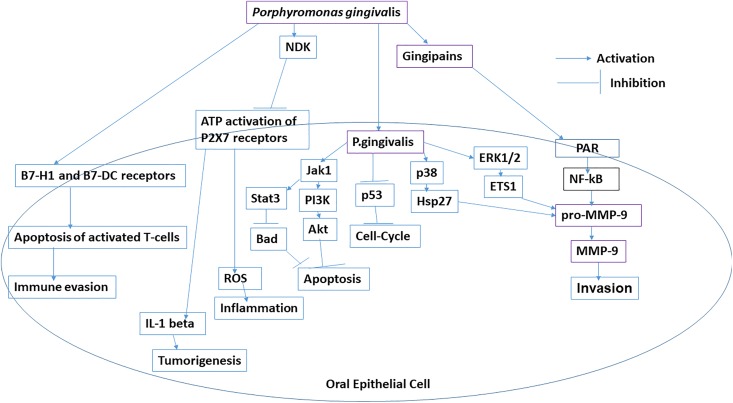
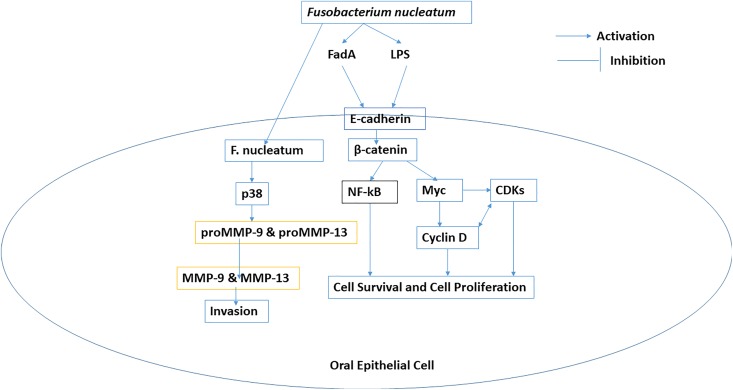
Despite advancement in cancer treatment, oral cancer has a poor prognosis and is often detected at late stage. To overcome these challenges, investigators should search for early diagnostic and prognostic biomarkers. More than 700 bacterial species reside in the oral cavity. The oral microbiome population varies by saliva and different habitats of oral cavity. Tobacco, alcohol, and betel nut, which are causative factors of oral cancer, may alter the oral microbiome composition. Both pathogenic and commensal strains of bacteria have significantly contributed to oral cancer. Numerous bacterial species in the oral cavity are involved in chronic inflammation that lead to development of oral carcinogenesis. Bacterial products and its metabolic by-products may induce permanent genetic alterations in epithelial cells of the host that drive proliferation and/or survival of epithelial cells. Porphyromonas gingivalis and Fusobacterium nucleatum induce production of inflammatory cytokines, cell proliferation, and inhibition of apoptosis, cellular invasion, and migration thorough host cell genomic alterations. Recent advancement in metagenomic technologies may be useful in identifying oral cancer–related microbiome, their genomes, virulence properties, and their interaction with host immunity. It is very important to address which bacterial species is responsible for driving oral carcinogenesis. Alteration in the oral commensal microbial communities have potential application as a diagnostic tool to predict oral squamous cell carcinoma. Clinicians should be aware that the protective properties of the resident microflora are beneficial to define treatment strategies. To develop highly precise and effective therapeutic approaches, identification of specific oral microbiomes may be required. In this review, we narrate the role of microbiome in the progression of oral cancer and its role as an early diagnostic and prognostic biomarker for oral cancer.
Overview
The claims and statistics of this paper haven’t been checked yet.
Run the check — free, no account needed. It reads the open-access text and checks the sources it cites.
Integrity signals
Registry
Cites
Statistics
Figures
Verification
Claims the paper makes
The claims and statistics of this paper haven’t been checked yet.
Run the check — free, no account needed. It reads the open-access text and checks the sources it cites.
Claims other papers make about this one
Each is checked against this paper’s own text: does it say what the citing paper says it does?
In the citing paper
“Additional changes throughout one's life, including to dietary habits, age, hygiene regimens, and behaviors (such as tobacco and alcohol use), also influence changes to the oral microbiome.132”
From The oral microbiome: Role of key organisms and complex networks in oral health and disease (2021) · cites this paper as [132]
Self-check
Percentages, sums and reported differences re-computed from the paper’s own numbers.
The self-check needs the paper’s full text.
Citations
Cites
Jemal, A., Bray, F., Ferlay, J., Ward, E., & Forman, D. (2011) · CA A Cancer Journal for Clinicians · doi:10.3322/caac.20107 · Cited by 55,044
Estimates of worldwide burden of cancer in 2008: GLOBOCAN 2008
Ferlay, J., Shin, H., Bray, F., Forman, D., Mathers, C. D., & Parkin, D. M. (2010) · International Journal of Cancer · doi:10.1002/ijc.25516 · Cited by 21,468 · cited 1×
“The majority of HNSCC are cancers of oral cavity (OC) and oropharynx.(1) Oral squamous cell carcinoma 1 Department of Life Sciences, Central University of Tamil Nadu, Thiruvarur, Tamil Nadu, India 2 Epidemiology and Genomics Research Program, Division of Cancer Control and Population Sciences, National Cancer Institut…”
BackgroundRor2 signaling regulates Golgi structure and transport through IFT20 for tumor invasiveness
Nishita, M., Park, S.-Y., Nishio, T., Kamizaki, K., Wang, Z., Tamada, K., Takumi, T., Hashimoto, R., Otani, H., Pazour, G. J., et al. (2017) · Scientific Reports · doi:10.1038/s41598-016-0028-x · Cited by 15,947
Flemming, H.-C., & Wingender, J. (2010) · Nature Reviews Microbiology · doi:10.1038/nrmicro2415 · Cited by 10,137 · cited 1×
“A typical biofilm is made up of mono- or polymicrobial cells, polysaccharide, proteins, nucleic acids, and lipids.(22) Oral biofilms are composed of 700 different microbial species; extracellular matrix that is composed of DNA, proteins, polysaccharides, and lipids; and salivary glycoproteins, GCF, albumin, and host c…”
BackgroundCommensal Bifidobacterium promotes antitumor immunity and facilitates anti–PD-L1 efficacy
Sivan, A., Corrales, L., Hubert, N., Williams, J. B., Aquino-Michaels, K., Earley, Z. M., Benyamin, F. W., Man Lei, Y., Jabri, B., Alegre, M.-L., et al. (2015) · Science · doi:10.1126/science.aac4255 · Cited by 3,888 · cited 1×
“Oral administration of Bifidobacterium enhances antitumor immunity and alters the efficacy of check-point inhibitors as an immunotherapeutic agent by changing the composition of intestinal microorganisms.(35) Bacteriocins of Streptococcus dentisani inhibit the growth of cariogenic bacterial species.”
BackgroundDewhirst, F. E., Chen, T., Izard, J., Paster, B. J., Tanner, A. C. R., Yu, W.-H., Lakshmanan, A., & Wade, W. G. (2010) · Journal of Bacteriology · doi:10.1128/jb.00542-10 · Cited by 3,352
Defining the normal bacterial flora of the oral cavity
Aas, J. A., Paster, B. J., Stokes, L. N., Olsen, I., & Dewhirst, F. E. (2005) · Journal of Clinical Microbiology · doi:10.1128/jcm.43.11.5721-5732.2005 · Cited by 3,092 · cited 1×
“Tongue, buccal mucosa, supragingival and subgingival surfaces of the teeth, soft and hard palates, and saliva of OC may represent different ecological niches or habitats.(13) The warm and moist environment and host-derived nutrients, such as saliva proteins, gingival crevicular fluid (GCF), and glycoproteins, favor th…”
BackgroundRubinstein, M. R., Wang, X., Liu, W., Hao, Y., Cai, G., & Han, Y. W. (2013) · Cell Host & Microbe · doi:10.1016/j.chom.2013.07.012 · Cited by 2,476 · cited 1×
“FadA adhesion molecule of F nucleatum binds to E-cadherin and activates b-catenin signaling that regulates cell proliferation and inflammatory responses in oncogenesis (Figure 2).(94,104,105) Fusobacterium nucleatum synergistically with other bacteria fungi and viruses may induce proinflammatory microenvironment throu…”
BackgroundThe Oral Microbiota: Dynamic Communities and Host Interactions
Lamont, R. J., Koo, H., & Hajishengallis, G. (2018) · Nature Reviews Microbiology · doi:10.1038/s41579-018-0089-x · Cited by 2,217 · cited 5×
“Activated p65 subunit of NF-kB inhibits transcriptional activation of IL-8.(20)”
BackgroundMethodInfluentialOcclusal Caries: Biological Approach for Its Diagnosis and Management
Carvalho, J. C., Dige, I., Mačhiulskienė, V., Qvist, V., Bakhshandeh, A., Parolo, C. C. F., & Maltz, M. (2016) · Caries Research · doi:10.1159/000448662 · Cited by 2,159
Research works printed but not linked: 2
- Multhoff G, 2011, Front Immunol, 2, 98
- Scarantino C, 2006, J Support Oncol, 4, 252
Cited by
Sorted by citations
Items 201–300 of 405
Miranda, V., Laarej, K., & Cavaliere, C. (2026) · Cells · doi:10.3390/cells15010082 · Cited by 10
“Prevotella spp. has been linked to head and neck squamous cell carcinoma (HNSCC), oropharyngeal squamous cell carcinoma (OPSCC) and laryngeal squamous cell carcinoma (LSCC) [36].”
Immunological and biological dissection of normal and tumoral salivary glands
Haghshenas, M. R., Ghaderi, H., Daneste, H., & Ghaderi, A. A. (2021) · International Reviews of Immunology · doi:10.1080/08830185.2021.1958806 · Cited by 9
Role of Gut Microbiome and Enteric Bacteria in Gallbladder Cancer
Sharma, J., Huda, F., Naithani, M., Singh, S. K., Kumar, N., & Basu, S. (2022) · IntechOpen eBooks · doi:10.5772/intechopen.104404 · Cited by 10
Zhang, W., Wang, Y., Xu, P., Du, Y., & Guan, W. (2022) · Disease Markers · doi:10.1155/2022/9310048 · Cited by 9
Renu, K. (2024) · Journal of Stomatology Oral and Maxillofacial Surgery · doi:10.1016/j.jormas.2024.102134 · Cited by 8
Raudenská, M., Bugajová, M., Kalfeřt, D., Plzák, J., Šubrt, A., Tesařová, P., & Masařík, M. (2024) · Biochimica et Biophysica Acta (BBA) - Reviews on Cancer · doi:10.1016/j.bbcan.2024.189216 · Cited by 8
Maan, M., Jisha Pillai, U., Mohamed, D. A., Jalaleddine, N., Abuzayeda, M., Khamis, A. H., Dutta, M., & Moharamzadeh, K. (2024) · International Dental Journal · doi:10.1016/j.identj.2024.12.002 · Cited by 8
“49 Our data reveals significant changes in the abundance of dominant bacterial taxa on EC exposure among the three studied groups.”
Saadh, M. J., Allela, O. Q. B., Kareem, R. A., Sanghvi, G. V., Ballal, S., Naidu, K. S., Bareja, L., Chahar, M., Gupta, S., Sameer, H. N., et al. (2025) · Gene · doi:10.1016/j.gene.2025.149380 · Cited by 9
Beyond Genetics: Exploring Lifestyle, Microbiome, and Social Determinants in Oral Cancer Development
Menon, A., Mutalik, V. S., Chen, Y., Ponamgi, S., Peela, S., Schroth, R. J., Ghavami, S., & Chelikani, P. (2025) · Cancers · doi:10.3390/cancers17071094 · Cited by 11
“The oral microbiome is composed of more than 700 bacterial species [112].”
Wang, T., Lin, S., Ji, Y. B., Puqiong, C., Gao, J., & Li, S. (2025) · Journal of Cancer Research and Therapeutics · doi:10.4103/jcrt.jcrt_38_24 · Cited by 8
Alcohol Consumption and the Diversity of the Oral Microbiome in Postmenopausal Women
Maley, S., Yue, Y., Burns, K. F., Hovey, K. M. O., Wactawski‐Wende, J., Freudenheim, J. L., McSkimming, D. I., LaMonte, M. J., Andrews, C., Sun, Y., et al. (2023) · Journal of Nutrition · doi:10.1016/j.tjnut.2023.10.025 · Cited by 8
Roles of intralesional bacteria in the initiation and progression of oral squamous cell carcinoma
Luo, Z., Lv, S., Lou, F., Yan, L., Xu, J., Kang, N., Dong, Y., & Jin, X. (2024) · Cancer Medicine · doi:10.1002/cam4.70209 · Cited by 8
“29 Periodontal pathogens are enriched in cancerous tissue, with bacterial distributions similar to those in subgingival plaque.”
BackgroundCaries Increment and Salivary Microbiome during University Life: A Prospective Cohort Study
Uchida‐Fukuhara, Y., Ekuni, D., Islam, M. M., Kataoka, K., Taniguchi-Tabata, A., Fukuhara, D., Toyama, N., Kobayashi, T., Fujimori, K., Sawada, N., et al. (2020) · International Journal of Environmental Research and Public Health · doi:10.3390/ijerph17103713 · Cited by 8
Jiang, D., Xiao, F., Liu, L., Meng, Z., & Zhang, C. (2022) · BioMed Research International · doi:10.1155/2022/6341381 · Cited by 8
“At the present stage, patients with oral cancer in China mainly have a high prevalence in the middle-aged and elderly population, but in the late 1970s and especially since the 1980s, there has been a signi fi cant ageing trend in oral cancer patients worldwide [35].”
Balto, H. A. G., Al‐Hadlaq, S. M., Alhadlaq, A. S., & El-Ansary, A. K. (2022) · The Saudi Dental Journal · doi:10.1016/j.sdentj.2022.12.006 · Cited by 8
Yuan, Q. M., Wu, H., Tan, H., Wang, X., Cao, Y., & Chen, G. (2025) · Cancers · doi:10.3390/cancers17132181 · Cited by 7
“Emerging evidence increasingly supports the notion that periodontal pathogens also contribute to the progression of various malignancies [27,29,42].”
Kwack, D. W., Praveen, Z., Kim, Y.-H., Yoo, C. W., Ko, J. H., Youn, S. M., Park, J. Y., Lee, J.-H., Choi, S. W., & Kim, M. K. (2025) · Journal of Oral Microbiology · doi:10.1080/20002297.2025.2560020 · Cited by 7
“Chattopadhyay et al. [5] reported a significant association between higher TNM stages in OSCC patients and an increased abundance of Lactobacillus species.”
The Oral Microbiome and Cancer
Deng, J., Sun, C., Xu, G., Wang, B., Tzortzopoulou, E., Deng, D., & Giovannetti, E. (2025) · Advances in experimental medicine and biology · doi:10.1007/978-3-031-79146-8_10 · Cited by 9
Микробиота полости рта и ее значение в генезе рака орофарингеальной зоны
Григорьевская, З. В., Терещенко, И. В., Kazimov, A. E., Bagirova, N. S., Николаевна, П. И., Мудунов, А. М., Винникова, В. Д., Vershinskaya, V. A., & Дмитриева, Н. В. (2020) · Malignant tumours · doi:10.18027/2224-5057-2020-10-3s1-54-59 · Cited by 7
Microbe-Mediated Activation of Toll-like Receptor 2 Drives PDL1 Expression in HNSCC
Mann, J. E., Ludwig, M., Kulkarni, A., Scheftz, E. B., Murray, I. R., Zhai, J., Gensterblum‐Miller, E., Jiang, H., & Brenner, J. C. (2021) · Cancers · doi:10.3390/cancers13194782 · Cited by 7
Human microbial dysbiosis as driver of gynecological malignancies
Mandal, S., Bandyopadhyay, S., Tyagi, K., & Roy, A. (2022) · Biochimie · doi:10.1016/j.biochi.2022.02.005 · Cited by 7
SOX9 and IL1A as the Potential Gene Biomarkers of the Oral Cancer
Li, T., Cheng, D., Guo, J., Chen, H., Zhang, S., & Bao, Y. (2022) · Combinatorial Chemistry & High Throughput Screening · doi:10.2174/1386207325666220628091041 · Cited by 7
Verma, V. V., Bhargava, L., Sajid, M., Kumar, A., Singh, H., & Bharadwaj, M. (2022) · Journal of Cellular Biochemistry · doi:10.1002/jcb.30302 · Cited by 7
“Comprehensive research established risk factors associated with oral cancer is tobacco (smoking/smokeless), betel quid, and alcohol.(5) Alternatively, human papillomavirus infection also has emerged as another prominent cause of oral cancer and contributes to approximately 20% of cases.”
BackgroundLi, S., Yang, M., Ji, L., & Fan, H. (2022) · Frontiers in Microbiology · doi:10.3389/fmicb.2022.1032623 · Cited by 7
“Many studies have shown that microbes are closely related to the survival of cancer patients (Chattopadhyay et al., 2019; Peters et al., 2019; Riquelme et al., 2019).”
BackgroundMeng, Z., Zhang, H., Li, L., & Wang, K. (2021) · Oral Surgery Oral Medicine Oral Pathology and Oral Radiology · doi:10.1016/j.oooo.2021.06.008 · Cited by 7
Oral Microbiome and Oral Cancer
Perera, M. L., Perera, I. R., & Tilakaratne, W. M. (2023) · Wiley eBooks · doi:10.1002/9781119893035.ch7 · Cited by 7
Role of Human Oral Microbiome in Diseases
Upadhyay, M., Swaroop, A., Sinhal, V. K., Srivastava, A., Garg, S. K., Singh, V., & Arora, P. (2024) · Journal of Pure and Applied Microbiology · doi:10.22207/jpam.18.1.52 · Cited by 4
“26 These surfaces provide an ideal environment for the growth of bacteria due to their moist and warm conditions.”
BackgroundInfluentialFarhad, S. Z., Karbalaeihasanesfahani, A., Dadgar, E., Nasiri, K., Hosseini, N. M., Valian, N., Esfahaniani, M., & Nabi‐Afjadi, M. (2024) · Naunyn-Schmiedeberg s Archives of Pharmacology · doi:10.1007/s00210-024-03457-1 · Cited by 6
“These bacteria thrive in the plaque biofilm, which provides a protective environment for their growth and colonization (Chattopadhyay et al. 2019; Howard et al. 2021).”
Mougeot, J.-L., Beckman, M. F., Kooshki, M., Neuberger, J., Shukla, K., Furdui, C. M., Mougeot, F. B., & Porosnicu, M. (2025) · Cancers · doi:10.3390/cancers17030452 · Cited by 6
“…taxa were identified as significantly associated with HPV+ status in this study and have previously been implicated as predictive markers for the oral lesion-OSCC transition, suggesting presence of the three taxa together might represent an indicator of HPV infection in HNC patients [41] (Table 2).”
The Role of Periodontopathogens and Oral Microbiome in the Progression of Oral Cancer. A Review
Beltran, J. F., Viafara-García, S. M., Labrador, A. P., & Basterrechea, J. (2021) · The Open Dentistry Journal · doi:10.2174/1874210602115010367 · Cited by 5
Relationship between Saliva and Sublingual Immunotherapy
Oka, A., & Okano, M. (2021) · Pathogens · doi:10.3390/pathogens10111358 · Cited by 6
Mpakaniye, P., Boven, A., Callens, S. F. J., Engstrand, L. G., Vlieghe, E., & Brusselaers, N. (2024) · Infection · doi:10.1007/s15010-024-02193-1 · Cited by 6
Taj, Z., & Chattopadhyay, I. (2024) · In Silico Pharmacology · doi:10.1007/s40203-024-00209-0 · Cited by 6
“These virulence factors induce the production of different cytokines, including IL-6, IL-8, and TNF-α, which in turn promote cell proliferation and apoptotic progression, leading to the development of malignancies (Chattopadhyay et al. 2019).”
Self-citationGonzalez, K. D., & Watts, T. L. (2021) · Current Opinion in Physiology · doi:10.1016/j.cophys.2021.100471 · Cited by 6
Špiljak, B., Ozretić, P., Brailo, V., Škrinjar, I., Brzak, B. L., Rogulj, A. A., Butić, I., Andrašević, A. T., & Juras, D. V. (2025) · Archives of Microbiology · doi:10.1007/s00203-025-04611-w · Cited by 5
Oral microbiota in cancer: could the bad guy turn good with application of polyphenols?
Antoniraj, M. G., Devi, K. P., Berindan‐Neagoe, I., Nabavi, S. F., Kashani, H. R. K., Aghaabdollahian, S., Afkhami, F., Jeandet, P., Lorigooini, Z., Khayatkashani, M., et al. (2022) · Expert Reviews in Molecular Medicine · doi:10.1017/erm.2022.39 · Cited by 6
Risk Factors of Oral Cancer: Identification and Mechanism of Prevention
Jardón, A. P., ARROYO, E. A., Vila, P. G., & Pérez‐Sayáns, M. (2023) · Springer eBooks · doi:10.1007/978-3-030-80962-1_331-1 · Cited by 5
Adrianto, A. W. D., Hartomo, B. T., & Putri, D. A. (2022) · Indonesian Journal of Dentistry · doi:10.26714/ijd.v2i1.9865 · Cited by 5
Periodontitis and dental quality of life predict long-term survival in head and neck cancer
Farran, M., Neppelberg, E., Løes, S., Aarstad, A. K. H., Moe, S. E., & Aarstad, H. J. (2024) · BMC Oral Health · doi:10.1186/s12903-024-05170-0 · Cited by 5
Ghanem, A. S., Sipos, K., Tóth, Á., & Nagy, A. C. (2025) · International Journal of Molecular Sciences · doi:10.3390/ijms26052279 · Cited by 5
“Pathogenic bacteria release endotoxins such as lipopolysaccharide (LPS), which activates toll-like receptor 4 (TLR4), initiating NF-κ B-mediated signalling cascades that promote cytokine release [14].”
Role of human microbiota in facilitating the metastatic journey of cancer cells
Shah, H., Patel, P., Nath, A., Shah, U., & Sarkar, R. (2025) · Naunyn-Schmiedeberg s Archives of Pharmacology · doi:10.1007/s00210-025-03957-8 · Cited by 5
“…oral cavity, and bacteria such as Parvimonas , Dialister , Catonella, Peptostreptococcus , Filifactor , and Peptococcus , have been linked to oral squamous cell cancer, and Fuso-bacterium nucleatum and Porphyromonas gingivalis have been linked to oral cancer metastasis (Chattopadhyay et al. 2019).”
An overview of cancer and the human microbiome
Mahapatra, S., Mohanty, S., Mishra, R., & Prasad, P. (2022) · Progress in molecular biology and translational science · doi:10.1016/bs.pmbts.2022.07.007 · Cited by 6
Jiang, S. S., Chen, C., Tsai, F.-Y., Hsieh, Y.-P., Chung, T., Lee, J., Chen, M., Liu, Y., Yang, S.-F., Chuang, C., et al. (2025) · Journal of Oral Microbiology · doi:10.1080/20002297.2025.2598743 · Cited by 4
“These trends may reflect mucosal disruption and inflammatory priming from tobacco and areca nut use [8,38,39], or microbiome-modulating effects of alcohol [40,41].”
The Role of Inflammasomes in Chronic Oral Inflammatory Disease and Oral Cancer: A Narrative Review
Al‐Natour, B., Rasheed, I. B., & Karim, I. A. E. (2025) · Dentistry Journal · doi:10.3390/dj13120609 · Cited by 4
“It was demonstrated that microbial signatures appear to exist in HNC lesions, and perturbation of the normal microflora-host immunity balance potentially plays a role in HNC development [116].”
Intratumoral microbiota in cancer: molecular mechanism and therapeutic strategies
Yu, Y., Guo, Z., Luo, Z., Dian, Y., Yang, X., Chen, X., Zeng, F., & Deng, G. (2026) · Molecular Biomedicine · doi:10.1186/s43556-026-00473-w · Cited by 4
“P. gingivalis promotes gingival squamous carcinoma via JAK1/STAT3 activation [42].”
InfluentialRole of Oral Microbiota in Preserving Health and Disease Management
Pandey, N. (2024) · doi:10.46889/jcim.2024.5203 · Cited by 5
Gut and oral microbial profile associations to oral cancer
Nayyar, J., Bedu-Ferrari, C., Patangia, D. V., Hurley, E., Feeley, L., Ross, R. P., Stanton, C., & Brady, P. (2025) · Journal of Dentistry · doi:10.1016/j.jdent.2025.105848 · Cited by 4
Jiang, F., Li, G., Luo, J., Huang, Z., Dang, Y., Chen, G., He, J., Gao, L., Tang, Y.-X., Wei, G., et al. (2022) · Pathology - Research and Practice · doi:10.1016/j.prp.2022.154109 · Cited by 4
Host Microbiomes Influence the Effects of Diet on Inflammation and Cancer
Mahmood, R., Voisin, A., Olof, H., Khorasaniha, R., Lawal, S. A., & Armstrong, H. (2023) · Cancers · doi:10.3390/cancers15020521 · Cited by 4
“Commensal bacteria have been shown to enhance the efficacy of immunotherapy with checkpoint inhibitors where tumor growth can be controlled through combined oral administration of Bifidobacterium and programmed cell death protein 1 ligand 1 (PD-L1)-specific antibody therapy [47].”
BackgroundBacterial Biomarkers of the Oropharyngeal and Oral Cavity during SARS-CoV-2 Infection
Bourumeau, W., Tremblay, K., Jourdan, G., Girard, C., & Laprise, C. (2023) · Microorganisms · doi:10.3390/microorganisms11112703 · Cited by 5
“However, bacterial genera of this phylum have been shown to produce compounds such as hydrogen sulfide and methyl mercaptan, which, in high concentrations, induce inflammation [59].”
BackgroundYamaki, K., Tamahara, T., Washio, J., Sato, T., Shimizu, R., & Yamada, S. (2024) · Clinical and Experimental Dental Research · doi:10.1002/cre2.862 · Cited by 4
“Most are well ‐ known major components of saliva and plaque (Chattopadhyay et al., 2019; Diaz et al., 2016; Lee et al., 2021; Segata et al., 2012) and have also been recovered from RCs in many reports (Korona ‐ Glowniak et al., 2021; Martinho et al., 2021; Narayanan & Vaishnavi, 2010; Özok et al.,…”
BackgroundShen, J. M., Lin, H., Mo, K., Liang, Z., Zhang, Y., Quan, H., Wang, X., Zhang, C., & Chen, C. (2025) · Translational Oncology · doi:10.1016/j.tranon.2025.102361 · Cited by 5
“The heightened risk may be attributed to changes in the oral microbiota composition, specifically involving key pathogenic organisms such as P. gingivalis, Prevotella intermedia, and Fusobacterium nucleatum [64, 66 – 68].”
The role of the saliva biomarkers in the diagnostics of the oral mucosal cancer
Kochurova, E. V., Kudasova, E. O., Николенко, В., & Panferova, O. I. (2022) · Voprosy Onkologii · doi:10.37469/0507-3758-2022-68-5-565-570 · Cited by 4
Oral microbiota in patients with oropharyngeal cancer with an emphasis on Candida spp.
Bagirova, N. S., Николаевна, П. И., Grigorievskaya, Z. V., Sytov, A. V., Slukin, P. V., Goremykina, E. A., Khokhlova, O. E., Fursova, N. K., & Kazimov, A. E. (2022) · Head and neck tumors (HNT) · doi:10.17650/2222-1468-2022-12-3-71-85 · Cited by 4
The salivary microbiota is altered in cervical dysplasia patients and influenced by conization
Wu, S., Cheng, L., Pennhag, A. A. L., Seifert, M., Guðnadóttir, U., Engstrand, L. G., Mints, M., Andersson, S., & Du, J. (2023) · iMeta · doi:10.1002/imt2.108 · Cited by 4
da Silva, A. M., Falcão, M. M. L., Freitas, V. S., & Vieira, A. R. (2024) · Head & Neck · doi:10.1002/hed.27648 · Cited by 4
14 “S” in head and neck cancers
Sakthivel, P., Samy, K., Panda, S., & Singh, C. A. (2020) · Oral Oncology · doi:10.1016/j.oraloncology.2020.105070 · Cited by 4
Bacterial Quorum Sensing: A Double‐Edged Sword in Cancer Development
Paniz, M. I., Tina, R. L., Darbeheshti, F., Bahreini, F., & Rezaei, N. (2025) · Advanced Biology · doi:10.1002/adbi.202500023 · Cited by 3
Pallavi, P., Sahoo, P. P., Sahoo, A. A., Sen, S. K., & Raut, S. (2025) · Scientific Reports · doi:10.1038/s41598-025-16877-7 · Cited by 3
Elian, V., Popovici, V., Nicolescu, M. I., Nicolescu, A. M., Aurelian, S. M., & Ozon, E. A. (2025) · Current Issues in Molecular Biology · doi:10.3390/cimb47110929 · Cited by 3
“Emerging evidence reveals bidirectional relationships between oral pathogens and systemic diseases, particularly DM and OC (Figure 1) [102,137,138].”
Microbial oncogenesis: the impact of Fusobacterium nucleatum on oral cancer pathways
Srivastava, S., & Kumar, S. (2025) · Medical Oncology · doi:10.1007/s12032-025-03150-0 · Cited by 3
“In healthy adults, the oral microbiome primarily consists of commensal microbes, such as species of Streptococcus , Actinomyces , and Veil-lonella , which contribute to oral homeostasis [ 30, 31 ].”
Super donor assessment tool for oral microbiome transplantation
Nath, S., Mittinty, M., Zilm, P. S., Santiago, P. H. R., Ketagoda, D. H. K., Jamieson, L., & Weyrich, L. S. (2025) · BMC Microbiology · doi:10.1186/s12866-025-04630-z · Cited by 3
“The differential abundance analysis showed significant depletion of beneficial genera, including Parvimonas , Kingella , and Megasphaera , compared to Ideal donors, further supporting the dysbiotic nature of these communities [36, 42, 43].”
Impact of alcohol on gut microbial metabolism and the gut-liver-brain axis
Freund, L., Leal, B. R., & Hsu, C. L. (2026) · Alcohol · doi:10.1016/j.alcohol.2026.04.009 · Cited by 3
Intratumoral Microbiota in Tumor: Current Understandings and Future Perspectives
Chen, J., Bai, Y., Shen, L., Ying, J., Xu, J. Q., Tang, J., & Bao, Y.-J. (2026) · MedComm · doi:10.1002/mco2.70825 · Cited by 3
“…inflammatory responses and upregulate cytokines such as IL-6, IL-8, and TNF-α ; in parallel, its virulence factors and host responses may cooperatively engage PI3K/AKT signaling (often accompanied by ERK/MAPK programs), thereby enhancing tumor cell survival, migration, and invasion [ 113 ].”
Microbiome in Oral Squamous Cell Carcinoma: Mechanisms and Signaling Pathways
Hayati, N., Panjaitan, C. C., & Sandra, F. (2020) · Molecular and Cellular Biomedical Sciences · doi:10.21705/mcbs.v4i2.160 · Cited by 3
Wolfer, S., Schliephake, H., Asendorf, T., Spillner, A., & Kauffmann, P. (2023) · Tobacco Induced Diseases · doi:10.18332/tid/159378 · Cited by 3
Impact of waterpipe smoking on the salivary microbiome
Senaratne, N. L. M., Chong, C. W., Yong, L. S., Yoke, L. F., & Gopinath, D. (2023) · Frontiers in Oral Health · doi:10.3389/froh.2023.1275717 · Cited by 3
“A lower abundance of Haemophilus, as seen in our smoker population, has also been reported in smoker patients with rheumatoid arthritis and also in patients with oral lichen planus compared to healthy controls (43, 44).”
Bibliometric Analysis of Oral Cancer Research: A Web of Science Database Perspective
Dubey, P., Kukade, A., Birha, P., Bhagat, P. N., Keshwani, P., & Sambhare, P. (2023) · International Conference on Research Methodologies in Knowledge Management, Artificial Intelligence and Telecommunication Engineering (RMKMATE) · doi:10.1109/rmkmate59243.2023.10369542 · Cited by 3
Pathogenetic Action of Viruses in Head and Neck Cancer
Litsou, E. V. (2024) · IntechOpen eBooks · doi:10.5772/intechopen.1008249 · Cited by 5
Panyathep, A., Makeudom, A., Kantrong, N., Punturee, K., & Chewonarin, T. (2025) · Food Bioscience · doi:10.1016/j.fbio.2025.106489 · Cited by 3
Zanetta, P., Giorgis, V. D., Barberis, E., Manfredi, M., Amoruso, A., Pane, M., & Azzimonti, B. (2025) · Frontiers in Microbiology · doi:10.3389/fmicb.2025.1578267 · Cited by 3
Kinomic comparison of snap frozen and ex vivo-cultured head and neck tumors
Berger, J., Zech, H. B., Hoffer, K., von Bargen, C. M., Nordquist, L., Bußmann, L., Gatzemeier, F., Busch, C., Möckelmann, N., Münscher, A., et al. (2021) · Oral Oncology · doi:10.1016/j.oraloncology.2021.105603 · Cited by 3
Xiao, X., & Wang, Z. (2021) · IntechOpen eBooks · doi:10.5772/intechopen.97330 · Cited by 3
Choi, H. S., Kim, Y., & Yun, P. (2022) · Pharmaceuticals · doi:10.3390/ph15060704 · Cited by 3
“Oral cancer is approximately twice as common in men as in women [2,3].”
BackgroundHuman microbiota: role in cancer progression and therapy
Rais, A., Chand, P., Malik, M., & Prasad, T. (2022) · Elsevier eBooks · doi:10.1016/b978-0-323-96128-8.00006-7 · Cited by 3
Hardinsyah, H., Nurkolis, F., Kurniawan, R., Gunawan, W. B., Augusta, P. S., Setyawardani, A., Agustianto, R. F., Mahira, M. F. N. A., Praditya, G. N., Lailossa, D. G., et al. (2023) · Frontiers in Nutrition · doi:10.3389/fnut.2023.1113591 · Cited by 3
“The byproducts of oral bacteria can induce genetic changes in mucosal epithelial cells that are predictors of Squamous cell carcinoma in the mouth (25).”
BackgroundThe role of the microbiome in head and neck squamous cell cancers
Şahin, T. K., & Sönmezer, M. Ç. (2024) · European Archives of Oto-Rhino-Laryngology · doi:10.1007/s00405-024-08966-6 · Cited by 3
“Some studies suggest that examining the oral microbiota from a regional and cultural perspective can reveal significant variations, indicating the influence of local customs and practices on the microbial composition [26 ].”
Mohapatra, S., Panda, S., Mohanty, N., & Mishra, B. P. (2025) · BMC Oral Health · doi:10.1186/s12903-025-05941-3 · Cited by 3
“The virulence factors of P. gingivalis , such as fimbriae and lipopolysac-charides, stimulate pro-inflammatory cytokines and activate the JAK2/STAT3 anti-apoptotic signalling cascade, contributing to carcinogenesis [52–54].”
Balandrán‐Quintana, R. R., Wilson, A. M. M., Montfort, G. R.-C., Huerta‐Ocampo, J. Á., & Mazorra-Manzano, M. A. (2021) · Springer eBooks · doi:10.1007/978-3-030-57469-7_3 · Cited by 3
Goswami, G. R., Patil, R., Ghosh, S., Kaur, G., & Banerjee, A. G. (2024) · SSRN Electronic Journal · doi:10.2139/ssrn.4853291 · Cited by 3
Li, Y., WANG, T., DING, H., Zhuang, S., DAI, X., & Yan, B. (2024) · Oncology Research Featuring Preclinical and Clinical Cancer Therapeutics · doi:10.32604/or.2024.048191 · Cited by 2
“Despite advancements in surgical and chemoradiotherapy strategies, the fi ve-year survival rate for patients with oral cancer remains very poor, at less than 40% [3], with frequent late-stage detection [4].”
BackgroundCultrera, G., Franco, S., Spoto, G., Libra, M., & Falzone, L. (2025) · Critical Reviews™ in Oncogenesis · doi:10.1615/critrevoncog.2025059551 · Cited by 2
Kiss, D. D., Németh, Z., Veres, D. S., Márton, K., Joób-Fancsaly, Á., & Kristóf, K. (2025) · Annals of Clinical Microbiology and Antimicrobials · doi:10.1186/s12941-025-00802-x · Cited by 3
“There has been increasing concern regarding the pos - sible role of Fusobacterium spp. in promoting carcinogenesis [18, 45–49].”
Role of Human Microbiome in Development and Management of Head and Neck Squamous Cell Carcinoma
Palkovský, M., Modráčková, N., Bunešová, V., Liberko, M., Hlodáková, A., & Soumarová, R. (2025) · Cancers · doi:10.3390/cancers17132238 · Cited by 2
“P. gingivalis stimulates the production of dendritic precursor cells, which inhibit cytotoxic CD8+ lymphocytes; it also stimulates the transcription of proteins facilitating cell division, subsequently promoting cell proliferation [43,44].”
Pervaiz, U., Nabeel, P., Zhao, R., Zhao, Z., Zhang, Y., & Wang, D. (2025) · Journal of Oral Pathology and Medicine · doi:10.1111/jop.70000 · Cited by 2
Xu, J., Nong, D., Nong, X., Zhao, J., Bai, R., Tang, C., & Hang, J. (2025) · Medicine · doi:10.1097/md.0000000000044217 · Cited by 2
“[30] The identification and cultivation of bacteria in investigations of oral microbiota structure are commonly conducted using standard culture methods and independent molecular techniques, such as amplicon sequencing analysis targeting the 16S rRNA gene.”
The Oral Microbiota, Its Evolution, and Aspects of Support for Oral Health
Плескова, С. Н., & Bezrukov, N. A. (2025) · Molecular Oral Microbiology · doi:10.1111/omi.70011 · Cited by 4
Yeong, S., Cheah, C. W., Tilakaratne, A., & Tilakaratne, W. M. (2025) · International Dental Journal · doi:10.1016/j.identj.2025.103980 · Cited by 2
“38 F. nucleatum FadA can also promote EMT via the regulation of lncRNA.”
Targeting cellular source-specific CXCL9 signaling for immunotherapy in oral squamous cell carcinoma
Qiu, M., Wang, L., Tang, H., & Jiang, S. (2026) · Frontiers in Immunology · doi:10.3389/fimmu.2026.1768606 · Cited by 2
Zhang, H., Zhang, X., Guo, J., Huang, X., An, M., Wang, S., Wang, S., & Fu, B. (2026) · Molecular Biology Reports · doi:10.1007/s11033-026-11858-z · Cited by 2
B cells as modulators of HPV+ oropharyngeal cancer in a preclinical model
Galán-Ortíz, J. R., del Valle, K. A., Pérez-Rosario, A. A., Castañón, D. L., Díaz-Rivera, J., Merheb-Finianos, P., & Dorta-Estremera, S. M. (2023) · Frontiers in Oncology · doi:10.3389/fonc.2023.1145724 · Cited by 2
THE ROLE OF THE ORAL MICROBIOME IN ORAL CANCER PATHOGENESIS
Haider, K., Masooma, S., Mehtab, M., Ali, D. S. M. F., Umar, D. M., & azam, H. M. (2024) · doi:10.53555/jptcp.v31i1.3988 · Cited by 2
Azmoudeh, F., Aslanimehr, M., Alizadeh, S. A., Sadeghi, H., Zamanpoor, S., & Mokhlesi, A. (2024) · Archives of Razi Institute · doi:10.32592/ari.2024.79.2.361 · Cited by 2
De, S., Rai, V., Ahmed, F., Basak, M., & Bose, S. (2024) · Journal of Maxillofacial and Oral Surgery · doi:10.1007/s12663-024-02348-5 · Cited by 2
“V 4 ) [ 80 ] N e x t M a gn e ti c i r on ox i d e n a nop a r ti c l e s , w it h a b i o c o m p a ti b l e s ili ca c o a ti ng t a r g e ti ng i n t e g r i n α v β 6 [ 82 ] nanoparticles have a small size they are far better than the conventional methods of drug delivery systems as they have…”
Sasaki, Y. (2024) · American Journal of Cancer Research · doi:10.62347/nhpv3701 · Cited by 2
Decoding oral cancer: insights from miRNA expression profiles and their regulatory targets
Wang, X., Zhang, S., Wang, S., Cao, T., & Fan, H. (2025) · Frontiers in Molecular Biosciences · doi:10.3389/fmolb.2024.1521839 · Cited by 2
Pei, Y., Yang, Z., Mao, Y., Chen, X., Li, B., & Wang, J. (2025) · Oral Oncology · doi:10.1016/j.oraloncology.2025.107333 · Cited by 2
Moreira, M. D. S., Schmitz, G. V., Alves, M. D. S., Mendes, M. A., Alves, M. G. O., Alves, L. A. C., Dias, M., Bandeira, C. M., Nepomuceno, G. L. J. T., Martinho, H. D. S., et al. (2025) · Rapid Communications in Mass Spectrometry · doi:10.1002/rcm.10063 · Cited by 2
Analysis of Intervention Effect and Satisfaction of Holistic Nursing after Oral Tumor Resection
Qu, L., Yin, Y., Zhao, N., Lv, Y., & Xu, H. (2022) · Computational and Mathematical Methods in Medicine · doi:10.1155/2022/3788605 · Cited by 2
“According to statistics, oral tumors account for nearly 8% of human tumors [13, 14].”
BackgroundRetractedDunnack, H., Judge, M. P., Cong, X. S., Salner, A., Duffy, V. B., & Xu, W. (2021) · Oncology nursing forum · doi:10.1188/21.onf.317-331 · Cited by 2
Metadata
- Authors
- Chattopadhyay, I., Verma, M., & Panda, M.
- Affiliations
- Central University of Tamil Nadu (IN)
- National Institutes of Health (US)
- Corresponding author
- Chattopadhyay, Indranil
- Venue
- Technology in Cancer Research & Treatment
- Publisher
- SAGE Publications
- Published
- 2019-01-01
- Volume
- 18
- Pages
- 1533033819867354-1533033819867354
- ISSN
- 1533-0338 (ISSN-L)
- 1533-0346
- PMC
- PMC6676258
- OpenAlex
- W2965423269
- Cited by
- 407
- References
- 118
- Citations by year
- 2026: 32 · 2025: 72 · 2024: 76 · 2023: 68 · 2022: 72 · 2021: 63 · 2020: 24
- FWCI
- 5.63
- Type
- journal article
- Language
- en
- Open access
- gold
- doi.org
- Locations
- Technology in Cancer Research & Treatment (publishedVersion, cc-by-nc)
- Europe PMC (PubMed Central) (publishedVersion, cc-by-nc)
- PubMed Central (publishedVersion, cc-by-nc)
- PubMed (publishedVersion)
- Topics
- Health Sciences › Dentistry › Periodontics › Oral microbiology and periodontitis research
- Health Sciences › Dentistry › General Dentistry › Oral Health Pathology and Treatment
- Health Sciences › Medicine › Otorhinolaryngology › Head and Neck Cancer Studies
- Keywords
- oral microbiota, oral cancer, oral squamous cell carcinoma, tumor markers, early diagnosis, prognosis, Porphyromonas gingivalis, Fusobacterium nucleatum, oral carcinogenesis, chronic inflammation, alcohol and tobacco use, areca nut, commensal bacteria, metagenomics, host-microbe interactions
- MeSH terms
- Humans, Inflammation, Mouth Neoplasms, Prognosis, Saliva, Porphyromonas gingivalis, Fusobacterium nucleatum, Cell Proliferation, Carcinogenesis, Microbiota
About these checks
Registry, retraction, Cites and statistics results are computed, not judged, with one exception: a printed reference that no index lists is read once by a model before it counts as a citation error. Claims are extracted by a model and kept only when their quote appears verbatim in the text; each cited source is then checked, with a model’s help, for whether it says what the claim relies on. Those verdicts can be wrong — read the claim’s quote and the cited source before relying on one.
Statistics and arithmetic are recomputed, not judged.
Confidence bands are shown only for fields calibrated on our annotated test set. None is calibrated yet, so no band is shown.
What counts as a claim ›How we measure confidence ›How we check this ›
Are you an author, or do you see a problem with this page? Request a review
