

The DOI matches its Crossref record; 118 of the 119 references it cites were found in a registry or an index, and 1 are not checked yet.
Role of Oral Microbiome Signatures in Diagnosis and Prognosis of Oral Cancer
Open accessAbstract
Despite advancement in cancer treatment, oral cancer has a poor prognosis and is often detected at late stage. To overcome these challenges, investigators should search for early diagnostic and prognostic biomarkers. More than 700 bacterial species reside in the oral cavity. The oral microbiome population varies by saliva and different habitats of oral cavity. Tobacco, alcohol, and betel nut, which are causative factors of oral cancer, may alter the oral microbiome composition. Both pathogenic and commensal strains of bacteria have significantly contributed to oral cancer. Numerous bacterial species in the oral cavity are involved in chronic inflammation that lead to development of oral carcinogenesis. Bacterial products and its metabolic by-products may induce permanent genetic alterations in epithelial cells of the host that drive proliferation and/or survival of epithelial cells. Porphyromonas gingivalis and Fusobacterium nucleatum induce production of inflammatory cytokines, cell proliferation, and inhibition of apoptosis, cellular invasion, and migration thorough host cell genomic alterations. Recent advancement in metagenomic technologies may be useful in identifying oral cancer–related microbiome, their genomes, virulence properties, and their interaction with host immunity. It is very important to address which bacterial species is responsible for driving oral carcinogenesis. Alteration in the oral commensal microbial communities have potential application as a diagnostic tool to predict oral squamous cell carcinoma. Clinicians should be aware that the protective properties of the resident microflora are beneficial to define treatment strategies. To develop highly precise and effective therapeutic approaches, identification of specific oral microbiomes may be required. In this review, we narrate the role of microbiome in the progression of oral cancer and its role as an early diagnostic and prognostic biomarker for oral cancer.
Overview
The claims and statistics of this paper haven’t been checked yet.
Run the check — free, no account needed. It reads the open-access text and checks the sources it cites.
Integrity signals
Registry
Cites
Statistics
Figures
Verification
Claims the paper makes
The claims and statistics of this paper haven’t been checked yet.
Run the check — free, no account needed. It reads the open-access text and checks the sources it cites.
Claims other papers make about this one
Each is checked against this paper’s own text: does it say what the citing paper says it does?
In the citing paper
“Additional changes throughout one's life, including to dietary habits, age, hygiene regimens, and behaviors (such as tobacco and alcohol use), also influence changes to the oral microbiome.132”
From The oral microbiome: Role of key organisms and complex networks in oral health and disease (2021) · cites this paper as [132]
Self-check
Percentages, sums and reported differences re-computed from the paper’s own numbers.
The self-check needs the paper’s full text.
Citations
Cites
Jemal, A., Bray, F., Ferlay, J., Ward, E., & Forman, D. (2011) · CA A Cancer Journal for Clinicians · doi:10.3322/caac.20107 · Cited by 55,044
Estimates of worldwide burden of cancer in 2008: GLOBOCAN 2008
Ferlay, J., Shin, H., Bray, F., Forman, D., Mathers, C. D., & Parkin, D. M. (2010) · International Journal of Cancer · doi:10.1002/ijc.25516 · Cited by 21,468 · cited 1×
“The majority of HNSCC are cancers of oral cavity (OC) and oropharynx.(1) Oral squamous cell carcinoma 1 Department of Life Sciences, Central University of Tamil Nadu, Thiruvarur, Tamil Nadu, India 2 Epidemiology and Genomics Research Program, Division of Cancer Control and Population Sciences, National Cancer Institut…”
BackgroundRor2 signaling regulates Golgi structure and transport through IFT20 for tumor invasiveness
Nishita, M., Park, S.-Y., Nishio, T., Kamizaki, K., Wang, Z., Tamada, K., Takumi, T., Hashimoto, R., Otani, H., Pazour, G. J., et al. (2017) · Scientific Reports · doi:10.1038/s41598-016-0028-x · Cited by 15,947
Flemming, H.-C., & Wingender, J. (2010) · Nature Reviews Microbiology · doi:10.1038/nrmicro2415 · Cited by 10,137 · cited 1×
“A typical biofilm is made up of mono- or polymicrobial cells, polysaccharide, proteins, nucleic acids, and lipids.(22) Oral biofilms are composed of 700 different microbial species; extracellular matrix that is composed of DNA, proteins, polysaccharides, and lipids; and salivary glycoproteins, GCF, albumin, and host c…”
BackgroundCommensal Bifidobacterium promotes antitumor immunity and facilitates anti–PD-L1 efficacy
Sivan, A., Corrales, L., Hubert, N., Williams, J. B., Aquino-Michaels, K., Earley, Z. M., Benyamin, F. W., Man Lei, Y., Jabri, B., Alegre, M.-L., et al. (2015) · Science · doi:10.1126/science.aac4255 · Cited by 3,888 · cited 1×
“Oral administration of Bifidobacterium enhances antitumor immunity and alters the efficacy of check-point inhibitors as an immunotherapeutic agent by changing the composition of intestinal microorganisms.(35) Bacteriocins of Streptococcus dentisani inhibit the growth of cariogenic bacterial species.”
BackgroundDewhirst, F. E., Chen, T., Izard, J., Paster, B. J., Tanner, A. C. R., Yu, W.-H., Lakshmanan, A., & Wade, W. G. (2010) · Journal of Bacteriology · doi:10.1128/jb.00542-10 · Cited by 3,352
Defining the normal bacterial flora of the oral cavity
Aas, J. A., Paster, B. J., Stokes, L. N., Olsen, I., & Dewhirst, F. E. (2005) · Journal of Clinical Microbiology · doi:10.1128/jcm.43.11.5721-5732.2005 · Cited by 3,092 · cited 1×
“Tongue, buccal mucosa, supragingival and subgingival surfaces of the teeth, soft and hard palates, and saliva of OC may represent different ecological niches or habitats.(13) The warm and moist environment and host-derived nutrients, such as saliva proteins, gingival crevicular fluid (GCF), and glycoproteins, favor th…”
BackgroundRubinstein, M. R., Wang, X., Liu, W., Hao, Y., Cai, G., & Han, Y. W. (2013) · Cell Host & Microbe · doi:10.1016/j.chom.2013.07.012 · Cited by 2,476 · cited 1×
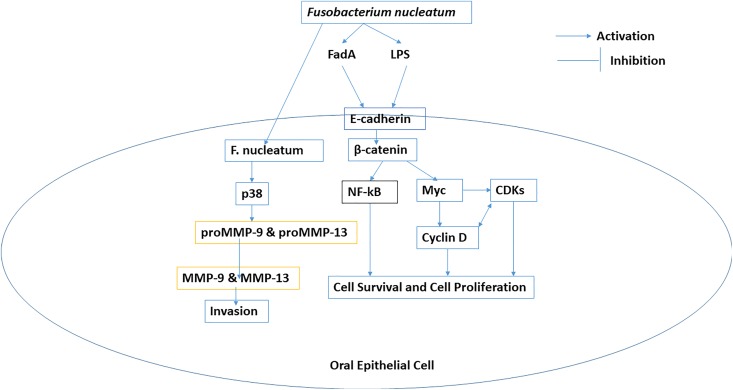
“FadA adhesion molecule of F nucleatum binds to E-cadherin and activates b-catenin signaling that regulates cell proliferation and inflammatory responses in oncogenesis (Figure 2).(94,104,105) Fusobacterium nucleatum synergistically with other bacteria fungi and viruses may induce proinflammatory microenvironment throu…”
BackgroundThe Oral Microbiota: Dynamic Communities and Host Interactions
Lamont, R. J., Koo, H., & Hajishengallis, G. (2018) · Nature Reviews Microbiology · doi:10.1038/s41579-018-0089-x · Cited by 2,217 · cited 5×
“Activated p65 subunit of NF-kB inhibits transcriptional activation of IL-8.(20)”
BackgroundMethodInfluentialOcclusal Caries: Biological Approach for Its Diagnosis and Management
Carvalho, J. C., Dige, I., Mačhiulskienė, V., Qvist, V., Bakhshandeh, A., Parolo, C. C. F., & Maltz, M. (2016) · Caries Research · doi:10.1159/000448662 · Cited by 2,159
Research works printed but not linked: 2
- Multhoff G, 2011, Front Immunol, 2, 98
- Scarantino C, 2006, J Support Oncol, 4, 252
Cited by
Sorted by citations
The oral microbiome: Role of key organisms and complex networks in oral health and disease
Sedghi, L., DiMassa, V., Harrington, A., Lynch, S. V., & Kapila, Y. L. (2021) · Periodontology 2000 · doi:10.1111/prd.12393 · Cited by 755
Oral microbiota and cancer development
Tuominen, H., & Rautava, J. (2021) · Pathobiology · doi:10.1159/000510979 · Cited by 238
Oral–Gut Microbiome Axis in Gastrointestinal Disease and Cancer
Park, S.-Y., Hwang, B.-O., Lim, M., Ok, S.-H., Lee, S., Chun, K., Park, K.-K., Hu, Y., Chung, W., & Song, N. (2021) · Cancers · doi:10.3390/cancers13092124 · Cited by 247
Lin, D., Yang, L. Y., Wen, L., Lu, H., Chen, Q., & Wang, Z. (2021) · Mucosal Immunology · doi:10.1038/s41385-021-00413-7 · Cited by 197
The Role of Fusobacterium nucleatum in Oral and Colorectal Carcinogenesis
Pignatelli, P., Nuccio, F., Piattelli, A., & Curia, M. C. (2023) · Microorganisms · doi:10.3390/microorganisms11092358 · Cited by 169
Oral microbial dysbiosis and its performance in predicting oral cancer
Su, S., Chang, L., Huang, H., Peng, C., Chuang, C., Chen, Y., Lu, M., Chiu, Y., Chen, P., & Yang, S. (2020) · Carcinogenesis · doi:10.1093/carcin/bgaa062 · Cited by 162
Neuzillet, C., Marchais, M., Vacher, S., Hilmi, M., Schnitzler, A., Meseure, D., Leclère, R., Lecerf, C., Dubot, C., Jeannot, E., et al. (2021) · Scientific Reports · doi:10.1038/s41598-021-86816-9 · Cited by 128
Association of oral dysbiosis with oral cancer development (Review)
Rosa, G. R. M. L., Gattuso, G., Pedull�, E., Rapisarda, E., Nicolosi, D., & Salmeri, M. (2020) · Oncology Letters · doi:10.3892/ol.2020.11441 · Cited by 129
“Bacterial species Localization (206) Refs.”
Overview of Oral Potentially Malignant Disorders: From Risk Factors to Specific Therapies
Lorini, L., Bescós, C., Thavaraj, S., Müller-Richter, U. D. A., Alberola‐Ferranti, M., Romero, J. P., Sáez‐Barba, M., García‐Cuenca, A. D. P., Braña, I., Bossi, P., et al. (2021) · Cancers · doi:10.3390/cancers13153696 · Cited by 111
“Different species of bacteria are able to trigger cell proliferation and permanent genetic mutations by their products and metabolites and inducing proinflammatory cytokines’ production, inhibition of antitumoral immune cells, malignant transformation and cellular invasion [39,40].”
BackgroundSami, A., Elimairi, I., Stanton, C., Ross, R. P., & Ryan, C. A. (2020) · International Journal of Molecular Sciences · doi:10.3390/ijms21218061 · Cited by 110
Variations in the oral microbiome are associated with depression in young adults
Wingfield, B., Lapsley, C. R., McDowell, A., Miliotis, G., McLafferty, M., O’Neill, S. M., Coleman, S., McGinnity, T. M., Bjourson, A. J., & Murray, E. K. (2021) · Scientific Reports · doi:10.1038/s41598-021-94498-6 · Cited by 106
Biological biomarkers of oral cancer
Radaic, A., Kamarajan, P., Cho, A., Wang, S., Hung, G., Najarzadegan, F., Wong, D. T., Ton‐That, H., Wang, C., & Kapila, Y. L. (2023) · Periodontology 2000 · doi:10.1111/prd.12542 · Cited by 99
Unlocking the Potential of the Human Microbiome for Identifying Disease Diagnostic Biomarkers
Hajjo, R., Sabbah, D. A., & Bawab, A. Q. A. (2022) · Diagnostics · doi:10.3390/diagnostics12071742 · Cited by 105
The oral microbiota and cardiometabolic health: A comprehensive review and emerging insights
Li, Y. H., Zhu, M., Liu, Y., Luo, B., Cui, J., Huang, L., Chen, K., & Liu, Y. (2022) · Frontiers in Immunology · doi:10.3389/fimmu.2022.1010368 · Cited by 88
“The oral microbiota induces inflammatory and immune responses in oral tissues (49, 50), which in turn affects cardiometabolic health and promotes the onset of cardiovascular disease.”
BackgroundLin, A., Xiong, M., Jiang, A., Huang, L., Wong, H. Z. H., Feng, S., Zhang, C., Yu, H., Chen, L., Chi, H., et al. (2025) · iMeta · doi:10.1002/imt2.70070 · Cited by 99
Pignatelli, P., Romei, F. M., Bondi, D., Giuliani, M., Piattelli, A., & Curia, M. C. (2022) · International Journal of Molecular Sciences · doi:10.3390/ijms23158323 · Cited by 90
Current advances in noninvasive methods for the diagnosis of oral squamous cell carcinoma: a review
Wang, S., Yang, M., Li, R., & Bai, J. (2023) · European journal of medical research · doi:10.1186/s40001-022-00916-4 · Cited by 90
“The abundance of lactic acid bacteria and species of the genus Lactobacillus in saliva was found to be significantly higher in patients who had undergone chemoradiation or surgery [47].”
BackgroundInfluentialPathogenic Mechanisms of Fusobacterium nucleatum on Oral Epithelial Cells
Groeger, S. E., Zhou, Y., Ruf, S., & Meyle, J. (2022) · Frontiers in Oral Health · doi:10.3389/froh.2022.831607 · Cited by 85
“nucleatum which activates pro-inflammatory signaling pathways [33].”
BackgroundCurrent Insights into Oral Cancer Diagnostics
Su, Y.-F., Chen, Y., Tsai, F., Li, W., Hsu, M., Wang, D., & Yang, C. (2021) · Diagnostics · doi:10.3390/diagnostics11071287 · Cited by 80
“chewing and smoking are the major factors [9].”
BackgroundInfluence of gut and intratumoral microbiota on the immune microenvironment and anti-cancer therapy
Chen, Y., Liu, B., Yuan, W., & Kuang, D. (2021) · Pharmacological Research · doi:10.1016/j.phrs.2021.105966 · Cited by 74
Saliva Based Liquid Biopsies in Head and Neck Cancer: How Far Are We From the Clinic?
Patel, A., Patel, S., Patel, P., & Tanavde, V. (2022) · Frontiers in Oncology · doi:10.3389/fonc.2022.828434 · Cited by 73
“Moreover, oral microbiota has also been reported to influence salivary metabolomic profiles of HNC patients (107).”
BackgroundFusobacterium nucleatum in tumors: from tumorigenesis to tumor metastasis and tumor resistance
Ye, C., Liu, X., Liu, Z., Pan, C., Zhang, X., Zhao, Z., & Sun, H. (2024) · Cancer Biology & Therapy · doi:10.1080/15384047.2024.2306676 · Cited by 76
“143 Another investigation reported F. nucleatum to be twice as prevalent in the mouthwash of HNSCC patients compared to the control group.”
BackgroundThe Role of the Oral Microbiota in the Etiopathogenesis of Oral Squamous Cell Carcinoma
Vyhnalova, T., Daněk, Z., Gachová, D., & Linhartová, P. B. (2021) · Microorganisms · doi:10.3390/microorganisms9081549 · Cited by 75
“Interestingly, they also play a role in enhancing tumor progression by promoting colonization of the tumor bed by other pathogens [9].”
BackgroundInfluentialBeyond the Gut: The intratumoral microbiome's influence on tumorigenesis and treatment response
Zhang, H., Fu, L., Leiliang, X., Qu, C., Wu, W., Wen, R., Huang, N., He, Q., Cheng, Q., Liu, G., et al. (2024) · 癌症:英文版 · doi:10.1002/cac2.12597 · Cited by 74
“Its activation occurs as an essential feature of bacterial-associated tumor development [138, 169] (Figure 2C).”
BackgroundInfluentialBacterial community structure alterations within the colorectal cancer gut microbiome
Loftus, M. G., Hassouneh, S. A.-D., & Yooseph, S. (2021) · BMC Microbiology · doi:10.1186/s12866-021-02153-x · Cited by 69
Benefits of Natural Antioxidants on Oral Health
Malcangi, G., Patano, A., Ciocia, A. M., Netti, A., Viapiano, F., Palumbo, I., Trilli, I., Guglielmo, M., Inchingolo, A. D., Dipalma, G., et al. (2023) · Antioxidants · doi:10.3390/antiox12061309 · Cited by 72
Metabolites of the oral microbiome: important mediators of multikingdom interactions
Barbour, A., Elebyary, O., Fine, N. A., Oveisi, M., & Glogauer, M. (2021) · FEMS Microbiology Reviews · doi:10.1093/femsre/fuab039 · Cited by 73
Radaic, A., Ganther, S., Kamarajan, P., Grandis, J. R., Yom, S. S., & Kapila, Y. L. (2021) · Periodontology 2000 · doi:10.1111/prd.12388 · Cited by 66
“92 94 Interestingly, species from these four bacterial genera have been recently associated with the establishment and progression of oral cancer, 95–98 implicating human papillomavirus as a driver of oropharyngeal and oral cancer tumorigenesis by influencing the composition of the oral microbiome.”
Sukmana, B. I., Saleh, R. O., Najim, M. A., AL-Ghamdi, H. S., Achmad, H., Al‐Hamdani, M. M., Taher, A. A. Y., Alsalamy, A., Khaledi, M., & Javadi, K. (2024) · Frontiers in Oncology · doi:10.3389/fonc.2024.1319777 · Cited by 65
“At different phases of OSCC, these variables have been shown to cause chronic in fl ammation of the oral cavity by inducing the production of pro-in fl ammatory cytokines (12, 80).”
BackgroundOral microbiota and Helicobacter pylori in gastric carcinogenesis: what do we know and where next?
Bakhti, S. Z., & Latifi‐Navid, S. (2021) · BMC Microbiology · doi:10.1186/s12866-021-02130-4 · Cited by 68
“anginosus is responsible for inducing the nitric oxide synthesis and inflammatory cytokines causing carcinogenesis [45].”
BackgroundThe Mechanisms of Probiotics, Prebiotics, Synbiotics, and Postbiotics in Oral Cancer Management
Fuad, A. S. M., Amran, N. A., Nasruddin, N. S., Burhanudin, N. A., Dashper, S. G., & Arzmi, M. H. (2022) · Probiotics and Antimicrobial Proteins · doi:10.1007/s12602-022-09985-7 · Cited by 69
“Capnocytophaga gingivalis, Prevotella melaninogenica, and Streptococcus mitis have been found in high abundance in the saliva of OSCC patients [57].”
BackgroundWang, B., Deng, J., Donati, V. L., Merali, N., Frampton, A. E., Giovannetti, E., & Deng, D. (2024) · Pathogens · doi:10.3390/pathogens13010093 · Cited by 73
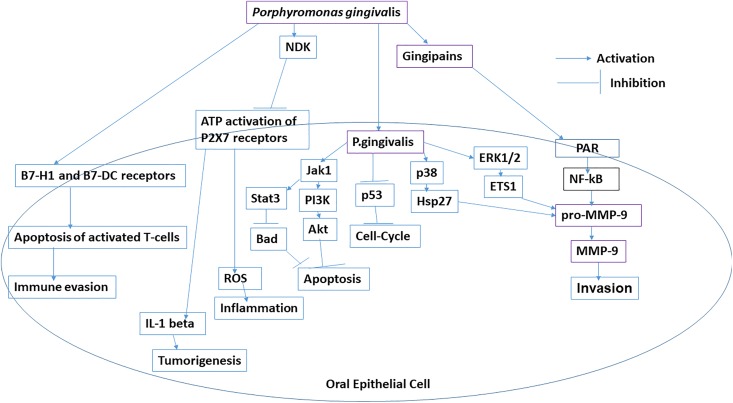
“(3) P. gingivalis activates antiapoptotic pathways, such as Janus kinase 1 (JAK1)/signal transducer and activator of transcription 3 (STAT3) and phospho-inositide 3-kinase PI3K/protein kinase B (Akt) in oral epithelial cells, thus promoting OSCC [60].”
BackgroundGuo, Y., Li, Z., Chen, F., & Chai, Y. (2023) · Nutrients · doi:10.3390/nu15204384 · Cited by 62
“7 of 35 Finally, a total of 72 studies were selected for this review (Figure 1).”
BackgroundBostanghadiri, N., Kouhzad, M., Taki, E., Elahi, Z., Khoshbayan, A., Navidifar, T., & Darban-Sarokhalil, D. (2024) · Frontiers in Microbiology · doi:10.3389/fmicb.2024.1431785 · Cited by 61
Naud, S., Ibrahim, A., Valles, C., Maatouk, M., Bittar, F., Alou, M. T., & Raoult, D. (2022) · Clinical Microbiology Reviews · doi:10.1128/cmr.00140-21 · Cited by 58
“Different studies have also shown that they have intron sequences with a strong self-splicing capacity within their 16S rRNA, 23S rRNA, and tRNA genes (13, 14, 24, 25).”
BackgroundDiagnostic and prognostic potential of the microbiome in ovarian cancer treatment response
Asangba, A. E., Chen, J., Goergen, K. M., Larson, M. C., Oberg, A. L., Casarin, J., Multinu, F., Kaufmann, S. H., Mariani, A., Chia, N., et al. (2023) · Scientific Reports · doi:10.1038/s41598-023-27555-x · Cited by 59
Rowińska, I., Szyperska-Ślaska, A., Zariczny, P., Pasławski, R., Kramkowski, K., & Kowalczyk, P. (2021) · Materials · doi:10.3390/ma14061444 · Cited by 67
Understanding Quorum-Sensing and Biofilm Forming in Anaerobic Bacterial Communities
Markowska, K., Szymanek-Majchrzak, K., Pituch, H. M., & Majewska, A. (2024) · International Journal of Molecular Sciences · doi:10.3390/ijms252312808 · Cited by 59
The Oral–Gut Microbiome–Brain Axis in Cognition
Adil, N. A., Omo-erigbe, C., Yadav, H., & Jain, S. (2025) · Microorganisms · doi:10.3390/microorganisms13040814 · Cited by 65
“The oral microbiome thrives under specific conditions, including an average temperature of 37 ◦ C and decreasing bicarbonate (HCO 3 − ) and hydrogen ions, making a saliva pH range of 6.5–7 [26], although some studies suggest a broad range of 6.2–7.6, with an average of 6.7 [27].”
InfluentialTenore, G., Nuvoli, A., Mohsen, A., Cassoni, A., Battisti, A., Terenzi, V., Monaca, M. D., Raponi, I., Brauner, E., Felice, F. D., et al. (2020) · Applied Sciences · doi:10.3390/app10113896 · Cited by 59
Porphyromonas gingivalis outside the oral cavity
Bregaint, S., Boyer, É., Fong, S. B., Meuric, V., Bonnaure‐Mallet, M., & Jolivet‐Gougeon, A. (2021) · Odontology · doi:10.1007/s10266-021-00647-8 · Cited by 63
Carcinogenic Effects of Areca Nut and Its Metabolites: A Review of the Experimental Evidence
Senevirathna, K., Pradeep, R., Jayasinghe, Y. A., Jayawickrama, S. M., Illeperuma, R. P., Warnakulasuriya, S., & Jayasinghe, R. D. (2023) · Clinics and Practice · doi:10.3390/clinpract13020030 · Cited by 63
“A healthy oral microbiome is essential for maintaining oral health and preventing disease, including oral cancer [144].”
BackgroundExploring the potential impact of probiotic use on drug metabolism and efficacy
Purdel, C. N., Ungurianu, A., Adam-Dima, I., & Margina, D. M. (2023) · Biomedicine & Pharmacotherapy · doi:10.1016/j.biopha.2023.114468 · Cited by 66
Tumour Necrosis Factor Alpha (TNF-α) and Oral Squamous Cell Carcinoma
Brierly, G. I., Celentano, A., Breik, O., Moslemivayeghan, E., Patini, R., McCullough, M. J., & Yap, T. (2023) · Cancers · doi:10.3390/cancers15061841 · Cited by 61
“There are over 770 bacterial species in the oral cavity [82], in addition to candidate phyla radiation (CPR) of bacterial organisms, bacteriophages, fungal genera, and viruses [83].”
BackgroundFusobacterium is enriched in oral cancer and promotes induction of programmed death-ligand 1 (PD-L1)
Michikawa, C., Gopalakrishnan, V., Harrandah, A. M., Karpinets, T. V., Garg, R. R., Chu, R. A., Park, Y. P., Chukkapallia, S. S., Yadlapalli, N., Erikson, K., et al. (2022) · Neoplasia · doi:10.1016/j.neo.2022.100813 · Cited by 57
Granato, D. C., Neves, L. X., Trino, L. D., Carnielli, C. M., Busso-Lopes, A. F., Yokoo, S., Pauletti, B. A., Domingues, R. R., SÁ, J. D. O., Persinoti, G., et al. (2021) · Biochimica et Biophysica Acta (BBA) - Proteins and Proteomics · doi:10.1016/j.bbapap.2021.140659 · Cited by 53
Papale, F., Santonocito, S., Polizzi, A., Giudice, A. L., Capodiferro, S., Favia, G., & Isola, G. (2022) · Metabolites · doi:10.3390/metabo12070638 · Cited by 53
Tumor microbiome: roles in tumor initiation, progression, and therapy
Zhang, S., Huang, J., Jiang, Z., Tong, H., Ma, X., & Liu, Y. (2025) · Molecular Biomedicine · doi:10.1186/s43556-025-00248-9 · Cited by 58
The tumor microbiome in cancer progression: mechanisms and therapeutic potential
Zhang, W., Xiang, Y., Ren, H., Liu, Y., Wang, Q., Ran, M., Zhou, W., Lu, T., Zheng, X., Qiao, C., et al. (2025) · Molecular Cancer · doi:10.1186/s12943-025-02403-w · Cited by 57
“Additionally, components derived from Pseudomonas aeruginosa , including its flagella and cytotoxin ExoU, exhibit potent inflammatory activity by recruiting neutrophils while simultaneously activating the NF-κB signaling pathway, consequently accelerating the progression of oral cancer [282].”
The Microbiome and Cancer: Creating Friendly Neighborhoods and Removing the Foes Within
Parida, S., & Sharma, D. (2020) · Cancer Research · doi:10.1158/0008-5472.can-20-2629 · Cited by 51
“Prevotella intermedia None identified None identified None identified (144)”
BackgroundKabwe, M., Dashper, S. G., Bachrach, G., & Tucci, J. (2021) · FEMS Microbiology Reviews · doi:10.1093/femsre/fuab017 · Cited by 52
Role of the microbiome in oral cancer occurrence, progression and therapy
Li, Z., Liu, Y., & Zhang, L. (2022) · Microbial Pathogenesis · doi:10.1016/j.micpath.2022.105638 · Cited by 51
Dual Role of Bacteria in Carcinoma: Stimulation and Inhibition
Al-Hilu, S. A., & Al-Shujairi, W. H. (2020) · International Journal of Microbiology · doi:10.1155/2020/4639761 · Cited by 48
“Several bacterial species in the oral cavity whether pathogenic or commensal strains have a real role in oral cancer by involving in chronic inflammation which leads to progress of oral carcinogenesis, for example, Porphyromonas gingivalis and Fusobacterium nucleatum induce the production of cytokines inflammation, pr…”
BackgroundCharacterization of the Oral Microbiome of Medicated Type-2 Diabetes Patients
Almeida-Santos, A. C., Martins‐Mendes, D., Gayà‐Vidal, M., Pérez-Pardal, L., & Beja‐Pereira, A. (2021) · Frontiers in Microbiology · doi:10.3389/fmicb.2021.610370 · Cited by 54
Cationic Antimicrobial Peptides Are Leading the Way to Combat Oropathogenic Infections
Lin, B., Li, R., Handley, T. N. G., Wade, J. D., Li, W., & O’brien-simpson, N. M. (2021) · ACS Infectious Diseases · doi:10.1021/acsinfecdis.1c00424 · Cited by 46
Oral Microbiome Research on Oral Lichen Planus: Current Findings and Perspectives
Jung, W. S., & Jang, S. (2022) · Biology · doi:10.3390/biology11050723 · Cited by 46
“Thus, alteration in the oral microbiome may be able to be used as a predictive marker for malignant transformation [115].”
BackgroundSalivary Biomarkers Identification: Advances in Standard and Emerging Technologies
Constantin, V., Luchian, I. A., Goriuc, A., Budală, D. G., Bida, F. C., Cojocaru, C., Butnaru, O., & Virvescu, D. I. (2025) · Oral · doi:10.3390/oral5020026 · Cited by 48
“Enzymes such as amylases, cystatins, histatins, mucins, and peroxidases work together to fight germs in the mouth [98].”
Carcinogenesis of Male Oral Submucous Fibrosis Alters Salivary Microbiomes
Chen, M. Y., Chen, J.-W., Wu, L., Huang, K., Chen, J. Y., Wu, W., Chiang, W. F., Shih, C. J., Tsai, K. N., Hsieh, W., et al. (2020) · Journal of Dental Research · doi:10.1177/0022034520968750 · Cited by 46
“5), Prevotella, Mitsuokella, and Treponema species are commonly detected in the subgingival plaques of patients with poor oral hygiene and chronic periodontitis, and they are possibly associated with oral cancer (Chattopadhyay et al. 2019; Zhong et al. 2021).”
BackgroundShay, E. O., Sangwan, N., Padmanabhan, R., Lundy, S. D., Burkey, B. B., & Eng, C. (2020) · Oncotarget · doi:10.18632/oncotarget.27629 · Cited by 45
“Consistent with our results, Rothia has also been reported as both enriched and depleted in HNSCC tissue and biospecimen versus that of control [23, 44, 45].”
ResultZhang, W., Yin, Y., Jiang, Y., Yang, Y., Wang, W., Wang, X., Ge, Y., Liu, B., & Yao, L. (2024) · Journal of Translational Medicine · doi:10.1186/s12967-024-05124-8 · Cited by 47
“Changes in the proportions of these bacteria can cause oral micro-flora dysbiosis and are also associated with all systemic diseases, including cancer [5, 38, 40, 44–47].”
BackgroundSaxena, R., K., V. P. P., Gupta, S., Gupta, S., Waiker, P., Samaiya, A., Sharma, A. K., & Sharma, V. K. (2022) · Frontiers in Cellular and Infection Microbiology · doi:10.3389/fcimb.2022.841465 · Cited by 41
“Previous studies have made efforts to characterize the oral microbiome in several populations (Kilian et al., 2016; Acharya et al., 2017; Sarkar et al., 2017; Xian et al., 2018; Chattopadhyay et al., 2019; Burcham et al., 2020; Rai et al., 2021).”
BackgroundHuman microbiomes in cancer development and therapy
Xia, C., Su, J., Liu, C., Mai, Z., Yin, S., Yang, C., & Fu, L. (2023) · MedComm · doi:10.1002/mco2.221 · Cited by 44
Molecular Mechanisms in the Carcinogenesis of Oral Squamous Cell Carcinoma: A Literature Review
Cabral, L. G. D. S., Martins, I. M., Paulo, E. P. D. A., Pomini, K. T., Poyet, J., & Maria, D. (2025) · Biomolecules · doi:10.3390/biom15050621 · Cited by 45
“Indeed, it is now well described that alterations in the composition and function of the oral microbiota, known as dysbiosis, can contribute to carcinogenesis through various mechanisms [43,44].”
Al‐Jamaei, A. A. H., van Dijk, B. A. C., Helder, M. N., Forouzanfar, T., Leemans, C. R., & de Visscher, J. G. A. M. (2021) · International Journal of Oral and Maxillofacial Surgery · doi:10.1016/j.ijom.2021.03.006 · Cited by 43
Characteristics of Microbial Distribution in Different Oral Niches of Oral Squamous Cell Carcinoma
Nie, F., Wang, L., Huang, Y., Yang, P., Gong, P., Feng, Q., & Yang, C. (2022) · Frontiers in Cellular and Infection Microbiology · doi:10.3389/fcimb.2022.905653 · Cited by 45
“…and saccharolytic or aciduric species in comparison to non-tumorous paracancerous mucosal tissue (Hooper et al., 2007; Zhao et al., 2017), while the abundance of Streptococcus progressively decreased with the progression of OSCC (Chattopadhyay et al., 2019; Ganly et al., 2019).”
BackgroundEffects of Antibiotic Use on Saliva Antibody Content and Oral Microbiota in Sprague Dawley Rats
Cheng, X., He, F., Si, M., Sun, P., & Chen, Q. (2022) · Frontiers in Cellular and Infection Microbiology · doi:10.3389/fcimb.2022.721691 · Cited by 42
“Oral disorders like as caries, periodontal disease, Pericoronitis, and jaw osteomyelitis are caused by an imbalance of the oral microbiota, which is also linked to cancers, diabetes, rheumatoid arthritis, and cardiovascular disease, all of which have a substantial influence on human health (Chattopadhyay et al., 2019).”
BackgroundBang, E., Oh, S., Ju, U., Chang, H. E., Hong, J.-S., Baek, H.-J., Kim, K., Lee, H., & Park, K. U. (2023) · Scientific Reports · doi:10.1038/s41598-023-37246-2 · Cited by 42
Zhao, X., Zhu, Y., Zhou, J., Gao, Y.-J., & Liu, F.-Z. (2020) · Oral Oncology · doi:10.1016/j.oraloncology.2020.105088 · Cited by 31
Oral microbiome as a co-mediator of halitosis and periodontitis: a narrative review
Lee, Y., & Hong, J. (2023) · Frontiers in Oral Health · doi:10.3389/froh.2023.1229145 · Cited by 43
“periodontal pockets in periodontitis provide a stable habitat for the oral microbiota, which enhances hydrogen sulfide production (15).”
BackgroundNagakubo, D., & Kaibori, Y. (2023) · Microorganisms · doi:10.3390/microorganisms11092307 · Cited by 70
“In the oral cavity, where oral cancers such as oral squamous cell carcinoma were present, varieties of bacterial groups [121–129], specific bacteria [36,130], and fungi [131] increased within the oral microbiota.”
BackgroundOral–Gut Microbiome Axis in Gastrointestinal Disease and Cancer
Park, S.-Y., Hwang, B.-O., Lim, M., Ok, S. H., Lee, S., Chun, K., Park, K.-K., Hu, Y., Chung, W., & Song, N. (2021) · Cancers · doi:10.3390/cancers13071748 · Cited by 44
Oral microbial dysbiosis in patients with oral cavity cancers
Ünlü, Ö., Demırci, M., Paksoy, T., Baygül, A., Tansuker, H. D., Dalmızrak, A., Aktan, Ç., Şenel, F., Sünter, A. V., Yiğit, Ö., et al. (2024) · Clinical Oral Investigations · doi:10.1007/s00784-024-05770-8 · Cited by 38
The oral microbiome in alcohol use disorder: a longitudinal analysis during inpatient treatment
Barb, J. J., Maki, K. A., Kazmi, N., Meeks, B., Krumlauf, M., Tuason, R. T. S., Brooks, A., Ames, N., Goldman, D. A., & Wallen, G. R. (2021) · Journal of Oral Microbiology · doi:10.1080/20002297.2021.2004790 · Cited by 35
“Changes in the oral microbiome have been associated with periodontitis and oral cancer [19], but systemic diseases, including hypertension and obesity [20], also have links with the oral microbiome [21,22].”
BackgroundGugnacki, P., & Sierko, E. (2021) · Cancers · doi:10.3390/cancers13235902 · Cited by 39
The Role of the Western Diet and Oral Microbiota in Parkinson’s Disease
Zapała, B., Stefura, T., Milewicz, T., Wątor, J., Piwowar, M. W., Wójcik-Pędziwiatr, M., Doręgowska, M., Dudek, A., Jania, Z., & Rudzińska, M. (2022) · Nutrients · doi:10.3390/nu14020355 · Cited by 38
Singh, D., Khan, M. A., & Siddique, H. R. (2021) · Life Sciences · doi:10.1016/j.lfs.2021.120008 · Cited by 37
Salivary Microbiota Composition in Patients with Oral Squamous Cell Carcinoma: A Systematic Review
Mauceri, R., Coppini, M., Vacca, D., Bertolazzi, G., Panzarella, V., Fede, O. D., Tripodo, C., & Campisi, G. (2022) · Cancers · doi:10.3390/cancers14215441 · Cited by 35
“, Fusobacterium and Prevotella), stimulates the production of several cytokines, including interleukin-1ß (IL-1ß) and IL-6, tumour necrosis factor-α (TNF-α), and matrix metalloproteinases (MMPs) [19,48].”
BackgroundOral microbiota and periodontitis severity among Hispanic adults
Ortiz, A. P., Acosta-Pagán, K. T., Oramas-Sepúlveda, C., Castañeda‐Avila, M. A., Vilanova-Cuevas, B., Ramos‐Cartagena, J. M., Vivaldi, J., Pérez‐Santiago, J., Pérez, C. M., & Godoy‐Vitorino, F. (2022) · Frontiers in Cellular and Infection Microbiology · doi:10.3389/fcimb.2022.965159 · Cited by 34
“Prevotella -a taxa dominant both in periodontitis and increasing with BOP severity, has been associated to inflammation sites (Chattopadhyay et al., 2019) and has been identified in oral cancer signatures (Rovery et al.”
BackgroundHerreros‐Pomares, A., Lloréns, C., Soriano, B., Zhang, F., Gallach, S., Bagán, L., Murillo, J., Lewintre, E. J., & Sebastián, J. V. B. (2021) · Oral Oncology · doi:10.1016/j.oraloncology.2021.105404 · Cited by 35
Variations in oral microbiome and its predictive functions between tumorous and healthy individuals
Yang, J., He, P., Zhou, M., Li, S., Zhang, J., Tao, X., Wang, A., & Wu, X. (2022) · Journal of Medical Microbiology · doi:10.1099/jmm.0.001568 · Cited by 34
Realizing the clinical utility of saliva for monitoring oral diseases
Ebersole, J. L., Hastürk, H., Huber, M. A., Gellibolian, R., Markaryan, A. N., Zhang, X. D., & Miller, C. S. (2024) · Periodontology 2000 · doi:10.1111/prd.12581 · Cited by 35
The role played by bacterial infections in the onset and metastasis of cancer
Khatun, S., Appidi, T., & Rengan, A. K. (2021) · Current Research in Microbial Sciences · doi:10.1016/j.crmicr.2021.100078 · Cited by 33
Fighting Cancer with Bacteria and Their Toxins
Trivanović, D., Pavelić, K., & Peršurić, Ž. (2021) · International Journal of Molecular Sciences · doi:10.3390/ijms222312980 · Cited by 34
Can metagenomics unravel the impact of oral bacteriome in human diseases?
Chattopadhyay, I., Lu, W., Manikam, R., Malarvili, M. B., Ambati, R. R., & Gundamaraju, R. (2022) · Biotechnology and Genetic Engineering Reviews · doi:10.1080/02648725.2022.2102877 · Cited by 37
“(Chattopadhyay et al., 2019; Karpinski, 2019) Diabetes Capnocytophaga, Pseudomonas, Bergeyella, Sphingomonas, Corynebacterium, Propionibacterium, Neisseria Fusobacterium nucleatum, Eikenella corrodens, Veillonella parvula V. dispar Streptococcus Lactobacilli F. alocis, P. gingivalis, T. forsythia…”
BackgroundInfluentialSelf-citationRecent advances in stimuli responsive hydrogels for oral disease treatment
Wei, Y., Zheng, L., Xie, X., Yang, X., & Liao, J. (2024) · Materials & Design · doi:10.1016/j.matdes.2024.112817 · Cited by 32
Talapko, J., Erić, S., Meštrović, T., Mravak‐Stipetić, M., Juzbašić, M., Katalinić, D., Bekić, S., Muršić, D., Flam, J., Belić, D., et al. (2024) · Cancers · doi:10.3390/cancers16172997 · Cited by 32
“In patients with oral lichen planus (OLP), the number of Porphyromonas and Solobacterium is higher, and the number of Haemophilus , Corynebacterium , Cellulosimicrobium and Campylobacter is lower than in the healthy population [61].”
BackgroundKwon, I.-J., Jung, T.-Y., Son, Y., Kim, B., Kim, S. M., & Lee, J.-H. (2022) · BMC Oral Health · doi:10.1186/s12903-022-02301-3 · Cited by 32
“[8] showed that detecting alterations in oral commensal microbial communities is a potential diagnostic tool for OSCC.”
BackgroundBurcher, K. M., Burcher, J. T., Inscore, L., Bloomer, C. H., Furdui, C. M., & Porosnicu, M. (2022) · Cancers · doi:10.3390/cancers14174116 · Cited by 34
Comparative analysis of immune infiltrates in head and neck cancers across anatomical sites
Muijlwijk, T., Nijenhuis, D., Ganzevles, S., Brink, A., Ke, C.-L., Fass, J. N., Rajamanickam, V., Leemans, C., Koguchi, Y., Fox, B. A., et al. (2024) · Journal for ImmunoTherapy of Cancer · doi:10.1136/jitc-2023-007573 · Cited by 34
“27 Also, the distance to lymphoid structures, such as the Waldeyer ring, which is an arrangement of tonsils in the oropharynx, differs per site and might influence the TIME.”
BackgroundOral microbiome dysbiosis among cigarette smokers and smokeless tobacco users compared to non-users
Chattopadhyay, S., Malayil, L., Chopyk, J., Smyth, E. M., Kulkarni, P., Raspanti, G., Thomas, S. B., Sapkota, A., Mongodin, E. F., & Sapkota, A. R. (2024) · Scientific Reports · doi:10.1038/s41598-024-60730-2 · Cited by 37
“…alters the oral microbiome 8,12,19,41,42 , and perturbations in the oral microbiome have been linked to multiple oral and non-oral diseases 73,74 , these altered microbiomes may well play a role in the development of carcinogenic and/or non-carcinogenic outcomes among tobacco users 4,63,75,76 .”
BackgroundKashyap, B., & Kullaa, A. M. (2024) · Metabolites · doi:10.3390/metabo14050277 · Cited by 34
“…development is complex, and it may include chronic in fl ammation, alteration in cell homeostasis, the release of harmful substances, and compromised host response [95]. chronic inflammation, alteration in cell homeostasis, the release of harmful substances, and compromised host response [95].”
BackgroundEl‐Bayoumy, K., Christensen, N. D., Hu, J., Viscidi, R. P., Stairs, D. B., Walter, V., Chen, K.-M., Sun, Y., Muscat, J. E., & Richie, J. P. (2020) · Cancer Prevention Research · doi:10.1158/1940-6207.capr-20-0096 · Cited by 31
The oral microbiome of children in health and disease—a literature review
AlHarbi, S. G., Almushayt, A. S., Bamashmous, S., Abujamel, T. S., & Bamashmous, N. O. (2024) · Frontiers in Oral Health · doi:10.3389/froh.2024.1477004 · Cited by 30
Comparative analysis of oral-gut microbiota between captive and wild long-tailed macaque in Thailand
Sawaswong, V., Praianantathavorn, K., Chanchaem, P., Khamwut, A., Kemthong, T., Hamada, Y., Malaivijitnond, S., & Payungporn, S. (2021) · Scientific Reports · doi:10.1038/s41598-021-93779-4 · Cited by 33
Oral Microbiota and Tumor—A New Perspective of Tumor Pathogenesis
Li, S., He, M., Lei, Y., Liu, Y., Li, X., Xiang, X., Wu, Q., & Wang, Q. (2022) · Microorganisms · doi:10.3390/microorganisms10112206 · Cited by 32
Association of Prevotella intermedia with oropharyngeal cancer: A patient-control study
Castañeda-Corzo, G. J., Infante-Rodríguez, L.-F., Poveda, J. C. V., Rojas, J. A. B., Cid-Arregui, Á., & Robayo, D. A. G. (2023) · Heliyon · doi:10.1016/j.heliyon.2023.e14293 · Cited by 30
Constantin, M., Chifiriuc, M. C., Mihăescu, G., Vrâncianu, C. O., Dobre, E.-G., Cristian, R.-E., Bleoţu, C., Bertesteanu, S. V., Grigore, R., Şerban, B., et al. (2023) · Frontiers in Oncology · doi:10.3389/fonc.2023.1273516 · Cited by 29
“…(especially K. denitri fi cans ), Neisseria , Abiotrophia , and Capnocytophaga is associated with a reduced risk of laryngeal cancers and the increased abundance of Actinomyces (A. oris) , N. sicca and Veillonella denticariosi species with a reduced risk of pharyngeal and other HNCs (29, 74).”
BackgroundOral microbiota in aging and diseases
Ren, Y., Chen, M., Wang, Z., & Han, J. J. (2024) · Life Medicine · doi:10.1093/lifemedi/lnae024 · Cited by 35
Periodontal pathogens and cancer development
Zhou, Y., Meyle, J., & Groeger, S. E. (2024) · Periodontology 2000 · doi:10.1111/prd.12590 · Cited by 29
“12,204 207 F. nuleatum also intensifies TNF-α production from GECs and macrophages, contributing to free radical generation during sepsis.”
Comparative analysis of the oral microbiome of burning mouth syndrome patients
Lee, B.-M., Park, J. W., Jo, J. H., Oh, B., & Chung, G. (2022) · Journal of Oral Microbiology · doi:10.1080/20002297.2022.2052632 · Cited by 31
Metadata
- Authors
- Chattopadhyay, I., Verma, M., & Panda, M.
- Affiliations
- Central University of Tamil Nadu (IN)
- National Institutes of Health (US)
- Corresponding author
- Chattopadhyay, Indranil
- Venue
- Technology in Cancer Research & Treatment
- Publisher
- SAGE Publications
- Published
- 2019-01-01
- Volume
- 18
- Pages
- 1533033819867354-1533033819867354
- ISSN
- 1533-0338 (ISSN-L)
- 1533-0346
- PMC
- PMC6676258
- OpenAlex
- W2965423269
- Cited by
- 407
- References
- 118
- Citations by year
- 2026: 32 · 2025: 72 · 2024: 76 · 2023: 68 · 2022: 72 · 2021: 63 · 2020: 24
- FWCI
- 5.63
- Type
- journal article
- Language
- en
- Open access
- gold
- doi.org
- Locations
- Technology in Cancer Research & Treatment (publishedVersion, cc-by-nc)
- Europe PMC (PubMed Central) (publishedVersion, cc-by-nc)
- PubMed Central (publishedVersion, cc-by-nc)
- PubMed (publishedVersion)
- Topics
- Health Sciences › Dentistry › Periodontics › Oral microbiology and periodontitis research
- Health Sciences › Dentistry › General Dentistry › Oral Health Pathology and Treatment
- Health Sciences › Medicine › Otorhinolaryngology › Head and Neck Cancer Studies
- Keywords
- oral microbiota, oral cancer, oral squamous cell carcinoma, tumor markers, early diagnosis, prognosis, Porphyromonas gingivalis, Fusobacterium nucleatum, oral carcinogenesis, chronic inflammation, alcohol and tobacco use, areca nut, commensal bacteria, metagenomics, host-microbe interactions
- MeSH terms
- Humans, Inflammation, Mouth Neoplasms, Prognosis, Saliva, Porphyromonas gingivalis, Fusobacterium nucleatum, Cell Proliferation, Carcinogenesis, Microbiota
About these checks
Registry, retraction, Cites and statistics results are computed, not judged, with one exception: a printed reference that no index lists is read once by a model before it counts as a citation error. Claims are extracted by a model and kept only when their quote appears verbatim in the text; each cited source is then checked, with a model’s help, for whether it says what the claim relies on. Those verdicts can be wrong — read the claim’s quote and the cited source before relying on one.
Statistics and arithmetic are recomputed, not judged.
Confidence bands are shown only for fields calibrated on our annotated test set. None is calibrated yet, so no band is shown.
What counts as a claim ›How we measure confidence ›How we check this ›
Are you an author, or do you see a problem with this page? Request a review
