

The DOI matches its Crossref record; 118 of the 119 references it cites were found in a registry or an index, and 1 are not checked yet.
Role of Oral Microbiome Signatures in Diagnosis and Prognosis of Oral Cancer
Open accessAbstract
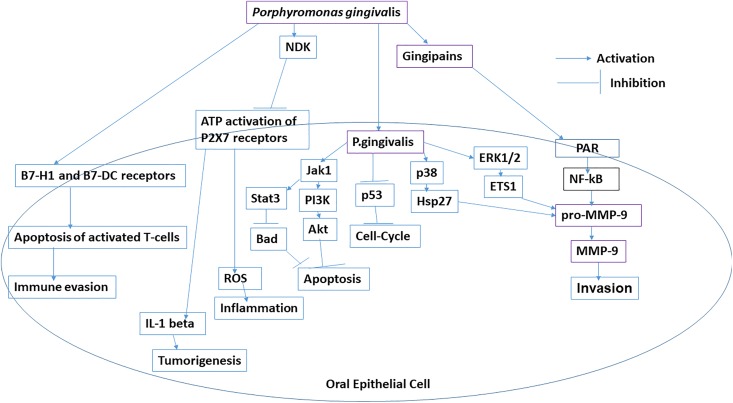
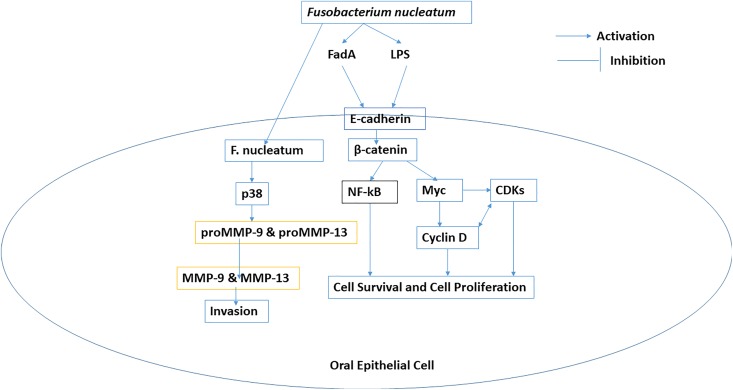
Despite advancement in cancer treatment, oral cancer has a poor prognosis and is often detected at late stage. To overcome these challenges, investigators should search for early diagnostic and prognostic biomarkers. More than 700 bacterial species reside in the oral cavity. The oral microbiome population varies by saliva and different habitats of oral cavity. Tobacco, alcohol, and betel nut, which are causative factors of oral cancer, may alter the oral microbiome composition. Both pathogenic and commensal strains of bacteria have significantly contributed to oral cancer. Numerous bacterial species in the oral cavity are involved in chronic inflammation that lead to development of oral carcinogenesis. Bacterial products and its metabolic by-products may induce permanent genetic alterations in epithelial cells of the host that drive proliferation and/or survival of epithelial cells. Porphyromonas gingivalis and Fusobacterium nucleatum induce production of inflammatory cytokines, cell proliferation, and inhibition of apoptosis, cellular invasion, and migration thorough host cell genomic alterations. Recent advancement in metagenomic technologies may be useful in identifying oral cancer–related microbiome, their genomes, virulence properties, and their interaction with host immunity. It is very important to address which bacterial species is responsible for driving oral carcinogenesis. Alteration in the oral commensal microbial communities have potential application as a diagnostic tool to predict oral squamous cell carcinoma. Clinicians should be aware that the protective properties of the resident microflora are beneficial to define treatment strategies. To develop highly precise and effective therapeutic approaches, identification of specific oral microbiomes may be required. In this review, we narrate the role of microbiome in the progression of oral cancer and its role as an early diagnostic and prognostic biomarker for oral cancer.
Overview
The claims and statistics of this paper haven’t been checked yet.
Run the check — free, no account needed. It reads the open-access text and checks the sources it cites.
Integrity signals
Registry
Cites
Statistics
Figures
Verification
Claims the paper makes
The claims and statistics of this paper haven’t been checked yet.
Run the check — free, no account needed. It reads the open-access text and checks the sources it cites.
Claims other papers make about this one
Each is checked against this paper’s own text: does it say what the citing paper says it does?
In the citing paper
“Additional changes throughout one's life, including to dietary habits, age, hygiene regimens, and behaviors (such as tobacco and alcohol use), also influence changes to the oral microbiome.132”
From The oral microbiome: Role of key organisms and complex networks in oral health and disease (2021) · cites this paper as [132]
Self-check
Percentages, sums and reported differences re-computed from the paper’s own numbers.
The self-check needs the paper’s full text.
Citations
Cites
Jemal, A., Bray, F., Ferlay, J., Ward, E., & Forman, D. (2011) · CA A Cancer Journal for Clinicians · doi:10.3322/caac.20107 · Cited by 55,044
Estimates of worldwide burden of cancer in 2008: GLOBOCAN 2008
Ferlay, J., Shin, H., Bray, F., Forman, D., Mathers, C. D., & Parkin, D. M. (2010) · International Journal of Cancer · doi:10.1002/ijc.25516 · Cited by 21,468 · cited 1×
“The majority of HNSCC are cancers of oral cavity (OC) and oropharynx.(1) Oral squamous cell carcinoma 1 Department of Life Sciences, Central University of Tamil Nadu, Thiruvarur, Tamil Nadu, India 2 Epidemiology and Genomics Research Program, Division of Cancer Control and Population Sciences, National Cancer Institut…”
BackgroundRor2 signaling regulates Golgi structure and transport through IFT20 for tumor invasiveness
Nishita, M., Park, S.-Y., Nishio, T., Kamizaki, K., Wang, Z., Tamada, K., Takumi, T., Hashimoto, R., Otani, H., Pazour, G. J., et al. (2017) · Scientific Reports · doi:10.1038/s41598-016-0028-x · Cited by 15,947
Flemming, H.-C., & Wingender, J. (2010) · Nature Reviews Microbiology · doi:10.1038/nrmicro2415 · Cited by 10,137 · cited 1×
“A typical biofilm is made up of mono- or polymicrobial cells, polysaccharide, proteins, nucleic acids, and lipids.(22) Oral biofilms are composed of 700 different microbial species; extracellular matrix that is composed of DNA, proteins, polysaccharides, and lipids; and salivary glycoproteins, GCF, albumin, and host c…”
BackgroundCommensal Bifidobacterium promotes antitumor immunity and facilitates anti–PD-L1 efficacy
Sivan, A., Corrales, L., Hubert, N., Williams, J. B., Aquino-Michaels, K., Earley, Z. M., Benyamin, F. W., Man Lei, Y., Jabri, B., Alegre, M.-L., et al. (2015) · Science · doi:10.1126/science.aac4255 · Cited by 3,888 · cited 1×
“Oral administration of Bifidobacterium enhances antitumor immunity and alters the efficacy of check-point inhibitors as an immunotherapeutic agent by changing the composition of intestinal microorganisms.(35) Bacteriocins of Streptococcus dentisani inhibit the growth of cariogenic bacterial species.”
BackgroundDewhirst, F. E., Chen, T., Izard, J., Paster, B. J., Tanner, A. C. R., Yu, W.-H., Lakshmanan, A., & Wade, W. G. (2010) · Journal of Bacteriology · doi:10.1128/jb.00542-10 · Cited by 3,352
Defining the normal bacterial flora of the oral cavity
Aas, J. A., Paster, B. J., Stokes, L. N., Olsen, I., & Dewhirst, F. E. (2005) · Journal of Clinical Microbiology · doi:10.1128/jcm.43.11.5721-5732.2005 · Cited by 3,092 · cited 1×
“Tongue, buccal mucosa, supragingival and subgingival surfaces of the teeth, soft and hard palates, and saliva of OC may represent different ecological niches or habitats.(13) The warm and moist environment and host-derived nutrients, such as saliva proteins, gingival crevicular fluid (GCF), and glycoproteins, favor th…”
BackgroundRubinstein, M. R., Wang, X., Liu, W., Hao, Y., Cai, G., & Han, Y. W. (2013) · Cell Host & Microbe · doi:10.1016/j.chom.2013.07.012 · Cited by 2,476 · cited 1×
“FadA adhesion molecule of F nucleatum binds to E-cadherin and activates b-catenin signaling that regulates cell proliferation and inflammatory responses in oncogenesis (Figure 2).(94,104,105) Fusobacterium nucleatum synergistically with other bacteria fungi and viruses may induce proinflammatory microenvironment throu…”
BackgroundThe Oral Microbiota: Dynamic Communities and Host Interactions
Lamont, R. J., Koo, H., & Hajishengallis, G. (2018) · Nature Reviews Microbiology · doi:10.1038/s41579-018-0089-x · Cited by 2,217 · cited 5×
“Activated p65 subunit of NF-kB inhibits transcriptional activation of IL-8.(20)”
BackgroundMethodInfluentialOcclusal Caries: Biological Approach for Its Diagnosis and Management
Carvalho, J. C., Dige, I., Mačhiulskienė, V., Qvist, V., Bakhshandeh, A., Parolo, C. C. F., & Maltz, M. (2016) · Caries Research · doi:10.1159/000448662 · Cited by 2,159
Research works printed but not linked: 2
- Multhoff G, 2011, Front Immunol, 2, 98
- Scarantino C, 2006, J Support Oncol, 4, 252
Cited by
Sorted by citations
Items 301–400 of 405
Oral biofilm: Systemic and psychiatric implications
Ray, R. R., & Pattnaik, S. (2023) · Science, Engineering and Health Studies · doi:10.69598/sehs.17.23010001 · Cited by 2
Progress of bioinformatics studies for multi-omics and multi-modal data in complex diseases
Liu, X., & Lü, Z. (2024) · Chinese Science Bulletin (Chinese Version) · doi:10.1360/tb-2024-0416 · Cited by 2
Erira, H. A. T., Gamboa, F., Cid-Arregui, Á., Tobar-Tosse, F., & Robayo, D. A. G. (2022) · Infectio · doi:10.22354/24223794.1092 · Cited by 1
Özdemir, B., Erşahan, Ş., Özçelik, F., Hepşenoğlu, Y. E., Şirin, D. A., & Topbaş, C. (2024) · Odontology · doi:10.1007/s10266-023-00895-w · Cited by 1
“Only some of this large microbial community (such as Streptococcus, Fusobacterium, Lactobacillus and Treponema) have the potential to cause pathogenicity in periapical tissues [34, 35].”
An Overview of the Dichotomous Role of Microbiota in Cancer Progression and Management
Jain, P., Mohapatra, S., Farooq, U., Hassan, N., Mirza, M. A., & Iqbal, Z. (2024) · Current Cancer Drug Targets · doi:10.2174/0115680096282503240124104029 · Cited by 1
Haripriyaa, M., Sakthishabarish, K., & Suthindhiran, K. (2024) · Proceedings of the National Academy of Sciences India Section B Biological Sciences · doi:10.1007/s40011-024-01649-6 · Cited by 1
“The primary virulent protein FimA of P. gingivalis and FadA of F. nucleatum influence the oral epithelial invasion and adhesion, biofilm development, signal pathway alteration, and conversion of healthy oral epithelial cells into a tumour [3].”
DIAGNÓSTICO TARDIO DE CARCINOMA ESPINOCELULAR ORAL: RELATO DE CASO
Andreiv, I., Moreira, G. B., Cortati, J. G., Duran, N., & de Oliveira, R. V. (2024) · Revista Contemporânea · doi:10.56083/rcv4n10-064 · Cited by 1
Kochurova, E. V., Panferova, O. I., Kudasova, E. O., Izhnina, E. V., Guyter, O., & Ermolin, D. V. (2024) · Head and neck tumors (HNT) · doi:10.17650/2222-1468-2024-14-3-83-91 · Cited by 1
Taj, Z., Marisamy, V., & Chattopadhyay, I. (2024) · Peptide Science · doi:10.1002/pep2.24389 · Cited by 1
“Gingipains enzymatically convert pro- MMP-9 into MMP-9, which enhances the motility, invasion, and metastasis of cells in OSCC [3].”
InfluentialSelf-citationMetagenomic profiling of plaque microbiota in Indian subjects: identified hidden ecological tapestry
Sandhu, S., Kumar, S., Singh, P., Singh, B. P., Jurel, S. K., Lal, N., Mohit, M., Sharma, V., Rai, N., & Chand, P. (2025) · Current Genetics · doi:10.1007/s00294-024-01306-5 · Cited by 1
“The oral microbiota constitutes the second most complex ecosystem after the gut microbiome (Deo and Deshmukh 2019 ), consisting of a diverse collection of 687 predominant bacterial species (Chattopadhyay et al. 2019 ; Li et al. 2022 ; Sampaio-Maia et al. 2016 ).”
Jiya, N., Sanap, A. P., Srivastava, S., Kheur, S. M., & Sharma, A. (2025) · Journal of Oral Biosciences · doi:10.1016/j.job.2025.100656 · Cited by 1
Evaluating the Role of Candida albicans as a Potential Oral Carcinogen
Amirinia, F., Motamedi, M., Ardi, P., & Jabrodini, A. (2025) · Interdisciplinary Perspectives on Infectious Diseases · doi:10.1155/ipid/4057977 · Cited by 2
“Since the association of ni-trosamines with OSCC in smokers has been proven, it can be concluded that nitrosamines produced by C. albicans also play a role in the development of oral cancers [10, 21, 55].”
Herga, S. K., Kudva, A., Shenoy, S. M., Vasudevan, T. G., Prabhu, V., Upadhya, R., & Prasad, A. S. B. (2025) · Frontiers in Cellular and Infection Microbiology · doi:10.3389/fcimb.2025.1688701 · Cited by 2
Gopalkrishna, P., Prabhu, K., Puzhankara, L., Kedlaya, M. N., Dastidar, S. G., Solomon, M. C., & Murali, T. S. (2025) · BMC Oral Health · doi:10.1186/s12903-025-07118-4 · Cited by 1
Gao, B., Luo, J., Nong, X., Yao, Z., & Wang, H. (2025) · Journal of Oral Pathology and Medicine · doi:10.1111/jop.70097 · Cited by 1
The application of AI-driven and engineered intratumoral microbes in cancer therapy
Guo, Y., Yu, R., Wang, Z., Chang, J., & Han, L. (2025) · Journal of Translational Medicine · doi:10.1186/s12967-025-07546-4 · Cited by 3
“This overexpression leads to the increased production of proinflammatory cytokines, including IL-1, IL-6, IL-8, and TNF-α, thereby contributing to the development of chronic inflammation [55].”
Cross-disciplinary communication between oral and gut microbiota in head and neck cancer
Lin, X., Qin, H., Liu, Z., Zhao, X., Liu, X., & Zhang, H. (2026) · Frontiers in Oncology · doi:10.3389/fonc.2026.1740060 · Cited by 1
“Bacteria from periodontal plaques can directly invade periodontal blood vessels or reside within dendritic cells and macrophages, hitchhiking with these immune cells to extra-oral tissues (43).”
Yang, H.-Z., Kung, L.-Y., Lin, Y., Yang, C.-Y., Lin, G., Chen, Y.-W., Ye, R., & Chang, W.-C. (2026) · BMC Oral Health · doi:10.1186/s12903-026-07845-2 · Cited by 1
“Therefore, focusing on this unique high-risk population may help clarify whether betel nut–related oncogenesis interacts with PD-L1–mediated immune escape, potentially informing tailored immunotherapeutic strategies [12].”
Zhang, M., Du, M., Zhang, W., Huang, R., Li, W., Li, T., Bai, J., Zhang, N., Chen, J., Zhou, J., et al. (2026) · iMetaMed · doi:10.1002/imm3.70033 · Cited by 1
Shanmugam, G., Singh, C. D., Thiruvengadam, R., Thiruvengadam, M., Morozov, V., Kolesnikov, R., Alkaladi, A., Saleh, R., & Shariati, M. A. (2026) · Journal of Cellular and Molecular Medicine · doi:10.1111/jcmm.71107 · Cited by 1
Luo, Z., Xu, D., Wang, Z., Wu, L., Ou, C., & Ou, Z. (2026) · Genes & Diseases · doi:10.1016/j.gendis.2026.102270 · Cited by 1
Oral Microbiome–Host Genomic Crosstalk in Oral Carcinogenesis—A Narrative Overview of the Literature
Aleksiev, E., Mihaylova, Z., & Kosturkov, D. (2026) · Microbiology Research · doi:10.3390/microbiolres17060111 · Cited by 2
“Mismatch Repair (MMR): Several oral pathogens generate ROS and reactive nitrogen species that oxidize the MMR protein MSH2, reducing its DNA-binding affinity and impairing replication error correction [IV] [89].”
Vishwakarma, A., Patil, A., Saini, D., Shankar, A., Shukla, S. K., Kushwaha, K., Choudhary, M., Bhardwaj, M., Gupta, V., Yadav, C. P., et al. (2026) · Frontiers in Immunology · doi:10.3389/fimmu.2026.1913744 · Cited by 1
“Some oral microbes provide protective ef fi cacy against OSCC by inhibiting the colonization of pro-cancer pathobionts in the oral cavity (14).”
Zaitseva, M., Нагаева, М., & Chekina, A. (2022) · The actual problems in dentistry · doi:10.18481/2077-7566-22-18-1-29-36 · Cited by 1
AlhajHussein, B., Wakid, M. H., Alsawi, N. M., Amin, H. H., & Alonazi, F. N. (2023) · BENTHAM SCIENCE PUBLISHERS eBooks · doi:10.2174/9789815080384123010006 · Cited by 1
Lunitsyna, Y. V., Lazarev, A. F., Ивановна, Т. С., & Бондаренко, О. В. (2023) · Pediatric dentistry and dental prophylaxis · doi:10.33925/1683-3031-2023-625 · Cited by 1
Understanding the Invisible Threat: A Study on Oral Cancer Risk Factors among Medical Recipients
Shreeya, S., Natekar, D. S., Manjula, M., -, U. K., Hadaginal, B., Patil, V., Gudihal, K., & Hadapad, S. (2024) · SSR Institute of International Journal of Life Sciences · doi:10.21276/ssr-iijls.2024.10.1.4 · Cited by 1
In silico screening on pathogenicity potency of aggregatibacter actinomycetemcomitans
Adiningrat, A., & Maulana, I. (2024) · AIP conference proceedings · doi:10.1063/5.0215946 · Cited by 1
Dominance of Prevotella Species in Tobacco Consumers: A Metagenomic Preliminary Study
Savalia, H. J., Patel, N., Singh, K. M. P., Patel, M. V., Gohil, P., Puvar, A., & Joshi, C. G. (2024) · Biosciences Biotechnology Research Asia · doi:10.13005/bbra/3255 · Cited by 1
Examination of ResNet and DenseNet Architectures in Early Diagnosis of Oral Cancer: An Evaluation
Süren, B., & Akar, M. (2025) · GAZI UNIVERSITY JOURNAL OF SCIENCE · doi:10.35378/gujs.1480477 · Cited by 1
“For example, among the foremost risk factors in Western countries, smoking and alcohol use were considered [12], while in South Asia and Pacific countries, chewing betel nuts and smoking were identified as important risk factors [13].”
Bhattacharya, M., Yaniv, D., D’Souza, D. P., Yosefof, E., Tzelnick, S., Detroja, R., Wax, T., Levy‐Barda, A., Baum, G., Mizrachi, A., et al. (2025) · Cancers · doi:10.3390/cancers17121901 · Cited by 2
“The presence of HPV and other pathogens, as revealed by cfDNA analyses of OSCC patients, has made diagnosis and prognosis at the early stages possible [1,27–29].”
Crosstalk Between Oral Microbiome and Cancer: Emerging Trends and Insights
Yang, S., Hao, S., Ye, H., & Zhang, X. (2025) · Canadian Journal of Infectious Diseases and Medical Microbiology · doi:10.1155/cjid/6639127 · Cited by 1
“P. gingivalis and F. nucleatum could contribute to chronic infammation, which may result in the development of oral cancer [28].”
InfluentialNweke, E. E., Suleman, E., Plessis, M. D., & Raj, D. B. T. G. (2021) · Springer eBooks · doi:10.1007/978-981-33-6191-1_16 · Cited by 1
Liu, J., Mu, H., Cheng, X., Yuan, G., Wang, Q., & Cao, H. (2021) · Materials Express · doi:10.1166/mex.2021.2015 · Cited by 1
Fungi: Culprits or Bystanders in Oral Squamous Cell Carcinoma
Ranjan, J., Hallur, V., & Rudramurthy, S. M. (2022) · Springer eBooks · doi:10.1007/978-981-19-0592-6_11 · Cited by 1
Zhao, F. Q., Dong, T., Yuan, K.-Y., Wang, N., Xia, F., Liu, D., Wang, Z.-M., Ma, R., Lu, Y., & Huang, Z. (2020) · Research Square · doi:10.21203/rs.3.rs-45886/v1 · Cited by 1
“In addition, multiple studies have veri ed the in uence of obesity on the microbial pro le of the oral cavity [56, 57].”
BackgroundAssessment of oral dysfunction after oral cancer treatment
Yu, C., & Zhou, Z. (2022) · Oral Oncology · doi:10.1016/j.oraloncology.2022.106046 · Cited by 1
Frenkel‐Morgenstern, M., Bhattacharya, M., Yaniv, D., Yosef, E., Tzelnick, S., Detroja, R., D’Souza, D. P., Baum, G., Mizrachi, A., & Bachar, G. Y. (2024) · Research Square · doi:10.21203/rs.3.rs-4170051/v1 · Cited by 1
An Omnibus Test for Differential Distribution Analysis of Continuous Microbiome Data
Lin, X., Zhang, J., Wei, Z., & Turki, T. (2021) · IEEE Access · doi:10.1109/access.2021.3093045
“These organisms have been reported to be predominant in the microbial community in the oral cavity and oropharyngeal region and varied with oral cancer [17].”
BackgroundAtypical latency in smoke versus smokeless tobacco: A dilemma
Bhasin, R., Shetty, S. S., Merchant, Y. P., Rao, V. U. S., & de Arruda, J. A. A. (2022) · Oral Surgery · doi:10.1111/ors.12722
Bases moleculares y genética en el cáncer oral
Vaca-Altamirano, G. L., Jaramillo, Y. D. G., Espinoza-Guevara, S., & Trávez-Corrales, L. M. (2021) · Revista Arbitrada Interdisciplinaria de Ciencias de la Salud Salud y Vida · doi:10.35381/s.v.v5i1.1623
Porphyromonas: A dental approach
Oliva, L. E. R., Nájera, R. I. S., Zavala, C. E. D. P. S. M., Lugo-Ancona, P. E., Elizondo, J. E., Rangel, S. S., Regalado, S. E. F., & Soto, J. M. S. (2022) · International Journal of Applied Dental Sciences · doi:10.22271/oral.2022.v8.i2d.1510
Oral Manifestations in Active Consumers of Areca Nut products through Brush Cytology
Ahmed, R. R., Shahid, M. A. R., Daniyal, R. M., Haque, M. U., Hussain, A., & Majid, A. (2022) · Pakistan Journal of Medical and Health Sciences · doi:10.53350/pjmhs22164189
Zhu, H., Li, Y., Hua, C., Zhong, Y., Zou, L., & Jiang, L. (2022) · Research Square · doi:10.21203/rs.3.rs-1738172/v1
Oral Microbiome in Oral Squamous Cell Carcinoma
Kheur, S. M., Acharya, A., Kheur, M., Jain, V. K., & Hazarey, V. K. (2022) · Springer eBooks · doi:10.1007/978-981-19-0592-6_7
Could Bacterial Dysbiosis in the Oral Microbiota be Useful for the Diagnosis of Oral Cavity Cancer?Preprint
Ünlü, Ö., Demırci, M., Paksoy, T., Baygül, A., Tansuker, H. D., Dalmızrak, A., Aktan, Ç., Şenel, F., Sünter, A. V., Yiğit, Ö., et al. (2022) · SSRN Electronic Journal · doi:10.2139/ssrn.4143354
Construction an autophagy-clinical prognostic index in oral cancerPreprint
Jiang, J., Zhen, Z., Yin, J., Zeng, X., Shan, Z. N., Li, S., & Li, J. (2022) · Research Square · doi:10.21203/rs.3.rs-1912380/v1
Microbial alterations of oral cavity and their association with Pancreatic Cancer
Radziejowska, Z., Bielak, A., Gryta, J., Iwan, K., Janczewska, M., Kalicka, M., Krysa, T., Kolasa, A., & Szklarz, M. (2023) · Quality in Sport · doi:10.12775/qs.2023.09.01.009
Role of Microbiome in the Etiopathogenesis of Head and Neck Cancer
Bianchini, C., Caranti, A., Corazzi, V., Pelucchi, S., & Ciorba, A. (2023) · Interdisciplinary cancer research · doi:10.1007/16833_2023_126
MicroRNA Biomarkers for Oral Cancer: A Meta-Analytic Review
Choubey, J., Olaf Wolkenhauer, A., & Chatterjee, T. (2023) · Biological and medical physics, biomedical engineering · doi:10.1007/978-981-19-9786-0_19
sharma, M., Srivastav, V., & Bhat, M. (2023) · Microbial Biosystems · doi:10.21608/mb.2023.211416.1071
“These alterations at the cellular level can furthermore induce permanent genetic alterations in epithelial cells (Chattopadhyay et al., 2019).”
BackgroundResultInfluentialBa, D., Mbaye, F. B. R., Diatta, H., Samb, M. D., Ndiaye, M. M., Touré, S., & Sembène, M. (2023) · Journal of Molecular and Clinical Medicine · doi:10.31083/j.jmcm0601002
“They are head and neck squamous cell carcinomas, which are one of the main causes of death [2].”
BackgroundThe Possible Link Between Oral Microflorae and Oral Cancer Development: A Literature Review
Moradi, A., Sadeghi, S., & Asadi, F. (2023) · International Journal of Enteric Pathogens · doi:10.34172/ijep.5577
Various facets of low-grade appendiceal mucinous neoplasms (LAMNs)
Constantin, M. (2023) · ROMANIAN BIOTECHNOLOGICAL LETTERS · doi:10.25083/rbl/28.1/3883.3892
Дзугкоев, С. Г., Дзугкоева, Ф. С., Беленчеков, А. А., & Margieva, O. I. (2024) · Современные проблемы науки и образования · doi:10.17513/spno.33402
RELAÇÃO ENTRE O CARCINOMA ESPINOCELULAR ORAL E O PAPILOMAVIRUS HUMANO (HPV)
dos Santos, P. H. F., Ferreira, C. S., & Dantas, R. C. M. (2024) · Revista Contemporânea · doi:10.56083/rcv4n6-025
Chang, S.-M., Huang, I., Ciou, Y.-J., Wang, W., Wu, N.-H., Chuu, C., Hsiao, J., Chang, J. S.-M., Chang, J., & Chen, J. (2024) · bioRxiv (Cold Spring Harbor Laboratory) · doi:10.1101/2024.10.20.619282
Awareness and Perception of Salivary Diagnostics of Dental Students and Faculty: A Pilot Study
Cosaert, M., Hold, N., Kifle, F., Mar, J., Powell, S., Oyoyo, U. E., & Kwon, S. R. (2024) · Journal of the California Dental Association · doi:10.1080/19424396.2024.2438955
Yoneya, T., Sato, Y., Nomura, K., Wakita, A., Nagaki, Y., Sasamori, R., Sasaki, Y., Nozaki, S., Takahashi, T., Yamada, M., et al. (2025) · Research Square · doi:10.21203/rs.3.rs-5874217/v1
Goswami, G. R., Patil, R., Ghosh, S., Kaur, G., & Banerjee, A. G. (2025) · Current Dentistry · doi:10.2174/012542579x323179250224063708 · Cited by 3
Cho, E., Zhu, S., & Kim, O. (2025) · 대한구강악안면병리학회지 · doi:10.17779/kaomp.2025.49.1.001
Association of Microbiome in Oral Cancer Patients and Healthy Individuals: A Metagenomic Study
Savalia, H. J., Patel, N., Singh, K. M. P., Patel, M. V., Chandra, S., Gohil, P., Puvar, A., Joshi, C. G., & Patel, R. (2025) · Journal of Pure and Applied Microbiology · doi:10.22207/jpam.19.2.06
Dysbiosis in Oral Cancer after Radiation
Kanadan, A., & Bhagwath, A. A. (2025) · IntechOpen eBooks · doi:10.5772/intechopen.1010020
Oral cancer: Biomarker landscape
Soni, R., Patil, S., & Shah, J. (2025) · Elsevier eBooks · doi:10.1016/b978-0-443-33902-8.00019-5
Rajaram, S. V., Singh, P., & Zeng, E. (2025) · bioRxiv (Cold Spring Harbor Laboratory) · doi:10.1101/2025.08.07.669164
Detection of Oral Cancer Using Image Processing and Transfer Learning
Mabud, M. B., Tasmin, R., Munif, M. K., Faiza, A., Shamaem, S. N., & Reza, A. W. (2025) · Lecture notes in networks and systems · doi:10.1007/978-981-96-6297-5_16
Erira, H. A. T., Gamboa, F., Robayo, D. A. G., & Tobar-Tosse, F. (2025) · The Open Microbiology Journal · doi:10.2174/0118742858412104250929003143
Risk Factors of Oral Cancer: Identification and Mechanism of Prevention
Jardón, A. P., ARROYO, E. A., Vila, P. G., & Pérez‐Sayáns, M. (2025) · Springer eBooks · doi:10.1007/978-3-032-00775-9_331
Oral and fecal microbiota in oral lichen planus and xerostomia patients: A preliminary study
Huang, G.-T., & Huang, Y. (2025) · Journal of Dental Sciences · doi:10.1016/j.jds.2025.09.018
“35 Additionally, Yang et al. identified an association between oral microbiome variations and mutations in oral cancer.”
Zhang, Y., Ren, J., Sun, P., & Zhao, B. (2025) · Journal of Craniofacial Surgery · doi:10.1097/scs.0000000000012094
Factors Influencing Anxiety in Oral Cancer Patients and the Effect of Defect Repair
Zhang, R., Chen, Y., Dai, L., Liang, Y., Zhang, Y., & Feng, Y. (2025) · Journal of Craniofacial Surgery · doi:10.1097/scs.0000000000012174
Zhang, W., Yin, Y., Jiang, Y., Yang, Y., Wang, W., Wang, X., Ge, Y., Liu, B., & Yao, L. (2024) · Figshare · doi:10.6084/m9.figshare.26714122
Zhang, W., Yin, Y., Jiang, Y., Yang, Y., Wang, W., Wang, X., Ge, Y., Liu, B., & Yao, L. (2024) · Figshare · doi:10.6084/m9.figshare.26714125
Wang, S., Yang, M., Li, R., & Bai, J. (2024) · Figshare · doi:10.6084/m9.figshare.26564613
Loftus, M., Hassouneh, S. A.-D., & Yooseph, S. (2021) · Figshare · doi:10.6084/m9.figshare.14355517
Zhang, W., Yin, Y., Jiang, Y., Yang, Y., Wang, W., Wang, X., Ge, Y., Liu, B., & Yao, L. (2024) · Figshare · doi:10.6084/m9.figshare.26714119
Zhang, W., Yin, Y., Jiang, Y., Yang, Y., Wang, W., Wang, X., Ge, Y., Liu, B., & Yao, L. (2024) · Figshare · doi:10.6084/m9.figshare.26714128
Concurrent bacterial infections in oral cancer: risk and mitigation strategies
Baby, B. M., Subramaniyan, Y., & Rekha, P. D. (2025) · Future Microbiology · doi:10.1080/17460913.2025.2606754
The potential of antimicrobial peptides to treat oral infections and cancer
de Paula, A. E. C., Siqueira, C. S., & Lorenzón, E. N. (2026) · Frontiers in Medicine · doi:10.3389/fmed.2025.1712514
“Among viruses, human papillomavirus, particularly types 16 and 18, is strongly associated with oropharyngeal squamous cell carcinoma (9), while Epstein–Barr virus plays a key role in the pathogenesis of nasopharyngeal carcinoma (10).”
Mistry, L. N., Mulla, S. A., Patil, A. H., Shah, S., & Pulaskar, S. P. (2026) · Cureus · doi:10.7759/cureus.102131
“Clinically, the microbial composition of a person's oral cavity may be a biomarker for early oral tumor diagnosis or prognostication [6].”
Definition and importance of the human microbiome
Gupta, A., Syed, M., Choudhury, A., Narad, P., & Sengupta, A. (2026) · Elsevier eBooks · doi:10.1016/b978-0-443-40483-2.00053-4
Microbiome based diagnostic approaches
Perera, M., & Perera, I. R. (2026) · Advances in immunology · doi:10.1016/bs.ai.2026.03.004
Un nouveau monde microbien chez l’homme : les candidate phyla radiation (CPR)
Naud, S. (2021) · theses.fr (ABES) · doi:10.70675/2c6ab74fz802bz4a59z8eb9z97ba8ac4edd6
La santé publique comme nouvelle approche clinique de dépistage et de diagnostic du cancer oral
Lan, R. (2021) · theses.fr (ABES) · doi:10.70675/4ddb3800z1c27z48dbza352zadb4fd1346fa
Evrard, D. (2023) · theses.fr (ABES) · doi:10.70675/bdde7470z307dz42bfzb795zf574ce0f1d2b
Etude des Candidate Phyla Radiation chez l'Homme en situations physiologiques et pathologiques
Valles, C. (2022) · theses.fr (ABES) · doi:10.70675/09108d28zde3fz4cc7zb0c8z7ed19d23d635
The Role of the Microbiome in Cancer Development
Wang, Y., Shi, Y., Duan, J., Tang, H., Liu, S., & Yang, J. (2026) · Cancer Biome and Targeted Therapy · doi:10.66505/cbtt.v1i1.19
Li, Y., Zhang, X., Hu, K., Wang, Z., Li, Y., & Reng, Y. (2026) · Archives of Oral Biology · doi:10.1016/j.archoralbio.2026.106580
Theodorea, C. F., Azzahra, N. A., Idrus, E., Nurkolis, F., Djais, A. A., & Mashima, I. (2026) · Frontiers in Oral Health · doi:10.3389/froh.2026.1740043
Comparing saliva collection and DNA extraction methods for saliva-based microbiome profiling
Agranyoni, O., Yolken, R. H., Johnson, S. B., Volk, H., & Sabunciyan, S. (2026) · Frontiers in Microbiology · doi:10.3389/fmicb.2026.1809075
“…focus on stool microbiome composition, altered oral microbiome has been observed in several diseases such as diabetes (Xiao et al., 2017), cancer (Chattopadhyay et al., 2019), endocarditis (Zhu et al., 2018), bacteremia (Han and Wang, 2013), autoimmune disease (Abe et al., 2020), and autism…”
Research advances in the correlation between oral microbiota and tumors
Liu, X., Liu, S., & Guo, Z. (2026) · Holistic Integrative Oncology · doi:10.1007/s44178-026-00270-z
Wang, Y., & Wu, J. (2026) · Frontiers in Cellular and Infection Microbiology · doi:10.3389/fcimb.2026.1860523
“Fusobacterium nucleatum , a key intratumoral bacterium in pancreatic cancer, produces the adhesive FadA protein that binds to E-cadherin, thereby activating b -catenin signaling to drive tumor progression (Chattopadhyay et al., 2019).”
MICROBIOLOGICAL ASPECTS OF THE PATHOGENESIS OF PERIIMPLANTITIS
Bida, O., Костенко, Є. Я., Bida, O., & Bida, V. І. (2026) · Ukrainian Dental Almanac · doi:10.31718/2409-0255.2.2026.15
Microbiome as prognostic indicator in oral cancer
James, S., & Ponangi, K. C. (2026) · Advances in immunology · doi:10.1016/bs.ai.2026.03.007
Nisaa, A. A., Goh, K. S., Mageswary, M. U., Kadir, M. N., Sany, S. B., Ismail, E. H. E., Liong, M., Tan, J.-S., & Azizan, A. S. (2026) · Molecular Nutrition & Food Research · doi:10.1002/mnfr.70535 · Cited by 1
“…conditions: Dorea correlates with BV [ 18, 19 ]; Marvinbryantia is detected in urinary incontinence [ 15 ]; Eubacterium siraeum correlates with Group B Streptococcus [ 20 ]; Fastidiosipila is linked to high-risk HPV [ 21 ] and BV [ 22 ]; and Lachnoclostridium correlates with cervical cancer [ 23 ].”
The oral microbiota in oral squamous cell carcinoma: unravelling mechanisms and clinical potential
Kamel, A. H. M., El-Tantawy, N., Ahmed, S., Wadan, A.-H. S., & AbuBakr, N. (2026) · Cancer Cell International · doi:10.1186/s12935-026-04414-z
“The diversity and stability of the oral microbiota are shaped by host genetics, immunity, age, and lifestyle [25].”
Metadata
- Authors
- Chattopadhyay, I., Verma, M., & Panda, M.
- Affiliations
- Central University of Tamil Nadu (IN)
- National Institutes of Health (US)
- Corresponding author
- Chattopadhyay, Indranil
- Venue
- Technology in Cancer Research & Treatment
- Publisher
- SAGE Publications
- Published
- 2019-01-01
- Volume
- 18
- Pages
- 1533033819867354-1533033819867354
- ISSN
- 1533-0338 (ISSN-L)
- 1533-0346
- PMC
- PMC6676258
- OpenAlex
- W2965423269
- Cited by
- 407
- References
- 118
- Citations by year
- 2026: 32 · 2025: 72 · 2024: 76 · 2023: 68 · 2022: 72 · 2021: 63 · 2020: 24
- FWCI
- 5.63
- Type
- journal article
- Language
- en
- Open access
- gold
- doi.org
- Locations
- Technology in Cancer Research & Treatment (publishedVersion, cc-by-nc)
- Europe PMC (PubMed Central) (publishedVersion, cc-by-nc)
- PubMed Central (publishedVersion, cc-by-nc)
- PubMed (publishedVersion)
- Topics
- Health Sciences › Dentistry › Periodontics › Oral microbiology and periodontitis research
- Health Sciences › Dentistry › General Dentistry › Oral Health Pathology and Treatment
- Health Sciences › Medicine › Otorhinolaryngology › Head and Neck Cancer Studies
- Keywords
- oral microbiota, oral cancer, oral squamous cell carcinoma, tumor markers, early diagnosis, prognosis, Porphyromonas gingivalis, Fusobacterium nucleatum, oral carcinogenesis, chronic inflammation, alcohol and tobacco use, areca nut, commensal bacteria, metagenomics, host-microbe interactions
- MeSH terms
- Humans, Inflammation, Mouth Neoplasms, Prognosis, Saliva, Porphyromonas gingivalis, Fusobacterium nucleatum, Cell Proliferation, Carcinogenesis, Microbiota
About these checks
Registry, retraction, Cites and statistics results are computed, not judged, with one exception: a printed reference that no index lists is read once by a model before it counts as a citation error. Claims are extracted by a model and kept only when their quote appears verbatim in the text; each cited source is then checked, with a model’s help, for whether it says what the claim relies on. Those verdicts can be wrong — read the claim’s quote and the cited source before relying on one.
Statistics and arithmetic are recomputed, not judged.
Confidence bands are shown only for fields calibrated on our annotated test set. None is calibrated yet, so no band is shown.
What counts as a claim ›How we measure confidence ›How we check this ›
Are you an author, or do you see a problem with this page? Request a review
