

Neurobiological and Systemic Effects of Chronic Stress
Open accessThe DOI matches its Crossref record; 135 of the 135 references it cites were found in a registry or an index; 15 of the 99 sources its claims cite were checked for support.
Abstract
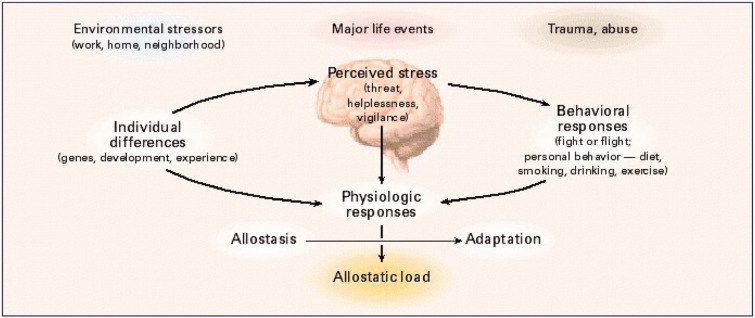
The brain is the central organ of stress and adaptation to stress because it perceives and determines what is threatening, as well as the behavioral and physiological responses to the stressor, which promote adaptation (“allostasis”) but also contribute to pathophysiology (“allostatic load/overload”) when overused and dysregulated. The adult as well as developing brain possesses a remarkable ability to show structural and functional plasticity in response to stressful and other experiences, including neuronal replacement, dendritic remodeling and synapse turnover. Stress can cause an imbalance of neural circuitry subserving cognition, decision making, anxiety and mood that can increase or decrease expression of those behaviors and behavioral states. This imbalance, in turn, affects systemic physiology via neuroendocrine, autonomic, immune and metabolic mediators. In the short term, these changes may be adaptive; but, if the threat passes and the behavioral state persists along with the changes in neural circuitry, such maladaptation requires intervention with a combination of pharmacological and behavioral therapies. There are important sex differences in how the brain responds to stressors. Moreover, adverse early life experience, interacting with alleles of certain genes, produces lasting effects on brain and body via epigenetic mechanisms. While prevention is key, the plasticity of the brain gives hope for therapies that utilize brain–body interactions. Policies of government and the private sector are important to promote health and increase “healthspan.”
Overview
CoChat Summary
## TL;DR
This review argues that chronic stress affects the brain and body through allostasis/allostatic load, with major roles for glucocorticoids, excitatory amino acids, and epigenetic mechanisms across the life course. It emphasizes that stress can produce both adaptive and damaging outcomes depending on timing, duration, brain region, and life experiences.
## Key findings
- The paper distinguishes good stress, tolerable stress, and toxic stress; toxic stress is described as bad things happening to an individual with limited support and impaired brain architecture, leading to greater allostatic overload.
- Chronic stress is linked to region-specific brain remodeling: hippocampal dendritic shrinkage and spine loss; basolateral amygdala dendritic expansion; medial amygdala spine loss and dendrite shrinkage; and medial prefrontal cortex dendritic debranching and shrinkage, while orbitofrontal cortex dendrites can expand.
- The review reports that acute stress can be protective, while chronic stress can be harmful: for example, acute stress can enhance immune responses, whereas chronic exposure over “several weeks” produces immune suppression.
- It highlights life-course and epigenetic effects, noting that identical twins diverge over the life course in patterns of CpG methylation, and that early-life care, adversity, SES, and sex differences shape later mental and physical health.
## Methods
- Narrative review of prior studies spanning animal models and human findings on stress, brain plasticity, behavior, metabolism, immunity, and epigenetics.
- Synthesizes evidence across multiple levels of analysis, including genes, molecules, cells, circuits, physiology, and behavior, framed around allostasis/allostatic load and the RDoC framework.
- Main approach is integrative literature review and conceptual synthesis, not a new empirical dataset or statistical analysis.
## Limitations
- The paper does not report a systematic search strategy, inclusion criteria, or formal quality appraisal; this is evident from the text, which presents a broad narrative review rather than a systematic review.
- Many claims are based on animal studies and selected human studies, so direct generalization to all human populations is not fully established in the paper itself.
- The text itself notes a conceptual limitation in the RDoC framework: it “does not fully recognize” continuous reciprocal interactions between hormonal, metabolic, immune activity, and brain circuitry.
Model-written summary. Check it against the paper before relying on it.
Integrity signals
Registry
Cites
Statistics
Figures
Verification
Claims the paper makes
13 Valid · 2 Not valid · 55 Not checked · 12 Own results and interpretations
At least one cited source doesn’t support this claim or points to a different paper, and none confirmed it — see the verdicts below.
In the paper
“Furthermore, estradiol treatment of ovariectomized (OVX) females increased spine density in mPFC neurons, irrespective of where they were projecting.”
What the sources say
- Disputedcites [104] matched to “Estrogen Promotes Stress Sensitivity in a Prefrontal Cortex-Amygdala Pathway” (2010) sourceExperimental — accuracy not yet measured
Our copy states the opposite of 'irrespective of where they were projecting': the Discussion says estrogen's restoration of mPFC spine loss 'was found to be the case only in BLA-projecting neurons,' and that although control estrogen-treated unlabeled neurons averaged 16% greater spine density than OVX + veh controls, 'this difference was not significant.' The Abstract likewise reports 'Estrogen also increased spine density on BLA-projecting neurons in unstressed animals,' and the Spine Density results give a significant effect of estrogen (31% increase, P < 0.05) only for BLA-projecting neurons, while unlabeled neurons showed a stress x estrogen interaction with no estrogen effect in OVX + E animals. It is stress, not estrogen, that raised spine density 'regardless of neuron set' in OVX + veh animals (Fig. 6 legend), which the citing sentence appears to conflate with the estrogen effect. (LLM, conf=0.88)
Checked by a reasoning model — may be wrong.
plainstates a cause- Asserted: passes — The authors put it forward as true.
- Checkable: passes — It can be checked against evidence.
- Load-bearing: unclear — It is unclear whether the paper’s conclusions depend on it.
- Based: passes — The paper gives a reason why it holds.
- Disputed
Every source the paper cites for this claim was checked and supports it.
In the paper
“The neural circuits in a healthy brain are remodeled by experiences to enable behavioral responses that are appropriate to what the individual is experiencing”
What the sources say
- Supportedcites [9] matched to “The Brain on Stress: Vulnerability and Plasticity of the Prefrontal Cortex over the Life Course” (2013) source
The Introduction states that 'Brain circuitry can be remodeled by experience' with 'functionally-relevant effects on dendritic arbor and spine/synapse number in many brain regions ... with effects not only on cognitive function but also on emotional regulation and other self-regulatory behaviors', and the Abstract likewise says neural circuitry 'can be changed by experiences, which influences behavior'. The 'Relevance to human vulnerabilities and potential for brain plasticity' section explicitly extends this to the non-diseased state: 'Yet healthy brains show plasticity and undergo experience-related alterations in prefrontal cortical structure and function.' Together these support the paraphrase that experience remodels circuitry in the healthy brain in ways that bear on the individual's behavioral (including goal-directed and self-regulatory) responses; the paper's framing is mostly stress-focused, but the claim's content is stated. (LLM, conf=0.85)
plainstates a cause- Asserted: passes — The authors put it forward as true.
- Checkable: passes — It can be checked against evidence.
- Load-bearing: unclear — It is unclear whether the paper’s conclusions depend on it.
- Based: passes — The paper gives a reason why it holds.
- Supported
The cited sources support only part of this claim — read each source’s verdict below.
In the paper
“During aging in the rat, treatment with riluzole, which is known to retard glutamate release and promote glutamate reuptake by astrocytes, retards aging in the hippocampus as measured by preservation of spatial memory and thin spines that are found in young hippocampal neurons.”
What the sources say
- Partly supportedcites [54] matched to “Glutamatergic regulation prevents hippocampal-dependent age-related cognitive decline through dendritic spine clustering” (2014) sourceExperimental — accuracy not yet measured
Our copy supports the mechanistic and behavioural parts: the introduction (p. 1) states riluzole 'decreases glutamate release and facilitates astrocytic glutamate uptake,' and the Results (p. 2) report that aged riluzole-treated rats 'did not show age-related cognitive decline over time in the Y-maze test, a hippocampal-dependent task,' recognizing spatial novelty 'similar to young-control rats.' The thin-spine part is not what the paper shows: the Results (p. 3, 'Memory Performance Correlated with the Density of Thin Spines on Apical Dendrites in CA1') report a 6.9% decrease in CA1 dendritic spines with treatment, no significant group difference for the thin spine subtype in apical dendrites [F(2,23)=0.7, P=0.48], and, on the comparison with young animals, that 'the increased spine clustering observed in riluzole-treated aged animals is somewhat different from the spine distribution observed in young animals' (with a significant young vs. aged-treated difference for thin, P=0.005, and mushroom, P=0.012, spines in apical dendrites). So the source supports protection of spatial memory and an increase in thin-spine clustering, but not preservation of a young-like thin-spine profile. (LLM, conf=0.80)
plainstates a cause- Asserted: passes — The authors put it forward as true.
- Checkable: passes — It can be checked against evidence.
- Load-bearing: unclear — It is unclear whether the paper’s conclusions depend on it.
- Based: passes — The paper gives a reason why it holds.
- Partly supported
Every source the paper cites for this claim was checked and supports it.
In the paper
“A stress-induced NMDA-dependent dendritic remodeling has been reported in mPFC neurons.”
What the sources say
- Supportedcites [47] matched to “NMDA Receptor Blockade Alters Stress-Induced Dendritic Remodeling in Medial Prefrontal Cortex” (2011) source
The Abstract and Discussion of Martin & Wellman (2011) state that CPP blockade of NMDA receptors during restraint stress prevented stress-induced dendritic retraction/atrophy in mPFC pyramidal neurons, concluding NMDA activation is crucial for this remodeling — exactly the NMDA-dependent stress-induced remodeling the claim attributes to them. The Discussion (Discussion section) adds the caveat that systemic CPP does not localize the site of NMDA action (mPFC vs. input structures), but the claim carries no such site qualifier, so nothing attributed is unsupported. Note the findings are in male rats, which the citing sentence leaves general. (LLM, conf=0.90)
plainstates a cause- Asserted: passes — The authors put it forward as true.
- Checkable: passes — It can be checked against evidence.
- Load-bearing: unclear — It is unclear whether the paper’s conclusions depend on it.
- Based: passes — The paper gives a reason why it holds.
- Supported
Every source the paper cites for this claim was checked and supports it.
In the paper
“Moreover, circadian changes in spine formation and removal are important for motor learning.”
What the sources say
- Supportedcites [38] matched to “Circadian glucocorticoid oscillations promote learning-dependent synapse formation and maintenance.” (2013) source
The Results sections of Liston et al. (2013) directly establish both halves of the claim in a rotarod motor-skill-learning model: 'Circadian peaks promote spine formation after learning' reports that training coinciding with the circadian glucocorticoid peak increased spine formation while trough training did not, and that new-spine persistence predicted day-7 motor performance (r = 0.86); 'Circadian glucocorticoid troughs stabilize new spines' reports that trough disruption reduced survival of new spines and impaired rotarod performance, and that learning-induced pruning of pre-existing spines was correlated with long-term retention (r = 0.83). The 'Distinct mechanisms for formation and pruning' section states that 'circadian oscillations in glucocorticoid activity are important for learning-related spine formation and pruning'. The Discussion appropriately hedges the role of elimination ('may contribute actively to learning'), but the coupling of circadian-driven formation and removal to motor learning outcome is stated as a result. (LLM, conf=0.90)
plainstates a cause- Asserted: passes — The authors put it forward as true.
- Checkable: passes — It can be checked against evidence.
- Load-bearing: unclear — It is unclear whether the paper’s conclusions depend on it.
- Based: passes — The paper gives a reason why it holds.
- Supported
17 more claims · 8 with their cited sources checked
Create a free account to see all 82 claims and to verify the 84 references still open.
- It may state two separate claims as one. 53
- Probably not a substantial claim. 10
Claims other papers make about this one
Each is checked against this paper’s own text: does it say what the citing paper says it does?
The source backs part of the claim, not all of it — or backs it for a different population, condition or comparison.
In the citing paper
“In a study of 205 children aged 9–15, those who were genetically predisposed to higher stress levels exhibited more depressive symptoms.”
From Comprehensive review of chronic stress pathways and the efficacy of behavioral stress reduction programs (BSRPs) in managing diseases. (2024) · cites this paper as [146]
Experimental — accuracy not yet measuredThe cited source says what the claim attributes to it.
In the citing paper
“Stress can disrupt the neural circuits that govern cognition, decision-making, anxiety, and mood, leading to alterations in behavior and emotional states.”
From Comprehensive review of chronic stress pathways and the efficacy of behavioral stress reduction programs (BSRPs) in managing diseases. (2024) · cites this paper as [146]
The cited source says what the claim attributes to it.
In the citing paper
“Stimuli are perceived by our minds as threatening.”
From Comprehensive review of chronic stress pathways and the efficacy of behavioral stress reduction programs (BSRPs) in managing diseases. (2024) · cites this paper as [146]
The cited source says what the claim attributes to it.
In the citing paper
“Chronic stress-induced neural alterations may necessitate intervention, combining pharmacological treatments and behavioral therapies to restore balance and promote recovery [145,146,147].”
From Comprehensive review of chronic stress pathways and the efficacy of behavioral stress reduction programs (BSRPs) in managing diseases. (2024) · cites this paper as [146]
The cited source says what the claim attributes to it.
In the citing paper
“This dual role facilitates adaptation, a process known as allostasis, but can also lead to pathological conditions when the system is overburdened, resulting in allostatic load or overload.”
From Comprehensive review of chronic stress pathways and the efficacy of behavioral stress reduction programs (BSRPs) in managing diseases. (2024) · cites this paper as [146]
9 more claims about this paper
Create a free account to see every claim other papers make about this one.
Citations
Cites
Eysenck, H. J. (1985) · Behaviour Research and Therapy · doi:10.1016/0005-7967(85)90087-7 · Cited by 31,975
Felitti, V. J., Anda, R. F., Nordenberg, D., Williamson, D. F., Spitz, A. M., Edwards, V., Koss, M. P., & Marks, J. S. (1998) · American Journal of Preventive Medicine · doi:10.1016/s0749-3797(98)00017-8 · Cited by 18,943 · cited 1×
“ACE have a disproportionately powerful effect on life long trajectories of health and disease,(68) and poverty contributes in its own way as well as creating circumstances for ACE,(114) which, however, occurs across all levels of socioeconomic status (SES).(77) In studies of ACE,(77) there are reports of increased inf…”
BackgroundChild abuse: Adolescent records vs. adult recall
Femina, D. D., Yeager, C. A., & Lewis, D. O. (1990) · Child Abuse & Neglect · doi:10.1016/0145-2134(90)90033-p · Cited by 8,820
Influence of life stress on depression: moderation by a polymorphism in the 5-HTT gene
Caspi, A., Sugden, K., Moffitt, T. E., Taylor, A., Craig, I. W., Harrington, H., McClay, J., Mill, J., Martin, J., Braithwaite, A., et al. (2003) · Science · doi:10.1126/science.1083968 · Cited by 8,120 · cited 1×
“For example, the short form of the serotonin transporter is associated with a number of conditions such as alcoholism, and individuals who have this allele are more vulnerable to respond to stressful experiences by developing depressive illness.(90,91) In childhood, individuals with an allele of the monoamine oxidase…”
BackgroundProtective and Damaging Effects of Stress Mediators
McEwen, B. S. (1998) · New England Journal of Medicine · doi:10.1056/nejm199801153380307 · Cited by 6,733 · cited 1×
“With permission from McEwen.(117) McEwen 7”
Self-citationPhysiology and neurobiology of stress and adaptation: central role of the brain
McEwen, B. S. (2007) · Physiological Reviews · doi:10.1152/physrev.00041.2006 · Cited by 5,429 · cited 1×
“The brain is, indeed, a major target of insulin as well as other metabolic hormones.(56) In middle-aged adults, insulin resistance is associated with disrupted memory and executive function, and corresponding metabolic decline in the mPFC, reductions in hippocampal volumes and aberrant intrinsic connectivity between t…”
BackgroundSelf-citationExercise training increases size of hippocampus and improves memory
Erickson, K. I., Voss, M. W., Prakash, R. S., Basak, C., Szabo, A., Chaddock, L., Kim, J. S., Heo, S., Alves, H., White, S. M., et al. (2011) · Proceedings of the National Academy of Sciences · doi:10.1073/pnas.1015950108 · Cited by 4,855 · cited 1×
“In contrast, normal brain aging involves potentially reversible loss of resilience, which, for example, can be counteracted by regular physical activity.(12) In order to appreciate this, we now consider the diverse role of adrenal steroids and excitatory amino acids working in concert with other mediators.”
BackgroundRole of genotype in the cycle of violence in maltreated children
Caspi, A., McClay, J., Moffitt, T. E., Mill, J., Martin, J., Craig, I. W., Taylor, A., & Poulton, R. (2002) · Science · doi:10.1126/science.1072290 · Cited by 4,842 · cited 1×
“In childhood, individuals with an allele of the monoamine oxidase A gene are more vulnerable to abuse in childhood and more likely themselves to become abusers and to show antisocial behaviors compared to individuals with another commonly occurring allele.(92) Nevertheless, in a positive, nurturing environment, as for…”
BackgroundMeaningful Differences in the Everyday Experience of Young American Children
Panagos, R. J. (1998) · Remedial and Special Education · doi:10.1177/074193259801900609 · Cited by 4,173
Epigenetic differences arise during the lifetime of monozygotic twins
Fraga, M. F., Ballestar, E., Paz, M. F., Ropero, S., Setien, F., Ballestar, M. L., Heine-Suñer, D., Cigudosa, J. C., Urioste, M., Benitez, J., et al. (2005) · Proceedings of the National Academy of Sciences · doi:10.1073/pnas.0500398102 · Cited by 3,602 · cited 1×
“For example, identical twins diverge over the life course in patterns of CpG methylation of their DNA reflecting the influence of ‘‘non-shared’’ experiences.(76) Early-life events related to maternal care in animals, as well as parental care in humans, play a powerful role in later mental and physical health, as demon…”
Background
Research works printed but not linked: 6
- Cameron HA, 1996, Receptor dynamics in neural development. Pharmacology and toxicology: basic and clinical aspects, 141
- Sapolsky RM, 1986, EndocrRev, 7, 284
- Allfrey VG, 1970, Fed Proc, 29, 1447
- Bangasser DA, 2010, Mol Psychiatry, 15, 877, 896–904
- McEwen BS, 2005, Cerebrum The Dana Forum on Brain Science, 7
- Waddington CH, 1942, Endeavoour, 1, 18
Cited by
Items 301–400 of 998
Looze, C. D., McCrory, C., O’Halloran, A. M., Polidoro, S., Kenny, R. A., & Feeney, J. C. (2023) · Brain Behavior and Immunity · doi:10.1016/j.bbi.2023.10.017 · Cited by 13
Exposure to Wildfires Exposures and Mental Health Problems among Firefighters: A Systematic Review
Bonita, I., Halabicky, O. M., & Liu, J. (2024) · Atmosphere · doi:10.3390/atmos15010078 · Cited by 19
Tzikos, G., Chamalidou, E., Christopoulou, D., Apostolopoulou, A., Gkarmiri, S., Pertsikapa, M., Menni, A.-E., Theodorou, I. M., Stavrou, G., Doutsini, N.-D., et al. (2025) · Nutrients · doi:10.3390/nu17050857 · Cited by 19
Önning, G., Hillman, M., Hedin, M., Montelius, C., Eriksson, J., Ahrné, S., & Jönsson, P. (2020) · Physiology & Behavior · doi:10.1016/j.physbeh.2020.113083 · Cited by 19
When Culture Influences Genes: Positive Age Beliefs Amplify the Cognitive-Aging Benefit of APOE ε2
Levy, B. R., Slade, M. D., Pietrzak, R. H., & Ferrucci, L. (2020) · The Journals of Gerontology Series B · doi:10.1093/geronb/gbaa126 · Cited by 16
Otto, B., Kokkelink, L., & Brüne, M. (2021) · Frontiers in Psychology · doi:10.3389/fpsyg.2021.715153 · Cited by 20
Klimkiewicz, A., Jasionowska, J., Schmalenberg, A., Klimkiewicz, J., Jasińska, A., & Silczuk, A. (2021) · Journal of Clinical Medicine · doi:10.3390/jcm10153425 · Cited by 15
Suicide: Allostatic regulation and resilience
Stacy, M. A., & Schulkin, J. A. (2022) · Psychoneuroendocrinology · doi:10.1016/j.psyneuen.2022.105691 · Cited by 18
Brinsley, J., Smout, M., Girard, D., & Davison, K. (2022) · Mental health and physical activity · doi:10.1016/j.mhpa.2022.100450 · Cited by 28
Seiglie, M. P., Lepeak, L., Velázquez-Sánchez, C., Ferragud, A., Le, T., Cottone, P., & Sabino, V. (2022) · eNeuro · doi:10.1523/eneuro.0260-22.2022 · Cited by 16
The Protective Role of Trauma Informed Attitudes on Perceived Stress Among Teachers and School Staff
Minne, E. P., & Gorelik, G. (2021) · Journal of Child & Adolescent Trauma · doi:10.1007/s40653-021-00389-3 · Cited by 19
Swann, S. A., Kaida, A., Nicholson, V., Brophy, J. C., Campbell, A. R., Carter, A., Elwood, C. N., Gebremedhen, T., Gormley, R., King, E. M., et al. (2021) · BMJ Open · doi:10.1136/bmjopen-2020-046558 · Cited by 17
Herzberg, M. P., Triplett, R., McCarthy, R., Kaplan, S., Alexopoulos, D., Meyer, D., Arora, J., Miller, J. P., Smyser, T. A., Herzog, E. D., et al. (2023) · Biological Psychiatry Global Open Science · doi:10.1016/j.bpsgos.2023.03.002 · Cited by 11
Resilience as a predictor of habituation
Rösner, C., Tüscher, O., & Petrowski, K. (2024) · European Archives of Psychiatry and Clinical Neuroscience · doi:10.1007/s00406-023-01658-y · Cited by 12
True prevalence of long COVID in children: a narrative review
Esposito, S., Deolmi, M., Ramundo, G., Puntoni, M., Caminiti, C., & Principi, N. (2023) · Frontiers in Microbiology · doi:10.3389/fmicb.2023.1225952 · Cited by 17
König, M., Berhe, O., Ioannidis, K., Orellana, S. C., Davidson, E., Kaşer, M., RAISE Consortium, Moreno-López, L., & van Harmelen, A. (2023) · European Journal of Psychotraumatology · doi:10.1080/20008066.2023.2281971 · Cited by 19
Lachowicz, M., Serweta-Pawlik, A., Konopka-Lachowicz, A., Jamro, D., & Żurek, G. (2024) · Brain Sciences · doi:10.3390/brainsci14111104 · Cited by 19
Dominguez, S., Rodríguez, G., Fazelinia, H., Ding, H., Spruce, L. A., Seeholzer, S. H., & Dong, H. (2020) · Journal of Alzheimer s Disease · doi:10.3233/jad-191009 · Cited by 12
Protective factors against technostress in secondary school teachers
Zivi, P., Malatesta, G., Mascia, M. L., Diana, M. G., Domenico, A. D., Penna, M. P., & Palmiero, M. (2025) · Scientific Reports · doi:10.1038/s41598-025-19604-4 · Cited by 32
Alduraywish, S. A., Alburikan, A., Alotaibi, M. A., Alhamoudi, A., Aldosari, A. N., Alturki, M., Alotaibi, A., & Tharkar, S. (2023) · Clinical Epidemiology and Global Health · doi:10.1016/j.cegh.2023.101318 · Cited by 28
Glucocorticoid feedback paradox: a homage to Mary Dallman
de Kloet, E. R. (2023) · Stress · doi:10.1080/10253890.2023.2247090 · Cited by 12
Joung, J. Y., Song, J. G., Lee, B., Kim, H. W., & Oh, N. S. (2023) · Journal of Dairy Science · doi:10.3168/jds.2023-23320 · Cited by 14
Terreros, G., Perez, M. A., Muñoz-LLancao, P., D’Espessailles, A., Martínez, E. A., & Dagnino‐Subiabre, A. (2024) · Nutrients · doi:10.3390/nu16030381 · Cited by 12
Chronic variable stress leads to sex specific gut microbiome alterations in mice
Kropp, D. R., Rainville, J. R., Glover, M. E., Tsyglakova, M., Samanta, R., Hage, T. R., Carlson, A. E., Clinton, S. M., & Hodes, G. E. (2024) · Brain Behavior & Immunity - Health · doi:10.1016/j.bbih.2024.100755 · Cited by 15
Addiction, Stress, and Relational Disorder: A Neuro-Informed Approach to Intervention
Luke, C., Redekop, F., & Jones, L. K. (2018) · Journal of Mental Health Counseling · doi:10.17744/mehc.40.2.06 · Cited by 13
Potential Role of Life Stress in Unexplained Sudden Cardiac Arrest
Liu, M. C., Tester, M. A., Franciosi, S., Krahn, A. D., Gardner, M. J., Roberts, J. D., & Sanatani, S. (2020) · CJC Open · doi:10.1016/j.cjco.2020.10.016 · Cited by 12
Fragility of reward vs antifragility of defense brain systems in drug dependence
Prospero-Garcia, O. E., Ruiz‐Contreras, A. E., Morelos, J. C., Herrera-Solís, A., & Méndez‐Díaz, M. (2021) · Social Neuroscience · doi:10.1080/17470919.2021.1876759 · Cited by 12
Mind affects matter: Hindbrain GLP1 neurons link stress, physiology and behaviour
Holt, M. K. (2021) · Experimental Physiology · doi:10.1113/ep089445 · Cited by 12
Henriquez, A. R., Snow, S. J., Schladweiler, M. C. J., Miller, C. N., & Kodavanti, U. P. (2020) · Inhalation Toxicology · doi:10.1080/08958378.2020.1759736 · Cited by 12
Emami, A., Hallinder, H., Theorell, T., Kim, H., & Engström, G. (2022) · Biological Research For Nursing · doi:10.1177/10998004221076554 · Cited by 15
Jakubowski, D. M., Peterson, C. E., Sun, J., Hoskins, K. F., Rauscher, G. H., & Argos, M. (2023) · Women s Health · doi:10.1177/17455057231184325 · Cited by 14
Musical experience prior to traumatic exposure as a resilience factor: a conceptual analysis
Fraile, E., Gagnepain, P., Eustache, F., Groussard, M., & Platel, H. (2023) · Frontiers in Psychology · doi:10.3389/fpsyg.2023.1220489 · Cited by 17
Shu, L.-Z., Ding, Y.-D., Zhang, J., He, R.-S., Xiao, L., Pan, B., & Deng, H. (2024) · Cancer Immunology Research · doi:10.1158/2326-6066.cir-23-0976 · Cited by 11
Christopher, M., Bowen, S. W., Witkiewitz, K. A., Grupe, D. W., Goerling, R. J., Hunsinger, M., Oken, B., Korecki, J. R., & Rosenbaum, N. A. (2024) · BMC Complementary Medicine and Therapies · doi:10.1186/s12906-024-04452-y · Cited by 19
Papero, D. V. (2024) · Australian and New Zealand Journal of Family Therapy · doi:10.1002/anzf.1585 · Cited by 16
Female rodents in behavioral neuroscience: Narrative review on the methodological pitfalls
Becegato, M. S., & Silva, R. H. (2024) · Physiology & Behavior · doi:10.1016/j.physbeh.2024.114645 · Cited by 11
Feng, L., Ye, Z., Du, Z., Pan, Y., Canida, T. A., Ke, H., Liu, S., Chen, S., Hong, L. E., Kochunov, P., et al. (2024) · American Journal of Epidemiology · doi:10.1093/aje/kwae396 · Cited by 14
Identifying neurophysiological correlates of stress
Pei, D., Tirumala, S., Tun, K. T., Ajendla, A., & Vinjamuri, R. K. (2024) · Frontiers in Medical Engineering · doi:10.3389/fmede.2024.1434753 · Cited by 18
Early Life Stress and Gut Microbiome Dysbiosis: A Narrative Review
Borrego-Ruiz, A., & Borrego, J. J. (2025) · Stresses · doi:10.3390/stresses5020038 · Cited by 13
Goldsby, T. L., & Goldsby, M. E. (2020) · PubMed · Cited by 15
Szpręgiel, I., Wrońska, D., Kmiecik, M., Pałka, S. E., & Kania, B. F. (2021) · Animals · doi:10.3390/ani11020455 · Cited by 18
Vargas, T., Damme, K. S. F., & Mittal, V. A. (2022) · Human Brain Mapping · doi:10.1002/hbm.25783 · Cited by 15
Morse, L. M., Paul, S. M., Cooper, B. A., Oppegaard, K. R., Shin, J., Calvo‐Schimmel, A., Harris, C., Hammer, M. J., Conley, Y. P., Wright, F., et al. (2022) · Journal of Pain and Symptom Management · doi:10.1016/j.jpainsymman.2022.11.017 · Cited by 13
Cortisol in functional neurological disorders: State, trait and prognostic biomarkers
Weber, S., Bühler, J., Messmer, F., Bruckmaier, R. M., & Aybek, S. (2024) · Journal of Psychosomatic Research · doi:10.1016/j.jpsychores.2024.111615 · Cited by 15
Neuroimaging and Neurolaw: Drawing the Future of Aging
Tigano, V., Cascini, G. L., Sánchez‐Castañeda, C., Péran, P., & Sabatini, U. (2019) · Frontiers in Endocrinology · doi:10.3389/fendo.2019.00217 · Cited by 17
Vandenabeele, R., Joosen, M. C. W., & van Dam, A. (2025) · Frontiers in Psychology · doi:10.3389/fpsyg.2025.1712340 · Cited by 24
Mastromatteo, L. Y., Peruzza, M., & Scrimin, S. (2022) · British Journal of Educational Psychology · doi:10.1111/bjep.12501 · Cited by 13
Chronic restraint stress alters rat behavior depending on sex and duration of stress
Pansarim, V., Leite‐Panissi, C. R. A., & Schmidt, A. (2023) · Behavioural Processes · doi:10.1016/j.beproc.2023.104856 · Cited by 10
The Role of Emotion Regulation in Stress Management: An Overview
Yunus, M., & Chaudhary, P. K. (2023) · Journal of Clinical Research and Applied Medicine · doi:10.5530/jcram.3.1.3 · Cited by 11
Active Engagement with Virtual Reality Reduces Stress and Increases Positive Emotions
Kim, I., Azimi, E., Kazanzides, P., & Huang, C. (2023) · Proceedings - International Symposium on Mixed and Augmented Reality, ISMAR · doi:10.1109/ismar59233.2023.00067 · Cited by 15
Perceived Stress Mediates Associations Between Grit and Health-Related Quality of Life
Knauft, K. M., Holt, C. A., & Kalia, V. (2024) · Psychological Reports · doi:10.1177/00332941241248607 · Cited by 15
Aronsson, I., Neely, A. S., Boraxbekk, C., Eskilsson, T., & Gavelin, H. M. (2024) · BMC Psychology · doi:10.1186/s40359-024-01756-z · Cited by 12
Kraiss, J. T., Vaessen, T., & ten Klooster, P. M. (2024) · Stress and Health · doi:10.1002/smi.3433 · Cited by 13
The Impact of Early Childhood Adversity on Neurodevelopment: A Comprehensive Review
Alpuğan, Z. (2024) · üha · doi:10.32739/uha.jnbs.11.1539116 · Cited by 38
Chronic stress and hair cortisol concentration in mothers: A two‐study investigation
Rinne, G. R., Guardino, C. M., Soriano, M., & Schetter, C. D. (2024) · Stress and Health · doi:10.1002/smi.3493 · Cited by 15
Repeated stress gradually impairs auditory processing and perception
Bisharat, G., Kaganovski, E., Sapir, H., Temnogorod, A., Levy, T., & Resnik, J. (2025) · PLoS Biology · doi:10.1371/journal.pbio.3003012 · Cited by 11
Molecular regulation of chronic stress responses in European sea bass, Dicentrarchus labrax
Σαμαράς, Α., Kollias, S., & Pavlidis, M. A. (2025) · Frontiers in Endocrinology · doi:10.3389/fendo.2025.1611667 · Cited by 13
The relation between stress and impulsivity during the first year of college
Seldin, K., Lengua, L. J., & King, K. M. (2022) · Journal of Personality · doi:10.1111/jopy.12792 · Cited by 12
Sturman, O., von Ziegler, L., Privitera, M., Waag, R., Duss, S. N., Vermeiren, Y., Giovagnoli, L., Deyn, P. P. D., & Bohacek, J. (2021) · Neurobiology of Stress · doi:10.1016/j.ynstr.2021.100388 · Cited by 9
Spero, V., Paladini, M. S., Brivio, P., Riva, M. A., Calabrese, F., & Molteni, R. (2022) · Psychopharmacology · doi:10.1007/s00213-022-06140-6 · Cited by 10
Fecteau, S.-M., Trudel, M., Champagne, N., & Picard, F. (2023) · Research in Developmental Disabilities · doi:10.1016/j.ridd.2023.104550 · Cited by 14
The different areas of chronic stress and food addiction: Results from the LIFE‐Adult‐Study
Hussenoeder, F. S., Conrad, I., Löbner, M., Engel, C., Reyes, N., Yahiaoui‐Doktor, M., Glaesmer, H., Hinz, A., Witte, A. V., Schroeter, M. L., et al. (2023) · Stress and Health · doi:10.1002/smi.3348 · Cited by 13
Capability and adversity: reframing the “causes of the causes” for mental health
Smith, M. J. (2018) · Humanities and Social Sciences Communications · doi:10.1057/s41599-018-0066-z · Cited by 23
Sonney, J., Björling, E. A., Rodriguez, S., & Carr, N. (2021) · Journal of Pediatric Health Care · doi:10.1016/j.pedhc.2021.01.002 · Cited by 11
Fekri, K., Mahmoudi, J., Sadigh‐Eteghad, S., Farajdokht, F., & Nayebi, A. M. (2021) · Pharmaceutical Sciences · doi:10.34172/ps.2021.44 · Cited by 18
Energy Allocation Resilience and Endocrine Integration
Schuler, C. B., Sayre, A. B., Zakaria, L., Tassone, S., Rinehart, A., & Harris, R. (2026) · International Journal of Molecular Sciences · doi:10.3390/ijms27031345 · Cited by 13
Islamic praying changes stress-related hormones and genes
Sobhani, V., Manshadi, E. M., Aghajani, J., & Hatef, B. (2022) · Journal of Medicine and Life · doi:10.25122/jml-2021-0167 · Cited by 26
Jamil, R. A., Hassan, S. R. U., Khan, T. I., Shah, R., & Nazir, S. (2023) · Management Research Review · doi:10.1108/mrr-12-2021-0875 · Cited by 21
El-Sayed, N. S., Khalil, N. A., Saleh, S. R., Aly, R. G. M., & Basta, M. (2024) · Journal of Molecular Neuroscience · doi:10.1007/s12031-024-02232-4 · Cited by 9
Reversing anxiety by targeting a stress-responsive signaling pathway
Pandey, S., Han, W., Li, J., Shepard, R. D., Wu, K., Castellano, D., Tian, Q., Dong, L., Li, Y., & Lü, W. (2024) · Proceedings of the National Academy of Sciences · doi:10.1073/pnas.2400078121 · Cited by 10
Ultrastructural features of psychological stress resilience in the brain: a microglial perspective
Ibáñez, F. G., VanderZwaag, J., Deslauriers, J., & Tremblay, M. (2024) · Open Biology · doi:10.1098/rsob.240079 · Cited by 12
Castillo-Navarrete, J.-L., Guzmán-Castillo, A., & Bustos, C. (2024) · PLoS ONE · doi:10.1371/journal.pone.0315650 · Cited by 15
Kotova, M. M., Amikishiev, S. V., Apukhtin, K. V., Galstyan, D. S., de Abreu, M. S., Stewart, A., Yang, L., & Kalueff, A. V. (2025) · Journal of Comparative Physiology B · doi:10.1007/s00360-025-01613-4 · Cited by 11
Chatzaki, C., & Tsiknakis, M. (2025) · Sensors · doi:10.3390/s25237108 · Cited by 34
Endocrine Disorders and Psychiatric Manifestations
Salvador, J., Gutierrez, G., Llavero, M., Gargallo, J., Escalada, J., & López, J. (2019) · Endocrinology · doi:10.1007/978-3-319-66362-3_12-1 · Cited by 15
The Complexity of Electroencephalographic Signal Decreases during the Social Stress
Barzegar, M., Jahromi, G. P., Meftahi, G. H., & Hatef, B. (2023) · Journal of Medical Signals & Sensors · doi:10.4103/jmss.jmss_131_21 · Cited by 10
Information Processing in the Brain and Financial Innovations
Siddiqi, H. (2023) · Journal of Behavioral Finance · doi:10.1080/15427560.2023.2198718 · Cited by 10
Design, Development, and Validation of the Self-Perceived Health Scale (SPHS)
Tinajero-Chávez, L. I., Romo, J. F. M., Doddoli, A. B., Cruz-Narciso, B. V., Calleja, N., & Toledano‐Toledano, F. (2023) · Healthcare · doi:10.3390/healthcare11142007 · Cited by 13
Hippocampal subfield volumes predict treatment response to oral ketamine in people with suicidality
Dutton, M., Boyes, A., Can, A., Mohamed, A. Z., Hajishafiee, M., Shan, Z., Lagopoulos, J., & Hermens, D. F. (2023) · Journal of Psychiatric Research · doi:10.1016/j.jpsychires.2023.11.040 · Cited by 10
Løvmo, S. D., Madaro, A., Whatmore, P., Bardal, T., Östensen, M., Sandve, S. R., & Olsen, R. E. (2020) · Royal Society Open Science · doi:10.1098/rsos.191480 · Cited by 11
Jaakkola, K., Bruck, J. N., Connor, R. C., Montgomery, S. H., & King, S. L. (2020) · Animals · doi:10.3390/ani10071118 · Cited by 10
Komelkova, M. V., Manukhina, E. B., Downey, H. F., Sarapultsev, A., Черкасова, О. П., Kotomtsev, V., Платковский, П. О., Fedorov, S., Sarapultsev, P., Tseilikman, O. B., et al. (2020) · International Journal of Molecular Sciences · doi:10.3390/ijms21165900 · Cited by 10
Anti‐Lingo ‐1 antibody ameliorates spatial memory and synapse loss induced by chronic stress
Xie, Y., Zhou, C., Liang, X., Tang, J., Yang, C., Luo, Y., Chao, F., Jiang, L. H., Wang, J., Qi, Y., et al. (2020) · The Journal of Comparative Neurology · doi:10.1002/cne.25038 · Cited by 8
Walker, J., Schlebusch, L., & Gaede, B. M. (2020) · South African Family Practice · doi:10.4102/safp.v62i1.5149 · Cited by 11
Stress-related consequences of the coronavirus disease 2019 pandemic on symptoms of Crohn’s disease
Goodday, S., Travis, S. P. L., Walsh, A., & Friend, S. H. (2021) · European Journal of Gastroenterology & Hepatology · doi:10.1097/meg.0000000000002081 · Cited by 9
The effect of occupational stress on marital satisfaction and mental health in Iranian nurses
Adib‐Hajbaghery, M., Lotfi, M.-S., & Hosseini, F. S. (2021) · Work · doi:10.3233/wor-203410 · Cited by 9
Demenech, L. M., Fernandes, S. S., Paulitsch, R. G., & Dumith, S. C. (2021) · Trends in Psychiatry and Psychotherapy · doi:10.47626/2237-6089-2021-0228 · Cited by 15
Bottaccioli, A. G., Mariani, U., Schiralli, R., Mari, M. G., Pontani, M., Bologna, M., Muzi, P., Giannoni, S. D., Ciummo, V., Necozione, S., et al. (2023) · Comprehensive Psychoneuroendocrinology · doi:10.1016/j.cpnec.2023.100183 · Cited by 20
Kumar, R. S., Narayanan, S. N., Kumar, N., & Nayak, S. B. (2018) · International Journal of Applied and Basic Medical Research · doi:10.4103/ijabmr.ijabmr_379_17 · Cited by 10
Wettstein, M., Wahl, H., Siebert, J., & Schröder, J. (2019) · Psychology and Aging · doi:10.1037/pag0000374 · Cited by 14
Stoffel, M., Abbruzzese, E., Rahn, S., Bossmann, U., Moessner, M., & Ditzen, B. (2021) · Journal of Neural Transmission · doi:10.1007/s00702-021-02359-3 · Cited by 14
Braveman, P. (2023) · Medical Care · doi:10.1097/mlr.0000000000001847 · Cited by 9
Wang, G., Cheng, Z., Zhou, Y., Duan, J., Kan, Q., & Tang, S. (2023) · Archives of Gerontology and Geriatrics · doi:10.1016/j.archger.2023.105060 · Cited by 9
Văruț, R. M., Popescu, A. I. S., Găman, S., Niculescu, C. E., Niculescu, Ș. A., Dop, D., Stepan, M. D., Ionovici, N., Singer, C. E., & Popescu, C. (2025) · Pharmaceutics · doi:10.3390/pharmaceutics17030355 · Cited by 10
Benini, R., de Oliveira, L. L., Gomes‐de‐Souza, L., Santos, A. D. S., Casula, L. C., Herman, J. P., & Crestani, C. C. (2025) · Psychophysiology · doi:10.1111/psyp.70062 · Cited by 8
Zhao, C., Woolverton, G. A., Rastogi, R., Menor, A., Hahm, H. C., & Liu, C. H. (2025) · Psychiatry Research · doi:10.1016/j.psychres.2025.116574 · Cited by 10
Smith, S. M. (2025) · Alcohol research · doi:10.35946/arcr.v45.1.07 · Cited by 11
Future Pharmacotherapy for Bipolar Disorders: Emerging Trends and Personalized Approaches
Marano, G., Lisci, F. M., Boggio, G., Marzo, E. M., Abate, F., Sfratta, G., Traversi, G., Mazza, O., Pola, R., Sani, G., et al. (2025) · Future Pharmacology · doi:10.3390/futurepharmacol5030042 · Cited by 8
Biochemical Mechanisms of Cellular Stress Adaptation in the Pathogenesis of Chronic Diseases
Lemanowicz, J., Kloska, S. M., Siwik-Ziomek, A., Kołaczyk, P., Lipińska, U. W., & Kłoska, A. (2026) · Molecules · doi:10.3390/molecules31091381 · Cited by 19
Beydoun, M. A., Georgescu, M. F., Hossain, S. A., Beydoun, H. A., Kuczmarski, M. F., Evans, M. K., & Zonderman, A. B. (2023) · Journal of Affective Disorders · doi:10.1016/j.jad.2023.04.083 · Cited by 8
Metadata
- Authors
- McEwen, B. S.
- Affiliations
- Rockefeller University (US)
- Corresponding author
- McEwen, Bruce S.
- ORCID
- McEwen, Bruce S.
- Venue
- Chronic Stress
- Publisher
- SAGE Publications
- Published
- 2017-02
- Volume
- 1
- ISSN
- 2470-5470 (ISSN-L)
- PMC
- PMC5573220
- OpenAlex
- W2607133520
- Cited by
- 1,059
- References
- 135
- Citations by year
- 2026: 193 · 2025: 175 · 2024: 141 · 2023: 126 · 2022: 107 · 2021: 118 · 2020: 107 · 2019: 52 · 2018: 33 · 2017: 5
- FWCI
- 29.49
- Type
- journal article
- Language
- en
- Open access
- gold
- doi.org
- Licence
- cc-by-nc
- journals.sagepub.com/page/policies/text-and-data-mining-license (tdm)
- Locations
- Chronic Stress (publishedVersion, cc-by-nc)
- Europe PMC (PubMed Central) (publishedVersion, cc-by-nc)
- PubMed Central (publishedVersion, cc-by-nc)
- PubMed (publishedVersion)
- DOAJ (DOAJ: Directory of Open Access Journals) (submittedVersion, cc-by-sa)
- Funders
- National Institute of Mental Health (P50MH058911, R01MH041256)
- Topics
- Life Sciences › Neuroscience › Behavioral Neuroscience › Stress Responses and Cortisol
- Life Sciences › Neuroscience › Cognitive Neuroscience › Memory and Neural Mechanisms
- Life Sciences › Neuroscience › Cellular and Molecular Neuroscience › Neuroscience and Neuropharmacology Research
- Keywords
- allostasis, neuroplasticity, dendritic remodeling, neural circuits, anxiety, mood, neuroendocrine system, autonomic nervous system, immune system, metabolic effects, sex differences, epigenetics, gene-environment interaction, brain-body interaction, healthspan, stress prevention
About these checks
Registry, retraction, Cites and statistics results are computed, not judged, with one exception: a printed reference that no index lists is read once by a model before it counts as a citation error. Claims are extracted by a model and kept only when their quote appears verbatim in the text; each cited source is then checked, with a model’s help, for whether it says what the claim relies on. Those verdicts can be wrong — read the claim’s quote and the cited source before relying on one.
The claim verdicts this report counts are experimental: their accuracy is not yet measured.
A language model drew the claims from the paper on 2026-10-11, under version 3 of the claim definition (model deepseek-v4.1-flash, prompt extract-v3).
A second model labelled each claim on 2026-10-11 (model jev-1.13-20260917, definition revision gold-guideline-v0.2).
Cited sources are checked with a language model’s help (qwen3.8-omni-flash).
Statistics and arithmetic are recomputed, not judged.
Confidence bands are shown only for fields calibrated on our annotated test set. None is calibrated yet, so no band is shown.
What counts as a claim ›How we measure confidence ›How we check this ›
Are you an author, or do you see a problem with this page? Request a review
Data sources
Bibliographic data: Semantic Scholar, OpenAlex, Crossref.
Contains information from the Semantic Scholar Academic Graph Datasets, made available under the ODC Attribution License (ODC-BY 1.0).
Semantic Scholar’s data is described in: Kinney, R., et al. (2023). The Semantic Scholar Open Data Platform. arXiv:2301.10140.
