

Neurobiological and Systemic Effects of Chronic Stress
Open accessThe DOI matches its Crossref record; 135 of the 135 references it cites were found in a registry or an index; 15 of the 99 sources its claims cite were checked for support.
Abstract
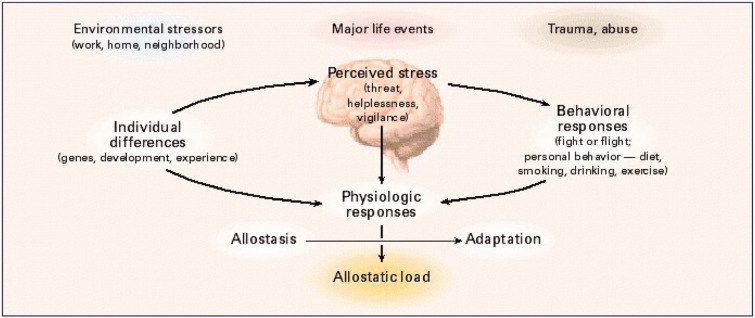
The brain is the central organ of stress and adaptation to stress because it perceives and determines what is threatening, as well as the behavioral and physiological responses to the stressor, which promote adaptation (“allostasis”) but also contribute to pathophysiology (“allostatic load/overload”) when overused and dysregulated. The adult as well as developing brain possesses a remarkable ability to show structural and functional plasticity in response to stressful and other experiences, including neuronal replacement, dendritic remodeling and synapse turnover. Stress can cause an imbalance of neural circuitry subserving cognition, decision making, anxiety and mood that can increase or decrease expression of those behaviors and behavioral states. This imbalance, in turn, affects systemic physiology via neuroendocrine, autonomic, immune and metabolic mediators. In the short term, these changes may be adaptive; but, if the threat passes and the behavioral state persists along with the changes in neural circuitry, such maladaptation requires intervention with a combination of pharmacological and behavioral therapies. There are important sex differences in how the brain responds to stressors. Moreover, adverse early life experience, interacting with alleles of certain genes, produces lasting effects on brain and body via epigenetic mechanisms. While prevention is key, the plasticity of the brain gives hope for therapies that utilize brain–body interactions. Policies of government and the private sector are important to promote health and increase “healthspan.”
Overview
CoChat Summary
## TL;DR
This review argues that chronic stress affects the brain and body through allostasis/allostatic load, with major roles for glucocorticoids, excitatory amino acids, and epigenetic mechanisms across the life course. It emphasizes that stress can produce both adaptive and damaging outcomes depending on timing, duration, brain region, and life experiences.
## Key findings
- The paper distinguishes good stress, tolerable stress, and toxic stress; toxic stress is described as bad things happening to an individual with limited support and impaired brain architecture, leading to greater allostatic overload.
- Chronic stress is linked to region-specific brain remodeling: hippocampal dendritic shrinkage and spine loss; basolateral amygdala dendritic expansion; medial amygdala spine loss and dendrite shrinkage; and medial prefrontal cortex dendritic debranching and shrinkage, while orbitofrontal cortex dendrites can expand.
- The review reports that acute stress can be protective, while chronic stress can be harmful: for example, acute stress can enhance immune responses, whereas chronic exposure over “several weeks” produces immune suppression.
- It highlights life-course and epigenetic effects, noting that identical twins diverge over the life course in patterns of CpG methylation, and that early-life care, adversity, SES, and sex differences shape later mental and physical health.
## Methods
- Narrative review of prior studies spanning animal models and human findings on stress, brain plasticity, behavior, metabolism, immunity, and epigenetics.
- Synthesizes evidence across multiple levels of analysis, including genes, molecules, cells, circuits, physiology, and behavior, framed around allostasis/allostatic load and the RDoC framework.
- Main approach is integrative literature review and conceptual synthesis, not a new empirical dataset or statistical analysis.
## Limitations
- The paper does not report a systematic search strategy, inclusion criteria, or formal quality appraisal; this is evident from the text, which presents a broad narrative review rather than a systematic review.
- Many claims are based on animal studies and selected human studies, so direct generalization to all human populations is not fully established in the paper itself.
- The text itself notes a conceptual limitation in the RDoC framework: it “does not fully recognize” continuous reciprocal interactions between hormonal, metabolic, immune activity, and brain circuitry.
Model-written summary. Check it against the paper before relying on it.
Integrity signals
Registry
Cites
Statistics
Figures
Verification
Claims the paper makes
13 Valid · 2 Not valid · 55 Not checked · 12 Own results and interpretations
At least one cited source doesn’t support this claim or points to a different paper, and none confirmed it — see the verdicts below.
In the paper
“Furthermore, estradiol treatment of ovariectomized (OVX) females increased spine density in mPFC neurons, irrespective of where they were projecting.”
What the sources say
- Disputedcites [104] matched to “Estrogen Promotes Stress Sensitivity in a Prefrontal Cortex-Amygdala Pathway” (2010) sourceExperimental — accuracy not yet measured
Our copy states the opposite of 'irrespective of where they were projecting': the Discussion says estrogen's restoration of mPFC spine loss 'was found to be the case only in BLA-projecting neurons,' and that although control estrogen-treated unlabeled neurons averaged 16% greater spine density than OVX + veh controls, 'this difference was not significant.' The Abstract likewise reports 'Estrogen also increased spine density on BLA-projecting neurons in unstressed animals,' and the Spine Density results give a significant effect of estrogen (31% increase, P < 0.05) only for BLA-projecting neurons, while unlabeled neurons showed a stress x estrogen interaction with no estrogen effect in OVX + E animals. It is stress, not estrogen, that raised spine density 'regardless of neuron set' in OVX + veh animals (Fig. 6 legend), which the citing sentence appears to conflate with the estrogen effect. (LLM, conf=0.88)
Checked by a reasoning model — may be wrong.
plainstates a cause- Asserted: passes — The authors put it forward as true.
- Checkable: passes — It can be checked against evidence.
- Load-bearing: unclear — It is unclear whether the paper’s conclusions depend on it.
- Based: passes — The paper gives a reason why it holds.
- Disputed
Every source the paper cites for this claim was checked and supports it.
In the paper
“The neural circuits in a healthy brain are remodeled by experiences to enable behavioral responses that are appropriate to what the individual is experiencing”
What the sources say
- Supportedcites [9] matched to “The Brain on Stress: Vulnerability and Plasticity of the Prefrontal Cortex over the Life Course” (2013) source
The Introduction states that 'Brain circuitry can be remodeled by experience' with 'functionally-relevant effects on dendritic arbor and spine/synapse number in many brain regions ... with effects not only on cognitive function but also on emotional regulation and other self-regulatory behaviors', and the Abstract likewise says neural circuitry 'can be changed by experiences, which influences behavior'. The 'Relevance to human vulnerabilities and potential for brain plasticity' section explicitly extends this to the non-diseased state: 'Yet healthy brains show plasticity and undergo experience-related alterations in prefrontal cortical structure and function.' Together these support the paraphrase that experience remodels circuitry in the healthy brain in ways that bear on the individual's behavioral (including goal-directed and self-regulatory) responses; the paper's framing is mostly stress-focused, but the claim's content is stated. (LLM, conf=0.85)
plainstates a cause- Asserted: passes — The authors put it forward as true.
- Checkable: passes — It can be checked against evidence.
- Load-bearing: unclear — It is unclear whether the paper’s conclusions depend on it.
- Based: passes — The paper gives a reason why it holds.
- Supported
The cited sources support only part of this claim — read each source’s verdict below.
In the paper
“During aging in the rat, treatment with riluzole, which is known to retard glutamate release and promote glutamate reuptake by astrocytes, retards aging in the hippocampus as measured by preservation of spatial memory and thin spines that are found in young hippocampal neurons.”
What the sources say
- Partly supportedcites [54] matched to “Glutamatergic regulation prevents hippocampal-dependent age-related cognitive decline through dendritic spine clustering” (2014) sourceExperimental — accuracy not yet measured
Our copy supports the mechanistic and behavioural parts: the introduction (p. 1) states riluzole 'decreases glutamate release and facilitates astrocytic glutamate uptake,' and the Results (p. 2) report that aged riluzole-treated rats 'did not show age-related cognitive decline over time in the Y-maze test, a hippocampal-dependent task,' recognizing spatial novelty 'similar to young-control rats.' The thin-spine part is not what the paper shows: the Results (p. 3, 'Memory Performance Correlated with the Density of Thin Spines on Apical Dendrites in CA1') report a 6.9% decrease in CA1 dendritic spines with treatment, no significant group difference for the thin spine subtype in apical dendrites [F(2,23)=0.7, P=0.48], and, on the comparison with young animals, that 'the increased spine clustering observed in riluzole-treated aged animals is somewhat different from the spine distribution observed in young animals' (with a significant young vs. aged-treated difference for thin, P=0.005, and mushroom, P=0.012, spines in apical dendrites). So the source supports protection of spatial memory and an increase in thin-spine clustering, but not preservation of a young-like thin-spine profile. (LLM, conf=0.80)
plainstates a cause- Asserted: passes — The authors put it forward as true.
- Checkable: passes — It can be checked against evidence.
- Load-bearing: unclear — It is unclear whether the paper’s conclusions depend on it.
- Based: passes — The paper gives a reason why it holds.
- Partly supported
Every source the paper cites for this claim was checked and supports it.
In the paper
“A stress-induced NMDA-dependent dendritic remodeling has been reported in mPFC neurons.”
What the sources say
- Supportedcites [47] matched to “NMDA Receptor Blockade Alters Stress-Induced Dendritic Remodeling in Medial Prefrontal Cortex” (2011) source
The Abstract and Discussion of Martin & Wellman (2011) state that CPP blockade of NMDA receptors during restraint stress prevented stress-induced dendritic retraction/atrophy in mPFC pyramidal neurons, concluding NMDA activation is crucial for this remodeling — exactly the NMDA-dependent stress-induced remodeling the claim attributes to them. The Discussion (Discussion section) adds the caveat that systemic CPP does not localize the site of NMDA action (mPFC vs. input structures), but the claim carries no such site qualifier, so nothing attributed is unsupported. Note the findings are in male rats, which the citing sentence leaves general. (LLM, conf=0.90)
plainstates a cause- Asserted: passes — The authors put it forward as true.
- Checkable: passes — It can be checked against evidence.
- Load-bearing: unclear — It is unclear whether the paper’s conclusions depend on it.
- Based: passes — The paper gives a reason why it holds.
- Supported
Every source the paper cites for this claim was checked and supports it.
In the paper
“Moreover, circadian changes in spine formation and removal are important for motor learning.”
What the sources say
- Supportedcites [38] matched to “Circadian glucocorticoid oscillations promote learning-dependent synapse formation and maintenance.” (2013) source
The Results sections of Liston et al. (2013) directly establish both halves of the claim in a rotarod motor-skill-learning model: 'Circadian peaks promote spine formation after learning' reports that training coinciding with the circadian glucocorticoid peak increased spine formation while trough training did not, and that new-spine persistence predicted day-7 motor performance (r = 0.86); 'Circadian glucocorticoid troughs stabilize new spines' reports that trough disruption reduced survival of new spines and impaired rotarod performance, and that learning-induced pruning of pre-existing spines was correlated with long-term retention (r = 0.83). The 'Distinct mechanisms for formation and pruning' section states that 'circadian oscillations in glucocorticoid activity are important for learning-related spine formation and pruning'. The Discussion appropriately hedges the role of elimination ('may contribute actively to learning'), but the coupling of circadian-driven formation and removal to motor learning outcome is stated as a result. (LLM, conf=0.90)
plainstates a cause- Asserted: passes — The authors put it forward as true.
- Checkable: passes — It can be checked against evidence.
- Load-bearing: unclear — It is unclear whether the paper’s conclusions depend on it.
- Based: passes — The paper gives a reason why it holds.
- Supported
17 more claims · 8 with their cited sources checked
Create a free account to see all 82 claims and to verify the 84 references still open.
- It may state two separate claims as one. 53
- Probably not a substantial claim. 10
Claims other papers make about this one
Each is checked against this paper’s own text: does it say what the citing paper says it does?
The source backs part of the claim, not all of it — or backs it for a different population, condition or comparison.
In the citing paper
“In a study of 205 children aged 9–15, those who were genetically predisposed to higher stress levels exhibited more depressive symptoms.”
From Comprehensive review of chronic stress pathways and the efficacy of behavioral stress reduction programs (BSRPs) in managing diseases. (2024) · cites this paper as [146]
Experimental — accuracy not yet measuredThe cited source says what the claim attributes to it.
In the citing paper
“Stress can disrupt the neural circuits that govern cognition, decision-making, anxiety, and mood, leading to alterations in behavior and emotional states.”
From Comprehensive review of chronic stress pathways and the efficacy of behavioral stress reduction programs (BSRPs) in managing diseases. (2024) · cites this paper as [146]
The cited source says what the claim attributes to it.
In the citing paper
“Stimuli are perceived by our minds as threatening.”
From Comprehensive review of chronic stress pathways and the efficacy of behavioral stress reduction programs (BSRPs) in managing diseases. (2024) · cites this paper as [146]
The cited source says what the claim attributes to it.
In the citing paper
“Chronic stress-induced neural alterations may necessitate intervention, combining pharmacological treatments and behavioral therapies to restore balance and promote recovery [145,146,147].”
From Comprehensive review of chronic stress pathways and the efficacy of behavioral stress reduction programs (BSRPs) in managing diseases. (2024) · cites this paper as [146]
The cited source says what the claim attributes to it.
In the citing paper
“This dual role facilitates adaptation, a process known as allostasis, but can also lead to pathological conditions when the system is overburdened, resulting in allostatic load or overload.”
From Comprehensive review of chronic stress pathways and the efficacy of behavioral stress reduction programs (BSRPs) in managing diseases. (2024) · cites this paper as [146]
9 more claims about this paper
Create a free account to see every claim other papers make about this one.
Citations
Cites
Eysenck, H. J. (1985) · Behaviour Research and Therapy · doi:10.1016/0005-7967(85)90087-7 · Cited by 31,975
Felitti, V. J., Anda, R. F., Nordenberg, D., Williamson, D. F., Spitz, A. M., Edwards, V., Koss, M. P., & Marks, J. S. (1998) · American Journal of Preventive Medicine · doi:10.1016/s0749-3797(98)00017-8 · Cited by 18,943 · cited 1×
“ACE have a disproportionately powerful effect on life long trajectories of health and disease,(68) and poverty contributes in its own way as well as creating circumstances for ACE,(114) which, however, occurs across all levels of socioeconomic status (SES).(77) In studies of ACE,(77) there are reports of increased inf…”
BackgroundChild abuse: Adolescent records vs. adult recall
Femina, D. D., Yeager, C. A., & Lewis, D. O. (1990) · Child Abuse & Neglect · doi:10.1016/0145-2134(90)90033-p · Cited by 8,820
Influence of life stress on depression: moderation by a polymorphism in the 5-HTT gene
Caspi, A., Sugden, K., Moffitt, T. E., Taylor, A., Craig, I. W., Harrington, H., McClay, J., Mill, J., Martin, J., Braithwaite, A., et al. (2003) · Science · doi:10.1126/science.1083968 · Cited by 8,120 · cited 1×
“For example, the short form of the serotonin transporter is associated with a number of conditions such as alcoholism, and individuals who have this allele are more vulnerable to respond to stressful experiences by developing depressive illness.(90,91) In childhood, individuals with an allele of the monoamine oxidase…”
BackgroundProtective and Damaging Effects of Stress Mediators
McEwen, B. S. (1998) · New England Journal of Medicine · doi:10.1056/nejm199801153380307 · Cited by 6,733 · cited 1×
“With permission from McEwen.(117) McEwen 7”
Self-citationPhysiology and neurobiology of stress and adaptation: central role of the brain
McEwen, B. S. (2007) · Physiological Reviews · doi:10.1152/physrev.00041.2006 · Cited by 5,429 · cited 1×
“The brain is, indeed, a major target of insulin as well as other metabolic hormones.(56) In middle-aged adults, insulin resistance is associated with disrupted memory and executive function, and corresponding metabolic decline in the mPFC, reductions in hippocampal volumes and aberrant intrinsic connectivity between t…”
BackgroundSelf-citationExercise training increases size of hippocampus and improves memory
Erickson, K. I., Voss, M. W., Prakash, R. S., Basak, C., Szabo, A., Chaddock, L., Kim, J. S., Heo, S., Alves, H., White, S. M., et al. (2011) · Proceedings of the National Academy of Sciences · doi:10.1073/pnas.1015950108 · Cited by 4,855 · cited 1×
“In contrast, normal brain aging involves potentially reversible loss of resilience, which, for example, can be counteracted by regular physical activity.(12) In order to appreciate this, we now consider the diverse role of adrenal steroids and excitatory amino acids working in concert with other mediators.”
BackgroundRole of genotype in the cycle of violence in maltreated children
Caspi, A., McClay, J., Moffitt, T. E., Mill, J., Martin, J., Craig, I. W., Taylor, A., & Poulton, R. (2002) · Science · doi:10.1126/science.1072290 · Cited by 4,842 · cited 1×
“In childhood, individuals with an allele of the monoamine oxidase A gene are more vulnerable to abuse in childhood and more likely themselves to become abusers and to show antisocial behaviors compared to individuals with another commonly occurring allele.(92) Nevertheless, in a positive, nurturing environment, as for…”
BackgroundMeaningful Differences in the Everyday Experience of Young American Children
Panagos, R. J. (1998) · Remedial and Special Education · doi:10.1177/074193259801900609 · Cited by 4,173
Epigenetic differences arise during the lifetime of monozygotic twins
Fraga, M. F., Ballestar, E., Paz, M. F., Ropero, S., Setien, F., Ballestar, M. L., Heine-Suñer, D., Cigudosa, J. C., Urioste, M., Benitez, J., et al. (2005) · Proceedings of the National Academy of Sciences · doi:10.1073/pnas.0500398102 · Cited by 3,602 · cited 1×
“For example, identical twins diverge over the life course in patterns of CpG methylation of their DNA reflecting the influence of ‘‘non-shared’’ experiences.(76) Early-life events related to maternal care in animals, as well as parental care in humans, play a powerful role in later mental and physical health, as demon…”
Background
Research works printed but not linked: 6
- Cameron HA, 1996, Receptor dynamics in neural development. Pharmacology and toxicology: basic and clinical aspects, 141
- Sapolsky RM, 1986, EndocrRev, 7, 284
- Allfrey VG, 1970, Fed Proc, 29, 1447
- Bangasser DA, 2010, Mol Psychiatry, 15, 877, 896–904
- McEwen BS, 2005, Cerebrum The Dana Forum on Brain Science, 7
- Waddington CH, 1942, Endeavoour, 1, 18
Cited by
Life Expectancy and Mortality Rates in the United States, 1959-2017
Woolf, S. H., & Schoomaker, H. (2019) · JAMA · doi:10.1001/jama.2019.16932 · Cited by 930
Braveman, P. A., Arkin, E., Proctor, D., Kauh, T., & Holm, N. (2022) · Health Affairs · doi:10.1377/hlthaff.2021.01394 · Cited by 858
Early life stress and development: potential mechanisms for adverse outcomes
Smith, K. E., & Pollak, S. D. (2020) · Journal of Neurodevelopmental Disorders · doi:10.1186/s11689-020-09337-y · Cited by 500
“This, in parallel with the animal literature demonstrating that extended exposure to glucocorticoids leads to hippocampal atrophy and dysregulation of the HPA axis [119, 120], has given rise to the hypothesis that chronic activation of the HPA axis through exposure to severe and/or extended stress leads to neural alte…”
BackgroundKapila, Y. L. (2021) · Periodontology 2000 · doi:10.1111/prd.12398 · Cited by 418
Smith, K. E., & Pollak, S. D. (2021) · Perspectives on Psychological Science · doi:10.1177/1745691620920725 · Cited by 351
“In sum, a biologically meaningful approach to understanding adversity needs to incorporate the factors that shape the individual’s perceptions and interpretations of their events (B. S. McEwen & Gianaros, 2010; C. A. McEwen & McEwen, 2017; Sapolsky, 2015).”
BackgroundGadhave, D. G., Sugandhi, V. V., Jha, S. K., Nangare, S. N., Gupta, G., Singh, S. K., Dua, K., Cho, H., Hansbro, P. M., & Paudel, K. R. (2024) · Ageing Research Reviews · doi:10.1016/j.arr.2024.102357 · Cited by 358
“These gradually increase their intensity resulting in cell death (McEwen, 2017).”
BackgroundStress and cancer: mechanisms, significance and future directions
Eckerling, A., Ricon-Becker, I., Sorski, L., Sandbank, E., & Ben-Eliyahu, S. (2021) · Nature Reviews Cancer · doi:10.1038/s41568-021-00395-5 · Cited by 348
Gut reactions: Breaking down xenobiotic–microbiome interactions
Clarke, G., Sandhu, K. V., Griffin, B. T., Dinan, T. G., Cryan, J. F., & Hyland, N. P. (2019) · Pharmacological Reviews · doi:10.1124/pr.118.015768 · Cited by 319
“…to stress is coordinated by the brain with the central nervous system responding to stressors by structural remodelling of neural architecture (McEwen, 2017), the gut microbiome appears to be equally vulnerable and plastic in its response to homeostatic threats directed at either terminus of…”
BackgroundExploring the Role of Neuroplasticity in Development, Aging, and Neurodegeneration
Marzola, P., Melzer, T., Pavesi, E., Gil-Mohapel, J., & Brocardo, P. S. (2023) · Brain Sciences · doi:10.3390/brainsci13121610 · Cited by 281
“Indeed, the sustained release of high levels of cortisol into the blood plasma can result in the disruption of the feedback loop that regulates the HPA axis, causing resistance to cortisol and ultimately resulting in the damage of various brain regions, including the hippocampus [119,120].”
BackgroundFlesia, L., Monaro, M., Mazza, C., Fietta, V., Colicino, E., Segatto, B., & Roma, P. (2020) · Journal of Clinical Medicine · doi:10.3390/jcm9103350 · Cited by 291
“Stress is defined as an adaptive psycho-physical reaction to a physical, social or psychological stimulus, called a stressor [27].”
BackgroundThe Impact of Social Media on the Mental Health of Adolescents and Young Adults: A Systematic Review
Khalaf, A. M., Alubied, A. A., Khalaf, A. M., & Rifaey, A. A. (2023) · Cureus · doi:10.7759/cureus.42990 · Cited by 252
“In addition, when people are unable to deal with stress in a healthy way, they may act out in ways that temporarily make them feel better but ultimately harm their long-term goals and wellness [7,8].”
BackgroundPereda, N., & Díaz-Faes, D. A. (2020) · Child and Adolescent Psychiatry and Mental Health · doi:10.1186/s13034-020-00347-1 · Cited by 243
Coping with the forced swim stressor: Current state-of-the-art
Molendijk, M. L., & de Kloet, E. R. (2019) · Behavioural Brain Research · doi:10.1016/j.bbr.2019.02.005 · Cited by 231
“As noted by Bruce McEwen [30]: “cortisol acts in 6 RDoc units of analyses from gene to behavior; the hormone can alter arousal and regulatory circuitry and affects psychosocial, cognitive, positive- and negative valence systems.”
Speers, A. B., Cabey, K. A., Soumyanath, A., & Wright, K. M. (2021) · Current Neuropharmacology · doi:10.2174/1570159x19666210712151556 · Cited by 219
Lei, A. A., Phang, V. W. X., Lee, Y. Z., Kow, A. S. F., Tham, C. L., Ho, Y.-C., & Lee, M. T. (2025) · International Journal of Molecular Sciences · doi:10.3390/ijms26072940 · Cited by 207
“The nature of neuronal remodelling is dependent on the specific brain region, particularly evident in the hippocampus, which is responsible for influencing mood and behavioural changes [51].”
Microbiota and Lifestyle: A Special Focus on Diet
Redondo-Useros, N., Nova, E., González-Zancada, N., Díaz, L. E., Gómez-Martínez, S., & Marcos, A. (2020) · Nutrients · doi:10.3390/nu12061776 · Cited by 189
Etindele Sosso, F. A., Holmes, S. D., & Weinstein, A. A. (2021) · Sleep Health · doi:10.1016/j.sleh.2021.05.005 · Cited by 174
The Neurobiology and Pharmacotherapy of Posttraumatic Stress Disorder
Abdallah, C. G., Averill, L. A., Akiki, T. J., Raza, M., Averill, C. L., Gomaa, H., Adikey, A., & Krystal, J. H. (2019) · Annual Review of Pharmacology and Toxicology · doi:10.1146/annurev-pharmtox-010818-021701 · Cited by 167
“In animal studies, the CSP reduction in synaptic connectivity has been mostly demonstrated in the prefrontal cortex (PFC) and the hippocampus, while the increases in synaptic connectivity were most evident in the nucleus accumbens (NAc) and the basolateral amygdala (18; 28).”
BackgroundInfluentialLeigh, S., Uhlig, F., Wilmes, L., Sanchez‐Diaz, P., Gheorghe, C. E., Goodson, M. S., Kelley‐Loughnane, N., Hyland, N. P., Cryan, J. F., & Clarke, G. (2023) · The Journal of Physiology · doi:10.1113/jp281951 · Cited by 167
Physical Exercise in Major Depression: Reducing the Mortality Gap While Improving Clinical Outcomes
Belvederi Murri, M., Ekkekakis, P., Magagnoli, M., Zampogna, D., Cattedra, S., Capobianco, L., Serafini, G., Calcagno, P., Zanetidou, S., & Amore, M. (2019) · Frontiers in Psychiatry · doi:10.3389/fpsyt.2018.00762 · Cited by 163
“Second, depression is accompanied by dysregulation of several homeostatic systems (27).”
BackgroundBottaccioli, A. G., Bottaccioli, F., & Minelli, A. (2019) · Annals of the New York Academy of Sciences · doi:10.1111/nyas.13728 · Cited by 159
Palacios-Barrios, E. E., & Hanson, J. L. (2019) · Comprehensive Psychiatry · doi:10.1016/j.comppsych.2018.12.012 · Cited by 155
Does Emotional Intelligence Buffer the Effects of Acute Stress? A Systematic Review
Lea, R. G., Davis, S. K., Mahoney, B., & Qualter, P. (2019) · Frontiers in Psychology · doi:10.3389/fpsyg.2019.00810 · Cited by 153
“…from stressful experiences is more adaptive in most contexts (e.g., Burke et al., 2005; Geurts and Sonnentag, 2006), as this limits unnecessary exposure to the detrimental downstream effects of the “fight or flight” response (i.e., cortisol, cardiac activity, neural activation; McEwen, 2017).”
BackgroundHajat, A., MacLehose, R. F., Rosofsky, A., Walker, K. D., & Clougherty, J. E. (2021) · Environmental Health Perspectives · doi:10.1289/ehp7980 · Cited by 176
“Chronic stress—shown to influence immune, endocrine, metabolic, and epigenetic pathways (McEwen 2017; Snyder-Mackler et al. 2016)—has been associated with a broad suite of outcomes, including many with well-established associations with AP (i.e., respiratory and cardiovascular disease).”
BackgroundCortisol and DHEA-S levels in pregnant women with severe anxiety
Leff-Gelman, P., Flores-Ramos, M., Carrasco, A. E. Á., Martínez, M. L., Takashima, M. F. S., Coronel, F. M. C., Labonne, B. F., Dosal, J. A. Z., Chávez-Peón, P. B., Morales, S. G., et al. (2020) · BMC Psychiatry · doi:10.1186/s12888-020-02788-6 · Cited by 135
The Impact of COVID-19 Traumatic Stressors on Mental Health: Is COVID-19 a New Trauma Type
Kira, I. A., Shuwiekh, H. A. M., Ashby, J. S., Elwakeel, S. A., Alhuwailah, A., Sous, M. S. F., Baali, S. B. A., Azdaou, C., Oliemat, E. M., & Jamil, H. J. (2021) · International Journal of Mental Health and Addiction · doi:10.1007/s11469-021-00577-0 · Cited by 173
“…of neural circuitry subserving cognition, decision-making, anxiety, and mood and contribute to the pathophysiology and allostatic load (e.g., McEwen, 2017) Furthermore, continuous traumatic stress (CTS) requires prolonged open-ended attempts to cope with chronic stressors, which may drain…”
BackgroundA clinical perspective on burnout: diagnosis, classification, and treatment of clinical burnout
van Dam, A. (2021) · European Journal of Work and Organizational Psychology · doi:10.1080/1359432x.2021.1948400 · Cited by 134
“values are established, which means that the organism sets a higher stress level as the default level (McEwen, 2017; Sterling, 2004).”
BackgroundSex differences in stress regulation of arousal and cognition
Bangasser, D. A., Eck, S. R., Telenson, A. M., & Salvatore, M. (2018) · Physiology & Behavior · doi:10.1016/j.physbeh.2017.09.025 · Cited by 133
Bidirectional Associations of Depressive Symptoms and Cognitive Function Over Time
Yin, J., John, A., & Cadar, D. (2024) · JAMA Network Open · doi:10.1001/jamanetworkopen.2024.16305 · Cited by 160
Kinlein, S. A., Phillips, D. J., Keller, C. R., & Karatsoreos, I. N. (2019) · Psychoneuroendocrinology · doi:10.1016/j.psyneuen.2018.12.010 · Cited by 119
“These changes in neural function can significantly impact how an organism reacts to stress at the level of behavior (McEwen, 2017; McEwen et al., 2015).”
BackgroundPositive age beliefs protect against dementia even among elders with high-risk gene
Levy, B. R., Slade, M. D., Pietrzak, R. H., & Ferrucci, L. (2018) · PLoS ONE · doi:10.1371/journal.pone.0191004 · Cited by 129
A New Era for Mind–Body Medicine
Dossett, M. L., Fricchione, G. L., & Benson, H. (2020) · New England Journal of Medicine · doi:10.1056/nejmp1917461 · Cited by 113
What Is the Confusion With Cortisol?
McEwen, B. S. (2019) · Chronic Stress · doi:10.1177/2470547019833647 · Cited by 112
“, too much or too little cortisol or too much or too little inflammatory mediators), then there is a gradual cumulative change in systems throughout the body, including the brain, that can result in disease and is referred to as allostatic load or overload.(2,3) Yet, we often hear that measuring our cortisol level wil…”
BackgroundSelf-citationSturmberg, J. P., Picard, M. A., Aron, D. C., Bennett, J. M., Bircher, J., DeHaven, M. J., Gijzel, S. M. W., Heng, H. H., Marcum, J. A., Martin, C. M., et al. (2019) · Frontiers in Medicine · doi:10.3389/fmed.2019.00059 · Cited by 123
Forced swim stressor: Trends in usage and mechanistic consideration
Molendijk, M. L., & de Kloet, E. R. (2022) · European Journal of Neuroscience · doi:10.1111/ejn.15139 · Cited by 95
“Chronic stress affects integrity and recruitment of the neuronal ensembles in the mPFC projections as well as in its limbic inputs (McEwen, 2017; McKlveen et al., 2019).”
BackgroundInfluentialBoen, C., Keister, L. A., & Aronson, B. (2020) · Journal of Health and Social Behavior · doi:10.1177/0022146520924811 · Cited by 103
Understanding neurobehavioral effects of acute and chronic stress in zebrafish
Demin, K. A., Taranov, A. S., Ilyin, N. P., Lakstygal, A. M., Volgin, A. D., de Abreu, M. S., Strekalova, T. V., & Kalueff, A. V. (2020) · Stress · doi:10.1080/10253890.2020.1724948 · Cited by 107
Majnarić, L. T., Bosnić, Z., Guljaš, S., Vučić, D., Kurevija, T., Volarić, M., Martinović, I., & Wittlinger, T. (2021) · International Journal of Molecular Sciences · doi:10.3390/ijms22168970 · Cited by 127
Johnson, J., Chaudieu, I., Ritchie, K., Scali, J., Ancelin, M.-L., & Ryan, J. (2020) · Psychoneuroendocrinology · doi:10.1016/j.psyneuen.2019.104492 · Cited by 92
“, 2008), resulting in adverse biological effects on the body and brain (McEwen, 2017).”
BackgroundStress and coping in women with breast cancer:unravelling the mechanisms to improve resilience
Borgi, M., Collacchi, B., Ortona, E., & Cirulli, F. (2020) · Neuroscience & Biobehavioral Reviews · doi:10.1016/j.neubiorev.2020.10.011 · Cited by 90
Dissecting the Fornix in Basic Memory Processes and Neuropsychiatric Disease: A Review
Benear, S. L., Ngo, C. T., & Olson, I. R. (2020) · Brain Connectivity · doi:10.1089/brain.2020.0749 · Cited by 101
“There is evidence that the hippocampus is acutely sensitive to stress and that oligodendrocytes are also sensitive to stress (McEwen, 2017).”
Social Determinants of Health: What Are They and How Do We Screen
Johnson, C. B., Luther, B. L., Wallace, A. S., & Kulesa, M. G. (2022) · Orthopaedic Nursing · doi:10.1097/nor.0000000000000829 · Cited by 90
Decker, A. M., Kapila, Y. L., & Wang, H. (2021) · Periodontology 2000 · doi:10.1111/prd.12381 · Cited by 108
Ramadan, R., Randell, A., Lavoie, S., Gao, C. X., Manrique, P. C., Anderson, R., McDowell, C., & Zbukvic, I. (2023) · Early Intervention in Psychiatry · doi:10.1111/eip.13374 · Cited by 76
“…mental health risks associated with climate-related negative emotions is scarce, there is a strong body of research to show that other types of long-term stress increase the risk of mental health problems such as depression, anxiety, and substance use problems (Low et al., 2012; McEwen, 2017).”
BackgroundWerdecker, L., & Esch, T. (2021) · PLoS ONE · doi:10.1371/journal.pone.0253447 · Cited by 100
“According to the stress theory of allostatic load by McEwen (2017, [19]), chronic stress can have pathophysiological consequences.”
BackgroundStress, working memory, and academic performance: a neuroscience perspective
Almarzouki, A. F. (2024) · Stress · doi:10.1080/10253890.2024.2364333 · Cited by 136
“…by the secretion of corticotropin-releasing hormone (cRH) from the paraventricular nucleus of the hypothalamus, which stimulates the anterior pituitary gland to release adrenocorticotropic hormone. this in turn stimulates the adrenal cortex to produce and release glucocorticoids (Mcewen, 2017).”
InfluentialSocial Determinants of LGBT Cancer Health Inequities
Matthews, A. K., Breen, E., & Kittiteerasack, P. (2018) · Seminars in Oncology Nursing · doi:10.1016/j.soncn.2017.11.001 · Cited by 80
Title: “Labels Matter: Is it stress or is it Trauma?”
Richter‐Levin, G., & Sandi, C. (2021) · Translational Psychiatry · doi:10.1038/s41398-021-01514-4 · Cited by 96
“The term Allostatic Load was later proposed to refer to the long-term consequences of activating allostatic mechanisms [44], and to emphasize that, while a brief activation of allostatic mechanisms in response to environmental challenges may be adaptive, prolonged activation, in response to chronic challenges, is like…”
BackgroundRole of stress in the pathogenesis of cancer (Review)
Lempesis, I. G., Georgakopoulou, V., Papalexis, P., Chrousos, G. P., & Spandidos, D. A. (2023) · International Journal of Oncology · doi:10.3892/ijo.2023.5572 · Cited by 87
Shchaslyvyi, A. Y., Antonenko, S. V., & Telegeev, G. D. (2024) · International Journal of Environmental Research and Public Health · doi:10.3390/ijerph21081077 · Cited by 73
Howick, J., Kelly, P., & Kelly, M. P. (2019) · SSM - Population Health · doi:10.1016/j.ssmph.2019.100402 · Cited by 86
“The biochemical pathways through which this occurs include: hindering immune system function, detrimental volume reductions in prefrontal cortices, and increased inflammation (McEwen, 2017).”
BackgroundPaul, R., Andlauer, T. F. M., Czamara, D., Hoehn, D., Lucae, S., Pütz, B., Lewis, C. M., Uher, R., Müller‐Myhsok, B., Ising, M., et al. (2019) · Translational Psychiatry · doi:10.1038/s41398-019-0524-4 · Cited by 77
Keech, J. J., Cole, K., Hagger, M. S., & Hamilton, K. (2020) · Psychology and Health · doi:10.1080/08870446.2020.1743841 · Cited by 93
Braveman, P. (2022) · Journal of the National Medical Association · doi:10.1016/j.jnma.2022.08.004 · Cited by 97
Abdallah, C. G., Dutta, A., Averill, C. L., McKie, S., Akiki, T. J., Averill, L. A., & William Deakin, J. F. (2018) · Chronic Stress · doi:10.1177/2470547018796102 · Cited by 70
“Based on extensive preclinical evidence and suggestive clinical findings, it was proposed that prefrontal synaptic loss and dysconnectivity underlie the pathophysiology of depression.(1,18,23,32,33) In this model, the altered synaptic connectivity affects large-scale networks precipitating and perpetuating depressive…”
Encore: Behavioural animal models of stress, depression and mood disorders
Petković, A., & Chaudhury, D. (2022) · Frontiers in Behavioral Neuroscience · doi:10.3389/fnbeh.2022.931964 · Cited by 87
“Severe stress is thought to interact with and exacerbate pre-existing genetic and epigenetic vulnerability (Bagot et al., 2014; McEwen, 2017).”
BackgroundImprovements in sleep indices during exam stress due to consumption of a Bifidobacterium longum
Moloney, G. M., Long-Smith, C. M., Murphy, A., Dorland, D., Hojabri, S. F., Ramirez, L. O., Marin, D. C., Bastiaanssen, T. F. S., Cusack, A.-M., Berding, K., et al. (2021) · Brain, Behavior, & Immunity - Health · doi:10.1016/j.bbih.2020.100174 · Cited by 67
“Prolonged periods of chronic stress can result in the nervous system maintaining a heightened state of arousal which can affect several physiological processes (Mcewen, 2017).”
BackgroundEffect of Stress on Autonomic and Cardiovascular Systems in Military Population: A Systematic Review
Bustamante-Sánchez, Á., Tornero-Aguilera, J. F., Fernández-Elías, V. E., Hormeño-Holgado, A. J., Dalamitros, A. A., & Clemente‐Suárez, V. J. (2020) · Cardiology Research and Practice · doi:10.1155/2020/7986249 · Cited by 83
“, “allostasis”) but also contributes to pathophysiology (“allostatic load/overload”) when overused and dysregulated [9].”
BackgroundMeet Your Stress Management Professionals: The Endocannabinoids
deRoon‐Cassini, T. A., Stollenwerk, T. M., Beatka, M. J., & Hillard, C. J. (2020) · Trends in Molecular Medicine · doi:10.1016/j.molmed.2020.07.002 · Cited by 76
Chesnut, M., Harati, S., Paredes, P. E., Khan, Y., Foudeh, A. M., Kim, J., Bao, Z., & Williams, L. M. (2021) · Chronic Stress · doi:10.1177/24705470211000338 · Cited by 74
“Chronic stress is associated with higher risk of cardiovascular and metabolic diseases and is known to increase the risk of developing depression and anxiety and/or exacerbate current symptoms, with effects on sleep, appetite, energy, mood, emotion regulation.(19) This has been demonstrated extensively with the mouse…”
BackgroundTherapeutic potential of glutathione-enhancers in stress-related psychopathologies
Zalachoras, I., Hollis, F., Ramos‐Fernández, E., Trovò, L., Sonnay, S., Geiser, E., Preitner, N., Steiner, P., Sandi, C., & Morató, L. (2020) · Neuroscience & Biobehavioral Reviews · doi:10.1016/j.neubiorev.2020.03.015 · Cited by 75
“Chronic stress is indeed a risk factor for psychopathologies such as anxiety and depression (McEwen 2017).”
BackgroundBanasr, M., Sanacora, G., & Esterlis, I. (2021) · Biological Psychiatry · doi:10.1016/j.biopsych.2021.04.004 · Cited by 75
Sic, A., Cvetkovic, K., Manchanda, E., & Knezevic, N. N. (2024) · Diseases · doi:10.3390/diseases12090220 · Cited by 65
“It causes structural changes in the brain, including the expansion of basolateral amygdala (BIA) neurons, loss of spines, and shrinkage of dendrites in the medial amygdala and prefrontal cortex (PFC) [62].”
BackgroundKiarashi, J., VanderPluym, J. H., Szperka, C. L., Turner, S. B., Minen, M. T., Broner, S. W., Ross, A. C., Wagstaff, A. E., Anto, M. M., Marzouk, M. A., et al. (2021) · Neurology · doi:10.1212/wnl.0000000000012261 · Cited by 72
Identification of biopsychological trait markers in functional neurological disorders
Weber, S., Bühler, J., Vanini, G., Loukas, S., Bruckmaier, R., & Aybek, S. (2023) · Brain · doi:10.1093/brain/awac442 · Cited by 63
“A proposed mechanism of action is the suppression of the negative feedback inhibition of cortisol.(33,34) Under normal health conditions, an acute stressor would activate the HPA axis and subsequent cortisol secre-”
Biological sex does not predict glymphatic influx in healthy young, middle aged or old mice
Giannetto, M., Xia, M., Stæger, F. F., Metcalfe, T., Vinitsky, H. S., Dang, J. A. M. L., Xavier, A. L. R., Kress, B. T., Nedergaard, M., & Hablitz, L. M. (2020) · Scientific Reports · doi:10.1038/s41598-020-72621-3 · Cited by 62
Race, ethnicity, and racism in the nutrition literature: an update for 2020
Duggan, C., Kurpad, A. V., Stanford, F. C., Sunguya, B. F., & Wells, J. C. K. (2020) · American Journal of Clinical Nutrition · doi:10.1093/ajcn/nqaa341 · Cited by 68
Giano, Z. D., Ernst, C., Snider, K., Davis, A., O’Neil, A. M., & Hubach, R. D. (2021) · Child Abuse & Neglect · doi:10.1016/j.chiabu.2021.105335 · Cited by 71
Deschênes, S. S., Kivimaki, M., & Schmitz, N. (2021) · Journal of the American Heart Association · doi:10.1161/jaha.120.019013 · Cited by 59
What Has Neuroimaging Taught Us on the Neurobiology of Yoga? A Review
van Aalst, J., Ceccarini, J., Demyttenaere, K., Sunaert, S. G., & Laere, K. V. (2020) · Frontiers in Integrative Neuroscience · doi:10.3389/fnint.2020.00034 · Cited by 76
“It therefore seems plausible that the smaller amygdala and increased hippocampal volumes are due to less experienced stress through yoga practice (Roozendaal et al., 2009; McEwen et al., 2016; McEwen, 2017; Gotink et al., 2018).”
BackgroundCaparrós-González, R. A., de la Torre‐Luque, A., Romero‐Gonzalez, B., Quesada-Soto, J. M., Alderdice, F. A., & Peralta‐Ramírez, M. I. (2021) · Midwifery · doi:10.1016/j.midw.2021.102939 · Cited by 78
Mustonen, P., Karlsson, L., Scheinin, N. M., Kortesluoma, S., Coimbra, B., Rodrigues, A. J., & Karlsson, H. (2018) · Psychoneuroendocrinology · doi:10.1016/j.psyneuen.2018.03.019 · Cited by 83
Aboushaar, N., & Serrano, N. (2024) · Frontiers in Pain Research · doi:10.3389/fpain.2024.1445280 · Cited by 89
Therapeutic psychological and biological responses to mindfulness‐based art therapy
Beerse, M. E., Van Lith, T., & Stanwood, G. (2020) · Stress and Health · doi:10.1002/smi.2937 · Cited by 57
Basic Concepts and Hormonal Regulators of the Stress System
Kazakou, P., Nicolaides, N. C., & Chrousos, G. P. (2022) · Hormone Research in Paediatrics · doi:10.1159/000523975 · Cited by 83
Daskalakis, N. P., Meijer, O. C., & de Kloet, E. R. (2022) · Neurobiology of Stress · doi:10.1016/j.ynstr.2022.100455 · Cited by 57
“For instance, in a commentary in Chronic Stress (McEwen, 2017) he addressed in just 1000 words the question: “What is the confusion of Cortisol?”.”
InfluentialPsychological stress in heart failure: a potentially actionable disease modifier
Harris, K. M., Jacoby, D. L., Lampert, R. J., Soucier, R. J., & Burg, M. M. (2020) · Heart Failure Reviews · doi:10.1007/s10741-020-10056-8 · Cited by 67
Kaul, D., Schwab, S. G., Mechawar, N., & Matosin, N. (2021) · Neuroscience & Biobehavioral Reviews · doi:10.1016/j.neubiorev.2021.01.025 · Cited by 64
Human state anxiety classification framework using EEG signals in response to exposure therapy
Muhammad, F. N., & Al-Ahmadi, S. A. (2022) · PLoS ONE · doi:10.1371/journal.pone.0265679 · Cited by 67
“Chronic stress has been found to be a key factor in developing depression and anxiety symptoms with an effect on sleep, mood, and appetite of an individual [6–9].”
BackgroundLv, S., Yao, K., Zhang, Y., & Zhu, S. (2022) · Neuropharmacology · doi:10.1016/j.neuropharm.2022.109378 · Cited by 61
Role of cytokines and reactive oxygen species in brain aging
MohanKumar, S. M. J., Murugan, A., Palaniyappan, A., & MohanKumar, P. S. (2023) · Mechanisms of Ageing and Development · doi:10.1016/j.mad.2023.111855 · Cited by 64
Neurobiology of the rapid-acting antidepressant effects of ketamine: impact and opportunities
Shinohara, R., Aghajanian, G. K., & Abdallah, C. G. (2021) · Biological Psychiatry · doi:10.1016/j.biopsych.2020.12.006 · Cited by 54
The critical role of microRNAs in stress response: Therapeutic prospect and limitation
Du, J., Li, M., Huang, Q., Liu, W., Li, W., Li, Y., & Gong, Z. (2018) · Pharmacological Research · doi:10.1016/j.phrs.2018.12.007 · Cited by 58
Nelson, S., Beveridge, J. K., Mychasiuk, R., & Noel, M. E. (2021) · Journal of Pain · doi:10.1016/j.jpain.2021.03.143 · Cited by 64
An Emerging Cross-Species Marker for Organismal Health: Tryptophan-Kynurenine Pathway
Jamshed, L., Debnath, A., Jamshed, S., Wish, J. V., Raine, J. C., Tomy, G. T., Thomas, P. J., & Holloway, A. C. (2022) · International Journal of Molecular Sciences · doi:10.3390/ijms23116300 · Cited by 60
“Acute, immediate stress responses tend to be protective and allow an organism to adapt to a changing environment [63,68].”
BackgroundImpact of COVID-19 First Wave on Psychological and Psychosocial Dimensions: A Systematic Review
Filindassi, V., Pedrini, C., Sabadini, C., Duradoni, M., & Guazzini, A. (2022) · COVID · doi:10.3390/covid2030022 · Cited by 61
“McEwen and colleagues [274] defined stress as an adaptive psycho-physical reaction in response to a physical, social or psychological stimulus, called a “stressor”.”
BackgroundMaternal Stress During Pregnancy Predicts Infant Infectious and Noninfectious Illness
Bush, N. R., Savitz, J., Coccia, M., Jones‐Mason, K., Adler, N. E., Boyce, W. T., Laraia, B. A., & Epel, E. S. (2020) · The Journal of Pediatrics · doi:10.1016/j.jpeds.2020.08.041 · Cited by 67
Astrocytes in Post-traumatic Stress Disorder
Li, B., Zhang, D., & Verkhratsky, A. (2022) · Neuroscience Bulletin · doi:10.1007/s12264-022-00845-6 · Cited by 64
Traumatic Stress and Resilience Among Transgender and Gender Diverse Youth
Ramos, N., & Marr, M. C. (2023) · Child and Adolescent Psychiatric Clinics of North America · doi:10.1016/j.chc.2023.04.001 · Cited by 61
The interplay between stress, circadian clocks, and energy metabolism
Oster, H. (2020) · Journal of Endocrinology · doi:10.1530/joe-20-0124 · Cited by 56
“The stress system adapts to ongoing psychosocial stimulation by rebalancing its two effector functions, promoting constant low-level activation of the autonomic system and a rebalancing of the negative feedback system controlling HPA axis function (McEwen 2017).”
BackgroundInfluentialBrain–body responses to chronic stress: a brief review
Roberts, B. L., & Karatsoreos, I. N. (2021) · Faculty Reviews · doi:10.12703/r/10-83 · Cited by 67
Sosso, F. A. E., Kreidlmayer, M., Pearson, D., & Bendaoud, I. (2022) · European Journal of Investigation in Health Psychology and Education · doi:10.3390/ejihpe12080080 · Cited by 81
Gyawali, P., Chow, W. Z., Hinwood, M., Kluge, M. G., English, C., Ong, L. K., Nilsson, M., & Walker, F. R. (2020) · Frontiers in Neurology · doi:10.3389/fneur.2020.00230 · Cited by 55
D’Alessio, L., Korman, G. P., Sarudiansky, M., Guelman, L. R., Scévola, L., Pastore, A., Obregón, A., & Ej, R. (2020) · Frontiers in Psychiatry · doi:10.3389/fpsyt.2020.00501 · Cited by 63
“The relationship between chronic stress, depression and anxiety has been extensively described (5, 9, 10, 13).”
BackgroundInfluentialChildhood trauma, the stress response and metabolic syndrome: A focus on DNA methylation
Womersley, J. S., Nöthling, J., Toikumo, S., Malan‐Müller, S., van den Heuvel, L. L., McGregor, N. W., Seedat, S., & Hemmings, S. M. J. (2021) · European Journal of Neuroscience · doi:10.1111/ejn.15370 · Cited by 60
“Experience of CT has also been associated with differential methylation of the corticotrophin releasing hormone receptor 1 (CRHR1) gene, which binds to corticotrophin-releasing hormone following HPA axis activation (McEwen, 2017; Ramo-Fern andez et al., 2019).”
BackgroundAge-dependent effects of social isolation on mesolimbic dopamine release
McWain, M. A., Pace, R. L., Nalan, P. A., & Lester, D. B. (2022) · Experimental Brain Research · doi:10.1007/s00221-022-06449-w · Cited by 59
“2015; McEwen 2017; Ver Hoeve et al.”
Trauma-Informed Design of Supported Housing: A Scoping Review through the Lens of Neuroscience
Owen, C., & Crane, J. W. (2022) · International Journal of Environmental Research and Public Health · doi:10.3390/ijerph192114279 · Cited by 68
“When working appropriately, these three elements enhance an organism’s ability to survive life-threatening events [57,58].”
BackgroundThe importance of the exposome and allostatic load in the planetary health paradigm
Logan, A. C., Prescott, S. L., Haahtela, T., & Katz, D. L. (2018) · Journal of PHYSIOLOGICAL ANTHROPOLOGY · doi:10.1186/s40101-018-0176-8 · Cited by 57
The harmful effects of captivity and chronic stress on the well-being of orcas (Orcinus orca)
Marino, L., Rose, N. A., Visser, I. N., Rally, H., Ferdowsian, H. R., & Slootsky, V. (2019) · Journal of Veterinary Behavior · doi:10.1016/j.jveb.2019.05.005 · Cited by 66
“…psychophysiological, and behavioral changes associated with these neurological alterations, in humans and other mammals, includes increased anxiety, posttraumatic stress, cognitive impairment, depression, and mood dysregulation (Buwalda et al., 2005; McEwen, 2006, 2017; Lupien et al., 2009).”
BackgroundInfluentialZhang, J., Meng, J., & Wen, X. (2025) · Frontiers in Psychology · doi:10.3389/fpsyg.2025.1517920 · Cited by 121
“Finally, in the learning and growth stage, individuals enhance their coping abilities through experience and reflection, better preparing themselves for future challenges (McEwen, 2017).”
Metadata
- Authors
- McEwen, B. S.
- Affiliations
- Rockefeller University (US)
- Corresponding author
- McEwen, Bruce S.
- ORCID
- McEwen, Bruce S.
- Venue
- Chronic Stress
- Publisher
- SAGE Publications
- Published
- 2017-02
- Volume
- 1
- ISSN
- 2470-5470 (ISSN-L)
- PMC
- PMC5573220
- OpenAlex
- W2607133520
- Cited by
- 1,059
- References
- 135
- Citations by year
- 2026: 193 · 2025: 175 · 2024: 141 · 2023: 126 · 2022: 107 · 2021: 118 · 2020: 107 · 2019: 52 · 2018: 33 · 2017: 5
- FWCI
- 29.49
- Type
- journal article
- Language
- en
- Open access
- gold
- doi.org
- Licence
- cc-by-nc
- journals.sagepub.com/page/policies/text-and-data-mining-license (tdm)
- Locations
- Chronic Stress (publishedVersion, cc-by-nc)
- Europe PMC (PubMed Central) (publishedVersion, cc-by-nc)
- PubMed Central (publishedVersion, cc-by-nc)
- PubMed (publishedVersion)
- DOAJ (DOAJ: Directory of Open Access Journals) (submittedVersion, cc-by-sa)
- Funders
- National Institute of Mental Health (P50MH058911, R01MH041256)
- Topics
- Life Sciences › Neuroscience › Behavioral Neuroscience › Stress Responses and Cortisol
- Life Sciences › Neuroscience › Cognitive Neuroscience › Memory and Neural Mechanisms
- Life Sciences › Neuroscience › Cellular and Molecular Neuroscience › Neuroscience and Neuropharmacology Research
- Keywords
- allostasis, neuroplasticity, dendritic remodeling, neural circuits, anxiety, mood, neuroendocrine system, autonomic nervous system, immune system, metabolic effects, sex differences, epigenetics, gene-environment interaction, brain-body interaction, healthspan, stress prevention
About these checks
Registry, retraction, Cites and statistics results are computed, not judged, with one exception: a printed reference that no index lists is read once by a model before it counts as a citation error. Claims are extracted by a model and kept only when their quote appears verbatim in the text; each cited source is then checked, with a model’s help, for whether it says what the claim relies on. Those verdicts can be wrong — read the claim’s quote and the cited source before relying on one.
The claim verdicts this report counts are experimental: their accuracy is not yet measured.
A language model drew the claims from the paper on 2026-10-11, under version 3 of the claim definition (model deepseek-v4.1-flash, prompt extract-v3).
A second model labelled each claim on 2026-10-11 (model jev-1.13-20260917, definition revision gold-guideline-v0.2).
Cited sources are checked with a language model’s help (qwen3.8-omni-flash).
Statistics and arithmetic are recomputed, not judged.
Confidence bands are shown only for fields calibrated on our annotated test set. None is calibrated yet, so no band is shown.
What counts as a claim ›How we measure confidence ›How we check this ›
Are you an author, or do you see a problem with this page? Request a review
Data sources
Bibliographic data: Semantic Scholar, OpenAlex, Crossref.
Contains information from the Semantic Scholar Academic Graph Datasets, made available under the ODC Attribution License (ODC-BY 1.0).
Semantic Scholar’s data is described in: Kinney, R., et al. (2023). The Semantic Scholar Open Data Platform. arXiv:2301.10140.
