

Neurobiological and Systemic Effects of Chronic Stress
Open accessThe DOI matches its Crossref record; 135 of the 135 references it cites were found in a registry or an index; 15 of the 99 sources its claims cite were checked for support.
Abstract
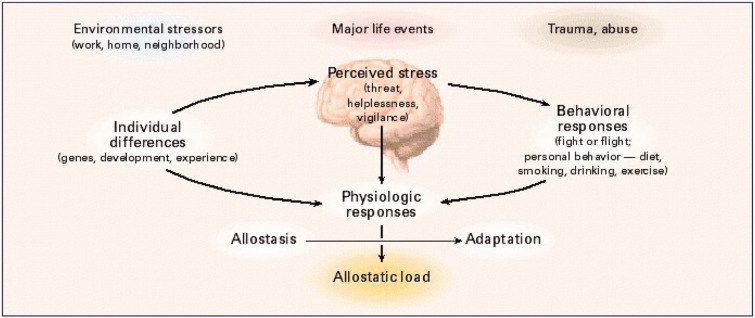
The brain is the central organ of stress and adaptation to stress because it perceives and determines what is threatening, as well as the behavioral and physiological responses to the stressor, which promote adaptation (“allostasis”) but also contribute to pathophysiology (“allostatic load/overload”) when overused and dysregulated. The adult as well as developing brain possesses a remarkable ability to show structural and functional plasticity in response to stressful and other experiences, including neuronal replacement, dendritic remodeling and synapse turnover. Stress can cause an imbalance of neural circuitry subserving cognition, decision making, anxiety and mood that can increase or decrease expression of those behaviors and behavioral states. This imbalance, in turn, affects systemic physiology via neuroendocrine, autonomic, immune and metabolic mediators. In the short term, these changes may be adaptive; but, if the threat passes and the behavioral state persists along with the changes in neural circuitry, such maladaptation requires intervention with a combination of pharmacological and behavioral therapies. There are important sex differences in how the brain responds to stressors. Moreover, adverse early life experience, interacting with alleles of certain genes, produces lasting effects on brain and body via epigenetic mechanisms. While prevention is key, the plasticity of the brain gives hope for therapies that utilize brain–body interactions. Policies of government and the private sector are important to promote health and increase “healthspan.”
Overview
CoChat Summary
## TL;DR
This review argues that chronic stress affects the brain and body through allostasis/allostatic load, with major roles for glucocorticoids, excitatory amino acids, and epigenetic mechanisms across the life course. It emphasizes that stress can produce both adaptive and damaging outcomes depending on timing, duration, brain region, and life experiences.
## Key findings
- The paper distinguishes good stress, tolerable stress, and toxic stress; toxic stress is described as bad things happening to an individual with limited support and impaired brain architecture, leading to greater allostatic overload.
- Chronic stress is linked to region-specific brain remodeling: hippocampal dendritic shrinkage and spine loss; basolateral amygdala dendritic expansion; medial amygdala spine loss and dendrite shrinkage; and medial prefrontal cortex dendritic debranching and shrinkage, while orbitofrontal cortex dendrites can expand.
- The review reports that acute stress can be protective, while chronic stress can be harmful: for example, acute stress can enhance immune responses, whereas chronic exposure over “several weeks” produces immune suppression.
- It highlights life-course and epigenetic effects, noting that identical twins diverge over the life course in patterns of CpG methylation, and that early-life care, adversity, SES, and sex differences shape later mental and physical health.
## Methods
- Narrative review of prior studies spanning animal models and human findings on stress, brain plasticity, behavior, metabolism, immunity, and epigenetics.
- Synthesizes evidence across multiple levels of analysis, including genes, molecules, cells, circuits, physiology, and behavior, framed around allostasis/allostatic load and the RDoC framework.
- Main approach is integrative literature review and conceptual synthesis, not a new empirical dataset or statistical analysis.
## Limitations
- The paper does not report a systematic search strategy, inclusion criteria, or formal quality appraisal; this is evident from the text, which presents a broad narrative review rather than a systematic review.
- Many claims are based on animal studies and selected human studies, so direct generalization to all human populations is not fully established in the paper itself.
- The text itself notes a conceptual limitation in the RDoC framework: it “does not fully recognize” continuous reciprocal interactions between hormonal, metabolic, immune activity, and brain circuitry.
Model-written summary. Check it against the paper before relying on it.
Integrity signals
Registry
Cites
Statistics
Figures
Verification
Claims the paper makes
13 Valid · 2 Not valid · 55 Not checked · 12 Own results and interpretations
At least one cited source doesn’t support this claim or points to a different paper, and none confirmed it — see the verdicts below.
In the paper
“Furthermore, estradiol treatment of ovariectomized (OVX) females increased spine density in mPFC neurons, irrespective of where they were projecting.”
What the sources say
- Disputedcites [104] matched to “Estrogen Promotes Stress Sensitivity in a Prefrontal Cortex-Amygdala Pathway” (2010) sourceExperimental — accuracy not yet measured
Our copy states the opposite of 'irrespective of where they were projecting': the Discussion says estrogen's restoration of mPFC spine loss 'was found to be the case only in BLA-projecting neurons,' and that although control estrogen-treated unlabeled neurons averaged 16% greater spine density than OVX + veh controls, 'this difference was not significant.' The Abstract likewise reports 'Estrogen also increased spine density on BLA-projecting neurons in unstressed animals,' and the Spine Density results give a significant effect of estrogen (31% increase, P < 0.05) only for BLA-projecting neurons, while unlabeled neurons showed a stress x estrogen interaction with no estrogen effect in OVX + E animals. It is stress, not estrogen, that raised spine density 'regardless of neuron set' in OVX + veh animals (Fig. 6 legend), which the citing sentence appears to conflate with the estrogen effect. (LLM, conf=0.88)
Checked by a reasoning model — may be wrong.
plainstates a cause- Asserted: passes — The authors put it forward as true.
- Checkable: passes — It can be checked against evidence.
- Load-bearing: unclear — It is unclear whether the paper’s conclusions depend on it.
- Based: passes — The paper gives a reason why it holds.
- Disputed
Every source the paper cites for this claim was checked and supports it.
In the paper
“The neural circuits in a healthy brain are remodeled by experiences to enable behavioral responses that are appropriate to what the individual is experiencing”
What the sources say
- Supportedcites [9] matched to “The Brain on Stress: Vulnerability and Plasticity of the Prefrontal Cortex over the Life Course” (2013) source
The Introduction states that 'Brain circuitry can be remodeled by experience' with 'functionally-relevant effects on dendritic arbor and spine/synapse number in many brain regions ... with effects not only on cognitive function but also on emotional regulation and other self-regulatory behaviors', and the Abstract likewise says neural circuitry 'can be changed by experiences, which influences behavior'. The 'Relevance to human vulnerabilities and potential for brain plasticity' section explicitly extends this to the non-diseased state: 'Yet healthy brains show plasticity and undergo experience-related alterations in prefrontal cortical structure and function.' Together these support the paraphrase that experience remodels circuitry in the healthy brain in ways that bear on the individual's behavioral (including goal-directed and self-regulatory) responses; the paper's framing is mostly stress-focused, but the claim's content is stated. (LLM, conf=0.85)
plainstates a cause- Asserted: passes — The authors put it forward as true.
- Checkable: passes — It can be checked against evidence.
- Load-bearing: unclear — It is unclear whether the paper’s conclusions depend on it.
- Based: passes — The paper gives a reason why it holds.
- Supported
The cited sources support only part of this claim — read each source’s verdict below.
In the paper
“During aging in the rat, treatment with riluzole, which is known to retard glutamate release and promote glutamate reuptake by astrocytes, retards aging in the hippocampus as measured by preservation of spatial memory and thin spines that are found in young hippocampal neurons.”
What the sources say
- Partly supportedcites [54] matched to “Glutamatergic regulation prevents hippocampal-dependent age-related cognitive decline through dendritic spine clustering” (2014) sourceExperimental — accuracy not yet measured
Our copy supports the mechanistic and behavioural parts: the introduction (p. 1) states riluzole 'decreases glutamate release and facilitates astrocytic glutamate uptake,' and the Results (p. 2) report that aged riluzole-treated rats 'did not show age-related cognitive decline over time in the Y-maze test, a hippocampal-dependent task,' recognizing spatial novelty 'similar to young-control rats.' The thin-spine part is not what the paper shows: the Results (p. 3, 'Memory Performance Correlated with the Density of Thin Spines on Apical Dendrites in CA1') report a 6.9% decrease in CA1 dendritic spines with treatment, no significant group difference for the thin spine subtype in apical dendrites [F(2,23)=0.7, P=0.48], and, on the comparison with young animals, that 'the increased spine clustering observed in riluzole-treated aged animals is somewhat different from the spine distribution observed in young animals' (with a significant young vs. aged-treated difference for thin, P=0.005, and mushroom, P=0.012, spines in apical dendrites). So the source supports protection of spatial memory and an increase in thin-spine clustering, but not preservation of a young-like thin-spine profile. (LLM, conf=0.80)
plainstates a cause- Asserted: passes — The authors put it forward as true.
- Checkable: passes — It can be checked against evidence.
- Load-bearing: unclear — It is unclear whether the paper’s conclusions depend on it.
- Based: passes — The paper gives a reason why it holds.
- Partly supported
Every source the paper cites for this claim was checked and supports it.
In the paper
“A stress-induced NMDA-dependent dendritic remodeling has been reported in mPFC neurons.”
What the sources say
- Supportedcites [47] matched to “NMDA Receptor Blockade Alters Stress-Induced Dendritic Remodeling in Medial Prefrontal Cortex” (2011) source
The Abstract and Discussion of Martin & Wellman (2011) state that CPP blockade of NMDA receptors during restraint stress prevented stress-induced dendritic retraction/atrophy in mPFC pyramidal neurons, concluding NMDA activation is crucial for this remodeling — exactly the NMDA-dependent stress-induced remodeling the claim attributes to them. The Discussion (Discussion section) adds the caveat that systemic CPP does not localize the site of NMDA action (mPFC vs. input structures), but the claim carries no such site qualifier, so nothing attributed is unsupported. Note the findings are in male rats, which the citing sentence leaves general. (LLM, conf=0.90)
plainstates a cause- Asserted: passes — The authors put it forward as true.
- Checkable: passes — It can be checked against evidence.
- Load-bearing: unclear — It is unclear whether the paper’s conclusions depend on it.
- Based: passes — The paper gives a reason why it holds.
- Supported
Every source the paper cites for this claim was checked and supports it.
In the paper
“Moreover, circadian changes in spine formation and removal are important for motor learning.”
What the sources say
- Supportedcites [38] matched to “Circadian glucocorticoid oscillations promote learning-dependent synapse formation and maintenance.” (2013) source
The Results sections of Liston et al. (2013) directly establish both halves of the claim in a rotarod motor-skill-learning model: 'Circadian peaks promote spine formation after learning' reports that training coinciding with the circadian glucocorticoid peak increased spine formation while trough training did not, and that new-spine persistence predicted day-7 motor performance (r = 0.86); 'Circadian glucocorticoid troughs stabilize new spines' reports that trough disruption reduced survival of new spines and impaired rotarod performance, and that learning-induced pruning of pre-existing spines was correlated with long-term retention (r = 0.83). The 'Distinct mechanisms for formation and pruning' section states that 'circadian oscillations in glucocorticoid activity are important for learning-related spine formation and pruning'. The Discussion appropriately hedges the role of elimination ('may contribute actively to learning'), but the coupling of circadian-driven formation and removal to motor learning outcome is stated as a result. (LLM, conf=0.90)
plainstates a cause- Asserted: passes — The authors put it forward as true.
- Checkable: passes — It can be checked against evidence.
- Load-bearing: unclear — It is unclear whether the paper’s conclusions depend on it.
- Based: passes — The paper gives a reason why it holds.
- Supported
17 more claims · 8 with their cited sources checked
Create a free account to see all 82 claims and to verify the 84 references still open.
- It may state two separate claims as one. 53
- Probably not a substantial claim. 10
Claims other papers make about this one
Each is checked against this paper’s own text: does it say what the citing paper says it does?
The source backs part of the claim, not all of it — or backs it for a different population, condition or comparison.
In the citing paper
“In a study of 205 children aged 9–15, those who were genetically predisposed to higher stress levels exhibited more depressive symptoms.”
From Comprehensive review of chronic stress pathways and the efficacy of behavioral stress reduction programs (BSRPs) in managing diseases. (2024) · cites this paper as [146]
Experimental — accuracy not yet measuredThe cited source says what the claim attributes to it.
In the citing paper
“Stress can disrupt the neural circuits that govern cognition, decision-making, anxiety, and mood, leading to alterations in behavior and emotional states.”
From Comprehensive review of chronic stress pathways and the efficacy of behavioral stress reduction programs (BSRPs) in managing diseases. (2024) · cites this paper as [146]
The cited source says what the claim attributes to it.
In the citing paper
“Stimuli are perceived by our minds as threatening.”
From Comprehensive review of chronic stress pathways and the efficacy of behavioral stress reduction programs (BSRPs) in managing diseases. (2024) · cites this paper as [146]
The cited source says what the claim attributes to it.
In the citing paper
“Chronic stress-induced neural alterations may necessitate intervention, combining pharmacological treatments and behavioral therapies to restore balance and promote recovery [145,146,147].”
From Comprehensive review of chronic stress pathways and the efficacy of behavioral stress reduction programs (BSRPs) in managing diseases. (2024) · cites this paper as [146]
The cited source says what the claim attributes to it.
In the citing paper
“This dual role facilitates adaptation, a process known as allostasis, but can also lead to pathological conditions when the system is overburdened, resulting in allostatic load or overload.”
From Comprehensive review of chronic stress pathways and the efficacy of behavioral stress reduction programs (BSRPs) in managing diseases. (2024) · cites this paper as [146]
9 more claims about this paper
Create a free account to see every claim other papers make about this one.
Citations
Cites
Eysenck, H. J. (1985) · Behaviour Research and Therapy · doi:10.1016/0005-7967(85)90087-7 · Cited by 31,975
Felitti, V. J., Anda, R. F., Nordenberg, D., Williamson, D. F., Spitz, A. M., Edwards, V., Koss, M. P., & Marks, J. S. (1998) · American Journal of Preventive Medicine · doi:10.1016/s0749-3797(98)00017-8 · Cited by 18,943 · cited 1×
“ACE have a disproportionately powerful effect on life long trajectories of health and disease,(68) and poverty contributes in its own way as well as creating circumstances for ACE,(114) which, however, occurs across all levels of socioeconomic status (SES).(77) In studies of ACE,(77) there are reports of increased inf…”
BackgroundChild abuse: Adolescent records vs. adult recall
Femina, D. D., Yeager, C. A., & Lewis, D. O. (1990) · Child Abuse & Neglect · doi:10.1016/0145-2134(90)90033-p · Cited by 8,820
Influence of life stress on depression: moderation by a polymorphism in the 5-HTT gene
Caspi, A., Sugden, K., Moffitt, T. E., Taylor, A., Craig, I. W., Harrington, H., McClay, J., Mill, J., Martin, J., Braithwaite, A., et al. (2003) · Science · doi:10.1126/science.1083968 · Cited by 8,120 · cited 1×
“For example, the short form of the serotonin transporter is associated with a number of conditions such as alcoholism, and individuals who have this allele are more vulnerable to respond to stressful experiences by developing depressive illness.(90,91) In childhood, individuals with an allele of the monoamine oxidase…”
BackgroundProtective and Damaging Effects of Stress Mediators
McEwen, B. S. (1998) · New England Journal of Medicine · doi:10.1056/nejm199801153380307 · Cited by 6,733 · cited 1×
“With permission from McEwen.(117) McEwen 7”
Self-citationPhysiology and neurobiology of stress and adaptation: central role of the brain
McEwen, B. S. (2007) · Physiological Reviews · doi:10.1152/physrev.00041.2006 · Cited by 5,429 · cited 1×
“The brain is, indeed, a major target of insulin as well as other metabolic hormones.(56) In middle-aged adults, insulin resistance is associated with disrupted memory and executive function, and corresponding metabolic decline in the mPFC, reductions in hippocampal volumes and aberrant intrinsic connectivity between t…”
BackgroundSelf-citationExercise training increases size of hippocampus and improves memory
Erickson, K. I., Voss, M. W., Prakash, R. S., Basak, C., Szabo, A., Chaddock, L., Kim, J. S., Heo, S., Alves, H., White, S. M., et al. (2011) · Proceedings of the National Academy of Sciences · doi:10.1073/pnas.1015950108 · Cited by 4,855 · cited 1×
“In contrast, normal brain aging involves potentially reversible loss of resilience, which, for example, can be counteracted by regular physical activity.(12) In order to appreciate this, we now consider the diverse role of adrenal steroids and excitatory amino acids working in concert with other mediators.”
BackgroundRole of genotype in the cycle of violence in maltreated children
Caspi, A., McClay, J., Moffitt, T. E., Mill, J., Martin, J., Craig, I. W., Taylor, A., & Poulton, R. (2002) · Science · doi:10.1126/science.1072290 · Cited by 4,842 · cited 1×
“In childhood, individuals with an allele of the monoamine oxidase A gene are more vulnerable to abuse in childhood and more likely themselves to become abusers and to show antisocial behaviors compared to individuals with another commonly occurring allele.(92) Nevertheless, in a positive, nurturing environment, as for…”
BackgroundMeaningful Differences in the Everyday Experience of Young American Children
Panagos, R. J. (1998) · Remedial and Special Education · doi:10.1177/074193259801900609 · Cited by 4,173
Epigenetic differences arise during the lifetime of monozygotic twins
Fraga, M. F., Ballestar, E., Paz, M. F., Ropero, S., Setien, F., Ballestar, M. L., Heine-Suñer, D., Cigudosa, J. C., Urioste, M., Benitez, J., et al. (2005) · Proceedings of the National Academy of Sciences · doi:10.1073/pnas.0500398102 · Cited by 3,602 · cited 1×
“For example, identical twins diverge over the life course in patterns of CpG methylation of their DNA reflecting the influence of ‘‘non-shared’’ experiences.(76) Early-life events related to maternal care in animals, as well as parental care in humans, play a powerful role in later mental and physical health, as demon…”
Background
Research works printed but not linked: 6
- Cameron HA, 1996, Receptor dynamics in neural development. Pharmacology and toxicology: basic and clinical aspects, 141
- Sapolsky RM, 1986, EndocrRev, 7, 284
- Allfrey VG, 1970, Fed Proc, 29, 1447
- Bangasser DA, 2010, Mol Psychiatry, 15, 877, 896–904
- McEwen BS, 2005, Cerebrum The Dana Forum on Brain Science, 7
- Waddington CH, 1942, Endeavoour, 1, 18
Cited by
Items 801–900 of 998
Income and Wealth Shape Health and Health Disparities in Many Ways
Braveman, P. (2023) · Oxford University Press eBooks · doi:10.1093/oso/9780190624118.003.0002 · Cited by 1
Work Can Be Good—or Bad—for Your Health
Braveman, P. (2023) · Oxford University Press eBooks · doi:10.1093/oso/9780190624118.003.0009
Socio-cultural Recognitions of Nursing in Makeni, Bombali District, Northern Sierra Leone
Bangura, M. (2023) · British Journal of Nursing Studies · doi:10.32996/bjns.2023.3.1.7
Walker, M., & Huthwaite, M. (2023) · New Zealand Medical Student Journal · doi:10.57129/001c.73285
Walker, M., & Huthwaite, M. (2023) · New Zealand Medical Student Journal · doi:10.57129/jrml2169
Balmus, I. M., Ciobica, A. S., Lefter, R. M., & Gorgan, L. (2023) · Bulletin of Integrative Psychiatry · doi:10.36219/bpi.2023.2.03
König, M., Berhe, O., Ioannidis, K., Orellana, S. C., Davidson, E., Kaçer, M., RAISE Consortium, Moreno-López, L., & van Harmelen, A. (2023) · doi:10.31234/osf.io/xw7na
Qiu, H., Lü, H., Zhang, Y., Ma, Y., Xing, C., & Zhu, X. (2023) · Research Square · doi:10.21203/rs.3.rs-3187929/v1
Psychological Stress Assessment Method Based on Learning Using Privileged Information Framework
Wang, P., Chen, Z., Jiang, X., & Song, Y. (2023) · International Conference on Biomedical Signal and Image Processing (ICBIP) · doi:10.1145/3613307.3613324
Kim, H.-G., Song, S., Cho, B. H., et al. (2023) · SSRN Electronic Journal · doi:10.2139/ssrn.4587647
Mastella, G. A., de Oliveira, I. H., Godói, A. K., do Nascimento, L. G., Alberton, K. S., Dagostim, V., Cancillier, S. G., Madeira, K., Réus, G. Z., & Zugno, A. I. (2023) · Journal of Psychiatric Research · doi:10.1016/j.jpsychires.2023.12.036 · Cited by 1
Gupta, S., Hasan, W., & Krishi Vigyan Kendra, J. (2023) · International Journal of Agricultural and Applied Sciences · doi:10.52804/ijaas2023.429
Opportunities to Discuss Diversity-Related Topics in Neuroscience Courses
Schreiber, W. B., & Robinson-Drummer, P. A. (2022) · Journal of Undergraduate Neuroscience Education · doi:10.59390/aoin4016 · Cited by 2
Hernández-Mariano, J. Á., Blanco-Hernández, D. M. R., Ricardez-Romero, M. A., & Sarmiento-Cortes, P. (2024) · XIKUA Boletín Científico de la Escuela Superior de Tlahuelilpan · doi:10.29057/xikua.v12i23.11834 · Cited by 2
Prenatal Programming of Monocyte Chemotactic Protein-1 Signaling in Autism Susceptibility
Camacho‐Morales, A., & Cárdenas‐Tueme, M. (2024) · Molecular Neurobiology · doi:10.1007/s12035-024-03940-z
Mind Behind the Stressed Navigating Through the Nature, Nurture, and Stress Response of Early Life
Ali, S. (2024) · International Journal of Psychological Studies · doi:10.5539/ijps.v16n1p37
Kapfhammer, H. (2023) · Springer eBooks · doi:10.1007/978-3-662-68309-5_1
Tømmerås, T., Backer‐Grøndahl, A., Høstmælingen, A., Laland, H., Gomez, M. B., Apeland, A., Karlsson, L. R. A., Grønlie, A. A., Torsvik, S., Bringedal, G. E., et al. (2024) · Research Square · doi:10.21203/rs.3.rs-3916963/v1
Music for Autoimmune Neurological Disorders
Pérez-Martínez, C., Hernández, F. D. C., & Shegogue, J. (2023) · Current clinical neurology · doi:10.1007/978-3-031-47092-9_10
Mohammed, M. K., Diab, O., & Li, J. (2024) · Physiotherapy Quarterly · doi:10.5114/pq.2024.135424 · Cited by 1
Stress, Entwicklung und psychische Gesundheit
Seehagen, S. (2024) · Kindheit und Entwicklung · doi:10.1026/0942-5403/a000438 · Cited by 1
Z, K., Wilson, W., & Tejoyuwono, A. A. T. (2024) · Jurnal Penyakit Dalam Indonesia · doi:10.7454/jpdi.v11i1.1529 · Cited by 3
Narvaez, D. F., & Tarsha, M. S. (2024) · SSRN Electronic Journal · doi:10.2139/ssrn.4788435
Internal and External Crime Hot Spots: From Neural to Micro-Geographical Networks
Leshem, R. (2024) · International Annals of Criminology · doi:10.1017/cri.2024.3
Zhao, D., Zhang, L., & Yang, Y. (2024) · SSRN Electronic Journal · doi:10.2139/ssrn.4820232
Maternal caregiving stress and metabolic health: Sexual activity as a potential buffer
Park, Y., Coccia, M., Prather, A. A., & Epel, E. S. (2024) · Psychoneuroendocrinology · doi:10.1016/j.psyneuen.2024.107068
Lees, A. (2024) · SSRN Electronic Journal · doi:10.2139/ssrn.4834329
Stress dynamics that maintain posttraumatic stress disorder across 20 yearsPreprint
Ringwald, W. R., Feltman, S. M., Clouston, S., et al. (2024) · doi:10.31234/osf.io/egaxv
Aleman, L., Dufeu, M. S., Catalina Fuenzalida, R., Ortiz‐López, N., Pinto-León, A., Daniela Simian, M., Gonzalo Cárdenas, L., Cristián Garrido, I., Máximo Cattaneo, B., Urzua, A. M., et al. (2024) · Revista Hospital Clínico Universidad de Chile · doi:10.5354/2735-7996.2024.74638 · Cited by 2
The Vulnerable Patient: Pain Throughout the Life Span
Mossey, J. M. (2024) · Oxford University Press eBooks · doi:10.1093/med/9780197649176.003.0004
Train Length and Service Frequency Optimization: Passenger Health Expense Perspective
Sharma, M. K., & Singh, M. (2024) · International Journal of Intelligent Transportation Systems Research · doi:10.1007/s13177-024-00403-6
Psycho-Wellness Blueprint: Crafting Personalized Mental Strategies for Physical Health Optimization
Taliana, L. (2024) · Journal of Asian Multicultural Research for Medical and Health Science Study · doi:10.47616/jamrmhss.v4i3.461
Neuroscientific Principles Underlying Psychotherapy
Matheson, R. (2024) · Oxford University Press eBooks · doi:10.1093/oso/9780198888727.003.0003 · Cited by 1
The Effect of Islamic Praying on Heart Rate Variation in Adult Muslims
Shaverdi, Y., Jahromi, G. P., Meftahi, G. H., Sharif, M. S., Mojabi, N., & Hatef, B. (2024) · Journal of Modern Rehabilitation · doi:10.18502/jmr.v18i2.15974 · Cited by 4
The Influence of Job Demand on The Performance of Employees At Lake Basin Development Authority
Nicholas, B., & Sangoro, O. (2024) · International Journal of Academic Research in Business and Social Sciences · doi:10.6007/ijarbss/v14-i6/21921
What Happened to Species-Typical Human Nature?
Narvaez, D. F. (2024) · Palgrave Studies in Indigenous Psychology · doi:10.1007/978-3-031-53196-5_2
Neuroeducación: Comprendiendo el cerebro para mejorar el aprendizaje
López, U. E. N. M., Vizuete, K. H. A., Vizuete, S. M. A., Vizuete, C. A. A., de Octubre, E. 1., Trávez, R. G. V., Maná, U. E. L., Alcívar, E. Y. P., & de Mayo, C. T. E. 1. (2024) · doi:10.16921/naciones.60
Fitzgerald, J. M., & Hillard, C. J. (2024) · Elsevier eBooks · doi:10.1016/b978-0-443-19081-0.00008-1
Chronic stress increased intolerance of risk but decreased intolerance of ambiguityPreprint
Chen, W., Yu, X., Deng, L., Yi, W., & Wu, J. (2024) · Research Square · doi:10.21203/rs.3.rs-4987490/v1
Charleston, L. I. (2024) · Springer eBooks · doi:10.1007/978-3-031-62727-9_7
Forastieri, C., Romito, E., Paplekaj, A., Battaglioli, E., & Rusconi, F. (2024) · Hippocampus · doi:10.1002/hipo.23647 · Cited by 2
Depression: A malady of the self, arising from stress responses gone awry
Gold, P. W. (2024) · Brain medicine : · doi:10.61373/bm024v.0022
Understanding the role of stress and physical illness in behavioral health
Bain, M. J. (2024) · Elsevier eBooks · doi:10.1016/b978-0-323-99868-0.00001-7
Allaire, L., Block, A., Paul, S. M., Hammer, M. J., Conley, Y. P., Cooper, B. A., Levine, J. D., & Miaskowski, C. A. (2025) · Oncology nursing forum · doi:10.1188/25.onf.23-40 · Cited by 3
Borthakur, D., Kim, N., & Saikia, M. J. (2025) · SSRN Electronic Journal · doi:10.2139/ssrn.5128066
Chen, D., Ye, H., Bu, L., Wang, D., & Fan, F. (2025) · Journal of Affective Disorders · doi:10.1016/j.jad.2025.03.013 · Cited by 2
Wu, L. C., Segal, Z. V., & Farb, N. A. S. (2025) · Journal of Affective Disorders · doi:10.1016/j.jad.2025.03.106 · Cited by 2
Collective Tension: Leonard Chang’s The Fruit 'N Food
Willems, B. (2025) · American literature readings in the 21st century · doi:10.1007/978-3-031-84865-0_4
Neural and behavioral dynamics of error processing under chronic stress in healthy young adults
Hu, N., Qian, C., Zhang, Z., Hu, X., Wang, X., Ma, R., & Long, Q. (2025) · International Journal of Clinical and Health Psychology · doi:10.1016/j.ijchp.2025.100561 · Cited by 1
Reme, B., Hart, R. K., & Lind, J. T. (2025) · Journal of Epidemiology & Community Health · doi:10.1136/jech-2024-222632
Kwon, H., Jeong, M., Kim, Y., Hyun, K., & Choi, G. (2025) · Journal of Experimental & Biomedical Sciences/Biomedical Science Letters · doi:10.15616/bsl.2025.31.1.12 · Cited by 1
Developmental Considerations for Sexual Offending
Yeoman, Z., Creeden, K., & Brownfield, C. (2025) · Dangerous behavior in clinical and forensic psychology · doi:10.1007/978-3-031-83135-5_7 · Cited by 2
Suicides in Adolescents—An Evolutionary Approach Based on Epigenetic Thinking
Rozanov, V. A. (2025) · Springer eBooks · doi:10.1007/978-981-96-1403-5_10
The Exposome and Lifestyle Medicine: Research Gaps
Infante-García, M. M., Pavlovska, I., Gonzalez-Rivas, J. P., Nieto-Martínez, R. E., & Mechanick, J. I. (2025) · Springer eBooks · doi:10.1007/978-3-031-82888-1_16
Mullins-Jaime, C., Lê, A. B., Yuan, S., Chow, A., & Smith, T. D. (2025) · Journal of Workplace Behavioral Health · doi:10.1080/15555240.2025.2508487 · Cited by 1
Racial Disparities in Mortality by Sex, Age, and Cause of Death
Kaestner, R. J., Gangopadhyaya, A., & Schiman, C. (2025) · National Bureau of Economic Research · doi:10.3386/w33905 · Cited by 2
The Relationship Between Mental and Physical Health
Bain, M. J., & Buffington, C. A. T. (2025) · CABI eBooks · doi:10.1079/9781800624313.0003
Xia, B., Ohayagha, C., Arango‐Lasprilla, J. C., & Perrin, P. B. (2025) · Neuroscience · doi:10.1016/j.neuroscience.2025.06.055
Karner, T., Forbes, P., Berry, D., & Wagner, I. C. (2025) · bioRxiv (Cold Spring Harbor Laboratory) · doi:10.1101/2025.06.24.661294
Knowledge, mechanisms, and intervention of the polytrauma clinical triad in military pain medicine
Liu, Q., Qiu, P., Ma, T., Zhao, Y., Fu, S., Gao, M., Feng, Z., & Feng, L. (2025) · The Korean journal of pain · doi:10.3344/kjp.24425 · Cited by 4
Gambaran Resiliensi pada Ibu Nifas Primipara Suku Timor dalam Tradisi Neno Bo'ha
Tualaka, Y., Kristinawati, W., & Wahyuningrum, E. (2025) · Bulletin of Counseling and Psychotherapy · doi:10.51214/002025071274000
Sohail, S., & Ali, S. S. (2025) · Annual Methodological Archive Research Review · doi:10.63075/49rm1054
Henney, S. M., & Hackett, J. D. (2025) · Springer eBooks · doi:10.1007/978-3-031-91611-3_6
Pujo, J. M., Fitriani, D. Y., Feki, A., Kallabi, F., Lakhrem, M., Elleuch, A., Kallel, C., Roujansky, A., LONTSI, G. R., Houcke, S., et al. (2025) · Scientific African · doi:10.1016/j.sciaf.2025.e02861 · Cited by 1
Биопсихосоциальные и структурные детерминанты химических зависимостей в условиях лишения свободы
Рафаилевич, И. Р. (2025) · Penitentiary Science · doi:10.46741/2686-9764.2025.70.2.009 · Cited by 2
Does a 360° VR nature environment augment relaxation during a MBSR breathing meditation?
Seel, S., Braun, K., Frantz, A.-M., Wurr, L., & Domes, G. (2026) · Virtual Reality · doi:10.1007/s10055-026-01467-3 · Cited by 1
Tomiga, Y., Kusano, M., Takano, A., Higaki, Y., & Takahashi, H. (2025) · Journal of Affective Disorders · doi:10.1016/j.jad.2025.120039
Contextualizing cognition: Socio-environmental factors shape how momentary stress predicts memory
Silva-Jones, J. R., Smith, A. L., Marshburn, C. K., Crosswell, A. D., Mendes, W. B., & Whitehurst, L. N. (2025) · Social Science & Medicine · doi:10.1016/j.socscimed.2025.118478 · Cited by 1
Spiegler, G., Su, Y., Li, M., Meng, X., & Schmitz, N. (2025) · Journal of Affective Disorders · doi:10.1016/j.jad.2025.120079
Kumawat, J., Metri, K., Roy, S., & Patel, M. M. (2025) · Journal of Applied Consciousness Studies · doi:10.4103/jacs.jacs_12_25
Clarke, J. R. (2025) · Journal of Aviation Technology and Engineering · doi:10.7771/2159-6670.1340 · Cited by 1
Understanding the Psychological Factors that Impact Hypertension: A Systematic ReviewPreprint
Omeda, A. R. E., Chilaka, M. A., Mohammadnezhad, M., & Vaportzis, E. (2025) · medRxiv · doi:10.1101/2025.08.21.25334144 · Cited by 1
Rinaldi, S., Oliveira, A., Modesto', V., Rinaldi, A., & Fontani, V. (2025) · Cureus · doi:10.7759/cureus.90951 · Cited by 2
Taleblou, Z., Talaei, S. A., & Salami, M. (2025) · Brain Research · doi:10.1016/j.brainres.2025.149916
Hajek, A., König, H., Rafnsson, S. B., & Gyasi, R. M. (2025) · BMC Public Health · doi:10.1186/s12889-025-24239-1 · Cited by 4
Xing, T., Yan, Y., Tian, H., Feng, S., Yang, W., Fan, L., Lv, J., Yu, C., Pei, P., Sun, D., et al. (2025) · Stress and Health · doi:10.1002/smi.70106
Kinderis, R., Šalkauskaitė-Kaminskė, E., & Niemi, O. (2025) · Baltic Journal of Economic Studies · doi:10.30525/2256-0742/2025-11-4-1-11
Filipović, D., & Turck, C. W. (2025) · Reviews in the Neurosciences · doi:10.1515/revneuro-2025-0081
Exploring the Physical and Emotional Damage Legal Proceedings Cause Traumatic Brain Injury Patients
Reynolds, L. J. (2025) · IntechOpen eBooks · doi:10.5772/intechopen.1005057
CAMANDUCAIA, L. H. S. D. M. E., Herrera, C. M., & Sousa, A. S. (2025) · Research Society and Development · doi:10.33448/rsd-v14i10.49691 · Cited by 1
Emotion Regulation Therapy III: Foundations and Frontiers in Investigating Efficacy and Mechanism
Spaeth, P. E., Renna, M. E., O’Toole, M. S., Mennin, D. S., & Fresco, D. M. (2025) · Springer eBooks · doi:10.1007/978-3-032-00353-9_13 · Cited by 2
Emotion Regulation Therapy (ERT) II: Treatment Mechanisms and Components
Clayton, M., Hernandez, M., Mennin, D. S., & Fresco, D. M. (2025) · Springer eBooks · doi:10.1007/978-3-032-00353-9_12 · Cited by 1
Amin, S., Liu, J., Gilsanz, P., Fletcher, E. M., DeCarli, C. S., Barnes, L. L., Whitmer, R. A., & Hayes‐Larson, E. (2025) · Alzheimer Disease & Associated Disorders · doi:10.1097/wad.0000000000000698
Kara, G. I., Yüce, H. B., Acel, S., et al. (2025) · Black Sea Journal of Health Science · doi:10.19127/bshealthscience.1734070
Fostervold, K. I., Rème, S. E., Strømsø, H. I., & Ludvigsen, S. (2024) · Emerald Group Publishing Limited eBooks · doi:10.1108/979-8-88730-734-320251006 · Cited by 1
Caldichoury, N., Morales-Asencio, B., Coronado, J.-C., Castellanos-Alvarenga, L. M., Quispe-Ayala, C., Saldías, C., Espinoza, D. E. S., Ripoll-Córdoba, D., Laura, W. N. B., Martínez, J., et al. (2025) · Frontiers in Psychiatry · doi:10.3389/fpsyt.2025.1652072
Baruah, M., Poovamma, C. U., Narayanan, P., Harish, P., Keshav, R., Babu, N., & Pandey, M. (2025) · Complementary Therapies in Medicine · doi:10.1016/j.ctim.2025.103313 · Cited by 3
Shah, A., & Doshi, G. (2025) · Acta Neurologica Belgica · doi:10.1007/s13760-025-02967-w
Mikesell, C., Blevins, E. J., Eschtruth, M., Malvese, K., Wallace, M. C., Zhou, Y., Lee, Y. A., Allswede, D. M., Watanabe, M., Rotter, N. S., et al. (2025) · BMC Health Services Research · doi:10.1186/s12913-025-13356-7 · Cited by 1
Additional file 2 of Management of post-traumatic stress disorder symptoms by yoga: an overview
Laplaud, N., Perrochon, A., Gallou‐Guyot, M., Moens, M., Goudman, L., David, R., Rigoard, P., & Billot, M. (2024) · Figshare · doi:10.6084/m9.figshare.26605654
Additional file 1 of Management of post-traumatic stress disorder symptoms by yoga: an overview
Laplaud, N., Perrochon, A., Gallou‐Guyot, M., Moens, M., Goudman, L., David, R., Rigoard, P., & Billot, M. (2024) · Figshare · doi:10.6084/m9.figshare.26605651
Tømmerås, T., Backer‐Grøndahl, A., Høstmælingen, A., Laland, H., Gomez, M. B., Apeland, A., Karlsson, L. R. A., Grønlie, A. A., Torsvik, S., Bringedal, G. E., et al. (2024) · Figshare · doi:10.6084/m9.figshare.25815059
Epigenetic Signatures of Social Defeat Stress Varying Duration
Bondar, N., Reshetnikov, V. V., Ritter, P., Ershov, N., Zhukova, N., Kolmykov, S., & Merkulova, T. (2025) · International Journal of Molecular Sciences · doi:10.3390/ijms27010018 · Cited by 1
Effect of TRPV1 Channel Inhibitor on Physiological Parameters of ICR Mice under Chronic Stress
Pavlov, V. M., Fedotova, A. Y., Andreev, Y. A., et al. (2025) · Journal Biomed · doi:10.33647/2074-5982-21-4-138-142
ON THE ROAD TO INTEGRAL PSYCHOSOMATICS: FIVE BASIC TOOLS FOR BODY-MIND REGULATION
Ширай, А. В., Близняков, А. Ю., & Кизилова, Е. А. (2025) · doi:10.54775/ppl.2025.21.26.001
Functional analysis of glucocorticoid treatment associated astrocyte-proteins
Teo, C. H., Huai, L., Parhar, I. S., & Soga, T. (2025) · Neuroscience · doi:10.1016/j.neuroscience.2025.12.067
Carlton, T. (2026) · Springer eBooks · doi:10.1007/978-3-032-13695-4_6
Ocytocine versus dopamine : l’équilibre délicat entre lien social et addiction
Rappeneau, V., & Díaz, F. C. (2025) · Biologie Aujourd hui · doi:10.1051/jbio/2025012
Metadata
- Authors
- McEwen, B. S.
- Affiliations
- Rockefeller University (US)
- Corresponding author
- McEwen, Bruce S.
- ORCID
- McEwen, Bruce S.
- Venue
- Chronic Stress
- Publisher
- SAGE Publications
- Published
- 2017-02
- Volume
- 1
- ISSN
- 2470-5470 (ISSN-L)
- PMC
- PMC5573220
- OpenAlex
- W2607133520
- Cited by
- 1,059
- References
- 135
- Citations by year
- 2026: 193 · 2025: 175 · 2024: 141 · 2023: 126 · 2022: 107 · 2021: 118 · 2020: 107 · 2019: 52 · 2018: 33 · 2017: 5
- FWCI
- 29.49
- Type
- journal article
- Language
- en
- Open access
- gold
- doi.org
- Licence
- cc-by-nc
- journals.sagepub.com/page/policies/text-and-data-mining-license (tdm)
- Locations
- Chronic Stress (publishedVersion, cc-by-nc)
- Europe PMC (PubMed Central) (publishedVersion, cc-by-nc)
- PubMed Central (publishedVersion, cc-by-nc)
- PubMed (publishedVersion)
- DOAJ (DOAJ: Directory of Open Access Journals) (submittedVersion, cc-by-sa)
- Funders
- National Institute of Mental Health (P50MH058911, R01MH041256)
- Topics
- Life Sciences › Neuroscience › Behavioral Neuroscience › Stress Responses and Cortisol
- Life Sciences › Neuroscience › Cognitive Neuroscience › Memory and Neural Mechanisms
- Life Sciences › Neuroscience › Cellular and Molecular Neuroscience › Neuroscience and Neuropharmacology Research
- Keywords
- allostasis, neuroplasticity, dendritic remodeling, neural circuits, anxiety, mood, neuroendocrine system, autonomic nervous system, immune system, metabolic effects, sex differences, epigenetics, gene-environment interaction, brain-body interaction, healthspan, stress prevention
About these checks
Registry, retraction, Cites and statistics results are computed, not judged, with one exception: a printed reference that no index lists is read once by a model before it counts as a citation error. Claims are extracted by a model and kept only when their quote appears verbatim in the text; each cited source is then checked, with a model’s help, for whether it says what the claim relies on. Those verdicts can be wrong — read the claim’s quote and the cited source before relying on one.
The claim verdicts this report counts are experimental: their accuracy is not yet measured.
A language model drew the claims from the paper on 2026-10-11, under version 3 of the claim definition (model deepseek-v4.1-flash, prompt extract-v3).
A second model labelled each claim on 2026-10-11 (model jev-1.13-20260917, definition revision gold-guideline-v0.2).
Cited sources are checked with a language model’s help (qwen3.8-omni-flash).
Statistics and arithmetic are recomputed, not judged.
Confidence bands are shown only for fields calibrated on our annotated test set. None is calibrated yet, so no band is shown.
What counts as a claim ›How we measure confidence ›How we check this ›
Are you an author, or do you see a problem with this page? Request a review
Data sources
Bibliographic data: Semantic Scholar, OpenAlex, Crossref.
Contains information from the Semantic Scholar Academic Graph Datasets, made available under the ODC Attribution License (ODC-BY 1.0).
Semantic Scholar’s data is described in: Kinney, R., et al. (2023). The Semantic Scholar Open Data Platform. arXiv:2301.10140.
