

ADHD candidate gene (DRD4 exon III) affects inhibitory control in a healthy sample
Open accessThe DOI matches its Crossref record; 66 of the 66 references it cites were found in a registry or an index.
Abstract
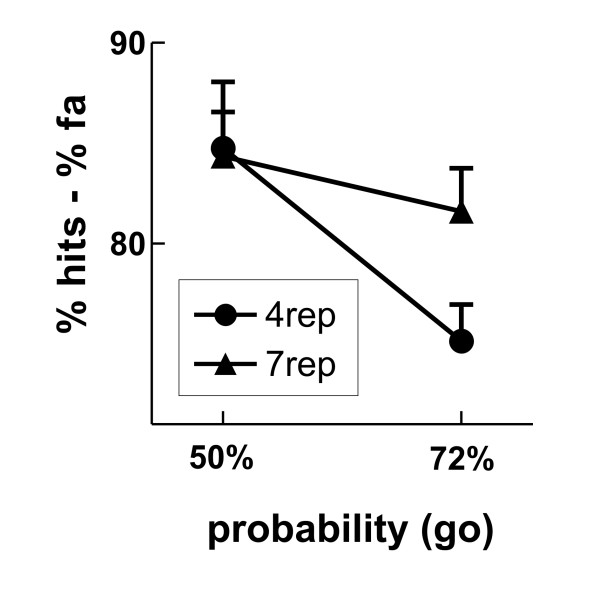
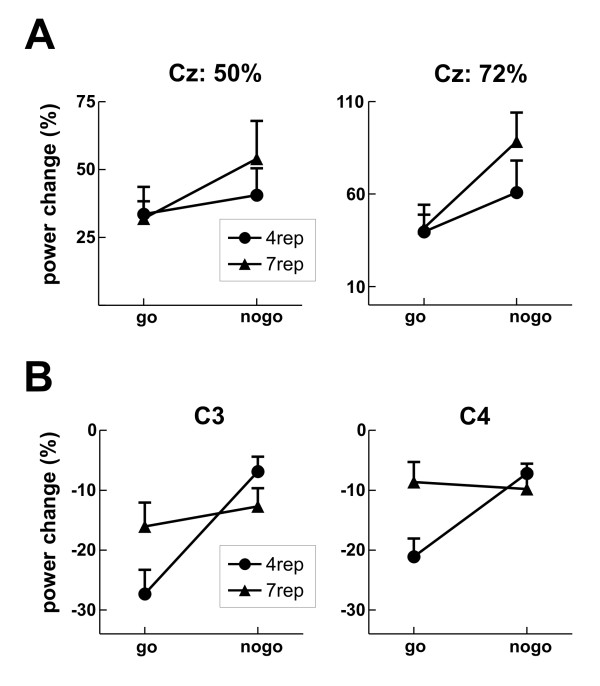
Background: Dopamine is believed to be a key neurotransmitter in the development of attention-deficit/hyperactivity disorder (ADHD). Several recent studies point to an association of the dopamine D4 receptor (DRD4) gene and this condition. More specifically, the 7 repeat variant of a variable number of tandem repeats (VNTR) polymorphism in exon III of this gene is suggested to bear a higher risk for ADHD. In the present study, we investigated the role of this polymorphism in the modulation of neurophysiological correlates of response inhibition (Go/Nogo task) in a healthy, high-functioning sample. Results Homozygous 7 repeat carriers showed a tendency for more accurate behavior in the Go/Nogo task compared to homozygous 4 repeat carriers. Moreover, 7 repeat carriers presented an increased nogo-related theta band response together with a reduced go-related beta decrease. Conclusions These data point to improved cognitive functions and prefrontal control in the 7 repeat carriers, probably due to the D4 receptor's modulatory role in prefrontal areas. The results are discussed with respect to previous behavioral data on this polymorphism and animal studies on the impact of the D4 receptor on cognitive functions.
Overview
The claims and statistics of this paper haven’t been checked yet.
Free: it reads the open-access text and checks the first 5 claims that cite a source we can check. Create a free account to check every claim.
Integrity signals
Registry
Cites
Statistics
Figures
Verification
Claims the paper makes
The claims and statistics of this paper haven’t been checked yet.
Free: it reads the open-access text and checks the first 5 claims that cite a source we can check. Create a free account to check every claim.
Claims other papers make about this one
Each is checked against this paper’s own text: does it say what the citing paper says it does?
The cited source says what the claim attributes to it.
In the citing paper
“Genetic polymorphisms in the dopamine D4-receptor gene (DRD4), associated with reduced functional activity (Asghari et al., 1995), have been related to decreased performance on the Stop-signal task (Congdon et al., 2008), although conflicting results have also been reported (Kramer et al., 2009).”
From Response Inhibition and Interference Control in Obsessive–Compulsive Spectrum Disorders (2014) · cites this paper as Kramer et al., 2009
Self-check
Percentages, sums and reported differences re-computed from the paper’s own numbers.
The self-check needs the paper’s full text.
Citations
Cites
Event-related EEG/MEG synchronization and desynchronization: basic principles
Pfurtscheller, G., & Lopes da Silva, F. H. (1999) · Clinical Neurophysiology · doi:10.1016/s1388-2457(99)00141-8 · Cited by 7,328 · cited 5×
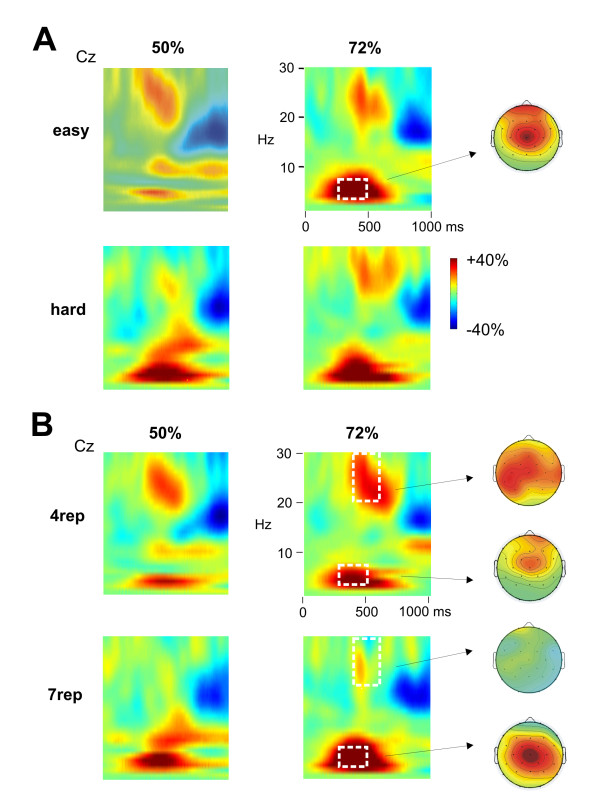
“Based on previous studies, we were interested in changes in the theta band (4 - 8 Hz) reflecting prefrontal control functions [40,44,58] and the beta band, which is rather related to the motor output itself [46].”
BackgroundMethodInfluentialVan Tol, H. H. M., Bunzow, J. R., Guan, H.-C., Sunahara, R. K., Seeman, P., Niznik, H. B., & Civelli, O. (1991) · Nature · doi:10.1038/350610a0 · Cited by 2,014 · cited 2×
“The D4 receptor belongs to the D2-like dopamine receptor class and has received special interest in the past, because the atypical neuroleptic clozapine binds with high affinity and specificity to this receptor [14].”
BackgroundGevins, A. (1997) · Cerebral Cortex · doi:10.1093/cercor/7.4.374 · Cited by 1,623 · cited 4×
“DNA was amplified with fluorescent primers: DRD4_ExIII_for: 5'-Fam-GCGACTACGTGGTCTACTCG-3', DRD4_ExIII_rev: 5'-AGGACCCTCATGGCCTTG-3'.”
BackgroundResultInfluentialHuynh, H., & Feldt, L. S. (1976) · Journal of Educational Statistics · doi:10.3102/10769986001001069 · Cited by 1,559 · cited 1×
“For all statistical effects involving more than one degree of freedom in the numerator, the Huynh-Feldt correction was applied to correct for possible violations of the sphericity assumption [66] and the corrected probabilities are reported.”
MethodNieuwenhuis, S., Yeung, N., van den Wildenberg, W., & Ridderinkhof, K. R. (2003) · Cognitive, Affective, & Behavioral Neuroscience · doi:10.3758/cabn.3.1.17 · Cited by 1,250 · cited 3×
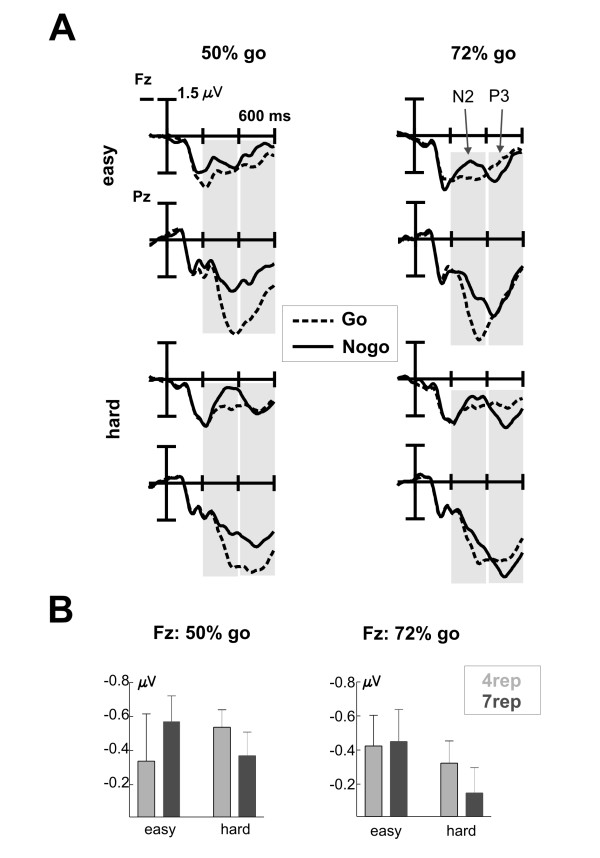
“Electrophysiological studies on the Go/Nogo-paradigm have focussed in particular on the frontal N2/P3 complex in nogo-trials [35,36], supposedly related to the inhibition and its evaluation, respectively [12,37], but see [38,39].”
BackgroundMethodResultERP components in Go/Nogo tasks and their relation to inhibition
Falkenstein, M., Hoormann, J., & Hohnsbein, J. (1999) · Acta Psychologica · doi:10.1016/s0001-6918(99)00008-6 · Cited by 1,102 · cited 4×
“Electrophysiological studies on the Go/Nogo-paradigm have focussed in particular on the frontal N2/P3 complex in nogo-trials [35,36], supposedly related to the inhibition and its evaluation, respectively [12,37], but see [38,39].”
BackgroundMethodResultInfluentialMultiple dopamine D4 receptor variants in the human population
Tol, H. H. M. V., Wu, C. M., Guan, H.-C., Ohara, K., Bunzow, J. R., Civelli, O., Kennedy, J., Seeman, P., Niznik, H. B., & Jovanovic, V. (1992) · Nature · doi:10.1038/358149a0 · Cited by 955 · cited 1×
“The VNTR investigated in the present study is an extensive polymorphic 48bp sequence in exon III that is coding for the third intracellular loop in the D4 receptor [16,24,25].”
BackgroundOscillatory γ-Band (30–70 Hz) Activity Induced by a Visual Search Task in Humans
Tallon-Baudry, C., Bertrand, O., Delpuech, C., & Pernier, J. (1997) · The Journal of Neuroscience · doi:10.1523/jneurosci.17-02-00722.1997 · Cited by 928
Modulation of intracellular cyclic AMP levels by different human dopamine D4 receptor variants
Asghari, V., Sanyal, S., Buchwaldt, S., Paterson, A., Jovanovic, V., & Van Tol, H. H. M. (1995) · Journal of Neurochemistry · doi:10.1046/j.1471-4159.1995.65031157.x · Cited by 858 · cited 2×
“Given the observed reduced dopaminergic response in the 7rep variant [26], these results hint at a possible mechanism to explain the polymorphism's effect on prefrontal functions.”
BackgroundFrontal midline EEG dynamics during working memory
Onton, J., Delorme, A., & Makeig, S. (2005) · NeuroImage · doi:10.1016/j.neuroimage.2005.04.014 · Cited by 850 · cited 5×
“These results are in line with previous findings of an inhibition-related increase in the theta band [40], which is probably stemming from activity in the PFC and/or ACC [43-45].”
BackgroundResultInfluentialFaraone, S. V., Doyle, A. E., Mick, E., & Biederman, J. (2001) · American Journal of Psychiatry · doi:10.1176/appi.ajp.158.7.1052 · Cited by 753 · cited 2×
“Importantly, there are by now several meta-analyses providing evidence for a small, but robust association between the 7repeat variant and ADHD [5,6,27], whereas studies regarding a link of this polymorphism and the personality trait novelty seeking remained inconclusive [28,29].”
BackgroundCavanagh, J. F., Cohen, M. X., & Allen, J. J. B. (2009) · The Journal of Neuroscience · doi:10.1523/jneurosci.4137-08.2009 · Cited by 669 · cited 1×
“Moreover, modulations of oscillations in the theta band have been consistently found in tasks calling for increased cognitive effort and action control as in interference resolution, error-related processing or working memory [44,45,57,58].”
BackgroundHuynh, H., & Feldt, L. S. (1976) · Journal of Educational Statistics · doi:10.2307/1164736 · Cited by 609
Li, D., Sham, P. C., Owen, M. J., & He, L. (2006) · Human Molecular Genetics · doi:10.1093/hmg/ddl152 · Cited by 586 · cited 1×
“Importantly, there are by now several meta-analyses providing evidence for a small, but robust association between the 7repeat variant and ADHD [5,6,27], whereas studies regarding a link of this polymorphism and the personality trait novelty seeking remained inconclusive [28,29].”
BackgroundERPs to response production and inhibition
Pfefferbaum, A., Ford, J. M., Weller, B. J., & Kopell, B. S. (1985) · Electroencephalography and Clinical Neurophysiology · doi:10.1016/0013-4694(85)91017-x · Cited by 580 · cited 2×
“Electrophysiological studies on the Go/Nogo-paradigm have focussed in particular on the frontal N2/P3 complex in nogo-trials [35,36], supposedly related to the inhibition and its evaluation, respectively [12,37], but see [38,39].”
BackgroundMethodA hypervariable segment in the human dopamine receptor D4 (DRD4) gene
Lichter, J. B., Barr, C. L., Kennedy, J. L., Van Tol, H. H. M., Kidd, K. K., & Livak, K. J. (1993) · Human Molecular Genetics · doi:10.1093/hmg/2.6.767 · Cited by 524 · cited 1×
“The VNTR investigated in the present study is an extensive polymorphic 48bp sequence in exon III that is coding for the third intracellular loop in the D4 receptor [16,24,25].”
BackgroundThe Electrophysiological Dynamics of Interference during the Stroop Task
Hanslmayr, S., Pastötter, B., Bäuml, K.-H., Gruber, S., Wimber, M., & Klimesch, W. (2008) · Journal of Cognitive Neuroscience · doi:10.1162/jocn.2008.20020 · Cited by 510 · cited 6×
“Based on previous studies, we were interested in changes in the theta band (4 - 8 Hz) reflecting prefrontal control functions [40,44,58] and the beta band, which is rather related to the motor output itself [46].”
BackgroundMethodResultInfluentialLocalization of dopamine D4 receptors in GABAergic neurons of the primate brain
Mrzljak, L., Bergson, C., Pappy, M., Huff, R., Levenson, R., & Goldman-Rakic, P. S. (1996) · Nature · doi:10.1038/381245a0 · Cited by 494
The world-wide distribution of allele frequencies at the human dopamine D4 receptor locus
Chang, F.-M., Kidd, J. R., Livak, K. J., Pakstis, A. J., & Kidd, K. K. (1996) · Human Genetics · doi:10.1007/s004390050166 · Cited by 437 · cited 1×
“As the 7 repeat allele is rare [51], the vast majority of studies has compared heterozygous participants, rendering conclusions about genetic effects in these participants questionable.”
BackgroundThe dopamine D4 receptor: one decade of research
Oak, J. N., Oldenhof, J., & Van Tol, H. H. M. (2000) · European Journal of Pharmacology · doi:10.1016/s0014-2999(00)00562-8 · Cited by 419 · cited 3×
“The D4 receptor is particularly abundant in prefrontal regions (PFC; including ACC), but expressed also in regions belonging to the limbic system such as the amygdala and hippocampus [15,16].”
BackgroundPliszka, S. R., Liotti, M., & Woldorff, M. G. (2000) · Biological Psychiatry · doi:10.1016/s0006-3223(00)00890-8 · Cited by 402 · cited 4×
“The N2 is suggested to reflect inhibitory mechanisms emanating from areas in the prefrontal cortex [11,53].”
BackgroundInfluentialMultiple dopamine receptor subtypes in the medial prefrontal cortex of the rat regulate set-shifting
Floresco, S. B., Magyar, O., Ghods-Sharifi, S., Vexelman, C., & Tse, M. T. L. (2006) · Neuropsychopharmacology · doi:10.1038/sj.npp.1300825 · Cited by 395
The molecular genetic architecture of human personality: beyond self-report questionnaires
Ebstein, R. P. (2006) · Molecular Psychiatry · doi:10.1038/sj.mp.4001814 · Cited by 366 · cited 1×
“Neurophysiological studies (EEG or fMRI) might be thus a more promising research line to investigate the role of certain genes in the development of ADHD, going beyond mere association or behavioral studies [62].”
BackgroundKok, A. (1986) · Biological Psychology · doi:10.1016/0301-0511(86)90087-6 · Cited by 357
Assessing the molecular genetics of attention networks
Fossella, J., Sommer, T., Fan, J., Wu, Y., Swanson, J. M., Pfaff, D. W., & Posner, M. I. (2002) · BMC Neuroscience · doi:10.1186/1471-2202-3-14 · Cited by 339 · cited 1×
“Recently, a number of different polymorphisms both in the promotor and the coding region of the D4 receptor gene have been studied regarding their physiological and behavioral relevance [9,20-23].”
BackgroundEffect of Catechol- O -Methyltransferase val 158 met Genotype on Attentional Control
Blasi, G., Mattay, V. S., Bertolino, A., Elvevåg, B., Callicott, J. H., Das, S., Kolachana, B. S., Egan, M. F., Goldberg, T. E., & Weinberger, D. R. (2005) · The Journal of Neuroscience · doi:10.1523/jneurosci.0476-05.2005 · Cited by 294 · cited 2×
“Genetic effects on the levels of behavior and neurophysiology provide further evidence for the polymorphism's role in the modulation of prefrontal functions and dovetail previous findings on the impact of dopaminergic genes on cognitive control functions [20,50].”
BackgroundResultAbnormal Brain Activity Related to Performance Monitoring and Error Detection in Children with ADHD
Liotti, M., Pliszka, S. R., Perez, R., Kothmann, D., & Woldorff, M. G. (2005) · Cortex · doi:10.1016/s0010-9452(08)70274-0 · Cited by 290 · cited 5×
“Electrophysiological studies on the Go/Nogo-paradigm have focussed in particular on the frontal N2/P3 complex in nogo-trials [35,36], supposedly related to the inhibition and its evaluation, respectively [12,37], but see [38,39].”
BackgroundMethodInfluentialSwanson, J., Oosterlaan, J., Murias, M., Schuck, S., Flodman, P., Spence, M. A., Wasdell, M., Ding, Y., Chi, H.-C., Smith, M., et al. (2000) · Proceedings of the National Academy of Sciences · doi:10.1073/pnas.080070897 · Cited by 267 · cited 7×
“In line with neuropsychological studies in ADHD patients with the 7rep allele [2,7,8], our results rather support the view that this variant is associated with unimpaired or in our case even improved cognitive control functions.”
BackgroundResultInfluentialSchulz, K. P., Fan, J., Tang, C. Y., Newcorn, J. H., Buchsbaum, M. S., Cheung, A. M., & Halperin, J. M. (2004) · American Journal of Psychiatry · doi:10.1176/appi.ajp.161.9.1650 · Cited by 262 · cited 2×
“They moreover present a reduced level of inhibitionrelated prefrontal activity in fMRI and ERP studies [1113,49,59].”
BackgroundKirmizi-Alsan, E., Bayraktaroglu, Z., Gurvit, H., Keskin, Y. H., Emre, M., & Demiralp, T. (2006) · Brain Research · doi:10.1016/j.brainres.2006.03.010 · Cited by 235 · cited 3×
“These results are in line with previous findings of an inhibition-related increase in the theta band [40], which is probably stemming from activity in the PFC and/or ACC [43-45].”
BackgroundMethodResultDRD4 and novelty seeking: Results of meta‐analyses
Schinka, J. A., Letsch, E. A., & Crawford, F. C. (2002) · American Journal of Medical Genetics · doi:10.1002/ajmg.10649 · Cited by 230 · cited 1×
“Importantly, there are by now several meta-analyses providing evidence for a small, but robust association between the 7repeat variant and ADHD [5,6,27], whereas studies regarding a link of this polymorphism and the personality trait novelty seeking remained inconclusive [28,29].”
BackgroundDopamine system genes and attention deficit hyperactivity disorder: a meta-analysis
Maher, B. S., Marazita, M. L., Ferrell, R. E., & Vanyukov, M. M. (2002) · Psychiatric Genetics · doi:10.1097/00041444-200212000-00003 · Cited by 225 · cited 2×
“Importantly, there are by now several meta-analyses providing evidence for a small, but robust association between the 7repeat variant and ADHD [5,6,27], whereas studies regarding a link of this polymorphism and the personality trait novelty seeking remained inconclusive [28,29].”
BackgroundCongdon, E., Lesch, K. P., & Canli, T. (2008) · American Journal of Medical Genetics Part B: Neuropsychiatric Genetics · doi:10.1002/ajmg.b.30557 · Cited by 218 · cited 3×
“In the last years, this gene-ADHD association has led to several studies investigating possible neuropsychological effects of the DRD4 VNTR, mainly in ADHD children [2,7,8], but also in healthy participants [30].”
BackgroundResultDurston, S., Fossella, J. A., Casey, B. J., Hulshoff Pol, H. E., Galvan, A., Schnack, H. G., Steenhuis, M. P., Minderaa, R. B., Buitelaar, J. K., Kahn, R. S., et al. (2005) · Molecular Psychiatry · doi:10.1038/sj.mp.4001649 · Cited by 217 · cited 2×
“Recently, a number of different polymorphisms both in the promotor and the coding region of the D4 receptor gene have been studied regarding their physiological and behavioral relevance [9,20-23].”
BackgroundLevy-Berger, G., & Haydon, M. (1985) · Medical Entomology and Zoology · Cited by 204
Action monitoring, error detection, and the basal ganglia: an ERP study
Falkenstein, M., Hielscher, H., Dziobek, I., Schwarzenau, P., Hoormann, J., Sundermann, B., & Hohnsbein, J. (2001) · Neuroreport · doi:10.1097/00001756-200101220-00039 · Cited by 196 · cited 1×
“Interestingly, both accounts (inhibition and conflict monitoring) of the N2 predict and have previously shown an enhanced N2 in blocks of high go-probability, which we did not observe in the present data [38,54].”
ResultOn the transmission of partial information: Inferences from movement-related brain potentials.
Osman, A., Bashore, T. R., Coles, M. G., & Donchin, E. (1992) · Journal of Experimental Psychology: Human Perception and Performance · doi:10.1037//0096-1523.18.1.217 · Cited by 195 · cited 1×
“We adapted a hybrid choice-reaction go/nogo task introduced by Osman and colleagues [65].”
MethodTheta phase resetting and the error‐related negativity
Yeung, N., Bogacz, R., Holroyd, C. B., Nieuwenhuis, S., & Cohen, J. D. (2007) · Psychophysiology · doi:10.1111/j.1469-8986.2006.00482.x · Cited by 185 · cited 2×
“Moreover, modulations of oscillations in the theta band have been consistently found in tasks calling for increased cognitive effort and action control as in interference resolution, error-related processing or working memory [44,45,57,58].”
BackgroundMethodLangley, K., Marshall, L., van den Bree, M., Thomas, H., Owen, M., O’Donovan, M., & Thapar, A. (2004) · American Journal of Psychiatry · doi:10.1176/appi.ajp.161.1.133 · Cited by 183 · cited 3×
“In the last years, this gene-ADHD association has led to several studies investigating possible neuropsychological effects of the DRD4 VNTR, mainly in ADHD children [2,7,8], but also in healthy participants [30].”
BackgroundResultFallgatter, A. J., Ehlis, A.-C., Seifert, J., Strik, W. K., Scheuerpflug, P., Zillessen, K. E., Herrmann, M. J., & Warnke, A. (2004) · Clinical Neurophysiology · doi:10.1016/j.clinph.2003.11.036 · Cited by 178 · cited 1×
“However, ADHD is known to imply changes in a range of neurophysiological markers of prefrontal functions such as performance monitoring and inhibitory control [11-13].”
BackgroundEvent-related oscillations are ‘real brain responses’ — wavelet analysis and new strategies
Başar, E. R., Schürmann, M. A., Demiralp, T. A., Başar-Eroglu, C. A., & Ademoglu, A. H. (2001) · International Journal of Psychophysiology · doi:10.1016/s0167-8760(00)00135-5 · Cited by 178 · cited 11×
“We performed a Go/Nogo task with participants selected from a larger sample based on their DRD4 alleles to investigate neurophysiological correlates (ERPs and task-induced oscillations) of inhibitory control.”
MethodInfluentialDopamine D4 Receptor Gene Novelty or Nonsense?
Paterson, A. (1999) · Neuropsychopharmacology · doi:10.1016/s0893-133x(98)00115-8 · Cited by 163 · cited 1×
“Importantly, there are by now several meta-analyses providing evidence for a small, but robust association between the 7repeat variant and ADHD [5,6,27], whereas studies regarding a link of this polymorphism and the personality trait novelty seeking remained inconclusive [28,29].”
BackgroundNeural Mechanisms Underlying Adaptive Actions after Slips
Marco-Pallarés, J., Camara, E., Münte, T. F., & Rodríguez-Fornells, A. (2008) · Journal of Cognitive Neuroscience · doi:10.1162/jocn.2008.20117 · Cited by 163 · cited 3×
“A reduced beta decrease has been found also in relation to post-error-slowing which was taken as evidence for inhibitory activity underlying post-error adaptation [41].”
BackgroundResultSelf-citationA Genetic Polymorphism in the Promoter Region of DRD4 Associated with Expression and Schizophrenia
Okuyama, Y., Ishiguro, H., Toru, M., & Arinami, T. (1999) · Biochemical and Biophysical Research Communications · doi:10.1006/bbrc.1999.0630 · Cited by 161 · cited 1×
“Recently, a number of different polymorphisms both in the promotor and the coding region of the D4 receptor gene have been studied regarding their physiological and behavioral relevance [9,20-23].”
BackgroundDopamine D4Receptors Modulate GABAergic Signaling in Pyramidal Neurons of Prefrontal Cortex
Wang, X., Zhong, P., & Yan, Z. (2002) · The Journal of Neuroscience · doi:10.1523/jneurosci.22-21-09185.2002 · Cited by 155 · cited 1×
“Regarding its functional role, an inhibitory influence of D4 receptor activation on GABAergic and glutamatergic functions in the PFC has been demonstrated, possibly underlying the beneficial effects of neuroleptics such as clozapine [17-19].”
BackgroundLeocani, L., Toro, C., Zhuang, P., Gerloff, C. P., & Hallett, M. (2001) · Clinical Neurophysiology · doi:10.1016/s1388-2457(01)00530-2 · Cited by 153 · cited 2×
“A reduced ERD is typically seen in relation to inhibition of the motor response [42,47].”
BackgroundBekker, E. M., Kenemans, J. L., & Verbaten, M. N. (2004) · Clinical Neurophysiology · doi:10.1016/j.clinph.2004.04.008 · Cited by 148 · cited 1×
“Electrophysiological studies on the Go/Nogo-paradigm have focussed in particular on the frontal N2/P3 complex in nogo-trials [35,36], supposedly related to the inhibition and its evaluation, respectively [12,37], but see [38,39].”
MethodDopamine D4Receptor-Deficient Mice Display Cortical Hyperexcitability
Rubinstein, M., Cepeda, C., Hurst, R. S., Flores-Hernandez, J., Ariano, M. A., Falzone, T. L., Kozell, L. B., Meshul, C. K., Bunzow, J. R., Low, M. J., et al. (2001) · The Journal of Neuroscience · doi:10.1523/jneurosci.21-11-03756.2001 · Cited by 138 · cited 1×
“Regarding its functional role, an inhibitory influence of D4 receptor activation on GABAergic and glutamatergic functions in the PFC has been demonstrated, possibly underlying the beneficial effects of neuroleptics such as clozapine [17-19].”
BackgroundSasaki, K., & Gemba, H. (1986) · Experimental Brain Research · doi:10.1007/bf00340499 · Cited by 129 · cited 1×
“The N2 is suggested to reflect inhibitory mechanisms emanating from areas in the prefrontal cortex [11,53].”
BackgroundManor, I., Tyano, S., Eisenberg, J., Bachner‐Melman, R., Kotler, M., & Ebstein, R. P. (2002) · Molecular Psychiatry · doi:10.1038/sj.mp.4001078 · Cited by 125 · cited 1×
“The authors (and others observing similar results) hence suggested that the 7 repeat variant might present a subgroup with the behavioral but not cognitive symptoms of ADHD [2,7,32].”
ResultKrämer, U. M., Cunillera, T., Càmara, E., Marco-Pallarés, J., Cucurell, D., Nager, W., Bauer, P., Schüle, R., Schöls, L., Rodriguez-Fornells, A., et al. (2007) · The Journal of Neuroscience · doi:10.1523/jneurosci.4229-07.2007 · Cited by 124
Self-citationTime–Frequency Analysis of Single-Sweep Event-Related Potentials by Means of Fast Wavelet Transform
Demıralp, T., Yordanova, J., Kolev, V., Ademoğlu, A., Devrim, M., & Samar, V. J. (1999) · Brain and Language · doi:10.1006/brln.1998.2028 · Cited by 122 · cited 11×
“We performed a Go/Nogo task with participants selected from a larger sample based on their DRD4 alleles to investigate neurophysiological correlates (ERPs and task-induced oscillations) of inhibitory control.”
MethodInfluentialPerformance monitoring is altered in adult ADHD: A familial event-related potential investigation
McLoughlin, G., Albrecht, B., Banaschewski, T., Rothenberger, A., Brandeis, D., Asherson, P., & Kuntsi, J. (2009) · Neuropsychologia · doi:10.1016/j.neuropsychologia.2009.07.013 · Cited by 113 · cited 3×
“They moreover present a reduced level of inhibitionrelated prefrontal activity in fMRI and ERP studies [1113,49,59].”
BackgroundImaging genetics in ADHD: A focus on cognitive control
Durston, S., de Zeeuw, P., & Staal, W. (2008) · Neuroscience & Biobehavioral Reviews · doi:10.1016/j.neubiorev.2008.08.009 · Cited by 105 · cited 1×
“Although there exist a number of association studies [4-6] and a few studies on neuropsychological correlates of this polymorphism in ADHD [2,7,8], evidence regarding the underlying neural mechanisms mediating this association remains scarce [9,10].”
BackgroundDRD4 and DAT1 polymorphisms modulate human gamma band responses
Demiralp, T., Herrmann, C. S., Erdal, M. E., Ergenoglu, T., Keskin, Y. H., Ergen, M., & Beydagi, H. (2007) · Cerebral Cortex · doi:10.1093/cercor/bhl011 · Cited by 105 · cited 1×
“Whereas behavioral data thus do not allow final conclusions about the functional role of this genotype, neurophysiological data (such as event-related potentials, ERPs or task-induced oscillations) might be more sensitive for subtle, genetically caused differences [20,33,34] and can moreover speak to the underlying me…”
BackgroundBellgrove, M. A., Hawi, Z., Lowe, N., Kirley, A., Robertson, I. H., & Gill, M. (2005) · American Journal of Medical Genetics Part B: Neuropsychiatric Genetics · doi:10.1002/ajmg.b.30193 · Cited by 98
Kebir, O., Tabbane, K., Sengupta, S., & Joober, R. (2009) · Journal of Psychiatry and Neuroscience · doi:10.1139/jpn.0913 · Cited by 98 · cited 1×
“However, variability in the included samples regarding participants' disease severity as well as differences in the applied behavioral paradigms and finally contradictory results render conclusions about the genetic effects difficult [for a review see [31]].”
ResultRegulation of Working Memory by Dopamine D4 Receptor in Rats
Zhang, K., Grady, C. J., Tsapakis, E.-M., Andersen, S. L., Tarazi, F. I., & Baldessarini, R. J. (2004) · Neuropsychopharmacology · doi:10.1038/sj.npp.1300491 · Cited by 90 · cited 1×
“Interestingly, studies in rodents pointed to positive effects of prefrontal D4 receptor blockade on different cognitive functions, possibly because of the receptor's inhibitory effect on glutamatergic activity [60,61].”
BackgroundMarco-Pallarés, J., Cucurell, D., Cunillera, T., Krämer, U. M., Càmara, E., Nager, W., Bauer, P., Schüle, R., Schöls, L., Münte, T. F., et al. (2009) · Biological Psychiatry · doi:10.1016/j.biopsych.2009.01.006 · Cited by 88
Self-citationRau, C., Plewnia, C., Hummel, F. C., & Gerloff, C. P. (2003) · Clinical Neurophysiology · doi:10.1016/s1388-2457(03)00174-3 · Cited by 86 · cited 1×
“ERD and ERS have been proposed to be related to cortical activation and a cortical resting state, respectively [46-48].”
BackgroundMolecular Genetics of Attention
Bellgrove, M. A., & Mattingley, J. B. (2008) · Annals of the New York Academy of Sciences · doi:10.1196/annals.1417.013 · Cited by 81 · cited 2×
“Moreover, altered prefrontal functions in ADHD are often related to the assumed underlying dopaminergic dysfunction in those patients [1,3].”
BackgroundThe dopamine D4 receptors and mechanisms of antipsychotic atypicality
Wong, A. H. C., & Tol, H. H. M. V. (2003) · Progress in Neuro-Psychopharmacology and Biological Psychiatry · doi:10.1016/j.pnpbp.2003.09.005 · Cited by 77 · cited 2×
“The D4 receptor is particularly abundant in prefrontal regions (PFC; including ACC), but expressed also in regions belonging to the limbic system such as the amygdala and hippocampus [15,16].”
BackgroundGornick, M. C., Addington, A., Shaw, P., Bobb, A. J., Sharp, W., Greenstein, D., Arepalli, S., Castellanos, F. X., & Rapoport, J. L. (2007) · American Journal of Medical Genetics Part B Neuropsychiatric Genetics · doi:10.1002/ajmg.b.30460 · Cited by 77 · cited 1×
“Although there exist a number of association studies [4-6] and a few studies on neuropsychological correlates of this polymorphism in ADHD [2,7,8], evidence regarding the underlying neural mechanisms mediating this association remains scarce [9,10].”
BackgroundPastötter, B., Hanslmayr, S., & Bäuml, K. T. (2007) · Journal of Cognitive Neuroscience · doi:10.1162/jocn.2008.20010 · Cited by 44 · cited 3×
“A reduced ERD is typically seen in relation to inhibition of the motor response [42,47].”
BackgroundDopamine D4 receptor exon III genotype influence on the auditory evoked novelty P3
Strobel, A., Debener, S., Anacker, K., Müller, J., Lesch, K., & Brocke, B. (2004) · Neuroreport · doi:10.1097/00001756-200410250-00022 · Cited by 35 · cited 1×
“Recently, a number of different polymorphisms both in the promotor and the coding region of the D4 receptor gene have been studied regarding their physiological and behavioral relevance [9,20-23].”
BackgroundGenetics of Childhood Disorders: XXII. ADHD, Part 6: The Dopamine D4 Receptor Gene
Barr, C. L. (2001) · Journal of the American Academy of Child & Adolescent Psychiatry · doi:10.1097/00004583-200101000-00025 · Cited by 20 · cited 2×
“Moreover, altered prefrontal functions in ADHD are often related to the assumed underlying dopaminergic dysfunction in those patients [1,3].”
Background
Research works printed but not linked: 1
- Marco-Pallares J Cucurell D Cunillera T Krämer UM Camara E Nager W Bauer P Schüle R Schöls L Münte TF Genetic variability in the dopamine system (DRD4, COMT) modulates neurophysiological responses to gains and losses in humans Biol Psychiatry in press 19251248
Cited by
Logue, S. F., & Gould, T. J. (2014) · Pharmacology Biochemistry and Behavior · doi:10.1016/j.pbb.2013.08.007 · Cited by 477
“In addition, homozygous 7-repeat carriers were more accurate in a go/no-go task compared to homozygous 4-repeat carriers (Kramer et al. 2009).”
BackgroundThe Molecular Genetics of Executive Function: Role of Monoamine System Genes
Barnes, J. J. M., Dean, A. J., Nandam, L. S., O'Connell, R. G., & Bellgrove, M. A. (2011) · Biological Psychiatry · doi:10.1016/j.biopsych.2010.12.040 · Cited by 164
Response Inhibition and Interference Control in Obsessive–Compulsive Spectrum Disorders
van Velzen, L. S., Vriend, C., de Wit, S. J., & van den Heuvel, O. A. (2014) · Frontiers in Human Neuroscience · doi:10.3389/fnhum.2014.00419 · Cited by 169
“Genetic polymorphisms in the dopamine D4-receptor gene (DRD4), associated with reduced functional activity (Asghari et al., 1995), have been related to decreased performance on the Stop-signal task (Congdon et al., 2008), although conflicting results have also been reported (Kramer et al., 2009).”
ResultSweitzer, M. M., Halder, I., Flory, J. D., Craig, A. E., Gianaros, P. J., Ferrell, R. E., & Manuck, S. B. (2013) · Social Cognitive and Affective Neuroscience · doi:10.1093/scan/nss020 · Cited by 94
The role of the lateral prefrontal cortex in inhibitory motor control
Krämer, U. M., Solbakk, A.-K., Funderud, I., Løvstad, M., Endestad, T., & Knight, R. T. (2013) · Cortex · doi:10.1016/j.cortex.2012.05.003 · Cited by 99
“Including blocks with 80% compared to 50% of go-trials served as a manipulation of inhibition difficulty with 80% go-trials being the condition with a high bias for fast responses and thereby more demanding in terms of inhibitory control (Krämer et al., 2009; Swick et al., 2008).”
MethodSelf-citation
Metadata
- Authors
- Krämer, U. M., Rojo, N., Schüle, R., Cunillera, T., Schöls, L., Marco-Pallarés, J., Cucurell, D., Camara, E., Rodriguez-Fornells, A., & Münte, T. F.
- Affiliations
- University of California, Berkeley (US)
- Universitat de Barcelona (ES)
- Hertie Institute for Clinical Brain Research (DE)
- Center for Behavioral Brain Sciences (DE)
- Corresponding author
- Münte, Thomas F
- Venue
- BMC Neuroscience
- Published
- 2009-12
- Volume
- 10
- Issue
- 1
- Pages
- 150-150
- ISSN
- 1471-2202 (ISSN-L)
- PMC
- PMC2803796
- OpenAlex
- W2109156079
- Cited by
- 42
- References
- 66
- Citations by year
- 2025: 1 · 2023: 1 · 2019: 2 · 2017: 3 · 2016: 5 · 2015: 3 · 2014: 10 · 2013: 5 · 2012: 6
- FWCI
- 2.47
- Type
- journal article
- Language
- en
- Open access
- gold
- doi.org
- Licence
- cc-by
- Locations
- BMC Neuroscience (publishedVersion, cc-by)
- PubMed Central (publishedVersion, cc-by)
- PubMed (publishedVersion)
- Dipòsit Digital de la Universitat de Barcelona (Universitat de Barcelona) (publishedVersion, cc-by)
- RECERCAT (Consorci de Serveis Universitaris de Catalunya) (publishedVersion, other-oa)
- DOAJ (DOAJ: Directory of Open Access Journals) (submittedVersion)
- RECERCAT (Consorci de Serveis Universitaris de Catalunya) (submittedVersion, cc-by)
- Funders
- Deutsche Forschungsgemeinschaft (KR 3691/1-1, SFB 779)
- Topics
- Health Sciences › Medicine › Psychiatry and Mental health › Attention Deficit Hyperactivity Disorder
- Life Sciences › Neuroscience › Cellular and Molecular Neuroscience › Neurotransmitter Receptor Influence on Behavior
- Life Sciences › Neuroscience › Cognitive Neuroscience › Neural and Behavioral Psychology Studies
- Keywords
- attention deficit hyperactivity disorder, DRD4 gene, dopamine D4 receptor, 7-repeat allele, inhibitory control, response inhibition, go/no-go task, theta band, beta band, prefrontal control
- MeSH terms
- Adolescent, Adult, Attention Deficit Disorder with Hyperactivity, Cognition, Evoked Potentials, Female, Genotype, Heterozygote, Humans, Inhibition, Psychological, Male, Middle Aged, Polymorphism, Genetic, Reference Values, Prefrontal Cortex, Minisatellite Repeats, Receptors, Dopamine D4, Young Adult
About these checks
Registry, retraction, Cites and statistics results are computed, not judged, with one exception: a printed reference that no index lists is read once by a model before it counts as a citation error. Claims are extracted by a model and kept only when their quote appears verbatim in the text; each cited source is then checked, with a model’s help, for whether it says what the claim relies on. Those verdicts can be wrong — read the claim’s quote and the cited source before relying on one.
Statistics and arithmetic are recomputed, not judged.
Confidence bands are shown only for fields calibrated on our annotated test set. None is calibrated yet, so no band is shown.
What counts as a claim ›How we measure confidence ›How we check this ›
Are you an author, or do you see a problem with this page? Request a review
Data sources
Bibliographic data: Semantic Scholar, OpenAlex, Crossref.
Contains information from the Semantic Scholar Academic Graph Datasets, made available under the ODC Attribution License (ODC-BY 1.0).
Semantic Scholar’s data is described in: Kinney, R., et al. (2023). The Semantic Scholar Open Data Platform. arXiv:2301.10140.
