

Drugs developed to treat diabetes, liraglutide and lixisenatide, cross the blood brain barrier and enhance neurogenesis
Open accessThe DOI matches its Crossref record; 23 of the 23 references it cites were found in a registry or an index.
Abstract
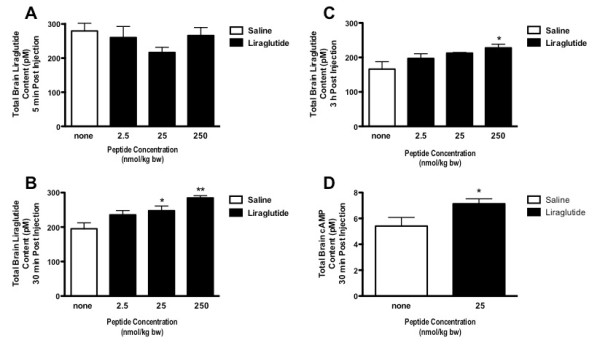
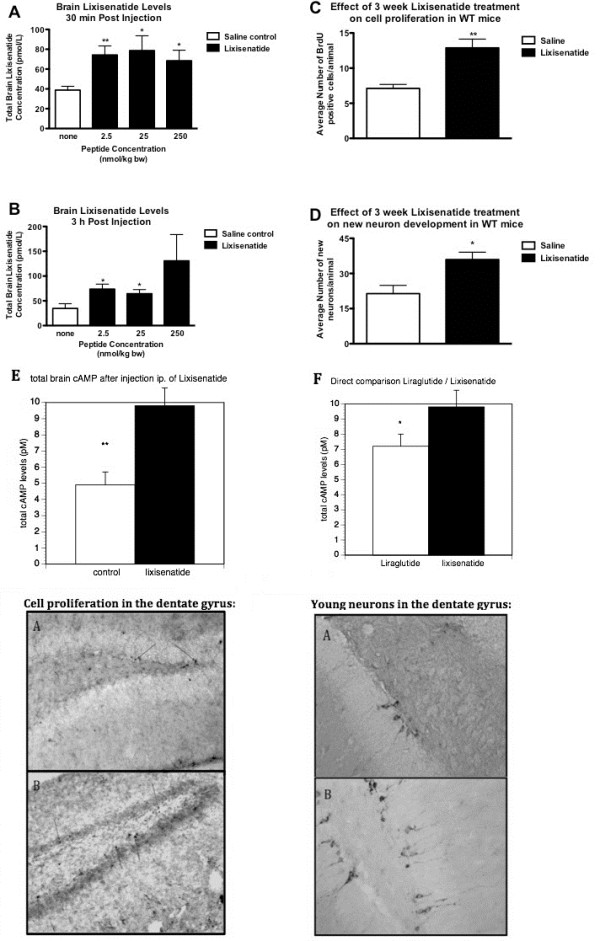
BACKGROUND: Type 2 diabetes is a risk factor for Alzheimer's disease (AD), most likely linked to an impairment of insulin signalling in the brain. Therefore, drugs that enhance insulin signalling may have therapeutic potential for AD. Liraglutide (Victoza) and exenatide (Byetta) are novel long-lasting analogues of the GLP-1 incretin hormone and are currently available to treat diabetes. They facilitate insulin signalling via the GLP-1 receptor (GLP-1R). Numerous in vitro and in vivo studies have shown that GLP-1 analogues have a range of neuroprotective properties. GLP-1Rs are expressed in the hippocampal area of the brain an important site of adult neurogenesis and maintenance of cognition and memory formation. Therefore, if GLP-1 analogues can cross the blood brain barrier, diffuse through the brain to reach the receptors and most importantly activate them, their neuroprotective effects may be realized. RESULTS: In the present study we profiled the GLP-1 receptor agonists liraglutide (Victoza) and lixisenatide (Lyxumia). We measured the kinetics of crossing the blood brain barrier (BBB), activation of the GLP-1R by measuring cAMP levels, and physiological effects in the brain on neuronal stem cell proliferation and neurogenesis. Both drugs were able to cross the BBB. Lixisenatide crossed the BBB at all doses tested (2.5, 25, or 250 nmol/kg bw ip.) when measured 30 min post-injection and at 2.5-25 nmol/kg bw ip. 3 h post-injection. Lixisenatide also enhanced neurogenesis in the brain. Liraglutide crossed the BBB at 25 and 250 nmol/kg ip. but no increase was detectable at 2.5 nmol/kg ip. 30 min post-injection, and at 250 nmol/kg ip. at 3 h post-injection. Liraglutide and lixisenatide enhanced cAMP levels in the brain, with lixisenatide being more effective. CONCLUSIONS: Our results suggest that these novel incretin analogues cross the BBB and show physiological activity and neurogenesis in the brain, which may be of use as a treatment of neurodegenerative diseases.
Overview
The claims and statistics of this paper haven’t been checked yet.
Free: it reads the open-access text and checks the first 5 claims that cite a source we can check. Create a free account to check every claim.
Integrity signals
Registry
Cites
Statistics
Figures
Verification
Claims the paper makes
The claims and statistics of this paper haven’t been checked yet.
Free: it reads the open-access text and checks the first 5 claims that cite a source we can check. Create a free account to check every claim.
Claims other papers make about this one
Each is checked against this paper’s own text: does it say what the citing paper says it does?
The source backs part of the claim, not all of it — or backs it for a different population, condition or comparison.
In the citing paper
“In addition, GLP-1 and GLP-1 analogues enter the brain through blood brain barrier [83–86].”
From Anti-Inflammatory Effects of GLP-1-Based Therapies beyond Glucose Control (2016) · cites this paper as [85]
Experimental — accuracy not yet measuredThe cited source says what the claim attributes to it.
In the citing paper
“Liraglutide can cross the blood–brain barrier 38 and demonstrates favorable effects in mouse models of AD 39 , 40 or in humans. 41 , 42 , 43”
From Critical evaluation of real‐world evidence of repurposable medicines in the Alzheimer's disease drug development pipeline using a target trial emulation (2026) · cites this paper as [38]
The check wasn’t confident either way, so it gives no verdict — never disputed.
In the citing paper
“Researchers have discovered that GLP-1RAs exhibit a noticeable increase in the level of phosphorylated ERK1/2 within the sciatic nerve of diabetic rats.”
From Glucagon-like peptide-1 receptor: mechanisms and advances in therapy (2024) · cites this paper as [402]
Experimental — accuracy not yet measured
Self-check
Percentages, sums and reported differences re-computed from the paper’s own numbers.
The self-check needs the paper’s full text.
Citations
Cites
Drucker, D. J., & Nauck, M. A. (2006) · The Lancet · doi:10.1016/s0140-6736(06)69705-5 · Cited by 3,896 · cited 1×
“Drugs that mimic incretin hormones can maintain glucose homeostasis and improve multiple symptoms of type 2 diabetes like the risk of hypoglycaemia, inadequate postprandial blood glucose control, glucose fluctuations, bcell failure, and weight gain [1,2].”
BackgroundBiology of Incretins: GLP-1 and GIP
Baggio, L. L., & Drucker, D. J. (2007) · Gastroenterology · doi:10.1053/j.gastro.2007.03.054 · Cited by 3,639 · cited 4×
“Liraglutide is also on the market and is injected peripherally once daily [1].”
BackgroundInfluentialGlucagon-like peptide-1 receptor is involved in learning and neuroprotection
During, M. J., Cao, L., Zuzga, D. S., Francis, J. S., Fitzsimons, H. L., Jiao, X., Bland, R. J., Klugmann, M., Banks, W. A., Drucker, D. J., et al. (2003) · Nature Medicine · doi:10.1038/nm919 · Cited by 851 · cited 1×
“Previous studies have shown similar effects in the brain, in particular on cell proliferation and neurogenesis [14,18-21], and our results add considerably to those findings.”
ResultMoloney, A. M., Griffin, R. J., Timmons, S., O’Connor, R., Ravid, R., & O’Neill, C. (2010) · Neurobiology of Aging · doi:10.1016/j.neurobiolaging.2008.04.002 · Cited by 764 · cited 1×
“It was also shown that insulin receptors in the brain are desensitised in AD patients [9,10].”
BackgroundMcClean, P. L., Parthsarathy, V., Faivre, E., & Hölscher, C. (2011) · The Journal of Neuroscience · doi:10.1523/jneurosci.0529-11.2011 · Cited by 698 · cited 2×
“Previous studies already had demonstrated that liraglutide also enhances neuronal progenitor proliferation and increased neurogenesis in the brain of a mouse model of Alzheimer disease [16].”
BackgroundSelf-citationHyperinsulinemia and risk of Alzheimer disease
Luchsinger, J. A., Tang, M.-X., Shea, S., & Mayeux, R. (2004) · Neurology · doi:10.1212/01.wnl.0000140292.04932.87 · Cited by 683 · cited 1×
“Epidemiological studies found a clear correlation between T2DM and the risk of developing AD [6-8].”
BackgroundGöke, R., Larsen, P. J., Mikkelsen, J. D., & Sheikh, S. P. (1995) · European Journal of Neuroscience · doi:10.1111/j.1460-9568.1995.tb00650.x · Cited by 474 · cited 1×
“GLP-1 receptors are found on neurons in the brains of rodents and humans [12,13].”
BackgroundIntracerebral streptozotocin model of type 3 diabetes: Relevance to sporadic Alzheimer’s disease
Lester-Coll, N., Rivera, E. J., Soscia, S. J., Doiron, K., Wands, J. R., & de la Monte, S. M. (2006) · Journal of Alzheimer s Disease · doi:10.3233/jad-2006-9102 · Cited by 467 · cited 1×
“It was also shown that insulin receptors in the brain are desensitised in AD patients [9,10].”
BackgroundGlucose tolerance status and risk of dementia in the community: The Hisayama Study
Ohara, T., Doi, Y., Ninomiya, T., Hirakawa, Y., Hata, J., Iwaki, T., Kanba, S., & Kiyohara, Y. (2011) · Neurology · doi:10.1212/wnl.0b013e31822f0435 · Cited by 420
Entry of exendin-4 into brain is rapid but may be limited at high doses
Kastin, A. J., & Akerstrom, V (2003) · International Journal of Obesity · doi:10.1038/sj.ijo.0802206 · Cited by 355
Cited by
Items 101–200 of 500
De Giorgi, R., Ghenciulescu, A., Dziwisz, O., Taquet, M., Adler, A. I., Koychev, I., Upthegrove, R., Solmi, M., McCutcheon, R., Pillinger, T., et al. (2025) · Nature Mental Health · doi:10.1038/s44220-025-00390-x · Cited by 77
“However, other investigations have suggested that several GLP-1RAs may cross the blood–brain barrier via passive diffusion 251 , a GLP-1R-mediated uptake mechanism 252 or adsorption transcytosis 253 , although different compounds may present with variable degrees of brain penetrance 254 .”
A Review: Treatment of Alzheimer’s Disease Discovered in Repurposed Agents
Appleby, B. S., Nacopoulos, D., Milano, N., Zhong, K., & Cummings, J. L. (2013) · Dementia and Geriatric Cognitive Disorders · doi:10.1159/000345791 · Cited by 90
Xu, W., Yang, Y., Yuan, G., Zhu, W., Ma, D., & Hu, S. (2015) · Journal of Investigative Medicine · doi:10.1097/jim.0000000000000129 · Cited by 89
Antidiabetic Drugs for the Risk of Alzheimer Disease in Patients With Type 2 DM Using FAERS
Akimoto, H., Negishi, A., Oshima, S., Wakiyama, H., Okita, M., Horii, N., Inoue, N., Ohshima, S., & Kobayashi, D. (2020) · American Journal of Alzheimer's Disease & Other Dementias® · doi:10.1177/1533317519899546 · Cited by 89
“Multiple reports have shown that the use of sulfonylureas provides less favorable glycemic control than the use of other antidiabetic drugs.(20,38,53-55) A potential Figure 3.”
BackgroundA novel mouse model of glucagon‐like peptide‐1 receptor expression: A look at the brain
Graham, D. L., Durai, H. H., Trammell, T. S., Noble, B. L., Mortlock, D. P., Galli, A., & Stanwood, G. D. (2020) · Journal of Comparative Neurology · doi:10.1002/cne.24905 · Cited by 88
“…al. document that GLP-1R activation increases neurogenesis within the DG, suggesting that GLP-1R modulates this phenomenon directly (Hamilton, Patterson, Porter, Gault, & Holscher, 2011; Holscher, 2012; Hunter & Holscher, 2012; McClean, Jalewa, & Holscher, 2015; McGovern, Hunter, & Holscher, 2012).”
Lengsfeld, S., Burkard, T., Meienberg, A., Jeanloz, N., Vukajlovic, T., Bologna, K., Steinmetz, M., Bathelt, C., Sailer, C. O., Vogt, D. R., et al. (2023) · eClinicalMedicine · doi:10.1016/j.eclinm.2023.101865 · Cited by 81
Bruns VI, N., Tressler, E. H., Vendruscolo, L. F., Leggio, L., & Farokhnia, M. (2024) · Pharmacological Research · doi:10.1016/j.phrs.2024.107312 · Cited by 89
Perspectives in GLP-1 Research: New Targets, New Receptors
Cantini, G., Mannucci, E., & Luconi, M. (2016) · Trends in Endocrinology and Metabolism · doi:10.1016/j.tem.2016.03.017 · Cited by 105
“In mice, GLP-1 and GLP-1RAs can cross the blood–brain barrier after peripheral administration [25].”
BackgroundManagement of diabetes in older adults
Sesti, G., Antonelli Incalzi, R., Bonora, E., Consoli, A., Giaccari, A., Maggi, S., Paolisso, G., Purrello, F., Vendemiale, G., & Ferrara, N. (2018) · Nutrition, Metabolism and Cardiovascular Diseases · doi:10.1016/j.numecd.2017.11.007 · Cited by 84
“On the other hand, GLP-1 receptor agonists may represent a sound therapeutic option in obese older patients with diabetes [74] and in diabetic patients with mi ld cognitive impairment or early Alzheimer’s disease, due to the evidence of neuroprotective eff ects exerted by exenatide [75], liraglutide and lixisenatide […”
BackgroundMetabolic Dysfunction in Alzheimer’s Disease: From Basic Neurobiology to Clinical Approaches
Clarke, J. R., Ribeiro, F. C., Frozza, R. L., De Felice, F. G., & Lourenco, M. V. (2018) · Journal of Alzheimer's Disease · doi:10.3233/jad-179911 · Cited by 87
“…outcomes on cognition in AD patients as monotherapy [283] or in combination with AChE inhibitors [263] Incretins T2DM Exenatide, liraglutide – promote synaptic plasticity and neurogenesis in healthy mice [284, 285], and reduce A (cid:2) burden and memory impairment in AD mice [31, 109, 254, 286] –”
Cheng, D., Yang, S., Zhao, X., & Wang, G. (2022) · Drug Design, Development and Therapy · doi:10.2147/dddt.s348055 · Cited by 84
The effects of hormones and physical exercise on hippocampal structural plasticity
Triviño-Paredes, J., Patten, A. R., Gil‐Mohapel, J., & Christie, B. R. (2016) · Frontiers in Neuroendocrinology · doi:10.1016/j.yfrne.2016.03.001 · Cited by 92
Gut-brain connection: The neuroprotective effects of the anti-diabetic drug liraglutide
Candeias, E. M. (2015) · World Journal of Diabetes · doi:10.4239/wjd.v6.i6.807 · Cited by 83
Drug Repositioning Approaches for the Discovery of New Therapeutics for Alzheimer's Disease
Kim, T. (2014) · Neurotherapeutics · doi:10.1007/s13311-014-0325-7 · Cited by 89
“Peripherally injected liraglutide and another GLP-1 analogue, lixisenatide, penetrated the BBB and promoted neurogenesis [124].”
BackgroundGLP-1 receptor agonists show neuroprotective effects in animal models of diabetes
Gault, V. A., & Hölscher, C. (2018) · Peptides · doi:10.1016/j.peptides.2017.11.017 · Cited by 86
Self-citationType 2 Diabetes and Cognitive Impairment: Contributions From Neuroimaging
Ryan, J. P., Fine, D. F., & Rosano, C. (2014) · Journal of Geriatric Psychiatry and Neurology · doi:10.1177/0891988713516543 · Cited by 80
Horowitz, M., Aroda, V. R., Han, J., Hardy, E., & Rayner, C. K. (2017) · Diabetes, Obesity and Metabolism · doi:10.1111/dom.12872 · Cited by 79
Detka, J., & Głombik, K. (2021) · Pharmacological Reports · doi:10.1007/s43440-021-00274-8 · Cited by 79
Farkas, I., Vastagh, C., Farkas, E., Bálint, F., Skrapits, K., Hrabovszky, E., Fekete, C., & Liposits, Z. (2016) · Frontiers in Cellular Neuroscience · doi:10.3389/fncel.2016.00214 · Cited by 79
“Radiolabeled GLP-1 and GLP-1 receptor (GLP-1R) agonists can cross the blood-brain barrier (Hunter and Hölscher, 2012), suggesting an ability to reach various control centers of homeostasis.”
BackgroundMetabolic and cardiovascular benefits of GLP‑1 agonists, besides the hypoglycemic effect (Review)
Iorga, R., Bacalbasa, N., Carsote, M., Bratu, O., Stanescu, A. M., Bungau, S., Pantis, C., & Diaconu, C. (2020) · Experimental and Therapeutic Medicine · doi:10.3892/etm.2020.8714 · Cited by 76
“Liraglutide crosses the hematoencephalic barrier where, besides the GLP-1 receptor activation, it has pleiotropic neuroprotective effects, which could represent a viable use for the treatment of neurodegenerative diseases and after intracerebral hemorrhage (19).”
BackgroundBae, C., & Song, J. (2017) · International Journal of Molecular Sciences · doi:10.3390/ijms18112493 · Cited by 77
“Several studies found that GLP-1 receptor agonists increase the proliferation of neural progenitor cells [41] and increase neurogenesis in the dentate gyrus of the hippocampus [43].”
BackgroundRole of glucagon-like peptide-1 receptor agonists in Alzheimer’s disease and Parkinson’s disease
Hong, C.-T., Chen, J.-H., & Hu, C.-J. (2024) · Journal of Biomedical Science · doi:10.1186/s12929-024-01090-x · Cited by 78
“This activation leads to neuroprotection and the promotion of neuronal progenitor proliferation [59].”
BackgroundBatista, A. F., Bodart‐Santos, V., Felice, F. G. D., & Ferreira, S. T. (2018) · CNS Drugs · doi:10.1007/s40263-018-0593-6 · Cited by 77
Jing, F., Zou, Q., Wang, Y., Cai, Z., & Tang, Y. C. (2021) · The Journal of Headache and Pain · doi:10.1186/s10194-021-01302-x · Cited by 80
“However, data on the changes in GLP-1R levels in other CNS disorders accompanied by microglial activation are contradictory.”
BackgroundInfluentialCernea, S., Dima, L., Correll, C. U., & Manu, P. (2020) · Drugs · doi:10.1007/s40265-020-01393-x · Cited by 85
Clinical Impact of Liraglutide as a Treatment of Obesity
Alruwaili, H., Dehestani, B., & le Roux, C. W. (2021) · Clinical Pharmacology Advances and Applications · doi:10.2147/cpaa.s276085 · Cited by 93
“receptors, liraglutide acts on the brain’s subcortical areas to produce satiety.(20,21) GLP-1 Receptors (GLP1Rs) are located on the nodose ganglion of abdominal”
BackgroundPeng, W., Zhou, R., Sun, Z.-F., Long, J.-W., & Gong, Y.-Q. (2022) · Aging and disease · doi:10.14336/ad.2021.0928 · Cited by 71
“Liraglutide and lixisenatide can cross the BBB, thus enhancing neurogenesis [97].”
BackgroundMa, D., Chen, F., Xu, W., Yue, W., Yuan, G., & Yang, Y. (2015) · Journal of Neurochemistry · doi:10.1111/jnc.13248 · Cited by 69
“The fact that liraglutide can cross the blood–brain barrier (BBB) (Hunter and Holscher 2012) increases the feasibility and our enthusiasm to test this hypothesis.”
BackgroundInfluentialAlzheimer’s disease and type 2 diabetes via chronic inflammatory mechanisms
Mushtaq, G., Khan, J. A., Kumosani, T. A., & Kamal, M. A. (2015) · Saudi Journal of Biological Sciences · doi:10.1016/j.sjbs.2014.05.003 · Cited by 71
“…another study conducted on systemic LPS inflammation model in mice that two day-intraperitoneal injection of liraglutide resulted in noticeable reduction of proinflammatory cytokines and enhanced anti-inflammatory cytokines in the blood, spleen and brains of those mice (Hunter and Holscher, 2012).”
BackgroundResultGLP-1 signaling and alcohol-mediated behaviors; preclinical and clinical evidence
Jerlhag, E. (2018) · Neuropharmacology · doi:10.1016/j.neuropharm.2018.01.013 · Cited by 72
“blood-brain barrier (Hunter and Holscher, 2012; Kastin and Akerstrom, 2003) may suggest that these pharmacological agents”
Greig, N. H., Tweedie, D., Rachmany, L., Li, Y., Rubovitch, V., Schreiber, S., Chiang, Y.-H., Hoffer, B. J., Miller, J., Lahiri, D. K., et al. (2014) · Alzheimer's & Dementia · doi:10.1016/j.jalz.2013.12.011 · Cited by 70
“It is unknown whether such dissimilarities translate into differences in behavior, neurochemistry, and drug responses after TBI, and thus the importance of assessing more than a single animal model for translational drug studies is reiterated.”
Lourenco, M. V., Ferreira, S. T., & Felice, F. G. D. (2015) · Progress in Neurobiology · doi:10.1016/j.pneurobio.2015.03.003 · Cited by 86
Aoun, L., Almardini, S., Saliba, F., Haddadin, F., Mourad, O., Jdaidani, J., Morcos, Z., Al Saidi, I., Bou Sanayeh, E., Saliba, S., et al. (2024) · Journal of Clinical & Translational Endocrinology · doi:10.1016/j.jcte.2024.100333 · Cited by 56
Basalay, M. V., Davidson, S. M., & Yellon, D. M. (2019) · Cardiovascular Drugs and Therapy · doi:10.1007/s10557-019-06915-8 · Cited by 68
Mansur, R. B., Zugman, A., Ahmed, J., Cha, D. S., Subramaniapillai, M., Lee, Y. L., Lovshin, J. A., Lee, J. G., Lee, J.-H., Drobinin, V., et al. (2017) · European Neuropsychopharmacology · doi:10.1016/j.euroneuro.2017.08.433 · Cited by 73
Wang, Y., Hu, H., Liu, X., & Guo, X. (2023) · Frontiers in Pharmacology · doi:10.3389/fphar.2023.1138499 · Cited by 76
“Both lixisenatide and Val(8) GLP-1 could permeate the BBB (Gengler et al., 2012; Hunter and Hoelscher, 2012; Hoelscher, 2014), and protect LTP (Gengler et al.”
BackgroundWang, Y., Chen, S., Zheng, X., Chen, S., Yao, W., & Gao, X. (2017) · Neuropharmacology · doi:10.1016/j.neuropharm.2017.11.048 · Cited by 68
Christensen, M., Sparre‐Ulrich, A. H., Hartmann, B., Grevstad, U., ROSENKILDE, M. M., Holst, J. J., Vilsbøll, T., & Knop, F. K. (2015) · International Journal of Obesity · doi:10.1038/ijo.2015.136 · Cited by 71
Alternative role of glucagon-like Peptide-1 receptor agonists in neurodegenerative diseases
Chen, S., Chuang, Y., Lin, T., & Yang, J. (2022) · European Journal of Pharmacology · doi:10.1016/j.ejphar.2022.175439 · Cited by 73
Kong, F., Wu, J., Sun, S., Ma, L., & Zhou, J. (2018) · Neuropharmacology · doi:10.1016/j.neuropharm.2018.01.001 · Cited by 69
“…in glycemic control, it has been demonstrated that GLP-1 and its analogues exert neurotrophic and neuroprotective actions in neurodegeneration and neurogenesis (Kamble et al., 2016; Gault and Holscher, 2008; Holscher, 2014; Hunter and Holscher, 2012; McClean et al., 2010; Solmaz et al., 2015).”
Diabetes: a tipping point in neurodegenerative diseases
Santiago, J. A., Karthikeyan, M., Lackey, M., Villavicencio, D., & Potashkin, J. A. (2023) · Trends in Molecular Medicine · doi:10.1016/j.molmed.2023.09.005 · Cited by 72
Hansen, H. H., Fabricius, K., Barkholt, P., Kongsbak-Wismann, P., Schlumberger, C., Jelsing, J., Terwel, D., Termont, A., Pyke, C., Knudsen, L. B., et al. (2016) · PLOS ONE · doi:10.1371/journal.pone.0158205 · Cited by 62
“Similar observations have been reported for exendin-4 [69] and lixisenatide [68], indicating saturable central uptake of GLP-1”
ResultVascular Biology of Glucagon Receptor Superfamily Peptides: Mechanistic and Clinical Relevance
Pujadas, G., & Drucker, D. J. (2016) · Endocrine Reviews · doi:10.1210/er.2016-1078 · Cited by 65
“Intraperitoneal injection of smaller GLP-1R agonists such as lixisenatide or liraglutide in mice was followed by detection of both peptides in the brain within 30 minutes (48); nevertheless, the mechanisms mediating brain uptake were not addressed, and the extent to which the measurement of levels of these peptides wi…”
BackgroundGuo, X., Lei, M., Zhao, J., Wu, M., Ren, Z., Yang, X., Ouyang, C., Liu, X., Liu, C., & Chen, Q. (2023) · Frontiers in Pharmacology · doi:10.3389/fphar.2023.1146960 · Cited by 59
Daniele, G., Iozzo, P., Molina-Carrion, M., Lancaster, J., Ciociaro, D., Cersosimo, E., Tripathy, D., Triplitt, C., Fox, P., Musi, N., et al. (2015) · Diabetes · doi:10.2337/db14-1718 · Cited by 62
“Although GLP-1 and some GLP-1R agonists (GLP-1RAs) can cross the blood-brain barrier (9,10), their effects on the CNS are poorly understood.”
BackgroundPanagaki, T., Michael, M., & Hölscher, C. (2017) · Scientific Reports · doi:10.1038/s41598-017-16488-x · Cited by 61
Self-citationBeneficial effects of dipeptidyl peptidase-4 inhibitors in diabetic Parkinson’s disease
Jeong, S. H., Chung, S. J., Yoo, H. S., Hong, N., Jung, J. H., Baik, K., Lee, Y. H., Sohn, Y. H., & Lee, P. H. (2021) · Brain · doi:10.1093/brain/awab015 · Cited by 64
Glucagon-Like Peptide-1 Receptor Agonists (GLP-1RAs) in the Brain–Adipocyte Axis
Geloneze, B., de Lima-Júnior, J. C., & Velloso, L. A. (2017) · Drugs · doi:10.1007/s40265-017-0706-4 · Cited by 60
“Lixisenatide administered intraperitoneally has also been shown to increase neurogenesis in the dentate gyrus [37].”
BackgroundFerrari, F., Moretti, A., & Villa, R. F. (2022) · Pharmacology & Therapeutics · doi:10.1016/j.pharmthera.2022.108277 · Cited by 59
West, J., Li, M., Wong, S., Le, G. H., Teopiz, K. M., Valentino, K., Dri, C. E., & McIntyre, R. S. (2025) · Neurology and Therapy · doi:10.1007/s40120-025-00724-y · Cited by 73
“Hunter and Hölscher (2012) evaluated the capacity of the GLP-1 RAs liraglutide and lixi-senatide to cross the BBB and elicit physiological effects within the brain [17].”
Bao, Y., Jiang, L., Chen, H., Zou, J., Liu, Z., & Shi, Y. (2015) · Cellular Physiology and Biochemistry · doi:10.1159/000430199 · Cited by 60
Effects of liraglutide in hypothalamic arcuate nucleus of obese mice
Barreto‐Vianna, A. R. C., Aguila, M. B., & Mandarim‐de‐Lacerda, C. A. (2016) · Obesity · doi:10.1002/oby.21387 · Cited by 58
The GLP-1 agonist, liraglutide, as a pharmacotherapy for obesity
Crane, J., & McGowan, B. (2016) · Therapeutic Advances in Chronic Disease · doi:10.1177/2040622315620180 · Cited by 59
“2014; Hunter and Holscher, 2012].”
BackgroundType 2 Diabetes (T2DM) and Parkinson’s Disease (PD): a Mechanistic Approach
Sabari, S. S., Balasubramani, K., Iyer, M., Babu, H. W. S., Venkatesan, D., Gopalakrishnan, A. V., Narayanaswamy, A., Kumar, N. S., & Vellingiri, B. (2023) · Molecular Neurobiology · doi:10.1007/s12035-023-03359-y · Cited by 69
Yang, X., Qiang, Q., Li, N., Feng, P., Wei, W., & Hölscher, C. (2022) · Frontiers in Neurology · doi:10.3389/fneur.2022.844697 · Cited by 58
“GLP-1 receptors are substantively expressed and are most abundant in the pancreas, gut and the CNS, but also in the peripheral nervous system (PNS), heart, vasculature, kidneys, and lungs (66).”
BackgroundInfluentialSelf-citationCao, B., Zhang, Y., Chen, J., Wu, P., Dong, Y., & Wang, Y. (2021) · Metabolic Brain Disease · doi:10.1007/s11011-021-00879-1 · Cited by 63
“Importantly, most GLP-1 analogs can enter the central nervous system through the blood-brain barrier, where they exert a variety of physiological effects on their receptors (Chen et al. 2018; Hunter and Hölscher 2012; Li et al. 2009).”
BackgroundTang, B., Sjölander, A., Wastesson, J. W., Maura, G., Blotiere, P.-O., Szilcz, M., Mak, J. K. L., Qin, C., Alvarsson, M., Religa, D., et al. (2024) · eClinicalMedicine · doi:10.1016/j.eclinm.2024.102689 · Cited by 57
Optimal therapy of type 2 diabetes: a controversial challenge
Dardano, A., Penno, G., Prato, S. D., & Miccoli, R. (2014) · Aging · doi:10.18632/aging.100646 · Cited by 69
“Though preliminary data may suggest a potential neuro-protective effect [213,214], results of intervention trials are awaited.”
ResultElbassuoni, E. A., & Ahmed, R. F. (2019) · Neurochemistry International · doi:10.1016/j.neuint.2019.104583 · Cited by 54
The gut microbiota to the brain axis in the metabolic control
Grasset, E., & Burcelin, R. (2019) · Reviews in Endocrine and Metabolic Disorders · doi:10.1007/s11154-019-09511-1 · Cited by 58
GLP-1 and Underlying Beneficial Actions in Alzheimer’s Disease, Hypertension, and NASH
Li, Q.-X., Gao, H., Guo, Y.-X., Wang, B.-Y., Hua, R.-X., Gao, L., Shang, H.-W., Lu, X., & Xu, J.-D. (2021) · Frontiers in Endocrinology · doi:10.3389/fendo.2021.721198 · Cited by 56
Marrano, N., Biondi, G., Borrelli, A., Cignarelli, A., Perrini, S., Laviola, L., Giorgino, F., & Natalicchio, A. (2021) · Biomolecules · doi:10.3390/biom11020286 · Cited by 56
Resveratrol Modulates the Gut-Brain Axis: Focus on Glucagon-Like Peptide-1, 5-HT, and Gut Microbiota
Chung, J. Y., Jeong, J., & Song, J. (2020) · Frontiers in Aging Neuroscience · doi:10.3389/fnagi.2020.588044 · Cited by 60
“GLP-1 crosses the blood–brain barrier (BBB) and influences the brain as well as diverse organs (Hunter and Holscher, 2012).”
BackgroundLi, C., Liu, W., Li, X., Zhang, Z., Qi, H., Liu, S., Yan, N., Xing, Y., Hölscher, C., & Wang, Z. (2020) · Brain and Behavior · doi:10.1002/brb3.1505 · Cited by 56
Self-citationThe pleiotropic of GLP-1/GLP-1R axis in central nervous system diseases
Zhang, L., Zhang, W., & Tian, X. (2023) · International Journal of Neuroscience · doi:10.1080/00207454.2021.1924707 · Cited by 54
Dalsgaard, N. B., Vilsbøll, T., & Knop, F. K. (2018) · Diabetes, Obesity and Metabolism · doi:10.1111/dom.13128 · Cited by 54
Wang, R.-F., Xue, G., Hölscher, C., Tian, M.-J., Feng, P., Zheng, J.-Y., & Li, D. (2018) · Epilepsy Research · doi:10.1016/j.eplepsyres.2018.03.009 · Cited by 58
“The GLP-1 analogue liraglutide can cross the blood-brain barrier (BBB) and activate GLP-1Rs [32, 33].”
BackgroundSelf-citationAlcohol-mediated behaviours and the gut-brain axis; with focus on glucagon-like peptide-1
Jerlhag, E. (2020) · Brain Research · doi:10.1016/j.brainres.2019.146562 · Cited by 53
Biological Membrane-Penetrating Peptides: Computational Prediction and Applications
de Oliveira, E. C. L., da Costa, K. S., Taube, P. S., Lima, A. H., & Sales, C. (2022) · Frontiers in Cellular and Infection Microbiology · doi:10.3389/fcimb.2022.838259 · Cited by 62
“Some studies displayed that the administration of this peptide peripherally can cross the BBB in humans (Hunter and Hölscher, 2012; Athauda et al., 2017), besides exhibiting neuroprotective effects on several neurodegenerative models, mainly in PD (Athauda and Foltynie, 2016).”
BackgroundBrain GLP-1 and insulin sensitivity
Sandoval, D. A., & Sisley, S. R. (2015) · Molecular and Cellular Endocrinology · doi:10.1016/j.mce.2015.02.017 · Cited by 58
“Despite this, radiolabeled GLP-1 and GLP1R agonists can cross the blood– brain barrier after peripheral administration (Hassan et al., 1999; Hunter and Hölscher, 2012).”
BackgroundBadawi, G. A., Fattah, M. A. A. E., Zaki, H. F., & Sayed, M. I. E. (2019) · Neurotoxicity Research · doi:10.1007/s12640-019-9998-3 · Cited by 57
Hakon, J., Ruscher, K., Romner, B., & Tomasevic, G. (2015) · PLOS ONE · doi:10.1371/journal.pone.0120074 · Cited by 52
“Liraglutide has been reported to cross the BBB, and to have potent anti-inflammatory effects on cerebral endothelial cells and astrocytes [7 – 9].”
Mousa, S. A., & Ayoub, B. (2019) · Neural Regeneration Research · doi:10.4103/1673-5374.249217 · Cited by 52
Therapeutic application of GLP-1 and GIP receptor agonists in Parkinson’s disease
Yang, X., Feng, P., Ji, R., Ren, Y., Wei, W., & Hölscher, C. (2022) · Expert Opinion on Therapeutic Targets · doi:10.1080/14728222.2022.2079492 · Cited by 50
“Preclinical studies of different GLP-1 and dual GLP-1/GIP receptor agonists have shown a clear correlation between their ability to cross the BBB [53,55,228,231] and the ability to protect the”
BackgroundSelf-citationGlucagon‐like peptide‐1 protects synaptic and learning functions from neuroinflammation in rodents
Iwai, T., Sawabe, T., Tanimitsu, K., Suzuki, M., Sasaki‐Hamada, S., & Oka, J. (2014) · Journal of Neuroscience Research · doi:10.1002/jnr.23335 · Cited by 49
“…antidepressant-like effects in the forced swim test (Isacson et al., 2011) and increased hippocampal neurogenesis in adult rodents (Li et al., 2010; Hunter and Holscher, 2012), which is thought to be an important mechanism underlying the effects of antidepressants and mood stabilizers (Anacker et…”
BackgroundSharma, A. N., Pise, A., Sharma, J. N., & Shukla, P. (2014) · Metabolic Brain Disease · doi:10.1007/s11011-014-9627-z · Cited by 54
“…weight gain (Jelsing et al. 2012; Shirazi et al. 2013), recent findings points to their ability to cross blood brain barrier, induce neurogenesis (Hunter & Holscher 2012) and modulate a wide range of centrally mediated effects (Chen et al. 2012; Dixit et al. 2013; Egecioglu et al. 2013a;…”
BackgroundFoltynie, T., & Aviles-Olmos, I. (2014) · Alzheimer's & Dementia · doi:10.1016/j.jalz.2013.12.005 · Cited by 49
“Although exenatide (and other GLP-1 agonists) cross the blood–brain barrier when administered peripherally in animal models [36,46–48], there are, however, no human data yet available to confirm the relationship between plasma levels and cerebrospinal fluid (CSF)/brain concentrations.”
BackgroundNutrients, neurogenesis and brain ageing: From disease mechanisms to therapeutic opportunities
Fidaleo, M., Cavallucci, V., & Pani, G. (2017) · Biochemical Pharmacology · doi:10.1016/j.bcp.2017.05.016 · Cited by 54
CHEN, L.-N., LYU, J., YANG, X.-F., JI, W.-J., YUAN, B.-X., CHEN, M.-X., MA, X., & WANG, B. (2013) · International Journal of Molecular Medicine · doi:10.3892/ijmm.2013.1453 · Cited by 50
“Liraglutide, marketed under the brand name, Victoza, is a long-acting GLP-1 agonist developed by Novo Nordisk (Bagsvaerd, Denmark) for the treatment of type 2 diabetes (8).”
Current Drug Repurposing Strategies for Rare Neurodegenerative Disorders
Shah, S., Dooms, M. M., Amaral‐Garcia, S., & Igoillo‐Esteve, M. (2021) · Frontiers in Pharmacology · doi:10.3389/fphar.2021.768023 · Cited by 55
Animal Venom Peptides as a Treasure Trove for New Therapeutics Against Neurodegenerative Disorders
Yang, X., Wang, Y., Wu, C., & Ling, E. (2018) · Current Medicinal Chemistry · doi:10.2174/0929867325666181031122438 · Cited by 51
Lixisenatide improves recognition memory and exerts neuroprotective actions in high-fat fed mice
Lennox, R., Flatt, P. R., & Gault, V. A. (2014) · Peptides · doi:10.1016/j.peptides.2014.08.014 · Cited by 47
Tsai, W.-H., Sung, F.-C., Chiu, L.-T., Shih, Y.-H., Tsai, M.-C., & Wu, S.-I. (2022) · Frontiers in Pharmacology · doi:10.3389/fphar.2022.765446 · Cited by 44
“On the other hand, GLP-1 RA crossed the BBB successfully (Hunter and Hölscher, 2012; Athauda and Foltynie, 2016).”
BackgroundTargeting Glucose Metabolism: A Novel Therapeutic Approach for Parkinson’s Disease
Tanvir, A., Jo, J., & Park, S. M. (2024) · Cells · doi:10.3390/cells13221876 · Cited by 69
Špolcová, A., Mikulášková, B., Holubová, M., Nagelová, V., Pirnik, Z., Zemenová, J., Haluzík, M., Železná, B., Galas, M.-C., & Maletínská, L. (2015) · Journal of Alzheimer's Disease · doi:10.3233/jad-143150 · Cited by 46
“Liraglutide was shown to cross the blood-brain barrier and to increase cAMP and neurogenesis in the mouse brain [44].”
The role of gut endocrine cells in control of metabolism and appetite
Parker, H. E., Gribble, F. M., & Reimann, F. (2014) · Experimental Physiology · doi:10.1113/expphysiol.2014.079764 · Cited by 56
“…to penetrate the blood–brain barrier, but more stable GLP-1 analogues appear able to penetrate deeper regions of the CNS (Kastin et al. 2002; Hunter & Hölscher, 2012) In addition to the anorexigenic effects mediated via brainstem–hypothalamic circuits, GLP-1 signalling may also play a…”
BackgroundMolecular and biochemical trajectories from diabetes to Alzheimer’s disease: A critical appraisal
Sandhir, R., & Gupta, S. (2015) · World Journal of Diabetes · doi:10.4239/wjd.v6.i12.1223 · Cited by 49
Mansur, R. B., Lee, Y., Subramaniapillai, M., Brietzke, E., & McIntyre, R. S. (2018) · Neuropharmacology · doi:10.1016/j.neuropharm.2018.01.048 · Cited by 47
Katsurada, K., Nakata, M., Saito, T., Zhang, B., Maejima, Y., Nandi, S. S., Sharma, N. M., Patel, K. P., Kario, K., & Yada, T. (2019) · Scientific Reports · doi:10.1038/s41598-019-49364-x · Cited by 46
Knezović, A., Barilar, J. O., Perhoč, A. B., Bagarić, R., Farkaš, V., Riederer, P. F., & Šalković‐Petrišić, M. (2018) · Neuropharmacology · doi:10.1016/j.neuropharm.2018.02.027 · Cited by 49
“GLP-1 also acts as a neuropeptide in the brain where it has a neuroprotective and neurotrophic effect (Duarte et al., 2013; Salcedo et al., 2012) and can promote neurogenesis (Duarte et al., 2013; Hunter and Holscher, 2012).”
Liu, X.-Y., Wang, L.-X., Chen, Z., & Liu, L.-B. (2016) · Neurological Research · doi:10.1080/01616412.2016.1145914 · Cited by 46
Tang, H., Lu, Y., Okun, M. S., Donahoo, W. T., Ramirez‐Zamora, A., Wang, F., Huang, Y., Armstrong, M. J., Svensson, M., Virnig, B. A., et al. (2024) · Movement Disorders · doi:10.1002/mds.29992 · Cited by 47
“36 Thus, it is suggested that GLP-1RAs with greater brain penetrance, such as exenatide and lixisenatide, may be more likely to modify the clinical course of PD.”
Hölscher, C. (2014) · PubMed · Cited by 55
Self-citationCai, H.-Y., Wang, Z., Hölscher, C., Li, Y., Zhang, J., Sun, P., Li, J., Yang, W., Wu, M., & Qi, J. (2016) · Behavioural Brain Research · doi:10.1016/j.bbr.2016.10.033 · Cited by 47
“Lixisenatide, a novel long-lasting GLP-1 analogue, has a higher permeability across the BBB and greater biological activity than exendin-4 and liraglutide (Hunter and Holscher, 2012b; Liu et al., 2015).”
Self-citationBabic, I., Gorak, A., Engel, M., Sellers, D., Else, P. L., Osborne, A. L., Pai, N. B., Huang, X., Nealon, J. R., & Weston–Green, K. (2018) · Journal of Psychopharmacology · doi:10.1177/0269881118756061 · Cited by 48
Lawrence, E. C. N., Guo, M., Schwartz, T. D., Wu, J. J., Lu, J., Nikonov, S. S., Sterling, J. K., & Cui, Q. N. (2023) · Frontiers in Cellular Neuroscience · doi:10.3389/fncel.2023.1156829 · Cited by 46
“Synthetic GLP1R agonists are widely used to treat type 2 diabetes, in which the drugs demonstrate both peripheral and central effects (Hunter and Hölscher, 2012).”
BackgroundAgrawal, R., Zhuang, Y., Cummings, B. P., Stanhope, K. L., Graham, J. L., Havel, P. J., & Gómez‐Pinilla, F. (2014) · Biochimica et Biophysica Acta (BBA) - Molecular Basis of Disease · doi:10.1016/j.bbadis.2014.05.007 · Cited by 50
Darsalia, V., Klein, T., Nyström, T., & Patrone, C. (2018) · Neuropharmacology · doi:10.1016/j.neuropharm.2017.08.022 · Cited by 43
“Furthermore, DPP-4i do not cross the BBB, at least under normal conditions, suggesting that one or more alternative indirect mechanisms could be responsible of neuroprotection.”
BackgroundInfluentialMcGovern, S. F. J., Hunter, K., & Hölscher, C. (2012) · Brain Research · doi:10.1016/j.brainres.2012.07.029 · Cited by 47
Self-citationChen, S., Yin, L., Zheng, X., An, F.-M., Liu, A., Wang, Y., Yao, W., & Gao, X. (2015) · Neuroscience Letters · doi:10.1016/j.neulet.2015.12.007 · Cited by 45
Metadata
- Authors
- Hunter, K., & Hölscher, C.
- Affiliations
- University of Ulster (GB)
- Corresponding author
- Hölscher, Christian
- ORCID
- Hölscher, Christian
- Venue
- BMC Neuroscience
- Published
- 2012-03-23
- Volume
- 13
- Issue
- 1
- Pages
- 33-33
- ISSN
- 1471-2202 (ISSN-L)
- PMC
- PMC3352246
- OpenAlex
- W2065372294
- Cited by
- 504
- References
- 23
- Citations by year
- 2026: 26 · 2025: 54 · 2024: 40 · 2023: 37 · 2022: 32 · 2021: 32 · 2020: 38 · 2019: 28 · 2018: 40 · 2017: 34 · 2016: 37 · 2015: 37 · 2014: 39 · 2013: 22 · 2012: 8
- FWCI
- 22.74
- Type
- journal article
- Language
- en
- Update notices
- expression_of_concern (2026-10-29)
- Open access
- gold
- doi.org
- Licence
- cc-by
- creativecommons.org/licenses/by/2.0 (tdm)
- creativecommons.org/licenses/by/2.0 (vor)
- Locations
- BMC Neuroscience (publishedVersion, cc-by)
- PubMed Central (publishedVersion, cc-by)
- PubMed (publishedVersion)
- Lancaster EPrints (Lancaster University) (acceptedVersion)
- DOAJ (DOAJ: Directory of Open Access Journals) (submittedVersion, cc-by-sa)
- Topics
- Life Sciences › Neuroscience › Cellular and Molecular Neuroscience › Alzheimer's disease research and treatments
- Life Sciences › Neuroscience › Neurology › Barrier Structure and Function Studies
- Life Sciences › Neuroscience › Developmental Neuroscience › Neurogenesis and neuroplasticity mechanisms
- Keywords
- liraglutide, lixisenatide, exenatide, GLP-1 receptor agonists, blood-brain barrier penetration, neurogenesis, cAMP signaling, insulin signaling, Alzheimer's disease, type 2 diabetes, neuroprotection, hippocampus
- MeSH terms
- Glucagon-Like Peptide-2 Receptor, Liraglutide, Animals, Blood-Brain Barrier, Brain, Dose-Response Relationship, Drug, Female, Hypoglycemic Agents, Neurons, Peptides, Mice, Glucagon-Like Peptide 1, Neurogenesis
About these checks
Registry, retraction, Cites and statistics results are computed, not judged, with one exception: a printed reference that no index lists is read once by a model before it counts as a citation error. Claims are extracted by a model and kept only when their quote appears verbatim in the text; each cited source is then checked, with a model’s help, for whether it says what the claim relies on. Those verdicts can be wrong — read the claim’s quote and the cited source before relying on one.
Statistics and arithmetic are recomputed, not judged.
Confidence bands are shown only for fields calibrated on our annotated test set. None is calibrated yet, so no band is shown.
What counts as a claim ›How we measure confidence ›How we check this ›
Are you an author, or do you see a problem with this page? Request a review
Data sources
Bibliographic data: Semantic Scholar, OpenAlex, Crossref.
Contains information from the Semantic Scholar Academic Graph Datasets, made available under the ODC Attribution License (ODC-BY 1.0).
Semantic Scholar’s data is described in: Kinney, R., et al. (2023). The Semantic Scholar Open Data Platform. arXiv:2301.10140.
