

Drugs developed to treat diabetes, liraglutide and lixisenatide, cross the blood brain barrier and enhance neurogenesis
Open accessThe DOI matches its Crossref record; 23 of the 23 references it cites were found in a registry or an index.
Abstract
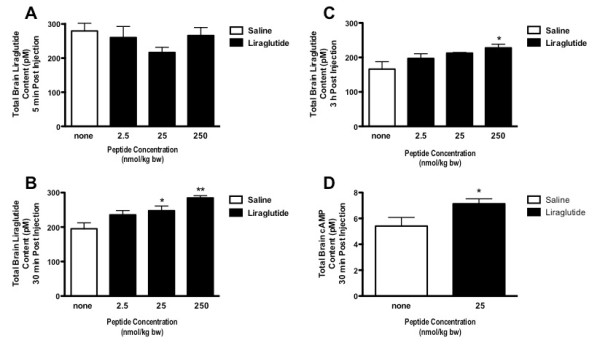
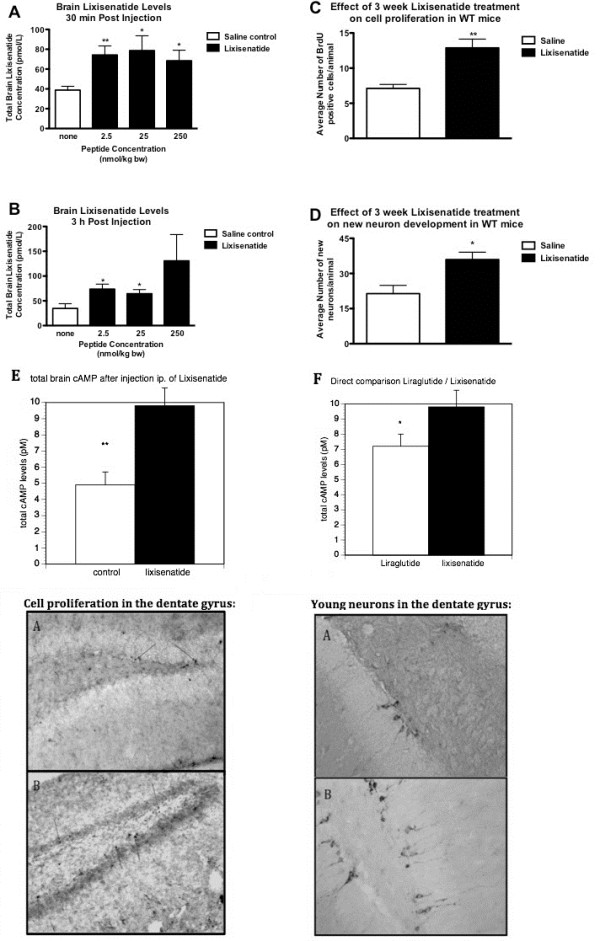
BACKGROUND: Type 2 diabetes is a risk factor for Alzheimer's disease (AD), most likely linked to an impairment of insulin signalling in the brain. Therefore, drugs that enhance insulin signalling may have therapeutic potential for AD. Liraglutide (Victoza) and exenatide (Byetta) are novel long-lasting analogues of the GLP-1 incretin hormone and are currently available to treat diabetes. They facilitate insulin signalling via the GLP-1 receptor (GLP-1R). Numerous in vitro and in vivo studies have shown that GLP-1 analogues have a range of neuroprotective properties. GLP-1Rs are expressed in the hippocampal area of the brain an important site of adult neurogenesis and maintenance of cognition and memory formation. Therefore, if GLP-1 analogues can cross the blood brain barrier, diffuse through the brain to reach the receptors and most importantly activate them, their neuroprotective effects may be realized. RESULTS: In the present study we profiled the GLP-1 receptor agonists liraglutide (Victoza) and lixisenatide (Lyxumia). We measured the kinetics of crossing the blood brain barrier (BBB), activation of the GLP-1R by measuring cAMP levels, and physiological effects in the brain on neuronal stem cell proliferation and neurogenesis. Both drugs were able to cross the BBB. Lixisenatide crossed the BBB at all doses tested (2.5, 25, or 250 nmol/kg bw ip.) when measured 30 min post-injection and at 2.5-25 nmol/kg bw ip. 3 h post-injection. Lixisenatide also enhanced neurogenesis in the brain. Liraglutide crossed the BBB at 25 and 250 nmol/kg ip. but no increase was detectable at 2.5 nmol/kg ip. 30 min post-injection, and at 250 nmol/kg ip. at 3 h post-injection. Liraglutide and lixisenatide enhanced cAMP levels in the brain, with lixisenatide being more effective. CONCLUSIONS: Our results suggest that these novel incretin analogues cross the BBB and show physiological activity and neurogenesis in the brain, which may be of use as a treatment of neurodegenerative diseases.
Overview
The claims and statistics of this paper haven’t been checked yet.
Free: it reads the open-access text and checks the first 5 claims that cite a source we can check. Create a free account to check every claim.
Integrity signals
Registry
Cites
Statistics
Figures
Verification
Claims the paper makes
The claims and statistics of this paper haven’t been checked yet.
Free: it reads the open-access text and checks the first 5 claims that cite a source we can check. Create a free account to check every claim.
Claims other papers make about this one
Each is checked against this paper’s own text: does it say what the citing paper says it does?
The source backs part of the claim, not all of it — or backs it for a different population, condition or comparison.
In the citing paper
“In addition, GLP-1 and GLP-1 analogues enter the brain through blood brain barrier [83–86].”
From Anti-Inflammatory Effects of GLP-1-Based Therapies beyond Glucose Control (2016) · cites this paper as [85]
Experimental — accuracy not yet measuredThe cited source says what the claim attributes to it.
In the citing paper
“Liraglutide can cross the blood–brain barrier 38 and demonstrates favorable effects in mouse models of AD 39 , 40 or in humans. 41 , 42 , 43”
From Critical evaluation of real‐world evidence of repurposable medicines in the Alzheimer's disease drug development pipeline using a target trial emulation (2026) · cites this paper as [38]
The check wasn’t confident either way, so it gives no verdict — never disputed.
In the citing paper
“Researchers have discovered that GLP-1RAs exhibit a noticeable increase in the level of phosphorylated ERK1/2 within the sciatic nerve of diabetic rats.”
From Glucagon-like peptide-1 receptor: mechanisms and advances in therapy (2024) · cites this paper as [402]
Experimental — accuracy not yet measured
Self-check
Percentages, sums and reported differences re-computed from the paper’s own numbers.
The self-check needs the paper’s full text.
Citations
Cites
Drucker, D. J., & Nauck, M. A. (2006) · The Lancet · doi:10.1016/s0140-6736(06)69705-5 · Cited by 3,896 · cited 1×
“Drugs that mimic incretin hormones can maintain glucose homeostasis and improve multiple symptoms of type 2 diabetes like the risk of hypoglycaemia, inadequate postprandial blood glucose control, glucose fluctuations, bcell failure, and weight gain [1,2].”
BackgroundBiology of Incretins: GLP-1 and GIP
Baggio, L. L., & Drucker, D. J. (2007) · Gastroenterology · doi:10.1053/j.gastro.2007.03.054 · Cited by 3,639 · cited 4×
“Liraglutide is also on the market and is injected peripherally once daily [1].”
BackgroundInfluentialGlucagon-like peptide-1 receptor is involved in learning and neuroprotection
During, M. J., Cao, L., Zuzga, D. S., Francis, J. S., Fitzsimons, H. L., Jiao, X., Bland, R. J., Klugmann, M., Banks, W. A., Drucker, D. J., et al. (2003) · Nature Medicine · doi:10.1038/nm919 · Cited by 851 · cited 1×
“Previous studies have shown similar effects in the brain, in particular on cell proliferation and neurogenesis [14,18-21], and our results add considerably to those findings.”
ResultMoloney, A. M., Griffin, R. J., Timmons, S., O’Connor, R., Ravid, R., & O’Neill, C. (2010) · Neurobiology of Aging · doi:10.1016/j.neurobiolaging.2008.04.002 · Cited by 764 · cited 1×
“It was also shown that insulin receptors in the brain are desensitised in AD patients [9,10].”
BackgroundMcClean, P. L., Parthsarathy, V., Faivre, E., & Hölscher, C. (2011) · The Journal of Neuroscience · doi:10.1523/jneurosci.0529-11.2011 · Cited by 698 · cited 2×
“Previous studies already had demonstrated that liraglutide also enhances neuronal progenitor proliferation and increased neurogenesis in the brain of a mouse model of Alzheimer disease [16].”
BackgroundSelf-citationHyperinsulinemia and risk of Alzheimer disease
Luchsinger, J. A., Tang, M.-X., Shea, S., & Mayeux, R. (2004) · Neurology · doi:10.1212/01.wnl.0000140292.04932.87 · Cited by 683 · cited 1×
“Epidemiological studies found a clear correlation between T2DM and the risk of developing AD [6-8].”
BackgroundGöke, R., Larsen, P. J., Mikkelsen, J. D., & Sheikh, S. P. (1995) · European Journal of Neuroscience · doi:10.1111/j.1460-9568.1995.tb00650.x · Cited by 474 · cited 1×
“GLP-1 receptors are found on neurons in the brains of rodents and humans [12,13].”
BackgroundIntracerebral streptozotocin model of type 3 diabetes: Relevance to sporadic Alzheimer’s disease
Lester-Coll, N., Rivera, E. J., Soscia, S. J., Doiron, K., Wands, J. R., & de la Monte, S. M. (2006) · Journal of Alzheimer s Disease · doi:10.3233/jad-2006-9102 · Cited by 467 · cited 1×
“It was also shown that insulin receptors in the brain are desensitised in AD patients [9,10].”
BackgroundGlucose tolerance status and risk of dementia in the community: The Hisayama Study
Ohara, T., Doi, Y., Ninomiya, T., Hirakawa, Y., Hata, J., Iwaki, T., Kanba, S., & Kiyohara, Y. (2011) · Neurology · doi:10.1212/wnl.0b013e31822f0435 · Cited by 420
Entry of exendin-4 into brain is rapid but may be limited at high doses
Kastin, A. J., & Akerstrom, V (2003) · International Journal of Obesity · doi:10.1038/sj.ijo.0802206 · Cited by 355
Cited by
Items 201–300 of 500
Potentials of incretin‐based therapies in dementia and stroke in type 2 diabetes mellitus
Groeneveld, O. N., Kappelle, L. J., & Biessels, G. J. (2016) · Journal of Diabetes Investigation · doi:10.1111/jdi.12420 · Cited by 43
Immune and metabolic alterations in first episode psychosis (FEP) patients
Bocchio‐Chiavetto, L., Zanardini, R., Tosato, S., Ventriglia, M., Ferrari, C., Bonetto, C., Lasalvia, A., Giubilini, F., Fioritti, A., Pileggi, F., et al. (2018) · Brain Behavior and Immunity · doi:10.1016/j.bbi.2018.03.013 · Cited by 46
Urkon, M., Ferencz, E., Szász, J. A., Szabó, M. I. M., Orbán-Kis, K., Szatmári, S., & Nagy, E. E. (2025) · Pharmaceuticals · doi:10.3390/ph18050614 · Cited by 45
“Liraglutide and lixisenatide had favorable brain/serum partition ratios with a subsequent rise in cAMP in the mouse brain over a wide dose range (25–250 nmol/kg) [95].”
Blood Pressure-Lowering Effects of Incretin-Based Diabetes Therapies
Lovshin, J. A., & Zinman, B. (2014) · Canadian Journal of Diabetes · doi:10.1016/j.jcjd.2014.05.001 · Cited by 42
“Of those studied, it has been reported that GLP-1R agonists cross the blood-brain barrier (14,15) and some have been associated with neuroprotective effects in the central nervous system in different preclinical models of neurodegeneration (16), and more recently, in improving clinical performance scales in the settin…”
BackgroundBeneficial effects of liraglutide (GLP1 analog) in the hippocampal inflammation
Vianna, A. R. D. C. B., Águila, M. B., & Mandarim‐de‐Lacerda, C. A. (2017) · Metabolic Brain Disease · doi:10.1007/s11011-017-0059-4 · Cited by 46
“The peripheral administration of liraglutide crosses the blood-brain barrier and has potential to act on the CNS (Hunter and Holscher 2012; McClean and Holscher 2014).”
BackgroundInfluentialDellaValle, B., Brix, G. S., Brock, B., Gejl, M., Landau, A. M., Møller, A., Rungby, J., & Larsen, A. (2016) · Frontiers in Pharmacology · doi:10.3389/fphar.2016.00433 · Cited by 39
“In this study, we were interested in the GLP-1 receptor agonist, liraglutide: a long-acting GLP-1 analog designed to extend the half-life of GLP-1 receptor activation (Knudsen et al., 2000) that can cross the blood-brain barrier (Hunter and Hölscher, 2012).”
BackgroundInoue, K., Maeda, N., Fujishima, Y., Fukuda, S., Nagao, H., Yamaoka, M., Hirata, A., Nishizawa, H., Funahashi, T., & Shimomura, I. (2014) · Diabetology & Metabolic Syndrome · doi:10.1186/1758-5996-6-95 · Cited by 42
“Peripheral administration of liraglutide or lixisenatide can cross the blood brain barrier and enhanced cAMP level in brain, suggesting that GLP-1 receptor agonists directly acts on central nerve system [14].”
BackgroundTramutola, A., Arena, A., Cini, C., Butterfield, D. A., & Barone, E. (2017) · Expert Review of Neurotherapeutics · doi:10.1080/14737175.2017.1246183 · Cited by 38
“5 nmol/kg/bw at 30 min and 3 h postinjection [153].”
BackgroundLiraglutide activates autophagy via GLP-1R to improve functional recovery after spinal cord injury
Chen, J., Wang, Z., Mao, Y., Zheng, Z., Chen, Y., Khor, S., Shi, K., He, Z., Li, J., Gong, F., et al. (2017) · Oncotarget · doi:10.18632/oncotarget.20791 · Cited by 38
“Liraglutide has also been reported to pass through the blood–brain barrier (BBB), physiologically affecting neurogenesis in rat brains [24].”
BackgroundHigh-fat diet changes the temporal profile of GLP-1 receptor-mediated hypophagia in rats
Mul, J. D., Begg, D. P., Barrera, J. G., Li, B., Matter, E. K., D'Alessio, D. A., Woods, S. C., Seeley, R. J., & Sandoval, D. A. (2013) · American Journal of Physiology-Regulatory, Integrative and Comparative Physiology · doi:10.1152/ajpregu.00588.2012 · Cited by 37
“Central resistance to the anorexic action of both leptin and insulin, both important regulators of long-term energy balance, has been hypothesized to be at least partially explained by reduced transport of leptin and insulin across the BBB during high-fat diet-induced and genetic obesity (10, 26).”
BackgroundHansen, H. H., Hansen, G., Paulsen, S. J., Vrang, N., Mark, M., Jelsing, J., & Klein, T. (2014) · European Journal of Pharmacology · doi:10.1016/j.ejphar.2014.08.010 · Cited by 42
“…analogues to penetrate the brain–blood barrier, possibly through simple diffusion or via fenestrated capillaries (Orskov et al., 1996; Kastin et al., 2002; Hunter and Hölscher, 2012), which suggests a possible mechanism for circulating GLP-1 and GLP-1 mimetics to access central GLP-1 receptors.”
BackgroundChen, B., Zheng, T., Qin, L., Hu, X., Zhang, X., Liu, Y., Liu, H., Qin, S., Li, G., & Li, Q. (2017) · Frontiers in Aging Neuroscience · doi:10.3389/fnagi.2017.00247 · Cited by 41
“Third, although GLP-1 has been shown to cross the blood–brain barrier and increase brain GLP-1 concentrations (Hunter and Holscher, 2012), peripheral GLP-1 might not be able to reflect GLP-1 in the brain.”
BackgroundWu, P., Dong, Y., Chen, J., Guan, T., Cao, B., Zhang, Y., Qi, Y., Guan, Z., & Wang, Y. (2022) · Neurotoxicity Research · doi:10.1007/s12640-021-00460-9 · Cited by 46
“Most GLP-1 analogs can enter the central nervous system by crossing the blood–brain barrier (Hunter and Hölscher 2012).”
BackgroundA randomized controlled trial of the GLP-1 receptor agonist dulaglutide in primary polydipsia
Winzeler, B., Sailer, C. O., Coynel, D., Zanchi, D., Vogt, D. R., Urwyler, S. A., Refardt, J., & Christ-Crain, M. (2021) · Journal of Clinical Investigation · doi:10.1172/jci151800 · Cited by 37
Lu, W., Wang, S., Tang, H., Yuan, T., Zuo, W., & Liu, Y. (2025) · European Psychiatry · doi:10.1192/j.eurpsy.2024.1803 · Cited by 48
Neuroprotective effects of an oxyntomodulin analogue in the MPTP mouse model of Parkinson's disease
Liu, W., Li, Y., Jalewa, J., Saunders-Wood, T., Lin, L., & Hölscher, C. (2015) · European Journal of Pharmacology · doi:10.1016/j.ejphar.2015.08.038 · Cited by 39
“Several GLP-1 receptor agonists have been developed as treatments for type 2 diabetes, and some of these can cross the BBB (Hunter and Holscher, 2012; Kastin and Akerstrom, 2003; Kastin et al., 2002; McClean et al., 2011).”
BackgroundSelf-citationAroor, A. R., Manrique‐Acevedo, C., & DeMarco, V. G. (2018) · Cardiovascular Diabetology · doi:10.1186/s12933-018-0704-1 · Cited by 38
“The possibility that incretin enhancer therapy could be neuroprotective is likely given that GLP-1 receptors are expressed in neurons from rodents and humans [88, 89] and that native GLP-1 and GLP-1 analogs readily cross the blood brain barrier [90, 91].”
BackgroundZhao, Z., & Pu, Y. (2018) · Biochemical and Biophysical Research Communications · doi:10.1016/j.bbrc.2018.11.135 · Cited by 37
Regulation of adipogenesis by exosomal milk miRNA
Abbas, M. A., Al-Saigh, N. N., & Saqallah, F. G. (2023) · Reviews in Endocrine and Metabolic Disorders · doi:10.1007/s11154-023-09788-3 · Cited by 41
Lv, R., Zhao, Y., Wang, X., He, Y., Dong, N., Min, X., Liu, X., Yu, Q., Yuan, K., Yue, H., et al. (2024) · International Immunopharmacology · doi:10.1016/j.intimp.2024.113222 · Cited by 56
GLP-1 and the Degenerating Brain: Exploring Mechanistic Insights and Therapeutic Potential
Moaket, O. S., Obaid, S. E., Obaid, F. E., Shakeeb, Y. A., Elsharief, S. M., Tania, A., Darwish, R., Butler, A. E., & Moin, A. S. M. (2025) · International Journal of Molecular Sciences · doi:10.3390/ijms262110743 · Cited by 46
Knudsen, L. B., Secher, A., Hecksher‐Sørensen, J., & Pyke, C. (2016) · Journal of Diabetes Investigation · doi:10.1111/jdi.12463 · Cited by 36
Mietlicki‐Baase, E. G., Liberini, C. G., Workinger, J. L., Bonaccorso, R. L., Borner, T., Reiner, D. J., Koch‐Laskowski, K., McGrath, L. E., Lhamo, R., Stein, L. M., et al. (2018) · Diabetes, Obesity and Metabolism · doi:10.1111/dom.13222 · Cited by 36
Fakih, W., Zeitoun, R., AlZaim, I., Eid, A. H., Kobeissy, F. H., Abd‐Elrahman, K. S., & EL‐Yazbi, A. F. (2022) · Obesity · doi:10.1002/oby.23400 · Cited by 40
Zeng, S.-S., Bai, J.-J., Jiang, H., Zhu, J.-J., Fu, C.-C., He, M.-Z., Zhu, J.-H., Chen, S.-Q., Li, P.-J., Fu, X.-Q., et al. (2020) · Frontiers in Cellular Neuroscience · doi:10.3389/fncel.2019.00585 · Cited by 35
“Moreover, liraglutide has been shown to cross the blood–brain barrier (Hunter and Hölscher, 2012).”
BackgroundKoychev, I. G., Reid, G., Nguyen, M., Mentz, R. J., Joyce, D. W., Shah, S. H., & Holman, R. R. (2024) · Alzheimer s Research & Therapy · doi:10.1186/s13195-024-01573-x · Cited by 39
“Importantly for dementia research, this class of compound has been shown to be anti-inflammatory, reduce cerebrovascular risk [4], to have effects on neural tissue [5, 6].”
BackgroundThe design and discovery of lixisenatide for the treatment of type 2 diabetes mellitus
Christensen, M., Miossec, P., Larsen, B. D., Werner, U., & Knop, F. K. (2014) · Expert Opinion on Drug Discovery · doi:10.1517/17460441.2014.942638 · Cited by 34
“Lixisenatide decreased glucagon secretion in diabetic fatty rat pancreas during a high-glucose challenge [53] Aim: measurement of lixisenatide/liraglutide kinetics crossing the blood--brain barrier, assessment of lixisenatide/liraglutide activation of GLP-1 receptors and lixisenatide/liraglutide effects on brain cell…”
BackgroundTran, J., Parekh, S., Rockcole, J., Wilson, D., & Parmar, M. S. (2024) · Life Sciences · doi:10.1016/j.lfs.2024.123001 · Cited by 38
Candeias, E., Duarte, A. I., Sebastião, I., Fernandes, M. A. S., Plácido, A. I., Carvalho, C., Correia, S. C., Santos, R. X., Seiça, R. M. F., Santos, M. S., et al. (2016) · Molecular Neurobiology · doi:10.1007/s12035-016-0155-1 · Cited by 41
Tackling dipeptidyl peptidase IV in neurological disorders
Castorina, A., Al‐Badri, G., Leggio, G. M., Musumeci, G., Marzagalli, R., & Drago, F. (2018) · Neural Regeneration Research · doi:10.4103/1673-5374.224365 · Cited by 40
“One such analogue, known as exenatide, exhibits potent GLP-1R agonist activities, and available data seems to point to both its robust anti-inflammatory functions (Huang et al., 2012; Gullo et al., 2017) and its role in stimulating neurogenesis (Hunter and Hölscher, 2012; Gumuslu et al., 2016).”
BackgroundKatsurada, K., Nandi, S. S., Sharma, N. M., Zheng, H., Liu, X., & Patel, K. P. (2019) · American Journal of Physiology-Renal Physiology · doi:10.1152/ajprenal.00028.2019 · Cited by 37
Shared signaling pathways in Alzheimer’s and metabolic disease may point to new treatment approaches
Suresh, J., Khor, I. W., Kaur, P., Heng, H. L., Torta, F. T., Dawe, G. S., Tai, E. S., & Tolwinski, N. S. (2020) · FEBS Journal · doi:10.1111/febs.15540 · Cited by 36
Effects of glucagon-like peptide-1 receptor agonists on fluid intake in healthy volunteers
Winzeler, B., da Conceição, I., Refardt, J., Sailer, C. O., Dutilh, G., & Christ-Crain, M. (2020) · Endocrine · doi:10.1007/s12020-020-02394-2 · Cited by 33
Incretin-based therapies for obesity treatment
de Mello, A. H., Prá, M. D., Cardoso, L. C., Schraiber, R. D. B., & Rezin, G. T. (2015) · Metabolism · doi:10.1016/j.metabol.2015.05.012 · Cited by 36
“Studies in animals have shown that GLP-1 analogs are also capable of crossing the blood–brain barrier following peripheral administration [50].”
BackgroundPark, S. W., Mansur, R. B., Lee, Y. L., Lee, J.-H., Seo, M. K., Choi, A. J., McIntyre, R. S., & Lee, J. G. (2018) · Frontiers in Neuroscience · doi:10.3389/fnins.2018.00756 · Cited by 36
Citraro, R., Iannone, M., Leo, A., Caro, C. D., Nesci, V., Tallarico, M., Abdalla, K., Palma, E., Arturi, F., Sarro, G. D., et al. (2019) · Brain Research Bulletin · doi:10.1016/j.brainresbull.2019.08.001 · Cited by 38
“Similarly to the native GLP-1, LIR crosses the BBB and is able to bind to GLP-1Rs in the brain, exerting neuroprotective effects (Candeias, 2015; Hunter and Hölscher, 2012).”
Backgroundvan Ruiten, C. C., Veltman, D. J., Schrantee, A., van Bloemendaal, L., Barkhof, F., Kramer, M. H. H., Nieuwdorp, M., & IJzerman, R. G. (2022) · The Journal of Clinical Endocrinology & Metabolism · doi:10.1210/clinem/dgac043 · Cited by 38
Anderson, G., & Maes, M. H. J. (2013) · CNS & Neurological Disorders - Drug Targets · doi:10.2174/18715273113126660132 · Cited by 36
“Interestingly other anti-diabetic medications, including liraglutide and lixisenatide, also enhance neurogenesis [120].”
BackgroundExendin-4 antagonizes Aβ1-42-induced attenuation of spatial learning and memory ability
Wang, X., Wang, L., Jiang, R., Xu, Y., Zhao, X., & Li, Y. (2016) · Experimental and Therapeutic Medicine · doi:10.3892/etm.2016.3742 · Cited by 39
“half-life is longer than that of native GLP-1 and may cross the blood-brain barrier (45).”
Chen, Y., Zhang, X., He, J., Xie, Y., & Yang, Y. (2018) · Journal of Stroke and Cerebrovascular Diseases · doi:10.1016/j.jstrokecerebrovasdis.2017.12.015 · Cited by 32
McIntyre, R. S., Rasgon, N., Goldberg, J. F., Wong, S., Le, G. H., Mansur, R. B., Rosenblat, J. D., Teopiz, K. M., & Stahl, S. M. (2025) · CNS Spectrums · doi:10.1017/s1092852925000124 · Cited by 40
Extra-pancreatic effects of incretin-based therapies
Gallwitz, B. (2014) · Endocrine · doi:10.1007/s12020-014-0223-0 · Cited by 35
Glucagon-like peptide-1 prevented abdominal aortic aneurysm development in rats
Yu, J., Morimoto, K., Bao, W., Yu, Z., Okita, Y., & Okada, K. (2015) · Surgery Today · doi:10.1007/s00595-015-1287-z · Cited by 34
Hormonal Regulation of Oxidative Phosphorylation in the Brain in Health and Disease
Głombik, K., Detka, J., & Budziszewska, B. (2021) · Cells · doi:10.3390/cells10112937 · Cited by 39
“GLP-1R agonists are therefore often considered for the treatment of neurodegenerative diseases as well as depression [58,59], especially considering the fact that these peptide drugs display significant efficacy in crossing the blood–brain barrier [60,61].”
BackgroundZhong, K. L., Chen, F., Hong, H., Ke, X., Lv, Y., Tang, S. S., & Zhu, Y. (2018) · Metabolic Brain Disease · doi:10.1007/s11011-018-0227-1 · Cited by 33
Ma, D., Liu, X., Liu, J., Li, M., Chen, L., Gao, M., Xu, W., & Yang, Y. (2019) · Brain Research · doi:10.1016/j.brainres.2019.02.030 · Cited by 33
Yang, Y., Ma, D., Xu, W., Chen, F., Du, T., Yue, W., Shao, S., & Yuan, G. (2015) · Molecular and Cellular Neuroscience · doi:10.1016/j.mcn.2015.10.005 · Cited by 32
“, 2002), exendin-4 (Kastin and Akerstrom, 2003), and other GLP-1 mimetics (Hunter and Holscher, 2012) have been shown to cross the blood brain barrier (BBB), and peripherally injected GLP-1 mimetics could reverse the cognitive status, ameliorate the tau hyperphosphoryaltion, and increase the activity of insulin signal…”
BackgroundAkimoto, H., Tezuka, K., Nishida, Y., Nakayama, T., Takahashi, Y., & Asai, S. (2019) · Pharmacology Research & Perspectives · doi:10.1002/prp2.536 · Cited by 32
Katsurada, K., Nandi, S. S., Zheng, H., Liu, X., Sharma, N. M., & Patel, K. P. (2020) · Cardiovascular Diabetology · doi:10.1186/s12933-020-01029-0 · Cited by 32
GLP-1 Analogs, SGLT-2, and DPP-4 Inhibitors: A Triad of Hope for Alzheimer’s Disease Therapy
Złotek, M., Kurowska, A., Herbet, M., & Piątkowska‐Chmiel, I. (2023) · Biomedicines · doi:10.3390/biomedicines11113035 · Cited by 32
Fang, X., Du, Z., Duan, C., Zhan, S., Wang, T., Zhu, M., Shi, J., Meng, J., Zhang, X., Yang, M., et al. (2021) · Life Sciences · doi:10.1016/j.lfs.2020.118966 · Cited by 29
Kuthati, Y., Davuluri, V. N. G., & Wong, C. (2025) · Biomolecules · doi:10.3390/biom15050622 · Cited by 32
“Notably, currently approved GLP-1RAs such as semaglutide, exenatide, dulaglutide, and liraglutide are known to cross the blood–brain barrier (BBB), thereby gaining access to the CNS [39,40].”
Liu, Z., Yu, S., Jin, X., Sheng, L., Rouzi, M. R. Y., Gao, J., Lü, J., & Lei, T. (2025) · Drug Design Development and Therapy · doi:10.2147/dddt.s559919 · Cited by 35
“120 Initial investigations into the neuroprotective effects of GLP-1RAs were conducted in diabetic animal models, where subcutaneous administration of liraglutide not only ameliorated hyperglycemia and peripheral insulin resistance, but also restored impaired brain insulin signaling, resulting in…”
Effects of GLP-1 Receptor Activation on a Pentylenetetrazole—Kindling Rat Model
Hussein, A. M., Eldosoky, M., El‐Shafey, M., El‐Mesery, M., Abbas, K. M., Ali, A. N., Helal, G. M., & Abulseoud, O. A. (2019) · Brain Sciences · doi:10.3390/brainsci9050108 · Cited by 31
“It has been demonstrated that systemic administration of liraglutide can penetrate the blood brain barrier (BBB) in experimental animals [28].”
BackgroundNeurotrophic, anti-neuroinflammatory, and redox balance mechanisms of chalcones
Adelusi, T. I., Akinbolaji, G. R., Yin, X., Ayinde, K. S., & Olaoba, O. T. (2020) · European Journal of Pharmacology · doi:10.1016/j.ejphar.2020.173695 · Cited by 31
Ko, J., Jang, S., Kwon, W., Kim, S., Jang, S., Kim, E., Ji, Y. R., Park, S., Kim, M.-O., Choi, S., et al. (2022) · Antioxidants · doi:10.3390/antiox11020189 · Cited by 34
“the intestine, it can play a neuroprotective role in the brain due to blood–brain barrier (BBB) permeability [27].”
BackgroundGastrointestinal hormones in regulation of memory
Mandal, A., Prabhavalkar, K. S., & Bhatt, L. K. (2018) · Peptides · doi:10.1016/j.peptides.2018.02.003 · Cited by 35
Jalleh, R., Pham, H., Marathe, C. S., Wu, T., Buttfield, M. D., Hatzinikolas, S., Malbert, C. H., Rigda, R. S., Lange, K., Trahair, L. G., et al. (2020) · Nutrients · doi:10.3390/nu12071962 · Cited by 29
“Larger molecule GLP-1RAs that are unable to cross the blood–brain barrier appear to act via secondary signals from the vagus nerve [14], while smaller molecule GLP-1RAs, including lixisenatide, pass through the blood–brain barrier directly [15].”
BackgroundCrosstalk between Alzheimer’s disease and diabetes: a focus on anti-diabetic drugs
Goodarzi, G., Tehrani, S. S., Fana, S. E., Moradi‐Sardareh, H., Panahi, G., Maniati, M., & Meshkani, R. (2023) · Metabolic Brain Disease · doi:10.1007/s11011-023-01225-3 · Cited by 30
“In the meantime, it has been reported that lixisenatide brings about cognitive and pathological improvements in AD at lower doses compared to Liraglutide.”
BackgroundInfluentialLiu, W., Wang, Z., Wang, W., Wang, Z., Xing, Y., & Hölscher, C. (2024) · Neurochemical Research · doi:10.1007/s11064-023-04093-6 · Cited by 30
“This dose was selected from pilot testing in our lab as well as previously published reports [39, 40].”
Self-citationLennox, R., Porter, D. W., Flatt, P. R., & Gault, V. A. (2013) · ChemMedChem · doi:10.1002/cmdc.201200409 · Cited by 28
Li, Y., Li, L., & Hölscher, C. (2016) · Reviews in the Neurosciences · doi:10.1515/revneuro-2016-0018 · Cited by 32
“Peripheral GLP-1 also can cross the blood-brain barrier (BBB) into the brain or communicate with the brain via sensory afferent vagal neurons (Hunter and Holscher, 2012; Cork et al., 2015).”
BackgroundSelf-citationWang, X., Yang, W., Hölscher, C., Wang, Z., Cai, H., Li, Q., & Qi, J. (2013) · Journal of Neuroscience Research · doi:10.1002/jnr.23181 · Cited by 32
“A third GLP-1 analog is lixisenatide (Lyxumia), which could be transported across the blood–brain barrier at a lower dose than liraglutide and show neurogenesis in the brain (Hunter and Holscher, 2012).”
BackgroundSelf-citationKoshal, P., & Kumar, P. (2016) · Neurochemical Research · doi:10.1007/s11064-016-1890-4 · Cited by 33
Gao, C., Wang, Q., Chung, S. K., & Shen, J. (2017) · Neurochemistry International · doi:10.1016/j.neuint.2017.02.001 · Cited by 30
Dai, F. F., Bhattacharjee, A., Liu, Y., Batchuluun, B., Zhang, M., Wang, X. S., Huang, X., Luu, L., Zhu, D. Y., Gaisano, H. Y., et al. (2015) · Journal of Biological Chemistry · doi:10.1074/jbc.m115.648592 · Cited by 29
Effect of liraglutide 3.0mg treatment on weight reduction in obese antipsychotic-treated patients
Lee, S. E., Lee, N. Y., Kim, S. H., Kim, K.-A., & Kim, Y. S. (2021) · Psychiatry Research · doi:10.1016/j.psychres.2021.113830 · Cited by 27
Liraglutide for psychiatric disorders: clinical evidence and challenges
Camkurt, M. A., Lavagnino, L., Zhang, X. Y., & Teixeira, A. L. (2018) · Hormone Molecular Biology and Clinical Investigation · doi:10.1515/hmbci-2018-0031 · Cited by 31
Prolonged Drug-Releasing Fibers Attenuate Alzheimer’s Disease-like Pathogenesis
Salles, G. N., Calió, M. L., Afewerki, S., Soares, C. P., Porcionatto, M. A., Hölscher, C., & Lobo, A. O. (2018) · ACS Applied Materials & Interfaces · doi:10.1021/acsami.8b12649 · Cited by 30
Self-citationFoll, C. L., & Lutz, T. A. (2020) · Comprehensive physiology · doi:10.1002/cphy.c190034 · Cited by 27
Glucagon-like peptide-1 receptor agonists in neurodegenerative diseases: Promises and challenges
Zhou, Z., Yi, L., Popławska-Domaszewicz, K., Chaudhuri, К. R., Jankovic, J. J., & Tan, E. K. (2025) · Pharmacological Research · doi:10.1016/j.phrs.2025.107770 · Cited by 35
Kuo, Y., & Rajesh, R. (2019) · Expert Review of Neurotherapeutics · doi:10.1080/14737175.2019.1621750 · Cited by 28
“Acetylation of tau on KXGS motifs took place through histone deacetylase 6 (HDAC6), and HDAC6 inhibitor had the ability to permeate the BBB and prevented tau phosphorylation in vivo [223].”
BackgroundInfluentialFrontino, G., Raouf, T., Canarutto, D., Tirelli, E., Tonno, R. D., Rigamonti, A., Cascavilla, M. L., Baldoli, C., Scotti, R., Leocani, L., et al. (2021) · Frontiers in Pediatrics · doi:10.3389/fped.2021.755365 · Cited by 30
“Of note, liraglutide is known to cross the blood-brain barrier (17).”
BackgroundGLP‐1 improves neuropathology after murine cold lesion brain trauma
DellaValle, B., Hempel, C., Johansen, F. F., & Kurtzhals, J. A. L. (2014) · Annals of Clinical and Translational Neurology · doi:10.1002/acn3.99 · Cited by 27
“However, phosphorylation at other sites and competent interaction with coactivators also play a role in determining its activity.(36) Thus, it is important to investigate protein production downstream of CREB.”
BackgroundLinagliptin enhances neural stem cell proliferation after stroke in type 2 diabetic mice
Darsalia, V., Olverling, A., Larsson, M., Mansouri, S., Nathanson, D., Nyström, T., Klein, T., Sjöholm, Å., & Patrone, C. (2014) · Regulatory Peptides · doi:10.1016/j.regpep.2014.05.001 · Cited by 30
“GLP-1 and GLP-1R agonists have been shown to cross the blood-brain-barrier [21, 22] and directly”
BackgroundDPP4 Inhibitors Can Be a Drug of Choice for Type 3 Diabetes: A Mini Review
Chalichem, N. S. S., Gonugunta, C., Krishnamurthy, P. T., & Basavan, D. (2017) · American Journal of Alzheimer s Disease & Other Dementias® · doi:10.1177/1533317517722005 · Cited by 28
Abdellatif, R., Heeba, G. H., Taye, A., & Khalifa, M. M. (2018) · European Journal of Pharmacology · doi:10.1016/j.ejphar.2018.05.045 · Cited by 28
New drug treatments show neuroprotective effects in Alzheimer′s and Parkinson′s diseases
Hölscher, C. (2014) · Neural Regeneration Research · doi:10.4103/1673-5374.145342 · Cited by 27
“Other growth factors that do cross the BBB are leptin and ghrelin, which also have shown protective effects on synapses and memory formation and protect against oxidative stress (Pe-rez-Gonzalez et al., 2011; Tan and Bloom, 2013; Gomes et al., 2014; Sharma and Hölscher, 2014).”
InfluentialSelf-citationAmouyal, C., & Andreelli, F. (2016) · Journal of Diabetes Research · doi:10.1155/2016/5908656 · Cited by 25
Sedky, A. A., & Magdy, Y. (2021) · Life Sciences · doi:10.1016/j.lfs.2021.119523 · Cited by 29
Mini Review: Effect of GLP-1 Receptor Agonists and SGLT-2 Inhibitors on the Growth Hormone/IGF Axis
Cignarelli, A., Genchi, V. A., Le Grazie, G., Caruso, I., Marrano, N., Biondi, G., D’Oria, R., Sorice, G. P., Natalicchio, A., Perrini, S., et al. (2022) · Frontiers in Endocrinology · doi:10.3389/fendo.2022.846903 · Cited by 24
“potentiating neurogenesis and cognitive performance, as observed in patients suffering from PD (71, 72), as well as in a mouse model of diabetes-induced neuropathy (73).”
BackgroundLiraglutide Promotes Cortical Neurite Outgrowth via the MEK–ERK Pathway
Li, M., Li, S., & Li, Y. (2015) · Cellular and Molecular Neurobiology · doi:10.1007/s10571-015-0193-7 · Cited by 25
“Cyclic AMP response element binding protein (CREB), as a neuroprotective transcription factor, enhances synaptic plasticity and cognition formation, and regulates ERK activity (Sakamoto et al. 2011; Lim et al. 2014; Shaywitz and Greenberg 1999; Liu et al. 2013b; Hu et al. 2014).”
BackgroundKeerie, A. F. A., Brown-Wright, H., Kirkland, I., Grierson, A. J., Alix, J. J. P., Hölscher, C., & Mead, R. J. (2021) · Scientific Reports · doi:10.1038/s41598-021-96418-0 · Cited by 27
“In vitro studies showed neuroprotective effects of the GLP-1 analog, N-acetyl-GLP-1 (7-34) amide against excitotoxic damage in purified embryonic motor neurons derived from SOD1G93A transgenic mice20.”
BackgroundSelf-citationBattini, V., van Manen, R. P., Gringeri, M., Mosini, G., Guarnieri, G., Bombelli, A., Pozzi, M., Nobile, M., Radice, S., Clementi, E., et al. (2023) · Frontiers in Pharmacology · doi:10.3389/fphar.2023.1128387 · Cited by 27
“The drug was also found to increase neurogenesis in the mouse brain (Hunter and Hölscher, 2012) and to enhance effects on synaptic plasticity (McClean et al.”
BackgroundIshøy, P. L., Knop, F. K., Broberg, B. V., Baandrup, L., Fagerlund, B., Jørgensen, N. R., Andersen, U. B., Rostrup, E., Glenthøj, B. Y., & Ebdrup, B. H. (2014) · BMJ Open · doi:10.1136/bmjopen-2013-004158 · Cited by 24
Hölscher, C. (2016) · Cardiovascular Endocrinology · doi:10.1097/xce.0000000000000087 · Cited by 25
Self-citationLong-term functional alterations following prenatal GLP-1R activation
Graham, D. L., Madkour, H. S., Noble, B. L., Schatschneider, C. W., & Stanwood, G. D. (2021) · Neurotoxicology and Teratology · doi:10.1016/j.ntt.2021.106984 · Cited by 25
Rayner, C. K., Wu, T., Aroda, V. R., Whittington, C., Kanters, S., Guyot, P., Shaunik, A., & Horowitz, M. (2021) · Diabetes, Obesity and Metabolism · doi:10.1111/dom.14202 · Cited by 23
“Consequently, there were differences in rates of centrally mediated AEs, although this has only been assessed in preclinical studies in mice.(36) Another consideration is that sustained exposure of the GLP-1 receptor”
ResultBai, B., Li, D., Xue, G., Feng, P., Wang, M., Han, Y., Wang, Y., & Hölscher, C. (2020) · Nutrition Metabolism and Cardiovascular Diseases · doi:10.1016/j.numecd.2020.09.002 · Cited by 22
Self-citationGlucagon-like Peptide-1 Receptor Agonists for the Treatment of Type 2 Diabetes in Youth
Berman, C., Vidmar, A. P., & Chao, L. C. (2023) · touchREVIEWS in Endocrinology · doi:10.17925/ee.2023.19.1.38 · Cited by 28
Wang, Y., Wang, L., Shao, Y., Weng, S.-J., Yang, X., & Zhong, Y. (2023) · iScience · doi:10.1016/j.isci.2023.107680 · Cited by 25
Gargantini, E., Lazzari, L., Settanni, F., Taliano, M., Trovato, L., Gesmundo, I., Ghigo, E., & Granata, R. (2015) · Molecular and Cellular Endocrinology · doi:10.1016/j.mce.2015.11.008 · Cited by 25
“, 2008); furthermore, GLP-1R agonists have been recently shown to cross the blood brain barrier (BBB) and to enhance neurogenesis by increasing cAMP levels in the brain (Hunter and Holscher, 2012).”
InfluentialPossible role of DPP4 inhibitors to promote hippocampal neurogenesis in Alzheimer’s disease
Chalichem, N. S. S., Pindiprolu, S. K. S. S., & Basavan, D. (2018) · Journal of drug targeting · doi:10.1080/1061186x.2018.1433682 · Cited by 23
“By using Alzheimer mouse models, different studies have claimed capability of incretin analogues in promoting proliferation of NPCs in the brain which indirectly states their capability in promoting neurogenesis during pathological condition [65,66].”
BackgroundWang, Y.-H., Liou, K.-T., Tsai, K.-C., Liu, H.-K., Yang, L.-M., Chern, C.-M., & Shen, Y.-C. (2018) · Toxicology and Applied Pharmacology · doi:10.1016/j.taap.2018.08.023 · Cited by 22
Adianingsih, O. R., Khasanah, U., Anandhy, K. D., & Yurina, V. (2022) · Journal of Pharmacy & Pharmacognosy Research · doi:10.56499/jppres22.1345.10.4.571 · Cited by 28
“An example of an anti-diabetic drug that can be applied is liraglutide as a GLP-1 analog that acts as a neuroprotective (Prasad et al., 2014; Hunter and Holscher, 2012).”
Dahhan, N. Z. A., Cox, E., Nieman, B. J., & Mabbott, D. (2022) · Neuron · doi:10.1016/j.neuron.2022.04.009 · Cited by 25
The Efficacy of GLP-1 Agonists in Treating Substance Use Disorder in Patients: A Scoping Review
Shen, M. R., Owusu-Boaitey, K. E., Holsen, L. M., & Suzuki, J. (2024) · Journal of Addiction Medicine · doi:10.1097/adm.0000000000001347 · Cited by 25
Obesity-induced neuronal senescence: Unraveling the pathophysiological links
Ghosh, P., Fontanella, R. A., Scisciola, L., Taktaz, F., Pesapane, A., Basilicata, M. G., Tortorella, G., Matacchione, G., Capuano, A., Vietri, M. T., et al. (2024) · Ageing Research Reviews · doi:10.1016/j.arr.2024.102533 · Cited by 25
Differences in acute anorectic effects of long-acting GLP-1 receptor agonists in rats
Sisley, S. R., Smith, K., Sandoval, D. A., & Seeley, R. J. (2014) · Peptides · doi:10.1016/j.peptides.2014.05.008 · Cited by 21
“Both exendin-4 [8] and liraglutide [7] can cross the blood-brain-barrier.”
BackgroundMagdy, Y., Kamar, S. A., Habib, M. Z., Rady, H. Y., Rabei, M. R., & Khedr, S. A. (2025) · Psychopharmacology · doi:10.1007/s00213-025-06834-7 · Cited by 25
“Liraglutide’s BBB penetration was associated with stimulation of GLP-1R and induction of neurogenesis in mice brains (Hunter and Hölscher 2012 ).”
Metadata
- Authors
- Hunter, K., & Hölscher, C.
- Affiliations
- University of Ulster (GB)
- Corresponding author
- Hölscher, Christian
- ORCID
- Hölscher, Christian
- Venue
- BMC Neuroscience
- Published
- 2012-03-23
- Volume
- 13
- Issue
- 1
- Pages
- 33-33
- ISSN
- 1471-2202 (ISSN-L)
- PMC
- PMC3352246
- OpenAlex
- W2065372294
- Cited by
- 504
- References
- 23
- Citations by year
- 2026: 26 · 2025: 54 · 2024: 40 · 2023: 37 · 2022: 32 · 2021: 32 · 2020: 38 · 2019: 28 · 2018: 40 · 2017: 34 · 2016: 37 · 2015: 37 · 2014: 39 · 2013: 22 · 2012: 8
- FWCI
- 22.74
- Type
- journal article
- Language
- en
- Update notices
- expression_of_concern (2026-10-29)
- Open access
- gold
- doi.org
- Licence
- cc-by
- creativecommons.org/licenses/by/2.0 (tdm)
- creativecommons.org/licenses/by/2.0 (vor)
- Locations
- BMC Neuroscience (publishedVersion, cc-by)
- PubMed Central (publishedVersion, cc-by)
- PubMed (publishedVersion)
- Lancaster EPrints (Lancaster University) (acceptedVersion)
- DOAJ (DOAJ: Directory of Open Access Journals) (submittedVersion, cc-by-sa)
- Topics
- Life Sciences › Neuroscience › Cellular and Molecular Neuroscience › Alzheimer's disease research and treatments
- Life Sciences › Neuroscience › Neurology › Barrier Structure and Function Studies
- Life Sciences › Neuroscience › Developmental Neuroscience › Neurogenesis and neuroplasticity mechanisms
- Keywords
- liraglutide, lixisenatide, exenatide, GLP-1 receptor agonists, blood-brain barrier penetration, neurogenesis, cAMP signaling, insulin signaling, Alzheimer's disease, type 2 diabetes, neuroprotection, hippocampus
- MeSH terms
- Glucagon-Like Peptide-2 Receptor, Liraglutide, Animals, Blood-Brain Barrier, Brain, Dose-Response Relationship, Drug, Female, Hypoglycemic Agents, Neurons, Peptides, Mice, Glucagon-Like Peptide 1, Neurogenesis
About these checks
Registry, retraction, Cites and statistics results are computed, not judged, with one exception: a printed reference that no index lists is read once by a model before it counts as a citation error. Claims are extracted by a model and kept only when their quote appears verbatim in the text; each cited source is then checked, with a model’s help, for whether it says what the claim relies on. Those verdicts can be wrong — read the claim’s quote and the cited source before relying on one.
Statistics and arithmetic are recomputed, not judged.
Confidence bands are shown only for fields calibrated on our annotated test set. None is calibrated yet, so no band is shown.
What counts as a claim ›How we measure confidence ›How we check this ›
Are you an author, or do you see a problem with this page? Request a review
Data sources
Bibliographic data: Semantic Scholar, OpenAlex, Crossref.
Contains information from the Semantic Scholar Academic Graph Datasets, made available under the ODC Attribution License (ODC-BY 1.0).
Semantic Scholar’s data is described in: Kinney, R., et al. (2023). The Semantic Scholar Open Data Platform. arXiv:2301.10140.
