

Drugs developed to treat diabetes, liraglutide and lixisenatide, cross the blood brain barrier and enhance neurogenesis
Open accessThe DOI matches its Crossref record; 23 of the 23 references it cites were found in a registry or an index.
Abstract
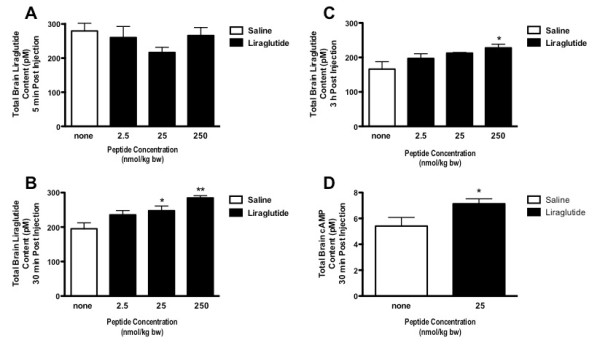
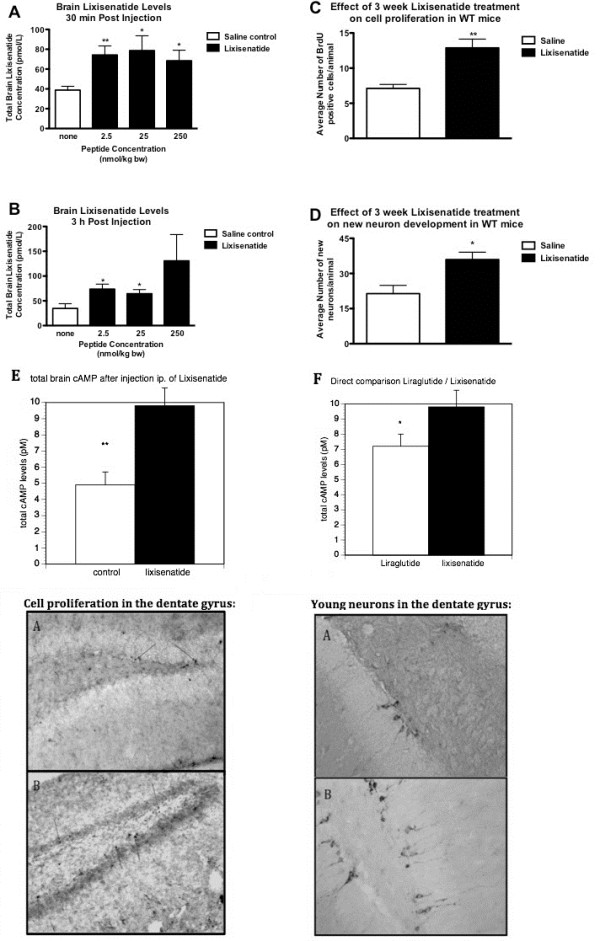
BACKGROUND: Type 2 diabetes is a risk factor for Alzheimer's disease (AD), most likely linked to an impairment of insulin signalling in the brain. Therefore, drugs that enhance insulin signalling may have therapeutic potential for AD. Liraglutide (Victoza) and exenatide (Byetta) are novel long-lasting analogues of the GLP-1 incretin hormone and are currently available to treat diabetes. They facilitate insulin signalling via the GLP-1 receptor (GLP-1R). Numerous in vitro and in vivo studies have shown that GLP-1 analogues have a range of neuroprotective properties. GLP-1Rs are expressed in the hippocampal area of the brain an important site of adult neurogenesis and maintenance of cognition and memory formation. Therefore, if GLP-1 analogues can cross the blood brain barrier, diffuse through the brain to reach the receptors and most importantly activate them, their neuroprotective effects may be realized. RESULTS: In the present study we profiled the GLP-1 receptor agonists liraglutide (Victoza) and lixisenatide (Lyxumia). We measured the kinetics of crossing the blood brain barrier (BBB), activation of the GLP-1R by measuring cAMP levels, and physiological effects in the brain on neuronal stem cell proliferation and neurogenesis. Both drugs were able to cross the BBB. Lixisenatide crossed the BBB at all doses tested (2.5, 25, or 250 nmol/kg bw ip.) when measured 30 min post-injection and at 2.5-25 nmol/kg bw ip. 3 h post-injection. Lixisenatide also enhanced neurogenesis in the brain. Liraglutide crossed the BBB at 25 and 250 nmol/kg ip. but no increase was detectable at 2.5 nmol/kg ip. 30 min post-injection, and at 250 nmol/kg ip. at 3 h post-injection. Liraglutide and lixisenatide enhanced cAMP levels in the brain, with lixisenatide being more effective. CONCLUSIONS: Our results suggest that these novel incretin analogues cross the BBB and show physiological activity and neurogenesis in the brain, which may be of use as a treatment of neurodegenerative diseases.
Overview
The claims and statistics of this paper haven’t been checked yet.
Free: it reads the open-access text and checks the first 5 claims that cite a source we can check. Create a free account to check every claim.
Integrity signals
Registry
Cites
Statistics
Figures
Verification
Claims the paper makes
The claims and statistics of this paper haven’t been checked yet.
Free: it reads the open-access text and checks the first 5 claims that cite a source we can check. Create a free account to check every claim.
Claims other papers make about this one
Each is checked against this paper’s own text: does it say what the citing paper says it does?
The source backs part of the claim, not all of it — or backs it for a different population, condition or comparison.
In the citing paper
“In addition, GLP-1 and GLP-1 analogues enter the brain through blood brain barrier [83–86].”
From Anti-Inflammatory Effects of GLP-1-Based Therapies beyond Glucose Control (2016) · cites this paper as [85]
Experimental — accuracy not yet measuredThe cited source says what the claim attributes to it.
In the citing paper
“Liraglutide can cross the blood–brain barrier 38 and demonstrates favorable effects in mouse models of AD 39 , 40 or in humans. 41 , 42 , 43”
From Critical evaluation of real‐world evidence of repurposable medicines in the Alzheimer's disease drug development pipeline using a target trial emulation (2026) · cites this paper as [38]
The check wasn’t confident either way, so it gives no verdict — never disputed.
In the citing paper
“Researchers have discovered that GLP-1RAs exhibit a noticeable increase in the level of phosphorylated ERK1/2 within the sciatic nerve of diabetic rats.”
From Glucagon-like peptide-1 receptor: mechanisms and advances in therapy (2024) · cites this paper as [402]
Experimental — accuracy not yet measured
Self-check
Percentages, sums and reported differences re-computed from the paper’s own numbers.
The self-check needs the paper’s full text.
Citations
Cites
Drucker, D. J., & Nauck, M. A. (2006) · The Lancet · doi:10.1016/s0140-6736(06)69705-5 · Cited by 3,896 · cited 1×
“Drugs that mimic incretin hormones can maintain glucose homeostasis and improve multiple symptoms of type 2 diabetes like the risk of hypoglycaemia, inadequate postprandial blood glucose control, glucose fluctuations, bcell failure, and weight gain [1,2].”
BackgroundBiology of Incretins: GLP-1 and GIP
Baggio, L. L., & Drucker, D. J. (2007) · Gastroenterology · doi:10.1053/j.gastro.2007.03.054 · Cited by 3,639 · cited 4×
“Liraglutide is also on the market and is injected peripherally once daily [1].”
BackgroundInfluentialGlucagon-like peptide-1 receptor is involved in learning and neuroprotection
During, M. J., Cao, L., Zuzga, D. S., Francis, J. S., Fitzsimons, H. L., Jiao, X., Bland, R. J., Klugmann, M., Banks, W. A., Drucker, D. J., et al. (2003) · Nature Medicine · doi:10.1038/nm919 · Cited by 851 · cited 1×
“Previous studies have shown similar effects in the brain, in particular on cell proliferation and neurogenesis [14,18-21], and our results add considerably to those findings.”
ResultMoloney, A. M., Griffin, R. J., Timmons, S., O’Connor, R., Ravid, R., & O’Neill, C. (2010) · Neurobiology of Aging · doi:10.1016/j.neurobiolaging.2008.04.002 · Cited by 764 · cited 1×
“It was also shown that insulin receptors in the brain are desensitised in AD patients [9,10].”
BackgroundMcClean, P. L., Parthsarathy, V., Faivre, E., & Hölscher, C. (2011) · The Journal of Neuroscience · doi:10.1523/jneurosci.0529-11.2011 · Cited by 698 · cited 2×
“Previous studies already had demonstrated that liraglutide also enhances neuronal progenitor proliferation and increased neurogenesis in the brain of a mouse model of Alzheimer disease [16].”
BackgroundSelf-citationHyperinsulinemia and risk of Alzheimer disease
Luchsinger, J. A., Tang, M.-X., Shea, S., & Mayeux, R. (2004) · Neurology · doi:10.1212/01.wnl.0000140292.04932.87 · Cited by 683 · cited 1×
“Epidemiological studies found a clear correlation between T2DM and the risk of developing AD [6-8].”
BackgroundGöke, R., Larsen, P. J., Mikkelsen, J. D., & Sheikh, S. P. (1995) · European Journal of Neuroscience · doi:10.1111/j.1460-9568.1995.tb00650.x · Cited by 474 · cited 1×
“GLP-1 receptors are found on neurons in the brains of rodents and humans [12,13].”
BackgroundIntracerebral streptozotocin model of type 3 diabetes: Relevance to sporadic Alzheimer’s disease
Lester-Coll, N., Rivera, E. J., Soscia, S. J., Doiron, K., Wands, J. R., & de la Monte, S. M. (2006) · Journal of Alzheimer s Disease · doi:10.3233/jad-2006-9102 · Cited by 467 · cited 1×
“It was also shown that insulin receptors in the brain are desensitised in AD patients [9,10].”
BackgroundGlucose tolerance status and risk of dementia in the community: The Hisayama Study
Ohara, T., Doi, Y., Ninomiya, T., Hirakawa, Y., Hata, J., Iwaki, T., Kanba, S., & Kiyohara, Y. (2011) · Neurology · doi:10.1212/wnl.0b013e31822f0435 · Cited by 420
Entry of exendin-4 into brain is rapid but may be limited at high doses
Kastin, A. J., & Akerstrom, V (2003) · International Journal of Obesity · doi:10.1038/sj.ijo.0802206 · Cited by 355
Cited by
Items 301–400 of 500
Longwell, C. K., Hanna, S., Hartrampf, N., Sperberg, R. A. P., Huang, P., Pentelute, B. L., & Cochran, J. R. (2020) · ACS Chemical Biology · doi:10.1021/acschembio.0c00722 · Cited by 22
Pharmacotherapy of Weight‐loss and Obesity with a Focus on GLP 1‐Receptor Agonists
Myerson, M. L., & Paparodis, R. D. (2024) · The Journal of Clinical Pharmacology · doi:10.1002/jcph.2487 · Cited by 20
“37 The BBB crossing velocity is different for different compounds; the most rapid crossing is observed with exenatide, which crosses the barrier faster than native GLP-1, while rapid BBB crossing is observed with dulaglutide, liraglutide, and lixisenatide as well; delayed BBB crossing is found with…”
Breit, S., & Hubl, D. (2025) · Psychoneuroendocrinology · doi:10.1016/j.psyneuen.2025.107415 · Cited by 29
Clinical Trial Highlights – GLP-1 agonists
McFarthing, K., Larson, D., & Simuni, T. (2020) · Journal of Parkinson s Disease · doi:10.3233/jpd-200002 · Cited by 21
Expression of GLP-1 receptors in insulin-containing interneurons of rat cerebral cortex
Csajbók, É., Kocsis, Á. K., Faragó, N., Furdan, S., Kovács, B., Lovas, S., Molnár, G., Likó, I., Zvara, Á., Puskás, L. G., et al. (2019) · Diabetologia · doi:10.1007/s00125-018-4803-z · Cited by 20
Winzeler, B. F., da Conceição, I., Refardt, J. C., Sailer, C. O., Dutilh, G., & Christ‐Crain, M. (2018) · The Journal of Clinical Endocrinology & Metabolism · doi:10.1210/jc.2018-01420 · Cited by 18
“, exenatide)] have been shown to cross the blood–brain barrier (22).”
BackgroundHierro‐Bujalance, C., del Marco, À., Ramos‐Rodríguez, J. J., Infante‐Garcia, C., Gomez‐Santos, S. B., Herrera, M., & García-Alloza, M. (2020) · Journal of Neurochemistry · doi:10.1111/jnc.14987 · Cited by 20
“Consistent with this, cell proliferation and neurogenesis are increased after treatment with glucagon-like peptide-1 receptor agonists, drugs regularly used to treat T2D (Hamilton et al., 2011; Hunter & Holscher, 2012).”
BackgroundGirges, C., Vijiaratnam, N., Athauda, D. S., Auld, G., Gandhi, S., & Foltynie, T. (2021) · Drugs & Aging · doi:10.1007/s40266-021-00853-7 · Cited by 18
Zhu, H., Liu, Z.-P., Yang, W., Dong, D.-W., Zhao, Y. H., Yang, B. Y., Huang, L., Zhang, Y., & Xu, A.-D. (2018) · Frontiers in Neuroscience · doi:10.3389/fnins.2018.00962 · Cited by 18
“Liraglutide can move across the blood–brain barrier (Hunter and Holscher, 2012).”
BackgroundBrain Imaging of the GLP-1 Receptor in Obesity Using 68Ga-NODAGA-Exendin-4 PET
Deden, L. N., Booij, J., Grandjean, J., Homberg, J. R., Hazebroek, E. J., Gotthardt, M., & Boss, M. (2021) · Brain Sciences · doi:10.3390/brainsci11121647 · Cited by 21
Ogura, J., & Yamaguchi, H. (2022) · International Journal of Molecular Sciences · doi:10.3390/ijms23126542 · Cited by 23
“Exendin-4 (also known as exenatide) can cross the BBB in mice after intravenous injection [43], and lixisenatide and liraglutide can cross it after intraperitoneal injection [44], while semaglutide can be detected in the brain after intravenous injection but in negligible amounts [45].”
BackgroundKhan, T. T. S., Sheikh, Z., Maleknia, S. D., Oveissi, F., Fathi, A., Abrams, T., Ong, H. X., & Traini, D. (2024) · Expert Opinion on Drug Delivery · doi:10.1080/17425247.2024.2387110 · Cited by 21
“This has been demonstrated by examining the neuroprotective effects of these agonists and an elevation in the cAMP levels in the brain suggesting activation of the central GLP-1Rs [24,40,90,91].”
Qi, Y., Dong, Y., Chen, J., Xie, S., Ma, X., Yu, X., Yu, Y., & Wang, Y. (2024) · Experimental Neurology · doi:10.1016/j.expneurol.2024.115001 · Cited by 22
Chen, Y., Wang, L., Zhou, Y., Wang, Y., Qin, W., Wang, M., Liu, B., Tian, Q., Xu, H., Shen, H., et al. (2025) · Basic Research in Cardiology · doi:10.1007/s00395-025-01096-y · Cited by 18
“A growing body of evidence suggests that small peptide GLP-1 receptor analogs, such as liraglutide, lixisenatide, and exendin-4, administered peripherally, have the ability to cross the blood–brain barrier [17, 19].”
Kim, K. K. (2019) · Korean Journal of Family Medicine · doi:10.4082/kjfm.19.0013 · Cited by 21
Involvement of Intestinal Enteroendocrine Cells in Neurological and Psychiatric Disorders
Yu, L.-E., & Li, Y. (2022) · Biomedicines · doi:10.3390/biomedicines10102577 · Cited by 18
Oh, H. S., Choi, M., Lee, T. S., An, Y., Park, E. J., Kim, T. H., Shin, S., & Shin, B. S. (2023) · Journal of Analytical Science & Technology · doi:10.1186/s40543-023-00382-5 · Cited by 20
“Nevertheless, ELISA assay only allowed relative comparison of brain levels of liraglutide after saline injection and liraglutide injection instead of measuring its actual concentrations in the brain (Hunter and Holscher 2012).”
BackgroundInfluentialFunayama, T., Nozu, T., Ishioh, M., Igarashi, S., Sumi, C., Saito, T., Toki, Y., Hatayama, M., Yamamoto, M., Shindo, M., et al. (2023) · Brain Research · doi:10.1016/j.brainres.2023.148371 · Cited by 18
Koychev, I. G., Adler, A., Edison, P., Tom, B. D. M., Milton, J. E., Butchart, J., Hampshire, A., Marshall, C. R., Coulthard, E. J., Zetterberg, H., et al. (2024) · BMJ Open · doi:10.1136/bmjopen-2023-081401 · Cited by 20
Weight Loss Blockbuster Development: A Role for Unimolecular Polypharmacology
Zhou, Q., Li, G., Hang, K., Li, J., Yang, D., & Wang, M. (2024) · The Annual Review of Pharmacology and Toxicology · doi:10.1146/annurev-pharmtox-061324-011832 · Cited by 16
Effect and mechanism of GLP-1 on cognitive function in diabetes mellitus
Dou, X., Zhao, L., Li, J., & Jiang, Y. (2025) · Frontiers in Neuroscience · doi:10.3389/fnins.2025.1537898 · Cited by 19
Sun, M., Wang, X., Lu, Z., Yang, Y., Lv, S., Miao, M., Chen, W., Wu, S., & Zhang, J. (2025) · BMJ Open Diabetes Research & Care · doi:10.1136/bmjdrc-2025-004902 · Cited by 22
Umegaki, H. (2016) · Drugs & Aging · doi:10.1007/s40266-016-0375-0 · Cited by 19
Shang, P., Baker, M. R., Banks, S. A., Hong, S., & Choi, D. (2021) · Journal of Movement Disorders · doi:10.14802/jmd.21035 · Cited by 17
Potential new therapeutic target for Alzheimer's disease: Glucagon‐like peptide‐1
Liu, X., Zhang, N., Zhang, S., & Xu, P. (2021) · European Journal of Neuroscience · doi:10.1111/ejn.15502 · Cited by 17
“(Cai, Hölscher, et al., 2014; Cai et al., 2017; Hunter & Hölscher, 2012; McClean & Hölscher, 2014b) GLP-1/GIP double agonists Reduced Aβ deposition.”
BackgroundDipeptidyl peptidase-IV inhibitory action of Calebin A: An in silico and in vitro analysis
Chalichem, N. S. S., Jupudi, S., Ramesh, Y. V., & Basavan, D. (2021) · Journal of Ayurveda and Integrative Medicine · doi:10.1016/j.jaim.2021.08.008 · Cited by 16
“By using various AD mouse models, capability of incretin analogues in promoting neurogenesis during pathological condition was proved scientifically [57,58].”
Long, J., Liu, Y., Duan, Y., Li, Y., Yang, G., Ren, Z., Wei, T., & Liu, D. (2022) · European Journal of Clinical Pharmacology · doi:10.1007/s00228-021-03225-7 · Cited by 21
“GLP-1 acts on the hypothalamus after passing through the blood–brain barrier and activating the afferent vagus nerve, increasing satiety, slowing gastrointestinal motility and delaying gastric emptying [16, 17], and long-term poor blood sugar control in diabetes patients leads to gastrointestinal autonomic dysfunction…”
BackgroundWilliams, D. M., Atkinson, M., & Evans, M. (2023) · Stroke · doi:10.1161/strokeaha.122.042109 · Cited by 18
Salles, G. N., Pereira, F. A. D. S., Soares, C. P., Marciano, F. R., Hölscher, C., Webster, T. J., & Lobo, A. O. (2016) · Molecular Neurobiology · doi:10.1007/s12035-016-0200-0 · Cited by 17
“neurogenesis, providing beneficial effects and delaying ageing of the brain [17].”
BackgroundSelf-citationPoupon-Bejuit, L., Rocha‐Ferreira, E., Thornton, C., Hagberg, H., & Rahim, A. A. (2020) · Frontiers in Cellular Neuroscience · doi:10.3389/fncel.2020.00112 · Cited by 17
“, 2013), dipeptidyl peptidase-4 (DPP-4) inhibitors (Mousa and Ayoub, 2019), and glucagon-like peptide-1 receptor (GLP1-R) agonists (Hunter and Hölscher, 2012).”
Llach, C.-D., Badulescu, S., Tabassum, A., Shah, H., Gill, H., Le, G. H., Vieta, E., McIntyre, R. S., Rosenblat, J. D., & Mansur, R. B. (2025) · Molecular Psychiatry · doi:10.1038/s41380-025-03261-0 · Cited by 21
“These drugs cross the blood-brain barrier (BBB) [35] and reach key regions involved in mood regulation such as the hippocampus, amygdala, prefrontal cortex, as well as the brainstem and hypothalamus [36, 37].”
Au, H. C. T., Zheng, Y. J., Le, G. H., Wong, S., Teopiz, K. M., Kwan, A. T. H., Gill, H., Badulescu, S., Valentino, K., Rosenblat, J. D., et al. (2025) · Acta Neuropsychiatrica · doi:10.1017/neu.2025.4 · Cited by 23
“We identified 6 studies examining the role of liraglutide in neurogenesis (Hamilton et al ., 2011; Hunter & Hölscher, 2012; Parthsarathy & Hölscher, 2013; Weina et al ., 2018; Salles et al ., 2018; Zhao et al ., 2022).”
InfluentialSitagliptin protects proliferation of neural progenitor cells in diabetic mice
Bachor, T. P., Marquioni‐Ramella, M. D., & Suburo, Á. M. (2015) · Metabolic Brain Disease · doi:10.1007/s11011-015-9656-2 · Cited by 16
“These analogs prevent brain damage in a diabetic background (Chen et al. 2011; Darsalia et al. 2012; Hamilton et al. 2011; Hunter and Holscher 2012), and provide neuroprotection in models of Alzheimer’s and Huntington’s diseases (Li et al.”
BackgroundEfficacy and Safety of GLP-1 Receptor Agonists Across the Spectrum of Type 2 Diabetes Mellitus
Leiter, L. A., & Nauck, M. A. (2017) · Experimental and Clinical Endocrinology & Diabetes · doi:10.1055/s-0043-103969 · Cited by 16
He, W., Tian, X., Lv, M., & Wang, H. (2018) · Journal of Stroke and Cerebrovascular Diseases · doi:10.1016/j.jstrokecerebrovasdis.2018.05.039 · Cited by 17
Medicinal Chemistry of Glucagon-Like Peptide Receptor Agonists
Jones, L. H., & Price, D. A. (2013) · Progress in medicinal chemistry · doi:10.1016/b978-0-444-62652-3.00002-8 · Cited by 19
Chen, S., Tang, Q., Wang, Y., Zheng, X., Chen, S., Sun, Y., Yao, W., & Gao, X. (2018) · Biochimica et Biophysica Acta (BBA) - Molecular Basis of Disease · doi:10.1016/j.bbadis.2018.11.012 · Cited by 16
Current understanding and controversy on brain access of GLP-1 and GLP-1 receptor agonists
Feng, J., & Jin, T. (2025) · Journal of Translational Internal Medicine · doi:10.1515/jtim-2025-0026 · Cited by 17
Luo, Y., Xia, Y., Gong, X., Hao, M., Wei, Q., & Liao, L. (2026) · BMC Ophthalmology · doi:10.1186/s12886-025-04559-x · Cited by 19
“This therapeutic effect is predicated on the ability of GLP-1RAs to cross the BBB and exert direct physiological effects within the brain [21, 22].”
Tu, X.-K., Chen, P., Chen, J., Ding, Y.-H., Chen, Q., & Shi, S. (2023) · Neuropharmacology · doi:10.1016/j.neuropharm.2023.109603 · Cited by 14
GLP-1 receptor agonists as promising disease-modifying agents in WFS1 spectrum disorder
Panfili, E., Frontino, G., & Pallotta, M. T. (2023) · Frontiers in Clinical Diabetes and Healthcare · doi:10.3389/fcdhc.2023.1171091 · Cited by 16
“By activating neuronal receptors (69), GLP-1RAs exert beneficial effects on memory function, motor activity, synapse morphology and synaptic function, neurogenesis, apoptosis prevention, and minimizing the chronic inflammation in the brains of various animal models, such as Alzheimer’s Disease, Parkinson’s Disease, am…”
BackgroundLi, H., Shi, M., Ma, J., Shao, S., Yuan, Y., Liu, J., Yu, Z., Zhang, Z., Hölscher, C., & Zhang, Z. (2024) · The Journal of Prevention of Alzheimer s Disease · doi:10.14283/jpad.2024.6 · Cited by 15
Self-citationAbubakar, M., Nama, L., Ansari, M. A., Ansari, M. M., Bhardwaj, S., Daksh, R., Syamala, K. L. V., Jamadade, M. S., Chhabra, V., Kumar, D., et al. (2024) · Current Topics in Medicinal Chemistry · doi:10.2174/0115680266293416240515075450 · Cited by 19
Status and future directions of clinical trials in Parkinson's disease
Söderbom, G. (2020) · International review of neurobiology · doi:10.1016/bs.irn.2020.02.009 · Cited by 15
Potential Therapeutic Targeting Neurotransmitter Receptors in Diabetes
Pan, X., Tao, S., & Tong, N. (2022) · Frontiers in Endocrinology · doi:10.3389/fendo.2022.884549 · Cited by 15
Onaolapo, A. Y., Ojo, F. O., Adeleye, O. O., Falade, J., & Onaolapo, O. J. (2023) · Current Diabetes Reviews · doi:10.2174/1573399819666230102141154 · Cited by 15
Peptide and protein based pharmaceuticals
Mező, G. (2013) · Royal Society of Chemistry eBooks · doi:10.1039/9781849737081-00203 · Cited by 18
Zhang, H., Song, B., Zhu, W., Liu, L., He, X., Wang, Z., An, K., Cao, W., Shi, J., & Wang, S. (2021) · Aging · doi:10.18632/aging.203351 · Cited by 14
“Indeed, liraglutide and lixisenatide, analogues of GLP-1, could cross the BBB to play a role of neuroprotection [58, 59].”
BackgroundPsychotropic effects of GLP-1R agonists
Bucciarelli, L. G., Cimino, V., Dell’Osso, B. M., & Fiorina, P. (2025) · Pharmacological Research · doi:10.1016/j.phrs.2025.108036 · Cited by 19
Riemma, M. A., Mele, E., Donniacuo, M., Telesca, M., Bellocchio, G., Castaldo, G., Rossi, F., Angelis, A. D., Cappetta, D., Urbanek, K., et al. (2024) · Frontiers in Pharmacology · doi:10.3389/fphar.2024.1422740 · Cited by 15
Glucagon‐Like Peptide‐1 Links Ingestion, Homeostasis, and the Heart
Krieger, J., Daniels, D., Lee, S. J., Mastitskaya, S., & Langhans, W. (2024) · Comprehensive physiology · doi:10.1002/cph4.7 · Cited by 15
“Moreover, there is ample evidence that stable GLP-1 analogues used clinically cross the blood–brain barrier and, therefore, can potentially act at central GLP-1Rs to mediate cardioprotection (Hunter and Hölscher 2012).”
Exendin-4 Improves Cognitive Function of Diabetic Mice via Increasing Brain Insulin Synthesis
Peng, X., Shi, X., Huang, J., Zhang, S., Yan, Y., Ma, D., Xu, W., Xu, W., Dong, K., Tao, J., et al. (2021) · Current Alzheimer Research · doi:10.2174/1567205018666210929150004 · Cited by 13
Lee, H., & Kim, E. Y. (2020) · Archives of Pharmacal Research · doi:10.1007/s12272-020-01268-5 · Cited by 15
Shi, N., He, J. N., Guo, Q., Liu, T., & Han, J. (2019) · Neuroreport · doi:10.1097/wnr.0000000000001225 · Cited by 13
From diabetes to diverse domains: the multifaceted roles of GLP-1 receptor agonists
Dave, B. P., Chorawala, M. R., Shah, I., Shah, N. N., Bhagat, S. U., Prajapati, B. G., & Thakkar, P. C. (2024) · Molecular Biology Reports · doi:10.1007/s11033-024-09793-y · Cited by 17
“Also, along with such effects, GLP-1RAs can cross the blood–brain barrier, imparting CNS effects unlike most neuroprotective growth factors [138, 144, 145].”
Ma, L., Liu, S.-F., Ma, Z.-Q., Guo, Y.-G., Li, M., Gao, Y., Wen, Y., Niu, Y., Sui, H.-X., Li, B.-S., et al. (2024) · Endocrine Journal · doi:10.1507/endocrj.ej23-0723 · Cited by 13
“Hunter et al. demonstrated that liraglutide, a long-acting analog of GLP-1, can cross the blood-brain barrier and bind to GLP-1 receptors in the brain, exerting a neuroprotective effect [25].”
Anesten, F., Gasull, A. D., Richard, J. E., Farkas, I., Mishra, D., Taing, L., Zhang, F., POUTANEN, M. H., Pálsdóttir, V., Liposits, Z., et al. (2019) · Journal of Neuroendocrinology · doi:10.1111/jne.12722 · Cited by 13
Insulin, Brain, Alzheimer’s Disease: New Evidence
Bulgakova, S. V., Иванович, Р. П., & Treneva, E. V. (2020) · Bulletin of Science and Practice · doi:10.33619/2414-2948/52/10 · Cited by 12
Pradhan, S. P., Sahu, P. K., & Behera, A. (2023) · Molecular and Cellular Biochemistry · doi:10.1007/s11010-023-04696-1 · Cited by 14
“They can significantly cross the blood–brain barrier at different dose levels, i.e., 2.5, 25, and 250 nmol/kg. Lixisenatide is more effective compared to liraglutide in the prevention and treatment of neurodegenerative disorders [148].”
BackgroundInfluentialGao, C., & Shen, J. (2017) · International review of neurobiology · doi:10.1016/bs.irn.2017.02.007 · Cited by 13
RD Lawrence Lecture 2017 Incretins: the intelligent hormones in diabetes
Gault, V. A. (2017) · Diabetic Medicine · doi:10.1111/dme.13522 · Cited by 14
García‐Casares, N., García-Arnés, J. A., Gómez‐Huelgas, R., Valdivielso, P., García-Arias, C., & González‐Santos, P. (2014) · Revista de Neurología · doi:10.33588/rn.5911.2014023 · Cited by 16
Zhang, Y., Wang, C., Wang, Y., & Wang, T. (2025) · Journal of Neurology · doi:10.1007/s00415-025-13301-y · Cited by 12
“Both natural GLP-1 and its analogs, such as exenatide, lixisenatide and liraglutide, have the ability to cross the blood–brain barrier, allowing them to exert various physiological effects in the brain [11, 12].”
Michaelsen, M. K., Drasbek, K. R., Valentin, J. B., Svart, M. V., Larsen, J. B., Kruuse, C. R., Simonsen, C. Z., & Blauenfeldt, R. A. (2025) · Stroke · doi:10.1161/strokeaha.125.053075 · Cited by 15
Zhang, T., Ruan, H.-Z., Wang, Y., Shao, Y., Zhou, W., Weng, S.-J., & Zhong, Y. (2022) · Neuroscience Bulletin · doi:10.1007/s12264-022-00826-9 · Cited by 11
Chen, X., Ma, L., Gan, K., Pan, X., & Chen, S. (2023) · Diabetology & Metabolic Syndrome · doi:10.1186/s13098-023-01023-y · Cited by 11
“Its target GLP-1 receptors are expressed throughout the cortex and hypothalamus of the central nervous system [12].”
BackgroundXie, Y., Wang, J., Jiang, J., Liu, F., & Zhang, Y. (2023) · Neurological Sciences · doi:10.1007/s10072-023-06965-9 · Cited by 11
“Animal models of PD and Alzheimer’s disease have shown that GLP1 stimulation can improve memory, cognition, and motor and non-motor deficits [39, 40].”
BackgroundTalpos, J. C. (2017) · Drug Discovery Today · doi:10.1016/j.drudis.2017.04.014 · Cited by 13
GLP-1 agonists: a game changer in pain treatment and addiction
Bade, S., Hurdle, M. F. B., Bade, S., Encalada, S., Kanahan-Osman, S., & Gupta, S. (2025) · Pain Management · doi:10.1080/17581869.2025.2536998 · Cited by 12
An update on drug repurposing in Parkinson’s disease: Preclinical and clinical considerations
Salvadè, M., Luca, M. D., & Gardoni, F. (2025) · Biomedicine & Pharmacotherapy · doi:10.1016/j.biopha.2025.117862 · Cited by 14
Diabetes mellitus y trastorno depresivo, un mal binomio
Nicolau, J., & Masmiquel, L. (2013) · Endocrinología y Nutrición · doi:10.1016/j.endonu.2013.01.011 · Cited by 16
Ohshima, R., Hotsumi, K., Holscher, C., & Seki, K. (2015) · American Journal of BioScience · doi:10.11648/j.ajbio.20150301.13 · Cited by 12
“In comparison with other growth factors, a main advantage of the GLP-1 analogues liraglutide, lixisenatide and exenatide is that they can cross the blood-brain barrier and can be injected peripherally [70, 71] and they are already on the market as a T2DM treatment (trade names Victoza and Byetta).”
BackgroundNakajima, S., Numakawa, T., Adachi, N., Yoon, H. S., Odaka, H., Ooshima, Y., & Kunugi, H. (2016) · Neuroscience Letters · doi:10.1016/j.neulet.2016.01.052 · Cited by 12
Cai, X., Tan, Z.-G., Li, J., Gao, W.-H., Li, S.-J., Li, J., Tang, Y. G., Li, H., & Hui, H. (2017) · Medical Science Monitor · doi:10.12659/msm.903252 · Cited by 14
“confirmed that GLP-1 and its analog can be injected peripherally and be taken up into the brain [35].”
BackgroundEvidence for pathophysiological commonalities between metabolic and neurodegenerative diseases
Hölscher, C. (2020) · International review of neurobiology · doi:10.1016/bs.irn.2020.01.007 · Cited by 15
Self-citationThe Role of Insulin and Incretins in Neuroinflammation and Neurodegeneration
(2015) · Immunoendocrinology · doi:10.14800/ie.391 · Cited by 12
“GLP-1 promotes neuronal growth and proliferation; induces neurite outgrowth; facilitates synaptic transmission; and inhibits neuronal apoptosis [14, 68-70] .”
BackgroundSiddique, A. H. H., & Kale, P. P. (2023) · Revue Neurologique · doi:10.1016/j.neurol.2023.08.011 · Cited by 12
Gholami, M., Balajam, N. Z., Rakhsha, S. S., Sajjadi‐Jazi, S. M., Shafiee, G., & Heshmat, R. (2025) · Journal of Diabetes & Metabolic Disorders · doi:10.1007/s40200-025-01604-w · Cited by 9
“These drugs, including liraglutide may help reduce depression symptoms, as indicated in the study of Hunter et al. It works by crossing the blood-brain barrier, interacting with central nervous system GLP-1 receptors, and affecting neurogenesis and inflammation [ 41].”
Wang, D., Wang, J., Li, B., Yang, S., Guo, F., Zheng, B., & Wang, J. (2025) · Molecular Medicine · doi:10.1186/s10020-025-01312-4 · Cited by 10
“Unlike GLP-1 analogs such as liraglutide and semaglutide, which show limited BBB penetration (Kp, brain ~ 0.02–0.05) (Rhea et al. 2024; Lee et al. 2023; Hunter and Hölscher 2012; Secher et al. 2014), TZP’s dual agonism and fatty acid modification may enhance its BBB permeability.”
InfluentialRayner, C. K., Jones, K. L., Wu, T., & Horowitz, M. (2016) · Diabetes Obesity and Metabolism · doi:10.1111/dom.12822 · Cited by 9
GLP-1R activation alters performance in cognitive tasks in a sex-dependent manner
Trammell, T. S., Henderson, N. L., Madkour, H. S., Stanwood, G. D., & Graham, D. L. (2020) · Neurological Sciences · doi:10.1007/s10072-020-04910-8 · Cited by 10
Mouhammad, Z. A., Rombaut, A., García-Bermúdez, M. Y., Vohra, R., Tribble, J. R., Williams, P. A., & Kolko, M. (2025) · Molecular Brain · doi:10.1186/s13041-025-01224-8 · Cited by 9
“While other GLP-1RAs have shown to cross the blood-brain barrier [16], SEM has been found to interact with the brain primarily through the circumventricular organs (CVO) and brain regions adjacent to the CVO [17, 18].”
The role of glucagon-like peptides in osteosarcopenia
Tufail, E., Sanyal, S., Mithal, A., Sanyal, S., & Chattopadhyay, N. (2024) · Journal of Endocrinology · doi:10.1530/joe-24-0210 · Cited by 12
GLP-1 and IL-6 regulates obesity in the gut and brain
Yang, K., Wu, Y., He, Y., Dai, J.-X., Luo, Y.-L., Xie, J.-H., & Ding, W. (2024) · Life Sciences · doi:10.1016/j.lfs.2024.123339 · Cited by 8
Jankowska, A., Wesołowska, A., Pawłowski, M., & Chłoń‐Rzepa, G. (2019) · Current Medicinal Chemistry · doi:10.2174/0929867326666191011144818 · Cited by 8
Luo, R., Kang, Y., Ma, H., Zhang, Z., Hölscher, C., Li, H., & Zhang, Z. (2025) · International Immunopharmacology · doi:10.1016/j.intimp.2025.114612 · Cited by 7
Self-citationGLP-1 Signalling as a Therapeutic Avenue in Parkinson’s Disease: A Comprehensive Review
Orozco, M. P., Rivadeneira, V. V., & León-Rojas, J. E. (2025) · International Journal of Molecular Sciences · doi:10.3390/ijms262412163 · Cited by 8
“Pre-clinical studies have demonstrated its ability to cross the BBB and exert neuroprotective effects [101].”
Hsu, C.-C., Cheng, J., Hsu, P. H., Li, Y., & Cheng, K. (2022) · Pharmaceuticals · doi:10.3390/ph15070904 · Cited by 8
“Furthermore, lixisenatide, like liraglutide, is an agonist that can enter the brain and activate the GLP-1R [27].”
BackgroundPal, B., & Chattopadhyay, M. (2024) · Journal of Diabetology · doi:10.4103/jod.jod_117_23 · Cited by 8
Targeting Ferroptosis in Parkinson’s: Repurposing Diabetes Drugs as a Promising Treatment
Duţă, C., Muscurel, C., Dogaru, C. B., & Stoian, I. A.-M. (2025) · International Journal of Molecular Sciences · doi:10.3390/ijms26041516 · Cited by 8
“…They are resistant to DPP-4 degradation (Exenatide has a half-life of 2.4 h, liraglutide—13 h, semaglutide—7 days [84]), and some can pass the BBB [91]. h, semaglutide—7 days [84]), and some Exenatide and lixisenatide were demonstrated to cross the BBB [92], while liraglutide and semaglutide…”
InfluentialGlucagon-like Peptide-1 Receptor Agonists: Exciting Avenues Beyond Weight Loss
Sundararaman, L. V., Gouda, D., Kumar, A., Sundararaman, S., & Goudra, B. (2025) · Journal of Clinical Medicine · doi:10.3390/jcm14061978 · Cited by 7
“Recent experimental studies also suggest that the majority of injected GLP1 analogs are present in the brain, suggesting that they penetrate the blood–brain barrier and can have direct physiological effects on the brain [71].”
Zhang, X., Du, P., Bai, B., Feng, P., Lian, X., Hölscher, C., Wang, Y., & Xue, G. (2025) · Frontiers in Neuroscience · doi:10.3389/fnins.2025.1596506 · Cited by 14
Self-citationRepurposing of Drugs for Cardiometabolic Disorders: An Out and Out Cumulation
Wasim, R., Ansari, T. M., Siddiqui, M. H., Ahsan, F., Shamim, A., Singh, A. N., Shariq, M., Anwar, A., Siddiqui, A. R., & Parveen, S. (2023) · Hormone and Metabolic Research · doi:10.1055/a-1971-6965 · Cited by 7
Lipopeptides as Therapeutics: Applications and In Vivo Quantitative Analysis
Zemenová, J., Sýkora, D., Maletínská, L., & Kuneš, J. (2016) · Bioanalysis · doi:10.4155/bio-2016-0206 · Cited by 7
Sai, W., Tian, H., Yang, K., Tang, D., Bao, J., Ge, Y., Song, X., Zhang, Y., Luo, C., Gao, X., et al. (2017) · International Journal of Molecular Sciences · doi:10.3390/ijms18030578 · Cited by 7
Larsson, M., Patrone, C., von Euler, M., Holst, J. J., & Nathanson, D. (2019) · Cardiovascular Diabetology · doi:10.1186/s12933-019-0896-z · Cited by 7
Current status of Liraglutide delivery systems for the management of type 2 diabetes mellitus
Chatterjee, R., Galave, V. S. B., & Jindal, A. B. (2025) · Drug Delivery and Translational Research · doi:10.1007/s13346-025-01965-y · Cited by 7
Potential role of IGF-1/GLP-1 signaling activation in intracerebral hemorrhage
Siddiqui, E. M., Mehan, S., Bhalla, S., & Shandilya, A. (2022) · Current Research in Neurobiology · doi:10.1016/j.crneur.2022.100055 · Cited by 6
DellaValle, B., Hempel, C., Staalsøe, T., Johansen, F. F., & Kurtzhals, J. A. L. (2016) · Malaria Journal · doi:10.1186/s12936-016-1486-0 · Cited by 7
“Abbreviations BBB: blood–brain barrier; CM: cerebral malaria; CREB: cyclic AMP response element binding; DM: diabetes mellitus; ECM: experimental cerebral malaria; Epo: erythropoietin; GLP-1: glucagon-like peptide-1; iRBC: infected erythrocyte; NCM: non-cerebral malaria; PA: Palo Alto; pCREB: phosphorylatedSer133 cycl…”
BackgroundActivation of glucagon‐like peptide‐1 receptors and skilled reach foraging
Vestlund, J., Bergquist, F., Licheri, V., Adermark, L., & Jerlhag, E. (2020) · Addiction Biology · doi:10.1111/adb.12953 · Cited by 8
“did not alter time at the rod compared with vehicle (t(12) = 0.”
Background
Metadata
- Authors
- Hunter, K., & Hölscher, C.
- Affiliations
- University of Ulster (GB)
- Corresponding author
- Hölscher, Christian
- ORCID
- Hölscher, Christian
- Venue
- BMC Neuroscience
- Published
- 2012-03-23
- Volume
- 13
- Issue
- 1
- Pages
- 33-33
- ISSN
- 1471-2202 (ISSN-L)
- PMC
- PMC3352246
- OpenAlex
- W2065372294
- Cited by
- 504
- References
- 23
- Citations by year
- 2026: 26 · 2025: 54 · 2024: 40 · 2023: 37 · 2022: 32 · 2021: 32 · 2020: 38 · 2019: 28 · 2018: 40 · 2017: 34 · 2016: 37 · 2015: 37 · 2014: 39 · 2013: 22 · 2012: 8
- FWCI
- 22.74
- Type
- journal article
- Language
- en
- Update notices
- expression_of_concern (2026-10-29)
- Open access
- gold
- doi.org
- Licence
- cc-by
- creativecommons.org/licenses/by/2.0 (tdm)
- creativecommons.org/licenses/by/2.0 (vor)
- Locations
- BMC Neuroscience (publishedVersion, cc-by)
- PubMed Central (publishedVersion, cc-by)
- PubMed (publishedVersion)
- Lancaster EPrints (Lancaster University) (acceptedVersion)
- DOAJ (DOAJ: Directory of Open Access Journals) (submittedVersion, cc-by-sa)
- Topics
- Life Sciences › Neuroscience › Cellular and Molecular Neuroscience › Alzheimer's disease research and treatments
- Life Sciences › Neuroscience › Neurology › Barrier Structure and Function Studies
- Life Sciences › Neuroscience › Developmental Neuroscience › Neurogenesis and neuroplasticity mechanisms
- Keywords
- liraglutide, lixisenatide, exenatide, GLP-1 receptor agonists, blood-brain barrier penetration, neurogenesis, cAMP signaling, insulin signaling, Alzheimer's disease, type 2 diabetes, neuroprotection, hippocampus
- MeSH terms
- Glucagon-Like Peptide-2 Receptor, Liraglutide, Animals, Blood-Brain Barrier, Brain, Dose-Response Relationship, Drug, Female, Hypoglycemic Agents, Neurons, Peptides, Mice, Glucagon-Like Peptide 1, Neurogenesis
About these checks
Registry, retraction, Cites and statistics results are computed, not judged, with one exception: a printed reference that no index lists is read once by a model before it counts as a citation error. Claims are extracted by a model and kept only when their quote appears verbatim in the text; each cited source is then checked, with a model’s help, for whether it says what the claim relies on. Those verdicts can be wrong — read the claim’s quote and the cited source before relying on one.
Statistics and arithmetic are recomputed, not judged.
Confidence bands are shown only for fields calibrated on our annotated test set. None is calibrated yet, so no band is shown.
What counts as a claim ›How we measure confidence ›How we check this ›
Are you an author, or do you see a problem with this page? Request a review
Data sources
Bibliographic data: Semantic Scholar, OpenAlex, Crossref.
Contains information from the Semantic Scholar Academic Graph Datasets, made available under the ODC Attribution License (ODC-BY 1.0).
Semantic Scholar’s data is described in: Kinney, R., et al. (2023). The Semantic Scholar Open Data Platform. arXiv:2301.10140.
