

Drugs developed to treat diabetes, liraglutide and lixisenatide, cross the blood brain barrier and enhance neurogenesis
Open accessThe DOI matches its Crossref record; 23 of the 23 references it cites were found in a registry or an index.
Abstract
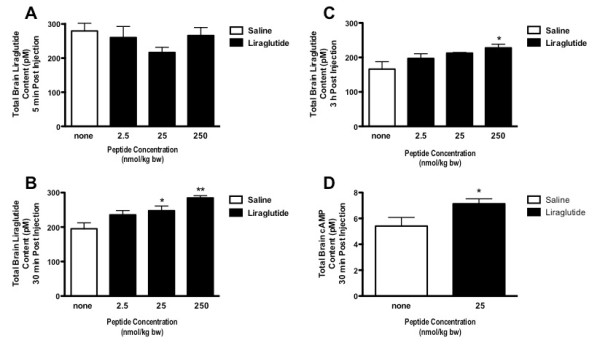
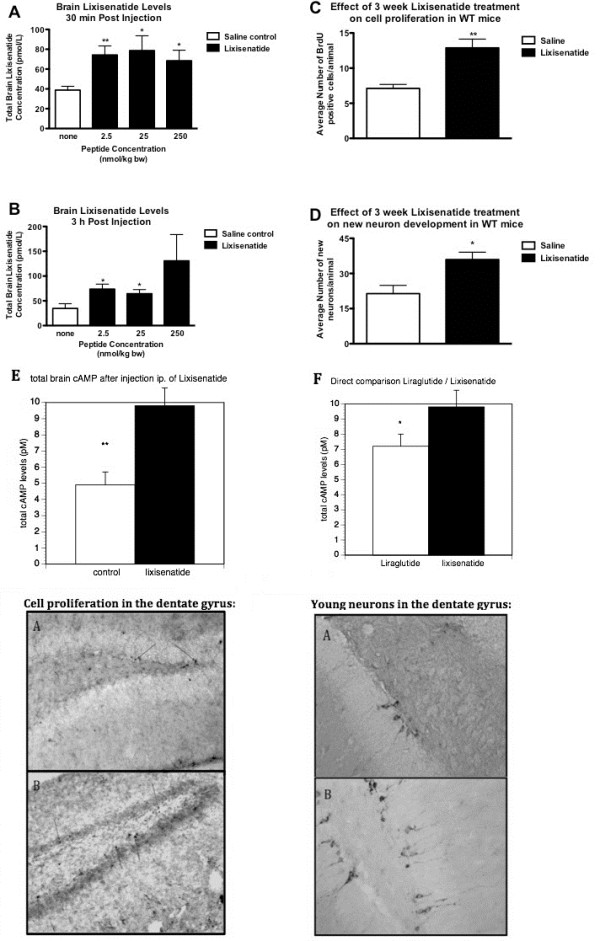
BACKGROUND: Type 2 diabetes is a risk factor for Alzheimer's disease (AD), most likely linked to an impairment of insulin signalling in the brain. Therefore, drugs that enhance insulin signalling may have therapeutic potential for AD. Liraglutide (Victoza) and exenatide (Byetta) are novel long-lasting analogues of the GLP-1 incretin hormone and are currently available to treat diabetes. They facilitate insulin signalling via the GLP-1 receptor (GLP-1R). Numerous in vitro and in vivo studies have shown that GLP-1 analogues have a range of neuroprotective properties. GLP-1Rs are expressed in the hippocampal area of the brain an important site of adult neurogenesis and maintenance of cognition and memory formation. Therefore, if GLP-1 analogues can cross the blood brain barrier, diffuse through the brain to reach the receptors and most importantly activate them, their neuroprotective effects may be realized. RESULTS: In the present study we profiled the GLP-1 receptor agonists liraglutide (Victoza) and lixisenatide (Lyxumia). We measured the kinetics of crossing the blood brain barrier (BBB), activation of the GLP-1R by measuring cAMP levels, and physiological effects in the brain on neuronal stem cell proliferation and neurogenesis. Both drugs were able to cross the BBB. Lixisenatide crossed the BBB at all doses tested (2.5, 25, or 250 nmol/kg bw ip.) when measured 30 min post-injection and at 2.5-25 nmol/kg bw ip. 3 h post-injection. Lixisenatide also enhanced neurogenesis in the brain. Liraglutide crossed the BBB at 25 and 250 nmol/kg ip. but no increase was detectable at 2.5 nmol/kg ip. 30 min post-injection, and at 250 nmol/kg ip. at 3 h post-injection. Liraglutide and lixisenatide enhanced cAMP levels in the brain, with lixisenatide being more effective. CONCLUSIONS: Our results suggest that these novel incretin analogues cross the BBB and show physiological activity and neurogenesis in the brain, which may be of use as a treatment of neurodegenerative diseases.
Overview
The claims and statistics of this paper haven’t been checked yet.
Free: it reads the open-access text and checks the first 5 claims that cite a source we can check. Create a free account to check every claim.
Integrity signals
Registry
Cites
Statistics
Figures
Verification
Claims the paper makes
The claims and statistics of this paper haven’t been checked yet.
Free: it reads the open-access text and checks the first 5 claims that cite a source we can check. Create a free account to check every claim.
Claims other papers make about this one
Each is checked against this paper’s own text: does it say what the citing paper says it does?
The source backs part of the claim, not all of it — or backs it for a different population, condition or comparison.
In the citing paper
“In addition, GLP-1 and GLP-1 analogues enter the brain through blood brain barrier [83–86].”
From Anti-Inflammatory Effects of GLP-1-Based Therapies beyond Glucose Control (2016) · cites this paper as [85]
Experimental — accuracy not yet measuredThe cited source says what the claim attributes to it.
In the citing paper
“Liraglutide can cross the blood–brain barrier 38 and demonstrates favorable effects in mouse models of AD 39 , 40 or in humans. 41 , 42 , 43”
From Critical evaluation of real‐world evidence of repurposable medicines in the Alzheimer's disease drug development pipeline using a target trial emulation (2026) · cites this paper as [38]
The check wasn’t confident either way, so it gives no verdict — never disputed.
In the citing paper
“Researchers have discovered that GLP-1RAs exhibit a noticeable increase in the level of phosphorylated ERK1/2 within the sciatic nerve of diabetic rats.”
From Glucagon-like peptide-1 receptor: mechanisms and advances in therapy (2024) · cites this paper as [402]
Experimental — accuracy not yet measured
Self-check
Percentages, sums and reported differences re-computed from the paper’s own numbers.
The self-check needs the paper’s full text.
Citations
Cites
Drucker, D. J., & Nauck, M. A. (2006) · The Lancet · doi:10.1016/s0140-6736(06)69705-5 · Cited by 3,896 · cited 1×
“Drugs that mimic incretin hormones can maintain glucose homeostasis and improve multiple symptoms of type 2 diabetes like the risk of hypoglycaemia, inadequate postprandial blood glucose control, glucose fluctuations, bcell failure, and weight gain [1,2].”
BackgroundBiology of Incretins: GLP-1 and GIP
Baggio, L. L., & Drucker, D. J. (2007) · Gastroenterology · doi:10.1053/j.gastro.2007.03.054 · Cited by 3,639 · cited 4×
“Liraglutide is also on the market and is injected peripherally once daily [1].”
BackgroundInfluentialGlucagon-like peptide-1 receptor is involved in learning and neuroprotection
During, M. J., Cao, L., Zuzga, D. S., Francis, J. S., Fitzsimons, H. L., Jiao, X., Bland, R. J., Klugmann, M., Banks, W. A., Drucker, D. J., et al. (2003) · Nature Medicine · doi:10.1038/nm919 · Cited by 851 · cited 1×
“Previous studies have shown similar effects in the brain, in particular on cell proliferation and neurogenesis [14,18-21], and our results add considerably to those findings.”
ResultMoloney, A. M., Griffin, R. J., Timmons, S., O’Connor, R., Ravid, R., & O’Neill, C. (2010) · Neurobiology of Aging · doi:10.1016/j.neurobiolaging.2008.04.002 · Cited by 764 · cited 1×
“It was also shown that insulin receptors in the brain are desensitised in AD patients [9,10].”
BackgroundMcClean, P. L., Parthsarathy, V., Faivre, E., & Hölscher, C. (2011) · The Journal of Neuroscience · doi:10.1523/jneurosci.0529-11.2011 · Cited by 698 · cited 2×
“Previous studies already had demonstrated that liraglutide also enhances neuronal progenitor proliferation and increased neurogenesis in the brain of a mouse model of Alzheimer disease [16].”
BackgroundSelf-citationHyperinsulinemia and risk of Alzheimer disease
Luchsinger, J. A., Tang, M.-X., Shea, S., & Mayeux, R. (2004) · Neurology · doi:10.1212/01.wnl.0000140292.04932.87 · Cited by 683 · cited 1×
“Epidemiological studies found a clear correlation between T2DM and the risk of developing AD [6-8].”
BackgroundGöke, R., Larsen, P. J., Mikkelsen, J. D., & Sheikh, S. P. (1995) · European Journal of Neuroscience · doi:10.1111/j.1460-9568.1995.tb00650.x · Cited by 474 · cited 1×
“GLP-1 receptors are found on neurons in the brains of rodents and humans [12,13].”
BackgroundIntracerebral streptozotocin model of type 3 diabetes: Relevance to sporadic Alzheimer’s disease
Lester-Coll, N., Rivera, E. J., Soscia, S. J., Doiron, K., Wands, J. R., & de la Monte, S. M. (2006) · Journal of Alzheimer s Disease · doi:10.3233/jad-2006-9102 · Cited by 467 · cited 1×
“It was also shown that insulin receptors in the brain are desensitised in AD patients [9,10].”
BackgroundGlucose tolerance status and risk of dementia in the community: The Hisayama Study
Ohara, T., Doi, Y., Ninomiya, T., Hirakawa, Y., Hata, J., Iwaki, T., Kanba, S., & Kiyohara, Y. (2011) · Neurology · doi:10.1212/wnl.0b013e31822f0435 · Cited by 420
Entry of exendin-4 into brain is rapid but may be limited at high doses
Kastin, A. J., & Akerstrom, V (2003) · International Journal of Obesity · doi:10.1038/sj.ijo.0802206 · Cited by 355
Cited by
Items 401–500 of 500
Oh, H. S., Park, E. J., Lee, T. S., An, Y., Kim, T. H., Shin, S., & Shin, B. S. (2023) · Separations · doi:10.3390/separations10050282 · Cited by 6
“Because ELISA methods cannot tell if the epitope is present in the parent or metabolite and the methods have inherent cross-reactivity, they tend to overestimate the parent drug concentration.”
BackgroundInfluentialDiabetes mellitus and depressive disorder, an undesirable association
Nicolau, J., & Masmiquel, L. (2013) · Endocrinología y Nutrición (English Edition) · doi:10.1016/j.endoen.2013.12.004 · Cited by 8
“In this regard, it should be kept in mind that, unlike other hypoglycemic agents, some of the new glucagon-like peptide 1 receptor agonists cross the blood-brain barrier and affect cerebral physiology.(49)”
Zemenová, J., Sýkora, D., Freislebenová, A., & Maletínská, L. (2017) · Bioanalysis · doi:10.4155/bio-2017-0125 · Cited by 7
The treament of hyperglycemia in acute ischemic stroke with incretin-based drugs
Ferrari, F., Moretti, A., & Villa, R. F. (2020) · Pharmacological Research · doi:10.1016/j.phrs.2020.105018 · Cited by 6
Hanna, A., Connelly, K. A., Josse, R. G., & McIntyre, R. S. (2014) · Expert Review of Endocrinology & Metabolism · doi:10.1586/17446651.2015.972370 · Cited by 6
“Peripheral GLP-1 is capable of crossing the blood-brain barrier (BBB), as are the GLP-1R agonists exenatide, liraglutide, and lixisenatide [2,54,55].”
BackgroundAmeer, F., Villacres, N. Y., Bustos, D., Shah, P., Appah, N., Luzaya, G. N., Corradi, F., Bakare, I. S., Trujillo, J. V., Mylavarapu, M., et al. (2025) · Journal of Diabetes & Metabolic Disorders · doi:10.1007/s40200-025-01770-x · Cited by 5
Glucagon-like peptide-1 receptor agonists: What ophthalmologists need to know
Bala, S., Allan, K. C., Decker, N. L., Abbass, N. J., Joo, J. H., Zhao, A., Talcott, K. E., & Rachitskaya, A. V. (2025) · Survey of Ophthalmology · doi:10.1016/j.survophthal.2025.12.007 · Cited by 7
Drugs and Endogenous Factors as Protagonists in Neurogenic Stimulation
Chiareli, R. A., Marques, B. L., Carvalho, G. A., Souza, R. T. V., Santana, P. H. G., Santiago, H. C., Pinto, M. C. X., Birbrair, A., Parreira, R. C., Ulrich, H., et al. (2022) · Stem Cell Reviews and Reports · doi:10.1007/s12015-022-10423-y · Cited by 5
Incretin Mimetics as Potential Disease Modifying Treatment for Alzheimer’s Disease
Crook, H., & Edison, P. (2024) · Journal of Alzheimer s Disease · doi:10.3233/jad-240730 · Cited by 6
“…receptor agonist which, in pre-clinical models of AD, significantly reduces A (cid:2) and phosphorylated tau load, reduces neuroinflammation, improves PKA and CREB signaling, reduces synaptic loss, enhances long term potentiation, enhances neurogenesis, and alleviates memory impairments [71–75].”
Dipeptidyl peptidase-4 inhibitors enhance memory retention via neuropeptide Y
Zoicas, I., von Hörsten, S., Plank, A.-C., & Kornhuber, J. (2025) · European Journal of Pharmacology · doi:10.1016/j.ejphar.2025.177556 · Cited by 7
EL-MOETY, M. D. H. A. E.-K. D. A., & Attia, M. A. (2018) · The Medical Journal of Cairo University/The Medical Journal of Cairo University · doi:10.21608/mjcu.2018.56345 · Cited by 5
Exercise Suppresses Appetite in Obesity: A Biochemical, Metabolic, and Molecular Approach
Razi, O., Zamani, N., de Moraes, C., Laher, I., & Hadjicharalambous, M. (2025) · Applied Sciences · doi:10.3390/app15116191 · Cited by 6
Richard, J. E., Mohammad, A., Go, K. A., McGovern, A. J., Rechlin, R. K., Splinter, T. F. L., Lieblich, S. E., Radovic, L. K., Feng, L., Blankers, S. A., et al. (2025) · Brain Behavior and Immunity · doi:10.1016/j.bbi.2025.106088 · Cited by 4
Zhang, M.-W., Zhou, W.-Y., Li, X., Xu, Z., Lin, H.-M., Tang, Y., Zhao, J., Chen, C., Liu, F., Sun, Y., et al. (2025) · Neuropharmacology · doi:10.1016/j.neuropharm.2025.110659 · Cited by 5
Gultekin, M., Davran, F., YÜKSEL, N. A., Beyazçiçek, Ö., & Demír, Ş. (2025) · Acta Neurologica Belgica · doi:10.1007/s13760-025-02894-w · Cited by 5
Sahoo, S. K., Paidesetty, S. K., Sahu, P. K., Pattanaik, S., & Dandela, R. (2025) · Bioorganic Chemistry · doi:10.1016/j.bioorg.2025.109129 · Cited by 6
Effects of GLP-1 receptor agonists on copeptin in euvolemic participants
Leibnitz, S., Winzeler, B. F., Refardt, J. C., Vogt, D., Sailer, C. O., & Christ‐Crain, M. (2026) · European Journal of Endocrinology · doi:10.1093/ejendo/lvag005 · Cited by 5
The effects of GLP-1 receptor agonists on Alzheimer's pathophysiology: A systematic review
Corcoran, E., Kettlety, M., Mogul, U., Azah, J. N., & Cork, S. C. (2026) · Molecular and Cellular Neuroscience · doi:10.1016/j.mcn.2026.104091 · Cited by 6
NLRP3 inflammasome as a central target for the pleiotropic effects of GLP-1 receptor agonists
Mahmoudi, A. A., Saeedi‐Boroujeni, A., Vadizadeh, A., Kesharwani, P., & Sahebkar, A. (2026) · International Immunopharmacology · doi:10.1016/j.intimp.2026.117063 · Cited by 4
Wang, Q., Cai, B., Zhong, L., Intirach, J., & Chen, T. (2024) · Diabetology & Metabolic Syndrome · doi:10.1186/s13098-024-01299-8 · Cited by 4
“These drugs can cross the blood-brain barrier (BBB), enhance hippocampal neurogenesis, and increase brain-derived neurotrophic factor (BDNF) expression, promoting neuroprotection in AD and PD [63, 64].”
BackgroundComparative Analysis of the Anti-Inflammatory Effects of Liraglutide and Dulaglutide
Hou, Y., Fan, Y., Cheng, Y., Peng, X., Shan, C., & Yang, Y. (2024) · International Heart Journal · doi:10.1536/ihj.23-576 · Cited by 4
“16) Certain GLP-1RAs show cardiovascular protective effects in patients with or without diabetes.”
Cerroni, C., Steiner, A., Seanez, L., Kwon, S., & Lewis, A. S. (2023) · Neuroscience Letters · doi:10.1016/j.neulet.2023.137299 · Cited by 4
Xing, C., Fan, X., Liu, M., Chen, Y., Jia, J. M., Li, W., Hong, Y., & Zhou, J. (2025) · Neurochemical Research · doi:10.1007/s11064-025-04412-z · Cited by 3
“It has been found that liraglutide can pass through the blood-brain barrier and exerts a protective effect in neurological diseases [56].”
Mermet, M., Denom, J., Mieczkowska, A., Wery, M., Biggs, E. K., Gribble, F. M., Reimann, F., Magnan, C., Cruciani‐Guglielmacci, C., & Mabilleau, G. (2025) · American Journal of Physiology-Endocrinology and Metabolism · doi:10.1152/ajpendo.00086.2025 · Cited by 8
He, Y., Wang, L., Cao, T., Jiao, S., Chen, H., Lin, C., Guo, Q., He, F., & Cai, H. (2025) · Biochemical Pharmacology · doi:10.1016/j.bcp.2025.117091 · Cited by 6
Roxas, J. D. P., Juan, M. A. D. S., Villagracia, A. R., & Espiritu, R. A. (2024) · Journal of Biomolecular Structure and Dynamics · doi:10.1080/07391102.2024.2301751 · Cited by 3
Knezović, A., Hosch, M., Hamann, C. S., Popp, S., Ortega, G., Barilar, J. O., Grünblatt, E., Monoranu, C., Riederer, P. F., Šalković‐Petrišić, M., et al. (2025) · Journal of Neural Transmission · doi:10.1007/s00702-025-02979-z · Cited by 5
“LIR has been shown to be able to pass the blood–brain barrier (Hunter and Hölscher 2012) and possesses neuroprotective properties, such as a reducing effect on microglia and/or astrocyte activation as well as on amyloid ß and hyperphosphorylated tau (McClean et al. 2011; Xiong et al. 2013; Paladugu…”
Lixisenatide: clinical profile and available evidence
Dicembrini, I., Bigiarini, M., & Mannucci, E. (2013) · Diabetes Management · doi:10.2217/dmt.13.64 · Cited by 3
Diabetes mellitus and cognitive disorders from the diabetologist's perspective
Šmahelová, A. (2017) · Vnitřní lékařství · doi:10.36290/vnl.2017.142 · Cited by 3
Pharmacology of Gut Hormone Mimetics for Obesity and Diabetes
Lafferty, R. A., O'Harte, F. P. M., Irwin, N., Flatt, P. R., & Gault, V. A. (2021) · Elsevier eBooks · doi:10.1016/b978-0-12-820472-6.00035-9 · Cited by 3
Lietzau, G., Ntika, S., Pintana, H., Tracy, L. M., Klein, T., Nyström, T., Darsalia, V., Patrone, C., & Krizhanovskii, C. (2021) · Cellular and Molecular Neurobiology · doi:10.1007/s10571-021-01079-2 · Cited by 3
“…used in the treatment of type 2 diabetes (T2D) to regulate hyperglycemia, readily diffuses across the blood–brain barrier (BBB) in animal models (Hunter and Holscher 2012), exerting positive effects on insulin secretion and glucose tolerance, at least in part, through CNS GLP-1R activation…”
BackgroundFang, W., Li, Z., Xu, J., Zhao, J., Zhu, H., & Wang, H. (2026) · Frontiers in Endocrinology · doi:10.3389/fendo.2025.1629157 · Cited by 2
“GLP-1RAs and their analogs can cross the blood-brain barrier and directly in fl uence the physiological functions of the human brain (17).”
Helal, M. M., Almosilhy, N. A., Abo‐elnour, D. E., Jaffal, R., Allam, E. G., Almosilhy, M. A., Batarseh, S. F., & Meshref, M. M. (2026) · Amyotrophic Lateral Sclerosis and Frontotemporal Degeneration · doi:10.1080/21678421.2026.2627901 · Cited by 3
“Lixisenatide crossed the BBB and enhanced neurogenesis at all doses, whereas liraglutide required higher doses for BBB penetration and showed no effect at lower concentrations (237).”
GLP-1 and Parkinson’s Disease: A Comprehensive Review of Biology, Mechanisms and Efficacy
Mezabrovschi, R., Gegg, M. E., & Schapira, A. H. V. (2026) · Cells · doi:10.3390/cells15090804 · Cited by 3
“Notably, rodents exhibit greater relative CNS uptake than humans [55], and preclinical doses frequently exceed human-equivalent exposures, necessitating caution when extrapolating mechanistic findings to human neurodegenerative disease [51].”
Feng, Y., 张彩利, Wei, Y., Liu, E., Sun, H., Flatt, P., Gault, V. A., Irwin, N., Hölscher, C., Hao, L., et al. (2026) · Biochemical Pharmacology · doi:10.1016/j.bcp.2026.118074 · Cited by 2
Self-citationDahshan, A., Khalil, M. I. M., El-Jaafary, S. I., & Yamani, A. (2026) · Clinical Parkinsonism & Related Disorders · doi:10.1016/j.prdoa.2026.100461 · Cited by 2
Šiarnik, P., Rádiková, Ž., Kollár, B., Kutšálová, M., Penesová, A., Havranová, A., Imrich, R., Vlček, M., Žitňanová, I., Krastev, G., et al. (2026) · Neurology and Therapy · doi:10.1007/s40120-026-00982-4 · Cited by 2
Peng, C., Wang, C., Yang, Y.-Y., Huang, C., & Lee, H. (2024) · Journal of Food Biochemistry · doi:10.1155/2024/5554538 · Cited by 2
Metabolic resilience: liraglutide’s potential in alleviating depressive symptoms
Gammoh, O., Qnais, E. Y., Aljabali, A. A. A., Hatahet, T., & Alqudah, A. M. (2025) · Molecular Biology Reports · doi:10.1007/s11033-025-10641-w · Cited by 2
“Numerous epidemiological studies have consistently disclosed a two-way relationship between metabolic disorders, such as obesity, diabetes, and metabolic syndrome, and the prevalence of depressive symptoms [22, 70].”
Prá, M. D., Ferreira, G. K., de Mello, A. H., Schraiber, R. D. B., Cardoso, L. C., Souza, L. D. R., da Rosa, N., Fortunato, J. J., & Rezin, G. T. (2016) · Biochemistry and Cell Biology · doi:10.1139/bcb-2016-0016 · Cited by 2
“The ages of the animals were selected based on the development of the central nervous system, which occurs in stages and follows a precise sequence (Morgane et al. 1992). Slotkin and colleagues (2005) found an elevation of metabolic demands, and thus, an increase in the vulnerability of neuronal cells at peak differen…”
BackgroundFrith, E., & Loprinzi, P. D. (2018) · Cardiopulmonary Physical Therapy Journal · doi:10.1097/cpt.0000000000000069 · Cited by 2
Mashayekhi, S., Khodadadi, I., Mirzaei, F., Tayebinia, H., Komaki, A., & Oshaghi, E. A. (2021) · doi:10.32592/ajnpp.2021.8.2.107 · Cited by 3
“Additionally, GLP-1 and its analogs can cross the blood-brain barrier and improve memory and learning [9].”
BackgroundTroshneva, A. Y., & As, A. (2022) · S S Korsakov Journal of Neurology and Psychiatry · doi:10.17116/jnevro202212211212 · Cited by 3
Mechanisms of action and clinical applications of anti-obesity drugs currently available in Korea
Kim, K. K. (2019) · Journal of Korean Medical Association · doi:10.5124/jkma.2019.62.11.588 · Cited by 2
“장에서 분비된 GLP-1과는 달리, GLP-1 수용체 효현 제(GLP-1 receptor agonist, GLP-1RA)는 dipeptidyl peptidase-4에 의해 쉽게 분해되지 않아서 반감기가 길 고 체내 농도가 충분하게 상승하여, 체액 경로를 통해 BBB 를 통과하여 마치 뇌 안에서 분비된 GLP-1과 같은 작용을 할 수 있다.”
Liraglutide attenuates post-cardiac arrest brain injury by inhibiting autophagy and ferroptosisPreprint
Xing, C., Tang, L., Li, S., Yang, C., Feng, J., Jia, J., Chen, Y., Wang, M., & Zhou, J. F. (2023) · Research Square · doi:10.21203/rs.3.rs-2858822/v1 · Cited by 2
Azadian, M. M., & George, P. M. (2023) · Elsevier eBooks · doi:10.1016/b978-0-12-820480-1.00040-1 · Cited by 3
Bai, S., Lin, C., Jiao, R., Cai, X., Hu, S., Lv, F., Yang, W., Zhu, X., & Ji, L. (2023) · European Journal of Internal Medicine · doi:10.1016/j.ejim.2023.01.008 · Cited by 2
Ge, T., Ding, Y., Yan, M., Zhao, M., Hailili, G., Wu, M., Shen, J., Liu, X., Ma, Y., Zhou, D., et al. (2025) · The Journals of Gerontology Series A · doi:10.1093/gerona/glaf237 · Cited by 2
Bobok, N., & Halushko, O. A. (2025) · Problems of ageing and longevity (Ukraine) · doi:10.71012/pro-ageing-2025-4-05 · Cited by 1
Effectiveness of antidiabetic drugs to prevent dementia in people with diabetes
Palui, R., & Ray, S. (2025) · Elsevier eBooks · doi:10.1016/b978-0-443-33355-2.00010-4 · Cited by 1
Tonegawa‐Kuji, R., Karavani, E., Danziger, M., Zhang, P., Hou, Y., Zhou, Y., Bykova, M., Pieper, A. A., Rosen‐Zvi, M., Cummings, J., et al. (2026) · Alzheimer's & Dementia: Translational Research & Clinical Interventions · doi:10.1002/trc2.70193 · Cited by 1
Therapeutic efficacy of synthetic analogues of gut hormones in a mouse model of Alzheimer’s disease
Denver, P., Duffy, A. M., Kennedy, R. T., Gault, V. A., & McClean, P. L. (2026) · Neuroscience · doi:10.1016/j.neuroscience.2026.01.038 · Cited by 2
Verma, J., Singh, R. K., Paul, S., Gupta, S., Gupta, A. K., Sharma, A. K., Kumar, M., Mehan, S., Samant, R., & Tongra, M. (2026) · Metabolic Brain Disease · doi:10.1007/s11011-026-01866-0 · Cited by 1
Alsharif, M., Shrebaty, O., Aloudah, M. A., Alqahtani, M., AlOubili, R. S., Ahmed, M. J., AlBani, B., & Bana, A. E. (2026) · Frontiers in Aging Neuroscience · doi:10.3389/fnagi.2026.1969490 · Cited by 2
Troshneva, A. Y., & As, A. (2023) · Neuroscience and Behavioral Physiology · doi:10.1007/s11055-023-01488-4 · Cited by 1
Current Therapeutic Options and Repurposed Drugs for Neurodegeneration
Dhaneshwar, S. S., Bhat, M. A., Singh, A., & Roy, S. (2024) · BENTHAM SCIENCE PUBLISHERS eBooks · doi:10.2174/9789815238754124010012 · Cited by 2
Yu, H., Feng, N., Zhong, W., Han, Y., Cheng, Y., Zhang, Z., Wang, Y., Gao, P., Huang, R., Zhang, C., et al. (2025) · The FASEB Journal · doi:10.1096/fj.202402546r · Cited by 2
“It has been reported that liraglutide can cross blood–brain barrier, 60,61 and fluorescently labeled liraglutide injected peripherally can be observed in ARC, PVN, and some other brain regions.”
The Neuroprotective Effects of GLP-1 Analogues on Alzheimer's Disease – A Literature Review
Ulicka, W., Dudek, P., Łuczak, K., Chudzikowski, M., Pawlik, A., Pięta, J., Tabeau, A., Sitarek, H., Prus, J., & Prokopiuk, A. (2025) · Journal of Education Health and Sport · doi:10.12775/jehs.2025.80.59398 · Cited by 1
New therapeutic hypothesis for infantile extrinsic hydrocephalus
Kameda, M., Kajimoto, Y., & Wanibuchi, M. (2023) · Frontiers in Neurology · doi:10.3389/fneur.2023.1215560 · Cited by 1
Development of lipid- and polymer-based nanocarriers for intranasal application
Akel, H. (2022) · SZTE Repository of Dissertations (University of Szeged) · doi:10.14232/phd.11343 · Cited by 4
González, M. C. (2013) · Gredos (University of Salamanca) · doi:10.14201/gredos.122909
Neurotrophin Bdnf and Novel Molecular Targets in Depression
Numakawa, T., Nakajima, S., & Adachi, N. (2013)
GABA signaling regulation by GLP-1 receptor agonists and GABA-A receptors modulator
Babateen, O. (2016) · Uppsala University Publications (Uppsala University) · Cited by 1
Exenatide as a novel treatment for Parkinson's Disease
Avilés-Olmos, I. (2013) · UCL Discovery (University College London)
Auswirkungen von Liraglutid auf die Hirnaktivität
Jecht, M. (2016) · Der Diabetologe · doi:10.1007/s11428-016-0133-2
“428 Der Diabetologe 6 · 2016 Zusätzlich zu den bekannten Effekten an der Bauchspeicheldrüse und am Magen können GLP-1 und Liraglutid auf das Gehirn wirken, ein Sättigungsgefühl erzeugen und damit die Nahrungsaufnahme [2, 3] unterdrücken.”
BackgroundFernandes, L. S. (2017) · Digital Library of Theses and Dissertations (Universidade de São Paulo) · doi:10.11606/t.60.2017.tde-03072017-074355 · Cited by 1
Expression of insulin and GLP-1 receptors in interneurons of the cerebral cortex
Csajbók, É. (2019) · SZTE Repository of Dissertations (University of Szeged) · doi:10.14232/phd.10078
“Native GLP-1 crosses the blood–brain barrier [50, 52] and, thus, it is possible for incretins arriving from the periphery, including GLP-1 produced by intestinal L cells and GLP-1 analogues prescribed in type 2 diabetes mellitus [53], to act on neurons of the hippocampus and the neocortex, which are known to express G…”
BackgroundThe Link Between Diabetes, Glucose Control, and Alzheimer's Disease and Neurodegenerative Diseases
Verdile, G., Fraser, P. E., & Martins, R. N. (2019) · Wiley eBooks · doi:10.1002/9781119356752.ch4
Farr, S. (2017) · TSpace (University of Toronto)
Słomińska, D., Manikowska, K., Hoszman, M., Mikołajczak, P. Ł., & Winiarska, H. (2021) · Pharmacotherapy in Psychiatry and Neurology · doi:10.33450/fpn.2021.02.003 · Cited by 1
Poewe, W. H., & Mahlknecht, P. (2017) · Faculty Opinions – Post-Publication Peer Review of the Biomedical Literature · doi:10.3410/f.727879031.793537429
Kanamarlapudi, V. (2020) · Faculty Opinions – Post-Publication Peer Review of the Biomedical Literature · doi:10.3410/f.734616040.793572407
Agonisti del recettore del GLP1 e infiammazione: non solo compenso glicemico
Costanzo, G., & Frasca, F. (2022) · L Endocrinologo · doi:10.1007/s40619-022-01064-x
“Considerando che alcune delle molecole appartenenti a questa classe di farmaci, quali lixisenatide e liraglutide, riescono a superare la barriera ematoencefalica [24], alcuni lavori hanno ipotizzato con entusiasmo un possibile ruolo dei GLP1RAs nel trattamento di patologie neurodegenerative quali malattia di Alzheimer…”
BackgroundEffects of GLP-1 Receptor Agonists on Cardiovascular Events and Their Clinical Positioning
Yamane, S., & Inagaki, N. (2021) · Nihon Naika Gakkai Zasshi · doi:10.2169/naika.110.2458
Abshire, K. M., & Leggio, L. (2023) · Elsevier eBooks · doi:10.1016/b978-0-12-823453-2.00013-8
Neuroprotective potential of incretinomimetics
Kokin, A. S., Суплотова, Л. А., Сергеевна, Д. Т., & Makarova, O. B. (2023) · Meditsinskiy sovet = Medical Council · doi:10.21518/ms2023-159
Abbas, A., Mektebi, A., El-Gayar, R. M., Hamad, A. A., Hefnawy, M. T., Rady, A. H. A., Ballut, O. O., Moawad, M. H. E. D., Elsayed, M., & Schönfeldt‐Lecuona, C. (2023) · Research Square · doi:10.21203/rs.3.rs-3150409/v1
Nielsen, T. A. (2023) · VBN Forskningsportal (Aalborg Universitet) · doi:10.54337/aau588597746
Central Control of Glucose Homeostasis
Alonge, K. M., Francis, K. L., Richardson, N. E., & Schwartz, M. W. (2024) · Wiley eBooks · doi:10.1002/9781119697473.ch10
Alhamedi, N. M. (2025) · Journal of Clinical Medical Research · doi:10.46889/jcmr.2025.6104 · Cited by 1
BIN1 deficiency leads to DNA damage and neuronal insulin resistance through ATM dysregulationPreprint
Jin, Y., Shi, H., Zhao, L., Zhang, G., Ding, S., Wu, Y., Fan, W., Liu, Z., Ruan, H., Li, Y., et al. (2025) · bioRxiv (Cold Spring Harbor Laboratory) · doi:10.1101/2025.08.20.671271
Simple molecules make difference: short peptides play a novel role in slowing senescence
Li, Y., Zhu, X., Feng, P., Qiu, C., Xue, X., & Sun, X. (2025) · npj Aging · doi:10.1038/s41514-025-00292-3
“GLP-1 signaling enhances hippocampal neurogenesis, suppresses systemic in fl ammation via gut-brain axis communication,andimprovesmitochondrialfunctioninagedorgans 48 .”
Zhang, B., Ando, M., Kawano, K., Iwasaki, Y., Inoue, K., & Ohinata, K. (2025) · The FASEB Journal · doi:10.1096/fj.202503006r
“While ghrelin and GLP-1 can both cross the blood–brain barrier (BBB) and directly act on the brain [18, 21], cholecystokinin (CCK), a gut hormone secreted by enteroendocrine I cells, cannot [22, 23].”
Jing, F., Zou, Q., Wang, Y., Cai, Z., & Tang, Y. (2021) · Figshare · doi:10.6084/m9.figshare.15079565
Wang, Q., Cai, B., Zhong, L., Intirach, J., & Chen, T. (2024) · Figshare · doi:10.6084/m9.figshare.25341278
Liu, S., Chen, Q., Liu, H., Chen, Z., Ding, N., Sun, T., & Wang, L. (2026) · Neuroscience · doi:10.1016/j.neuroscience.2026.02.033
Bang, Y., Lee, S., Gal, J., & Choi, H. J. (2026) · Drug Targets and Therapeutics · doi:10.58502/dtt.25.0020
Krishnen, V., RAMASAMY, K., Kannan, P. G., Cheriyan, B. V., & Shanmugasundaram, J. (2026) · Journal of Pharmaceutical Innovation · doi:10.1007/s12247-026-10685-w
“It has a relatively large molecular weight (375Da) and limited lipophilicity; however, studies suggest that liraglutide can enter the brain, likely through receptor-mediated transport mechanisms, and measurable levels have been detected in brain tissue following peripheral administration [14].”
InfluentialZhang, H., Wei, Y., Liu, E., Sun, H., Flatt, P., Gault, V. A., Irwin, N., Hölscher, C., Hao, L., & Zhang, Z. (2026) · Peptides · doi:10.1016/j.peptides.2026.171501
Self-citationMandarim‐de‐Lacerda, C. A., & Spezani, R. (2026) · Bulletin de l Académie Nationale de Médecine · doi:10.1016/j.banm.2026.04.020
Liang, J., Bo, L., Miao, X., Guo, X., Xu, J., He, J., & Ye, X. (2026) · BMC Pharmacology and Toxicology · doi:10.1186/s40360-026-01190-4
“…including insomnia, anxiety, and eating disorders, and because withdrawal of GLP-1RAs may contribute to binge eating through loss of appetite-suppressing effects, these factors should be considered when interpreting neuropsychiatric adverse event signals in GLP-1RA-treated populations [35].”
Wohlfeld, C., Blas, A., Woodruff, J., Frick, M., Maciejewska, N., Patel, A., Grillo, C. A., Reagan, L. P., & Fadel, J. R. (2026) · bioRxiv (Cold Spring Harbor Laboratory) · doi:10.64898/2026.08.03.742612
GLP-1 and GIP class drugs have neuroprotective properties in Alzheimer’s and Parkinson’s disease
Hölscher, C. (2026) · Frontiers in Neuroscience · doi:10.3389/fnins.2026.1906426 · Cited by 1
“Lixisenatide can cross the BBB and shows neuroprotective effects in AD (Cai et al., 2014; Cai et al., 2017; Hunter and Hölscher, 2012; McClean and Hölscher, 2014b) or PD (Liu et al., 2015) animal models, too.”
Self-citationKır, Y., Haymana, C., Torus, B., Güler, B. Y., Uflaz, B., Eroğlu, G., Gursoy, A., Boyraz, E., Akkan, T., Akın, Ş., et al. (2026) · Journal of Endocrinological Investigation · doi:10.1007/s40618-026-03024-w
Lee, C.-M., Kim, J.-Y., Shim, J.-H., & Cho, G.-W. (2026) · Hormone and Metabolic Research · doi:10.1055/a-2928-5204
Brucar, L. R., Miller, K. M., & Volkow, N. D. (2026) · Neuroscience & Biobehavioral Reviews · doi:10.1016/j.neubiorev.2026.106990
“…dopamine, glutamate, GABA), neural circuits supporting reward, cognitive, and affective functioning (Zhao et al., 2021; Diz-Chaves et al., 2022; Hunter and Hölscher, 2012; Zheng et al., 2025; Merkel et al., 2025), and alterations of cerebral blood flow (Chen et al., 2025; Nizari et al., 2021).”
Shen, S., Zhou, Y., Qian, J., Li, T., Hu, X., Ji, X., Zhang, X., & Zhou, D. (2026) · Journal of Neuroimmunology · doi:10.1016/j.jneuroim.2026.579102
AGONISTAS DO RECEPTOR GLP-1 NA DOENÇA DE PARKINSON: FUNDAMENTOS NEUROENDÓCRINOS E EVIDÊNCIA CLÍNICA
Chon, N. V. C., Chon, C. W., & MACIEL, A. M. (2026) · Editora Pasteur eBooks · doi:10.59290/3232012004
Zhang, Z., Cui, S., Jiang, C., Teng, L., Pan, H., Dong, Z., Peng, L., Wang, B., & LIU, D. (2026) · Frontiers in Veterinary Science · doi:10.3389/fvets.2026.1988580
Metadata
- Authors
- Hunter, K., & Hölscher, C.
- Affiliations
- University of Ulster (GB)
- Corresponding author
- Hölscher, Christian
- ORCID
- Hölscher, Christian
- Venue
- BMC Neuroscience
- Published
- 2012-03-23
- Volume
- 13
- Issue
- 1
- Pages
- 33-33
- ISSN
- 1471-2202 (ISSN-L)
- PMC
- PMC3352246
- OpenAlex
- W2065372294
- Cited by
- 504
- References
- 23
- Citations by year
- 2026: 26 · 2025: 54 · 2024: 40 · 2023: 37 · 2022: 32 · 2021: 32 · 2020: 38 · 2019: 28 · 2018: 40 · 2017: 34 · 2016: 37 · 2015: 37 · 2014: 39 · 2013: 22 · 2012: 8
- FWCI
- 22.74
- Type
- journal article
- Language
- en
- Update notices
- expression_of_concern (2026-10-29)
- Open access
- gold
- doi.org
- Licence
- cc-by
- creativecommons.org/licenses/by/2.0 (tdm)
- creativecommons.org/licenses/by/2.0 (vor)
- Locations
- BMC Neuroscience (publishedVersion, cc-by)
- PubMed Central (publishedVersion, cc-by)
- PubMed (publishedVersion)
- Lancaster EPrints (Lancaster University) (acceptedVersion)
- DOAJ (DOAJ: Directory of Open Access Journals) (submittedVersion, cc-by-sa)
- Topics
- Life Sciences › Neuroscience › Cellular and Molecular Neuroscience › Alzheimer's disease research and treatments
- Life Sciences › Neuroscience › Neurology › Barrier Structure and Function Studies
- Life Sciences › Neuroscience › Developmental Neuroscience › Neurogenesis and neuroplasticity mechanisms
- Keywords
- liraglutide, lixisenatide, exenatide, GLP-1 receptor agonists, blood-brain barrier penetration, neurogenesis, cAMP signaling, insulin signaling, Alzheimer's disease, type 2 diabetes, neuroprotection, hippocampus
- MeSH terms
- Glucagon-Like Peptide-2 Receptor, Liraglutide, Animals, Blood-Brain Barrier, Brain, Dose-Response Relationship, Drug, Female, Hypoglycemic Agents, Neurons, Peptides, Mice, Glucagon-Like Peptide 1, Neurogenesis
About these checks
Registry, retraction, Cites and statistics results are computed, not judged, with one exception: a printed reference that no index lists is read once by a model before it counts as a citation error. Claims are extracted by a model and kept only when their quote appears verbatim in the text; each cited source is then checked, with a model’s help, for whether it says what the claim relies on. Those verdicts can be wrong — read the claim’s quote and the cited source before relying on one.
Statistics and arithmetic are recomputed, not judged.
Confidence bands are shown only for fields calibrated on our annotated test set. None is calibrated yet, so no band is shown.
What counts as a claim ›How we measure confidence ›How we check this ›
Are you an author, or do you see a problem with this page? Request a review
Data sources
Bibliographic data: Semantic Scholar, OpenAlex, Crossref.
Contains information from the Semantic Scholar Academic Graph Datasets, made available under the ODC Attribution License (ODC-BY 1.0).
Semantic Scholar’s data is described in: Kinney, R., et al. (2023). The Semantic Scholar Open Data Platform. arXiv:2301.10140.
