

Drugs developed to treat diabetes, liraglutide and lixisenatide, cross the blood brain barrier and enhance neurogenesis
Open accessThe DOI matches its Crossref record; 23 of the 23 references it cites were found in a registry or an index.
Abstract
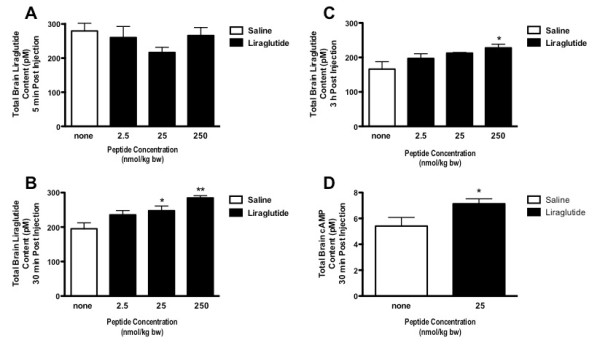
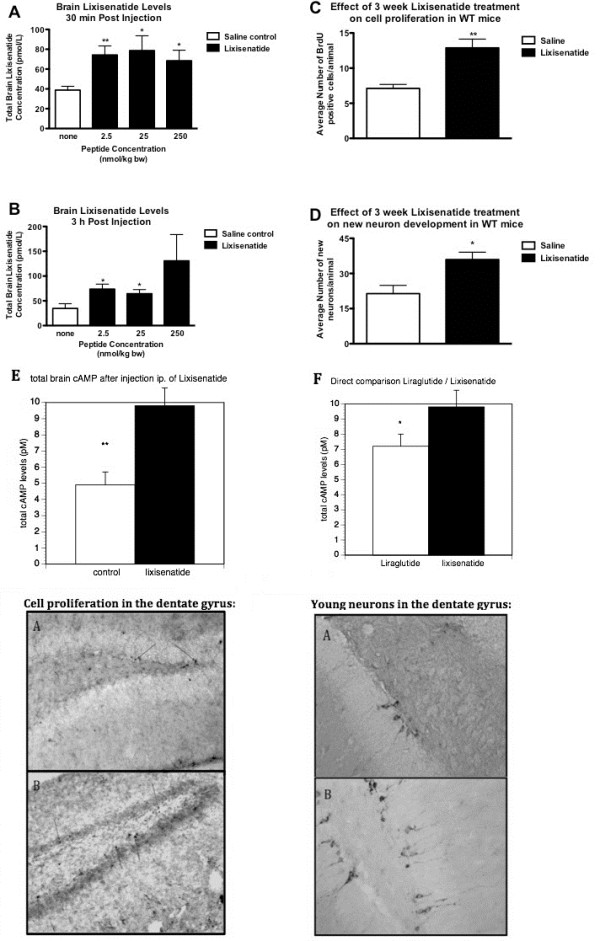
BACKGROUND: Type 2 diabetes is a risk factor for Alzheimer's disease (AD), most likely linked to an impairment of insulin signalling in the brain. Therefore, drugs that enhance insulin signalling may have therapeutic potential for AD. Liraglutide (Victoza) and exenatide (Byetta) are novel long-lasting analogues of the GLP-1 incretin hormone and are currently available to treat diabetes. They facilitate insulin signalling via the GLP-1 receptor (GLP-1R). Numerous in vitro and in vivo studies have shown that GLP-1 analogues have a range of neuroprotective properties. GLP-1Rs are expressed in the hippocampal area of the brain an important site of adult neurogenesis and maintenance of cognition and memory formation. Therefore, if GLP-1 analogues can cross the blood brain barrier, diffuse through the brain to reach the receptors and most importantly activate them, their neuroprotective effects may be realized. RESULTS: In the present study we profiled the GLP-1 receptor agonists liraglutide (Victoza) and lixisenatide (Lyxumia). We measured the kinetics of crossing the blood brain barrier (BBB), activation of the GLP-1R by measuring cAMP levels, and physiological effects in the brain on neuronal stem cell proliferation and neurogenesis. Both drugs were able to cross the BBB. Lixisenatide crossed the BBB at all doses tested (2.5, 25, or 250 nmol/kg bw ip.) when measured 30 min post-injection and at 2.5-25 nmol/kg bw ip. 3 h post-injection. Lixisenatide also enhanced neurogenesis in the brain. Liraglutide crossed the BBB at 25 and 250 nmol/kg ip. but no increase was detectable at 2.5 nmol/kg ip. 30 min post-injection, and at 250 nmol/kg ip. at 3 h post-injection. Liraglutide and lixisenatide enhanced cAMP levels in the brain, with lixisenatide being more effective. CONCLUSIONS: Our results suggest that these novel incretin analogues cross the BBB and show physiological activity and neurogenesis in the brain, which may be of use as a treatment of neurodegenerative diseases.
Overview
The claims and statistics of this paper haven’t been checked yet.
Free: it reads the open-access text and checks the first 5 claims that cite a source we can check. Create a free account to check every claim.
Integrity signals
Registry
Cites
Statistics
Figures
Verification
Claims the paper makes
The claims and statistics of this paper haven’t been checked yet.
Free: it reads the open-access text and checks the first 5 claims that cite a source we can check. Create a free account to check every claim.
Claims other papers make about this one
Each is checked against this paper’s own text: does it say what the citing paper says it does?
The source backs part of the claim, not all of it — or backs it for a different population, condition or comparison.
In the citing paper
“In addition, GLP-1 and GLP-1 analogues enter the brain through blood brain barrier [83–86].”
From Anti-Inflammatory Effects of GLP-1-Based Therapies beyond Glucose Control (2016) · cites this paper as [85]
Experimental — accuracy not yet measuredThe cited source says what the claim attributes to it.
In the citing paper
“Liraglutide can cross the blood–brain barrier 38 and demonstrates favorable effects in mouse models of AD 39 , 40 or in humans. 41 , 42 , 43”
From Critical evaluation of real‐world evidence of repurposable medicines in the Alzheimer's disease drug development pipeline using a target trial emulation (2026) · cites this paper as [38]
The check wasn’t confident either way, so it gives no verdict — never disputed.
In the citing paper
“Researchers have discovered that GLP-1RAs exhibit a noticeable increase in the level of phosphorylated ERK1/2 within the sciatic nerve of diabetic rats.”
From Glucagon-like peptide-1 receptor: mechanisms and advances in therapy (2024) · cites this paper as [402]
Experimental — accuracy not yet measured
Self-check
Percentages, sums and reported differences re-computed from the paper’s own numbers.
The self-check needs the paper’s full text.
Citations
Cites
Drucker, D. J., & Nauck, M. A. (2006) · The Lancet · doi:10.1016/s0140-6736(06)69705-5 · Cited by 3,896 · cited 1×
“Drugs that mimic incretin hormones can maintain glucose homeostasis and improve multiple symptoms of type 2 diabetes like the risk of hypoglycaemia, inadequate postprandial blood glucose control, glucose fluctuations, bcell failure, and weight gain [1,2].”
BackgroundBiology of Incretins: GLP-1 and GIP
Baggio, L. L., & Drucker, D. J. (2007) · Gastroenterology · doi:10.1053/j.gastro.2007.03.054 · Cited by 3,639 · cited 4×
“Liraglutide is also on the market and is injected peripherally once daily [1].”
BackgroundInfluentialGlucagon-like peptide-1 receptor is involved in learning and neuroprotection
During, M. J., Cao, L., Zuzga, D. S., Francis, J. S., Fitzsimons, H. L., Jiao, X., Bland, R. J., Klugmann, M., Banks, W. A., Drucker, D. J., et al. (2003) · Nature Medicine · doi:10.1038/nm919 · Cited by 851 · cited 1×
“Previous studies have shown similar effects in the brain, in particular on cell proliferation and neurogenesis [14,18-21], and our results add considerably to those findings.”
ResultMoloney, A. M., Griffin, R. J., Timmons, S., O’Connor, R., Ravid, R., & O’Neill, C. (2010) · Neurobiology of Aging · doi:10.1016/j.neurobiolaging.2008.04.002 · Cited by 764 · cited 1×
“It was also shown that insulin receptors in the brain are desensitised in AD patients [9,10].”
BackgroundMcClean, P. L., Parthsarathy, V., Faivre, E., & Hölscher, C. (2011) · The Journal of Neuroscience · doi:10.1523/jneurosci.0529-11.2011 · Cited by 698 · cited 2×
“Previous studies already had demonstrated that liraglutide also enhances neuronal progenitor proliferation and increased neurogenesis in the brain of a mouse model of Alzheimer disease [16].”
BackgroundSelf-citationHyperinsulinemia and risk of Alzheimer disease
Luchsinger, J. A., Tang, M.-X., Shea, S., & Mayeux, R. (2004) · Neurology · doi:10.1212/01.wnl.0000140292.04932.87 · Cited by 683 · cited 1×
“Epidemiological studies found a clear correlation between T2DM and the risk of developing AD [6-8].”
BackgroundGöke, R., Larsen, P. J., Mikkelsen, J. D., & Sheikh, S. P. (1995) · European Journal of Neuroscience · doi:10.1111/j.1460-9568.1995.tb00650.x · Cited by 474 · cited 1×
“GLP-1 receptors are found on neurons in the brains of rodents and humans [12,13].”
BackgroundIntracerebral streptozotocin model of type 3 diabetes: Relevance to sporadic Alzheimer’s disease
Lester-Coll, N., Rivera, E. J., Soscia, S. J., Doiron, K., Wands, J. R., & de la Monte, S. M. (2006) · Journal of Alzheimer s Disease · doi:10.3233/jad-2006-9102 · Cited by 467 · cited 1×
“It was also shown that insulin receptors in the brain are desensitised in AD patients [9,10].”
BackgroundGlucose tolerance status and risk of dementia in the community: The Hisayama Study
Ohara, T., Doi, Y., Ninomiya, T., Hirakawa, Y., Hata, J., Iwaki, T., Kanba, S., & Kiyohara, Y. (2011) · Neurology · doi:10.1212/wnl.0b013e31822f0435 · Cited by 420
Entry of exendin-4 into brain is rapid but may be limited at high doses
Kastin, A. J., & Akerstrom, V (2003) · International Journal of Obesity · doi:10.1038/sj.ijo.0802206 · Cited by 355
Cited by
Glucagon-like peptide 1 (GLP-1)
Müller, T. D., Finan, B., Bloom, S. R., D'Alessio, D., Drucker, D. J., Flatt, P. R., Fritsche, A., Gribble, F., Grill, H. J., Habener, J. F., et al. (2019) · Molecular Metabolism · doi:10.1016/j.molmet.2019.09.010 · Cited by 1,868
“Small peptide GLP-1R analogs including liraglutide, lixisenatide, and exendin-4 have all been demonstrated to cross the BBB upon peripheral administration [750,751], and HPLC analysis confirmed that most of the peripherally administered exendin-4 reaches the brain intact [751,752].”
BackgroundGlucagon-like peptide-1 receptor: mechanisms and advances in therapy
Zheng, Z., Zong, Y., Ma, Y., Tian, Y., Pang, Y., Zhang, C., & Gao, J. (2024) · Signal Transduction and Targeted Therapy · doi:10.1038/s41392-024-01931-z · Cited by 1,036
Athauda, D., Maclagan, K., Skene, S. S., Bajwa-Joseph, M., Letchford, D., Chowdhury, K., Hibbert, S., Budnik, N., Zampedri, L., Dickson, J., et al. (2017) · The Lancet · doi:10.1016/s0140-6736(17)31585-4 · Cited by 889
Hippocampal insulin resistance and cognitive dysfunction
Biessels, G. J., & Reagan, L. P. (2015) · Nature Reviews Neuroscience · doi:10.1038/nrn4019 · Cited by 537
Anti-Inflammatory Effects of GLP-1-Based Therapies beyond Glucose Control
Lee, Y.-S., & Jun, H.-S. (2016) · Mediators of Inflammation · doi:10.1155/2016/3094642 · Cited by 530
Gejl, M., Gjedde, A., Egefjord, L., Møller, A., Hansen, S. B., Vang, K., Rodell, A., Brændgaard, H., Gottrup, H., Schacht, A., et al. (2016) · Frontiers in Aging Neuroscience · doi:10.3389/fnagi.2016.00108 · Cited by 480
“The analog crosses the blood–brain barrier into brain where it raises synaptic plasticity (McClean et al., 2010; Hunter and Holscher, 2012).”
BackgroundNeuronal GLP1R mediates liraglutide’s anorectic but not glucose-lowering effect
Sisley, S., Gutierrez-Aguilar, R., Scott, M., D’Alessio, D. A., Sandoval, D. A., & Seeley, R. J. (2014) · Journal of Clinical Investigation · doi:10.1172/jci72434 · Cited by 397
Athauda, D., & Foltynie, T. (2016) · Drug Discovery Today · doi:10.1016/j.drudis.2016.01.013 · Cited by 383
Bettge, K., Kahle, M., Abd El Aziz, M. S., Meier, J. J., & Nauck, M. A. (2017) · Diabetes, Obesity and Metabolism · doi:10.1111/dom.12824 · Cited by 374
McClean, P. L., & Hölscher, C. (2014) · Neuropharmacology · doi:10.1016/j.neuropharm.2013.08.005 · Cited by 361
Self-citationHow does brain insulin resistance develop in Alzheimer's disease?
De Felice, F. G., Lourenco, M. V., & Ferreira, S. T. (2014) · Alzheimer's & Dementia · doi:10.1016/j.jalz.2013.12.004 · Cited by 337
“GLP-1 analogs are stable in blood and exhibit good brain penetration [85].”
Insulin resistance and Parkinson’s disease: A new target for disease modification?
Athauda, D., & Foltynie, T. (2016) · Progress in Neurobiology · doi:10.1016/j.pneurobio.2016.10.001 · Cited by 328
“With the exception of dulaglutide, these peripherally administered drugs are all able to penetrate the blood brain barrier to some degree in experimental models (Hunter and Hölscher, 2012; Kastin and Akerstrom, 2003) to exert central effects in doses comparable to those used in humans.”
Glucagon-like peptide-1: a multi-faceted anti-inflammatory agent
Mehdi, S. F., Pusapati, S., Anwar, M. S., Lohana, D., Kumar, P., Nandula, S. A., Nawaz, F. K., Tracey, K., Yang, H., LeRoith, D., et al. (2023) · Frontiers in Immunology · doi:10.3389/fimmu.2023.1148209 · Cited by 317
Insulin, IGF-1 and GLP-1 signaling in neurodegenerative disorders: Targets for disease modification?
Bassil, F., Fernagut, P.-O., Bezard, E., & Meissner, W. G. (2014) · Progress in Neurobiology · doi:10.1016/j.pneurobio.2014.02.005 · Cited by 309
“…(Table 4) are resistant to DPP-4, pass the blood brain barrier (BBB) similar to GLP-1, except for albiglutide, and bind to the GLP-1R (Baetta and Corsini, 2011; Deacon, 2011; Hunter and Holscher, 2012; Lovshin and Drucker, 2009; Martin et al., 2011; McIntyre et al., 2013; Rosenstock et al., 2009).”
Pleiotropic Effects of GLP-1 and Analogs on Cell Signaling, Metabolism, and Function
Rowlands, J., Heng, J., Newsholme, P., & Carlessi, R. (2018) · Frontiers in Endocrinology · doi:10.3389/fendo.2018.00672 · Cited by 302
Kopp, K. O., Glotfelty, E. J., Li, Y., & Greig, N. H. (2022) · Pharmacological Research · doi:10.1016/j.phrs.2022.106550 · Cited by 298
Central effects of GLP-1: new opportunities for treatments of neurodegenerative diseases
Hölscher, C. (2014) · Journal of Endocrinology · doi:10.1530/joe-13-0221 · Cited by 288
“…studies in mouse models of AD and of diabetes or in wildtype mice that incretin analogues can increase or normalise neuronal progenitor cell proliferation in the CNS (During et al. 2003, Li et al. 2010, Porter et al. 2010a,b, Hamilton et al. 2011, McClean et al. 2011, Hunter & Holscher 2012).”
BackgroundSelf-citationFarr, O. M., Sofopoulos, M., Tsoukas, M. A., Dincer, F., Thakkar, B., Sahin-Efe, A., Filippaios, A., Bowers, J., Srnka, A., Gavrieli, A., et al. (2016) · Diabetologia · doi:10.1007/s00125-016-3874-y · Cited by 287
“In addition to acting on pancreatic and gastric targets, GLP-1 and liraglutide may act on the brain to produce satiety and suppress food intake [6, 7].”
The role of type 2 diabetes in neurodegeneration
Verdile, G., Fuller, S. J., & Martins, R. N. (2015) · Neurobiology of Disease · doi:10.1016/j.nbd.2015.04.008 · Cited by 272
Mechanisms of action and therapeutic applications of GLP-1 and dual GIP/GLP-1 receptor agonists
Liu, Q. K. (2024) · Frontiers in Endocrinology · doi:10.3389/fendo.2024.1431292 · Cited by 265
Tumminia, A., Vinciguerra, F., Parisi, M., & Frittitta, L. (2018) · International Journal of Molecular Sciences · doi:10.3390/ijms19113306 · Cited by 249
“Several GLP-1 analogues, more stable and more slowly degraded than GLP-1 native, have been developed; among these, exenatide, liraglutide and lixisenatide cross the BBB and, independently from their effects on glucose control, influence cellular pathways of neuronal protection, mitochondrial function, apoptosis and ox…”
BackgroundReich, N., & Hölscher, C. (2022) · Frontiers in Neuroscience · doi:10.3389/fnins.2022.970925 · Cited by 248
Self-citationLiu, W., Jalewa, J., Sharma, M., Li, G., Li, L., & Hölscher, C. (2015) · Neuroscience · doi:10.1016/j.neuroscience.2015.06.054 · Cited by 246
“Several GLP-1 receptor agonists have been developed as treatments for type 2 diabetes, and some of these can cross the BBB (Kastin et al., 2002; Kastin and Akerstrom, 2003; McClean et al., 2011; Hunter and Holscher, 2012).”
BackgroundSelf-citationNeural Control of Energy Balance: Translating Circuits to Therapies
Gautron, L., Elmquist, J. K., & Williams, K. W. (2015) · Cell · doi:10.1016/j.cell.2015.02.023 · Cited by 234
The Association Between Type 2 Diabetes Mellitus and Parkinson’s Disease
Cheong, J. L. Y., de Pablo-Fernandez, E., Foltynie, T., & Noyce, A. J. (2020) · Journal of Parkinson's Disease · doi:10.3233/jpd-191900 · Cited by 230
Effects of Glucagon-Like Peptide-1 on Oxidative Stress and Nrf2 Signaling
Oh, Y., & Jun, H.-S. (2017) · International Journal of Molecular Sciences · doi:10.3390/ijms19010026 · Cited by 217
“As GLP-1 agonists can cross the blood–brain barrier, the effect of GLP-1 treatment on cellular pathways involved in neuroinflammation, mitochondrial function, neuronal protection, and cellular proliferation within the central nervous system have been investigated [123].”
BackgroundHölscher, C. (2018) · Neuropharmacology · doi:10.1016/j.neuropharm.2018.01.040 · Cited by 198
“Importantly, GLP-1 mimetics can cross the BBB (Athauda et al., 2017; Christensen et al., 2015; Hunter and Holscher, 2012; Kastin and Akerstrom, 2003; Kastin et al., 2002; McClean et al., 2011b).”
BackgroundInfluentialSelf-citationHeppner, K. M., Kirigiti, M., Secher, A., Paulsen, S. J., Buckingham, R., Pyke, C., Knudsen, L. B., Vrang, N., & Grove, K. L. (2015) · Endocrinology · doi:10.1210/en.2014-1675 · Cited by 196
“The tracer for these studies, (125)I-GLP-1 (7-36) (NEX3080; PerkinElmer), was used at a concentration of 0.”
MethodFactors that influence adult neurogenesis as potential therapy
Shohayeb, B., Diab, M., Ahmed, M., & Ng, D. C. H. (2018) · Translational Neurodegeneration · doi:10.1186/s40035-018-0109-9 · Cited by 191
“Similarly, agonist stimulation of incretin hormone receptors enhanced proliferation and generation of new neruons in the dentate gyrus [151].”
BackgroundPotential Role of Glucagon-Like Peptide-1 (GLP-1) in Neuroprotection
Hölscher, C. (2012) · CNS Drugs · doi:10.2165/11635890-000000000-00000 · Cited by 191
“It has been demonstrated in several studies in mouse models of AD and of diabetes that incretin analogues can increase or normalize neuronal progenitor cell proliferation in the CNS.[10,55,62,71-74] In conclusion, the GLP-1R-activating drugs show an impressive range of protective effects on synaptogenesis, neurogenesi…”
BackgroundInfluentialSelf-citationBrain injury with diabetes mellitus: evidence, mechanisms and treatment implications
Hamed, S. A. (2017) · Expert Review of Clinical Pharmacology · doi:10.1080/17512433.2017.1293521 · Cited by 185
“GLP-1 analogs are stable in blood and exhibit good brain penetration [212].”
BackgroundSalameh, T. S., Rhea, E. M., Talbot, K., & Banks, W. A. (2020) · Biochemical Pharmacology · doi:10.1016/j.bcp.2020.114187 · Cited by 188
“Studies that have suggested liraglutide crosses the BBB, have not taken into consideration brain capillary binding or sequestration [46, 63, 88].”
BackgroundThe Antidepressant Effects of GLP-1 Receptor Agonists: A Systematic Review and Meta-Analysis
Chen, X., Zhao, P., Wang, W., Guo, L., & Pan, Q. (2024) · The American Journal of Geriatric Psychiatry · doi:10.1016/j.jagp.2023.08.010 · Cited by 185
Multifactorial Hypothesis and Multi-Targets for Alzheimer’s Disease
Gong, C.-X., Liu, F., & Iqbal, K. (2018) · Journal of Alzheimer's Disease · doi:10.3233/jad-179921 · Cited by 182
“Liraglutide is a GLP-1 receptor agonist that can cross the blood-brain barrier [84], ameliorate AD-associated brain pathologies and improve learning and memory in animal models [85–87].”
Zhu, H., Zhang, Y., Shi, Z., Lu, D., Li, T., Ding, Y., Ruan, Y., & Xu, A. (2016) · Scientific Reports · doi:10.1038/srep26859 · Cited by 183
Young, J. E., Boulanger-Weill, J., Williams, D. A., Woodruff, G., Buen, F., Revilla, A. C., Herrera, C., Israel, M. A., Yuan, S. H., Edland, S. D., et al. (2015) · Cell Stem Cell · doi:10.1016/j.stem.2015.02.004 · Cited by 188
“Treatments that increase intracellular cAMP levels, such as liraglutide, have also been shown to be protective in AD models (Hunter and Hölscher, 2012; Parthsarathy and Hölscher, 2013).”
BackgroundBrain insulin resistance: role in neurodegenerative disease and potential for targeting
Hölscher, C. (2020) · Expert Opinion on Investigational Drugs · doi:10.1080/13543784.2020.1738383 · Cited by 180
“As a further demonstration of its growth-factor properties, GLP-1 mimetics are able to normalize neuronal progenitor cell proliferation and neurogenesis in the brains of mouse models of AD and of diabetes [86, 89, 93, 111-115].”
BackgroundSelf-citationZhang, L., Zhang, L., Li, L., & Hölscher, C. (2019) · Journal of Parkinson's Disease · doi:10.3233/jpd-181503 · Cited by 173
“We and others furthermore demonstrated that these drugs can enter the brain and are activate receptors on neurons [47–49].”
Self-citationSposito, A. C., Berwanger, O., de Carvalho, L. S. F., & Saraiva, J. F. K. (2018) · Cardiovascular Diabetology · doi:10.1186/s12933-018-0800-2 · Cited by 171
Glucagon-like Peptide-1 and the Central/Peripheral Nervous System: Crosstalk in Diabetes
Muscogiuri, G., DeFronzo, R. A., Gastaldelli, A., & Holst, J. J. (2017) · Trends in Endocrinology & Metabolism · doi:10.1016/j.tem.2016.10.001 · Cited by 171
McClean, P. L., & Hölscher, C. (2014) · Neuropharmacology · doi:10.1016/j.neuropharm.2014.07.015 · Cited by 170
Self-citationSeufert, J., & Gallwitz, B. (2014) · Diabetes, Obesity and Metabolism · doi:10.1111/dom.12251 · Cited by 156
“GLP-1Rs are expressed in several areas of the brain, including areas involved in appetite and satiety, and liraglutide, exenatide and lixisenatide are able to cross the blood–brain barrier in animal studies following peripheral administration [121–123].”
BackgroundVallöf, D., Maccioni, P., Colombo, G., Mandrapa, M., Jörnulf, J. W., Egecioglu, E., Engel, J. A., & Jerlhag, E. (2016) · Addiction Biology · doi:10.1111/adb.12295 · Cited by 150
Sharma, M. K., Jalewa, J., & Hölscher, C. (2014) · Journal of Neurochemistry · doi:10.1111/jnc.12469 · Cited by 151
“Activating the GLP-1 receptor in neurons activates an adenylyl cyclase and increases cAMP levels, which in turn activates protein kinase A (PKA) and cyclic AMP response element binding protein (CREB) (Perry and Greig 2004; Hunter and Holscher 2012).”
InfluentialSelf-citationThe DPP-4 Inhibitor Linagliptin Counteracts Stroke in the Normal and Diabetic Mouse Brain
Darsalia, V., Ortsäter, H., Olverling, A., Darlöf, E., Wolbert, P., Nyström, T., Klein, T., Sjöholm, Å., & Patrone, C. (2013) · Diabetes · doi:10.2337/db12-0988 · Cited by 147
“Finally, anti-inflammatory (15,21) and neurogenic (14,22,23) actions mediated by GLP-1R activation have been recently reported.”
BackgroundProtective properties of GLP‐1 and associated peptide hormones in neurodegenerative disorders
Hölscher, C. (2022) · British Journal of Pharmacology · doi:10.1111/bph.15508 · Cited by 145
“…able to normalise neuronal progenitor cell proliferation and neurogenesis in the hippocampus of mice (During et al., 2003; Hamilton et al., 2011; Hunter & Holscher, 2012; Li et al., 2010; McClean et al., 2011; Parthsarathy & Holscher, 2013a; Porter, Irwin, et al., 2010; Porter, Kerr, et al.,…”
BackgroundSelf-citationDiabetes drugs in the fight against Alzheimer's disease
Boccardi, V., Murasecco, I., & Mecocci, P. (2019) · Ageing Research Reviews · doi:10.1016/j.arr.2019.100936 · Cited by 142
Duarte, A. I., Candeias, E., Correia, S. C., Santos, R. X., Carvalho, C., Cardoso, S., Plácido, A. I., Santos, M. S., Oliveira, C. R., & Moreira, P. I. (2013) · Biochimica et Biophysica Acta (BBA) - Molecular Basis of Disease · doi:10.1016/j.bbadis.2013.01.008 · Cited by 162
Gault, V. A., Lennox, R., & Flatt, P. R. (2015) · Diabetes, Obesity and Metabolism · doi:10.1111/dom.12432 · Cited by 141
Talbot, K., & Wang, H.-Y. (2014) · Alzheimer's & Dementia · doi:10.1016/j.jalz.2013.12.007 · Cited by 140
Brain Insulin Resistance in Alzheimer's Disease and its Potential Treatment with GLP-1 Analogs
Talbot, K. (2014) · Neurodegenerative Disease Management · doi:10.2217/nmt.13.73 · Cited by 138
Han, W.-N., Hölscher, C., Yuan, L., Yang, W., Wang, X., Wu, M., & Qi, J. (2012) · Neurobiology of Aging · doi:10.1016/j.neurobiolaging.2012.04.009 · Cited by 150
Self-citationKim, D. S., Choi, H.-I., Wang, Y., Luo, Y., Hoffer, B. J., & Greig, N. H. (2017) · Cell Transplantation · doi:10.1177/0963689717721234 · Cited by 136
“In separate studies, exenatide, liraglutide, and lixisenatide were all able to cross the BBB.102,103 A recent study showed that lixisenatide was able to cross the BBB and increase cAMP more than liraglutide with a low dose (2.5 nmol/kg body weight).102 However, it is still difficult to interpret these results, as chem…”
BackgroundInfluentialShirazi, R., Palsdottir, V., Collander, J., Anesten, F., Vogel, H., Langlet, F., Jaschke, A., Schürmann, A., Prévot, V., Shao, R., et al. (2013) · Proceedings of the National Academy of Sciences · doi:10.1073/pnas.1306799110 · Cited by 137
“(1996) Central administration of GLP-1-(7-36) amide in-”
InfluentialDepression and type 2 diabetes: A causal relationship and mechanistic pathway
Khawagi, W. Y., Al-Kuraishy, H. M., Hussein, N. R., Al-Gareeb, A. I., Atef, E., Elhussieny, O., Alexiou, A. T., Papadakis, M., Jabir, M. S., Alshehri, A. A., et al. (2024) · Diabetes Obesity and Metabolism · doi:10.1111/dom.15630 · Cited by 151
“131 In this state, decreasing neurogenesis in both T2D and depression might be a consequence of BDNF reduction.”
Parthsarathy, V., & Hölscher, C. (2013) · PLoS ONE · doi:10.1371/journal.pone.0058784 · Cited by 130
“GLP-1, liraglutide and other GLP-1 analogues cross the blood brain barrier [34–36] where they specifically bind to GLP-1R to improve learning, memory and exert neuroprotective effects [35,37].”
BackgroundSelf-citationThe mechanism and efficacy of GLP-1 receptor agonists in the treatment of Alzheimer’s disease
Du, H., Meng, X., Yao, Y., & Xu, J. (2022) · Frontiers in Endocrinology · doi:10.3389/fendo.2022.1033479 · Cited by 125
“Studies have shown that significant concentrations of lixisenatide were found in the brain of mice 30 minutes and 3 hours after intraperitoneal injection, suggesting that lixisenatide could cross the BBB (125).”
BackgroundMcClean, P. L., Jalewa, J., & Hölscher, C. (2015) · Behavioural Brain Research · doi:10.1016/j.bbr.2015.07.024 · Cited by 135
“Liraglutide crosses the blood-brain barrier and increases synaptic plasticity (Hunter & Holscher, 2012; P. L. McClean, Gault, Harriott, & Holscher, 2010).”
Self-citationHölscher, C. (2014) · Alzheimer's & Dementia · doi:10.1016/j.jalz.2013.12.009 · Cited by 127
“Most incretin mimetics cross the BBB readily [24,26,49,74] Also, three GLP-1 mimetics are already on the market as a T2DM treatment and show few side effects in chronic use [14,75].”
Self-citationBadawi, G. A., Fattah, M. A. A. E., Zaki, H. F., & Sayed, M. I. E. (2017) · Inflammopharmacology · doi:10.1007/s10787-017-0331-6 · Cited by 127
Saxagliptin: a novel antiparkinsonian approach
Nassar, N. N., Al-Shorbagy, M. Y., Arab, H. H., & Abdallah, D. M. (2015) · Neuropharmacology · doi:10.1016/j.neuropharm.2014.10.007 · Cited by 117
Neuroprotective Effects of Liraglutide for Stroke Model of Rats
Sato, K., Kameda, M., Yasuhara, T., Agari, T., Baba, T., Wang, F., Shinko, A., Wakamori, T., Toyoshima, A., Takeuchi, H., et al. (2013) · International Journal of Molecular Sciences · doi:10.3390/ijms141121513 · Cited by 120
“Furthermore, lixisenatide, a newly developed GLP-1 analogue exerted stronger neurogeneic effects than liraglutide on Alzheimer’s disease rodent model, although both agents breached the blood brain barrier and were bioavailable in the brain with subsequent neurogeneic effects [20].”
BackgroundParthsarathy, V., & Hölscher, C. (2013) · European Journal of Pharmacology · doi:10.1016/j.ejphar.2012.12.012 · Cited by 119
“GLP-1 and analogues of GLP-1 including liraglutide have been shown to cross the blood brain barrier (Hunter and Holscher, 2012; Kastin et al., 2002; McClean et al., 2011) and increase cell growth, proliferation and repair, and inhibit apoptosis (Perfetti et al.”
BackgroundSelf-citationZhao, L., Li, Z., Vong, J. S. L., Chen, X., Lai, H.-M., Yan, L. Y. C., Huang, J., Sy, S. K. H., Tian, X., Huang, Y., et al. (2020) · Nature Communications · doi:10.1038/s41467-020-18249-3 · Cited by 126
Feng, P., Zhang, X., Li, D., Ji, C., Yuan, Z., Wang, R., Xue, G., Li, G., & Hölscher, C. (2018) · Neuropharmacology · doi:10.1016/j.neuropharm.2018.02.012 · Cited by 120
“CSF analysis confirmed that exendin-4 had crossed the BBB, and that there was no drug present after wash-out (Athauda et al., 2017).”
Self-citationGLP ‐1 receptor agonists: Nonglycemic clinical effects in weight loss and beyond
Ryan, D., & Acosta, A. (2015) · Obesity · doi:10.1002/oby.21107 · Cited by 112
“Studies in mice models suggest that many of the new GLP-1 receptor agonists have the ability to cross the blood2brain barrier (75,76), making them attractive therapeutic options for the treatment of neurodegenerative central nervous system disorders (74).”
BackgroundPleiotropic effects of the dipeptidylpeptidase-4 inhibitors on the cardiovascular system
Aroor, A. R., Sowers, J. R., Jia, G., & DeMarco, V. G. (2014) · American Journal of Physiology-Heart and Circulatory Physiology · doi:10.1152/ajpheart.00209.2014 · Cited by 111
“GLP-1Rs are expressed in neurons from rodents and humans (66, 72), and GLP-1 and GLP-1 analogs readily cross the blood brain barrier (82), suggesting the possibility that incretin enhancer therapy could be neuroprotective (79).”
BackgroundYuan, Z., Li, D., Feng, P., Xue, G., Ji, C., Li, G., & Hölscher, C. (2017) · European Journal of Pharmacology · doi:10.1016/j.ejphar.2017.06.029 · Cited by 116
“GLP-1 and GIP can cross the BBB (Dogrukol-Ak et al., 2004; Hunter and Holscher, 2012; Kastin et al., 2002) and enhance the expression of key growth factors such as BDNF or GDNF.”
BackgroundInfluentialSelf-citationMcIntyre, R. S., Powell, A. M., Kaidanovich-Beilin, O., Soczynska, J. K., Alsuwaidan, M., Woldeyohannes, H. O., Kim, A. S., & Gallaugher, L. A. (2013) · Behavioural Brain Research · doi:10.1016/j.bbr.2012.09.021 · Cited by 110
Vadini, F., Simeone, P. G., Boccatonda, A., Guagnano, M. T., Liani, R., Tripaldi, R., Di Castelnuovo, A., Cipollone, F., Consoli, A., & Santilli, F. (2020) · International Journal of Obesity · doi:10.1038/s41366-020-0535-5 · Cited by 110
“Liraglutide and the other synthetic GLP-1RAs are able to readily cross the blood brain barrier, reaching the brain almost intact and thereby exerting neuroprotective effects [38].”
BackgroundAkel, H., Ismail, R., & Csóka, I. (2020) · European Journal of Pharmaceutics and Biopharmaceutics · doi:10.1016/j.ejpb.2019.12.014 · Cited by 107
Kim, Y.-K., Kim, O. Y., & Song, J. (2020) · Frontiers in Pharmacology · doi:10.3389/fphar.2020.01270 · Cited by 109
“, 2015), and increased GLP-1 concentration in the brain is thought to influence brain function in the hippocampus (Kastin et al., 2002; Kastin and Akerstrom, 2003; McClean et al., 2010; Hunter and Holscher, 2012).”
BackgroundCai, H.-Y., Yang, J.-T., Wang, Z.-J., Zhang, J., Yang, W., Wu, M.-N., & Qi, J.-S. (2018) · Biochemical and Biophysical Research Communications · doi:10.1016/j.bbrc.2017.11.114 · Cited by 108
Cai, H.-Y., Hölscher, C., Yue, X.-H., Zhang, S., Wang, X.-H., Qiao, F., Yang, W., & Qi, J. (2014) · Neuroscience · doi:10.1016/j.neuroscience.2014.02.022 · Cited by 107
“GLP-1 receptor (GLP-1R) agonists including lixisenatide can cross the blood–brain barrier (BBB) and show protective effects (Kastin et al., 2002; McClean et al., 2011; Gengler et al., 2012; Hunter and Hölscher, 2012); glucagon-like peptide-1 (GLP-1) and GLP-1R are also expressed in some critical memoryrelated brain ar…”
InfluentialSelf-citationFarr, O. M., Tsoukas, M. A., Triantafyllou, G., Dincer, F., Filippaios, A., Ko, B.-J., & Mantzoros, C. S. (2016) · Metabolism · doi:10.1016/j.metabol.2016.03.009 · Cited by 105
Marty, V. N., Farokhnia, M., Munier, J. J., Mulpuri, Y., Leggio, L., & Spigelman, I. (2020) · Frontiers in Neuroscience · doi:10.3389/fnins.2020.599646 · Cited by 102
Briyal, S., Shah, S. Z., & Gulati, A. (2014) · Neuroscience · doi:10.1016/j.neuroscience.2014.09.064 · Cited by 109
Yang, X., Feng, P., Zhang, X., Li, D., Wang, R., Ji, C., Li, G., & Hölscher, C. (2019) · Neuropharmacology · doi:10.1016/j.neuropharm.2019.107748 · Cited by 103
Self-citationSex and estrogens alter the action of glucagon-like peptide-1 on reward
Richard, J. E., Anderberg, R. H., López-Ferreras, L., Olandersson, K., & Skibicka, K. P. (2016) · Biology of Sex Differences · doi:10.1186/s13293-016-0059-9 · Cited by 102
“shown to cross the blood-brain barrier [35, 80], and feeding or reward impact of Ex4 is mediated by CNS GLP-1R, indicating that GLP-1 agonists are likely to result in sex differences even after peripheral injection.”
Backgroundten Kulve, J. S., Veltman, D. J., van Bloemendaal, L., Barkhof, F., Drent, M. L., Diamant, M., & IJzerman, R. G. (2016) · Diabetes Care · doi:10.2337/dc15-0772 · Cited by 102
“Liraglutide is a GLP-1 analog with 97% amino acid sequence homology to native GLP-1 and is able to pass the blood-brain barrier (30).”
BackgroundCentral Proliferation and Neurogenesis Is Impaired in Type 2 Diabetes and Prediabetes Animal Models
Ramos-Rodriguez, J. J., Molina-Gil, S., Ortiz-Barajas, O., Jimenez-Palomares, M., Perdomo, G., Cozar-Castellano, I., Lechuga-Sancho, A. M., & Garcia-Alloza, M. (2014) · PLoS ONE · doi:10.1371/journal.pone.0089229 · Cited by 103
“Moreover this effect seems to be increased by treatment with GLP-1 receptor agonists, used to treat T2D [15,41].”
BackgroundJi, C., Xue, G., Cao, L., Feng, P., Li, D., Li, L., Li, G., & Hölscher, C. (2015) · Brain Research · doi:10.1016/j.brainres.2015.09.035 · Cited by 105
“It has been confirmed that GLP-1 receptor agonists and GIP receptor agonists can pass through the blood brain barrier (Faivre and Holscher, 2013b; Hunter and Holscher, 2012; McClean and Holscher, 2014), protect neurons under oxidative stress, inhibit apoptosis, promoting neuronal proliferation and…”
BackgroundSelf-citationZheng, M., & Wang, P. (2021) · 3 Biotech · doi:10.1007/s13205-021-02738-3 · Cited by 293
“2012; Hunter and Hölscher 2012; Salameh et al.”
BackgroundAddressing neurodegeneration in glaucoma: Mechanisms, challenges, and treatments
Ghanem, G. O. B., Wareham, L. K., & Calkins, D. J. (2024) · Progress in Retinal and Eye Research · doi:10.1016/j.preteyeres.2024.101261 · Cited by 114
“GLP-1R agonists may have potential applications beyond diabetes due to their ability to cross the blood-brain barrier (Hunter and H ¨ olscher, 2012; Kastin and Akerstrom, 2003; Kastin et al., 2002) where they have shown neuroprotective effects in various neurodegenerative diseases, including…”
Protective effects of the GLP-1 mimetic exendin-4 in Parkinson's disease
Athauda, D., & Foltynie, T. (2018) · Neuropharmacology · doi:10.1016/j.neuropharm.2017.09.023 · Cited by 98
“Alt hough exenatide, liraglutide and lixisenatide have ll been shown to cross the blood-brain-barrier in rode nts (Hunter and Hölscher, 2012; Kastin and Akerstrom, 2003), there are apparent marked differe nces in the ratio of CSF:serum concentrations in humans; exenatide 2.”
Yaribeygi, H., Rashidy-Pour, A., Atkin, S. L., Jamialahmadi, T., & Sahebkar, A. (2021) · Life Sciences · doi:10.1016/j.lfs.2020.118645 · Cited by 96
The role of neurogenesis in neurorepair after ischemic stroke
Marques, B. L., Carvalho, G. A., Freitas, E. M. M., Chiareli, R. A., Barbosa, T. G., Araújo, A. G. P. D., Nogueira, Y. L., Ribeiro, R. I., Parreira, R. C., Vieira, M. S., et al. (2019) · Seminars in Cell and Developmental Biology · doi:10.1016/j.semcdb.2018.12.003 · Cited by 106
Hölscher, C. (2014) · Biochemical Society Transactions · doi:10.1042/bst20140016 · Cited by 96
Self-citationRachmany, L., Tweedie, D., Li, Y., Rubovitch, V., Holloway, H. W., Miller, J. P., Hoffer, B. J., Greig, N. H., & Pick, C. G. (2012) · AGE · doi:10.1007/s11357-012-9464-0 · Cited by 96
Effects of glucagon-like peptide 1 analogs on alcohol intake in alcohol-preferring vervet monkeys
Thomsen, M., Holst, J. J., Molander, A., Linnet, K., Ptito, M., & Fink-Jensen, A. (2019) · Psychopharmacology · doi:10.1007/s00213-018-5089-z · Cited by 93
Calsolaro, V., & Edison, P. (2015) · CNS Drugs · doi:10.1007/s40263-015-0301-8 · Cited by 93
One for All? Hitting Multiple Alzheimer's Disease Targets with One Drug
Hughes, R. E., Nikolic, K., & Ramsay, R. R. (2016) · Frontiers in Neuroscience · doi:10.3389/fnins.2016.00177 · Cited by 93
“Liraglutide crosses the blood brain barrier (BBB) in animal models (Hunter and Hölscher, 2012).”
BackgroundWiciński, M., Socha, M., Malinowski, B., Wódkiewicz, E., Walczak, M., Górski, K., Słupski, M., & Pawlak-Osińska, K. (2019) · International Journal of Molecular Sciences · doi:10.3390/ijms20051050 · Cited by 89
“Both BrdU and Ki-67 protein (also known as MKI67) are cellular markers for proliferation [7].”
BackgroundYang, Y., Zhang, J., Ma, D., Zhang, M., Hu, S., Shao, S., & Gong, C.-X. (2013) · Journal of Alzheimer's Disease · doi:10.3233/jad-130491 · Cited by 91
“…that GLP-1 agonists reduce endogenous levels of A (cid:1) in the In this study, we investigated the effects of subcutaneous subcutaneous administration of liraglutide, which can across the blood-brain blood-brain barrier [26], on brain insulin signaling (cid:1) in a rat model of type 2 diabetes.”
Sebastião, I., Candeias, E., Santos, M. S., de Oliveira, C. R., Moreira, P. I., & Duarte, A. I. (2014) · Frontiers in Endocrinology · doi:10.3389/fendo.2014.00110 · Cited by 92
“Recently, other authors reported that liraglutide hampered Aβ plaque formation (122) (Figure 1), reduced astrocyte- and microglia-mediated inflammatory responses (123), and promoted neurogenesis (Figure 1) and neuronal proliferation in dentate gyrus (124).”
BackgroundGut-brain axis and addictive disorders: A review with focus on alcohol and drugs of abuse
Jerlhag, E. (2019) · Pharmacology & Therapeutics · doi:10.1016/j.pharmthera.2018.11.005 · Cited by 93
Ammar, R. A., Mohamed, A. F., Kamal, M. M., Safar, M. M., & Abdelkader, N. F. (2022) · Inflammopharmacology · doi:10.1007/s10787-022-00956-6 · Cited by 84
“Liraglutide dose has been selected as it was reported to have a neuroprotective effect in previous animal studies (Hunter and Hölscher 2012; McClean and Hölscher 2014).”
BackgroundGLP-1 and Its Analogs: Does Sex Matter?
Börchers, S., & Skibicka, K. P. (2025) · Endocrinology · doi:10.1210/endocr/bqae165 · Cited by 77
Dong, M., Wen, S., & Zhou, L. (2022) · Diabetes, Metabolic Syndrome and Obesity: Targets and Therapy · doi:10.2147/dmso.s375559 · Cited by 90
“Some of the GLP-1RAs have been proven to cross through the BBB via passive diffusion.(34,46,48,68) In addition, GLP-1RAs could cross the BBB via the GLP-1 receptor-mediated uptake mechanism.”
BackgroundDuarte, A. I., Candeias, E., Alves, I. N., Mena, D., Silva, D. F., Machado, N. J., Campos, E. J., Santos, M. S., Oliveira, C. R., & Moreira, P. I. (2020) · International Journal of Molecular Sciences · doi:10.3390/ijms21051746 · Cited by 90
“Liraglutide also hampered Aβ plaque formation [30], astrocyteand microglia-mediated inflammation [31] and promoted neurogenesis and neuronal proliferation [32].”
Background
Metadata
- Authors
- Hunter, K., & Hölscher, C.
- Affiliations
- University of Ulster (GB)
- Corresponding author
- Hölscher, Christian
- ORCID
- Hölscher, Christian
- Venue
- BMC Neuroscience
- Published
- 2012-03-23
- Volume
- 13
- Issue
- 1
- Pages
- 33-33
- ISSN
- 1471-2202 (ISSN-L)
- PMC
- PMC3352246
- OpenAlex
- W2065372294
- Cited by
- 504
- References
- 23
- Citations by year
- 2026: 26 · 2025: 54 · 2024: 40 · 2023: 37 · 2022: 32 · 2021: 32 · 2020: 38 · 2019: 28 · 2018: 40 · 2017: 34 · 2016: 37 · 2015: 37 · 2014: 39 · 2013: 22 · 2012: 8
- FWCI
- 22.74
- Type
- journal article
- Language
- en
- Update notices
- expression_of_concern (2026-10-29)
- Open access
- gold
- doi.org
- Licence
- cc-by
- creativecommons.org/licenses/by/2.0 (tdm)
- creativecommons.org/licenses/by/2.0 (vor)
- Locations
- BMC Neuroscience (publishedVersion, cc-by)
- PubMed Central (publishedVersion, cc-by)
- PubMed (publishedVersion)
- Lancaster EPrints (Lancaster University) (acceptedVersion)
- DOAJ (DOAJ: Directory of Open Access Journals) (submittedVersion, cc-by-sa)
- Topics
- Life Sciences › Neuroscience › Cellular and Molecular Neuroscience › Alzheimer's disease research and treatments
- Life Sciences › Neuroscience › Neurology › Barrier Structure and Function Studies
- Life Sciences › Neuroscience › Developmental Neuroscience › Neurogenesis and neuroplasticity mechanisms
- Keywords
- liraglutide, lixisenatide, exenatide, GLP-1 receptor agonists, blood-brain barrier penetration, neurogenesis, cAMP signaling, insulin signaling, Alzheimer's disease, type 2 diabetes, neuroprotection, hippocampus
- MeSH terms
- Glucagon-Like Peptide-2 Receptor, Liraglutide, Animals, Blood-Brain Barrier, Brain, Dose-Response Relationship, Drug, Female, Hypoglycemic Agents, Neurons, Peptides, Mice, Glucagon-Like Peptide 1, Neurogenesis
About these checks
Registry, retraction, Cites and statistics results are computed, not judged, with one exception: a printed reference that no index lists is read once by a model before it counts as a citation error. Claims are extracted by a model and kept only when their quote appears verbatim in the text; each cited source is then checked, with a model’s help, for whether it says what the claim relies on. Those verdicts can be wrong — read the claim’s quote and the cited source before relying on one.
Statistics and arithmetic are recomputed, not judged.
Confidence bands are shown only for fields calibrated on our annotated test set. None is calibrated yet, so no band is shown.
What counts as a claim ›How we measure confidence ›How we check this ›
Are you an author, or do you see a problem with this page? Request a review
Data sources
Bibliographic data: Semantic Scholar, OpenAlex, Crossref.
Contains information from the Semantic Scholar Academic Graph Datasets, made available under the ODC Attribution License (ODC-BY 1.0).
Semantic Scholar’s data is described in: Kinney, R., et al. (2023). The Semantic Scholar Open Data Platform. arXiv:2301.10140.
