

Creatine supplementation during pregnancy: summary of experimental studies suggesting a treatment to improve fetal and neonatal morbidity and reduce mortality in high-risk human pregnancy
Open accessThe DOI matches its Crossref record; 137 of the 137 references it cites were found in a registry or an index.
Abstract
While the use of creatine in human pregnancy is yet to be fully evaluated, its long-term use in healthy adults appears to be safe, and its well documented neuroprotective properties have recently been extended by demonstrations that creatine improves cognitive function in normal and elderly people, and motor skills in sleep-deprived subjects. Creatine has many actions likely to benefit the fetus and newborn, because pregnancy is a state of heightened metabolic activity, and the placenta is a key source of free radicals of oxygen and nitrogen. The multiple benefits of supplementary creatine arise from the fact that the creatine-phosphocreatine [PCr] system has physiologically important roles that include maintenance of intracellular ATP and acid-base balance, post-ischaemic recovery of protein synthesis, cerebral vasodilation, antioxidant actions, and stabilisation of lipid membranes. In the brain, creatine not only reduces lipid peroxidation and improves cerebral perfusion, its interaction with the benzodiazepine site of the GABAA receptor is likely to counteract the effects of glutamate excitotoxicity - actions that may protect the preterm and term fetal brain from the effects of birth hypoxia. In this review we discuss the development of creatine synthesis during fetal life, the transfer of creatine from mother to fetus, and propose that creatine supplementation during pregnancy may have benefits for the fetus and neonate whenever oxidative stress or feto-placental hypoxia arise, as in cases of fetal growth restriction, premature birth, or when parturition is delayed or complicated by oxygen deprivation of the newborn.
Overview
The claims and statistics of this paper haven’t been checked yet.
Free: it reads the open-access text and checks the first 5 claims that cite a source we can check. Create a free account to check every claim.
Integrity signals
Registry
Cites
Statistics
Figures
Verification
Claims the paper makes
The claims and statistics of this paper haven’t been checked yet.
Free: it reads the open-access text and checks the first 5 claims that cite a source we can check. Create a free account to check every claim.
Claims other papers make about this one
Each is checked against this paper’s own text: does it say what the citing paper says it does?
The source backs part of the claim, not all of it — or backs it for a different population, condition or comparison.
In the citing paper
“Since creatine supplementation has been shown to improve brain and heart bioenergetics during ischemic conditions and possess neuroprotective properties, there has been recent interest in use of creatine during pregnancy to promote neural development and reduce complications resulting from birth asphyxia [228–237].”
From International Society of Sports Nutrition position stand: safety and efficacy of creatine supplementation in exercise, sport, and medicine (2017) · cites this paper as [232]
Experimental — accuracy not yet measuredThe source backs part of the claim, not all of it — or backs it for a different population, condition or comparison.
In the citing paper
“The rationale for creatine supplementation during pregnancy is that the fetus relies upon placental transfer of maternal creatine until late in pregnancy and significant changes in creatine synthesis and excretion occur as pregnancy progresses [230, 232].”
From International Society of Sports Nutrition position stand: safety and efficacy of creatine supplementation in exercise, sport, and medicine (2017) · cites this paper as [232]
Experimental — accuracy not yet measuredThe source backs part of the claim, not all of it — or backs it for a different population, condition or comparison.
In the citing paper
“Human studies show changes in the maternal urine and plasma creatine levels across pregnancy and association to maternal diet [230, 232].”
From International Society of Sports Nutrition position stand: safety and efficacy of creatine supplementation in exercise, sport, and medicine (2017) · cites this paper as [232]
Experimental — accuracy not yet measuredThe source backs part of the claim, not all of it — or backs it for a different population, condition or comparison.
In the citing paper
“Creatine supplementation during pregnancy has been shown to enhance neuronal cell uptake of creatine and support mitochondrial integrity in animal offspring, thereby reducing brain injury induced by intrapartum asphyxia [167, 168].”
From Common questions and misconceptions about creatine supplementation: what does the scientific evidence really show? (2021) · cites this paper as [167]
Experimental — accuracy not yet measuredThe cited source says what the claim attributes to it.
In the citing paper
“Available literature suggests that creatine metabolism may play an essential role in the bioenergetics of successful reproduction and that creatine supplementation may improve reproductive and/or perinatal outcomes [7,277,278,279,280,283,284,286,288].”
From Creatine in health and disease (2021) · cites this paper as [280]
3 more claims about this paper
Create a free account to see every claim other papers make about this one.
Self-check
Percentages, sums and reported differences re-computed from the paper’s own numbers.
The self-check needs the paper’s full text.
Citations
Cites
An overview of mortality and sequelae of preterm birth from infancy to adulthood
Saigal, S., & Doyle, L. W. (2008) · The Lancet · doi:10.1016/s0140-6736(08)60136-1 · Cited by 2,818 · cited 1×
“For infants born before 32 weeks, the incidence and severity of these problems is worse [34].”
BackgroundAntenatal corticosteroids for accelerating fetal lung maturation for women at risk of preterm birth
Roberts, D., Brown, J., Medley, N., & Dalziel, S. R. (2017) · Cochrane Database of Systematic Reviews · doi:10.1002/14651858.cd004454.pub3 · Cited by 2,806
Cooling for newborns with hypoxic ischaemic encephalopathy
Jacobs, S. E., Berg, M., Hunt, R., Tarnow-Mordi, W. O., Inder, T. E., & Davis, P. G. (2013) · Cochrane Database of Systematic Reviews · doi:10.1002/14651858.cd003311.pub3 · Cited by 2,328
Gluckman, P. D., Wyatt, J. S., Azzopardi, D., Ballard, R., Edwards, A. D., Ferriero, D. M., Polin, R. A., Robertson, C. M., Thoresen, M., Whitelaw, A., et al. (2005) · The Lancet · doi:10.1016/s0140-6736(05)17946-x · Cited by 2,270 · cited 3×
“A recent multi-centre review concluded that no additional adverse effects or organ dysfunction arise from hypothermia treatment, but adverse outcomes have been reported when hypothermia is applied to healthy term infants [11].”
Wallimann, T., Wyss, M., Brdiczka, D., Nicolay, K., & Eppenberger, H. M. (1992) · Biochemical Journal · doi:10.1042/bj2810021 · Cited by 2,011 · cited 1×
“(i), acid–base balance: the rephosphorylation of ADP utilizes a proton (PCr +Mg ADP +H→ creatine + MgATP), thus reducing the acidity of the intracellular environment under hypoxic conditions [62,63].”
BackgroundAntenatal corticosteroids for accelerating fetal lung maturation for women at risk of preterm birth
Roberts, D., & Dalziel, S. R. (2006) · Cochrane Database of Systematic Reviews · doi:10.1002/14651858.cd004454.pub2 · Cited by 1,578
Rhabdomyolysis and Acute Kidney Injury
Bosch, X., Poch, E., & Grau, J. M. (2009) · New England Journal of Medicine · doi:10.1056/nejmra0801327 · Cited by 1,488 · cited 1×
“The injury to the kidneys stems not only from oxygen deprivation and ischemic tissue damage, but also from the increased workload imposed on the kidney to amend the changes to acid–base and electrolyte levels which occur with the global insult of hypoxia [115].”
BackgroundElevation of creatine in resting and exercised muscle of normal subjects by creatine supplementation
Harris, R. C., Söderlund, K., & Hultman, E. (1992) · Clinical Science · doi:10.1042/cs0830367 · Cited by 1,168 · cited 1×
“Despite this endogenous synthesis, ingesting creatine increases the creatine content of skeletal muscle [15] and brain [16] indicating that in healthy people the intracellular pool of creatine is not fully saturated.”
BackgroundIntrauterine growth restriction
Resnik, R. (2002) · Obstetrics & Gynecology · doi:10.1016/s0029-7844(01)01780-x · Cited by 1,022
Edwards, A. D., Brocklehurst, P., Gunn, A. J., Halliday, H., Juszczak, E., Levene, M., Strohm, B., Thoresen, M., Whitelaw, A., & Azzopardi, D. (2010) · BMJ · doi:10.1136/bmj.c363 · Cited by 947 · cited 1×
“immediately after birth, hypothermia does reduce mortality, and it significantly reduces the incidence of moderate to severe neurodevelopmental disability [13,14].”
BackgroundMagnesium sulphate for women at risk of preterm birth for neuroprotection of the fetus
Doyle, L. W., Crowther, C. A., Middleton, P., Marret, S., & Rouse, D. (2009) · Cochrane Database of Systematic Reviews · doi:10.1002/14651858.cd004661.pub3 · Cited by 807
Oxidative stress in the placenta
Myatt, L., & Cui, X. (2004) · Histochemistry and Cell Biology · doi:10.1007/s00418-004-0677-x · Cited by 800 · cited 1×
“Pregnancy is a state of heightened metabolic activity with extra nutritional requirements by the mother, and even in healthy pregnancy there is increased generation of oxygen and nitrogen free radicals [21], a key source of which is the placenta [22].”
BackgroundThe creatine kinase system and pleiotropic effects of creatine
Wallimann, T., Tokarska-Schlattner, M., & Schlattner, U. (2011) · Amino Acids · doi:10.1007/s00726-011-0877-3 · Cited by 797 · cited 2×
“The ‘pleiotrophic’ properties of creatine [62] arise from the fact that in addition to acting as the essential spatiotemporal metabolite by maintaining ATP via transfer of the phosphoryl group to ADP, the creatine/phosphocreatine (PCr) system has a number of other physiologically important roles:”
BackgroundMacLennan, A. (1999) · BMJ · doi:10.1136/bmj.319.7216.1054 · Cited by 731 · cited 1×
“result of the prematurity, but also from co-existing obstetric problems such as intrauterine infection, chronic fetal hypoxia, or with the problems that arise during resuscitation of the infant [2,3].”
BackgroundSlattery, M. M., & Morrison, J. J. (2002) · The Lancet · doi:10.1016/s0140-6736(02)11476-0 · Cited by 675
Histomorphometric Analysis of Postnatal Glomerulogenesis in Extremely Preterm Infants
Rodríguez, M. M., Gómez, A. H., Abitbol, C. L., Chandar, J. J., Duara, S., & Zilleruelo, G. E. (2004) · Pediatric and Developmental Pathology · doi:10.1007/s10024-003-3029-2 · Cited by 554 · cited 1×
“Renal function may also be limited, as shown by a reduced number of glomerular generations in the kidneys of preterm infants [32].”
BackgroundGraham, E. M., Ruis, K. A., Hartman, A. L., Northington, F. J., & Fox, H. E. (2008) · American Journal of Obstetrics and Gynecology · doi:10.1016/j.ajog.2008.06.094 · Cited by 530 · cited 2×
“result of the prematurity, but also from co-existing obstetric problems such as intrauterine infection, chronic fetal hypoxia, or with the problems that arise during resuscitation of the infant [2,3].”
BackgroundLawn, J. E., Shibuya, K., & Stein, C. (2005) · Europe PMC (PubMed Central) · Cited by 526
Direct antioxidant properties of creatine
Lawler, J. M., Barnes, W. S., Wu, G., Song, W., & Demaree, S. (2002) · Biochemical and Biophysical Research Communications · doi:10.1006/bbrc.2001.6164 · Cited by 448
Is oxidative stress the link in the two-stage model of pre-eclampsia?
Roberts, J. (1999) · The Lancet · doi:10.1016/s0140-6736(99)00284-6 · Cited by 366 · cited 1×
“It affects around 5% of all pregnancies [118], and is characterized by significantly elevated levels of oxidative stress within the maternal-fetal unit [119].”
BackgroundThe preterm prediction study: Risk factors for indicated preterm births
Meis, P. J., Goldenberg, R. L., Mercer, B. M., Iams, J. D., Moawad, A. H., Miodovnik, M., Menard, M. K., Caritis, S. N., Thurnau, G. R., Bottoms, S. F., et al. (1998) · American Journal of Obstetrics and Gynecology · doi:10.1016/s0002-9378(98)70439-9 · Cited by 345 · cited 1×
“One such condition is preeclampsia, a common syndrome of pregnancy that manifests after 20 weeks gestation with new-onset hypertension alongside maternal end-organ dysfunction and/or intrauterine fetal growth restriction [116], and is a factor associated with nearly 50% of preterm births [117].”
BackgroundCooling for newborns with hypoxic ischaemic encephalopathy
Jacobs, S. E., Hunt, R., Tarnow-Mordi, W. O., Inder, T. E., & Davis, P. G. (2007) · Cochrane Database of Systematic Reviews · doi:10.1002/14651858.cd003311.pub2 · Cited by 324
Guidelines for the management of hypertensive disorders of pregnancy 2008
LOWE, S. A., BROWN, M. A., DEKKER, G. A., GATT, S., McLINTOCK, C. K., McMAHON, L. P., MANGOS, G., MOORE, M. P., MULLER, P., PAECH, M., et al. (2009) · Australian and New Zealand Journal of Obstetrics and Gynaecology · doi:10.1111/j.1479-828x.2009.01003.x · Cited by 296
Perinatal brain injury in the preterm and term newborn
du Plessis, A. J., & Volpe, J. J. (2002) · Current Opinion in Neurology · doi:10.1097/00019052-200204000-00005 · Cited by 295 · cited 1×
“In addition to CP, cognitive and behavioural dysfunctions and psychiatric illnesses such as autism and schizophrenia are all disorders that occur more often in infants born from pregnancies with a history of obstetric complications, including prematurity, fetal growth restriction, or birth hypoxia [10].”
BackgroundSmith, G. C., & Fretts, R. C. (2007) · The Lancet · doi:10.1016/s0140-6736(07)61723-1 · Cited by 291
A maternal vegetarian diet in pregnancy is associated with hypospadias
North, K., Golding, J., & THE ALSPAC STUDY TEAM (2000) · BJU International · doi:10.1046/j.1464-410x.2000.00436.x · Cited by 285 · cited 1×
“Notwithstanding the greater exposure to phytoestrogens and the nearly 5 fold greater risk of hypospadias in boys [95], a vegetarian or vegan diet does not appear to be associated with increased obstetric problems or adverse pregnancy outcomes, although this is usually discussed only in terms of iron, vitamin B12 and t…”
BackgroundKreis, R., Hofmann, L., Kuhlmann, B., Boesch, C., Bossi, E., & Hüppi, P. S. (2002) · Magnetic Resonance in Medicine · doi:10.1002/mrm.10304 · Cited by 267 · cited 1×
“25-fold between 22 and 39 weeks gestation [37,38].”
BackgroundHedderson, M. (2003) · Obstetrics & Gynecology · doi:10.1016/s0029-7844(03)00661-6 · Cited by 264 · cited 1×
“Gestational diabetes mellitus is another common disease of human pregnancy also affecting around 7% of women and characterized by a state of increased oxidative stress and increased risk of preterm birth [120,121].”
Background(2013) · Handbook of Clinical Neurology · doi:10.1016/b978-0-444-59565-2.00053-8 · Cited by 251
Circulating markers of oxidative stress are raised in normal pregnancy and pre‐eclampsia
Morris, J. M., Gopaul, N. K., Endresen, M. J. R., Knight, M., Linton, E. A., Dhir, S., Ängård, E. E., & Redman, C. W. G. (1998) · BJOG: An International Journal of Obstetrics & Gynaecology · doi:10.1111/j.1471-0528.1998.tb09974.x · Cited by 231
Brewer, G. J., & Wallimann, T. W. (2000) · Journal of Neurochemistry · doi:10.1046/j.1471-4159.2000.0741968.x · Cited by 230 · cited 1×
“PCr has also been shown to promote the uptake of glutamate into synaptic vesicles [78], and may account for the neuroprotective capacity of creatine against glutamate toxicity in neuronal cell culture [79].”
BackgroundBrain injury in the premature infant: Overview of clinical aspects, neuropathology, and pathogenesis
Volpe, J. J. (1998) · Seminars in Pediatric Neurology · doi:10.1016/s1071-9091(98)80030-2 · Cited by 221 · cited 1×
“Cardiovascular instability often results in highly variable perfusion of the brain that, due to immaturity of autoregulatory mechanisms, can result in cerebral haemorrhage [33].”
BackgroundIncrease of total creatine in human brain after oral supplementation of creatine-monohydrate
Dechent, P., Pouwels, P. J. W., Wilken, B., Hanefeld, F., & Frahm, J. (1999) · American Journal of Physiology-Regulatory, Integrative and Comparative Physiology · doi:10.1152/ajpregu.1999.277.3.r698 · Cited by 221 · cited 3×
“Indeed, early studies in mice [89], and humans [16] appeared to show that pre-treatment with creatine for several weeks to a month or more were required to raise brain creatine levels and to provide for therapeutic benefits against cerebral ischaemia [89].”
BackgroundMethodRenal dysfunction accompanying oral creatine supplements
Pritchard, N., & Kalra, P. (1998) · The Lancet · doi:10.1016/s0140-6736(05)79319-3 · Cited by 213
Adenosine triphosphate-dependent uptake of glutamate into protein I-associated synaptic vesicles.
Naito, S., & Ueda, T. (1983) · Journal of Biological Chemistry · doi:10.1016/s0021-9258(18)33100-4 · Cited by 209 · cited 11×
“(vi), promoting the uptake of glutamate: uptake of glutamate into synaptic vesicles is an ATP-dependent process, thereby depending on creatine to maintain ATP [77].”
BackgroundInfluentialCreatine supplementation in Parkinson disease: A placebo-controlled randomized pilot trial
Bender, A., Koch, W., Elstner, M., Schombacher, Y., Bender, J., Moeschl, M., Gekeler, F., Müller-Myhsok, B., Gasser, T., Tatsch, K., et al. (2006) · Neurology · doi:10.1212/01.wnl.0000238518.34389.12 · Cited by 204 · cited 1×
“Clinical trials have shown that long-term creatine supplementation is well tolerated, slowing the accumulation of glutamate in the brain of early-onset Huntington’s Disease [43], without serious side effects when given over years in patients with Parkinson’s Disease [44], and improving short-term and long-term outcome…”
BackgroundSestili, P., Martinelli, C., Colombo, E., Barbieri, E., Potenza, L., Sartini, S., & Fimognari, C. (2011) · Amino Acids · doi:10.1007/s00726-011-0875-5 · Cited by 200 · cited 1×
“Creatine has the property of quenching superoxide, as opposed to increasing the expression of antioxidant enzymes or attenuating ROS production [68,69].”
BackgroundOhtsuki, S., Tachikawa, M., Takanaga, H., Shimizu, H., Watanabe, M., Hosoya, K.-I., & Terasaki, T. (2002) · Journal of Cerebral Blood Flow & Metabolism · doi:10.1097/00004647-200211000-00006 · Cited by 196 · cited 1×
“A limitation encountered in adult studies of the neuroprotective properties of creatine is the slow transfer of exogenous creatine into the brain, thought to be due to the creatine transporter at the blood brain barrier working close to saturation, and leading to the view that long-term, high dose creatine administrat…”
BackgroundHypothermia to Treat Neonatal Hypoxic Ischemic Encephalopathy: Systematic Review
Shah, P. S., Ohlsson, A., & Perlman, M. (2008) · Obstetrical & Gynecological Survey · doi:10.1097/01.ogx.0000300470.41760.3b · Cited by 194
Schulze, A. (2003) · Molecular and Cellular Biochemistry · doi:10.1023/a:1022443503883 · Cited by 189 · cited 1×
“A limitation encountered in adult studies of the neuroprotective properties of creatine is the slow transfer of exogenous creatine into the brain, thought to be due to the creatine transporter at the blood brain barrier working close to saturation, and leading to the view that long-term, high dose creatine administrat…”
BackgroundNeuroprotective effects of creatine
Beal, M. F. (2011) · Amino Acids · doi:10.1007/s00726-011-0851-0 · Cited by 188 · cited 1×
“Creatine is an amino acid derivative involved with cellular energy production, but other beneficial effects of creatine have been identified, including antioxidant actions, stabilization of lipid membranes, and interactions with glutamate and GABAA receptors that diminish excitotoxicity [17].”
BackgroundAnalysis of the efficacy, safety, and regulatory status of novel forms of creatine
Jäger, R., Purpura, M., Shao, A., Inoue, T., & Kreider, R. B. (2011) · Amino Acids · doi:10.1007/s00726-011-0874-6 · Cited by 181 · cited 1×
“While the long-term use of creatine in adult humans has been considered in depth and appears to be safe [53-57], caution should nevertheless be exercised in recommending its use in human pregnancy as we still await detailed studies.”
BackgroundWyss, M., & Schulze, A. (2002) · Neuroscience · doi:10.1016/s0306-4522(02)00088-x · Cited by 175 · cited 2×
“Many adult neuropathologies in which creatine has been shown to be beneficial also encompass the primary mechanisms of injury induced by hypoxia-ischemia (HI) in the immature brain, including mitochondrial dysfunction, impaired energy metabolism, excitotoxic injury and oxidative stress [42,61].”
BackgroundIn sickness and in health: the widespread application of creatine supplementation
Gualano, B., Roschel, H., Lancha, A. H., Brightbill, C. E., & Rawson, E. S. (2012) · Amino Acids · doi:10.1007/s00726-011-1132-7 · Cited by 172 · cited 1×
“While the long-term use of creatine in adult humans has been considered in depth and appears to be safe [53-57], caution should nevertheless be exercised in recommending its use in human pregnancy as we still await detailed studies.”
BackgroundReducing stillbirths: screening and monitoring during pregnancy and labour
Haws, R. A., Yakoob, M. Y., Soomro, T., Menezes, E. V., Darmstadt, G. L., & Bhutta, Z. A. (2009) · BMC Pregnancy and Childbirth · doi:10.1186/1471-2393-9-s1-s5 · Cited by 172 · cited 1×
“Fetal hypoxia, hypoglycaemia and activation of the fetal hypothalamic-adrenal axis arise as consequences in many of these conditions, leading not only to fetal growth restriction and preterm delivery but also, potentially, to fetal death or stillbirth [122,123].”
BackgroundAcute Systemic Organ Injury in Term Infants After Asphyxia
Perlman, J. M. (1989) · Archives of Pediatrics & Adolescent Medicine · doi:10.1001/archpedi.1989.02150170119037 · Cited by 167
GAMT deficiency: Features, treatment, and outcome in an inborn error of creatine synthesis
Mercimek-Mahmutoglu, S., Stoeckler-Ipsiroglu, S., Adami, A., Appleton, R., Araújo, H. C., Duran, M., Ensenauer, R., Fernandez-Alvarez, E., Garcia, P., Grolik, C., et al. (2006) · Neurology · doi:10.1212/01.wnl.0000234852.43688.bf · Cited by 158 · cited 1×
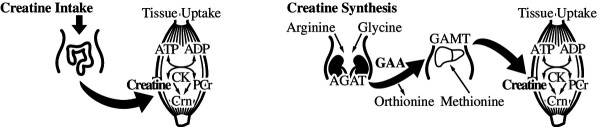
“High levels of GAA in blood are known to be neurotoxic - the clinical manifestations of deficiency of the hepatic enzyme guanidine acetate methyltransferase (GAMT) and high circulating levels of GAA are intellectual disability, extrapyramidal movement disorders, and epilepsy [27,28].”
BackgroundLawn, J. E., Manandhar, A., Haws, R. A., & Darmstadt, G. L. (2007) · Health Research Policy and Systems · doi:10.1186/1478-4505-5-4 · Cited by 155
Evaluation of Renal Functions in Asphyxiated Newborns
Aggarwal, A., Kumar, P., Chowdhary, G., Majumdar, S., & Narang, A. (2005) · Journal of Tropical Pediatrics · doi:10.1093/tropej/fmi017 · Cited by 154 · cited 1×
“Acute kidney injury (AKI) and subsequent neonatal renal failure are significant complications of HI; approximately 50% of asphyxiated neonates present with some form of AKI, and the severity of the condition strongly correlates with subsequent morbidity, mortality, and poor neurological outcomes [114].”
BackgroundNash, S. R., Bruno Giros, A., Kingsmore, S. F., Rochelle, J. M., Suter, S., Gregor, P., Seldin, M. F., & Caron, M. G. (1994) · PubMed · Cited by 149
Is nephrogenesis affected by preterm birth? Studies in a non-human primate model
Gubhaju, L., Sutherland, M. R., Yoder, B. A., Zulli, A., Bertram, J. F., & Black, M. J. (2009) · American Journal of Physiology-Renal Physiology · doi:10.1152/ajprenal.00163.2009 · Cited by 149 · cited 1×
“As discussed above, whether this is so for the preterm infant is not yet fully known, and urinary creatine loss may be important because preterm birth is often associated with impaired renal function [112].”
BackgroundReversible brain creatine deficiency in two sisters with normal blood creatine level
Bianchi, M. C., Tosetti, M., Fornai, F., Grazia Alessandri', M., Cipriani, P., De Vito, G., & Canapicchi, R. (2000) · Annals of Neurology · doi:10.1002/1531-8249(200004)47:4<511::aid-ana15>3.0.co;2-n · Cited by 148
Creatine supplementation lowers brain glutamate levels in Huntington?s disease
Bender, A., Auer, D. P., Merl, T., Reilmann, R., Saemann, P., Yassouridis, A., Bender, J., Weindl, A., Dose, M., Gasser, T., et al. (2005) · Journal of Neurology · doi:10.1007/s00415-005-0595-4 · Cited by 146 · cited 1×
“Clinical trials have shown that long-term creatine supplementation is well tolerated, slowing the accumulation of glutamate in the brain of early-onset Huntington’s Disease [43], without serious side effects when given over years in patients with Parkinson’s Disease [44], and improving short-term and long-term outcome…”
BackgroundLyoo, I. K., Kong, S. W., Sung, S. M., Hirashima, F., Parow, A., Hennen, J., Cohen, B. M., & Renshaw, P. F. (2003) · Psychiatry Research: Neuroimaging · doi:10.1016/s0925-4927(03)00046-5 · Cited by 140 · cited 1×
“[90] demonstrated significantly increased human brain creatine levels using a supplementation protocol of 0.”
MethodDiaphragmatic muscle fatigue in the newborn
Müller, N. L., Gulston, G., Cade, D. N., Whitton, J., Froese, A. B., Bryan, M. H., & Bryan, A. C. (1979) · Journal of Applied Physiology · doi:10.1152/jappl.1979.46.4.688 · Cited by 139 · cited 1×
“Respiratory insufficiency also increases the demand on the neonatal diaphragm, a muscle that has not reached full functional maturity in preterm infants and is prone to fatigue [31].”
BackgroundProphylactic Creatine Administration Mediates Neuroprotection in Cerebral Ischemia in Mice
Zhu, S., Li, M., Figueroa, B. E., Liu, A., Stavrovskaya, I. G., Pasinelli, P., Beal, M. F., Brown, R. H., Kristal, B. S., Ferrante, R. J., et al. (2004) · The Journal of Neuroscience · doi:10.1523/jneurosci.1278-04.2004 · Cited by 138 · cited 1×
“Indeed, early studies in mice [89], and humans [16] appeared to show that pre-treatment with creatine for several weeks to a month or more were required to raise brain creatine levels and to provide for therapeutic benefits against cerebral ischaemia [89].”
BackgroundOxidative stress: Changes in pregnancy and with gestational diabetes mellitus
Chen, X., & Scholl, T. O. (2005) · Current Diabetes Reports · doi:10.1007/s11892-005-0024-1 · Cited by 137 · cited 1×
“Gestational diabetes mellitus is another common disease of human pregnancy also affecting around 7% of women and characterized by a state of increased oxidative stress and increased risk of preterm birth [120,121].”
BackgroundDetermining the contribution of asphyxia to brain damage in the neonate
Low, J. A. (2004) · Journal of Obstetrics and Gynaecology Research · doi:10.1111/j.1447-0756.2004.00194.x · Cited by 130 · cited 2×
“Hypoxia-ischemia at birth occurs in approximately 4 per 1000 live term births [81], and depending on its severity and duration 4-8% of these infants will die.”
BackgroundHuang, C., Wang, S., Chang, Y., Lin, K.-P., & Wu, P.-L. (1999) · New England Journal of Medicine · doi:10.1056/nejm199907293410504 · Cited by 129 · cited 1×
“, urinary lactate/creatinine ratio) [113], but the ability of the kidney to retain creatine in preterm infants has not yet been examined.”
BackgroundImproved Reperfusion and Neuroprotection by Creatine in a Mouse Model of Stroke
Prass, K., Royl, G., Lindauer, U., Freyer, D., Megow, D., Dirnagl, U., Stöckler-Ipsiroglu, G., Wallimann, T., & Priller, J. (2007) · Journal of Cerebral Blood Flow & Metabolism · doi:10.1038/sj.jcbfm.9600351 · Cited by 128 · cited 1×
“(iv), improved cerebral vascular function: mice pre-treated with creatine showed faster recovery of cerebral blood flow during reperfusion after middle cerebral artery occlusion, possibly due to greater dilator responses to extra-luminal potassium and acidosis [73].”
BackgroundUse of creatine in the elderly and evidence for effects on cognitive function in young and old
Rawson, E. S., & Venezia, A. C. (2011) · Amino Acids · doi:10.1007/s00726-011-0855-9 · Cited by 127 · cited 1×
“These neuroprotective functions of creatine have recently been extended by demonstrations that creatine improves cognitive function in normal and elderly people [47,48], and improves cognitive and motor skills in sleep-deprived subjects [49].”
BackgroundBraissant, O., Henry, H., Villard, A.-M., Speer, O., Wallimann, T., & Bachmann, C. (2005) · BMC Developmental Biology · doi:10.1186/1471-213x-5-9 · Cited by 125 · cited 1×
“However, creatine does appear to enter the immature brain more readily, possibly because of higher expression of the creatine transporter in endothelial cells of the choroid plexus [92], allowing the developing brain to utilize peripheral creatine more so than in the mature brain (reviewed by [93]).”
BackgroundIpsiroglu, O. S., Stromberger, C., Ilas, J., Höger, H., Mühl, A., & Stöckler-Ipsiroglu, S. (2001) · Life Sciences · doi:10.1016/s0024-3205(01)01268-1 · Cited by 122 · cited 1×
“Fetal and maternal liver creatine content was increased much more than in muscle; similar findings of greatly increased hepatic creatine after oral supplementation have been made in non-pregnant animals [84].”
BackgroundPathophysiology of an hypoxic–ischemic insult during the perinatal period
Calvert, J. W., & Zhang, J. H. (2005) · Neurological Research · doi:10.1179/016164105x25216 · Cited by 122 · cited 1×
“Many adult neuropathologies in which creatine has been shown to be beneficial also encompass the primary mechanisms of injury induced by hypoxia-ischemia (HI) in the immature brain, including mitochondrial dysfunction, impaired energy metabolism, excitotoxic injury and oxidative stress [42,61].”
BackgroundSakellaris, G., Kotsiou, M., Tamiolaki, M., Kalostos, G., Tsapaki, E., Spanaki, M., Spilioti, M., Charissis, G., & Evangeliou, A. (2006) · The Journal of Trauma: Injury, Infection, and Critical Care · doi:10.1097/01.ta.0000230269.46108.d5 · Cited by 116 · cited 1×
“Clinical trials have shown that long-term creatine supplementation is well tolerated, slowing the accumulation of glutamate in the brain of early-onset Huntington’s Disease [43], without serious side effects when given over years in patients with Parkinson’s Disease [44], and improving short-term and long-term outcome…”
BackgroundCreatine and guanidinoacetate transport at blood-brain and blood-cerebrospinal fluid barriers
Braissant, O. (2012) · Journal of Inherited Metabolic Disease · doi:10.1007/s10545-011-9433-2 · Cited by 112 · cited 1×
“However, creatine does appear to enter the immature brain more readily, possibly because of higher expression of the creatine transporter in endothelial cells of the choroid plexus [92], allowing the developing brain to utilize peripheral creatine more so than in the mature brain (reviewed by [93]).”
BackgroundAssessment of normal fetal brain maturation in utero by proton magnetic resonance spectroscopy
Girard, N., Gouny, S. C., Viola, A., Le Fur, Y., Viout, P., Chaumoitre, K., D'Ercole, C., Gire, C., Figarella‐Branger, D., & Cozzone, P. J. (2006) · Magnetic Resonance in Medicine · doi:10.1002/mrm.21017 · Cited by 111 · cited 1×
“25-fold between 22 and 39 weeks gestation [37,38].”
BackgroundMRS of normal and impaired fetal brain development
Girard, N. J., Fogliarini, C., Viola, A., Confort-Gouny, S., Fur, Y. L., Viout, P., Chapon, F., Levrier, O., & Cozzone, P. J. (2006) · European Journal of Radiology · doi:10.1016/j.ejrad.2005.11.021 · Cited by 108 · cited 2×
“Total creatine content of the brain (relative to all other metabolites, or calculated water content, identified by magnetic resonance spectroscopy) does not appear to change during in utero brain development [36] or, if it does, by not more than 1.”
BackgroundCreatine supplementation improves muscular performance in older women
Gotshalk, L. A., Kraemer, W. J., Mendonca, M. A. G., Vingren, J. L., Kenny, A. M., Spiering, B. A., Hatfield, D. L., Fragala, M. S., & Volek, J. S. (2007) · European Journal of Applied Physiology · doi:10.1007/s00421-007-0580-y · Cited by 106 · cited 1×
“Consumption of creatine has also been shown to improve glucose tolerance in healthy sedentary males [50], and to improve muscle performance in elderly men and post-menopausal women [51].”
BackgroundBattini, R., Leuzzi, V., Carducci, C., Tosetti, M., Bianchi, M. C., Item, C. B., Stöckler‐Ipsiroglu, S., & Cioni, G. (2002) · Molecular Genetics and Metabolism · doi:10.1016/s1096-7192(02)00175-0 · Cited by 105 · cited 1×
“The dependence of the fetus on maternal creatine is suggested by the fact that those rare infants born without the capacity for creatine synthesis develop signs of neurological dysfunction in the days and weeks after birth [109,110] suggesting that they were not creatine deficient before this, even though they are una…”
BackgroundCook, C. J., Crewther, B. T., Kilduff, L. P., Drawer, S., & Gaviglio, C. M. (2011) · Journal of the International Society of Sports Nutrition · doi:10.1186/1550-2783-8-2 · Cited by 104 · cited 1×
“These neuroprotective functions of creatine have recently been extended by demonstrations that creatine improves cognitive function in normal and elderly people [47,48], and improves cognitive and motor skills in sleep-deprived subjects [49].”
BackgroundNeuroactive steroids in pregnancy: Key regulatory and protective roles in the foetal brain
Hirst, J. J., Kelleher, M. A., Walker, D. W., & Palliser, H. K. (2013) · The Journal of Steroid Biochemistry and Molecular Biology · doi:10.1016/j.jsbmb.2013.04.002 · Cited by 103
Self-citationThe influence of creatine supplementation on the cognitive functioning of vegetarians and omnivores
Benton, D., & Donohoe, R. (2011) · British Journal of Nutrition · doi:10.1017/s0007114510004733 · Cited by 101 · cited 1×
“These neuroprotective functions of creatine have recently been extended by demonstrations that creatine improves cognitive function in normal and elderly people [47,48], and improves cognitive and motor skills in sleep-deprived subjects [49].”
BackgroundYquel, R. J., Arsac, L. M., Thiaudiere, E., Canioni, P., & Manier, G. (2002) · Journal of Sports Sciences · doi:10.1080/026404102317366681 · Cited by 94 · cited 1×
“This may be important in maintaining muscle contractile function [64,65].”
BackgroundStudies on the safety of creatine supplementation
Kim, H. J., Kim, C. K., Carpentier, A., & Poortmans, J. R. (2011) · Amino Acids · doi:10.1007/s00726-011-0878-2 · Cited by 94 · cited 1×
“While the long-term use of creatine in adult humans has been considered in depth and appears to be safe [53-57], caution should nevertheless be exercised in recommending its use in human pregnancy as we still await detailed studies.”
BackgroundGualano, B., de Salles Painelli, V., Roschel, H., Lugaresi, R., Dorea, E., Artioli, G. G., Lima, F. R., da Silva, M. E. R., Cunha, M. R., Seguro, A. C., et al. (2011) · European Journal of Applied Physiology · doi:10.1007/s00421-010-1676-3 · Cited by 88 · cited 2×
“In non-pregnant human adults there has been some concern over possible deleterious effects of long-term, high-dose creatine supplementation on kidney function [59], but this was not confirmed by more recent work using (51)Cr-EDTA clearance in normal patients and those with type-2 diabetes [60].”
BackgroundResultAntioxidant Therapies: A Potential Role in Perinatal Medicine
Miller, S., Wallace, E. M., & Walker, D. W. (2012) · Neuroendocrinology · doi:10.1159/000336378 · Cited by 88 · cited 1×
“The idea that anti-oxidants may protect the fetus against oxidative stress, especially in late pregnancy, has recently been reviewed [23].”
BackgroundSelf-citationDubowitz, D. J., Blüml, S., Arcinue, E. L., & Dietrich, R. B. (1998) · PubMed Central · Cited by 88
Ireland, Z., Dickinson, H., Snow, R. J., & Walker, D. W. (2008) · American Journal of Obstetrics and Gynecology · doi:10.1016/j.ajog.2007.10.790 · Cited by 87 · cited 4×
“heart, kidney, liver, brain and muscle) and a 2-fold increase in the placenta at term [83].”
BackgroundInfluentialSelf-citationMaternal nutrient supplementation for suspected impaired fetal growth
Say, L., Gülmezoglu, A. M., & Hofmeyr, G. J. (2003) · Cochrane Database of Systematic Reviews · doi:10.1002/14651858.cd000148 · Cited by 86 · cited 1×
“Therapeutic interventions that include bed rest [124], low dose aspirin [125], or conventional nutrient supplementation [126] have been shown to have limited success in reducing perinatal morbidity and mortality.”
BackgroundKaandorp, J. J., van Bel, F., Veen, S., Derks, J. B., Groenendaal, F., Rijken, M., Roze, E., Venema, M. M. U., Rademaker, C. M., Bos, A. F., et al. (2012) · Archives of Disease in Childhood - Fetal and Neonatal Edition · doi:10.1136/archdischild-2011-300356 · Cited by 84 · cited 1×
“from hypoxia-induced oxidative stress [6].”
Carter, A. J., Müller, R. E., Pschorn, U., & Stransky, W. (1995) · Journal of Neurochemistry · doi:10.1046/j.1471-4159.1995.64062691.x · Cited by 83 · cited 1×
“(iii), post-ischemic recovery of protein synthesis: recovery of the decreased protein synthesis that precedes neuronal cell loss in the post-ischemic brain is faster after creatine pre-treatment in the oxygenglucose-deprived adult rat [70] and fetal guinea pig hippocampal slices [71], resulting in a more favourable hi…”
BackgroundCreatine Increases Survival and Suppresses Seizures in the Hypoxic Immature Rat
Holtzman, D. H., Togliatti, A., Khait, I., & Jensen, F. E. (1998) · Pediatric Research · doi:10.1203/00006450-199809000-00024 · Cited by 82 · cited 2×
“In the postnatal rat brain, a significant increase in the PCr/NTP (nucleoside triphosphate) ratio could be achieved by subcutaneous injections of creatine at day 10, but not at day 20, and this also significantly increased the recovery of cerebral PCr/NTP ratio within 2 h post-hypoxia [86].”
BackgroundFink, G. R., Driver, J., Rorden, C., Baldeweg, T., & Dolan, R. J. (2000) · Annals of Neurology · doi:10.1002/1531-8249(200004)47:4<440::aid-ana6>3.0.co;2-e · Cited by 82
Creatine improves health and survival of mice
Bender, A., Beckers, J., Schneider, I., Hölter, S. M., Haack, T., Ruthsatz, T., Vogt-Weisenhorn, D. M., Becker, L., Genius, J., Rujescu, D., et al. (2008) · Neurobiology of Aging · doi:10.1016/j.neurobiolaging.2007.03.001 · Cited by 81 · cited 1×
“Creatine supplementation reduces the increase of 8hydroxydeoxyguanosine, a biomarker of oxidative damage to DNA, which occurs as part of the natural aging process [53,67].”
BackgroundTokarska-Schlattner, M., Epand, R. F., Meiler, F., Zandomeneghi, G., Neumann, D., Widmer, H. R., Meier, B. H., Epand, R. M., Saks, V., Wallimann, T., et al. (2012) · PLoS ONE · doi:10.1371/journal.pone.0043178 · Cited by 81 · cited 1×
“(vii), stabilization of lipid membranes: PCr interacts with phospholipid membranes to stabilize membranes and prevent membrane permeabilisation [80].”
BackgroundGualano, B., Novaes, R. B., Artioli, G. G., Freire, T. O., Df, C., Scagliusi, F. B., Rogeri, P. S., Roschel, H., Ugrinowitsch, C., & Lancha, A. H. (2007) · Amino Acids · doi:10.1007/s00726-007-0508-1 · Cited by 81 · cited 1×
“Consumption of creatine has also been shown to improve glucose tolerance in healthy sedentary males [50], and to improve muscle performance in elderly men and post-menopausal women [51].”
BackgroundLong-term creatine supplementation is safe in aged patients with Parkinson disease
Bender, A., Samtleben, W., Elstner, M., & Klopstock, T. (2008) · Nutrition Research · doi:10.1016/j.nutres.2008.01.001 · Cited by 79 · cited 2×
“Creatine supplementation reduces the increase of 8hydroxydeoxyguanosine, a biomarker of oxidative damage to DNA, which occurs as part of the natural aging process [53,67].”
BackgroundPhosphocreatine-dependent Glutamate Uptake by Synaptic Vesicles
Xu, C. J., Klunk, W. E., Kanfer, J. N., Xiong, Q., Miller, G., & Pettegrew, J. W. (1996) · Journal of Biological Chemistry · doi:10.1074/jbc.271.23.13435 · Cited by 78
Inborn errors of creatine metabolism and epilepsy
Leuzzi, V., Mastrangelo, M., Battini, R., & Cioni, G. (2012) · Epilepsia · doi:10.1111/epi.12020 · Cited by 77 · cited 1×
“High levels of GAA in blood are known to be neurotoxic - the clinical manifestations of deficiency of the hepatic enzyme guanidine acetate methyltransferase (GAMT) and high circulating levels of GAA are intellectual disability, extrapyramidal movement disorders, and epilepsy [27,28].”
BackgroundAzzopardi, D., Wyatt, J. S., Hamilton, P. A., Cady, E. B., Delpy, D. T., Hope, P. L., & Reynolds, E. O. R. (1989) · Pediatric Research · doi:10.1203/00006450-198905000-00003 · Cited by 77 · cited 1×
“Nevertheless, it is clear that acute hypoxic injury leads to depletion of ATP and phosphocreatine in human infants and children [40,41], confirming the animal studies and confirming that creatine supplementation should be investigated as a therapy to decrease the frequency and burden of hypoxic-ischaemic brain damage…”
ResultAssessment, surveillance and prognosis in pre-eclampsia
Payne, B. A., Magee, L. A., & von Dadelszen, P. (2011) · Best Practice & Research Clinical Obstetrics & Gynaecology · doi:10.1016/j.bpobgyn.2011.02.003 · Cited by 75 · cited 1×
“It affects around 5% of all pregnancies [118], and is characterized by significantly elevated levels of oxidative stress within the maternal-fetal unit [119].”
BackgroundIreland, Z., Castillo-Melendez, M., Dickinson, H., Snow, R., & Walker, D. W. (2011) · Neuroscience · doi:10.1016/j.neuroscience.2011.05.012 · Cited by 74 · cited 4×
“Furthermore, our results show the increased level of malondialdehyde (product of lipid peroxidation) caused by intrapartum hypoxia in spiny mouse pup brain is completely prevented by maternal creatine supplementation from mid-pregnancy [20].”
BackgroundInfluentialSelf-citationCreatine for women in pregnancy for neuroprotection of the fetus
Dickinson, H., Bain, E., Wilkinson, D., Middleton, P., Crowther, C. A., & Walker, D. W. (2014) · Cochrane Database of Systematic Reviews · doi:10.1002/14651858.cd010846.pub2 · Cited by 72 · cited 1×
“The absence of any clinical trial at the present time of creatine supplementation in human pregnancy is an obvious barrier to the implementation of this treatment, although a trial of creatine for neuroprotection of the human fetus at term has recently been proposed [127].”
BackgroundSelf-citationBrain creatine functions to attenuate acute stress responses through GABAnergic system in chicks
Koga, Y., Takahashi, H., Oikawa, D., Tachibana, T., Denbow, D. M., & Furuse, M. (2005) · Neuroscience · doi:10.1016/j.neuroscience.2005.01.004 · Cited by 70 · cited 1×
“(v), interaction with the benzodiazepine receptor: specific binding of creatine to the benzodiazepine binding site of the GABAA receptor has been shown in the chick brain [74], and animals fed a creatine supplemented diet showed increased GABAergic activity in some brain regions (striatum) [75].”
BackgroundInstitute of Cell Biology, E. H., Gerber, I., ap Gwynn, I., Alini, M., & Wallimann, T. (2005) · European Cells and Materials · doi:10.22203/ecm.v010a02 · Cited by 66 · cited 1×
“Based on its actions on osteoblasts in vitro, creatine has been recommended as a treatment for osteoporosis in women [52].”
BackgroundCarducci, C., Santagata, S., Leuzzi, V., Carducci, C., Artiola, C., Giovanniello, T., Battini, R., & Antonozzi, I. (2005) · Clinica Chimica Acta · doi:10.1016/j.cca.2005.06.016 · Cited by 65
Cerebral energetic effects of creatine supplementation in humans
Pan, J. W., & Takahashi, K. (2007) · American Journal of Physiology-Regulatory, Integrative and Comparative Physiology · doi:10.1152/ajpregu.00717.2006 · Cited by 65 · cited 3×
“Koga Y, Takahashi H, Oikawa D, Tachibana T, Denbow DM, Furuse M: Brain creatine functions to attenuate acute stress responses through GABAnergic system in chicks.”
ResultInfluentialPrevention of traumatic headache, dizziness and fatigue with creatine administration. A pilot study
Sakellaris, G., Nasis, G., Kotsiou, M., Tamiolaki, M., Charissis, G., & Evangeliou, A. (2008) · Acta Paediatrica · doi:10.1111/j.1651-2227.2007.00529.x · Cited by 64 · cited 1×
“Clinical trials have shown that long-term creatine supplementation is well tolerated, slowing the accumulation of glutamate in the brain of early-onset Huntington’s Disease [43], without serious side effects when given over years in patients with Parkinson’s Disease [44], and improving short-term and long-term outcome…”
BackgroundHe, J., Inglese, M., Li, B. S. Y., Babb, J. S., Grossman, R. I., & Gonen, O. (2005) · Radiology · doi:10.1148/radiol.2341031895 · Cited by 64 · cited 1×
“However, with impaired brain development such as ventriculomegaly, total creatine content appears to be raised [36], which might be the consequence of sustained damage that leads to white matter gliosis [39].”
BackgroundIreland, Z., Russell, A. P., Wallimann, T., Walker, D. W., & Snow, R. (2009) · BMC Developmental Biology · doi:10.1186/1471-213x-9-39 · Cited by 63 · cited 1×
“Studies in the precocial spiny mouse suggest that the reno-hepatic axis of creatine synthesis develops late in gestation [108], and if this applies to human pregnancy would imply that infants born prematurely have an under-developed capacity for creatine synthesis and might therefore be at risk of becoming creatine de…”
BackgroundSelf-citationEzaki, S., Suzuki, K., Kurishima, C., Miura, M., Wan, W., Hoshi, R., Tanitsu, S., Tomita, Y., Takayama, C., Wada, M., et al. (2009) · Journal of Clinical Biochemistry and Nutrition · doi:10.3164/jcbn.08-221 · Cited by 61 · cited 1×
“For human births before 34 weeks the heart, lung, kidney, and brain are immature to the extent that respiratory and cardiovascular support is often required, and resuscitation procedures often place the brain at further risk of hypoxic-ischemic injury [29,30].”
BackgroundClinical practices in neonatal oxygenation: where have we failed? What can we do?
Sola, A., Saldeño, Y. P., & Favareto, V. (2008) · Journal of Perinatology · doi:10.1038/jp.2008.47 · Cited by 59 · cited 1×
“For human births before 34 weeks the heart, lung, kidney, and brain are immature to the extent that respiratory and cardiovascular support is often required, and resuscitation procedures often place the brain at further risk of hypoxic-ischemic injury [29,30].”
BackgroundWatt, K. K. O., Garnham, A. P., & Snow, R. J. (2004) · International Journal of Sport Nutrition and Exercise Metabolism · doi:10.1123/ijsnem.14.5.517 · Cited by 58 · cited 1×
“In adult males, the creatine content of muscles is ~30% lower in vegetarians compared to those that eat meat, fish and dairy [94].”
BackgroundCannata, D. J., Ireland, Z., Dickinson, H., Snow, R. J., Russell, A. P., West, J., & Walker, D. W. (2010) · Pediatric Research · doi:10.1203/pdr.0b013e3181f1c048 · Cited by 55 · cited 3×
“Recent animal experiments demonstrate that when given as a supplement to the mother’s diet during pregnancy, creatine protects the fetal brain, diaphragm, and kidney against hypoxic insult at term [18-20].”
BackgroundSelf-citationGuimarães-Ferreira, L., Pinheiro, C. H. J., Gerlinger-Romero, F., Vitzel, K. F., Nachbar, R. T., Curi, R., & Nunes, M. T. (2012) · European Journal of Applied Physiology · doi:10.1007/s00421-012-2378-9 · Cited by 55 · cited 1×
“Creatine has the property of quenching superoxide, as opposed to increasing the expression of antioxidant enzymes or attenuating ROS production [68,69].”
BackgroundFree Radical-Mediated Effects on Skeletal Muscle Protein in Rats Treated with Fe-Nitrilotriacetate
Nagasawa, T., Hatayama, T., Watanabe, Y., Tanaka, M., Niisato, Y., & Kitts, D. D. (1997) · Biochemical and Biophysical Research Communications · doi:10.1006/bbrc.1996.6034 · Cited by 53 · cited 1×
“In muscle, post-ischemic reactive oxygen species (ROS) production has been shown to disturb Ca homeostasis and increase intracellular Ca levels resulting in a rise in protease activity, thus increasing contractile protein degradation [72].”
BackgroundXanthine oxidase and the fetal cardiovascular defence to hypoxia in late gestation ovine pregnancy
Kane, A. D., Hansell, J. A., Herrera, E. A., Allison, B. J., Niu, Y., Brain, K. L., Kaandorp, J. J., Derks, J. B., & Giussani, D. A. (2014) · The Journal of Physiology · doi:10.1113/jphysiol.2013.264275 · Cited by 48 · cited 1×
“In the case of allopurinol, significant concerns have been raised about its likely interference with normative and hypoxic regulation of the fetal circulation [7].”
BackgroundHarrison, N., Larcombe‐McDouall, J. B., Earley, L., & Wray, S. (1994) · The Journal of Physiology · doi:10.1113/jphysiol.1994.sp020136 · Cited by 48 · cited 1×
“Uterine smooth muscle contains remarkably low levels of creatine, and ATP and phosphocreatine are readily depleted by uterine activity [128].”
BackgroundLow Dose Aspirin for the Treatment of Fetal Growth Restriction: A Randomized Controlled Trial
Newnham, J. P., Godfrey, M., Walters, B. J. N., Phillips, J., & Evans, S. F. (1995) · Australian and New Zealand Journal of Obstetrics and Gynaecology · doi:10.1111/j.1479-828x.1995.tb02144.x · Cited by 47
Creatine and Creatine Kinase in Health and Disease – A Bright Future Ahead?
Wyss, M., Braissant, O., Pischel, I., Salomons, G. S., Schulze, A., Stockler, S., & Wallimann, T. (2007) · Subcellular Biochemistry · doi:10.1007/978-1-4020-6486-9_16 · Cited by 46
Creatine pretreatment prevents birth asphyxia-induced injury of the newborn spiny mouse kidney
Ellery, S. J., Ireland, Z., Kett, M. M., Snow, R., Walker, D. W., & Dickinson, H. (2013) · Pediatric Research · doi:10.1038/pr.2012.174 · Cited by 45 · cited 4×
“[19] at birth, increasing survival of the hypoxic term fetus, and also improving postnatal growth [83].”
BackgroundInfluentialSelf-citationMaturation of Energy Metabolism in the Lamb: Changes in Myosin ATPase and Creatine Kinase Activities
Ingwall, J. S., Kramer, M. F., Woodman, D., & Friedman, W. F. (1981) · Pediatric Research · doi:10.1203/00006450-198108000-00011 · Cited by 44 · cited 1×
“Increased myocardial CK expression in late gestation fetal sheep can be explained by increased demands on the heart with accelerating fetal growth [105], but increased muscle ‘work’ would be a less likely explanation for the increased CK expression in fetal peripheral muscles.”
BackgroundHandbook of Nutrition and Pregnancy
Lammi‐Keefe, C. J. (2009) · Nutrition & Food Science · doi:10.1108/nfs.2009.39.5.593.3 · Cited by 40
Is the use of oral creatine supplementation safe?
Bizzarini, E., & Angelis, L. D. (2004) · PubMed · Cited by 39
Creatine reduces human muscle PCr and pH decrements and Piaccumulation during low-intensity exercise
Rico-Sanz, J. (2000) · Journal of Applied Physiology · doi:10.1152/jappl.2000.88.4.1181 · Cited by 36 · cited 1×
“This may be important in maintaining muscle contractile function [64,65].”
BackgroundCreatine Transport in Brush-Border Membrane Vesicles Isolated from Rat Kidney Cortex
GARCÍA-DELGADO, M., PERAL, M. J., CANO, M., CALONGE, M. L., & ILUNDÁIN, A. A. (2001) · Journal of the American Society of Nephrology · doi:10.1681/asn.v1291819 · Cited by 35
Creatine Protects the Immature Brain From Hypoxic-Ischemic Injury
Berger, R., Middelanis, J., Vaihinger, H.-M., Mies, G., Wilken, B., & Jensen, A. (2004) · Journal of the Society for Gynecologic Investigation · doi:10.1016/j.jsgi.2003.07.002 · Cited by 32 · cited 3×
“Creatine may also target some of the secondary responses to HI, including reducing oxidative stress and promoting the post-ischemic recovery of protein synthesis [71].”
BackgroundCreatine improves health and survival in mice
Haack, T., Bender, A., Beckers, J., Hölter, S., Ruthsatz, T., Vogt-Weisenhorn, D., Becker, L., Genius, J., Rujescu, D., Irmler, M., et al. (2007) · Aktuelle Neurologie · doi:10.1055/s-2007-987803 · Cited by 31
Die Zufuhr von Kreatin und Kreatinin mit Frauenmilch und Säuglingsmilchpräparaten*
Hülsemann, J., Manz, F., Wember, T., & Schöch, G. (1987) · Klinische Pädiatrie · doi:10.1055/s-2008-1026805 · Cited by 29 · cited 1×
“Little is known about intestinal transport of creatine in preterm or term infants, but even if the baby was receiving nutrition by mouth, neither breast milk or infant formula contain significant amounts of creatine [26].”
BackgroundBohnhorst, B., Geuting, T., Peter, C. S., Dördelmann, M., Wilken, B., & Poets, C. F. (2004) · PEDIATRICS · doi:10.1542/peds.113.4.e303 · Cited by 29 · cited 1×
“In human infants, one study examined the oral administration of creatine to treat apnoea of prematurity [58].”
BackgroundThe in vivo relationship between blood flow, contractions, pH and metabolites in the rat uterus
Larcombe‐McDouall, J. B., Harrison, N., & Wray, S. (1998) · Pflügers Archiv - European Journal of Physiology · doi:10.1007/s004240050588 · Cited by 24 · cited 1×
“It has been suggested that decreased uterine contractility following prolonged contractions might be protective in preventing hypoxic damage to the uterus - and therefore, progressive fetal hypoxia [107].”
BackgroundMaterno-Fetal Transport of Creatine in the Rat
Davis, B. M., Miller, R. K., Brent, R. L., & Koszalka, T. R. (1978) · Neonatology · doi:10.1159/000241050 · Cited by 23 · cited 1×
“In humans, and probably most omnivore species, creatine is actively transported across the placenta; indeed it appears to first accumulate in the placenta and then diffuse down a concentration gradient into the fetal circulation [97-99].”
BackgroundPeña‐Altamira, E., Crochemore, C., Virgili, M., & Contestabile, A. (2005) · Brain Research · doi:10.1016/j.brainres.2005.07.011 · Cited by 23 · cited 1×
“(v), interaction with the benzodiazepine receptor: specific binding of creatine to the benzodiazepine binding site of the GABAA receptor has been shown in the chick brain [74], and animals fed a creatine supplemented diet showed increased GABAergic activity in some brain regions (striatum) [75].”
BackgroundCreatine kinase isoenzymes are highly regulated during pregnancy in rat uterus and placenta
Payne, R. M., Friedman, D. L., Grant, J. W., Perryman, M. B., & Strauss, A. W. (1993) · American Journal of Physiology-Endocrinology and Metabolism · doi:10.1152/ajpendo.1993.265.4.e624 · Cited by 23 · cited 2×
“On the other hand, they might, if indeed creatine kinase expression is modulated by oestrogen – and in particular, ubiquitous mitochondrial [uMt] CK - as has been suggested for placental creatine kinase [103].”
BackgroundDickinson, H., Ireland, Z. J., LaRosa, D. A., O’Connell, B. A., Ellery, S., Snow, R., & Walker, D. W. (2013) · Reproductive Sciences · doi:10.1177/1933719113477478 · Cited by 22 · cited 1×
“Importantly, the exposure to increased creatine did not alter the protein expression of enzymes in the neonatal kidney and liver - AGAT, GAMT respectively required for creatine synthesis postnatally [85].”
BackgroundSelf-citationCreatine for women in pregnancy for neuroprotection of the fetus
Bain, E., Wilkinson, D., Middleton, P., Crowther, C. A., Dickinson, H., & Walker, D. W. (2013) · Cochrane Database of Systematic Reviews · doi:10.1002/14651858.cd010846 · Cited by 19
Self-citationRegulation of Creatine Kinase Isoenzymes in Human Placenta During Early, Mid-, and Late Gestation
Thomure, M. F., GAST, M., SRIVASTAVA, N., & Payne, R. M. (1996) · Journal of the Society for Gynecologic Investigation · doi:10.1016/s1071-5576(96)00043-3 · Cited by 18 · cited 1×
“As a metabolically active organ, it is likely that the placenta itself has a creatine requirement - expression of several creatine kinase isoforms, which are tightly coupled with cellular energy requirements, has been shown to peak in the term placenta [102].”
BackgroundSmeitink, J. A. M., Ruitenbeek, W., Lith, T. V., Sengers, R. C. A., Trijbels, F. J. M., Wevers, R. A., Sperl, W., & de Graaf, R. S. (1992) · Annals of Clinical Biochemistry International Journal of Laboratory Medicine · doi:10.1177/000456329202900309 · Cited by 16 · cited 1×
“Thus, total CK and mitochondrial CK expression increased with gestational age in skeletal muscle samples obtained from preterm infants 28 to 36 weeks gestation [104], (although these samples were obtained at post-mortem and at times up to 6 days after birth, and confounding factors must include the babies condition le…”
BackgroundCochrane Review: Cooling for newborns with hypoxic ischaemic encephalopathy
Jacobs, S. E., Hunt, R. W., Tarnow-Mordi, W. O., Inder, T. E., & Davis, P. G. (2010) · Evidence-Based Child Health A Cochrane Review Journal · doi:10.1002/ebch.527 · Cited by 15
Creatine transport by rat placentas.
Miller, R. K., Davis, B. M., Brent, R. L., & Koszalka, T. R. (1977) · American Journal of Physiology-Endocrinology and Metabolism · doi:10.1152/ajpendo.1977.233.4.e308 · Cited by 12 · cited 1×
“In humans, and probably most omnivore species, creatine is actively transported across the placenta; indeed it appears to first accumulate in the placenta and then diffuse down a concentration gradient into the fetal circulation [97-99].”
BackgroundArginine-guanidinoacetate-creatine pathway in preterm newborns: creatine biosynthesis in newborns
Lage, S., Andrade, F., Prieto, J. A., Elorriaga, I. A., Rodríguez, A., Ruiz, N., Echeverría, J., Couce, M. L., Sanjurjo, P., & Aldamiz-Echevarria, L. J. (2012) · Journal of Pediatric Endocrinology and Metabolism · doi:10.1515/jpem-2012-0293 · Cited by 11 · cited 1×
“[25] showed that guanodinoacetic acid (GAA, the immediate precursor for creatine synthesis) concentrations in urine increased over the 35 (very preterm group) or 14 postnatal days (preterm group) until discharge, while urine creatine concentrations fell significantly.”
BackgroundCreatine metabolism in the developing rat fetus
Koszalka, T. R., Jensh, R. P., & Brent, R. L. (1972) · Comparative Biochemistry and Physiology Part B Comparative Biochemistry · doi:10.1016/0305-0491(72)90024-7 · Cited by 10
Histomorphometric analysis of the effects of creatine on rat myometrium
do Amaral, V. C., Simões, M. D. J., Marcondes, R. R., Cubas, J. J. M., Baracat, E. C., & Soares, J. M. (2012) · Gynecological Endocrinology · doi:10.3109/09513590.2011.650748 · Cited by 5 · cited 3×
“The impact of creatine supplementation on the pregnant uterus bears consideration, but except for a small study on the effects of creatine on structure of the rat myometrium [106], the involvement of creatine in myometrial activity, and the increased activity associated with labour, has been little studied.”
BackgroundInfluentialTherapy For Intrauterine Growth Restriction: Current Options and Future Directions
Pollack, R. N., YAFFE, H., & Divon, M. Y. (1997) · Clinical Obstetrics & Gynecology · doi:10.1097/00003081-199712000-00017 · Cited by 5 · cited 1×
“Therapeutic interventions that include bed rest [124], low dose aspirin [125], or conventional nutrient supplementation [126] have been shown to have limited success in reducing perinatal morbidity and mortality.”
BackgroundMangels, A. R. (2008) · Humana Press eBooks · doi:10.1007/978-1-59745-112-3_15 · Cited by 4
Hypothermia to Treat Neonatal Hypoxic Ischemic Encephalopathy
Shah, P. S., Ohlsson, A., & Perlman, M. (2007) · Archives of Pediatrics and Adolescent Medicine · doi:10.1001/archpedi.161.10.951 · Cited by 1 · cited 2×
“immediately after birth, hypothermia does reduce mortality, and it significantly reduces the incidence of moderate to severe neurodevelopmental disability [13,14].”
BackgroundMethod
Research works printed but not linked: 1
- Miller R Davis BM Brent RL Koszalka TR Transport of creatine in the human placenta Pharmacologist 1974 16 2 305
Cited by
Kreider, R. B., Kalman, D. S., Antonio, J., Ziegenfuss, T. N., Wildman, R., Collins, R., Candow, D. G., Kleiner, S. M., Almada, A. L., & Lopez, H. L. (2017) · Journal of the International Society of Sports Nutrition · doi:10.1186/s12970-017-0173-z · Cited by 1,057
“significant changes in creatine synthesis and excretion occur as pregnancy progresses [230, 232].”
BackgroundAntonio, J., Candow, D. G., Forbes, S. C., Gualano, B., Jagim, A. R., Kreider, R. B., Rawson, E. S., Smith-Ryan, A. E., VanDusseldorp, T. A., Willoughby, D. S., et al. (2021) · Journal of the International Society of Sports Nutrition · doi:10.1186/s12970-021-00412-w · Cited by 345
“Creatine supplementation during pregnancy has been shown to enhance neuronal cell uptake of creatine and support mitochondrial integrity in animal offspring, thereby reducing brain injury induced by intrapartum asphyxia [167, 168].”
BackgroundCreatine in health and disease
Kreider, R. B., & Stout, J. R. (2021) · Nutrients · doi:10.3390/nu13020447 · Cited by 227
“In humans, there is evidence that the creatine needs of the mother increase during pregnancy [7,280].”
BackgroundFeng, Q., Liu, Z., Zhong, S., Li, R., Xia, H., Jie, Z., Wen, B., Chen, X., Yan, W., Fan, Y., et al. (2016) · Scientific Reports · doi:10.1038/srep22525 · Cited by 147
A review of fundamental principles for animal models of DOHaD research: an Australian perspective
Dickinson, H., Moss, T. J. M., Gatford, K. L., Moritz, K. M., Akison, L. K., Fullston, T., Hryciw, D. H., Maloney, C., Morris, M. J., Wooldridge, A. L., et al. (2016) · Journal of Developmental Origins of Health and Disease · doi:10.1017/s2040174416000477 · Cited by 117
Self-citation
Metadata
- Authors
- Dickinson, H., Ellery, S., Ireland, Z., LaRosa, D., Snow, R., & Walker, D. W.
- Affiliations
- Hudson Institute of Medical Research (AU)
- The University of Queensland (AU)
- Deakin University (AU)
- Monash Medical Centre (AU)
- Corresponding author
- Walker, David W
- Venue
- BMC Pregnancy and Childbirth
- Published
- 2014-04-27
- Volume
- 14
- Issue
- 1
- Pages
- 150-150
- ISSN
- 1471-2393 (ISSN-L)
- PMC
- PMC4007139
- OpenAlex
- W2048038395
- Cited by
- 74
- References
- 134
- Citations by year
- 2026: 1 · 2025: 5 · 2024: 10 · 2023: 6 · 2022: 5 · 2021: 5 · 2020: 8 · 2019: 5 · 2018: 3 · 2017: 5 · 2016: 11 · 2015: 7 · 2014: 3
- FWCI
- 1.39
- Type
- journal article
- Language
- en
- Open access
- gold
- doi.org
- Licence
- Locations
- BMC Pregnancy and Childbirth (publishedVersion, cc-by)
- Europe PMC (PubMed Central) (publishedVersion, cc-by)
- PubMed Central (publishedVersion, cc-by)
- PubMed (publishedVersion)
- RMIT Research Repository (RMIT University Library) (submittedVersion)
- Deakin Research Online (Deakin University) (submittedVersion)
- Figshare (submittedVersion, cc-by)
- Funders
- Monash University
- Topics
- Health Sciences › Medicine › Obstetrics and Gynecology › Pregnancy and preeclampsia studies
- Health Sciences › Medicine › Pediatrics, Perinatology and Child Health › Neonatal and fetal brain pathology
- Health Sciences › Medicine › Pediatrics, Perinatology and Child Health › Birth, Development, and Health
- Keywords
- creatine supplementation, pregnancy, oxidative stress, fetal growth restriction, preterm birth, neonatal hypoxia, GABAA receptor, glutamate excitotoxicity, lipid peroxidation, neuroprotection
- MeSH terms
- Creatine, Female, Fetal Hypoxia, Humans, Infant, Newborn, Pregnancy, Pregnancy Trimester, Third, Pregnancy, High-Risk, Dietary Supplements, Hypoxia-Ischemia, Brain
About these checks
Registry, retraction, Cites and statistics results are computed, not judged, with one exception: a printed reference that no index lists is read once by a model before it counts as a citation error. Claims are extracted by a model and kept only when their quote appears verbatim in the text; each cited source is then checked, with a model’s help, for whether it says what the claim relies on. Those verdicts can be wrong — read the claim’s quote and the cited source before relying on one.
Statistics and arithmetic are recomputed, not judged.
Confidence bands are shown only for fields calibrated on our annotated test set. None is calibrated yet, so no band is shown.
What counts as a claim ›How we measure confidence ›How we check this ›
Are you an author, or do you see a problem with this page? Request a review
Data sources
Bibliographic data: Semantic Scholar, OpenAlex, Crossref.
Contains information from the Semantic Scholar Academic Graph Datasets, made available under the ODC Attribution License (ODC-BY 1.0).
Semantic Scholar’s data is described in: Kinney, R., et al. (2023). The Semantic Scholar Open Data Platform. arXiv:2301.10140.
