

Integrated psychological treatment for substance use and co-morbid anxiety or depression vs. treatment for substance use alone. A systematic review of the published literature
Open accessThe DOI matches its Crossref record; 22 of the 22 references it cites were found in a registry or an index.
Abstract
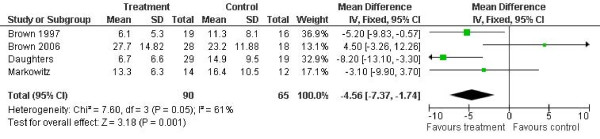
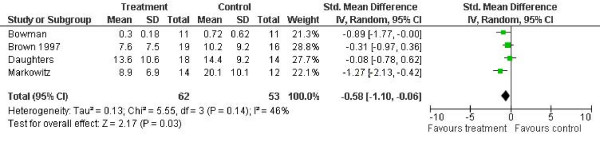
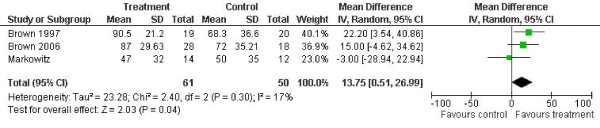
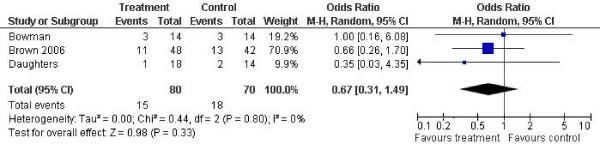
BACKGROUND: There is an increasing consensus in favour of integrated treatment of substance use disorders and co-morbid conditions, such as depression or anxiety. However, up till now no systematic reviews have been published. METHODS: Based on a systematic search of MedLine and PsychInfo, 9 trials of integrated treatment for depression or anxiety plus substance use disorder were identified. Where possible, meta-analyses were carried out, using random effects models. RESULTS: Meta-analyses were carried out for integrated treatment for depression and substance use disorders on a number of outcomes. No meta-analysis could be carried out for integrated treatment for anxiety and substance use disorders, due to multivariate reporting of outcomes in original articles. Integrated treatment for depression and substance abuse produced significant effects on percent days abstinent at follow-up. Differences in retention and symptoms were non-significant, but favoured the experimental condition. For studies of integrated treatment for co-morbid anxiety disorders and substance use disorders, no meta-analysis could be carried out. Several studies of integrated treatment for anxiety and substance use disorders reported that patients assigned to substance use treatment only fared better. CONCLUSION: Psychotherapeutic treatment for co-morbid depression and substance use disorders is a promising approach, but is not sufficiently empirically supported at this point. Psychotherapeutic treatment for co-morbid anxiety and substance use disorders is not empirically supported. There is a need for more trials to replicate the findings from studies of integrated treatment for depression and substance use disorders, and for the development of new treatment options for co-morbid anxiety and substance use disorders.
Overview
The claims and statistics of this paper haven’t been checked yet.
Free: it reads the open-access text and checks the first 5 claims that cite a source we can check. Create a free account to check every claim.
Integrity signals
Registry
Cites
Statistics
Figures
Verification
Claims the paper makes
The claims and statistics of this paper haven’t been checked yet.
Free: it reads the open-access text and checks the first 5 claims that cite a source we can check. Create a free account to check every claim.
Claims other papers make about this one
Each is checked against this paper’s own text: does it say what the citing paper says it does?
The source backs part of the claim, not all of it — or backs it for a different population, condition or comparison.
In the citing paper
“Another recent review found similar effects on depression and substance-use related outcomes as our review but was not able to analyze anxiety due to insufficient numbers of studies.(Hesse, 2009)”
From A systematic review and meta-analysis of psychosocial interventions for persons with comorbid anxiety and substance use disorders (2024) · cites this paper as Hesse, 2009
Experimental — accuracy not yet measuredThe cited source says what the claim attributes to it.
In the citing paper
“Previous studies of comorbid populations have reported mixed findings regarding the effects of psychosocial interventions on A-SUD related outcomes compared to standard treatments.(Hesse, 2009; Mehta et al., 2021)”
From A systematic review and meta-analysis of psychosocial interventions for persons with comorbid anxiety and substance use disorders (2024) · cites this paper as Hesse, 2009
The check wasn’t confident either way, so it gives no verdict — never disputed.
In the citing paper
“Mirtazapine also had a positive effect on sleep.”
From The ASAM/AAAP Clinical Practice Guideline on the Management of Stimulant Use Disorder (2024) · cites this paper as [126]
Experimental — accuracy not yet measuredThe check wasn’t confident either way, so it gives no verdict — never disputed.
In the citing paper
“While meta-analyses and systematic reviews largely reported mixed or no evidence for mirtazapine, two randomized placebo-controlled trials showed a small reduction in ATS use.126,127”
From The ASAM/AAAP Clinical Practice Guideline on the Management of Stimulant Use Disorder (2024) · cites this paper as [126]
Experimental — accuracy not yet measuredThe check wasn’t confident either way, so it gives no verdict — never disputed.
In the citing paper
“While both studies were conducted specifically with men who have sex with men (MSM), the CGC felt it appropriate to extend these results to the general population of patients with ATS use disorder.”
From The ASAM/AAAP Clinical Practice Guideline on the Management of Stimulant Use Disorder (2024) · cites this paper as [126]
Experimental — accuracy not yet measured
2 more claims about this paper
Create a free account to see every claim other papers make about this one.
Self-check
Percentages, sums and reported differences re-computed from the paper’s own numbers.
The self-check needs the paper’s full text.
Citations
Cites
Measuring inconsistency in meta-analyses
Higgins, J. P. T., Thompson, S. G., Deeks, J. J., & Altman, D. G. (2003) · BMJ · doi:10.1136/bmj.327.7414.557 · Cited by 63,139 · cited 1×
“The group that first presented the I2 statistic tentatively suggested that values of 25%, 50%, and 75% represent low, moderate, and high heterogeneity [10].”
BackgroundMoher, D., Schulz, K. F., & Altman, D. G. (2001) · The Lancet · doi:10.1016/s0140-6736(00)04337-3 · Cited by 5,373
Grant, B. F., Stinson, F. S., Dawson, D. A., Chou, S. P., Dufour, M. C., Compton, W., Pickering, R. P., & Kaplan, K. (2004) · Archives of General Psychiatry · doi:10.1001/archpsyc.61.8.807 · Cited by 2,889
Moher, D., Schulz, K. F., & Altman, D. G. (2001) · BMC Medical Research Methodology · doi:10.1186/1471-2288-1-2 · Cited by 2,755 · cited 2×
“None of the included studies adhered to the CONSORT statement [21], although one recent study did provide the flowchart as recommended in the CONSORT statement [14].”
BackgroundMethodHoffman, S. G., & Smits, J. A. J. (2008) · The Journal of Clinical Psychiatry · doi:10.4088/jcp.v69n0415 · Cited by 1,420 · cited 1×
“For instance, there is robust evidence that cognitive-behavioural therapies can be effective for anxiety disorders [ 8 ], and short-term psychodynamic therapy as well as cognitive-behavioural therapy has been shown to be effective for mood disorders such as depression and dysthymia [9].”
BackgroundTreatment of Depression in Patients With Alcohol or Other Drug Dependence: A Meta-analysis
Nunes, E. V., & Levin, F. R. (2004) · JAMA · doi:10.1001/jama.291.15.1887 · Cited by 532 · cited 1×
“There is currently some evidence that medications can be effective for co-morbid depression and substance use disorders [6,7].”
BackgroundJANE-LLOPIS, E., & MATYTSINA, I. (2006) · Drug and Alcohol Review · doi:10.1080/09595230600944461 · Cited by 497
Promising Treatments for Women With Comorbid PTSD and Substance Use Disorders
Hien, D. A., Cohen, L. R., Miele, G. M., Litt, L. C., & Capstick, C. (2004) · American Journal of Psychiatry · doi:10.1176/appi.ajp.161.8.1426 · Cited by 348 · cited 3×
“However, based on this narrative review there is currently little evidence that offering non-somatic treatment for co-morbid anxiety disorders to patients with substance use disorders will yield any significant benefit; several studies report that outcomes for integrated treatment produced worse results that treatment…”
BackgroundResultLeichsenring, F. (2001) · Clinical Psychology Review · doi:10.1016/s0272-7358(99)00057-4 · Cited by 281 · cited 1×
“For instance, there is robust evidence that cognitive-behavioural therapies can be effective for anxiety disorders [8], and short-term psychodynamic therapy as well as cognitive-behavioural therapy has been shown to be effective for mood disorders such as depression and dysthymia [9].”
BackgroundCognitive–behavioral treatment for depression in alcoholism.
Brown, R. A., Evans, D. M., Miller, I. W., Burgess, E. S., & Mueller, T. I. (1997) · Journal of Consulting and Clinical Psychology · doi:10.1037/0022-006x.65.5.715 · Cited by 194 · cited 7×
“Three studies reported percent days abstinent after treatment at follow-up [12,13,15].”
BackgroundMethodInfluential
Cited by
Carvalho, A. F., Heilig, M., Perez, A., Probst, C., & Rehm, J. (2019) · The Lancet · doi:10.1016/s0140-6736(19)31775-1 · Cited by 671
Alcohol use disorder and depressive disorders
McHugh, R. (2019) · Alcohol Research: Current Reviews · doi:10.35946/arcr.v40.1.01 · Cited by 517
Integrated treatment of substance use and psychiatric disorders
Kelly, T. M., & Daley, D. C. (2013) · Social Work in Public Health · doi:10.1080/19371918.2013.774673 · Cited by 378
“Hesse (2009) reviewed the available studies on integrated psychological treatment for comorbid anxiety and SUD and indicates that psychological intervention increased days abstinent from substances, decreased symptoms, and improved retention in treatment.”
Treatment of substance abusing patients with comorbid psychiatric disorders
Kelly, T. M., Daley, D. C., & Douaihy, A. B. (2012) · Addictive Behaviors · doi:10.1016/j.addbeh.2011.09.010 · Cited by 284
“Hesse (2009) reviewed the available studies on integrated psychological treatment for comorbid anxiety and SUD and indicates that psychological intervention increased days abstinent, decreased symptoms, and improved retention, albeit these last two at a non-significant level.”
Riper, H., Andersson, G., Hunter, S. B., Wit, J., Berking, M., & Cuijpers, P. (2014) · Addiction · doi:10.1111/add.12441 · Cited by 276
“CBT/MI as an adjunct to treatment as usual (or as an alternative to it) appears effective for treating (young) adult patients with comorbid MDD and AUD (clinical or subclinical).”
InfluentialAnxiety and alcohol use disorders: comorbidity and treatment considerations
Smith, J. (2012) · Alcohol Research: Current Reviews · doi:10.35946/arcr.v34.4.06 · Cited by 255
“…however, unfortunately only few data exist on integrated treatment, and the incongruence between the strength of expert opinion and paucity of supportive data has been noted in several reviews (Baillie et al. 2010; Hesse 2009; Smith and Book 2008; Stewart and Conrod 2008; Watkins et al. 2005).”
Andersson, H. W., Wenaas, M., & Nordfjærn, T. (2019) · Addictive Behaviors · doi:10.1016/j.addbeh.2018.11.008 · Cited by 199
Torchalla, I., Nosen, L., Rostam, H., & Allen, P. (2012) · Journal of Substance Abuse Treatment · doi:10.1016/j.jsat.2011.09.001 · Cited by 174
Addiction to Indoor Tanning: Relation to Anxiety, Depression, and Substance Use
Mosher, C. E., & Danoff-Burg, S. (2010) · Archives of Dermatology · doi:10.1001/archdermatol.2009.385 · Cited by 158
“Anxiety and depression are often comorbid with substance dependence, 21 and the present findings suggest that affective disturbance may also be comorbid with dependence on indoor tanning.”
Baker, A., Thornton, L. K., Hiles, S. A., Hides, L. M., & Lubman, D. I. (2011) · Journal of Affective Disorders · doi:10.1016/j.jad.2011.08.004 · Cited by 179
“Hesse (2009) reported that integrated psychological treatments that combine treatment for substance use disorders and co-occurring depression or dysthymia into one program had superior outcomes in terms of the percentage of days abstinent compared with treatment for substance use disorder alone.”
Kennedy, P. J., Clarke, G., O‘Neill, A., Groeger, J. A., Quigley, E. M. M., Shanahan, F., Cryan, J. F., & Dinan, T. G. (2014) · Psychological Medicine · doi:10.1017/s0033291713002171 · Cited by 106
Deady, M., Mills, K. L., Teesson, M., & Kay-Lambkin, F. (2016) · Journal of Medical Internet Research · doi:10.2196/jmir.5178 · Cited by 105
“Thus, there is increasing support for integrated approaches to comorbidity treatment [10,11].”
Martin, G. W., & Rehm, J. (2012) · The Canadian Journal of Psychiatry · doi:10.1177/070674371205700604 · Cited by 92
Hedden, S. L., Martins, S. S., Malcolm, R. J., Floyd, L., Cavanaugh, C. E., & Latimer, W. W. (2010) · Drug and Alcohol Dependence · doi:10.1016/j.drugalcdep.2009.08.002 · Cited by 90
“For example, Classes 4 and 5, characterized by multiple drug use as well as anxiety and/or depression, may benefit from combinations of cognitive behavior therapy (CBT) and pharmacotherapy which are known to dually treat such comorbidities and substance disorders (Hesse, 2009).”
Watkins, K. E., Hunter, S. B., Hepner, K. A., Paddock, S. M., de la Cruz, E., Zhou, A. J., & Gilmore, J. (2011) · Archives of General Psychiatry · doi:10.1001/archgenpsychiatry.2011.53 · Cited by 87
The ASAM/AAAP Clinical Practice Guideline on the Management of Stimulant Use Disorder
(2024) · Journal of Addiction Medicine · doi:10.1097/adm.0000000000001299 · Cited by 78
Treatment for Substance Use Disorder with Co-Occurring Mental Illness
Iqbal, M. N., Levin, C. J., & Levin, F. R. (2019) · Focus · doi:10.1176/appi.focus.20180042 · Cited by 66
Effects of behavioural activation on substance use and depression: a systematic review
Martínez-Vispo, C., Martínez, Ú., López-Durán, A., Fernández del Río, E., & Becoña, E. (2018) · Substance Abuse Treatment, Prevention, and Policy · doi:10.1186/s13011-018-0173-2 · Cited by 63
“Although some preliminary findings indicate that these interventions have certain efficacy in treating both conditions, there is a need to continue developing and testing interventions for both disorders [30, 31].”
Suicide among people treated for drug use disorders: a Danish national record-linkage study
Hesse, M., Thylstrup, B., Seid, A. K., & Skogen, J. C. (2020) · BMC Public Health · doi:10.1186/s12889-020-8261-4 · Cited by 75
“At least one meta-analysis [45], as well as more recent clinical trials [46–48], indicate that both mental health problems and substance use disorders are receptive to psychotherapy as a mode of treatment.”
Self-citationRelationship among latitude, climate, season and self-reported mood in bipolar disorder
Bauer, M., Glenn, T., Grof, P., Rasgon, N., Marsh, W., Sagduyu, K., Alda, M., Murray, G., Quiroz, D., Malliaris, Y., et al. (2008) · Journal of Affective Disorders · doi:10.1016/j.jad.2008.11.013 · Cited by 59
Dual diagnosis clients' treatment satisfaction - a systematic review
Schulte, S. J., Meier, P. S., & Stirling, J. (2011) · BMC Psychiatry · doi:10.1186/1471-244x-11-64 · Cited by 53
Bergman, B. G., Kelly, J. F., Nargiso, J. E., & McKowen, J. W. (2016) · Cognitive and Behavioral Practice · doi:10.1016/j.cbpra.2015.09.008 · Cited by 50
Worley, M. J., Trim, R. S., Roesch, S. C., Mrnak-Meyer, J., Tate, S. R., & Brown, S. A. (2012) · Journal of Substance Abuse Treatment · doi:10.1016/j.jsat.2011.12.010 · Cited by 48
“, 2011), currently no psychological treatment meets the commonly accepted criteria (Chambless & Hollon, 1998) for well-established and effective treatments (Hesse, 2009).”
Wüsthoff, L. E., Waal, H., & Gråwe, R. W. (2014) · BMC Psychiatry · doi:10.1186/1471-244x-14-67 · Cited by 46
“A review from 2009 found a statistically significant reduction in the use of alcohol and/or other substances with the use of Integrated Treatment amongst people with SUD and co-occurring anxiety and/or depression [57] and the use of integrated depression and alcohol treatment with CBT as the main modality has shown a…”
Exploring the Comorbidity of Anxiety and Substance Use Disorders
Pasche, S. C. (2012) · Current Psychiatry Reports · doi:10.1007/s11920-012-0264-0 · Cited by 52
Anxiety Disorders in Emerging Adulthood
LeBlanc, N. J., Brown, M. L., & Henin, A. (2019) · Current clinical psychiatry · doi:10.1007/978-3-030-30687-8_8 · Cited by 53
Morrens, M., Dewilde, B., Sabbe, B., Dom, G., De Cuyper, R., & Moggi, F. (2011) · European Addiction Research · doi:10.1159/000324480 · Cited by 40
“], a widely used scale to distinguish between positive, negative and general symptoms. Quality of Life. Patients completed the Schizophrenia Quality of Life Scale (SQLS) [ ,”
Hobden, B., Bryant, J., Carey, M. L., Baker, A., Farrell, M., Oldmeadow, C. J., Mattick, R. P., Shakeshaft, A. P., & Sanson‐Fisher, R. (2018) · Australian & New Zealand Journal of Psychiatry · doi:10.1177/0004867418758922 · Cited by 47
“However, to date, the supporting evidence for integrated care has focussed on general co-occurring mental health and substance use disorders which include more severe but less common disorders such as psychosis or illicit substance use (Drake et al., 1998, 2004; Hesse, 2009).”
InfluentialCharacteristics of Iranian Women Seeking Drug Treatment
Dolan, K. A., Salimi, S., Nassirimanesh, B., Mohsenifar, S., Allsop, D., & Mokri, A. (2011) · Journal of Women s Health · doi:10.1089/jwh.2010.2694 · Cited by 42
“Drug dependence causes a significant public health burden through a range of mechanisms, including psychiatric comorbidity, crime, and such risky behaviors as sexual activity and poor health.(1,2) Among heroin users, drug dependence has been associated with high levels of morbidity and mortality.”
A novel concurrent pictorial choice model of mood-induced relapse in hazardous drinkers.
Hardy, L., & Hogarth, L. (2017) · Experimental and Clinical Psychopharmacology · doi:10.1037/pha0000155 · Cited by 42
Treating depression and substance use: A randomized controlled trial
Hunter, S. B., Watkins, K. E., Hepner, K. A., Paddock, S. M., Ewing, B. A., Osilla, K. C., & Perry, S. (2012) · Journal of Substance Abuse Treatment · doi:10.1016/j.jsat.2011.12.004 · Cited by 37
“Therefore psychotherapeutic approaches for treating COD show promise but there is insufficient evidence of their effectiveness (Hesse, 2009; Flynn & Brown, 2009).”
Drinking motives in alcohol use disorder patients with and without social anxiety disorder
Cooper, R., Hildebrandt, S., & Gerlach, A. L. (2014) · Anxiety, Stress, & Coping · doi:10.1080/10615806.2013.823482 · Cited by 35
“depression, a meta-analytic review (Hesse, 2009) showed the superiority of targeting”
BAILLIE, A. J., STAPINSKI, L., CROME, E., MORLEY, K., SANNIBALE, C., HABER, P., & TEESSON, M. (2010) · Drug and Alcohol Review · doi:10.1111/j.1465-3362.2010.00206.x · Cited by 33
Stover, C. S., Carlson, M., Patel, S., & Manalich, R. (2018) · Child Abuse Review · doi:10.1002/car.2528 · Cited by 44
“There is now mounting evidence that treatment for trauma and some co-occurring disorders improves outcomes for residential and other substance use treatment (Amaro et al., 2007; Hesse, 2009; Najavits, 2009; Najavits, Schmitz, Gotthardt, & Weiss, 2005).”
Psychological interventions for co-occurring depression and substance use disorders
Hides, L., Quinn, C., Stoyanov, S., Kavanagh, D., & Baker, A. (2019) · Cochrane Database of Systematic Reviews · doi:10.1002/14651858.cd009501.pub2 · Cited by 32
Riosa, P. B., McArthur, B. A., & Preyde, M. (2011) · Child and Adolescent Mental Health · doi:10.1111/j.1475-3588.2011.00609.x · Cited by 32
Babowitch, J. D., & Antshel, K. M. (2016) · Journal of Affective Disorders · doi:10.1016/j.jad.2016.04.018 · Cited by 30
Delgadillo, J., Gore, S., Ali, S., Ekers, D., Gilbody, S. M., Gilchrist, G., McMillan, D., & Hughes, E. A. (2015) · Journal of Substance Abuse Treatment · doi:10.1016/j.jsat.2015.02.008 · Cited by 33
“Missing follow-up data is a common limitation in clinical trials involving substance users with mental health problems (Hesse, 2009).”
InfluentialLee, J. H., Gamarel, K. E., Kahler, C. W., Marshall, B. D. L., van den Berg, J. J., BRYANT, K. J., Zaller, N. D., & Operario, D. (2015) · Drug and Alcohol Dependence · doi:10.1016/j.drugalcdep.2015.03.018 · Cited by 32
Ruglass, L. M., López‐Castro, T., Cheref, S., Papini, S., & Hien, D. A. (2014) · Current Psychiatry Reports · doi:10.1007/s11920-014-0505-5 · Cited by 34
Treatments for Co-Occurring Depression and Substance Use in Young People: A Systematic Review
Deady, M., Teesson, M., & Kay-Lambkin, F. (2014) · Current Drug Abuse Reviews · doi:10.2174/1874473707666141015220608 · Cited by 25
Solution-Focused Brief Therapy for Depression and Alcohol Dependence: A Case Study
Spilsbury, G. (2012) · Clinical Case Studies · doi:10.1177/1534650112450506 · Cited by 32
Quality of Outpatient Depression Treatment in Patients With Comorbid Substance Use Disorder
Coughlin, L. N., Pfeiffer, P., Ganoczy, D. A., & Lin, L. A. (2020) · American Journal of Psychiatry · doi:10.1176/appi.ajp.2020.20040454 · Cited by 27
Wolitzky-Taylor, K. B. (2023) · Drug and Alcohol Dependence · doi:10.1016/j.drugalcdep.2023.110990 · Cited by 33
Deady, M., Kay-Lambkin, F., Teesson, M., & Mills, K. (2014) · Internet Interventions · doi:10.1016/j.invent.2014.06.004 · Cited by 21
Thylstrup, B., Schrøder, S., Fridell, M., & Hesse, M. (2017) · BMC Psychiatry · doi:10.1186/s12888-016-1165-2 · Cited by 27
Self-citationThree-year outcomes after brief treatment of substance use and mood symptoms
Parthasarathy, S., Kline-Simon, A. H., Jones, A., Hartman, L., Saba, K., Weisner, C., & Sterling, S. (2021) · Pediatrics · doi:10.1542/peds.2020-009191 · Cited by 20
Filippis, S. D., Martinotti, G., Nicoletti, F., Mastrostefano, A., Trovini, G., Pugliese, A., & Nicola, M. D. (2024) · Current Neuropharmacology · doi:10.2174/1570159x22666240827165327 · Cited by 24
Auty, S. G., Lipson, S. K., Stein, M. D., & Reif, S. (2022) · Drug and Alcohol Dependence Reports · doi:10.1016/j.dadr.2022.100025 · Cited by 26
“…of substance use and mental health. iven the increasing prevalence of mental illness and substance use, here is a growing and urgent need for integrated behavioral health serices within campus health systems to meet the needs of these high-risk tudents ( Hesse, 2009 ; Lydecker et al., 2010 ).”
Worley, M. J., Trim, R. S., Tate, S. R., Hall, J. E., & Brown, S. A. (2010) · Journal of Substance Abuse Treatment · doi:10.1016/j.jsat.2010.05.009 · Cited by 25
“As noted in a recent review (Hesse, 2009), integrated interventions have shown some promise but are not yet empirically supported.”
Torrens, M., Tirado-Muñoz, J., Fonseca, F., Farré, M., González-Pinto, A. M., Arrojo, M., Bernardo, M., Arranz, B., Garriga, M., Sáiz, P. A., et al. (2021) · Adicciones · doi:10.20882/adicciones.1559 · Cited by 27
“Hesse et al. (Hesse, 2009) carried out a systematic review and meta-analysis to assess integrated treatment of substance use disorders and co-morbid depression as compared with a treatment program solely focusing on the substance use disorder (control).”
Lee, C. S., Almeida, J., Colby, S. M., Tavares, T., & Rohsenow, D. J. (2015) · Addiction Research & Theory · doi:10.3109/16066359.2015.1072517 · Cited by 19
“Further, the co-occurrence of hazardous alcohol use and depressive symptoms worsens clinical outcomes (Cooney et al., 2001; Hesse, 2009; Karno & Longabaugh, 2003).”
Read, J. P., Radomski, S. A., & Borsari, B. E. (2015) · Current Addiction Reports · doi:10.1007/s40429-015-0044-0 · Cited by 16
Mullen, J., Ryan, S. R., Mathias, C. W., & Dougherty, D. M. (2015) · Traffic Injury Prevention · doi:10.1080/15389588.2015.1013189 · Cited by 15
“Cooccurring substance use and psychiatric disorders are highly prevalent among DWI offenders and if left unaddressed may potentially impact alcohol treatment outcomes (Albanese et al. 2010; Burns et al. 2005; Freeman et al. 2011; Hesse 2009; Lapham et al. 2001, 2006; Samet et al. 2001).”
Examining the shared and unique relationships among substance use and mental disorders
Sunderland, M., Slade, T. N., & Krueger, R. F. (2014) · Psychological Medicine · doi:10.1017/s0033291714002219 · Cited by 16
Wolitzky-Taylor, K. B., Sewart, A. R., Karno, M. P., Ries, R. K., & Stimson, J. (2021) · Behaviour Research and Therapy · doi:10.1016/j.brat.2021.103999 · Cited by 37
Allen, D. N., Donohue, B. C., Sutton, G. P., Haderlie, M., & LaPota, H. B. (2009) · Behavior Modification · doi:10.1177/0145445509343284 · Cited by 13
“These studies have been extensively reviewed in articles that have appeared in the scientific literature over the past 6 years, as found in Psych Lit utilizing “substance” and “treatment” or “intervention” as keywords (e.g., adams, Leukefeld, & Peden, 2008; ashley, Marsden, & Brady, 2003; Bachman, Drainoni, & Tobias,…”
Milosevic, I., Chudzik, S., Boyd, S. J., & McCabe, R. E. (2016) · Journal of Anxiety Disorders · doi:10.1016/j.janxdis.2016.08.002 · Cited by 23
Andersson, C. R., Öjehagen, A., Olsson, M. O., Brådvik, L., & Håkansson, A. (2016) · International Journal of Behavioral Medicine · doi:10.1007/s12529-016-9625-0 · Cited by 16
Thylstrup, B., Bloomfield, K., & Hesse, M. (2017) · Addictive Behaviors · doi:10.1016/j.addbeh.2017.08.006 · Cited by 13
Self-citationMcHugh, R. K., & Greenfield, S. F. (2010) · Journal of Cognitive Psychotherapy · doi:10.1891/0889-8391.24.1.26 · Cited by 16
“However, given the relatively early stage of this research area, few randomized controlled trials have specifically evaluated these approaches in co-occurring substance use and unipolar mood and anxiety disorders (Hesse, 2009).”
Wise, E. A. (2010) · Journal of Dual Diagnosis · doi:10.1080/15504260903498862 · Cited by 14
“Hesse (2009) reviewed integrated treatment programs for depression and substance abuse in outpatient, inpatient, and partial hospital dual diagnosis treatment programs and found d = .58 for depression and an average reduction of 14.13% PDA.”
InfluentialAbler, L. A., Sikkema, K. J., Watt, M. H., Eaton, L. A., Choi, K. W., Kalichman, S. C., Skinner, D. G., & Pieterse, D. (2014) · BMC Psychiatry · doi:10.1186/s12888-014-0224-9 · Cited by 19
“Even though simultaneous treatment is not commonly available for many South Africans with cooccurring problematic alcohol use and psychological distress, these findings suggest that integrated treatment [52] could improve both mental health and drinking outcomes.”
Patología dual en trastornos de ansiedad: recomendaciones en el tratamiento farmacológico
Sáiz, P. A., Treviño, L. J., Mesa, E. M. D., García‐Portilla, M. P., González, P. M., Al‐Halabí, S., Szerman, N., Bobes, J., & Ruiz, P. (2014) · Adicciones · doi:10.20882/adicciones.7 · Cited by 28
“En este sentido, merece la pena hacer una breve referencia a la psicoterapia cognitivo-conductual, dada su eficacia demostrada en el tratamiento de los TA (Baker, Thornton, Hiles, Hiles y Lubman, 2012; Hesse, 2009).”
Williams, R. C., Farquharson, L., Rhodes, E., Dang, M., Butler, J. E., Quirk, A., Baldwin, D. S., & Crawford, M. (2020) · Journal of Dual Diagnosis · doi:10.1080/15504263.2020.1825892 · Cited by 16
Heil, S. H., Scott, T. L., & Higgins, S. T. (2009) · Drug and Alcohol Dependence · doi:10.1016/j.drugalcdep.2009.05.012 · Cited by 14
“A recent metaanalysis of five trials examining the efficacy of integrated treatments for SUDs and co-morbid depression had positive results, favoring integrated treatment over treatment for SUDs alone on percent days abstinent (Hesse, 2009).”
Nardi, W. R., Kelly, P., Roy, A., Becker, S., Brewer, J., & Sun, S. (2024) · Journal of Substance Use and Addiction Treatment · doi:10.1016/j.josat.2024.209442 · Cited by 11
Brooks, A. C., Chambers, J. E., Lauby, J. L., Byrne, E., Carpenedo, C. M., Benishek, L. A., Medvin, R., Metzger, D. S., & Kirby, K. C. (2015) · Journal of Substance Abuse Treatment · doi:10.1016/j.jsat.2015.08.005 · Cited by 16
Green, J., Bagge, A. S. L., Olausson, S., Andiné, P., Wallinius, M., & Karlén, M. H. (2023) · Journal of Substance Abuse Treatment · doi:10.1016/j.jsat.2022.108899 · Cited by 9
Sáiz, P. A., Flórez, G., Arrojo, M., Bernardo, M., González-Pinto, A. M., Goikolea, J. M., Zorrilla, E. P., Cunill, R., Cervelló, X. C., Becoña, E., et al. (2021) · Adicciones · doi:10.20882/adicciones.1548 · Cited by 74
Basnet, S., Onyeka, I. N., Tiihonen, J., Föhr, J., & Kauhanen, J. (2015) · Scandinavian Journal of Public Health · doi:10.1177/1403494814567754 · Cited by 12
Deady, M., Teesson, M., KAY‐LAMBKIN, F. J., & Mills, K. L. (2014) · JMIR Research Protocols · doi:10.2196/resprot.3192 · Cited by 11
Richardson, T. H. (2013) · Mental Health and Substance Use · doi:10.1080/17523281.2012.680485 · Cited by 11
“Due to little research and methodological limitations there is insufficient evidence at present to support the effectiveness of integrated interventions over treating substance misuse alone (Donald, Dower, & Kavanagh, 2005; Hesse, 2009 ).”
Watkins, K. E., Hunter, S. B., Hepner, K. A., Paddock, S. M., Zhou, A., & Cruz, E. D. (2012) · Psychiatric Services · doi:10.1176/appi.ps.201100201 · Cited by 9
Côté, P., Ghabrash, M. F., Bruneau, J., Roy, É., Dubreucq, S., Fortier, E., & Jutras‐Aswad, D. (2019) · Addictive Behaviors · doi:10.1016/j.addbeh.2019.05.010 · Cited by 9
Foley, C., Allan, J., Lappin, J., Courtney, R. J., Farnbach, S., Aiken, A., & Shakeshaft, A. P. (2023) · Healthcare · doi:10.3390/healthcare11121786 · Cited by 9
Depression and Bipolar Disorders in Patients With Alcohol Use Disorders.
Pary, R., Patel, M., & Lippmann, S. (2017) · Europe PMC (PubMed Central) · Cited by 9
Bastien, G., Abboud, A., McAnulty, C., Elkrief, L., Ledjiar, O., Socias, M. E., Foll, B. L., Bahji, A., Brissette, S., Marsan, S., et al. (2024) · Journal of Dual Diagnosis · doi:10.1080/15504263.2024.2329267 · Cited by 5
“Moreover, as psychotherapeutic interventions for depression usually address several issues and challenges relevant to substance use disorders (stress management, coping mechanisms, etc.), such approaches could help with the latter (Hesse, 2009).”
BackgroundEvidence-Supported Psychosocial Treatment for Dual Disorder Patients
Moggi, F., & Öjehagen, A. (2014) · Springer eBooks · doi:10.1007/978-3-642-45375-5_18 · Cited by 5
Hesse, M. (2010) · Drugs and Alcohol Today · doi:10.5042/daat.2010.0125 · Cited by 7
“Fridell M, Hesse M, Jaeger MM & Kühlhorn E (2008) Antisocial personality disorder as a predictor of criminal behaviour in a longitudinal study of a cohort of abusers of several classes of drugs: relation to type of substance and type of crime.”
Self-citationJonathan, G., Guo, Q., Arcese, H., Evins, A. E., & Wilhelm, S. (2025) · JMIR Mental Health · doi:10.2196/67670 · Cited by 4
“This focus on mild cases and alcohol use is consistent with current F2F treatments, which primarily address depression or anxiety alongside alcohol misuse [18,76,77].”
Striley, C. W., Nattala, P., Abdallah, A. B., Dennis, M. L., & Cottler, L. B. (2013) · Social Work Research · doi:10.1093/swr/svs019 · Cited by 4
bin Yahaya, A. Z., Yee, A. H. A., & Sulaiman, A. H. (2022) · Healthcare · doi:10.3390/healthcare10081366 · Cited by 4
“Alcohol dependency may be accompanied by co-morbid mental illnesses, such as severe anxiety or depression, which can have a poor influence on the quality of life, functioning, and ability to react to treatment [38].”
Marshall, T., Reeson, M., Loverock, A., Lewis, A. E., King, I., Ilyas, R., Dixon, C. C., Viste, D., Azer, B., Chow, E., et al. (2025) · The Canadian Journal of Psychiatry · doi:10.1177/07067437241300957 · Cited by 8
Predicting Change in an Integrated Dual Diagnosis Substance Abuse Intensive Outpatient Program
Wise, E. A., Streiner, D. L., & Gallop, R. (2017) · Substance Use & Misuse · doi:10.1080/10826084.2016.1264970 · Cited by 4
“, 2004; National Institute of Drug Abuse [NIDA], 2010; Substance Abuse Mental Health Services Administration [SAMHSA], 2015), the literature related to treatment outcomes for dual diagnosis or co-occurring psychiatric and substance use disorders is sparse (e.g., Drake et al., 2008; Granholm, Anthenelli, Monteiro, Sevc…”
Reasons for Utilizing Mental Health Services as Predictors of College Students’ Alcohol Risk
Kenney, S. R., Napper, L. E., LaBrie, J. W., & Vaughn, P. E. (2018) · Journal of College Counseling · doi:10.1002/jocc.12092 · Cited by 6
“Recent trials have demonstrated the efficacy of integrated treatments that tackle both mental health and alcohol misuse over approaches that address only mental health or alcohol issues in clients (Baker et al., 2014; Hesse, 2009; Hides et al., 2010).”
Findings of a retrospective study on factors responsible for depression in a Northern Indian State
Dhingra, S., Sachdeva, M., & Parle, M. (2014) · Journal of Mood Disorders · doi:10.5455/jmood.20140207044707 · Cited by 4
Toneatto, T., & Calderwood, K. (2015) · International Journal of Mental Health and Addiction · doi:10.1007/s11469-014-9529-7 · Cited by 9
[Effective interventions in the problematic use of alcohol and other drugs].
Lefio, L. Á., Villarroel, S. R., Rebolledo, C., Zamorano, P., & Rivas, K. (2013) · PubMed · Cited by 32
Dyar, C., Bradley, H. M., Morgan, E., Sullivan, P. S., & Mustanski, B. S. (2020) · Journal of Studies on Alcohol and Drugs · doi:10.15288/jsad.2020.81.790 · Cited by 4
“Some evidence supports separate, concurrent treatment of substance use and depression, whereas other studies indicate that integrated treatment may lead to better outcomes (Hesse, 2009; Kelly & Daley, 2013; Torrens et al., 2012).”
Comorbid Anxiety and Alcohol or Substance Use Disorders: An Overview
Bartoli, F., Carretta, D., & Carrà, G. (2020) · Springer eBooks · doi:10.1007/978-3-030-36391-8_92 · Cited by 3
Screening Substance-Dependent Patients for Mental Disorders With the Kessler-6
Hesse, M., & Thylstrup, B. (2012) · Journal of Dual Diagnosis · doi:10.1080/15504263.2012.696183 · Cited by 3
“There is considerable evidence that mental disorders co-occurring with substance use disorders can create serious complications for treatment and that treatment for mood disorders can improve the outcomes of treatment for substance use disorders (Hesse, 2004 , 2009 ; Nunes & Levin, 2004 ; Watkins et al, 2011 ).”
Self-citationIsenberg, B. M., Woodward, D. W., Burke, C. W., Nowinski, L. A., Joshi, G., & Wilens, T. E. (2021) · Research in Autism · doi:10.1016/j.rasd.2021.101728 · Cited by 5
Thull, J. A. (2009) · e-Publications@Marquette (Marquette University) · Cited by 5
Simpson, E. L., Essat, M., Wong, R., Stacey, S., & Day, E. (2025) · Drug and Alcohol Review · doi:10.1111/dar.70066 · Cited by 4
“There was some overlap of RCTs between Hesse et al. [42], Hides et al. [31] and Mehta et al. [44]; between O'Donnell et al. [32] and Schouten et al. [34]; and Hassan et al. [30] and Amato et al. [27]; Hien et al. [47] and Hien et al. [48]; Molina et al. [51] and Mehta et al. [44]; Simpson et al.…”
InfluentialHesse, M., Jones, S. D., Pedersen, M. M., Skov, K. B. E., Thylstrup, B., & Pedersen, M. U. (2022) · Addictive Behaviors · doi:10.1016/j.addbeh.2022.107574 · Cited by 2
Self-citationSchouten, M. J. E., Goudriaan, A. E., Schaub, M. P., Dekker, J., & Blankers, M. (2024) · Psychological Medicine · doi:10.1017/s0033291724000953 · Cited by 2
“Strong empirical evidence is still lacking on which of these formats is superior to single-disorder treatment (Hesse, 2009; Hobden et al., 2018).”
BackgroundChoquette, E. M., Forthman, K. L., Kirlić, N., Stewart, J. L., Cannon, M. J., Akeman, E., McMillan, N., Mesker, M., Tarrasch, M., Kuplicki, R., et al. (2022) · Frontiers in Psychology · doi:10.3389/fpsyg.2024.1390199 · Cited by 3
“…mental illness is not associated with termination from diversion or treatment programs (Brown R., 2010; Gallagher et al., 2015) or may increase retention (Amaro et al., 2007; Hesse, 2009; López-Goñi et al., 2021), which also may be due to variations in study populations and treatment programs.”
BackgroundPsychedelic Research for Alcohol Use Disorder with Comorbid Major Depressive Disorder: An Unmet Need
de Jonge, D., van der Meer, P. B., Kramers, C., & Schellekens, A. (2024) · Current Psychiatry Reports · doi:10.1007/s11920-024-01567-4 · Cited by 3
“The-oretically, it could be argued that patients presenting both AUD and MDD would benefit from an integrated therapy that could treat both MDD and AUD [33, 34].”
Suchterkrankungen und komorbide psychische Störungen
Moggi, F., & Preuss, U. W. (2018) · Elsevier eBooks · doi:10.1016/b978-3-437-23021-9.00019-9 · Cited by 4
Metadata
- Authors
- Hesse, M.
- Affiliations
- Aarhus University (DK)
- Corresponding author
- Hesse, Morten
- ORCID
- Hesse, Morten
- Venue
- BMC Psychiatry
- Published
- 2009-02-20
- Volume
- 9
- Issue
- 1
- Pages
- 6-6
- ISSN
- 1471-244X (ISSN-L)
- PMC
- PMC2657780
- OpenAlex
- W2013084379
- Cited by
- 130
- References
- 22
- Citations by year
- 2026: 2 · 2025: 5 · 2024: 10 · 2023: 3 · 2022: 7 · 2021: 5 · 2020: 9 · 2019: 7 · 2018: 9 · 2017: 7 · 2016: 7 · 2015: 9 · 2014: 12 · 2013: 8 · 2012: 9
- FWCI
- 1.13
- Type
- journal article
- Language
- en
- Open access
- gold
- doi.org
- Licence
- Locations
- BMC Psychiatry (publishedVersion, cc-by)
- PubMed Central (publishedVersion, cc-by)
- PubMed (publishedVersion)
- DOAJ (DOAJ: Directory of Open Access Journals) (submittedVersion, cc-by-sa)
- Topics
- Health Sciences › Medicine › Epidemiology › Substance Abuse Treatment and Outcomes
- Social Sciences › Psychology › Clinical Psychology › Psychotherapy Techniques and Applications
- Social Sciences › Psychology › Experimental and Cognitive Psychology › Anxiety, Depression, Psychometrics, Treatment, Cognitive Processes
- Keywords
- integrated treatment, substance use disorders, depression, anxiety disorders, comorbidities, psychotherapy, treatment retention, abstinence, treatment outcomes
- MeSH terms
- Anxiety, Depression, Humans, Psychiatric Status Rating Scales, Psychotherapy, Randomized Controlled Trials as Topic, Substance-Related Disorders
About these checks
Registry, retraction, Cites and statistics results are computed, not judged, with one exception: a printed reference that no index lists is read once by a model before it counts as a citation error. Claims are extracted by a model and kept only when their quote appears verbatim in the text; each cited source is then checked, with a model’s help, for whether it says what the claim relies on. Those verdicts can be wrong — read the claim’s quote and the cited source before relying on one.
Statistics and arithmetic are recomputed, not judged.
Confidence bands are shown only for fields calibrated on our annotated test set. None is calibrated yet, so no band is shown.
What counts as a claim ›How we measure confidence ›How we check this ›
Are you an author, or do you see a problem with this page? Request a review
Data sources
Bibliographic data: Semantic Scholar, OpenAlex, Crossref.
Contains information from the Semantic Scholar Academic Graph Datasets, made available under the ODC Attribution License (ODC-BY 1.0).
Semantic Scholar’s data is described in: Kinney, R., et al. (2023). The Semantic Scholar Open Data Platform. arXiv:2301.10140.
