

Impact of maternal education about complementary feeding and provision of complementary foods on child growth in developing countries
Open accessThe DOI matches its Crossref record; 44 of the 45 references it cites were found in a registry or an index.
Abstract
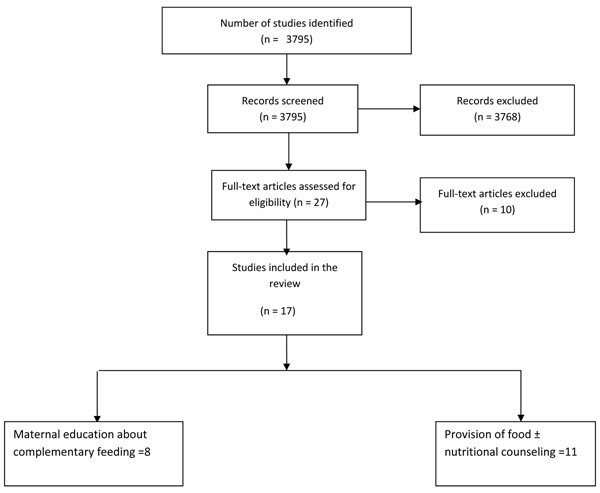
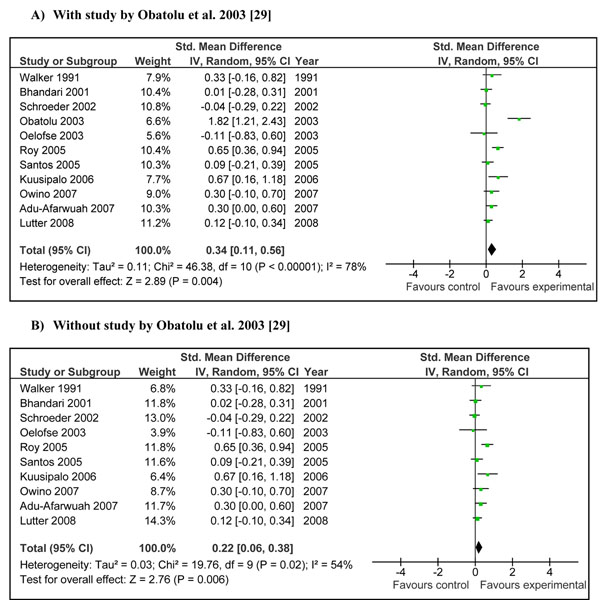
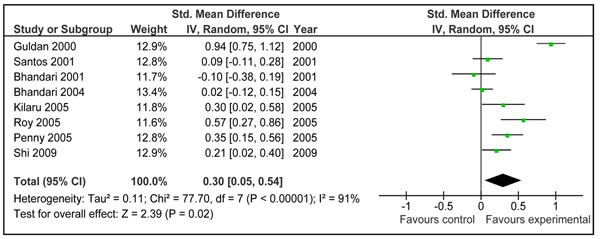
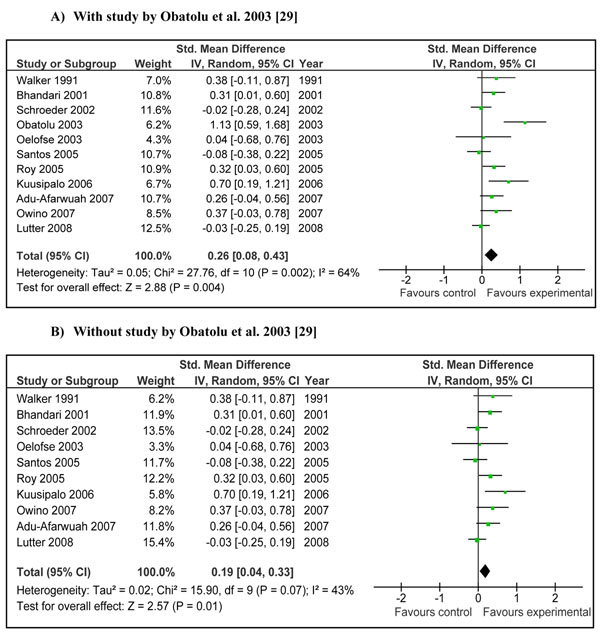
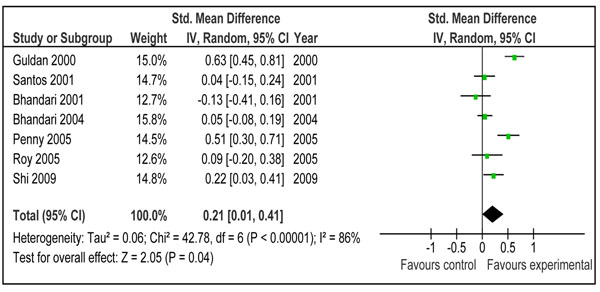
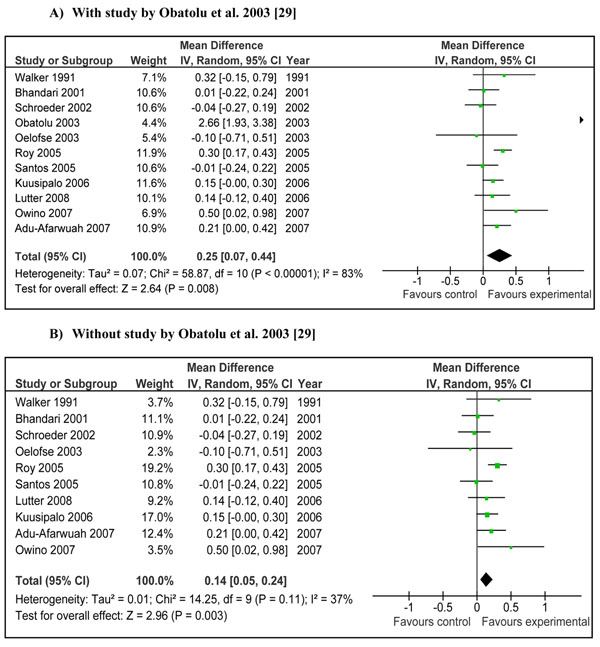
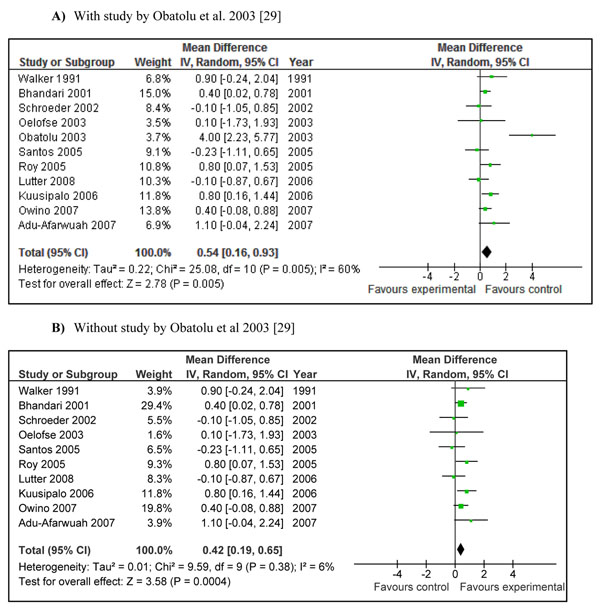
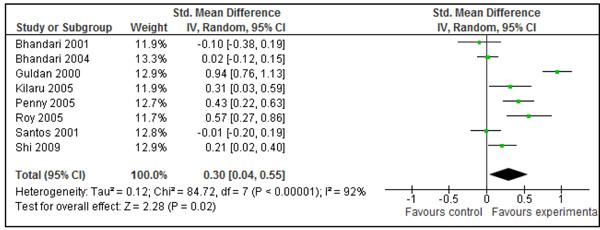
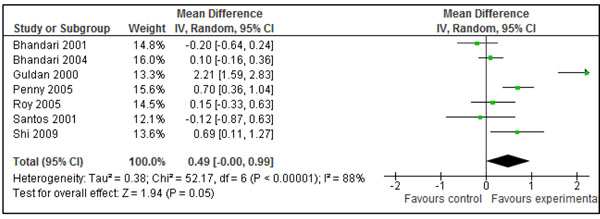
Background: Childhood undernutrition is prevalent in low and middle income countries. It is an important indirect cause of child mortality in these countries. According to an estimate, stunting (height for age Z score < -2) and wasting (weight for height Z score < -2) along with intrauterine growth restriction are responsible for about 2.1 million deaths worldwide in children < 5 years of age. This comprises 21 % of all deaths in this age group worldwide. The incidence of stunting is the highest in the first two years of life especially after six months of life when exclusive breastfeeding alone cannot fulfill the energy needs of a rapidly growing child. Complementary feeding for an infant refers to timely introduction of safe and nutritional foods in addition to breast-feeding (BF) i.e. clean and nutritionally rich additional foods introduced at about six months of infant age. Complementary feeding strategies encompass a wide variety of interventions designed to improve not only the quality and quantity of these foods but also improve the feeding behaviors. In this review, we evaluated the effectiveness of two most commonly applied strategies of complementary feeding i.e. timely provision of appropriate complementary foods (± nutritional counseling) and education to mothers about practices of complementary feeding on growth. Recommendations have been made for input to the Lives Saved Tool (LiST) model by following standardized guidelines developed by Child Health Epidemiology Reference Group (CHERG). Methods: We conducted a systematic review of published randomized and quasi-randomized trials on PubMed, Cochrane Library and WHO regional databases. The included studies were abstracted and graded according to study design, limitations, intervention details and outcome effects. The primary outcomes were change in weight and height during the study period among children 6-24 months of age. We hypothesized that provision of complementary food and education of mother about complementary food would significantly improve the nutritional status of the children in the intervention group compared to control. Meta-analyses were generated for change in weight and height by two methods. In the first instance, we pooled the results to get weighted mean difference (WMD) which helps to pool studies with different units of measurement and that of different duration. A second meta-analysis was conducted to get a pooled estimate in terms of actual increase in weight (kg) and length (cm) in relation to the intervention, for input into the LiST model. Results: After screening 3795 titles, we selected 17 studies for inclusion in the review. The included studies evaluated the impact of provision of complementary foods (±nutritional counseling) and of nutritional counseling alone. Both these interventions were found to result in a significant increase in weight [WMD 0.34 SD, 95% CI 0.11 – 0.56 and 0.30 SD, 95 % CI 0.05-0.54 respectively) and linear growth [WMD 0.26 SD, 95 % CI 0.08-0.43 and 0.21 SD, 95 % CI 0.01-0.41 respectively]. Pooled results for actual increase in weight in kilograms and length in centimeters showed that provision of appropriate complementary foods (±nutritional counseling) resulted in an extra gain of 0.25kg (±0.18) in weight and 0.54 cm (±0.38) in height in children aged 6-24 months. The overall quality grades for these estimates were that of ‘moderate’ level. These estimates have been recommended for inclusion in the Lives Saved Tool (LiST) model. Education of mother about complementary feeding led to an extra weight gain of 0.30 kg (±0.26) and a gain of 0.49 cm (±0.50) in height in the intervention group compared to control. These estimates had been recommended for inclusion in the LiST model with an overall quality grade assessment of ‘moderate’ level. Conclusion: Provision of appropriate complementary food, with or without nutritional education, and maternal nutritional counseling alone lead to significant increase in weight and height in children 6-24 months of age. These interventions can significantly reduce the risk of stunting in developing countries and are recommended for inclusion in the LiST tool.
Overview
The claims and statistics of this paper haven’t been checked yet.
Free: it reads the open-access text and checks the first 5 claims that cite a source we can check. Create a free account to check every claim.
Integrity signals
Registry
Cites
Statistics
Figures
Verification
Claims the paper makes
The claims and statistics of this paper haven’t been checked yet.
Free: it reads the open-access text and checks the first 5 claims that cite a source we can check. Create a free account to check every claim.
Claims other papers make about this one
Each is checked against this paper’s own text: does it say what the citing paper says it does?
The source backs part of the claim, not all of it — or backs it for a different population, condition or comparison.
In the citing paper
“Nutrition education on appropriate feeding and hygiene practices that target mothers of infants and young children has been reported to significantly improve knowledge, nutritional status, and minimize disease [16].”
From Effect of a Nutrition Education Intervention on Food Safety Knowledge, Attitudes and Practices of Mothers of Children under 5 Years in the Peri-Urban Areas of Bobo-Dioulasso: Before and after Study (2024) · cites this paper as [16]
Experimental — accuracy not yet measured
Self-check
Percentages, sums and reported differences re-computed from the paper’s own numbers.
The self-check needs the paper’s full text.
Citations
Cites
Statistical Power Analysis for the Behavioral Sciences
Muller, K. (1989) · Technometrics · doi:10.1080/00401706.1989.10488618 · Cited by 99,167
Statistical power analysis for the behavioral sciences
(1990) · Computers, Environment and Urban Systems · doi:10.1016/0198-9715(90)90050-4 · Cited by 65,269
Cochrane Handbook for Systematic Reviews of Interventions: Cochrane Book Series
(2008) · doi:10.1002/9780470712184 · Cited by 25,048
Grading quality of evidence and strength of recommendations
(2004) · BMJ · doi:10.1136/bmj.328.7454.1490 · Cited by 8,477 · cited 2×
“The available evidence was graded according to the Child Health Epidemiology Reference Group (CHERG) adaptation of the GRADE technique [8].”
MethodMaternal and child undernutrition: global and regional exposures and health consequences
Black, R. E., Allen, L. H., Bhutta, Z. A., Caulfield, L. E., de Onis, M., Ezzati, M., Mathers, C., & Rivera, J. (2008) · The Lancet · doi:10.1016/s0140-6736(07)61690-0 · Cited by 6,443 · cited 3×
“This comprises 21 % of all deaths in this age group worldwide [1].”
BackgroundSelf-citationMethods of Meta-Analysis: Correcting Error and Bias in Research Findings
Schmidt, F. L., & Hunter, J. E. (2015) · doi:10.4135/9781483398105 · Cited by 5,542
Methods of Meta-Analysis: Correcting Error and Bias in Research Findings.
Raudenbush, S. W., Hunter, J. E., & Schmidt, F. L. (1991) · Journal of the American Statistical Association · doi:10.2307/2289738 · Cited by 2,327
What works? Interventions for maternal and child undernutrition and survival
Bhutta, Z. A., Ahmed, T., Black, R. E., Cousens, S., Dewey, K., Giugliani, E., Haider, B. A., Kirkwood, B., Morris, S. S., Sachdev, H., et al. (2008) · The Lancet · doi:10.1016/s0140-6736(07)61693-6 · Cited by 2,258 · cited 7×
“In this way more studies were included compared to studies included in the review published in Lancet Under-nutrition Series [7].”
BackgroundResultInfluentialSelf-citationMeta-Analysis: Quantitative Methods for Research Synthesis
Rosenthal, R., & Wolf, F. M. (1987) · Contemporary Sociology · doi:10.2307/2071646 · Cited by 1,371
Dewey, K. G., & Adu‐Afarwuah, S. (2008) · Maternal & Child Nutrition · doi:10.1111/j.1740-8709.2007.00124.x · Cited by 948 · cited 7×
“These include nutritional counseling to mothers designed to promote healthy feeding practices, provision of complementary foods and supplementation with foods either fortified with multiple micronutrients or with increased energy content [3,6].”
BackgroundResultInfluential
Research works printed but not linked: 2
- WHO Report of Informal Meeting to Review and Develop Indicators for Complementary Feeding 2002 Washington, D.C.
- Guyon A Quinn V Rambeloson Z Hainsworth M Using the Essential Nutrition Actions approach to improve the nutritional practices of women and children atscale in Antananarivo and Fianarantsoa provinces of Madagascar: results and trends 2000-2005. Final Report 2006 AED, LINKAGES
Cited by
Contextualising complementary feeding in a broader framework for stunting prevention
Stewart, C. P., Iannotti, L., Dewey, K. G., Michaelsen, K. F., & Onyango, A. W. (2013) · Maternal & Child Nutrition · doi:10.1111/mcn.12088 · Cited by 710
“Low caregiver education shows a strong and consistent relationship with poor child nutrition outcomes, and likely drives other caring practices associated with stunted development and growth (Semba et al. 2008; Imdad et al. 2011).”
BackgroundGlobal health and development in early childhood
Aboud, F. E., & Yousafzai, A. K. (2015) · Annual Review of Psychology · doi:10.1146/annurev-psych-010814-015128 · Cited by 398
“The provision of food to young children for 6 months or less, often fortified with extra proteins and micronutrients, led to greater gains in length with an effect size of d = 0.41 for the six studies conducted in food-insecure sites in Africa and South Asia (Imdad et al. 2011).”
BackgroundInfluentialVazir, S., Engle, P., Balakrishna, N., Griffiths, P. L., Johnson, S. L., Creed‐Kanashiro, H., Fernandez Rao, S., Shroff, M. R., & Bentley, M. E. (2013) · Maternal & Child Nutrition · doi:10.1111/j.1740-8709.2012.00413.x · Cited by 256
“Inappropriate infant-feeding and care practices also contribute to malnutrition and behavioural interventions can improve nutrition of infants and toddlers (Imdad et al. 2011).”
InfluentialHow Important is Parental Education for Child Nutrition?
Alderman, H., & Headey, D. D. (2017) · World Development · doi:10.1016/j.worlddev.2017.02.007 · Cited by 246
Lassi, Z. S., Das, J. K., Zahid, G., Imdad, A., & Bhutta, Z. A. (2013) · BMC Public Health · doi:10.1186/1471-2458-13-s3-s13 · Cited by 247
“[5], on the other hand, also included studies on children with moderate malnutrition.”
BackgroundResultSelf-citationReinhardt, K., & Fanzo, J. (2014) · Frontiers in Nutrition · doi:10.3389/fnut.2014.00013 · Cited by 217
Mbuya, M. N. N., & Humphrey, J. H. (2016) · Maternal & Child Nutrition · doi:10.1111/mcn.12220 · Cited by 217
“62 length-for-age Z-scores was reported in a recent series of reviews (Bhutta et al. 2013; Imdad et al. 2011; Lassi et al. 2013) of 16 randomized and quasirandomized complementary feeding intervention studies.”
BackgroundInfluentialFenske, N., Burns, J., Hothorn, T., & Rehfuess, E. A. (2013) · PLoS ONE · doi:10.1371/journal.pone.0078692 · Cited by 211
Imdad, A., & Bhutta, Z. A. (2011) · BMC Public Health · doi:10.1186/1471-2458-11-s3-s22 · Cited by 187
“50) in the intervention group compared to control [71].”
Self-citationKrasevec, J., An, X., Kumapley, R., Bégin, F., & Frongillo, E. A. (2017) · Maternal & Child Nutrition · doi:10.1111/mcn.12430 · Cited by 165
Infant feeding practices in Bhaktapur, Nepal: a cross-sectional, health facility based survey
Ulak, M., Chandyo, R. K., Mellander, L., Shrestha, P. S., & Strand, T. A. (2012) · International Breastfeeding Journal · doi:10.1186/1746-4358-7-1 · Cited by 171
“Our finding of higher rates of EBF or predominant feeding by mothers who are aware about appropriate age for EBF, indicates that dissemination of information on breastfeeding at the individual level is crucial [26].”
BackgroundMenon, P., Nguyen, P. H., Saha, K. K., Khaled, A., Sanghvi, T., Baker, J., Afsana, K., Haque, R., Frongillo, E. A., Ruel, M. T., et al. (2016) · The Journal of Nutrition · doi:10.3945/jn.116.232314 · Cited by 143
“Several studies have reviewed the strategies commonly used for improving CF knowledge and behaviors and their impact on child growth, morbidity, and survival (4, 5, 9, 10).”
BackgroundKim, S. S., Rawat, R., Mwangi, E. M., Tesfaye, R., Abebe, Y., Baker, J., Frongillo, E. A., Ruel, M. T., & Menon, P. (2016) · PLoS ONE · doi:10.1371/journal.pone.0164800 · Cited by 170
Arikpo, D., Edet, E. S., Chibuzor, M. T., Odey, F. A., & Caldwell, D. M. (2018) · Cochrane Database of Systematic Reviews · doi:10.1002/14651858.cd011768.pub2 · Cited by 201
Panjwani, A. A., & Heidkamp, R. A. (2017) · Journal of Nutrition · doi:10.3945/jn.116.243857 · Cited by 175
Perspective: Should Exclusive Breastfeeding Still Be Recommended for 6 Months?
Pérez‐Escamilla, R., Buccini, G., Segura‐Pérez, S., & Piwoz, E. (2019) · Advances in Nutrition · doi:10.1093/advances/nmz039 · Cited by 156
Mukuria, A., Martin, S., Egondi, T., Bingham, A., & Thuita, F. (2016) · Global Health Science and Practice · doi:10.9745/ghsp-d-15-00197 · Cited by 140
“Reviews of complementary feeding interventions found that interventions that promoted animal-source foods showed a positive effect on nutritional status.(53,54) Although our intervention showed effectiveness in changing some infant feeding practices, it may need to also incorporate other activities where food security…”
BackgroundComplementary feeding and attained linear growth among 6–23-month-old children
Onyango, A. W., Borghi, E., de Onís, M., Casanovas, M. D. C., & Garza, C. (2013) · Public Health Nutrition · doi:10.1017/s1368980013002401 · Cited by 115
Lazzerini, M., Rubert, L., & Pani, P. (2013) · Cochrane Database of Systematic Reviews · doi:10.1002/14651858.cd009584.pub2 · Cited by 115
Sunguya, B. F., Poudel, K. C., Mlunde, L. B., Shakya, P., Urassa, D. P., Jimba, M., & Yasuoka, J. (2013) · Nutrition Journal · doi:10.1186/1475-2891-12-66 · Cited by 140
“Previous systematic reviews have evaluated the impacts of nutrition counseling, maternal nutrition education [34], and complementary feeding on children’s nutrition status [18,40].”
BackgroundInfluentialThe interconnections between maternal and newborn health – evidence and implications for policy
Lassi, Z. S., Majeed, A., Rashid, S., Yakoob, M. Y., & Bhutta, Z. A. (2013) · The Journal of Maternal-Fetal & Neonatal Medicine · doi:10.3109/14767058.2013.784737 · Cited by 108
Self-citationStunting is not a synonym of malnutrition
Scheffler, C., Hermanussen, M., Bogin, B., Liana, D. S., Taolin, F., Cempaka, P. M. V. P., Irawan, M., Ibbibah, L. F., Mappapa, N. K., Payong, M. K. E., et al. (2020) · European Journal of Clinical Nutrition · doi:10.1038/s41430-019-0439-4 · Cited by 78
“Repeated infections and poor sanitation have also been claimed to be responsible for the shortness of stature in the LMIC.”
BackgroundMethodInfluentialGalasso, E., & Wagstaff, A. R. (2019) · Economics & Human Biology · doi:10.1016/j.ehb.2019.01.010 · Cited by 161
Timing of Introduction of Complementary Food: Short- and Long-Term Health Consequences
Przyrembel, H. (2012) · Annals of Nutrition and Metabolism · doi:10.1159/000336287 · Cited by 133
Kim, S. S., Nguyen, P. H., Yohannes, Y., Abebe, Y., Tharaney, M., Drummond, E., Frongillo, E. A., Ruel, M. T., & Menon, P. (2019) · Journal of Nutrition · doi:10.1093/jn/nxz087 · Cited by 129
The Early Years: Child Well-Being and the Role of Public Policy
Berlinski, S., & Schady, N. (2015) · Palgrave Macmillan US eBooks · doi:10.1057/9781137536495 · Cited by 172
The Early Years: Child Well-being and the Role of Public Policy
Araujo, M. C., Ardanaz, M., Armendáriz, E., Behrman, J. R., Berlinski, S., Cristia, J., Flabbi, L., Hincapié, D., Jalmovich, A., Kagan, S. L., et al. (2015) · Inter-American Development Bank eBooks · doi:10.18235/0000186 · Cited by 101
Cherkos, A. S., Demissie, M., & Berhane, Y. (2013) · BMC Public Health · doi:10.1186/1471-2458-13-1050 · Cited by 108
“However; after six months breast milk alone is no longer sufficient to meet late infant’s nutritional requirements and, therefore, timely starting nutritionally-adequate, safe, ageappropriate complementary feeding at sixth month of age is recommended for better health and development of infants [2-8].”
BackgroundYakoob, M. Y., & Lo, C. W. (2017) · Journal of Developmental & Behavioral Pediatrics · doi:10.1097/dbp.0000000000000482 · Cited by 114
“41).(155) Similar positive findings have been shown for food supplementation in socioeconomically disadvantaged children aged 3 months to 5 years in another review(156) and in other reviews in children under 2 years of age(157,158) in resource-poor countries.”
ResultSelf-citationAge of introduction of first complementary feeding for infants: a systematic review
Qasem, W. A., Fenton, T. R., & Friel, J. K. (2015) · BMC Pediatrics · doi:10.1186/s12887-015-0409-5 · Cited by 107
“A previous systematic review identified significant growth improvements with provision of solid foods [26, 27], but this review included studies conducted on moderately malnourished infants, where the ones included in our review were all healthy.”
BackgroundNikiema, L. O., Huybregts, L., Martin‐Prével, Y., Donnen, P., Lanou, H., Grosemans, J., Offoh, P., Dramaix‐Wilmet, M., Sondo, B., Roberfroid, D., et al. (2017) · PLoS ONE · doi:10.1371/journal.pone.0177839 · Cited by 111
Pries, A. M., Huffman, S. L., Adhikary, I., Upreti, S. R., Dhungel, S., Champeny, M., & Zehner, E. R. (2016) · Maternal and Child Nutrition · doi:10.1111/mcn.12267 · Cited by 101
Na, M., Aguayo, V. M., Arimond, M., & Stewart, C. P. (2017) · Maternal and Child Nutrition · doi:10.1111/mcn.12463 · Cited by 92
Mekbib, E., Shumey, A., Ferede, S., & Haile, F. (2014) · Journal of Food and Nutrition Sciences · doi:10.11648/j.jfns.20140202.13 · Cited by 103
“After sixth month of age, breast milk alone is no longer sufficient to meet the nutritional requirements of 623 months of age children [1-6].”
BackgroundIntegrated agriculture programs to address malnutrition in northern Malawi
Kerr, R. B., Chilanga, E., Nyantakyi‐Frimpong, H., Luginaah, I., & Lupafya, E. (2016) · BMC Public Health · doi:10.1186/s12889-016-3840-0 · Cited by 87
Shinsugi, C., Matsumura, M., Karama, M., Tanaka, J., Changoma, M., & Kaneko, S. (2015) · BMC Public Health · doi:10.1186/s12889-015-1802-6 · Cited by 107
“In this scenario, education focused on caregivers’ feeding habits of complementary food for 2 to 3-year-old children can help prevent childhood stunting [27].”
BackgroundSaldiva, S. R. D. M., Venâncio, S. I., de Santana, A. C., Castro, A. L. D. S., Escuder, M. M. L., & Giugliani, E. R. J. (2014) · Nutrition Journal · doi:10.1186/1475-2891-13-33 · Cited by 88
“These results are consistent with the findings of other studies on infant feeding conducted in Brazil as well as those of studies in other countries [20,21].”
ResultSaleem, A. F., Mahmud, S., Baig‐Ansari, N., & Zaidi, A. K. M. (2014) · PubMed Central · Cited by 95
Gewa, C., & Leslie, T. F. (2015) · Journal of Health Population and Nutrition · doi:10.1186/s41043-015-0008-y · Cited by 83
“Consumption of adequate non-breastmilk foods contribute to improved growth, health and development of young children [6-9].”
BackgroundSunguya, B. F., Poudel, K. C., Mlunde, L. B., Urassa, D. P., Yasuoka, J., & Jimba, M. (2013) · Frontiers in Public Health · doi:10.3389/fpubh.2013.00037 · Cited by 90
“Other reviews have shown the effect of health workers’ counseling of caregivers on feeding practices including dietary diversity, feeding frequency, and energy intake (28), complementary feeding, and children’s nutritional status (1, 29, 30).”
BackgroundDorsey, J. L., Manohar, S., Neupane, S., Shrestha, B., Klemm, R. D. W., & West, K. P. (2017) · Maternal and Child Nutrition · doi:10.1111/mcn.12434 · Cited by 91
Mulualem, D., Henry, C. J., Berhanu, G., & Whiting, S. J. (2016) · Ecology of Food and Nutrition · doi:10.1080/03670244.2016.1161617 · Cited by 90
Factors affecting deliveries attended by skilled birth attendants in Bangladesh
Kibria, G. M. A., Ghosh, S., Hossen, S., Barsha, R. A. A., Sharmeen, A., & Uddin, S. M. I. (2017) · Maternal Health Neonatology and Perinatology · doi:10.1186/s40748-017-0046-0 · Cited by 65
Scott, N., Delport, D., Hainsworth, S. W., Pearson, R., Morgan, C., Huang, S., Akuoku, J. K., Piwoz, E., Shekar, M., Levin, C., et al. (2020) · BMC Medicine · doi:10.1186/s12916-020-01786-5 · Cited by 92
“IYCF education can improve breastfeeding and complementary feeding behaviours [45], which can reduce diarrhoea [45] and stunting [89].”
BackgroundFamily Household Characteristics and Stunting: An Update Scoping Review
Yani, D. I., Rahayuwati, L., Sari, C. W. M., Komariah, M., & Fauziah, S. R. (2023) · Nutrients · doi:10.3390/nu15010233 · Cited by 181
“Parents who offer the right, appropriate, and frequent nutrition can reduce child undernutrition [8].”
BackgroundDeterminants of infant and young child feeding practices in Rupandehi, Nepal
Gautam, K. P., Adhikari, M., Khatri, R. B., & Devkota, M. D. (2016) · BMC Research Notes · doi:10.1186/s13104-016-1956-z · Cited by 67
“Suboptimal breastfeeding and poor complementary feeding practices are responsible for under nutrition among young children [3].”
BackgroundKang, Y., Kim, S., Sinamo, S., & Christian, P. S. (2016) · Maternal and Child Nutrition · doi:10.1111/mcn.12349 · Cited by 88
The Nexus Between Nutrition and Early Childhood Development
Alderman, H., & Fernald, L. C. H. (2017) · Annual Review of Nutrition · doi:10.1146/annurev-nutr-071816-064627 · Cited by 87
Reaching the global target to reduce stunting: an investment framework
Shekar, M., Kakietek, J. J., D'Alimonte, M., Rogers, H. E., Eberwein, J. D., Akuoku, J. K., Pereira, A. L., Soe-Lin, S., & Hecht, R. (2017) · Health Policy and Planning · doi:10.1093/heapol/czw184 · Cited by 90
Impact of maternal education, employment and family size on nutritional status of children
Iftikhar, A., Bari, A., Bano, I., & Masood, Q. (2017) · Pakistan Journal of Medical Sciences · doi:10.12669/pjms.336.13689 · Cited by 63
Menon, P., Rawat, R., & Ruel, M. T. (2013) · Food and Nutrition Bulletin · doi:10.1177/15648265130343s206 · Cited by 70
Muhoozi, G. K. M., Atukunda, P., Mwadime, R. K. N., Iversen, P. O., & Westerberg, A. C. (2016) · Food & Nutrition Research · doi:10.3402/fnr.v60.30270 · Cited by 78
“In this study, two questions were thus addressed: 1) what factors are associated with nutritional status among 6- to 8-month-old infants in Kabale and Kisoro; and 2) what is the relation between their nutritional status, cognitive, language, and motor development? This study focused on 6- to 8- month-old infants becau…”
BackgroundAssessment of the WHO Stunting Framework using Ethiopia as a case study
Wirth, J. P., Rohner, F., Petry, N., Onyango, A. W., Matji, J., Bailes, A., de Onís, M., & Woodruff, B. A. (2016) · Maternal and Child Nutrition · doi:10.1111/mcn.12310 · Cited by 82
Miller, L. C., Joshi, N., Lohani, M., Rogers, B. L., Mahato, S., Ghosh, S. A., & Webb, P. (2017) · International Journal for Equity in Health · doi:10.1186/s12939-017-0681-0 · Cited by 76
Fertility at work: Children and women's labor market outcomes in urban Ghana
Heath, R. (2016) · Journal of Development Economics · doi:10.1016/j.jdeveco.2016.11.003 · Cited by 76
Kim, S. S., Nguyen, P. H., Tran, L. M., Sanghvi, T. G., Mahmud, Z., Haque, M. R., Afsana, K., Frongillo, E. A., Ruel, M. T., & Menon, P. (2018) · Journal of Nutrition · doi:10.1093/jn/nxy147 · Cited by 72
Kostecka, M., Jackowska, I., & Kostecka, J. (2020) · Nutrients · doi:10.3390/nu13010061 · Cited by 90
“Maternal educational level has a direct positive impact on the linear growth of infants [25,26].”
BackgroundKulwa, K. B. M., Verstraeten, R., Bouckaert, K. P., Mamiro, P., Kolsteren, P. W., & Lachat, C. K. (2014) · BMC Public Health · doi:10.1186/1471-2458-14-1077 · Cited by 79
“Systematic reviews of complementary feeding interventions have provided evidence of well adopted feeding practices, improved food recipes, increased dietary adequacy and growth and reduced prevalence of anaemia and morbidity [14-17].”
BackgroundKambale, R. M., Ngaboyeka, G. A., Kasengi, J. B., Niyitegeka, S., Cinkenye, B. R., Baruti, A., Mutuga, K. C., & der Linden, D. V. (2021) · BMC Pediatrics · doi:10.1186/s12887-021-02713-0 · Cited by 54
Sunguya, B. F., Poudel, K. C., Mlunde, L. B., Urassa, D. P., Yasuoka, J., & Jimba, M. (2014) · PLoS ONE · doi:10.1371/journal.pone.0098308 · Cited by 66
“Improvement in feeding frequency and other feeding practices can bring about positive changes in nutrition status among children in the general population [4].”
BackgroundLinear Growth Faltering Among HIV-Exposed Uninfected Children
Sudfeld, C. R., Lei, Q., Chinyanga, Y., Tumbare, E., Khan, N., Dapaah-Siakwan, F. M., Sebaka, A., Sibiya, J., van Widenfelt, E., Shapiro, R., et al. (2016) · JAIDS Journal of Acquired Immune Deficiency Syndromes · doi:10.1097/qai.0000000000001034 · Cited by 61
Birth interval and childhood undernutrition: Evidence from a large scale survey in India
Chungkham, H. S., Sahoo, H., & Marbaniang, S. P. (2020) · Clinical Epidemiology and Global Health · doi:10.1016/j.cegh.2020.04.012 · Cited by 57
Manikam, L., Sharmila, A., Dharmaratnam, A., Alexander, E. C., Kuah, J. Y., Prasad, A., Ahmed, S., Lingam, R., & Lakhanpaul, M. (2017) · Public Health Nutrition · doi:10.1017/s1368980017002956 · Cited by 58
“shown that educational and behaviour change interventions successfully improve CF practices((41,42)).”
BackgroundGuzmán, J. I. N., Sigulem, D. M., Ferraro, A. A., Polanco, J. J., & Barros, A. J. D. (2013) · BMC Public Health · doi:10.1186/1471-2458-13-212 · Cited by 62
“[39], eight studies were selected that evaluated interventions based on maternal education regarding complementary feeding, without the provision of food, resulting in a positive effect in linear growth with a weighted mean difference of 0.”
BackgroundPearson, R., Killedar, M., Petravic, J., Kakietek, J. J., Scott, N., Grantham, K. L., Stuart, R. M., Kedziora, D. J., Kerr, C. C., Skordis, J., et al. (2018) · BMC Public Health · doi:10.1186/s12889-018-5294-z · Cited by 62
“Complementary feeding education can only benefit the population with sufficient income to afford recommended complementary foods [42].”
BackgroundRelvas, G. R. B., Buccini, G., & Venâncio, S. I. (2018) · Jornal de Pediatria · doi:10.1016/j.jped.2018.05.004 · Cited by 76
de Sa, J., Bouttasing, N., Sampson, L., Perks, C., Osrin, D., & Prost, A. (2012) · Maternal and Child Nutrition · doi:10.1111/j.1740-8709.2012.00406.x · Cited by 55
Jones, A. D. (2014) · Public Health Nutrition · doi:10.1017/s1368980014000123 · Cited by 58
“HAZ: 0?01 BF, BU, DD (6), 24 h frequency of staple consumption, FGF (3), MF p WAZ”
BackgroundInfluentialZeng, L., Pei, L., Li, C., & Yan, H. (2018) · Current Topics in Anemia · doi:10.5772/intechopen.69048 · Cited by 49
Rawat, R., Nguyen, P. H., Tran, L. M., Hajeebhoy, N., Nguyen, H. V., Baker, J., Frongillo, E. A., Ruel, M. T., & Menon, P. (2017) · Journal of Nutrition · doi:10.3945/jn.116.243907 · Cited by 59
“Studies in a variety of contexts have reviewed strategies to improve child growth and development through investments in improving breastfeeding practices andCF knowledge and practices (2, 3, 7, 8).”
BackgroundRisk Factors of Underweight in Children Aged 6–59 Months in Ethiopia
Tosheno, D., Adinew, Y. M., Thangavel, T., & Workie, S. B. (2017) · Journal of Nutrition and Metabolism · doi:10.1155/2017/6368746 · Cited by 47
“This result is in-line with the WHO indicators report, which shows that families with higher monthly per capita income had significantly lower prevalence of underweight children [31], which is also supported by different studies in different parts of Ethiopia like the southern region”
ResultPrudhon, C., Benelli, P., Maclaine, A., Harrigan, P. B., & Frize, J. (2017) · Maternal and Child Nutrition · doi:10.1111/mcn.12457 · Cited by 50
Asnani, M., Quimby, K. R., Bennett, N. R., & Francis, D. (2016) · Cochrane Database of Systematic Reviews · doi:10.1002/14651858.cd011175.pub2 · Cited by 56
Athavale, P., Hoeft, K. S., Dalal, R. M., Bondre, A. P., Mukherjee, P., & Sokal‐Gutierrez, K. (2020) · Journal of Health Population and Nutrition · doi:10.1186/s41043-020-00215-w · Cited by 63
Hoddinott, J. F., Ahmed, I., Ahmed, A., & Roy, S. (2017) · PLoS ONE · doi:10.1371/journal.pone.0179866 · Cited by 56
Zeray, A., Kibret, G. D., & Leshargie, C. T. (2019) · BMC Nutrition · doi:10.1186/s40795-019-0290-y · Cited by 45
Sunguya, B. F., Poudel, K. C., Mlunde, L. B., Otsuka, K., Yasuoka, J., Urassa, D. P., Mkopi, N. P., & Jimba, M. (2012) · Nutrition Journal · doi:10.1186/1475-2891-11-60 · Cited by 51
“In a long run, it may also improve their chronic undernutrition status [37,38,41].”
BackgroundKajjura, R., Veldman, F. J., & Kassier, S. M. (2019) · Food and Nutrition Bulletin · doi:10.1177/0379572119840214 · Cited by 60
Mahumud, R. A., Uprety, S., Wali, N., Renzaho, A. M. N., & Chitekwe, S. (2021) · Maternal and Child Nutrition · doi:10.1111/mcn.13286 · Cited by 75
Promoting Healthy Growth: What Are the Priorities for Research and Action?
Piwoz, E., Sundberg, S., & Rooke, J. E. (2012) · Advances in Nutrition · doi:10.3945/an.111.001164 · Cited by 58
Malhotra, N. (2012) · Public Health Nutrition · doi:10.1017/s1368980012004065 · Cited by 43
Liberato, S., Singh, G., & Mulholland, K. (2014) · Clinical Nutrition · doi:10.1016/j.clnu.2014.08.002 · Cited by 46
Using behavior change approaches to improve complementary feeding practices
Sanghvi, T. G., Seidel, R., Baker, J., & Jimerson, A. (2017) · Maternal and Child Nutrition · doi:10.1111/mcn.12406 · Cited by 50
Majamanda, J. J., Maureen, D., Munkhondia, T. M., & Carrier, J. (2014) · Europe PMC (PubMed Central) · Cited by 73
Hazir, T., Senarath, U., Agho, K., Akram, D., Kazmi, N., Abbasi, S., & Dibley, M. J. (2011) · Maternal and Child Nutrition · doi:10.1111/j.1740-8709.2011.00383.x · Cited by 41
“There is evidence that educational interventions can effectively improve complementary feeding practices and child nutrition and growth (Imdad et al. 2011) (Shi & Zhang 2010).”
BackgroundSvefors, P., Sysoev, O., Ekström, E., Persson, L. Å., Arifeen, S. E., Naved, R. T., Rahman, A. M., Khan, A. I., & Selling, K. E. (2019) · BMJ Open · doi:10.1136/bmjopen-2018-025154 · Cited by 69
“5 cm in height when children 6–24 months had been randomised to appropriate complementary foods.(62) The infant feeding variables included in our analysis ranked low in the random forest analysis and did not show up in any of the CIT.”
Kim, S. S., Nguyen, P. H., Tran, L. M., Alayón, S., Menon, P., & Frongillo, E. A. (2019) · Current Developments in Nutrition · doi:10.1093/cdn/nzz140 · Cited by 50
Malnutrition Among Children Under Five Years in Uganda
Mawa, R., & Lawoko, S. (2018) · American Journal of Health Research · doi:10.11648/j.ajhr.20180602.14 · Cited by 46
“developing countries, both in terms of its effect size and variability [2] suggesting the importance of maternal formal education in influencing household income and the influence of the later on household material resources [39] let alone maternal health knowledge which is equally essential for recommended child care…”
BackgroundMahmudiono, T., Mamun, A. A., Nindya, T. S., Andrias, D. R., Megatsari, H., & Rosenkranz, R. R. (2018) · Nutrients · doi:10.3390/nu10121910 · Cited by 40
“This supports a previous study in a developing country that reported greater effect size in increasing a child’s weight than in improving a child’s linear growth [6].”
BackgroundMethodResultEssential interventions: implementation strategies and proposed packages of care
Lassi, Z. S., Kumar, R., Mansoor, T., Salam, R. A., Das, J. K., & Bhutta, Z. A. (2014) · Reproductive Health · doi:10.1186/1742-4755-11-s1-s5 · Cited by 50
“Promotion and support of continued breastfeeding and complementary feeding a) Continued breastfeeding up to 2 years and beyond [122] b) Appropriate complementary feeding starting at 6 months [45,123-125] Referral Primary Community All • Materials for counselling, health education and health promotion”
BackgroundSelf-citationAgbozo, F., Colecraft, E. K., & Ellahi, B. (2015) · Food Science & Nutrition · doi:10.1002/fsn3.318 · Cited by 38
“Literature attest that the success of child growth programs rely heavily on the crucial one- to- one counseling contact which caregivers and their family members receive from community workers (Hossain et al. 2005; MuyetiStevens 2007; Imdad et al. 2011).”
BackgroundBerisha, M., Ramadani, N., Hoxha, R., Gashi, S., Zhjeqi, V. B., Zajmi, D., & Begolli, I. (2017) · Medical Archives · doi:10.5455/medarh.2017.71.37-41 · Cited by 69
White, S., Schmidt, W., Sahanggamu, D., Fatmaningrum, D., van Liere, M. J., & Curtis, V. (2016) · Tropical Medicine & International Health · doi:10.1111/tmi.12660 · Cited by 55
“knowledge can increase good nutritional practices [9, 10] but that knowledge alone is not always sufficient to achieve sustained behavioural change [11, 12].”
BackgroundScaling‐up interventions to improve infant and young child feeding in India: What will it take?
Avula, R., Oddo, V. M., Kadiyala, S., & Menon, P. (2017) · Maternal & Child Nutrition · doi:10.1111/mcn.12414 · Cited by 29
“…et al. 2006, Bhutta et al. 2008) and lay health workers (Lewin et al. 2010) are known to support improvements in breastfeeding, and counselling along with food supplementation in food-insecure populations, is known to support improvements in complementary feeding practices (Imdad et al. 2011).”
Louzada, M. L. D. C., Campagnolo, P. D. B., Rauber, F., & Vítolo, M. R. (2012) · PEDIATRICS · doi:10.1542/peds.2011-3063 · Cited by 49
Hossain, M. M., Abdulla, F., & Rahman, A. (2023) · PLoS ONE · doi:10.1371/journal.pone.0284797 · Cited by 35
Vítolo, M. R., Louzada, M. L. D. C., & Rauber, F. (2014) · Revista Brasileira de Epidemiologia · doi:10.1590/1809-4503201400040007 · Cited by 37
“Public Health Nutr 2009; 12(12): 2335-42.”
Undernutrition and severe acute malnutrition in children
Ghosh‐Jerath, S., Singh, A., Jerath, N., Gupta, S., & Racine, E. F. (2017) · BMJ · doi:10.1136/bmj.j4877 · Cited by 35
Lourenço, B. H., Villamor, E., Augusto, R. A., & Cardoso, M. A. (2012) · BMC Public Health · doi:10.1186/1471-2458-12-265 · Cited by 34
“milk at around age 6 mo [33,34] to ensure satisfactory nutritional status during infancy.”
BackgroundDevelopment of a nutrient‐dense complementary food using amaranth‐sorghum grains
Okoth, J. K., Ochola, S., Gikonyo, N. K., & Makokha, A. O. (2016) · Food Science & Nutrition · doi:10.1002/fsn3.367 · Cited by 35
“However, there are limitations in the quality and quantity of available complementary foods (Dewey and AduAfarwuah 2008; Owino et al. 2008; Imdad et al. 2011).”
Background
Metadata
- Authors
- Imdad, A., Yakoob, M. Y., & Bhutta, Z. A.
- Affiliations
- Aga Khan University (PK)
- Corresponding author
- Bhutta, Zulfiqar A
- Venue
- BMC Public Health
- Published
- 2011-04-13
- Volume
- 11
- Issue
- S3
- Pages
- S25-S25
- ISSN
- 1471-2458 (ISSN-L)
- PMC
- PMC3231899
- OpenAlex
- W2170491934
- Semantic Scholar
- 46679053a805f550ab212f5dac2f638456680d91
- Cited by
- 370
- References
- 45
- Citations by year
- 2026: 4 · 2025: 9 · 2024: 17 · 2023: 18 · 2022: 27 · 2021: 24 · 2020: 31 · 2019: 42 · 2018: 34 · 2017: 45 · 2016: 33 · 2015: 21 · 2014: 26 · 2013: 20 · 2012: 16
- FWCI
- 19.19
- Type
- journal article
- Language
- en
- Open access
- gold
- doi.org
- Licence
- cc-by
- Locations
- BMC Public Health (publishedVersion, cc-by)
- Europe PMC (PubMed Central) (publishedVersion, cc-by)
- PubMed Central (publishedVersion, cc-by)
- PubMed (publishedVersion)
- eCommons - AKU (Aga Khan University) (submittedVersion)
- DOAJ (DOAJ: Directory of Open Access Journals) (submittedVersion, cc-by-sa)
- Funders
- Bill and Melinda Gates Foundation
- UNICEF
- Topics
- Health Sciences › Nursing › Nutrition and Dietetics › Child Nutrition and Water Access
- Health Sciences › Medicine › Epidemiology › Breastfeeding Practices and Influences
- Health Sciences › Medicine › Pediatrics, Perinatology and Child Health › Global Maternal and Child Health
- Keywords
- complementary feeding, maternal education, child growth, child undernutrition, stunting, wasting, infant and young child nutrition, nutrition counseling, child mortality, low- and middle-income countries, 6-month-old infants
- MeSH terms
- Body Height, Body Weight, Developing Countries, Humans, Infant, Infant Nutritional Physiological Phenomena, Health Knowledge, Attitudes, Practice, Mothers, Randomized Controlled Trials as Topic, Directive Counseling
About these checks
Registry, retraction, Cites and statistics results are computed, not judged, with one exception: a printed reference that no index lists is read once by a model before it counts as a citation error. Claims are extracted by a model and kept only when their quote appears verbatim in the text; each cited source is then checked, with a model’s help, for whether it says what the claim relies on. Those verdicts can be wrong — read the claim’s quote and the cited source before relying on one.
Statistics and arithmetic are recomputed, not judged.
Confidence bands are shown only for fields calibrated on our annotated test set. None is calibrated yet, so no band is shown.
What counts as a claim ›How we measure confidence ›How we check this ›
Are you an author, or do you see a problem with this page? Request a review
Data sources
Bibliographic data: Semantic Scholar, OpenAlex, Crossref.
Contains information from the Semantic Scholar Academic Graph Datasets, made available under the ODC Attribution License (ODC-BY 1.0).
Semantic Scholar’s data is described in: Kinney, R., et al. (2023). The Semantic Scholar Open Data Platform. arXiv:2301.10140.
