

Impact of maternal education about complementary feeding and provision of complementary foods on child growth in developing countries
Open accessThe DOI matches its Crossref record; 44 of the 45 references it cites were found in a registry or an index.
Abstract
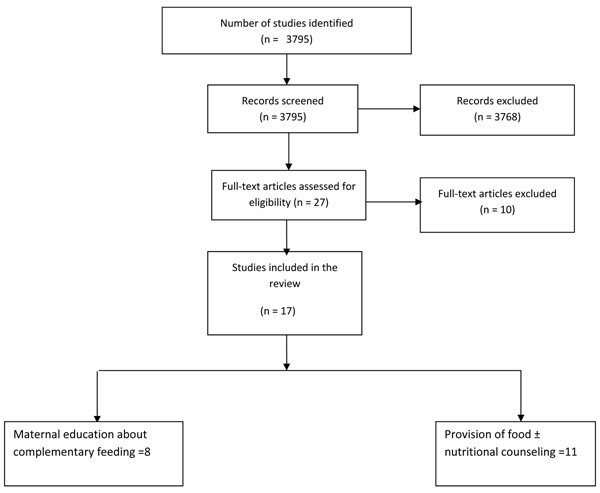
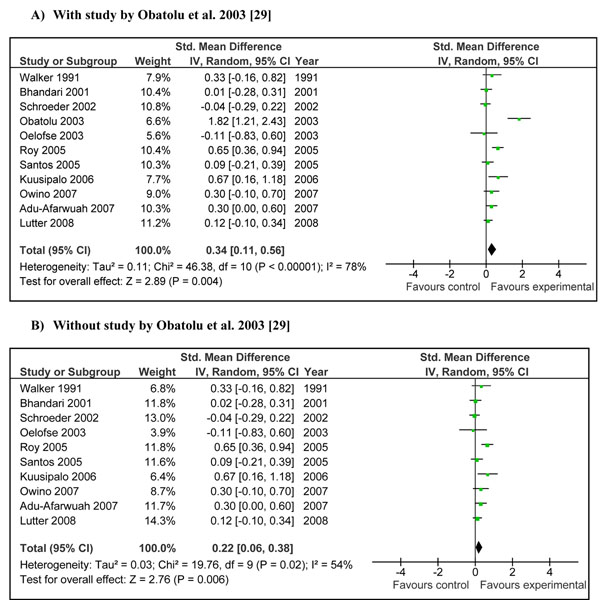
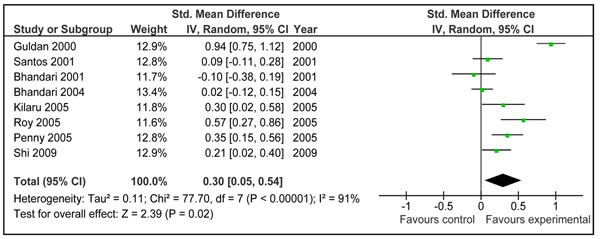
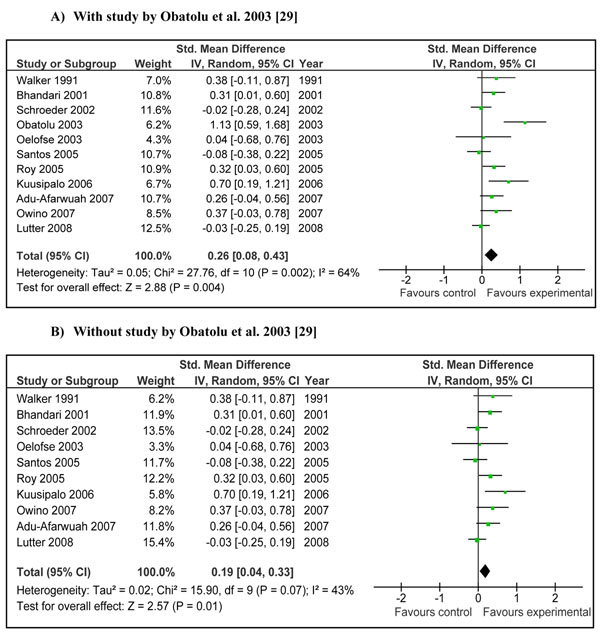
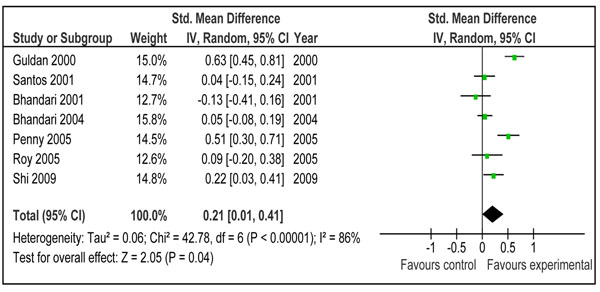
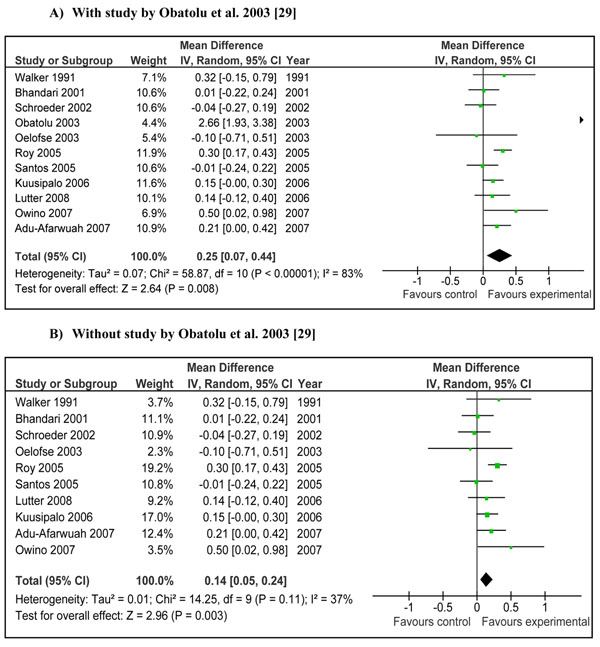
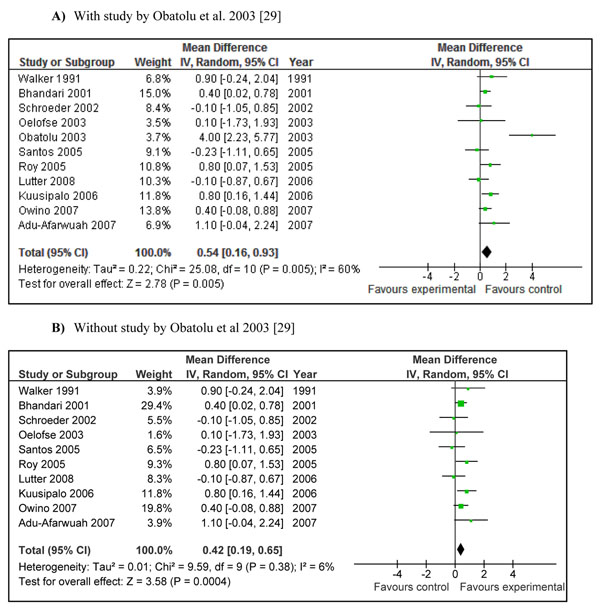
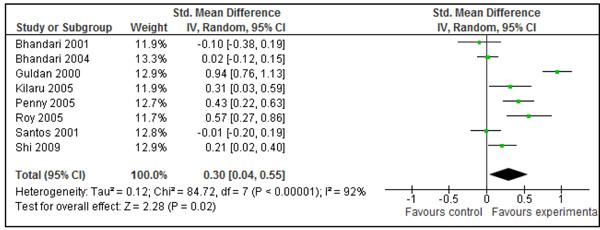
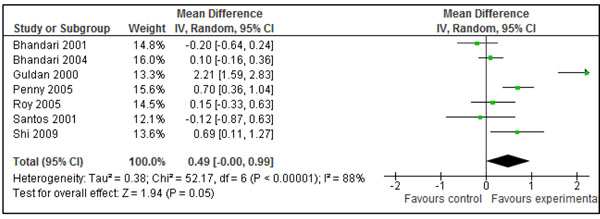
Background: Childhood undernutrition is prevalent in low and middle income countries. It is an important indirect cause of child mortality in these countries. According to an estimate, stunting (height for age Z score < -2) and wasting (weight for height Z score < -2) along with intrauterine growth restriction are responsible for about 2.1 million deaths worldwide in children < 5 years of age. This comprises 21 % of all deaths in this age group worldwide. The incidence of stunting is the highest in the first two years of life especially after six months of life when exclusive breastfeeding alone cannot fulfill the energy needs of a rapidly growing child. Complementary feeding for an infant refers to timely introduction of safe and nutritional foods in addition to breast-feeding (BF) i.e. clean and nutritionally rich additional foods introduced at about six months of infant age. Complementary feeding strategies encompass a wide variety of interventions designed to improve not only the quality and quantity of these foods but also improve the feeding behaviors. In this review, we evaluated the effectiveness of two most commonly applied strategies of complementary feeding i.e. timely provision of appropriate complementary foods (± nutritional counseling) and education to mothers about practices of complementary feeding on growth. Recommendations have been made for input to the Lives Saved Tool (LiST) model by following standardized guidelines developed by Child Health Epidemiology Reference Group (CHERG). Methods: We conducted a systematic review of published randomized and quasi-randomized trials on PubMed, Cochrane Library and WHO regional databases. The included studies were abstracted and graded according to study design, limitations, intervention details and outcome effects. The primary outcomes were change in weight and height during the study period among children 6-24 months of age. We hypothesized that provision of complementary food and education of mother about complementary food would significantly improve the nutritional status of the children in the intervention group compared to control. Meta-analyses were generated for change in weight and height by two methods. In the first instance, we pooled the results to get weighted mean difference (WMD) which helps to pool studies with different units of measurement and that of different duration. A second meta-analysis was conducted to get a pooled estimate in terms of actual increase in weight (kg) and length (cm) in relation to the intervention, for input into the LiST model. Results: After screening 3795 titles, we selected 17 studies for inclusion in the review. The included studies evaluated the impact of provision of complementary foods (±nutritional counseling) and of nutritional counseling alone. Both these interventions were found to result in a significant increase in weight [WMD 0.34 SD, 95% CI 0.11 – 0.56 and 0.30 SD, 95 % CI 0.05-0.54 respectively) and linear growth [WMD 0.26 SD, 95 % CI 0.08-0.43 and 0.21 SD, 95 % CI 0.01-0.41 respectively]. Pooled results for actual increase in weight in kilograms and length in centimeters showed that provision of appropriate complementary foods (±nutritional counseling) resulted in an extra gain of 0.25kg (±0.18) in weight and 0.54 cm (±0.38) in height in children aged 6-24 months. The overall quality grades for these estimates were that of ‘moderate’ level. These estimates have been recommended for inclusion in the Lives Saved Tool (LiST) model. Education of mother about complementary feeding led to an extra weight gain of 0.30 kg (±0.26) and a gain of 0.49 cm (±0.50) in height in the intervention group compared to control. These estimates had been recommended for inclusion in the LiST model with an overall quality grade assessment of ‘moderate’ level. Conclusion: Provision of appropriate complementary food, with or without nutritional education, and maternal nutritional counseling alone lead to significant increase in weight and height in children 6-24 months of age. These interventions can significantly reduce the risk of stunting in developing countries and are recommended for inclusion in the LiST tool.
Overview
The claims and statistics of this paper haven’t been checked yet.
Free: it reads the open-access text and checks the first 5 claims that cite a source we can check. Create a free account to check every claim.
Integrity signals
Registry
Cites
Statistics
Figures
Verification
Claims the paper makes
The claims and statistics of this paper haven’t been checked yet.
Free: it reads the open-access text and checks the first 5 claims that cite a source we can check. Create a free account to check every claim.
Claims other papers make about this one
Each is checked against this paper’s own text: does it say what the citing paper says it does?
The source backs part of the claim, not all of it — or backs it for a different population, condition or comparison.
In the citing paper
“Nutrition education on appropriate feeding and hygiene practices that target mothers of infants and young children has been reported to significantly improve knowledge, nutritional status, and minimize disease [16].”
From Effect of a Nutrition Education Intervention on Food Safety Knowledge, Attitudes and Practices of Mothers of Children under 5 Years in the Peri-Urban Areas of Bobo-Dioulasso: Before and after Study (2024) · cites this paper as [16]
Experimental — accuracy not yet measured
Self-check
Percentages, sums and reported differences re-computed from the paper’s own numbers.
The self-check needs the paper’s full text.
Citations
Cites
Statistical Power Analysis for the Behavioral Sciences
Muller, K. (1989) · Technometrics · doi:10.1080/00401706.1989.10488618 · Cited by 99,167
Statistical power analysis for the behavioral sciences
(1990) · Computers, Environment and Urban Systems · doi:10.1016/0198-9715(90)90050-4 · Cited by 65,269
Cochrane Handbook for Systematic Reviews of Interventions: Cochrane Book Series
(2008) · doi:10.1002/9780470712184 · Cited by 25,048
Grading quality of evidence and strength of recommendations
(2004) · BMJ · doi:10.1136/bmj.328.7454.1490 · Cited by 8,477 · cited 2×
“The available evidence was graded according to the Child Health Epidemiology Reference Group (CHERG) adaptation of the GRADE technique [8].”
MethodMaternal and child undernutrition: global and regional exposures and health consequences
Black, R. E., Allen, L. H., Bhutta, Z. A., Caulfield, L. E., de Onis, M., Ezzati, M., Mathers, C., & Rivera, J. (2008) · The Lancet · doi:10.1016/s0140-6736(07)61690-0 · Cited by 6,443 · cited 3×
“This comprises 21 % of all deaths in this age group worldwide [1].”
BackgroundSelf-citationMethods of Meta-Analysis: Correcting Error and Bias in Research Findings
Schmidt, F. L., & Hunter, J. E. (2015) · doi:10.4135/9781483398105 · Cited by 5,542
Methods of Meta-Analysis: Correcting Error and Bias in Research Findings.
Raudenbush, S. W., Hunter, J. E., & Schmidt, F. L. (1991) · Journal of the American Statistical Association · doi:10.2307/2289738 · Cited by 2,327
What works? Interventions for maternal and child undernutrition and survival
Bhutta, Z. A., Ahmed, T., Black, R. E., Cousens, S., Dewey, K., Giugliani, E., Haider, B. A., Kirkwood, B., Morris, S. S., Sachdev, H., et al. (2008) · The Lancet · doi:10.1016/s0140-6736(07)61693-6 · Cited by 2,258 · cited 7×
“In this way more studies were included compared to studies included in the review published in Lancet Under-nutrition Series [7].”
BackgroundResultInfluentialSelf-citationMeta-Analysis: Quantitative Methods for Research Synthesis
Rosenthal, R., & Wolf, F. M. (1987) · Contemporary Sociology · doi:10.2307/2071646 · Cited by 1,371
Dewey, K. G., & Adu‐Afarwuah, S. (2008) · Maternal & Child Nutrition · doi:10.1111/j.1740-8709.2007.00124.x · Cited by 948 · cited 7×
“These include nutritional counseling to mothers designed to promote healthy feeding practices, provision of complementary foods and supplementation with foods either fortified with multiple micronutrients or with increased energy content [3,6].”
BackgroundResultInfluential
Research works printed but not linked: 2
- WHO Report of Informal Meeting to Review and Develop Indicators for Complementary Feeding 2002 Washington, D.C.
- Guyon A Quinn V Rambeloson Z Hainsworth M Using the Essential Nutrition Actions approach to improve the nutritional practices of women and children atscale in Antananarivo and Fianarantsoa provinces of Madagascar: results and trends 2000-2005. Final Report 2006 AED, LINKAGES
Cited by
Items 101–200 of 369
Kang, Y., Suh, Y. K., Debele, L., Juon, H., & Christian, P. S. (2016) · Public Health Nutrition · doi:10.1017/s1368980016003347 · Cited by 39
“group nutrition education or individual-level counselling is effective in improving linear and ponderal growth in various low- and middle-income settings((13,14)).”
BackgroundHotz, C. S., Pelto, G. H., Armar‐Klemesu, M., Ferguson, E., Chege, P., & Musinguzi, E. (2015) · Maternal and Child Nutrition · doi:10.1111/mcn.12245 · Cited by 35
Moss, C., Bekele, T. H., Salasibew, M. M., Sturgess, J., Ayana, G., Kuche, D., Eshetu, S., Abera, A., Allen, E., & Dangour, A. D. (2018) · BMJ Open · doi:10.1136/bmjopen-2018-022028 · Cited by 39
Mahmudiono, T., Nindya, T. S., Andrias, D. R., Megatsari, H., & Rosenkranz, R. R. (2016) · BMC Public Health · doi:10.1186/s12889-016-3155-1 · Cited by 40
“based on a previous RCT in Bangladesh that explored effects of a similar three-month nutrition education intervention with complementary feeding on child’s height gain [17, 18].”
Hestuningtyas, T. R., & Noer, E. R. (2014) · Journal of Nutrition College · doi:10.14710/jnc.v3i1.4520 · Cited by 31
Feeding practices and nutritional status of infants in Morogoro Municipality, Tanzania
Safari, J., Kimambo, S. C., & Lwelamira, J. E. (2013) · Tanzania journal of health research/Tanzania Journal of Health Research · doi:10.4314/thrb.v15i3.5 · Cited by 39
“Often, milk substitutes provide too few calories andexpose the infants to the risk of infection (Imdad et al., 2011).”
BackgroundDietary Strategies for Complementary Feeding between 6 and 24 Months of Age: The Evidence
Harrison, L., Padhani, Z. A., Salam, R. A., Oh, C., Rahim, K. A., Maqsood, M., Alì, A., Charbonneau, K. D., Keats, E. C., Lassi, Z. S., et al. (2023) · Nutrients · doi:10.3390/nu15133041 · Cited by 63
“For example, previous reviews have reported that CF education in conjunction with supplementation was more effective in improving growth outcomes than education alone [62].”
ResultSelf-citationKumar, S., Pavithra, G., & Roy, G. (2019) · Indian Journal of Public Health · doi:10.4103/ijph.ijph_383_17 · Cited by 38
“A systematic review evaluated two commonly applied strategies as follows: provision of complementary feeding and health education to mothers on appropriate complementary feeding practices.[19] The study found that the provision of appropriate complementary feeding resulted in extra weight gain of 250 g in children age…”
BackgroundNyamasege, C. K., Kimani-Murage, E. W., Wanjohi, M., Kaindi, D., & Wagatsuma, Y. (2020) · Public Health Nutrition · doi:10.1017/s1368980020001962 · Cited by 53
“through the provision of maternal nutrition education interventions by trained CHW(14,36).”
BackgroundEnhancing the child survival agenda to promote, protect, and support early child development
Jensen, S. K. G., Bouhouch, R., Walson, J. L., Daelmans, B. M. E. G., Bahl, R., Darmstadt, G. L., & Dua, T. (2015) · Seminars in Perinatology · doi:10.1053/j.semperi.2015.06.002 · Cited by 37
Very Early Childhood Development
Aboud, F. E., & Yousafzai, A. K. (2016) · Disease Control Priorities, Third Edition (Volume 2): Reproductive, Maternal, Newborn, and Child Health · doi:10.1596/978-1-4648-0348-2_ch13 · Cited by 27
“…about foods to feed and number of meals, led to gains in length, with an effect size of d = 0.21, where effect size d refers to the number of standard deviations by which intervention children’s length exceeded that of control children (Dewey and Adu-Afarwuah 2008; Imdad, Yakoob, and Bhutta 2011).”
BackgroundInfluentialInformation Needs Assessment among Parents of Children with Cancer
Motlagh, M. E., Mirzaei-Alavijeh, M., & Hosseini, S. N. (2019) · Asian Pacific Journal of Cancer Prevention · doi:10.31557/apjcp.2019.20.6.1865 · Cited by 30
“This result is consistent with other studies, and several studies show a direct and significant relationship between parental education and child care (Cleland and Van Ginneken, 1988; Imdad et al., 2011; Grépin and Bharadwaj, 2015).”
ResultScarpa, G., Berrang‐Ford, L., Twesigomwe, S., Kakwangire, P., Galazoula, M., Zavaleta-Cortijo, C., Patterson, K. A., Namanya, D. B., Lwasa, S., Nowembabazi, E., et al. (2022) · PLOS Global Public Health · doi:10.1371/journal.pgph.0000144 · Cited by 40
“Studies have shown how wealth index and education level influences nutritional status [56,57]; indeed, both Batwa and Bakiga populations have extremely low education levels and income, and suffer from undernutrition and stunting, especially in children under 5 years [20].”
BackgroundMenasria, L., Blaney, S., Main, B., Vong, L., Hun, V., Raminashvili, D., Chhea, C., Chiasson, L., & Leblanc, C. P. (2018) · Nutrients · doi:10.3390/nu10101450 · Cited by 26
“According to Imdad et al. (2011), the impact of nutrition education depends on educational messages and availability of foods [42].”
BackgroundSaran, A., White, H., Albright, K., & Adona, J. (2020) · Campbell Systematic Reviews · doi:10.1002/cl2.1116 · Cited by 32
Seyyedi, N., Rahimi, B., Eslamlou, H. R. F., Afshar, H. L., Sprečo, A., & Timpka, T. (2020) · Nutrients · doi:10.3390/nu12020587 · Cited by 43
“Several studies have investigated prevention of child undernourishment through enhancement of mothers’ nutritional literacy [11,12].”
BackgroundManikam, L., Lingam, R., Lever, I., Alexander, E. C., Amadi, C., Milner, Y., Shafi, T. T., Stephenson, L., Ahmed, S., & Lakhanpaul, M. (2018) · Nutrients · doi:10.3390/nu10111676 · Cited by 26
Nutrition Interventions in the Lives Saved Tool (LiST)
Clermont, A., & Walker, N. (2017) · Journal of Nutrition · doi:10.3945/jn.116.243766 · Cited by 24
DeLorme, A. L., Gavenus, E. R., Salmen, C. R., Ouma, G. B., Mattah, B. J., Bukusi, E. A., & Fiorella, K. J. (2017) · Social Science & Medicine · doi:10.1016/j.socscimed.2017.11.023 · Cited by 32
Factors influencing the uptake of a mass media intervention to improve child feeding in Bangladesh
Kim, S. S., Roopnaraine, T., Nguyen, P. H., Saha, K. K., Bhuiyan, M. I., & Menon, P. (2018) · Maternal and Child Nutrition · doi:10.1111/mcn.12603 · Cited by 24
Krebs, N. F. (2014) · Nutrition Today · doi:10.1097/nt.0000000000000064 · Cited by 29
“Even when statistically significant increases have been achieved,(26) the effect size or absolute difference in centimeters has been small.(28) Furthermore, none of the interventions have stopped the downward”
BackgroundAyalew, C. A., & Belachew, T. (2020) · BMC Pediatrics · doi:10.1186/s12887-020-02396-z · Cited by 24
Cusquisibán-Alcantara, Y., Toledo-Garrido, C., Calizaya-Milla, Y. E., Carranza-Cubas, S. P., & Saintila, J. (2024) · Journal of Multidisciplinary Healthcare · doi:10.2147/jmdh.s440195 · Cited by 32
The crisis of poor complementary feeding in South Asia: where next?
Menon, P. (2011) · Maternal and Child Nutrition · doi:10.1111/j.1740-8709.2011.00394.x · Cited by 22
Owais, A., Schwartz, B., Kleinbaum, D. G., Suchdev, P. S., Faruque, A. S. G., Das, S. K., Rahman, S., & Stein, A. D. (2017) · Journal of Nutrition · doi:10.3945/jn.116.243956 · Cited by 33
Nsereko, E., Mukabutera, A., Iyakaremye, D., Umwungerimwiza, Y. D., Mbarushimana, V., & Nzayirambaho, M. (2018) · Pan African Medical Journal · doi:10.11604/pamj.2018.29.157.10151 · Cited by 22
“It has been postulated that prolonged breastfeeding is a response to poor growth [12], and that poor linear growth is a consequence of inadequate nutrients intake [14].”
BackgroundMohammed, S., Getinet, T., Solomon, S., & Jones, A. D. (2018) · BMC Nutrition · doi:10.1186/s40795-018-0264-5 · Cited by 28
Amusa, L. B., Yahya, W. B., & Bengesai, A. V. (2023) · PLoS ONE · doi:10.1371/journal.pone.0284270 · Cited by 31
“The role of parental education in children’s developmental outcomes is well articulated in the literature [26, 50].”
BackgroundImproving Child Survival in Sub-Saharan Africa: Key Environmental and Nutritional Interventions
Amegah, A. K. (2020) · Annals of Global Health · doi:10.5334/aogh.2908 · Cited by 24
Teshome, F., & Tadele, A. (2022) · BMC Nutrition · doi:10.1186/s40795-022-00533-8 · Cited by 22
“In developing countries, under-nutrition accounts for 45% of under-five child mortality [5].”
BackgroundMetwally, A. M., Sallam, S. F., Mawla, M. A. A., Alian, K. M., Elshaarawy, G. A., Hasanin, H. M., Kamal, A. N., Hanna, C., Shebini, S. M. E., Ahmed, N. H., et al. (2022) · BMC Pediatrics · doi:10.1186/s12887-022-03741-0 · Cited by 21
“On the contrary, Arikpo and his colleagues, 2015 [39] and Imdad and his colleagues, 2011 [63] in Pakistan, stated in their reviews that there were no effects of educational interventions on the prevalence of stunting, wasting, and underweight in children.”
BackgroundAkeredolu, I. (2014) · European Journal of Nutrition & Food Safety · doi:10.9734/ejnfs/2014/7604 · Cited by 21
“Education has an important effect on mothers’ nutrition knowledge, attitudes and on dietary intake of children [12].”
BackgroundInformation exposure and growth monitoring favour child nutrition in rural Indonesia.
Sahanggamu, P. D., Purnomosari, L., & Dillon, D. (2017) · PubMed · doi:10.6133/apjcn.012016.09 · Cited by 21
“The gap observed between followup and supervision appeared mainly to be related to a shortage of resources, similar with challenges of growth monitoring program in a low income country.(9,11,12)”
BackgroundChidziwisano, K., Tilley, E., & Morse, T. (2020) · International Journal of Environmental Research and Public Health · doi:10.3390/ijerph17124498 · Cited by 24
“Supplementing breast milk with food, commonly referred to as complementary feeding, at about six months of age [18] has been strongly linked to childhood diarrhoea, due to the foods’ unhygienic preparation [11,19–21].”
BackgroundInfluence of Feeding Practices on Malnutrition in Haitian Infants and Young Children
Irarrázaval, B., Salesa Barja, Y., Bustos-Arriagada, E., Doirsaint, R., Senethmm, G., Guzmán, M. G., & Uauy, R. D. (2018) · Nutrients · doi:10.3390/nu10030382 · Cited by 20
“3% were illiterate and their children had smaller head circumference, indicator of poorer future cognitive function [11,24].”
BackgroundFlax, V. L., Ouma, E., Izerimana, L., Schreiner, M.-A., Brower, A. O., Niyonzima, E., Nyilimana, C., Ufitinema, A., & Uwineza, A. (2021) · Global Health Science and Practice · doi:10.9745/ghsp-d-21-00082 · Cited by 20
“sufficient to change nutrition outcomes in households with poor food security.(41,42) It is also congru-”
BackgroundKetema, B., Bosha, T., & Feleke, F. W. (2022) · Journal of Nutritional Science · doi:10.1017/jns.2022.26 · Cited by 29
“Many factors can cause malnutrition, most of which are related to poor diet or severe and repeated infections, and maternal education((16)).”
BackgroundRuel, M. T. (2017) · Nestlé Nutrition Institute Workshop series · doi:10.1159/000448939 · Cited by 20
Stevano, S., Johnston, D., & Codjoe, E. A. (2020) · Cambridge Journal of Economics · doi:10.1093/cje/beaa012 · Cited by 26
Andualem, A., Edmealem, A., Tegegne, B., Tilahun, L., & Damtie, Y. (2020) · Journal of Nutrition and Metabolism · doi:10.1155/2020/6756202 · Cited by 22
“%is study finding was higher than the national prevalence (51%) [23], result from study in India (42.”
ResultInfant and child feeding practices among farming communities in Southern Ethiopia
Regassa, N. (2014) · Kontakt · doi:10.1016/j.kontakt.2014.09.002 · Cited by 19
“The incidence of stunting is the highest in the first 2 years of life especially after 6 months of life when exclusive breast feeding alone cannot fulfill the energy needs of a rapidly growing child [16].”
BackgroundInfluentialStevano, S., Johnston, D., & Codjoe, E. A. (2019) · The Journal of Development Studies · doi:10.1080/00220388.2019.1632434 · Cited by 25
“Finally, we considered food knowledge, as food and nutrition knowledge is often is a core component of nutrition interventions targeting schoolchildren or mothers (Adelman et al. 2008; Imdad et al. 2011), and defined it as an awareness of key healthy foods, such as fruit and vegetables, or basic nutrition facts, such…”
BackgroundHow Can Global Rates of Exclusive Breastfeeding for the First 6 Months Be Enhanced?
Gupta, A. K., Dadhich, J. P., & Suri, S. (2013) · ICAN Infant Child & Adolescent Nutrition · doi:10.1177/1941406413480389 · Cited by 41
“Nutrition related education and counseling for mothers coupled with complementary food has significantly affected growth in children.(47) There would be a need to provide food to “food insecure” populations to ensure good, timely, and appropriate complementary feeding after 6 months, along with continued breastfeeding.”
BackgroundNutrition Education Programs Aimed at African Mothers of Infant Children: A Systematic Review
Jardí, C., Casanova, B. D., & Arija, V. (2021) · International Journal of Environmental Research and Public Health · doi:10.3390/ijerph18147709 · Cited by 18
“(2011) [10] evaluated the growth and weight of young children in terms of whether the feeding programs had been carried out with or without instruction in complementary feeding on children less than 2 years of age for mothers from developing countries.”
BackgroundCorrelates and spatial distribution of the co-occurrence of childhood anaemia and stunting in Ghana
Christian, A. K., Agula, C., & Jayson‐Quashigah, P. (2020) · SSM - Population Health · doi:10.1016/j.ssmph.2020.100683 · Cited by 23
“Improved maternal education results in better feeding practices, better water and sanitation practices and general well-being that is protective against malnutrition (Imdad et al., 2011).”
BackgroundMiller, L. C., Neupane, S., Joshi, N., Lohani, M., Rogers, B. L., Neupane, S., Ghosh, S. A., & Webb, P. (2019) · Public Health Nutrition · doi:10.1017/s136898001900260x · Cited by 24
“…exceptions, few organizations provide household-level nutrition training in the context of multisectoral interventions framed around agriculture (15,16) and only a few studies have attempted to disaggregate the impact of various components of such programmes on child nutrition and growth (4,17) .”
BackgroundResultDas, J. K., Salam, R. A., Imdad, A., & Bhutta, Z. A. (2016) · World Bank, Washington, DC eBooks · doi:10.1596/978-1-4648-0348-2_ch12 · Cited by 20
Self-citationThe Operational Evidence Base for Delivering Direct Nutrition Interventions in India: A Desk ReviewPreprint
Avula, R., Kadiyala, S., Singh, K., & Menon, P. (2013) · SSRN Electronic Journal · doi:10.2139/ssrn.2373137 · Cited by 20
Zheng, M., Bowe, S. J., Hesketh, K. D., Bolton, K. A., Laws, R., Kremer, P. J., Ong, K. K., Lioret, S., Denney‐Wilson, E., & Campbell, K. J. (2019) · Paediatric and Perinatal Epidemiology · doi:10.1111/ppe.12541 · Cited by 17
Hijra, H., Fatimah-Muis, S., & Kartasurya, M. I. (2016) · Universa Medicina · doi:10.18051/univmed.2016.v35.146-155 · Cited by 16
“At the age of 12-24 months, the combination of breastfeeding and main dish only is inadequate to meet the energy requirements of the children for optimal growth, for which additional feeding is required such as snacks in the form of fruits or biscuits that contain adequate amounts of nutrients.((16)) Complementary fee…”
BackgroundKristo, A. S., Sikalidis, A. K., & Uzun, A. (2021) · Behavioral Sciences · doi:10.3390/bs11040042 · Cited by 23
Sawyer, W. E., Ordinioha, B., & Abuwa, P. (2013) · Annals of Medical and Health Sciences Research · doi:10.4103/2141-9248.117949 · Cited by 22
“[4,5] This means that good nourishment can only be derived from the staple foods, when they are used in complementary feeding, if they are used in greater variety, and eaten in greater frequency, as advised in the nutrition program.”
Ojha, S., Elfzzani, Z., Kwok, T. C., & Dorling, J. S. (2020) · Cochrane Database of Systematic Reviews · doi:10.1002/14651858.cd012241.pub2 · Cited by 22
“Previous systematic reviews have evaluated the impact of nutrition education and have demonstrated improvement in both weight and linear growth (Dewey 2008; Imdad 2011).”
BackgroundResultInfluentialGonzález, W., Bonvecchio, A., García‐Guerra, A., Vilar‐Compte, M., de la Vega, A. V., Quezada, L., Rosas, C., Lozada‐Tequeanes, A. L., & Hernández‐Cabrera, A. (2019) · Journal of Nutrition · doi:10.1093/jn/nxz203 · Cited by 23
“There is evidence that health workers training to strengthen nutrition counseling services during the first 1000 d can improve the dietary intake and growth of young children (23).”
Egyir, B. K., Ramsay, S. A., Bilderback, B., & Safaii, S. (2016) · Maternal and Child Health Journal · doi:10.1007/s10995-016-1994-0 · Cited by 15
“Recommended child feeding guidelines are available in Ghana [23, 24] and designed to improve the quality, and quantity of food as well as improve the feeding behaviors of caregivers [9].”
BackgroundFançony, C., Soares, Â., Lavinha, J., Barros, H., & Brito, M. (2021) · Scientific Reports · doi:10.1038/s41598-021-85006-x · Cited by 17
Gebremichael, B., Egata, G., & Assefa, N. (2017) · International Journal of Public Health Science (IJPHS) · doi:10.11591/ijphs.v6i3.9295 · Cited by 14
Child feeding practices and concerns: Thematic content analysis of Thai virtual communities
Supthanasup, A., Banwell, C. L., Kelly, M., Yiengprugsawan, V., & Davis, J. L. (2020) · Maternal and Child Nutrition · doi:10.1111/mcn.13095 · Cited by 16
Risk factors for stunted growth among children aged 6–59 months in rural Uganda
Bukusuba, J., Kaaya, A. N., & Atukwase, A. (2017) · International Journal Of Nutrition · doi:10.14302/issn.2379-7835.ijn-16-1408 · Cited by 16
“Mothers need to understand that complementary feeding should be timely (meaning that all infants should start receiving foods in addition to breastmilk from 6 months onwards), adequate (meaning that the nutritional value of the complementary foods should fulfill the needs of the rapidly growing child) and appropriate…”
Das, J. K., Salam, R. A., Saeed, M., Kazmi, F. A., & Bhutta, Z. A. (2020) · Campbell Systematic Reviews · doi:10.1002/cl2.1082 · Cited by 24
Self-citationRokhanawati, D., Salimo, H., Andayani, T. R., & Hakimi, M. (2023) · Children · doi:10.3390/children10020338 · Cited by 25
“[61] also reported that the intervention of education for mothers regarding complementary foods for breast milk and complementary foods significantly increased the body weight and linear growth of children aged 6–24 months.”
BackgroundStunting and Family Socio-Cultural Determinant Factors: A Systematic Review
Harahap, H., Syam, A., Palutturi, S., Syafar, M., Hadi, A. J., Ahmad, H., Sani, H. A., & Mallongi, A. (2024) · Pharmacognosy Journal · doi:10.5530/pj.2024.16.39 · Cited by 13
“…for mothers to pay attention to good nutritional behavior during pregnancy and after the birth of the baby, including consuming healthy and nutritious food, exclusive breastfeeding, giving babies additional food at the right time and in quantity, and hygiene practices. and good sanitation 40 .”
Chehab, R. F., Cross, T.-W., & Forman, M. R. (2020) · Advances in Nutrition · doi:10.1093/advances/nmaa146 · Cited by 18
“The systematic reviews of interventions with CF education alone (53, 55) and those of interventions with provision of food and other supplements with or without education (54, 55) revealed modest effects on height and weight gain.”
BackgroundPerils of scaling up: Effects of expanding a nutrition programme in Madagascar
Weber, A. M., Galasso, E., & Fernald, L. C. H. (2019) · Maternal and Child Nutrition · doi:10.1111/mcn.12715 · Cited by 15
Miller, L. C., Neupane, S., Joshi, N., Lohani, M., Rogers, B. L., Neupane, S., Ghosh, S. A., & Webb, P. (2019) · Public Health Nutrition · doi:10.1017/s1368980019004944 · Cited by 13
Kakwangire, P., Moss, C., Matovu, N., Atukunda, P., Westerberg, A. C., Iversen, P. O., & Muhoozi, G. K. M. (2021) · Public Health Nutrition · doi:10.1017/s136898002100077x · Cited by 18
“motion of growth and development especially in developing countries where often inappropriate child feeding results in growth faltering(21,23,24).”
BackgroundHeidkamp, R. A. (2017) · Nestlé Nutrition Institute Workshop series · doi:10.1159/000448959 · Cited by 14
Ribeli, J., & Pfister, F. (2022) · BMC Nutrition · doi:10.1186/s40795-022-00509-8 · Cited by 23
“Maternal nutrition counseling was found to contribute significantly to adequate MMF and MDD practices [57] and increases in weight and height in children 6–24 months of age in developing countries [58].”
BackgroundSarfo, J., Pawelzik, E., & Keding, G. B. (2022) · Public Health Nutrition · doi:10.1017/s1368980022000982 · Cited by 14
“Yet, food choices for these infants are limited in quality and quantity(42) compared to older children and adults.”
BackgroundVenâncio, S. I., Melo, D. S., Relvas, G. R. B., de Bortoli, M. C., de Araújo, B. C., Oliveira, C. D. F., da Silva, L. A. L. B., de Melo, R. C., Moreira, H. D. O. M., & Rodrigues, J. M. (2022) · Revista Paulista de Pediatria · doi:10.1590/1984-0462/2023/41/2021362 · Cited by 19
Nutrition Education Package Focusing on Infant and Young Child Feeding in Tanzania
Kulwa, K. B. M., Mamiro, P., & Kolsteren, P. W. (2023) · Journal of Nutrition Education and Behavior · doi:10.1016/j.jneb.2023.04.002 · Cited by 13
Behavioral Change Strategies for Improving Complementary Feeding and Breastfeeding
Osendarp, S. J. M., & ROCHE, M. L. (2016) · World review of nutrition and dietetics · doi:10.1159/000442104 · Cited by 14
Somassè, Y. E., Dramaix, M. W., Traoré, B., Ngabonziza, I., Touré, O., Konaté, M., Diallo, M., & Donnen, P. (2018) · Public Health Nutrition · doi:10.1017/s1368980017003858 · Cited by 19
“The size was computed to detect a significant mean weight difference of 0·30kg between the two groups((18)) with an SD of 1·1kg((19)) at the significance level α of 0·05 with a power of 80%.”
MethodEducation of family members to support weaning to solids and nutrition in infants born preterm
Elfzzani, Z., Kwok, T. C., Ojha, S., & Dorling, J. S. (2019) · Cochrane Database of Systematic Reviews · doi:10.1002/14651858.cd012240.pub2 · Cited by 16
“…of parents’ and caregivers’ education for weaning and provision of complementary foods on child growth in LMICs concluded that nutrition educational interventions alone are effective in improving weaning practices, and have a significant effect on growth in food-secure populations (Imdad 2011).”
BackgroundInfluentialRefrigeration and Child Growth: What Is the Connection?
Martínez, S., Murguía, J. M., Rejas, B., & Winters, S. (2019) · Maternal and Child Nutrition · doi:10.1111/mcn.13083 · Cited by 13
FAKTOR IBU DAN WAKTU PEMBERIAN MPASI BERHUBUNGAN DENGAN STATUS GIZI BALITA DI KABUPATEN KUPANG
Zogara, A. U., Loaloka, M. S., & Pantaleon, M. G. (2021) · Journal of Nutrition College · doi:10.14710/jnc.v10i1.30246 · Cited by 24
Soofi, S. B., Khan, G. N., Ariff, S., Rizvi, A., Hussainyar, M. A., Garzón, C. Á., Ahimbisibwe, M., Sadeed, R., & Reshad, A. (2021) · Methods and Protocols · doi:10.3390/mps4030055 · Cited by 11
Henry, C. J., Whiting, S. J., & Regassa, N. (2015) · Journal of Agricultural Science · doi:10.5539/jas.v7n10p29 · Cited by 11
“This suggests that following 6 months of exclusive breast feeding, infants need to be given adequate complementary food, which is the timely introduction of safe and nutritional foods in addition to breast feeding (Gibson et al., 2009; Imdad et al., 2011).”
BackgroundMostafavi, F., Shams, N., & Hassanzadeh, A. (2016) · Journal of Education and Health Promotion · doi:10.4103/2277-9531.184565 · Cited by 11
“foods should be of a nutritional value that can satisfy the growth needs of the child; Appropriate: The foods selected for complementary foods must have variety, be of appropriate texture and in sufficient quantity.[2] Inappropriate complementary feeding practices cause to some problems such as stunting, delay in the…”
BackgroundCosta, C. S., Campagnolo, P. D. B., Lumey, L. H., & Vítolo, M. R. (2017) · British Journal Of Nutrition · doi:10.1017/s0007114516004578 · Cited by 13
Sunguya, B. F., Mlunde, L. B., Urassa, D. P., Poudel, K. C., Ubuguyu, O., Mkopi, N. P., Leyna, G. H., Kessy, A. T., Nanishi, K., Shibanuma, A., et al. (2017) · BMC Pediatrics · doi:10.1186/s12887-017-0840-x · Cited by 12
“Thus, nutrition counseling by trained health workers has the potential to improve the growth [14] and livelihood of children in the general population [15].”
BackgroundEvaluation of a social network intervention on child feeding practices and caregiver knowledge
Fiorella, K. J., Gavenus, E. R., Milner, E. M., Moore, M., Wilson-Anumudu, F. J., Adhiambo, F., Mattah, B. J., Bukusi, E. A., & Fernald, L. C. H. (2019) · Maternal and Child Nutrition · doi:10.1111/mcn.12782 · Cited by 13
Sánchez-Encalada, S., Talavera-Torres, M. M., & Wong‐Chew, R. M. (2019) · Global Pediatric Health · doi:10.1177/2333794x19884827 · Cited by 13
“They suggested that malnourished children cannot receive the same nutrition intervention as healthy children can;(11) that the educational intervention should be appropriate to the initial nutritional status of the child,(12) according to the geographical region and local resources,(12) as well as the improvement is d…”
BackgroundMethodNguyen, P. H., Young, M. F., Long, K. Q., Tran, L. M., Duong, T. H., Nguyen, H. C., Martorell, R., & Ramakrishnan, U. (2021) · Journal of Nutrition · doi:10.1093/jn/nxab004 · Cited by 16
“The more pronounced results after 6 mo suggest that we need to continue to pay attention to the adequacy of feeding practices and the environment during early childhood (47, 48).”
BackgroundComplementary feeding of infants in their first year of life: focus on the main pureed baby foods.
de Souza, F. I. S., Caetano, M. C., Ortiz, T. T., da Silva, S. G. L., & Sarni, R. O. S. (2014) · PubMed · Cited by 11
Hashmi, A., Carrara, V. I., Nyein, P. B., Darakamon, M. C., Charunwatthana, P., & McGready, R. M. (2019) · Global Health Action · doi:10.1080/16549716.2018.1560115 · Cited by 16
Ghosh, S. A., Strutt, N. R., Otoo, G. E., Suri, D. J., Ankrah, J., Johnson, T., Nsiah, P., Furuta, C., Murakami, H., Perera, G., et al. (2019) · Journal of Nutritional Science · doi:10.1017/jns.2019.18 · Cited by 13
Wu, H., Lĭ, H., Zhang, Y., Zong, X., Zhu, Z., & Yu, Y. (2018) · Acta Paediatrica · doi:10.1111/apa.14302 · Cited by 11
“backgrounds of parents can indirectly influence their feeding behaviour (14,15), we then explored and compared the children’s feeding practices by urban and suburban areas.”
BackgroundTabrizi, J. S., Asghari, A., Pourali, F., Kousha, H., & Nikniaz, L. (2018) · Maternal and Child Health Journal · doi:10.1007/s10995-018-2648-1 · Cited by 20
Rafieyan-Kopaei, Z., Dastgerdi, Z. F., Tarrahi, M. J., & Zamani‐Alavijeh, F. (2019) · The Italian Journal of Pediatrics/Italian journal of pediatrics · doi:10.1186/s13052-019-0749-0 · Cited by 10
Aizawa, T. (2021) · Economics & Human Biology · doi:10.1016/j.ehb.2021.101058 · Cited by 10
Nandagire, W. H., Atuhaire, C., Egeineh, A. T., Nkfusai, C. N., Tsoka-Gwegweni, J. M., & Cumber, S. N. (2019) · Pan African Medical Journal · doi:10.11604/pamj.2019.34.47.16940 · Cited by 10
Abebe, Z., Tariku, A., Bikes, G. A., Wassie, M. M., Gonete, K. A., Awoke, T., Gebeye, E., Atenafu, A., Yesuf, M. E., Kebede, Y., et al. (2019) · The Italian Journal of Pediatrics/Italian journal of pediatrics · doi:10.1186/s13052-019-0747-2 · Cited by 10
“ANC and PNC follow up may supported with complementary feeding education, and this may encourage mothers to retain the existing beneficial food habits and add other foods which may help to meet their children nutritional needs, healthy feeding practices, offering of energy dense and adequate amount of complementary fo…”
BackgroundDowns, S., Gueye, D., Sall, M., Ndoye, B., Sarr, N. N., Sarr, M., Mboup, S., Alam, N. A., Diouf, A., Merchant, E. V., et al. (2023) · Frontiers in Public Health · doi:10.3389/fpubh.2023.1258963 · Cited by 12
The Responsive Feeding Behavior and Stunting Incident on Toddlers
Latifah, U., Prastiwi, R. S., & Baroroh, U. (2020) · JURNAL KEBIDANAN · doi:10.31983/jkb.v10i2.6286 · Cited by 9
Grant, F. K., Ackatia-Armah, R. S., Okuku, H. S., & Kakuhenzire, R. (2022) · Frontiers in Public Health · doi:10.3389/fpubh.2022.736666 · Cited by 9
INTERVENTION OF STUNTING AGED 0-59 MONTHS REVIEWING FROM NUTRITION
Nuraini, I., Iswati, R. S., & Aisyah, A. (2022) · Journal of Pharmaceutical Negative Results · doi:10.47750/pnr.2022.13.04.094 · Cited by 9
Sato, Y., Khamphithoun, S., Saiyachak, K., Ando, H., Ishizuka, T., Saeki, S., & Miyoshi, M. (2024) · Tropical Medicine and Health · doi:10.1186/s41182-023-00571-3 · Cited by 19
de Oliveira, M. M., & Camelo, J. S. (2017) · International Breastfeeding Journal · doi:10.1186/s13006-017-0132-y · Cited by 17
Cândido, N. A., de Sousa, T. M., & dos Santos, L. C. (2018) · Public Health Nutrition · doi:10.1017/s1368980018001015 · Cited by 17
“In this regard, food and nutrition education (FNE) is an interesting strategy to improve feeding practices in the first years of life, as it has shown a significant effect on the growth of children up to 24 months((7,8)).”
Background
Metadata
- Authors
- Imdad, A., Yakoob, M. Y., & Bhutta, Z. A.
- Affiliations
- Aga Khan University (PK)
- Corresponding author
- Bhutta, Zulfiqar A
- Venue
- BMC Public Health
- Published
- 2011-04-13
- Volume
- 11
- Issue
- S3
- Pages
- S25-S25
- ISSN
- 1471-2458 (ISSN-L)
- PMC
- PMC3231899
- OpenAlex
- W2170491934
- Cited by
- 370
- References
- 45
- Citations by year
- 2026: 4 · 2025: 9 · 2024: 17 · 2023: 18 · 2022: 27 · 2021: 24 · 2020: 31 · 2019: 42 · 2018: 34 · 2017: 45 · 2016: 33 · 2015: 21 · 2014: 26 · 2013: 20 · 2012: 16
- FWCI
- 19.19
- Type
- journal article
- Language
- en
- Open access
- gold
- doi.org
- Licence
- cc-by
- Locations
- BMC Public Health (publishedVersion, cc-by)
- Europe PMC (PubMed Central) (publishedVersion, cc-by)
- PubMed Central (publishedVersion, cc-by)
- PubMed (publishedVersion)
- eCommons - AKU (Aga Khan University) (submittedVersion)
- DOAJ (DOAJ: Directory of Open Access Journals) (submittedVersion, cc-by-sa)
- Funders
- Bill and Melinda Gates Foundation
- UNICEF
- Topics
- Health Sciences › Nursing › Nutrition and Dietetics › Child Nutrition and Water Access
- Health Sciences › Medicine › Epidemiology › Breastfeeding Practices and Influences
- Health Sciences › Medicine › Pediatrics, Perinatology and Child Health › Global Maternal and Child Health
- Keywords
- complementary feeding, maternal education, child growth, child undernutrition, stunting, wasting, infant and young child nutrition, nutrition counseling, child mortality, low- and middle-income countries, 6-month-old infants
- MeSH terms
- Body Height, Body Weight, Developing Countries, Humans, Infant, Infant Nutritional Physiological Phenomena, Health Knowledge, Attitudes, Practice, Mothers, Randomized Controlled Trials as Topic, Directive Counseling
About these checks
Registry, retraction, Cites and statistics results are computed, not judged, with one exception: a printed reference that no index lists is read once by a model before it counts as a citation error. Claims are extracted by a model and kept only when their quote appears verbatim in the text; each cited source is then checked, with a model’s help, for whether it says what the claim relies on. Those verdicts can be wrong — read the claim’s quote and the cited source before relying on one.
Statistics and arithmetic are recomputed, not judged.
Confidence bands are shown only for fields calibrated on our annotated test set. None is calibrated yet, so no band is shown.
What counts as a claim ›How we measure confidence ›How we check this ›
Are you an author, or do you see a problem with this page? Request a review
Data sources
Bibliographic data: Semantic Scholar, OpenAlex, Crossref.
Contains information from the Semantic Scholar Academic Graph Datasets, made available under the ODC Attribution License (ODC-BY 1.0).
Semantic Scholar’s data is described in: Kinney, R., et al. (2023). The Semantic Scholar Open Data Platform. arXiv:2301.10140.
