

Impact of maternal education about complementary feeding and provision of complementary foods on child growth in developing countries
Open accessThe DOI matches its Crossref record; 44 of the 45 references it cites were found in a registry or an index.
Abstract
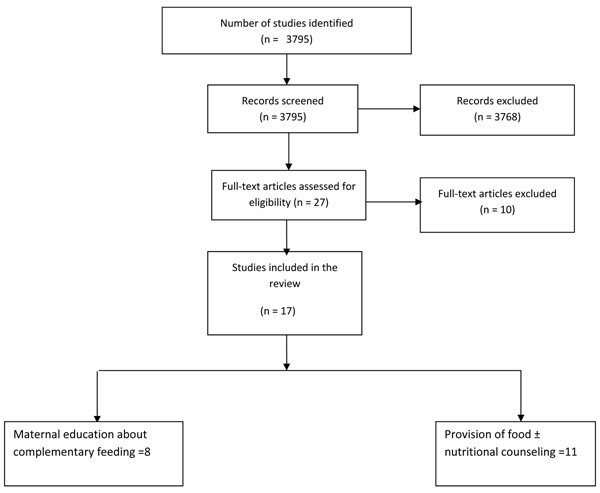
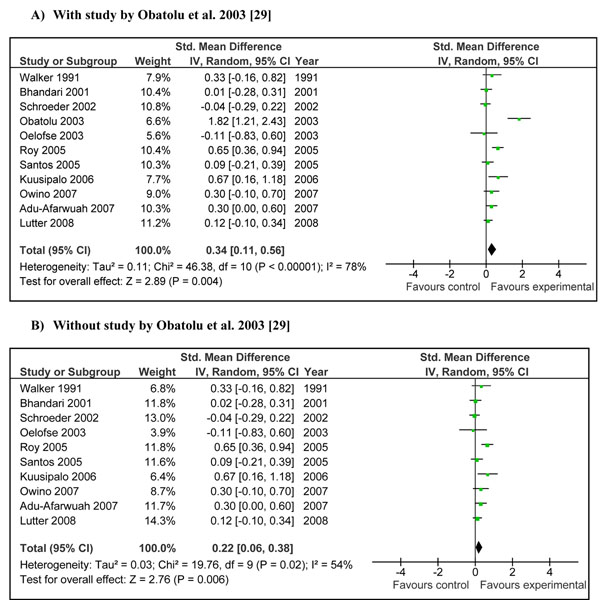
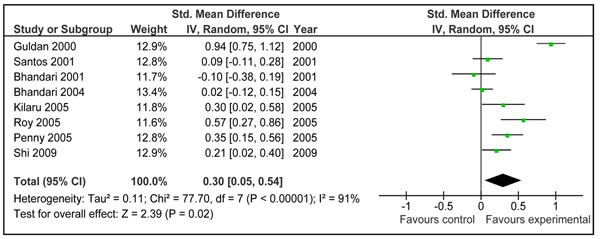
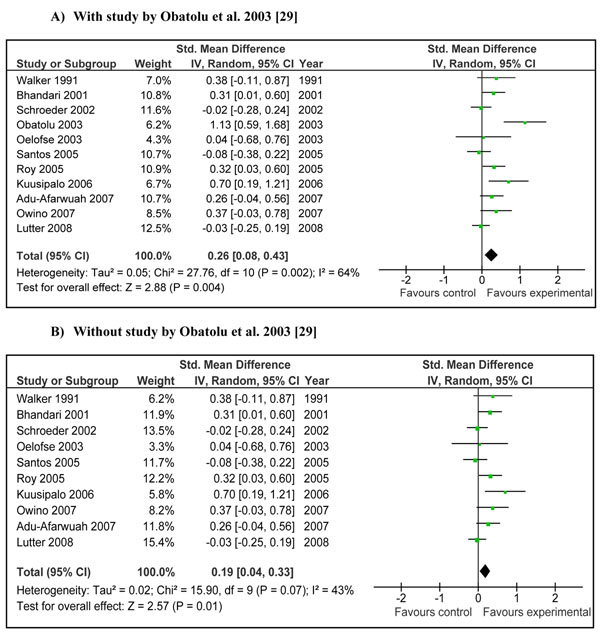
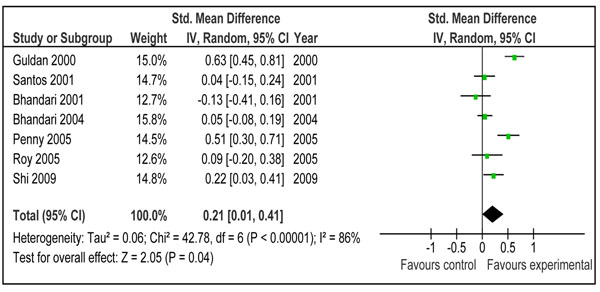
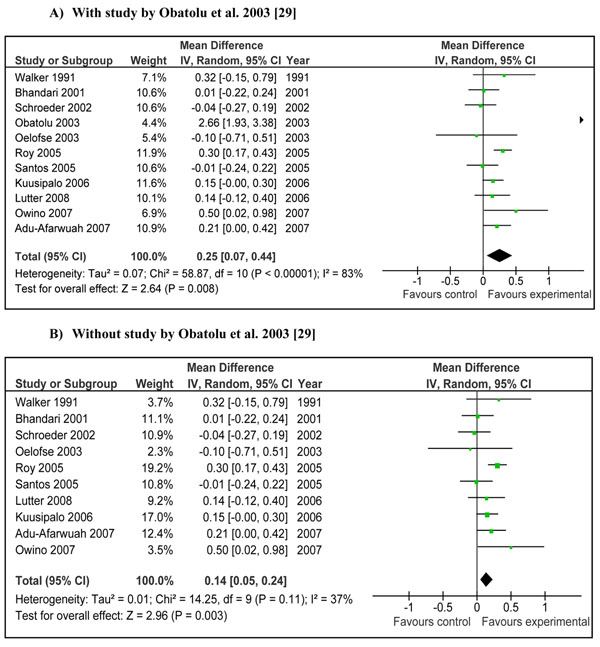
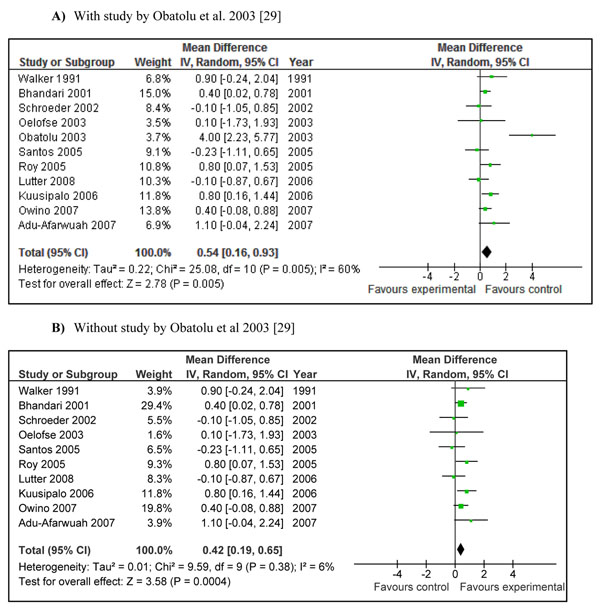
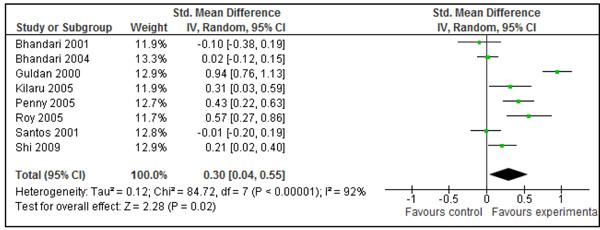
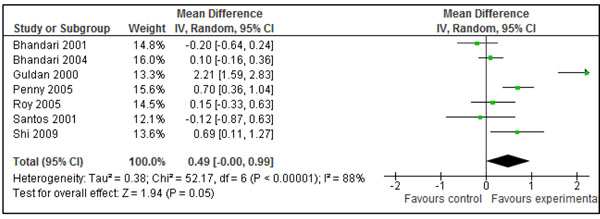
Background: Childhood undernutrition is prevalent in low and middle income countries. It is an important indirect cause of child mortality in these countries. According to an estimate, stunting (height for age Z score < -2) and wasting (weight for height Z score < -2) along with intrauterine growth restriction are responsible for about 2.1 million deaths worldwide in children < 5 years of age. This comprises 21 % of all deaths in this age group worldwide. The incidence of stunting is the highest in the first two years of life especially after six months of life when exclusive breastfeeding alone cannot fulfill the energy needs of a rapidly growing child. Complementary feeding for an infant refers to timely introduction of safe and nutritional foods in addition to breast-feeding (BF) i.e. clean and nutritionally rich additional foods introduced at about six months of infant age. Complementary feeding strategies encompass a wide variety of interventions designed to improve not only the quality and quantity of these foods but also improve the feeding behaviors. In this review, we evaluated the effectiveness of two most commonly applied strategies of complementary feeding i.e. timely provision of appropriate complementary foods (± nutritional counseling) and education to mothers about practices of complementary feeding on growth. Recommendations have been made for input to the Lives Saved Tool (LiST) model by following standardized guidelines developed by Child Health Epidemiology Reference Group (CHERG). Methods: We conducted a systematic review of published randomized and quasi-randomized trials on PubMed, Cochrane Library and WHO regional databases. The included studies were abstracted and graded according to study design, limitations, intervention details and outcome effects. The primary outcomes were change in weight and height during the study period among children 6-24 months of age. We hypothesized that provision of complementary food and education of mother about complementary food would significantly improve the nutritional status of the children in the intervention group compared to control. Meta-analyses were generated for change in weight and height by two methods. In the first instance, we pooled the results to get weighted mean difference (WMD) which helps to pool studies with different units of measurement and that of different duration. A second meta-analysis was conducted to get a pooled estimate in terms of actual increase in weight (kg) and length (cm) in relation to the intervention, for input into the LiST model. Results: After screening 3795 titles, we selected 17 studies for inclusion in the review. The included studies evaluated the impact of provision of complementary foods (±nutritional counseling) and of nutritional counseling alone. Both these interventions were found to result in a significant increase in weight [WMD 0.34 SD, 95% CI 0.11 – 0.56 and 0.30 SD, 95 % CI 0.05-0.54 respectively) and linear growth [WMD 0.26 SD, 95 % CI 0.08-0.43 and 0.21 SD, 95 % CI 0.01-0.41 respectively]. Pooled results for actual increase in weight in kilograms and length in centimeters showed that provision of appropriate complementary foods (±nutritional counseling) resulted in an extra gain of 0.25kg (±0.18) in weight and 0.54 cm (±0.38) in height in children aged 6-24 months. The overall quality grades for these estimates were that of ‘moderate’ level. These estimates have been recommended for inclusion in the Lives Saved Tool (LiST) model. Education of mother about complementary feeding led to an extra weight gain of 0.30 kg (±0.26) and a gain of 0.49 cm (±0.50) in height in the intervention group compared to control. These estimates had been recommended for inclusion in the LiST model with an overall quality grade assessment of ‘moderate’ level. Conclusion: Provision of appropriate complementary food, with or without nutritional education, and maternal nutritional counseling alone lead to significant increase in weight and height in children 6-24 months of age. These interventions can significantly reduce the risk of stunting in developing countries and are recommended for inclusion in the LiST tool.
Overview
The claims and statistics of this paper haven’t been checked yet.
Free: it reads the open-access text and checks the first 5 claims that cite a source we can check. Create a free account to check every claim.
Integrity signals
Registry
Cites
Statistics
Figures
Verification
Claims the paper makes
The claims and statistics of this paper haven’t been checked yet.
Free: it reads the open-access text and checks the first 5 claims that cite a source we can check. Create a free account to check every claim.
Claims other papers make about this one
Each is checked against this paper’s own text: does it say what the citing paper says it does?
The source backs part of the claim, not all of it — or backs it for a different population, condition or comparison.
In the citing paper
“Nutrition education on appropriate feeding and hygiene practices that target mothers of infants and young children has been reported to significantly improve knowledge, nutritional status, and minimize disease [16].”
From Effect of a Nutrition Education Intervention on Food Safety Knowledge, Attitudes and Practices of Mothers of Children under 5 Years in the Peri-Urban Areas of Bobo-Dioulasso: Before and after Study (2024) · cites this paper as [16]
Experimental — accuracy not yet measured
Self-check
Percentages, sums and reported differences re-computed from the paper’s own numbers.
The self-check needs the paper’s full text.
Citations
Cites
Statistical Power Analysis for the Behavioral Sciences
Muller, K. (1989) · Technometrics · doi:10.1080/00401706.1989.10488618 · Cited by 99,167
Statistical power analysis for the behavioral sciences
(1990) · Computers, Environment and Urban Systems · doi:10.1016/0198-9715(90)90050-4 · Cited by 65,269
Cochrane Handbook for Systematic Reviews of Interventions: Cochrane Book Series
(2008) · doi:10.1002/9780470712184 · Cited by 25,048
Grading quality of evidence and strength of recommendations
(2004) · BMJ · doi:10.1136/bmj.328.7454.1490 · Cited by 8,477 · cited 2×
“The available evidence was graded according to the Child Health Epidemiology Reference Group (CHERG) adaptation of the GRADE technique [8].”
MethodMaternal and child undernutrition: global and regional exposures and health consequences
Black, R. E., Allen, L. H., Bhutta, Z. A., Caulfield, L. E., de Onis, M., Ezzati, M., Mathers, C., & Rivera, J. (2008) · The Lancet · doi:10.1016/s0140-6736(07)61690-0 · Cited by 6,443 · cited 3×
“This comprises 21 % of all deaths in this age group worldwide [1].”
BackgroundSelf-citationMethods of Meta-Analysis: Correcting Error and Bias in Research Findings
Schmidt, F. L., & Hunter, J. E. (2015) · doi:10.4135/9781483398105 · Cited by 5,542
Methods of Meta-Analysis: Correcting Error and Bias in Research Findings.
Raudenbush, S. W., Hunter, J. E., & Schmidt, F. L. (1991) · Journal of the American Statistical Association · doi:10.2307/2289738 · Cited by 2,327
What works? Interventions for maternal and child undernutrition and survival
Bhutta, Z. A., Ahmed, T., Black, R. E., Cousens, S., Dewey, K., Giugliani, E., Haider, B. A., Kirkwood, B., Morris, S. S., Sachdev, H., et al. (2008) · The Lancet · doi:10.1016/s0140-6736(07)61693-6 · Cited by 2,258 · cited 7×
“In this way more studies were included compared to studies included in the review published in Lancet Under-nutrition Series [7].”
BackgroundResultInfluentialSelf-citationMeta-Analysis: Quantitative Methods for Research Synthesis
Rosenthal, R., & Wolf, F. M. (1987) · Contemporary Sociology · doi:10.2307/2071646 · Cited by 1,371
Dewey, K. G., & Adu‐Afarwuah, S. (2008) · Maternal & Child Nutrition · doi:10.1111/j.1740-8709.2007.00124.x · Cited by 948 · cited 7×
“These include nutritional counseling to mothers designed to promote healthy feeding practices, provision of complementary foods and supplementation with foods either fortified with multiple micronutrients or with increased energy content [3,6].”
BackgroundResultInfluential
Research works printed but not linked: 2
- WHO Report of Informal Meeting to Review and Develop Indicators for Complementary Feeding 2002 Washington, D.C.
- Guyon A Quinn V Rambeloson Z Hainsworth M Using the Essential Nutrition Actions approach to improve the nutritional practices of women and children atscale in Antananarivo and Fianarantsoa provinces of Madagascar: results and trends 2000-2005. Final Report 2006 AED, LINKAGES
Cited by
Items 201–300 of 369
Infant and Young Feeding Practices in India: Current Status and Progress Towards SDG Targets
Gupta, A. K., & Thakur, N. (2018) · Revista de Fomento Social · doi:10.16943/ptinsa/2018/49440 · Cited by 9
“Counselling mothers enabling them to give appropriate and adequate complementary food has significantly improved growth in children (Imdad et al., 2011).”
BackgroundWu, H., Zhang, Y.-Q., Zong, X., & Lĭ, H. (2018) · World Journal of Pediatrics · doi:10.1007/s12519-018-0214-y · Cited by 9
Kajjura, R., Veldman, F. J., & Kassier, S. (2019) · Journal of Human Nutrition and Dietetics · doi:10.1111/jhn.12643 · Cited by 15
“Complementary feeding practices The percentages of mothers adhering to appropriate complementary feeding practices in terms of MDD, MMF and MAD are provided in Table 3.”
BackgroundInfluentialLanglois, B. K., Cliffer, I. R., Nikiema, L. O., Suri, D. J., Garanet, F., Shen, Y., Zeba, A. N., Walton, S. M., Lanou, H., Webb, P., et al. (2020) · Current Developments in Nutrition · doi:10.1093/cdn/nzaa002 · Cited by 11
“Hates 1 (0) 2 (0) 2 (1) 3 (1) 8 (0) Does not like 17 (4) 23 (6) 36 (10) 11 (3) 87 (5) Neutral 14 (3) 6 (1) 14 (4) 11 (3) 45 (3) Likes 209 (49) 176 (42) 126 (34) 189 (45) 700 (43) Loves a lot 187 (44) 209 (50) 198 (53) 203 (49) 797 (49) Observed, n 50 55 51 53 209 Ration present on all 4 d2 46 (92) 27 (49) 25 (49) 28 (…”
BackgroundFreire, W. B., Waters, W. F., Román, D., Belmont, P., Salamea, E. W., Diaz, A., Palacios, I., & Bucheli, E. (2020) · International Breastfeeding Journal · doi:10.1186/s13006-020-00321-9 · Cited by 11
Maryati, S., Yunitasari, P., & Punjastuti, B. (2022) · Open Access Macedonian Journal of Medical Sciences · doi:10.3889/oamjms.2022.7944 · Cited by 24
Jackson, B. D., Walker, N., & Heidkamp, R. A. (2017) · Journal of Nutrition · doi:10.3945/jn.116.243808 · Cited by 9
Nurwulansari, F., Sunjaya, D. K., & Gurnida, D. A. (2018) · Gizi Indonesia · doi:10.36457/gizindo.v41i2.286 · Cited by 9
Kondisi Sosial Ekonomi Rumah Tangga dan Masalah Stunting Balita di Indonesia
Umar, U., & Haryanto, T. (2019) · Media Trend · doi:10.21107/mediatrend.v14i1.4736 · Cited by 17
Galasso, E., & Wagstaff, A. R. (2018) · World Bank, Washington, DC eBooks · doi:10.1596/1813-9450-8536 · Cited by 23
The Effect of Weaning Practices on the Nutritional and Health Status of Saudi Preschool Children
Suliman, O., Alsharif, W. M., Alsaedi, E. A., Alhazmi, L. S., Reshwan, L. M., Alharbi, N. N., Munir, F., & Surrati, A. M. Q. (2023) · Cureus · doi:10.7759/cureus.47273 · Cited by 10
“They include providing complementary foods, nutritional advice to moms to encourage healthy feeding habits, and supplementing with foods enriched with numerous micronutrients or more energy [11].”
BackgroundPrimary Health Care Intervention Reduces Added Sugars Consumption During Childhood
Baratto, P. S., Valmórbida, J. L., Leffa, P. D. S., Sangalli, C. N., Feldens, C. A., & Vítolo, M. R. (2021) · Journal of Nutrition Education and Behavior · doi:10.1016/j.jneb.2021.07.007 · Cited by 10
Feeding practices of pre‐school children and associated factors in Kathmandu, Nepal
Shrestha, L., Parmar, A., Kulig, B., Hensel, O., & Sturm, B. (2019) · Journal of Human Nutrition and Dietetics · doi:10.1111/jhn.12715 · Cited by 8
Khan, G. N., Ariff, S., Kureishy, S., Sajid, M., Rizvi, A., Garzón, C. Á., Jenkins, M., de Pee, S., Soofi, S. B., & Bhutta, Z. A. (2020) · European Journal of Nutrition · doi:10.1007/s00394-020-02276-3 · Cited by 14
“We aimed to assess the effectiveness of provision of WSBP to women during pregnancy on weight gain, birth outcome (reduction of LBW), and improvement in nutritional status (i.e., stunting, wasting, underweight, and anemia) of their infants at 6 months of age.”
BackgroundInfluentialSelf-citationKatore, F. H., Gurara, A. M., & Beyen, T. K. (2021) · Integrated Blood Pressure Control · doi:10.2147/ibpc.s336651 · Cited by 9
Wirawan, N. N., Fahmida, U., Purwestri, R. C., Timan, I. S., & Hegar, B. (2022) · Foods · doi:10.3390/foods12010064 · Cited by 8
“62 [10,11] and the most efficacious intervention increase growth by ±0.”
BackgroundFançony, C., Soares, Â., Lavinha, J., Barros, H., & Brito, M. (2019) · International Journal of Environmental Research and Public Health · doi:10.3390/ijerph16030466 · Cited by 12
Modugu, H. R., Khanna, R., Dash, A., Manikam, L., Parikh, P., Benton, L., Sharma, S., Santwani, N., Roy, S., Chaturvedi, H., et al. (2022) · BMC Nutrition · doi:10.1186/s40795-021-00491-7 · Cited by 8
“In addition to disease prevention strategies, complementary-feeding interventions are most effective in reducing malnutrition and promoting the growth and development of children [8].”
BackgroundComplementary Local Foods for Infants in Developing Countries
Uvere, P. O., & Ene‐Obong, H. N. (2012) · Humana Press eBooks · doi:10.1007/978-1-62703-224-7_6 · Cited by 10
Indian fathers’ perceptions of young childcare and feeding – A qualitative study
Rathi, N., Kansal, S., & Worsley, A. (2024) · Appetite · doi:10.1016/j.appet.2024.107404 · Cited by 10
Assessing the Impact of Nutritional Education on Gender Roles and Child Care in Northern Malawi
Chilanga, E. (2013) · Scholarship@Western (Western University) · Cited by 11
Hidrobo, M., Hoddinott, J. F., Margolies, A., Moreira, V., & Peterman, A. (2012) · Cited by 7
Anemia in preschool children from Angola: a review of the evidence
Fançony, C., Lavinha, J., Brito, M., & Barros, H. (2020) · Porto Biomedical Journal · doi:10.1097/j.pbj.0000000000000060 · Cited by 11
Local Snacks and Virtual Nutrition Counseling Services Increasing Growth of Stunting Children
Nadimin, N., Dewi, K. B. T., Salam, A., & Adam, A. (2021) · Open Access Macedonian Journal of Medical Sciences · doi:10.3889/oamjms.2021.5875 · Cited by 14
“49 cm range of height between intervention and control [16].”
BackgroundContextual determinants of infant and child mortality in Nigeria
Adedini, S. A. (2014) · University of the Witwatersrand, Johannesburg Institutional Repository on DSpace (University of the Witwatersrand, Johannesburg) · Cited by 17
Sadeghi, M., Langarizadeh, M., Olang, B., Seddighi, H., & Sheikhtaheri, A. (2021) · BMJ Paediatrics Open · doi:10.1136/bmjpo-2021-001164 · Cited by 6
Markos, M., Samuel, B., & Roba, A. C. (2024) · Journal of Health Population and Nutrition · doi:10.1186/s41043-024-00581-9 · Cited by 10
Effect of nutrition improvement program implementation on stunting in children under two years old
Handayani, Y., & Makful, M. R. (2019) · Berita Kedokteran Masyarakat · doi:10.22146/bkm.42023 · Cited by 6
“Additional food provided by mothers who received nutrition education resulted in an increase in height of 0,49 cm in children aged 6 months to 2 years (15).”
BackgroundAn Uphill Task for POSHAN Abhiyan: Examining the Missing Link of ‘Convergence’
For the PANChSHEEEL Project Team, Dasgupta, R., Roy, S., & Lakhanpaul, M. (2020) · Indian Pediatrics · doi:10.1007/s13312-020-1722-0 · Cited by 6
Anton, S. S., Bukhari, A., Juliaty, A., Erika, K. A., & Syarif, I. (2021) · Open Access Macedonian Journal of Medical Sciences · doi:10.3889/oamjms.2021.7632 · Cited by 11
“Provision of Supplementary Food (PMT) is intended to help meet the needs of malnourished toddlers, which can be sourced from local food ingredients [5], [6], [7].”
BackgroundResponsive feeding education for parents with stunting babies aged 12-36 months
Desiyanti, I. W., & Agustina, R. (2022) · Journal of Health Technology Assessment in Midwifery · doi:10.31101/jhtam.2446 · Cited by 12
Alimentação complementar em crianças no segundo ano de vida
Alves, C. R. L., dos Santos, L. C., Goulart, L. M. H. F., & Castro, P. R. (2012) · Revista Paulista de Pediatria · doi:10.1590/s0103-05822012000400007 · Cited by 6
Blended training for frontline health functionaries: Is this the way ahead?
Mahapatra, S., Chakravarty, N., Nallala, S., Chaudhury, P., Sultana, F., & Bhattacharjee, S. (2016) · International Journal of Preventive Medicine · doi:10.4103/2008-7802.176002 · Cited by 6
“In order to create a comprehensive approach in the trainings, a blend of instructor led CBTs as well as e‑learning could be fruitful, [27] which can use the benefits of both e‑learning and traditional learning in classrooms thereby bridging the gap between the two approaches.”
Educational interventions for improving complementary feeding practices
Arikpo, D., Edet, E. S., Chibuzor, M. T., Odey, F. A., & Caldwell, D. M. (2015) · Cochrane Database of Systematic Reviews · doi:10.1002/14651858.cd011768 · Cited by 6
Magnin, M., Jeannot, E., Voahangy, R., & Stoll, B. (2018) · Acta Paediatrica · doi:10.1111/apa.14267 · Cited by 5
“(27) noted, a welladapted nutritional supplement leads to weight gain and this provides the mothers with a motivational role.”
BackgroundPersonalized Nutrition for Women, Infants, and Children
Kimani-Murage, E. W., Nyamasege, C. K., Mutoni, S., Macharia, T. N., Wanjohi, M., Kamande, E. W., Mwaniki, E., Muriuki, P. G., Wekesah, F. M., Wainaina, C., et al. (2019) · Elsevier eBooks · doi:10.1016/b978-0-12-816403-7.00008-8 · Cited by 10
Tripoli, F. M., Accomando, S., Placa, S. L., Pietravalle, A., Putoto, G., Corsello, G., & Giuffrè, M. (2021) · The Italian Journal of Pediatrics/Italian journal of pediatrics · doi:10.1186/s13052-021-01140-2 · Cited by 9
Low serum zinc and short stature in children
Mardewi, K. W., Sidiartha, I. G. L., & Gunawijaya, E. (2016) · Paediatrica Indonesiana · doi:10.14238/pi56.3.2016.171-5 · Cited by 5
Mihretie, Y. (2017) · Archive of Food and Nutritional Science · doi:10.29328/journal.afns.1001008 · Cited by 6
Yunarsih, Y., & Rahmawati, E. Q. (2017) · Jurnal Ilmu Kesehatan · doi:10.32831/jik.v2i1.32 · Cited by 5
Wanjihia, V., Wanjihia, V., Chepkirui, F., Hitachi, M., Muniu, E. M., Nyandieka, L. N., Ndemwa, P., Wekesa, N., Changoma, M., Kiplamai, F. K., et al. (2021) · Journal of Food Nutrition and Metabolism · doi:10.31487/j.jfnm.2021.01.01 · Cited by 6
Antoniou, E., Dagla, M., Iliadou, M., Palaska, E., & Orovou, E. (2022) · International Journal of Innovative Research in Medical Science · doi:10.23958/ijirms/vol07-i12/1584 · Cited by 7
Elfzzani, Z., Ojha, S., & Dorling, J. S. (2016) · Cochrane Database of Systematic Reviews · doi:10.1002/14651858.cd012241 · Cited by 7
Sunguya, B. F., Poudel, K. C., Mlunde, L. B., Urassa, D. P., Jimba, M., & Yasuoka, J. (2013) · Trials · doi:10.1186/1745-6215-14-352 · Cited by 6
“Nutrition counseling has been shown to have a positive effect on complementary feeding and nutrition status of children when it is provided by health workers who themselves received in-service nutrition training [11-13].”
BackgroundMorseth, M. S., Torheim, L. E., Gebremariam, M. K., Chandyo, R., Ulak, M., Shrestha, S. K., Shrestha, B., & Henjum, S. (2017) · Public Health Nutrition · doi:10.1017/s1368980017002294 · Cited by 5
“previous meta-analyses been linked to improved complementary feeding and child growth((48,49)), and should be strengthened in this population.”
MethodHien, A., Somé, J. W., Sombié, O. O., Traoré, I., Zeba, A. N., Ouedraogo, G. A., & Meda, R. N.-T. (2024) · Food and Nutrition Sciences · doi:10.4236/fns.2024.155027 · Cited by 4
Nadimin, N. (2022) · AcTion Aceh Nutrition Journal · doi:10.30867/action.v7i1.613 · Cited by 4
“Besar sampel dihitung dengan menggunakan rumus hipotesis uji rata-rata populasi (Sastroasmoro & Ismael, 2016; Imdad et al., 2011): 𝑛1~𝑛2 = 𝜎2(𝑍1−𝛼 − 𝑍1−𝛽) 2 (𝜇0 − 𝜇1) Keterangan: n1 = Jumlah sampel kelompok-1 n2 = Jumlah sampel kelompok-2 Zα = Tingkat kepercayaan 95% (1,96) Zβ = Power test…”
BackgroundJannat, K., Kader, M. A., Parvez, S. M., Thomson, R. J., Rahman, M. M., Kabir, M., Agho, K., Haque, R., & Merom, D. (2023) · Frontiers in Microbiomes · doi:10.3389/frmbi.2023.1029839 · Cited by 4
“, 2021) revealed significant impact on improving indicators of child growth in low income countries (Imdad et al., 2011).”
Mohammed, A., Tareke, A. A., Keleb, A., Kebede, N., Tsega, Y., Endawkie, A., Kebede, S. D., Abera, K. M., Abeje, E. T., Enyew, E. B., et al. (2024) · Frontiers in Public Health · doi:10.3389/fpubh.2024.1361673 · Cited by 4
Wilchez, O. O. R., Sánchez, L. F. B., & Dı́az, J. (2019) · Archivos de Medicina (Manizales) · doi:10.30554/archmed.19.1.2866.2019 · Cited by 4
Han, S., Kim, H., Cho, Y., Rahman, M. M., & Kang, Y. (2021) · Journal of International Development · doi:10.1002/jid.3578 · Cited by 4
Relvas, G. R. B., Buccini, G., & Venâncio, S. I. (2019) · Jornal de Pediatria (Versão em Português) · doi:10.1016/j.jpedp.2018.07.001 · Cited by 4
Aplicabilidad de las teorías de comunicación en salud en el campo de la educación nutricional
Gamboa-Delgado, E. M., Escalante-Izeta, E. I., & Amaya-Castellanos, A. (2018) · Revista chilena de nutrición · doi:10.4067/s0717-75182018000100060 · Cited by 4
EFEKTIFITAS PEMBERIAN ZINC DALAM PENINGKATAN TINGGI BADAN (TB) ANAK STUNTING DI KABUPATEN PATI
Kasanah, U., & Muawanah, S. (2020) · Coping Community of Publishing in Nursing · doi:10.24843/coping.2020.v08.i03.p05 · Cited by 4
Kinanthi, M. T. A., Irmawati, M., & Aprilawati, D. (2021) · JUXTA Jurnal Ilmiah Mahasiswa Kedokteran Universitas Airlangga · doi:10.20473/juxta.v12i22021.90-93 · Cited by 4
“related to knowledge about health and the ability to provide stimulation.(2) It was found from a case-control study of 250”
Desalegn, D. (2016) · Journals & Books Hosting (International Knowledge Sharing Platform) · Cited by 9
Evidence review and analysis of provider behavior change opportunities
Zimmerman, E., Caetano, V., Banay, R., & Smith, J. (2020) · doi:10.31899/rh14.1110 · Cited by 7
Bodjrènou, S., Hounkpatin, W. A., Bada, M., Vodouhê, S. D., Termote, C., & Savy, M. (2023) · Food Science & Nutrition · doi:10.1002/fsn3.3246 · Cited by 2
Makwela, M. S., Mushaphi, L. F., & Makhado, L. (2024) · Children · doi:10.3390/children11121425 · Cited by 3
“However, the education of the mother about complimentary food was reported to have a positive impact in improving the nutritional status of infants [24].”
Fitriyaningsih, E., Mulyani, N. S., & Ahmad, A. (2023) · Jurnal PADE Pengabdian & Edukasi · doi:10.30867/pade.v5i1.1097 · Cited by 3
Koç, B. M., Karahan, T. Ö., Arslan, E., & Garipoğlu, G. (2024) · Maternal and Child Nutrition · doi:10.1111/mcn.13746 · Cited by 6
“Similarly, another study reported that CF training had positive effects on the nutritional status of infants in terms of weight and height (Imdad et al., 2011).”
Integrated Role of Nutrition and Physical Activity for Lifelong Health
Koehler, K., & Drenowatz, C. J. (2019) · MDPI eBooks · doi:10.3390/books978-3-03921-212-5 · Cited by 4
Zinc Deficiency and Gastrointestinal Parasitic Infections Among Children
El-Ghareeb, A. S., Shaker, R. H. M., Shahin, A., Abed, N. T., & El-Bathyony, G. (2015) · International journal of medical and health sciences · Cited by 4
Arif, A. (2015) · Journal of Food and Nutrition Sciences · doi:10.11648/j.jfns.20150306.16 · Cited by 3
“1 million deaths in children less than 5 years of age occur just because of wasting, stunting and intrauterine growth restriction [2].”
BackgroundHartman, S. G., Barnett, J., & Bonuck, K. A. (2012) · Clinical Lactation · doi:10.1891/215805312807003799 · Cited by 4
Syed, S. Y., & Das, B. N. (2016) · International Journal of Contemporary Pediatrics · doi:10.18203/2349-3291.ijcp20164438 · Cited by 3
Watania, T., Mayulu, N., & Kawengian, S. E. S. (2016) · Jurnal e-Biomedik · doi:10.35790/ebm.4.2.2016.14036 · Cited by 3
Meal Pattern of Malnutrition Children Under 5 Years and Related Factors
Sophia, F., Suherni, S., & Kuswardinah, A. (2017) · Jurnal Kesehatan Masyarakat · doi:10.15294/kemas.v12i2.8511 · Cited by 3
Young, A. M. P., & Kang, Y. (2020) · Public Health Nutrition · doi:10.1017/s1368980020002396 · Cited by 5
“Several studies have assessed the effect of maternal nutritional education on linear and ponderal growth in children, showing significant benefit alone and when combined with complementary food provision(16).”
BackgroundMohammed, E. A. I., Taha, Z., Gadah-Eldam, A. A. A., Shommo, S. A. M., & hidai, M. M. E. (2022) · Open Access Macedonian Journal of Medical Sciences · doi:10.3889/oamjms.2022.8842 · Cited by 16
“Moreover, many researchers found that nutrition education played an important role in dealing with health problems and raising the level of nutrition knowledge and practices among women in terms of improving food recipes, increasing dietary adequacy and growth, and reducing morbidity [7], [8], [9], [10].”
BackgroundMagalemele, H. M. (2014) · University of the Witwatersrand, Johannesburg Institutional Repository on DSpace (University of the Witwatersrand, Johannesburg) · Cited by 2
MacDonald, A. (2015) · Elsevier eBooks · doi:10.1016/b978-0-12-384947-2.00393-7 · Cited by 3
Sienso, G., Lyford, C. P., & Oldewage-Theron, W. H. (2022) · Research Square · doi:10.21203/rs.3.rs-2117886/v1 · Cited by 3
Determinants of stunting in East Africa
Wirth, J. P. (2018) · theses.fr (ABES) · doi:10.70675/20ec798cz043dz43eezb8abzab3b40ccbfc5 · Cited by 4
Wilmah, A. W., & Karthiga, R. K. J. (2025) · Frontiers in Nutrition · doi:10.3389/fnut.2025.1635389 · Cited by 2
ELDEN, M. D. M. E.-R. N. M. K., & HASSAN, M. S. S. M. Z. U. (2018) · The Medical Journal of Cairo University/The Medical Journal of Cairo University · doi:10.21608/mjcu.2018.55097 · Cited by 2
Monitoring the implementation of nutrition intervention at the local level
Viajar, R. V., Dorado, J. B., Rongavilla, E., Caraig, G. S., & Gulay, J. J. S. (2022) · Evaluation and Program Planning · doi:10.1016/j.evalprogplan.2022.102047 · Cited by 2
Pratista, D., Astuti, T., & Rachmat, M. (2023) · Womens Health Care and Issues · doi:10.33425/2833-034x.1010 · Cited by 2
“This is in line with research in Latin America, the Caribbean, and the East Asia Pacific which states that the mother's education level has a direct positive impact on the linear growth of the baby [60,61].”
ResultDo improvements in infant and young child feeding (IYCF) practices endure the test of time?
Winters, S., Martínez, S., & Johannsen, J. (2024) · Journal of Health Population and Nutrition · doi:10.1186/s41043-024-00507-5 · Cited by 4
“While some studies found significant reduction of stunting and improved height and weight, others found changes only in one measure of growth, or no significant effects [15–20].”
BackgroundThenarangam, S., Ghosh, S., Vishnoi, S., Shrunga Shree, S., Pavithra, R. C., Vasireddy, P., & Madhari, R. S. (2025) · European Journal of Nutrition · doi:10.1007/s00394-025-03774-y · Cited by 2
“Intake of adequate energy and nutrients that balances between breastfeeding and complementary feeding during the 06–24-month period is essential for long-term health, else may have undesirable impacts on growth, development and metabolism in the long term [8].”
Danansuriya, M., Guruge, K., & Wijewardena, R. R. K. (2013) · Sri Lanka Journal of Child Health · doi:10.4038/sljch.v42i3.6016 · Cited by 2
Small for Gestational Age: Scale and Consequences for Mortality, Morbidity, and Development
González-Casanova, I., Ramakrishnan, U., & Martorell, R. (2017) · Springer eBooks · doi:10.1007/978-3-319-43739-2_23 · Cited by 3
Elfzzani, Z., Ojha, S., & Dorling, J. S. (2016) · Cochrane Database of Systematic Reviews · doi:10.1002/14651858.cd012240 · Cited by 2
Reaching the Global Target for Stunting
Shekar, M., Kakietek, J. J., Eberwein, J. D., Akuoku, J. K., & Pereira, A. L. (2017) · World Bank, Washington, DC eBooks · doi:10.1596/978-1-4648-1010-7_ch3 · Cited by 2
Das, J. K., Salam, R. A., Saeed, M., Bilal, H., & Bhutta, Z. A. (2018) · Campbell Systematic Reviews · doi:10.1002/cl2.193 · Cited by 4
Self-citationPreventing Moderate Acute Malnutrition (MAM) through nutrition-specific interventions
Stone-Jimenez, M. J. A. M. (2015) · Cited by 3
Ribas, S. A., Santos, D. M. G., Rosa, G., Teixeira, M. T., Rodrigues, L. G., & Marques, E. S. (2020) · British Journal Of Nutrition · doi:10.1017/s0007114520004729 · Cited by 2
“These results are consistent with findings from other studies on infant feeding conducted in Brazil, as well as with studies from other countries(42,52,54,55).”
ResultMohammed, E. A. I., Taha, Z., Gadah-Eldam, A. A. A., & hidai, M. M. E. (2021) · Open Access Macedonian Journal of Medical Sciences · doi:10.3889/oamjms.2021.6454 · Cited by 5
“Moreover, many researchers had found that nutrition education played an important role in dealing with health problems and raising the level of nutrition knowledge and practices among women in terms of improving food recipes, increased dietary adequacy and growth, and reduced morbidity [4], [5], [6], [7].”
BackgroundAfrianty, I., Nuridah, & Yodang, Y. (2022) · Jurnal Endurance · doi:10.22216/jen.v7i2.901 · Cited by 4
“Danie B et al menjelaskan terjadi peningkatan berat badan yang ideal pada anak 6-24 bulan yang diberikan intervensi pemberian makanan begizi (Imdad et al., 2011)”
Surmita, S., Sekartini, R., Kekalih, A., Hendarto, A., Prawitasari, T., Chandra, D. N., Andriani, R., & Fauziyah, R. N. (2023) · INTERNATIONAL CONFERENCE ON INTERPROFESSIONAL HEALTH COLLABORATION AND COMMUNITY EMPOWERMENT · doi:10.34011/icihcce.v5i1.253 · Cited by 2
“Maternal educational through posyandu cadre are also effective in improving complementary feeding practices and had significant effect on growth in food secure populations 30 .”
BackgroundGupta, R., & Sharma, B. (2015) · International Journal of Medical Science Research and Practice · Cited by 2
Riesgo de sobrepeso en niños preescolares beneficiarios de programas de ayuda alimentaria
Gamboa-Delgado, E. M., de Cossío, T. G., & Colchero‐Aragonés, A. (2016) · Revista de Salud Pública · doi:10.15446/rsap.v18n4.42444 · Cited by 7
Childhood anemia in Rural Haiti: the potential role of community health workers
Séraphin, M. N., Xinguang, C., Ayoya, M. A., Ngnie‐Teta, I., Boldon, E., Mamadoultaibou, A., Saint‐Fleur, J. E., & Pierre, I. (2017) · Global Health Research and Policy · doi:10.1186/s41256-016-0022-7 · Cited by 5
“For example, maternal education, an important determinant of child health, especially in resource poor settings [33, 34] was not included in our model as over a quarter of the sample did not provide answers to the education question.”
BackgroundQuimby, K. R., & Hambleton, I. R. (2013) · Cochrane Database of Systematic Reviews · doi:10.1002/14651858.cd010300 · Cited by 2
Asnani, M., Quimby, K. R., Bennett, N. R., & Francis, D. (2014) · Cochrane Database of Systematic Reviews · doi:10.1002/14651858.cd011175 · Cited by 2
Quimby, K. R., & Hambleton, I. R. (2014) · Cochrane Database of Systematic Reviews · doi:10.1002/14651858.cd010300.pub2 · Cited by 1
Navigating Linear and Ponderal Growth in Undernourished Children
Hoffman, D. J., & Posluszny, H. (2022) · Journal of Nutrition · doi:10.1093/jn/nxac121 · Cited by 3
The Operational Evidence Base for Delivering Direct Nutrition Interventions in IndiaPreprint
Avula, R., Kadiyala, S., Singh, K., & Menon, P. (2014) · RePEc: Research Papers in Economics · Cited by 3
Infant and Young Child Feeding Practices and Poshan Abhiyaan: A Case Study from India
Puri, S., & Mehlawat, U. (2022) · Communication, culture and change in Asia · doi:10.1007/978-981-19-2496-5_16 · Cited by 1
Zhou, Z.-R., & Guo, Y. (2024) · Pediatric Health Medicine and Therapeutics · doi:10.2147/phmt.s468778 · Cited by 3
“13–15 Currently, for infants with different birth weights, no consistent ideal growth curves target is well established.”
Background
Metadata
- Authors
- Imdad, A., Yakoob, M. Y., & Bhutta, Z. A.
- Affiliations
- Aga Khan University (PK)
- Corresponding author
- Bhutta, Zulfiqar A
- Venue
- BMC Public Health
- Published
- 2011-04-13
- Volume
- 11
- Issue
- S3
- Pages
- S25-S25
- ISSN
- 1471-2458 (ISSN-L)
- PMC
- PMC3231899
- OpenAlex
- W2170491934
- Cited by
- 370
- References
- 45
- Citations by year
- 2026: 4 · 2025: 9 · 2024: 17 · 2023: 18 · 2022: 27 · 2021: 24 · 2020: 31 · 2019: 42 · 2018: 34 · 2017: 45 · 2016: 33 · 2015: 21 · 2014: 26 · 2013: 20 · 2012: 16
- FWCI
- 19.19
- Type
- journal article
- Language
- en
- Open access
- gold
- doi.org
- Licence
- cc-by
- Locations
- BMC Public Health (publishedVersion, cc-by)
- Europe PMC (PubMed Central) (publishedVersion, cc-by)
- PubMed Central (publishedVersion, cc-by)
- PubMed (publishedVersion)
- eCommons - AKU (Aga Khan University) (submittedVersion)
- DOAJ (DOAJ: Directory of Open Access Journals) (submittedVersion, cc-by-sa)
- Funders
- Bill and Melinda Gates Foundation
- UNICEF
- Topics
- Health Sciences › Nursing › Nutrition and Dietetics › Child Nutrition and Water Access
- Health Sciences › Medicine › Epidemiology › Breastfeeding Practices and Influences
- Health Sciences › Medicine › Pediatrics, Perinatology and Child Health › Global Maternal and Child Health
- Keywords
- complementary feeding, maternal education, child growth, child undernutrition, stunting, wasting, infant and young child nutrition, nutrition counseling, child mortality, low- and middle-income countries, 6-month-old infants
- MeSH terms
- Body Height, Body Weight, Developing Countries, Humans, Infant, Infant Nutritional Physiological Phenomena, Health Knowledge, Attitudes, Practice, Mothers, Randomized Controlled Trials as Topic, Directive Counseling
About these checks
Registry, retraction, Cites and statistics results are computed, not judged, with one exception: a printed reference that no index lists is read once by a model before it counts as a citation error. Claims are extracted by a model and kept only when their quote appears verbatim in the text; each cited source is then checked, with a model’s help, for whether it says what the claim relies on. Those verdicts can be wrong — read the claim’s quote and the cited source before relying on one.
Statistics and arithmetic are recomputed, not judged.
Confidence bands are shown only for fields calibrated on our annotated test set. None is calibrated yet, so no band is shown.
What counts as a claim ›How we measure confidence ›How we check this ›
Are you an author, or do you see a problem with this page? Request a review
Data sources
Bibliographic data: Semantic Scholar, OpenAlex, Crossref.
Contains information from the Semantic Scholar Academic Graph Datasets, made available under the ODC Attribution License (ODC-BY 1.0).
Semantic Scholar’s data is described in: Kinney, R., et al. (2023). The Semantic Scholar Open Data Platform. arXiv:2301.10140.
