

Factors influencing psychological distress during a disease epidemic: Data from Australia’s first outbreak of equine influenza
Open accessThe DOI matches its Crossref record; 23 of the 23 references it cites were found in a registry or an index.
Abstract
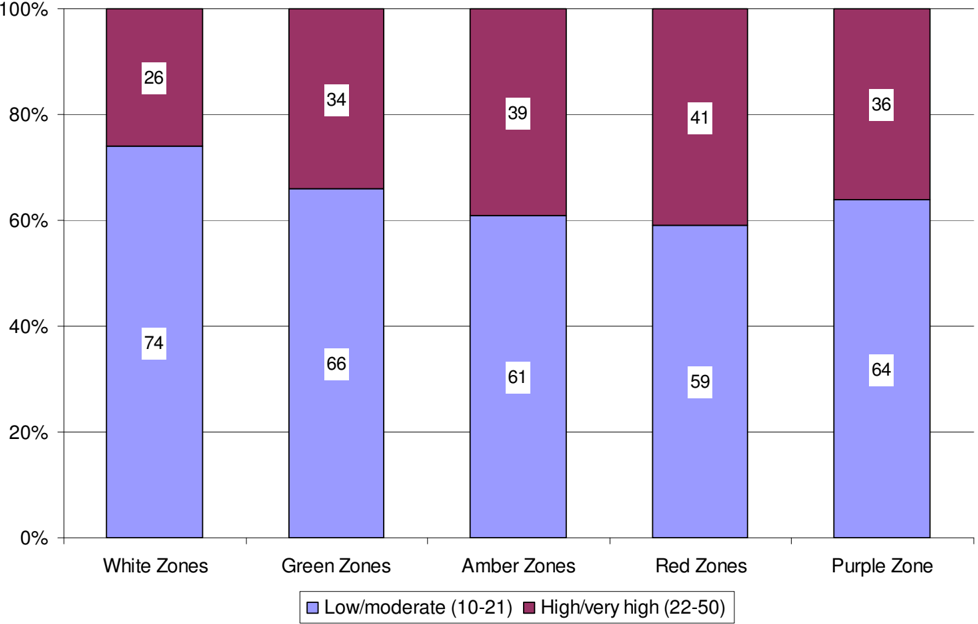
BACKGROUND: In 2007 Australia experienced its first outbreak of highly infectious equine influenza. Government disease control measures were put in place to control, contain, and eradicate the disease; these measures included movement restrictions and quarantining of properties. This study was conducted to assess the psycho-social impacts of this disease, and this paper reports the prevalence of, and factors influencing, psychological distress during this outbreak. METHODS: Data were collected using an online survey, with a link directed to the affected population via a number of industry groups. Psychological distress, as determined by the Kessler 10 Psychological Distress Scale, was the main outcome measure. RESULTS: In total, 2760 people participated in this study. Extremely high levels of non-specific psychological distress were reported by respondents in this study, with 34% reporting high psychological distress (K10 > 22), compared to levels of around 12% in the Australian general population. Analysis, using backward stepwise binary logistic regression analysis, revealed that those living in high risk infection (red) zones (OR = 2.00; 95% CI: 1.57-2.55; p < 0.001) and disease buffer (amber) zones (OR = 1.83; 95% CI: 1.36-2.46; p < 0.001) were at much greater risk of high psychological distress than those living in uninfected (white zones). Although prevalence of high psychological distress was greater in infected EI zones and States, elevated levels of psychological distress were experienced in horse-owners nationally. Statistical analysis indicated that certain groups were more vulnerable to high psychological distress; specifically younger people, and those with lower levels of formal educational qualifications. Respondents whose principal source of income was from horse-related industry were more than twice as likely to have high psychological distress than those whose primary source of income was not linked to horse-related industry (OR = 2.23; 95% CI: 1.82-2.73; p < 0.001). CONCLUSION: Although, methodologically, this study had good internal validity, it has limited generalisability because it was not possible to identify, bound, or sample the target population accurately. However, this study is the first to collect psychological distress data from an affected population during such a disease outbreak and has potential to inform those involved in assessing the potential psychological impacts of human infectious diseases, such as pandemic influenza.
Overview
The claims and statistics of this paper haven’t been checked yet.
Free: it reads the open-access text and checks the first 5 claims that cite a source we can check. Create a free account to check every claim.
Integrity signals
Registry
Cites
Statistics
Figures
Verification
Claims the paper makes
The claims and statistics of this paper haven’t been checked yet.
Free: it reads the open-access text and checks the first 5 claims that cite a source we can check. Create a free account to check every claim.
Claims other papers make about this one
Each is checked against this paper’s own text: does it say what the citing paper says it does?
The source backs part of the claim, not all of it — or backs it for a different population, condition or comparison.
In the citing paper
“Several studies already showed that adolescent age is a risk factor for diverse mental health problems, especially during epidemic outbreaks [e.g., (4–10)].”
From Digital Media Use and Adolescents' Mental Health During the Covid-19 Pandemic: A Systematic Review and Meta-Analysis (2022) · cites this paper as [9]
Experimental — accuracy not yet measuredThe source backs part of the claim, not all of it — or backs it for a different population, condition or comparison.
In the citing paper
“Taylor et al. (2008) revealed that those who were living in red zones, which were highly infectious zones during the equine influenza (OR: = 2.00; 95%, CI: 1.57–2.55), and the amber or buffer zones (OR: = 1.83; 95% CI: 1.36–2.46) were more prone to psychological distress than those who lived in white zones, which were unaffected [20].”
From Mental Health of Children and Adolescents Amidst COVID-19 and Past Pandemics: A Rapid Systematic Review (2021) · cites this paper as Taylor et al. (2008)
Experimental — accuracy not yet measuredThe source backs part of the claim, not all of it — or backs it for a different population, condition or comparison.
In the citing paper
“Taylor et al. (2008) revealed that those who were living in red zones, which were highly infectious zones during the equine influenza (OR: = 2.00; 95%, CI: 1.57–2.55), and the amber or buffer zones (OR: = 1.83; 95% CI: 1.36–2.46) were more prone to psychological distress than those who lived in white zones, which were unaffected [20].”
From Mental Health of Children and Adolescents Amidst COVID-19 and Past Pandemics: A Rapid Systematic Review (2021) · cites this paper as [20]
Experimental — accuracy not yet measured
7 more claims about this paper
Create a free account to see every claim other papers make about this one.
Self-check
Percentages, sums and reported differences re-computed from the paper’s own numbers.
The self-check needs the paper’s full text.
Citations
Cites
KESSLER, R. C., ANDREWS, G., COLPE, L. J., HIRIPI, E., MROCZEK, D. K., NORMAND, S.-L. T., WALTERS, E. E., & ZASLAVSKY, A. M. (2002) · Psychological Medicine · doi:10.1017/s0033291702006074 · Cited by 10,327
Screening for serious mental illness in the general population
Kessler, R. C., Barker, P. R., Colpe, L. J., Epstein, J. F., Gfroerer, J. C., Hiripi, E., Howes, M. J., Normand, S.-L. T., Manderscheid, R. W., Walters, E. E., et al. (2003) · Archives of General Psychiatry · doi:10.1001/archpsyc.60.2.184 · Cited by 5,692
Interpreting scores on the Kessler Psychological Distress Scale (K10)
Andrews, G., & Slade, T. (2001) · Australian and New Zealand Journal of Public Health · doi:10.1111/j.1467-842x.2001.tb00310.x · Cited by 2,021 · cited 1×
“Scores on the K10 are subsequently categorized into four levels: low (scores of 10–15); moderate (scores of 16–21); 'high' (scores of 22–29) and 'very high' (scores of 30–50) [ 27 ].”
BackgroundFURUKAWA, T. A., KESSLER, R. C., SLADE, T., & ANDREWS, G. (2003) · Psychological Medicine · doi:10.1017/s0033291702006700 · Cited by 1,570 · cited 1×
“The K10 is also able to discriminate between DSM-IV cases and non-cases, and is felt to be an appropriate screening instrument for identifying likely cases of anxiety and depression in the population providing a strong marker for a possible mental health disorder [21-23].”
BackgroundAustralian Journal of Emergency Management
(2021) · Australian Journal of Emergency Management · doi:10.47389/13241540 · Cited by 1,308
Handbook on animal-assisted therapy. Theoretical foundations and guidelines for practice
Fine, A. H. (2010) · Zurich Open Repository and Archive (University of Zurich) · doi:10.5167/uzh-46614 · Cited by 762
Maunder, R. G., Lancee, W. J., Rourke, S., Hunter, J. J., Goldbloom, D., Balderson, K., Petryshen, P., Steinberg, R., Wasylenki, D., Koh, D., et al. (2004) · Psychosomatic Medicine · doi:10.1097/01.psy.0000145673.84698.18 · Cited by 368
SARS-related Perceptions in Hong Kong
Lau, J. T. F., Yang, X., Pang, E., Tsui, H. Y., Wong, E., & Wing, Y. K. (2005) · Emerging Infectious Diseases · doi:10.3201/eid1103.040675 · Cited by 357
Cairney, J., Veldhuizen, S., Wade, T. J., Kurdyak, P., & Streiner, D. L. (2007) · The Canadian Journal of Psychiatry · doi:10.1177/070674370705200209 · Cited by 226
Fear of Severe Acute Respiratory Syndrome (SARS) Among Health Care Workers.
Ho, S. M. Y., Kwong-Lo, R. S. Y., Mak, C. W. Y., & Wong, J. S. (2005) · Journal of Consulting and Clinical Psychology · doi:10.1037/0022-006x.73.2.344 · Cited by 214
Research works printed but not linked: 8
- 2. Australian Horse Industry Council: Equine Influenza Impact Study Results. 2007 [http://www.horsecouncil.org.au/_upload/files/ EI%20Impact%20Report.pdf].
- 3. Australian Horse Industry Council: Follow-up Equine Influenza Impact Study. 2008 [http://www.horsecouncil.org.au/_upload/files/ Follow%20Up%20EI%20Impact%20Report.pdf].
- 13. Centre for Epidemiology and Research: 2006 Report on Adult Health from the New South Wales Population Health Sur- vey. Sydney. NSW Department of Health; 2007.
- Victorian Population Health Survey 2005: Department of Human Services, Victoria. 2006
- 14. Population Research and Outcome Studies Unit: The Health Status of People Living in South Australian Divisions of General Practice: South Australian Monitoring and Surveillance Sys- tem (SAMSS). In Health Intelligence South Australian Department of Health; 2007.
- 15. Draper G, Coddle JP: Our State of Health 2004: An overview of the health of the people of Western Australia. Health Informa- tion Centre, Department of Health, Western Australia 2004.
- 16. Australian Bureau of Statistics: National Survey of Mental Health and Well-being of Adults, Canberra. 1999.
- 21. Centre for Epidemiology and Research: 2007 Summary report on adult health by area health service from the New South Wales Population Health Survey. In Sydney NSW Department of Health; 2008.
Cited by
Items 201–300 of 544
Anxiety and sleep quality in a sample of Lebanese healthcare workers during the COVID-19 outbreak
Zarzour, M., Hachem, C. E., Kerbage, H., Richa, S., Choueifaty, D. E., Saliba, G., Haddad, É., Melki, E., Sleilaty, G., Saliby, R. M., et al. (2021) · L Encéphale · doi:10.1016/j.encep.2021.06.016 · Cited by 28
Ozamiz-Etxebarria, N., Santamaría, M. D., Munitis, A. E., & Gorrotxategi, M. P. (2020) · Frontiers in Psychology · doi:10.3389/fpsyg.2020.609098 · Cited by 19
Tsakiridis, I. G., Dagklis, T., Mamopoulos, A. M., Athanasiadis, A. P., Pearson, R. M., & Papazisis, G. (2021) · Journal of Perinatal Medicine · doi:10.1515/jpm-2020-0473 · Cited by 18
Conducting Prolonged Exposure for PTSD During the COVID-19 Pandemic: Considerations for Treatment
Fina, B. A., Wright, E. C., Rauch, S. A. M., Norman, S. B., Acierno, R. E., Cuccurullo, L. J., Dondanville, K. A., Moring, J. C., Brown, L. A., & Foa, E. B. (2020) · Cognitive and Behavioral Practice · doi:10.1016/j.cbpra.2020.09.003 · Cited by 26
“Moreover, studies of the impact of past epidemics such as SARS, MERS, and equine influenza have indicated that quarantine increases risk for psychological distress, including depression, anxiety, panic attacks, psychotic symptoms, suicidality, and posttraumatic stress symptoms (e.g., Lee et al., 2018; Mak et al., 2009…”
de Almeida, P. H. T. Q., Bernardo, L. D., Pontes, T. B., Davis, J. A., Deodoro, T. M. S., Ferreira, R. G., de Souza, K. I., & MacDermid, J. C. (2021) · Journal of Applied Gerontology · doi:10.1177/07334648211015458 · Cited by 21
“Taylor et al. (2008) also found an association between having an extended household and positive emotional adjustments; however, a recent rapid review found limited evidence supporting the influence of demographic characteristics on psychological aspects during quarantine (Brooks et al., 2020).”
ResultPapazisis, Z., Nikolaidis, P. Τ., & Trakada, G. (2021) · International Journal of Environmental Research and Public Health · doi:10.3390/ijerph18147292 · Cited by 18
“An explanation of the impact of the lockdown on sleep characteristics of the younger age group was that this age group might be characterized by more anxiety as a result of less stable socio-economic status compared with older participants [2,36].”
ResultElkayal, M. M., Shahin, M. A. H., & Hussien, R. M. (2022) · Journal of the Egyptian Public Health Association · doi:10.1186/s42506-021-00100-2 · Cited by 19
“[32], who suggested that a greater risk of psychological distress exists for people with children during pandemics.”
BackgroundCooling off health security hot spots: Getting on top of it down under
Murray, K. A., Skerratt, L. F., Speare, R., Ritchie, S. A., Smout, F. A., Hedlefs, R., & Lee, J. C. (2012) · Environment International · doi:10.1016/j.envint.2012.06.015 · Cited by 16
“All of these have incurred significant economic, social and/or environmental costs for Australia (e.g., Prowse, 2006; Robertson, 2003; Taylor et al., 2008).”
BackgroundElvira, S. D., Lamuri, A., Lukman, P. R., Malik, K., Shatri, H., & Abdullah, M. (2021) · Heliyon · doi:10.1016/j.heliyon.2021.e06289 · Cited by 17
“In the current pandemic [45] and the previous epidemic [46], lower educational background consistently showed a detrimental effect on psychological well-being.”
Quílez-Robres, A., Lozano-Blasco, R., Íñiguez‐Berrozpe, T., & Pascual, M. D. P. A. C. (2021) · Frontiers in Psychology · doi:10.3389/fpsyg.2021.562800 · Cited by 17
Gozansky, E., Moscona, G., & Okon‐Singer, H. (2021) · Frontiers in Psychology · doi:10.3389/fpsyg.2021.680768 · Cited by 20
Older women and wellbeing through the pandemic: Examining the effect of daily online yoga lessons
Pandya, S. P. (2021) · Health Care For Women International · doi:10.1080/07399332.2021.1932897 · Cited by 17
“Having no children or having three or more children was, however, suggested as a protective factor against negative impact of public health crisis and related disruptions (Taylor et al., 2008).”
BackgroundFrade, F., Jacobsohn, L., Gómez-Salgado, J. C., Martins, M. D. R., Allande‐Cussó, R., Ruíz-Frutos, C., & Frade, J. (2021) · Journal of Clinical Medicine · doi:10.3390/jcm10194464 · Cited by 20
“The evidence shows different results taking into account different age groups—that is, there are studies that show that the younger population is more likely to develop psychological suffering, because they have more difficulty in dealing with adversities and also in understanding that the pandemic is an extreme situa…”
BackgroundPredictors of Psychological Distress in Women with Endometriosis during the COVID-19 Pandemic
Schwab, R. M., Stewen, K., Ost, L., Kottmann, T., Theis, S., Elger, T., Schmidt, M. W., Anić, K., Kalb, S. R., Brenner, W., et al. (2022) · International Journal of Environmental Research and Public Health · doi:10.3390/ijerph19084927 · Cited by 18
“The age cut-off was selected according to previous data that illustrated a high rate of psychological distress in people aged 24 and under [30].”
MethodResultFui, W. M., Majid, H. A., İsmail, R., Su, T. T., Tan, M. P., & Said, M. A. (2022) · PLoS ONE · doi:10.1371/journal.pone.0264886 · Cited by 26
Facultad de Ciencias de la Salud, U. D. M., Caballero‐Domínguez, C. C., Pedrozo‐Pupo, J. C., Facultad de Ciencias de la Salud, U. D. M., Campo‐Arias, A., & Facultad de Ciencias de la Salud, U. D. M. (2021) · Psychiatria Danubina · doi:10.24869/psyd.2021.101 · Cited by 16
High Resolution Spatio-Temporal Model for Room-Level Airborne Pandemic Spread
Lazebnik, T., & Alexi, A. (2023) · Mathematics · doi:10.3390/math11020426 · Cited by 18
“Consequently, pandemic intervention policies (PIPs) for airborne pandemics are known to be relatively more harmful to the economy and psychological state of the population relative to other types of pandemic [14, 15, 16, 17, 18].”
BackgroundLahiri, A., Jha, S. S., Acharya, R., Dey, A., & Chakraborty, A. (2021) · PLoS ONE · doi:10.1371/journal.pone.0245509 · Cited by 20
Íñiguez‐Berrozpe, T., Lozano-Blasco, R., Quílez-Robres, A., & Pascual, M. D. P. A. C. (2020) · Revista Internacional de Educación para la Justicia Social · doi:10.15366/riejs2020.9.3.016 · Cited by 16
“En pandemias previas, se ha estudiado la transcendencia de esta variable en la población joven (Everts, 2013; Roy et al., 2020; Taylor et al., 2008).”
BackgroundParentalidad, salud mental y COVID-19 : una revisión sistemática rápida
Vescovi, G., Riter, H. D. S., Azevedo, E. C., Pedrotti, B. G., & Frizzo, G. B. (2021) · LA Referencia (Red Federada de Repositorios Institucionales de Publicaciones Científicas) · Cited by 14
Psychodynamic and sociopolitical predictors of COVID Distress and Gravity
Wagerman, S. A., Bedikian, A., & Ross, B. S. (2020) · Personality and Individual Differences · doi:10.1016/j.paid.2020.110506 · Cited by 18
COVID-19 lockdown – Are Austrians finally able to compensate their sleep debt?
Holzinger, B., Mayer, L., Nierwetberg, F., & Klösch, G. (2021) · Sleep Medicine X · doi:10.1016/j.sleepx.2021.100032 · Cited by 16
Problem gambling during Covid-19
Frisone, F., Alibrandi, A., & Settineri, S. (2020) · Mediterranean Journal of Clinical Psychology · doi:10.6092/2282-1619/mjcp-2457 · Cited by 32
Role of Chinese government and Public–Private Partnership in combating COVID-19 in China
Abbas, H. S. M., Xu, X., Sun, C., Gillani, S., & Raza, M. A. A. (2021) · Journal of Management & Governance · doi:10.1007/s10997-021-09593-7 · Cited by 18
“Chinese government emergency management also worked in this scenario, which played its role in dealing with 20% world’s population in China and worldwide human well-being at their best due to epidemic situations (Taylor et al., 2008; Tol et al., 2020).”
BackgroundIsothermal Nucleic Acid Amplification Technologies for the Detection of Equine Viral Pathogens
Knox, A., & Beddoe, T. (2021) · Animals · doi:10.3390/ani11072150 · Cited by 16
“As previously stated, Australia experienced an EI outbreak in 2007 that lasted for five months affecting roughly 69,000 horses [15,68].”
BackgroundVythilingam, D. I., Prakash, A., Nourianpour, M., & Atiomo, W. (2022) · BMC Medical Education · doi:10.1186/s12909-022-03803-y · Cited by 15
“It is interesting to note that a study conducted in Australia during the equine influenza outbreak depicted that individuals who were quarantined experienced greater levels of psychological distress compared to those who weren’t, emphasising the effect the associated isolation had as opposed to that caused by the outb…”
ResultAlotaibi, A., & Boukelia, B. (2021) · International Journal of Environmental Research and Public Health · doi:10.3390/ijerph18157771 · Cited by 15
“In support of these findings, during the Australian epidemic of highly infectious equine influenza in 2007, 2760 horse owners were quarantined for four weeks, 34% of whom reported elevated psychological distress compared to 12% in the general population [8].”
ResultAlfaifi, A., Darraj, A., & El‐Setouhy, M. (2022) · Psychology Research and Behavior Management · doi:10.2147/prbm.s362712 · Cited by 18
“34 Also, the lower symptoms among the quarantined healthcare workers and medical staff could be attributed to the fact that healthcare workers are more prepared and knowledgeable about COVID-19 than non-healthcare workers, 2 after the previous experience of coronavirus epidemics like SARS and MERS,…”
Heeren, A., Hanseeuw, B. J., Cougnon, L., & Lits, G. (2021) · PsyArXiv (OSF Preprints) · doi:10.31234/osf.io/b34aj · Cited by 14
Cheng, P., Park, H. R. P., & Gatt, J. M. (2021) · Frontiers in Psychiatry · doi:10.3389/fpsyt.2021.634925 · Cited by 15
“This aligns with previous findings showing that younger age is a risk factor under stressful circumstances (4, 6, 52, 59), which highlight the challenges faced by adolescents in the COVID19 pandemic, such as parental stress, risk of abuse, excessive screen time, academic difficulties, and increased tendency for suicid…”
Psychological Impact of COVID-19 Pandemic in Bangladesh: Analysis of a Cross-Sectional Survey
Abir, T. A., Osuagwu, U. L., Kalimullah, N. A., Yazdani, D. M. N., Husain, T., Basak, P., Goson, P. C., Mamun, A. A., Permarupan, P. Y., Milton, A. H., et al. (2021) · Health Security · doi:10.1089/hs.2020.0205 · Cited by 13
Self-citationSleepless in COVID-19: how not to lose sleep in lockdowns
Yadav, S. R., Kumar, R., Kumar, A., Ish, P., Gupta, N., & Chakrabarti, S. (2020) · Monaldi Archives for Chest Disease · doi:10.4081/monaldi.2020.1364 · Cited by 17
“The most vulnerable population in this isolation like condition, in this lockdown, are the chief earning member of the family, women, young ones, and people with psychiatric illness [1,2].”
Okoloba, M. M., Ogueji, I. A., Darroch, S. J., & Ogueji, A. M. (2020) · GLOBAL PSYCHIATRY ARCHIVES · doi:10.2478/gp-2020-0015 · Cited by 15
“These findings were obtained from our quantitative insight, and they were in consonance with literature where anxiety and depressive symptoms have been reported among people who were directly or indirectly affected by infectious disease outbreaks (Lau, et al. 2005; Maunder, et al. 2003; Taylor et al. 2008; Sprang & Si…”
Kumar, S., Kodidela, S., Kumar, A., Gerth, K. A., & Zhi, K. (2020) · Frontiers in Psychology · doi:10.3389/fpsyg.2020.574712 · Cited by 17
Granieri, A., Bonafede, M., Marinaccio, A., Iavarone, I., Marsili, D., & Franzoi, I. G. (2020) · Frontiers in Psychology · doi:10.3389/fpsyg.2020.584320 · Cited by 13
Ausín, B., Castellanos, M. Á., González‐Sanguino, C., Vakhantseva, O. V., Almazova, O. V., Shaigerova, L. A., Dolgikh, A. G., & Muñoz, M. (2020) · Psychology in Russia State of Art · doi:10.11621/pir.2020.0406 · Cited by 16
“Contradictory results were found regarding other variables, such as age, education, or gender identity (Hawryluck et al., 2004; Taylor et al., 2008).”
Khalil, R. B., Dagher, R., Zarzour, M., Sleilaty, G., Akl, H. A., Kallab, M., & Richa, S. (2022) · Current Psychology · doi:10.1007/s12144-021-02644-0 · Cited by 15
Fear Associated with COVID-19 in Patients with Neovascular Age-Related Macular Degeneration
Rozon, J.-P., Hébert, M., Bourgault, S., Caissie, M., Letartre, L., Tourville, É., & Dirani, A. (2021) · Clinical ophthalmology · doi:10.2147/opth.s300239 · Cited by 14
Fear of COVID-19 changes economic preferences: evidence from a repeated cross-sectional MTurk survey
Alsharawy, A., Ball, S. B., Smith, A., & Spoon, R. (2021) · Journal of the Economic Science Association · doi:10.1007/s40881-021-00111-x · Cited by 21
“Our results are also consistent with findings that the effects of the same significant event can vary across sub-groups and individuals (Alsharawy et al., 2021; Callen et al., 2014; Eckel et al., 2009; Huang et al., 2013; Ibuka et al., 2010; Jang et al., 2020; Taylor et al., 2008).”
ResultMulti-species prey–predator dynamics during a multi-strain pandemic
Alexi, A., Rosenfeld, A., & Lazebnik, T. (2023) · Chaos An Interdisciplinary Journal of Nonlinear Science · doi:10.1063/5.0154968 · Cited by 13
Implementation of biosecurity on equestrian premises: A narrative overview
Crew, C. R., Brennan, M. L., & Ireland, J. L. (2023) · The Veterinary Journal · doi:10.1016/j.tvjl.2023.105950 · Cited by 12
Overview of the industry and social impacts of the 2007 Australian equine influenza outbreak
Hoare, R. (2011) · Australian Veterinary Journal · doi:10.1111/j.1751-0813.2011.00770.x · Cited by 12
EUBANK, J. M., Burt, K. G., & Orazem, J. P. (2021) · Journal of Prevention & Intervention in the Community · doi:10.1080/10852352.2021.1908873 · Cited by 14
“As with previous research (Ezzati et al., 2014; Smith & Emerson, 2014; Taylor et al., 2008), women had appreciably higher PSS-12 and helplessness mean scores relative to men in both samples, and lower mean scores than men in the self-efficacy subtotal in the faculty sample.”
BackgroundMethodResultInfluentialLu, W., Yuan, L., Xu, J., Xue, F., Zhao, B., & Webster, C. J. (2020) · SSRN Electronic Journal · doi:10.2139/ssrn.3627268 · Cited by 17
How the novel coronavirus (COVID-19) could have a quivering impact on mental health?
Joseph, S. J., Gunaseelan, P., Bhandarı, S. S., & Dutta, S. (2020) · Open Journal of Psychiatry & Allied Sciences · doi:10.5958/2394-2061.2020.00016.6 · Cited by 12
“In this case higher prevalence of psychological issues were amongst persons involved with horse associated industries, young males, those with low income and lower educational qualification.[13] Likewise, the Ebola outbreak between 2014-2016 revealed high levels of psychological concerns like posttraumatic stress diso…”
BackgroundEffect of COVID-19 Pandemic on the Levels of Empathy among Undergraduate Dental Students in Pakistan
Ghaus, S., Waheed, M. A., Khan, S. Z., Mustafa, L., Siddique, S., & Quershi, A. W. (2020) · European Journal of Dentistry · doi:10.1055/s-0040-1722091 · Cited by 13
Adapting and validating the coronavirus-19 phobia scale (C19P-S) in Korea
Bilgic-Erdem, S., Балоглу, М., & Tokalilar, S. (2021) · Death Studies · doi:10.1080/07481187.2021.1924897 · Cited by 12
“Previous research conducted in Australia showed that less-educated groups were at higher risk of psychological distress caused by the flu epidemic (Taylor et al., 2008).”
The Psychological Impact of COVID-19 on Residents of Saudi Arabia
Rafique, N., Tufaif, F. A., Alhammali, W., Alalwan, R. E., Aljaroudi, A., AlFaraj, F., Latif, R., Asoom, L. I. A., Alsunni, A. A., Ghamdi, K. S. A., et al. (2022) · Psychology Research and Behavior Management · doi:10.2147/prbm.s360772 · Cited by 12
“This may be due to parents’ concerns towards their children during the pandemic, such as their chance of being infected by the novel virus or the responsibility of combining both working from home and taking care of the quarantined child.(4,32,33) We also explored the association between “residential type” and stress.”
Trucco, E. M., Fava, N. M., Villar, M. G., Kumar, M., & Sutherland, M. T. (2023) · Journal of Youth and Adolescence · doi:10.1007/s10964-023-01775-w · Cited by 25
Aydın, A., & Atiç, R. (2023) · Journal of Back and Musculoskeletal Rehabilitation · doi:10.3233/bmr-220229 · Cited by 14
Marković, M. M., Latas, M. B., Milovanović, S., Poznanović, S. T., Lazarević, M. M., Karišik, M. J., Đorđević, J., Mandinić, Z., & Jovanović, S. (2022) · International Journal of Environmental Research and Public Health · doi:10.3390/ijerph192114061 · Cited by 17
“Evidence from previous large-scale health outbreaks suggests that pandemics have a tremendous impact on young people, which current pandemic research confirms [14,38,39].”
BackgroundChanges in trends during the COVID-19 lockdown: An urban, Level-1 trauma center's experience
Jaber, C. A., Fu, C., Bryan, F. E., Starr, F. L., Kaminsky, M. J., Tatebe, L. C., Schlanser, V. L., & Bokhari, F. (2021) · The American Journal of Surgery · doi:10.1016/j.amjsurg.2021.02.015 · Cited by 12
Muganga, A., Leah, N. K., Namanyane, T., & Shaoan, M. M. R. (2021) · Asian Journal of Education and e-Learning · doi:10.24203/ajeel.v9i1.6508 · Cited by 12
“…such as SARS, Ebola, the H1N1 influenza contagion of 2009 and 2010, Middle East respiratory and equine influenza syndromes have also had adverse psychological implications (Bai et al., 2004; Taylor et al., 2008; Wu et al., 2009; Liu et al., 2012; Sprang & Silman, 2013; Rith-Najarian et al., 2019).”
BackgroundA prospective examination of COVID‐19‐related social distancing practices on suicidal ideation
Ammerman, B. A., Burke, T. A., McClure, K. E., Jacobucci, R., & Liu, R. T. (2021) · Suicide and Life-Threatening Behavior · doi:10.1111/sltb.12782 · Cited by 9
“Psychological distress and suicide risk secondary to previous epidemics have been well documented (Chan, Chiu, Lam, Leung, & Conwell, 2006; Taylor et al., 2008; Yu et al., 2005) and similar evidence with regard to the current pandemic is mounting (i.”
BackgroundThe Coronavirus (COVID-19) Pandemic and Mental Health of African Immigrants in the United States
Yusuf, K. K., Madu, E., Kutchava, S., & Liu, S. K. (2022) · International Journal of Environmental Research and Public Health · doi:10.3390/ijerph191610095 · Cited by 12
Mindfulness and PERMA Well-Being: Intervention Effects and Mechanism of Change
Liu, B., Ye, G., Jing, H., Hofmann, S. G., & Liu, X. (2022) · Psychology · doi:10.4236/psych.2022.135046 · Cited by 11
Mutlu, H., Sert, E. T., Kokulu, K., & Sarıtaş, A. (2021) · Eurasian Journal of Emergency Medicine · doi:10.4274/eajem.galenos.2020.82621 · Cited by 13
Koronavirüs Pandemisinde Annenin Ruhsal Süreçlerinin Çocuklarda Görülen Belirtilere Yansımaları
Zabcı, N., & Karadeniz, G. (2021) · Psikiyatride Guncel Yaklasimlar - Current Approaches in Psychiatry · doi:10.18863/pgy.852022 · Cited by 15
Paz, C., Hermosa‐Bosano, C., Hidalgo-Andrade, P., García‐Manglano, J., Sádaba, C., López-Madrigal, C., & Serrano, C. (2022) · International Journal of Public Health · doi:10.3389/ijph.2022.1604418 · Cited by 17
“Regarding sociodemographic and context variables, research shows that there is no definitive evidence linking them as risk factors for mental health problems during quarantine [2], although some have been found that being younger, having lower levels of education, being female, and having a child [26] are features rel…”
BackgroundOkoro, J., Odionye, T., Nweze, B., Onuoha, M., Ezeonwuka, C., Owoh, J., & Nkire, J. (2020) · Emerald Open Research · doi:10.35241/emeraldopenres.13684.2 · Cited by 10
Mariani, R., Alessia, R., Michela, D. T., Trabucchi, G., Danskin, K., & Tambelli, R. (2021) · Vide Leaf, Hyderabad eBooks · doi:10.37247/papsy.1.2021.18 · Cited by 11
Hii, C., Dhand, N. K., Toribio, J.-A. L. M. L., Taylor, M. R., Wiethoelter, A., Schembri, N., Sawford, K., Kung, N. Y.-H., Moloney, B., Wright, T., et al. (2020) · Preventive Veterinary Medicine · doi:10.1016/j.prevetmed.2020.104988 · Cited by 10
Self-citationPrevalence of Burnout among Dental Students during COVID-19 Lockdown in UAE
Al-Rawi, N. H., Yacoub, A., Zaouali, A., Salloum, L., Afash, N., Shazli, O. A., & Elyan, Z. (2021) · The Journal of Contemporary Dental Practice · doi:10.5005/jp-journals-10024-3072 · Cited by 16
Downing, L. (2021) · Journal of Psychosocial Studies · doi:10.1332/147867321x16291280809438 · Cited by 15
Carrigan, N., Wearn, A. R., Meky, S., Selwood, J., Piggins, H. D., Turner, N. L., Greenwood, R., & Coulthard, E. J. (2020) · medRxiv · doi:10.1101/2020.07.08.20148171 · Cited by 12
Yang, X., & Geng, Y. (2024) · BMC Psychology · doi:10.1186/s40359-024-01548-5 · Cited by 15
RetractedXu, J., Laurent, J. G. C., Chan, V., Khiewpun, D., Purcell, W. M., Spengler, J. D., & Tomasso, L. P. (2024) · Building and Environment · doi:10.1016/j.buildenv.2024.111984 · Cited by 12
The Association between Imagination and Anxiety in the Times of the COVID-19 Pandemic
Zabelina, D. L., Clay, J. Z., & Upshaw, J. D. (2021) · Creativity Research Journal · doi:10.1080/10400419.2020.1871549 · Cited by 15
Hawash, M. M., Alhazmi, A. H., Kamel, W. W., Muzammil, K., Mushfiq, S., & Ahmed, H. A. (2021) · Frontiers in Public Health · doi:10.3389/fpubh.2021.600330 · Cited by 11
RetractedDepression, anxiety and stress among people infected with COVID-19 in Dhaka and Chittagong cities
Zahangir, M. S., & Rokonuzzaman, M. (2022) · Heliyon · doi:10.1016/j.heliyon.2022.e10415 · Cited by 9
“Researchers found mixed results for the age variable concerning the mental health of people in different age groups during the Covid-19 pandemic (Taylor et al., 2008; Qiu et al., 2020; Jim enez et al., 2020; Tian et al., 2020).”
Okoro, J., Odionye, T., Nweze, B., Onuoha, M., Ezeonwuka, C., Owoh, J., & Nkire, J. (2020) · Emerald Open Research · doi:10.35241/emeraldopenres.13684.1 · Cited by 15
Psychological impact of the COVID-19 lockdown on Vietnamese community
Gan, C. E. C., Anh, D. L. T., & Nguyen, Q. T. T. (2021) · International Journal of Social Economics · doi:10.1108/ijse-08-2020-0552 · Cited by 11
Xu, Z., Yu, X., Zhang, D., Zheng, X., Zhang, Z., Lee, R. C.-M., Cheung, P. M.-H., & Wong, S. Y. S. (2022) · International Journal of Environmental Research and Public Health · doi:10.3390/ijerph19031827 · Cited by 13
“In addition to studies conducted during the COVID-19 pandemic, an Australian study showed that those with one child had a higher risk of psychological distress than those with no children, and having three or more children appeared to be somewhat protective against high psychological distress [15].”
BackgroundMorbidities Worsening Index to Sleep in the Older Adults During COVID-19: Potential Moderators
de Almondes, K. M., Castro, E. D. A. S., & Paiva, T. (2022) · Frontiers in Psychology · doi:10.3389/fpsyg.2022.913644 · Cited by 10
Gómez-Salgado, J. C., Pomares-Herrera, F., Fagundo-Rivera, J., Ortega‐Moreno, M., García‐Iglesias, J. J., & Ruíz-Frutos, C. (2022) · Annals of Medicine · doi:10.1080/07853890.2022.2109057 · Cited by 12
“Another possible explanation for the higher PD in the first phase of the pandemic could be the home confinement [5], whose association with high PD is documented both for the current pandemic [16,17] and in previous pandemics [41].”
BackgroundSchemann, K., Gillespie, J., Toribio, J.-A. L. M. L., Ward, M. P., & Dhand, N. K. (2012) · Transboundary and Emerging Diseases · doi:10.1111/tbed.12046 · Cited by 11
“Equine influenza is a highly infectious, viral respiratory disease affecting horses and outbreaks of this disease cause considerable financial losses and hardships to horse industry participants (Hoare, 2011, Taylor et al., 2008).”
BackgroundStudents’ Perceived Stress and Internet Addiction during the Lockdown in India
Gupta, R., Singh, U., Singh, B., Singh, P., & Jangid, P. (2020) · Indian Journal of Private Psychiatry · doi:10.5005/jp-journals-10067-0055 · Cited by 19
“Ind J Social Psychiatry 2017 Oct 1;33(4):370–374.”
Effects of COVID-19 pandemic on the psychological states of youth and adult elite male athletes
Lima, Y., Şenışık, S., Denerel, N., Hurşitoğlu, O., Balcı, G. A., Ünsel‐Bolat, G., & Ergün, M. (2021) · Turkish Journal of Sports Medicine · doi:10.47447/tjsm.0597 · Cited by 11
Alleaume, C., Peretti-Watel, P., Beck, F., Léger, D., Vaïva, G., Verger, P., the COCONEL Group, Peretti-Watel, P., Seror, V., Cortaredona, S., et al. (2022) · BMC Public Health · doi:10.1186/s12889-022-13880-9 · Cited by 10
“As in recent studies [5, 9, 12, 15, 25], PTSD risk was higher in participants with direct exposure to COVID19, especially in those diagnosed with it, and remarkably in people indirectly exposed via high media use.”
BackgroundResultAktaş, S. C., & ÇİÇEK, B. (2023) · Journal of Family Issues · doi:10.1177/0192513x231169558 · Cited by 15
“Similarly, Taylor et al. (2008) stated that life-threatening situations such as pandemics, epidemics, and disasters, changing living conditions due to these and adaptation processes created a high stress perception in individuals.”
BackgroundHarriger, J. A., Joseph, N. T., & Trammell, J. P. (2021) · Emerging Adulthood · doi:10.1177/21676968211022594 · Cited by 9
“This parallels earlier research examining the psychological impact of a quarantine in Australia due to the equine influenza, wherein women and younger individuals were more negatively affected (Taylor et al., 2008).”
ResultRiter, H. D. S., Almeida, M. L., Vescovi, G., Marques, F. M., Pedrotti, B. G., Mallmann, M. Y., Pieta, M. A. M., & Frizzo, G. B. (2021) · Psychological Studies · doi:10.1007/s12646-021-00609-8 · Cited by 12
Gim, T. T. (2022) · Growth and Change · doi:10.1111/grow.12655 · Cited by 7
Danowitz, A., & Beddoes, K. (2022) · Australasian journal of engineering education · doi:10.1080/22054952.2023.2184912 · Cited by 9
“While there is limited research on the mental health impacts of global pandemics, research focused in the Australasian region has shown that local and regional pandemics have been detrimental (Taylor et al. 2008; Xu et al. 2011).”
BackgroundRubinstein, D., O’Rourke, N., & Lahad, M. (2023) · Frontiers in Psychology · doi:10.3389/fpsyg.2023.1115233 · Cited by 11
“Previous research has found that forced quarantine results in feelings of detachment, irritability, distress, anxiety and post-traumatic stress (Bai et al., 2004; Taylor et al., 2008; Sprang and Silman, 2013; Davis et al., 2021).”
BackgroundRuotolo, F., Ruggiero, G., Cattaneo, Z., Arioli, M., Candini, M., Frassinetti, F., Pazzaglia, F., Fornara, F., Bosco, A., & Iachini, T. (2023) · International Journal of Environmental Research and Public Health · doi:10.3390/ijerph20176679 · Cited by 14
Mental Health During Environmental Crisis and Mass Incident Disasters
Wasson, E., & Wieman, A. (2018) · Veterinary Clinics of North America Food Animal Practice · doi:10.1016/j.cvfa.2018.02.007 · Cited by 13
Sharma, R., Sc, S., Sharma, P., Pradhan, S. N., Chalise, P., Regmee, J., & Sharma, S. (2020) · Indian Journal of Psychiatry · doi:10.4103/psychiatry.indianjpsychiatry_1038_20 · Cited by 9
“Indian Journal of Psychiatry Volume 62 (Supplement 3), September 2020 S435 well-being of the affected people.[7,11,12] The widespread lockdown is bound to have a psychological impact on”
BackgroundResultCOVID-19 VIRUS PSYCHOSOCIAL IMPACT: EMOTIONS, CONCERNS AND NEEDS IN A PORTUGUESE SAMPLE
Patrão, I., Araújo, A. I., Romano, A., Enes-Pinheiro, B., de Figueiredo, C. R., Lobo, G., Cardia-Pereira, I., Sena, J., Pestana, P., Cabral, S. P., et al. (2020) · Psicologia Saúde & Doenças · doi:10.15309/20psd210301 · Cited by 11
Khazaee-Pool, M., Pashaei, T., Yazdani, F., & Ponnet, K. S. (2025) · BMC Health Services Research · doi:10.1186/s12913-025-13004-0 · Cited by 10
Bukke, S. P. N., Gali, A. K., Igbinoba, S. I., Venkateswarlu, G., Bello, H., Goruntla, N., & Onohuean, H. (2024) · RPS Pharmacy and Pharmacology Reports · doi:10.1093/rpsppr/rqae015 · Cited by 7
Živčić–Bećirević, I., Smojver‐Ažić, S., Dorčić, T. M., & Birovljević, G. (2021) · Drustvena istrazivanja · doi:10.5559/di.30.2.06 · Cited by 14
Impact of Covid-19 on the Mental Health of Delta State University students, Nigeria.
Ominde, B. S., Jaiyeoba-Ojigho, J. E., & Igbigbi, P. S. (2021) · Acta bio-medica dell'Ateneo parmense/Acta biomedica · doi:10.23750/abm.v92i4.10600 · Cited by 15
“Previous infectious disease outbreaks such as SARS and influenza have congruently been associated with negative psychological effects triggered by the qualms created in different aspects of life (27,28).”
Lauricella, E., Cives, M., Bracigliano, A., Clemente, O., Felici, V., Lippolis, R., Amoruso, B., Pellè, E., Mandriani, B., Esposto, C., et al. (2021) · Journal of Neuroendocrinology · doi:10.1111/jne.13041 · Cited by 6
Özdemir, İ., Hergül, G. Ö., Öztürk, M. E., & ARSLAN, A. (2022) · Ankara Eğitim ve Araştırma Hastanesi Tıp Dergisi · doi:10.20492/aeahtd.938762 · Cited by 10
La ansiedad en deportistas universitarios durante la cuarentena por COVID-19.
Medina, S., & Cuenca, L. T. R. (2022) · Cuadernos de Psicología del Deporte · doi:10.6018/cpd.430721 · Cited by 13
Inguscio, B. M. S., Nicastri, M., Giallini, I., Greco, A., Babiloni, F., Cartocci, G., & Mancini, P. (2022) · Psychology in the Schools · doi:10.1002/pits.22761 · Cited by 8
Leisure Attitude, Anxiety, and Mental Well-Being in Turkey: The Case of COVID-19
Yurcu, G. (2021) · European journal of tourism, hospitality and recreation · doi:10.2478/ejthr-2021-0017 · Cited by 9
Yang, L., Yu, L., Kandasamy, K., Wang, Y., Shi, F., Zhang, W., & Wang, P. (2022) · Healthcare · doi:10.3390/healthcare10112326 · Cited by 7
Ganesh, A., Rosentreter, R. E., Chen, Y., Mehta, R., McLeod, G. A., Wan, M. M., Krett, J. D., Mahjoub, Y., Lee, A. S., Schwartz, I. S., et al. (2023) · CMAJ Open · doi:10.9778/cmajo.20220248 · Cited by 7
“…online or by telephone: the Kessler Psychological Distress Scale (K10), used to assess emotional disturb ance/anxiety after social upheaval, 15,16 with high scores (typical cut-off score 20) strongly correlated with mood/ anxiety disorders; 17 and the EuroQol EQ-5D-3L, a validated…”
Metadata
- Authors
- Taylor, M. R., Agho, K. E., Stevens, G. J., & Raphael, B.
- Affiliations
- Western Sydney University (AU)
- Corresponding author
- Taylor, Melanie R
- Venue
- BMC Public Health
- Published
- 2008-10-03
- Volume
- 8
- Issue
- 1
- Pages
- 347-347
- ISSN
- 1471-2458 (ISSN-L)
- PMC
- PMC2571100
- OpenAlex
- W1990329824
- Cited by
- 544
- References
- 23
- Citations by year
- 2026: 8 · 2025: 9 · 2024: 27 · 2023: 51 · 2022: 96 · 2021: 165 · 2020: 160 · 2019: 1 · 2018: 1 · 2017: 5 · 2016: 1 · 2015: 2 · 2014: 1 · 2013: 4 · 2012: 5
- FWCI
- 2.60
- Type
- journal article
- Language
- en
- Open access
- gold
- doi.org
- Licence
- cc-by
- creativecommons.org/licenses/by/2.0 (tdm)
- Locations
- BMC Public Health (publishedVersion, cc-by)
- PubMed Central (publishedVersion, cc-by)
- PubMed (publishedVersion)
- DOAJ (DOAJ: Directory of Open Access Journals) (submittedVersion, cc-by-sa)
- Topics
- Social Sciences › Psychology › Clinical Psychology › COVID-19 and Mental Health
- Health Sciences › Medicine › Epidemiology › Influenza Virus Research Studies
- Health Sciences › Medicine › Psychiatry and Mental health › Mental Health Treatment and Access
- Keywords
- psychological distress, equine influenza, outbreak, horse owners, quarantine, horse industry, economic impact of disease, pandemic influenza
- MeSH terms
- Workforce, Adolescent, Adult, Animals, Animal Husbandry, Anxiety, Australia, Human-Animal Bond, Depression, Disasters, Disease Outbreaks, Female, Horses, Humans, Male, Middle Aged, Orthomyxoviridae Infections, Psychometrics, Quarantine, Risk Factors, Stress, Psychological, Prevalence, Multivariate Analysis, Risk Assessment
About these checks
Registry, retraction, Cites and statistics results are computed, not judged, with one exception: a printed reference that no index lists is read once by a model before it counts as a citation error. Claims are extracted by a model and kept only when their quote appears verbatim in the text; each cited source is then checked, with a model’s help, for whether it says what the claim relies on. Those verdicts can be wrong — read the claim’s quote and the cited source before relying on one.
Statistics and arithmetic are recomputed, not judged.
Confidence bands are shown only for fields calibrated on our annotated test set. None is calibrated yet, so no band is shown.
What counts as a claim ›How we measure confidence ›How we check this ›
Are you an author, or do you see a problem with this page? Request a review
Data sources
Bibliographic data: Semantic Scholar, OpenAlex, Crossref.
Contains information from the Semantic Scholar Academic Graph Datasets, made available under the ODC Attribution License (ODC-BY 1.0).
Semantic Scholar’s data is described in: Kinney, R., et al. (2023). The Semantic Scholar Open Data Platform. arXiv:2301.10140.
