

Factors influencing psychological distress during a disease epidemic: Data from Australia’s first outbreak of equine influenza
Open accessThe DOI matches its Crossref record; 23 of the 23 references it cites were found in a registry or an index.
Abstract
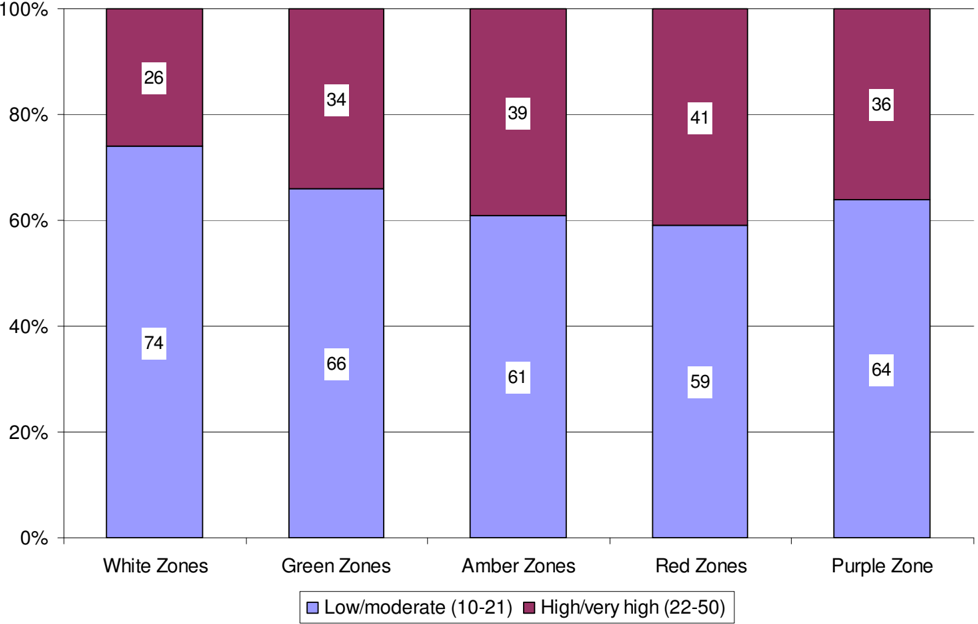
BACKGROUND: In 2007 Australia experienced its first outbreak of highly infectious equine influenza. Government disease control measures were put in place to control, contain, and eradicate the disease; these measures included movement restrictions and quarantining of properties. This study was conducted to assess the psycho-social impacts of this disease, and this paper reports the prevalence of, and factors influencing, psychological distress during this outbreak. METHODS: Data were collected using an online survey, with a link directed to the affected population via a number of industry groups. Psychological distress, as determined by the Kessler 10 Psychological Distress Scale, was the main outcome measure. RESULTS: In total, 2760 people participated in this study. Extremely high levels of non-specific psychological distress were reported by respondents in this study, with 34% reporting high psychological distress (K10 > 22), compared to levels of around 12% in the Australian general population. Analysis, using backward stepwise binary logistic regression analysis, revealed that those living in high risk infection (red) zones (OR = 2.00; 95% CI: 1.57-2.55; p < 0.001) and disease buffer (amber) zones (OR = 1.83; 95% CI: 1.36-2.46; p < 0.001) were at much greater risk of high psychological distress than those living in uninfected (white zones). Although prevalence of high psychological distress was greater in infected EI zones and States, elevated levels of psychological distress were experienced in horse-owners nationally. Statistical analysis indicated that certain groups were more vulnerable to high psychological distress; specifically younger people, and those with lower levels of formal educational qualifications. Respondents whose principal source of income was from horse-related industry were more than twice as likely to have high psychological distress than those whose primary source of income was not linked to horse-related industry (OR = 2.23; 95% CI: 1.82-2.73; p < 0.001). CONCLUSION: Although, methodologically, this study had good internal validity, it has limited generalisability because it was not possible to identify, bound, or sample the target population accurately. However, this study is the first to collect psychological distress data from an affected population during such a disease outbreak and has potential to inform those involved in assessing the potential psychological impacts of human infectious diseases, such as pandemic influenza.
Overview
The claims and statistics of this paper haven’t been checked yet.
Free: it reads the open-access text and checks the first 5 claims that cite a source we can check. Create a free account to check every claim.
Integrity signals
Registry
Cites
Statistics
Figures
Verification
Claims the paper makes
The claims and statistics of this paper haven’t been checked yet.
Free: it reads the open-access text and checks the first 5 claims that cite a source we can check. Create a free account to check every claim.
Claims other papers make about this one
Each is checked against this paper’s own text: does it say what the citing paper says it does?
The source backs part of the claim, not all of it — or backs it for a different population, condition or comparison.
In the citing paper
“Several studies already showed that adolescent age is a risk factor for diverse mental health problems, especially during epidemic outbreaks [e.g., (4–10)].”
From Digital Media Use and Adolescents' Mental Health During the Covid-19 Pandemic: A Systematic Review and Meta-Analysis (2022) · cites this paper as [9]
Experimental — accuracy not yet measuredThe source backs part of the claim, not all of it — or backs it for a different population, condition or comparison.
In the citing paper
“Taylor et al. (2008) revealed that those who were living in red zones, which were highly infectious zones during the equine influenza (OR: = 2.00; 95%, CI: 1.57–2.55), and the amber or buffer zones (OR: = 1.83; 95% CI: 1.36–2.46) were more prone to psychological distress than those who lived in white zones, which were unaffected [20].”
From Mental Health of Children and Adolescents Amidst COVID-19 and Past Pandemics: A Rapid Systematic Review (2021) · cites this paper as Taylor et al. (2008)
Experimental — accuracy not yet measuredThe source backs part of the claim, not all of it — or backs it for a different population, condition or comparison.
In the citing paper
“Taylor et al. (2008) revealed that those who were living in red zones, which were highly infectious zones during the equine influenza (OR: = 2.00; 95%, CI: 1.57–2.55), and the amber or buffer zones (OR: = 1.83; 95% CI: 1.36–2.46) were more prone to psychological distress than those who lived in white zones, which were unaffected [20].”
From Mental Health of Children and Adolescents Amidst COVID-19 and Past Pandemics: A Rapid Systematic Review (2021) · cites this paper as [20]
Experimental — accuracy not yet measured
7 more claims about this paper
Create a free account to see every claim other papers make about this one.
Self-check
Percentages, sums and reported differences re-computed from the paper’s own numbers.
The self-check needs the paper’s full text.
Citations
Cites
KESSLER, R. C., ANDREWS, G., COLPE, L. J., HIRIPI, E., MROCZEK, D. K., NORMAND, S.-L. T., WALTERS, E. E., & ZASLAVSKY, A. M. (2002) · Psychological Medicine · doi:10.1017/s0033291702006074 · Cited by 10,327
Screening for serious mental illness in the general population
Kessler, R. C., Barker, P. R., Colpe, L. J., Epstein, J. F., Gfroerer, J. C., Hiripi, E., Howes, M. J., Normand, S.-L. T., Manderscheid, R. W., Walters, E. E., et al. (2003) · Archives of General Psychiatry · doi:10.1001/archpsyc.60.2.184 · Cited by 5,692
Interpreting scores on the Kessler Psychological Distress Scale (K10)
Andrews, G., & Slade, T. (2001) · Australian and New Zealand Journal of Public Health · doi:10.1111/j.1467-842x.2001.tb00310.x · Cited by 2,021 · cited 1×
“Scores on the K10 are subsequently categorized into four levels: low (scores of 10–15); moderate (scores of 16–21); 'high' (scores of 22–29) and 'very high' (scores of 30–50) [ 27 ].”
BackgroundFURUKAWA, T. A., KESSLER, R. C., SLADE, T., & ANDREWS, G. (2003) · Psychological Medicine · doi:10.1017/s0033291702006700 · Cited by 1,570 · cited 1×
“The K10 is also able to discriminate between DSM-IV cases and non-cases, and is felt to be an appropriate screening instrument for identifying likely cases of anxiety and depression in the population providing a strong marker for a possible mental health disorder [21-23].”
BackgroundAustralian Journal of Emergency Management
(2021) · Australian Journal of Emergency Management · doi:10.47389/13241540 · Cited by 1,308
Handbook on animal-assisted therapy. Theoretical foundations and guidelines for practice
Fine, A. H. (2010) · Zurich Open Repository and Archive (University of Zurich) · doi:10.5167/uzh-46614 · Cited by 762
Maunder, R. G., Lancee, W. J., Rourke, S., Hunter, J. J., Goldbloom, D., Balderson, K., Petryshen, P., Steinberg, R., Wasylenki, D., Koh, D., et al. (2004) · Psychosomatic Medicine · doi:10.1097/01.psy.0000145673.84698.18 · Cited by 368
SARS-related Perceptions in Hong Kong
Lau, J. T. F., Yang, X., Pang, E., Tsui, H. Y., Wong, E., & Wing, Y. K. (2005) · Emerging Infectious Diseases · doi:10.3201/eid1103.040675 · Cited by 357
Cairney, J., Veldhuizen, S., Wade, T. J., Kurdyak, P., & Streiner, D. L. (2007) · The Canadian Journal of Psychiatry · doi:10.1177/070674370705200209 · Cited by 226
Fear of Severe Acute Respiratory Syndrome (SARS) Among Health Care Workers.
Ho, S. M. Y., Kwong-Lo, R. S. Y., Mak, C. W. Y., & Wong, J. S. (2005) · Journal of Consulting and Clinical Psychology · doi:10.1037/0022-006x.73.2.344 · Cited by 214
Research works printed but not linked: 8
- 2. Australian Horse Industry Council: Equine Influenza Impact Study Results. 2007 [http://www.horsecouncil.org.au/_upload/files/ EI%20Impact%20Report.pdf].
- 3. Australian Horse Industry Council: Follow-up Equine Influenza Impact Study. 2008 [http://www.horsecouncil.org.au/_upload/files/ Follow%20Up%20EI%20Impact%20Report.pdf].
- 13. Centre for Epidemiology and Research: 2006 Report on Adult Health from the New South Wales Population Health Sur- vey. Sydney. NSW Department of Health; 2007.
- Victorian Population Health Survey 2005: Department of Human Services, Victoria. 2006
- 14. Population Research and Outcome Studies Unit: The Health Status of People Living in South Australian Divisions of General Practice: South Australian Monitoring and Surveillance Sys- tem (SAMSS). In Health Intelligence South Australian Department of Health; 2007.
- 15. Draper G, Coddle JP: Our State of Health 2004: An overview of the health of the people of Western Australia. Health Informa- tion Centre, Department of Health, Western Australia 2004.
- 16. Australian Bureau of Statistics: National Survey of Mental Health and Well-being of Adults, Canberra. 1999.
- 21. Centre for Epidemiology and Research: 2007 Summary report on adult health by area health service from the New South Wales Population Health Survey. In Sydney NSW Department of Health; 2008.
Cited by
Items 301–400 of 544
Dhand, N. K., & Sergeant, E. (2011) · Australian Veterinary Journal · doi:10.1111/j.1751-0813.2011.00754.x · Cited by 7
Humans and Robots in Times of Quarantine Based on First-Hand Accounts
Lafranca, L., & Li, J. J. (2020) · Lecture notes in computer science · doi:10.1007/978-3-030-62056-1_57 · Cited by 8
“The research can be divided into 2 main categories: Crosssectional [3, 11, 14, 22, 26, 30, 32] or qualitative research [8, 11, 27, 33].”
Toroghi, R., Salamatian, I., Bassami, M. R., Irankhah, N., Emarloo, A., ماهوتی, ا., & Ghavi, S. (2020) · World s Poultry Science Journal · doi:10.1080/00439339.2020.1823301 · Cited by 7
COVID-19 pandemisinde eczanede çalışan personelin kaygı, uykusuzluk ve depresyon prevalansı
Salcan, S., & Sarıkaya, B. (2020) · Türkiye Halk Sağlığı Dergisi · doi:10.20518/tjph.770288 · Cited by 11
Side-Effects of Public Health Policies Against Covid-19: The Story of an Over-Reaction
Lansiaux, É., Tchagaspanian, N., Arnaud, J., Durand, P., Changizi, M. A., & Forget, J. (2021) · Frontiers in Public Health · doi:10.3389/fpubh.2021.696818 · Cited by 8
“reported by respondents, with 34% reporting high psychological distress compared to levels around 12% in the Australian general population [23].”
BackgroundCrawford, J., Beaton, D., Ahmad, F., & Bierman, A. S. (2017) · BMC Research Notes · doi:10.1186/s13104-017-3098-3 · Cited by 6
Steinmetz, L. C. L., Fong, S. B., Leyes, C. A., Florio, M. A. D., & Godoy, J. C. (2020) · Frontiers in Global Women s Health · doi:10.3389/fgwh.2020.580652 · Cited by 9
“In line with our findings, a younger age and female gender were previously indicated as pre-quarantine predictors associated with negative psychological impacts (6, 37).”
Durowade, K. A., Sanni, T. A., Adeniyi, M. A., Babalola, S. A., Popoola, T., Adebara, I. O., & Ajayi, E. A. (2020) · Nigerian Journal of Medicine · doi:10.4103/njm.njm_164_20 · Cited by 10
Seo, W. S. (2021) · Chronobiology in Medicine · doi:10.33069/cim.2021.0021 · Cited by 6
“Younger individuals and women were more vulnerable to depression and anxiety [33].”
BackgroundTrastornos del sueño en emergencias y desastres
Molt, F., Torres, P., Flores, V., Valladares, C., Ibáñez, J. L., & Cortes, M. Y. P. (2021) · Revista Médica Clínica Las Condes · doi:10.1016/j.rmclc.2021.07.003 · Cited by 15
Edjolo, A., Dorey, J., Herrmann, M., Perrot, C., Lebrun-Givois, C., Buisson, A., Haouari, H. E., Laurent, B., Pongan, É., & Rouch, I. (2022) · Frontiers in Psychiatry · doi:10.3389/fpsyt.2022.918428 · Cited by 6
Zhang, Z., Yang, Y., Zhang, H.-T., Yu, X., Wang, C.-T., Liu, D., Mao, J., Lin, H., Tang, W., Zhao, L., et al. (2023) · Basic and Clinical Andrology · doi:10.1186/s12610-022-00177-5 · Cited by 6
Deb, S., Dorji, N., Kar, S., Sunny, A. M., Deb, S., Ghosh, S., & Chakraborty, S. (2023) · Journal of Affective Disorders Reports · doi:10.1016/j.jadr.2023.100502 · Cited by 8
“Poor mental health is also identified to have a significant correlation with lower income and younger age (especially between 16 and 24 years), who exhibited a greater risk of developing psychological distress (Smith et al., 2020; Taylor et al., 2008).”
BackgroundPacheco-Tobón, D. X., Bautista-Soto, E., Arellano-Ramírez, C., Orozco-García, D., Ramos-Ruiz, L., Herbales-Martinez, E., Porchia, L. M., Pérez-Fuentes, R., & González-Mejía, M. E. (2023) · Salud Mental · doi:10.17711/sm.0185-3325.2023.010 · Cited by 7
The mental burden of stay-at-home order extensions during COVID-19
Segovia, M. S., Huseynov, S., Palma, M. A., & Nayga, R. M. (2024) · Scientific Reports · doi:10.1038/s41598-024-54059-z · Cited by 6
“Model specifications 2, 4, and 6 correspond to estimates of subjects with expected extensions of more than four weeks.”
BackgroundLazebnik, T., & Spiegel, O. (2024) · Ecological Modelling · doi:10.1016/j.ecolmodel.2024.110925 · Cited by 8
“The ultimate aim is to devise effective pandemic intervention strategies and, ideally, eliminate these diseases altogether, or more proximately, prevent them on a local scale [12, 13, 14, 15, 16, 17].”
Role of personal decontamination in preventing the spread of equine influenza
Frazer, J. L., Perkins, N. R., & Pitt, D. (2011) · Australian Veterinary Journal · doi:10.1111/j.1751-0813.2011.00763.x · Cited by 6
ANXIETY ABOUT THE FUTURE IN THE CONTEXT OF A CORONAVIRUS PANDEMIC: A CONTENT ANALYSIS STUDY
Kononov, A. N. (2020) · Вестник Московского государственного областного университета · doi:10.18384/2310-7235-2020-3-18-28 · Cited by 8
Hubungan Pengetahuan dengan Kecemasan Ibu Nifas dalam Merawat Bayi Baru Lahir
Syahrianti, S., Fitriyanti, W. O., Askrening, A., & Yanthi, D. (2020) · Health Information Jurnal Penelitian · doi:10.36990/hijp.v12i2.235 · Cited by 17
Effects of COVID-19 on Engineering Students’ Baseline Stress
Danowitz, A., & Beddoes, K. (2020) · Cited by 6
Gómez-Salgado, J. C., Domínguez‐Salas, S., Rodríguez-Domínguez, C., Allande‐Cussó, R., Romero‐Martín, M., & Ruíz-Frutos, C. (2021) · BMJ Open · doi:10.1136/bmjopen-2021-051572 · Cited by 8
“In addition, it also reflects that women, a group at the forefront of childcare, the elderly and dependents, are suffering greatly from the effects of this health and social crisis.”
BackgroundMental health among the Moroccan population during SARS-CoV-2 outbreak: MAROCOVID study
Menouni, A., Berni, I., Abchouch, T., Khouchoua, M., Filali-Zegzouti, Y., Janssen, P., Kestemont, M., Godderis, L., & Jaâfari, S. E. (2022) · Journal of Affective Disorders · doi:10.1016/j.jad.2022.04.052 · Cited by 8
Fornara, G. A., Mameli, F., Ruggiero, F., Meessen, J. M. T. A., Blanda, A., Ampollini, A. M., Locatelli, M., Salmaggi, A., Cristofori, A. D., Mauri, I., et al. (2023) · Frontiers in Oncology · doi:10.3389/fonc.2023.1002895 · Cited by 6
Taylor, M. R., Agho, K., Stevens, G. J., & Raphael, B. (2011) · Australian Veterinary Journal · doi:10.1111/j.1751-0813.2011.00772.x · Cited by 6
Self-citationGrimble, N., Scarfo, J., Katherveloo, J., Ganci, M., Ball, M., & Suleyman, E. (2024) · PLoS ONE · doi:10.1371/journal.pone.0299835 · Cited by 12
Quarantine-related depression and anxiety during coronavirus disease 2019 outbreak
AlAteeq, D. A., Aljhani, S., Al‐Subaie, M. F., Althiyabi, I., & Majzoub, S. (2021) · International Journal of Medicine in Developing Countries · doi:10.24911/ijmdc.51-1609792406 · Cited by 5
“Other reasons could explain the vulnerability of people under quarantine, such as being locked in a limited space with contact precautions and less social interaction [6,15], in addition to the uncertainty of a positive COVID-19 test result [16] and the effects and complications of infection [17].”
G, S. K. C., Alshammari, Q. T., Reddy, R. S., Kandakurti, P. K., & Amaravadi, S. K. (2022) · International Journal Of Pharmaceutical Research And Allied Sciences · doi:10.51847/pxiiktrqck · Cited by 7
Pedro, M., Caldas, M., Penas, J., & Marqués, B. (2022) · Cureus · doi:10.7759/cureus.29049 · Cited by 5
“One such example is the first outbreak of equine influenza in Australia, with 34% reporting high psychological distress, compared to levels of around 12% in the Australian general population [4].”
BackgroundCOVID-19 anxiety and associated factors among university students in Bangladesh
Zubayer, A. A., Rahman, M. E., Islam, M. B., Zaman, M. O., & Jobe, M. C. (2023) · Death Studies · doi:10.1080/07481187.2023.2180692 · Cited by 5
Chesbro, G. A., Peterson, J. A., Black, C. D., Larson, D. J., & Larson, R. D. (2022) · International journal of exercise science · doi:10.70252/qowa9780 · Cited by 5
Telework during COVID-19 outbreak: Impact on mental health among Italian workers
Bertino, V., Nisticò, V., D’Agostino, A., Priori, A., Gambini, O., & Demartini, B. (2021) · International Journal of Healthcare · doi:10.5430/ijh.v7n2p29 · Cited by 13
Adherence and Psychosocial Well-Being During Pandemic-Associated Pre-deployment Quarantine
Bühler, A., & Willmund, G. (2021) · Frontiers in Public Health · doi:10.3389/fpubh.2021.802180 · Cited by 6
Al‐Sejari, M. M., & Al‐Kandari, Y. Y. (2022) · American Journal of Men s Health · doi:10.1177/15579883221089486 · Cited by 7
Mokogwu, N. (2022) · Journal of the Pan African Thoracic Society · doi:10.25259/jpats_38_2021 · Cited by 5
Jain, D., Verma, V., Parashar, N., Kumar, S., Kiran, U., Satija, A., & Tiwari, N. (2022) · Cureus · doi:10.7759/cureus.25950 · Cited by 11
“normal lives have led to additional psychological stress among people [1].”
BackgroundOnline Food Shopping: Determinants and Profile of Portuguese Buyers in the Pandemic Context
Gomes, S., Lopes, J. M., & Oliveira, J. (2022) · Innovar · doi:10.15446/innovar.v33n87.105507 · Cited by 6
dos Santos, M. F., & Rodrigues, J. F. D. S. (2020) · Nursing Edição Brasileira · doi:10.36489/nursing.2020v23i265p4095-4106 · Cited by 24
Anxiety Levels and Associated Factors Among Emergency Department Personnel Fighting COVID-19
Sert, E. T., Mutlu, H., Kokulu, K., & Sarıtaş, A. (2020) · Journal of Contemporary Medicine · doi:10.16899/jcm.780820 · Cited by 5
“Previous research revealed an increase in healthcare professionals’ anxiety levels during times of pandemics.[9] A study conducted in Hong Kong during the SARS outbreak concluded that psychological reactions such as stress, helplessness, and post-traumatic disorders were found to be common among individuals during the…”
COVID-19 y su asociación con síntomas depresivos en población española
Casas, D. G., García, E. M., Castillo, A. I. C., & Elez, P. D. L. P. (2020) · Revista Habanera de Ciencias Médicas · Cited by 18
Mattioli, A. V., Toni, S., Coppi, F., & Farinetti, A. (2020) · Acta bio-medica dell'Ateneo parmense/Acta biomedica · doi:10.23750/abm.v91i4.10284 · Cited by 8
“[13,14,15] One of the first studies conducted during the COVID-19 epidemic identified an increased risk of anxiety, depression, and stress among women [16] Gómez-Salgado and coworkers found that women have significantly higher levels of stress and this could be an individual risk factor in the face of the impact of th…”
Das, D., & Pal, S. (2021) · Asia Pacific Journal of Health Management · doi:10.24083/apjhm.v16i2.659 · Cited by 4
Wong, L. P., Hung, C., Alias, H., & Lee, T. S. (2020) · doi:10.21203/rs.3.rs-23432/v1 · Cited by 5
Mento, C., Silvestri, M., Amézaga, P., Muscatello, M. R. A., Romeo, V., Bruno, A., & Cedro, C. (2022) · Journal of Mind and Medical Sciences · doi:10.22543/7674.91.p7887 · Cited by 5
Venkat, S. L. B., & Ananthakrishnan, K. (2021) · Indian Journal of Social Psychiatry · doi:10.4103/ijsp.ijsp_153_20 · Cited by 4
Helayel, H. B., Ahmed, A., Ahmed, S. K., Ahmad, A., Khan, R., & Al-Swailem, S. A. (2022) · PLoS ONE · doi:10.1371/journal.pone.0261967 · Cited by 5
Redaelli, M., Engen, M. L. V., & André, S. C. H. (2022) · Frontiers in Psychology · doi:10.3389/fpsyg.2022.1001076 · Cited by 11
More Positive Emotion, Less Stress Perception?
Lin, Y., Wang, J., Liu, W., & Jia, Y. (2022) · Psychology Research and Behavior Management · doi:10.2147/prbm.s381964 · Cited by 6
“However, the results were different from some previous studies, in which younger age (16–24 years) and lower household income were reported as the characteristics of participants associated with negative psychological impacts.(18,21) Future studies should further explore inconsistent results with respect to age.”
The Socio-economic Impacts of the COVID-19 Pandemic: A Review
Nayak, D., Kumar, R., & Savalia, C. V. (2020) · International Journal of Current Microbiology and Applied Sciences · doi:10.20546/ijcmas.2020.911.069 · Cited by 5
Koç, A., Demirkol, M. E., Uzun, L. N., & Tok, H. H. (2021) · Adıyaman Üniversitesi Sağlık Bilimleri Dergisi · doi:10.30569/adiyamansaglik.817512 · Cited by 6
İzolasyon ve karantinanın ruh sağlığı üzerine etkileri
Aslan, E., & Türkili, S. (2021) · Mersin üniversitesi sağlık bilimleri dergisi/Mersin üniversitesi sağlık bilimleri dergisi · doi:10.26559/mersinsbd.868398 · Cited by 6
Jiang, D., & Lee, J. C. (2022) · Applied Psychology Health and Well-Being · doi:10.1111/aphw.12379 · Cited by 7
Concerns and Problems of Orthodontic Patients During the COVID-19 Pandemic
Shahroudi, A. S., Sodagar, A., Shamshiri, A. R., Rahimpour, S., & Samimi, S. M. (2022) · Frontiers in Dentistry · doi:10.18502/fid.v19i18.9964 · Cited by 4
Domingo Prieto, M., Juan Durán, R., Nicolás Núñez, M., Delgado, I., Vicente Brito, M., Mario Ordóñez, C., Ximena Paz Aguilera, S., & Gabler, G. (2021) · Revista médica de Chile · doi:10.4067/s0034-98872021001201723 · Cited by 6
Kyriazos, T. A., Galanakis, M., Karakasidou, E., & Stalikas, A. (2022) · Psychology the Journal of the Hellenic Psychological Society · doi:10.12681/psy_hps.28853 · Cited by 5
Parada-Flores, B., Faúndez-Casanova, C., Cruz-Hidalgo, N. X., Díaz-Riquelme, J., Muñoz-Muñoz, F., & Castillo-Retamal, M. (2023) · Retos · doi:10.47197/retos.v48.94282 · Cited by 12
Psychosocio-economic impacts of COVID-19 on gastroenterology and endoscopy practice
Shen, J. (2021) · Gastroenterology report · doi:10.1093/gastro/goab012 · Cited by 5
Rahman, M. M., & Rahaman, M. S. (2021) · Journal of Community Psychology · doi:10.1002/jcop.22756 · Cited by 3
“Besides these studies, participants have expressed concerns about their own safety as well as the safety of others (Desclaux et al., 2017; Jeong et al., 2016; Sprang & Silman, 2013; Taylor et al., 2008; Wang et al., 2011; Wester & Giesecke, 2019), especially for family members who are not subjected to the quarantine.”
Qodariah, L., Abidin, F. A., Lubis, F. Y., Anindhita, V., & Purba, F. D. (2020) · Makara Human Behavior Studies in Asia · doi:10.7454/hubs.asia.2201020 · Cited by 10
“A study conducted in Australia on the rate of psychological distress during a flu epidemic found a similar result: residents in areas with a higher prevalence of the illness were more likely to experience mental distress (Taylor et al., 2008).”
ResultLazebnik, T., Samuel, Y., Tichon, J., Lapid, R., King, R., Nissimyan, T., & Spiegel, O. (2026) · Ecological Modelling · doi:10.1016/j.ecolmodel.2026.111487 · Cited by 5
Aperi, S., & Koliouli, F. (2021) · Trends in Psychology · doi:10.1007/s43076-021-00111-0 · Cited by 4
Parenting Concerns During the COVID-19 Pandemic: Results From a Canadian Crowdsourced Sample
Kingsbury, M. K., Arım, R. G., & Findlay, L. (2023) · Journal of Family Issues · doi:10.1177/0192513x231181364 · Cited by 4
“One study of individuals quarantined due to equine in fl uenza suggested that parents ’ mental health was more severely impacted by quarantine than that of non-parents (Taylor et al., 2008).”
BackgroundMartin, A. F., Smith, L., Brooks, S. K., Stein, M. V., Davies, R., Amlôt, R., Greenberg, N. L., & Rubin, G. J. (2025) · PLoS ONE · doi:10.1371/journal.pone.0310851 · Cited by 12
“This complexity mirrors the intricacies observed in prior studies, which found that factors such as the number and age of the children could exert different risk or protective effects [60,61].”
The Impact of Online Teaching during the Coronavirus Pandemic on the Lives of Teachers and Parents
Zaidi, K. A., Gul, A., & Ahmad, F. (2020) · Asian Journal of Education and Training · doi:10.20448/journal.522.2020.64.658.663 · Cited by 3
Comparison of İndividuals’ Fear of COVID-19 Pandemic and Perceived Control in Turkey
Altınayak, S. Ö., & Erkek, Z. Y. (2021) · Journal of Contemporary Medicine · doi:10.16899/jcm.940872 · Cited by 4
Well-Being at Home During Forced Quarantine Amid the COVID-19 Pandemic
Krajewska-Kułak, E., Kułak-Bejda, A., Kułąk, W., Bejda, G., Łukaszuk, C. R., Waszkiewicz, N., Cybulski, M., Guzowski, A., Fiłon, J., Aniśko-Trambecka, P., et al. (2022) · Frontiers in Psychiatry · doi:10.3389/fpsyt.2022.846122 · Cited by 4
JOSÉ, H. M. G., Oliveira, C., Costa, E., de Matos, F. A. P. S., Pacheco, E., Nave, F. J. G. M., VALENTİM, O. M. M. D. S., & Sousa, L. (2023) · Healthcare · doi:10.3390/healthcare11050659 · Cited by 5
Bingqian, L. I. U., Xie, Q., Ye, G., Zhou, A. Y., Zhang, A. J., & Liu, X. (2023) · Journal of Evidence-Based Psychotherapies · doi:10.24193/jebp.2023.2.10 · Cited by 4
Mondal, A., Saha, I., Banerjee, N., Saha, P. K., Ghosh, S., & Saha, D. (2021) · Asian Journal of Medical Sciences · doi:10.3126/ajms.v12i10.38024 · Cited by 5
“3) 16 (12-19) 8 (6-10) 6 (3-10) 7 (3-13) Educational status Undergraduate 32 (7.”
InfluentialFacteurs prédictifs de l’anxiété des étudiants durant la pandémie (COVID-19)
Bergheul, S., Carole, C., Augustin, E., Oscar, L., & Mejía, J. P. B. (2021) · L Encéphale · doi:10.1016/j.encep.2021.08.009 · Cited by 8
KOÇ, N. (2022) · İnönü Üniversitesi Sağlık Hizmetleri Meslek Yüksek Okulu Dergisi · doi:10.33715/inonusaglik.1155682 · Cited by 5
COVID-19: Lesson Learnt from Diagnostics to Therapeutics
Panda, P. K., Chavda, V. P., Neve, K., Mishra, S., Verma, S. K., & Ahuja, R. (2022) · Springer eBooks · doi:10.1007/978-981-19-3979-2_16 · Cited by 7
Storr, C. L., Azur, M. J., Bass, J., & Wilcox, H. C. (2012) · Oxford University Press eBooks · doi:10.1093/acprof:oso/9780195390445.003.0011 · Cited by 4
Herawati, C., Dani, A. H., Herlinawati, H., Bakhri, S., Banowati, L., Wahyuni, N. T., & Abdurakhman, R. N. (2021) · The Journal of Infection in Developing Countries · doi:10.3855/jidc.14085 · Cited by 3
Spiritual Tourism Transition: An Ethos of Hope during COVID-19 Crisis from Indian Perspectives
Kumar, S., Shekhar, S., Valeri, M., & Sageena, G. (2022) · Emerald Group Publishing Limited eBooks · doi:10.1108/978-1-80117-708-520221018 · Cited by 7
Evaluation of Children's Anxiety During the Pandemic Based on Their Drawings
KEMER, F. N. A. (2022) · Türk Psikolojik Danışma ve Rehberlik Dergisi · doi:10.17066/tpdrd.1138538 · Cited by 3
Ebrahimi, B., Nazarinia, M., Molayem, M., Javidialsaadi, A., & Nemati, M. (2022) · Archives of Clinical Infectious Diseases · doi:10.5812/archcid-105980 · Cited by 3
“The pandemic can adversely affect the community with tremendous public anxiety in the affected countries and increase psychological distress (22).”
BackgroundFerrari, L., Canzi, E., Barni, D., Ranieri, S., Danioni, F., Fico, G. L., & Rosnati, R. R. (2022) · The Family Journal · doi:10.1177/10664807221124251 · Cited by 4
“…research on the reactions to former epidemics has already shown that having children is a key factor associated with higher levels of stress and higher short- and long-term risks for mental health during lockdown than nonhaving children (Liu et al., 2012; Nickell et al., 2004; Taylor et al., 2008).”
BackgroundVuong, W., Gusnowski, A., Surood, S., Shalaby, R., Hrabok, M., Mrklas, K., Urichuk, L., Greenshaw, A. J., Li, X., & Agyapong, V. I. O. (2020) · doi:10.21203/rs.3.rs-30858/v1 · Cited by 3
Imagination, anxiety, and loneliness during the COVID-19 pandemic.Preprint
Zabelina, D. L., Clay, J. Z., & Upshaw, J. D. (2021) · PsyArXiv (OSF Preprints) · doi:10.31234/osf.io/9aqbj · Cited by 5
Pandemic‐induced job loss and mental health: Evidence from a moderated mediation model
Yao, R., & Zhang, J. (2024) · Review of Development Economics · doi:10.1111/rode.13162 · Cited by 2
Liu, J., Wang, X., Wang, Z., & Chen, S. (2025) · BMC Psychology · doi:10.1186/s40359-025-03309-4 · Cited by 2
“Many scholars have explored the psychological distress of the population after significant epidemics, such as the MERS coronavirus in South Korea [44], SARS in Taiwan [45], Zika virus [46], and equine flu in Australia [47].”
Ünver, O., Dinç, H., ÇETİN, E., & Argan, M. (2021) · International Journal of Sport Exercise & Training Sciences · doi:10.18826/useeabd.830125 · Cited by 3
Yılar, M. B., KARADAĞ, Y., & Aydoğmuş, M. (2021) · MANAS Sosyal Araştırmalar Dergisi · doi:10.33206/mjss.857415 · Cited by 2
Chakraborty, U., Pandey, M. K., Mishra, D., Mishra, N. K., & Bapte, A. (2020) · Indian Journal of Mental Health(IJMH) · doi:10.30877/ijmh.8.2.2021.192-199 · Cited by 5
Eating disorder and anxiety during Covid19 pandemic: the Maghrebian experience
Alouani, S., Alouani, S., Haouala, A. B., Mhalla, A., Marzougui, A., Gaha, L., & Amamou, B. (2022) · Psychology Health & Medicine · doi:10.1080/13548506.2022.2073375 · Cited by 2
Mansouri, F., Lahlou, L., Camara, M., Seck, S., Bâ, E. H. M., & Thiam, M. H. (2022) · Annales Médico-psychologiques revue psychiatrique · doi:10.1016/j.amp.2022.09.005 · Cited by 3
“Cet aspect a été retrouvé par une précédente étude menée en Australie sur l’épidémie de la grippe qui a révélé que les habitants des zones géographiques ayant une prévalence plus élevée de la maladie étaient plus susceptibles d’être en détresse psychique [34].”
Dono, F., Evangelista, G., Consoli, S., Pasini, F., Russo, M., Nucera, B., Rinaldi, F., Battaglia, G., Vollono, C., Brigo, F., et al. (2022) · Journal of Psychosomatic Research · doi:10.1016/j.jpsychores.2022.111046 · Cited by 3
Mitchell, D., Bressington, D. T., Esler, D., Straube, K. A., Noel‐Gough, L., Vermeulen, L., & Stephens, D. P. (2023) · Journal of Psychiatric and Mental Health Nursing · doi:10.1111/jpm.12914 · Cited by 2
Elamoshy, R., Farag, M., Geda, N. R., & Feng, C. X. (2024) · Archives of Public Health · doi:10.1186/s13690-024-01253-0 · Cited by 5
“Financial strains were also psychologically challenging and had been associated with higher distress [6], anger, anxiety [7], and depression [8].”
BackgroundMorris, K. J., Ashida, S., Ramirez, M. R., & Tarr, G. A. M. (2024) · BMJ Public Health · doi:10.1136/bmjph-2024-001256 · Cited by 2
Impact of COVID 19 Pandemic on the Mental Health of Diabetic Patients in Jordan: An Online Survey
Al‐Taani, G. M., Muflih, S., Alsharedeh, R., Karasneh, R. A., & Al-Azzam, S. I. (2024) · Jordan Journal of Pharmaceutical Sciences · doi:10.35516/jjps.v17i4.2234 · Cited by 2
GÖNÜLTAŞ, B. M., Öztürk, M., Başcıllar, M., AYDEMİR, İ., Temiz, S., Erkoç, B. H., Ervüz, C., & Türk, A. (2025) · Psychiatry · doi:10.1080/00332747.2025.2503005 · Cited by 4
“In a study of people in quarantine due to influenza in Australia in 2007 (Taylor et al., 2008), stress levels doubled as a result of not being able to go to work.”
ADVERSE PSYCHOLOGICAL ASPECTS OF PANDEMICS
Assunção, W. C., de Jesus, W. C., & Carneiro, N. S. P. (2020) · Capim Dourado Diálogos em Extensão · doi:10.20873/uft.2595-7341.2020v3n2p145 · Cited by 2
Psychological stress after Covid-19 in hypertensive patients in Madinah: Cross- sectional study
Ismail, H. M., Alharbi, A. M. A., Almaghrabi, A. N., Alzahim, A. F., Almustadi, A. I., Alamri, A. A. H., Alharbi, M. J., Alawfi, A. K., & Aloufi, M. M. (2022) · Medical Science · doi:10.54905/disssi/v26i125/ms300e2367 · Cited by 2
“However, the data are consistent with data derived from past studies where young people suffering from epidemics had higher risk of distress (Taylor et al., 2008).”
ResultA Reason for Admission to the Sleep Outpatient Clinic during COVID-19 Pandemic: Insomnia
Sünbül, E. A., Karacı, R., & Domaç, F. M. (2020) · Düzce Tıp Fakültesi Dergisi · doi:10.18678/dtfd.782300 · Cited by 2
“(15) in 2008, it was shown that young age and female gender caused negative psychological effects in the quarantine period.”
BackgroundDisease and Treatment Experiences of COVID-19 Patients: A Qualitative Study
Şahin, C. U., Aydın, M., Usta, A., & Sakın, M. (2021) · Cyprus Journal of Medical Sciences · doi:10.5152/cjms.2021.3188 · Cited by 2
COVID-19 Lockdown and its Impact on Social–Ethics and Psycho-Social Support for Disability Care
Nwachukwu, P. (2021) · Journal of Intellectual Disability - Diagnosis and Treatment · doi:10.6000/2292-2598.2021.09.01.6 · Cited by 2
Depressive and anxious symptomatology in a Lebanese sample during the COVID-19 outbreak
Assi, M., Maatouk, I., & Jaspal, R. (2021) · International Journal of Health Promotion and Education · doi:10.1080/14635240.2021.1950561 · Cited by 2
“The negative effects of job insecurity on mental health have been documented in other major disease outbreaks, such as equine influenza and severe acute respiratory syndrome (SARS) (Taylor et al., 2008; Yu et al. 2005).”
BackgroundMental health outcomes of COVID-19 quarantine in the Kurdistan Region of Iraq: A Case-Control Study
Seidi, P. A.-M., Kamali, A., Ardebil, M. D., Ali, I., & Jaff, D. (2021) · passer · doi:10.24271/psr.25 · Cited by 3
“10, 11 However, in case of predictors of psychological problems during quarantine there are contradicting findings.(12,10) To our knowledge, there is no information available about the psychological impacts of quarantine specially in the KRI where most of the population is afflicted by conflict and political * Corresp…”
Paolocci, G., Bussotti, P., Pompili, C., Muzi, G., Gambelunghe, A., Dell’Omo, M., Murgia, N., & Folletti, I. (2021) · La Medicina del Lavoro · doi:10.23749/mdl.v112i6.12525 · Cited by 2
“*Discomfort using PPE, n (%) - To communicate 193 (65) 46 (15) 103 (58) 35 (20) 26 (68) 10 (26) 99 (79) 30 (24) 54 (82) 20 (30) 102 (69) 48 (32) 62 (52) 24 (20) 5 (100) 3 (60) 14 (56) 5 (20)”
ResultInfluential
Metadata
- Authors
- Taylor, M. R., Agho, K. E., Stevens, G. J., & Raphael, B.
- Affiliations
- Western Sydney University (AU)
- Corresponding author
- Taylor, Melanie R
- Venue
- BMC Public Health
- Published
- 2008-10-03
- Volume
- 8
- Issue
- 1
- Pages
- 347-347
- ISSN
- 1471-2458 (ISSN-L)
- PMC
- PMC2571100
- OpenAlex
- W1990329824
- Cited by
- 544
- References
- 23
- Citations by year
- 2026: 8 · 2025: 9 · 2024: 27 · 2023: 51 · 2022: 96 · 2021: 165 · 2020: 160 · 2019: 1 · 2018: 1 · 2017: 5 · 2016: 1 · 2015: 2 · 2014: 1 · 2013: 4 · 2012: 5
- FWCI
- 2.60
- Type
- journal article
- Language
- en
- Open access
- gold
- doi.org
- Licence
- cc-by
- creativecommons.org/licenses/by/2.0 (tdm)
- Locations
- BMC Public Health (publishedVersion, cc-by)
- PubMed Central (publishedVersion, cc-by)
- PubMed (publishedVersion)
- DOAJ (DOAJ: Directory of Open Access Journals) (submittedVersion, cc-by-sa)
- Topics
- Social Sciences › Psychology › Clinical Psychology › COVID-19 and Mental Health
- Health Sciences › Medicine › Epidemiology › Influenza Virus Research Studies
- Health Sciences › Medicine › Psychiatry and Mental health › Mental Health Treatment and Access
- Keywords
- psychological distress, equine influenza, outbreak, horse owners, quarantine, horse industry, economic impact of disease, pandemic influenza
- MeSH terms
- Workforce, Adolescent, Adult, Animals, Animal Husbandry, Anxiety, Australia, Human-Animal Bond, Depression, Disasters, Disease Outbreaks, Female, Horses, Humans, Male, Middle Aged, Orthomyxoviridae Infections, Psychometrics, Quarantine, Risk Factors, Stress, Psychological, Prevalence, Multivariate Analysis, Risk Assessment
About these checks
Registry, retraction, Cites and statistics results are computed, not judged, with one exception: a printed reference that no index lists is read once by a model before it counts as a citation error. Claims are extracted by a model and kept only when their quote appears verbatim in the text; each cited source is then checked, with a model’s help, for whether it says what the claim relies on. Those verdicts can be wrong — read the claim’s quote and the cited source before relying on one.
Statistics and arithmetic are recomputed, not judged.
Confidence bands are shown only for fields calibrated on our annotated test set. None is calibrated yet, so no band is shown.
What counts as a claim ›How we measure confidence ›How we check this ›
Are you an author, or do you see a problem with this page? Request a review
Data sources
Bibliographic data: Semantic Scholar, OpenAlex, Crossref.
Contains information from the Semantic Scholar Academic Graph Datasets, made available under the ODC Attribution License (ODC-BY 1.0).
Semantic Scholar’s data is described in: Kinney, R., et al. (2023). The Semantic Scholar Open Data Platform. arXiv:2301.10140.
