

Factors influencing psychological distress during a disease epidemic: Data from Australia’s first outbreak of equine influenza
Open accessThe DOI matches its Crossref record; 23 of the 23 references it cites were found in a registry or an index.
Abstract
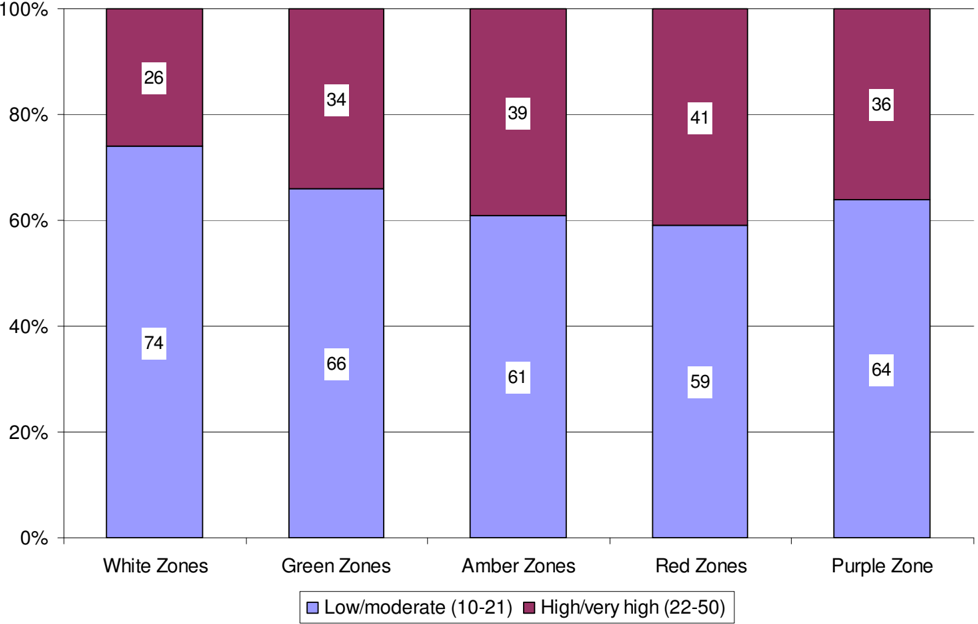
BACKGROUND: In 2007 Australia experienced its first outbreak of highly infectious equine influenza. Government disease control measures were put in place to control, contain, and eradicate the disease; these measures included movement restrictions and quarantining of properties. This study was conducted to assess the psycho-social impacts of this disease, and this paper reports the prevalence of, and factors influencing, psychological distress during this outbreak. METHODS: Data were collected using an online survey, with a link directed to the affected population via a number of industry groups. Psychological distress, as determined by the Kessler 10 Psychological Distress Scale, was the main outcome measure. RESULTS: In total, 2760 people participated in this study. Extremely high levels of non-specific psychological distress were reported by respondents in this study, with 34% reporting high psychological distress (K10 > 22), compared to levels of around 12% in the Australian general population. Analysis, using backward stepwise binary logistic regression analysis, revealed that those living in high risk infection (red) zones (OR = 2.00; 95% CI: 1.57-2.55; p < 0.001) and disease buffer (amber) zones (OR = 1.83; 95% CI: 1.36-2.46; p < 0.001) were at much greater risk of high psychological distress than those living in uninfected (white zones). Although prevalence of high psychological distress was greater in infected EI zones and States, elevated levels of psychological distress were experienced in horse-owners nationally. Statistical analysis indicated that certain groups were more vulnerable to high psychological distress; specifically younger people, and those with lower levels of formal educational qualifications. Respondents whose principal source of income was from horse-related industry were more than twice as likely to have high psychological distress than those whose primary source of income was not linked to horse-related industry (OR = 2.23; 95% CI: 1.82-2.73; p < 0.001). CONCLUSION: Although, methodologically, this study had good internal validity, it has limited generalisability because it was not possible to identify, bound, or sample the target population accurately. However, this study is the first to collect psychological distress data from an affected population during such a disease outbreak and has potential to inform those involved in assessing the potential psychological impacts of human infectious diseases, such as pandemic influenza.
Overview
The claims and statistics of this paper haven’t been checked yet.
Free: it reads the open-access text and checks the first 5 claims that cite a source we can check. Create a free account to check every claim.
Integrity signals
Registry
Cites
Statistics
Figures
Verification
Claims the paper makes
The claims and statistics of this paper haven’t been checked yet.
Free: it reads the open-access text and checks the first 5 claims that cite a source we can check. Create a free account to check every claim.
Claims other papers make about this one
Each is checked against this paper’s own text: does it say what the citing paper says it does?
The source backs part of the claim, not all of it — or backs it for a different population, condition or comparison.
In the citing paper
“Several studies already showed that adolescent age is a risk factor for diverse mental health problems, especially during epidemic outbreaks [e.g., (4–10)].”
From Digital Media Use and Adolescents' Mental Health During the Covid-19 Pandemic: A Systematic Review and Meta-Analysis (2022) · cites this paper as [9]
Experimental — accuracy not yet measuredThe source backs part of the claim, not all of it — or backs it for a different population, condition or comparison.
In the citing paper
“Taylor et al. (2008) revealed that those who were living in red zones, which were highly infectious zones during the equine influenza (OR: = 2.00; 95%, CI: 1.57–2.55), and the amber or buffer zones (OR: = 1.83; 95% CI: 1.36–2.46) were more prone to psychological distress than those who lived in white zones, which were unaffected [20].”
From Mental Health of Children and Adolescents Amidst COVID-19 and Past Pandemics: A Rapid Systematic Review (2021) · cites this paper as Taylor et al. (2008)
Experimental — accuracy not yet measuredThe source backs part of the claim, not all of it — or backs it for a different population, condition or comparison.
In the citing paper
“Taylor et al. (2008) revealed that those who were living in red zones, which were highly infectious zones during the equine influenza (OR: = 2.00; 95%, CI: 1.57–2.55), and the amber or buffer zones (OR: = 1.83; 95% CI: 1.36–2.46) were more prone to psychological distress than those who lived in white zones, which were unaffected [20].”
From Mental Health of Children and Adolescents Amidst COVID-19 and Past Pandemics: A Rapid Systematic Review (2021) · cites this paper as [20]
Experimental — accuracy not yet measured
7 more claims about this paper
Create a free account to see every claim other papers make about this one.
Self-check
Percentages, sums and reported differences re-computed from the paper’s own numbers.
The self-check needs the paper’s full text.
Citations
Cites
KESSLER, R. C., ANDREWS, G., COLPE, L. J., HIRIPI, E., MROCZEK, D. K., NORMAND, S.-L. T., WALTERS, E. E., & ZASLAVSKY, A. M. (2002) · Psychological Medicine · doi:10.1017/s0033291702006074 · Cited by 10,327
Screening for serious mental illness in the general population
Kessler, R. C., Barker, P. R., Colpe, L. J., Epstein, J. F., Gfroerer, J. C., Hiripi, E., Howes, M. J., Normand, S.-L. T., Manderscheid, R. W., Walters, E. E., et al. (2003) · Archives of General Psychiatry · doi:10.1001/archpsyc.60.2.184 · Cited by 5,692
Interpreting scores on the Kessler Psychological Distress Scale (K10)
Andrews, G., & Slade, T. (2001) · Australian and New Zealand Journal of Public Health · doi:10.1111/j.1467-842x.2001.tb00310.x · Cited by 2,021 · cited 1×
“Scores on the K10 are subsequently categorized into four levels: low (scores of 10–15); moderate (scores of 16–21); 'high' (scores of 22–29) and 'very high' (scores of 30–50) [ 27 ].”
BackgroundFURUKAWA, T. A., KESSLER, R. C., SLADE, T., & ANDREWS, G. (2003) · Psychological Medicine · doi:10.1017/s0033291702006700 · Cited by 1,570 · cited 1×
“The K10 is also able to discriminate between DSM-IV cases and non-cases, and is felt to be an appropriate screening instrument for identifying likely cases of anxiety and depression in the population providing a strong marker for a possible mental health disorder [21-23].”
BackgroundAustralian Journal of Emergency Management
(2021) · Australian Journal of Emergency Management · doi:10.47389/13241540 · Cited by 1,308
Handbook on animal-assisted therapy. Theoretical foundations and guidelines for practice
Fine, A. H. (2010) · Zurich Open Repository and Archive (University of Zurich) · doi:10.5167/uzh-46614 · Cited by 762
Maunder, R. G., Lancee, W. J., Rourke, S., Hunter, J. J., Goldbloom, D., Balderson, K., Petryshen, P., Steinberg, R., Wasylenki, D., Koh, D., et al. (2004) · Psychosomatic Medicine · doi:10.1097/01.psy.0000145673.84698.18 · Cited by 368
SARS-related Perceptions in Hong Kong
Lau, J. T. F., Yang, X., Pang, E., Tsui, H. Y., Wong, E., & Wing, Y. K. (2005) · Emerging Infectious Diseases · doi:10.3201/eid1103.040675 · Cited by 357
Cairney, J., Veldhuizen, S., Wade, T. J., Kurdyak, P., & Streiner, D. L. (2007) · The Canadian Journal of Psychiatry · doi:10.1177/070674370705200209 · Cited by 226
Fear of Severe Acute Respiratory Syndrome (SARS) Among Health Care Workers.
Ho, S. M. Y., Kwong-Lo, R. S. Y., Mak, C. W. Y., & Wong, J. S. (2005) · Journal of Consulting and Clinical Psychology · doi:10.1037/0022-006x.73.2.344 · Cited by 214
Research works printed but not linked: 8
- 2. Australian Horse Industry Council: Equine Influenza Impact Study Results. 2007 [http://www.horsecouncil.org.au/_upload/files/ EI%20Impact%20Report.pdf].
- 3. Australian Horse Industry Council: Follow-up Equine Influenza Impact Study. 2008 [http://www.horsecouncil.org.au/_upload/files/ Follow%20Up%20EI%20Impact%20Report.pdf].
- 13. Centre for Epidemiology and Research: 2006 Report on Adult Health from the New South Wales Population Health Sur- vey. Sydney. NSW Department of Health; 2007.
- Victorian Population Health Survey 2005: Department of Human Services, Victoria. 2006
- 14. Population Research and Outcome Studies Unit: The Health Status of People Living in South Australian Divisions of General Practice: South Australian Monitoring and Surveillance Sys- tem (SAMSS). In Health Intelligence South Australian Department of Health; 2007.
- 15. Draper G, Coddle JP: Our State of Health 2004: An overview of the health of the people of Western Australia. Health Informa- tion Centre, Department of Health, Western Australia 2004.
- 16. Australian Bureau of Statistics: National Survey of Mental Health and Well-being of Adults, Canberra. 1999.
- 21. Centre for Epidemiology and Research: 2007 Summary report on adult health by area health service from the New South Wales Population Health Survey. In Sydney NSW Department of Health; 2008.
Cited by
Items 101–200 of 544
Kilius, E., Abbas, N. H., McKinnon, L., & Samson, D. R. (2021) · Frontiers in Psychology · doi:10.3389/fpsyg.2021.644636 · Cited by 57
“Our findings, which complement other studies that have found sex-based differences in dreams during stressful events (Taylor et al., 2008; Barrett, 2020), introduce the intriguing possibility of evolved sex-based responses to external stressors.”
Psychological distress among Italians during the 2019 coronavirus disease (COVID-19) quarantine
Bonati, M., Campi, R., Zanetti, M., Cartabia, M., Scarpellini, F., Clavenna, A., & Segre, G. (2021) · BMC Psychiatry · doi:10.1186/s12888-020-03027-8 · Cited by 52
Mental Disorders Associated with COVID-19 Related Unemployment
Yao, R., & Wu, W. (2021) · Applied Research in Quality of Life · doi:10.1007/s11482-021-09950-6 · Cited by 58
“Another study also reported distinct increases in psychological distress that were related to job uncertainty during an influenza outbreak in Australia (Taylor et al. 2008).”
BackgroundLong-term impact of social isolation and molecular underpinnings
Arzate-Mejía, R. G., Lottenbach, Z., Schindler, V., Jawaid, A., & Mansuy, I. M. (2020) · Frontiers in Genetics · doi:10.3389/fgene.2020.589621 · Cited by 51
Levaillant, M., Wathelet, M., Lamer, A., Riquin, É., Gohier, B., & Hamel, J. (2021) · Psychological Medicine · doi:10.1017/s0033291721004839 · Cited by 70
The level of anxiety in infertile women whose ART cycles are postponed due to the COVID-19 outbreak
Tokgöz, V. Y., Kaya, Y., & Tekin, A. (2020) · Journal of Psychosomatic Obstetrics & Gynecology · doi:10.1080/0167482x.2020.1806819 · Cited by 58
Necho, M., Birkie, M., Gelaye, H., Beyene, A., Belete, A., & Tsehay, M. (2020) · PLoS ONE · doi:10.1371/journal.pone.0244530 · Cited by 54
“Earlier evidence suggests that suicidal thoughts, psychosis, anxiety, trauma, and panic attacks are common in this time [18, 38].”
BackgroundAbroshan, H., Devos, J., Poels, G., & Laermans, E. (2021) · IEEE Access · doi:10.1109/access.2021.3109091 · Cited by 80
RETRACTED: COVID-19: psychological effects on a COVID-19 quarantined population in Bangladesh
Ripon, R. K., Mim, S. S., Puente, A. E., Hossain, S., Babor, M. M. H., Sohan, S. A., & Islam, N. (2020) · Heliyon · doi:10.1016/j.heliyon.2020.e05481 · Cited by 53
“Previous epidemic, the psychology of quarantined persons study showed that these variables can influence psychology (Taylor et al., 2008).”
RetractedCOVID-19 and psychological distress: Lessons for India
Anand, V., Verma, L., Aggarwal, A., Nanjundappa, P., & Rai, H. (2021) · PLoS ONE · doi:10.1371/journal.pone.0255683 · Cited by 57
“Yet another reason could be increased occurrences of domestic violence against women that were recorded during times of crisis and quarantines [40, 51, 52].”
Emerging Mental Health Issues from the Novel Coronavirus (COVID-19) Pandemic
Sritharan, J., & Sritharan, A. (2020) · Journal of Health and Medical Sciences · doi:10.31014/aior.1994.03.02.109 · Cited by 59
“However, they also found that families with three or more children appeared slightly protective for psychological distress (Taylor et al, 2008).”
InfluentialZilver, S. J. M., Broekman, B. F. P., Hendrix, Y. M. G. A., de Leeuw, R. A., Mentzel, S. V., van Pampus, M. G., & de Groot, C. J. M. (2021) · Journal of Psychosomatic Obstetrics & Gynecology · doi:10.1080/0167482x.2021.1907338 · Cited by 48
“One study showed that younger age (16–24 years), female gender, lower levels of education and having one child versus no children were associated with negative psychological impact [20].”
BackgroundWilliamson, A. J., Drencheva, A., & Wolfe, M. T. (2022) · Journal of Small Business Management · doi:10.1080/00472778.2022.2026952 · Cited by 60
Ozamiz-Etxebarria, N., Santamaría, M. D., Munitis, A. E., & Gorrotxategi, M. P. (2020) · Frontiers in Psychology · doi:10.3389/fpsyg.2020.02038 · Cited by 58
Resilience is associated with low psychological distress in renal transplant recipients
Tian, X., Gao, Q., Li, G., Zou, G., Liu, C., Kong, L., & Li, P. (2015) · General Hospital Psychiatry · doi:10.1016/j.genhosppsych.2015.12.004 · Cited by 51
“, K10 scores of 22 or greater) as being distressed [20,21].”
BackgroundResultErdoğdu, Y., Koçoğlu, F., & Sevim, C. (2020) · Journal of Clinical Psychiatry · doi:10.5505/kpd.2020.35403 · Cited by 77
“Bu bulgu, daha önce kadınların salgın dönemlerinde kimi psikolojik süreçleri daha olumsuz deneyimlediğini gösteren çalışmalar ile tutarlı olmuştur (26,28).”
Abir, T. A., Kalimullah, N. A., Osuagwu, U. L., Yazdani, D. M. N., Husain, T., Goson, P. C., Basak, P., Rahman, M. A., Mamun, A. A., Permarupan, P. Y., et al. (2021) · Annals of Global Health · doi:10.5334/aogh.3269 · Cited by 54
Self-citationYitayih, Y., Mekonen, S., Zeynudin, A., Mengistie, E., & Ambelu, A. (2020) · BJPsych Open · doi:10.1192/bjo.2020.130 · Cited by 51
Weinstein, N., & Nguyen, T.-V. T. (2020) · Royal Society Open Science · doi:10.1098/rsos.200458 · Cited by 49
“For example, in a study looking at experiences of horse owners during quarantine due to an equine influenza outbreak in Australia, 34% of those in quarantine reported distress; this is notably higher than the percentage of those experiencing distress in the Australian general population [29].”
Computational applications of extended SIR models: A review focused on airborne pandemics
Lazebnik, T. (2023) · Ecological Modelling · doi:10.1016/j.ecolmodel.2023.110422 · Cited by 55
Schlichtiger, J., Brunner, S., Steffen, J., & Huber, B. C. (2020) · Journal of Investigative Medicine · doi:10.1136/jim-2020-001553 · Cited by 48
Çetin, F. H., Uçar, H. N., Türkoğlu, S., Kahraman, E. M., Kuz, M., & Güleç, A. (2020) · Chronobiology International · doi:10.1080/07420528.2020.1785487 · Cited by 46
Schemann, K., Firestone, S. M., Taylor, M. R., Toribio, J.-A. L. M. L., Ward, M. P., & Dhand, N. K. (2012) · Preventive Veterinary Medicine · doi:10.1016/j.prevetmed.2012.01.013 · Cited by 45
“In a study conducted with 2760 Australian horse owners during the 2007 equine influenza outbreak (Taylor et al., 2008; Taylor and Agho, 2009) the majority of respondents reported practicing at least some access control and personal hygiene measures to protect their horses from equine influenza, and…”
Self-citationSpacey, A., Porter, S., M. Board, & Scammell, J. (2021) · Palliative Medicine · doi:10.1177/02692163211029806 · Cited by 35
An analysis of mother stress before and during COVID-19 pandemic: The case of China
Tchimtchoua Tamo, A. R. (2020) · Health Care for Women International · doi:10.1080/07399332.2020.1841194 · Cited by 39
Does ‘COVID-19 phobia’ stimulate career anxiety?: Experience from a developing country
Mahmud, M. S., Rahman, M. M., Masud-Ul-Hasan, M., & Islam, M. A. (2021) · Heliyon · doi:10.1016/j.heliyon.2021.e06346 · Cited by 47
Michinov, E., & Michinov, N. (2021) · Current Psychology · doi:10.1007/s12144-021-01885-3 · Cited by 49
“The results reveal, on the one hand, that the overall sample showed an average anxiety state that was higher than the normal reference value, suggesting population concern about the quarantine, in line with other studies during disease epidemics (Brooks et al., 2020; Taylor et al., 2008).”
BackgroundResultInfluentialFactors linked to changes in mental health outcomes among Brazilians in quarantine due to COVID-19
Stults‐Kolehmainen, M., Filgueiras, A., & Blacutt, M. E. (2023) · Minerva Psychiatry · doi:10.23736/s2724-6612.22.02328-4 · Cited by 41
Italians on the Age of COVID-19: The Self-Reported Depressive Symptoms Through Web-Based Survey
Balsamo, M., & Carlucci, L. (2020) · Frontiers in Psychology · doi:10.3389/fpsyg.2020.569276 · Cited by 52
Ebrahimi, O. V., Hoffart, A., & Johnson, S. U. (2020) · doi:10.31234/osf.io/kjzsp · Cited by 37
Cheng, X., Bao, Y., Yang, B., Chen, S., Zuo, Y., & Siponen, M. T. (2023) · Group Decision and Negotiation · doi:10.1007/s10726-023-09829-x · Cited by 52
“, SARS, Ebola, H1N1 influenza pandemic, Middle East respiratory syndrome, and COVID-19) has also emphasized the negative impact of diseases on individuals’ psychological well-being (Rith-Najarian et al. 2019; Sprang and Silman 2013; Taylor et al. 2008; Wang and Zhao 2020).”
BackgroundLopez, A., Caffò, A. O., Tinella, L., di Masi, M. N., & Bosco, A. (2021) · Applied Psychology Health and Well-Being · doi:10.1111/aphw.12268 · Cited by 45
“…impact of epidemics is marked by increasing distress levels, frustrations and stigma, high levels of post- traumatic stress, and increased prevalence of depressive symptoms and the experience of social isolation (Hall et al., 2008; Philip & Cherian, 2020; Taylor et al., 2008; Zong et al., 2010).”
BackgroundSalud Mental En Epidemias: Una Perspectiva Desde La Atención Primaria de Salud Española
Buitrago Ramírez, F., Ciurana Misol, R., Fernández Alonso, M. D. C., & Tizón García, J. L. (2020) · Atención Primaria · doi:10.1016/j.aprim.2020.09.004 · Cited by 35
Bonazza, F., Borghi, L., Marco, E. C. D. S., Piscopo, K., Bai, F., Monforte, A. D., & Vegni, E. A. M. (2021) · Research in Psychotherapy Psychopathology Process and Outcome · doi:10.4081/ripppo.2020.491 · Cited by 46
A survey of psychological distress among Bangladeshi people during the COVID-19 pandemic
Marzo, R. R., Singh, A., & Mukti, R. F. (2021) · Clinical Epidemiology and Global Health · doi:10.1016/j.cegh.2020.100693 · Cited by 41
Çıtak, Ş., & Pekdemir, Ü. (2020) · Journal of Family Counseling and Education · doi:10.32568/jfce.742086 · Cited by 36
Consensus on Recommendations for Safe Sexual Activity during the COVID-19 Coronavirus Pandemic
Cabello, F., Sánchez, F. S., Farré, J. M., & Montejo, A. L. (2020) · Journal of Clinical Medicine · doi:10.3390/jcm9072297 · Cited by 38
Wpływ kwarantanny na zdrowie psychiczne podczas pandemii COVID-19
Sokół-Szawłowska, M. (2020) · Psychiatria · doi:10.5603/psych.a2020.0046 · Cited by 49
Mental Health Impacts in Argentinean College Students During COVID-19 Quarantine
Steinmetz, L. C. L., Leyes, C. A., Florio, M. A. D., Fong, S. B., Steinmetz, R. L. L., & Godoy, J. C. (2021) · Frontiers in Psychiatry · doi:10.3389/fpsyt.2021.557880 · Cited by 40
“Evidence is also not conclusive on pre-quarantine predictors of psychological impact, but a younger age (16–24 years) and the female gender were reported to be associated with such impacts (10).”
Perceived Changes in Family Life During COVID ‐19: The Role of Family Size
Canzi, E., Danioni, F., Parise, M., Lopez, G., Ferrari, L., Ranieri, S., Iafrate, R., Lanz, M., Regalia, C., & Rosnati, R. R. (2021) · Family Relations · doi:10.1111/fare.12579 · Cited by 44
“However, a study on horse owners quarantined because of equine influenza in Australia in 2008 revealed that having one child, as opposed to no children, was associated with higher psychological distress, but having three or more children appeared to be a protective factor (Taylor et al., 2008).”
BackgroundResultMohammadi, M. R., Zarafshan, H., Bashi, S. K., Mohammadi, F., & Khaleghi, A. (2020) · Iranian Journal of Psychiatry · doi:10.18502/ijps.v15i3.3811 · Cited by 43
“For example, studies on predictors of health anxiety (7, 8) and psychological distress (25) mostly relied on small and nonrepresentative samples.”
Meaning of Life and Anxiety as Predictors of Psycholological Resilience During the Covid-19 Epidemic
Kul, A., DEMİR, R., & Katmer, A. N. (2020) · Journal of Turkish Studies · doi:10.7827/turkishstudies.44419 · Cited by 44
Ambelu, A., Birhanu, Z., Yitayih, Y., Kebede, Y., Mecha, M., Abafita, J., Belay, A., & Fufa, D. (2021) · Annals of General Psychiatry · doi:10.1186/s12991-021-00344-4 · Cited by 38
“This is consistent with a study conducted in Australia during the influenza epidemic [24].”
ResultMendes-Santos, C., Andersson, G., Weiderpass, E., & Santana, R. (2020) · Frontiers in Public Health · doi:10.3389/fpubh.2020.553345 · Cited by 32
“Another study (33) focusing on Australian horse owners submitted to quarantine due to an equine influenza outbreak reported high psychological distress in this group when compared to the general population.”
BackgroundRahman, M. A., Salehin, M., Islam, S. M. S., Alif, S. M., Sultana, F., Sharif, A., Hoque, N., Nazim, N. B., & Cross, W. M. (2021) · International Journal of Mental Health Nursing · doi:10.1111/inm.12845 · Cited by 33
“The K-10 was used in a study during the Equine Influenza outbreak in Australia in 2007, which reported higher psychological distress (34%) compared with the national average of 12% (Taylor et al., 2008).”
InfluentialQuality of Life and Symptoms of PTSD during the COVID-19 Lockdown in Italy
Bonichini, S., & Tremolada, M. (2021) · International Journal of Environmental Research and Public Health · doi:10.3390/ijerph18084385 · Cited by 35
“Other predictive factors mostly associated with a worse psychological impact during a quarantine that emerged from the pre-COVID-19 literature were: Young age (16–24 years), less schooling, and having only one child [4].”
BackgroundHeterogeneity in maternal and child mental health responses to the COVID-19 pandemic
Saleem, S., Burns, S., Falenchuk, O., Varmuza, P., & Perlman, M. (2021) · Early Childhood Research Quarterly · doi:10.1016/j.ecresq.2021.12.004 · Cited by 35
de la Hera, C. M. A., Rodríguez, F., Ruiz, Y. P., Currás, H. T., Rey, M., & del Barrio, J. L. (2020) · International Journal of Environmental Research and Public Health · doi:10.3390/ijerph17207413 · Cited by 38
“Prior evidence on gender differences in relation to the psychological consequences of quarantine was inconclusive, with some studies [50] showing a greater negative psychological”
ResultHerbert, J. S., Mitchell, A. S., Brentnall, S. J., & Bird, A. L. (2020) · Frontiers in Psychology · doi:10.3389/fpsyg.2020.606507 · Cited by 34
“During the quarantines and movement restrictions of the equine influenza pandemic, which was eradiated in Australia over a period of about 4 months, adults with a child reported higher levels of psychological distress, as determined by the Kessler 10 Psychological Distress Scale, than adults with no children (Taylor e…”
BackgroundMethodPsychological Distress in Quarantine Designated Facility During COVID-19 Pandemic in Saudi Arabia
Alkhamees, A. A., Aljohani, M., Alghesen, M. A., & Alhabib, A. T. (2020) · Risk Management and Healthcare Policy · doi:10.2147/rmhp.s284102 · Cited by 32
“Taylor et al found that younger people were more at risk of psychological distress during Australia’s epidemic of equine flu.(19) Guo et al found that female sex predicted higher perceived helplessness scores in a study of quarantined COVID-19 patients.”
BackgroundAssenza, C., Catania, H., Antenore, C., Gobbetti, T., Gentili, P., Paolucci, S., & Morelli, D. (2021) · Frontiers in Neurology · doi:10.3389/fneur.2020.617276 · Cited by 39
McGraw, C., Salottolo, K., Carrick, M. M., Lieser, M. J., Madayag, R. M., Berg, G. M., Banton, K. L., Hamilton, D., & Bar‐Or, D. (2021) · Injury Epidemiology · doi:10.1186/s40621-021-00322-0 · Cited by 32
“(Reynolds et al. 2008; Sprang and Silman 2013; Taylor et al. 2008; Wu et al. 2009; Wu et al. 2008) Among 1074 people surveyed from Hubei and other provinces during the COVID-19 pandemic, hazardous drinking increased and alcohol dependency reached 1.6% among young people (aged 10–41), (Ahmed et al.…”
InfluentialAbdulmuhsin, A. A., Değirmenci, B., Efendioğlu, İ. H., & Durmaz, Y. (2021) · International Journal of Emerging Markets · doi:10.1108/ijoem-11-2020-1308 · Cited by 36
Carvalho, J., Campos, P. F., Carrito, M. L., Moura, C. V., Quinta-Gomes, A. L., Tavares, I. M., & Nobre, P. J. (2021) · The Journal of Sexual Medicine · doi:10.1016/j.jsxm.2021.04.007 · Cited by 34
HOŞGÖR, H., Dörttepe, Z. Ü., & SAĞCAN, H. (2020) · Mehmet Akif Ersoy Üniversitesi İktisadi ve İdari Bilimler Fakültesi Dergisi · doi:10.30798/makuiibf.793641 · Cited by 39
Suu‐Ire, R., Obodai, E., Bel-Nono, S. O., Ampofo, W., Mazet, J. A. K., Goldstein, T., Johnson, C. K., Smith, B., Boatemaa, L., Asigbee, T. W., et al. (2022) · One Health Outlook · doi:10.1186/s42522-022-00061-2 · Cited by 30
Risk Mitigation of Emerging Zoonoses: Hendra Virus and Non-Vaccinating Horse Owners
Manyweathers, J., Field, H. E., Jordan, D., Longnecker, N. E., Agho, K., Smith, C. S., & Taylor, M. R. (2017) · Transboundary and Emerging Diseases · doi:10.1111/tbed.12588 · Cited by 28
“As there is no large or reliable database of horse owners in Australia from which to draw a representative sample, a self-selected approach has been most commonly used to collect crosssectoral industry data (Taylor et al., 2008; Kung et al., 2013).”
Self-citationPsychological Effects of Covid-19 Epidemic and Quarantine
ÖZTÜRK, İ., AKALIN, S., DOKUZLU, İ. Ö., & Şakiroğlu, M. (2020) · Journal of Turkish Studies · doi:10.7827/turkishstudies.44885 · Cited by 38
Bussè, C., Barnini, T., Zucca, M., Rainero, I., Mozzetta, S., Zangrossi, A., & Cagnin, A. (2022) · Frontiers in Psychiatry · doi:10.3389/fpsyt.2022.826371 · Cited by 31
“Among stressors associated with negative psychological impact during lockdown, female gender (5, 6, 8), lower levels of education (8), story of previous psychiatric illness, and being a care worker (1) were most relevant.”
BackgroundFirestone, S. M., Lewis, F. I., Schemann, K., Ward, M. P., Toribio, J.-A. L. M. L., Taylor, M. R., & Dhand, N. K. (2013) · Preventive Veterinary Medicine · doi:10.1016/j.prevetmed.2013.11.015 · Cited by 31
“, 2006) leading to severe social and economic impacts (Callinan, 2008) and psychological distress (Taylor et al., 2008) amongst horse owners and other people involved in the horse industry.”
BackgroundSelf-citationSavolainen, I., Vuorinen, I., Sirola, A., & Oksanen, A. (2022) · Comprehensive Psychiatry · doi:10.1016/j.comppsych.2022.152331 · Cited by 45
“Facing a worldwide crisis can be a stressful experience, and the psychological consequences of epidemics are widespread [8,9].”
SAÚDE MENTAL E INTERVENÇÕES PSICOLÓGICAS DURANTE A PANDEMIA DA COVID-19: UM PANORAMA
Borloti, E., Haydu, V. B., Kienen, N., & Zacarin, M. R. J. (2020) · Revista Brasileira de Análise do Comportamento · doi:10.18542/rebac.v16i1.8885 · Cited by 45
Viejo, J. M. P., Barbé, A. D., Pérez, M. D. M. R.-B., & Pérez, J. L. (2020) · Revista de ciencias sociales · doi:10.31876/rcs.v26i4.34649 · Cited by 68
Heeren, A., Hanseeuw, B. J., Cougnon, L., & Lits, G. (2021) · Psychologica Belgica · doi:10.5334/pb.1069 · Cited by 32
Moniri, R., Nezhad, K. P., & Lavasani, F. F. (2022) · Frontiers in Psychiatry · doi:10.3389/fpsyt.2022.841870 · Cited by 30
Kakunje, A., Mithur, R., & Kishor, M. R. (2020) · Archives of Medicine and Health Sciences · doi:10.4103/amhs.amhs_98_20 · Cited by 39
Mental health status during COVID-19 pandemic in Fars Province, Iran: timely measures
Mani, A., Estedlal, A., Kamali, M., Ghaemi, S. Z., Zarei, L., Shokrpour, N., Heydari, S. T., & Lankarani, K. B. (2020) · BMC Public Health · doi:10.1186/s12889-020-09928-3 · Cited by 25
Risk Factors for Potential Mental Illness Among Brazilians in Quarantine Due To COVID-19
Filgueiras, A., & Stults‐Kolehmainen, M. (2021) · Psychological Reports · doi:10.1177/0033294120976628 · Cited by 136
Li, X., Yu, H., Yang, W., Mo, Q., Yang, Z., Wen, S., Zhao, F., Zhao, W., Tang, Y., Ma, L., et al. (2021) · Frontiers in Psychology · doi:10.3389/fpsyg.2021.638985 · Cited by 25
Çolakoğlu, Ü., Yurcu, G., & Avşar, M. (2021) · Asia Pacific Journal of Tourism Research · doi:10.1080/10941665.2021.1981415 · Cited by 26
Ventura, M., Palmisano, A., Innamorato, F., Tedesco, G., Manippa, V., Caffò, A. O., & Rivolta, D. (2022) · Cognitive Processing · doi:10.1007/s10339-022-01112-2 · Cited by 24
Batool‐Anwar, S., Robbins, R., Ali, S. H., Capasso, A., Foreman, J., Jones, A. M., Tozan, Y., DiClemente, R. J., & Quan, S. F. (2021) · Behavioral Medicine · doi:10.1080/08964289.2021.2002800 · Cited by 30
Psychological Distress Among People Losing Work During the COVID-19 Pandemic in AustraliaPreprint
Collie, A., Sheehan, L. R., van Vreden, C., Grant, G. M., Whiteford, P., Petrie, D., & Sim, M. R. (2020) · medRxiv · doi:10.1101/2020.05.06.20093773 · Cited by 24
“The harmful impacts of unemployment on mental health are well described (3), including in people whose work is impacted by viral epidemics (4, 5).”
Psychosocial Correlates of Mental Health and Well-Being During the COVID-19: The Spanish Case
Esteban‐Gonzalo, S., Pascual, J. L. G., Caballero-Galilea, M., & Esteban‐Gonzalo, L. (2020) · Frontiers in Psychology · doi:10.3389/fpsyg.2020.609815 · Cited by 26
Fear and anxiety in girls aged 7 to 11 years old and related factors during the coronavirus pandemic
Mangolian Shahrbabaki, P., Dehghan, M., Maazallahi, M., & Asadi, N. (2022) · Clinical Child Psychology and Psychiatry · doi:10.1177/13591045211013873 · Cited by 23
“Taylor et al. (2008) considered being an only child as a factor influencing the negative psychological consequences during an influenza outbreak.”
BackgroundQanash, S. A., Al-Husayni, F., Alemam, S., Alqublan, L., Alwafi, E., Mufti, H. N., Qanash, H., Shabrawishi, M., & Ghabashi, A. (2020) · Cureus · doi:10.7759/cureus.11767 · Cited by 27
“In Australia, during an equine influenza outbreak, individuals who were quarantined experienced higher psychological distress compared to those who were not [20], drawing attention to the effect of the isolation rather than the outbreak alone.”
Parenting, mental health, and Covid-19: A rapid systematic review
Vescovi, G., Riter, H. D. S., Azevedo, E. C., Pedrotti, B. G., & Frizzo, G. B. (2021) · Psicologia - Teoria e Prática · doi:10.5935/1980-6906/eptpc1913554 · Cited by 42
Cavazzoni, F., Pancake, R., & Veronese, G. (2022) · Psychological Reports · doi:10.1177/00332941211066259 · Cited by 24
“On the other hand, some studies have highlighted how younger age was correlated with more pandemic-related psychological effects, significantly greater anxiety and depression (Taylor et al., 2008; Wang et al., 2020b).”
BackgroundParenting and Children’s Behavior During the COVID 19 Pandemic: Mother’s Perspective
Rubilar, J. A. V., Richaud, M. C., Lemos, V., & Balabanian, C. (2022) · Frontiers in Psychology · doi:10.3389/fpsyg.2022.801614 · Cited by 30
“A particular study (Taylor et al., 2008) found that gender, age, number of children, and educational level were aspects associated with the psychological effect of the quarantine.”
BackgroundBurkova, V. N., Butovskaya, M., Randall, A. K., Fedenok, J. N., Ahmadi, K., AlGhraibeh, A. M. A., Allami, F. B. M., Alpaslan, F. S., Al-Zu’bi, M. A. A., Al-Mseidin, K. I., et al. (2022) · Frontiers in Psychology · doi:10.3389/fpsyg.2022.805586 · Cited by 29
Impact of COVID-19 on mental health and career anxiety of hospitality and tourism students in the UK
Rahimi, R., Akgündüz, Y., & Bilgihan, A. (2022) · Journal of Hospitality and Tourism Insights · doi:10.1108/jhti-05-2021-0129 · Cited by 32
What can we learn from Covid-19 pandemic’s impact on human behaviour? The case of France’s lockdown
Atkinson-Clément, C., & Pigalle, É. (2021) · Humanities and Social Sciences Communications · doi:10.1057/s41599-021-00749-2 · Cited by 25
Assessing the Transitional Impact and Mental Health Consequences of the COVID-19 Pandemic Onset
Heanoy, E. Z., Shi, L., & Brown, N. R. (2021) · Frontiers in Psychology · doi:10.3389/fpsyg.2020.607976 · Cited by 26
COVID-19 Lockdown: Key Factors in Citizens’ Stress
Rodríguez, S., Valle, A., Piñeiro, I., González-Suárez, R., Díaz-Freire, F. M., & Vieites, T. (2021) · Frontiers in Psychology · doi:10.3389/fpsyg.2021.666891 · Cited by 24
Suicide prevention in the covid-19 era
Rothman, S., & Sher, L. (2021) · Preventive Medicine · doi:10.1016/j.ypmed.2021.106547 · Cited by 37
D’Onise, K., Meena, S., Venugopal, K., Currie, M., Kirkpatrick, E. R., Hurley, J., Nolan, R., Brayley, J., Atherton, B., & Spurrier, N. J. (2021) · Australian and New Zealand Journal of Public Health · doi:10.1111/1753-6405.13106 · Cited by 23
Schwab, R. M., Stewen, K., Kottmann, T., Anić, K., Schmidt, M. W., Elger, T., Theis, S., Kalb, S. R., Brenner, W., & Hasenburg, A. (2022) · Journal of Clinical Medicine · doi:10.3390/jcm11133684 · Cited by 21
“The age cut-off was selected according to previous data showing increased psychological distress in the population aged 24 years and under [55].”
MethodSchemann, K., Firestone, S. M., Taylor, M. R., Toribio, J.-A. L. M. L., Ward, M. P., & Dhand, N. K. (2013) · BMC Veterinary Research · doi:10.1186/1746-6148-9-152 · Cited by 20
“Despite the low mortality associated with disease and its ultimate eradication, horse owners and industry participants were greatly inconvenienced and suffered considerable financial and emotional hardships [12,16-19].”
BackgroundSelf-citationOral, T., & Günlü, A. (2021) · International Journal of Mental Health and Addiction · doi:10.1007/s11469-020-00447-1 · Cited by 24
Wu, Y., Yin, G., & Zhang, Y. (2022) · Frontiers in Public Health · doi:10.3389/fpubh.2022.872847 · Cited by 23
Social Isolation as a predictor for mortality: Implications for COVID-19 prognosisPreprint
Banerjee, S. K., Burkholder, G. J., Sana, B. Y., & Szirony, G. M. (2020) · medRxiv · doi:10.1101/2020.04.15.20066548 · Cited by 25
“Of 2,760 quarantined people, 34% reported high levels of psychological distress during the outbreak compared with 12% of non-quarantined individuals (Taylor et al. 2008).”
Karthik, S., Ilango, S., & Siva, T. (2020) · medRxiv · doi:10.1101/2020.06.13.20130153 · Cited by 24
“This is in accordance with studies conducted during earlier epidemic/pandemic situations, where there was no significant association between gender and psychological distress (Su et al., 2007; Taylor et al., 2008).”
InfluentialKeyworth, C., Epton, T., Byrne-Davis, L. M. T., Leather, J. Z., & Armitage, C. J. (2021) · Preventive Medicine · doi:10.1016/j.ypmed.2021.106458 · Cited by 20
“Other sociodemographic variables, including age, gender, and education level may also be associated with specific challenges experienced during pandemics (Taylor et al., 2008; Qiu et al., 2020).”
Quality of life among the Arab population two years after COVID-19 pandemic
Tahoun, M. M., Ismail, H. M., Fiidow, O. A., Ashmawy, R., Hammouda, E. A., Elbarazi, I., & Ghazy, R. M. (2023) · BMC Public Health · doi:10.1186/s12889-023-16171-z · Cited by 20
“Factors such as gender, age, educational level, social support, experience with COVID-19 infection, length of isolation, amount of exposure to media, and personal resources including personality traits, and income level have been identified as potential contributors [9, 10].”
Bienestar psicológico, resiliencia y ansiedad en estudiantes universitarios
González-Aguilar, D. W. (2021) · Revista Guatemalteca de Educación Superior · doi:10.46954/revistages.v4i1.53 · Cited by 44
On the Distinction Between Fear and Anxiety in a (Post)Pandemic World: A Commentary on.
Heeren, A. (2020) · PubMed Central · doi:10.36131/cnfioritieditore20200307 · Cited by 39
COVİD-19 PANDEMİSİ ve KADINLAR
Ünal, E., Atik, D., & Gözüyeşil, E. (2020) · Haliç Üniversitesi Sağlık Bilimleri Dergisi · doi:10.48124/husagbilder.825346 · Cited by 33
Lu, T., Yu, Y., Zhao, Z., & Guo, R. (2022) · Psychiatry Investigation · doi:10.30773/pi.2020.0416 · Cited by 26
Schemann, K., Firestone, S. M., Taylor, M. R., Toribio, J.-A. L. M. L., Ward, M. P., & Dhand, N. K. (2012) · Transboundary and Emerging Diseases · doi:10.1111/j.1865-1682.2012.01305.x · Cited by 18
“Despite its timely control, this large-scale outbreak caused severe disruption to horse owners and industry participants, primarily because of movement restrictions, resulting in financial and emotional hardships and psychological distress (Taylor et al., 2008; Hoare, 2011; Smyth et al., 2011).”
BackgroundSelf-citationAustralian horse owners and their biosecurity practices in the context of Hendra virus
Wiethoelter, A., Schembri, N., Dhand, N. K., Sawford, K., Taylor, M. R., Moloney, B., Wright, T., Kung, N. Y.-H., Field, H. E., & Toribio, J.-A. L. M. L. (2017) · Preventive Veterinary Medicine · doi:10.1016/j.prevetmed.2017.09.013 · Cited by 18
Self-citation
Metadata
- Authors
- Taylor, M. R., Agho, K. E., Stevens, G. J., & Raphael, B.
- Affiliations
- Western Sydney University (AU)
- Corresponding author
- Taylor, Melanie R
- Venue
- BMC Public Health
- Published
- 2008-10-03
- Volume
- 8
- Issue
- 1
- Pages
- 347-347
- ISSN
- 1471-2458 (ISSN-L)
- PMC
- PMC2571100
- OpenAlex
- W1990329824
- Cited by
- 544
- References
- 23
- Citations by year
- 2026: 8 · 2025: 9 · 2024: 27 · 2023: 51 · 2022: 96 · 2021: 165 · 2020: 160 · 2019: 1 · 2018: 1 · 2017: 5 · 2016: 1 · 2015: 2 · 2014: 1 · 2013: 4 · 2012: 5
- FWCI
- 2.60
- Type
- journal article
- Language
- en
- Open access
- gold
- doi.org
- Licence
- cc-by
- creativecommons.org/licenses/by/2.0 (tdm)
- Locations
- BMC Public Health (publishedVersion, cc-by)
- PubMed Central (publishedVersion, cc-by)
- PubMed (publishedVersion)
- DOAJ (DOAJ: Directory of Open Access Journals) (submittedVersion, cc-by-sa)
- Topics
- Social Sciences › Psychology › Clinical Psychology › COVID-19 and Mental Health
- Health Sciences › Medicine › Epidemiology › Influenza Virus Research Studies
- Health Sciences › Medicine › Psychiatry and Mental health › Mental Health Treatment and Access
- Keywords
- psychological distress, equine influenza, outbreak, horse owners, quarantine, horse industry, economic impact of disease, pandemic influenza
- MeSH terms
- Workforce, Adolescent, Adult, Animals, Animal Husbandry, Anxiety, Australia, Human-Animal Bond, Depression, Disasters, Disease Outbreaks, Female, Horses, Humans, Male, Middle Aged, Orthomyxoviridae Infections, Psychometrics, Quarantine, Risk Factors, Stress, Psychological, Prevalence, Multivariate Analysis, Risk Assessment
About these checks
Registry, retraction, Cites and statistics results are computed, not judged, with one exception: a printed reference that no index lists is read once by a model before it counts as a citation error. Claims are extracted by a model and kept only when their quote appears verbatim in the text; each cited source is then checked, with a model’s help, for whether it says what the claim relies on. Those verdicts can be wrong — read the claim’s quote and the cited source before relying on one.
Statistics and arithmetic are recomputed, not judged.
Confidence bands are shown only for fields calibrated on our annotated test set. None is calibrated yet, so no band is shown.
What counts as a claim ›How we measure confidence ›How we check this ›
Are you an author, or do you see a problem with this page? Request a review
Data sources
Bibliographic data: Semantic Scholar, OpenAlex, Crossref.
Contains information from the Semantic Scholar Academic Graph Datasets, made available under the ODC Attribution License (ODC-BY 1.0).
Semantic Scholar’s data is described in: Kinney, R., et al. (2023). The Semantic Scholar Open Data Platform. arXiv:2301.10140.
