

Factors influencing psychological distress during a disease epidemic: Data from Australia’s first outbreak of equine influenza
Open accessThe DOI matches its Crossref record; 23 of the 23 references it cites were found in a registry or an index.
Abstract
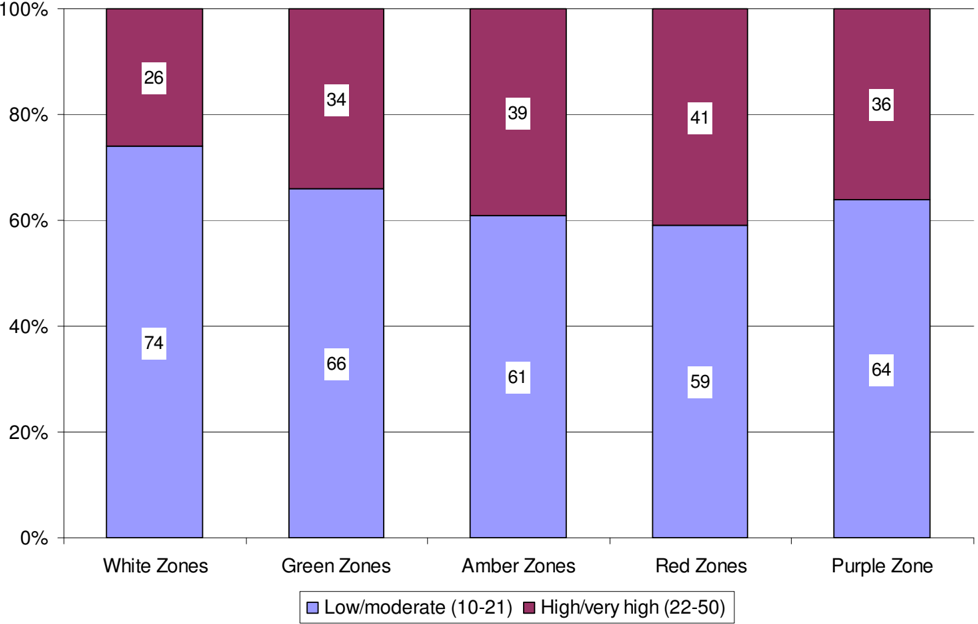
BACKGROUND: In 2007 Australia experienced its first outbreak of highly infectious equine influenza. Government disease control measures were put in place to control, contain, and eradicate the disease; these measures included movement restrictions and quarantining of properties. This study was conducted to assess the psycho-social impacts of this disease, and this paper reports the prevalence of, and factors influencing, psychological distress during this outbreak. METHODS: Data were collected using an online survey, with a link directed to the affected population via a number of industry groups. Psychological distress, as determined by the Kessler 10 Psychological Distress Scale, was the main outcome measure. RESULTS: In total, 2760 people participated in this study. Extremely high levels of non-specific psychological distress were reported by respondents in this study, with 34% reporting high psychological distress (K10 > 22), compared to levels of around 12% in the Australian general population. Analysis, using backward stepwise binary logistic regression analysis, revealed that those living in high risk infection (red) zones (OR = 2.00; 95% CI: 1.57-2.55; p < 0.001) and disease buffer (amber) zones (OR = 1.83; 95% CI: 1.36-2.46; p < 0.001) were at much greater risk of high psychological distress than those living in uninfected (white zones). Although prevalence of high psychological distress was greater in infected EI zones and States, elevated levels of psychological distress were experienced in horse-owners nationally. Statistical analysis indicated that certain groups were more vulnerable to high psychological distress; specifically younger people, and those with lower levels of formal educational qualifications. Respondents whose principal source of income was from horse-related industry were more than twice as likely to have high psychological distress than those whose primary source of income was not linked to horse-related industry (OR = 2.23; 95% CI: 1.82-2.73; p < 0.001). CONCLUSION: Although, methodologically, this study had good internal validity, it has limited generalisability because it was not possible to identify, bound, or sample the target population accurately. However, this study is the first to collect psychological distress data from an affected population during such a disease outbreak and has potential to inform those involved in assessing the potential psychological impacts of human infectious diseases, such as pandemic influenza.
Overview
The claims and statistics of this paper haven’t been checked yet.
Free: it reads the open-access text and checks the first 5 claims that cite a source we can check. Create a free account to check every claim.
Integrity signals
Registry
Cites
Statistics
Figures
Verification
Claims the paper makes
The claims and statistics of this paper haven’t been checked yet.
Free: it reads the open-access text and checks the first 5 claims that cite a source we can check. Create a free account to check every claim.
Claims other papers make about this one
Each is checked against this paper’s own text: does it say what the citing paper says it does?
The source backs part of the claim, not all of it — or backs it for a different population, condition or comparison.
In the citing paper
“Several studies already showed that adolescent age is a risk factor for diverse mental health problems, especially during epidemic outbreaks [e.g., (4–10)].”
From Digital Media Use and Adolescents' Mental Health During the Covid-19 Pandemic: A Systematic Review and Meta-Analysis (2022) · cites this paper as [9]
Experimental — accuracy not yet measuredThe source backs part of the claim, not all of it — or backs it for a different population, condition or comparison.
In the citing paper
“Taylor et al. (2008) revealed that those who were living in red zones, which were highly infectious zones during the equine influenza (OR: = 2.00; 95%, CI: 1.57–2.55), and the amber or buffer zones (OR: = 1.83; 95% CI: 1.36–2.46) were more prone to psychological distress than those who lived in white zones, which were unaffected [20].”
From Mental Health of Children and Adolescents Amidst COVID-19 and Past Pandemics: A Rapid Systematic Review (2021) · cites this paper as Taylor et al. (2008)
Experimental — accuracy not yet measuredThe source backs part of the claim, not all of it — or backs it for a different population, condition or comparison.
In the citing paper
“Taylor et al. (2008) revealed that those who were living in red zones, which were highly infectious zones during the equine influenza (OR: = 2.00; 95%, CI: 1.57–2.55), and the amber or buffer zones (OR: = 1.83; 95% CI: 1.36–2.46) were more prone to psychological distress than those who lived in white zones, which were unaffected [20].”
From Mental Health of Children and Adolescents Amidst COVID-19 and Past Pandemics: A Rapid Systematic Review (2021) · cites this paper as [20]
Experimental — accuracy not yet measured
7 more claims about this paper
Create a free account to see every claim other papers make about this one.
Self-check
Percentages, sums and reported differences re-computed from the paper’s own numbers.
The self-check needs the paper’s full text.
Citations
Cites
KESSLER, R. C., ANDREWS, G., COLPE, L. J., HIRIPI, E., MROCZEK, D. K., NORMAND, S.-L. T., WALTERS, E. E., & ZASLAVSKY, A. M. (2002) · Psychological Medicine · doi:10.1017/s0033291702006074 · Cited by 10,327
Screening for serious mental illness in the general population
Kessler, R. C., Barker, P. R., Colpe, L. J., Epstein, J. F., Gfroerer, J. C., Hiripi, E., Howes, M. J., Normand, S.-L. T., Manderscheid, R. W., Walters, E. E., et al. (2003) · Archives of General Psychiatry · doi:10.1001/archpsyc.60.2.184 · Cited by 5,692
Interpreting scores on the Kessler Psychological Distress Scale (K10)
Andrews, G., & Slade, T. (2001) · Australian and New Zealand Journal of Public Health · doi:10.1111/j.1467-842x.2001.tb00310.x · Cited by 2,021 · cited 1×
“Scores on the K10 are subsequently categorized into four levels: low (scores of 10–15); moderate (scores of 16–21); 'high' (scores of 22–29) and 'very high' (scores of 30–50) [ 27 ].”
BackgroundFURUKAWA, T. A., KESSLER, R. C., SLADE, T., & ANDREWS, G. (2003) · Psychological Medicine · doi:10.1017/s0033291702006700 · Cited by 1,570 · cited 1×
“The K10 is also able to discriminate between DSM-IV cases and non-cases, and is felt to be an appropriate screening instrument for identifying likely cases of anxiety and depression in the population providing a strong marker for a possible mental health disorder [21-23].”
BackgroundAustralian Journal of Emergency Management
(2021) · Australian Journal of Emergency Management · doi:10.47389/13241540 · Cited by 1,308
Handbook on animal-assisted therapy. Theoretical foundations and guidelines for practice
Fine, A. H. (2010) · Zurich Open Repository and Archive (University of Zurich) · doi:10.5167/uzh-46614 · Cited by 762
Maunder, R. G., Lancee, W. J., Rourke, S., Hunter, J. J., Goldbloom, D., Balderson, K., Petryshen, P., Steinberg, R., Wasylenki, D., Koh, D., et al. (2004) · Psychosomatic Medicine · doi:10.1097/01.psy.0000145673.84698.18 · Cited by 368
SARS-related Perceptions in Hong Kong
Lau, J. T. F., Yang, X., Pang, E., Tsui, H. Y., Wong, E., & Wing, Y. K. (2005) · Emerging Infectious Diseases · doi:10.3201/eid1103.040675 · Cited by 357
Cairney, J., Veldhuizen, S., Wade, T. J., Kurdyak, P., & Streiner, D. L. (2007) · The Canadian Journal of Psychiatry · doi:10.1177/070674370705200209 · Cited by 226
Fear of Severe Acute Respiratory Syndrome (SARS) Among Health Care Workers.
Ho, S. M. Y., Kwong-Lo, R. S. Y., Mak, C. W. Y., & Wong, J. S. (2005) · Journal of Consulting and Clinical Psychology · doi:10.1037/0022-006x.73.2.344 · Cited by 214
Research works printed but not linked: 8
- 2. Australian Horse Industry Council: Equine Influenza Impact Study Results. 2007 [http://www.horsecouncil.org.au/_upload/files/ EI%20Impact%20Report.pdf].
- 3. Australian Horse Industry Council: Follow-up Equine Influenza Impact Study. 2008 [http://www.horsecouncil.org.au/_upload/files/ Follow%20Up%20EI%20Impact%20Report.pdf].
- 13. Centre for Epidemiology and Research: 2006 Report on Adult Health from the New South Wales Population Health Sur- vey. Sydney. NSW Department of Health; 2007.
- Victorian Population Health Survey 2005: Department of Human Services, Victoria. 2006
- 14. Population Research and Outcome Studies Unit: The Health Status of People Living in South Australian Divisions of General Practice: South Australian Monitoring and Surveillance Sys- tem (SAMSS). In Health Intelligence South Australian Department of Health; 2007.
- 15. Draper G, Coddle JP: Our State of Health 2004: An overview of the health of the people of Western Australia. Health Informa- tion Centre, Department of Health, Western Australia 2004.
- 16. Australian Bureau of Statistics: National Survey of Mental Health and Well-being of Adults, Canberra. 1999.
- 21. Centre for Epidemiology and Research: 2007 Summary report on adult health by area health service from the New South Wales Population Health Survey. In Sydney NSW Department of Health; 2008.
Cited by
The Psychological Impact of Quarantine and How to Reduce It: Rapid Review of the Evidence
Brooks, S. K., Webster, R. K., Smith, L. E., Woodland, L., Wessely, S., Greenberg, N., & Rubin, G. J. (2020) · doi:10.2139/ssrn.3532534 · Cited by 16,394
The psychological impact of quarantine and how to reduce it: Rapid review of the evidence
Brooks, S. K., Webster, R. K., Smith, L. E., Woodland, L., Wessely, S., Greenberg, N., & Rubin, G. J. (2020) · The Lancet · doi:10.1016/s0140-6736(20)30460-8 · Cited by 16,378
Salari, N., Hosseinian-Far, A., Jalali, R., Vaisi-Raygani, A., Rasoulpoor, S., Mohammadi, M., Rasoulpoor, S., & Khaledi-Paveh, B. (2020) · Globalization and Health · doi:10.1186/s12992-020-00589-w · Cited by 3,560
“Evidence suggests that individuals may experience symptoms of psychosis, anxiety, trauma, suicidal thoughts, and panic attacks [39, 40].”
BackgroundMazza, C., Ricci, E., Biondi, S., Colasanti, M., Ferracuti, S., Napoli, C., & Roma, P. (2020) · International Journal of Environmental Research and Public Health · doi:10.3390/ijerph17093165 · Cited by 1,899
“This result does not adhere to the prior findings [25], which have indicated that having one child is related to more negative psychological outcomes than having no children.”
ResultThe psychological impact of COVID-19 on the mental health in the general population
Serafini, G., Parmigiani, B., Amerio, A., Aguglia, A., Sher, L., & Amore, M. (2020) · QJM: An International Journal of Medicine · doi:10.1093/qjmed/hcaa201 · Cited by 1,187
Altena, E., Baglioni, C., Espie, C. A., Ellis, J., Gavriloff, D., Holzinger, B., Schlarb, A., Frase, L., Jernelöv, S., & Riemann, D. (2020) · Journal of Sleep Research · doi:10.1111/jsr.13052 · Cited by 991
“One isolation study more similar to the current situation did show that younger age and female gender predicted a negative psychological impact of quarantine (Taylor et al., 2008) while in another study, a history of psychiatric illness predicted anxiety and anger 4-6 months after quarantine (Jeong et al.”
ResultMeherali, S., Punjani, N., Louie-Poon, S., Abdul Rahim, K., Das, J. K., Salam, R. A., & Lassi, Z. S. (2021) · International Journal of Environmental Research and Public Health · doi:10.3390/ijerph18073432 · Cited by 900
“(2008) evaluated the factors that influenced psychological distress during the equine influenza [20].”
BackgroundInfluentialLei, L., Huang, X., Zhang, S., Yang, J., Yang, L., & Xu, M. (2020) · Medical Science Monitor · doi:10.12659/msm.924609 · Cited by 871
“In total, 34% of horse owners who were quarantined had high psychological distress during the equine influenza outbreak compared with the general population in Australia [29].”
BackgroundShi, L., Lu, Z.-A., Que, J.-Y., Huang, X.-L., Liu, L., Ran, M.-S., Gong, Y.-M., Yuan, K., Yan, W., Sun, Y.-K., et al. (2020) · JAMA Network Open · doi:10.1001/jamanetworkopen.2020.14053 · Cited by 804
Assessing the anxiety level of Iranian general population during COVID-19 outbreak
Moghanibashi-Mansourieh, A. (2020) · Asian Journal of Psychiatry · doi:10.1016/j.ajp.2020.102076 · Cited by 763
“A study conducted in Australia on the rate of psychological distress of the flu epidemic found that residents in areas with a higher prevalence of the illness were more likely to experience mental distress and younger and less educated groups were at greater risk of mental distress (Taylor et al., 2008).”
Wathelet, M., Duhem, S., Vaiva, G., Baubet, T., Habran, E., Veerapa, E., Debien, C., Molenda, S., Horn, M., Grandgenèvre, P., et al. (2020) · JAMA Network Open · doi:10.1001/jamanetworkopen.2020.25591 · Cited by 747
“Concerning precariousness indicators, the median (IQR) score indexing the quality of their housing was 8 (7-10) of 10.”
BackgroundInfluentialSundarasen, S., Chinna, K., Kamaludin, K., Nurunnabi, M., Baloch, G. M., Khoshaim, H. B., Hossain, S. F. A., & Sukayt, A. (2020) · International Journal of Environmental Research and Public Health · doi:10.3390/ijerph17176206 · Cited by 739
“During outbreaks of transmittable diseases such as severe acute respiratory syndrome (SARS) [2–4] and equine influenza [5], damaging psychological implications have been documented [6,7].”
BackgroundEffects of Covid-19 Lockdown on Mental Health and Sleep Disturbances in Italy
Gualano, M. R., Lo Moro, G., Voglino, G., Bert, F., & Siliquini, R. (2020) · International Journal of Environmental Research and Public Health · doi:10.3390/ijerph17134779 · Cited by 651
“, age, education, gender and having children have been considered both with [3] and without [4] an association with psychological issues.”
BackgroundThe Impact of COVID-19 on Anxiety in Chinese University Students
Wang, C., & Zhao, H. (2020) · Frontiers in Psychology · doi:10.3389/fpsyg.2020.01168 · Cited by 621
Wilson, J. M., Lee, J., Fitzgerald, H. N., Oosterhoff, B., Sevi, B., & Shook, N. J. (2020) · Journal of Occupational & Environmental Medicine · doi:10.1097/jom.0000000000001962 · Cited by 563
“During the equine influenza (EI) outbreak, those whose principal source of income relied on horse-related industry (eg, those with financial dependence on an industry facing a crisis) were more than twice as likely to have high psychological distress than those whose income was not dependent on horse-related industry.…”
BackgroundHow the COVID-19 pandemic is focusing attention on loneliness and social isolation
Smith, B., & Lim, M. (2020) · Public Health Research and Practice · doi:10.17061/phrp3022008 · Cited by 460
Social Stigma during COVID-19 and its Impact on HCWs Outcomes
Ramaci, T., Barattucci, M., Ledda, C., & Rapisarda, V. (2020) · Sustainability · doi:10.3390/su12093834 · Cited by 440
Marciano, L., Ostroumova, M., Schulz, P. J., & Camerini, A.-L. (2022) · Frontiers in Public Health · doi:10.3389/fpubh.2021.793868 · Cited by 420
The effects of social isolation stress and discrimination on mental health
Brandt, L., Liu, S., Heim, C., & Heinz, A. (2022) · Translational Psychiatry · doi:10.1038/s41398-022-02178-4 · Cited by 418
Who is the Most Stressed During the COVID‐19 Pandemic? Data From 26 Countries and Areas
Kowal, M., Coll‐Martín, T., Ikizer, G., Rasmussen, J., Eichel, K., Studzińska, A., Koszałkowska, K., Karwowski, M., Najmussaqib, A., Pankowski, D., et al. (2020) · Applied Psychology: Health and Well-Being · doi:10.1111/aphw.12234 · Cited by 420
“Concerning quarantine, evidence from the first outbreak of equine influenza in Australia showed no gender differences on the level of psychological distress (Taylor et al., 2008).”
BackgroundInfluentialCOVID-19 pandemic and maternal mental health: a systematic review and meta-analysis
Hessami, K., Romanelli, C., Chiurazzi, M., & Cozzolino, M. (2022) · The Journal of Maternal-Fetal & Neonatal Medicine · doi:10.1080/14767058.2020.1843155 · Cited by 384
“Previous data on the effect of quarantine on the mental health of the population demonstrate a higher prevalence of symptoms of psychological distress such as anxiety, irritability, insomnia, anger, fear, sadness, guilt, post-traumatic stress symptoms, depression, and suicidal ideas [8,9,28].”
BackgroundWang, H.-Y., Xia, Q., Xiong, Z.-Z., Li, Z.-X., Xiang, W.-Y., Yuan, Y.-W., Liu, Y.-Y., & Li, Z. (2020) · doi:10.1101/2020.03.27.20045807 · Cited by 347
Wang, H., Xia, Q., Xiong, Z., Li, Z., Xiang, W., Yuan, Y., Liu, Y., & Li, Z. (2020) · PLOS ONE · doi:10.1371/journal.pone.0233410 · Cited by 347
“Previous studies have reported that some psychological 101 problems often occur during similar epidemic [5,6] or other traumatic stress 102 events, such as natural disasters [7,8], disease [9], or long-term employment 103 in high stress occupations [10-12], and may last for a long time [13,14].”
BackgroundRelated health factors of psychological distress during the COVID-19 pandemic in Spain
Gómez-Salgado, J., Andrés-Villas, M., Domínguez-Salas, S., Díaz-Milanés, D., & Ruiz-Frutos, C. (2020) · International Journal of Environmental Research and Public Health · doi:10.3390/ijerph17113947 · Cited by 273
“On the other hand, the risk factors associated with greater distress have been identified, such as having adequate supply (of food or goods of first need), quarantine [20], lower level of training [21], lower level of health perception [23], degree of risk control, and the perception of risk [20].”
BackgroundResultInfluentialHoresh, D., Kapel Lev‐Ari, R., & Hasson‐Ohayon, I. (2020) · British Journal of Health Psychology · doi:10.1111/bjhp.12455 · Cited by 262
“…health pandemics have also shown a wide variety of factors associated with distress, including sociodemographic variables (e.g., younger age, low education level), aswell as psychological factors such as intolerance of uncertainty, coping style, and more (Taha et al., 2014; Taylor et al., 2008).”
Perceived stress among students in virtual classrooms during the COVID-19 outbreak in KSA
AlAteeq, D. A., Aljhani, S., & AlEesa, D. (2020) · Journal of Taibah University Medical Sciences · doi:10.1016/j.jtumed.2020.07.004 · Cited by 266
“It was found that women and those aged between 16 and 24 years exhibited a great risk of developing psychological distress.(6) Similarly, recent studies showed a positive response to feeling panicked, depressed, or emotionally disturbed during the H1N1 pandemic.”
Ozamiz-Etxebarria, N., Idoiaga Mondragon, N., Dosil Santamaría, M., & Picaza Gorrotxategi, M. (2020) · Frontiers in Psychology · doi:10.3389/fpsyg.2020.01491 · Cited by 246
“Further, lockdown is also a very important factor in psychological well-being, since previous studies of isolation similar to that being experienced in the current health crisis found that younger age and gender predicted a negative psychological impact of the lockdown (Taylor et al., 2008; Altena et al., 2020).”
Exploring perceived stress among students in Turkey during the COVID-19 pandemic
Aslan, I., Ochnik, D., & Çınar, O. (2020) · International Journal of Environmental Research and Public Health · doi:10.3390/ijerph17238961 · Cited by 255
“Previous health emergencies have shown psychological consequences of quarantine [23], such as high stress levels [24] and depression [25], especially in younger women [26].”
BackgroundCOVID-19 Confinement and Health Risk Behaviors in Spain
López-Bueno, R., Calatayud, J., Casaña, J., Casajús, J. A., Smith, L., Tully, M. A., Andersen, L. L., & López-Sánchez, G. F. (2020) · Frontiers in Psychology · doi:10.3389/fpsyg.2020.01426 · Cited by 245
“, equine influenza) have been suggested to be among the most highly stressed and, thereby, more prone to modifying their HRBs (Taylor et al., 2008).”
Kumar, P., Kumar, N., Aggarwal, P., & Yeap, J. A. L. (2021) · Current Psychology · doi:10.1007/s12144-021-01567-0 · Cited by 237
Henssler, J., Stock, F., van Bohemen, J., Walter, H., Heinz, A., & Brandt, L. (2021) · European Archives of Psychiatry and Clinical Neuroscience · doi:10.1007/s00406-020-01196-x · Cited by 230
Alemany-Arrebola, I., Rojas-Ruiz, G., Granda-Vera, J., & Mingorance-Estrada, Á. C. (2020) · Frontiers in Psychology · doi:10.3389/fpsyg.2020.570017 · Cited by 227
Xin, M., Luo, S., She, R., Yu, Y., Li, L., Wang, S., Ma, L., Tao, F., Zhang, J., Zhao, J., et al. (2020) · American Psychologist · doi:10.1037/amp0000692 · Cited by 215
COVID-19 related depression and anxiety among quarantined respondents
Tang, F., Liang, J., Zhang, H., Kelifa, M. M., He, Q., & Wang, P. (2021) · Psychology & Health · doi:10.1080/08870446.2020.1782410 · Cited by 215
Canet-Juric, L., Andrés, M. L., del Valle, M., López-Morales, H., Poó, F., Galli, J. I., Yerro, M., & Urquijo, S. (2020) · Frontiers in Psychology · doi:10.3389/fpsyg.2020.565688 · Cited by 207
Gender Differences in Fear and Risk Perception During the COVID-19 Pandemic
Alsharawy, A., Spoon, R., Smith, A., & Ball, S. B. (2021) · SSRN Electronic Journal · doi:10.2139/ssrn.3817792 · Cited by 206
Perceived stress associated with COVID-19 epidemic in Colombia: an online survey
Pedrozo-Pupo, J. C., Pedrozo-Cortés, M. J., & Campo-Arias, A. (2020) · Cadernos de Saúde Pública · doi:10.1590/0102-311x00090520 · Cited by 204
Mariani, R., Renzi, A., Di Trani, M., Trabucchi, G., Danskin, K., & Tambelli, R. (2020) · Frontiers in Psychiatry · doi:10.3389/fpsyt.2020.587724 · Cited by 199
“(3) Avoidance-oriented coping describes activities and cognitive changes aimed at avoiding the stressful situation.”
BackgroundMitigating the psychological effects of social isolation during the covid-19 pandemic
Razai, M. S., Oakeshott, P., Kankam, H., Galea, S., & Stokes-Lampard, H. (2020) · BMJ · doi:10.1136/bmj.m1904 · Cited by 197
Fiorenzato, E., Zabberoni, S., Costa, A., & Cona, G. (2021) · PLOS ONE · doi:10.1371/journal.pone.0246204 · Cited by 193
“The risk factors we identified converge with those predicting psychological disturbances during the COVID-19 pandemic [6–8, 15] as well as previous isolation/ quarantine conditions [2, 31].”
BackgroundClimate change, environment pollution, COVID-19 pandemic and mental health
Marazziti, D., Cianconi, P., Mucci, F., Foresi Crowther, L., Chiarantini, I., & Della Vecchia, A. (2021) · Science of The Total Environment · doi:10.1016/j.scitotenv.2021.145182 · Cited by 192
Yamamoto, T., Uchiumi, C., Suzuki, N., Yoshimoto, J., & Murillo-Rodriguez, E. (2020) · International Journal of Environmental Research and Public Health · doi:10.3390/ijerph17249382 · Cited by 189
“While previous studies report higher negative mental health risks among healthcare workers [8,10,11], there remain inconsistencies for the psychological impact on young and older adults [6,12,13]; thus, more research is needed.”
ResultExtrapulmonary complications of COVID‐19: A multisystem disease?
Zheng, K. I., Feng, G., Liu, W., Targher, G., Byrne, C. D., & Zheng, M. (2021) · Journal of Medical Virology · doi:10.1002/jmv.26294 · Cited by 188
“Other factors attributable to adverse psychological effects include fear of infection (directed at self‐condition or transmitting to others),84,91‐97 adverse reactions to confinement or isolation,92‐95,97‐101 lack of sufficient information from authorities (regarding to wellbeing and duration of quarantine),(94,97,99,…”
BackgroundNelson, B. W., Pettitt, A., Flannery, J. E., & Allen, N. B. (2020) · PLOS ONE · doi:10.1371/journal.pone.0241990 · Cited by 175
Beck, F., Léger, D., Fressard, L., Peretti‐Watel, P., Verger, P., & The Coconel Group (2021) · Journal of Sleep Research · doi:10.1111/jsr.13119 · Cited by 179
Ammerman, B. A., Burke, T. A., Jacobucci, R., & McClure, K. (2021) · Journal of Psychiatric Research · doi:10.1016/j.jpsychires.2020.12.037 · Cited by 176
Epifanio, M. S., Andrei, F., Mancini, G., Agostini, F., Piombo, M. A., Spicuzza, V., Riolo, M., Lavanco, G., Trombini, E., & La Grutta, S. (2021) · Journal of Clinical Medicine · doi:10.3390/jcm10020289 · Cited by 170
“A small number of additional studies conducted during a previous pandemic also showed the consequences of the pandemic on psychological well-being of infected people, highlighting various factors associated with greater psychological distress, including sociodemographic variables, such as being a woman and middle aged…”
BackgroundCotrin, P., Peloso, R. M., Oliveira, R. C., de Oliveira, R. C. G., Pini, N. I. P., Valarelli, F. P., & Freitas, K. M. S. (2020) · Orthodontics & Craniofacial Research · doi:10.1111/ocr.12395 · Cited by 170
Russo, D., Hanel, P. H. P., Altnickel, S., & van Berkel, N. (2021) · Empirical Software Engineering · doi:10.1007/s10664-021-09945-9 · Cited by 162
“, age or number of children [47,99]).”
Wright, L., Steptoe, A., & Fancourt, D. (2020) · Journal of Epidemiology and Community Health · doi:10.1136/jech-2020-214475 · Cited by 145
Anxiety Level of University Students During COVID-19 in Saudi Arabia
Khoshaim, H. B., Sukayt, A., Chinna, K., Nurunnabi, M., Sundarasen, S., Kamaludin, K., Baloch, G., & Hossain, S. F. A. (2020) · Frontiers in Psychiatry · doi:10.3389/fpsyt.2020.579750 · Cited by 175
Quintiliani, L., Sisto, A., Vicinanza, F., Curcio, G., & Tambone, V. (2022) · Psychology, Health & Medicine · doi:10.1080/13548506.2021.1891266 · Cited by 142
“Perceived stress is a predictor of greater vulnerability with consequent learning difficulties (Taylor et al., 2008).”
BackgroundPieh, C., Budimir, S., Humer, E., & Probst, T. (2021) · Frontiers in Psychiatry · doi:10.3389/fpsyt.2021.625973 · Cited by 138
Oomen, D., Nijhof, A. D., & Wiersema, J. R. (2021) · Molecular Autism · doi:10.1186/s13229-021-00424-y · Cited by 136
Mass quarantine and mental health during COVID-19: A meta-analysis
Jin, Y., Sun, T., Zheng, P., & An, J. (2021) · Journal of Affective Disorders · doi:10.1016/j.jad.2021.08.067 · Cited by 135
“Recent studies have also found that workers whose incomes had been affected by the quarantine were more likely to have high levels of anxiety and depression than those whose incomes had not been affected (Taylor et al., 2008; Jeong et al., 2016).”
BackgroundResultLin, Y., Hu, Z., Alias, H., & Wong, L. P. (2020) · Journal of Medical Internet Research · doi:10.2196/19982 · Cited by 132
“It is important to address mental health issues during a disease outbreak, as it may weaken social and other areas of functioning, including an impairment in prevention measures [10,11].”
Lu, H., Nie, P., & Qian, L. (2021) · Applied Research in Quality of Life · doi:10.1007/s11482-020-09851-0 · Cited by 129
Ebrahimi, O. V., Hoffart, A., & Johnson, S. U. (2021) · Clinical Psychological Science · doi:10.1177/2167702621994545 · Cited by 118
“These results are comparable with a study that found that more than one third of participants experienced high levels of psychological distress during a period of equine influenza outbreak in Australia (Taylor et al., 2008) and coincide with a recently published meta-analysis by Salari et al.”
ResultSexual Health Implications of COVID-19 Pandemic
Pennanen-Iire, C., Prereira-Lourenço, M., Padoa, A., Ribeirinho, A., Samico, A., Gressler, M., Jatoi, N.-A., Mehrad, M., & Girard, A. (2020) · Sexual Medicine Reviews · doi:10.1016/j.sxmr.2020.10.004 · Cited by 168
Psychological effects and associated factors of COVID-19 in a Mexican sample
Cortés-Álvarez, N. Y., Piñeiro-Lamas, R., & Vuelvas-Olmos, C. R. (2020) · Disaster Medicine and Public Health Preparedness · doi:10.1017/dmp.2020.215 · Cited by 114
“Data collection was carried out from March 30 to April 5, that is, immediately after a national health emergency was declared in Mexico.”
Best, L. A., Law, M. A., Roach, S., & Wilbiks, J. M. P. (2021) · Canadian Psychology / Psychologie canadienne · doi:10.1037/cap0000254 · Cited by 112
Quittkat, H. L., Düsing, R., Holtmann, F.-J., Buhlmann, U., Svaldi, J., & Vocks, S. (2020) · Frontiers in Psychology · doi:10.3389/fpsyg.2020.586246 · Cited by 111
Al-Amri, H. S., Algarni, A. M., Shehata, S. F., bshabshe, A. A. A. A., Alshehri, N. N., ALAsiri, A. M., Hussain, A. H., Alalmay, A., Alshehri, E. A., Alqarni, Y., et al. (2020) · International Journal of Environmental Research and Public Health · doi:10.3390/ijerph17249183 · Cited by 133
Cielo, F., Ulberg, R., & Di Giacomo, D. (2021) · International Journal of Environmental Research and Public Health · doi:10.3390/ijerph18116067 · Cited by 106
“Research on previous epidemic situations, including those of the acute respiratory syndrome (SARS) [6–10], the 2009 novel influenza A (H1N1) [11,12], and the 2018 Ebola pandemic [13], already revealed side effects on mental health.”
A Cross-Cultural Exploratory Study of Health Behaviors and Wellbeing During COVID-19
Ruiz, M. C., Devonport, T. J., Chen‐Wilson, J., Nicholls, W., Cagas, J. Y., Fernández‐Montalvo, J., Choi, Y., & Robazza, C. (2021) · Frontiers in Psychology · doi:10.3389/fpsyg.2020.608216 · Cited by 118
“7% were affected by job loss; which is well documented to have a detrimental impact on mental health (Paul and Moser, 2009), and has also been demonstrated in previous viral epidemics (Taylor et al., 2008).”
BackgroundAnxiety symptoms and preventive measures during the COVID-19 outbreak in Taiwan
Wong, L. P., Hung, C., Alias, H., & Lee, T. S. (2020) · BMC Psychiatry · doi:10.1186/s12888-020-02786-8 · Cited by 111
Epidemics, quarantine and mental health
Chatterjee, K., & Chauhan, V. S. (2020) · Medical Journal Armed Forces India · doi:10.1016/j.mjafi.2020.03.017 · Cited by 92
“Health-careworkersweremore likely to believe that they had contagious disease and were concerned about infecting others.(10)”
BackgroundGriffiths, D., Sheehan, L. R., van Vreden, C., Petrie, D., Grant, G. M., Whiteford, P., Sim, M. R., & Collie, A. (2021) · Journal of Occupational Rehabilitation · doi:10.1007/s10926-021-09958-7 · Cited by 95
“The harmful health impacts of losing work are also well described [7], including in people whose work is impacted by viral epidemics [8, 9].”
BackgroundPerceived Stress Level and Anxiety Levels in İndividuals in Covid-19 Outbreak
KUMCAĞIZ, Ö. G. H., & KUMCAĞIZ, H. (2020) · Journal of Turkish Studies · doi:10.7827/turkishstudies.44397 · Cited by 87
Anxiety, depression and sleep problems: a second wave of COVID‐19
Peretti‐Watel, P., Alleaume, C., Léger, D., Beck, F., Verger, P., The COCONEL Group, Seror, V., Cortaredona, S., Launay, O., Raude, J., et al. (2020) · General Psychiatry · doi:10.1136/gpsych-2020-100299 · Cited by 104
Conti, E., Sgandurra, G., De Nicola, G., Biagioni, T., Boldrini, S., Bonaventura, E., Buchignani, B., Della Vecchia, S., Falcone, F., Fedi, C., et al. (2020) · Brain Sciences · doi:10.3390/brainsci10120918 · Cited by 84
Moser, D. A., Glaus, J., Frangou, S., & Schechter, D. S. (2020) · European Psychiatry · doi:10.1192/j.eurpsy.2020.56 · Cited by 88
“A study of an Australian population quarantined due to equine flu suggested a similar threefold increase in depression [37].”
BackgroundCórdova, A., Caballero-García, A., Drobnic, F., Roche, E., & Noriega, D. C. (2023) · Healthcare · doi:10.3390/healthcare11121787 · Cited by 148
Serafini, R. A., Powell, S. K., Frere, J. J., Saali, A., Krystal, H. L., Kumar, V., Yashaswini, C. N., Hernandez-Antonio, J., Moody, K. A., Aronson, A., et al. (2020) · Psychiatry Research · doi:10.1016/j.psychres.2020.113595 · Cited by 90
“Our results fall in line with changes that occur in the general population due to traumatic events, such as pandemics (Yu et al., 2005; Taylor et al., 2008; Lau et al., 2010; Goldmann, 2014).”
BackgroundResultSharma, A. J., & Subramanyam, M. A. (2020) · PLoS ONE · doi:10.1371/journal.pone.0238761 · Cited by 86
“Similarly, another study from Australia showed that people living in high risk infection zones reported greater psychological distress than those living in uninfected areas [18].”
COVID-19 quarantine: Post-traumatic stress symptomatology among Lebanese citizens
Fawaz, M. A., & Samaha, A. (2020) · International Journal of Social Psychiatry · doi:10.1177/0020764020932207 · Cited by 81
“The symptomatic proportion relative to the Australian population was similar to that proportion relevant to the Lebanese citizens in our study (Taylor et al., 2008).”
ResultHuman mobility and the infectious disease transmission: a systematic review
Lessani, M. N., Li, Z., Jing, F., Qiao, S., Zhang, J., Olatosi, B., & Li, X. (2023) · Geo-spatial Information Science · doi:10.1080/10095020.2023.2275619 · Cited by 101
“In 2007, a significant outbreak of influenza occurred in Australia, prompting the government to implement movement restrictions and quarantine for infected people to contain the virus (Taylor et al. 2008).”
Delpont, M., Racicot, M., Durivage, A., Fornili, L., Guérin, J., Vaillancourt, J., & Paul, M. (2020) · Transboundary and Emerging Diseases · doi:10.1111/tbed.13462 · Cited by 85
Maggi, G., Baldassarre, I., Barbaro, A., Cavallo, N. D., Cropano, M., Nappo, R., & Santangelo, G. (2021) · Psychogeriatrics · doi:10.1111/psyg.12703 · Cited by 82
Cavicchioli, M., Ferrucci, R., Guidetti, M., Canevini, M. P., Pravettoni, G., & Galli, F. (2021) · Healthcare · doi:10.3390/healthcare9010101 · Cited by 80
“Conversely, female gender, negative affect, and detachment [27], dysfunctional personality traits or temperament (negative affectivity, detachment and disinhibition) [28,32], severe property damage and low self-perceived health condition [24], younger age with/without chronic disease [17,30] or feeling extreme fear [3…”
BackgroundAhmad, A., Rahman, I., & Agarwal, M. (2020) · Journal of Health Sciences · doi:10.17532/jhsci.2020.950 · Cited by 67
Campo‐Arias, A., Pedrozo-Cortés, M. J., & Pedrozo‐Pupo, J. C. (2020) · Revista Colombiana de Psiquiatría · doi:10.1016/j.rcp.2020.05.005 · Cited by 106
Moore, K., & Lucas, J. J. (2020) · Psychology and Psychotherapy Theory Research and Practice · doi:10.1111/papt.12308 · Cited by 65
“Similarly, people quarantined during an outbreak of equine influenza in Australia in 2007 experienced a higher incidence of psychological distress than the general population (Taylor et al., 2008).”
Mental Health Conditions According to Stress and Sleep Disorders
Merrill, R. M. (2022) · International Journal of Environmental Research and Public Health · doi:10.3390/ijerph19137957 · Cited by 89
“Parental stress has been studied and measured, and the burden of stress has consistently been found to be higher in those with dependents than those without [38,39].”
BackgroundThe psychological effects of staying home due to the COVID-19 pandemic
Bozdağ, F. (2021) · The Journal of General Psychology · doi:10.1080/00221309.2020.1867494 · Cited by 77
Rens, E., Smith, P., Nicaise, P., Lorant, V., & Van den Broeck, K. (2021) · Frontiers in Psychiatry · doi:10.3389/fpsyt.2021.575553 · Cited by 58
Demartini, B., Nisticò, V., D’Agostino, A., Priori, A., & Gambini, O. (2020) · Frontiers in Psychiatry · doi:10.3389/fpsyt.2020.561345 · Cited by 78
“This finding, which is in line with studies conducted both in the context of previous epidemics (17) and in the context of the COVID-19 pandemic in China (4), suggests early interventions should be tailored for women.”
Psychological Impact of the COVID-19 Pandemic on Athletes
Uroh, C. C., & Adewunmi, C. M. (2021) · Frontiers in Sports and Active Living · doi:10.3389/fspor.2021.603415 · Cited by 83
“Past research has shown that K10 has satisfactory psychometric properties (Taylor et al., 2008; Sampasa-Kanyinga et al., 2018).”
BackgroundCampo‐Arias, A., Pedrozo-Cortés, M. J., & Pedrozo‐Pupo, J. C. (2020) · Revista Colombiana de Psiquiatría (English ed ) · doi:10.1016/j.rcpeng.2020.05.001 · Cited by 69
Jiang, Z., Zhu, P., Wang, L., Hu, Y., Pang, M., Ma, S., & Tang, X. (2021) · Journal of Psychiatric Research · doi:10.1016/j.jpsychires.2020.10.034 · Cited by 60
Emotion recognition changes in a confinement situation due to COVID-19
Meléndez, J. C., Satorres, E., Reyes-Olmedo, M., Delhom, I., Real, E., & Lora, Y. (2020) · Journal of Environmental Psychology · doi:10.1016/j.jenvp.2020.101518 · Cited by 74
Wright, L., Steptoe, A., & Fancourt, D. E. (2021) · PLoS ONE · doi:10.1371/journal.pone.0248919 · Cited by 59
“Why won’t they just vaccinate?” Horse owner risk perception and uptake of the Hendra virus vaccine
Manyweathers, J., Field, H. E., Longnecker, N. E., Agho, K., Smith, C. S., & Taylor, M. R. (2017) · BMC Veterinary Research · doi:10.1186/s12917-017-1006-7 · Cited by 64
“self-selected approach to collect cross-sectoral industry data [29, 62].”
BackgroundSelf-citationPerceived Stress of Quarantine and Isolation During COVID-19 Pandemic: A Global Survey
Huy, N. T., Duc, N. T. M., Alhady, S. T. M., Mai, L. N., Hassan, A. K., Giang, T. V., Trường, L. V., Ravikulan, R., Raut, A. P., Dayyab, F. M., et al. (2021) · Frontiers in Psychiatry · doi:10.3389/fpsyt.2021.656664 · Cited by 68
“observed that individuals with lower formal educational qualifications were at an increased risk of negative psychological impacts (31).”
BackgroundNam, S., Nam, J.-H., & Kwon, C. (2021) · International Journal of Environmental Research and Public Health · doi:10.3390/ijerph182010830 · Cited by 65
“These results are consistent with previous research conducted during different pandemics: the influenza outbreak and SARS, during which decreased distress among the elderly was found [69,70].”
ResultSahni, J. (2020) · International Journal of Operations Management · doi:10.18775//ijom.2757-0509.2020.11.4004 · Cited by 78
Castellini, G., Rossi, E., Cassioli, E., Sanfilippo, G., Innocenti, M., Gironi, V., Silvestri, C., Voller, F., & Ricca, V. (2021) · Journal of Psychosomatic Research · doi:10.1016/j.jpsychores.2020.110328 · Cited by 55
“during the first outbreak of equine influenza [48].”
BackgroundHorse owners’ biosecurity practices following the first equine influenza outbreak in Australia
Schemann, K., Taylor, M. R., Toribio, J.-A. L. M. L., & Dhand, N. K. (2011) · Preventive Veterinary Medicine · doi:10.1016/j.prevetmed.2011.08.002 · Cited by 59
Self-citationYamamoto, T., Uchiumi, C., Suzuki, N., Yoshimoto, J., & Murillo‐Rodríguez, E. (2020) · medRxiv · doi:10.1101/2020.07.17.20156125 · Cited by 55
Quandt, S. A., Kucera, K. L., Haynes, C., Klein, B. G., Langley, R., Agnew, M., Levin, J. L., Howard, T., & Nussbaum, M. A. (2013) · American Journal of Industrial Medicine · doi:10.1002/ajim.22170 · Cited by 55
Metadata
- Authors
- Taylor, M. R., Agho, K. E., Stevens, G. J., & Raphael, B.
- Affiliations
- Western Sydney University (AU)
- Corresponding author
- Taylor, Melanie R
- Venue
- BMC Public Health
- Published
- 2008-10-03
- Volume
- 8
- Issue
- 1
- Pages
- 347-347
- ISSN
- 1471-2458 (ISSN-L)
- PMC
- PMC2571100
- OpenAlex
- W1990329824
- Cited by
- 544
- References
- 23
- Citations by year
- 2026: 8 · 2025: 9 · 2024: 27 · 2023: 51 · 2022: 96 · 2021: 165 · 2020: 160 · 2019: 1 · 2018: 1 · 2017: 5 · 2016: 1 · 2015: 2 · 2014: 1 · 2013: 4 · 2012: 5
- FWCI
- 2.60
- Type
- journal article
- Language
- en
- Open access
- gold
- doi.org
- Licence
- cc-by
- creativecommons.org/licenses/by/2.0 (tdm)
- Locations
- BMC Public Health (publishedVersion, cc-by)
- PubMed Central (publishedVersion, cc-by)
- PubMed (publishedVersion)
- DOAJ (DOAJ: Directory of Open Access Journals) (submittedVersion, cc-by-sa)
- Topics
- Social Sciences › Psychology › Clinical Psychology › COVID-19 and Mental Health
- Health Sciences › Medicine › Epidemiology › Influenza Virus Research Studies
- Health Sciences › Medicine › Psychiatry and Mental health › Mental Health Treatment and Access
- Keywords
- psychological distress, equine influenza, outbreak, horse owners, quarantine, horse industry, economic impact of disease, pandemic influenza
- MeSH terms
- Workforce, Adolescent, Adult, Animals, Animal Husbandry, Anxiety, Australia, Human-Animal Bond, Depression, Disasters, Disease Outbreaks, Female, Horses, Humans, Male, Middle Aged, Orthomyxoviridae Infections, Psychometrics, Quarantine, Risk Factors, Stress, Psychological, Prevalence, Multivariate Analysis, Risk Assessment
About these checks
Registry, retraction, Cites and statistics results are computed, not judged, with one exception: a printed reference that no index lists is read once by a model before it counts as a citation error. Claims are extracted by a model and kept only when their quote appears verbatim in the text; each cited source is then checked, with a model’s help, for whether it says what the claim relies on. Those verdicts can be wrong — read the claim’s quote and the cited source before relying on one.
Statistics and arithmetic are recomputed, not judged.
Confidence bands are shown only for fields calibrated on our annotated test set. None is calibrated yet, so no band is shown.
What counts as a claim ›How we measure confidence ›How we check this ›
Are you an author, or do you see a problem with this page? Request a review
Data sources
Bibliographic data: Semantic Scholar, OpenAlex, Crossref.
Contains information from the Semantic Scholar Academic Graph Datasets, made available under the ODC Attribution License (ODC-BY 1.0).
Semantic Scholar’s data is described in: Kinney, R., et al. (2023). The Semantic Scholar Open Data Platform. arXiv:2301.10140.
