

The Internet for weight control in an obese sample: results of a randomised controlled trial
Open accessThe DOI matches its Crossref record; 29 of the 31 references it cites were found in a registry or an index; none of the 22 sources its claims cite is checked for support yet.
Abstract
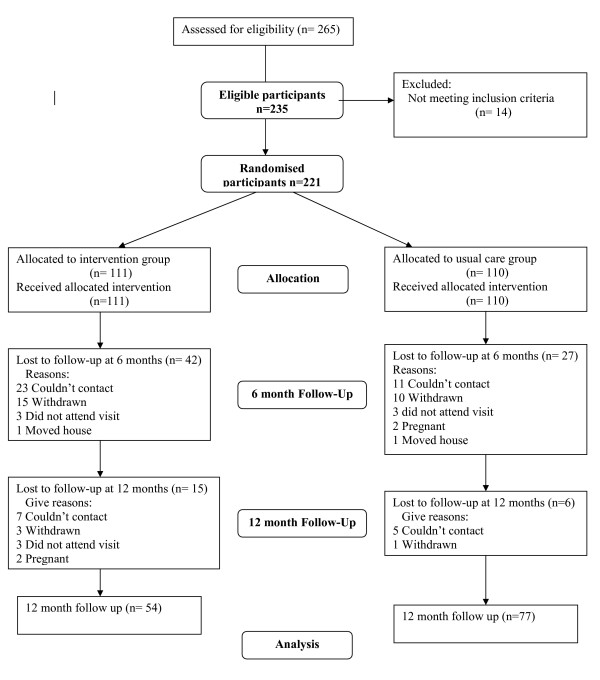
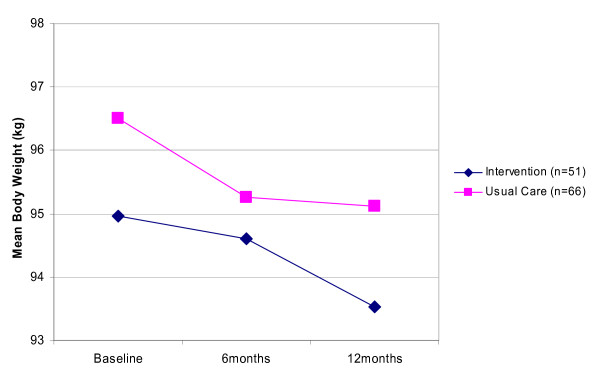
Background: Rising levels of obesity coupled with the limited success of currently available weight control methods highlight the need for investigation of novel approaches to obesity treatment. This study aims to determine the effectiveness and cost-effectiveness of an Internet-based resource for obesity management. Methods: A randomised controlled trial conducted in a community setting, where obese volunteers (n = 221) were randomly assigned to Internet group (n = 111) or usual care group (n = 110). Objective measures of weight and height were obtained. Questionnaires were used to collect dietary, lifestyle, physical activity and quality of life data. Data were collected at baseline, six months and 12 months. Results: Data were collected on 54 (49%) participants in the Internet group and 77 (70%) participants in the usual care group at 12 months. Based on analysis conducted on all available data, the Internet group lost 1.3 kg, compared with 1.9 kg weight loss in the usual care group at 12 months, a non-significant difference (difference = 0.6 kg; 95% CI: -1.4 to 2.5, p = 0.56). No significant differences in change in secondary outcome measures between the two groups at six or 12 months were revealed. Total costs per person per year were higher in the Internet group than the usual care group (£992.40 compared to £276.12), primarily due to the fixed costs associated with setting up the website, and QALYs were similar (0.78 and 0.77) for both groups. Conclusion: This trial failed to show any additional benefit of this website in terms of weight loss or secondary outcome measures compared with usual care. High attrition and low compliance limits the results of this research. The results suggest that the Internet-based weight control resource was not a cost-effective tool for weight loss in the obese sample studied. Trail Registration: ISRCTN 58621669
Overview
CoChat Summary
TL;DR
In this pragmatic randomized controlled trial of 221 obese volunteers, an Internet-based weight control website did not improve weight loss, secondary outcomes, or cost-effectiveness versus usual care. The website group lost 1.3 kg at 12 months versus 1.9 kg in usual care, and the difference was not significant.
Key findings
- At 12 months, weight loss was 1.3 kg in the Internet group versus 1.9 kg in the usual care group; the between-group difference was 0.6 kg (95% CI: -1.4 to 2.5, p = 0.56).
- No significant differences were found in secondary outcomes at 6 or 12 months, including physical activity, quality of life, dietary habits, or confidence.
- Attrition was high: measurements were obtained for 59% (n = 131) of the sample at 12 months, with response rates of 49% in the Internet group and 70% in usual care (p = 0.001).
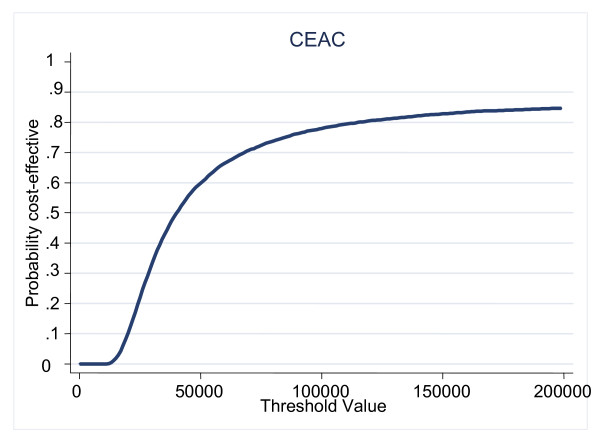
- Total costs per person per year were higher in the Internet group (£992.40 vs £276.12), while QALYs were similar (0.78 vs 0.77 in the abstract; 0.79 vs 0.77 in the results), and the incremental cost-effectiveness ratio was £39,248 per QALY.
Methods
- Pragmatic randomized controlled trial in a community setting among obese volunteers recruited from GP practices in Leeds, UK; 221 participants were randomized to Internet support (n = 111) or usual care (n = 110).
- Primary outcome was change in weight and BMI over 6 and 12 months; secondary outcomes included dietary/lifestyle behaviors, physical activity, quality of life, and confidence, with cost-effectiveness assessed using QALYs and societal costs.
- Analyses used t-tests/chi-squared tests for baseline and response differences, ANCOVA for 12-month outcomes, and sensitivity analyses with LOCF and BOCF; cost-effectiveness used a multi-level difference-in-difference model and CEACs.
Limitations
- The paper explicitly states that high attrition and low compliance limit the results of the research.
- The authors note limited use of the website as a likely reason the intervention did not show benefit.
- Evident from the text: blinding was not possible for participants or researchers, and follow-up data were incomplete (49% Internet vs 70% usual care at 12 months), which could bias estimates.
Model-written summary. Check it against the paper before relying on it.
Integrity signals
Registry
Cites
Statistics
Figures
Verification
Claims the paper makes
0 Valid · 0 Not valid · 15 Not checked · 43 Own results and interpretations
A result the paper reports from its own data — it cites no other source for it, so there is none to check. The quote shows it is in the paper.
In the paper
“When this fixed cost was excluded total costs were actually lower in the Internet group.”
§ The Internet for weight control in an obese sample: results of a randomised controlled trial > Results > Cost-effectiveness results
plain- Asserted: passes — The authors put it forward as true.
- Checkable: passes — It can be checked against evidence.
- Load-bearing: unclear — It is unclear whether the paper’s conclusions depend on it.
- Based: passes — The paper gives a reason why it holds.
A result the paper reports from its own data — it cites no other source for it, so there is none to check. The quote shows it is in the paper.
In the paper
“This is mainly due to the high fixed cost of setting up and running the program (£771 per participant in the Internet group), which made it substantially more costly than the usual care group to set up.”
§ The Internet for weight control in an obese sample: results of a randomised controlled trial > Discussion This trial aimed to test the effectiveness of a website designed for weight control, based on a self-help approach, in comparison to the standard weight control options available in a 'real life' setting and consequently to assess the feasibility of the resource as an adjunct for weight management. Although a significant weight loss was detected over the trial period, no difference in weight change between the two groups was detected. Weight losses reported in previous research studies using the Internet have not been as good as that reported for standard behavioural face to face therapy [27]. In a recent study by Womble et al comparing a commercially available online weight loss resource with a structured weight loss manual, the Internet group lost only 1.1% (sd = 4.0%) of their baseline weight by 12 months compared with a mean (sd) weight loss of 4.0 (5.1%) in the manual group [11]. The lack of intervention effect over and above what happened over time in both groups may be explained by the poor engagement with the intervention tool. With just over half the participants using the website at six months, only one third were using it at 12 months. Womble et al also reported minimal use of the intervention website [11]. Recent research has shown that participants are more likely to attend group sessions than use Internet chat rooms in a weight control trial [28]. However, despite high attrition and low utilisation, data collected as part of this research indicated that the majority of respondents (>60%) felt the website was clear/very clear and easy/very easy to use both at six and 12 months. Although the reasons for the decline in use of the resource are not known it is likely that the lack of traffic on the website led to a reduction in the activity on the website and thus reduced the ability of the resource to engage participants. It is expected that a larger sample size would have increased the 'traffic' on the website and consequently increased the social support element of the intervention. It is also possible that participant expectations were not met, thus leading to a decline in use of the intervention. It has been suggested that unmet goals and expectations can result in individuals abandoning their attempts to achieve weight loss [29]. An association between personalised feedback and success in weight loss has been established previously [30]. Increased personalised feedback could be one of the keys to increasing compliance and success of the Internet-based weight control resources. To increase compliance in web-based interventions, further investigation of the role of mechanisms known to increase compliance in traditional face-to-face interventions such as tailored feedback and professional and peer support of varying degrees should be investigated. Attrition in randomised trials of weight loss is recognised as a major issue in evaluating the effectiveness of weight control treatments [31]. An average attrition rate of 21% is typical in lifestyle interventions for weight loss [27], in a recent review of long term weight loss studies in obese adults losses to follow-up typically between 30–60% were reported [32]. An overall attrition rate of 40% in this trial was higher than anticipated. Attrition rates as high as 34% have been reported in weight loss trials using the Internet [11]. One possible reason such high attrition may be limited weight loss. Other Internet intervention studies achieving greater weight losses have demonstrated much lower attrition rates [9,12]. High attrition rates in obesity research limit the ability of trials to effectively evaluate treatments and present a major barrier in weight loss research. The implications of the high attrition rate on the results of this trial are difficult to predict, however the analyses demonstrate that the results are not sensitive to the different assumptions for missing data providing confidence in the data. As recommended by Womble et al future research should aim to evaluate such Internet-based weight control websites in the manner in which the public uses them, with much larger sample sizes in collaboration with industry as this is likely to make the intervention more engaging and thus induce compliance [11]. In previous studies the 'self care' approach has been shown to offer promising strategies for weight loss [33]. This resource offered participants the freedom to access the website at their convenience, according to their perceived need. Womble et al suggested lack of structure limited the potential benefits of eDiets.com [11] and this may be true for this resource also. The website aimed to offer a low maintenance weight loss tool with limited professional support. It is hypothesised that this lack of regular professional support may have reduced the potential success of this website and that, in keeping with other studies, a balance between Internet and personal contact may offer a more optimal approach for weight management. Also it has been suggested that such a self help approach may be more useful as an adjunct to more intensive treatment [33]. A recent study by Wing et al suggested the use of the Internet for prevention of weight regain but that more intensive face-to-face intervention may be required if weight is regained [34]. One potential barrier to the use of this resource was that the majority of this population did not use the Internet on a daily basis. With only a quarter of responders at six months reporting use of the Internet on a daily basis, targeting this resource to individuals who use the Internet more regularly and who have greater confidence in their ability to use it may be more appropriate. In addition future research should aim to investigate the potential role of such resources in different at risk sub-groups of the population including low-income groups and ethnic minorities.
plainstates a cause- Asserted: passes — The authors put it forward as true.
- Checkable: passes — It can be checked against evidence.
- Load-bearing: passes — The paper’s conclusions depend on it.
- Based: passes — The paper gives a reason why it holds.
A result the paper reports from its own data — it cites no other source for it, so there is none to check. The quote shows it is in the paper.
In the paper
“QALYs were similar (0.79 compared to 0.77).”
§ The Internet for weight control in an obese sample: results of a randomised controlled trial > Results > Cost-effectiveness results
plain- Asserted: passes — The authors put it forward as true.
- Checkable: passes — It can be checked against evidence.
- Load-bearing: passes — The paper’s conclusions depend on it.
- Based: passes — The paper gives a reason why it holds.
A result the paper reports from its own data — it cites no other source for it, so there is none to check. The quote shows it is in the paper.
In the paper
“ANCOVA using weight at 12 months as the dependent variable, adjusting for age, sex, baseline weight, baseline physical activity score and baseline confidence score revealed that the Internet group were 0.6 kg heavier (95% CI: -1.4 to 2.5, p = 0.56) than the usual care group after 12 months”
§ The Internet for weight control in an obese sample: results of a randomised controlled trial > Results > Change in weight and BMI
plain- Asserted: passes — The authors put it forward as true.
- Checkable: passes — It can be checked against evidence.
- Load-bearing: passes — The paper’s conclusions depend on it.
- Based: passes — The paper gives a reason why it holds.
A result the paper reports from its own data — it cites no other source for it, so there is none to check. The quote shows it is in the paper.
In the paper
“Participants' use of other weight control resources was recorded and no differences in use between the two groups were evident at six or 12 months.”
§ The Internet for weight control in an obese sample: results of a randomised controlled trial > Results > Use of the website by Internet group participants
plain- Asserted: passes — The authors put it forward as true.
- Checkable: passes — It can be checked against evidence.
- Load-bearing: unclear — It is unclear whether the paper’s conclusions depend on it.
- Based: passes — The paper gives a reason why it holds.
20 more claims
Create a free account to see all 58 claims and to verify the 22 references still open.
- It may state two separate claims as one. 26
- Probably not a substantial claim. 15
Claims other papers make about this one
Each is checked against this paper’s own text: does it say what the citing paper says it does?
The cited source says what the claim attributes to it.
In the citing paper
“A study from the UK assessed incremental cost effectiveness of an Internet-based obesity management program vs. usual care [11].”
From Cost Effectiveness of Internet Interventions: Review and Recommendations (2009) · cites this paper as [11]
Self-check
Percentages, sums and reported differences re-computed from the paper’s own numbers.
Each contradiction between two passages listed here was confirmed by an independent check.
Rated minor: it would not touch a result — a value no result rests on, a p-value that stays on the same side of the significance level, or a conflict that is clerical, resolved elsewhere in the paper, or outside its own findings.
In the paper
§ The Internet for weight control in an obese sample: results of a randomised controlled trial > Abstract > Results
“QALYs were similar (0.78 and 0.77) for both groups.”
§ The Internet for weight control in an obese sample: results of a randomised controlled trial > Results > Cost-effectiveness results
“QALYs were similar (0.79 compared to 0.77).”
Citations
Cites
(1998) · PsycEXTRA Dataset · doi:10.1037/e565682010-001 · Cited by 9,472
Cost-Effectiveness in Health and Medicine
(1996) · doi:10.1093/oso/9780195108248.001.0001 · Cited by 7,193
Kennedy, P. (1979) · Cited by 4,340
A short questionnaire for the measurement of habitual physical activity in epidemiological studies
Baecke, J., Burema, J., & Frijters, J. (1982) · The American Journal of Clinical Nutrition · doi:10.1093/ajcn/36.5.936 · Cited by 3,945 · cited 1×
“Physical activity level was assessed using the Baecke physical activity questionnaire which measures work, leisure and sports activity providing a comprehensive evaluation of habitual physical activity [19].”
Method(1998) · PubMed · Cited by 2,737
Costs, effects and C/E‐ratios alongside a clinical trial
Van Hout, B. A., Al, M. J., Gordon, G. S., & Rutten, F. F. H. (1994) · Health Economics · doi:10.1002/hec.4730030505 · Cited by 964
Using Internet technology to deliver a behavioral weight loss program
Tate, D. F. (2001) · JAMA · doi:10.1001/jama.285.9.1172 · Cited by 925 · cited 3×
“Other Internet intervention studies achieving greater weight losses have demonstrated much lower attrition rates [9,12].”
BackgroundA self-regulation program for maintenance of weight loss
Wing, R. R., Tate, D. F., Gorin, A. A., Raynor, H. A., & Fava, J. L. (2006) · New England Journal of Medicine · doi:10.1056/nejmoa061883 · Cited by 830 · cited 1×
“A recent study by Wing et al suggested the use of the Internet for prevention of weight regain but that more intensive face-to-face intervention may be required if weight is regained [34].”
BackgroundTate, D. F., Jackvony, E. H., & Wing, R. R. (2003) · JAMA · doi:10.1001/jama.289.14.1833 · Cited by 666 · cited 2×
“Other Internet intervention studies achieving greater weight losses have demonstrated much lower attrition rates [9,12].”
BackgroundDouketis, J. D., Macie, C., Thabane, L., & Williamson, D. F. (2005) · International Journal of Obesity · doi:10.1038/sj.ijo.0802982 · Cited by 665 · cited 1×
“An average attrition rate of 21% is typical in lifestyle interventions for weight loss [27], in a recent review of long term weight loss studies in obese adults losses to follow-up typically between 30–60% were reported [32].”
Background
Research works printed but not linked: 3
- Scottish Intercollegiate Guidelines Network Obesity in Scotland Integrating Prevention with weight management 1996 Report No.8.
- Mulvihill C Quigley R The management of overweight and obesity An analysis of reviews on diet, physical activity and behavioural approaches 2003 Health Development Agency, London Report No.1.
- Woodhouse A Calvert C Cade JE The UK Women's Cohort Study. Background and obtaining ethical approval Proc Nutr Soc 1997 56 64A
Cited by
Webb, T. L., Joseph, J., Yardley, L., & Michie, S. (2010) · Journal of Medical Internet Research · doi:10.2196/jmir.1376 · Cited by 2,517
“rejected because they reported additional effects of an intervention already included in the review (eg, [44]), 8 studies (1%) were rejected because intervention effects were reported in a manner that did not permit computation of an effect size (eg, [45]).”
BackgroundBrouwer, W., Kroeze, W., Crutzen, R., de Nooijer, J., de Vries, N. K., Brug, J., & Oenema, A. (2011) · Journal of Medical Internet Research · doi:10.2196/jmir.1639 · Cited by 455
“McConnon et al [58], 2007, United Kingdom 23.”
BackgroundMeta-analysis of internet-delivered interventions to increase physical activity levels
Davies, C. A., Spence, J. C., Vandelanotte, C., Caperchione, C. M., & Mummery, W. (2012) · International Journal of Behavioral Nutrition and Physical Activity · doi:10.1186/1479-5868-9-52 · Cited by 488
“, 2007 [32] Limited Nil ER, FB 31 51 15.”
MethodNeve, M., Morgan, P. J., Jones, P. R., & Collins, C. E. (2010) · Obesity Reviews · doi:10.1111/j.1467-789x.2009.00646.x · Cited by 459
“All but one study was conducted in the United States and this was conduced in the UK (14).”
BackgroundInfluentialWandersman, A., Chien, V. H., & Katz, J. (2012) · American Journal of Community Psychology · doi:10.1007/s10464-012-9509-7 · Cited by 422
Hutchesson, M. J., Rollo, M. E., Krukowski, R., Ells, L., Harvey, J., Morgan, P. J., Callister, R., Plotnikoff, R., & Collins, C. E. (2015) · Obesity Reviews · doi:10.1111/obr.12268 · Cited by 380
“Ten of these studies evaluated interventions that were delivered using eHealth only (21,29,35,37,38,41,44,46,47,52), seven of which were delivered primarily via a website (21,29,35,37,38, 44,47), two via mobile devices (one text message (41) and one text message plus application (46) ) and one using a combination of w…”
BackgroundCugelman, B., Thelwall, M., & Dawes, P. (2011) · Journal of Medical Internet Research · doi:10.2196/jmir.1367 · Cited by 323
“8 Obese persons 131 221 McConnon et al (2007) [3]”
Morrison, L. G., Yardley, L., Powell, J., & Michie, S. (2012) · Telemedicine and e-Health · doi:10.1089/tmj.2011.0062 · Cited by 290
“…contacts containing behavior change techniques 18,20,21,25,28,31,34 Tailoring based on more than one variable (e.g., theoretical, behavioral, or demographic) 20,21,28,29,33,35,41 Tailoring based on a large and varied number of constructs (e.g., several theoretical constructs) 18,20,29,30,34,36”
Beleigoli, A. M., Andrade, A. Q., Cançado, A. G., Paulo, M. N., Diniz, M. D. F. H., & Ribeiro, A. L. (2019) · Journal of Medical Internet Research · doi:10.2196/jmir.9609 · Cited by 278
“Moreover, 7 of the 11 retrieved studies showed ≥20% losses to follow-up, and unbalanced losses (intervention>control group) were present in 5 of the 11 studies [12,14,16,18,19].”
InfluentialCost Effectiveness of Internet Interventions: Review and Recommendations
Tate, D. F., Finkelstein, E. A., Khavjou, O., & Gustafson, A. (2009) · Annals of Behavioral Medicine · doi:10.1007/s12160-009-9131-6 · Cited by 261
“usual care [11].”
Expert panel report: Guidelines (2013) for the management of overweight and obesity in adults
(2014) · Obesity · doi:10.1002/oby.20660 · Cited by 257
A Review of Efficacious Technology-Based Weight-Loss Interventions: Five Key Components
Khaylis, A., Yiaslas, T., Bergstrom, J., & Gore-Felton, C. (2010) · Telemedicine and e-Health · doi:10.1089/tmj.2010.0065 · Cited by 218
Sakib, M. N., Zolfagharian, M., & Yazdanparast, A. (2020) · Journal of Retailing and Consumer Services · doi:10.1016/j.jretconser.2019.01.002 · Cited by 210
Warkentin, L. M., Das, D., Majumdar, S. R., Johnson, J. A., & Padwal, R. S. (2014) · Obesity Reviews · doi:10.1111/obr.12113 · Cited by 198
Wieland, L. S., Falzon, L., Sciamanna, C. N., Trudeau, K. J., Brodney Folse, S., Schwartz, J. E., & Davidson, K. W. (2012) · Cochrane Database of Systematic Reviews · doi:10.1002/14651858.cd007675.pub2 · Cited by 195
Bossen, D., Veenhof, C., Van Beek, K. E., Spreeuwenberg, P. M., Dekker, J., & De Bakker, D. H. (2013) · Journal of Medical Internet Research · doi:10.2196/jmir.2662 · Cited by 192
“Previous studies by Wanner et al [52] and Connon et al [53] showed that respectively 47% and 25% of the intervention subjects never logged in to their Web-based program.”
Desroches, S., Lapointe, A., Ratté, S., Gravel, K., Légaré, F., & Turcotte, S. (2013) · Cochrane Database of Systematic Reviews · doi:10.1002/14651858.cd008722.pub2 · Cited by 187
Santarossa, S., Kane, D., Senn, C. Y., & Woodruff, S. J. (2018) · Journal of Medical Internet Research · doi:10.2196/jmir.8480 · Cited by 172
A review of web-based weight loss interventions in adults
Arem, H., & Irwin, M. (2011) · Obesity Reviews · doi:10.1111/j.1467-789x.2010.00787.x · Cited by 172
“…support on the long-term maintenance of weight loss Hunter et al. (2008) (18) Weight management using the Internet a randomized controlled trial McConnon et al. (2007) (17) The Internet for weight control in an obese sample: results of a randomized controlled trial Rothert et al. (2006) (16)…”
BackgroundMethodInfluentialA Ubiquitous Chronic Disease Care system using cellular phones and the internet
Yoo, H. J., Park, M. S., Kim, T. N., Yang, S. J., Cho, G. J., Hwang, T. G., Baik, S. H., Choi, D. S., Park, G. H., & Choi, K. M. (2009) · Diabetic Medicine · doi:10.1111/j.1464-5491.2009.02732.x · Cited by 161
Kelly, J. T., Reidlinger, D. P., Hoffmann, T. C., & Campbell, K. L. (2016) · The American Journal of Clinical Nutrition · doi:10.3945/ajcn.116.136333 · Cited by 162
Duncan, M., Vandelanotte, C., Kolt, G. S., Rosenkranz, R. R., Caperchione, C. M., George, E. S., Ding, H., Hooker, C., Karunanithi, M., Maeder, A. J., et al. (2014) · Journal of Medical Internet Research · doi:10.2196/jmir.3107 · Cited by 149
“Low retention rates in IT-based studies are an acknowledged issue and the level of retention in this study is comparable to previous intervention studies [67-70]; as such, the low retention rate may not be an issue specific to the target population.”
Sherrington, A., Newham, J. J., Bell, R., Adamson, A., McColl, E., & Araujo‐Soares, V. (2016) · Obesity Reviews · doi:10.1111/obr.12396 · Cited by 138
“In addition to personalized feedback, two studies sent computer-generated messages when participants logged into the website (35,36).”
Internet-Based Physical Activity Interventions
Joseph, R. P., Durant, N. H., Benitez, T. J., & Pekmezi, D. W. (2014) · American Journal of Lifestyle Medicine · doi:10.1177/1559827613498059 · Cited by 142
“Most were conducted in the United States (n = 49), followed by Australia (n = 7), the Netherlands (n = 5),(28,45,52,56,79) Canada (n = 3),(33,50,59) and the United Kingdom (n = 2).(25,39) Other countries represented from studies included in the review were Belgium,(54) Germany,(71) Scotland,(51) South Korea,(29) Switz…”
BackgroundEffect of web-based lifestyle modification on weight control: a meta-analysis
Kodama, S., Saito, K., Tanaka, S., Horikawa, C., Fujiwara, K., Hirasawa, R., Yachi, Y., Iida, K., Shimano, H., Ohashi, Y., et al. (2011) · International Journal of Obesity · doi:10.1038/ijo.2011.121 · Cited by 151
Personalising nutritional guidance for more effective behaviour change
Celis-Morales, C., Lara, J., & Mathers, J. C. (2015) · Proceedings of the Nutrition Society · doi:10.1017/s0029665114001633 · Cited by 130
Internet-Based Behavioral Interventions for Obesity: An Updated Systematic Review
Manzoni, G. M., Pagnini, F., Corti, S., Molinari, E., & Castelnuovo, G. (2011) · Clinical Practice & Epidemiology in Mental Health · doi:10.2174/1745017901107010019 · Cited by 119
“…at 6 months 446 34 50 17,1 6 US air-force -0,50 -0,69 -0,32 BIT (Behavioral Internet Therapy) VS Usual care BMI change at 6 months -0,55 -0,74 -0,37 McConnon et al. 2007 Intenet (self-help) VS Usual Care Weight change at 6 months 221 45,8 77 41 12 Primary care -0,04 -0,31 0,22 Intenet (self-help)…”
BackgroundKrukowski, R. A., Tilford, J. M., Harvey‐Berino, J., & West, D. S. (2011) · Obesity · doi:10.1038/oby.2010.341 · Cited by 114
“(9), in their asynchronous behavioral Internet treatment, reported a cost of ~$1,479 per person compared with $706 per person in this study.”
BackgroundResultInfluentialEconomic Evaluation of Lifestyle Interventions for Preventing Diabetes and Cardiovascular Diseases
Saha, S., Gerdtham, U.-G., & Johansson, P. (2010) · International Journal of Environmental Research and Public Health · doi:10.3390/ijerph7083150 · Cited by 108
“The costs of developing a website [91] to motivate participants to increase physical activity can also make the cost-effectiveness ratio unattractive.”
Technology-Assisted Weight Loss Interventions in Primary Care: A Systematic Review
Levine, D. M., Savarimuthu, S., Squires, A., Nicholson, J., & Jay, M. (2015) · Journal of General Internal Medicine · doi:10.1007/s11606-014-2987-6 · Cited by 105
Brindal, E., Freyne, J., Saunders, I., Berkovsky, S., Smith, G., & Noakes, M. (2012) · Journal of Medical Internet Research · doi:10.2196/jmir.2156 · Cited by 104
“Other papers have reported low uptake of forums and social support and even suggested people prefer to meet face-to-face than virtually [15,18,44].”
Collins, C. E., Morgan, P. J., Jones, P., Fletcher, K., Martin, J., Aguiar, E. J., Lucas, A., Neve, M. J., & Callister, R. (2012) · Journal of Medical Internet Research · doi:10.2196/jmir.1980 · Cited by 102
“McConnon and colleagues found significant improvements in quality of life in Internet and usual-care groups with no significant difference between groups [33].”
BackgroundAvenell, A., Robertson, C., Skea, Z., Jacobsen, E., Boyers, D., Cooper, D., Aceves-Martins, M., Retat, L., Fraser, C., Aveyard, P., et al. (2018) · Health Technology Assessment · doi:10.3310/hta22680 · Cited by 99
Web-based treatment for infertility-related psychological distress
Sexton, M. B., Byrd, M. R., O’Donohue, W., & Jacobs, N. (2010) · Archives of Women s Mental Health · doi:10.1007/s00737-009-0142-x · Cited by 120
“Others have reported that web-based interventions were not successful at increasing physical activity or promoting weight loss (Kosma et al. 2005; McConnon et al. 2007) or maintaining long-term gains in pain reduction (Brattberg 2007).”
BackgroundResultRao, G., Burke, L. E., Spring, B. J., Ewing, L. J., Turk, M., Lichtenstein, A. H., Cornier, M.-A., Spence, J. D., Coons, M., & on behalf of the American Heart Association Obesity Committee of the Council on Nutrition, P. A. A. M. (2011) · Circulation · doi:10.1161/cir.0b013e31822b9543 · Cited by 90
Thomas, J. G., Leahey, T. M., & Wing, R. R. (2015) · Diabetes Care · doi:10.2337/dc14-1474 · Cited by 90
“Attrition was high in these studies, and weight losses were quite limited (14,15).”
BackgroundSelf-citationBossen, D., Buskermolen, M., Veenhof, C., de Bakker, D., & Dekker, J. (2013) · Journal of Medical Internet Research · doi:10.2196/jmir.2742 · Cited by 90
“This is consistent with other studies [7-16].”
Yardley, L., Ware, L. J., Smith, E. R., Williams, S., Bradbury, K. J., Arden-Close, E. J., Mullee, M. A., Moore, M. V., Peacock, J. L., Lean, M. E., et al. (2014) · International Journal of Behavioral Nutrition and Physical Activity · doi:10.1186/1479-5868-11-67 · Cited by 84
“The only UK study of Internet-based weight management in a (university) primary care setting observed slightly greater weight loss in the control group, and concluded that this was because no human support was provided [10].”
BackgroundSelf-Directed Interventions to Promote Weight Loss: A Systematic Review of Reviews
Tang, J., Abraham, C., Greaves, C., & Yates, T. (2014) · Journal of Medical Internet Research · doi:10.2196/jmir.2857 · Cited by 78
“Two studies suggested that Internet-based interventions could be effective and less expensive than alternative interventions [52,53].”
BackgroundPark, M.-J., & Kim, H. (2012) · International Journal of Medical Informatics · doi:10.1016/j.ijmedinf.2011.12.011 · Cited by 104
“Also, a ew computer-based or electronic-management systems have een reported to improve obesity care [16,17].”
BackgroundSelf-Help for Weight Loss in Overweight and Obese Adults: Systematic Review and Meta-Analysis
Hartmann-Boyce, J., Jebb, S. A., Fletcher, B. R., & Aveyard, P. (2015) · American Journal of Public Health · doi:10.2105/ajph.2014.302389 · Cited by 66
The Role of Cost-Effectiveness Analysis in Developing Nutrition Policy
Cobiac, L. J., Veerman, L. J., & Vos, T. (2013) · Annual Review of Nutrition · doi:10.1146/annurev-nutr-071812-161133 · Cited by 77
Jennings, C. A., Vandelanotte, C., Caperchione, C. M., & Mummery, W. K. (2014) · Preventive Medicine · doi:10.1016/j.ypmed.2013.12.011 · Cited by 64
“The large drop-out observed in the current study is cause for concern, and is a common issue among web-based programmes (Carr et al., 2008; Connelly et al., 2013; Kuijpers et al., 2013; Leslie et al., 2005; McConnon et al., 2007).”
BackgroundAlley, S., Jennings, C., Plotnikoff, R. C., & Vandelanotte, C. (2016) · Journal of Medical Internet Research · doi:10.2196/jmir.5664 · Cited by 65
“Furthermore, they are convenient for participants and enable the content to be delivered in a nonconfrontational manner [5-7].”
Luley, C., Blaik, A., Götz, A., Kicherer, F., Kropf, S., Isermann, B., Stumm, G., & Westphal, S. (2014) · Journal of the American College of Nutrition · doi:10.1080/07315724.2013.875437 · Cited by 64
Kremers, S., Reubsaet, A., Martens, M., Gerards, S., Jonkers, R., Candel, M., De Weerdt, I., & De Vries, N. (2010) · Obesity Reviews · doi:10.1111/j.1467-789x.2009.00598.x · Cited by 57
“Three studies included high-risk patients (44,45,47), and two studies were led by healthcare providers (43,46).”
BackgroundHersey, J., Khavjou, O., Strange, L. B., Atkinson, R. L., Blair, S. N., Campbell, S., Hobbs, C. L., Kelly, B., Fitzgerald, T. M., Kish‐Doto, J., et al. (2011) · Preventive Medicine · doi:10.1016/j.ypmed.2011.09.018 · Cited by 71
A pragmatic randomised controlled trial in primary care of the Camden Weight Loss (CAMWEL) programme
Nanchahal, K., Power, T., Holdsworth, E., Hession, M., Sorhaindo, A., Griffiths, U., Townsend, J., Thorogood, N., Haslam, D., Kessel, A., et al. (2012) · BMJ Open · doi:10.1136/bmjopen-2011-000793 · Cited by 52
“A total of 200 imputations were used to stabilise the results and to ensure negligible loss of power.(50) Analyses using only data on participants who completed 12-month follow-up were also conducted.”
Watson, S., Woodside, J. V., Ware, L. J., Hunter, S. J., McGrath, A., Cardwell, C. R., Appleton, K. M., Young, I. S., & McKinley, M. C. (2015) · Journal of Medical Internet Research · doi:10.2196/jmir.3828 · Cited by 52
“Some studies have suggested that an unstructured self-care approach may limit the potential benefit of Internet programs [30,31]; however, prescriptive dosage studies are likely to represent efficacy rather than effectiveness and do not help to understand the likely true public health impact of…”
Hutchesson, M., Morgan, P. J., & Collins, C. E. (2011) · Journal of Medical Internet Research · doi:10.2196/jmir.1756 · Cited by 53
“Program components include log-ins [12-20], self-monitoring of weight, diet and/or exercise [11,12,18,20-25], attendance at online meetings or chat sessions [12,22,25], forum posts [12,22], viewing online lessons [21], as well as overall website use [26].”
BackgroundMcConnon, Á., Kirk, S., & Ransley, J. K. (2009) · Journal of Nutrition Education and Behavior · doi:10.1016/j.jneb.2008.07.008 · Cited by 50
“Results of the main RCT are published elsewhere.(10) The aim of this paper is to report on the use and views of obese individuals attempting weight loss with access to a freely available (no fee for use) Internet-based weight loss resource, therefore this paper reports on the process evaluation component of the RCT an…”
BackgroundMethodSelf-citationMensorio›, M. S., Cebolla, A., Rodilla, E., Palomar, G., Lisón, J. F., Botella, C., Fernández‐Aranda, F., Jiménez‐Múrcia, S., & Baños, R. (2018) · International Journal of Medical Informatics · doi:10.1016/j.ijmedinf.2018.12.007 · Cited by 51
Technology-Assisted Weight Management Interventions: Systematic Review of Clinical Trials
Allen, J. K., Stephens, J., & Patel, A. (2014) · Telemedicine and e-Health · doi:10.1089/tmj.2014.0030 · Cited by 39
Nutritional Status and Diet in Cancer Prevention
Bail, J. R., Meneses, K., & Demark‐Wahnefried, W. (2016) · Seminars in Oncology Nursing · doi:10.1016/j.soncn.2016.05.004 · Cited by 47
Integrating user perspectives into the development of a web‐based weight management intervention
Yardley, L., Williams, S., Bradbury, K., Garip, G., Renouf, S., Ware, L., Dorling, H., Smith, E., & Little, P. (2012) · Clinical Obesity · doi:10.1111/cob.12001 · Cited by 39
Web-Based Weight Loss Intervention for Men With Type 2 Diabetes: Pilot Randomized Controlled Trial
Haste, A., Adamson, A. J., McColl, E., Araujo-Soares, V., & Bell, R. (2017) · JMIR Diabetes · doi:10.2196/diabetes.7430 · Cited by 39
Cost-effectiveness of a primary care intervention to treat obesity
Tsai, A. G., Wadden, T. A., Volger, S., Sarwer, D. B., Vetter, M., Kumanyika, S., Berkowitz, R. I., Diewald, L. K., Perez, J., Lavenberg, J., et al. (2013) · International Journal of Obesity · doi:10.1038/ijo.2013.94 · Cited by 37
Galekop, M. M. J., Groot, C. A. U., & Redekop, K. (2021) · Value in Health · doi:10.1016/j.jval.2020.12.006 · Cited by 42
“Most studies were performed in Europe (44% (n = 24)), of which 10 studies were in the UK.(33,35,41,49,53,55,56,58,59,61) Almost as many were performed in North America (n = 22 (42%)).”
BackgroundCost-effectiveness of telehealth-delivered diet and exercise interventions: A systematic review
Law, L., Kelly, J. T., Savill, H., Wallen, M. P., Hickman, I. J., Erku, D., & Mayr, H. L. (2022) · Journal of Telemedicine and Telecare · doi:10.1177/1357633x211070721 · Cited by 39
Waters, L., George, A. S., Chey, T., & Bauman, A. E. (2012) · BMC Medical Research Methodology · doi:10.1186/1471-2288-12-120 · Cited by 38
“Description of intervention trials included in “Weight change in the control group participants in behavioural weight loss interventions: A systematic review and meta-regression study [14-26,36-107].”
BackgroundAlley, S., Jennings, C. A., Persaud, N., Plotnikoff, R. C., Horsley, M., & Vandelanotte, C. (2014) · Frontiers in Public Health · doi:10.3389/fpubh.2014.00013 · Cited by 39
E-mail contact as an effective strategy in the maintenance of weight loss in adults
Thomas, D., Vydelingum, V., & Lawrence, J. (2010) · Journal of Human Nutrition and Dietetics · doi:10.1111/j.1365-277x.2010.01123.x · Cited by 35
“, 2008) Within the UK, dietitians have produced web-based information to support dietary change (Brotherton & Pinder, 2007; McConnon et al., 2007) but e-mail has not been used to as means of continuing contact.”
BackgroundSelf-directed interventions to promote weight loss: a systematic review and meta-analysis
Tang, J. C. H., Abraham, C., Greaves, C. J., & Nikolaou, V. (2016) · Health Psychology Review · doi:10.1080/17437199.2016.1172979 · Cited by 32
“Only one of the trials (McConnon et al., 2007) considered here included an economic evaluation and they found that a self-directed internet-based intervention cost £716.”
BackgroundInfluentialKelly, J. T., Law, L., Guzman, K. R. D., Hickman, I. J., Mayr, H. L., Campbell, K. L., Snoswell, C. L., & Erku, D. (2023) · Nutrition Reviews · doi:10.1093/nutrit/nuad032 · Cited by 37
Faruqi, N., Spooner, C., Joshi, C., Lloyd, J. E., Dennis, S. M., Stocks, N. P., Taggart, J., & Harris, M. (2015) · BMC Obesity · doi:10.1186/s40608-015-0035-7 · Cited by 41
“There were six studies with one or one main deliverer of the intervention [19,24,25,28,30,31].”
BackgroundMethodInfluentialde Sousa, P. M. L., Fonseca, H., Gaspar, P. J. S., & Gaspar, F. (2015) · European Journal of Pediatrics · doi:10.1007/s00431-015-2502-z · Cited by 32
“While the study of Isabelle, Christelle, Patrick, Tony, Martial and Alain [19] found an improvement in the quality of life in obese patients undergoing a self-help program based on the Internet, other studies [22] did not show any additional benefit from the use of e-therapy in terms of quality of life compared to the…”
ResultRecent Advances in Internet-Delivered, Evidence-Based Weight Control Programs for Adults
Krukowski, R. A., West, D. S., & Harvey‐Berino, J. (2009) · Journal of Diabetes Science and Technology · doi:10.1177/193229680900300122 · Cited by 35
Reporting of Telehealth-Delivered Dietary Intervention Trials in Chronic Disease: Systematic Review
Warner, M. M., Kelly, J. T., Reidlinger, D. P., Hoffmann, T., & Campbell, K. L. (2017) · Journal of Medical Internet Research · doi:10.2196/jmir.8193 · Cited by 28
“Of the 37 trials, 29 evaluated one experimental intervention [7,8,14,28-53], 4 trials evaluated two experimental interventions [54-57], and 4 trials evaluated three experimental interventions [58-61].”
Phelan, S., Brannen, A., Erickson, K. A., Diamond, M. A., Schaffner, A. A., Muñoz‐Christian, K., Stewart, A., Sanchez, T., Rodríguez, V., Ramos, D. I., et al. (2015) · Trials · doi:10.1186/s13063-015-0573-9 · Cited by 30
“Less intensive internet-based weight loss programs available to the general public (for example, interactive dieting websites) that do not provide personalized feedback have had very limited effects [51,52].”
BackgroundSmith, K. J., Kuo, S., Zgibor, J. C., McTigue, K. M., Hess, R., Bhargava, T. D., & Bryce, C. L. (2016) · Preventive Medicine · doi:10.1016/j.ypmed.2016.02.036 · Cited by 32
Tzelepis, F., Mitchell, A., Wilson, L., Byrnes, E., Haschek, A., Leigh, L., & Oldmeadow, C. J. (2021) · Journal of Medical Internet Research · doi:10.2196/23513 · Cited by 25
25th European Congress on Obesity, Vienna, Austria, May 23-26, 2018: Abstracts
Bosch-Druck (2018) · Obesity Facts · doi:10.1159/000489691 · Cited by 32
Griffiths, U. K., Anigbogu, B., & Nanchahal, K. (2012) · Applied Health Economics and Health Policy · doi:10.2165/11599250-000000000-00000 · Cited by 29
“McConnon et al.([37]) Behavioural 30 419 1 1”
MethodGill, S. K., Contreras, O., Muñoz, R. F., & Leykin, Y. (2014) · Internet Interventions · doi:10.1016/j.invent.2014.02.003 · Cited by 23
“, 2005), obesity (McConnon et al., 2007), diabetes (McKay, King, Eakin, Seeley, & Glasgow, 2001), insomnia (Ritterband et al.”
Marek, K. D., Adams, S. J., Stetzer, F., Popejoy, L., & Rantz, M. (2010) · Research in Nursing & Health · doi:10.1002/nur.20378 · Cited by 27
Baños, R., Mensorio›, M. S., Cebolla, A., Rodilla, E., Palomar, G., Lisón, J. F., & Botella, C. (2015) · BMC Cardiovascular Disorders · doi:10.1186/s12872-015-0078-1 · Cited by 25
“The sample size for this project was based on the effect size found in previous studies [23, 33–35].”
MethodAlley, S., Jennings, C. A., Plotnikoff, R. C., & Vandelanotte, C. (2014) · BMC Public Health · doi:10.1186/1471-2458-14-738 · Cited by 26
“Health behaviour change interventions delivered via the internet have the potential to reach a large audience at low-cost, they are convenient for participants and enable the content to be delivered in a non-confrontational way [9-11].”
BackgroundKemp, B. J., Thompson, D. R., Watson, C. J., McGuigan, K., Woodside, J. V., & Ski, C. F. (2021) · Preventive Medicine · doi:10.1016/j.ypmed.2021.106608 · Cited by 23
Hankey, C. R. (2009) · Proceedings of The Nutrition Society · doi:10.1017/s0029665109991844 · Cited by 27
“A UK study located with the National Health Service attempted to deliver a weight-management programme that incorporated advice on diet and physical activity and behavioural therapy and provided some tools to support and sustain behaviour change; some advice was personalised((12)).”
MethodUsability of a web-based personal nutrition management tool
Bozkurt, S., Zayim, N., Gülkesen, K. H., Samur, M., Karaağaoğlu, N., & Saka, O. (2011) · Informatics for Health and Social Care · doi:10.3109/17538157.2011.553296 · Cited by 24
Use of the internet in the treatment of obesity and prevention of type 2 diabetes in primary care
McTigue, K. M., & Conroy, M. B. (2012) · Proceedings of The Nutrition Society · doi:10.1017/s0029665112002777 · Cited by 20
Psychological Treatments for Obesity in Youth and Adults
Presti, R. L., Lai, J., Hildebrandt, T., & Loeb, K. L. (2010) · Mount Sinai Journal of Medicine A Journal of Translational and Personalized Medicine · doi:10.1002/msj.20205 · Cited by 22
Boyle, B. R., Ablett, A. D., Ochi, C., Hudson, J., Watson, L., Rauh, D., & Avenell, A. (2022) · International Journal of Gynecology & Obstetrics · doi:10.1002/ijgo.14597 · Cited by 21
Vegting, I. L., Schrijver, E. J. M., Otten, R. H. J., & Nanayakkara, P. W. B. (2013) · European Journal of Internal Medicine · doi:10.1016/j.ejim.2013.08.008 · Cited by 23
Cavill, J., Jancey, J. M., & Howat, P. A. (2012) · Global Health Promotion · doi:10.1177/1757975912441227 · Cited by 19
“Age ranges varied, with six studies reporting general age ranges of between 18 and 65 years (31); 18 and 60 years (21); 22 and 66 years (29); 25 and 70 years (28); 26 and 77 years (30); and 35 and 50 years (32) respectively.”
BackgroundInfluentialAssessing the costs and cost-effectiveness of ICare internet-based interventions (protocol)
Beecham, J., Bonin, E.-M., Görlich, D., Baños, R., Beintner, I., Buntrock, C., Bolinski, F., Botella, C., Ebert, D. D., Herrero, R., et al. (2019) · Internet Interventions · doi:10.1016/j.invent.2018.02.009 · Cited by 13
Nunns, M., Febrey, S., Abbott, R. A., Buckland, J., Whear, R., Shaw, L., Bethel, A. C., Boddy, K., Coon, J. T., & Meléndez‐Torres, G. J. (2025) · Journal of Medical Internet Research · doi:10.2196/65443 · Cited by 17
“[83].”
Wang, H., Kenkel, D., Graham, M. L., Paul, L. C., Folta, S. C., Nelson, M. E., Strogatz, D. S., & Seguin‐Fowler, R. A. (2019) · BMC Health Services Research · doi:10.1186/s12913-019-4117-y · Cited by 13
“One study reported about 13,700–15,300US$ (6-month time frame) per life-year gained from the society perspective [40]; and another study reported about 51,700US$ (12-month time frame) per QALY with an unclear study perspective [41].”
BackgroundA systematic review of the cost-effectiveness of non-surgical obesity interventions in men
Boyers, D., Avenell, A., Stewart, F. J., Robertson, C., Archibald, D., Douglas, F., Hoddinott, P., & van Teijlingen, E. (2015) · Obesity Research & Clinical Practice · doi:10.1016/j.orcp.2015.03.001 · Cited by 16
“Most other analyses on men only Primary care An E-learning device, based on that reported in McConnon et al, 2007 [32], used to provide advice, tools and information to support behavior change in dietary and exercise patterns.”
MethodProblems and Factors Affecting the Sexual Lives of Patients with Multiple Sclerosis Living in Turkey
Akkuş, Y., & Duru, G. (2011) · Sexuality and Disability · doi:10.1007/s11195-010-9191-3 · Cited by 13
Smart technologies for older people
Morris, M. E. (2012) · Cited by 15
Berry, M. P., Chwyl, C., Metzler, A. L., Sun, J. H., Dart, H., & Forman, E. M. (2022) · Health Psychology Review · doi:10.1080/17437199.2022.2125038 · Cited by 13
Lim, S. S. (2014) · Journal of Obesity & Weight loss Therapy · doi:10.4172/2165-7904.1000235 · Cited by 10
“When compared to no-intervention control, one study found that internet-based intervention was more effective in long-term weight management [32] but other studies failed to find a significant difference between the groups [33,34].”
ResultAshwell, M., Howarth, E., Chesters, D., Allan, P., Hoyland, A., & Walton, J. (2014) · Obesity Facts · doi:10.1159/000369193 · Cited by 9
Online social marketing: website factors in behavioural change
Cugelman, B. (2010) · Wolverhampton Intellectual Repository and E-Theses (University of Wolverhampton) · Cited by 22
An evaluation of an Internet-based approach to weight loss with low glycaemic load principles
Collinson, A., Lindley, R., Campbell, A., Waters, I. R., Lindley, T., & Wallace, A. J. (2010) · Journal of Human Nutrition and Dietetics · doi:10.1111/j.1365-277x.2010.01138.x · Cited by 8
“Some researchers investigating the Internet as a tool for delivering weight-loss advice have reported poor engagement with the use of the Internet programme (Harvey-Berino et al., 2002; Womble et al., 2004; McConnon et al., 2007).”
BackgroundInfluentialKelly, J. T., Reidlinger, D. P., Hoffmann, T., & Campbell, K. L. (2015) · Systematic Reviews · doi:10.1186/s13643-015-0170-8 · Cited by 9
“A telehealth lifestyle intervention may involve the provision of lifestyle education or advice to an individual or group of individuals remotely via the telephone [14], computer, and the Internet [15–17], videos [18], email [19], and/or mobile phone applications including text, photo messages (short message service (S…”
BackgroundThe website-based eaTracker®‘My Goals’ feature: a qualitative evaluation
Lieffers, J. R. L., Haresign, H., Mehling, C., Arocha, J. F., & Hanning, R. M. (2016) · Public Health Nutrition · doi:10.1017/s1368980016003220 · Cited by 9
Ruiz-Cortés, M., Múzquiz-Barberá, P., Herrero, R., Vara, M. D., Escrivá‐Martínez, T., Carcelén, R., Rodilla, E., Baños, R., & Lisón, J. F. (2023) · Nutrients · doi:10.3390/nu15071624 · Cited by 7
“Although this finding is frequently observed in online interventions, it is still worth discussing as it presents a significant obstacle to their broader adoption [64,65].”
BackgroundClinical Practice Guideline for the Management of Overweight and Obesity in Adults in Saudi Arabia
Alshaikh, A., Al-Jedai, A. H., Alfadda, A. A., Al-Robayan, A. A., Bawahab, A., Abo’ouf, S., Sultan, A., Alhozali, A. M., Bawazeer, M. A., Sheshah, E., et al. (2022) · International Journal of Clinical Medicine · doi:10.4236/ijcm.2022.1312045 · Cited by 9
Metadata
- Authors
- McConnon, Á., Kirk, S. F., Cockroft, J. E., Harvey, E. L., Greenwood, D. C., Thomas, J. D., Ransley, J. K., & Bojke, L.
- Affiliations
- University of Surrey (GB)
- University of Leeds (GB)
- University of York (GB)
- Corresponding author
- McConnon, Áine
- Venue
- BMC Health Services Research
- Published
- 2007-12
- Volume
- 7
- Issue
- 1
- Pages
- 206-206
- ISSN
- 1472-6963 (ISSN-L)
- PMC
- PMC2228294
- OpenAlex
- W2060146440
- Cited by
- 124
- References
- 31
- Citations by year
- 2026: 2 · 2025: 2 · 2024: 1 · 2023: 2 · 2022: 4 · 2021: 4 · 2020: 1 · 2019: 2 · 2018: 7 · 2017: 3 · 2016: 8 · 2015: 11 · 2014: 18 · 2013: 12 · 2012: 15
- FWCI
- 12.46
- Type
- journal article
- Language
- en
- Open access
- gold
- doi.org
- Licence
- cc-by
- creativecommons.org/licenses/by/2.0 (tdm)
- creativecommons.org/licenses/by/2.0 (vor, 18 d)
- Locations
- BMC Health Services Research (publishedVersion, cc-by)
- PubMed Central (publishedVersion, cc-by)
- PubMed (publishedVersion)
- White Rose Research Online (University of Leeds, The University of Sheffield, University of York) (acceptedVersion)
- DOAJ (DOAJ: Directory of Open Access Journals) (submittedVersion)
- Topics
- Health Sciences › Health Professions › General Health Professions › Mobile Health and mHealth Applications
- Health Sciences › Medicine › Public Health, Environmental and Occupational Health › Obesity, Physical Activity, Diet
- Health Sciences › Medicine › Pharmacology (medical) › Pharmacology and Obesity Treatment
- Keywords
- obesity, weight loss, online health interventions, cost-effectiveness, quality-adjusted life years, dietary behaviour, physical activity, lifestyle, attrition
- MeSH terms
- Adult, Attitude to Health, Cost-Benefit Analysis, Data Collection, Diet, Female, Health Promotion, Humans, Life Style, Male, Middle Aged, Motor Activity, Obesity, Outcome and Process Assessment, Health Care, Surveys and Questionnaires, Weight Loss, Quality-Adjusted Life Years, Internet
About these checks
Registry, retraction, Cites and statistics results are computed, not judged, with one exception: a printed reference that no index lists is read once by a model before it counts as a citation error. Claims are extracted by a model and kept only when their quote appears verbatim in the text; each cited source is then checked, with a model’s help, for whether it says what the claim relies on. Those verdicts can be wrong — read the claim’s quote and the cited source before relying on one.
A language model drew the claims from the paper on 2026-10-11, under version 3 of the claim definition (model deepseek-v4.1-flash, prompt extract-v3).
A second model labelled each claim on 2026-10-11 (model jev-1.13-20260917, definition revision gold-guideline-v0.2).
Statistics and arithmetic are recomputed, not judged.
Confidence bands are shown only for fields calibrated on our annotated test set. None is calibrated yet, so no band is shown.
What counts as a claim ›How we measure confidence ›How we check this ›
Are you an author, or do you see a problem with this page? Request a review
Data sources
Bibliographic data: Semantic Scholar, OpenAlex, Crossref.
Contains information from the Semantic Scholar Academic Graph Datasets, made available under the ODC Attribution License (ODC-BY 1.0).
Semantic Scholar’s data is described in: Kinney, R., et al. (2023). The Semantic Scholar Open Data Platform. arXiv:2301.10140.
