

The DOI matches its Crossref record; 2 of the 2 references it cites were found in a registry or an index.
Mesenchymal stem cells avoid allogeneic rejection
Abstract
Adult bone marrow derived mesenchymal stem cells offer the potential to open a new frontier in medicine. Regenerative medicine aims to replace effete cells in a broad range of conditions associated with damaged cartilage, bone, muscle, tendon and ligament. However the normal process of immune rejection of mismatched allogeneic tissue would appear to prevent the realisation of such ambitions. In fact mesenchymal stem cells avoid allogeneic rejection in humans and in animal models. These finding are supported by in vitro co-culture studies. Three broad mechanisms contribute to this effect. Firstly, mesenchymal stem cells are hypoimmunogenic, often lacking MHC-II and costimulatory molecule expression. Secondly, these stem cells prevent T cell responses indirectly through modulation of dendritic cells and directly by disrupting NK as well as CD8+ and CD4+ T cell function. Thirdly, mesenchymal stem cells induce a suppressive local microenvironment through the production of prostaglandins and interleukin-10 as well as by the expression of indoleamine 2,3,-dioxygenase, which depletes the local milieu of tryptophan. Comparison is made to maternal tolerance of the fetal allograft, and contrasted with the immune evasion mechanisms of tumor cells. Mesenchymal stem cells are a highly regulated self-renewing population of cells with potent mechanisms to avoid allogeneic rejection.
Overview
The claims and statistics of this paper haven’t been checked yet.
Run the check — free, no account needed. It reads the open-access text and checks the sources it cites.
Integrity signals
Registry
Cites
Statistics
Figures
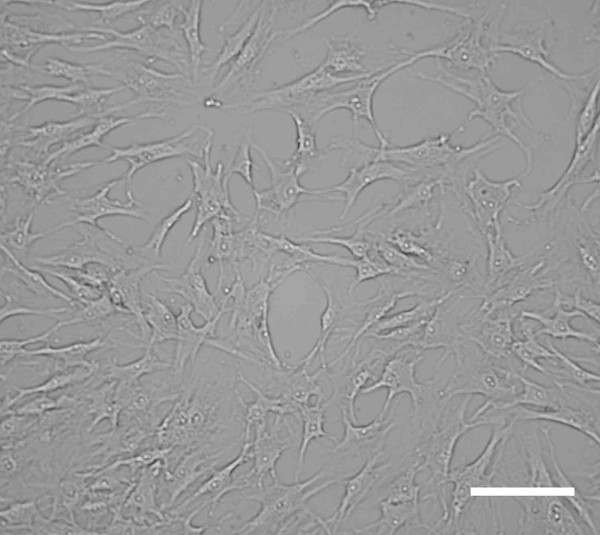
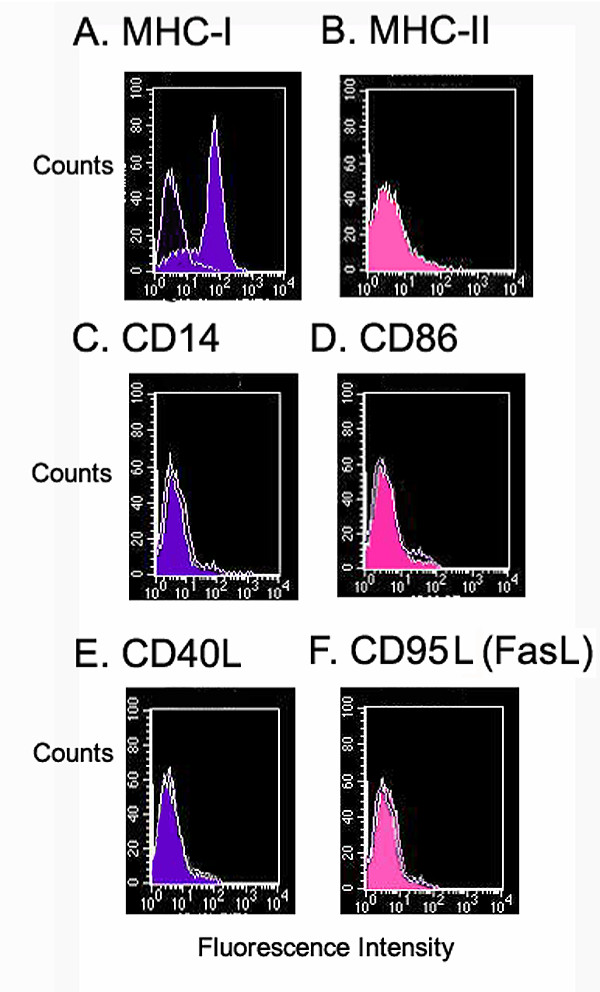
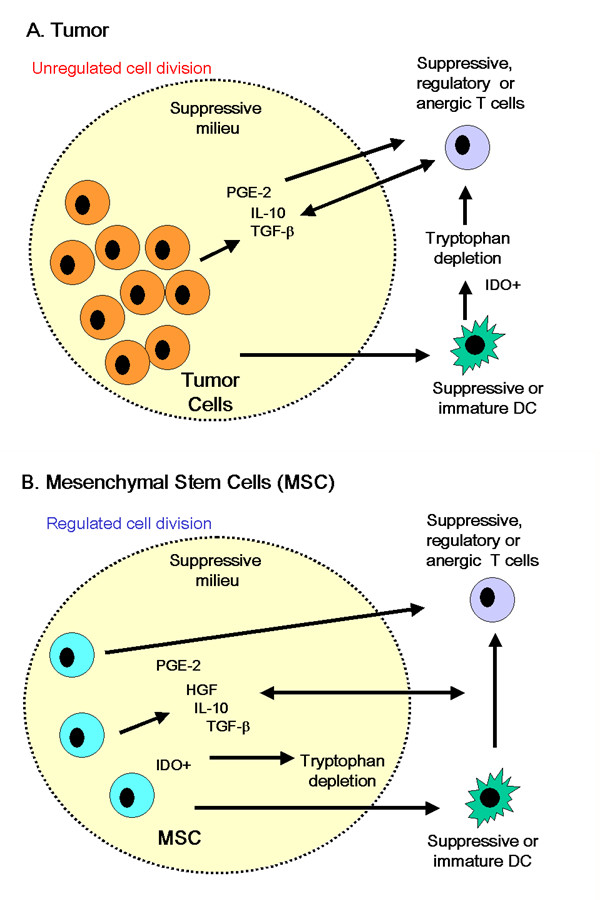
Verification
Claims the paper makes
The claims and statistics of this paper haven’t been checked yet.
Run the check — free, no account needed. It reads the open-access text and checks the sources it cites.
Claims other papers make about this one
Each is checked against this paper’s own text: does it say what the citing paper says it does?
The check wasn’t confident either way, so it gives no verdict — never disputed.
In the citing paper
“We used preadipocytes for transplantation since these cells appear to be less susceptible to immune rejection than other cell types26, a reason for their increasing clinical use in cell transplantation studies.”
From Senolytics improve physical function and increase lifespan in old age (2018) · cites this paper as [26]
Experimental — accuracy not yet measured
Self-check
Percentages, sums and reported differences re-computed from the paper’s own numbers.
The self-check needs the paper’s full text.
Citations
Cites
Human mesenchymal stem cells modulate allogeneic immune cell responses
Aggarwal, S., & Pittenger, M. F. (2005) · Blood · doi:10.1182/blood-2004-04-1559 · Cited by 4,511
Ido expression by dendritic cells: tolerance and tryptophan catabolism
Mellor, A. L., & Munn, D. H. (2004) · Nature Reviews Immunology · doi:10.1038/nri1457 · Cited by 2,341
Research works printed but not linked: 110
- Mosca JD, Hendricks JK, Buyaner D, Davis-Sproul J, Chuang LC, Majumdar MK, Chopra R, Barry F, Murphy M, Thiede MA, Junker U, Rigg RJ, Forestell SP, Bohnlein E, Storb R, Sandmaier BM: Mesenchymal stem cells as vehicles for gene delivery. Clin Orthop Relat Res. 2000, S71-90.
- Barry FP, Murphy JM: Mesenchymal stem cells: clinical applications and biological characterization. Int J Biochem Cell Biol. 2004, 36: 568-584. · DOI
- Drukker M, Benvenisty N: The immunogenicity of human embryonic stem-derived cells. Trends Biotechnol. 2004, 22: 136-141. · DOI
- Shizuru JA, Negrin RS, Weissman IL: Hematopoietic stem and progenitor cells: Clinical and Preclinical Regeneration of the Hematolymphoid System. Annu Rev Med. 2005, 56: 509-538. · DOI
- Pittenger MF, Mackay AM, Beck SC, Jaiswal RK, Douglas R, Mosca JD, Moorman MA, Simonetti DW, Craig S, Marshak DR: Multilineage potential of adult human mesenchymal stem cells. Science. 1999, 284: 143-147. · DOI · Paper page
- Friedenstein AJP, Petrokova KV: Osteogenesis in transplants of bone marrow cells. Journal of Embyological Experimental Morphology. 1966, 16: 381-390.
- Jiang Y, Jahagirdar BN, Reinhardt RL, Schwartz RE, Keene CD, Ortiz-Gonzalez XR, Reyes M, Lenvik T, Lund T, Blackstad M, Du J, Aldrich S, Lisberg A, Low WC, Largaespada DA, Verfaillie CM: Pluripotency of mesenchymal stem cells derived from adult marrow. Nature. 2002, 418: 41-49. · DOI
- Reyes M, Verfaillie CM: Characterization of multipotent adult progenitor cells, a subpopulation of mesenchymal stem cells. Ann N Y Acad Sci. 2001, 938: 231-233. · DOI
- Jorgensen C, Gordeladze J, Noel D: Tissue engineering through autologous mesenchymal stem cells. Curr Opin Biotechnol. 2004, 15: 406-410. · DOI
- Jorgensen C, Djouad F, Apparailly F, Noel D: Engineering mesenchymal stem cells for immunotherapy. Gene Ther. 2003, 10: 928-931. · DOI
- Pawelec G, Rehbein A, Schlotz E, Friccius H, Pohla H: Cytokine modulation of TH1/TH2 phenotype differentiation in directly alloresponsive CD4+ human T cells. Transplantation. 1996, 62: 1095-1101. · DOI
- Wood KJ, Sakaguchi S: Regulatory T cells in transplantation tolerance. Nat Rev Immunol. 2003, 3: 199-210. · DOI
- Barry FP, Murphy JM, English K, Mahon BP: Immunogenicity of adult mesenchymal stem cells: lessons from the fetal allograft. Stem cells and development. 2005, in press:
- Niederkorn JY, Peeler JS, Ross J, Callanan D: The immunogenic privilege of corneal allografts. Reg Immunol. 1989, 2: 117-124.
- van den Eynde B, Gaugler B, van der Bruggen P, Coulie P, Brichard V, Boon T: Human tumor antigens recognised by T cells: perspectives for new cancer vaccines. Biochemical Society Transactions. 1995, 23: 681-686. · DOI
- Koc ON, Day J, Nieder M, Gerson SL, Lazarus HM, Krivit W: Allogeneic mesenchymal stem cell infusion for treatment of metachromatic leukodystrophy (MLD) and Hurler syndrome (MPS-IH). Bone Marrow Transplant. 2002, 30: 215-222. · DOI
- Koc ON, Gerson SL, Cooper BW, Dyhouse SM, Haynesworth SE, Caplan AI, Lazarus HM: Rapid hematopoietic recovery after coinfusion of autologous-blood stem cells and culture-expanded marrow mesenchymal stem cells in advanced breast cancer patients receiving high-dose chemotherapy. J Clin Oncol. 2000, 18: 307-316. · DOI
- Horwitz EM, Prockop DJ, Gordon PL, Koo WW, Fitzpatrick LA, Neel MD, McCarville ME, Orchard PJ, Pyeritz RE, Brenner MK: Clinical responses to bone marrow transplantation in children with severe osteogenesis imperfecta. Blood. 2001, 97: 1227-1231. · DOI
- Bartholomew A, Sturgeon C, Siatskas M, Ferrer K, McIntosh K, Patil S, Hardy W, Devine S, Ucker D, Deans R, Moseley A, Hoffman R: Mesenchymal stem cells suppress lymphocyte proliferation in vitro and prolong skin graft survival in vivo. Exp Hematol. 2002, 30: 42-48. · DOI
- Saito T, Kuang JQ, Bittira B, Al-Khaldi A, Chiu RC: Xenotransplant cardiac chimera: immune tolerance of adult stem cells. Ann Thorac Surg. 2002, 74: 19-24. · DOI
- Deng W, Han Q, Liao L, Li C, Ge W, Zhao Z, You S, Deng H, Zhao RC: Allogeneic bone marrow-derived flk-1+Sca-1- mesenchymal stem cells leads to stable mixed chimerism and donor-specific tolerance. Exp Hematol. 2004, 32: 861-867. · DOI
- Potian JA, Aviv H, Ponzio NM, Harrison JS, Rameshwar P: Veto-like activity of mesenchymal stem cells: functional discrimination between cellular responses to alloantigens and recall antigens. J Immunol. 2003, 171: 3426-3434. · DOI
- Zhang W, Ge W, Li C, You S, Liao L, Han Q, Deng W, Zhao RC: Effects of Mesenchymal Stem Cells on Differentiation, Maturation, and Function of Human Monocyte-Derived Dendritic Cells. Stem Cells Dev. 2004, 13: 263-271. · DOI
- Krampera M, Glennie S, Dyson J, Scott D, Laylor R, Simpson E, Dazzi F: Bone marrow mesenchymal stem cells inhibit the response of naive and memory antigen-specific T cells to their cognate peptide. Blood. 2003, 101: 3722-3729. · DOI
- Jiang XX, Zhang Y, Liu B, Zhang SX, Wu Y, Yu XD, Mao N: Human mesenchymal stem cells inhibit differentiation and function of monocyte-derived dendritic cells. Blood. 2005, in press:
- Le Blanc K, Tammik C, Rosendahl K, Zetterberg E, Ringden O: HLA expression and immunologic properties of differentiated and undifferentiated mesenchymal stem cells. Exp Hematol. 2003, 31: 890-896. · DOI
- Tse WT, Pendleton JD, Beyer WM, Egalka MC, Guinan EC: Suppression of allogeneic T-cell proliferation by human marrow stromal cells: implications in transplantation. Transplantation. 2003, 75: 389-397. · DOI
- Carlin LM, Eleme K, McCann FE, Davis DM: Intercellular transfer and supramolecular organization of human leukocyte antigen C at inhibitory natural killer cell immune synapses. J Exp Med. 2001, 194: 1507-1517. · DOI
- Onfelt B, Nedvetzki S, Yanagi K, Davis DM: Cutting edge: Membrane nanotubes connect immune cells. J Immunol. 2004, 173: 1511-1513. · DOI
- Vanherberghen B, Andersson K, Carlin LM, Nolte-'t Hoen EN, Williams GS, Hoglund P, Davis DM: Human and murine inhibitory natural killer cell receptors transfer from natural killer cells to target cells. Proc Natl Acad Sci U S A. 2004, 101: 16873-16878. · DOI
- Ruggeri L, Capanni M, Martelli MF, Velardi A: Cellular therapy: exploiting NK cell alloreactivity in transplantation. Curr Opin Hematol. 2001, 8: 355-359. · DOI
- Hunt JS, Petroff MG, Morales P, Sedlmayr P, Geraghty DE, Ober C: HLA-G in reproduction: studies on the maternal-fetal interface. Hum Immunol. 2000, 61: 1113-1117. · DOI
- Ristich V, Liang S, Zhang W, Wu J, Horuzsko A: Tolerization of dendritic cells by HLA-G. Eur J Immunol. 2005, 35: 1133-1142. · DOI
- Moretta L, Moretta A: Killer immunoglobulin-like receptors. Curr Opin Immunol. 2004, 16: 626-633. · DOI
- Parham P: Killer cell immunoglobulin-like receptor diversity: balancing signals in the natural killer cell response. Immunol Lett. 2004, 92: 11-13. · DOI
- Gomez-Lozano N, de Pablo R, Puente S, Vilches C: Recognition of HLA-G by the NK cell receptor KIR2DL4 is not essential for human reproduction. Eur J Immunol. 2003, 33: 639-644. · DOI
- Gotherstrom C, Ringden O, Tammik C, Zetterberg E, Westgren M, Le Blanc K: Immunologic properties of human fetal mesenchymal stem cells. Am J Obstet Gynecol. 2004, 190: 239-245. · DOI
- Majumdar MK, Keane-Moore M, Buyaner D, Hardy WB, Moorman MA, McIntosh KR, Mosca JD: Characterization and functionality of cell surface molecules on human mesenchymal stem cells. J Biomed Sci. 2003, 10: 228-241. · DOI
- Devine SM, Hoffman R: Role of mesenchymal stem cells in hematopoietic stem cell transplantation. Curr Opin Hematol. 2000, 7: 358-363. · DOI
- Djouad F, Plence P, Bony C, Tropel P, Apparailly F, Sany J, Noel D, Jorgensen C: Immunosuppressive effect of mesenchymal stem cells favors tumor growth in allogeneic animals. Blood. 2003, 102: 3837-3844. · DOI · Paper page
- Beyth S, Borovsky Z, Mevorach D, Liebergall M, Gazit Z, Aslan H, Galun E, Rachmilewitz J: Human mesenchymal stem cells alter antigen-presenting cell maturation and induce T-cell unresponsiveness. Blood. 2005, 105: 2214-2219. · DOI
- Di Nicola M, Carlo-Stella C, Magni M, Milanesi M, Longoni PD, Matteucci P, Grisanti S, Gianni AM: Human bone marrow stromal cells suppress T-lymphocyte proliferation induced by cellular or nonspecific mitogenic stimuli. Blood. 2002, 99: 3838-3843. · DOI · Paper page
- Guinan EC, Gribben JG, Boussiotis VA, Freeman GJ, Nadler LM: Pivotal role of the B7:CD28 pathway in transplantation tolerance and tumor immunity. Blood. 1994, 84: 3261-3282. · DOI
- Steinman RM, Nussenzweig MC: Avoiding horror autotoxicus: the importance of dendritic cells in peripheral T cell tolerance. Proc Natl Acad Sci U S A. 2002, 99: 351-358. · DOI
- Mills KH: Regulatory T cells: friend or foe in immunity to infection?. Nat Rev Immunol. 2004, 4: 841-855. · DOI
- Steinman RM: The dendritic cell system and its role in immunogenicity. Annu Rev Immunol. 1991, 9: 271-296. · DOI
- Steinman RM, Inaba K, Turley S, Pierre P, Mellman I: Antigen capture, processing, and presentation by dendritic cells: recent cell biological studies. Hum Immunol. 1999, 60: 562-567. · DOI
- Mahon BP, Katrak K, Nomoto A, Macadam AJ, Minor PD, Mills KHG: Poliovirus-specific CD4+ Th1 clones with both cytotoxic and helper activity mediate protective humoral immunity against a lethal poliovirus infection in transgenic mice expressing the human poliovirus receptor. J Exp Med. 1995, 181: 1285-1292. · DOI
- Thompson C, Powrie F: Regulatory T cells. Curr Opin Pharmacol. 2004, 4: 408-414. · DOI
- Wood KJ, Jones ND, Bushell AR, Morris PJ: Alloantigen-induced specific immunological unresponsiveness. Philos Trans R Soc Lond B Biol Sci. 2001, 356: 665-680. · DOI
- Glennie S, Soeiro I, Dyson PJ, Lam EW, Dazzi F: Bone marrow mesenchymal stem cells induce division arrest anergy of activated T cells. Blood. 2005, 105: 2821-2827. · DOI
- Wells AD, Walsh MC, Bluestone JA, Turka LA: Signaling through CD28 and CTLA-4 controls two distinct forms of T cell anergy. J Clin Invest. 2001, 108: 895-903. · DOI
- Otten GR, Germain RN: Split anergy in a CD8+ T cell: receptor-dependent cytolysis in the absence of interleukin-2 production. Science. 1991, 251: 1228-1231. · DOI
- Nash AA, Ashford NP: Split T-cell tolerance in herpes simplex virus-infected mice and its implication for anti-viral immunity. Immunology. 1982, 45: 761-767.
- Martinez C, Smith JM: Split Tolerance. Nature. 1964, 202: 508-509. · DOI
- Masson D, Tschopp J: A family of serine esterases in lytic granules of cytolytic T lymphocytes. Cell. 1987, 49: 679-685. · DOI
- Ljunggren HG, Karre K: In search of the 'missing self': MHC molecules and NK cell recognition. Immunol Today. 1990, 11: 237-244. · DOI · Paper page
- Rasmusson I, Ringden O, Sundberg B, Le Blanc K: Mesenchymal stem cells inhibit the formation of cytotoxic T lymphocytes, but not activated cytotoxic T lymphocytes or natural killer cells. Transplantation. 2003, 76: 1208-1213. · DOI
- Dormady SP, Bashayan O, Dougherty R, Zhang XM, Basch RS: Immortalized multipotential mesenchymal cells and the hematopoietic microenvironment. J Hematother Stem Cell Res. 2001, 10: 125-140. · DOI
- Zhang Y, Li CD, Jiang XX, Li HL, Tang PH, Mao N: Comparison of mesenchymal stem cells from human placenta and bone marrow. Chin Med J (Engl). 2004, 117: 882-887.
- Haynesworth SE, Baber MA, Caplan AI: Cytokine expression by human marrow-derived mesenchymal progenitor cells in vitro: effects of dexamethasone and IL-1 alpha. J Cell Physiol. 1996, 166: 585-592. · DOI
- Silva WAJ, Covas DT, Panepucci RA, Proto-Siqueira R, Siufi JL, Zanette DL, Santos AR, Zago MA: The profile of gene expression of human marrow mesenchymal stem cells. Stem Cells. 2003, 21: 661-669. · DOI
- Kuroiwa T, Kakishita E, Hamano T, Kataoka Y, Seto Y, Iwata N, Kaneda Y, Matsumoto K, Nakamura T, Ueki T, Fujimoto J, Iwasaki T: Hepatocyte growth factor ameliorates acute graft-versus-host disease and promotes hematopoietic function. J Clin Invest. 2001, 107: 1365-1373. · DOI
- Taniguchi F, Harada T, Deura I, Iwabe T, Tsukihara S, Terakawa N: Hepatocyte growth factor promotes cell proliferation and inhibits progesterone secretion via PKA and MAPK pathways in a human granulosa cell line. Mol Reprod Dev. 2004, 68: 335-344. · DOI
- Xin X, Yang S, Ingle G, Zlot C, Rangell L, Kowalski J, Schwall R, Ferrara N, Gerritsen ME: Hepatocyte growth factor enhances vascular endothelial growth factor-induced angiogenesis in vitro and in vivo. Am J Pathol. 2001, 158: 1111-1120. · DOI
- Ono I, Yamashita T, Hida T, Jin HY, Ito Y, Hamada H, Akasaka Y, Ishii T, Jimbow K: Local administration of hepatocyte growth factor gene enhances the regeneration of dermis in acute incisional wounds. J Surg Res. 2004, 120: 47-55. · DOI
- Chunmeng S, Tianmin C, Yongping S, Xinze R, Yue M, Jifu Q, Shufen L, Hui X, Chengji L: Effects of dermal multipotent cell transplantation on skin wound healing. J Surg Res. 2004, 121: 13-19. · DOI
- Le Blanc K, Rasmusson I, Gotherstrom C, Seidel C, Sundberg B, Sundin M, Rosendahl K, Tammik C, Ringden O: Mesenchymal stem cells inhibit the expression of CD25 (interleukin-2 receptor) and CD38 on phytohaemagglutinin-activated lymphocytes. Scand J Immunol. 2004, 60: 307-315. · DOI
- Neuss S, Becher E, Woltje M, Tietze L, Jahnen-Dechent W: Functional expression of HGF and HGF receptor/c-met in adult human mesenchymal stem cells suggests a role in cell mobilization, tissue repair, and wound healing. Stem Cells. 2004, 22: 405-414. · DOI
- Azuma H, Takahara S, Matsumoto K, Ichimaru N, Wang JD, Moriyama T, Waaga AM, Kitamura M, Otsuki Y, Okuyama A, Katsuoka Y, Chandraker A, Sayegh MH, Nakamura T: Hepatocyte growth factor prevents the development of chronic allograft nephropathy in rats. J Am Soc Nephrol. 2001, 12: 1280-1292. · DOI
- Rasmusson I, Ringden O, Sundberg B, Le Blanc K: Mesenchymal stem cells inhibit lymphocyte proliferation by mitogens and alloantigens by different mechanisms. Exp Cell Res. 2005, in press:
- Asseman C, Powrie F: Interleukin 10 is a growth factor for a population of regulatory T cells. Gut. 1998, 42: 157-158. · DOI
- Ennis DP, Cassidy JP, Mahon BP: Prior Bordetella pertussis infection modulates allergen priming and the severity of airway pathology in a murine model of allergic asthma. Clin Exp Allergy. 2004, 34: 1488-1497. · DOI
- Mahon BP, Ryan M, Griffin F, McGuirk P, Mills KHG: IL-12 is produced by macrophages in response to live or killed Bordetella pertussis and enhances the efficacy of an acellular pertussis vaccine by promoting the induction of Th1 cells. Infect Immun. 1996, 64: 5295-5301. · DOI
- Flynn MA, Casey DG, Todryk SM, Mahon BP: Efficient delivery of small interfering RNA for inhibition of IL-12p40 expression in vivo. Journal of Inflammation. 2004, 1: 4- · DOI
- Pretolani M, Goldman M: IL-10: a potential therapy for allergic inflammation. Immunol Today. 1997, 18: 277-280. · DOI
- Higgins SC, Lavelle EC, McCann C, Keogh B, McNeela E, Byrne P, O'Gorman B, Jarnicki A, McGuirk P, Mills KH: Toll-like receptor 4-mediated innate IL-10 activates antigen-specific regulatory T cells and confers resistance to Bordetella pertussis by inhibiting inflammatory pathology. J Immunol. 2003, 171: 3119-3127. · DOI
- McGuirk P, Mills KHG: Direct anti-inflammatory effect of a bacterial virulence factor:IL-10-dependent suppression of IL-12 production by filamentous haemagglutinin from Bordetella pertussis. Eur J Immunol. 2000, 30: 415-422. · DOI
- Gollnick SO, Cheng HL, Grande CC, Thompson D, Tomasi TB: Effects of transforming growth factor-beta on bone marrow macrophage Ia expression induced by cytokines. J Interferon Cytokine Res. 1995, 15: 485-491. · DOI
- Ruegemer JJ, Ho SN, Augustine JA, Schlager JW, Bell MP, McKean DJ, Abraham RT: Regulatory effects of transforming growth factor-beta on IL-2- and IL-4-dependent T cell-cycle progression. J Immunol. 1990, 144: 1767-1776. · DOI
- Arikawa T, Omura K, Morita I: Regulation of bone morphogenetic protein-2 expression by endogenous prostaglandin E2 in human mesenchymal stem cells. J Cell Physiol. 2004, 200: 400-406. · DOI
- Roper RL, Ludlow JW, Phipps RP: Prostaglandin E2 inhibits B lymphocyte activation by a cAMP-dependent mechanism: PGE-inducible regulatory proteins. Cell Immunol. 1994, 154: 296-308. · DOI
- Akasaki Y, Liu G, Chung NH, Ehtesham M, Black KL, Yu JS: Induction of a CD4+ T regulatory type 1 response by cyclooxygenase-2-overexpressing glioma. J Immunol. 2004, 173: 4352-4359. · DOI
- Colgan SP: Lipid mediators in epithelial cell-cell interactions. Cell Mol Life Sci. 2002, 59: 754-760. · DOI
- Munn DH, Mellor AL, Rossi M, Young JW: Dendritic cells have the option to express IDO-mediated suppression or not. Blood. 2005, 105: 2618- · DOI
- Munn DH, Mellor AL: IDO and tolerance to tumors. Trends Mol Med. 2004, 10: 15-18. · DOI
- Mellor AL, Munn DH: Tryptophan catabolism prevents maternal T cells from activating lethal anti-fetal immune responses. J Reprod Immunol. 2001, 52: 5-13. · DOI
- Meisel R, Zibert A, Laryea M, Gobel U, Daubener W, Dilloo D: Human bone marrow stromal cells inhibit allogeneic T-cell responses by indoleamine 2,3-dioxygenase-mediated tryptophan degradation. Blood. 2004, 103: 4619-4621. · DOI
- Frumento G, Rotondo R, Tonetti M, Damonte G, Benatti U, Ferrara GB: Tryptophan-derived catabolites are responsible for inhibition of T and natural killer cell proliferation induced by indoleamine 2,3-dioxygenase. J Exp Med. 2002, 196: 459-468. · DOI · Paper page
- Strand S, Galle PR: Immune evasion by tumours: involvement of the CD95 (APO-1/Fas) system and its clinical implications. Mol Med Today. 1998, 4: 63-68. · DOI
- Mitra R, Singh S, Khar A: Antitumour immune responses. Expert Rev Mol Med. 2003, 2003: 1-22. · DOI
- Fujiwara K, Higashi T, Nouso K, Nakatsukasa H, Kobayashi Y, Uemura M, Nakamura S, Sato S, Hanafusa T, Yumoto Y, Naito I, Shiratori Y: Decreased expression of B7 costimulatory molecules and major histocompatibility complex class-I in human hepatocellular carcinoma. J Gastroenterol Hepatol. 2004, 19: 1121-1127. · DOI
- Jung D, Hilmes C, Knuth A, Jaeger E, Huber C, Seliger B: Gene transfer of the Co-stimulatory molecules B7-1 and B7-2 enhances the immunogenicity of human renal cell carcinoma to a different extent. Scand J Immunol. 1999, 50: 242-249. · DOI
- Ninomiya T, Akbar SM, Masumoto T, Horiike N, Onji M: Dendritic cells with immature phenotype and defective function in the peripheral blood from patients with hepatocellular carcinoma. J Hepatol. 1999, 31: 323-331. · DOI
- Rosenberg SA: The development of new immunotherapies for the treatment of cancer using interleukin-2. A review. Ann Surg. 1988, 208: 121-135. · DOI
- Nakamura K, Kitani A, Fuss I, Pedersen A, Harada N, Nawata H, Strober W: TGF-beta 1 plays an important role in the mechanism of CD4+CD25+ regulatory T cell activity in both humans and mice. J Immunol. 2004, 172: 834-842. · DOI
- Ranges GE, Figari IS, Espevik T, Palladino MAJ: Inhibition of cytotoxic T cell development by transforming growth factor beta and reversal by recombinant tumor necrosis factor alpha. J Exp Med. 1987, 166: 991-998. · DOI
- van der Pouw Kraan TC, Boeije LC, Snijders A, Smeenk RJ, Wijdenes J, Aarden LA: Regulation of IL-12 production by human monocytes and the influence of prostaglandin E2. Ann N Y Acad Sci. 1996, 795: 147-157. · DOI
- Chang HL, Gillett N, Figari I, Lopez AR, Palladino MA, Derynck R: Increased transforming growth factor beta expression inhibits cell proliferation in vitro, yet increases tumorigenicity and tumor growth of Meth A sarcoma cells. Cancer Res. 1993, 53: 4391-4398.
- Walker PR, Saas P, Dietrich PY: Role of Fas ligand (CD95L) in immune escape: the tumor cell strikes back. J Immunol. 1997, 158: 4521-4524. · DOI
- O'Connell J, O'Sullivan GC, Collins JK, Shanahan F: The Fas counterattack: Fas-mediated T cell killing by colon cancer cells expressing Fas ligand. J Exp Med. 1996, 184: 1075-1082. · DOI
- Niehans GA, Brunner T, Frizelle SP, Liston JC, Salerno CT, Knapp DJ, Green DR, Kratzke RA: Human lung carcinomas express Fas ligand. Cancer Res. 1997, 57: 1007-1012.
- Liu J, Lu XF, Wan L, Li YP, Li SF, Zeng LY, Zeng YZ, Cheng LH, Lu YR, Cheng JQ: Suppression of human peripheral blood lymphocyte proliferation by immortalized mesenchymal stem cells derived from bone marrow of Banna Minipig inbred-line. Transplant Proc. 2004, 36: 3272-3275. · DOI
- Mackay AM, Beck SC, Murphy JM, Barry FP, Chichester CO, Pittenger MF: Chondrogenic differentiation of cultured human mesenchymal stem cells from marrow. Tissue Eng. 1998, 4: 415-428. · DOI
- Murphy JM, Fink DJ, Hunziker EB, Barry FP: Stem cell therapy in a caprine model of osteoarthritis. Arthritis Rheum. 2003, 48: 3464-3474. · DOI
- Thorpe SJ, Thein SL, Sampietro M, Craig JE, Mahon BP, Huehns ER: Immunochemical estimation of haemoglobin types in red blood cells by FACS analysis. British Journal of Haematology. 1994, 87: 125-131. · DOI
- McGuirk P, Mahon BP, Griffin F, Mills KHG: Compartmentalization of T cell responses following respiratory infection with Bordetella pertussis: hyporesponsiveness of lung T cells is associated with modulated expression of the costimulatory molecule CD28. European Journal of Immunology. 1998, 28: 153-163. · DOI
- Ryan M, McCathy L, Mahon BP, Rappuoli R, Mills KHG: Mechanism of adjuvanticity of pertussis toxin (PT): PT potentiates Th1 and Th2 responses by stimulating regulatory and accessory cytokine secretion and enhancing expression of the co-stimulatory molecules B7-1, B7-2 and CD28. International Immunology. 1998, 10: 651-662. · DOI
- Yang L, Carbone DP: Tumor-host immune interactions and dendritic cell dysfunction. Adv Cancer Res. 2004, 92: 13-27. · DOI
- Mapara MY, Sykes M: Tolerance and cancer: mechanisms of tumor evasion and strategies for breaking tolerance. J Clin Oncol. 2004, 22: 1136-1151. · DOI
Cited by
Sorted by citations
Senolytics improve physical function and increase lifespan in old age
Xu, M., Pirtskhalava, T., Farr, J. N., Weigand, B. M., Palmer, A. K., Weivoda, M. M., Inman, C. L., Ogrodnik, M. B., Hachfeld, C. M., Fraser, D. G., et al. (2018) · Nature Medicine · doi:10.1038/s41591-018-0092-9 · Cited by 2,287
Mesenchymal stem cell secretome: toward cell-free therapeutic strategies in regenerative medicine
Vizoso, F., Eiro, N., Cid, S., Schneider, J., & Perez-Fernandez, R. (2017) · International Journal of Molecular Sciences · doi:10.3390/ijms18091852 · Cited by 1,363
The journey of islet cell transplantation and future development
Gamble, A., Pepper, A. R., Bruni, A., & Shapiro, A. M. J. (2018) · Islets · doi:10.1080/19382014.2018.1428511 · Cited by 171
Mesenchymal Stromal Cell Therapies for Neurodegenerative Diseases
Staff, N. P., Jones, D. T., & Singer, W. (2019) · Mayo Clinic Proceedings · doi:10.1016/j.mayocp.2019.01.001 · Cited by 150
Li, J., Zhang, Q., Wang, W., Lin, F., Wang, S., & Zhao, J. (2021) · Journal of Neurology · doi:10.1007/s00415-020-10138-5 · Cited by 128
Grau-Vorster, M., Laitinen, A., Nystedt, J., & Vives, J. (2019) · Stem Cell Research & Therapy · doi:10.1186/s13287-019-1279-9 · Cited by 61
Mesenchymal stem cell therapy as a game-changer in liver diseases: review of current clinical trials
Huang, W.-C., Li, Y.-C., Chen, P.-X., Ma, K. S.-K., & Wang, L.-T. (2025) · Stem Cell Research & Therapy · doi:10.1186/s13287-024-04127-y · Cited by 29
Bobyleva, P. I., Andreeva, E. R., Gornostaeva, A. N., & Buravkova, L. B. (2016) · Stem Cells International · doi:10.1155/2016/4726267 · Cited by 21
Metadata
- Authors
- Ryan, J. M., Barry, F. P., Murphy, J. M., & Mahon, B. P.
- Venue
- Journal of Inflammation
- Published
- 2005-07-26
- Volume
- 2
- Issue
- 1
- ISSN
- 1476-9255
- PMC
- PMC1215510
- Cited by
- 714
- References
- 2
- Language
- en
About these checks
Registry, retraction, Cites and statistics results are computed, not judged, with one exception: a printed reference that no index lists is read once by a model before it counts as a citation error. Claims are extracted by a model and kept only when their quote appears verbatim in the text; each cited source is then checked, with a model’s help, for whether it says what the claim relies on. Those verdicts can be wrong — read the claim’s quote and the cited source before relying on one.
Statistics and arithmetic are recomputed, not judged.
Confidence bands are shown only for fields calibrated on our annotated test set. None is calibrated yet, so no band is shown.
What counts as a claim ›How we measure confidence ›How we check this ›
Are you an author, or do you see a problem with this page? Request a review
